AN ABANDONED department store’s roof is being turned into a huge new attraction – after success in two other UK cities.
Freight Island will open at the abandoned Debenhams in Eldon Square Shopping Centre in Newcastle in June.
Sign up for the Travel newsletter
Thank you!
A new Freight Island food and entertainment venue will open in Newcastle in MayCredit: Refer to source
Costing £16million, the “island above the city centre” is set to become the largest food, drink, and entertainment venue in a UK city centre.
The venue itself will be on the top floor of the empty Debenhams store and span 5,574-square-metres.
Inside, the main hub called The Plant Room will boast communal areas for guests to dine under a retractable roof.
The Plant Room will feature 12 street food-style restaurants with specific brands including Meat: Stack, I Scream for Pizza, Miso, V.Goode Pies, Fab Bakery, Churros Kingdom, Fuku and Pita.
When it comes to grabbing a drink, there will be four bars including a specialist Aperitivo cocktail bar with cocktails on tap and Two by Two Brewing beers.
For music lovers, there will also be a 1,200 person venue called the Music Box, where touring acts, theatre shows, festivals and DJ sets will take place.
Reportedly, there will even be raves for kids, as well as multiple screens showing live sporting events.
When the new destination was announced last year, Co-founder and Managing Director of Freight Island, Dan Morris, said: “This venue has been designed with scale, prominence, and long-term investment in mind.
“We hope to replicate the huge success of Freight Island in Manchester, where it has already contributed over £30million to the local economy.
“This incredible venue in the heart of a very special city offers a truly exciting opportunity to create a cultural space that could become a focal point of Newcastle for years to come.”
Freight Island is already open in Manchester and, back in January, announced that it is opening a new site in the Trinity Leeds shopping centre.
Similar to the Newcastle venue, there will be street food-style stalls, bars and live entertainment.
There will also be an outdoor terrace looking over City Square.
Inside it will feature 12 street food-style restaurants, as well as a music venueCredit: Freight Island
Construction of the Leeds site is set to start in late spring.
And next month, Freight Island will open a venue in Brixton, south west London.
The rooftop destination will be able to host around 1,000 people and officially opens on May 7.
It is expected to be the capital’s largest rooftop venue with chef residencies, cocktail bars, live music, DJ sets, food festivals and major sports screenings, amongst other events.
For the upcoming World Cup, the rooftop will even have a dedicated World Cup Fanzone with screenings of the matches.
Other upcoming events include Reggae Brunch and Maggi Brunch.
There will also be four bars, including one where visitors can get cocktails on tapCredit: Refer to source
Similar to the Newcastle venue, Freight Island Brixton will have a number of speciality bars including the Casamigos ‘House of Friends’ and Hotel Milano – themed around much-loved Italian aperitivos.
Freight Island already has a destination in Manchester, located near Piccadilly Station.
It was the brand’s first venue, opening its doors back in July 2020.
WITH the UK’s unpredictable weather, summer always feels far away – but a new weather-proof attraction is soon opening in a popular seaside town.
A multi-activity indoor attraction is set to welcome people in a few months in Blackpool.
Sign up for the Travel newsletter
Thank you!
A new £3million attraction is opening in Blackpool this JuneCredit: Tenpin UKTenpin will feature 24 bowling lanes, as well as other activitiesCredit: Tenpin UK
Tenpin will feature 24 bowling lanes which can be used for parties, groups and casual play.
But there will also be other activities in the venue, including two karaoke rooms.
For those wanting to burn some steps there will be a laser tag arena too.
And if you like a challenge, there will be three immersive escape rooms to have a go at.
Families visiting with younger children can also use a soft play area and there will be an area for adult visitors as well, with interactive darts and pool tables.
To extend the fun, there will also be a fully equipped arcade.
While enjoying the different activities in the venue, visitors can enjoy a tipple from the cocktail bar and lounge area where live sport will be shown.
Laura Barlow, Regional Manager from Tenpin said: “This is a significant investment in Blackpool’s leisure offering and, most importantly, in its residents.
“We wanted to create a space that families, friends and local groups can use week in and week out.
“Blackpool deserves high-quality, modern entertainment that is accessible all year round, and this venue has been designed to deliver exactly that.”
Construction on the new venue has already started and the attraction will officially open on June 5.
Another new venue will be opening in Wakefield, also with 24 bowling lanes, two karaoke rooms, a laser tag arena, three escape rooms, an arcade area and pool tables.
Tenpin already has 58 sites across the UK.
A game of bowling usually costs around £9.95, when booked in advance, and often different venues have offers on, including ‘Tenpin Tuesdays’ where you can get 50 per cent off bowling and some drinks, and £10 Thursdays where you can get two games of bowling for a tenner.
Other activities include laser tag, karaoke rooms and immersive escape roomsCredit: Tenpin UK
If heading to Blackpool before June 5, there are plenty of other things you can do.
For example, you could head to Blackpool Pleasure Beach Resort, where from April 4 you can head to Twilight Thrills, where the park extends its opening hours until 9pm.
The Twilight Thrills evenings will also have live DJ sets, entertainment and roaming characters.
Between April 10 and 12, there will also be a three-day festival at the seaside attraction called Turn It Up Festival with music by Harry Styles and Sabrina Carpenter among others.
Tenpin isn’t the only project going on in Blackpool either.
The venue will officially open on June 5Credit: Tenpin UK
A HUGE new multi-million attraction based on chocolate is opening in Europe.
Maison Cailler, in Broc, Switzerland, is the home to Switzerland’s oldest chocolate brand as well as being a museum.
Sign up for the Travel newsletter
Thank you!
The redesigned future Parc Cailler is expected to attract over a million visitorsCredit: Urban ProjectThe historic chocolate factory site is being transformed into a 30,000 m² tourist parkCredit: Urban ProjectNew hotels and rides are part of the plans
And it has has revealed plans for a whole load of new experiences to expand the land.
One of the largest additions are the Cocoa Bean Greenhouses, which will have real cocoa trees for guests to learn about the processes of making of chocolate.
A new tasting hall and shop will become the Emporium, while a flying theatre like ride will let guests go on virtual flights throughout Switzerland.
Original parts of the factory dating back to 1898 are also being restored, with plans to open to the public for the first time as “chocolate theatres”.
And the current Atelier du Chocolate workshop is trippling in size to cope with the current demand.
Set to cost CHF400million (£379million), works could start this year with plans to open by 2030.
All of the new additions will turn the experience into a one-hour experience as long as six hours.
It hopes to more than double tourist numbers, from the current 500,000 to 1.2million a year.
Other plans include a new gondola connecting the attraction to the parking area, as well as new hotels.
President of the Gruyère-Chocolat Association behind the attraction, Olivier Quillet, emphasized that it wasn’t a theme park as they “wont have rollercoasters“.
Instead, he said: “We want to showcase the expertise, tradition, and heritage.
“From the moment they enter, visitors will be immersed in chocolate; they can taste it and watch it being crafted by master chocolatiers.”
HAVE you ever wanted to live out your favourite movie? Well, there actually is an attraction in the UK that lets you do this.
Secret Cinema is known for hosting immersive movie experiences in the UK’s capital.
Sign up for the Travel newsletter
Thank you!
Secret Cinema is planning to launch its first permanent venueCredit: Studio DJL & Dale Croft
Previous venues have included Battersea Park, Alexandra Palace and London Fields with shows including Grease, Stranger Things, Casino Royale, Guardians of the Galaxy, Dirty Dancing and even Bridgerton.
And now, Secret Cinema plans to create a permanent venue in Greenwich.
The purpose-built venue in North Greenwich, if approved, would open by the end of the year.
And the venue would be close to other popular destinations in Greenwich such as The O2 and the Troubadour Theatre, due to open in late 2026.
Merritt Baer, Artistic Director & Producer of Secret Cinema said: “Greenwich Peninsula is the perfect location for Secret Cinema’s long-term flagship home.
“We are committed to bringing world-class immersive experiences to London audiences and are thrilled to work with local businesses and partners to make this happen…
“We are looking forward to breaking ground on this venue and continuing to bring entertainment’s most loved stories to life.”
Secret Cinema hopes that Greenwich will become its permanent home “for up to 10 years”.
In addition to the potential permanent site, Secret Cinema has also announced that it is bringing back last year’s hit, Grease: The Immersive Movie Musical.
The experience will return to Battersea Park from July 22 to September 13.
Travel reporter Cyann Fielding visited last year’s Grease experience and said: “Secret Cinema’s Grease: The Immersive Movie Musical had immediately transported me out of London in 2025 and landed me in the world of Sandy and Danny in the 1950s.
“It felt like a time machine had dropped me into the world of Sandy and Danny, more than 65 years in the past.
“Guests can purchase carnival tokens, just like at a real fair, to enjoy the attractions at the experience.
The brand is known for creating immersive experiences based off of moviesCredit: Luke Dyson
“There was a Ferris wheel, flying chairs, hook-a-duck and even the iconic fun house from Sandy’s unforgettable transformation scene.
“Inside, the school’s gymnasium dominated the room, serving as the central stage for the night’s performance.
“Around the edges, themed bars and seating areas were scattered – each also playing a role in the experience.
“Rows of vintage cars had been converted into tables, the auto shop was slick with oil and the bleachers were ready for Patty Simcox to screech about school spirit.
“The experience kicks off with the film itself, but as key scenes played out, actors took to the stage to bring them to life, all before cutting back to the movie.
Secret Cinema also recently announced that it will be bringing Grease: The Immersive Movie Musical back for 2026Credit: Cyann Fielding
“My only criticism would be that at times it felt a little overwhelming to the senses – I found myself on occasions unsure where to look or what to listen to as the sound from the film, orchestra and actors sometimes battle against each other.
“Yet, the entire time my feet tapped and I couldn’t help but sing along.
“Both the dancing and singing throughout the experience was breathtakingly flawless.”
Unlike the usual West End shows in London, the Secret Cinema experience allows guests to stand and move around freely.
As you move around, so do the actors and they interact with you too, chatting while in full character.
Cyann added: “One student dropped by our table to rant about being ‘left out of Frenchy’s sleepover’ – dragging us directly into the drama.
Visitors get to walk around Rydell High, going on carnival rides, before heading into the gymnasium for the showCredit: Cyann Fielding
“For the finale, the audience was led back outside to the carnival.
“Sandy’s final transformation scene with song ‘You’re the One That I Want’ really did bring the house down complete with leather trousers and Shake Shack.”
A UK tourist attraction may start charging visitors an entry fee for the first time.
The historic site has cited increasing financial pressures as the reason behind the potential move.
Sign up for the Travel newsletter
Thank you!
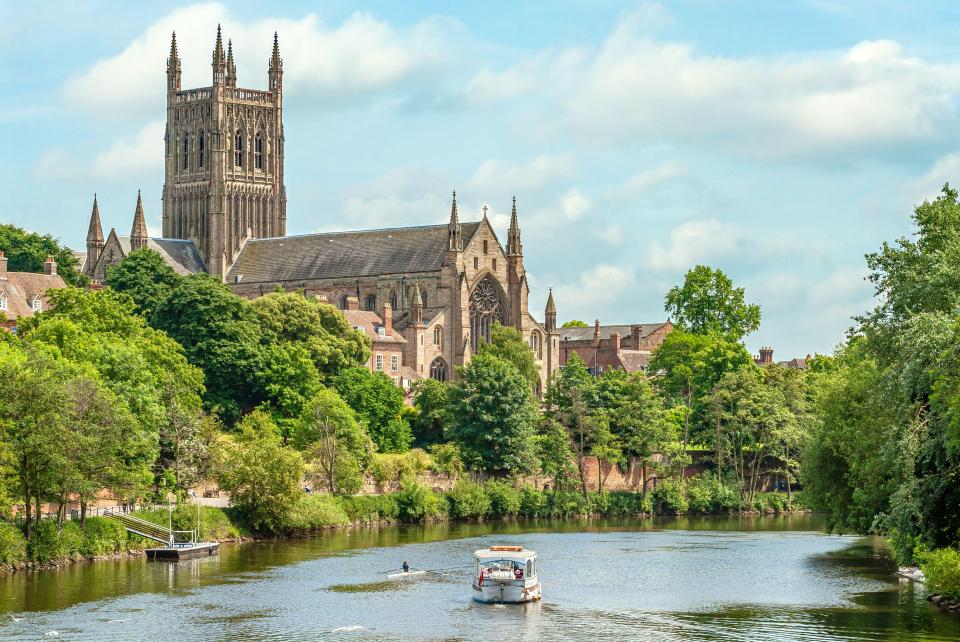
Worcester Cathedral is currently considering the implementation of an entry fee for the first timeCredit: Alamy
Worcester Cathedral has launched a consultation period to explore whether its annual 250,000 visitors could help with running costs.
The 1,300-year-old building, which is the resting place of historic figures such as King John and Prince Arthur Tudor, is the most visited attraction in Worcestershire.
According to the Worcester Cathedral website, the site is currently free to visit but there is a suggested donation of £7 for adult entry to the site.
Guided tours are also available, priced at around £8 per person, offering visitors additional information on the site’s history and architecture, as well as access to the tower.
Despite these revenue streams and the site’s popularity, the cathedral confirmed that its “current financial position is not sustainable over time”.
Total expenditure for the cathedral was recorded as £4.06million for the 2024-2025 financial year, while the site’s gross income came to £3.08million, leaving a funding gap of roughly £1million.
To tackle this, the cathedral is currently considering a mandatory entry charge, which it said would contribute to costs such as energy bills and maintenance, as well as staffing.
Speaking on the potential fee, Dean Stephen Edwards emphasised the cathedral would always remain a place of worship first and foremost, reports the BBC.
He assured local church-goers that access for prayer, services, and pastoral support would not be affected under any potential changes.
“Through this consultation we explore how we can invite appropriately those who visit primarily for heritage and tourism to contribute fairly towards the cost of maintaining the cathedral and its activities,” he said.
He went on to explain that Worcester Cathedral, like “many historic institutions”, is experiencing a rise in running and maintenance costs.
“While careful financial management and support from our endowment have enabled us to balance budgets in recent years, this has reduced our reserves and increased our reliance on investment income.”
The Dean added that diversifying income streams would help the cathedral to “remain resilient and financially sustainable”.
Worcester Cathedral is currently asking for the public’s views on the proposed entry fee via an online survey, which will remain open until Friday, April 10.
The survey stated that “no decisions have been taken” and did not include a potential price for the entry fee.
Other tourist attractions, including Rome’s Trevi Fountain, have recently brought in entry fees for the first time.
The cathedral explained that entry charges would contribute to everyday running costs of the site (stock image)Credit: Alamy
ONE of the UK’s biggest free museums has been named the most popular attraction in the UK.
The Natural History Museum in London has knocked off the British Museum from the top spot of most guests, with the Association of Leading Visitor Attractions (ALVA) revealing 7.1million people visited last year.
Sign up for the Travel newsletter
Thank you!
The Natural History Museum is the UK’s most popular attractionCredit: Alamy
This marked the best year in terms of visitors for the free attraction, with a 13 per cent rise compared to the previous year.
The attraction happens to be one of Travel Reporter Alice Penwill’s favourite free attractions in London.
She said: “Having been to the Natural History Museum recently, I’m not surprised it’s the UK’s most popular tourist attraction.
“Other London attractions are impressive, but you won’t ever forget walking in to see the skeleton of an 82-foot Blue Whale in the entryway.
“There’s something for everyone, whether you’re interested in fossils, reptiles and birds.
“My favourite part is The Vault where there are some of the most valuable treasures like diamonds, amethyst and gold crystals.
“There’s lots of green spaces outside too, and I saw lots of children enjoying the Evolution Garden with dinosaurs like a bronze Diplodocus that was installed a few years ago.”
Over the next couple of years, the Natural History Museum is also working on new openings.
A new Human Nature pop-up display will open in September 2026, inside a gallery that has been closed for 80 years.
Inside, visitors will be able to discover stories about human history and the natural world, with a number of specimens and historical objects on display that haven’t been seen before.
There will also be a prototype of one of the Crystal Palacedinosaurs, a monk seal called Jenny ‘the talking fish’ and a handaxe that was discovered alongside the remains of a woolly mammoth in 1859.
Later in 2027, there will be a new permanent gallery specifically for young children.
It will be designed for four to seven-year-olds with lots of hands-on interactive experiences about the natural world.
London, UK – February 15 2025: Visitors admire Dippy the iconic dinosaur skeleton situated in front of the grand Romanesque Revival architecture of the Natural History Museum in LondonCredit: Getty
Doug Gurr, director of the Natural History Museum, said: “We are thrilled to be the UK’s most popular visitor attraction, smashing all previous records for the sector!”
London has a load of free attractions as well, including some right by the Natural History Museum.
One of Sun Travel’s Deputy Travel Editor Kara Godfrey’s favourite free attractions in the city is just down the road.
She said: “Having started my career in fashion, it’s no surprise that the museum I’ve been to the most in London is the V&A.
“The museum itself is fantastic – not only for being free to visit, but because it’s the largest museum on arts and design in the world.
“Also the second largest in the UK (behind the British Museum), my favourite area is the Asian corridor, with insanely detailed artwork and sculptures.
The V&A museum is also in South Kensington and is free to visitCredit: GettyThe Science Museum is also close to the Natural History MuseumCredit: Getty
“There’s loads of free events coming right now, including one on Women Printmakers and one on iconic American Photographs.
“Make sure to save time for the cafe too. It’s also the oldest of its kind in the world and is a stunner.”
And Sun Travel’s Head of Travel (digital) Caroline McGuire also loves the Science Museum nearby.
She said: “The Science Museum in South Kensington is perfect for kids of all ages, I’ve been taking my child there since he was a one-year-old, as the interactive ‘Garden’ in the basement is perfect for toddlers and pre-schoolers.
“There are plenty of excellent free exhibitions around the museum – one of our favourites being the Space section – but the most popular (and deservedly so) is the paying Wonderlab, an interactive gallery featuring numerous experiments that will fascinate children aged 3-14.
Caroline shared: “Until I visited the Outernet, I thought it was all hype.
“Now, my son and I will make a 25-minute detour to spend even 20 minutes there, when we’re in central London.
“The huge multi-screened space on Tottenham Court Road screens artist-made short films throughout the day, and you can walk in from the street and spend as little or as much time there as you want.
“With screens covering the sides and ceiling, you really do feel like you are inside the films.”
The Southbank Centre has lots of free activities each school holidaysCredit: Getty
“We’ve done free kids raves, free doodling workshops, free crafts sessions and free DIY sessions where my six-year-old was given a hammer and saw and encouraged to help build a Moomin House overlooking the River Thames.
“Oh, and the free Jeppe Hein: Appearing Rooms fountains are one of the best places to take a kid for a splash around during a summer heatwave.”
Or you could head to a number of galleries including the Tate Modern, Tate Britain or National Portrait Gallery.
Alice said: “When I head to London, I make a beeline for the galleries.
“Getting to see walls upon walls lined with famous artwork for absolutely nothing is something we take for granted – and there are plenty to see in the city.
“There’s the Tate Modern and Tate Britain, The National Portrait Gallery, the National Gallery where you can see one of my favourite portraits, The Ugly Duchess.
“Not to mention lots of these venues have pretty cafes and even bars if you fancy taking a weight off your feet after exploring.”
Here are some other spots to visit across London that are free to visit.
London also has a number of free galleries including the Tate ModernCredit: GettyMinaLima features different items that are in the Harry Potter filmsCredit: Alamy
MinaLima
Elsewhere in London, you could head to one of Travel Reporter Cyann Fielding’s favourite spots – MinaLima.
Found in Soho, MinaLima is a shop and attraction that features the graphic designs from the Harry Potter films.
Named after Miraphora Mina and Eduardo Lima, who are responsible for most of the designs you see in the films including the Daily Prophet, the Advanced Potion Making textbook and Bertie Bott’s Every Flavour Beans, the destination features themed items for sale as well as prints of their designs.
Make sure to spend time exploring as there are also items from the films, and speak to the staff, who really know their stuff.
London parks
There are also a number of amazing outdoor places to visit in London including Kara’s favourite, the commons in south west London.
She said: “I spent the best part of a decade living in south London, with two years of that in and out of the Covid lockdowns.
“To stop myself from going insane, this meant lots of walking around my local parks.
“And from Balham you can easily walk three of the best in one day.
“I recommend starting at Clapham Common, one of the more open parks of the three with ponds and a Victorian bandstand that often has live concerts.
Clapham Common has ponds and a Victorian bandstandCredit: Getty
“Go down to Wandsworth Common, and you can walk along the train tracks or across the pond.
“Then nip through Balham (with a coffee at The Apple Blue Patisserie or Insta-famous Milk) and end in Tooting Bec Common, with a much more leafier and interesting park to explore.
“Need to cool down? Finish with a swim at Tooting Bec Lido as well, the biggest freshwater lido in the UK (£9.40 for adults or free for locals).”
Travel Reporter Jenna Steven’s favourite free spots also make good walks.
She said: “London has over 3,000 parks to explore, but St James’s Park is one of my favourites.
“This is mainly because I’m a big fan of the unique Duck Island, an aptly-named nature reserve on the east of St James’s Park Lake.
“The island has its own cottage, which is surrounded by vibrant greenery and blooming flowers in the springtime, looking like something out of a fairy-tale story book.
“Plus there’s scenic picnic spots by the bandstand, and several kiosks serving cold drinks and sandwiches to enjoy when the sun comes out – save those crusts for the birds!”
Or head to Lisa Minot’s favourite – Primrose Hill.
She said: “For fabulous FREE views across the whole of London, head to Primrose Hill in North London.
“First opened in 1842 as an open space for Londoners, it was originally part of Henry VIII’s hunting grounds.
“Today it offers fantastic panoramic views of the capital and is popular at sunrise and sunsets.
“It is one of six protected viewpoints in London, its highest point more than 63 metres above tree level.
“Trees are also kept low so as not to obscure the view.”
Covent Garden Piazza
If you fancy something a little more urban, venture to Covent Garden Piazza.
Jenna added: “There’s plenty of both branded and independent shops to browse, traditional cafes and bars, plus there’s always a pop-up giving away tasty treats of some kind.
“Here you’ll hear live music rising from the lower level that makes your stroll through the building even more beautiful.”
In the city centre, head to Covent Garden Piazza where you can browse shops including well-known brands and independent shopsCredit: GettyBorough Market is also a great spot to explore, though you will need to spend a bit of money if you want some foodCredit: Getty
She said: “From the viral strawberries in melted chocolate to endless street food options, traders have been operating from London’s Borough Market for more than 1,000 years.
“Today’s unique Victorian arcades, built in 1850, are home to stands offering premium quality speciality foods as well as plenty of grab-and-go options from oysters and paella to burgers and fish and chips.
“While you don’t have to pay to wander the busy pathways of Borough Market, the tempting foods on offer will mean you will not be able to resist parting with some of your cash!”
In other attraction news, there’s a new UK attraction which has been named among the best places to visit in the world – but it’s not for everyone.
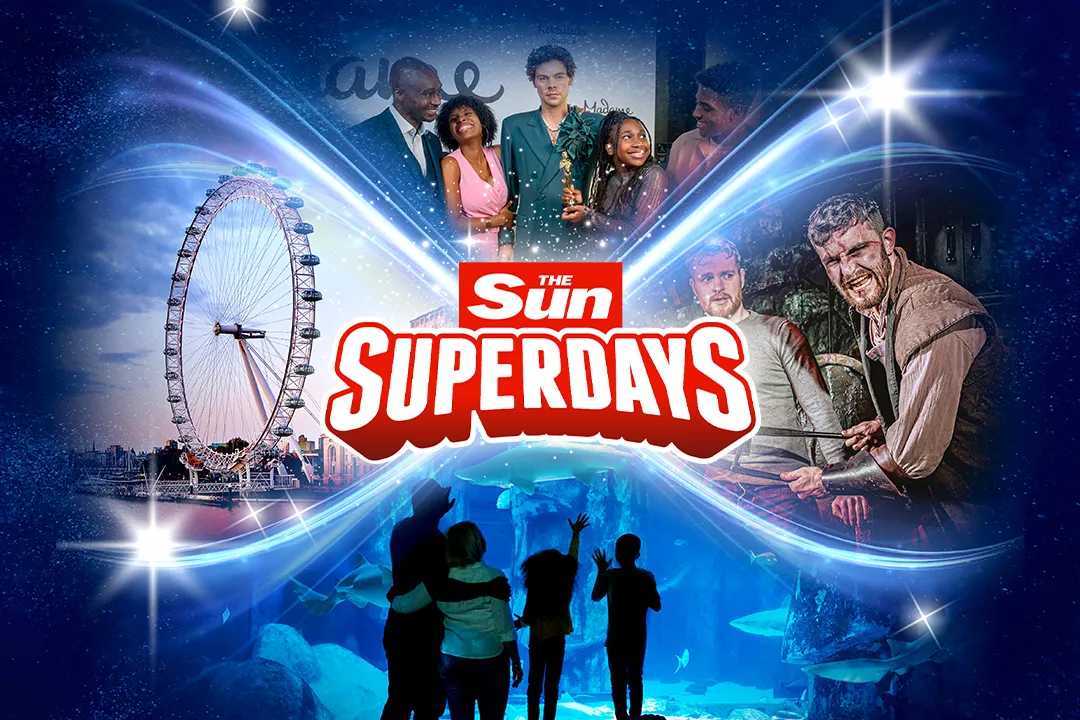
LOOKING for a day out in the capital for less? Thanks to Sun Superdays, we are offering Sun readers up to £10 off tickets to London’s most iconic attractions.
Take your pick from four top attractions, including the London Eye, Madame Tussauds London, SEA LIFE London and The London Dungeon.
Sign up for the Travel newsletter
Thank you!
Enjoy unparalleled 360-degree views of the city on the London Eye
Join Sun Club for just £1.99 a month — don’t miss out.
If you fancy a spot of sightseeing, step inside the greatest view aboard the iconic London Eye.
Enjoy unparalleled 360-degree views of the city as you rotate through the breathtaking skyline above South Bank.
See all your favourite landmarks from every elevated angle during a relaxing 30-minute rotation, spotting the Houses of Parliament, Buckingham Palace, and even Windsor Castle on a clear day.
Come face to face with your favourite stars at Madame Tussauds LondonCredit: Jonathan Short
For those who would rather rub shoulders with stars, step through the world-famous doors of Madame Tussauds London and immerse yourself into the world of superstars as you attend the ultimate fame experience.
Get closer than ever to A-listers like John Boyega and Dwayne ‘The Rock’ Johnson, perform with Drake and Dua Lipa, or attend a private audience with Their Majesties King Charles III and Queen Camilla.
See sharks, rays and penguins all in the heart of London
Alternatively, you can dive into an underwater adventure at SEA LIFE London. Come face to fin with your favourite creatures including sting rays, jelly fish, sharks, turtles and more.
Journey through incredible themed zones such as Coral Kingdom and Open Oceans. Soak up fun facts about marine life and learn about conservation and SEA LIFE’S mission to protect the ocean and its creatures.
Or if you are feeling brave, the London Dungeon offers a uniquely thrilling journey into the city’s darkest history.
Bringing together an amazing cast of theatrical actors, special effects, stages, scenes and thrilling rides.
Each showcasing hysterically horrible history across a series of immersive shows, including the Torturer, sinister witch trials and many other spine-chilling shows.
HOW TO BOOK YOUR TICKETS
There are two ways to unlock the savings and book your tickets:
Sun Club:
Join Sun Club for £1.99 per month or £12 for the year to claim this offer and many more.
Go to the Offers Hub and find the Sun Superdays page.
Follow the steps on this page to book your tickets from 11am on Monday, March 23.
Sun Savers:
Download the Sun Savers app or sign up at sunsavers.co.uk. Go to the Offers and click “Click Collecting” on the Sun Superdays page.
Pick up The Sun and collect TWO Sun Savers codes. We will print one code daily in the paper between Saturday, March 21 – Friday, March 27.
Go to the Offers section and find the Sun Superdays page and follow the steps on this page to book your tickets from 11am on Monday, March 23.
Join Sun Club for just £1.99 a month — don’t miss out.
18+ UK only (exc. IoM & CI). Sun Savers multiple code collect 21/03/26-27/03/26 or subscription to Sun Club or Digital Newspaper required. Book by 22/04/26. Offer valid for ‘up to £10 off’ tickets at selected London Merlin UK attractions. Pricing varies, £10 off adult tickets and £7-£4 off child tickets. Exclusions may apply. Subject to availability. Non-transferable & non-refundable. Online access required. New customer offer: £1.99 per month or £12 per year unless you cancel at least seven days before your next billing date. Full T&Cs apply, see sunsavers.co.uk or club.thesun.co.uk/sun-club.
TOY stores can often be a place of pure happiness for children – and one of the most famous stores in the UK is making even more reasons to visit.
Hamleys in London is the world’s oldest toy shop, with its first site opening back in 1760 under the name Noah’s Ark.
Sign up for the Travel newsletter
Thank you!
Hamleys in London is the world’s oldest toy shopCredit: Getty
Originally in High Holburn, the much-loved toy storeis now on Regent Street, where it has stood since 1881.
Across seven floors there are thousands of toys to explore and each year the store welcomes around five million visitors.
And now there is even more of a reason to go as the giant toy store is launching lots of new events – and most of them are free.
Keane Herman, Business Head Hamleys UK, said: “As the finest and oldest toy shop in the world, Hamleys has been creating magical moments for children and families for more than 266 years.
“By keeping our eye on what’s current, trending and relevant, we continue to elevate the experiences we create in store.
“There is always something happening at our Regent Street flagship.
“From live toy demonstrations and interactive play experiences to dance parties and puppet shows, it is this sense of energy and theatre that makes Hamleys so special.
“We pay close attention to what resonates with children and parents, and to the trends shaping the world of play, so that we can continually offer fresh and memorable experiences.”
Last year, the store launched the Hamleys Bus and Lights Your at Christmas which proved to be such a success that the store is bringing it back for Easter this year.
And the store has already hosted a number of brand pop-ups including one with dessert brand Vnilla, who are well-known for creating banana pudding just like the famous Magnolia Bakery’s in New York.
Herman added: “These events and experiences are a natural extension of our daily in-store theatre, giving children the chance to be even more hands-on and to immerse themselves in the magic of play.
“Our heritage is incredibly important to us, but what keeps Hamleys thriving is our commitment to continually evolving.
“Families come to Hamleys not just to shop, but to make memories together, and that sense of wonder is something we are proud to deliver for every new generation.”
Coming up, there are lots of daily events at Hamleys to enjoy.
New events include slime workshopsBut kids can also meet the famous bear every dayCredit: Alamy
For example, every day at 10am (or 12pm on Sundays) when the store opens, there is an opening ceremony with Hamley Bear, who you can also meet at 1pm and 2:30pm each day.
At the weekends, the Hamleys Beary Grand Parade takes place at 4pm each day with dancing and singing.
This is followed by Mr Monkey’s Puppet Show at 4:30pm, where Mr Monkey is searching for his next big adventure.
And then at 5:30pm there is the Hamleys Dance Medley, where magical moments from the toy store’s history are brought back to life, including a princess’s first ball and a pirate’s first adventure.
Between March 28 and April 12 (the Easter school holidays), there are loads of events on as well.
For example, you could watch Chef Choco’s Chocolatiers Puppet Show, where you can learn about the secrets of sweet making and even become a sweet maker yourself.
The show will be on every day throughout the period, at 4:30pm.
On March 28, catch Midnight in the Toyshop come to life at Hamleys, with Ballerina and Rebel Racer giving a live performance.
There are lots of experiences on throughout the Easter holidays tooCredit: Alamy
Performances will be at 11am, 12pm, 1pm, 2pm, 3pm and 4pm.
If your kids love slime, then make sure to head to the Hamleys Regent Street Basement from March 24 to April 12 for a Gootopia Experience Zone, where kids can create their own slime and take home a ‘gooey masterpiece’.
The experience will cost £15.99 per person.
Every day at 4pm between March 28 and April 12 there will also be a Hamleys Rainbow Ribbons Parade across every floor of the store.
Also, over the Easter school holidays there will be Hamleys Storytime, with tales of Peter Rabbit and Charlie and the Chocolate Factory every day at 12pm, 1pm, 2pm and 3pm.
Towards the end of the Easter holidays on April 6, families can meet the Playmobil Pirates at 12pm, 1pm, 2pm, 3pm and 4pm.
And last but not least, each day at 1pm and 2:30pm there will be a Hamley and Hattie Easter meet and greet.
And the toy store has a wealth of events on, with more coming in the futureCredit: Getty
Officially launching on March 17, there will also be a new Pokémon destination on the Regent Street store’s fourth floor.
The new Pokémon area will feature interactive experiences such as character appearances, and on March 21, a launch event will be held with Pokémon-themed candy floss and activities for visitors.
Later in early April, a Tubbz zone will open inside the Regent Street store in the basement.
In the zone, visitors will be able to grab iconic pop culture characters that have been transformed into cosplaying ducks.
Margate is getting a huge new skatepark in CliftonvilleCredit: GoogleThe skatepark will transform some of the abandoned gardens overlooking the seaCredit: margateskateboardclub / InstagramIt is expected to cost more than £1millionCredit: Thanet District Council
And an abandoned area on the seafront is set to be transformed into a free-to-use skatepark,
Set to cost around £1.1million, it is being designed by Betongpark Limited who are behind a number of skateparks in the UK, including the converted Victorian bathhouse Manor Place.
Opening on Ethelbert Crescent, it will be free for all skill levels, with plans for workshops and events as well.
Along with the skating area, there will be new seating areas, a kiosk with toilets.
It had hoped to open by this summer, although this hasn’t been confirmed.
Daryl Nobbs, Director of Betongpark, said: “As a team of lifelong skaters, we’re pleased to be building the new park on the site of the former DIY skatepark, working closely alongside a strong local scene.
“Once built, the new concrete skatepark will be one of the UK’s best, set in a beautiful location overlooking the waterfront.
“The concept design includes a range of street and transition-focused elements across a vast site, to provide something for everyone.”
The project is part of the £22.2million Margate Town Deal.
Other plans include improving Walpole Bay, home to one of the UK’s biggest tidal pools.
Both Theatre Royal Margate and the Winter Gardens also hope to reopen.
I lived in Cliftonville for a few years after leaving London, and saw how quickly it was changing for the better.
New locally run restaurants and bars were opening, including wine bar Sete as well as the new pub The Local Light.
Other plans for Margate include transforming Walpole BayCredit: TDCThe Winter Gardens also hopes to reopenCredit: Alamy
Margate House is one of the coolest new hotels with its new Willy’s restaurant serving ‘comfort food dishes’.
It still has a way to go – there are ongoing problems with fly tipping in the area and some of the high street still has shops that have been boarded up for years.
But the community is what makes it, from the weekend farmers markets to the huge number of pop up events.
ONE spot in the capital dubs itself ‘London’s quirkiest church’ because inside you’ll find a soft play – and a fully stocked bar for the parents.
Inside St James Church in West Hampstead, London, you will find the Sherriff Centre.
Sign up for the Travel newsletter
Thank you!
In West Hampstead, London, there is a church with a soft play insideCredit: Instagram/thesherriffcentreThe soft play even has late sessions where you can go in the eveningCredit: Instagram/thesherriffcentre
Rather unusually, the venue is a blend of different things including a post office, children’s soft play centre, cafe and even a stationery shop.
The soft play area – called Hullabaloo – spans one side of the church and features all you would expect of a soft play centre.
In the section for kids aged between two and 10-years-old, there are three levels featuring two slides, crawl tunnels and hidey holes.
The soft play also has separate sections for babies up to 23 months with a ball pit, puzzles and games and a sensory mirror.
One person commented on social media: “Wow what a unique soft play!”
Another added: “What a fun idea and a great way to start the weekend.”
There are also SEN sessions available, and the venue is available for private party hire.
The Sanctuary Cafe and Bar serves cake, coffee and even wine.
Even though the venue doesn’t serve more than snacks, it has teamed up with Pizza Bun London in Hampstead for an exclusive offer for visitors heading to the soft play.
The soft play is open each day between 9am and 5pm, with the last booking at 4pm.
But there are Play Late sessions too, where kids can play as parents enjoy a glass of wine at the bar.
The next Play Late session is March 20, followed by April 10 and May 22.
Tickets cost £5.50 for babies or £7.50 for juniors and adults go free.
The centre also runs weekly baby and toddler classes such as Petite Performers, with ballet and dancing.
Sometimes there are Sofar Sounds live music events on at the church too.
Memberships are available for the soft play, with a babies membership costing £15 per month for four sessions.
Parents can grab a drink, including wine, at the bar and cafe in the churchCredit: TripAdvisor
A Bronze membership then costs £10 a month for two soft play sessions, Silver costs £20 a month for three sessions, a 10 per cent discount at the cafe and early access to book event tickets.
Finally, a Gold membership costing £40 per month, gets you six soft play sessions, a 10 per cent discount at the café, two Sofar Sounds tickets and early access to book event tickets.
The soft play is just a couple of minutes’ walking from West Hampstead underground and train stations.
It isn’t the only church to have something unusual inside…
In Redbridge, London, a swimming pool described as “magical” can be found in an old hospital church.
It is a Virgin Active gym now with a 24-metre pool as well as showers, hot tub and steam room.
V&A Storehouse was named one of TIMEs best places in 2026Credit: PAAs a working museum, the concept is more seeing behind the scenesCredit: PAIt has some fascinating pieces if you know where to lookCredit: Getty
PLANS have been revealed to turn an abandoned attraction into a new leisure spot in a popular seaside town.
The Kursaal in Southend-on-Sea has stood empty for six years and during that time has fallen into disrepair.
Sign up for the Travel newsletter
Thank you!
The Kursaal – a historic entertainment venue in Southend-on-Sea will get a new lease of lifeCredit: AlamyStar Amusements, which owns an arcades venue near the pier, will take over the buildingCredit: Alamy
But now, the once thriving attraction that had a circus, arcades, a ballroom, a dining hall and even a zoo, will be transformed into a new leisure destination.
Though the details of what the attraction will be have not been announced yet, Daniel Cowan, Council leader at Southend-on-Sea City Council, said: “The Kursaal is woven into the story of Southend and for too long the Kursaal’s future has been uncertain.
“Today we can say it has a credible local operator, a leisure vision for the building and a clear path to reopening,” reports the BBC.
The Kursaal – which translates to ‘cure hall’ and usually refers to the main hall of a spa town – opened back in 1901 and hosted famous musicians such as Queen, Black Sabbath, Rod Stewart and AC/DC.
Former attractions included bumper cars, a ski jump, a ghost train and a figure-of-eight rollercoaster.
Under the plans to reopen the historic venue that currently sits on the list of neglected sites, essential repairs will be carried out first.
Currently managed by the property group AEW, the Grade-II listed venue’s lease will be handed over to Star Amusements by the end of this summer.
Star Amusements already runs a number of attractions along the seafront, including an arcades venue close to Southend Pier.
Bayo Alaba, the Labour MP for Southend East and Rochford, said that the Kursaal is “a building of historical significance and architecture“.
He added: “Great-grandparents met in the ballroom, children have grown up laughing in its arcades and bowling alleys, and countless memories made here connect generations across our city.”
Nick Singer, the operations director at Star Amusements also shared that the new attraction would be “high quality” and that whilst there is a lot of work to do, they are “ready to move forward”.
When the venue opened over 100 years ago, it was one of the world’s first purpose-built amusement parks.
And to date, several distinctive features remain such as a dome which was even featured on a Royal Mail stamp in 2011.
Between 1919 and 1934, the Kursaal was also home to Southend United F.C.
It is unclear what the building will reopen as but previously the Kursaal had arcades, a bowling alley and a ballroomCredit: AlamyThe Kursaal is about a two-minute walk from Southend-on-Sea’s Golden Mile beachCredit: Alamy
Most of the building was then closed down in 1973, before it fully closed in 1986.
It reopened in 1998 but closed again in 2020, with just a small Tesco Express remaining open on the ground floor.
The Kursaal is about a two-minute walk from Southend-on-Sea’s Golden Mile beach and promenade, where you will find amusement arcades, cafes, and entertainment venues.
Taking to social media, many people have expressed their excitement about the news with one person commenting: “Please have ballroom facilities there to host dance competitions!”
A GRADE-II listed plane hangar will soon get a new lease of life as a karting attraction.
Ever wanted to test out your racing skills or dreamt of being in Formula One? Well, a new venue opening near the Cotswolds will allow you to do just that.
Sign up for the Travel newsletter
Thank you!
A new go-karting experience is expected to open in BicesterCredit: SuppliedThe hangar recently underwent a £4million renovationCredit: SuppliedThe attraction will be in a former plane hangar used by the RAFCredit: Supplied
Hangar 137 – a former plane hangar in Bicester, Oxfordshire – will be transformed by TeamSport to an indoor e-karting destination, following a recent £4million makeover.
The hangar was originally built in 1926 as a plane shed for the RAF between World War I and World War II.
Once TeamSport fits it out, the attraction will be an e-carting centre with two 500metre electric go-karting tracks across two levels.
In total, the attraction will span across 2,880sqm.
Daniel Geoghegan, chief executive officer, Bicester Motion, said: “The practical completion of Hangar 137 in its centenary year is a significant achievement for the estate and a powerful example of what heritage regeneration can deliver.
“This 1926 Type A hangar was built at a defining moment in Britain’s aviation history.
“Our responsibility has been to protect that significance while ensuring the building can support a viable, modern commercial use.”
Gavin Adair, CEO, TeamSport added: “We’re absolutely delighted to have the keys to Hangar 137 and officially begin our journey at Bicester Motion.
“We’ll now start work on transforming this incredible historic hangar into a spectacular two-level indoor e-karting and entertainment centre that the whole community can enjoy.”
Bicester Motion, the team behind the new development, previously said that the attraction will be the “first automotive resort” in the UK.
When the proposal was submitted to the council, there were also plans to include a bowling zone, workshop and mezzanine viewing area for spectators.
The attraction will also be located at the edge of the Cotswolds with the picturesque town of Charlbury 30 minutes away.
In the town, visitors can explore Charlbury Museum which documents the history of the ancient market town.
And if you get thirsty, head to The Rose & Crown, which is a multi-time CAMRA (Campaign for Real Ale) award-winning pub.
The traditional and charming spot has a number of real ales, and often hosts live music events,
BUTLIN’S has launched a brand new darts attraction at all three of its resorts.
In partnership with the Junior Darts Corporation (JDC), the JDC Butlin’s Darts Academy will allow kids to participate in darts sessions.
Sign up for the Travel newsletter
Thank you!
Butlin’s is launching a darts academy at all three of its resortsCredit: Butlins
The JDC Butlin’s Darts Academy is included in all School Holiday Breaks and involves a two-hour session aimed at beginners and kids with some experience.
The session will be run by academy leaders, who will guide each player to improve their darts skills.
The leaders will also teach the kids the basics of the sport and give them the chance to play the interactive ABC darts game.
The academy is suitable for children aged eight to 16 and it is already open at the Minehead resort and will be available on all School Holiday Breaks from Easter at the Bognor Regis and Skegness resorts.
Mike Godolphin, Entertainment Director at Butlin’s said: “If you’ve got the nextLuke Littler or Beau Greaves at home, then our new JDC Butlin’s Darts Academy will be perfect on your next school holiday break.
“We’re always looking at ways to give our guests new experiences and with the huge rise in popularity of darts this new session is the perfect way for kids to get involved in the sport.
“And what’s best, this amazing new activity is included in the price of the break.”
Darren Barson from the Junior Darts Corporation, said: “We’re thrilled to collaborate with Butlin’s.
“This partnership will give children a unique opportunity to learn a new sport while having fun during their holidays.”
Also this Easter holidays, between April 10 and 12, the three Butlin’s resorts will be hosting three-nights of birthday celebrations to mark 90 years since the first resort opened.
There will be fireworks with performances by the Redcoats alongside mascots Billy and Bonnie.
There will be a new Birthday Party Bingo in Reds as well, with themed games, dancing and a special moment when the number 90 is called out.
Adults can also enjoy special birthday cocktails as well.
Kids aged between eight and 16 can try out their darts skills in a two-hour led sessionCredit: Butlins
A three-night birthday celebration break starts from £214 and includes all that you usually get from a Butlin’s break plus the Easter entertainment line up which includes The Masked Singer and Maximum Pro Wrestling.
Godolphin added: “No one does it bigger and better than Butlin’s, and we’ve been proudly doing it for 90 years.
“A milestone this special deserves a Butlin’s style celebration to match.
“From the spectacular firework and laser display and incredible entertainment across the weekend, we can’t wait to celebrate with everyone across the three resorts.
“This weekend is not only dedicated to the memories made over the last nine decades at our resorts.
“We’re also looking to the future, and all the special moments that will be made at Butlin’s in the next 90 years.”