Anticorruption

South Korea anti-corruption agency faces growing case backlog

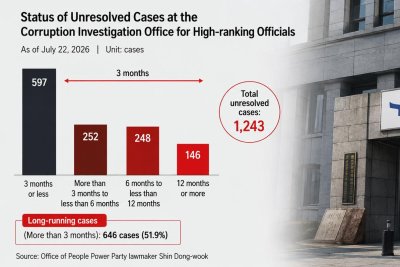
More than half of the 1,243 unresolved cases at South Korea’s Corruption Investigation Office for High-ranking Officials had been pending for more than three months as of July 22. Data from the office of People Power Party lawmaker Shin Dong-wook. Graphic by Asia Today and translated by UPI

Aug. 4 (Asia Today) — More than half of the unresolved cases at South Korea’s anti-corruption agency have been pending for more than three months, raising concerns that chronic understaffing is undermining its ability to investigate alleged crimes involving senior government officials.

Data submitted by the Corruption Investigation Office for High-ranking Officials to People Power Party lawmaker Shin Dong-wook showed that 646 of its 1,243 unresolved cases had been pending for more than three months as of July 22.

The figure represented 52% of the agency’s unresolved caseload. The agency generally classifies cases pending for more than three months as long-running investigations.

The data showed that 597 cases had been pending for three months or less. An additional 252 cases had been pending for more than three months but less than six months, while 248 had been unresolved for six months to less than a year.

Another 146 cases had remained unresolved for at least one year.

The agency attributed the backlog primarily to a continuing increase in criminal complaints and accusations, along with a chronic shortage of personnel.

Under the law establishing the agency, it may employ 25 prosecutors, including its chief and deputy chief. It currently has 23 prosecutors, meaning it has not filled even its legally authorized staffing level.

The agency operates four investigative divisions, but only 18 prosecutors, including four division chiefs, are assigned directly to investigative work. Based on the total backlog, that is equivalent to more than 300 unresolved cases for each division.

The agency was launched in 2021 under the administration of former President Moon Jae-in to investigate alleged abuse of authority, bribery, violations of political funding laws and other crimes involving senior public officials and their family members.

Its creation was intended to strengthen oversight of powerful officials and root out corruption in government. Staffing shortages, however, have repeatedly been cited as a major limitation on the agency’s operations.

Legal experts said a prolonged backlog could damage public confidence not only in the agency’s investigative capabilities but also in the institution itself.

Cases involving high-ranking officials frequently involve complex facts, extensive questioning of witnesses and time-consuming efforts to obtain evidence. Excessive delays, however, can weaken the effectiveness of an investigation.

Concerns about South Korea’s overall ability to process criminal cases are also likely to increase as prosecutors face a growing number of unresolved investigations while long-pending cases accumulate at the anti-corruption agency.

“The number of long-running cases has increased because of the continuing rise in criminal complaints and accusations and the chronic shortage of personnel,” an agency official said.

“All members of the agency are making every effort to process cases promptly,” the official said.

— Reported by Asia Today; translated by UPI

© Asia Today. Unauthorized reproduction or redistribution prohibited.

Original Korean report: https://www.asiatoday.co.kr/kn/view.php?key=20260803010000486
Source link

What’s behind the anti-corruption crackdown in Iraq? | Corruption News

A number of senior politicians have been detained in a wave of arrests.

For more than two decades, corruption has been a serious issue in Iraq.

The oil-rich nation has consistently been ranked as one of the most corrupt in the world.

Recommended Stories

list of 4 itemsend of list

But this week, its new government has embarked on an unprecedented anti-corruption crackdown.

It’s targeting many high-profile politicians and other senior figures accused of making illicit wealth and abuse of office.

Iraqis have repeatedly protested against what they say is rampant corruption in their nation.

Now, they hope the new government keeps this promise to eradicate what they call a ‘pandemic of fraudulent activities’ at the highest echelons of power.

But what are the challenges ahead in this battle?

Presenter: Imran Khan

Guests:

Ahmed Rushdi – President of the think-tank, House of Iraqi Expertise Foundation.

Renad Mansour – Deputy Director of the Middle East and North Africa Programme at Chatham House.

Manuel Pirino – Regional Advisor for Middle East and North Africa at Transparency International.

Source link

Iraq arrests senior officials in anti-corruption raids | Corruption

NewsFeed

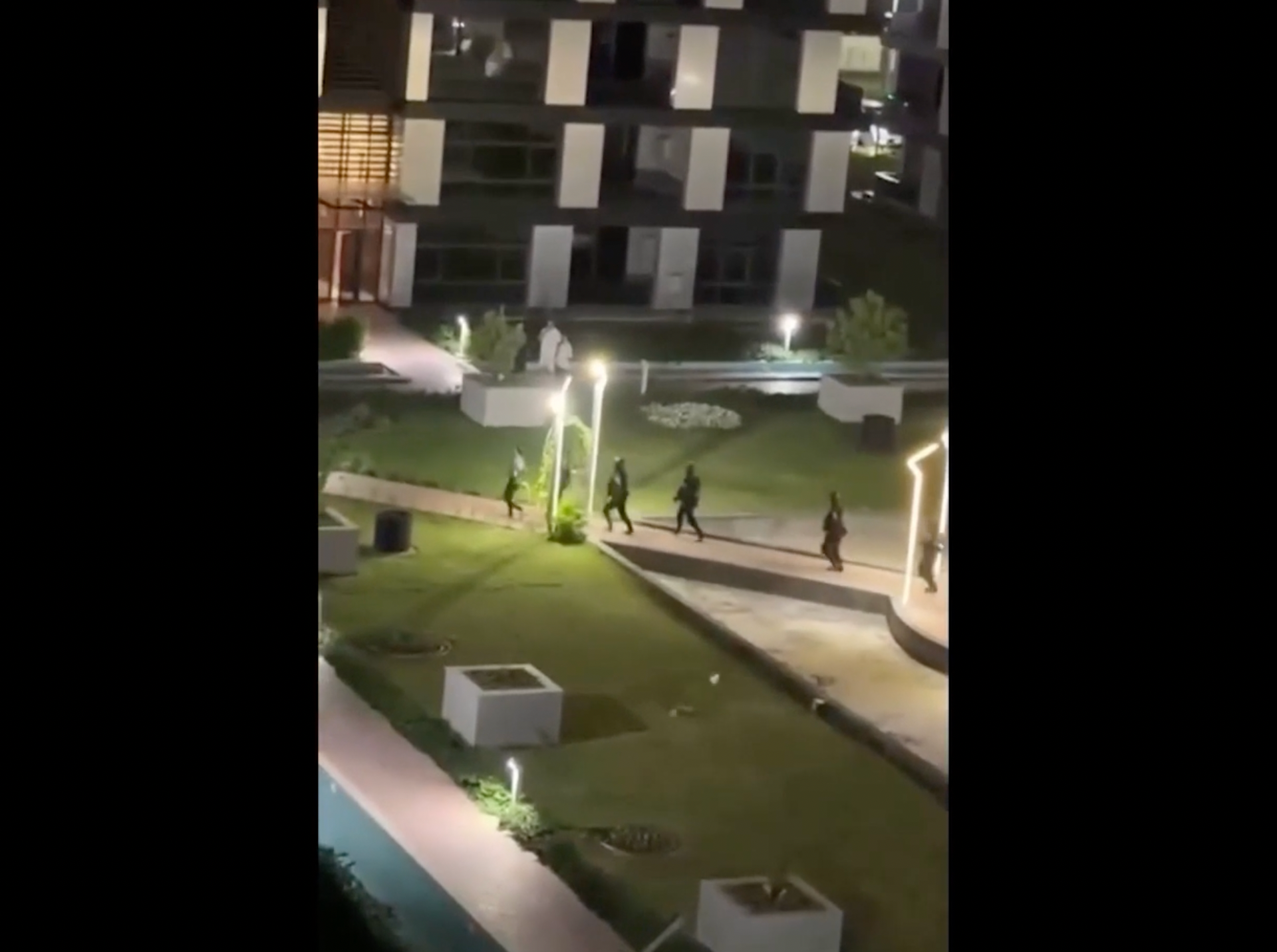
Iraqi security forces arrested several politicians, lawmakers and senior officials in dawn raids across Baghdad as part of a sweeping anti-corruption campaign ordered by Iraq’s new prime minister, Ali al-Zaidi. Elite Counter Terrorism Service units carried out operations in the Green Zone.

Source link

Iraq security forces arrest several officials in anticorruption crackdown | Corruption News

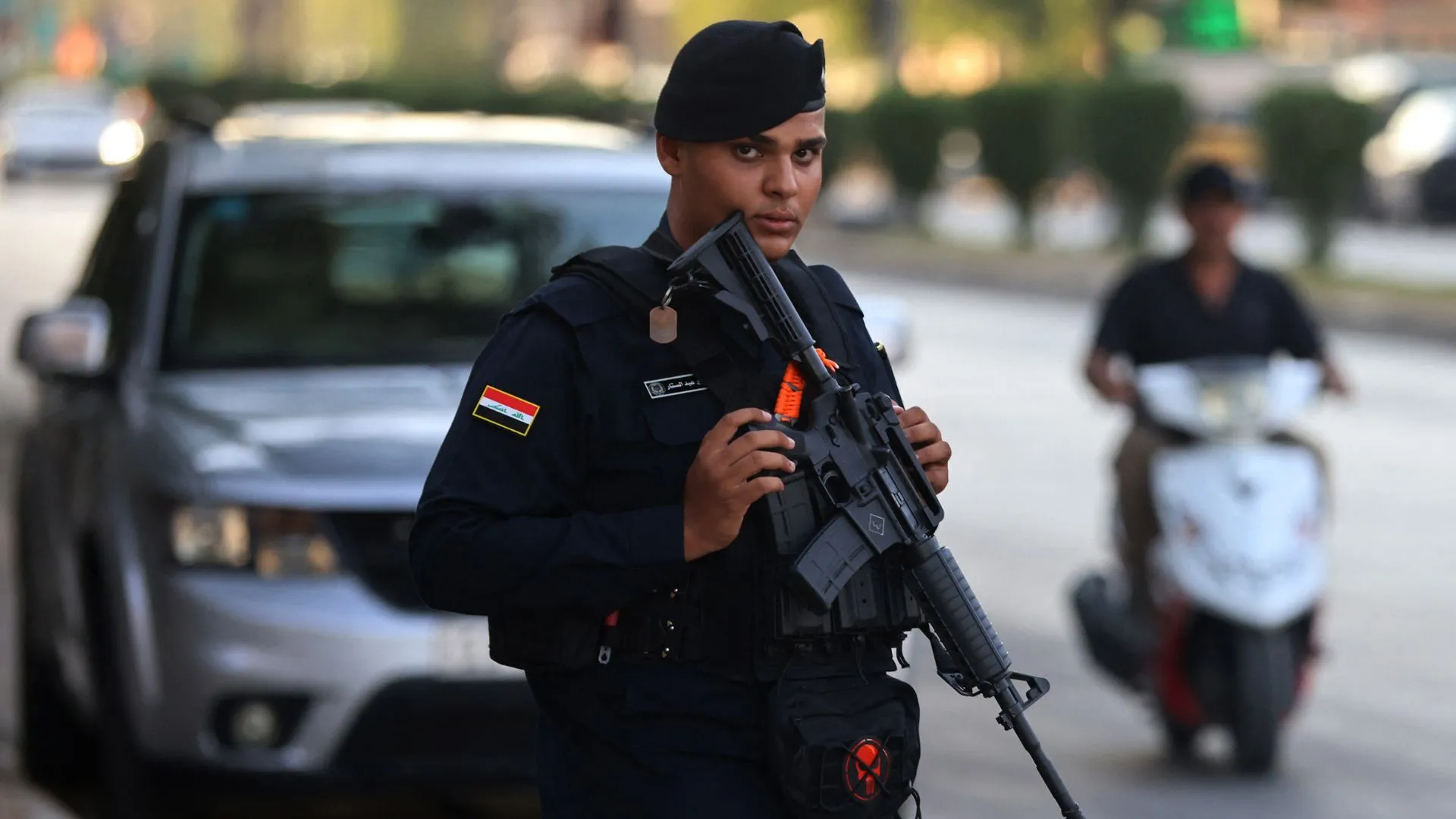
Elite security personnel carry out a large-scale operation at dawn in the Green Zone and several neighbourhoods in Baghdad, security source says.

Several Iraqi politicians, lawmakers and officials have been arrested on corruption charges, Iraqi state-run media report.

Several people, including members of parliament “whose immunity had been lifted and officials whose names appeared in … confessions”, were arrested early on Sunday in the capital, Baghdad, the Iraqi News Agency reported, quoting a security source.

Recommended Stories

list of 3 itemsend of list

It was not immediately clear who had been arrested. There was no immediate official statement on the arrests from the Iraqi government or security forces.

A security source told Al Jazeera that elite Iraqi security forces carried out a large-scale arrest operation at dawn in the fortified International Zone (Green Zone) and several neighbourhoods in Baghdad.

The source said the arrests were carried out by the Counter Terrorism Service and were based on statements provided by Adnan al-Jumaili, deputy oil minister, after his arrest last month on corruption charges.

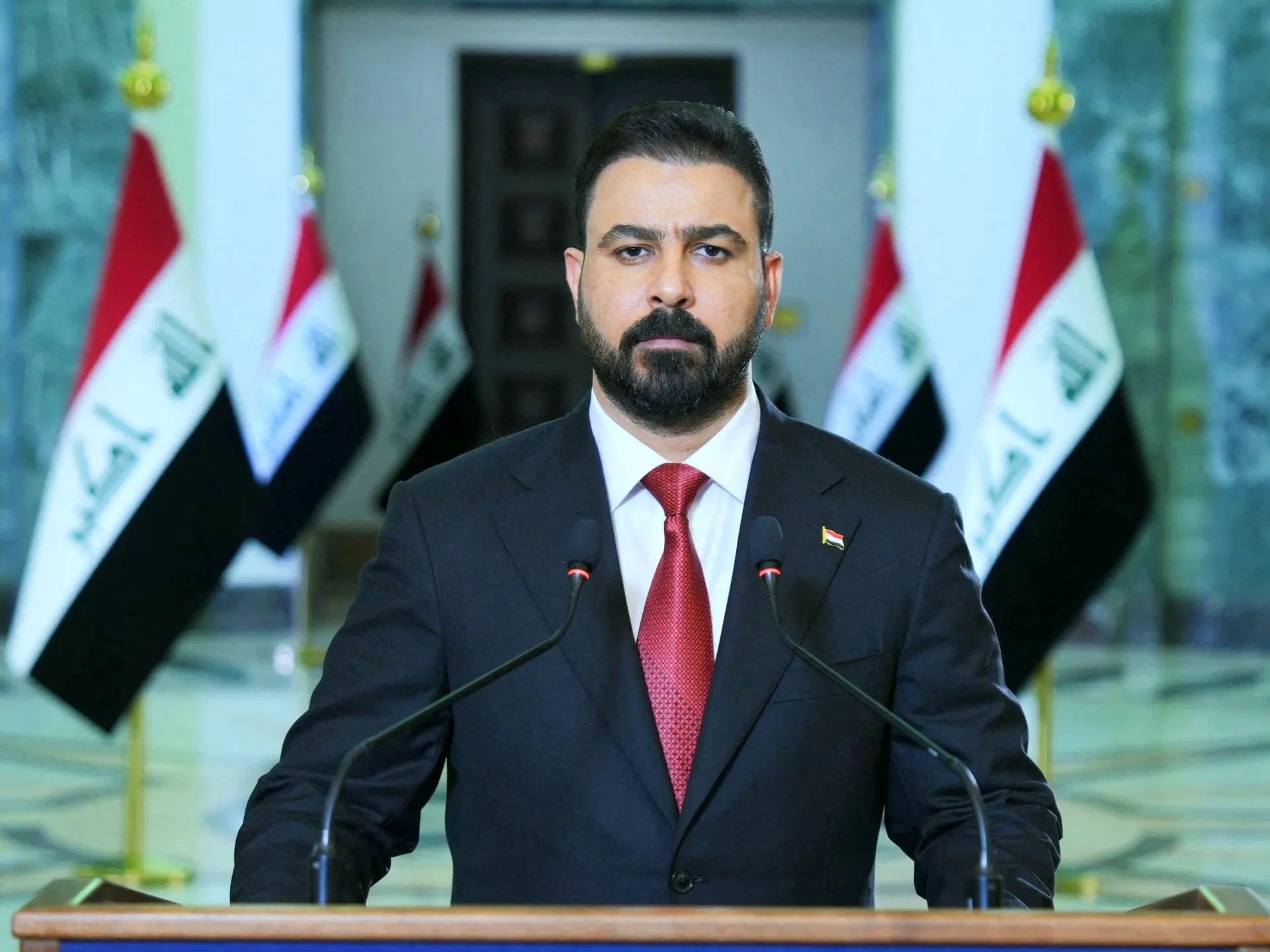
Iraq’s new prime minister, Ali al-Zaidi, has pledged to fight corruption and mismanagement that have plagued Iraq for decades.

Authorities seized about $86m in cash this month that was allegedly part of the corruption case against al-Jumaili.

The Associated Press news agency reported that seven people were arrested on Sunday, including five members of parliament. It cited a security agency report it obtained. The AP said some of those arrested were from the political bloc of former Prime Minister Mohammed Shia al-Sudani.

During November’s parliamentary elections, al-Sudani’s bloc won the largest share of seats, but he did not return as prime minister. He stepped aside amid a deadlock in the Coordination Framework, a group of Shia parties allied with Iran that brought al-Sudani to power. They disagreed for months over their preferred candidate for the post.

Source link