Explore new cultures, find the best travel deals, and make informed decisions with our trusted travel news. Let your wanderlust thrive as you stay connected with the ever-changing world of travel.
THE bus swings round the hairpin bend with ease, climbing higher and higher into the clouds.
I’m grateful for the driver’s skill as the winding trip eventually takes us clear of the tree line to reveal Switzerland’s breathtaking scenery below.
Sign up for the Travel newsletter
Thank you!
The Swiss Alps are an adventurers playgroundTake the cable car to soak up the stunning viewsCredit: R.THOMMEN
The Laax Alp Nagens bus stop is a dizzying 2,263 metres above sea level — and the scenery gets more and more beautiful as we then hike along the mountains, which sit in the Sardona Tectonic Arena.
The Arena is an impressive natural geological phenomenon in the Swiss Alps, where tectonic movement has resulted in rocks up to 300million years old being pushed up above younger rock formed a mere 35 to 50million years ago.
It has been absurdly easy to get up here thanks to Switzerland’s world-class public transport.
Buses are a great way to get around but make sure you have some cash as you often have to buy a ticket on board.
I’ve only got four days here in Laax, but that’s more than enough to get swept up in the magic of the Swiss Alps in spring.
While the snow still clings to the mountain peaks, along the valley floor below it the scenery turns from white to neon bright green, as the grass returns and trees and flowers burst into life.
Luckily, if your legs get tired on a hike, there are plenty of cable cars to get you back down to your accommodation. For me, that’s Laax’s Rocks Resort.
It’s an adventurer’s playground — ideal for families, thrill-seekers or anyone who just wants to fill their lungs with mountain air.
More a mini village than a resort, it boasts everything from the world’s longest treetop walk (1.56km) to skate parks, trampolines, basketball courts, swimming pools and more hiking and biking trails than you could ever tick off in one trip.
The hotel rooms are comfortable yet chic — and have a perfect view of the sprawling forest next door.
Relax by the sparkling lakeCredit: Unknown
If you are travelling with family there’s comfortable one, two and three-bedroom apartments.
My room has the perfect view of the 30metre-drop bungee jump — and I perch myself on the window seat to read my book and watch kids and parents alike plunge off the ledge.
The room also gives me a great view of the 220-metre zipline over the skatepark and snake run.
But after a busy day of adventures through the forest, I’m starving.
Luckily, there’s nine restaurants and two coffee shops to choose from, as well as six bars and lounges.
Take your pick from Italian at the Ristorante Camino or spectacular vegetarian options at the Riders Restaurant.
From beetroot wine to local Swiss delicacies, this is a must-visit spot to chow down at.
Also on offer are Asian specialities at Ikigai, Swiss treats such as rosti potatoes at Tegia Larnags — and of course cheese fondue, at Casa Veglia.
You don’t need to look far for ways to work off all those calories though.
On a particularly gorgeous morning, we hire electric mountain bikes to explore the surrounding trails.
They snake through forests, over meadows and along ridges, each turn revealing another gasp-worthy vista.
The e-bike makes the uphill sections a breeze, while the downhills are fast and glorious.
Two hours in, we roll up to Lake Cauma — a jewel-toned lake so startlingly blue it feels almost artificial.
We refuel lakeside with a rich Toblerone mousse from Ustria La Cauma restaurant, with its terrace perched above the water.
Food, it turns out, is as much a part of the journey round these parts as the scenery. Menus are hyper-seasonal and full of heart.
And old traditions are not forgotten. As spring turns to summer, local farmers take their cows up to the high pastures, the cattle decorated with flower crowns and large bells.
And come the winter, for those who are keen on skiing and snowboarding, this resort will become the place to be — a perfect spot for spending a day on the slopes before scoffing down hot cheese fondue in the evening.
I will certainly be back.
GO: Swiss Alps
GETTING THERE: Swiss, British Airways and easyJet airlines all fly to Zurich, with flights out of London every day of the week (multiple times a day).
It’s then two trains and a bus to Laax, taking about 2.5 hours in total.
STAYING THERE: Rooms at the Rocks Resort, Laax, are priced from £170pppn, including breakfast and wifi.
A high number of cases were reported in the last 12 months – with a 5-fold increase in some areas – and 143 deaths
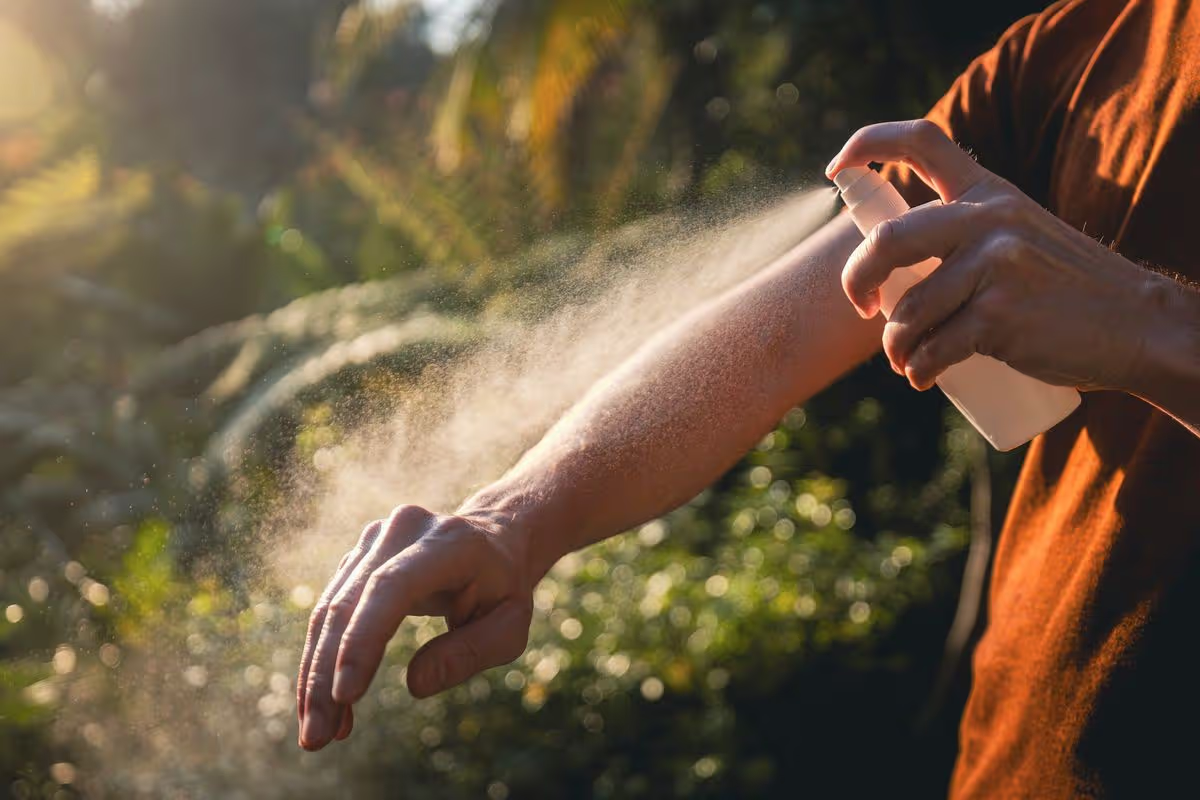
Man applies insect repellent on his hand. Foreign Office is telling people to take precautions when visiting some countries due to yellow fever outbreaks(Image: Getty)
Travellers have been warned about the resurgence of a disease spread by mosquitos with ‘high risk’ in 42 countries. The Foreign Office-backed Travel Health Pro website this week issued an alert over the virus spreading in parts of Africa, Central and South America, and in Trinidad in the Caribbean.
Yellow Fever can cause a serious haemorrhagic illness that can be fatal for humans. Yellow fever vaccination and mosquito bite avoidance are important preventive measures against the disease, officials said. Yellow fevefr virus can cause an illness that results in jaundice , yellowing of the skin and eyes, and bleeding with severe damage to the major organs such as liver, kidneys and heart. The mortality rate is high in those who develop severe disease.
Travel Health Pro said yellow fever is a risk in areas of 13 countries and territories in South and Central America. A high number of cases were reported from this region in 2025, with 346 confirmed human cases (including 143 deaths) from seven countries.
This represents a 5.6-fold increase in cases compared to 2024. Since the beginning of 2026, a total of 41 confirmed cases (including 18 deaths) have been reported from four countries: Bolivia, Colombia, Peru and Venezuela.
In 2024, most yellow fever cases were reported from the Amazon region. Officials said: “While YF cases continue to be reported in this area, cases have since been reported in a wider geographic area, outside the Amazon region. This includes in Sao Paulo State in Brazil and Tolima Department in Colombia. In addition, reports suggest recent human YF cases in Venezuela have occurred in an area that had not previously been considered a risk for YF disease.
“Risk of YF outbreaks in South America remains high. An outbreak in Colombia has been ongoing since mid-2024, with 153 confirmed cases (including 62 deaths) reported. The confirmed reporting of YF cases in a wider geographic area, including cases related to jungle transmission near to urban centres, increases the risk of urban outbreaks [1]. While YF vaccination is one of the most successful public health interventions to prevent YF disease, the COVID-19 pandemic, among other factors, has led to a reduction of YF vaccine cover in the local population.”
It added that yell;ow fever risk countries in Africa continue to report probable and confirmed cases. During 2024, confirmed cases of YF were reported in countries with no recent history of transmission and suboptimal vaccination coverage.
WHO also advise that in some African countries, there may be under-reporting of YF due to surveillance and data collection issues. The risk of YF transmission remains high in endemic areas of Africa. The mosquitoes (Aedes spp.) that transmit YF are common in many urban areas in Africa. This significantly increases the risk of YF spreading, especially in heavily populated areas, which could lead to the rapid onset of YF outbreaks.
Countries with a risk of yellow fever transmission as defined by the World Health Organization
Africa
Angola
Benin
Burkina Faso
Burundi
Cameroon
Central African Republic
Chad*
Congo
Côte d’Ivoire (Ivory Coast)
Democratic Republic of the Congo
Equatorial Guinea
Ethiopia*
Gabon
The Gambia
Ghana
Guinea
Guinea-Bissau
Kenya*
Liberia
Mali*
Mauritania*
Niger*
Nigeria
Senegal
Sierra Leone
South Sudan
Sudan*
Togo
Uganda
Central and South America
Argentina*
Bolivia*
Brazil*
Colombia*
Ecuador*
French Guiana
Guyana
Panama*
Paraguay*
Peru*
Suriname
Trinidad and Tobago*
Venezuela*
*Only some parts of this country have a risk of yellow fever disease. Remaining areas either have low potential for yellow fever transmission or no risk.
Signs and symptoms
YF varies in severity. The infection has an incubation period (time from infected mosquito feeding to symptoms developing) of three to six days. Initial symptoms include myalgia (muscle pain), pyrexia (high temperature), headache, anorexia (lack of appetite), nausea, and vomiting. In many patients there will be improvement in symptoms and gradual recovery three to four days after the onset of symptoms.
Within 24 hours of an apparent recovery, 15 to 25 percent of patients progress to a more serious illness. This takes the form of an acute haemorrhagic fever, in which there may be bleeding from the mouth, eyes, ears, and stomach, pronounced jaundice (yellowing of the skin, from which the disease gets its name), and renal (kidney) damage. The patient develops shock and there is deterioration of major organ function; 20 to 50 percent of patients who develop this form of the disease do not survive [22]. Infection results in lifelong immunity in those who recover.
Some of the top sandy escapes include Porto Katsiki, Egremni, and Kathisma.
Porto Katsiki translates to ‘Goat Port’ and it was formerly home to just goats as it was largely inaccessible by people, because of its steep cliffs.
Now, the white-pebbled beach is accessible by a pathway down to the sand.
Egremni on the southwest coast of Lefkada is known for its ‘dramatic white cliffs’ and is hard to access unless by boat – if not, you have to take the steep staircase with over 400 steps.
Kathisma is easily accessible and much more family-friendly with a long stretch of golden sand dotted with sunloungers and beach bars.
Lefkada has a bustling town too; the capital is at the northern tip of the island and is easily accessed by the bridge from the mainland.
Here you’ll find colourful, traditional houses filled with shops, cafés, and churches.
The best part is that it’s all walkable in around 20 minutes.
For some culture, head to the Agia Mavra Fortress, a 14th-century Venetian castle at the entrance to the island.
If you want to find fresh food, head to Sikelianou Square near the seafront which is lined with Greek and Mediterranean restaurants.
Agios Nikitas is one of the most charming coastal resorts on the island.
It’s tucked around the bay of the same name and is built in amongst olive groves.
There are plenty of outdoor restaurants with sunny terraces like T’agnantio that overlooks the bay.
Here you can enjoy local specialities, salads, grilled meats, and fresh seafood.
One visitor even wrote on Tripadvisor that it has the “best food on the island”; another said it was the “best Greek food I’ve ever had”.
The island has pretty tavernas with outdoor seating and often, sea viewsCredit: Alamy
For more holidays in Greece, here are some of our favourite resorts…
*If you click on a link in this box, we will earn affiliate revenue.
Blue Bay Beach Resort, Rhodes
The four-star Blue Bay Beach Resort sits a stone’s throw away from this beach, and has its own pools, splash park and water slides. Here you’re only a 15-minute drive away from Rhodes Old Town, where UNESCO-listed medieval streets wind through castle-like architecture. Make sure to check out the Street of the Knights, one of the best-preserved medieval streets in Europe.
Gouves Bay Hotel keeps things simple on a sunny Greek island location right by the sea. This hotel has a relaxed, family-friendly feel with two pools, a kids’ club and easy all-inclusive dining. And if you fancy a change of atmosphere, Gouves’ bars and tavernas are just a short walk away for your choice of evening drinks with a view.
The picturesque hotel is perched up high and surrounded by lush greenery in the historic harbour town of Kos. Here you’ll find a huge swimming pool and a waterpark, as well as activities like darts, tennis, football and more. There’s evening entertainment six days a week, and an on-site spa with a hot tub and sauna to unwind.
This mega resort with six pools and its own waterpark is rated five stars by TUI. In the main restaurant, you’ll see show cooking displays as you take your pick from an extensive international buffet. Plus, Kalives beach is on the doorstep of this hotel, with its strikingly blue water and soft golden sands.
The comment from the owner of BA comes after Jet2 said it would not introduce surcharges on any booked flights or holidays to cover cost increases
08:33, 25 Apr 2026Updated 08:37, 25 Apr 2026
British Airways’ fully-funded programme has been running for the last three years(Image: GETTY)
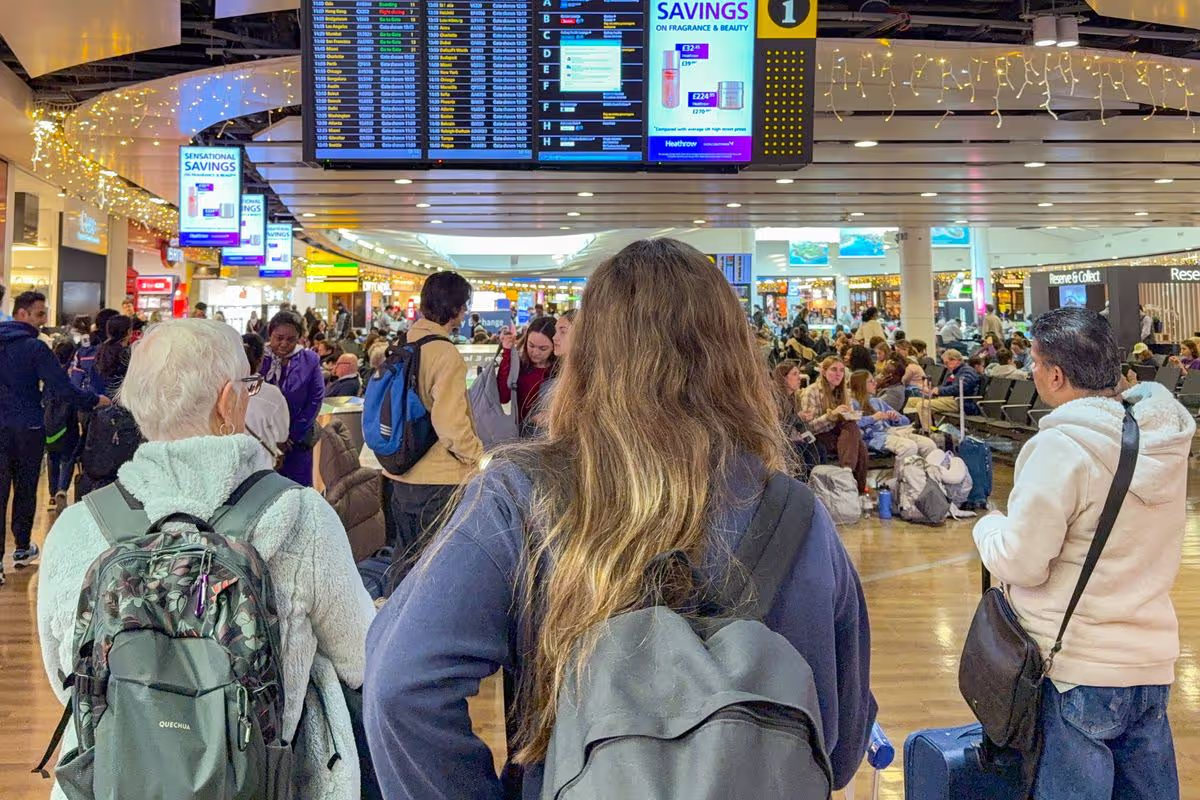
The parent company of British Airways has cautioned that airfares are set to climb as the closure of the Strait of Hormuz, triggered by the Iran conflict, has caused oil prices to surge dramatically.
International Airlines Group (IAG) announced on Friday that the ongoing Middle East crisis will push up the cost of flights to account for soaring jet fuel prices.
Airlines routinely purchase a portion of their fuel in advance at fixed rates to shield themselves from price fluctuations, a strategy commonly referred to as “hedging”.
Despite this, IAG warned that it remained “not immune” to the wider consequences of the Middle East conflict. The group insisted it had yet to experience any disruption to its jet fuel supply, amid growing concerns over potential future shortages as a result of the ongoing hostilities.
The government is “closely monitoring” fuel stocks as airlines brace themselves for possible shortages, with oil tankers still unable to navigate the Strait of Hormuz. It has also emerged that airports are set to make it simpler for airlines to cancel flights without jeopardising their allocated take-off and landing slots, should fuel shortages prevent them from operating. The Department for Transport (DfT) announced that airlines will no longer be obliged to adhere to the “use it or lose it” rule at UK airports, whereby carriers must utilise at least 80% of their allocated slots during a season in order to retain them for the following year. “Airport Coordination Limited, the independent body that manages slot allocation at UK airports, has updated its guidance so that airlines will not lose their slots if fuel shortages prevent them from flying,” the DfT statement confirmed.
“Airlines can now apply for an exemption from the ‘use it or lose it’ rule in these circumstances.”
Meanwhile, Jet2 has revealed it will not be imposing surcharges on any previously booked flights or holidays to offset rising costs, reassuring customers that the price they book is the price they will pay.
The policy covers all flights and holidays booked through any channel, whether online, via the mobile app, contact centre or through an independent travel agent. Steve Heapy, CEO of Jet2 said: “Holidaymakers should have every right to book their hard-earned break in the sun, without worrying about being hit with additional costs, and they can have that complete assurance when they book a flight or holiday with Jet2. As a result of today’s announcement, customers booking with Jet2 know that they are locking in their price without additional cost surprises later and we strongly believe that is the right thing to do by them. Ahead of a busy summer this is yet more evidence of why, on top of our incredible holidays and award-winning customer service, nothing beats a Jet2holiday.”
I WORK in travel and look at holiday pricing data every single day – and there are a few patterns that I see constantly.
Small booking habits that feel completely normal, but quietly push prices up. We’re not talking about a few quid either. Get these wrong, and you can end up paying 20–30 per cent more for the same holiday.
Holiday Expert Rob Brooks sees countless holiday mistakes made – here’s how to avoid themCredit: Rob Brooks
Follow The Sun’s award-winning travel team on Instagram and Tiktok for top holiday tips and inspiration@thesuntravel.
Here are the three biggest mistakes – and exactly how to fix them.
Bad Habit No.1: Booking in the morning rush
This one surprises people the most.
Booking your holiday first thing – on your commute, before work, or when you sit down at your desk – feels productive.
But it’s actually one of the worst times you can choose.
According to the data, the most expensive time to book a holiday is between 9am and 10am.
In fact, booking in that window came in at around 30 per cent more expensive than the cheapest time of day, which is actually 2:47am.
And it makes sense when you think about it – because that’s a peak demand window when everyone is searching at once.
Flight prices react to this demand first, then package holiday prices follow.
So while you think you’re being organised… you’re actually booking at the busiest, and often most expensive, moment of the day.
In one example, I found a 5-night all-inclusive stay at the Catty Cats Garden Hotel in Turkey was priced at £133pp in the early hours – but just a few hours later, that had jumped to £165pp for the exact same holiday.
That’s a 24% increase (£64 more for two people) simply from booking later in the day.
A break to Antalya in Turkey increased overnightCredit: Getty
Bad Habit No.2: Waiting after finding a good deal
This is the classic “I’ll just check again later” mistake: you find a good price, but instead of booking it, you leave it.
You come back later. Maybe the next day. Maybe after asking a few people.
It feels like you’re being careful or thrifty, but the data shows the opposite.
Every search feeds demand into the system, demand pushes flight prices up, and flight prices push package prices up.
But the reality is: if you’ve found a good deal, it’s very likely other people have found it too.
So while you’re waiting, those seats and rooms are disappearing, filling up and pushing up the package cost pretty quickly.
In one real example, a luxury all-inclusive stay at the Titanic Deluxe Lara in Antalya,Turkey was priced at £558 per person.
But after waiting just 24 hours, that same holiday increased to £606 per person.
That’s an extra £48pp – or £192 more for a family of four – just for not booking when the price was lower.
Prices change, availability drops, and that deal you liked is gone forever.
Rob recommends putting flexible dates into the search bar to find cheaper dealsCredit: Alamy
Bad Habit No.3: Being too rigid with dates and nights
This is where people leave the biggest savings on the table.
I see it every day: most searches are locked into the same dates, same duration, no flexibility.
But pricing doesn’t work like that – it fluctuates constantly based on demand.
Flight and hotel combinations are constantly shifting, and the price you see is based on very specific availability – not a fixed “cost” for that trip.
That means sticking rigidly to one duration can actually stop you from seeing better-value options.
One holiday to beautiful Corfu was cheaper by changing the datesCredit: Getty
Sometimes, adding or removing just one night can completely change the price – because it opens up different flight combinations or cheaper room availability.
In one search I did for a Corfu holiday, a 7-night stay was coming in at £874 per person.
But by simply increasing the stay to 8 nights, the price dropped to £720 per person for the same package.
That’s a saving of £154pp – or £308 for two people – just by adding one extra night.
It goes against what most people expect, but it shows how pricing really works.
You’re not just paying for nights – you’re paying for the combination of flights and hotel availability behind them.
Yet most people never check – they search once, see one price, and assume that’s what the holiday costs.
Good Habit No.1: Use price alerts instead of repeatedly searching
One of the easiest ways to save money is to stop manually checking prices over and over again.
Every time you search, you’re adding to demand signals – and you’re far more likely to miss the moment a price drops.
Instead, set up price alerts or track a holiday and let the price come to you.
That way, you’re not feeding the surge – and you’re ready to act when the price is right.
I sometimes see short-term dips of up to £50 per person on the same holiday when demand softens briefly – but these windows can last hours, not days.
The people who catch them aren’t constantly searching – they’re notified. But how do you actually do it?
At On the Beach, if you save a holiday, you’re automatically tracking it, and they’ll email you to let you know when the price changes.
On Google Flights, you can search your route, then just toggle “Track prices” – then you’ll get email alerts whenever fares move up or down.
On Skyscanner, hit the heart or bell icon on a flight, and it’ll notify you when the price changes.
It takes about 10 seconds – and it means you’re not guessing when to book.
The cheapest time to book is 2:47am, although you don’t need to wait up lateCredit: Alamy
Good Habit No.2: The 33-day booking rule
There’s no perfect moment to book – but there is a bit of a sweet spot.
According to the data, booking around 33 days before departure can unlock savings of up to 10%.
That’s because it sits between two high-demand groups: early planners who book far in advance and last-minute bookers chasing limited availability.
In this middle window, demand is lower, and prices often reflect that.
Which means on a £700 holiday, that 10% saving means paying around £630 instead – a £140 saving for a couple without changing anything else.
It’s not about waiting as long as possible. It’s about timing it right.
Switching airports to fly to Majorca can make it cheaperCredit: Alamy
Good Habit No.3: Switch airports, not just dates
Most people have a “default airport” – the one they always fly from without really thinking about it.
But sticking to the same airport can quietly cost you more than you realise.
Flights to the same destination can vary massively in price depending on where you depart from – even on the exact same day, for the exact same hotel.
And often, the cheaper option is only a short drive or train journey away.
In one search I did this week for a family holiday to Majorca, the same 5-night stay at the Sea Club Mediterranean Resort was priced at £260pp flying from Manchester.
But switching to Liverpool Airport for the exact same trip brought the price down to £235pp.
That’s a saving of £25 per person – or £100 for a family of four – just by changing the departure airport.
It’s a simple check most people skip, but it can make a real difference to the total cost.
A Holiday Expert’s bottom line:
These aren’t big sacrifices, and you’re not downgrading your hotel or cutting your trip short. You’re just booking smarter.
But these small tweaks of timing, confidence and flexibility can easily save you hundreds over time.
And once you see how the pricing actually works, you won’t book the same way again…
Rob recommends letting the pricing guide your dates, so you can browse for the cheapest dealCredit: Alamy
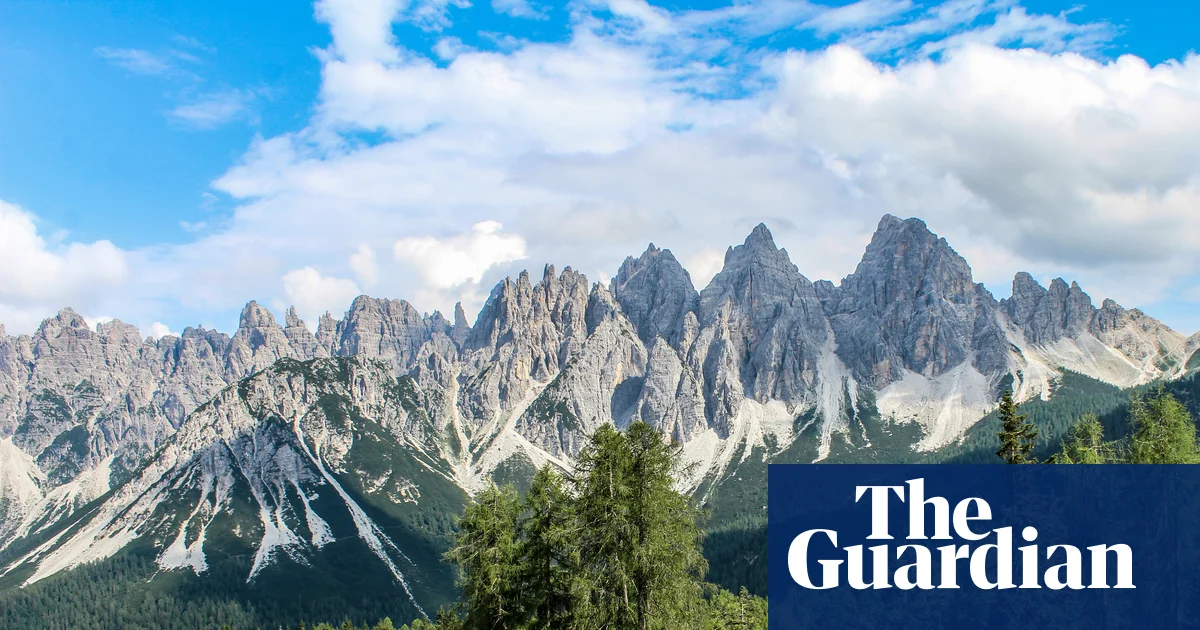
The “forgotten” Dolomites lie to the east, far from the crowds of the Tre Cime di Lavaredo and Val Gardena. Belluno is the main gateway, two hours north of Venice by train or a drive up the A27. From here, the upper Piave valley leads into the quieter Friulian mountains. The land rises gently, opening into pasture, then stone lifting into spires above the meadows.
Traditional local councils, the Regole di Comunità, still manage the land and forests collectively here, sustaining artisans and alpine farmers in scattered hamlets shaped by shared work and resilience. Pastìn (a minced, seasoned blend of pork and beef), malga cheeses and polenta, once staples for long days in the mountains, are still shared over grappa at the end of the day. Beyond the hamlets, paths lead towards Monte Pelmo or drift into the beech woods of Cansiglio, where deer call at dusk. It’s a fine place to experience mountain culture, and these are some of my favourite places.
Alpine lakes and pools
Lago di Calaita is beneath the Pale di San Martino peaks. Photograph: Denis Perilli
The Val del Mis lies west of Belluno, where the narrow SP2 road follows the shore of Lago del Mis. The lake is worth half a day on its own – paddle north by canoe or kayak towards the Cascata della Soffia waterfall, or explore the side gorge of Falcina, where you can swim in still, deep pools of crystalline water under the Passerella del Peron suspension bridge, just off the SR203 past Ponte Mas. Alternatively, from the car park at the northern end of the lake, it’s a 10-minute walk to the Cadini del Brenton – a series of turquoise pools carved into white rock cascading from one basin to the next, some more than four metres deep. A wooden bridge trail leads between them, but bathing here is forbidden.
From the Val del Mis, head north-west towards San Martino di Castrozza, then south through Fiera di Primiero, following signs for the Val Vanoi on the SP79, then climb the road to the spectacular Lago di Calaita, at an altitude of 1,621 metres beneath the ramparts of the Pale di San Martino. At dawn, the rock above is grey; by sunset, the whole massif turns gold. Open meadows line the shore, and Rifugio Miralago serves canederli (bread dumplings) and polenta with tosèla di primiero, the local cheese. In winter, the lake freezes, and the meadows are used for snowshoeing. A two-hour uphill walk leads to the darker Lago Pisorno, said to be haunted.
Mountain viewpoints
From Monte Penna there are spectacular views of Monte Pelmo. Photograph: Denis Perilli
Head for Agordino – the group of valleys along the Cordevole river, south of Cortina d’Ampezzo – for the highest viewpoints. You’ll experience the same massive Dolomite walls but without the crowds. Park near Rifugio Staulanza and take CAI trail 472. In a couple of hours, climbing gently through sparse larch and open grass, you’ll reach the slopes of Monte Penna and look straight at Monte Pelmo’s immense north-west wall – sheer pale rock rising from the valley floor. You’re standing on gentle grass; across the valley, the mountain is vertical stone. The central basin – the Trono di Dio (Throne of God) – is visible in full. To the west is the jagged profile of Monte Civetta.
For a closer look at Civetta, take the old mule track from the hamlet of Piaia, through woods dotted with tabià, the traditional wooden barns used for storing hay at altitude. After a two-hour climb, the trail opens on to the broad pasture of Sasso Bianco, looking directly at Civetta’s sheer face. Note that the road to Piaia is very narrow; parking at the end is limited.
To the south-east, the Alpago basin opens out. From the small Malga Pian Grant farm, the Costa Schienon ridge leads to the rocky peak of Cima delle Vacche at 2,058 metres. It makes for a fine full day’s hike, with the view widening at every step – Lago di Santa Croce shimmers below, and the Dolomites tower beyond.
Farther north, the Campanile di Val Montanaia rises some 300 metres from the floor of its glacial valley. The walk from Rifugio Pordenone takes about three hours over scree and is suited to experienced hikers. The Perugini bivouac beneath the spire offers overnight accommodation – when climbers reach the summit during the day, they ring a small bell, which peals across the valley below.
Restaurants
Outdoor dining at Agriturismo Bon Tajer near Lentia. Photograph: Alberto Bogo
The isolation that once made these valleys hard to reach has also kept their culinary customs intact. Near Lentia in the Valbelluna, Agriturismo Bon Tajer has hundreds of hand-painted wooden plates and chopping boards hanging from the ceilings and walls. Four generations of farmers have run the kitchen where the dishes are made with local herbs and valley produce – egg custards arrive cooked in their own shells, starters come on beds of moss with foraged flowers. Finish with the farm’s own idromele, a fermented honey drink. The mountains glow purple at sunset from the terrace. It’s a 30-minute drive up from Belluno.
Higher up, above Feltre, Malga Campon sits on the summit plateau of Monte Avena. It’s a stone-and-wood hut surrounded by cattle, horses and donkeys grazing freely, with views across the Vette Feltrine peaks, the Lagorai chain and the Monte Grappa massif. In early spring, the meadows fill with white and purple crocuses. The food is homemade – thick slices of bread with pastìn and malga cheese, best eaten under a tree with the animals grazing nearby. Malga Campon is also a starting point for hikes across the plateau. It’s a 30-minute drive from Feltre.
Rifugios and farm stays
The cosy, remote Bivacco dei Loff. Photograph: Denis Perilli
In the north of the region, above Domegge di Cadore, the road ends at Rifugio Padova. But hike on up through the woods and meadows surrounding the Casera Vedorcia dairy under the jagged limestone peaks of Spalti di Toro, to Rifugio Tita Barba di Pieve(open June-Sept but book ahead, €50-80 a night including dinner), a gorgeous alpine log cabin. The hike takes about two and a half hours on the CAI 342 and 352 trails, but the rifugio serves delicious meals and has comfy beds. From the nearby viewpoint on Monte Vedorcia, the panorama stretches over the Centro Cadore lake to the Antelao and Marmarole peaks.
For something even wilder, Bivacco dei Loff, which perches beneath the cliff of Crodón del Gevero, is a cosy stone bothy with a fireplace, a loft for sleeping and a table at the window overlooking the Valle del Rujo – on clear days, the view reaches the Venetian lagoon. Below, the Via dell’Acqua follows the stream past ruined mills and washhouses down to Cison di Valmarino. It’s about a 90-minute hike from Passo San Boldo on trail 991. You can’t book and it’s free to stay, so bring a tent in the event it’s full.
In the far eastern edges of the region, the Cansiglio plateau rises into a forested tableland. Agriturismo Filippon is just a 30-minute drive from the A27, hidden in an alpine meadow ringed by fir and beech. Mountain cattle graze the clearing and wild deer also visit. Meals are prepared with farm-fresh goods and there is a barrel sauna and open-air bathtub. The old Gran Bosco de Reme di San Marco, where Venice once sourced timber for boats’ oars, beckons above, and you could walk for days here, lost in mountain air.
Writer Ali Graves renewed her vows after 20 years, on the most luxurious Caribbean island with her 3 kids in tow
Octavia Lillywhite Acting beauty and wellness editor and Alison Graves Lifestyle & Features Editor
06:52, 25 Apr 2026Updated 06:53, 25 Apr 2026
This article contains affiliate links, we will receive a commission on any sales we generate from it. Learn more
A dream location for a wedding, honeymoon, or renewing your vows like Ali did(Image: Shutterstock / Renise Peters)
You’d be forgiven for thinking that holidaying with the kids means giving up luxurious touches for standard family friendly resorts – complete with watered down cocktails and mediocre rooms – but you’d be wrong, as I was about to discover.
A very comfortable nine-hour flight with British Airways, across the Atlantic to the Beaches resort in Turks & Caicos soon blew that theory out the window for me. We travelled as a family of five and despite the ages in our party (ranging from 12 to 46), there was one universal expression as we set sandy foot onto property… wide-opened mouths of delight.
Our first taste of the Turks & Caicos
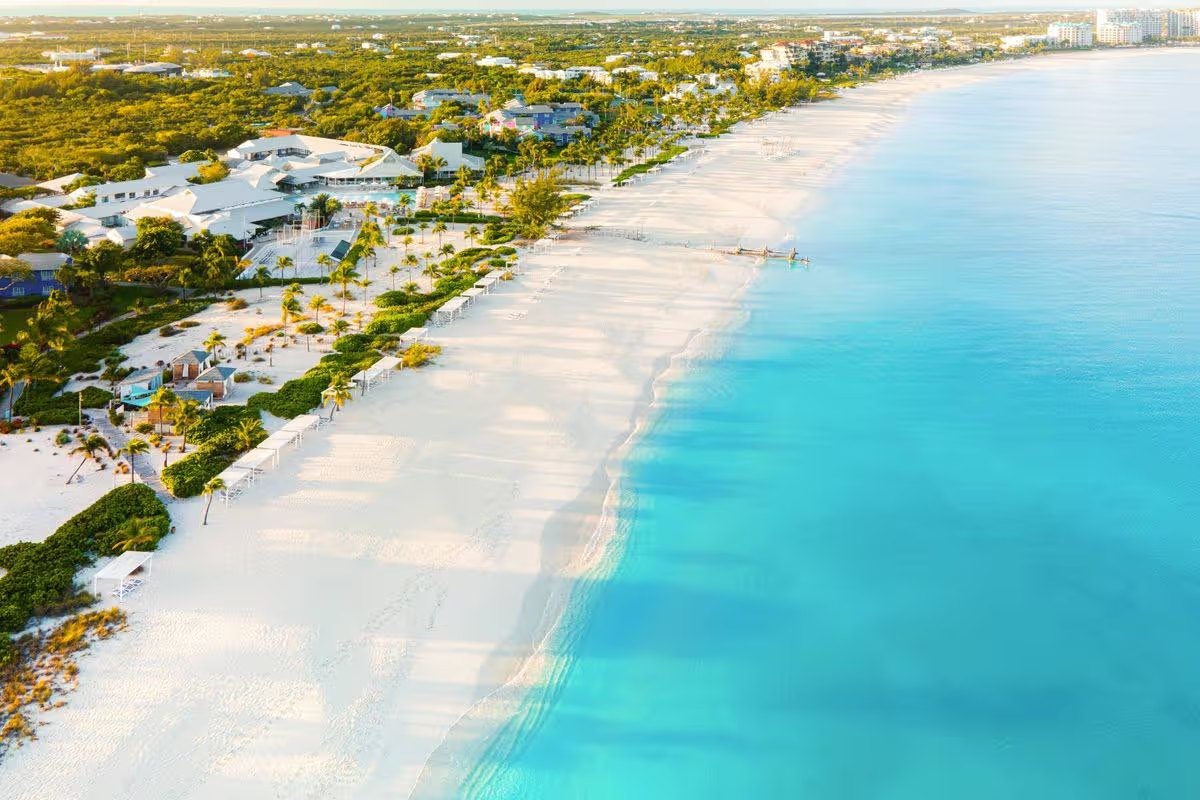
White sands, crystal-clear turquoise waters and a perfect, 28ºC breeze quickly told us that we had truly landed in paradise.
Beaches is a sister resort to Sandals and offers all the same luxurious amenities, but with a bonus – they’re family-friendly, so the little ones can come too. This isn’t their own spot, there’s another Beaches in Jamaica, too.
Turks & Caicos is made up of 40 islands and cays (small, sandy islets) but only nine are inhabited. Providenciales Island is the main centre, with our hotel located at the western end Grace Bay Beach – 12 miles known as the most beautiful white sand beach in the world. It borders the Princess Alexandra National Park and, for ocean lovers, it’s the perfect spot for snorkelling by Bight Reef Coral Gardens.
The perfect place to say ‘I do’ – again
Of course an island this beautiful is also a perfect destination for a wedding, honeymoon or – as my husband and I did – a Retying the Knot ceremony. We celebrated our 20-year anniversary while visiting and it was a privilege to mark this in style, and with staff so loving and attentive, there was nowhere more perfect.
We arranged this ahead of visiting and throughout the lead up, the lovely wedding team – especially Erika and Maureen – stayed in touch to arrange flowers, photographers and music choices, cake flavours and cocktails.
We chose a dreamy beach location, and the pictures are the best souvenir ever. I was pregnant on our first honeymoon so you could say I’d waited 20 years for my island cocktail! To sip on those exotic flavours while falling in love all over again, with our children by our side, was nothing short of heavenly.
From family adventures to adults-only relaxing
But this island is not just for weddings and newlyweds. In fact, who you’re here with – whether you’re a couple, a family with little ones or teens – will help you decide where is best to stay on site. The resort is split into five ‘villages’ – Key West Village (where we stayed in a plush two-storey, two bed concierge suite), Caribbean Village, Italian Village, French Village and new from last month, Treasure Beach Village. Each has their own ‘personality’ from family-style fun with quizzes, dance competitions, a swim-up bar and water aerobics in the Italian Village, to smaller, intimate pools and a quieter vibe in Key West, including adults-only pools and jacuzzi spots. Treasure Beach packs quite the luxurious punch with an infinity pool that drops into picturesque views of the Atlantic and fine dining options.
Luxury options at the restaurants
Beaches is all-inclusive, covering food, drink entertainment and water sports. And the food is exceptional, with something for every palate. If you fancy chilli cheese dogs, fries and pizzas washed down with a snow cone then you’re covered, but if sushi, steaks and lobster with fine island wine are more your vibe then it’s all here.
I have two tips on the food front. First, don’t miss the only restaurant you’ll need to book: Kimonos. This Teppanyaki-style, interactive dining experience is so much fun, with singing chefs and electric energy, and the meats are exceptional, too. Our personal favourite though, was Pinta in Treasure Beach Village which offered a worldwide cuisine menu – the pork belly poke bowl, roast pumpkin tacos and apricot rum punch will live rent free in my head for years to come.
Try the resort coffee too – Jamaican Blue Mountain. It’s cultivated in the high-altitude Blue Mountains and it’s a spectacular wake-up call at breakfast.
Red Lane Spa is located in two places on the resort – in Key West and in French Village – and is a paradise within paradise. My daughter and I chose tropical facials and left floating, with scents of mango and pineapple, and a bag of treats to bring home, too.
How to book this Turks & Caicos resort
Seven nights at Beaches Turks & Caicos in a Two Bedroom Concierge Suite costs from £7,449 per adult and £1,025 per child, based on two adults and two children under 12 sharing, including all-inclusive accommodation, concierge service, return flights, resort transfers, kids clubs, waterpark access and more. To book, call 0800 597 0002 or visit www.beaches.co.uk.
Situated along the UK coast is a county brimming with quintessential British villages and an array of scenic walking routes, and the most hygienic soft play centre for little ones
This UK county is brimming with pretty villages and scenic vistas (Image: Getty Images/iStockphoto)
A beautiful UK county with ample walking routes and picturesque villages has the ‘cleanest soft play’ centre.
Soft play centres, with their cushioned equipment, ball pits, mats, slides and climbing frames, are not only a great way to keep young children entertained, but they also support their development. Children can improve their social skills, enhance their coordination, and develop physical movement while stimulating imagination and creativity in a fun, safe and secure environment.
So it’s no wonder that soft play is popular among parents and their little ones. Yet parents not only want to ensure the soft play is suitable for their child, but also want to know it’s hygienic before planning a visit.
Luckily, the outdoor play specialists at Outdoor Toys have uncovered the cleanest soft play centres across 20 of the most popular UK counties, and there’s one that stood out from them all. Somerset ranked as the most hygienic soft play, according to the toy experts’ analysis of Tripadvisor reviews.
The experts revealed that fewer than 4 in 100 reviews mentioned hygiene issues at Somerset’s soft plays. Instead, unsanitary reviews made up just a mere 3.9% of all feedback on TripAdvisor, and parents praised the “clean and airy” environment at Space Adventurers Indoor Play in Taunton.
Other highly rated centres in Somerset include Play Haven SoftPlay, Ocean Adventurers Soft Play, and Safari Tots. But it’s not just the children’s play centres that warrant a visit to the county.
Somerset is packed with picture-perfect villages and picture-postcard landscapes, set against rolling hills, patchwork fields, dramatic gorges, coastal shores and ancient woodlands. Thanks to its acres of lush landscapes, the county is famously home to Glastonbury Festival at Worthy Farm in Pilton, and when the festival isn’t on, it offers ample walking opportunities, including to the summit of Glastonbury Tor.
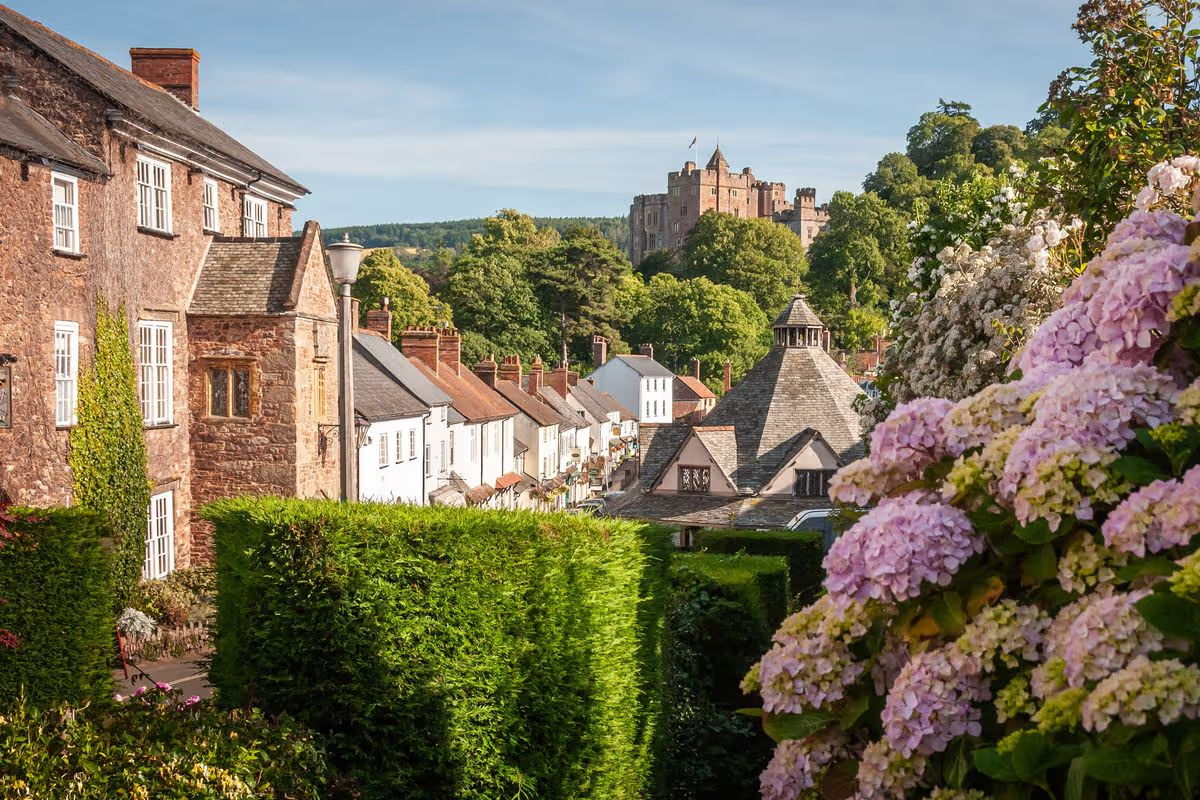
Dunster is considered one of the prettiest villages in Somerset, with its preserved medieval architecture, more than 200 listed buildings and 17th-century Yarn Market, nestled within Exmoor National Park. There’s also the picturesque village of Selworthy, with its array of thatched cottages, All Saints Church, and scenic walking routes to Selworthy Beacon, a hill and Marilyn of Exmoor, which offer panoramic views across the coast.
There’s also the small village of Allerford, with its whitewashed thatched cottages and 15th-century packhorse bridge, located on the edge of Exmoor National Park. As well as the historic village of Mells, which has often been dubbed one of the prettiest in the UK, thanks to its ‘chocolate-box’ charm, with honey-coloured houses and walks along the Wadbury Valley and Mells River.
So why not combine a trip to the cleanest soft play centre with exploring the stunning vistas of Somerset? And with its position along the coast, you could even spend a day at the seaside during the warmer months.
Top 10 regions with the cleanest play areas
1.Somerset
Total reviews: 908
Unsanitary reviews: 35
Unsanitary reviews (%): 3.9%
2. South Yorkshire
Total reviews: 1,040
Unsanitary reviews: 57
Unsanitary reviews (%): 5.5%
3. Lancashire
Total reviews: 1,106
Unsanitary reviews: 65
Unsanitary reviews (%): 5.9%
4. Greater Manchester
Total reviews: 1,344
Unsanitary reviews: 87
Unsanitary reviews (%): 6.5%
5. Nottinghamshire
Total reviews: 401
Unsanitary reviews: 33
Unsanitary reviews (%): 8.2%
6. Essex
Total reviews: 1019
Unsanitary reviews: 87
Unsanitary reviews (%): 8.5%
7. Hampshire
Total reviews: 1,020
Unsanitary reviews: 96
Unsanitary reviews (%): 9.4%
8. Lincolnshire
Total reviews: 564
Unsanitary reviews: 55
Unsanitary reviews (%): 9.8%
9. North Yorkshire
Total reviews: 457
Unsanitary reviews: 50
Unsanitary reviews (%): 10.9%
10. West Midlands
Total reviews: 447
Unsanitary reviews: 49
Unsanitary reviews (%): 11.0%
Kim May, Creative Arts Therapist at ISP Fostering, revealed the benefits of soft play centres for young children. She told the Outdoor Toys team: “Spending time in play centres helps children to embrace the play and imagination stages of their development and is beneficial for socialisation and the development of physical and cognitive skills.
“When children are in their most infant years, development is about harnessing imagination and mobility skills, and lots of what they learn is through sensory experiences – soft play can positively contribute to this. For children under four years old in particular, they rely on their sensory memory a lot (taste, touch, sound, feel, and sight). Even if a child is too small to physically move or interact with toys or a play area, they are still learning and developing through their senses.”
Do you have a travel story to share? Email webtravel@reachplc.com
Everyone craves a spa weekend getaway, but this destination is just a short flight away from the UK and it’s so worth the visit. People even claimed it’s quite “underrated”
You must visit this European destination (Image: Getty Images/iStockphoto)
Ditch the pricey spa breaks here in the UK and hop on a flight to this unmissable European city instead. If you’re on the hunt for a relaxing weekend retreat, then you’re in for a treat.
A spa weekend can work wonders, not only for your mental health but also for your body, offering deep relaxation, stress relief and improved sleep quality. Now, travellers are singing the praises of one European destination that boasts an “unbelievable” spa complete with indoor and outdoor bars, as well as water slides.
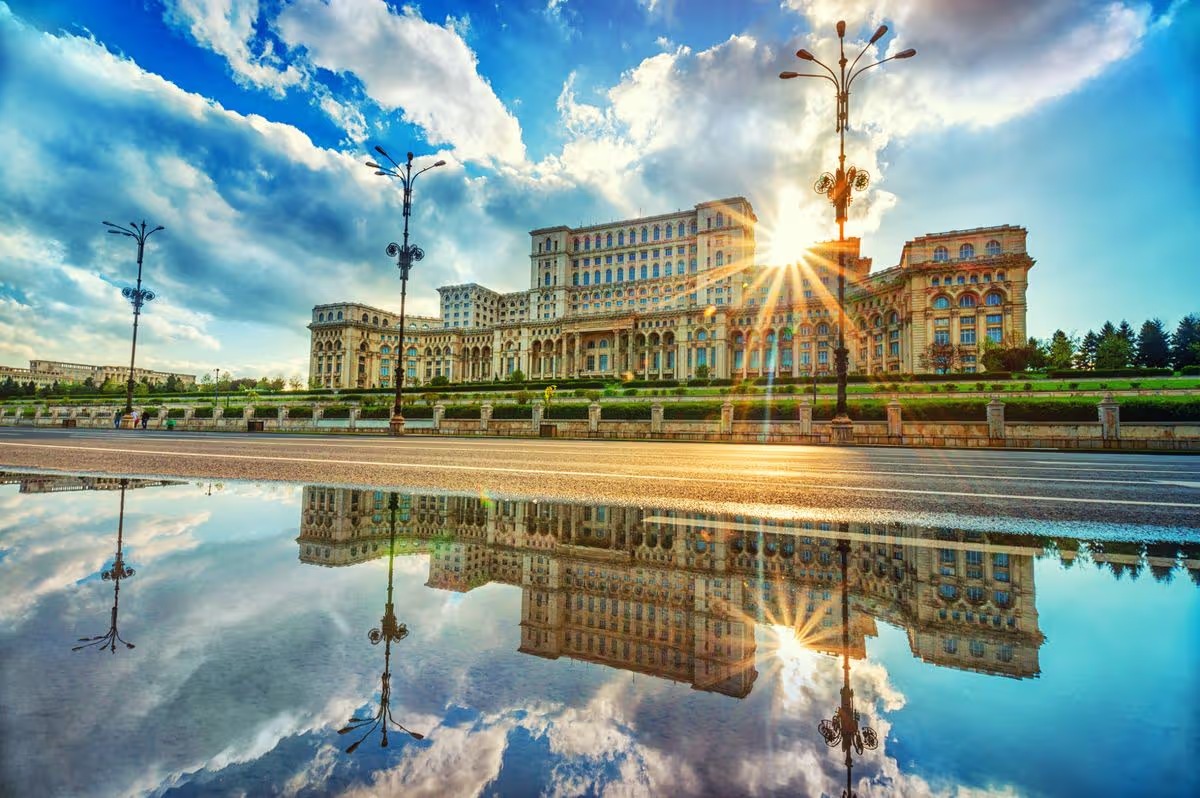
The destination in question is Bucharest, Romania. In a viral TikTok video, a popular travel account told followers to pay a visit to Therme Bucharest – and for very good reason.
In the TikTok clip shared with its 27,200 followers, the video opened with: “A cheap underrated European city break you need to visit.”
It continued: “No joke, I genuinely believe that a trip to this European spa can be cheaper than going to one in the UK nowadays.
“Therme Bucharest is located in Romania and honestly is one of the most underrated city breaks.
“The city itself is absolutely gorgeous and the spa is unbelievable. They have indoor bars, outdoor bars, the most gorgeous botanical interior, face mask that you can use, temples, aqua aerobics, saunas, water slides, it’s honestly massive.”
What does the spa offer?
Therme Bucharest offers three unique experiences to “suit your desires”.
Galaxy: Perfect for family entertainment as it boasts 1.7km of exhilarating water slides, a wave pool and interactive activities for all ages. This is the sole area where children aged 3-14 are allowed.
The Palm: An adults-only pool featuring a retractable roof, mineral pools, hydromassage beds, a pool bar, plus indoor and outdoor relaxation spaces.
Elysium: After a premium experience? This relaxation zone provides thematic saunas, a wide array of wellness therapies, bespoke spa treatments and fine dining experiences.
If you’re planning a visit, ensure you bring your swimsuit, flip-flops and a towel. You can pop to the shop for any essentials.
Ticket prices vary from £20-£50 per adult, roughly 100-250 RON. This depends on the length of your visit, 3 hours, 4 hours or a full day, plus the number of zones accessed (Galaxy, Palm or Elysium).
Spa tickets typically start around £22-£24 for basic access, with extra costs for sauna packages or full-day access.
How much do flights cost?
Amid the ongoing travel disruption around the world, flights from the UK to Bucharest generally cost around £40-£100 for budget airlines like Ryanair or Wizz Air, if you’re departing from London.
Nevertheless, average return prices are often near £169, with premium or last-minute flights potentially higher. Direct flight time is approximately 3 hours 10 minutes.
The discount chain is stocking the ‘perfect travel companion’ for jetsetters
The travel accessory could be helpful for plane passengers(Image: Getty)
Holidaymakers across the country are counting down the days until the summer holidays. With the school holidays fast approaching, many families are preparing for their upcoming trips. High street stores are also stocking travel essentials in anticipation of the surge of travellers.
From cabin bags to packing cubes, shoppers will likely notice an influx of luggage accessories on shelves. Home Bargains is no exception. The retailer is selling various travel items, including one 99p accessory that could give you ‘peace of mind during your adventures.’
Home Bargains is stocking a pack of two TravelShop Combination Locks described by the retailer as ‘the perfect travel companion.’ The retailer says: “Keep your belongings safe on the go with the TravelShop Combination Locks in stunning pink!
“This durable two-pack features a simple three-digit combination, making them the perfect travel companion for peace of mind during your adventures.
“Secure your belongings with ease and peace of mind wherever you go with Combination Locks Two Pack. Crafted with durability and security in mind, Combination locks are the perfect travel companion for safeguarding your valuables during your adventures.”
Shoppers can choose between several colours. The sets are offered in pink, blue, and green. For customers looking for an alternative, Home Bargains also sells a £2.49 TravelShop TSA Padlock.
The description says: “Keep your belongings safe on your travels with the TravelShop TSA Padlock in sleek silver! This simple yet effective three-digit padlock gives you peace of mind, letting you focus on making memories instead of worrying about security.”
Other travel accessories sold online at Home Bargains include travel bottles, pouch organisers, laundry bags, and travel-sized toiletries. For example, the store sells a £4.99 Travel Hanging Organiser, which is designed to help passengers ‘stay organised on the go’.
The description claims: “Stay organised on the go with the Travel Hanging Organiser from the Simple family, featuring 24 mesh pockets and four hooks for versatile, compact storage wherever your holiday takes you.”
There’s also a set of three Travel Mesh Pouch Organisers for £1.99. The description says: “Keep your travel essentials organised with this lightweight three-pack of pink mesh pouches in small, medium, and large sizes—perfect for hassle-free packing on the go.” According to the description, the small bag measures 25 x 20cm, the medium bag measures 30 x 25cm, and the large bag measures 35 x 30cm.
Home Bargains sells products online for home delivery. However, customers who don’t want to pay for delivery may prefer to check their local store for stock. Customers can find their nearest location here.
It’s best known for its mighty concrete jungle, but Chris Granet discovers Hong Kong’s greener side, with forested peaks to hike and pristine coastline and islands to explore
This article contains affiliate links, we will receive a commission on any sales we generate from it. Learn more
Hong Kong is full of surprises (Image: Getty Images)
The sunshine glittered off the jade waters as we chugged gently out of the busy harbour. Surrounding us were dozens of traditional fishing boats, like the one I was on. Surrounding them was a horizon full of hills, soaring out of the sea and carpeted in lush forests.
Our destination was Sharp Island in the distance, a tiny coral-encircled gem that could’ve been Thailand, Vietnam, or any remote region of Southeast Asia. Surprisingly, I was in Hong Kong. I say that surprisingly because when you think of Hong Kong, you think of the typical Asian megacity. Dense urban living. High-rises and hustle. Manic traffic and neon nightscapes. All of which are true of Hong Kong, and fantastic to experience, but what most people don’t realise is that you can also get off the beaten track within minutes and find pristine nature and beaches.
Formed by supervolcanic eruptions, the territory comprises 430 subtropical square miles across 263 islands, endless peninsulas, and swathes of craggy mainland. Nestled at the heart of this is the main Hong Kong Island and city, which for me has to be one of the world’s best cities for natural settings. However, it’s far from remote – it’s the fourth most densely populated region in the world, with 7.5 million residents. Everywhere you look in the city are tightly packed groves of skinny tenement blocks. It’s like nowhere I’ve ever seen. “We have very little flat land here,” explained our guide. “Most of it is made from demolished hills or reclaimed from the sea – we have to build upwards, not outwards.” But this also means 53% of the land is still forest, with 40% designated as country parks.
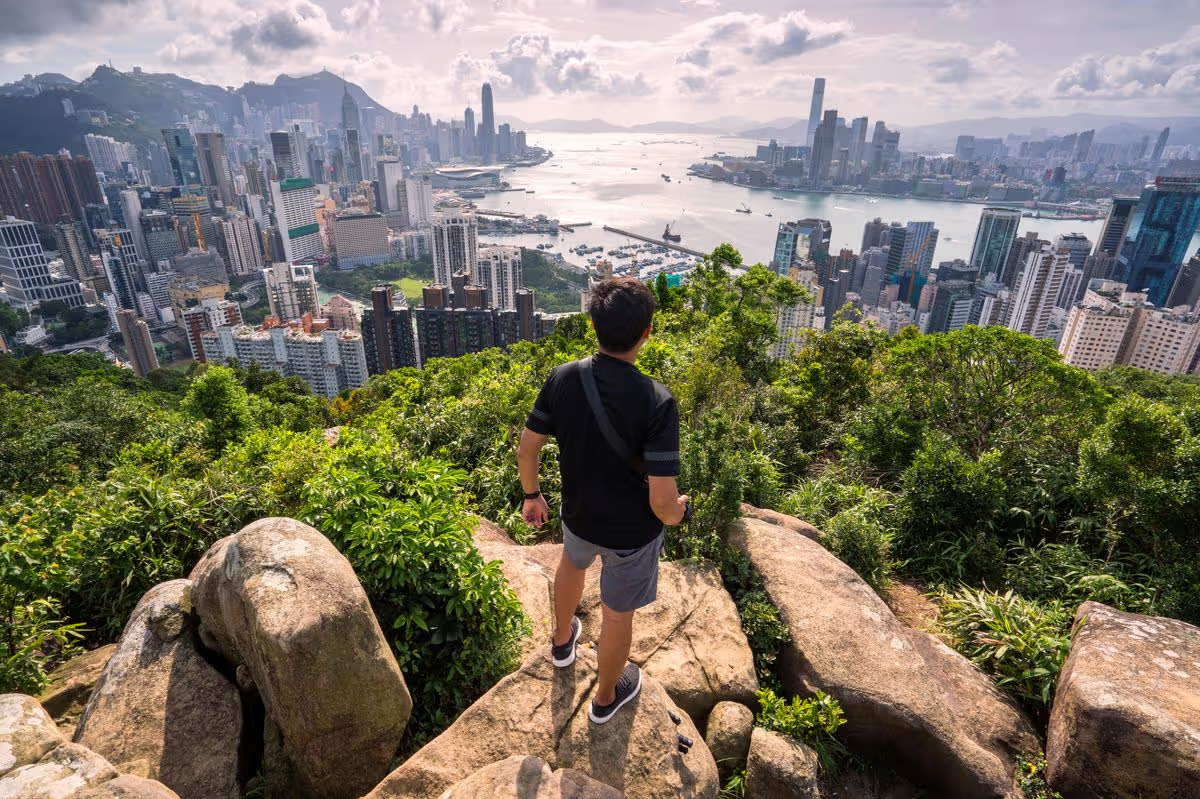
The quickest way to experience this would be to journey up Victoria Peak, which stretches up behind the city but is usually obscured by the vertiginous towers. We headed over to the Peak Circle Walk, which gently loops around the summit, on a stroll that encompassed tranquil woodlands and cinematic views of the world-famous skyline and bay below. Magnificent. If you want to avoid the crowds, then there are several trails back down to the city, which are made all the more pretty in the evening once the towers start turning on their technicolored light shows. Hong Kong Island’s southern side is another quick escape into nature, with curving coastal roads, low-rise neighbourhoods, cute coves, and those ubiquitous jungled hills.
It was a gloriously sunny day when I walked the Dragon’s Back trail on the most southeastern peninsula. The name is attributed to the ridge rolling between gentle peaks that resembles the mythical creature’s spine, tumbling down to a bay on one side, and the sea on the other. Despite it being November, it felt like summer as we then made our way down through the woodlands to Big Wave Bay, a glorious golden arc of sand that’s just one of over 100 beaches in the territory. We sat and had a light lunch and a glass of vino in the shade of an outdoor cafe while watching the surfers ride the crashing waves. Bliss.
Nearby, giant Lantau Island has plenty of options. Connected to the mainland by bridges, it’s home to the massive airport – but I took a different sky ride in the glass-bottomed Ngong Ping 360 cable car. It whisked us up and away from a generic concrete suburb over swathes of that lush greenery to the lofty Po Lin Buddhist monastery. The walk from the cable car terminal to the monastery was lined on both sides with tourist shops – not quite the spirit of immaterialism Siddhartha had intended, but handy for those, like me, in need of another coffee. The ornately pretty monastery is famous for its large seated Buddha statue, which we reached via a long flight of stairs as breathtaking as the panoramic views at its summit. On the coastline nearby is the picturesque fishing village of Tai O, with scores of ramshackle wooden houses precariously propped up on stilts on the sides of a little estuary. It was all very quiet as we wandered its maze of backstreets, feeling a hundred miles and years from Hong Kong city. But it perked up as we reached its busier center, and at The Crossing Boat restaurant overlooking the river, we sat at a spinning table and shared a sizzling seafood lunch. Prawn, scallops and fish all locally caught, plus an array of Cantonese stir fries.
If you want proper pristine, then head up to the 58 square mile Hong Kong Unesco Global Geopark on a wild peninsula, with a cluster of islands fanning out from the mainland. It’s the epicentre of the volcanic drama that shaped the region, sculpting surreal honeycombed sea caves, hexagonal rock columns and sheer cliffs, softened over the eons by ocean erosion and dusted with white sand beaches. Truly spectacular. It’s here that Sharp Island is located. It’s easily accessible from the chirpy tourist town of Sai Kung, with its busy harbourfront heaving with seafood restaurants and boat crews clamouring to offer you tours and rides to the many destinations around the Geopark. The usual price for a return ticket to Sharp Island is 50-60 Hong Kong dollars per person (approx £6), but our group of six paid 150HKD pp (approx £15pp) as we chartered the whole boat. Said boat was a little wooden fishing vessel, like most of the others in the harbour, all prettily painted in nautical blues and greens.
I sat perched at its front basking in the high sun for the 15 minutes it took to chug over to the little island’s southern tip. There, our surly boatman dropped us off, then made his way to the northern tip, where he collected us up later. We hiked the 1.5 mile long trail, a ridge walk similar to Dragon’s Back, offering more postcard-worthy views. Branching off Sharp’s northwestern shore is its Instagram-famed bar of shingle and rock that connects it to Kiu Tau islet. It’s only visible during low tide and was sadly in the process of being re-swallowed by the sea as we arrived.
Further offshore are plenty of snorkelling opportunities as, incredibly, Hong Kong is home to more coral species than the entire Caribbean combined, as well as over a quarter of all of China’s marine biodiversity.
Back at Sai Kung harbour, we indulged in more sizzling seafood, with hearty dishes big enough to share, like the fully stacked braised crab roe and shrimp casserole, at a reasonable £10 a pop. Very nice indeed. As I sat digesting our meal, staring out to sea and watching the Saturday afternoon crowds ambling through the sunshine, it was easy to forget that I was still in the midst of a roaring megametropolis.
BOOK THE HOLIDAY
Cathay Pacific flies direct to Hong Kong from London, from £549 return. Book at cathaypacific.com Dorsett Wan Chai has doubles from £113 per night with breakfast. Dorsett Kai Tak has doubles from £115 per night with breakfast. Both hotels offer complimentary shuttle service to major transport hubs, shopping, and dining destinations. Find out more and book at dorsetthotels.com
This package offers a family of four the chance to experience on of Gulliver’s four theme parks and includes tickets to the park, entertainment, and an overnight stay for less than £25-a-head
This article contains affiliate links, we will receive a commission on any sales we generate from it. Learn more
Park tickets and accommodation are included in the deal(Image: Gulliver’s Theme Parks)
Keeping the kids entertained can be a costly undertaking, but this deal offers families not only a fun day at a theme park, but also a memorable overnight stay, all for less than £100.
Gulliver’s Theme Park Resorts, who have four locations in Milton Keynes, Warrington, Matlock Bath, and Rotherham, are now offering a ‘1 Night Saver’ package on selected dates that comes in at £99 for a family of four. The package includes tickets to the park, so families get access to all the rides, attractions, and entertainment for the day.
The cost also includes an overnight stay in select themed family accommodation, with access to the resort’s facilities and activities for even more fun for all ages. Families can book these overnight packages on selected Friday dates throughout 2026, with park access on the Saturday after you check out.
The package can be booked at www.gulliversfun.co.uk, where families can also browse the fun accommodation options available to them. Depending on the park and availability, these can include family-sized double suites, western-themed dens, fairy hideouts, and dino dens, so no matter what the kids are into, there’s an accommodation option they’ll find thrilling.
If you’re looking for different dates, it’s also worth checking out Wowcher’s Gulliver’s deals, which include school holiday dates. Packages start from £159 for tickets and overnight accommodation, and options include stays in Jungle Cabins and dinosaur-themed Lost World dens.
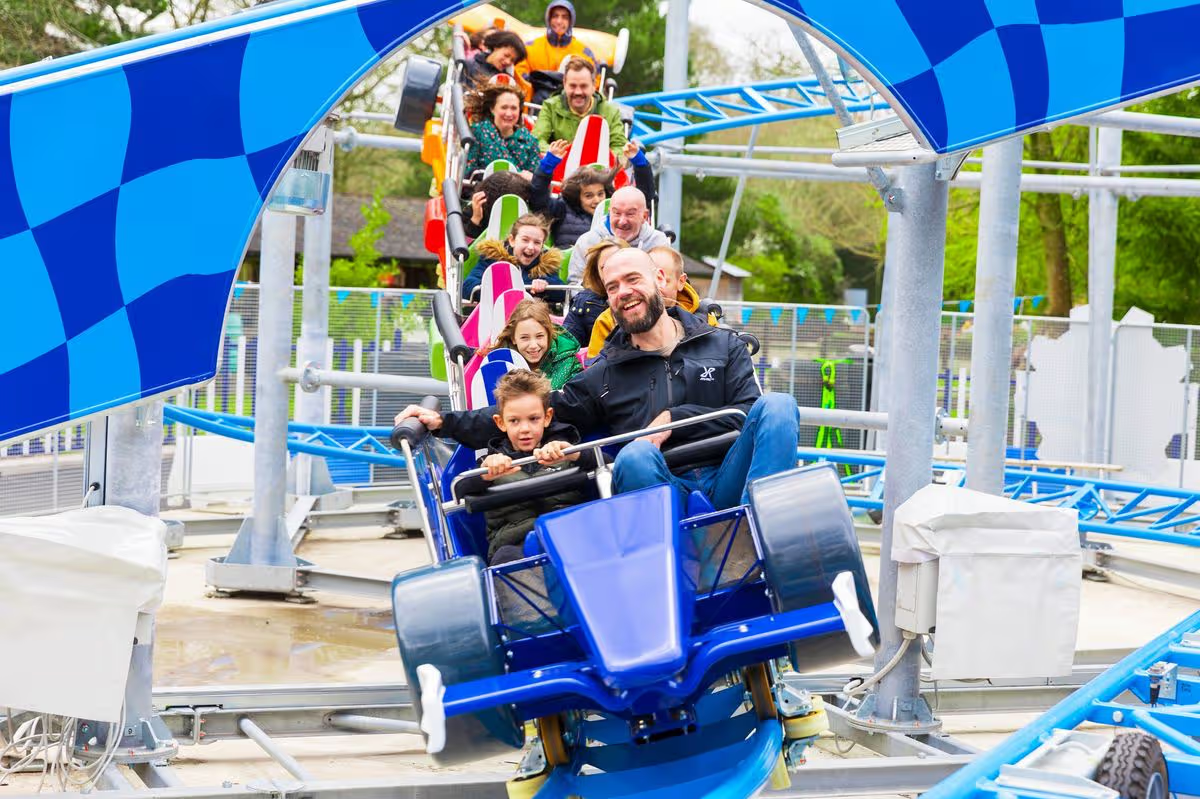
Facilities and attractions also vary by resort, but as an example its Warrington park features rides such as a wooden rollercoaster, pirate ship, log flume, and lots of other fun themed attractions for all the family. Look out for themed events such as Princess and Pirates weekend where kids can meet characters that they love.
If you don’t have a Gulliver’s near you, many other theme parks across the UK also offer short break packages. Paultons Park, known for being the home of Peppa Pig world, is offering short breaks from £177 per family. This includes a second free day in the park for the family, free parking, and breakfast.
Alton Towers is also currently running a Spring Sale where those who stay overnight get a second day free. Alton Towers packages include free parking, 9-hole golf, and breakfast. Guests can also add a waterpark pass to their booking, allowing them to enjoy even more family fun during their stay. You can find out more on the Alton Towers short breaks website.
Other parks operated by Merlin are also offering a similar deal, including Chessington, Thorpe Park, and LEGOLAND. Many resorts also offer additional entertainment and perks to guests, making for the ultimate family sleepover.
Find out more about Gulliver’s deals, check availability and book short breaks at www.gulliversfun.co.uk.
Have a story you want to share? Email us at webtravel@reachplc.com
Spain is the most popular holiday destination for Brits
Millions of Brits head to Spain each year(Image: Terroa via Getty Images)
Now that warmer weather is finally arriving, many of us are casting our eyes towards the summer months and planning holidays. Spain remains the most sought-after destination for British travellers, with millions descending on the European nation each year, eager to soak up the sunshine, lounge on its beaches and sample the local food.
When heading abroad, it’s crucial to familiarise yourself with any local laws or regulations you’ll need to abide by during your stay. And if Spain is on your radar this year, there’s one balcony rule you might not be aware of.
The Foreign, Commonwealth and Development Office (FCDO) routinely issues travel guidance for Brits venturing to more than 220 countries and territories across the globe. Within its extensive advice for Spain, the FCDO makes specific mention of balconies.
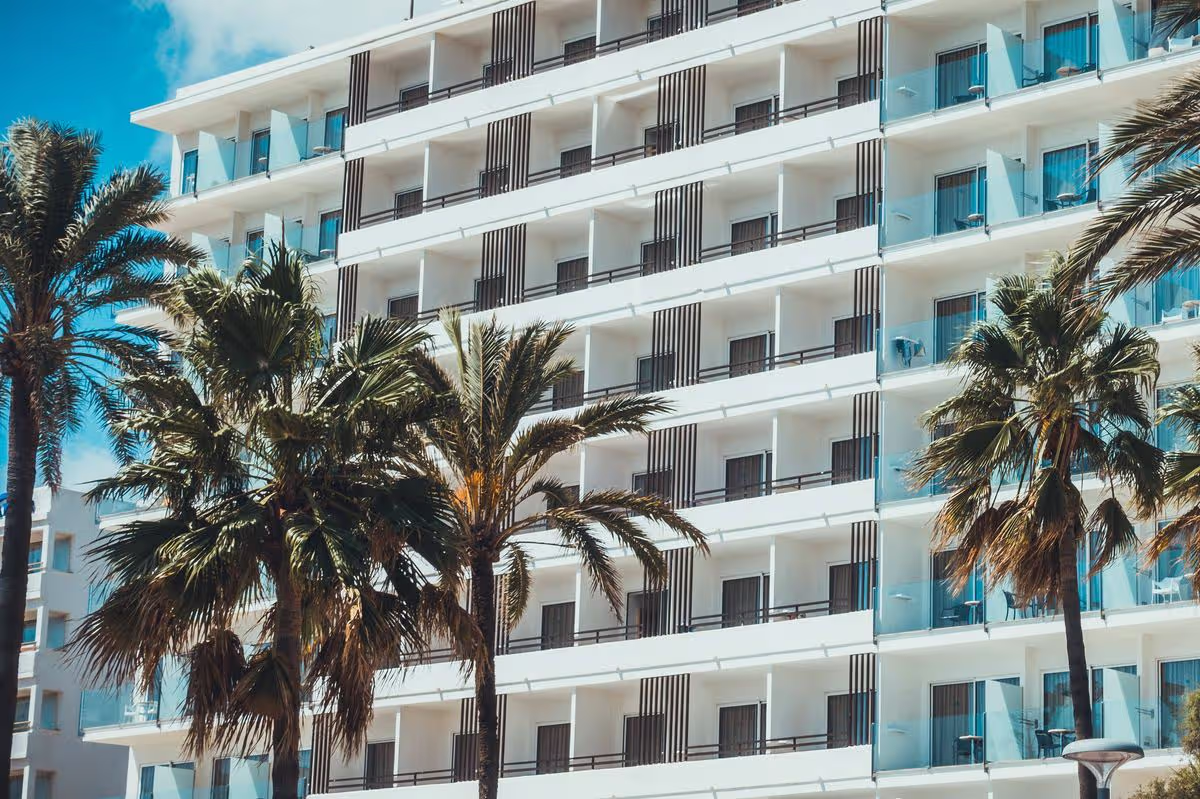
While balconies are great for offering a view and giving guests a spot to unwind in the open air, holidaymakers are expected to conduct themselves appropriately. FCDO guidance for Spain reads: “Hotels and other establishments will evict you if you behave dangerously on balconies. You could also get a fine.”
Those heading to Spain are also reminded that they must produce ID if requested by a police officer. The FCDO adds: “This includes the Guardia Civil and national, regional and local police forces.
“The police have the right to hold you at a police station until they have confirmed your identity. Ignoring direct requests of a police officer can be considered as ‘disobedience’, which is a criminal offence.”
Luxury hotel designer Tatiana Sheveleva, who has worked with brands such as The Ritz-Carlton and St. Regis, has been involved in some remarkable projects and knows a thing or two about hospitality
Tatiana Sheveleva has been a luxury interior designer for 15 years, covering hotels, resorts and yachts(Image: Handout)
A luxury hotel designer has revealed the key feature in every room that guests might miss, but it can make a huge difference.
Tatiana Sheveleva, originally from Kazakhstan but living in Toronto, Canada, has been a luxury hospitality designer, including for hotels, resorts and yachts, for 15 years and runs her company, Chapi Design. During her creative career, she’s worked on incredible projects with major brands, including St. Regis Hotels, The Ritz-Carlton, and The Luxury Collection.
These projects have taken Tatiana all over the world, designing interiors for hotels and resorts in Costa Rica, the Dominican Republic, Mexico, Peru, Antigua, Orlando, Nashville, and Toronto. She’s even designed a luxury yacht for the Ritz-Carlton Yacht Collection, Luminara, which boasts 226 suites with private terraces, five restaurants, seven bars, and a wine vault.
One of Tatiana’s most recent projects was for St. Regis in Cap Cana, Dominican Republic, which was completed last year. “I like to do big properties, and everything we design [at Chapi Design] is custom-made,” Tatiana told the Mirror, “I have been very fortunate to work on different properties around the world.
“But it’s still so surreal for me that I’m working on the most amazing properties in the world, even though I have been doing this for 15 years.”
With a wealth of expertise on luxury interior designs, Tatiana revealed that there’s one key element in every hotel room that guests regularly miss.
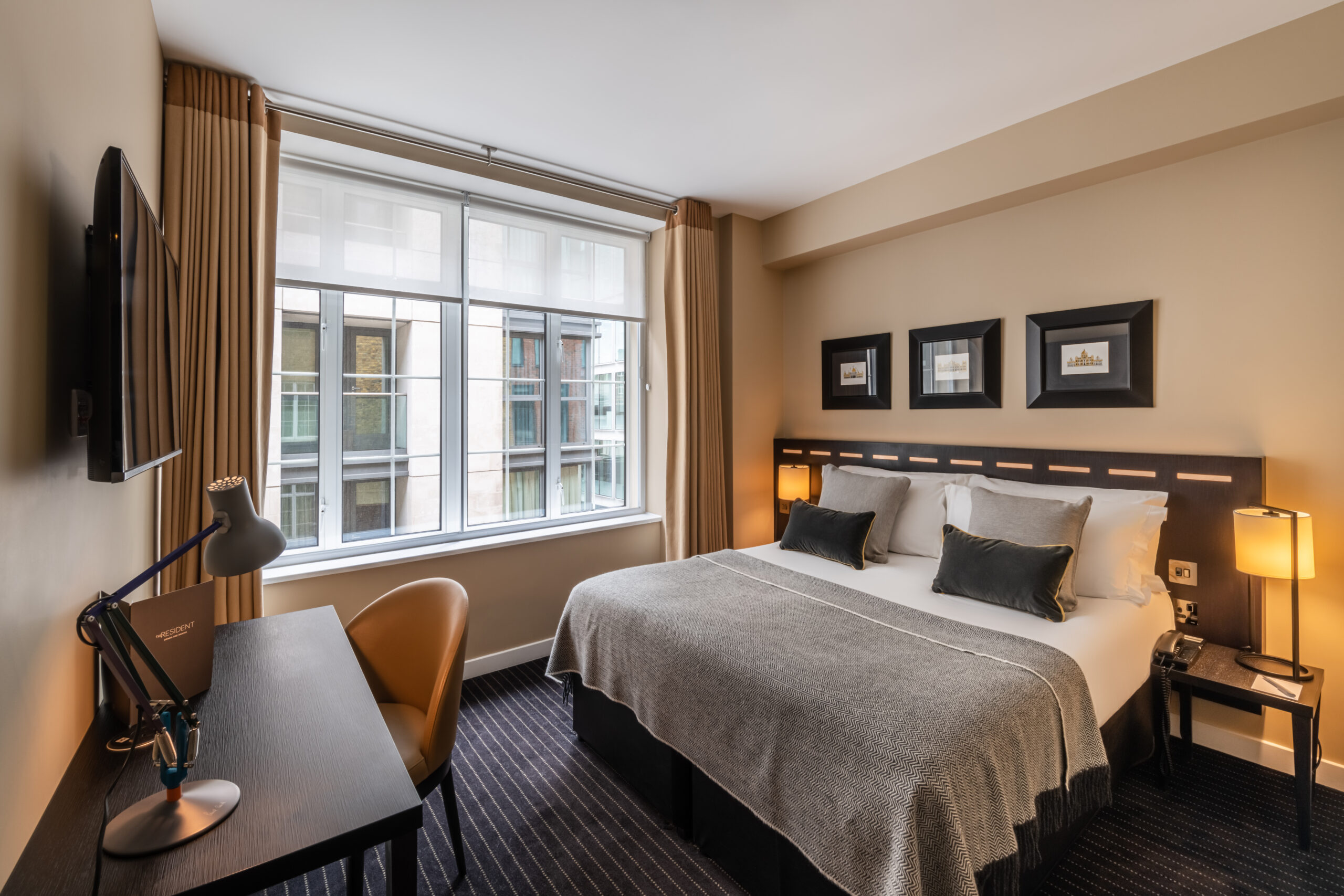
The designer said: “The most money is spent on the headboard. Typically, it’s the most expensive piece as it’s often a feature. How you design the headboard depends on the bed’s location, and it can be a strong element of the project’s narrative.”
Tatiana revealed another important feature of any hotel room. “I would say the bathroom, believe it or not. It always gives the guests a good impression, and it’s the first place they go when they check into the room.
“The bathroom area is important. If you design a very unique layout for the washroom, people will start to talk about it. In the washroom, you can create something very sculptural and unique.
“If you are successful enough to create this interesting washroom, first of all, people will be spending more time there, they will have a bath and feel more relaxed. And actually, we spend a lot of our time in there.”
She added: “The light in the bathroom should be accommodating for different scenarios, bright enough to put on make-up but cosy and romantic at the same time. For me, every single washroom I design is very unique.”
Another feature of a hotel room that Tatania argues warrants attention is the bed.
“The mattress has to be comfortable, and the bedding. Also, there might be special glasses by the bedside table; it’s these details,” she said.
The designer likes to add a special feature inside the closet, such as interesting wallpaper, a splash of color, or a pretty stone.
“That’s a unique element you don’t notice right away, but you notice it after,” she added.
For Tatiana, the joy of the job comes from travelling and working with different people. She said: “The whole process is quite fun, and during this process, you get to meet a lot of interesting people who are passionate about projects. I also like to investigate new locations and new countries, because when I was in Kazakhstan, I didn’t really travel much. So, my first project for St. Regis was in Mexico, and it was my dream to go there.
“Mexico has a very unique culture, it’s very colourful, there’s amazing food, and they use alot of bright colours – there’s a lot of celebrations. It was very different, and I was very excited about that. The Dominican Republic is the same. It’s very comfortable, the people and land, it’s very nice.”
And her travels aren’t stopping anytime soon. Tatiana is currently working on mega interior design projects for St. Regis in Costa Rica, The Luxury Collection Hotel in Mexico, and Luxury Hotels in Peru and Antigua, and some projects can take as long as six years to complete.
You can read more about Tatiana’s projects on the Chapi Design website. You can also follow their Instagram page.
Do you have a travel story to share? Email webtravel@reachplc.com
Far less well-known or visited than many other cities in the UK, but a real gem.
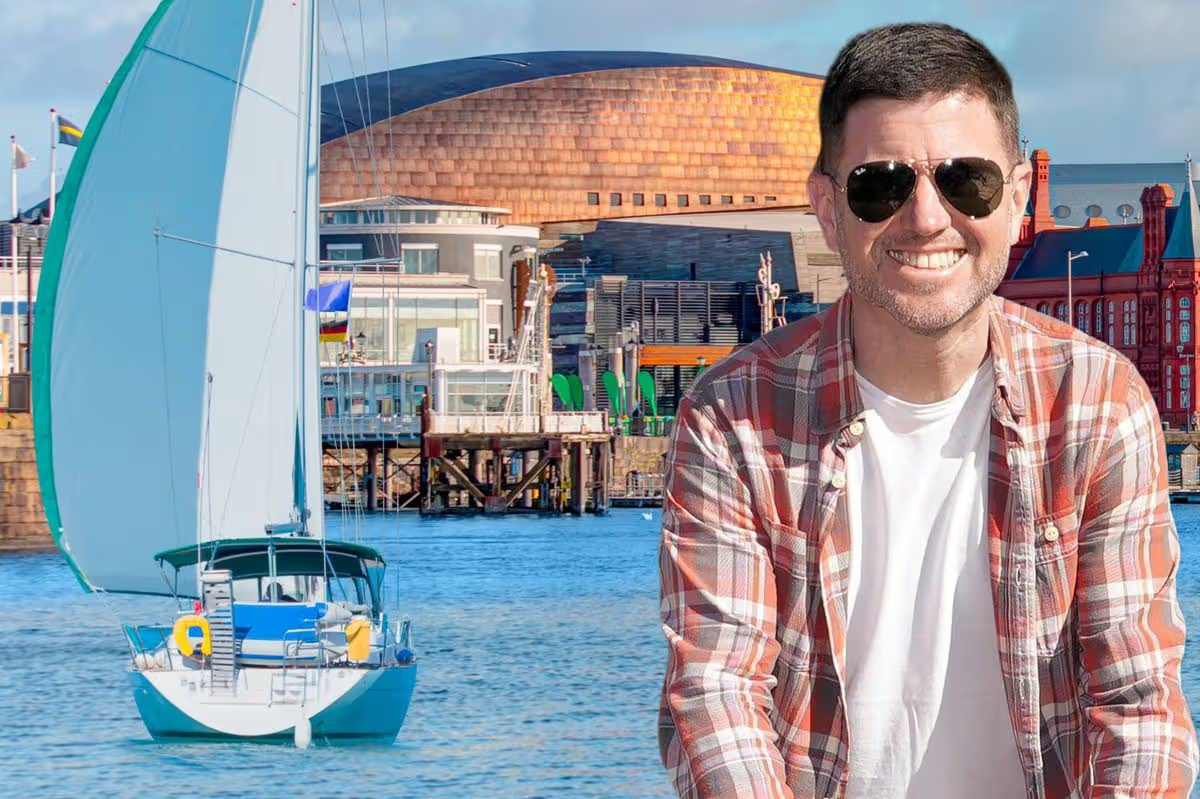
I live in beautiful seaside city that tourists overlook — it ticks every box(Image: Getty/Steffan Rhys)
It’s the 12th most-visited city in Britain for overnight stays, according to official tourism data — below Brighton, Oxford, Bristol and Bath. To me, this means a lot of people are missing out on what is one of the finest places in the UK to live and spend time.
This has my home city for nearly 30 years and I can’t think of another I’d rather live in. London has its eye-popping palaces, Manchester has its world-famous football stadiums, Oxford and Cambridge have their iconic universities. But what Cardiff lacks in headline-grabbing tourist sites it makes up for in culture and pretty, atmospheric suburbs where you can live like a local regardless of where you’re from. It is also one of the greenest cities in the UK – and one of the most walkable. This is why I think Cardiff is a match for any city in the UK and a totally unique experience.
One of Europe’s greenest cities
Cardiff is consistently ranked among the greenest cities in the UK and Europe and has also topped a Europe-wide poll on the best cities for families with young children to live.
In spring, the blossom trees here are alive with whites and pinks, while in autumn they’ll pop with rusty reds and oranges. In summer, you can sit down and watch a game of cricket taking place, or even have a game of padel or tennis yourself in excellently-maintained courts.
Other gems are Cefn Onn Park, a grade 2-listed historic park on the city’s northern fringes which is an oasis of calm full of native and exotic trees set within an intimate valley. Or there’s Forest Farm on the banks of the Taff, where habitats include woodland, scrub, hay meadow, ponds and marshland and you can still see sections of the historic former Glamorganshire Canal and the restored Melingriffith waterpump, both relics of the city’s industrial past.
On the city’s western edge is one of the world’s most unique museums: St Fagans National Museum of History is like a walk through a rural village in which one or two buildings from recent centuries have survived. The buildings here have all been dismantled from their original locations across Wales and painstakingly rebuilt here. You can have a pint in the rebuilt Vulcan pub.
There’s a 17th century farmhouse from mid Wales, an 18th century chapel from rural west Wales and a terrace of six workers’ homes, each dated to a different year between 1805 and 1985. It’s a stunning place, free to enter and easily reachable by bus.
Walkable
Given its abundance of green space, it’s no surprise that Cardiff is also a very walkable city. But it’s not just the parks and nature reserves that are a joy to walk in and around. From the city centre, it will take you about half an hour along a very simple route to walk to the seafront Cardiff Bay and you could easily spend a day exploring that area on foot. What is today known as Cardiff Bay was previously known as the Docks or Tiger Bay and is the reason the city exists in its current form. Cardiff was a small town before the industrial revolution, when it exploded in size and population to become not just the biggest town in Wales but the biggest coal port in the world.
But by the 1980s it had become a neglected wasteland of derelict docks, mudflats and poor housing. A decade on and Europe’s largest waterfront development in the 1990s created a barrage, a huge freshwater lake and complex of restaurants, shops and bars which now make it a major draw.
Historic buildings from Cardiff’s industrial era like the pilotage office, pierhead building, coal exchange and Norwegian church still exist amid the more modern developments and walking the entire length of the barrage, with the city skyline on one side and the Bristol Channel on the other is a lovely way to spend time in the open air.
Half an hour on foot in the other direction from the city centre is the sought-after suburb of Pontcanna, where you’ll find a concentration of welcoming pubs and restaurants, including a handful of the best you’ll find in Wales all within a 10-minute walk of each other. The well-heeled Cathedral Road is a lovely street to stroll down, where the large three-storey houses remind you of the city’s historic wealth.
Food and drink
Speaking of food and drink, Cardiff has seen a revolution in this area in recent years. Lamented as recently as 10 years ago by a leading food critic as a city with a desolate food scene (he even said the best place to go for food was Cardiff Central so you could catch a train to Bristol), that is a hot take not even the most cynical of critics could claim today. There are superb places to eat in the city centre and every suburb, ranging from Michelin-starred to street food.
It’s impossible to mention them all here but here are a few stand-outs (go here for a full list of the 40 best places to eat in the city). In Pontcanna, Gorse won a Michelin star within a few months of opening, becoming the city’s first restaurant to ever get a star. Practically next door is Thomas, also comfortably one of the best restaurants in the city. And a few doors down you’ll get a great and affordable lunch at Milkwood. A stone’s throw from here is Heaney’s, another extremely accomplished restaurant serving impeccable food, and Sonder, a friendly, neighbourhood restaurant with a fine lunch and dinner menu.
In the Rhiwbina area of Cardiff (like Pontcanna, also a place with a small town within a city vibe) you’ll find Mesen, a small plates restaurant specialising in sharing dishes cooked over charcoal where I was served the best-tasting dish I’d eaten in years.
Or head to the Victoria Park area, where you’ll find unbelievable cakes at Let Them See Cake, delicious small plates at Hiraeth, cheese platters at The Welsh Cheese Company, tremendous burgers at Burger Boyz, Pakistani breakfasts and lunches at Maasi’s and exquisite breads and pastries at Pettigrew, all next door to one another.
Cardiff’s got a strong Italian restaurant culture. Casanova, Cafe Citta and Bacareto in the city centre are all excellent choices, as is the more informal Calabrisella in Canton. Its Indian restaurants are great too, with Purple Poppadom and Cinnamon Tree among the pick of the bunch.
In the city centre, Pasture serves the best steak in the city, while sister venue Parallel is also brilliant. Asador 44 and its sister restaurant Bar 44, both Spanish-influenced restaurants, are also among the best in the centre. The best food pub is The Heathcock in Llandaff. Speaking of pubs, the best in the city centre are The City Arms and The Old Arcade. You’re also spoilt for choice for trendier bars, like The Dead Canary and secret underground bar Nightshade.
Lastly, Cardiff Market is a brilliant place to try a wide variety of delicious street food, from deep fried gnocchi at Dirty Gnocchi to Keralan fried chicken at Tukka Tuk, pizza at Ffwrnes and Greek wraps at Ya Souvlaki. But don’t miss the Welshcakes, a Welsh classic, at Cardiff Bakestones.
Things to see
While it may not have tourist attractions at the level of London’s Buckingham Palace, Edinburgh’s Castle or Bath’s Roman baths, there are still plenty of attractions well worth a look. Top of the list is Cardiff Castle in the heart of the city. This site has been in use for 2,000 years from Roman soldiers to Norman conquerors and Victorian visionaries – and today you’ll see rock and pop stars performing there. Today it’s a fascinating mix of the Norman keep at its heart (with great views over the city from the top) and the lavishly decorated Gothic revival residence. Its huge, walled outdoor space hosts concerts and festivals.
Across the road from the castle, you’ll find the Principality Stadium, often hailed the best sporting stadium in the world despite being well over 20 years old. The 74,500-seater stadium is where the Wales men’s national rugby team play their home games and there are few experiences on Earth like hearing that crowd sing the Welsh national anthem.
Its position right in the heart of the city makes it a favourite among visiting fans too, who don’t have to find their way to the outskirts of cities as is the case with so many major stadiums. It also hosts concerts from megastars like Taylor Swift, Bruce Springsteen and Oasis.
Cardiff has its fair share of chain stores but its Victorian arcades are a shopping experience not to be missed. Ditch the chains and head into these six beautiful arcades packed with independent shops and places to eat.
On the outskirts of the city, but accessible by bike along the riverside path, the Taff Trail, is Castell Coch (Red Castle) perched among forest on a hill. It’s often called a “fairy tale castle” for its looks, having been built by the third Marquess of Bute, then the world’s richest man. And you shouldn’t miss St Fagans National Museum of History, mentioned above. Just outside the museum, now a field, was the site of the Battle of St Fagans, the last big battle of the long-running English Civil War. Between 300 and 700 people died in the battle.
If you’re willing to travel around 45 minutes out of the city, you’ll find some of the most beautiful scenery Wales has to offer, from the country’s second highest mountain at Pen-y-Fan in the Bannau Brycheiniog (Brecon Beacons) National Park to the Jurassic coast at beaches like Southerndown and Monknash.
Culture and history
First things first: Cardiff is the capital of Wales so you are in a country with a culture and language that is distinct from the rest of the UK. You’ll hear plenty of Welsh being spoken and lots of signs are bilingual. It’s also a very friendly city – in 2023, Cardiff was ranked the UK’s friendliest city in a reader survey by popular travel magazine Condé Nast.
The city’s history is fascinating. If you arrive by train into the city’s central train station, you won’t see the sea at all. But, incredibly, this is where the sea used to reach at high tide and buildings here were once swept away by a storm (and possibly even a tsunami) in the 17th century. If you find yourself walking along the city centre Westgate Street, you might be staggered to learn that this street was once the River Taff before its direction was forcibly changed by the engineer Isambard Kingdom Brunel. Large ships would dock here and there is a mid-19th century record of a fisherman catching a salmon near where the Royal Hotel is today.
If you do happen to call into Cardiff Market for a bite to eat, bear in mind that where you’re enjoying your slice of pizza is where people were hanged and burned at the stake. And if you walk the path that runs from the back entrance of Cardiff Market to Working Street, look down and you’ll see numbers on the paving slabs. The numbers refer to burial vaults underneath the ground. The path was built right through the church graveyard so people could access the market easily, gaining the nickname ‘Dead Man’s Alley’. For more on Cardiff’s history, go here.
Places to stay
As a large city, you’re not short of places to stay in Cardiff so this is just a short selection of hotels. Voco St David’s Cardiff is a luxury hotel and spa located right on the waterfront of Cardiff Bay and within walking distance of the Wales Millennium Centre.
The city’s newest luxury hotel is the Parkgate Hotel, right in the city centre, has a range of opulent rooms and suites and a sophisticated restaurant and bar. The Angel Hotel is a classic Victorian building in the city centre. And there are plenty of popular and reliable chains like Marriott, Leonardo and Hilton.
From popular beach resorts to bustling European cities, language experts reveal the holiday destinations that British tourists commonly mispronounce — plus how to say them correctly
This article contains affiliate links, we will receive a commission on any sales we generate from it. Learn more
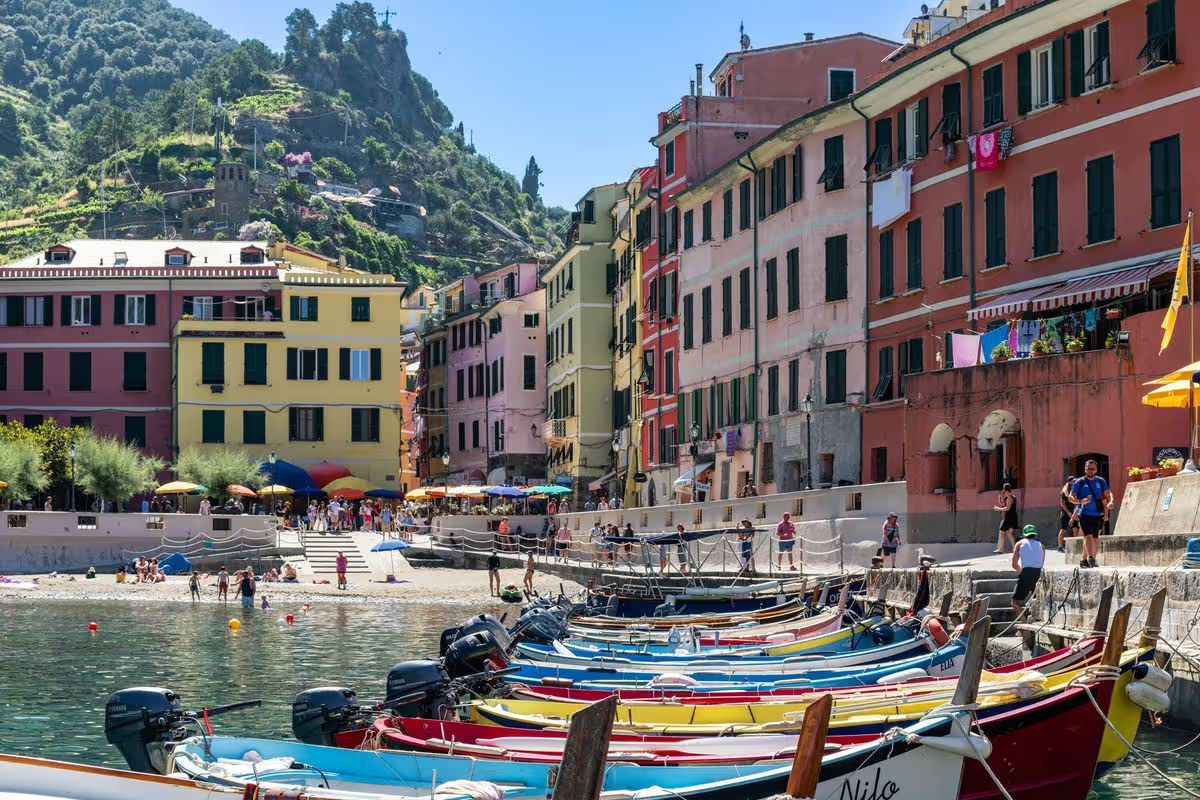
The Cinque Terre is often mispronounced(Image: Getty)
Brits are passionate about their overseas holidays. One advantage of living in the UK is having Europe right on our doorstep – yet many people may be completely unaware of how to pronounce their chosen destination correctly.
Linguistic specialists at the learning app Preply have compiled a list of locations Brits most frequently mispronounce. If you’re arranging a trip to any of these spots, verify your pronunciation using Preply’s handy guide (below). Mastering the correct pronunciation of your dream destination could help you avoid embarrassment while you’re there, reports the Express.
Cannes, France
The pronunciation of this glamorous French resort continues to catch people out. Many Brits naturally pronounce the final “s” or insert an additional syllable, but it’s actually a quick single syllable “kan”.
Phuket, Thailand
This stunning island getaway is incredibly popular among British holidaymakers but remains consistently mispronounced. The spelling can be deceptive, but the proper pronunciation is much simpler, beginning with a soft “p” to create “poo-ket”.
Cinque Terre, Italy
Renowned for its pastel-coloured buildings and picturesque harbours, this beautiful Italian coastal stretch welcomes millions of visitors annually, and countless people are getting it wrong.
Don’t rely on English pronunciation rules; instead, follow Italian conventions, starting with “cheen-kweh” and finishing with a rolled “teh-rreh”.
Kraków, Poland
This Polish city is regularly mispronounced. The main error is overemphasising the “ow” ending, when it ought to be a gentler “kov”.
Ibiza, Spain
It may be among the UK’s most beloved party destinations, but that hasn’t protected it from mispronunciation. Numerous people continue to overpronounce the “z” when it should actually be a gentle “th” sound.
Lagos, Portugal
This Algarve holiday favourite is frequently mispronounced by visitors. English speakers tend to pronounce it phonetically, whereas in Portuguese, the ending features a gentler “sh” sound, creating “lah-gosh”.
Budapest, Hungary
Common mispronunciation: “Buda-pest”
Hungary’s capital presents difficulties due to its misleading spelling. The proper pronunciation replaces the hard “pest” with a gentler “pesht”.
Barcelona, Spain
Despite Barcelona being an exceptionally popular tourist destination, many continue to anglicise the name. In Spanish, the “c” is pronounced “th”.
Marylebone, London
Despite being on British home turf, many people still struggle to pronounce certain locations. Marylebone is among these places. Instead of pronouncing it phonetically, it’s shortened to “Mar-li-bone”.
Edinburgh, Scotland
Scotland’s capital represents a classic stumbling block for tourists, who frequently over-enunciate every letter while attempting to get it correct. In practice, locals adopt a considerably more casual approach, dropping the ending completely and keeping it brief and low-key: “Edin-bruh.”
A flight attendant has shared several plane safety tips that could make your next trip more comfortable – including the one item you should absolutely never wear
The flight attendant urged people never to wear one thing (stock photo)(Image: GETTY)
You could be picking up all sorts of germs by wearing the wrong clothes on a flight.
When travelling by plane, whether it’s for a work trip or holiday, you usually want to be as comfortable as possible. No matter how long your flight is, sitting in a cramped space surrounded by strangers isn’t ideal, so you normally want to make sure your outfit is something you can feel relaxed in for at least a few hours, if not longer.
But one flight attendant has said there’s one thing you should absolutely never wear on a plane, regardless of how comfortable you think it is. Charity Moore is a flight attendant who regularly posts travel tips on social media, and in a recent video, she shared several things she wishes more people did on flights.
Among her tips, Charity said there’s one thing you should absolutely never wear on a plane, as it puts your body in direct contact with the seats – which aren’t always the most hygienic things to be sitting on.
1. Wear the right clothes
Charity insisted you should never wear anything that exposes your legs on a plane, including shorts and skirts. She advocated for wearing trousers at all times, because she’s seen some “diabolical” things happen on plane seats that aren’t always cleaned as thoroughly as you might like.
Content cannot be displayed without consent
She said: “I am letting you know, from a flight attendant, the amount of things I have seen on the seat. Wear pants. Shorts, skirts, dresses, absolutely not. Wear full pants. None of your skin should be touching that seat. I don’t care if you come on board and disinfect it. Nope, nope, nope. Wear full pants. Trust me, I have seen some diabolical things.”
2. Disinfect the seatbelts
The flight attendant also said that while she often sees passengers using antibacterial wipes on things like the tray table, she hardly ever sees anyone clean the seatbelt – which she believes is the most important part.
She explained: “You guys all come on board with your little Clorox wipes and your little disinfectants, and you start wiping everything down. That little tray table in front of you [and] the back of your seat. I don’t really get why you’re wiping the back of your seat, because if you’re wearing clothes, nothing really touches that.
“What you should be wiping that nobody wipes is that seatbelt. The metal part, because everybody touches it, but also you should be wiping the fabric part of the seatbelt, because everybody pulls on that. The amount of throw up, baby vomit, bodily fluids, liquids that have spilt, and random stuff that ends up on those seatbelts. Wipe them down, babe.”
3. Exercise proper toilet hygiene
Charity claimed that not enough passengers have proper toilet etiquette when using the bathroom on a plane. This includes washing your hands once you’ve done your business, making sure you flush the toilet, and even closing the door behind you once you’re finished.
Amazon cabin bag meets Ryanair requirements for less than £15
This article contains affiliate links, we will receive a commission on any sales we generate from it. Learn more
Travellers keen to beat the bag charges without breaking the budget have made an Amazon travel bag a bestseller. Rated 4.7 stars out of 5 from almost 3,000 reviews, the Xkdoai bag comes in six colours with prices from £14.99, saving 29% on the usual price.
While these might seem like obvious things you would do after any toilet visit, whether it’s on a plane or not, the flight attendant insisted a large portion of passengers don’t do them.
She also said if you’ve taken your shoes off at your seat to make yourself more comfortable, you should not go to the toilet without putting your shoes back on.
The attendant noted: “It is never ever water on the floor in the lav. And your socks are like two big sponges.”
4. Bring food
Charity’s final piece of advice is to bring food with you. She said it’s a “huge misconception” that you can’t bring food through security, and encouraged people to bring snacks or even a fully prepared meal with them to help them survive their plane journey.
In the UK, food items and powders are allowed in your hand luggage, but may obstruct images on X-ray machines, so your bags might need to be checked again manually by security, which could cause you delays.
You are generally not allowed to bring liquid or gel-like foods such as soup, sauces, jams, and yoghurts in your hand luggage, and may not be able to bring certain fresh produce, like fruits, vegetables, meat, and dairy, across some international borders, so always make sure you check the rules before you fly.
In most cases, you will be able to bring snack boxes with things like sweets, chocolate, and crisps onto a flight. You should usually avoid packing nuts into your snack box, as you may be asked not to open these if a passenger has an allergy.
FOR a simple stay in the city, The Resident Victoria is the place to be, being right in the middle of London.
Here’s everything you need to know.
Sign up for the Travel newsletter
Thank you!
Here is everything you need to know about staying at The Resident VictoriaCredit: NEIL HEWISONStay in the lobby in the evening for the free wine hoursCredit: NEIL HEWISON
Where is The Resident Victoria?
The hotel is just steps from Buckingham Palace, so royal family fans can head straight to it.
Being right by Victoria Station as well, it means you can easily hop into central London or even easily get to London airports including Gatwick and Heathrow?
What is the hotel like?
Just one of four in London – with another in Liverpool and Edinburgh – the hotel itself is simply but classy.
What are the rooms like?
The 73-room hotel ranges from single person rooms to deluxe rooms with super king beds.
Not only will those who move there be paid €500 (£433.49) a month for three years, they will also be given a newly built house to live in.
Of course, there are a couple of catches including that you must be a family with four children and you must have a skill or work in trade, such as fishing.
This is because the scheme is aiming to grow the island’s population as well as its economy.
To apply, you will need to contact the local council.
As for life on the island, it couldn’t be further from other tourist hotspots in Greece.
The entire island remains untouched and boasts natural, rugged beaches and to get to it, you’ll have to hop on a two-hour ferry from Kythera.
Once you reach the island’s port, you’ll see white houses and chapels, as well as a statue dedicated to a diver who discovered a bronze man, underwater, just off of the island.
The statue is believed to date back to between the first and second centuries and one of the divers mistook it for a heap of rotten corpses.
Today, you can see the statue in the National Archaeological Museum in Athens, Greece.
While there isn’t much to do on the island, as you’d expect with Greece it does boast beautiful beaches.
The island is offering to pay people to live thereCredit: AlamyAs you reach the port, you will see a statue of a diver who found a bronze statue off of the island which is now in a museum in AthensCredit: Alamy
One beach found near the port is Paralia Potamos Beach, which according to local reports, is about 80metres long, with pebbles and clear water.
A recent visitor commented: “Peaceful beach on a peaceful, charming little island.”
Another beach you can head to on the island is Xiropotamos, which is about a 20-minute walk from the port and is bigger than Paralia Potamos.
Across the rest of the island you’ll find ancient ruins, with the Greek Ministry of Culture often carrying out excavations on the island.
There’s also a number of small chapels and ruined windmills and just off its coast there’s a shipwreck that dates to around 82BC where parts of a mechanism thought to be the world’s first computer were found.
If you get hungry, there’s only one place to eat on the island – Strato’s Corner – which is run by one of the locals and sells typical Greek dishes as well as local goat and fish caught off of the island.
When it comes to shopping, the island has only one food store which doubles as a coffee shop, where you’ll often find the locals hanging out.
If you don’t fancy living on the island but do want to visit, there is a small hostel as well with 15 rooms.
The island also has a few beaches to exploreCredit: Getty
Our favourite Greece holidays
*If you click on a link in this box, we will earn affiliate revenue.
Blue Bay Beach Resort, Rhodes
The four-star Blue Bay Beach Resort sits a stone’s throw away from this beach, and has its own pools, splash park and water slides. Here you’re only a 15-minute drive away from Rhodes Old Town, where UNESCO-listed medieval streets wind through castle-like architecture. Make sure to check out the Street of the Knights, one of the best-preserved medieval streets in Europe.
Gouves Bay Hotel keeps things simple on a sunny Greek island location right by the sea. This hotel has a relaxed, family-friendly feel with two pools, a kids’ club and easy all-inclusive dining. And if you fancy a change of atmosphere, Gouves’ bars and tavernas are just a short walk away for your choice of evening drinks with a view.
The picturesque hotel is perched up high and surrounded by lush greenery in the historic harbour town of Kos. Here you’ll find a huge swimming pool and a waterpark, as well as activities like darts, tennis, football and more. There’s evening entertainment six days a week, and an on-site spa with a hot tub and sauna to unwind.
This mega resort with six pools and its own waterpark is rated five stars by TUI. In the main restaurant, you’ll see show cooking displays as you take your pick from an extensive international buffet. Plus, Kalives beach is on the doorstep of this hotel, with its strikingly blue water and soft golden sands.
The following day, services to Krakow will begin with departures on Mondays and Fridays every week.
On October 25 and 26, travellers can go from Belfast International Airport to Sharm El Sheikh, Egypt, on Wednesdays and Sundays, as well as to Rome on Mondays and Fridays.
Anyone wanting to visit Reykjavik, Iceland, can travel from Newcastle from October 27 twice a week, on Tuesdays and Saturdays.
You can fly to Iceland’s beautiful capital city from Newcastle with Easyjet later this yearCredit: Getty Images/Cavan Images RF
Easyjet’s Luton-Ljubljana flights start on October 26 three times a week on Mondays, Wednesdays and Fridays.
The same day, the Southend-Budapest route also starts twice a week on Mondays and Fridays.
In an exciting update for Birmingham, the route to coastal city Agadir, in Morocco, will start on October 27. They will depart twice a week on Tuesdays and Saturdays.
The new flights, which include fares of £23.99, have significantly expanded the airline’s network from the north of England, and enabled more direct services to popular leisure and city destinations.
The airline’s UK country manager, Kevin Doyle, said: “Whether they’re looking for winter sun, or a weekend away in some of Europe’s most iconic capitals, this new batch of routes further expands the range of exciting destinations available for our customers to choose from at affordable prices.”
MOVE over London, there’s a new ‘it’ city on the UK scene and it has cheap travel, cowboy dancing and a super cute mascot.
This year, Glasgow is being talked about a lot and it isn’t without good reason…
Sign up for the Travel newsletter
Thank you!
Glasgow was recently named one of the must-visit European cities for this yearCredit: Cyann FieldingAnd one top spot in the city is Barras MarketCredit: Cyann FieldingYou’ll find unique and locally crafted items including clothes, bags and even cowboy bootsCredit: Cyann Fielding
The city was recently named one of Time Out’s best cities to visit in Europe this year, ranking fourth.
And the Scottish city is currently undergoing a massive £20million revamp of its city centre square – George Square.
Dating back to 1781, the square was named after George III and will reopen to the public this September with a completely new look.
Though, the famous statues of poet Robert Burns and novelist Sir Walter Scott will remain.
Overall, the square will become more walkable and green, with Norwegian maple trees and cherry trees, rain gardens, event spaces, and new seating areas.
The square’s renovation is set to be completed by late August and will then open to the public in September.
Having recently visited the city, it isn’t the only exciting thing going on…
Often overshadowed by the capital Edinburgh, Glasgow has a lot to see and do.
Close to George Square, you can stay at the AC Marriott Hotel from £80 a night, which is a super modern hotel with sleek interiors and a chilled vibe.
The best thing about the hotel though is that it looks out at the incredible architecture of the City Chambers.
If you love a bit of retail therapy, make sure to head to Barras Market on a Saturday or Sunday.
The giant sprawling market has all sorts of antique and second-hand gems including minimalistic chairs and ornate teapots – I highly recommend EARTH.er, a travel bag maker that began in Tai O, Hong Kong but is now based in Glasgow.
And if you are a lover of all things western, head to Cowpeople for authentic cowboy boots and fringed leather jackets.
In between the different market buildings, you will find a number of different food and drink vans.
Make sure to stop by the Cowpeople for authentic cowboy boots and fringed jacketsCredit: Cyann Fielding
The one with the super-long queue is the viral Eight Coffee Co, which serves some of the most unusual blends I’ve ever seen.
Think cereal milk matcha, complete with cream and lucky charms.
The queue might appear long but goes quickly, and trust me, it is worth waiting the 20 minutes for.
Just outside the market, drop by Ho Lee Fook – another viral spot but this time for a pork tonkatsu sandwich that takes three days to make (and it is huge!).
The Hong Kong food spot is in a former newsagent’s hatch and translates to “good, wealth and luck”.
At The Clydeside Distillery you can go on a whisky tour with a tastingCredit: Cyann FieldingIt costs £39 per personCredit: Cyann Fielding
Of course, Scotland is well-known for its whisky so make sure to head to a local distillery.
Down on the River Clyde, you’ll find The Clydeside Distillery where you can go on a tour led by a guide and try a flight of five different whiskies accompanied by five chocolates that magically change the taste of each drink.
It costs £39 per person and lasts around an hour and 20 minutes.
Rather uniquely, Glasgow’s night scene transports you to deep south America.
Buck’s Bar is great for famished visitors, with giant chicken burgers and a true Texan vibe inside.
A couple of doors down, you’ll find Maggie’s Rock n’ Rodeo – and it is as fun as it sounds.
A small crowd shuffled around the dancefloor, performing a number of different line dances to a live country singer – what could be more fun?
“Who doesn’t love a hoedown?” shouts Garry King, the vibrant drag host who brings the confidence and dancing skills out of everyone.
For an evening out, head to Maggie’s Rock n RodeoCredit: Cyann FieldingYou can enjoy live country music plus line dancingCredit: Cyann Fielding
And if you are feeling brave (unlike me who was still feeling the weight of my giant Buck’s Bar burger in my stomach), you can hop on the mechanical bull and try lasting longer than just a few seconds…
If you want to head out of the city centre for the day, hop on a train to Pollokshaws West Station costing only £3 return for adults and £1 for kids.
In fact, all day, every day, kids can travel on ScotRail for £1 when travelling with an adult.
Outside the station you can then catch a free shuttle bus to Pollok Country Park where you’ll find a herd of Highland Cows (often referred to as Scotland‘s mascot) and visit the Burrell Collection, home to a Cézanne painting and one of Auguste Rodin’s The Thinker statues.
But if you don’t feel like venturing outside the city, go to the Botanic Gardens to get your dose of green space.
If you want to see a bit of nature in the city, head to the Botanic GardensCredit: Cyann FieldingThe gardens are free to visitCredit: Cyann Fielding
Home to several glasshouses and Kibble Palace, the free attraction is a great spot for enjoying a bit of nature (and a tropical rainforest) in the heart of the city.
Down from the Botanic Gardens, you will also find Glasgow’s West End, which is often named one of the ‘coolest neighbourhoods’ in the UK.
Make sure to drop by Ashton Lane – a cobbled street with cosy restaurants and bars.
If you are not done with quaint lanes, make sure to head to the Finnieston area as well, where you will find Hidden Lane, which is full of local artists, designers, and even a tarot reader.
Nearby, also check out Ashton Lane where you will find a number of cosy cafes and restaurantsCredit: Cyann Fielding
A short walk from Hidden Lane and you will find Civerinos – a fantastic pizza restaurant.
Opt for the sweet potato and truffle pizza for under £20 – it is huge, and you won’t be disappointed.
For dessert, drop by Fat Sal’s – an Italian ice cream parlour with a Scottish twist.
A scoop costs a few quid and flavours are constantly rotating, though if they have the Scottish tablet one available, it is a creamy, heavenly dream.
Continue the night at The Park Bar, for a traditional and historic Scottish pub dating back to 1895 with live traditional music often including an accordion player.
For dinner, visit Civerinos for amazing (and giant) pizzasCredit: Cyann FieldingThen for dessert, stop by Fat Sal’s which has plenty flavours of ice cream to choose fromCredit: Cyann Fielding
Our favourite UK hotels
*If you click on a link in this box, we will earn affiliate revenue.
Margate House, Kent
This stylish boutique hotel is in a seaside townhouse, a short walk from Margate’s coolest bars and restaurants. Decked out with plush velvet sofas, candles flickering, and striking independent art, inside feels like a warm welcome home. Rooms are stunning, especially the ones that give you a glimpse of the sea.
The Alan looks extremely grand, being built into a beautiful Grade II listed building. Spread across six floors, with 137 rooms, each one looks like a fancy design magazine. From the concrete coffee tables to the pink plastered walls, the industrial-inspired designs perfectly replicate the history of the city.
This historic hotel has welcomed the likes of Charles Dickens and Lillie Langtry through its doors. Rooms have richly-patterned carpets with super soft bed linen and premium toiletries in the bathroom. Go for a superior room for extra goodies including bathrobes and snack boxes.
This Cambridge hotel is in the ideal spot, within walking distance to bars, shops, and hotspots like the university colleges and Parker’s Piece. The inside couldn’t be prettier, with huge stained glass windows, grand chandeliers, and rooms with enormous clawfoot bath tubs.
Government spoke out to passengers booked with carriers like Ryanair, easyJet, Jet2 and Wizz Airs amid fears of fuel supply disruption and potential flight cancellations
Amidst fears of holiday meltdown the UK Government this afternoon issued statement and check sheet(Image: Getty Images)
The Government this afternoon issued a statement to passengers across the UK amid growing concerns over jet fuel shortages and the prospect of flight cancellations. The Department for Transport stepped in to respond following warnings from the European Union.
EU energy commissioner Dan Jorgensen said this week: “Unfortunately, it’s very likely that many people’s holidays will be affected, either by flight cancellations or very, very expensive tickets.”
He added: “Even if we do everything we can do, if the jet fuel is not there, then it’s not there. [Currently] it is primarily a crisis of prices and not yet a crisis of supply, but unfortunately we cannot be sure to prevent a crisis of supply, especially on jet fuel in the future, if the crisis continues.”
Earlier today, President Trump suggested the Iran situation could drag on for weeks, stating he ‘wouldn’t rush’ a deal. The DfT then issued direct guidance to passengers booked with carriers including Jet2, Ryanair, Wizz, easyJet and British Airways.
It said: “There is no current need for passengers to change their travel plans. UK airlines buy jet fuel in advance, and airports maintain stocks to support their resilience. The government is working closely with the aviation industry to monitor risks and minimise disruption to passengers.”
“If your flight is cancelled, you have clear legal rights, including the right to a full refund or re-routing. Read this factsheet for the full picture on the current situation and what it means for you.”
Is there a shortage of jet fuel in the UK?
DtT said: “UK airlines are clear that they are not currently seeing a shortage of jet fuel. It is typically bought in advance, with airports and their suppliers keeping stocks of bunkered fuel to support their resilience.”
Do you need to change your travel plans?
Officials explained: “There is no current need to change upcoming travel plans. Government regularly meets with industry to monitor risks, understand pressures and ensure clear communication with passengers, should circumstances change.
“We recognise that families may be concerned, and that aviation and tourism businesses are operating in challenging global conditions. We are working hand‑in‑hand with industry to help flights keep operating.
“We advise passengers to continue checking with their airlines before they travel, and to check the FCDO travel advice for the latest updates. You should also ensure you have appropriate travel insurance.”
How is the government protecting passengers?
Under UK law, if your flight is cancelled, you are entitled to either a full refund or to be booked onto an alternative flight if you:
depart from an airport in the UK on any airline
arrive at an airport in the UK on an EU or UK airline
arrive at an airport in the EU on a UK airline
For more information about your rights, you can:
What is government doing?
The UK Government said: “Since the closure of the Strait of Hormuz, we have been closely monitoring UK jet fuel stocks and working with airlines, airports and fuel suppliers to ensure passengers keep moving and businesses are supported.
“We continue to plan for a range of contingencies, while focusing on securing a long lasting and workable solution to get shipping flowing freely again through the Strait of Hormuz.”
How are airlines being supported?
In terms of carriers the DfT said: “At some UK airports, airlines are given scheduled times known as ‘slots’ in which to take off or land.
“Under normal rules, airlines must use at least 80% of their allocated slots during a season to keep them for the following year. If they fall below this threshold, those slots can be reassigned to another airline. This is known as the ‘use it or lose it’ rule.
“Airport Coordination Limited, the independent body that manages slot allocation at UK airports, has updated its guidance so that airlines will not lose their slots if fuel shortages prevent them from flying. Airlines can now apply for an exemption from the ‘use it or lose it’ rule in these circumstances.
“This means airlines can focus on minimising disruption for passengers, rather than feeling pressure to operate flights purely to protect their slots.”