TRAVEL

Explore new cultures, find the best travel deals, and make informed decisions with our trusted travel news. Let your wanderlust thrive as you stay connected with the ever-changing world of travel.

Ryanair launches ‘big idiot’ seat sale in scathing attack on Elon Musk

RYANAIR has launched a sale aimed at ‘idiots’ following the airline’s spat with Elon Musk.

It is good news for people wanting a cheap holidays, however.

Ryanair has launched a sale targeting ‘idiots’ such as Elon MuskCredit: Ryanair

The huge sale has been launched as an attack on Elon Musk as the millionaire’s relationship worsens with the airline’s CEO.

The website homepage states: “Ryanair‘s big ‘idiot’ seat sale.

“Only available for Elon Musk and any other ‘idiots’ on X! Book today before Musk gets one.”

To get a seat in the sale, you must book by the end of today and travel between today and April 30, 2026.

Read more on travel inspo

ALL IN

I found the best value all inclusive London hotel… just £55pp with free food & booze


HOL YES

I’m a travel editor & mum-of-3… my favourite family holidays from just £3pp a night

One of the cheapest offers available is a flight to Szczecin, Poland for £14.59 from London Stansted Airport.

Then there are loads of flights available for £14.99 to destinations across Europe.

For example, still from London Stansted, you could head to Aarhus in Denmark or Bucharest in Romania for that price.

In fact, for £14.99, there are 67 destinations on offer from London Stansted Airport.

If you live in Bristol – or close to the city – you could head off to Barcelona in Spain for just £14.99.

Or explore Prague in the Czech Republic for the same price.

From Manchester, you could head to Bologna in Italy, also for £14.99.

Or perhaps head off to the winter wonderland of Rovaniemi in Lapland, Finland for the same price.

The sale comes as the relationship between Elon Musk and Ryanair’s boss, Michael O’Leary intensifies.

The new sale features a cartoon graphic of Elon Musk and Michael O’Leary stood on a plinth with the label ‘Big Idiots’.

CEO Michael O’Leary appears to be hitting Elon Musk in the graphicCredit: Getty

In O’Leary’s hand is a big sign that states “I [heart] Ryanair” and the airline boss appears to be thumping the owner of Tesla on the head with the sign.

The sour relationship between the two millionaires came after Michael O’Leary said he would not follow other airlines in installing Starlink Wi-Fi – which is owned by Elon Musk – on Ryanair planes.

The airline boss said that the equipment to install the Wi-Fi would create extra aeronautical drag that would cost £250million each year.

He said in a statement: “We don’t think our passengers are willing to pay.”

Musk replied saying that O’Leary’s calculations were wrong.

According to The Independent, O’Leary then told Ireland‘s Newstalk: “I would pay no attention whatsoever to Elon Musk.

“He’s an idiot. Very wealthy, but he’s still an idiot.”

Musk responded that the airline boss “needs to be fired” and suggested that he himself could buy Ryanair.

In other airline news, there’s a European islands losing ALL their Ryanair flights – affecting 400,000 passengers.

Plus, Ryanair boss warns of another ‘messy’ summer of flight cancellations – and these are the worst months.

There are loads of flights to destinations across Europe from £14.99Credit: Getty

Source link

Change to travel insurance policies that could catch Brits out this summer

Change to travel insurance policies that could catch Brits out this summer – The Mirror


reach logo

At Reach and across our entities we and our partners use information collected through cookies and other identifiers from your device to improve experience on our site, analyse how it is used and to show personalised advertising. You can opt out of the sale or sharing of your data, at any time clicking the “Do Not Sell or Share my Data” button at the bottom of the webpage. Please note that your preferences are browser specific. Use of our website and any of our services represents your acceptance of the use of cookies and consent to the practices described in our Privacy Notice and Terms and Conditions.

Source link

Wave goodbye to bathroom doors in hotels

HOTELS are stripping bathroom doors from rooms – creating a privacy nightmare for guests.

The bizarre cost-cutting ploy has enraged customers who say they’re being treated like barnyard animals.

Hotels across the world are getting rid of proper, solid bathroom doors – and customers aren’t thrilledCredit: PixelsEffect
People are demanding privacy when using their hotel room’s bathroomCredit: Getty

Traumatized travelers are increasingly demanding hotel bosses “bring back proper doors.”

Unfortunately, old-fashioned solid doors are being replaced with “sliding barn doors, curtains, strategically placed walls and other replacements” such as glass, according to an investigation by the Wall Street Journal.

“Hotels are stripping away the only thing separating us from the animals: the bathroom door,” its probe revealed on Tuesday.

The only problem is that – apart from the obvious lack of privacy – replacing proper doors with inferior alternatives “aren’t as proficient in the art of noise and smell containment,” the WSJ warned.

“I’ve been married for 25 years, I love my husband, but I don’t want to see him use the restroom,” complained Denise Milano Sprung.

She and her husband had stayed at the Calgary Airport Marriott, where she was unimpressed with the hotel room’s frosted bathroom door.

Experts told the paper the move was to axe costs amid soaring employment, building and energy prices. And door handles, which might fall off or become stuck, add to that financial burden.

Some hotel guests don’t care though, particularly if they are traveling alone.

“If the toilet is in the middle of the room, I don’t really care, so long as I’ve got a comfy bed to sleep in,” said Jonathan Grubin, who often stays at CitizenM, which offers compact rooms.


Are you ready for your partner to know when you’re doing a bowel movement?


Comedian Becca Herries

There are also plenty of holidaymakers poking fun at the lack of privacy, and the potential impact on relationships.

Comedian Becca Herries, for example, has racked up hundreds of thousands of views of a video featuring her standing near a cheap-looking barnyard-style sliding door in a hotel, and weighing up the pros and cons.

“So when designing this, we wanted a door that allows you to both see and hear everything that’s happening behind this in an effort to create openness and transparency with our guests,” the comic stated, deadpan style, in the TikTok video.

“The person who decided it was a good idea to put a sliding door in every hotel room… [it’s] designed to either move your relationship forward or end it.

“Because hotels are not about relaxing, OK? It’s about, are you ready for your partner to know when you’re doing a bowel movement, cause if not, then maybe that’s not who you should be with.”

DIGNITY

Meanwhile TikToker Sadie Lowell (@bring_back_doors) is “on a mission to protect everyone’s dignity,” reported the Daily Dot last October.

She’s had enough of bathrooms without real doors or having see-through glass, which she slammed as an “invasion of privacy.”

“Bring bathroom doors back to hotels!” the digital marketer demanded.

“The commodification of privacy ends here. I will continue to name and shame hotels in 2026 and beyond if they decide a bathroom door isn’t needed,” she vowed.

There is a growing demand to return proper bathroom doorsCredit: Getty

“I get it, you save a few inches on every room and eventually you get to make an extra room without any noticing. That doesn’t mean I accept it.”

Her videos feature a horrifying array of bathrooms without proper doors, including a ceiling-to-floor glass version while staying at the Empire Hotel in New York City, NY.

And guests’ privacy is not just sacrificed in the States – it’s happening worldwide, warned Sadie’s hotel reviews.

“Nothing says romantic mini-break like struggling to defecate quietly in a glass box as your beloved turns on the TV and tries desperately to dissociate,” joked the Guardian newspaper in the UK.

“Sliding barn doors – what are we, animals, forced to do our business for all to see?”

Guests have told cost-cutting hotel bosses that they want their privacyCredit: Getty

Yet hotels have increasingly been ditching bathrooms over the past few years.

The U.S. Sun reported in August 2024 that bosses have been axing them as hotel rooms are getting smaller.

Sadly for desperate guests, it can force them to suddenly bolt to an alternative – and more private – restroom if they’re sharing their room.


Sliding barn doors – what are we, animals, forced to do our business for all to see?


The Guardian

Some have even been forced to use the bathroom in the hotel lobby on more than one occasion.

Or, visitors are forced to use swimming pool toilets.

One woman said she had a “frosted glass door” to the bathroom when sharing with a friend – only for one of them to get food poisoning.


Source link

Top rain-proof UK holiday parks with indoor pools, arcades and fairgrounds

HAVE you ever been worried your getaway will be ruined by rain and you’ll be stuck in your room watching Netflix?

Well, the UK gets its fair share of rain and if you don’t want your holiday to be ruined, you might want to consider a holiday park with lots of indoor activities and attractions.

There are a number of holiday parks across the UK that have a lot of indoor attractionsCredit: Parkdean Resorts

From heated pools to soft play, there are some great holiday parks across the UK with indoor attractions – and some are even available this month and in February.

Cheddar Wood Resort & Spa, Somerset

Down in Somerset, you could head to Cheddar Wood resort & Spa with Darwin Escapes.

The countryside resort features a number of different lodges to choose from and activities for all ages.

When wet and miserable, head to the resort’s pool tables and two-lane bowling alley for a bit of competitive fun.

Read more on travel inspo

CHEAP BREAKS

UK’s best 100 cheap stays – our pick of the top hotels, holiday parks and pubs


DRINK UP

I tested the Butlin’s £30 all-inclusive drinks package to limit – was it worth it?

Alternatively, head to the indoor heated pool for a splash about.

As part of the Go Active programme, families can have a go at a number of indoor and outdoor activities.

For indoor options, check out the sea scooter sessions at the pool or get stuck into a craft session.

Adults can even get some R&R at the Eden Spa where you can get a muscle massage from £50.

A three-night stay from January 30 for up to eight people costs from £399.

Parkdean Resorts’ Trecco Bay in Wales

Over in Wales, you could head to Parkdean Resorts’ Trecco Bay.

At the park, visitors will find a Splashland, which boasts an indoor swimming pool with a huge waterslide.

If you prefer your kids to keep dry, then head to the Arts and Crafts Den, which runs creative activity sessions throughout the day including painting pottery or building a bear.

There’s a sports dome too, which hosts a number of activities for kids to enjoy.

And for older kids who enjoy video games, there is a VR experience to test out.

A three-night stay from February 26 for four people costs from £141.

Parkdean Resorts’ Trecco Bay in Wales even has a VR experienceCredit: Parkdean Resorts

Butlin’s Minehead

Butlin’s is a great option if you want to stay inside.

Over at the biggest Butlin’s site – Minehead – visitors can enjoy various restaurants, a vintage fairground, the Skyline Pavilion and even a Chapel.

There is the indoor swimming complex with a Master Blaster flume, Black Hole and Space Bowl slides and a Blue Comet flume.

In the Skyline Pavilion, there are a number of bars, restaurants, shops, arcades and even the Skyline Stage where guests can catch a range of entertainment.

For little ones, there is also soft play.

Minehead has two soft play areas, one for kids up to the age of 14 and the other for toddlers.

For something calmer than running around in a play area, Butlin’s Minehead has shows you can catch as well, including Peppa Pig and the Dinosaur that Pooped.

And who doesn’t love a good arts and crafts session?

The resort hosts sessions for kids of all ages led by their trusty Redcoats.

For example, there can be painting sessions lasting an hour.

A stay at Butlin’s Minehead for four-nights from February 2 costs from £39, which is just £2.44 per person, per night.

Butlin’s Minehead is the biggest of the three resorts and includes an indoor swimming complexCredit: Butlins

Sandymouth Holiday Resort, Bude, Cornwall

If you love a Cornish getaway, but are scared the weather could ruin it – head to Sandymouth Holiday Resort.

Located in Bude, the holiday park is the perfect base to explore Cornwall but also stay at when the weather takes a turn.

There’s a heated indoor pool, with a separate shallow pool for little ones to splash in.

And you can use sea scooters, mini jet skis and Waterwalkerz in the pool too.

For dry fun, there is an indoor soft play area with a shipwreck, hidden slides and blocks to build your very own ship.

In the evenings, the holiday park also hosts dance sessions, music and family games.

Kids even get the chance to meet Charlie Bear for a hug and a photo.

A three-night stay for four people from January 23 costs just £125, which is equal to £10.42 per person, per night.

Center Parcs is great fun for both kids and adults with a huge subtropical swimming complexCredit: Alamy

Center Parcs, Woburn Forest

Located an hour from London, Center Parcs Woburn Forest in Berkshire is the perfect escape from the city when the weather is grim.

The site is one of Center Parcs’ newest villages and is home to a number of accommodation types, as well as activities and restaurants.

One of the main attractions is the Subtropical Swimming Paradise, which has a number of rides and slides.

For adults wanting a pamper session, there is the Aqua Sana Forest Spa with 25 experiences including the world’s first Mineral Room.

Kids over 12 years old can enjoy Interactive Darts, where there is a high-tech dartboard that tracks your throws.

There is also Interactive Shuffle, where your scores are automatically tracked as you try to make the perfect shot.

If you enjoy mini golf, Puttify is a mini golf course on the next level with neon lights and technology features throughout.

For kids over the age of three, there is a Gamebox too, where you play games in immersive worlds with your body as the controller.

A three-night stay costs from £699 in February.

For more holiday park news, we reveal the nine most popular Hols From £9.50 holiday parks of last year – as booking opens for 2026.

Plus, one of the UK’s most popular holiday parks reveals mega £50million expansion.

And some of these holiday parks don’t cost much eitherCredit: Center Parcs

Source link

Tourists go inside Great Pyramid in Egypt and instantly regret decision

Egypt’s iconic pyramids are a must-see for many, but one group of tourists has found out the hard way that they might be better viewed from afar, as they ‘regretted’ going inside

For globetrotters eager to witness the world’s most spectacular sights, Egypt’s Pyramids of Giza undoubtedly feature prominently on their must-see lists. These ancient burial chambers for royalty trace their origins back to approximately 2580 BC, and remarkably remain as the sole survivor among the Seven Wonders of the Ancient World.

Exploring these pyramids certainly ranks as a dream experience for most travellers fortunate enough to get the opportunity, but as one tourist group recently found out, admiring these magnificent monuments from the exterior might be the wiser choice. They were left terrified by one detail as they explored the monuments, and said going inside isn’t for everyone.

A TikTok clip posted this month by a user called Aish captures her ascending the extremely steep internal stairway of the Great Pyramid at Giza – steps that normally guide visitors either downward from the entry point to the underground chamber, or upward towards the Grand Gallery and the King’s Chamber.

However, as she navigated the cramped passageway, a voice from behind could be heard announcing their intention to retreat, unable to cope with the confined conditions.

Initially, Aish pressed forward a few more steps, determined to continue her journey, but ultimately conceded defeat herself, stating: “Yeah, I think I’m going back, too. I’m going down.”

Text overlaying her footage read: “POV [point of view]: You went inside the pyramids and regret it instantly.”

Content cannot be displayed without consent

Her caption served as a cautionary note, suggesting the pyramids might prove unsuitable for those suffering from claustrophobia, which is an overwhelming fear of cramped or enclosed environments.

Viewers of Aish’s video were divided on her choice to retreat. Some felt she had “wasted” the opportunity by not experiencing everything the pyramids offered, whilst others who’d tackled the challenging ascent previously insisted it wasn’t “worth” the ordeal of the journey, regardless.

One viewer remarked: “I did it (traumatised) and the room when you go into was not even worth it… just an empty room with an empty tomb.”

However, another countered: “There should be a sign saying once you enter, you commit to the entire climb.”

A third person supported this view, saying: “If people are claustrophobic, they shouldn’t go in, because that just ruins it for everyone else then.”

Whilst countless tourists fantasise about venturing inside the Great Pyramid, the cramped conditions can prove shocking to many expecting the interior to match the grandeur of the exterior. According to Britannica, the Great Pyramid contains “very little open space” once inside, and temperatures can be sweltering.

To access the Grand Pyramid, visitors must initially scale 59 feet on the outside. From that point, you navigate down a descending passageway until it divides into one route continuing down to the subterranean chamber, and another ascending towards the Grand Gallery, along with the Queen’s Chamber and the King’s Chamber.

A Time Out journalist who previously explored the Great Pyramid described it as “one of the most magical experiences” of her life, yet stated she would “absolutely” never attempt it again.

She wrote: “The tomb itself is tiny, and there’s not much to do apart from stand there feeling pink, sticky and overwhelmed, while a lone security guard offers to take your photo and tells you to keep the noise down.

“Is it one of the most magical experiences of my life? Yes. Would I do it again? Absolutely not.”

Source link

Most popular Scottish city to visit in 2026 with Traitors castles and epic road trip route

ONE city in the Scottish Highlands has seen a huge surge in train travel this year and there’s plenty to do from exploring castles to enjoying £3 lagers.

According to Trainline, there has been a 23 per cent surge in train passengers heading to Inverness making it the most popular major Scottish city to visit.

Inverness has seen a 23 per cent increase in demand for train travelCredit: Alamy
The North Coast 500 road trip route begins and ends in InvernessCredit: Alamy

Sarah Helppi, UK Country Director of Trainline said: “Ahead of The Traitors finale on Friday, we’ve seen a 23 per cent uptick in passengers travelling to Inverness, both week on week and year on year.

“In fact, compared to the same time in 2025, Inverness has seen a greater uplift in passengers than any other major Scottish city.”

Inverness is the biggest city in the Scottish Highlands and has plenty for visitors to explore.

There’s the city centre full of local shops, food stops and bars, plenty of museums, boat trips on Loch Ness, or heading to the Cairngorms National Park.

GO SEA IT

£9.50 holiday spot with shipwrecks, seals offshore & horseshoe-shaped waterfalls


FALL FOR IT

Why Sun readers love Wales – their favourite waterfalls & TV-famous castles

If you fancy seeing a castle, just 30-minutes away from the city centre is the ruins of Urquhart Castle on the edge of Loch Ness.

It was once one of the largest castles in Scotland and was used as a medieval fortress for 500 years.

Standard admission tickets start at £14 for adults and £8.50 for children between 7-15.

Another is Cawdor Castle, a traditional Scottish castle lived in by the Cawdor family for over 600 years.

Most read in Best of British

The closest one to Inverness is Inverness Castle – although it was never a castle.

Instead it was two towers and even served as a prison at one point.

Admission costs £20 for adults and £14 for children between 5-15.

If you don’t head to Inverness by rail, you might head there by car to head on the North Coast 500 (the NC500).

It’s a famous scenic route that winds around the north coast of Scotland which starts and finishes in Inverness.

Some of the most notable spots are Ardvreck Castle and the mountainous Bealach na Bà track.

There’s also the Summer Isles archipelago of around 20 islands near Ullapool where you can spot seals, dolphins and plenty of seabirds.

The ruins of Urquhart Castle sits on the shore of Loch NessCredit: Alamy
Inverness is close to beautiful beaches like Dores BeachCredit: Alamy Stock Photo

Some of the best beaches near the Scottish Highland city are Nairn Beach with views of Moray Firth or visit Dores Beach at the top of Loch Ness.

You can also explore Fortrose Beach and walk to Chanonry Point which is a great place for dolphin spotting.

Castle Leod is 35-minutes from the city centre and is one of the best preserved historic castles in the Scottish Highlands.

It was the real-life inspiration for Outlander‘s Castle Leoch and is surrounded by parklands.

It has public open days throughout the year where you can explore the building and its grounds with entry from £14.

There are plenty of other nearby sights like Loch Ness which is just 30 minutes away from the city.

One writer, Janice Hopper, hit the streets of Inverness with one of her favourite stops being Hootananny pub where she picked up a lager for £3.

As for the shops, she headed to Isle of Skye Candle Company, the Inverness Victorian market which has “30 independent sellers and food stalls”.

If you need a place to stay in Inverness, Janice has a suggestion, she said: “I’m cosying down at the four-star Best Western Inverness Palace Hotel & Spa, a stylish bolt-hole overlooking the River Ness.

“The Eight On The River restaurant and terrace makes the most of the riverside vistas, where I tuck into fresh pastries and fruit to start the day.

“There’s also a swimming pool, whirlpool, sauna and steam room, which I enjoy before indulging in a 30-minute aromatherapy massage, £46, at the Sleeping Beauty Spa.”

Double rooms at Inverness Palace Hotel start from £87.90.

One of the quickest ways to get to Inverness by train if you’re in the south of the country is from London Kings Cross with a short transfer at Edinburgh (Waverley).

This is the shortest route taking eight hours 31 minutes with tickets starting from £70.60 in January on Trainline.

Here are the top Scottish Castles you can reach by train…

Trainline reveals the top Scottish Castles you can reach by train

Stirling Castle

Only 50 minutes from Edinburgh Waverley, Traitors fans can hop off and hit the road to experience this historic juggernaut. The childhood home of Mary Queen of Scots, and the preferred residence for the majority of medieval Scottish monarchs, this castle is steeped in history and has stunning scenic views.

From Stirling train station, the castle is a short (but steep) 15 minutes’ walk.

Dumbarton Castle

Moving closer to Glasgow, Dumbarton Castle guards the point where the River Leven joins the River Clyde. You can climb the White Tower Crag for incredible views, which can stretch as far as Loch Lomond on a clear day.

Getting there: Take a train to Dumbarton East station and then it’s just a 16 minutes’ walk from the station.

Dunrobin Castle

Dunrobin Castle is one of the most striking and northernmost castles in Scotland, located near Golspie on the east coast of the Highlands. With a design that’s reminiscent of a French château, it’s the historic seat of the Earls and Dukes of Sutherland.

Dating back to the early 1300s, the castle was extensively remodelled in the 19th century by architect Sir Charles Barry (who also designed the Houses of Parliament). Inside, visitors to the castle can explore grand Victorian rooms filled with period furniture, portraits, and tapestries.

Getting there: Take a train to Dunrobin Castle’s namesake station – but make sure you request this stop.

Blair Castle

In the heart of the Scottish Highlands, Blair Castle is the ancestral seat of the Clan Murray and home to the Dukes of Atholl for over 700 years. The castle’s architecture is a blend of medieval fortress and Georgian mansion, with its origins dating back to around 1269.

Getting there: If you’re recreating this year’s incredible mission train heist to Inverness, then it’s worth a stop at Blair Atholl station – from there the castle is just a five minutes’ walk.  

Linlithgow Palace

Our final Traitor’s worthy stop is Linlithgow Palace, which whilst technically not a castle is still a historic – and impressive – building against the same epic Scottish backdrop.

Linlithgow Palace is a magnificent royal residence in ruins, located between Edinburgh and Stirling and beside the beautiful Linlithgow Loch. It was built in the 15th century by King James I and expanded by the Stewarts – it was also the birthplace of Mary, Queen of Scots.

Getting there: Take a train to Linlithgow – from there the palace is just five minutes away.

For more on Scotland, this off-the-grid UK road trip that includes peaceful treehouses, quiet lochs and woodland trails.

And these are the best family attractions in Scotland whatever the weather, from castles to magical bluebell woods and adventure parks.

Inverness is known for castles, road trips and its close to incredible beachesCredit: Alamy

Source link

Forgotten UK village frozen in time where residents were forced to leave

A ‘ghost’ town in Dorset perfectly captures the moment it was abandoned in the 1940s when villagers gave up their homes and lives to help the war effort

In 1943 time stood still in Tyneham, Dorset when all residents swiftly abandoned their homes, school and church, leaving their village behind, completely deserted.

They had been forced to leave because of the second World War and were given just 28 days’ notice to pack up all their belongings and evacuate. Despite being promised their sacrifice was temporary and they would be able to return, the government permanently seized the village and it remains empty today.

Due to the hurried nature in which the villagers left, there are still poignant reminders of the families who once called it home, some for many years.

A heartbreaking message was attached to the church entrance, which pleaded: “Please treat the church and houses with care. We have given up our homes where many of us have lived for generations, to help win the war to keep men free. We will return one day and thank you for treating the village kindly.”

The land surrounding Tyneham was already used as a firing range but the government decided the village and its fields were needed to train troops before the D-Day landings.

While the area was deemed essential for national defense by the British Army during the war, residents believed they would be able to go home afterwards. However, despite their campaigns Tyneham was permanently taken over by the military for live firing exercises when fighting had ceased and it remains part of the Armoured Fighting Vehicles Gunnery School.

However, it is possible to visit the village which now acts as a snapshot of a time gone by. More than 80 years later, it serves as a “thought-provoking and interesting” tourist attraction and opens periodically throughout the year, offering tourists a fascinating glimpse into the lives of its former inhabitants.

Some of the original dwellings such as a row of terraced houses, the restored church and school buildings are still intact and have exhibitions about the village and its former residents. At Tyneham Farm, some of the outbuildings have been restored and there is also a picnic area. For those wanting to enjoy the nearby stunning Jurassic coast, Worbarrow Bay is around a 20 minute walk away from the village. The World Heritage Site is off the beaten track so remains uncrowded.

One visitor shared their experience on Tripadvisor: “When you visit Tyneham, it is like you are stepping back in time to the 1940s as it has pretty much remained the same since its requisitioning by the Ministry of Defence in 1943 in preparation for the D-Day landings,” they wrote. “It is rather interesting reading about the story of the village’s buildings and the people who were displaced by the MoD. The church is a highlight thanks to how well preserved it is, and I would recommend it to anyone in the area.”

Another said: “This deserted village has such an interesting history. The boards within the church detailing the villagers fight to be allowed to return to the village and the current position are very moving.”

In 2024 the last living resident of Tyneham, Peter Wellman, made his final visit to the village where he was born and raised. He spoke about his recollections of his childhood there to the Dorset Echo: “We had no electricity, no mains gas and no running water – we had to pump that from near the church,” he said.

“I remember going to the beach and fishing and we often had mackerel. We were happy until we got moved out..” Sadly he passed away last year at the grand old age of 100.

READ MORE: Couples ditch Valentine’s night out for home kit that offers ‘amazing experience’

Source link

Inside the magical UK village with no cars where it feels like the 1800s

With a picture perfect harbour, pretty cottages and cobbled main street, a visit to an enchanting village in north Devon where cars are banned feels like stepping back in time

It wasn’t until the middle of the 19th century that the outside world even learned of the beautiful village of Clovelly. Its isolated location on the north Devon coast meant it was guarded by the sea and there is a steep, cobbled route up to the main town which is built into the 400 foot cliffs.

Historically donkeys were used to transport goods from the harbour to the village but these days they have a much easier life in their stables where children can visit them and sledges are mainly used to drag food and supplies to shops and homes.

Cars are not allowed in at all which makes for a rare and unique atmosphere that only adds to the ancient village’s magical charm that inspired author Charles Dickens and artist J.M.W Turner.

READ MORE: ‘Real-life fairytale village’ has visitors feeling like they’ve travelled back in time

There is evidence of human habitation in the area from the Iron Age but William the Conqueror acquired Clovelly from its Saxon owner after the Norman invasion in 1066. The manor was bought by judge Sir John Carey in the late 14th century and it stayed in his family for 400 years.

In the late 16th century George Carey created the harbour by having a formidable stone breakwater built which provided the only safe haven for ships along the rugged coast. He also had cottages and fish cellars erected at the base of the cliff, which transformed the village’s income base from agriculture to fishing.

In the early 1700s, the estate was bought by the Hamlyn family and it was Christine Hamlyn who renovated many of the old cottages and built a car park at the top of the village where vehicles could be left.

The car park is still used today and John Rous – a descendant of the Hamlyn’s – privately owns all of the houses and buildings in the estate as well as the surrounding land. Visitors are encouraged but everyone must pay an entrance fee, which helps maintain the village for future generations.

There are plenty of attractions for tourists to wonder at once inside Clovelly. There is one main cobbled street, which is extremely steep and the reason residents still use sledges to drag shopping home. Quaint whitewashed cottages line the route, most of which are listed buildings.

The 12th century grade 1 listed All Saints Church sits in the grounds of Clovelly Court on the site of the original Norman church. History buffs may want to pop into the Kingsley Museum and the Fisherman’s Cottage which provide a true glimpse at what life was like for villagers in times gone by.

Fishing continues today but on a sustainable basis. The locally caught crab, lobster and herring can be sampled at the annual festivals and a wander along the quay to admire the immense structural achievement of the village’s men who dragged the huge boulders into place, is a must. Tours of the historic lifeboat station are available to book where you’ll learn about the heritage of the vital facility and why locals fought to keep it.

Shops sell unique handcrafted products from silks, to pottery and soap. The brewery at the top of the village offers a large range of local Devon beers, ciders, wines and spirits as well as gift ideas to take home. The Mermaid’s Purse is a gallery and shop in the heart of the village selling original artwork and prints.

There is a rich heritage of Clovelly inspiring artists that goes back many years. J. M. W. Turner painted the harbour around 1822 and his piece hangs in the National Gallery of Ireland in Dublin. Charles Dickens also wrote about the village in A Message From the Sea in 1860.

Recent fans of the breathtaking ocean views and picture postcard lure have shared their experiences on Tripadvisor. One wrote: “We had a great visit to this lovely village cut into the hillside overlooking the harbour. Properties are interesting, with a great history and back story. Staff and residents were friendly and welcoming and with pubs, tearoom and ice creams available along the way, what’s not to love.”

Another who described it as “the best day out ever” added: “All I can say is wow, what a gorgeous day out and what a sensational place and felt like we’d been transported back in time. We had a cream tea and coffee in the tea room and saw dolphins in the bay in large numbers. After we walked down to the pub and had a few beers and sat outside enjoying more views of dolphins and seals.”

READ MORE: British Travel Awards winning holiday parks offering up to £150 off half term breaks

Source link

‘Real-life fairytale village’ has visitors feeling like they’ve travelled back in time

Corfe Castle in Dorset has been dubbed a ‘fairytale’ village by visitors who say it feels like stepping back in time – with its picturesque ivy-covered cottages and thousand-year-old castle ruins

A quaint village that looks to have leapt straight out of a fairy tale has been praised by visitors, many of whom feel as though they’ve stepped back in time when arriving. And it’s right here in the UK.

Corfe Castle is a charming village nestled in Dorset, situated on the site of a ruined castle bearing the same name. Perched atop a gap in the Purbeck Hills, it offers a truly breathtaking destination for your next day trip. Additionally, there’s an awe-inspiring, historical castle just a stone’s throw away. Built in 1107 by King Henry I, Corfe Castle served as a crucial Royalist stronghold during the English Civil War.

One visitor, Hannah, is among the many who have been captivated by this historic village and is now encouraging others to follow suit. As a renowned travel influencer boasting more than 208,000 Instagram followers, Hannah brought her camera along on her journey to the Dorset village to capture its unique charm.

“A real-life fairytale village, tucked into the Dorset countryside,” she wrote in her post’s caption. “This is Corfe Castle, where ivy-clad cottages nestle beneath the ruins of a thousand year old castle and time stands still.”

In her accompanying video, Hannah shared drone footage soaring above the castle and village at sunset, casting them in an even more enchanting and picturesque light.

Content cannot be displayed without consent

The castle is currently under the stewardship of the National Trust and is open to the public, having only opened in December 2024 after being closed for 400 years. The charity also operates a shop and a tearoom within the village.

The village sits in the valley beneath the castle, roughly four miles south-east of Wareham and four miles north-west of Swanage.

Several homes and cottages throughout the village are constructed from the same stone, establishing it as one of Dorset’s most picturesque and photographed villages. Following the partial destruction of the castle in 1646, much of the stone was repurposed to construct the neighbouring village. Today, the village boasts several independent shops, pubs and tea rooms, offering visitors a wealth of choices during their stay.

“Come for the history, stay for the tea rooms, and that unmistakable feeling that you’ve stepped into another era,” Hannah said. “If fairytales had postcodes… this would be one of them.”

Hannah wasn’t alone in her enthusiasm for the village, as numerous viewers flocked to the comments section to express their own admiration.

“Amazing. I am adding this to our list of must visit places if we can get back,” one viewer wrote. Another said: “A dream to visit!!!”

“Have been lucky enough to visit the area with my family, and it is a beautiful and amazing place and makes you proud of our great country,” a third person said.

Another viewer recommended: “You must visit at Christmas, the whole village is lit up, so pretty. Dorset is a beautiful county and Corfe is one of our loveliest villages.”

Source link

Pretty English beach that gets the least rain is near two popular seaside towns

A TRIP to the English seaside doesn’t have to just be in the summer – in fact many of them get a lot less rain than the rest of the country.

The UK gets an average 164 days of rain a year. Compared to as little as 45 days in Spain it’s certainly a depressing thought.

The beach with the least rain has been revealed to be Botany BayCredit: Alamy
Botany Bay is also one of the warmest in winterCredit: Alamy

Yet Botany Bay beach in Kent is near to the Spanish rainy statistics, getting just 58 days of rain on average a year.

A study conducted by Parkdean looked at the rainfall patterns over the duration of one year aT some of the UK’s most popular beaches.

Joining others across Scarborough, Bristol and Weymouth, Botany Bay came out on top.

The small beach is often forgotten about by tourists, being away from any main train stations or shops.

SANDS GREAT

Our 26 must-visit UK beaches for 2026 – including tropical-feel spots


BY THE BEACH

Under-the-radar seaside village that’s now one of the coolest places in the UK

It sits between Margate – often named one of the UK’s trendiest seaside towns – and Broadstairs, a more traditional beach town.

Despite this, it is often called one of the UK’s most beautiful beaches, being relatively unspoilt.

One said: “Really lovely and doesn’t feel like you’re in the UK”.

While it isn’t ‘hot’, Botany Bay is also one of the warmest beaches in the UK in winter thanks to its location on the Channel.

Most read in Best of British

Expect temperatures of 9.5C on average in winter – not sunbathing weather but warmer than most coastal spots.

Botany Bay doesn’t have a pub, but there is nearby the Captain Digby at Kingsgate Bay, sitting on top of the cliff and overlooking the ocean.

Expect a more authentically British pub rather than a trendy gastropub, but it’s great for a pint and a burger.

Otherwise there are also public toilets and a snack kiosk open in the summer months selling drinks and food.

The beach has just a toilet block and snack shackCredit: Alamy

If you fancy a long walk, the 32-mile Viking Coat Trail takes you from Margate to Broadstairs which goes via Botany Bay along the way.

When it comes to Margate, you can explore the trendy bars and restaurants of Cliftonville, named one of the world’s coolest neighborhoods last year by Time Out.

Or you can explore the retro Dreamland theme park, with a great line up of live music acts this summer.

If you’d rather explore Broadstairs, you an go on the Charles Dicken’s trail, with the town loved by the author.

And make sure to stay at the town’s newest hotel, Smith’s Townhouse.

Here are five other British beaches that are better to visit in winter.

And here’s how to find the UK’s warmest beach in winter.

You can walk from Margate to Broadstairs via Botany BayCredit: Alamy

Source link

The UK’s ‘best rural train station’

JUST minutes from a faux ‘seaside’ town filled with ice cream parlours and arcades is one of the most rural train stations in the UK.

Cromford Station in the Derbyshire Dales welcomes just one train an hour and it is one of the most quaint in the country – there’s even a holiday cottage right on the platform.

On one side of Cromford Station is the transformed former waiting roomCredit: Alamy
The village of Cromford is minutes from the ‘seaside’ ‘ town of Matlock BathCredit: Alamy

Cromford Station opened to passengers in 1849 and is often considered one of the prettiest in the UK.

In 2024, it was highlighted by the BBC as one of the “plenty of picturesque stations closer to home.

The rural station was also named one of the ‘best’ British railway stations by The Telegraph by a writer who has visited more than 500 across the country.

The small station has two platforms, but since 1968, only platform one has been in use.

GO SEA IT

£9.50 holiday spot with shipwrecks, seals offshore & horseshoe-shaped waterfalls


FALL FOR IT

Why Sun readers love Wales – their favourite waterfalls & TV-famous castles

Trains are operated by East Midlands Railway and head to Matlock – a journey that takes 6 minutes – Lincoln Central and Cleethorpes.

There’s usually just one train to each destination per hour.

The building that sits on platform two is what was once the old waiting are, now used as a holiday cottage aptly called ‘The Waiting Room Holiday Cottage‘.

The quaint cottage has been completely transformed with a bedroom, new kitchen, cosy living area with an open fireplace and even underfloor heating.

Most read in Best of British

It has one bedroom but can sleep up to four people thanks to its pull out sofa and can be booked from £325.

This disused platform might also look familiar to Oasis fans as it was used for the Some Might Say single cover in 1995,leading to fans rushing to stay there.

Cromford itself is a small village with some of the prettiest spots being around Cromford Mill Pond.

Just minutes up the road is the larger town of Matlock Bath which has long been considered a ‘seaside town’ despite it being 70 miles from the coastline.

Matlock Bath looks like a seaside town with ice cream parlours
Matlock Bath might not be near the beach, but it sits by the River DerwentCredit: Alamy

However, when you’re strolling along the River Derwent during the summertime, it will feel like you’re by the seaside as there are fish and chip shops, ice cream parlours and arcades.

You can get beautiful cliff-top views over the water, and there are boat parades too – also known as the Matlock Bath Illuminations.

Discovering the town’s seaside charm is exactly what travel writer Catherine Lofthouse did when she visited a few years ago.

She said: “You will find this lively town at the bottom of a limestone gorge in deepest Derbyshire — not a county ordinarily known as a must-visit for a bucket and spade holiday.

“But Matlock Bath has been ignoring its inconvenient geography for centuries. Once famed as a spa resort, the town saw a decline in the fashion for mineral bath treatments.

“Instead there was the rise of railway travel in Victorian times, which encouraged locals to turn this village into an eccentric destination, caring not a jot that the nearest beaches are in Skegness or north Wales.”

Similar to other seaside towns like Llandudno, Matlock Bath even has a cable car.

Called the Heights of Abraham Cable Car, which is around a third of a mile long, it takes visitors right up goes up to the into the Peak District hillside.

The Heights of Abraham Cable Car heads into the Peak District hillsCredit: Alamy

When you get to the top of Masson Hill, visitors can explore Masson Cavern which has been turned into an immersive experience.

There’s also Great Rutland Cavern, Womble Mania, multiple viewing platforms, a sculpture trail, playground and a hilltop restaurant and cafe.

For families, Matlock Bath has another must-visit tourist spot – Gulliver’s Kingdom theme park.

In spring last year, the theme park opened a new thrilling ride called ‘Tree Top Drop’.

The drop ride at the park gives riders an incredible view of the park before suddenly plunging 15 metres.

Gulliver’s Kingdom has around 30 rides and attractions – it will reopen on March 14, 2026 for the season.

Entry to the park can cost as little as £24 if booked in advance, or £27 on the day.

Here’s another attraction minutes away from Matlock Bath…

Head to Crich Tramway Village for a fun day out – writer Catherine Lofthouse reveals why it’s the perfect family day out

“My boys love a visit to Crich Tramway Village on the edge of the Derbyshire Dales, with its dramatic scenery over the Derwent Valley, trams of all shapes and sizes, historic buildings and fun for all the family.

“It’s the perfect place to visit if you’re gutted by the news that Blackpool’s heritage trams will no longer be spotted along the seafront as they cost too much to run. 

“But luckily Crich has several Blackpool trams from different eras, including an unusual open-topped one that looks more like a barge than a bus, that sometimes runs in nice weather.

“Once you’ve paid to visit Crich, your ticket is valid all year so you can go back as much as you like to ride the rails.

“A ticket covering either one adult and four children or two adults and three children is around £50, so it’s good value if you live close enough to make the most of visiting lots of times during the summer season.

“One little touch that my boys love is receiving an old coin on arrival, which is used to pay the conductor for your ticket on the first tram you board.

“Adults are given an old penny and children a halfpenny. It certainly helps get you in the spirit of days gone by, before you even step foot on a tram.

A visit to Barnett’s sweet shop, with jars of goodies and ice creams to choose from, is a hit with the little ones, while adults can enjoy a drink in the Red Lion, a pub that’s been reconstructed brick by brick from its original site in Stoke.”

For more on Derbyshire, here’s why Derby makes one of the best city breaks for an affordable holiday and fun attractions.

If you’re heading to the Peak District, discover these lesser-known spots from one local who grew up there.

Cromford Station is one of the most quintissential stations in the UKCredit: Alamy

Source link

Huge new cruise ship to launch in Europe next year

CRUISE ships only seem to be getting bigger and better and a huge one is launching from Europe next year.

Norwegian Cruise Line’s largest ship yet, named the Norwegian Aura, will set sail from Barcelona next summer.

Norwegian Cruise Line has revealed its biggest ship yetCredit: NCL
Onboard there will be an activities complex spanning three decksCredit: NCL

The seven-day sailing from Barcelona in May 2027 will travel to Valetta, Salerno and Rome, before heading to its homeport in Miami in June.

The ship will be 344 metres long and be able to host up to 3,840 guests.

Onboard, the ship will have a number of attractions including the fleet’s first Ocean Heights attraction which will span three decks.

As a part of this, there will be a duelling mat racer waterslide, Aura Free Fall slide, The Wave pendulum-style raft ride and the Drop dry slide.

Read more on travel inspo

TRIP TIPS

I’ve visited Disney 55 times… mistakes parents make that ruin trips & waste money


SUN SWAP

I’ve visited Florida 50 times… my holiday costs less than a European all-inclusive

Also at Ocean Heights, passengers will find a ropes course, a 7.6 metre climbing wall and an amusement park style area called Aura Midway.

On the ropes course, which sits 24 metres above the ship, passengers can make their way down the side of the ship – if they’re brave enough.

There will be play areas for various ages too, with an aqua park for children including a splash pad, interactive water features and family waterslides.

In addition to all of this, Ocean heights will also have mini golf and an overhanging cabana.

In total, the ship will feature six slides at sea – three waterslides, one dry slide and two waterslides in the Kids’ Aqua Park.

For those who prefer to miss out on adrenaline, then there is a funfair too, with traditional games, prizes and competitions.

Compared to other ships in the Norwegian Cruise Line fleet, the Norwegian Aura will have more outdoor space.

For example, on Ocean Boulevard, passengers can grab a bite to eat whilst taking in the view of the sea.

It is also where the ship’s coastal hideaway – Infinity Beach – can be found, as well as hot tubs and an outdoor bar.

At Vibe Beach Club, adults can sprawl across day beds and loungers – as well as escape kids for some time.

In the Ocean Heights activities complex, there will be waterslides, slides and a ropes courseCredit: NCL
Away from Ocean Heights, the ship will also boast an infinity pool and lawn areaCredit: NCL

For another outdoor space, passengers can explore Horizon Park, which will be located at the very top of the ship.

Here, there will be lawn games and live music.

The Haven is the ship’s “elevated retreat’ with large suites including two-bedroom family villas with a large balcony and the three-bed duplex with two king beds, three bathrooms and a large balcony.

All guests of The Haven will also get access to the private restaurant by the same name, bar, lounge, pool and sundeck as well as a 24-hour butler and concierge service.

Other rooms on the ship include ocean-view rooms, balcony rooms, studios and suites.

Deck plans of the ship currently have a lot of areas that simply state ‘to come’.

Passengers can also have a go at mini golfCredit: NCL
More details about the ship and what will be on it are yet to be revealedCredit: NCL

However, there are a few areas that have names on the deck plans.

These include Adventure Alley and Little Explorer’s Cay on Deck 8.

On Deck 16 there is also the Haven Restaurant, Haven Bar, a sauna and an ice room.

Featured itineraries include a seven-day cruise to the Caribbean, from Miami.

The ship will call at Miami, Florida; Puerto Plata, Dominican Republic; St. Thomas, US Virgin Islands; Tortola, British Virgin Islands and Great Stirrup Cay, Bahamas, before returning to Miami.

This cruise currently costs from £1,084 per person.

For more cruise news, these are five of the best cruise deals around Europe and the Caribbean.

Plus, our pick of the eight best cruises for both hot and cold weather – from Caribbean sailings to Icelandic glacier tours.

The Norwegian Aura is due to set sail in 2027Credit: NCL

Source link

‘Disneyland Handcrafted’ on Disney+ reveals unbelievable early park footage

Today Disneyland is so fully formed that it‘s taken for granted. We debate ticket prices and crowd calendars, strategizing the optimal time to visit.

The new documentary “Disneyland Handcrafted” hits pause on all of that.

Culled from about 200 hours of mostly unseen footage, director Leslie Iwerks’ film takes viewers back to the near beginning, tracing the largely impossible creation of the park from a year before its opening.

“Can you imagine L.A. without Disneyland?” Iwerks asks me during an interview.

To begin to answer that question cuts to the importance of “Disneyland Handcrafted,” which premieres Thursday on Disney+. For while Disneyland is corporately owned and managed, the park has become a cultural institution, a reflection of the stories and myths that have shaped America. Disneyland shifts with the times, but Iwerks’ film shows us the Walt Disney template, one that by the time the park opened on July 17, 1955, was so set in place that it would soon become a place of pilgrimage, a former Anaheim orange grove in which generations of people would visit as a rite of passage.

A man walking among a grassy field.

Walt Disney surveying the Anaheim land that would become Disneyland, as seen in Leslie Iwerks’ film “Disneyland Handcrafted.”

(Disney+)

Iwerks comes from a family of Disney royalty. Her grandfather, Ub, was a legendary animator instrumental in the development of Mickey Mouse. Her father, Don, was a cinematic and special effects wizard who worked on numerous Disney attractions, including the Michael Jackson-starring film “Captain EO.” As a documentarian, Iwerks has explored Disney before as the director of “The Imagineering Story” and has a long career of films that touch on not just Hollywood but also politics and environmental issues.

Here, Iwerks reveals just how fragile the creation of Disneyland was.

1

A worker applies gold detailing to the ornate spires of Sleeping Beauty Castle, showcasing the elegance and precision that defined the centerpiece of Disneyland Park.

2

A craftsperson applies paint to the stone facade of Sleeping Beauty Castle.

3

A glimpse of Sleeping Beauty Castle under construction.

1. A worker applies gold detailing to the ornate spires of Sleeping Beauty Castle, showcasing the elegance and precision that defined the centerpiece of Disneyland Park. 2. A craftsperson applies paint to the stone facade of Sleeping Beauty Castle. 3. A glimpse of Sleeping Beauty Castle under construction. (Disney+)

Having watched the film now numerous times, there are many small moments that stick with me. A worker, for instance, carefully sculpting the concrete on Sleeping Beauty Castle just months before opening while a narrator speaks of the park’s rising cost. A construction vehicle toppling, with its driver escaping a life-changing accident by jumping out just in the nick of time as Disney himself talks up how there have been very few accidents. And the mistakes, such as frantically learning — and failing — at how to build a river.

That Disneyland is as popular today as it was in 1955 — the film reveals that more than 900 million people have visited the park — is no accident. We live in stressful, divisive times, and Disneyland was not only born of such a moment but built for them, arriving in 1955 in a post-World War II America that was adjusting to more internalized, less-overtly-visible fears. The specter of nuclear annihilation was now forever a reality, and the Cold War heightened the sense of uncertainty.

A fake world inspired by a real one that never existed, don’t mistake Disneyland for nostalgia. Disneyland seeks to reorient, to show a better, more optimistic world that only exists if we continue to dream — to imagine a walkable street, for instance, in which a fairy tale castle sits at its end. Disneyland isn’t so much an escape from our world as it is a place where we go to make sense of it, a work of live theater where we, the guests, are on a stage and can play at idealized versions of ourselves.

“Why do we care? Why does it matter?” asks Iwerks. “I think what matters, for Disneyland, is that Walt set out to create the happiest place on Earth. Right there, putting that stake in the ground. That’s so impressive. That’s so risky. And yet he did it by sheer belief that he wanted families to come together and experience a place they could come back to time and again, a place that would continue to grow and always be evolving through cultures, through time, through generations.”

The front gates of Disneyland under construction.

The front gates of Disneyland under construction.

(Disney+)

What makes the film so poignant is that Iwerks essentially gets out of the way. The footage was initially commissioned by Disney and shot for use in the company’s then weekly ABC series, which was funding the park. Some of the clips have appeared in episodes of “Walt Disney’s Disneyland,” but very few. For that show, Disney was selling the public on the park. With the public having long been sold, Iwerks can show us the park in shambles, a dirt path entering a wood-strewn Frontierland while Harper Goff, then Disneyland’s art director, speaks of a frustrated Disney lamenting that half the park’s money is gone and it remains nothing but a pile of muck.

“This is what worry is,” Goff says in the narration.

“What rose to the surface was how much pressure there was during this one year,” Iwerks says. “It was impossible. It was building what ultimately was a mini city in less than a year, pulling together all those construction workers, all those people who handcrafted this whole park in record time using their own skills, artistry and storytelling.”

Adds Iwerks, “You can’t remodel your kitchen right now in a year.”

Since the film is a light cinéma vérité style, Iwerks doesn’t editorialize as to how it all did get done. But we see workers, for instance, straddling beams in Tomorrowland with no support, making it clear this was an era with fewer regulations. Iwerks herself points to the ABC funding, acknowledging that the arrangement simply necessitated the park being completed in a year. But when it opened, it was far from finished. Disneyland’s struggles on opening day have long been mythologized, be it stories of weak asphalt or plumbing disasters.

Construction footage of Disneyland.

A craftsperson works on the yellow decorative trim of King Arthur Carousel in Fantasyland.

A craftsperson works on the yellow decorative trim of King Arthur Carousel in Fantasyland.

(Disney+)

Iwekrs is more interested in showing us the race against time, especially for a park that deviated from the light theming and simple rides of amusement parks of the era. Throughout the film’s hour and a half running time, Iwerks is making the argument that Disneyland simply wasn’t practical. Two months before opening we see a concrete-less Main Street while we’re told of a debate as to whether Disneyland should delay its planned July date. The decision was made not to, as the park was running out of money and there was a fear any push would ultimately kill it.

And in some ways it’s a surprise we’re seeing any of this. Iwerks notes the film was completed years ago, but sat on the shelf. She credits Disney executive Jason Recher with pushing it through. “I showed him a link, and he said, ‘This has to be seen.’ It takes someone with a vision to see that this could get out there and be appreciated by audiences,” Iwerks says. “I was thinking this would never see the light of day.”

The end result is a film that will likely be cherished by Disney fans but also admired by anyone interested in the making of an American classic. One of the most striking moments in the film is that of the cars of the Disneyland Railroad being ferried on trucks past downtown’s City Hall, a reminder that Disneyland, no matter its influences, its stewards or its changes, is a Southern California original.

Source link

Our Hols from £9.50 Agony Aunt answers YOUR questions about booking

TRACY Kennedy is our new £9.50 holidays Agony Aunt, and has years worth of Sun Holiday experience to share

Year after year, bargain holidays across the UK and Europe are released online with Sun Hols from £9.50.

Tracy Kennedy is ready to answer any question when it comes to sorting your £9.50 holidayCredit: Paul Tonge

And with over 300 holiday parks to choose from across 11 countries, there’s a whole load of choice.

Tracy has been holidaying with The Sun for nearly 30 years, and even has four Sun holidays booked this year alone.

With her years of experience, Tracy has perfected the £9.50 holiday booking process – and is here to answer questions sent in by Sun readers.

From how to bag the very best bargains, to the best holidays for adults, Tracy’s got all the advice you could need.

Read more on £9.50 holidays

HOL YES

40 of us take over a £9.50 Holiday park each year – it’s my kids favourite vacation


PITCH IN

We reveal the most popular £9.50 Holiday Parks last year as booking opens for 2026

Each week, one lucky Sun reader will receive a £100 Amazon voucher for submitting their question to our £9.50 Hols Agony Aunt.

This week that lucky reader is Patricia Drabble – congratulations, Patricia!

How do you get the park you want on the date you want when there is so much competition?

Tina Shepherd

Most read in Best of British

There’s loads of us logging on for the dates and park you want, so you’ve got to be quick.

I’d say join Sun Club because you get that little bit of priority when booking.

With Sun Club, you can get on two minutes or three minutes past midnight before the last code comes out for Sun Savers, so you get that little bit of priority booking – which helps.

Obviously booking has now opened for everyone in this round of Hols from £9.50, but you can still access booking by signing up now – and it’ll help for when the next round comes out!

Be ready with a list of your top four parks from the list of those available.

But you should also add a few extras you wouldn’t mind going to, just in case you don’t get your top picks.

Don’t go into booking with no idea when you want go.

It’s best to know ahead of time which dates you can make. And, if possible, alternative dates.

Tracy enjoys taking her daughter Chloe away on breaks and days out using Sun ClubCredit: Tracy Kennedy
Tracy recommends Lyons Sunnysands holiday park in Barmouth, North WalesCredit: Lyons Holiday Parks

Where would you recommend that has good entertainment on site, but also lots to do in the local area?
Patricia Drabble

If you want to try somewhere in North Wales, go for Lyons Sunnysands in Barmouth.

That has good entertainment, and it’s also practically on the beach.

I’ve never been there myself, but I have heard good things, and its been recommended to me lots of times by Sun readers.

Outside of Wales, I recommend Seal Bay for entertainment.

It’s one of my favourites. Their entertainment is spectacular – we didn’t get the passes and I wish we did!

They’ve got a great sports bar too, and its right on the beach. So you don’t even have to leave site.

But if you want to, you can go to Bognor for the day. I loved it there.

You’d probably need a car to get places though.

How do I find the best deals with two school aged children?
Fiona Curry

Again, it’s a case of getting in and booking early. You should book as early as you can to secure dates.

But before you book, do a bit of research just to compare costs.

You can do research on your chosen sites, and see what’s happening there on different dates as well.

October half term would be an ideal time to go if you don’t mind not paddling in the sea.

In October you’ve got all the Halloween activities going on, which is great for kids.

Some sites are also available during the summer. They will be slightly dearer – but when you compare them to the site’s direct price, you’re making a big saving.

Someone said on my group they saved nearly £500 on Seal Bay compared to booking with them direct. That’s a massive saving!

But you’ve got to be quick, because there’s thousands of people waiting.

Not just the people in my group, there’s people waiting online who aren’t even on Facebook.

With Sun Hols from £9.50 you can pick a holiday from 300+ sites in the UK or abroadCredit: Getty
You can get a £100 Amazon voucher by asking Tracy a question – and it only takes 2 minutesCredit: Tracy Kennedy

Are there any Sun holiday parks that are more suitable for adults rather than families?
Karen Moses

There are a few adults-only parks to pick from on the website.

But if you want another resort and prefer a quieter time when there’s not lots of children around, then I’d say go on holiday when the kids are at school.

If you don’t fancy going to the family entertainment, you can go for meals at the on-site restaurant.

When the family entertainment’s on you could always go to the bar for a quiet drink.

Can I take my dog to any of the parks?
Helen Warrener

Yes, you can! But do make sure to check first. There are some that don’t actually allow dogs.
Look for the little green symbol of the dog on the website before you book them.

Some sites will end up charging you a hell of a lot more if you don’t book your dog on, and they will.

So always look out for that little green symbol.

Which are the best parks to choose if you don’t drive?
Jenni Sutcliffe

I’ve gone to quite a few parks without a car as I also don’t drive, so I only choose places I know I can actually get to.

And I don’t want to be panicking about public buses and whatnot to get there.

I’d recommend choosing places near train stations.

North Wales sites have a lot of train stations. That’s my go to place, because I know how to get there and it’s easy on the train.

Most sites in seaside towns will have train stations, too.

Some might be a short journey after the station, like a taxi or bus. But most of them have got a train station nearby.

But if you’re going over to the Isle of Wight, you’ll have to get a walk on ferry, too. There’s a walk-on discount starting from £10 per person.

Tracy recommends Seal Bay for its activities and entertainmentCredit: Seal Bay
Tracy Kennedy enjoys visiting parks in North Wales and the Isle of Wight the mostCredit: Tracy Kennedy

Source link

‘I leave my toddler and partner at home and take therapy trips abroad’

Emily Gibbs, 29, loves going on extreme day trips abroad for under £100

A mum leaves her toddler and partner at home to embark on solo “therapy” holidays. Her escapades have included a four-hour jaunt to Chamonix that takes less time than a day in London.

Emily Gibbs, 29, adores extreme day trips as they offer her “freedom” and “adventure” while providing a brief respite from parenting her three-year-old son, who stays at home with his dad.

She has visited Monaco and Gothenburg, France, and jetted off to the French Alps this January – enjoying a “picture perfect” train ride up in the mountains before returning home in time for bed. The mum of one, who runs a housekeeping agency, spent just £100 on the entire trip, departing at 8.30am and arriving back at Luton airport at 7.50pm the same day.

Emily, from Norwich, Norfolk, said: “I love going abroad on day trips. If I have a week where I’ve not got loads going on, I’ll just look at what cheap flights I can get and then go on a day trip somewhere.

“I love the freedom of walking through an airport by myself without any bags and knowing I’ll be back in my own bed at night time. I go on family holidays with my three-year-old son and his dad too, but these day trips are my independent time, they’re like my therapy.

“Chamonix was like a winter wonderland, it was picture perfect, like a scene from a movie. There was snow hanging off the trees and little chalets everywhere.

“It was like stepping into the scene of a Hallmark movie. The highlight of my trip was definitely the train ride up the mountain.

“I was just looking out of the window thinking, ‘how on earth am I doing this right now? I was in my own bed this morning and I’ll be back there in a few hours’ time’.

“It’s fun to push boundaries and see where you can get in a day. I managed to do the whole day for exactly £100. It’s no more than I’d spent on a day out in the UK, the train from Norwich to London is £60 alone.

“It was a tiring day, but I have a three-year-old son, so it was nothing compared to the sleepless nights that mothers go through. It’s just one day and then I’ll go home and recover the next day.”

Emily chose to visit the snowy ski resort of Chamonix, France, after previously savouring extreme day trips to Monaco and Gothenburg in 2025. The busy mum shared that she adores jetting abroad on day trips because of the “sense of adventure” it gives her.

While Emily treasures family holidays with her son and partner, she views her extreme day trips as “therapy trips” where she can enjoy herself on her own terms. For each adventure, Emily sets herself a £100 budget covering transport, food and activities, and she managed to secure return flights to Geneva for this journey for just £42.

On the day of her trip in January, Emily rose at 4am and drove two hours to Luton airport. She then caught the 8.30am flight to Geneva, touching down in the Swiss city at 11am.

Emily then hopped on a one-hour bus to Chamonix at 12.15pm, arriving at 1.05pm. Despite Chamonix being a renowned skiing and winter sports resort, Emily chose to stroll around, admiring the breathtaking snow-capped alps and engaging in conversation with fellow tourists.

After spending roughly an hour immersing herself in the atmosphere, at 2pm Emily took the Montenvers Mer de Glace train up through the mountains, which cost her £27. After the train ride, Emily returned to the town centre, where she grabbed some grub and watched skiers returning from a full day on the slopes.

“It was lovely,” she expressed. At 5.15pm she caught the bus back to Geneva, before boarding the 6.30pm train home, arriving in Luton at 7.50pm.

She then embarked on the two-hour drive back to Norwich and was snuggled up in bed by 11pm. All things considered, Emily got to spend four hours in Chamonix and although she wishes she had stayed longer, she said this was ample time to do everything she wanted to on the trip.

“I always want to stay longer, but I got to go up the mountains, I didn’t rush around, I wasn’t watching my clock,” she shared.

Despite a few queues at passport control, Emily said there were no downsides to her trip and is eagerly anticipating her next extreme day trip, a girls’ trip to a spa in Bucharest, Romania. She shares her story on @littlemomentswithemily.

Breakdown of Emily’s day in Chamonix

4am wake up

4:30am drive to Luton airport

6.45am Arrive at car park and free shuttle to airport

8.30am Flight to Geneva

11am Touched down in Geneva

12.15pm Caught the bus to Chamonix

1.05pm Arrived in Chamonix

2pm Took the Montenvers train up to the peak

3.45pm Rode the Montenvers train back down

4.05pm Explored the town and grabbed food and drinks

5.15pm Hopped on the bus back to Geneva airport

6.30pm Reached Geneva airport

7.50pm Flew back to Luton

11pm Back in bed

Expenses

Airport Parking £10

Return Flights (Luton to Geneva) £42

Return Bus (Geneva airport to Chamonix) £21

Montenvers Mer de Glace train £27

Source link

The European island losing ALL its Ryanair flights

BEAUTIFUL islands in Europe that are often compared to Hawaii are losing all of its Ryanair flights.

The budget airline scrapped all flights, warning that they wouldn’t return unless the country scraps its increase in airport fees and taxes.

Ryanair is axing all flight to the Azores in MarchCredit: Alamy

The Portuguese government has been accused of “inaction” that has seen a rise of 120 per cent in air traffic control fees.

Not only that, but a new €2 travel tax has also been introduced.

In response, Ryanair warned that all flights to and from the Azores will be cancelled from March 29.

This is because the increase in costs would mean fares would go up by as much as 35 per cent – making it unsustainable to keep flying to there.

CALL US… TESL-AIR!

Ryanair boss dares Elon Musk to invest in airline after X spat


ON THE GROUND

Ryanair boss warns of another ‘messy’ summer of flight cancellations

The cancellations affect six routes, which includes London, as well as Brussels, Lisbon, and Porto.

This works out to 400,000 passengers a year who visit the islands.

Ryanair’s CCO Jason McGuinness said at the time that they were “disappointed” and were left with “no alternative”.

He added: “After 10 years of year-round Ryanair operations, one of Europe’s most remote regions will now lose direct low-fare flights to London, Brussels, Lisbon, and Porto due to ANA’s high airport fees and Portuguese Govt. inaction.”

The cancellations mean there are no budget airlines that operate flights to the Azores, flying to Ponta Delgada Airport.

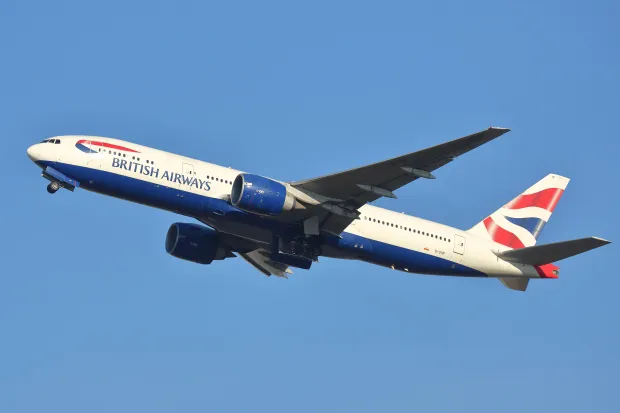
This just leaves British Airways offering UK flights, which start from £113 one way. Flights from London Heathrow take around 4hr10.

Mr McGuinness also said: “As a direct result of these rising costs, we have been left with no alternative other than to cancel all Azores flights from 29 March 2026 onwards and relocate this capacity to lower cost airports elsewhere in the extensive Ryanair Group network across Europe.”

The budget airline has scrapped thousands of flights in recent months due to an increase in airport costs and fees.

Earlier this month they confirmed that more than two million seats to and from Belgium would be axed up to 2027.

This means a drop from 11.6million passengers a year to 9.6million by next year.

Ryanair have been flying to Azores for 10 yearsCredit: Alamy

Back in September 2026, more than two million seats were axed across Spain as well, affecting Tenerife North, Santiago and Vigo.

While the other airports still have airlines in operation, it means Brits can no longer fly direct to Vigo.

France has also been hit by Ryanair cancellations, affecting Brive and Bergerac.

Thankfully UK flights to the latter are set to resume this summer.

Here’s the UK airport getting new Ryanair flights.

And there is a Spanish city that is set to get more Ryanair flights.

Brits will have to fly with British Airways to get to the AzoresCredit: Alamy

Source link

History was changed forever 100 years ago in this unassuming bar

Frith Street in Soho, where John Logie Baird gave the world’s first public television demonstration in 1926, now houses a famous bar

As you meander down Frith Street in the pulsating heart of Soho, you might easily overlook the gleaming blue plaque at number 22, commemorating a significant historical event that unfolded right here.

Now home to Bar Italia, a popular haunt for revellers in London‘s vibrant nightlife scene, this building was once a hub for some of the greatest minds and innovators of the modern era. It was here, at number 22 Frith Street, in a rented attic, that television was born, thanks to the pioneering work of an innovative engineer.

On 2 October 1925, this site etched its name in history as the location of the first-ever television, an invention that would go on to revolutionise the world. The man behind this groundbreaking invention was John Logie Baird, a Scottish engineer who had been relentlessly pursuing this project.

The space he leased in Soho served as his laboratory, where he devoted countless hours to experimentation, starting in 1924. He laboured incessantly on this massive, intricate device, notorious for its frequent malfunctions and scattered parts within his chaotic lab.

While his contraption successfully displayed images of a ventriloquist’s dummy named Stooky Bill, Baird needed to test it with a human subject. Enter William Taynton – a humble office boy working downstairs, who was enlisted to participate in the experiment.

The test was repeated successfully using a human subject, marking another milestone in Baird’s revolutionary journey. That pivotal moment heralded the birth of television.

However, it wasn’t until 26th January 1926, precisely a century ago, that he presented the first formal demonstration of his groundbreaking invention to the public.

The historic event unfolded at his laboratory on Frith Street, where he showcased how his system could transmit and receive images to an assembled audience.

The subsequent year saw the world’s first television sets go on sale at Selfridges in London, before Baird transported his revolutionary creation across the Atlantic.

When they were eventually developed and became accessible to ordinary households, TV sets reportedly cost around £60, equivalent to approximately £4,000 in today’s money.

Today, the building operates as Bar Italia, which first welcomed customers in 1949 under the ownership of the Polledri family, who remain proprietors to this day.

The establishment has carved out its own rich history, deeply connected to Soho’s artistic community and serving as the muse for the Pulp track.

Named ‘Bar Italia’, the song pays homage to the café and bar, appearing on their beloved 1995 album Different Class. The lyrics describe the bar as a sanctuary where “all the broken people go… round the corner in Soho”.

One recent customer characterised the venue as offering an “authentic experience” in London. They commented on TripAdvisor: “An oasis of calm to escape the madness of the West End.

“Bar Italia has been welcoming all discerning tribes for seventy years with a history and loyal following to die for. If in doubt, simply refer to the walls to see the joy in pictures and trophies from the famous and not-so-famous who enjoyed a visit.”

“For seventy years, Bar Italia has been a haven for all discerning tribes, boasting a rich history and a loyal following that’s second to none. If you’re ever in doubt, just take a look at the walls adorned with photos and trophies from both famous and not-so-famous patrons who’ve relished their visit.”

Source link

Going beyond the surface in the Karst plateau: exploring the new cross-border geopark in Italy and Slovenia | Slovenia holidays

Our guide turns out the lights and suddenly there is nothing. Just total darkness, the sound of gentle dripping and a creeping feeling of unease. The switch is flicked back on and the shadowy world that lies deep beneath the Karst returns. I’m in Vilenica, thought to be the first cave in the world ever opened to tourists, with records of visitors dating back to 1633. It’s a magical sight: a grand antechamber sculpted through erosion, filled with soaring stalagmites and plunging stalactites streaked in shades of red, terracotta and orange by iron oxide, and dotted with shimmering crystals.

Vilenica is just one of a network of thousands of caves located in the Karst region of western Slovenia and eastern Italy, which is known for its porous, soluble limestone rock. Above ground, this creates a distinctive landscape, filled with rocks bearing lined striations and pockmarked by hollows known as dolines, where the limestone has collapsed underneath. But below ground is where it’s really special, with enormous caves, sinkholes and subterranean rivers. Later in the day, I visit the region’s other main visitor cave, Škocjan, where I’m amazed to see an underground river thunder through a chamber almost 150 metres high. It’s an almost surreal sensory experience, with the rush of the rapids echoing around the walls.

Slovenia and Italy

As my guide drives me through the Karst region, I watch the undulating hills of a comparatively untouched stretch of countryside go by, dotted with a patchwork of bilingual villages connecting eastern Italy and western Slovenia along a border that shifted several times over the 20th century. Increasingly, the area is viewing itself as one region spanning two countries, and is hoping to combat the overtourism plaguing Italy and Slovenia’s better-known destinations by attracting people in search of a slower, more authentic and local experience. To showcase its shared history, nature and culture, the region has established a new EU-funded cross-border geopark, known as GeoKarst, and is hoping to secure Unesco designation.

Typical Karst region countryside around the Škocjan cave. Photograph: robertharding/Alamy

Winding around the region’s hills, I reach its highlight – Štanjel, a medieval village that wouldn’t look out of place in Provence, but without the crowds. Wandering around its cobbled streets feels like stepping back a millennium, or in some cases longer, given the village has prehistoric and Roman origins. The flint-grey buildings are made of sturdy local Karst stone, which has stayed more or less intact for hundreds of years. At sunset, I sit with a glass of crisp local vitovska wine in Bistro Grad, a prettily decorated restaurant garlanded with dried flowers, and take in sweeping views of the gilded valley beneath.

Leaving Slovenia, we venture over to the Karst’s Italian side, where it is flanked by Trieste, a vibrant university city that blends Italian culture with Viennese art nouveau architecture courtesy of its lengthy stint as the Austro-Hungarian empire’s sole port. Locals say the cultural blend has given it a uniquely open-minded and tolerant spirit. My guide, Beatriz Barovina, tells me that unlike elsewhere in Italy, you can eat, sip an espresso or drink a glass of wine alone without being judged for not having a big Italian family around you. She says there is still a strong attachment to Austria, especially among older generations, who cling to the refrain: “It was better under Austria.”

The hilltop village of Štanjel. Photograph: Natalia Schuchardt/Alamy

Locals tell me that as well as the buzzy cafe culture, they love Trieste for its easy access to nature. Heading out of the city centre for 15 minutes, we reach the 3-mile Via Napoleonica route, which offers panoramic views of Trieste’s bay, and connects the small towns of Opicina and Prosecco, birthplace of the eponymous sparkling wine.

It’s easy to eat well in the Karst region because most produce is sourced from local farmers. One unique experience is a visit to a local osmice, family-run farms and vineyards. At Cantina Parovel, the family serve homemade cheese, wine, prosciutto, honey and olive oil on picnic tables shaded by pines. The Parovel family is proud to boast its distinctively Karst pedigree to me: three generations of the family were born in the same village, yet their grandparents were born in the Austro-Hungarian empire, the parents in Italy, and the children in Slovenia.

Their osmice is located at the end of a spectacular 4-mile hike through the Rosandra valley, if you start in the village of Mihele and partly follow stage 36 of the Alpe Adria Trail, cutting through a landscape of wild cherry trees and roe deer. If you’re lucky you might even stumble upon one of the improvised “wine caves” – hollows in which people leave local wines and cheeses on an honesty-bar basis for hungry and thirsty travellers – with carved wooden seating overlooking the valley below.

It’s a uniquely Karst experience, and one that reflects the region’s two most distinctive features: its striking landscape and welcoming, communitarian spirit.

The trip was provided by Promo Turismo FVG, the tourist board of Friuli-Venezia Giulia, and Visit Kras in Slovenia. Doubles at Savoia Excelsior Palace in Trieste from £153. Doubles at Hotel Maestoso in Lipica from £122

Source link

Europe’s sun-soaked festival costs €55 for four days and is just 2.5 hours from UK

While tickets are much less cheaper than UK alternatives, this festival has a line-up packed with incredible big name acts, and you’re much less likely to be wading through mud in this sunny city

Festivalgoers will have a Glastonbury-shaped hole in their hearts in 2026 as the world-famous festival takes a year off. The festival’s tradition of having a “fallow year” every few years is designed to let Worthy Farm’s land recover and regenerate from the huge event.

But music lovers need not despair, there are lots of Glastonbury alternatives out there both in the UK and beyond. One in particular that’s popular with Brits thanks to its affordable ticket prices and lack of mud has a great line-up for 2026, and flights take just under 2.5 hours from London.

FIB Benicàssim – often simply known as Benicàssim – takes place in Castelló de la Plana, just north of the city of Valencia. Its location close to the sunny Spanish coast and July dates mean that you’re practically guaranteed sunny days, so no need to pack your wellies for this one.

Taking place between July 16 and 18, the festival has an incredible line-up for fans of all sorts of genres, and includes performances from The Prodigy, Biffy Clyro, The Kooks, Kaiser Chiefs, and Tinie Tempah among the big names. There are also lots of punk and indie acts to look out for such as DEADLETTER, Circa Waves, and RATA.

Ticket prices are much lower than UK festivals. In 2025, Glastonbury tickets cost £373.50 plus a £5 booking fee. FIB Benicàssim tickets start at just €55, about £48 for general admission, which gives you access to the site and all stages for four days.

For €135 (approximately £117), there are also VIP tickets which include access to VIP bars and food options, exclusive toilets, preferential access lanes into the festival, plus three pints of beer. Golden VIP tickets cost from €245, around £213, and come with all the advantages of VIP as well as front stage access to the Main Stage and nine drinks.

However, it’s worth noting that unlike Glastonbury, camping isn’t included. This is because many people choose to stay in nearby hotels or glampsites. A basic camping pitch on the festival grounds costs €27, about £23, and for another £9 you can buy a voucher that gives you unlimited access to showers. Summer camping can be a sweltering experience, so large tarps are installed to shade the tents underneath and cool things down.

If you don’t fancy taking all your camping gear on the plane, there are glamping options that also give you a more comfortable experience. While these aren’t yet available to buy, there will reportedly be a range of bell tents and other pre-pitched options so you can leave your bulky camping kit at home.

Many festivalgoers skip the tent entirely and stay in nearby Castellón or Oropesa. The festival offers the option of an official shuttle bus from towns close to the festival site, so you pay for the wristband once and don’t need to worry about transport. Staying in a hotel means you can enjoy air conditioned nights in a proper bed, charge your phone, and get ready for the day ahead.

You could even combine your festival trip with a beach holiday, and a couple of days in sunny Valencia will soon help you recover from any party excesses. Nearby Grau de Castelló is a charming port town with Mediterranean beaches, Valencian restaurants, and the beauty of the mountains in Desert de les Palmes.

READ MORE: Ryanair launches new £23 flights to home of ‘Europe’s answer to the Maldives’READ MORE: Alton Towers gives sneak peek of new Bluey rollercoaster opening this year

Brits travelling to Benicàssim have two options for airports. The closest one is Castellón–Costa Azahar Airport, about half an hour from the festival site. However, flights from the UK are limited to a Ryanair services from London-Stansted and Manchester. Valencia Airport is just over an hour from Benicàssim and offers a wide range of flights including an easyJet route from London-Gatwick, and Ryanair services from regional airports including Birmingham, East Midlands, Bristol, and more.

Have a story you want to share? Email us at webtravel@reachplc.com

Source link

Ryanair boss warns of another ‘messy’ summer of flight cancellations

THERE’S bad news for Brits heading abroad this summer as Ryanair CEO Michael O’Leary has predicted flight cancellations and delays.

Due to strikes and ongoing staffing issues there are particular months which could face the most disruption.

Strikes could affect travel for Brits heading on holiday this summerCredit: Alamy

In an interview with The Independent, Michael O’Leary has predicted this summer will be a “mess” when it comes to flights due to possible air traffic control strikes.

Mr O’Leary said: “The French will start striking around May or June and then air traffic controllers will start not showing up to work on Saturdays and Sundays during the summer schedule.

“And we’ll end up with these mythical ATC capacity restrictions, they’re not capacity restriction, they’re ATC staff shortages.”

He continued to say that he believes the European Union should be “fining” air traffic control providers if “they’re not fully staffed for the wave of morning flights”.

GO SEA IT

£9.50 holiday spot with shipwrecks, seals offshore & horseshoe-shaped waterfalls


COAST IT

Fascinating UK holiday spot with 2 coasts, secret seaside pools & hidden beaches

Mr O’Leary added that this would be useful for getting flights away on time on weekend during the summer.

He said that “if you get the first wave away, the rest of the day will operate pretty much on time”.

French air traffic control went on strike last year from July 3-4, 2025 which caused widespread delays.

According to Skycop.com, the summer strike resulted in over a thousand flights cancelled, over three thousand flights delayed – and it affected more than 1 million passengers.

Just a few weeks ago on January 9, 2026, there was another nationwide strike by French air traffic controllers which led to the cancellation of 933 flights.

The striking of air traffic control staff doesn’t just affect travellers heading directly in or out of France.

The location of France means that any air traffic strike will affect lots of other routes.

According to Eurocontrol, more than 60 per cent of flights in Western Europe either take off, land in, or pass over France.

Flights not even heading to France could be affected if there are air space restrictionsCredit: Alamy

Without an adequate number of staff, extensive sections of airspace are made unavailable to planes.

Last year, Ryanair axed 25 routes to France during the winter months, including those to Bergerac, Brive, and Strasbourg.

There could be more cuts on the horizon too as airline’s chief commercial officer, Jason McGuinness said: “Ryanair will leave French regional airports in the summer of 2026.”

No official details have been released yet about which additional regional airports will be impacted.

For more on Ryanair flights, it’s set to restart flights to one European city despite scrapping them just months ago.

And this European airport is set to welcome Ryanair flights this summer – despite axing routes from the UK.

Ryanair boss has warned a ‘messy’ summer of travel on the horizonCredit: Alamy

Source link