TOP NEWS

From breaking news to significant developments in politics, business, technology, entertainment, and more, we deliver the stories that shape our global landscape.

World Cup opening ceremony: Who’s performing, when it starts, how to watch | World Cup 2026 News

The 2026 World Cup will launch with a series of historic opening ceremonies across North America, marking the first time the tournament has been launched simultaneously in three host countries.

The United States, Mexico and Canada will officially launch the biggest World Cup in history.

Recommended Stories

list of 4 itemsend of list

While the US hosted the tournament in 1994 and Mexico in 1970 and 1986, Canada will host the competition for the first time. Together, the three countries will open the tournament.

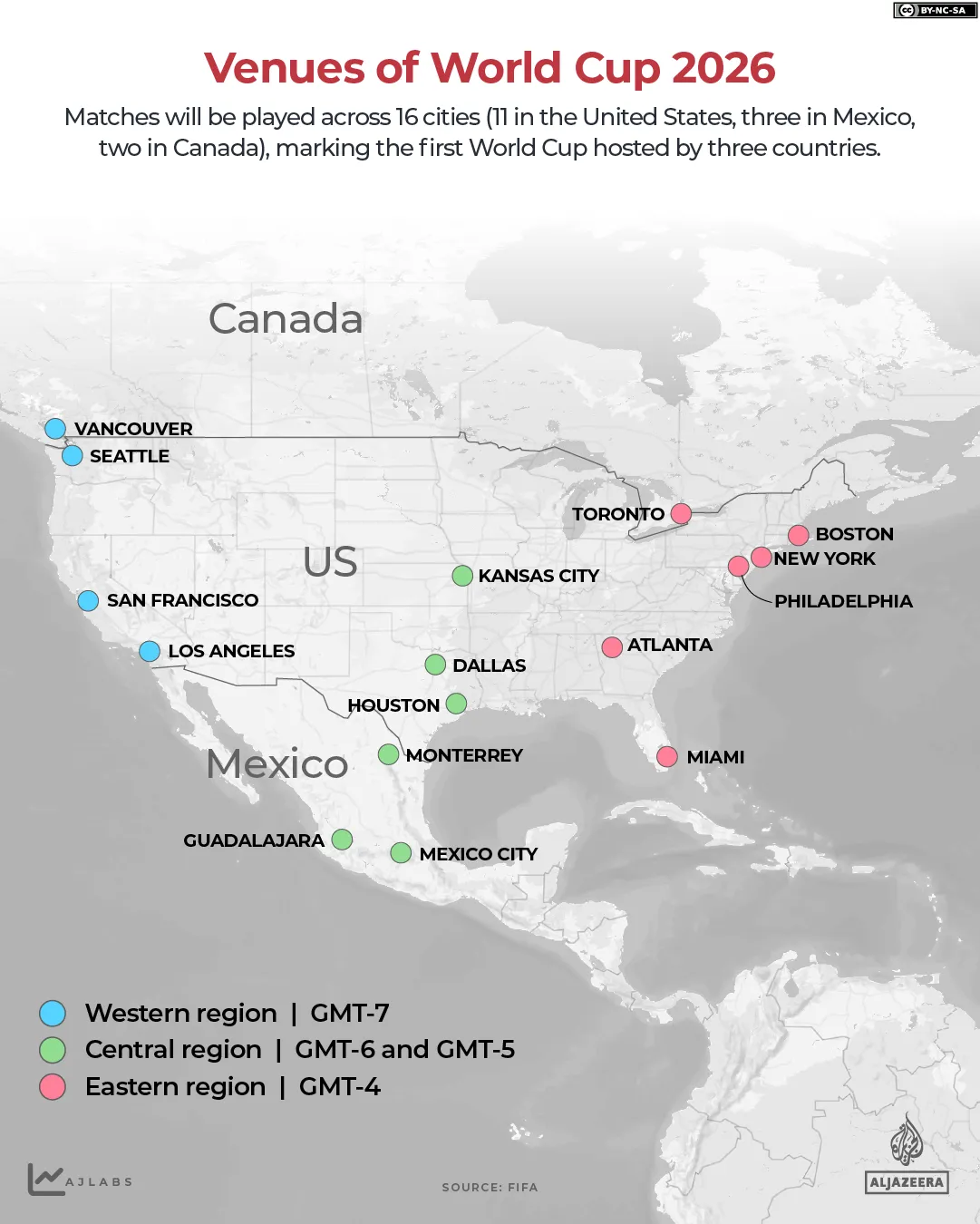
This World Cup will feature a record 104 matches spread across 16 host cities. The global event will run from the opening match in Mexico on Thursday, June 11, to the final on Sunday, July 19, in New York.

Here is what we know:

What are the 2026 FIFA World Cup opening ceremonies?

The three interconnected ceremonies staged across Mexico, Canada and the US are built around a shared theme designed to unite the three host nations while showcasing each country’s culture, identity and creative talent.

Each event will begin 90 minutes before the host nation’s opening match.

The ceremonies are being produced by Marco Balich, the creative director behind several Olympic opening ceremonies, including the 2026 Winter Games edition and major international sporting events. While each show will have its own distinct character, all three will be linked by a shared theme centred on football’s ability to unite people across borders.

Each host country will bring its own visual style to the ceremonies. Canada will be represented through a cultural mosaic, Mexico through papel picado, and the US through what Balich called “a super shiny, glowing cup”.

“The FIFA World Cup is a moment the world shares, and that begins with how we open it,” said FIFA President Gianni Infantino.

“Starting with Mexico City and continuing the next days with Toronto and Los Angeles, these ceremonies will bring together music, culture and football in a way that reflects both the individuality of each nation and the unity that defines this tournament. It is a powerful way to begin a truly global celebration.”

According to The Athletic, the ceremony in Mexico City is expected to run for about 16 minutes and 30 seconds, while the shows in Toronto and Los Angeles are scheduled to last approximately 13 minutes each.

Once the performances conclude, the pitch will be handed over to the teams for their pre-match warm-ups. Matchday protocol ceremonies, including the player walkouts and official introductions, will then begin 25 minutes before kickoff and are expected to last about 13 minutes.

Who is playing in the opening games?

Mexico will face South Africa in the first match of the tournament, which will take place following the opening ceremony in Mexico City.

Canada will play against Bosnia and Herzegovina in Toronto, marking a historic milestone as it will be the Canadian Men’s National Team’s first World Cup match played on home soil.

The US will take on Paraguay in their opening match following the celebration in Los Angeles.

When and where are the World Cup opening ceremonies?

Mexico City (June 11)

Mexico will launch the tournament at Mexico City Stadium (formerly known as the Estadio Azteca) 90 minutes before its opening match against South Africa, in a repeat of the 2010 opener.

The ceremony is expected to celebrate Mexican culture through Indigenous performers, contemporary folkloric acts and the traditional art of papel picado.

Artists featured on the Official FIFA World Cup Album are expected to perform, including Alejandro Fernandez, Belinda, Danny Ocean, J Balvin, Lila Downs, Los Angeles Azules, and Mana. The show will also include South African singer-songwriter Tyla.

Shakira is also expected to perform her Dai Dai – an Italian phrase meaning “let’s go” or “come on” – along with Burna Boy. Shakira is also set to co-headline the inaugural FIFA World Cup Final Halftime Show on July 19, alongside Madonna and K-pop band BTS.

Authorities have declared June 11 a public holiday in Mexico City, with schools closed and employers encouraged to allow remote work. Access to the stadium area will be restricted to ticket holders, accredited media and authorised personnel.

Opening day schedule in Mexico
9:00 (15:00 GMT): Stadium gates open
11:00 (17:00 GMT): Opening ceremony begins
12:10 (18:10 GMT): Team warm-ups
13:00 (19:00 GMT): Mexico vs South Africa kickoff

Toronto (June 12)

Canada’s ceremony will take place at Toronto Stadium before the country’s World Cup match against Bosnia and Herzegovina. The opening ceremony in Toronto will kick off at 1:30pm local time (17:30 GMT).

The ceremony will begin with a unique countdown designed to take viewers on a “journey across Canada”, highlighting moments that reflect the nation “from coast to coast to coast”.

Centred on the theme of a cultural mosaic, the event will highlight Canada’s diversity through music and performance, with artists including Alanis Morissette, Alessia Cara, Elyanna, Jessie Reyez, Michael Buble, Nora Fatehi, Sanjoy, Vegedream and William Prince.

The match immediately following the ceremony against Bosnia and Herzegovina is deeply significant, as it will be the first FIFA World Cup match to be played by the Canadian Men’s National Team on home soil.

FIFA President Gianni Infantino noted that the Toronto ceremony will be a “powerful reflection of Canada’s identity” and a “moment of pride, unity and anticipation” as the country steps onto football’s biggest stage.

Opening day schedule in Canada

13:30 (17:30 GMT): Opening ceremony begins.
15:00 (19:00 GMT): Canada vs Bosnia and Herzegovina kicks off.

After the ceremony concludes, the teams will complete their warm-ups before the official pre-match proceedings and kickoff at 3pm local time (19:00 GMT).

Los Angeles (June 12)

The US will host its opening celebration at the Los Angeles Stadium before facing Paraguay.

The ceremony will feature large-scale visuals, immersive storytelling and performances from global artists including Katy Perry, Future, Anitta, LISA, Rema and Tyla.

FIFA President Gianni Infantino highlighted that this specific artist lineup was chosen to reflect the cultural diversity and vibrant diasporas of the US, showcasing the nation’s considerable influence on global pop culture, music, and entertainment.

Opening day schedule in US

16:30 (23:30 GMT): Opening ceremony begins
18:00 (01:00 GMT June 13): The US vs Paraguay kicks off.

How can you watch the World Cup opening ceremony?

Fans in the US can watch the opening ceremonies through FIFA’s official broadcast partners. English-language coverage will be available on FOX and FS1, while Spanish-language coverage will air on Telemundo and Universo.

For free streaming, Tubi will simulcast the opening ceremonies and the opening matches, including Mexico vs South Africa on June 11 and the United States vs Paraguay on June 12.

All 104 World Cup matches will also be available through the FOX One app (subscription required), while Spanish-language viewers can stream every match on Peacock and the Telemundo app.

International broadcasters include:

  • Canada: CTV, TSN and RDS
  • Mexico: Televisa and TV Azteca
  • United Kingdom: BBC and ITV

How many fans are expected to attend and watch?

FIFA has not released an official number for the opening ceremonies. However, the three events are expected to fill their host venues in Mexico City, Toronto and Los Angeles, with a combined live attendance of roughly 200,000 spectators.

The ceremonies will also be broadcast worldwide as part of the opening match coverage, likely attracting a global television audience in the tens or hundreds of millions.

Are the hosting nations facing any challenges before the ceremony?

Yes. In Mexico City, ongoing protests by teachers’ unions and other groups have raised concerns about possible disruptions before the opening match between Mexico and South Africa.

Protesters have threatened to block major roads leading to Mexico City Stadium and other key locations. Authorities have responded with a large security operation and say the opening ceremony is not at risk, although organisers remain on alert as the tournament approaches.

In Los Angeles, officials have focused on security planning, crowd management and preparations for large-scale events across the city. Local authorities have also said they do not expect immigration enforcement operations at World Cup venues.

In Toronto, organisers are preparing for an influx of visitors, with transport agencies adding services and coordinating plans to reduce congestion. Across all three host nations, security and logistics remain key priorities as the tournament gets under way.

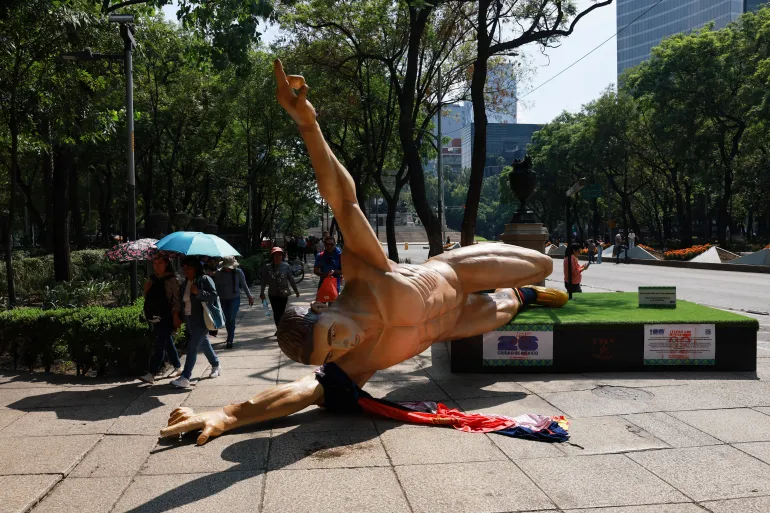
People walk near the fallen statue of a soccer player
People walk near the fallen statue of a football player, placed along Avenida Reforma for the 2026 FIFA World Cup, that was vandalised by teachers from Mexico’s National Coordination of Education Workers (CNTE), following a protest demanding better wages and pensions, under the slogan “If there’s no solution, the ball won’t roll,” in Mexico City [Henry Romero/Reuters]

The FIFA World Cup begins on June 11. You can follow the action on Al Jazeera’s dedicated World Cup 2026 page with all the latest news, match build-up and live text commentary, and keep up to date with group standings, real-time match results and schedules.
Source link

Israel orders Lebanese city of Tyre to evacuate, ignores Iran warning

The aftermath of an earlier Israeli airstrike on the southern Lebanese port of Tyre in May. On Tuesday, the Israel Defense Forces ordered residents, including for the first time those in Christian neighborhoods, to evacuate well to the north of the city for their safety as it prepared to target Hezbollah “elements, facilities and combat means.” File photo by Stringer/EPA

June 9 (UPI) — The Israel Defense Forces ordered residents of the Lebanese city of Tyre, including the Christian quarter and more than 10 refugee camps, to evacuate Tuesday, pending Israeli military action against targets of Iran-proxy Hezbollah.

IDF spokesman Avichay Adraee wrote on X that “out of concern for your safety,” residents should leave their homes immediately and move some 20 miles north beyond the Zahrani River and warned that anyone remaining south of the river was putting their life at risk.

“Your presence near Hezbollah elements or their facilities or combat means endangers your lives. As we warned in the past days, following Hezbollah elements’ actions inside the Christian Quarter in the city, the Israel Defense Forces will be compelled to act against their terrorist activities in the quarter in the near term,” said Adraee.

“Any building used by Hezbollah for military purposes may be subject to targeting. To ensure your safety — evacuate your homes immediately and move north beyond the Zahrani River. Attention — any movement south of the Zahrani River may endanger your lives,” he added.

The development came a day after Israel and Iran backed away from direct confrontation that flared up at the weekend over an Israeli strike on the southern suburbs of Beirut that prompted Tehran to fire as many as 30 missiles at Israel with Israel striking back against military targets in central and western Iran.

In standing down its military, Tehran warned that in the event Israel continued its attacks in Lebanon, including in the south, “much more severe and crushing measures will be on the way.”

Israeli Prime Minister Benjamin Netanyahu said in a post on X Monday evening that Israel had only halted hostilities because “after we struck the terror regime in Tehran, it ceased attacking us” and threatened to “respond with overwhelming force” if Iran made the mistake of attacking Israel again.

Netanyahu said that by firing into Israel over the past day, Iran and Hezbollah had attempted “to impose a new equation upon” where they believed they could fire at Israel from Lebanese territory and from Iran and Israel would not react.

“That did not happen, and it will not happen. Not on my watch! It is an equation I find intolerable and unacceptable,” wrote Netanyahu.

The sides halted their respective military strikes at the request of U.S. President Donald Trump who urged them to “stop shooting” because a deal ending the 100-day-long U.S.-Iran conflict was imminent.

Speaking on the tarmac at JFK Airport in New York on Monday night, Trump said the United States and Iran were very close to “a very good deal that will not allow in any way, shape, or form nuclear weapons.”

“And the [Hormuz] Strait will open up right away — they’ll open up immediately upon signing, which could be in two or three days,” said Trump.

He said he didn’t believe there were any sticking points.

Trump said the alternative was to return to bombing Iran but that would be counterproductive because it would mean the Strait of Hormuz remaining closed for many months and the needless deaths of many more people.

“Who wants to do that? I don’t. And we’ll have a signed document that’s actually stronger than doing the bombing,” he said.

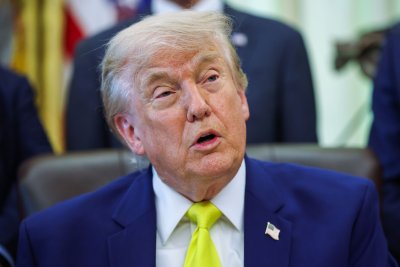
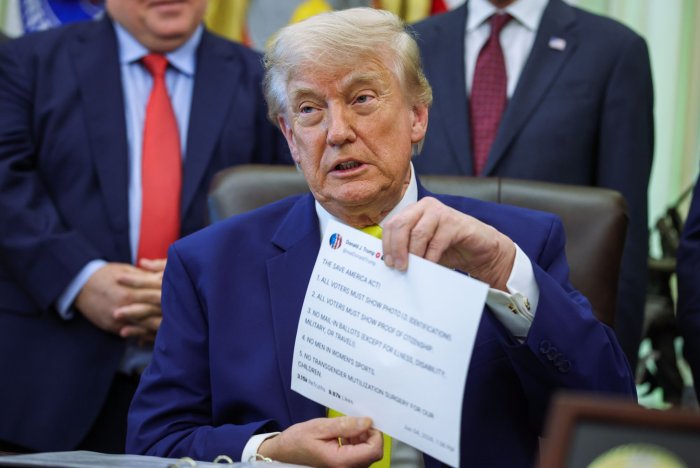
President Donald Trump discusses renovations to the Lincoln Reflecting Pool and makes an announcement on coal in the Oval Office at the White House on Thursday. Photo by Samuel Corum/UPI | License Photo

Source link

Iran conflict: Why has oil stayed near $100 a barrel? | US-Israel war on Iran

The worst-case oil scenario has been avoided, but inflation and slower growth continue to weigh on the global economy.

More than 100 days into the Iran conflict, 20 percent of the world’s energy flows remain disrupted, with the scenario described as the biggest supply shock in history.

For now, the nightmare scenario has been avoided. Oil prices are still at approximately $100 a barrel.

Many analysts have warned that a prolonged disruption to the Strait of Hormuz could send oil above $200 a barrel, triggering a global economic crisis.

Various countries have released their strategic reserves, exporters have found alternative routes and weaker demand has helped contain prices. But the buffers are thinning.

The Organisation for Economic Co-operation and Development (OECD) warns the economic impact could linger well into 2027, even if the conflict ends tomorrow.

Source link

Japanese PM Sanae Takaichi moves to revise Japan security documents

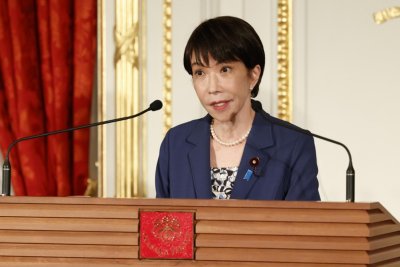
Japanese Prime Minister Sanae Takaichi speaks during a joint press conference with Philippine President Ferdinand Marcos Jr. (not pictured) at the Akasaka Palace state guest house in Tokyo, Japan, 28 May 2026. Photo by Rodrigo Reyes Marin / EPA

June 8 (Asia Today) — Japanese Prime Minister Sanae Takaichi’s government is moving forward with talks to revise Japan’s three core security documents, with defense spending, nuclear policy and artificial intelligence emerging as central issues.

The documents are Japan’s National Security Strategy, National Defense Strategy and Defense Buildup Program. They set the direction for diplomacy and defense policy for about the next decade, as well as defense spending and major equipment plans for five years.

Japan first adopted a National Security Strategy in 2013 under former Prime Minister Shinzo Abe. Former Prime Minister Fumio Kishida’s government revised all three documents in 2022.

Asahi Shimbun reported Monday that the Takaichi government’s review centers on eight issues: defense spending, Japan’s three non-nuclear principles, AI and drones, the defense industry, nuclear-powered submarines, ties with the United States, perceptions of China and economic security.

The largest issue is defense spending. The Kishida government’s 2022 documents called for raising defense-related spending to about 2% of gross domestic product by fiscal 2027. Takaichi’s government is seeking to reach that level in fiscal 2025 and then pursue another revision.

Asahi reported that the Trump administration has called on allies to raise defense spending to 3.5% of GDP, or 5% including related costs. If Japan applied the 3.5% target, annual defense spending could exceed 20 trillion yen, or about $125 billion.

Japan’s three non-nuclear principles are also under discussion. The principles commit Japan not to possess, produce or allow the introduction of nuclear weapons. The current National Security Strategy says Japan will maintain them.

Takaichi has questioned the realism of the principle barring the introduction of nuclear weapons, citing Japan’s reliance on U.S. nuclear deterrence. An Asahi poll conducted from March to April found that 75% of respondents supported maintaining the principles, compared with 21% who said they should be reviewed.

AI and drones are another major focus. Russia’s invasion of Ukraine and conflicts in the Middle East have raised the importance of low-cost drones, AI-based information processing, cyberattacks and cognitive warfare. Japan is considering expanding drone procurement, building domestic supply chains and using AI in defense.

The defense industry is also expected to be included in the review. Takaichi’s government views the sector as one of 17 priority areas in its growth strategy. Japan revised its defense equipment transfer guidelines in April, expanding the path for exports of weapons with lethal capabilities.

Government and ruling party officials are also discussing whether the state should own ammunition and other military supply plants while allowing private companies to operate them.

Whether Japan should introduce nuclear-powered submarines is another key question. China and Russia operate nuclear-powered submarines and North Korea is believed to be pursuing them. South Korea has also announced plans to deploy nuclear-powered submarines in the late 2030s.

Some Japanese officials and experts have argued for next-generation submarines that can remain submerged for long periods and travel long distances. Development costs, staffing and consistency with Japan’s Atomic Energy Basic Act remain challenges.

Relations with the United States and Japan’s view of China are also expected to shape the wording of the revised documents. The Trump administration is demanding greater defense burden-sharing from allies. If U.S. foreign policy priorities shift, Japan may need to adjust security plans that assume heavy reliance on Washington.

The 2022 documents described China as Japan’s “greatest strategic challenge.” Attention is now focused on how Japan will describe China after increased Chinese aircraft carrier operations, airspace incursions and concerns about a possible Taiwan contingency.

Economic security is expected to be treated as a separate pillar. Tensions in the Middle East, risks involving the Strait of Hormuz, dependence on energy and food imports and possible supply-chain disruptions are broadening Japan’s security debate. The Japanese government is emphasizing what it calls “collective autonomy” with allies and like-minded countries to maintain supply chains.

The Takaichi government is aiming to complete the revision by the end of the year. Asahi said the review could affect not only defense policy but also Japan’s national direction and public burden.

— Reported by Asia Today; translated by UPI

© Asia Today. Unauthorized reproduction or redistribution prohibited.

Original Korean report: https://www.asiatoday.co.kr/kn/view.php?key=20260608010002583

Source link

Iran’s lakes are vanishing: Satellite images show a deepening water crisis | Environment

For many Iranians, the most immediate threat is no longer just war, but water.

Years of drought, falling rainfall and unsustainable water use have pushed the country into severe water stress, depleting reservoirs, rivers and groundwater reserves. The US-Israel war on Iran has added further strain after reports of damage to desalination plants, pipelines and other civilian water infrastructure in the early weeks of the conflict.

Iran is classified by the World Resources Institute as facing “extremely high” baseline water stress, using more than 80 percent of its renewable water supplies each year.

In this visual explainer, Al Jazeera breaks down Iran’s worsening water crisis and what is driving it.

How Lake Urmia disappeared

One of the most striking examples of Iran’s water crisis can be seen from space.


A time-lapse display of Lake Urmia in northwestern Iran shows how the largest saltwater lake in the Middle East, which covered nearly 6,000sq km (2,300sq miles) in the 1990s, shrunk to just 581sq km (224sq miles), less than 10 percent of its former size.

INTERACTIVE - Iran lake Urmia-1780979739
A time-lapse view of Lake Urmia from 1990 to 2026 [Google Earth]

Consecutive droughts, agricultural water use, river diversion, and groundwater extraction have transformed vast stretches of Lake Urmia into exposed salt flats.

More than 60 dams built on its feeder rivers choked off inflows, while farmers diverted water into irrigation channels and decades of groundwater extraction drained the aquifers below. Rising temperatures accelerated evaporation as precipitation fell.

URMIA, IRAN - OCTOBER 11, 2014: A genral view of the Urmia Lake which has ran out of water due to ecological catastrophe on October 11, 2014 in Urmia, Iran. Lake Urmia is a salt lake in northwestern Iran near Iran's border with Turkey. The lake is between the provinces of East Azerbaijan and West Azerbaijan in Iran, and west of the southern portion of the Caspian Sea. At its full size, it is the largest lake in the Middle East and the sixth largest saltwater lake on earth with a surface area of approximately 5,200 km² (2,000 mile²), 140 km (87 mi) length, 55 km (34 mi) width, and 16 m (52 ft) depth. Lake Urmia along with its approximately 102 islands are protected as a national park by the Iranian Department of Environment. (Photo by Kaveh Kazemi/Getty Images)
A view of Lake Urmia in 2014 [Kaveh Kazemi/Getty Images]

Iran’s growing water deficit

To sustain its freshwater resources, a country must replenish at least as much water as it withdraws for agriculture, industry, and household use.

Iran has long been on the wrong side of that equation. Decades of dam construction, intensive farming, and groundwater extraction have pushed consumption far beyond what rainfall can replenish.

In 2025, Iran’s 92 million people consumed around 100 billion cubic metres of water, nearly 13 billion more than its renewable resources could provide.

INTERACTIVE-Iran water deficit-1780980357

Agriculture is by far the largest consumer of water in Iran, accounting for about 91 percent of all withdrawals, compared with seven percent for households and two percent for industry. Yet much of that water is lost before it reaches crops, as ageing and inefficient irrigation systems waste a significant share of the country’s most precious resource.

INTERACTIVE-Iran water use exceeds sustainable limits-1780980359

Disappearing dams around Tehran

Iran is one of the world’s major dam-building countries, and has constructed hundreds of large and small dams to store water, generate electricity, and manage shortages.

In recent years, dozens of reservoirs have dropped to extremely low levels, leaving several to nearly run dry.

Before-and-after satellite imagery of Lar Dam, Latyan Dam and Mamloo Dam, all clustered around Tehran and the southern slopes of the Alborz mountains and forming part of the main water supply system for the capital region, reveals how water levels have declined over time as drought and rising demand strain Tehran’s water system.

Drought displacing thousands

Water scarcity is increasingly reshaping where Iranians can live.

As wells run dry and farming becomes harder to sustain, many families are leaving rural communities in search of more secure livelihoods. According to Abdolkarim Hosseinzadeh, Iran’s vice president for Rural Development and Disadvantaged Regions, only 38,000 of the country’s 69,000 villages remain inhabited, while 31,000 villages have been abandoned.

The pressure extends far beyond abandoned settlements. According to Iran’s state-owned Water and Wastewater Company, about 27,000 villages, home to more than 10 million people, are currently experiencing water shortages. In total, more than 70 percent of Iran’s villages are facing some form of water crisis.

Many migrants head towards major cities such as Tehran, Mashhad, Isfahan, and Shiraz. Yet these cities are facing water pressures of their own. Home to more than nine million people, Tehran has seen growing strain on its water system as drought and demand continue to rise.

The map below shows how Iran’s population is concentrated in the western half of the country. Today, roughly 75 percent of Iranians live on less than 40 percent of the country’s land area, concentrating both people and water demand in a relatively small region.

INTERACTIVE-Iran main population centers-1780980355

The effects of water scarcity can also be seen along the Zayandehrud River, once one of central Iran’s most important waterways.

Satellite imagery of Zayandehrud Dam reveals declining water levels upstream after years of drought and overuse.

Further downstream, the consequences become visible in the heart of Isfahan. The historic Allahverdi Khan Bridge (Si-o-Se Pol) was built over a river that sustained the city for centuries.

Today, residents increasingly encounter dry riverbeds beneath its arches as sections of the Zayandehrud repeatedly run dry.

Die "33-Bogen-Brücke" oder auch "Si-o-se Pol" über den Zayandeh Rud Fluss in der iranischen Stadt Isfahan, aufgenommen am 23.04.2017. Die zweistöckigen Brücke mit seinen 33 Backsteinbögen ist 290,4 m lang und 13,5 m breit und für den Autoverkehr gesperrt. Die Brücke ist eines der Wahrzeichen der Stadt. (Photo by Thomas Schulze/picture alliance via Getty Images)
The Si-o-se Pol (33-Bridge) historical bridge in 2017 [Thomas Schulze/Picture alliance via Getty Images]
An Iranian man stands on the dried-up riverside of the Zayandeh Rud River as a view of the Si-o-se-pol (33-Bridge) historical bridge is pictured in the historic city of Isfahan, Iran, on February 22, 2025. Zayandeh Rud is one of the main tourist attractions of Isfahan, which has completely dried up. Historical bridges such as 33-Bridge on the river may be damaged due to subsidence of the Zayandeh Rud riverbed if the drought continues. (Photo by Morteza Nikoubazl/NurPhoto via Getty Images)
An Iranian man stands on the dried-up side of the Zayandehrud River as the Si-o-se Pol (33-Bridge) historical bridge is pictured in the historic city of Isfahan [Morteza Nikoubazl/NurPhoto via Getty Images]

Only a tiny fraction from desalination

Desalination accounts for only about three percent of Iran’s water needs, a stark contrast to Gulf neighbours, which depend on it for the majority of their drinking water.

Most of Iran’s desalination plants are located along its southern coast on the Gulf. As a result, desalination is largely concentrated in coastal cities, while inland areas such as Tehran, Isfahan and most agricultural regions rely on other water sources.

INTERACTIVE - Gulf without rivers-1773314143

Source link

Judge blocks $100K H-1B visa fee imposed by Trump

U.S. President Donald Trump discusses renovations to the Lincoln Reflecting Pool and makes an announcement on “Beautiful, Clean Coal” on Thursday in the Oval Office at the White House in Washington, D.C. A federal judge on Monday ruled that a H-1B visa fee imposed by Trump is illegal. Photo by Samuel Corum/UPI | License Photo

June 8 (UPI) — A federal judge ruled Monday that a $100,000 visa fee for U.S.companies seeking highly skilled workers from other countries is illegal. This voids the requirement set by President Donald Trump by a presidential proclamation in September.

Judge Leo Sorokin said the policy violated the U.S. Constitution and the federal Administrative Procedure Act and that only Congress has the authority to change federal immigration policy to require the fee. The Trump administration says it will appeal the ruling.

“The president lacked the power or delegated authority to impose a tax on H-1B petitions,” Sorokin said in his decision, CNN reported.

A group of Democratic state attorneys brought the case in December. Letitia James, New York attorney general, was among them.

“Every day, thousands of people with H-1B visas serve New Yorkers as doctors, teachers and other skilled workers,” James said Monday, CNBC reported. “Today, a court put an end to this administration’s illegal attempt to destroy this critical program and the many jobs it makes possible.”

Before Trump’s proclamation, H-1B visa fees ranged from $2,000 to $5,000 per application, CNBC reported. These visas are meant for foreign professionals who hold at least a bachelor’s degree to work in more specialized fields. They’re valid for three years and can be renewed for another three years after that. The New York Times reported that about 85,000 of such visas are available annually, and that they are often used by universities and companies in the fields of technology, finance and medicine.

White House spokeswoman Taylor Rogers said in a statement to CNBC after the ruling that “President Trump has clear legal authority to restrict entry of any class of aliens he determines is not in America’s best interests, and that is exactly what he did.” She said the visa program “has been abused for decades.”

Source link

Naver, Nvidia launch gigawatt-scale AI factory plan

Nvidia Chief Executive Jensen Huang, left, and Naver founder and board Chairman Lee Hae-jin greet attendees at Naver’s 1784 headquarters in Seongnam, south of Seoul, on Monday. Photo by Asia Today

June 8 (Asia Today) — Naver said Monday it will work with Nvidia to build a gigawatt-scale artificial intelligence factory, starting from its hyperscale data center in Sejong.

Naver founder and board Chairman Lee Hae-jin and Chief Executive Choi Soo-yeon met Nvidia Chief Executive Jensen Huang at Naver’s 1784 headquarters in Seongnam, south of Seoul, to discuss a joint business road map and global expansion strategy.

Huang greeted employees and visitors at the building, saying, “I love Naver.” He also joined a Naver Webtoon event and wrote, “Don’t worry! I have GPUs!” in a blank space on a display.

Naver and Nvidia said they agreed to pursue a joint project to build a large-scale global AI factory. The partnership goes beyond technology cooperation, covering demand development, investment and infrastructure construction across the value chain.

Naver will participate as a core partner sharing business results and risks.

The project will be based at Gak Sejong, Naver’s hyperscale data center. Naver plans to begin operating 55 megawatts of infrastructure in the first half of 2027, expand to 100 megawatts later that year and reach 200 megawatts in 2028. The company ultimately aims to build gigawatt-scale AI infrastructure.

Naver plans to use Gak Sejong to serve AI demand not only in South Korea but also in Asia, the Middle East and Europe.

The cooperation centers on combining Naver’s data-center and GPU cluster operation capabilities with Nvidia’s DSX platform. Nvidia DSX integrates chips, servers, software and data-center operating technologies for AI factories. The platform is designed to lower AI model training and inference costs and speed up infrastructure deployment.

Naver plans to use the technology to expand AI infrastructure services for companies, governments and industrial clients.

The companies also plan to broaden technical cooperation. Naver has been improving its HyperCLOVA X AI model by using Nvidia’s open large language model Nemotron. It is also working to develop a “Seoul world model” by combining Nvidia’s Cosmos world foundation model with Naver’s street-view and spatial modeling technologies.

The cooperation is expected to expand into physical AI, robotics and digital twins.

The meeting marked another step in the companies’ existing partnership. Lee and Huang met last year during the Asia-Pacific Economic Cooperation summit in Gyeongju to discuss cooperation on physical AI platforms.

Naver 1784 is considered a showcase for robotics, digital twins and cloud technologies. Huang was expected to review areas for expanded cooperation during his visit.

Naver is seeking to move beyond its role as an internet services company and become a global AI infrastructure provider. Huang recently introduced Naver Cloud as a key partner in the global AI ecosystem during Nvidia GTC Taipei 2026. Naver said it plans to accelerate its sovereign AI and AI data-center businesses through cooperation with Nvidia.

Naver shares also rose Monday. The stock closed at 279,000 won, or about $181, up 9.20% from the previous trading session, according to the Korea Exchange. Market analysts attributed the gain to investor expectations for the large-scale AI factory project and Naver’s global AI infrastructure expansion.

— Reported by Asia Today; translated by UPI

© Asia Today. Unauthorized reproduction or redistribution prohibited.

Original Korean report: https://www.asiatoday.co.kr/kn/view.php?key=20260608010002635

Source link

US lists China’s BYD, Alibaba, Baidu as ‘Chinese military companies’ | Military News

Chinese embassy in Washington, DC, condemns designation, calling it ‘discriminatory’.

The United States has designated Chinese corporate giants Alibaba, BYD and Baidu as companies that support China’s military, expanding its blacklist to some of the country’s best-known commercial brands.

The Pentagon included the firms in an update on Monday that is likely to complicate the fragile detente under way between Washington and Beijing after years of rocky relations.

Recommended Stories

list of 4 itemsend of list

China’s embassy in Washington, DC, condemned the listing as “discriminatory” and an example of the US government “overstretching” the concept of national security.

“Chinese companies that do business overseas have been strictly observing laws and regulations of their host countries,” an embassy spokesperson said.

“The US should stop its wrong practice and create a fair, just and non-discriminatory environment for Chinese companies.”

Alibaba, BYD and Baidu did not immediately respond to requests for comment.

The Pentagon’s list of “Chinese military companies,” which is updated annually, now includes 188 firms, up from 134 in 2025.

Firms included on the list, which was created in 2021, will be barred from consideration for US defence contracts from later this month.

The Pentagon defines “Chinese military companies” as entities owned or controlled by the Chinese military, or that contribute to China’s “military civil fusion”, referring to Beijing’s strategy of melding civilian and defence-related research and innovation.

Companies must also carry out some of their operations in the US to be designated.

The expansion of the blacklist comes less than a month after US President Donald Trump met Chinese leader Xi Jinping in Beijing for a two-day summit aimed at lowering the temperature in their countries’ years-long trade war and tech rivalry.

Alibaba, Baidu, and BYD are among China’s most prominent brands, claiming the top spots in the e-commerce, internet search and electric vehicle markets, respectively.

The addition of several household brands not normally associated with the defence sector mirrors last year’s designation of tech firm Tencent, the owner of the ubiquitous messaging app WeChat.

Other additions to the list include RoboSense Technology, an AI and robotics company with headquarters in Shenzhen, and Hangzhou-based Unitree Robotics.

RoboSense Technology and Unitree Robotics did not immediately respond to requests for comment.

Dennis Wilder, a national security expert who worked on China at the CIA and the White House’s National Security Council, expressed scepticism about the feasibility of implementing such a “broad-brush” blacklist.

“Although it may make some US firms wary of engaging with the labelled entities, in fact, many US firms already have deep relationships with these entities, that they are not going to give up unless there are real penalties attached to working commercial deals with them,” Wilder told Al Jazeera.

“Sanctions that range this widely are sanctions that don’t work. Unless the US is willing to decouple from the Chinese economy altogether, these sanctions are simply performative,” Wilder said.

Source link

Projections show Nithya Raman to advance in LA mayoral race

June 8 (UPI) — Nithya Raman will advance to a Los Angeles mayoral runoff in November, besting Spencer Pratt for second place in last week’s primary vote, sources including CNN and NBC News said Monday evening.

Raman, a City Council member, will run against incumbent Mayor Karen Bass; both are Democrats. Raman, a member of the Democratic Socialists of America, is considered a progressive challenger.

Raman emerged second Monday over Republican Spencer Pratt, a former reality TV star. Pratt was in second place as of primary day, but late-counted votes swung the tally toward Raman. They were part of a14-candidate field in the primary.

“Right now, we have a city that feels rudderless,” Raman told CNN before the primary. “So many positions that haven’t been filled, places where Angelenos feel abandoned on some of the most important issues facing this city. I will bring that urgency, I will bring that accountability, I will bring that focus that Los Angeles needs and that Angelenos need.”

Raman and Bass had close political ties before Raman entered the election late. Pratt campaigned on criticism of Bass’ response to the 2025 wildfires — he lost his house in last year’s Palisades fires — and homelessness.

NBC News reported that while President Donald Trump did not officially endorse a candidate in the election, he praised Pratt’s bid before the primary, saying, “I’d like to see him do well. He’s a character.”

Source link

Trump officially nominates Blanche as attorney general

June 8 (UPI) — On Monday, President Donald Trump officially nominated Todd Blanche, the acting attorney general, to take over the job for good, sending the nomination to the Senate. Blanche would replace Pam Bondi, the attorney general Trump fired in April.

Trump said several days ago that he would officially nominate Blanche, who used to be one of the president’s personal defense lawyers, for the role.

Now, the Senate must confirm Blanche through a majority vote. In a statement, Senate Judiciary Committee Chairman Chuck Grassley said that he will support Blanche, CNN reported.

“Blanche is well-qualified and has shown his dedication to restoring law and order across our country,” Grassley said. “The Senate Judiciary Committee’s work to process Blanche’s nomination is underway.”

CNN also reported that Sen. John Cornyn, R-Texas, who is also a member of the committee, said that he will ask Blanche about Trump’s $1.8 billion “anti-weaponization” fund, which was created after a settlement between the Internal Revenue Service and the president, his sons and the Trump Organization.

Blanche said last week that the fund, which some have called a way for Trump to reward his political allies (including those convicted in the Jan. 6, 2021, riots at the U.S. Capitol), is dead. However, he refused to put that in writing. On Thursday, Senate Republicans stopped an attempt by Democrats to ensure the fund’s permanent demise through an amendment to a bill to fund the Department of Homeland Security.

Blanche’s nomination also comes after he arranged for Trump and the other parties in the IRS lawsuit to have immunity from prosecution or enforcement actions on any tax returns filed before the settlement.

Blanche is also likely to face questions on the release of the so-called Epstein Files. Bondi told the House Oversight and Government Reform Committee in May that she put Blanche, then deputy attorney general, in charge of releasing the files, CNBC reported. The department did not redact the names of some victims and withheld other documents.

Source link

Jamsil vote-count blockade enters fourth day

Protesters hold a rally in Seoul, South Korea, 06 June 2026, denouncing ballot paper shortages at some polling stations during the 03 June local elections and demanding a revote. Photo by YONHAP / EPA

June 8 (Asia Today) — A protest blockade outside a vote-counting site in Seoul’s Jamsil area entered its fourth day Monday, as demonstrators demanding a revote over a ballot shortage during the June 3 local elections increasingly raised claims of election fraud.

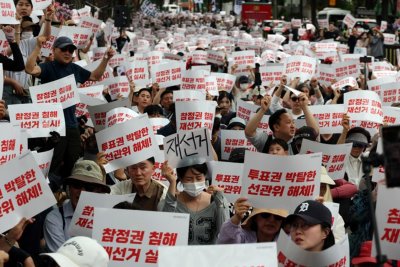
Until the weekend, protesters had mostly focused on voting rights and calls for a revote. By Monday, however, the atmosphere outside the Olympic Park Handball Gymnasium in Songpa District had shifted, with chants of “election fraud” mixed with demands for a new election.

At about 9 a.m., protesters could be heard chanting “fraudulent election, revote.” South Korean flags were visible throughout the crowd, along with many U.S. flags. Some protesters carried signs reading “Stop the Steal,” a slogan associated with challenges to the 2020 U.S. presidential election results.

One participant who said he had been at the site for four days said the mood began changing Sunday night as the size of the crowd grew and different groups joined the protest.

Police informally estimated that about 1,600 people were gathered near the gymnasium at 11 a.m., down sharply from about 8,000 around midnight. The age makeup also appeared to change. People in their 20s accounted for about 30% of the weekend crowd, while those in their 60s or older made up the largest share Monday morning, at 26.2%.

Tensions also rose among protesters. Some who insisted the crowd should only demand a revote were accused by others of being infiltrators from the Korean University Progressive Union, a left-leaning student group.

A brief scuffle broke out around 10:20 a.m. after six members of South Korea’s under-20 women’s national handball team entered the gymnasium to retrieve equipment stored inside before the World Championship in Shanxi, China, on June 24.

Police asked protesters to allow the athletes to enter. The athletes came out about four minutes later with their equipment, but some protesters tried to inspect the bags, saying ballot papers might be hidden inside. One person even demanded that the athletes remove their socks for inspection.

When another protester tried to stop the inspection, others accused him of being linked to the student group and a brief physical confrontation followed.

Revote seen as unlikely

Legal experts say a revote remains unlikely. Under the Public Official Election Act, a revote would require confirmation of a serious legal violation that could have affected the election result and a court ruling invalidating the election.

Legal observers widely say the ballot shortage may be considered a serious failure in election management, but it would be difficult to treat it immediately as grounds to invalidate the entire election.

The government is also focusing more on determining the facts and punishing those responsible than on discussing a revote.

President Lee Jae Myung expressed regret Sunday over the ballot shortage, saying the people’s right to vote is a constitutional right that must not be restricted or violated for any reason. He ordered a thorough investigation and punishment of those responsible and asked the National Assembly to pursue a parliamentary investigation. He did not comment separately on whether a revote should be held.

A joint investigation team involving prosecutors and police was formed Sunday. The investigation is expected to focus on whether election officials neglected their duties and who should be held responsible for the management failure.

The Seoul Metropolitan Police Agency’s serious crimes unit said Monday it had secured a group chat room used by election workers and was checking the facts with officials and citizens who were unable to vote because of the ballot shortage.

Political discussions on institutional reform are also continuing. Rep. Han Dong-hoon, an independent lawmaker, said Monday he plans to propose revisions to strengthen outside oversight of the National Election Commission and improve management of election commission employees.
Some lawmakers from both ruling and opposition parties have also raised the need for a parliamentary investigation and possible independent counsel probe.

The People Power Party said Monday it will file an election petition, a preliminary step before a lawsuit seeking to invalidate the Seoul mayoral election. The party plans to recruit 63 Seoul residents as joint petitioners by Wednesday and file the petition Thursday.

— Reported by Asia Today; translated by UPI

© Asia Today. Unauthorized reproduction or redistribution prohibited.

Original Korean report: https://www.asiatoday.co.kr/kn/view.php?key=20260608010002643

Source link

OpenAI files paperwork for initial public offering

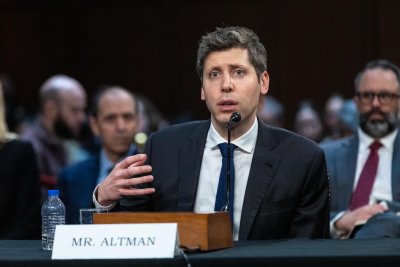
OpenAI CEO Sam Altman and other leaders in artificial intelligence testify in May before the Senate Commerce, Science, and Transportation Committee on Capitol Hill in Washington, D.C. OpenAI filed confidentially for an initial public offering Monday. Photo by Anna Rose Layden/UPI | License Photo

June 8 (UPI) — Artificial intelligence company OpenAI confidentially filed for an initial public offering Monday, becoming the third in a well-known trio of U.S. AI companies to do so in the past few weeks.

Rival AI company Anthropic filed for an IPO on June 1, and SpaceX (which merged with xAI, also owned by Elon Musk) filed in late May. SpaceX’s debut is set for Friday. All three are expected to be very lucrative for early investors, as they have valuations around $1 trillion, Axios reported.
OpenAI said in a post that there has been no decision on the IPO’s timing yet.

“It may be a while because there are things we want to do that are likely easier as a private company,” the post said.

The company has had both successes and trials in recent months, CNN reported. Musk lost a lawsuit against it in mid-May because of the statute of limitations, and the company has expanded ChatGPT options and other AI tools and programs.

However, the company and founder/CEO Sam Altman are also facing lawsuits because of ChatGPT’s role in recent shootings and other issues. Florida announced last week that it is suing the company and Altman, claiming the company chose “profits over public safety” in creating a dangerous product in the form of ChatGPT. The state also has an ongoing criminal investigation into the company.

Individuals including the family members of those killed or injured in a recent school shooting have also sued, saying that the company should have warned authorities about the shooter’s interactions with ChatGPT.

Source link

Pentagon changes religions list again after backlash

June 8 (UPI) — Days after sharing a shortened list of religious affiliations for service members, the Pentagon has issued a new list removing the “Christian” category. The change was apparently spurred by backlash that the Church of Jesus Christ of Latter-Day Saints was not originally listed in that category.

Last week, Pentagon spokesman Sean Parnell shared a list of 31 religious affiliations from which service members could choose. This was a change from the prior list of 200. Defense Secretary Pete Hegseth earlier called the lengthier list of faith codes “impractical and unusable” and said the Pentagon would shorten it.

“An overwhelming majority of the military population used only six of the codes,” Hegseth said in March, The Hill reported. He said a shorter list would help chaplains minister to service members “in a way that aligns with that service member’s faith background and religious practice.”

However, the list shared last week gave 21 of the affiliations a “Christian” label — and the Church of Latter-Day Saints was not among them. This drew ire from several lawmakers, including Sen. Mike Lee, R-Utah, a Mormon and a staunch supporter of President Donald Trump; Rep. Mike Kennedy, R-Utah; and Sen. John Curtis, R-Utah.

“I find this offensive, not just because that happens to be my faith, and not just because that happens to be the faith of tens of thousands of U.S. military personnel, but it’s also just repugnant to any sense of decency, any sense of our common heritage and our common belief that the government needs to not weigh in doctrinal disputes between various religious denominations,” Lee said in a video posted Sunday on social media.

Parnell’s original post on the list said that the Pentagon wasn’t making “any claims on the legitimacy of any faith or religious belief” but trying to streamline matters.

The new list shared Monday removes the “Christian” label altogether. The Pentagon said the original list had “redundant and unnecessary labeling” and the new list fixes that.

“The Pentagon’s job is not to adjudicate theological debates, but instead to ensure sincerely held faith is respected and encouraged in our ranks,” the post said. It also noted that “the goal of this effort is to simplify a previously out-of-control ‘belief’ coding system.”

Lee said he was grateful to Hegseth for “correcting the error,” CNN reported.

Under the new list, service members can pick from about 20 Christian faiths or chose to be identified as Jewish, Muslim, Hindu, Sikh, Buddhist, Bahá’i or agnostic. They can no longer chose from many codes including those for Unitarian Universalist, Wicca, pagan or humanist. There are codes for “no religion” or “other religion.”

Source link

‘We basically lost’: Tel Aviv residents react after Israel-Iran strikes | US-Israel war on Iran News

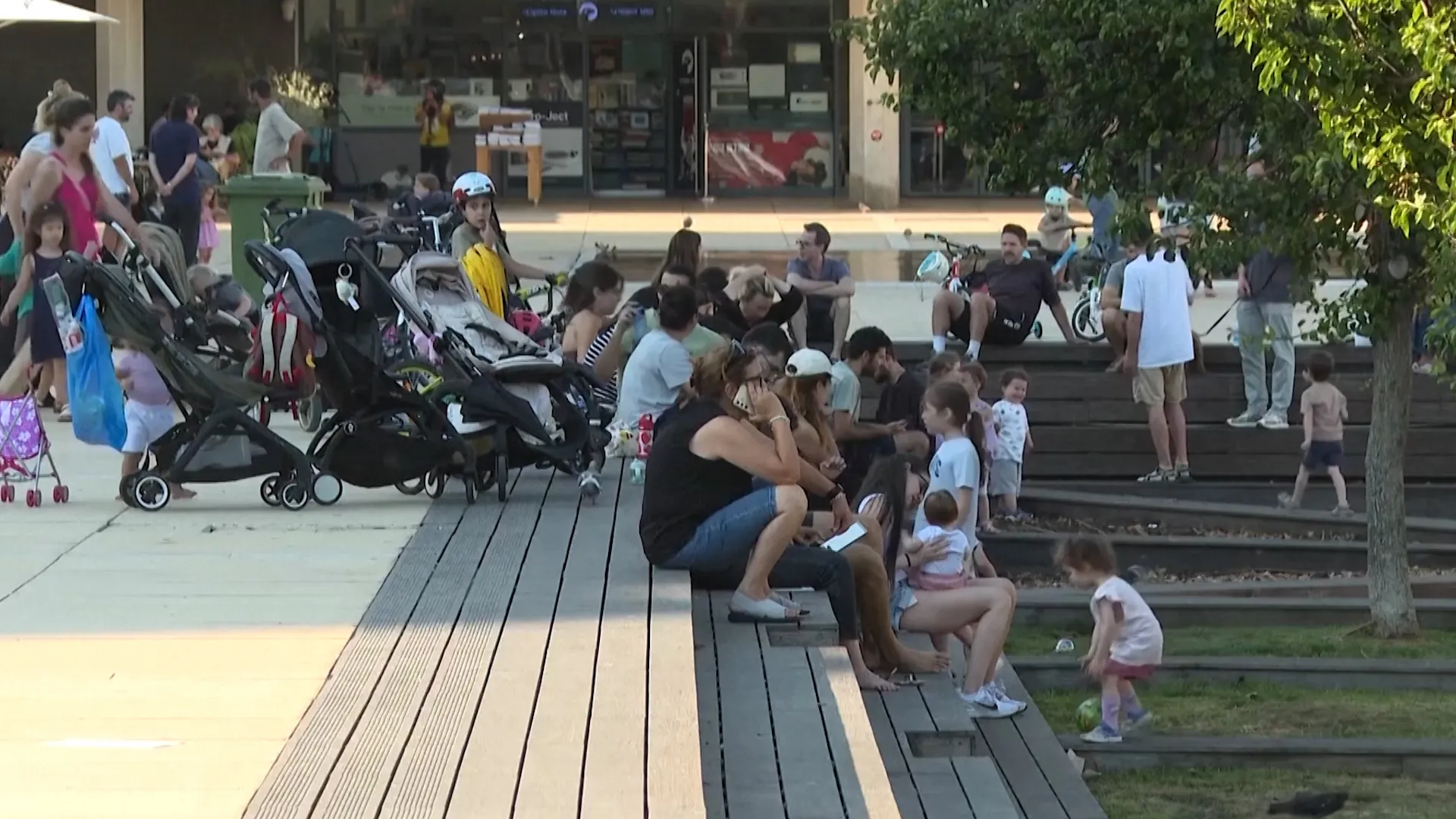
Residents in Tel Aviv voiced mixed reactions after Israel and Iran said they would halt strikes following a day of missile exchanges. While some wanted a stronger response against Iran, others said Israelis were ‘losing’, citing disruptions to daily life, schools and tourism.

Source link

NATO jets shoot down drone over Latvia, extending Ukraine spillover fears | Russia-Ukraine war News

The drone entered Latvian airspace due to ‘Russian electronic warfare’, the military says.

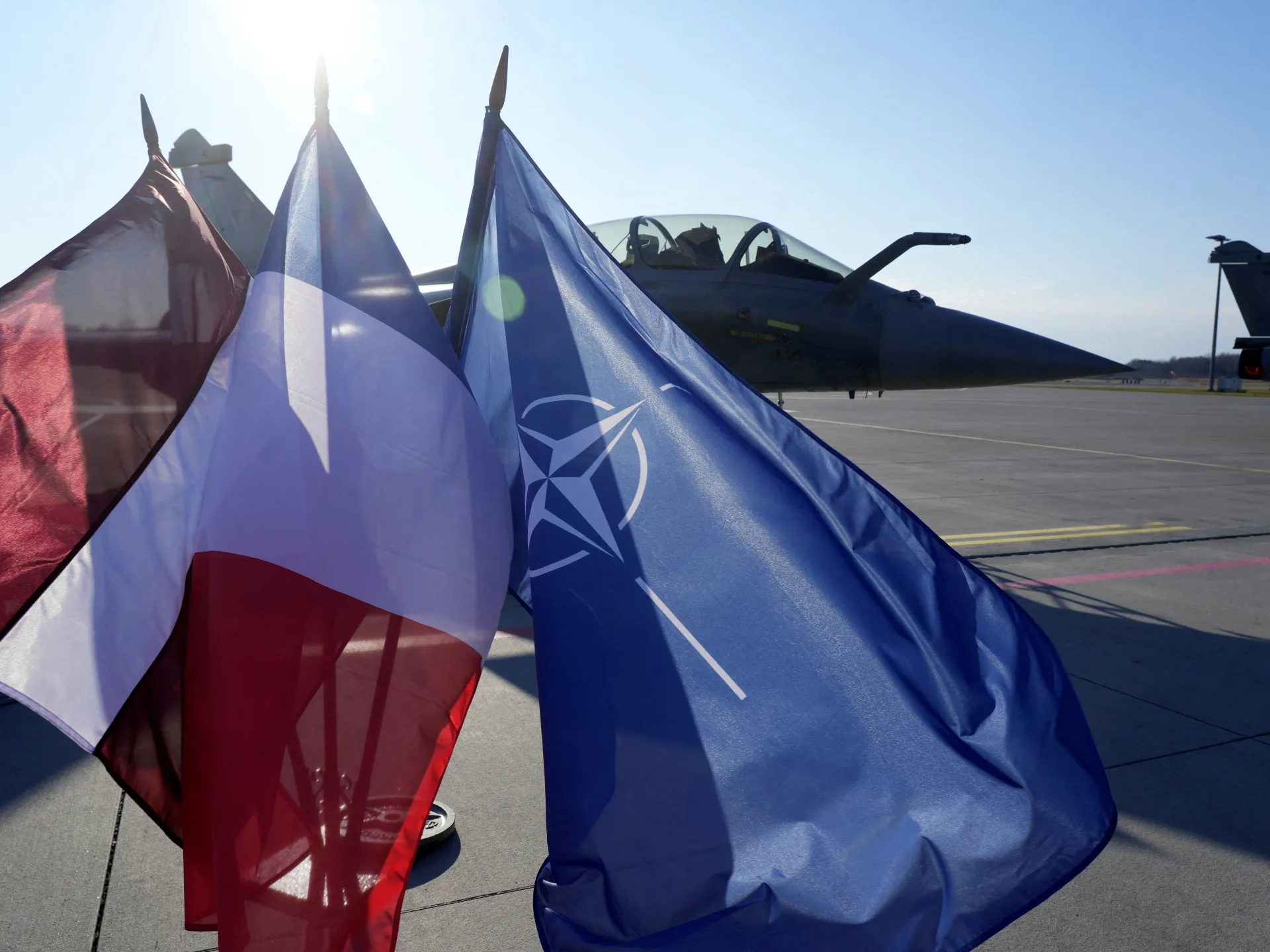
NATO fighters have scrambled to shoot down a drone that entered Latvian airspace from Russia.

The Latvian military said on Monday that French aircraft had destroyed “a foreign unmanned aerial vehicle that had entered Latvian airspace as a result of Russian electronic warfare”, without saying where the drone originated.

Recommended Stories

list of 4 itemsend of list

The incident adds a growing list of incursions from the Russia-Ukraine war into neighbouring countries that are part of the NATO alliance, sparking fears of escalating spillover effects as Moscow’s siege on Ukraine continues apace.

“Thank you to our French allies for shooting down the drone that penetrated Latvian airspace!” Riga’s Foreign Minister Baiba Braze wrote on social media.

Latvian Prime Minister Andris Kulbergs heralded the “swift decision-making and professional action”.

Defence Minister Raivis Melnis told reporters the drone was shot down just after 9am local time (07:00 GMT) near the village of Berzgale, located about 30km (18 miles) from the Russian border. No one was hurt, and no property was damaged, Melnis said.

The French military said in a statement that the jets took off from Siauliai airbase in northern Lithuania and destroyed the drone “over an uninhabited area”.

It added that the incident demonstrated France’s “commitment to contributing to the security of Europe’s eastern flank”.

Authorities had previously warned residents in some parts of eastern Latvia to shelter in place because of the threat.

Ongoing threat

Countries in the region have reported repeated drone incursions from air and sea in recent months, spawning concerns over the widening impact of Russia’s war on Ukraine.

The issue has raised the political pressure in Latvia, leading to the resignation of Prime Minister Evika Silina last month.

The increased frequency of the reports comes as Ukraine has increased its attacks on Russia, with Moscow deflecting drones using electronic jamming. The statement from the Latvian military regarding “Russian electronic warfare” appears to suggest the drone shot down likely came from Ukraine.

Fragments of a Ukrainian drone were also found in a field in Moldova on Monday after it entered from Ukraine, an incident that officials also blamed on Moscow.

Last week, a maritime drone exploded in Romania’s Constanta port. Kyiv later confirmed it involved a Ukrainian drone that was knocked off course by Russian electronic interference.

However, it was a Russian drone that hit an apartment building in eastern Romania in late May, injuring two people and prompting Bucharest to call for NATO to speed up the transfer of anti-drone capabilities.

European Commission President Ursula von der Leyen warned after that crash that Russia’s war on Ukraine is “increasingly becoming a direct threat to countries on our Eastern border” and said solidarity with them was “absolute”.

The French military jet that shot down Monday’s drone is part of the NATO Baltic Air Policing mission, which has patrolled the skies of Latvia, Lithuania and Estonia since they became part of NATO in 2004.

Source link

Sen. Schiff introduces bill to restrict Defense Department’s use of AI

June 8 (UPI) — Sen. Adam Schiff, D-Calif., introduced a bill Monday that seeks to limit the Department of Defense’s use of artificial intelligence in lethal strikes.

The Human Authority in Lethal Operations Act would establish guardrails and oversight for the use of autonomous and semi-autonomous weapons and surveillance systems that use AI. Schiff said the department’s use of AI in recent months shows there is an “urgent need” for the legislation.

“There are good reasons to use AI technology to advance our national security,” Schiff said in a statement. “However — just as with any tool, we cannot depend on technology alone to guide us, particularly when the risks of harm can be fatal. My legislation would protect Americans from unlawful domestic surveillance, ensure that humans in the chain of command exercise responsibility for the use of any lethal technology, and maintain strong ethical protections in the deployment of autonomous and semi-autonomous weapons.”

The bill requires the disclosure of designated commanders who give orders to use force that involve autonomous weapons systems and maintain records of the decision-making process, including how targets are selected.

The bill also requires autonomous and semi-autonomous weapons systems to be put through a review process and prohibits the Pentagon from using AI to surveil people who are doing constitutional activities, such as protesting. The Pentagon would also be barred from purchasing personal data on Americans if doing so would violate the act.

Sen. Elissa Slotkin, D-Mich., is preparing a separate bill proposal related to AI use in defense.

President Donald Trump discusses renovations to the Lincoln Reflecting Pool and makes an announcement on coal in the Oval Office at the White House on Thursday. Photo by Samuel Corum/UPI | License Photo

Source link

Teachers’ protests challenge Mexico ahead of World Cup

Mexican teachers block an avenue during a national teachers’ strike organized by the National Coordination of Education Workers in Mexico City on Tuesday. The CNTE union vowed to maintain their national strike indefinitely over their demands, which include a salary increase and a reversal of the current pension and retirement frameworks. Photo by Madla Hartz/EPA

June 8 (UPI) — Thousands of teachers continue to block streets and maintain an encampment in Mexico City’s historic center just days before the opening match of the 2026 FIFA World Cup, as negotiations with the federal government remain deadlocked.

Mexican educators have sought to use the visibility of the tournament to pressure President Claudia Sheinbaum’s administration for higher wages and pension reforms.

The National Coordinator of Education Workers, known by its Spanish acronym CNTE, reaffirmed Sunday that it will continue its strike indefinitely and intensify demonstrations in the coming days despite calls from the federal government to end the work stoppage, according to Infobae.

“There are groups that want to provoke the Mexican government and are not necessarily teachers,” Sheinbaum said during her daily news conference. “What they want is repression. They want the national headline to be ‘Mexico represses teachers.’ They are not going to get that.”

The protests are concentrated around Mexico City’s Zócalo, the capital’s main public square, where FIFA has organized official fan activities.

Visitors seeking access to the FIFA Fan Festival must pass through the teachers’ encampment and additional security checkpoints, according to TV Noticias Telemundo.

The report said the historic center remains affected by the encampments, creating disruptions for tourists, residents and local businesses.

CNTE leaders are also considering extending demonstrations to Azteca Stadium, which is scheduled to host the World Cup opening match Thursday.

Interior Secretary Rosa Icela Rodríguez urged teachers Saturday to end the protests and continue negotiations, arguing that the demonstrations are affecting students, workers, merchants and tourism activity in the city center.

The CNTE rejected the government’s pension proposal as insufficient and announced that additional groups of teachers will join the protests this week.

Sheinbaum called Monday for patience while awaiting decisions in the coming days and said she remains confident that the opening of the 2026 World Cup “will be very good, without repression.”

The dispute comes as Mexico hopes the tournament will boost tourism and economic activity.

According to tourism industry estimates, the World Cup could generate as much as $3 billion in economic activity and attract more than 5 million international visitors.

Mexico City’s three host cities, Mexico City, Guadalajara and Monterrey, reported hotel occupancy rates of about 60% ahead of the tournament.

Nelly Carrasco Godínez, secretary of Culture and Tourism for the State of Mexico, said the state expects to receive about 1.6 million visitors in small historic towns and tourist destinations promoted during the World Cup. The expected economic impact is 1.4 billion pesos, or approximately $80 million.

Source link

Ukrainian military says it struck Russian oil depots, weapons sites

Ukrainian President Volodymyr Zelenskyy arrives at No.10 Downing Street in London on March 17. On Monday, Ukrainian forces said they attacked several Russian locations overnight, including multiple oil depots. File Photo by Hugo Philpott/UPI | License Photo

June 8 (UPI) — Ukrainian forces struck oil depots in Russian-occupied Crimea as well as other command and ammunition locations in Russia, the Ukrainian military said.

The strikes took place late Sunday, the general staff of Ukraine‘s military said in a Facebook post Monday, according to a translation by Ukrinform.

The Grushevaya oil depot in Krasnodar Krai and the Feodosia and Semikolodezyanskaya oil depots in Crimea were among the targets hit during the attacks, The Kyiv Independent and Ukrinform reported. Ukraine also struck the Krasny Line Production Dispatch Station in Volgograd oblast, which supplies oil to the Volgograd refinery and the Sheskharis export terminal.

Ukrainska Pravda reported that the Grushevaya oil depot is one of the largest oil storage facilities in the Caucasus, holding between 1.3 tons to 1.5 tons of petroleum. The site is used to store and transport oil for maritime export and generates a large amount of revenue for Russia.

There were large fires and billowing smoke reported at the oil depots said to be hit.

The strikes hit Russian drone command posts in various locations in Zaporizhzhia, Donetsk and Kursk oblasts. The military also said it hit areas with concentrations of Russian personnel in Donetsk, Zaporizhizhia and Sumy oblasts.

The Russian military said it struck down 310 Ukrainian drones overnight throughout Russia, Crimea, and the Black and Azov Seas.

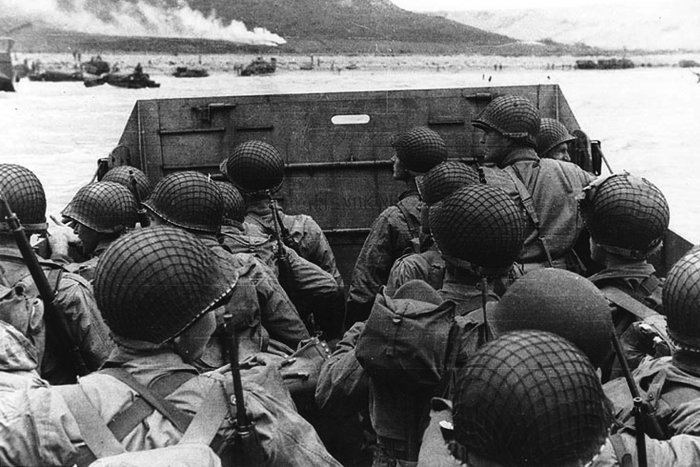
Troops in landing craft approach Omaha Beach on D-Day in Normandy, France, on June 6, 1944. D-Day was the largest seaborne invasion in history and turned the tide of World War II. Photo by UPI | License Photo

Source link

How extreme weather and heat could affect players at World Cup 2026 | World Cup 2026

Sweaty, shirtless football players lying on the pitch have seldom raised eyebrows as they did last week when photographs of European players struggling to train in the heat sparked concerns over sweltering US summer temperatures at the World Cup.

Scientists have long cautioned that extreme heat could disrupt sporting events. Last month, climate experts warned that one in four World Cup games could be played in very hot conditions, affecting fans and players alike.

Recommended Stories

list of 4 itemsend of list

Those warnings materialised last week; social media was abuzz with sunburnt players — mostly from European teams used to cooler climates — dousing themselves with water to cool off. Norway’s team even opted to wear ice collars around their necks during the friendly against Morocco.

But England captain Harry Kane quickly dismissed speculation over how much the heat would affect players, saying it “won’t be a factor”, thanks to his team’s World Cup training regimen.

So, how much will higher temperatures actually affect players at the World Cup? Al Jazeera takes a look.

What have experts said about heat during World Cup matches?

Th 2026 World Cup could be the hottest on record since the tournament began in 1930 due to a sharp rise in global temperatures, explained Al Jazeera weather presenter Everton Fox.

“Around half a dozen of the venues are prone to extreme heat; places like Dallas, Houston, Miami and the Mexican venues are all likely to swelter,” Fox said.

Daytime temperatures there are expected to average 28C, though the stadiums in Dallas, Houston and Atlanta have air conditioning.

Approximately 26 of the 104 matches could reach at least 26C in the Wet Bulb Globe Temperature (WBGT) index — which measures how effectively the body can cool itself — while five games are expected to be played in conditions of 28C WB or higher, according to World Weather Attribution (WWA), a network of climate scientists.

Of those 26 matches, 17 will be played in stadiums with cooling systems, reducing risks for players and fans.

But more than a third of the games with a one in 10 chance of exceeding 26C will be in venues without air conditioning.

How do hotter temperatures impact athletes’ performance?

Heat stress due to increased humidity, exposure to solar radiation and the effects of wind speed will impact players running around in direct sunlight, Fox said.

“All this makes it harder for the body to cool down as it becomes harder for sweat to evaporate as quickly,” said Fox, a senior meteorologist with more than 30 years of experience.

Physical performance coach Raiyan Abbasi explained that, although the body sweats to achieve thermoregulation – a process that allows the body to maintain its core internal temperature – excessive sweating due to heat could lead to dehydration, cramps and increased fatigue.

Are athletes used to such high temperatures?

“Yes, the majority of athletes will know how to deal with this kind of heat since they’re elite players training and competing in various conditions,” said Abbasi, who has worked as a physical performance coach for British clubs Swansea and West Ham, as well as the Pakistan national side.

Teams will have a performance coach and medical staff to make sure players are ready for the tournament, including through acclimatisation, Abbasi explained – echoing what Kane said over the weekend after his side beat New Zealand 1-0 in Tampa, Florida, where temperatures soared beyond 30C.

INTERACTIVE-Football FIFA Venues of World Cup 2026-1776670771

Do athletes from hotter nations have an advantage?

World Cup nations whose players train in hotter climates may have a slight advantage when it comes to adjusting to high temperatures in the US.

“But essentially, countries that prepare and perform well can minimise that difference,” Abbasi said, adding that heat can be used positively too.

“Heat is a significant factor in creating good athletes; one way to improve athletic capabilities is to train in the heat.

“It can make big adaptations in your body to improve body temperature.”

Could the World Cup have been held before or after summer in the US?

Fox noted that international tournaments are traditionally in the European domestic off season, which is when the 2026 World Cup is being held.

“Ideally, US weather is most conducive in the spring and autumn, but you’d then be looking at the tornado season in spring and hurricane late summer through autumn before you even begin to think about their domestic sports which locals have more interest in,” Fox said.

What measures has FIFA taken for players and fans?

FIFA said it has carried out heat-risk planning, with measures including three-minute hydration breaks in each half of games, cooling infrastructure for fans and players, adapted work-rest cycles, and enhanced medical readiness that scale according to real-time conditions.

“The hydration breaks probably need to be longer to gain full benefit, but then you risk turning it into a game of four quarters,” Fox said jokingly, although he argued that FIFA could have confined games to northern parts of the US and Canada.

FIFA has also delayed kickoff times for some matches to start outside the hottest afternoon hours.

Source link

Meta to take legal action against Israeli spyware company NSO | Cybersecurity News

WhatsApp disrupted phishing attempts linked to NSO, blacklisted by the US for security concerns.

Meta has said it is ⁠filing a federal US ⁠court contempt order against Israeli spyware firm NSO Group for violating a permanent injunction that barred it from ever ⁠targeting WhatsApp and its users.

The company said on Monday that its WhatsApp messaging service disrupted new spear phishing attempts linked to NSO, an ⁠entity blacklisted by the United States government for engaging in activities that are contrary to national security or foreign policy interests.

Recommended Stories

list of 3 itemsend of list

These attempts were similar to previous “1-click phishing campaigns”, aimed to trick users into clicking ‌malicious links and direct them to external websites, Meta said in a blogpost.

A “1-click” is a type of cyberattack where a single click on a malicious link or attachment is sufficient to compromise a victim’s device or account, without requiring them to enter their credentials.

Meta said WhatsApp took down test accounts ⁠and groups created by NSO on its platform. ⁠NSO did not immediately respond to a Reuters request for comment.

Last year, a US court ordered NSO to stop targeting Meta’s WhatsApp, a development the spyware ⁠company warned could put it out of business.

While the ruling significantly reduced the punitive damages NSO ⁠owed Meta to $4m from an ⁠initial $167m, the injunction itself was seen as a substantial challenge for the company, which faces ongoing accusations of enabling human rights abuses through its Pegasus hacking tool.

Meta ‌said on Monday that last month it was joined by 12 prominent civil rights organisations, a coalition of security researchers, privacy advocates ‌and ‌digital rights experts, who filed their amicus briefs to fight NSO’s appeal against the permanent injunction.

Source link

6 hospitalized in mass stabbing incident at New York’s Penn Station

June 7 (UPI) — Five people were injured and a suspect is in custody after a mass stabbing incident at New York City’s Penn Station, officials said.

New York Police Department, Fire Department of New York and Amtrak officials confirmed to local media that five were hospitalized in the aftermath of the stabbings, which happened at around 7 p.m. EDT.

Officials said one those who were attacked was seriously injured, two were injured less seriously and two others suffered minor injuries. All were taken to a nearby hospital. officials said.

A sixth person was taken to another hospital and officials did not share details about the person’s condition.

Law enforcement sources told amNewYork a male suspect allegedly attacked passersby with a sharp object before police subdued him.

Witnesses said Penn Station and the area surrounding 33rd Street and Seventh Avenue in Manhattan were crowded with ambulances and police cars after the stabbing.

The incident came at a tense moment in the city as New York prepares for the appearance of President Donald Trump at Game 3 of the NBA Finals in the adjacent Madison Square Garden on Monday.

Trump’s presence is expected to generate a massive security presence around Penn Station, including the cancellation of a scheduled watch party in the streets outside of the arena.

The New York Knicks are hosting the San Antonio Spurs in the NBA Finals.

Source link