Discover the latest happenings and stay in the know with our up-to-date today news coverage. From breaking stories and current events to trending topics and insightful analysis, we bring you the most relevant and captivating news of the day.
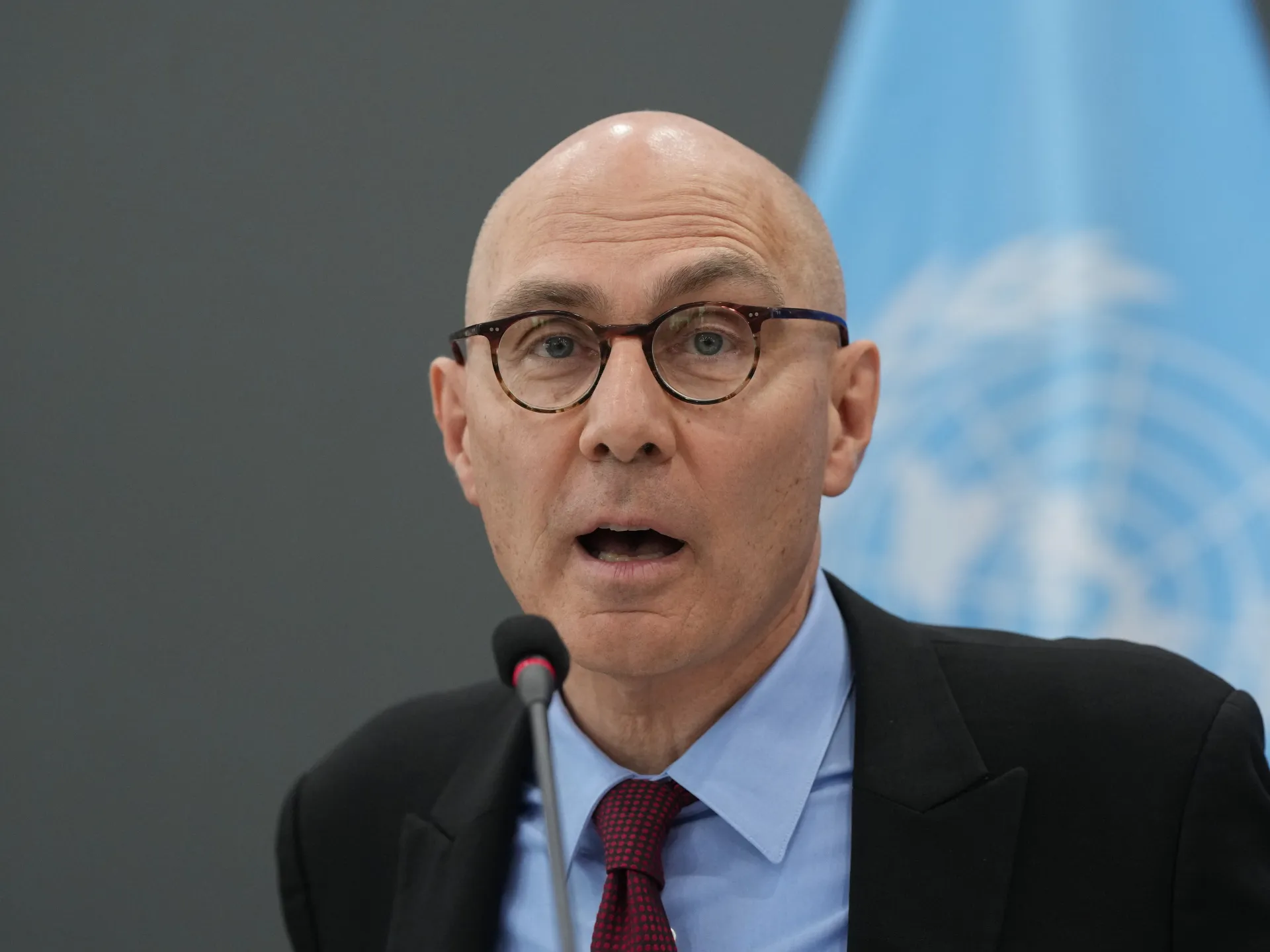
Volker Turk, the high commissioner for human rights at the United Nations, has issued some of his harshest criticism yet of the recent sanctions the United States has imposed on Cuba.
On Monday, Turk drew a line between the increasing restrictions on the Cuban economy and reports of heightened death rates, particularly among children.
Recommended Stories
list of 3 itemsend of list
“The fuel restrictions imposed since early 2026 and recent tightening of extraterritorial sanctions, taken together, are directly harming Cubans, especially the most vulnerable,” Turk said in a statement.
“Children are dying because doctors lack access to essential medical supplies and medicines. This is unacceptable.”
Such “severe sanctions”, he added, run contrary to the “basic principles of international human rights law”. He called for them to be “lifted immediately”.
Turk’s comments are a direct response to the suite of actions taken under US President Donald Trump to tighten pressure on Cuba, a Caribbean island that has already weathered a decades-long US trade embargo.
Starting in January, the Trump administration moved to cut off Cuba’s foreign oil supply, a linchpin for its ageing energy grid.
First, it severed supplies of oil and funds from Venezuela. Then, on January 29, Trump issued an executive order declaring Cuba to be an “unusual and extraordinary threat” to US national security. As such, he said, any country that supplied it with oil would be subject to steep tariffs.
In the months since, the Trump administration has continued to layer sanctions on Cuba. In May, for instance, penalties were announced against Cuba’s Interior Ministry, its National Police and its Directorate of Intelligence.
Those were followed this month by sanctions targeting Cuba’s president, Miguel Diaz-Canel, as well as members of his family.
The sanctions are designed to penalise those “responsible for repression” in Cuba, an island whose communist government has been accused of stifling dissent, as well as imprisoning and torturing activists.
Turk on Monday acknowledged Cuba’s human rights record and called on the country to “release all those arbitrarily detained”.
But he also pointed to the mounting death toll associated with the US sanctions, which have isolated the island country from much of the world.
The sanctions freeze any US-based assets the target may have, but they also prohibit entities from conducting business with the sanctioned parties. That can result in difficulties accessing global financial systems and other international platforms.
The de facto oil blockade has also resulted in the increasing frequency of power outages, and essential services like public transportation and medical care have faced reductions. Turk pointed to those downstream effects in his remarks.
“Cuba faces increasing isolation,” he said. “Companies are leaving. Fewer airlines fly to the country. It is almost disconnected from international payment systems.”
Turk’s office has also highlighted the human costs of the sanctions. According to the statistics it cited, infant death rates have doubled, reaching 9.9 for every 1,000 births. The survival rate for childhood cancer, meanwhile, has declined from 85 to 65 percent.
In March, the Cuban government also warned of medical needs going unanswered as a result of the energy shortage. It estimated that there was a backlog of 96,387 people awaiting surgery, 11,193 of whom were minors.
It also underscored that 16,000 patients needed radiotherapy, and another 2,888 required dialysis, two treatments that depend on steady electrical supplies.
Turk’s remarks also pointed to the risks posed by the Atlantic hurricane season and other natural disasters. Within hours of his remarks, western Cuba was rattled by a powerful 6.1-magnitude earthquake. Summer heat alone could cost lives, he explained.
“Rising summer temperatures risk increasing the spread of vector borne and waterborne diseases,” Turk said.
“The hurricane season further increases exposure. This creates a perfect storm for social and economic deterioration and suffering for the Cuban people.”
Trump has repeatedly suggested that he is considering military action in Cuba to remove its leadership after the US-Israel war on Iran reaches an end.
Since January, only one Russian oil tanker has been allowed to reach the island, leaving its foreign fuel supplies largely depleted.
Weekly insights and analysis on the latest developments in military technology, strategy, and foreign policy.
The troubled pan-European Future Combat Air System (FCAS) appears to have lurched to an undignified — but predictable — end, at least in its current form. A flurry of media reports today indicate that France and Germany, the two major partners in the program, have abandoned their program to develop a crewed New Generation Fighter (NGF) aircraft together, a conclusion supported by a French diplomat who spoke to TWZ today.
According to sources including the Frankfurter Allgemeine Zeitung, German Chancellor Friedrich Merz has urged French President Emmanuel Macron to pull the plug on the NGF. The German newspaper cited unnamed government sources in Berlin. Reportedly, the French and German leaders concluded that the companies involved — Dassault and Airbus — have been unable to reach agreement on key aspects of the project, specifically relating to the jointly developed fighter jet.
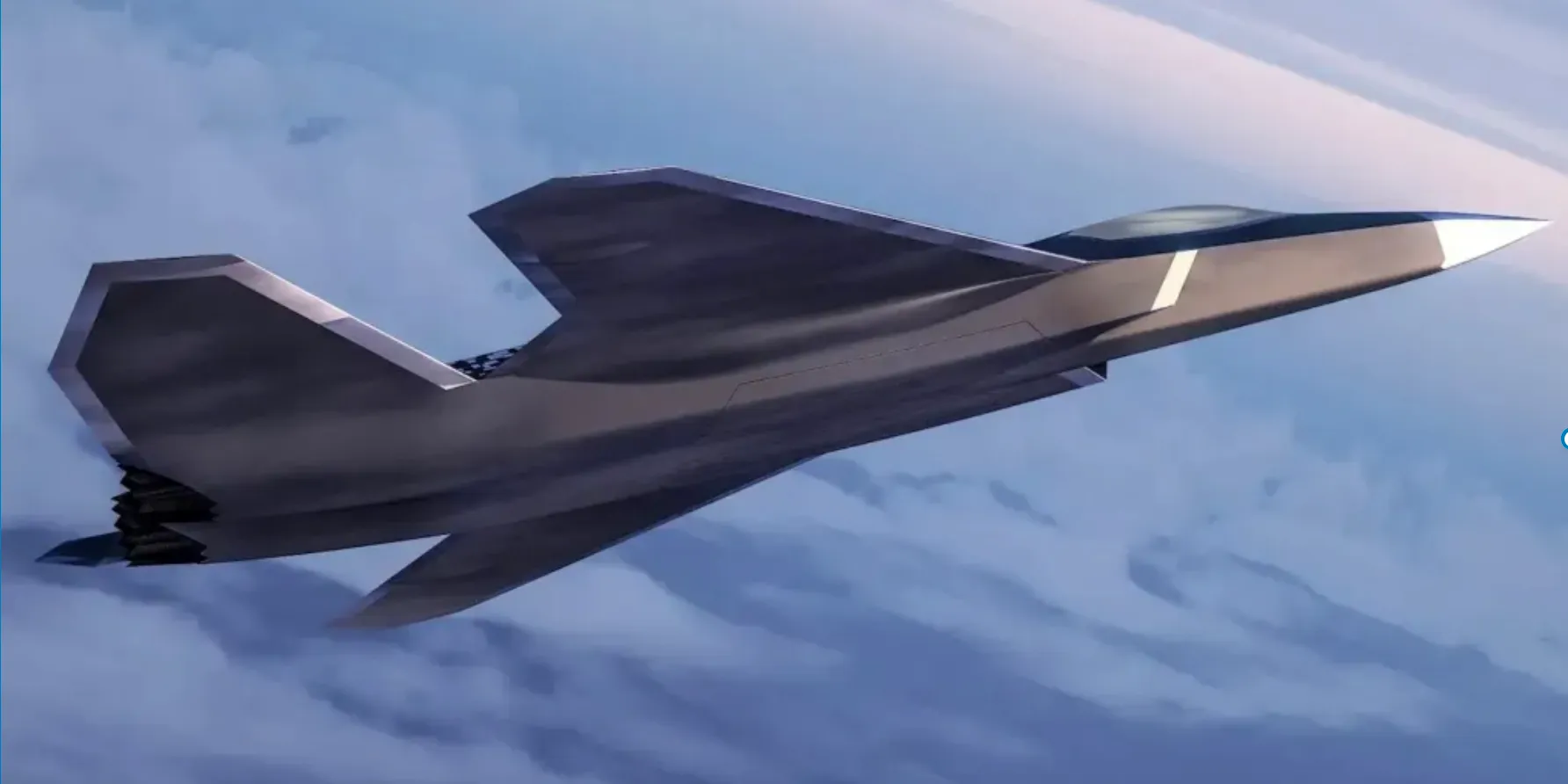
Concept artwork of the NGF future fighter. Dassault Aviation
At this stage, it is reported that Merz and Macron cannot see a future for the NGF, although it is apparently still unclear whether the French government fully shares this assessment and is prepared to accept its consequences.
At this point, it should be recalled that there are at least three separate FCAS initiatives in Europe.
As well as the pan-European version headed up by France and Germany, with Spain and Belgium as junior partners, there is a rival British-led FCAS. This has the Tempest crewed fighter as its centerpiece, involves Italy and Japan, and is now more commonly referred to as the Global Combat Air Program (GCAP). Finally, the Swedish next-generation combat aircraft program, led by Saab, is also known as FCAS.
Returning to today’s developments, French officials are reportedly surprised by what they viewed as uncoordinated messaging from Berlin. From Paris’s perspective, it is the responsibility of political leaders to provide industry with clear direction.
French President Emmanuel Macron talks with Eric Trappier, chairman and CEO of Dassault Aviation, after the unveiling of a full-scale model of the NGF at the Paris Air Show in 2019. BENOIT TESSIER/AFP via Getty Images BENOIT TESSIER
The French government is also said to be frustrated over what it sees as Germany’s increasing preference for national solutions, which threatens to sideline its own industrial input.
A French diplomat told TWZ: “The President of the Republic and the Federal Chancellor have held extensive and frequent discussions on ways to move forward with this important project for European defense. Both leaders expressed regret that the industrial partners have been unable to reach an agreement on the continuation of the project. The German authorities considered that it was not possible to exert further pressure on the companies involved. France remains convinced that Franco-German cooperation is essential both for our two countries and for our European partners in the fields of defence and security.”
The diplomat added: “The French authorities will continue to encourage our industries and armed forces to explore avenues for ambitious European projects that are consistent with our national security interests.”
According to reports, Macron and Merz discussed the future of FCAS last week, in the latest of several recent efforts to keep the program on track. At the same time, however, Merz had become increasingly vocal about his skepticism regarding the project’s prospects.
The FCAS program was launched back in 2017, with the primary aim of replacing France’s Rafale fleet and Germany’s Eurofighters.
A German Luftwaffe Eurofighter pair. Bundeswehr/Bicker A pair of Eurofighters from Tactical Air Force Wing 73 “Steinhoff” during air-to-air training. Bundeswehr/Bicker
FCAS was envisioned as a next-generation European combat air system entering service around 2040, spearheaded by the NGF crewed fighter. As of 2022, it was envisaged that “in-flight demonstrations” would be achieved by 2028 or 2029.
Before long, however, the project was overshadowed by arguments over workshare agreements, and it is unclear how far the partners had got in terms of agreeing on NGF requirements and starting its design.
By February of this year, Merz was publicly raising doubts about the program’s viability, arguing that key issues had never been fully resolved during the planning phase. According to the German leader, Germany and France have fundamentally different operational requirements for a future combat aircraft.
Merz pointed to the specific French requirements that call for aircraft to be capable of carrying nuclear weapons and operating from aircraft carriers. Merz argued that Paris is seeking to shape the aircraft around French military requirements, which do not necessarily align with Germany’s needs.
French President Emmanuel Macron (right) greets German Chancellor Friedrich Merz at the Elysee Palace in Paris in January 2026. Photo by Tom Nicholson/Getty Images Tom Nicholson
“This is not primarily a political disagreement,” Merz said. “The real issue lies in the requirements profile. If we cannot reconcile those differences, the project cannot continue.”
Within France, Dassault CEO Éric Trappier recently declared the FCAS project dead if Airbus refuses to cooperate, while Macron continued to make efforts to resuscitate the program.
There are indications that Paris will still try to do its best to keep the program alive, and it remains possible that the broader FCAS architecture, or parts of it, could continue even without the NGF. FCAS has always intended to field families of drones, air-launched weapons, and potentially other aerial platforms, within an overarching ‘combat cloud.’
An Airbus concept showing an NGF connected via satellite-based Combat Cloud to Remote Carriers, as well as a variety of legacy combat and support platforms. Airbus
The German government considers that the “true essence of FCAS” should be continued as a European system of systems, according to the Frankfurter Allgemeine Zeitung.
FCAS System of Systems
Whatever happens next, the program appears to be at a crossroads, and facing its biggest existential challenge yet.
It is highly questionable whether either France or Germany (even with Spanish industrial support and finance) could develop a fighter without the other major partner.
This could open the door to a radical reshaping of European combat air programs.
There have already been suggestions at the highest military levels that the British-led and Franco-German FCAS efforts could be fused in some way. However, it seems highly unlikely that all these partners could come together with agreement. Just as questionable is whether the GCAP effort would be able to admit new major partners at this late stage.
Then there is the issue of Sweden.
Last month, we reported on Airbus having raised the possibility of teaming with Saab on the manned tactical component of FCAS. That was one of the clearest indications yet that Airbus is actively exploring post-FCAS alternatives, or, at the least, a major overhaul of the program’s structure.
A Saab study for a supersonic uncrewed platform as part of its own FCAS effort. SVT screencap via X
Potentially, Airbus and Saab could now team up to develop a joint next-generation fighter, with their requirements likely to be more closely aligned than those of France. Germany and France also have a less urgent need for a sixth-generation combat jet, with Sweden only now introducing the Gripen E, and with Germany looking forward to receiving F-35s as well as more Eurofighters.
The first Gripen E for the Swedish Air Force. Saab SAAB
For France, losing its partners for NGF could be more critical, although it continues to work on advanced versions of the Rafale. In 2024, France also unveiled plans to develop a new uncrewed combat air vehicle (UCAV) that will complement the forthcoming Rafale F5 crewed fighter. The industrial side of the drone program will be headed up by Dassault, drawing upon its previous nEUROn UCAV demonstrator, which has already been used in trials with crewed combat aircraft.
A Rafale accompanies a nEUROn drone during a test flight. Dassault Aviation/Anthony Pecchi Dassault Aviation/Anthony Pecchi
The F5 standard of the Rafale is planned to keep the multirole combat aircraft in frontline service until around 2060. That will at least give France some time to consider what to do about a future crewed fighter.
A French Air and Space Force Rafale C. Dassault Aviation
Drones are also increasingly part of the combat-air picture in Germany, too. Delays in fielding a sixth-generation fighter could be mitigated, to a degree, by Airbus developing combat drones. Airbus and Kratos are already pitching the stealthy XQ-58A Valkyrie drone to Germany, and Airbus has also been working on a stealthy CCA-like concept of its own, known as Wingman.
A rendering of the Airbus Wingman CCA-like drone. Airbus
In the background, the U.S.-made F-35 continues to expand its customer base in Europe. There is also the prospect that, in the future, the sixth-generation F-47 might also be offered for export in the region, although this might only be in a watered-down form.
Overall, though, the latest development is a poor reflection on Franco-German cooperation, which has singularly failed to come to agreement about what should be a flagship program, providing a cornerstone of efforts to strengthen Europe’s defense capabilities.
With the ILA Berlin airshow starting on Wednesday, this news could hardly be worse-timed. On the other hand, we may well learn more about Germany’s vision for its future combat aircraft program before the week is out.
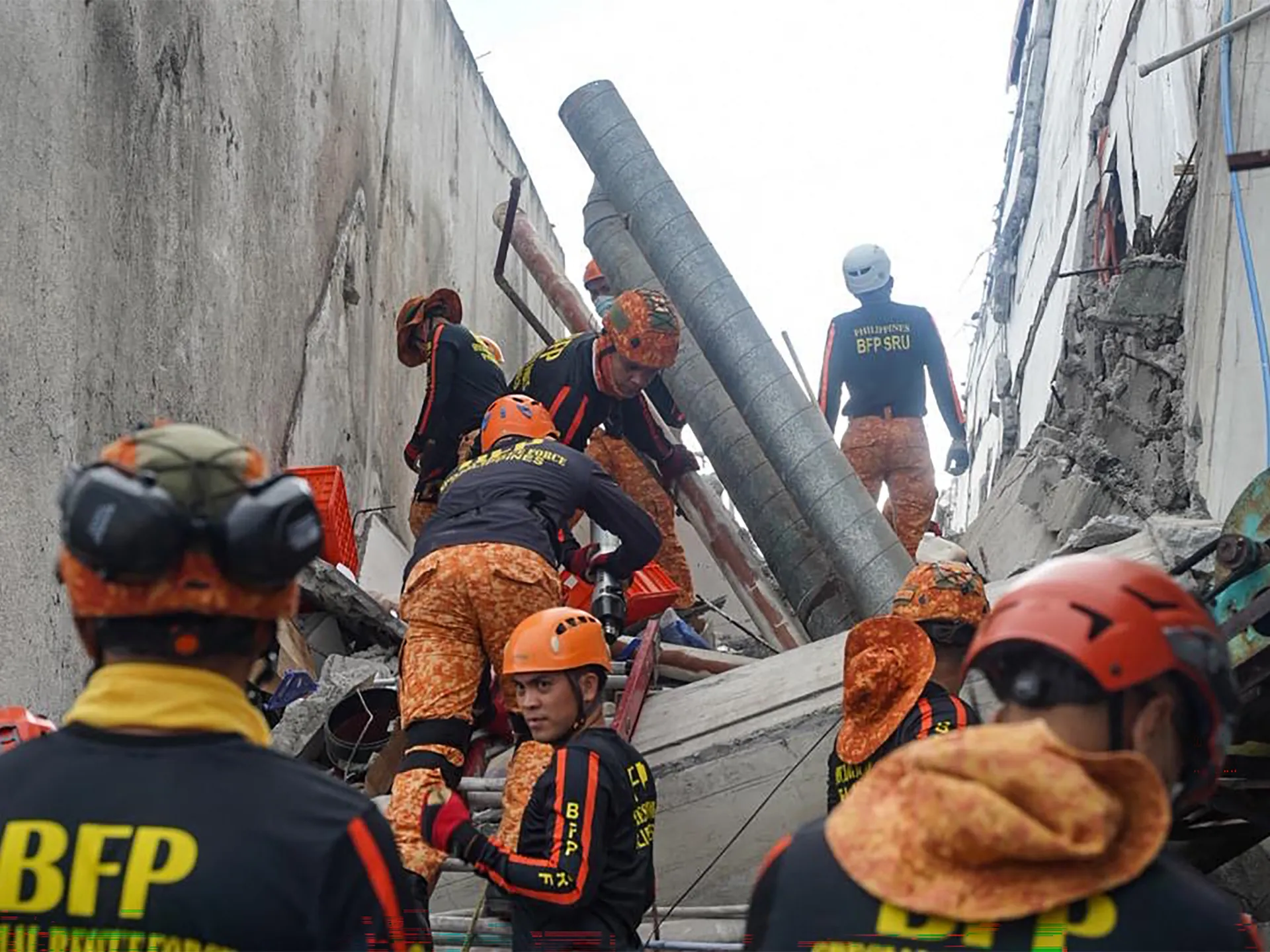
An offshore earthquake with a magnitude of 7.8 has struck the southern Philippines, killing at least 35 people and injuring more than 200.
The quake on Monday is the strongest to hit the country this year, according to Teresito Bacolcol, director of the Philippine Institute of Volcanology and Seismology.
Several low-rise buildings collapsed or sustained heavy damage in the hard-hit city of General Santos.
Tsunami damage was reported in at least one southern coastal village, while smaller waves were recorded in Indonesia, Palau and as far away as southern Japan.
The quake also triggered a landslide in Glan, a municipality in the province of Sarangani, that killed 13 villagers, provincial disaster-mitigation official Rene Punzalan told the DZBB radio network. Four other villagers died in Sarangani, he added.
The United States, an ally of the Philippines, said it was coordinating with Manila and was ready to support Philippine response efforts. France, Japan and New Zealand also expressed support.
The epicentre was offshore near Mindanao, the second most populous island in the Philippine archipelago. Bacolcol said the quake struck at a depth of 33km (20 miles), about 32km (20 miles) southwest of Maasim town in Sarangani province.
President Ferdinand Marcos Jr ordered the cancellation of classes and directed disaster-response agencies to immediately get to work in quake-hit provinces, saying “the national government is moving and we will not leave Mindanao behind”.
The Pacific Tsunami Warning Center said the threat of a tsunami had largely passed about five hours after the quake. Philippine officials also lifted a tsunami warning by mid-afternoon. Six shanties on stilts were damaged in a coastal village in Zamboanga del Sur province due to the quake and higher waves, officials said.
Aside from the Sarangani landslide, most of the other deaths were caused by collapsing buildings and falling debris, including in a damaged mosque, in the southern provinces of South Cotabato and Davao Occidental and on Balut Island, according to disaster-mitigation official Ednar Dayanghirang.
The Philippines frequently experiences earthquakes and volcanic eruptions because it lies on the Pacific “Ring of Fire,” an arc of seismic faults encircling the ocean.
Weekly insights and analysis on the latest developments in military technology, strategy, and foreign policy.
Footage has emerged showing the destruction of a drone by a French Rafale fighter over Latvia earlier today. The engagement underscores how the drone war unleashed by the Russian invasion of Ukraine is increasingly spilling over borders, as well as the growing reality of the drone threat to NATO.
The French Air and Space Force confirmed that its Rafales, currently deployed in neighboring Lithuania, were scrambled in response to the drone incursion. The drone was identified before one of the fighters shot it down over an uninhabited area. The incident was a “demonstration of the French Armed Forces’ commitment to contributing to the security of Europe’s eastern flank,” the service said in a statement on X.
📍Lettonie | Destruction d’un drone par les Rafale 🇫🇷💥
➡️ Survol d’un drone au dessus du territoire letton 🇱🇻 ➡️ Décollage sur alerte des chasseurs 🇫🇷 engagés dans la mission de l’OTAN Baltic Air Policing depuis la base aérienne de Šiauliai 🇱🇹 ➡️ Identification et destruction… pic.twitter.com/NFIMSP7Ibl
— Armée française – Opérations militaires (@EtatMajorFR) June 8, 2026
A detachment of French Air and Space Force Rafale jets is currently engaged in the NATO Baltic Air Policing mission from Šiauliai Air Base, Lithuania.
This morning, French fighter jets deployed to NATO Air Policing at Šiauliai Air Base shot down a drone that entered Latvian airspace.
Lithuania thanks our French allies for their swift and professional action in safeguarding the security of our region.
— Lithuanian MOD 🇱🇹 (@Lithuanian_MoD) June 8, 2026
This is not the first time that a NATO fighter has shot down a drone in the Baltic region as part of the Baltic Air Policing mission. On May 19 of this year, a Romanian F-16 shot down a Ukrainian drone over Estonia after it strayed into NATO airspace, reportedly due to Russian electronic warfare interference. Last September, NATO fighters shot down at least three, and likely four, Russian drones, after 19 reported violations of Polish airspace. Polish authorities assessed that the drones “did not veer off course but were deliberately targeted.”
However, this is the first time that an incident of this kind has been captured on camera.
At least two videos are now circulating on social media showing the engagement playing out.
One shows the moment that a Rafale launches an air-to-air missile, leaving a prominent trail of smoke, before detonating seconds later.
Another video, from a different angle, shows the immediate aftermath of the shootdown. Another trail is seen in the background of both videos, but it’s unclear if this is evidence of a previous missile launch, or a contrail from another aircraft that previously transited the airspace at a different altitude.
In a typical Baltic Air Policing configuration, the Rafale is armed with MICA air-to-air missiles. These beyond-visual-range weapons can be fitted with either an active radar seeker or an infrared seeker head, with a mix normally being loaded. The MICA uses a thrust-vectoring motor for improved agility and has a reported maximum range of around 37 miles.
📍 Lituanie | Le succès des vols conjoints commence au sol 🇫🇷🤝🇷🇴
➡️ Préparation d’un vol d’entraînement avec des avions de chasse 🇫🇷 et 🇷🇴 :
🔧 Montage d’armements entre mécaniciens des deux pays alliés
— Armée française – Opérations militaires (@EtatMajorFR) June 6, 2026
The Latvian Armed Forces provided more details of the shootdown, noting that a yellow alert was originally issued for the Ludza, Balvi, and Aluksne districts this morning at 9:20 a.m. local time. This led to NATO fighters being launched.
At 9:40 a.m., this alert level was increased to orange for the Ludza and Rēzekne districts. At this point, it was confirmed that some kind of drone was entering Latvian airspace. A military spokesperson told the Reuters news agency that the drone entered Latvian airspace from Russia.
🟠 Izsludināts gaisa telpas apdraudējums Krāslavas un Ludzas novados, informē Nacionālie bruņotie spēki.
Brīdinājums par iespējamu gaisa telpas apdraudējumu izsludināts Rēzeknes un Balvu novados. pic.twitter.com/PFcMZmhhga
The Latvian Armed Forces warned residents in these areas to “Seek shelter indoors, close windows and doors — follow the two-wall principle.” It added: “If you notice a low-flying, suspicious, or dangerous object, do not approach it and call 112.”
At 10:05 a.m., the Latvian Armed Forces confirmed that NATO fighters were over the Rēzekne district, and a “foreign” drone was shot down over the Berzgale parish.
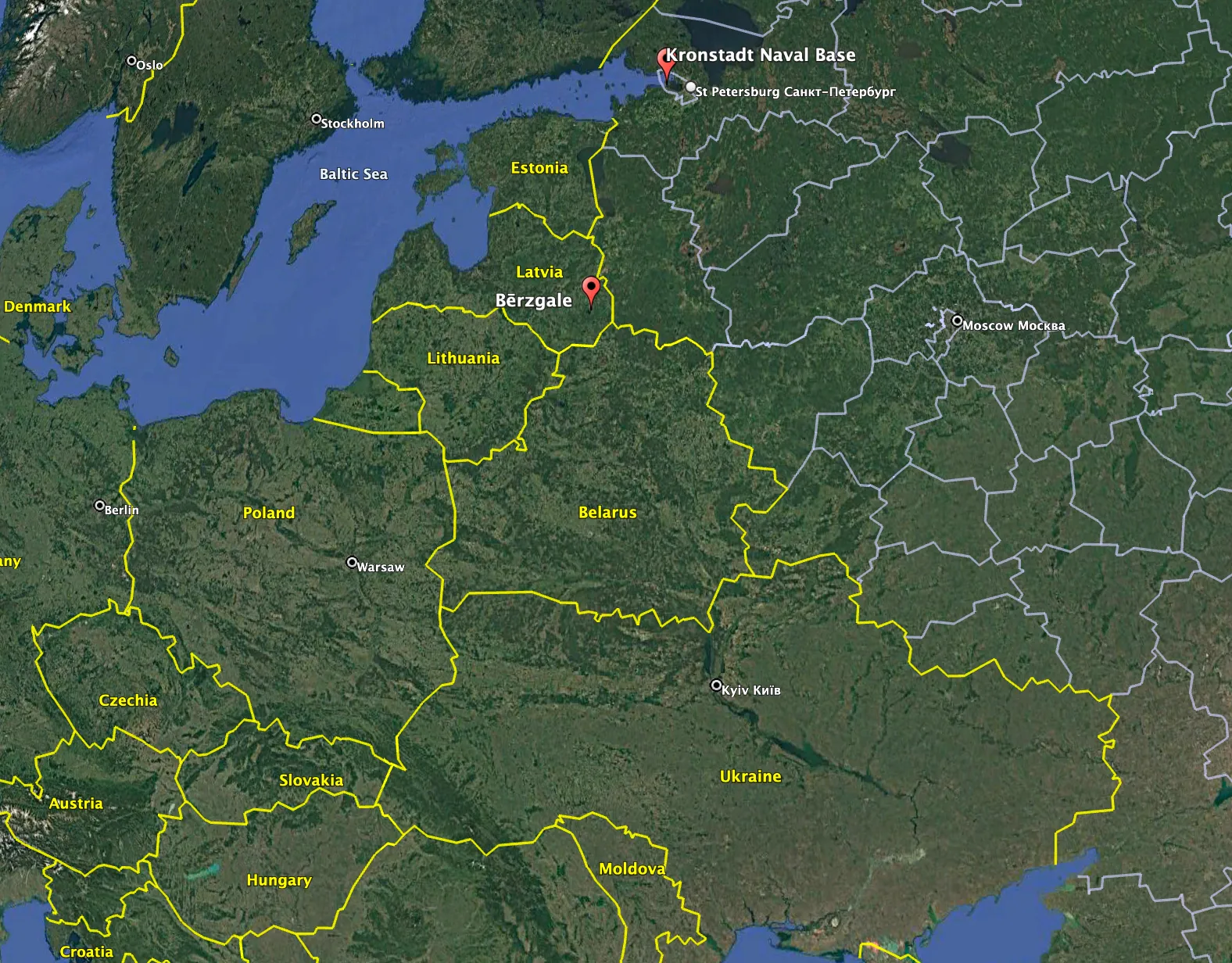
Berzgale is less than 20 miles from the nearest Russian border, and around 340 miles from the closest Ukrainian border, with Belarus, a close Moscow ally, separating Latvia and Ukraine.
A map showing the approximate location of the drone shootdown in Berzgale, Latvia. Also marked is the Russian naval base at Kronstadt that came under Ukrainian drone attack last week. Google Earth
NATO’s Baltic Air Policing mission has safeguarded the airspace of Estonia, Latvia and Lithuania since the three countries joined the alliance in 2004. Because the Baltic states do not maintain fighter fleets capable of continuous air-defense duties, allied nations rotate detachments of combat aircraft to bases in Lithuania and Estonia, where they remain on quick-reaction alert around the clock.
The mission routinely scrambles fighters to identify and intercept Russian military aircraft operating near NATO airspace, particularly flights to and from Russia’s heavily militarized Kaliningrad exclave that often occur without flight plans, radio contact, or active transponders.
French Rafales recently encountered this Russian Navy Su-24M carrying free-fall bombs during a flight over the Baltic. French Armed ForcesOne of two Russian Navy Su-30SMs intercepted over the Baltic by French Rafales during the current Baltic Air Policing detachment. This example carries a Kh-31 series anti-ship or anti-radiation missile. French Armed Forces
Following Russia’s annexation of Crimea in 2014, NATO expanded the mission with additional aircraft and operating locations, making Baltic Air Policing one of the alliance’s most visible peacetime deterrence operations on its eastern flank.
Since Russia’s full-scale invasion of Ukraine, the expanding drone war between the two countries has provided another layer of responsibility to the Baltic Air Policing mission.
A Rafale B is ready for takeoff as part of an earlier Baltic Air Policing mission in Lithuania, in the Baltic States, December 2024. Photo by PETRAS MALUKAS / AFP PETRAS MALUKAS
For most of its history, Baltic Air Policing centered on scrambling fighters to identify Russian bombers, fighters, reconnaissance aircraft, and transports flying near NATO airspace. The war in Ukraine has seen the increasing proliferation of drones that can travel hundreds or even thousands of miles, creating a new challenge for NATO air defenses.
Since 2022, there have been several incidents, including drones and missile debris entering or crashing in NATO territory, including in Poland and Romania. Late last month, a Russian kamikaze drone strayed into Romanian airspace before striking a residential building, injuring civilians, in what appears to have been the first incident of its kind.
A russian drone carrying explosives, involved in the bombing of infrastructure in Ukraine crashed in Galați, Romania, causing a fire on the roof of a residential apartment building.
Two persons sustained minor injuries and several residents required medical attention, the… pic.twitter.com/P8jzYFrEEp
We asked NATO for more details of today’s incident, including whether it could confirm reports citing the Latvian military that the drone had entered its airspace as a result of Russian electronic warfare. This is a threat that is by now commonplace in the Baltic region.
“While the circumstances surrounding this incident are still under review, jamming is known to occur in this region, and can pose serious safety risks, including to civil aviation,” a spokesperson for the alliance told us.
In recent days, Ukraine has carried out a number of high-profile drone attacks against Russian targets in and around the Baltic region.
In the last week, Ukrainian drones appear to have hit the St. Petersburg oil terminal, the Baltic Fleet base at Kronstadt, and a weapons factory in the Tambov region.
As we observed in our previous reporting, there have been very few confirmed Ukrainian attacks of any kind against the Baltic Fleet. However, satellite and other imagery that emerged in the wake of the recent drone strike reveals extensive damage inflicted on the Steregushchiy class corvette Boikiy.
Footage of the Russian Navy Baltic Sea Fleet corvette Boikiy burning in its Kronstadt drydock after a Ukrainian drone strike yesterday. pic.twitter.com/9CHz4aLdY8
Another satellite image of the Russian corvette Boikiy following yesterday’s Ukrainian strike. What is interesting here is that the active fire was captured before firefighting crews managed to extinguish it. @planet image taken on June 3 at 16:30 local time. It burned for hours. pic.twitter.com/PzcHxoSxGk
Today’s incident provides visual evidence of advanced NATO fighters used to shoot down drones over alliance territory. While effective on this occasion, this kind of interception can be inefficient due to the mismatch in cost between the drone and missile. It is notable that the French Ministry of Defense has plans to introduce a lower-cost counter-drone capability on the Rafale by the summer. Trials of a pod loaded with 68mm laser-guided rockets have already begun.
Un Rafale équipé de roquettes guidées laser aperçu à Istres. Les essais ont donc enfin démarré. Ici une nacelle Thalès JF12, donc 24 roquettes 68mm au total. Une corde de plus à l’arc du Rafale, la chasse au Shahed est OUVERTE ! pic.twitter.com/6v0xSMkUJ1
As a result, NATO has accelerated work on layered defenses that include short-range ground-based air defenses, electronic warfare, and other counter-drone technologies.
Fighters, however, will always remain a critical last-resort option, especially when a drone poses an immediate threat or when a visual identification is required.
Today’s video not only illustrates the changing face of the Baltic Air Policing mission due to the Russian war in Ukraine, but highlights the growing threat posed by drones and cruise missiles that can cross borders with little warning, whether deliberately or not.
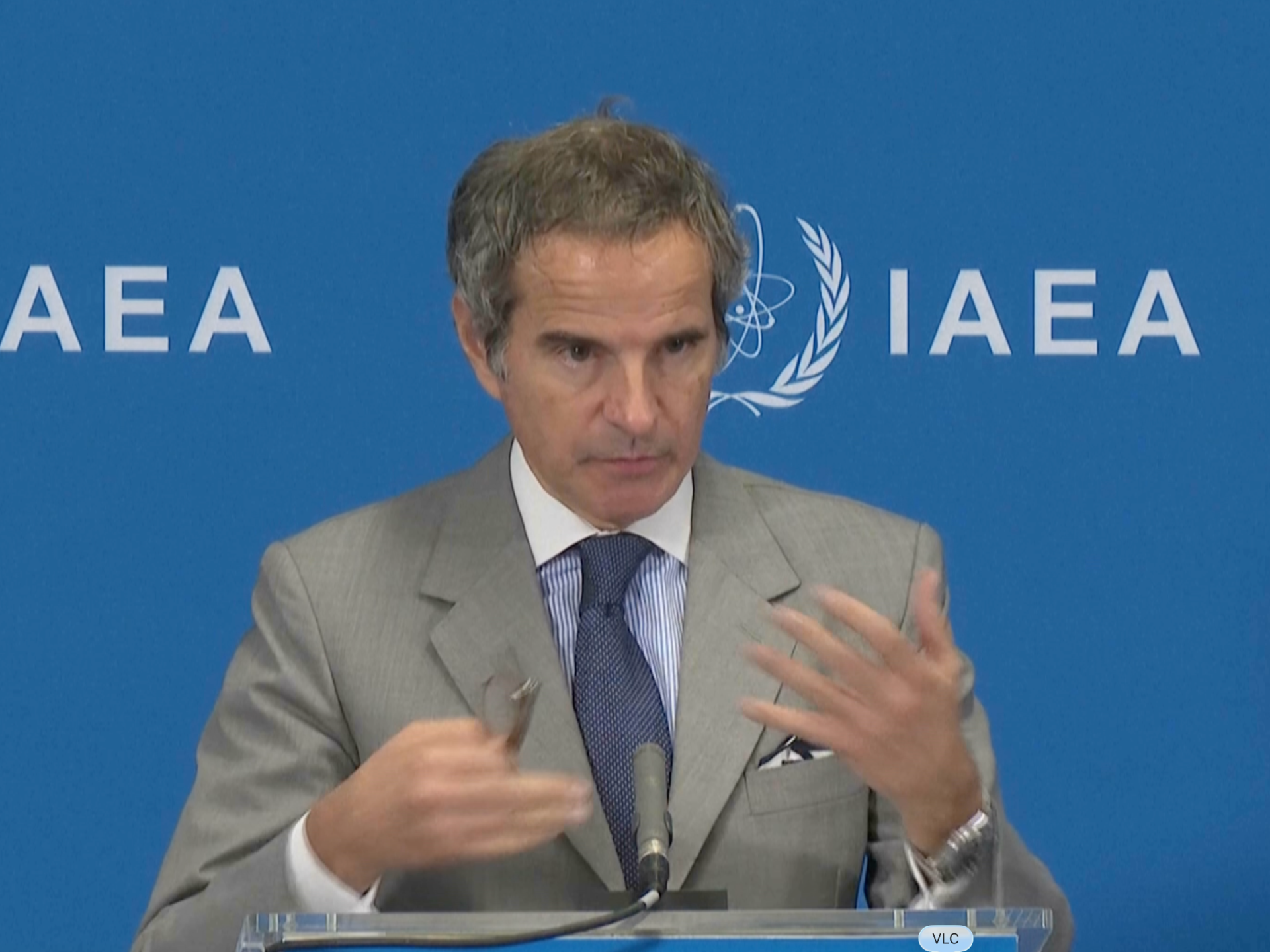
IAEA chief Rafael Grossi said Iran-US nuclear talks were in a ‘complicated phase’ and dialogue with Iran ‘broken’ as Iran and Israel traded fire on Monday, the worst escalation since a ceasefire was reached in April.
Several communities in Cameroon’s national capital, Yaounde, have been submerged after days of torrential rain, making life difficult for residents. The Central Post Office Roundabout was particularly affected, causing traffic disruptions on Monday morning, June 8. Locals reported that this area often floods during the rainy season.
“When the heart of the city is blocked, it goes without saying that many other parts of the city cease to function normally,” a local dweller told HumAngle. “That is exactly what has been happening in Yaounde since late last week.”
Following the downpour on Thursday, June 4, the door to the Central Post Office was inundated, completely blocking access to the facility. The flooding has also interfered with commercial activities in the area.
Eyewitnesses told HumAngle that 20th May Boulevard, a ceremonial avenue in the heart of Yaounde, was also submerged, with vehicles stuck in floodwaters and some trapped in mud washed into the city. “Towing facilities would have to be brought in to drag some of the cars and trucks stuck in the mud,” one eyewitness revealed.
“I feel fortunate that my vehicle is still here, but I’ve hardly slept since it got stuck, for fear of theft. It’s disheartening to see this situation repeat every year while the City Council allows conditions to worsen without taking action,” another witness said.
Flooding, especially around the Central Post Office, has become an annual crisis in Yaoundé. Atangana Davis, a civil society activist, said some Chinese contractors had dug drainage facilities around the post office, promising improvements. “Yet, the floods persist, worsening each year, demonstrating the failure of the council’s supposed infrastructure upgrades,” Atangana said.
The current floods highlight the urgent need to rehabilitate the city’s sanitation infrastructure, locals said. The rainwater evacuation network is often criticised for its insufficient capacity during heavy rain, compounded by frequent debris blockages in residential gutters that impede rainwater flow.
Town planner Isidore Djeunkeu said that the causes of this ongoing issue are known to everyone, including the City Council authorities. “It begs the question: why is it so challenging to find a solution to this recurring problem?” Isidore asked.
Several communities in Yaoundé, Cameroon, including the Central Post Office Roundabout, have experienced severe flooding due to continuous torrential rains, leading to significant disruptions in daily life and traffic.
The flooding not only blocked critical city infrastructure like the Central Post Office but also affected commercial activities and trapped vehicles in mud.
Despite previous efforts by Chinese contractors to improve drainage, the problem has persisted, indicating a failure in the city’s infrastructure upgrades. Locals and experts, including town planner Isidore Djeunkeu, have called for urgent rehabilitation of the city’s sanitation infrastructure, highlighting known inadequacies like insufficient rainwater evacuation systems and debris-blocked gutters, which exacerbate the flooding issues.
Police crack down down on supporters of the Joint Awami Action Committee, which plans to hold a rally Tuesday.
Published On 8 Jun 20268 Jun 2026
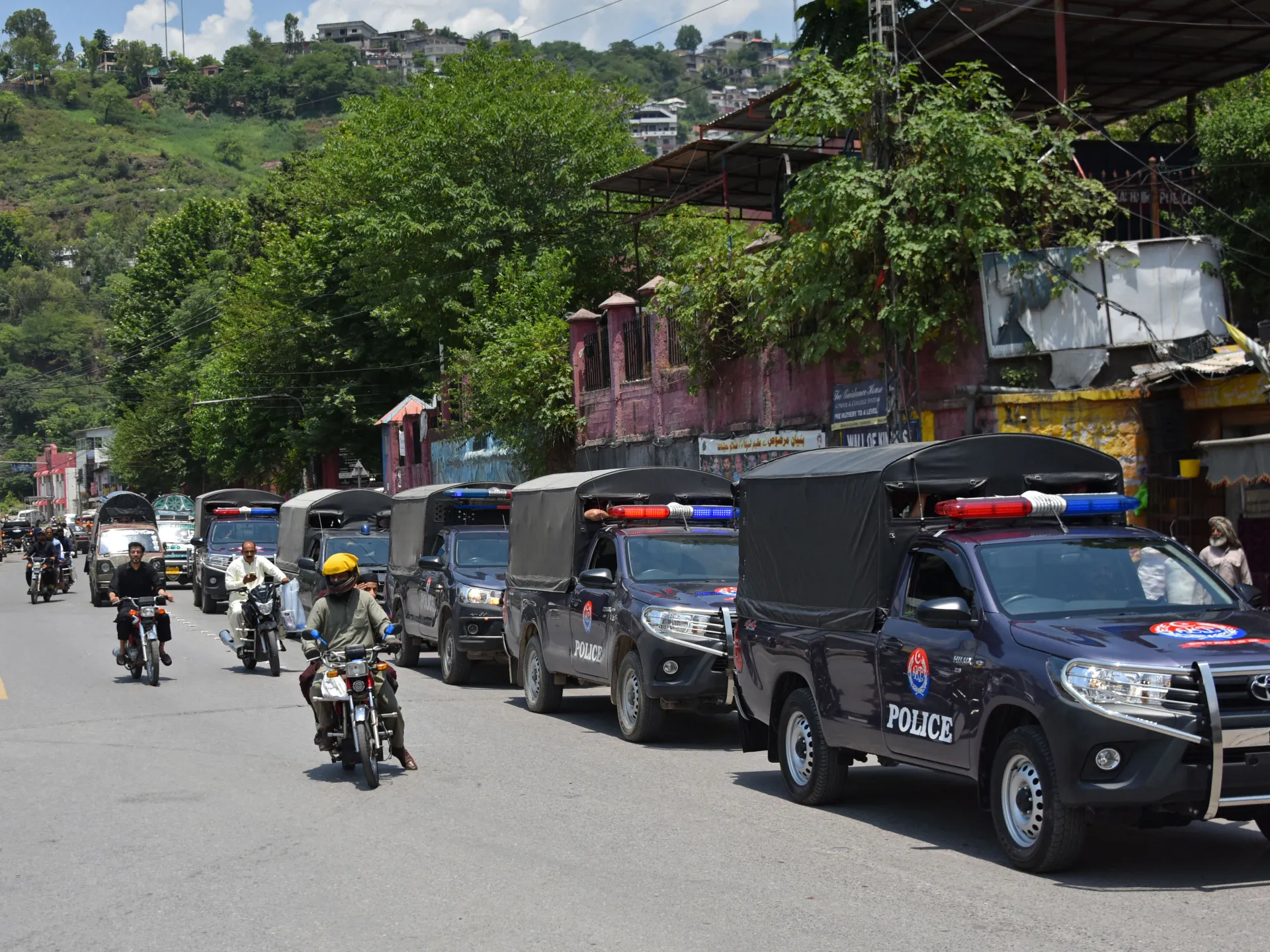
At least 11 people have been killed as police clashed with supporters of an outlawed group in Pakistan-administered Kashmir, officials said on Monday, a day before a planned protest over political rights and legislative representation.
Dozens of others, including police officers and civilians, were wounded in the violence that erupted Sunday after the Supreme Court of Pakistan-administered Kashmir ruled that 12 legislative seats reserved for Kashmiri refugees living in Pakistan are constitutionally protected and cannot be abolished without a constitutional amendment.
Recommended Stories
list of 3 itemsend of list
The landmark ruling came before a rally planned for Tuesday by the outlawed Joint Awami Action Committee, or JAAC, which has long demanded greater political rights for people in the region and the abolition of the refugee seats, on the grounds that the refugees have disproportionate influence.
The group has organised large protests in recent years, a number of which have turned violent.
“Four police officers and a passer-by died after miscreants shot at them,” Sardar Waheed Khan, commissioner of the Poonch sector in the region, told the Reuters news agency. “As the result of the law enforcers’ response, six protesters were killed,” he said.
Police Chief Liaqat Malik said 23 security officials and 50 protesters were among the injured in Sunday’s incident, with 30 offenders arrested in the Himalayan region that is a flashpoint with neighbouring India.
According to the regional police, armed supporters of the JAAC opened fire on security forces in Rawalakot, a city in Pakistan-administered Kashmir, and later surrounded the Combined Military Hospital, disrupting medical services.
Authorities said security forces eventually dispersed the crowd and restored order.
Police accused protesters of setting fires and damaging government and private property.
“The state has begun a massacre of our people in Rawalakot,” Shaukat Nawaz Mir, a JAAC leader, said in a video message on X, referring to the district where the incident happened. He pledged that the group would stay united to take part in the June 9 rally.
On Friday, the regional government designated the JAAC as a proscribed group under an anti-terror law, and advised domestic and foreign tourists to leave the region before June 9.
Mass demonstrations in the last two years by the JAAC against the rising costs of flour and electricity have turned deadly after violent crackdowns on protesters by security forces.
Khan, the police commissioner of the Poonch sector, said, “The JAAC leadership is misleading the masses by terming it a massacre. The state’s action was meant to restore law and order.”
When security forces tried to disperse the protesters, activists used automatic rifles, petrol bombs, and other weapons to target them, he said.
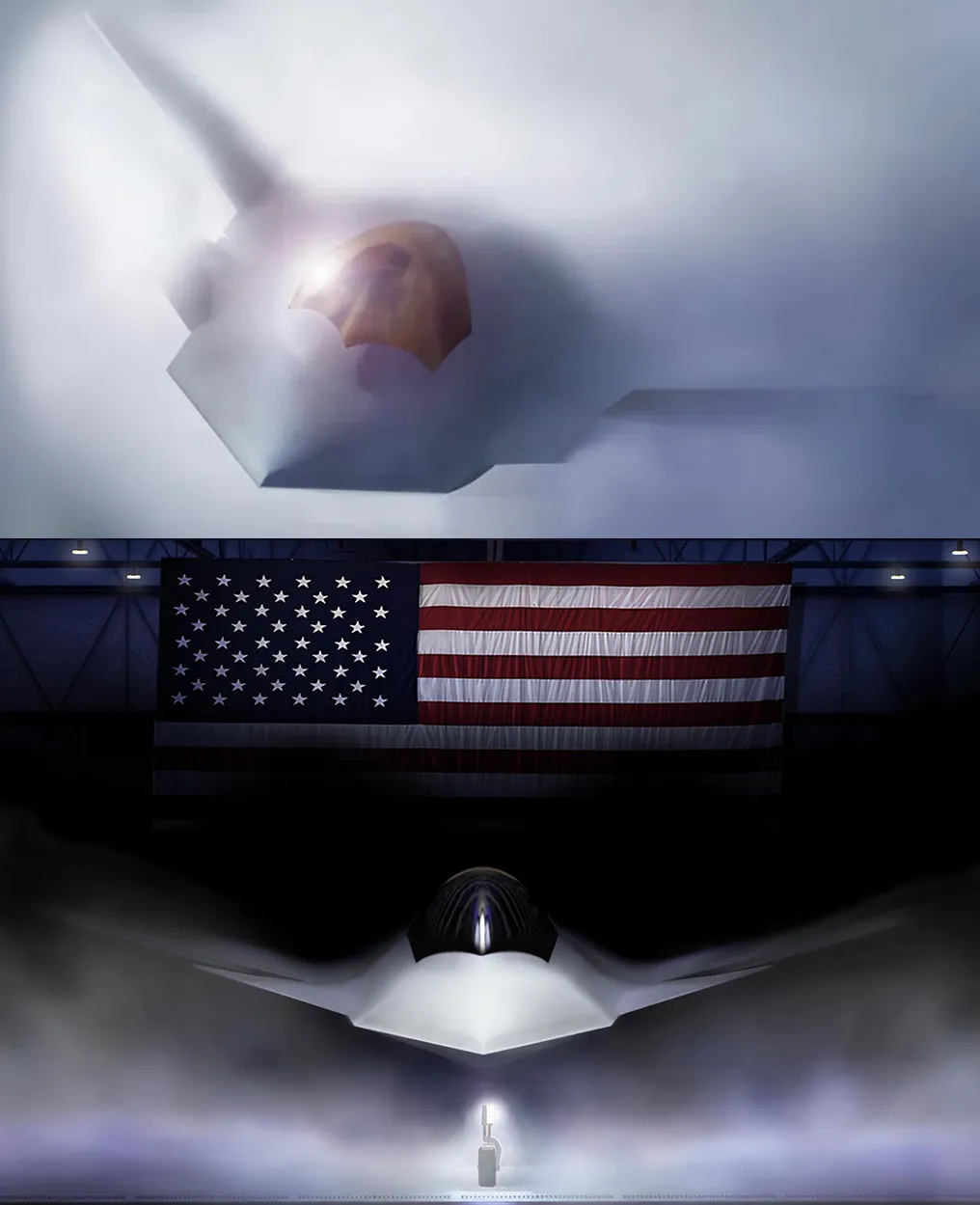
Inside the firebird motif of the F-47 patch, there is an exaggerated planform of what we see in Project Fear’s video of what is very likely Boeing’s NGAD demonstrator shot outside of Area 51. It also aligns with what we can extrapolate from the concept renderings of the F-47 that have been released.
F-47 renderings. (USAF)
Mainly, the design includes forward canard foreplanes with a tapered central fuselage, rear-set and highly-swept wings, and no traditional tails. The wings have a high dihedral before drooping toward their tips, creating an appearance akin to the Klingon Bird of Prey from the world of Star Trek. That reference isn’t just my own. Boeing’s Bird of Prey from the 1990s clearly shares design similarities, especially in the wing area, as we originally stated after the first official concept art’s release. The Bird of Prey’s patch also cryptically shared its basic planform.
On the Bird of Prey patch, we see a traditional Klingon knife, made famous by Star Trek, with the blade’s hilt making up the Bird of Prey’s planform. In fact, the only detail to throw it off is the t-guard at the bottom of the handle, which appears like canards. Even the cockpit is there. Of course, it isn’t clear at this time when this patch began to circulate in the public domain or if it was after the Bird of Prey was declassified in late 2002. Regardless, in the F-47’s case, the demonstrator’s exact features remain closely guarded secrets, at least officially.
(Screenshot)
Boeing Bird of Prey Technology Demonstrator
Attempting to decode or draw insights into the military’s notoriously cryptic classified program patches is hardly a new practice. Books like Trevor Paglen’s I Could Tell You but Then You Would Have to Be Destroyed by Me is an excellent example of this and the fascination around this unique blending of art, technology, and national security.
In years of reporting on these topics, I have been told multiple times that there is more in patches than many realize, including hints at designs of classified aircraft. This runs pretty counterintuitive considering the government’s extreme protocol for classification, but vague representations of general design concepts are far from giving up an actual blueprint of a classified aircraft. Nonetheless, it is fascinating to see the practice occur for two highly classified aircraft that are directly related, and it’s something we keep an eye on regularly, as well.
Still, with all this in mind, it may be time to take a look back at some of the most interesting patches floating around to see if an exotic planform of an aircraft could be hiding amongst their stitches.
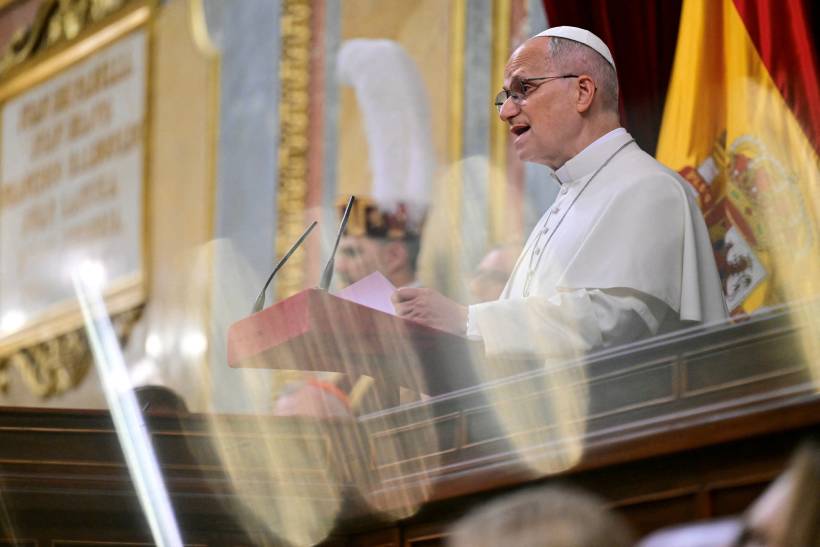
Pope Leo delivered a landmark address to Spain’s parliament, warning that the world is facing a profound spiritual, cultural, and political crisis marked by escalating conflicts, deepening polarization, and growing disregard for human rights.
The speech, the first by a pope before the Spanish legislature, formed a central part of his week long visit to Spain. Coming amid renewed hostilities between Israel and Iran and ongoing debates over migration and European security, the address reflected the Vatican’s increasing engagement with major geopolitical and humanitarian issues.
Leo used the occasion to reiterate long standing Catholic concerns regarding war, social fragmentation, migration, and the ethical implications of technological development. He also addressed the relationship between religion and public life, defending religious freedom and the confidentiality of confession.
Key Themes
Peace Over Militarisation
A central theme of the pope’s address was opposition to the growing militarisation of international politics. He argued that military force may suppress conflict temporarily but cannot create lasting peace.
His remarks came as European governments continue increasing defence expenditures in response to heightened security concerns following Russia’s invasion of Ukraine and broader geopolitical instability. The pope warned that excessive reliance on military solutions risks deepening rather than resolving global tensions.
Migration and Human Dignity
Leo devoted significant attention to migration, describing inadequate responses to displaced populations as a challenge to the ethical foundations of the international order.
He urged governments to move beyond border management policies and address the underlying drivers of migration, including conflict, poverty, and climate change. His comments coincided with plans to meet migrants in Spain’s Canary Islands, a major entry point for migrants attempting to reach Europe from Africa.
The pontiff framed migration as both a humanitarian and moral issue, arguing that the treatment of vulnerable populations serves as a measure of a nation’s moral character.
Artificial Intelligence and Ethics
The pope also expanded on concerns he has raised previously regarding artificial intelligence. He called for stronger ethical oversight of emerging technologies, particularly their application in military contexts.
As governments and defence industries increasingly integrate AI into weapons systems and military planning, Leo argued that technological progress must remain subject to moral and humanitarian considerations.
Religion in Public Life
Another notable aspect of the speech was the pope’s defence of religious participation in public affairs. He argued that faith should not be excluded from public discourse and stressed the importance of protecting religious freedoms.
Leo also defended the confidentiality of confession, a topic that has generated debate in several countries considering legal requirements for clergy to report abuse disclosed during confessions.
Why It Matters
The speech signals a more assertive Vatican engagement with global political debates at a time of mounting international instability.
Unlike purely theological addresses, Leo’s remarks directly addressed issues shaping contemporary international relations, including war, migration, technological governance, and democratic cohesion. His intervention places the Catholic Church within broader discussions regarding the future direction of global governance and international cooperation.
The address also highlights the Vatican’s growing concern that rising geopolitical competition, nationalism, and social polarization are weakening international institutions and undermining collective approaches to global challenges.
Stakeholders
The Vatican
Seeking to shape global debates on peace, migration, ethics, and human rights.
European Governments
Balancing security concerns with humanitarian responsibilities and social cohesion.
Migrants and Refugees
Directly affected by immigration policies and international responses to displacement.
Technology Sector
Facing increasing scrutiny over the ethical implications of artificial intelligence.
Religious Communities
Monitoring debates surrounding religious freedom and the role of faith in public life.
Human Rights Organisations
Engaged in discussions regarding migration, conflict resolution, and protections for vulnerable populations.
Strategic Implications
The address reflects the Vatican’s effort to position itself as a moral counterweight to rising geopolitical competition and militarisation. By linking war, migration, technology, and social division within a single framework, the pope presented these issues as interconnected symptoms of a broader crisis affecting the international order.
His criticism of increased military spending places the Vatican at odds with many Western governments currently prioritising defence expansion. At the same time, his focus on migration challenges increasingly restrictive immigration policies adopted across Europe.
The pope’s intervention on artificial intelligence also signals that ethical governance of emerging technologies may become a more prominent area of Vatican diplomacy in the coming years.
Analysis
Pope Leo’s address represents one of the clearest articulations yet of his vision for the Church’s role in contemporary global affairs. Rather than limiting his remarks to spiritual concerns, he framed international conflict, migration pressures, technological change, and democratic fragmentation as interconnected challenges requiring moral as well as political responses.
The speech suggests a papacy willing to engage directly with policy debates at a time when many governments are prioritising security, strategic competition, and economic interests. While the Vatican lacks conventional political power, its ability to shape public discourse and influence ethical debates remains significant.
By positioning peace, human dignity, and ethical governance at the centre of his message, Leo is seeking to reassert the relevance of moral leadership in an increasingly fragmented international environment. Whether governments embrace those arguments remains uncertain, but the address signals that the Vatican intends to remain an active participant in debates over the future of the global order.
Two separate incidents of violence have left nine people injured in World Cup host cities in the United States, raising concerns over the safety and security of fans attending the tournament that starts in three days.
Six people were wounded in a stabbing on Sunday at New York’s Penn Station, the city’s mayor said, as the metropolitan area geared up to host two major sporting events, the NBA Finals and the FIFA World Cup.
Recommended Stories
list of 4 itemsend of list
Meanwhile, nine people sustained non-life-threatening injuries in a shooting near England’s World Cup base camp in Kansas City, Missouri, on Saturday.
The New York City Fire Department said a suspect was detained and the victims, including one with serious injuries, were taken to hospital.
Fire Department officials initially reported five wounded, but Mayor Zohran Mamdani said on X that “based on the information available right now, six people were stabbed and the alleged perpetrator is in custody.”
Circumstances of the attack were not immediately clear, but city Comptroller Mark Levine said on X that the suspect is “said to be an emotionally disturbed homeless person”.
All victims are expected to survive, he added.
State Governor Kathy Hochul described the attack as “an act of horrific violence”.
“New Yorkers deserve to feel safe wherever they go, and we will never stop working to make that a reality,” she said in a statement.
The incident occurred at one of the nation’s busiest rail and subway transport centres as the city prepares for two huge sporting spectacles.
Madison Square Garden, located directly above Penn Station in downtown Manhattan, will host games three and four of the NBA Finals on Monday and Wednesday between the New York Knicks and the San Antonio Spurs.
MetLife Stadium, outside the city in neighbouring New Jersey state, will host its first match of the World Cup on Saturday.
[Al Jazeera]
US President Donald Trump is scheduled to attend Monday’s NBA game at Madison Square Garden, saying recently that he accepted an invitation from Knicks owner James Dolan.
Security has been enhanced in the city before the two events.
New York’s official emergency notification system did not describe the incident but said people should avoid the area and “expect traffic delays, road closures, mass transit disruptions & emergency personnel near Penn Station”.
Before the stabbing, New York officials had already cancelled an outdoor watch party set for Monday outside the Garden.
Thousands of spectators descended onto the streets outside the venue on Friday for a game two watch party. New York authorities said a police officer was assaulted and 26 people were arrested as a number of fans turned rowdy.
Meanwhile, Kansas City police said there were no suspects in custody and that at least three of the shooting victims were taken to local hospitals.
The incident occurred about 6.5km (4 miles) from where England are set to train at the Swope Soccer Village. England have not arrived in Kansas City and are due to play a friendly against Costa Rica in Orlando, Florida, on Wednesday.
The Arrowhead Stadium, rebranded as Kansas City Stadium, will host World Cup games [Charlie Riedel/AP]
What security measures has the US put in place for the World Cup?
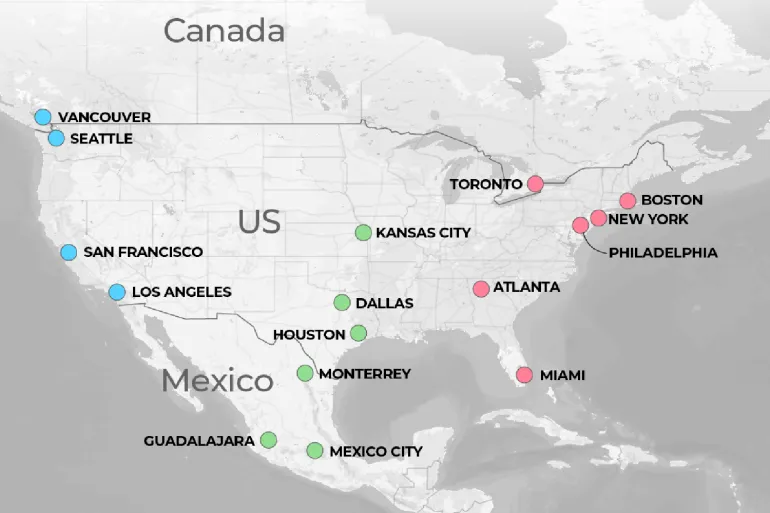
The 48-team, 104-match World Cup comes with an unprecedented security challenge for the host nations, particularly the US, which is hosting 78 matches across 11 cities.
Overseeing the sprawling security apparatus is a legion of federal agencies, state and local police departments and private entities. Their responsibilities range from securing stadiums and fan zones to escorting teams and protecting dignitaries.
Their tools include hunter drones that can shoot nets over objects in restricted airspace, bag-inspecting robot dogs, giant X-ray trucks and thousands of AI-powered cameras trained on public spaces soon to be thronged by fans.
Drones are prohibited over stadiums and fan zones, and the FBI has a “full suite of options” to thwart incursions, according to FBI Special Agent in Charge Amit Kachhia-Patel.
On match days, the FBI will activate joint operations centres in each host city, bringing together local, state and federal law enforcement agencies to monitor and investigate threats.
The tournament has the same high-level federal security designation as the Super Bowl, just below a presidential inauguration or a national political convention, ensuring federal, state and local coordination. It coincides with other major events linked to the 250th anniversary of the US’s founding.
So far, there are no credible threats, according to Andrew Giuliani, executive director of Trump’s World Cup task force, which is overseeing the multiagency effort.
The Department of Homeland Security, focused on Trump’s immigration enforcement crackdown and hit by a funding lapse only recently resolved, estimates that up to seven million people will visit the US for the World Cup.
The US Secret Service, under scrutiny after security breaches and attempts on Trump’s life, is in charge of protecting world leaders who show up to cheer on their countries. Trump has expressed interest in attending a match.
Gun violence is common in the US, where there were more than 400 mass shootings in 2025, according to the Gun Violence Archive.
Iran on Sunday responded to an Israeli strike on an alleged Hezbollah site in southern Beirut – an unofficial red line for Tehran – by launching a barrage of missiles at Israel. Israel then hit Tehran and other cities on Monday, threatening to end a two-month ceasefire between Iran and the US.
Tensions had already heightened after Israeli forces crossed the Litani River last month – a point Israel had unilaterally set as a buffer zone to be cleared of Hezbollah elements – leading the Lebanese government to appeal for an end to foreign interference in the country.
Last week, it was reported that US President Donald Trump had convinced Israeli Prime Minister Benjamin Netanyahu not to target Beirut, understanding that such an escalation could end a regional ceasefire in place since April.
The Israeli invasion has deepened tensions between Iran, which backs Hezbollah, and the Lebanese government, which is seeking exclusive control over weapons in the country. Iran’s Islamic Revolutionary Guard Corps (IRGC) on Thursday warned “there will be no calm in the region” if Israel continued its occupation of southern Lebanon.
Lebanese President Joseph Aoun stressed that there is no way to end the war in the country “except through negotiation and diplomacy” and slammed Tehran for “using Lebanon as a bargaining chip in their negotiations” with the US.
He said “Hezbollah must understand that [there is] no other way but to sit and talk”, something Beirut is trying to achieve via direct talks between Israeli and Lebanese officials in Washington, DC.
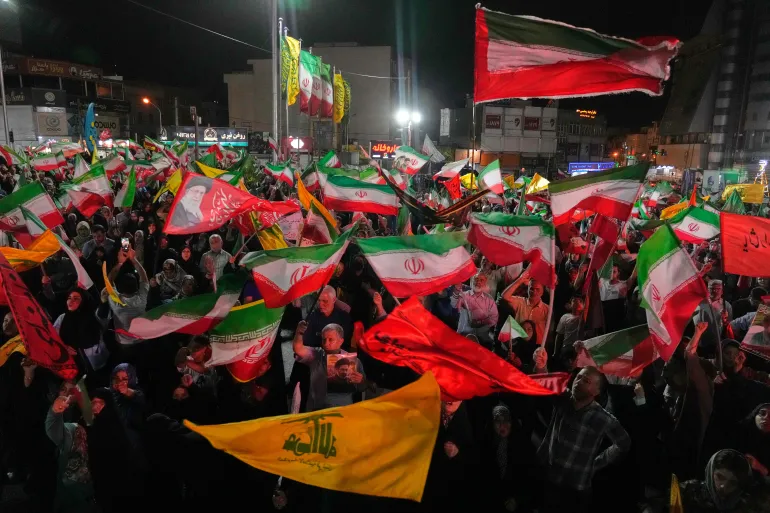
Pro-government Iranian demonstrators wave flags of Iran and Hezbollah in Tehran, June 7, 2026 [Vahid Salemi/AP Photo]
Iranian Foreign Minister Abbas Araghchi responded by saying Aoun appeared to believe Iran, not Israel, was occupying Lebanese territory.
“Had Lebanon been a bargaining chip for Iran, we’d have a deal long ago. Save Lebanon from your real foe, Mr. President,” he posted on X on Saturday, likely referring to Israel and Aoun.
Hezbollah opposes direct talks with Israel and wants Iran to play a greater role in mediated talks to end the crisis, and the situation has led to an increasingly voracious back-and-forth between Beirut and Tehran.
A conditional “ceasefire” currently in effect between the Lebanese government and Israel, negotiated by Washington and excluding Hezbollah representation, set conditions that included the removal of armed groups south of the Litani River.
It also sought the establishment of “pilot zones” in southern Lebanon, where the Lebanese army would have sole authority, allowing the region to come under direct state control.
Negar Mortazavi, a senior fellow at the Washington, DC-based Center for International Policy, noted that while Israel had demonstrated patience regarding its continued offensive in the south, the targeting of Beirut’s southern suburbs, known as Dahiyeh, would be a serious escalation.
“Where exactly is the red line? So far, it seems that Tehran has tolerated attacks in southern Lebanon to some extent as part of a messy ceasefire, and instead allowed Hezbollah to engage with Israel,” she told Al Jazeera before Israel bombed Beirut suburbs on Sunday.
“I think the stalemate cannot continue for too long, so it will be going back to an escalated conflict, or heading for an actual peace deal.”
Iran has stressed that any long-term peace agreement with the US hinges on Israel’s war on Lebanon also ending.
“Hezbollah entered the war with them and helped them, so they want to help them by making them an extension of the peace deal,” Mortazavi said.
Israel’s largely unchallenged advances in southern Lebanon had angered and frustrated hardliners in Iran, who had called for the government to take action.
“Now that I’m speaking with you, it’s correct that [Israel] has stopped attacking Dahiyeh, but except for that, it is hitting wherever it wills,” Abbas Abdi, a state television analyst, told a gathering of state supporters near Enghelab (Revolution) Square in downtown Tehran on Friday night.
Hezbollah flags are regularly waved by supporters of the government during such rallies. On Friday, the iconic Azadi (Freedom) Tower was draped with a Hezbollah flag in a show of support for the Lebanese movement, amid Israel’s offensive in southern Lebanon.
Abdi said such facile shows of solidarity with Hezbollah were not a deterrence and that Iran might have to “show the enemy that negotiations are not important for us”.
“We are still releasing statements and saying we will do such if they do such, but we are not doing anything. Our dear people have gone to the [missile] launchers numerous times to respond, but they have been stopped,” he said.
There have been direct tensions between the two sides in recent weeks, with the US military attacking Iranian islands and the IRGC launching missiles and drones at its Central Command (CENTCOM) bases in Kuwait and Bahrain.
Mourners attend the funeral of four people, including a woman and a medic, who were killed in an Israeli attack on Friday in Zebdine, in Haret Sidon, Lebanon, June 7, 2026 [Aziz Taher/Reuters]
Mostafa Najafi, a state television political analyst, earlier this week characterised the Israeli attacks on Lebanon as intended to go hand-in-hand with the US blockade of Iran’s southern waters to force the government to capitulate.
“The aim of the ring of pressure created in Lebanon is not just Hezbollah, it is against our levers and to weaken our regional activities,” he said, pointing out that this elevates the issue to strategic significance.
“You cannot separate the file of Hezbollah and Lebanon from the file of Iran, because they have a meaningful ideological and geopolitical link together, they are in a geopolitical cluster together,” Najafi said.
Amirhossein Sabeti, a lawmaker representing Tehran in the hardline-dominated parliament, told state television that Trump was only “playing” with Iranian authorities to keep the peace until the World Cup in the US, Canada and Mexico is over.
“The US will start a more intense war with the US once the World Cup is over. They will turn the country into a second Gaza, where everything is destroyed,” he said.
“We must be prepared to deal stronger blows than before, and we can do this. We must not wait for them to hit before hitting back; we must strike even when they talk of striking, that’s deterrence.”
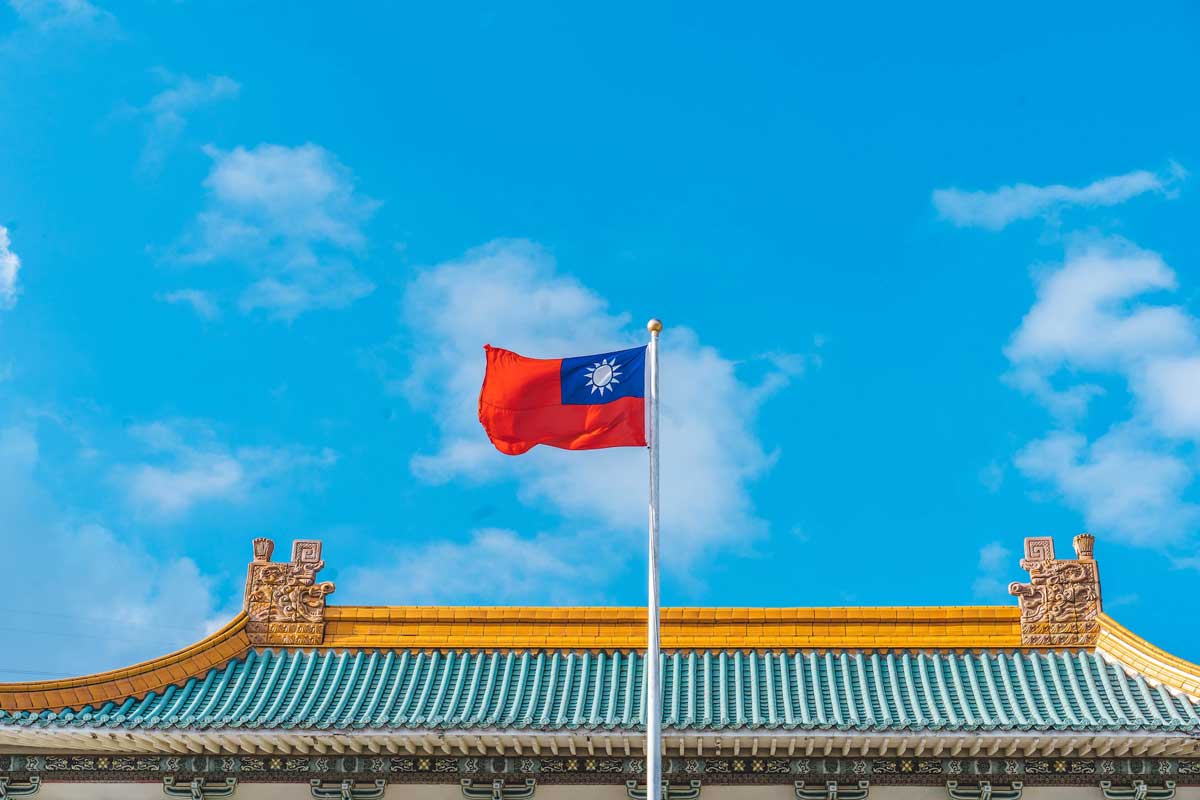
Taiwan has accused China of carrying out a “provocative act” after Chinese Coast Guard vessels conducted patrols in waters east of the island. The operation followed announcements by Japan and the Philippines that they would begin formal talks on maritime boundary delimitation, a move Beijing views as involving waters linked to Taiwan.
Chinese state media described the deployment as a special maritime law-enforcement operation. Taiwan responded by dispatching Coast Guard vessels, which reportedly warned the Chinese ships away from restricted waters. Defence Minister Wellington Koo characterized the patrols as both a challenge to Taiwan’s sovereignty and an example of “cognitive warfare” aimed at reshaping perceptions of territorial control.
The incident comes amid sustained Chinese military activity around Taiwan, including frequent air and naval operations. Taiwan is also monitoring the movements of the Chinese aircraft carrier Liaoning, which is operating in the Western Pacific near waters east of the Philippines.
Why It Matters
The patrols represent more than a routine maritime operation. They signal China’s growing willingness to extend its presence beyond the Taiwan Strait and into areas east of Taiwan that have traditionally been viewed as strategically important for the island’s defence.
The move also demonstrates Beijing’s opposition to emerging regional cooperation among U.S. partners and allies. The maritime boundary discussions between Japan and the Philippines reflect increasing efforts among regional states to clarify maritime rights and strengthen coordination in contested waters.
For Taiwan, Chinese Coast Guard activities present a complex challenge. Unlike military operations, law-enforcement patrols operate within a legal grey zone that allows Beijing to advance territorial claims without triggering a conventional military confrontation. Such actions can gradually normalize China’s presence in disputed areas while increasing pressure on Taiwan’s security apparatus.
The incident further highlights the growing integration of maritime, legal, and information-based strategies in China’s approach to territorial disputes across the Indo-Pacific.
Stakeholders
Taiwan
Protecting maritime sovereignty and territorial claims.
Maintaining freedom of navigation and security in eastern waters.
China
Expanding operational presence around Taiwan.
Reinforcing sovereignty claims through maritime law-enforcement activities.
Japan
Engaged in maritime boundary discussions with the Philippines.
Monitoring Chinese activities that could affect regional security.
Philippines
Seeking greater legal clarity over maritime boundaries.
Increasing security cooperation with regional partners.
United States
Maintaining stability in the Taiwan Strait and broader Indo-Pacific region.
Supporting freedom of navigation and regional deterrence efforts.
Regional Security Partners
Including Australia and other Indo-Pacific states concerned about changing maritime dynamics.
Strategic Implications
The patrols illustrate China’s increasing reliance on so-called “grey-zone” tactics, which fall below the threshold of open military conflict while steadily advancing strategic objectives. By deploying Coast Guard vessels rather than naval forces, Beijing can challenge Taiwan’s authority while reducing the risk of immediate military escalation.
The incident also reflects the expanding geographical scope of cross-strait competition. Traditionally concentrated in the Taiwan Strait, tensions are increasingly extending into the Western Pacific, where control of maritime approaches carries significant strategic value for both China and Taiwan.
Furthermore, the timing of the operation suggests that Beijing is seeking to influence regional maritime diplomacy. By responding directly to Japan-Philippines boundary discussions, China is signaling its opposition to initiatives that could strengthen legal and political frameworks contrary to its territorial claims.
The episode reinforces concerns among regional governments that maritime disputes are becoming increasingly interconnected, linking Taiwan, the East China Sea, and the South China Sea into a broader strategic contest.
What’s Next?
Several developments warrant close attention in the coming weeks:
Taiwan is likely to increase coordination between its military and Coast Guard to strengthen maritime surveillance and response capabilities.
China may continue deploying Coast Guard vessels east of Taiwan as part of a sustained effort to normalize its operational presence in the area.
Japan and the Philippines are expected to proceed with maritime boundary discussions despite Beijing’s objections, potentially drawing further diplomatic responses from China.
Increased activity by the Liaoning carrier group could provide additional indications of China’s broader military objectives in the Western Pacific.
The United States and regional partners may intensify maritime monitoring and security cooperation to deter unilateral attempts to alter the status quo.
Future outcomes
The incident reflects a broader shift in regional security dynamics, where maritime law-enforcement operations are increasingly being used as instruments of strategic competition. Rather than relying solely on military pressure, China is employing a combination of legal, political, and operational tools to reinforce its territorial claims and shape the regional security environment.
For Taiwan, the challenge extends beyond the immediate presence of Chinese vessels. The longer-term concern lies in preventing the gradual normalization of Chinese activities in areas that Taipei considers vital to its sovereignty and security. As regional actors deepen cooperation on maritime governance and security, incidents of this nature are likely to become an increasingly important indicator of the evolving balance of power in the Indo-Pacific.
Weekly insights and analysis on the latest developments in military technology, strategy, and foreign policy.
Iran has launched a new barrage of missiles at Israel, according to the Israeli Defense Forces. Iranian officials say the attack, the first such strike since the April 8 ceasefire, was in response to Israel bombing Beirut a few hours ago. With Israel under direct attack from Iran, how much longer the ceasefire will hold is an open question.
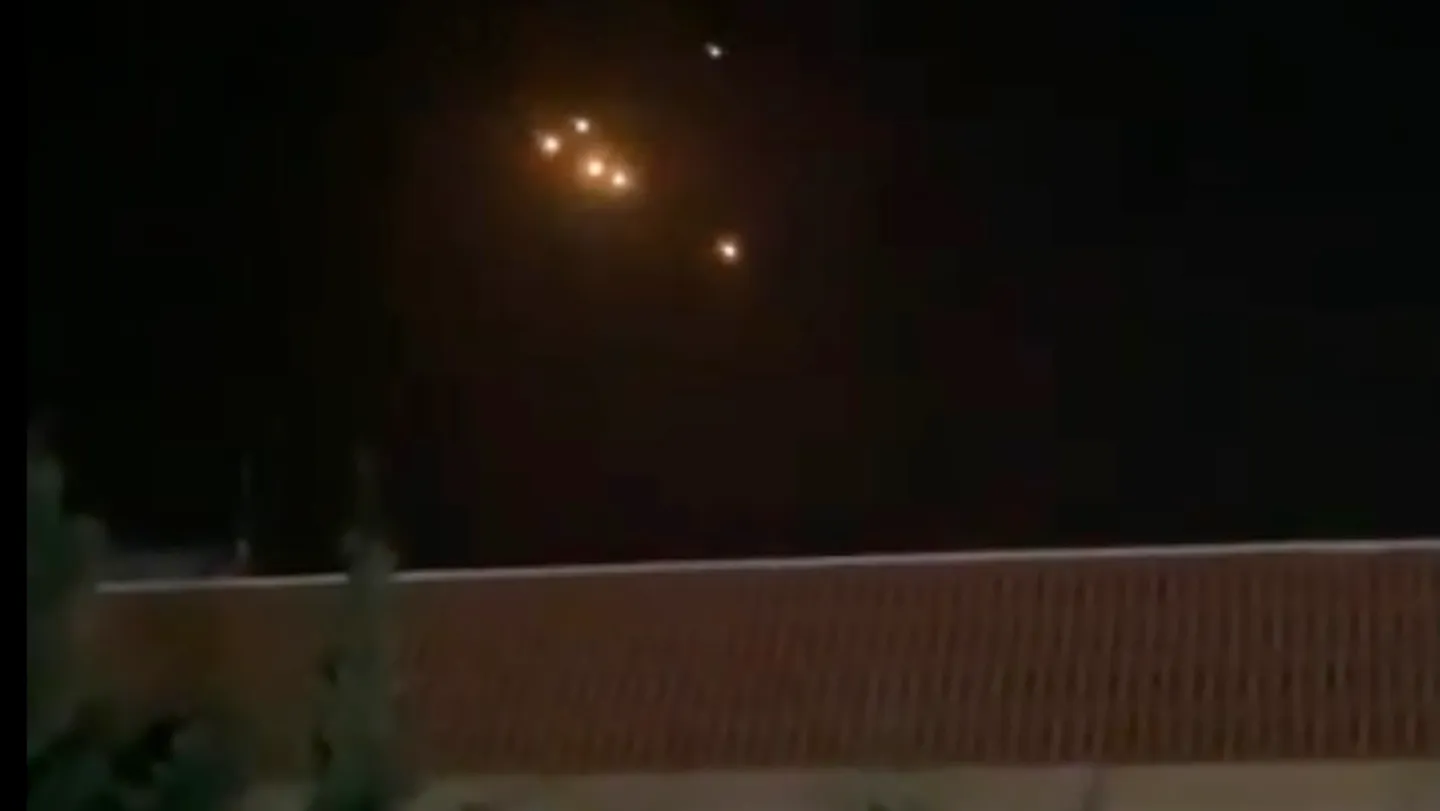
“A short while ago, the IDF identified missiles launched from Iran toward the territory of the State of Israel,” the IDF stated on Telegram. “Defensive systems are operating to intercept the threat.”
🚨 Sirens were sounded in several areas across the country following the identification of missiles launched from Iran toward Israel. https://t.co/BtjlfxOegW
— IRIB (Islamic Republic of Iran Broadcasting) (@iribnews_irib) June 7, 2026
Videos emerged on social media showing Israeli air defenses working to intercept the missiles.
A third round of sirens sound in northern Israel, after the IDF intercepted several Iranian ballistic missiles. No initial reports of injuries or damages.
A senior Israeli official tells Israeli media: “There will be a forceful response.” pic.twitter.com/BixzsXOrhs
— Ariel Oseran أريئل أوسيران (@ariel_oseran) June 7, 2026
Additional video purported to show the Iranian missile launches.
Visuals of Iranian Ballistic Missiles fired towards of State of Israel which were later intercepted and neutralised. pic.twitter.com/Xnfaiy1XZD
Earlier on Sunday, Israel attacked what it said was a Hezbollah command center in the Dahieh section of Beirut. Israel claimed it was in response to Hezbollah rocket attacks on northern Israel.
⭕STRUCK: A Hezbollah command center in the Dahieh area, following Hezbollah’s rocket attacks on northern Israeli communities.
The targeted command center was used by Hezbollah terrorists to advance terror attacks against Israeli civilians and IDF soldiers operating in southern…
BREAKING: In what appears to be a declaration of war by Iran against Israel, a third wave of missile alerts has been activated across Israel within minutes
President Donald Trump spoke with several media outlets in the wake of the Iranian attack. He is urging restraint between the Israel and Iran.
He told Fox News that the attack wasn’t helping negotiations and said he would suggest to Iran that “you shot your missiles, that’s enough, get back to the table and make a deal.”
On Israel striking Beirut earlier today: “I’m not happy about it,” President Trump said.
As I was speaking with President Trump, I could see incoming Iranian missiles out the window soaring toward northern Israel.
“It’s certainly not going to help negotiations,” President Trump told Fox News.
The president told Axios reporter Barak Ravid that he was going to call Israeli Prime Minister Benjamin Netanyahu and tell him to hold his fire.
“I’m about to call Bibi right now and tell him not to respond,” Trump told the outlet. “Both of them have already done their part. Israel had its strike and Iran had its strike. We don’t need another one.”
“The Iranian missile fire didn’t hit anyone. I hope Israel doesn’t respond. If Bibi attacks them back, it’ll just drag on like it has for the past 47 years, or the past 3,000 years,” Trump told Ravid. “We’re very close to a final deal with Iran. It’ll be a good deal. I don’t want it to blow up because of what’s happening now.”
🚨🚨ציטוטים נוספים משיחת הטלפון שלי עם הנשיא טראמפ: “ירי הטילים האיראני לא פגע באף אחד. אני מקווה שישראל לא תגיב. אם ביבי יתקוף אותם בחזרה, זה פשוט יימשך כמו ב־47 השנים האחרונות, או ב־3,000 השנים האחרונות.” 🚨🚨טראמפ הוסיף:”אנחנו מאוד קרובים להסכם סופי עם איראן. זה יהיה הסכם טוב.… https://t.co/g7pshIL497
Iran has issued a notice that it has closed airspace.
The IDF said Iran made “a grave mistake” by attacking, said its operations against Hezbollah will continue and warned Israelis that more attacks could be launched.
Iranian media released an image it claims shows a message inscribed on the missiles fired at Israel.
The text that was written on the Iranian missiles fired at Israel tonight. https://t.co/rIQ7jaH5E8
— IRIB (Islamic Republic of Iran Broadcasting) (@iribnews_irib) June 7, 2026
UPDATE: 6:51 PM EDT –
Iran fired 11 missiles at Israel, according to Israel’s C14 News outlet.
הירי מאיראן: סה”כ כ-11 שיגורים מאיראן לצפון, חלקם יורטו; אין נפגעים
Trump told Financial Times that Netanyahu will have no choice but to accept any deal the US negotiates with Iran, because he “calls the shots.”
“He won’t have any choice,” Trump told the outlet in a telephone interview. “I call the shots. I call all the shots. He [Netanyahu] doesn’t call the shots.”
Trump added that Iran’s strikes had not changed his desire to conclude US-Iran negotiations. “It’s not going to have any impact on the deal,” he told the FT.
“We’ll see how it ends up,” Trump continued. “But they [the missile strikes on Israel] were attacks that did not kick at all. It’s one of those things that’s been going for 3,000 years, or 47 years, depending on how you count.”
BREAKING: President Trump says Israeli Prime Minister Netanyahu will have “no choice” but to accept a US deal with Iran, because he “calls the shots,” per FT.
Details include:
1. “I call the shots. I call all the shots. He [Netanyahu] doesn’t call the shots,” Trump said
2.…
— The Kobeissi Letter (@KobeissiLetter) June 7, 2026
UPDATE: 9:50 PM EDT-
As we suggested would likely happen, Israel has retaliated against Iran.
“A short while ago, the Israeli Air Force struck military targets belonging to the Iranian terror regime in western and central Iran,” the IDF stated on Telegram.
UPDATE: 9:56 PM EDT –
Iranian media reported that “explosion sounds were heard in areas of Tehran, Isfahan, and Tabriz.”
Video and images have emerged on social media claiming to show the aftermath of the Israeli attacks.
UPDATE: 10:58 PM EDT –
In a post on X, the Israeli Air Force (IAF) says it has “identified the launch of a missile from Yemen toward Israeli territory, aerial defense systems are operating to intercept the threat.” “The public is requested to follow the Home Front Command’s defensive guidelines,” the IAF added.
צה״ל זיהה כי שוגר טיל מכיוון תימן לשטח ישראל, מערכות ההגנה פועלות ליירט את האיום. יש לפעול לפי הנחיות פיקוד העורף.
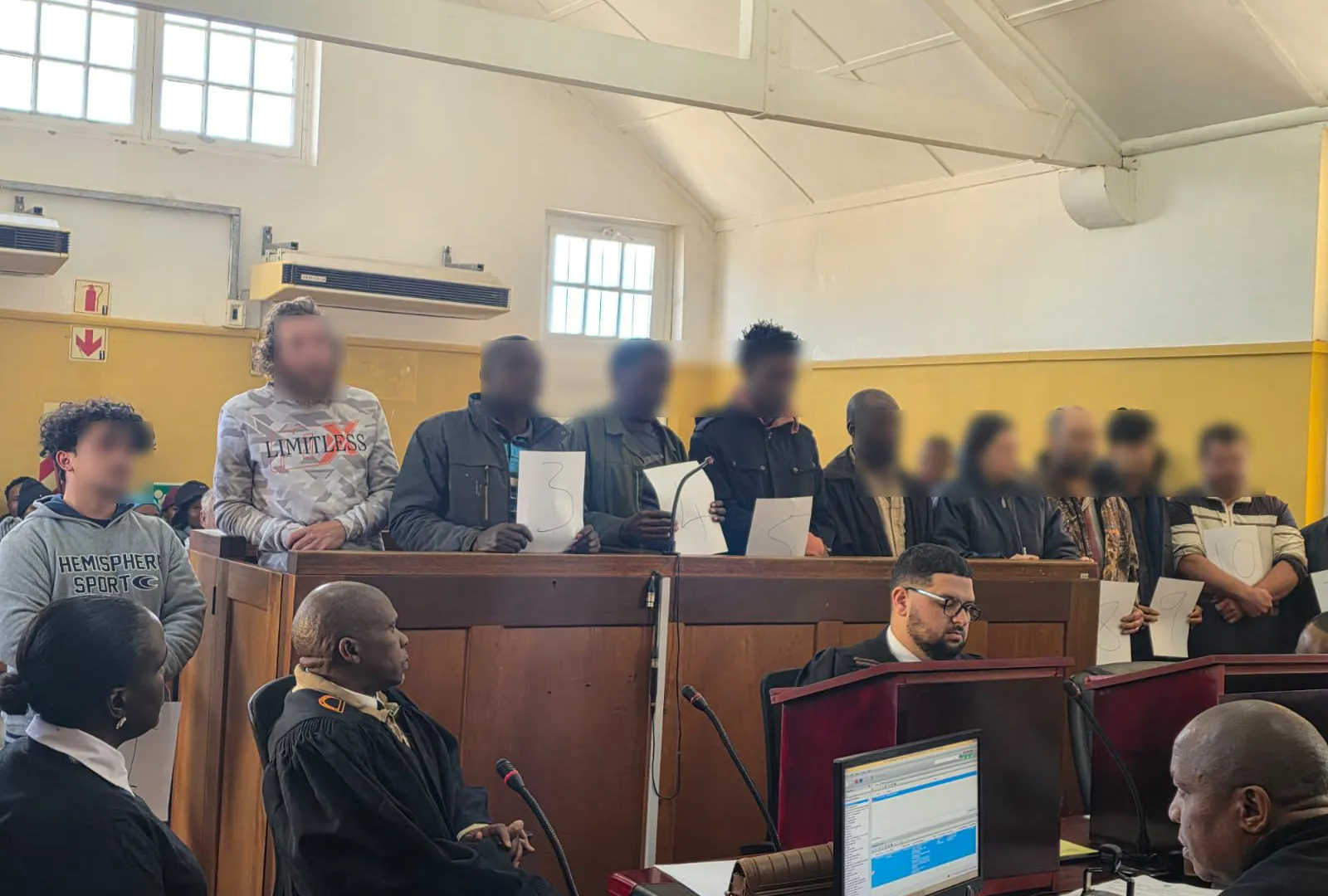
Johannesburg, South Africa – In the quiet mining town of Swartruggens, a small courthouse is preparing to decide whether five Mexicans accused of a major illegal drug operation will be granted bail or remain in custody.
Their arrests followed a raid on a remote farm in North West province, where police said they uncovered a large methamphetamine laboratory worth about one billion rand ($60m).
The case is one of several pointing to a pattern taking shape in South Africa’s rural interior.
The Swartruggens laboratory was not an isolated discovery.
It was one of four major meth sites linked to Mexican criminals uncovered in South Africa in just two years, a pattern that has unsettled investigators and organised crime experts.
In 2024, police dismantled a large meth facility worth about $105–110 million on a farm near Groblersdal in Limpopo. Later that year, another laboratory worth roughly $5–6 million was discovered near Tshwane, followed by arrests last year in Mpumalanga.
Then came Swartruggens.
When police moved in on the North West farm in May, they found 481 kilos of methamphetamine, containers of chemicals and firearms. Among those arrested were Mexican nationals Fabian Astorga, Jesus Alonso Medina Astorga, Luis Alberto Ramirez Rios, Jose Andres Medina and Jacquelin Lopez Madrid, alongside co-accused South Africans.
All the sites followed the same pattern: remote farmland, long distances from towns and enough isolation for criminal activity to go undetected.
For investigators, the pattern is becoming harder to ignore.
Mexicans are increasingly being found working alongside local collaborators in rural production sites, suggesting a shift from trafficking meth into Africa to producing it there.
Organised crime researcher Julian Rademeyer told Al Jazeera the model reflects a deliberate strategy.
“It’s quite a unique development where you have members of Mexican drug cartels franchising, moving chemists into remote rural areas and farms,” he said.
The approach has been building for more than a decade, he added.
The logic is straightforward: produce closer to consumers, cut transport costs and reduce exposure to border and maritime enforcement.
How it spread
Mexican-linked networks in Africa did not begin in South Africa.
Researchers trace early activity back to Nigeria, where local groups were producing meth with Mexican involvement by around 2016.
From there, the networks spread through East Africa, then south through Mozambique and Botswana, before reaching South Africa more recently.
For years, users on the streets spoke of “Mexican meth”, often assumed to be imported. That supply chain has now shifted inward.
“Now, basically, the cartel chemists are being sent here,” Rademeyer told Al Jazeera.
Analysts say multiple supply routes now feed the South African market, but the most significant change is the rise of local production.
Who looks the other way
Methamphetamine dominates parts of South Africa’s illicit drug market because cheaper drugs such as cocaine and heroin remain out of reach for many users, creating steady demand for a cheaper, highly addictive stimulant.
Crime expert Willem Els says demand is only part of the story.
“The main reason why manufacturing locally is lucrative to cartels is the local conditions that exist, where there is protection from corrupt police and politicians,” he told Al Jazeera.
“It is very lucrative. The cartels can make a lot of money because South African conditions result in undetected and protected operations.”
A separate commission of inquiry into law enforcement has heard testimony alleging deep corruption within policing structures, including missing drug consignments and suspected inside involvement in major cases.
One case under scrutiny involves 541 kilos of cocaine seized in 2021 and later stolen from a police facility, in what investigators believe was an inside job.
Former Interpol ambassador Andy Mashiale told Al Jazeera the problem is visible on the ground.
“There is no way in which police don’t know those labs,” he said. “So corruption plays a role.”
He said officers deployed to rural areas were often aware of suspicious activity but failed to act.
“What inspires the drug manufacturers or the drug cartels is the willingness of the police to enable the drug trade from happening,” he said.
South Africa’s elite Hawks unit says recent raids show progress in disrupting networks, while international partners, including the US Drug Enforcement Administration, have provided intelligence linking some suspects to the Sinaloa Cartel.
But investigators warn that the system behind the labs is resilient.
A frontier that keeps moving
US Africa Command officials have warned that Mexican cartels are now not only moving drugs through Africa, but also producing them on the continent.
For South Africa, the challenge is no longer just border control, it is institutional capacity, intelligence and corruption within the system meant to contain it.
Without deeper reform, analysts warn, the pattern is likely to continue: new farms, new labs, new chemists arriving quietly in rural provinces.
For the five men in Swartruggens, the question is immediate, whether they will be released.
For South Africa, the question is larger and more difficult: how to contain a trade that is no longer arriving at its borders, but taking root in the country.
Rademeyer says the structure is built to absorb disruption.
“It’s a game of whack-a-mole,” he told Al Jazeera. “You seize a meth lab here, you seize a meth lab there. They’ll spring up elsewhere.”
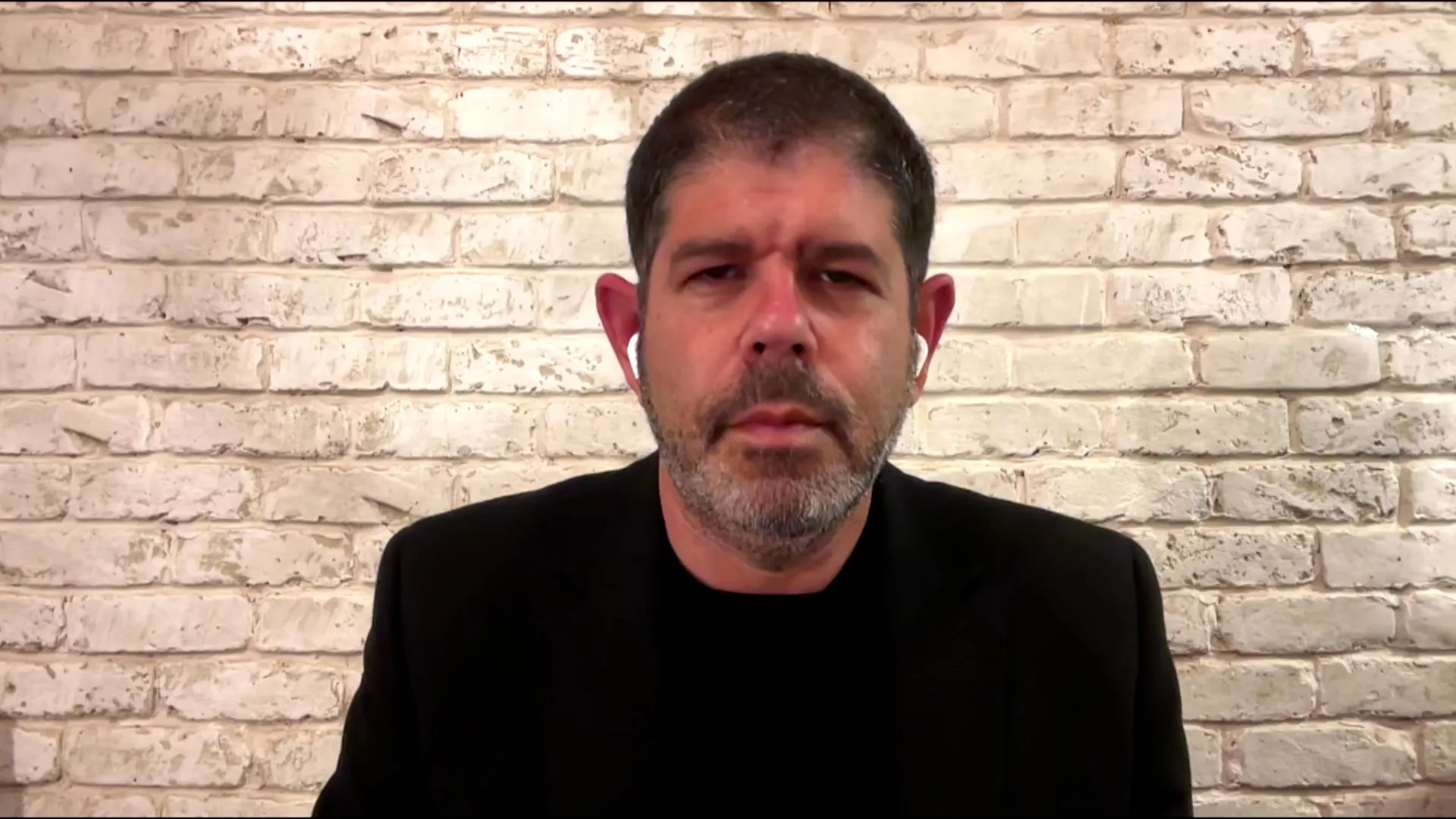
Yariv Oppenheimer told Al Jazeera that Israeli PM Benjamin Netanyahu has incentives to escalate tensions with Iran and Hezbollah but is constrained by US President Donald Trump and US interests. He said Iran’s June 7 response was a warning, not a push for war, and doubts Trump would allow major Israeli retaliation.
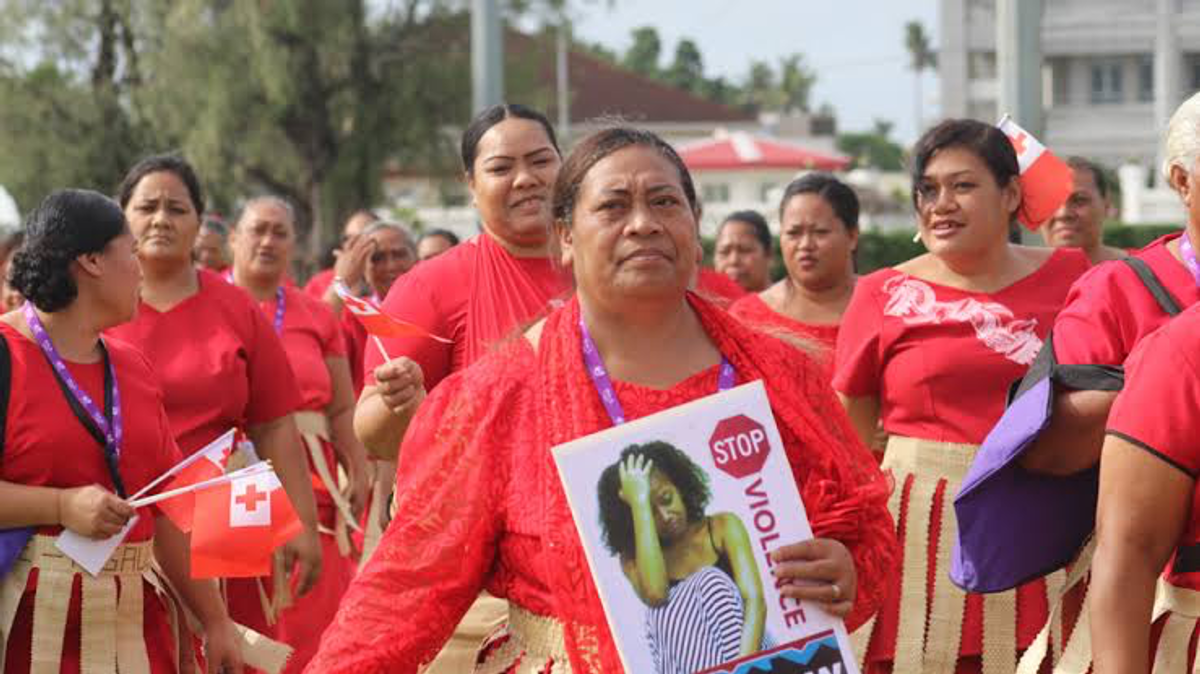
Tonga is a Polynesian kingdom located in the Pacific Ocean, 1,250 miles north of New Zealand. It is composed of over 170 South Pacific islands, of which only about 36 are inhabited.
In some countries, notably those in the Caribbean, Emancipation Day means the abolition of slavery by the European colonial powers in the early part of the 19th century. Emancipation in Tonga means the abolition of the system of serfdom which had been used by the local chiefs for centuries as a means of forced labour.
On June 4th 1862, Tonga’s first Christian king, George Tupuo I declared the abolition of serfdom in the official emancipation edict as part of his 1862 Code of Laws:
“All chiefs and people are to all intents and purposes set at liberty from serfdom, and all vassalage, from the institution of this law; and it shall not be lawful for any chief or person, to seize, or take by force, or beg authoritatively, in Tonga fashion, anything from anyone.”
Influenced by Christian missionaries, the abolition was a key milestone in the history of Tonga as it freed commoners from the virtual ownership of chiefs.
Another important event that took place on June 4th is also celebrated on this day.
Tonga became a British protected state under a Treaty of Friendship in May 1900, to fend off European settlers and rival Tongan chiefs who had tried to overthrow the king. This Treaty of Friendship and protected state status expired on June 4th 1970 under arrangements established prior to her death by the third monarch, Queen Sālote.