Get the latest updates on your favorite sports, from thrilling matches and championship events to player transfers and team rivalries. Dive into insightful analysis, expert opinions, and behind-the-scenes stories that bring you closer to the world of sports.
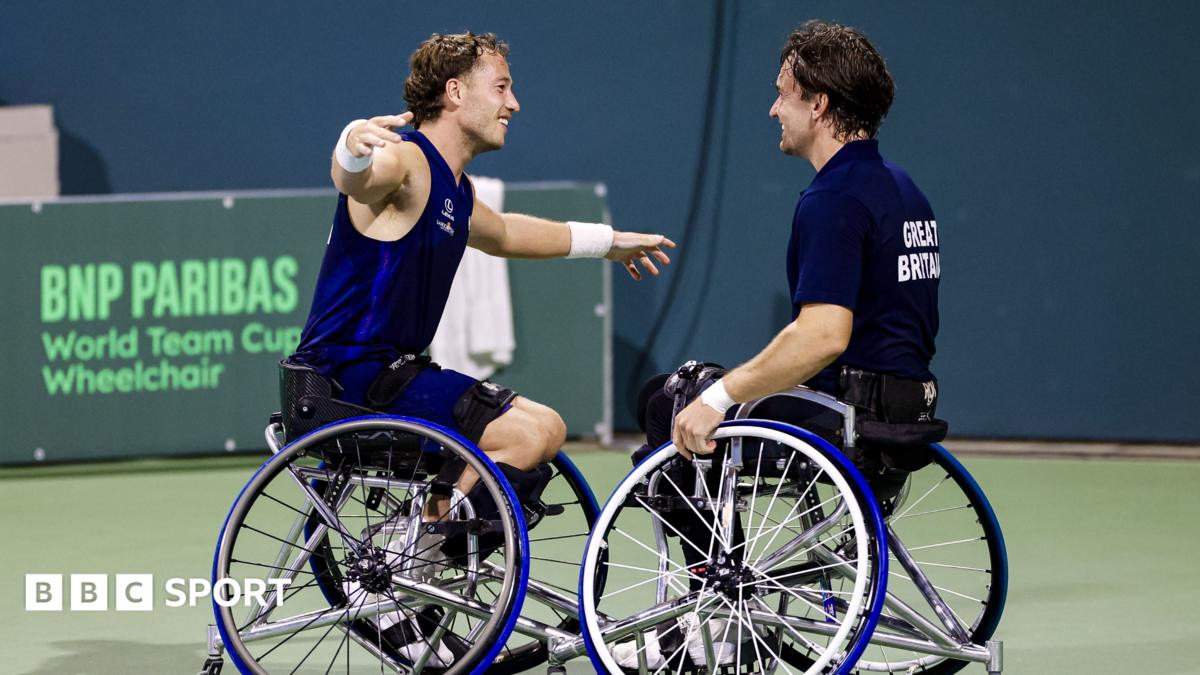
Great Britain became World Team Cup champions for the fifth time as Alfie Hewett and Gordon Reid joined forces to secure a 2-1 victory over Japan in Florida.
Japan were the defending champions of the competition, which is the wheelchair tennis equivalent to the Davis Cup and Billie Jean King Cup.
However, Hewett and Reid ensured Britain got their hands back on the trophy with a 6-1 6-2 win in the deciding doubles match against Tokito Oda and Daisuke Arai.
“We’re really happy to get the title back,” said Reid, who was also part of the World Team Cup-winning squad alongside Hewett in 2015, 2019, 2023 and 2024.
Hewett added: “It’s the first time it’s come down to the deciding doubles for us, so I’m just really happy that we got over the line.
“It’s always a privilege to play for your country and there’s been a great atmosphere and team spirit again this week between all the lads.”
Reid got Britain off to a winning start on Saturday with a commanding 6-2 6-2 victory over world number 21 Arai, who he has now beaten in all five encounters between the pair.
The start of the second singles match was then delayed because of extreme heat in Orlando, with Hewett and Oda returning to court six hours later when temperatures had cooled.
Just a week after beating the world number one in the singles final of the US Open, Hewett was unable to repeat his feat as he fell to a narrow 6-4 7-5 loss.
“I’m a bit disappointed that it wasn’t a 100% day after my loss in the singles, but it was a really high-level match and just came down to a few points in both sets that could have gone either way,” he said.
However, Hewett bounced back in the doubles alongside Reid as Britain, who also had 21-year-old Ben Bartram in the team and were captained by Martyn Whait, backed up their wins against South Korea and the Netherlands earlier this week.
Christian Moore hit an infield single with two outs and the bases loaded that bounced off reliever Taylor Rogers’ leg to score Zach Neto and give the Angels a 6-5, 11-inning victory over the Minnesota Twins on Saturday night.
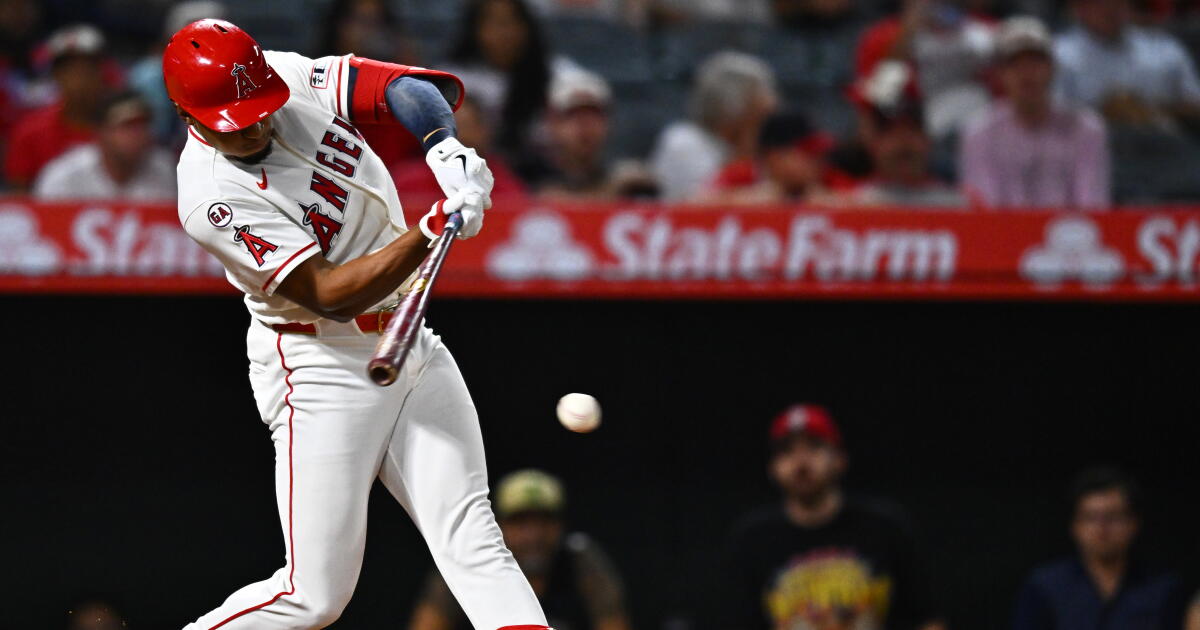
Vaughn Grissom hit a solo homer in the ninth off Twins reliever A.J. Minter to tie it at 5.
In the 10th with one out, the Twins’ Royce Lewis hit a shallow flyball out to Angels right fielder Josh Lowe. Ben Ross tagged at third, but Lowe’s strong one-bounce throw got to catcher Moisés Ballesteros in time for a sweeping tag of Ross at home to end Minnesota’s threat.
In the eighth, Angels’ pinch-hitter Adam Frazier doubled down the right-field line against reliever Yoendrys Gomez to drive in two runs to narrow the Twins’ lead to 5-4.
Angels reliever Tayler Saucedo (1-1) got the win an inning of scoreless relief. Rogers (6-4) took the loss in 1⅔ innings of work.
Minnesota remains technically still in the race for the American League wild card, but has almost no chance. The Twins are at least 6½ games behind five teams for the last wild-card spot with seven games remaining.
The Angels’ Jose Siri hit a two-run homer in the fourth and the Twins’ Ryan Kreidler launched a solo shot in the fifth.
Twins starter Joe Ryan gave up two runs and seven hits while striking out five in five innings.
Angels starting pitcher Reid Detmers lasted five innings, surrendering four runs and six hits while striking out five. He has 204 strikeouts this season, the most of any Angels pitcher since Shohei Ohtani had 219 in 2022.
UCLA offensive coordinator Dean Kennedy stressed that his offense needed to come out swinging Saturday against Purdue after going scoreless in the first half against San Diego State last week.
And the Bruins heeded the advice, scoring 21 first-quarter points before pulling away in the second half to take a 52-38 win in their Big Ten opener Saturday night at the Rose Bowl.
UCLA improved to 3-0 and matched its 2025 win total with its first 50-point game against a Power Four program since November 2022. Bob Chesney joined Terry Donahue and Jim Mora as the only coaches to start their UCLA tenures 3-0.
Fifth-year tailback Wayne Knight spearheaded the offensive outburst, rushing for 177 yards and two touchdowns for a Bruins team that had 369 yards and four touchdowns on the ground via an average of 7.7 yards per carry. Knight has eight touchdowns in three games, matching the Bruins’ total output for rushing touchdowns last season.
“The biggest thing for us was to just put it all together. And I think that we stepped up to that challenge — what we did on the ground, in the air,” Knight said. “But the guys up front, no matter who is in there as guys are rotating all the time, whoever is in there is going to put up front. They are working as a team.”
While Chesney made sure to acknowledge his running backs — with all three starters reaching the end zone — he made a point to recognize the man under center, highlighting senior quarterback Nico Iamaleava’s resiliency.
After posting two interceptions to zero passing touchdowns through the first two weeks of the season, Iamaleava completed 19 of 31 passes for 276 yards and three touchdowns while rushing for 55 more. Iamaleava looked much more comfortable and confident in the pocket, despite playing through multiple injuries.
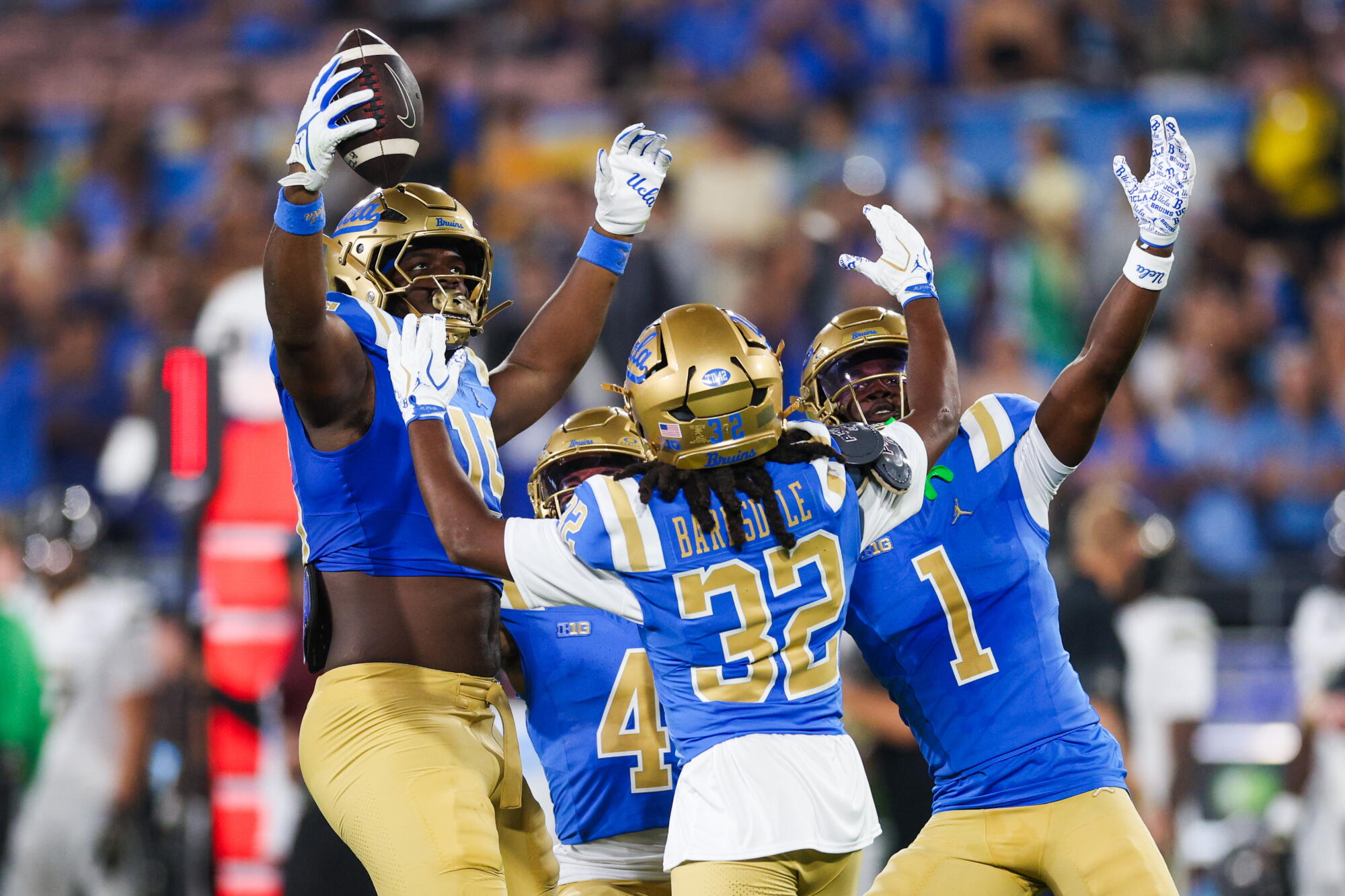
UCLA defensive players celebrate after defensive lineman Sahir West (15) recovers a fumble against Purdue Saturday at the Rose Bowl.
(Ronaldo Bolanos/Los Angeles Times)
“Last week, I told you it wasn’t his greatest game. We watched him go out here today, and I think he was near perfect for a stretch in the beginning of that game, finding all kinds of different receivers and being able to carry the ball himself a little bit,” Chesney said. “And just what a warrior, because he was pretty nicked up out there in moments, and he just wanted to keep fighting.”
Iamaleava found security in senior wideout Semaj Morgan, who hauled in four passes for 72 yards and two touchdowns. In three years at Michigan, Morgan had just four receiving touchdowns. Outside of Morgan, fifth-year wide receiver Leland Smith caught three passes for 59 yards despite playing just one snap across the previous two weeks, potentially giving Iamaleava and Kennedy a big target to look to going forward.
James Madison transfer Landon Ellis, who returned to the field for the first time since going down with a head injury in the beginning of the second half against California, scored his first touchdown as a Bruin. And South Carolina transfer Brian Rowe Jr. caught two passes for 65 yards despite getting targeted eight times, including a deep shot from Iamaleava in the end zone that bounced off his chest.
Although UCLA’s offense turned in 645 yards of total offense, its defense struggled to hold back a Purdue team that lost its 19th consecutive conference game.
UCLA quarterback Nico Iamaleava passes during the first quarter Saturday against Purdue.
(Ronaldo Bolanos / Los Angeles Times)
While the Bruins held Aztec signal caller Jayden Denegal to just 45 passing yards, the secondary found itself facing a different beast in Boilermaker quarterback Ryan Browne, who completed 19 of 30 passes for 378 of Purdue’s 488 total yards, with a touchdown and an interception. Xavier Townsend had 162 yards receiving and two touchdowns.
“I felt like the pressure mounted a little bit and we were not as clean in our technique as we needed to be,” Chesney said. “We can’t put ourselves in panic mode, which might have hit us a little bit throughout today. But when we needed it the most, we were able to get a stop.”
Chesney said the UCLA defense has the personnel and ability to compete with anyone, but penalties and a fake punt that resulted in a first down allowed the Boilermakers to get within one score and added unnecessary pressure.
Fortunately for the UCLA secondary, linebacker Sammy Omosigho put the defense on his back.
Omosigho led the team in tackles with 12, but more important, he had two sacks and two forced fumbles. He has four forced fumbles in three games.
“That’s his third game in a row forcing a fumble. There’s other things he’s going to want to clean up in there too and other schematic things that he can do better,” Chesney said of Omosigho. “But at the same point in time, the one play that stuck out to me was a running back, and it looked like he was going to go and get the edge, and Sam just put out one arm and just crumbled this kid with one arm. The strength he has, the poise he plays with, the toughness he plays with and the strength to be able to execute and finish on those tackles, are things that are pretty impressive.”
UCLA running back Anthony Woods is hoisted up by offensive lineman Julian Armella after scoring a touchdown against Purdue at the Rose Bowl on Saturday.
(Ronaldo Bolanos/Los Angeles Times)
James Madison transfer Sahir West recovered both of Omosigho’s takeaways — the Boilermakers’ first two giveaways this season — and they set up UCLA touchdowns.
While Purdue (1-2) kept up with UCLA for most of the game, its hopes of a comeback ended when senior defensive back Rodrick Pleasant picked off Purdue quarterback Ryan Browne with less than six minutes left.
Despite the Bruins’ difficulty thriving on both sides of the ball during the same game, Chesney said he is confident in his team’s ability to compete going forward.
“We heard the guys on defense saying thanks for getting our back,” Chesney said. “The offense struggled last week, we’re going to need them at some point. The defense is going to need that at some point, and then we’re all going to need the special teams at some point. We haven’t played the perfect complementary game yet, but there’s one in there and I’m looking forward to seeing that day because it exists. There’s fibers in here of a really high level football team.”
Alexandre Pantoja did not tap Joshua Van’s glove before the fight began. Nine months after an injury ended his reign as flyweight champion in just 26 seconds, the Brazilian returned to the Octagon to try to reclaim the belt that slipped away.
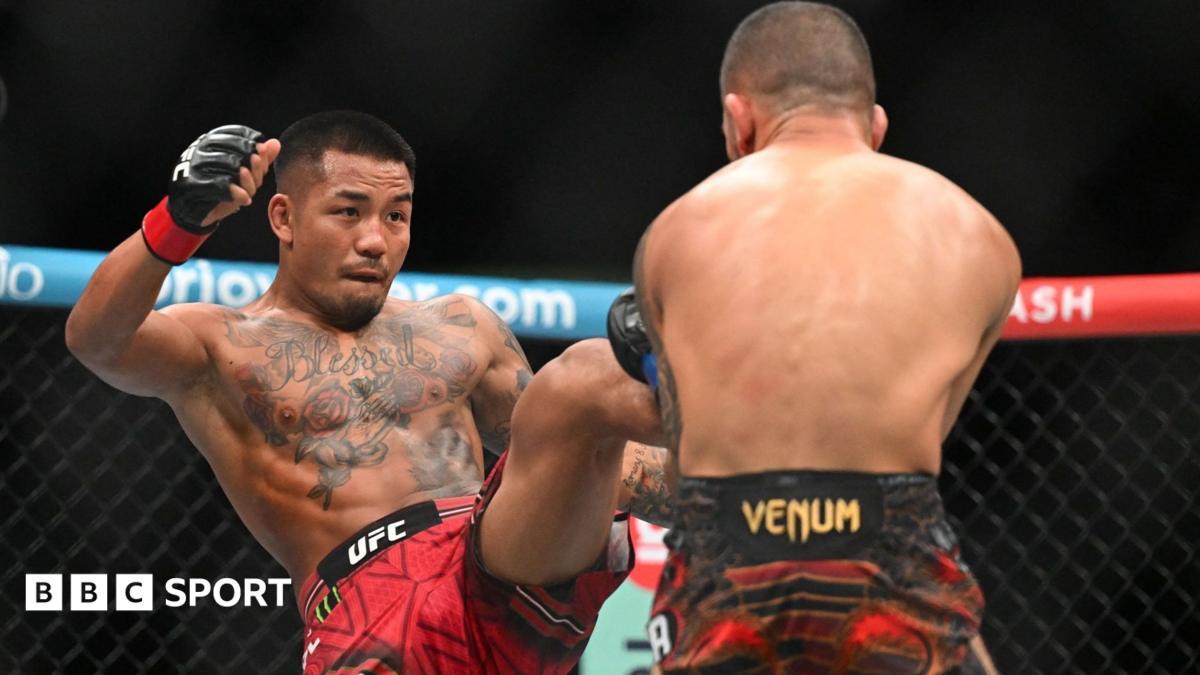
This time, no injury clouded the result. Pantoja came out determined to impose his style from the opening seconds, but Van found a way to keep him at a distance, counter with his boxing and survive the former champion’s take-down attempts.
After five rounds, the judges awarded the fight to the Van by unanimous decision, with scores of 49-46, 49-47 and 50-45.
Van retained the 125-pound title in the main event of UFC 331, held Saturday at Crypto.com Arena in front of a sold-out crowd of 19,357 fans. UFC CEO Dana White said the event generated $8.3 million in box office revenue, the highest in the arena’s history.
The result also vindicated Van’s claim to the championship.
In December 2025, Pantoja threw a high kick that Van caught. The Brazilian lost his balance and braced his left arm on the canvas to break his fall, but his elbow dislocated. The fight ended after 26 seconds and Van was awarded the belt.
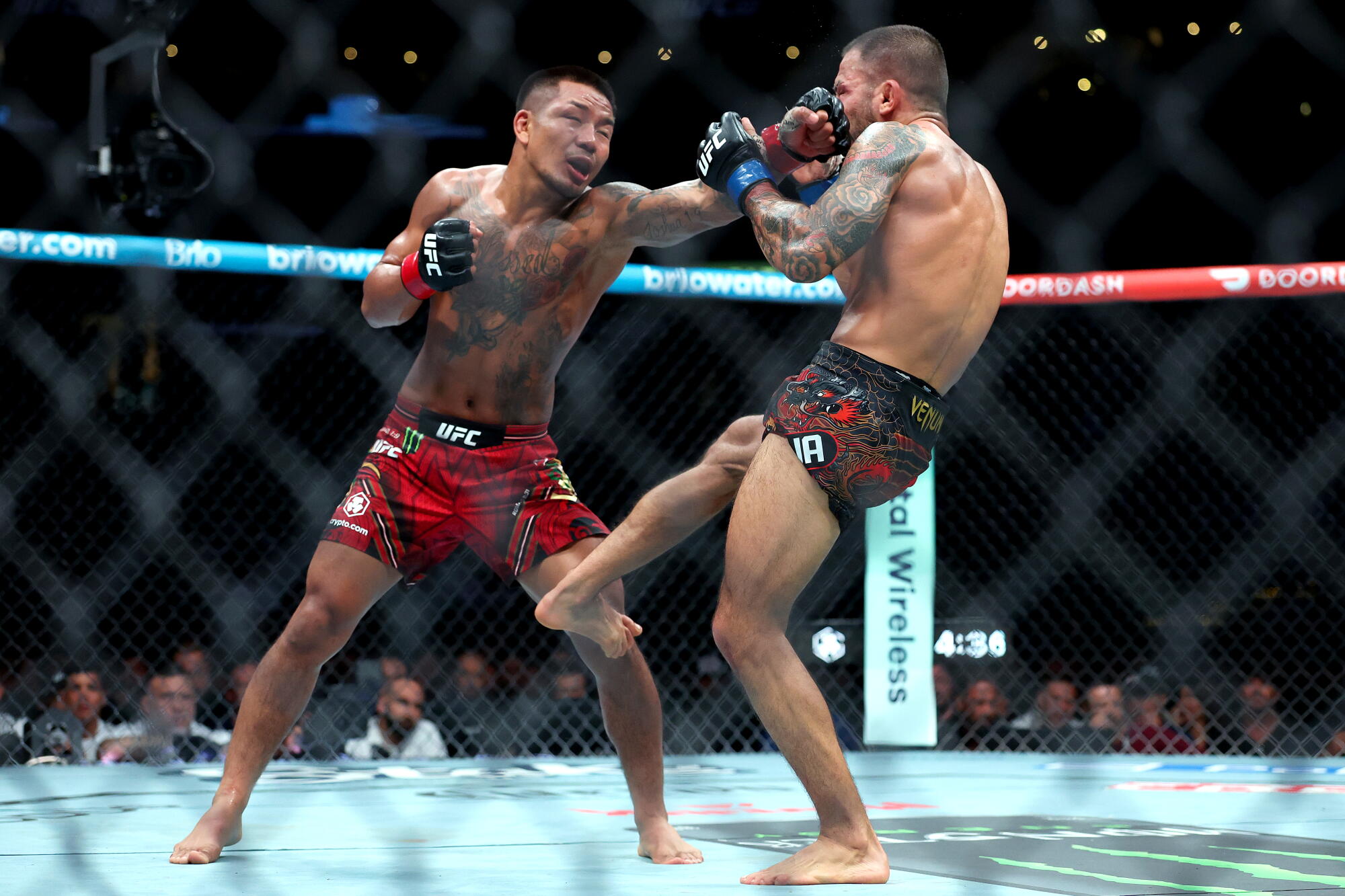
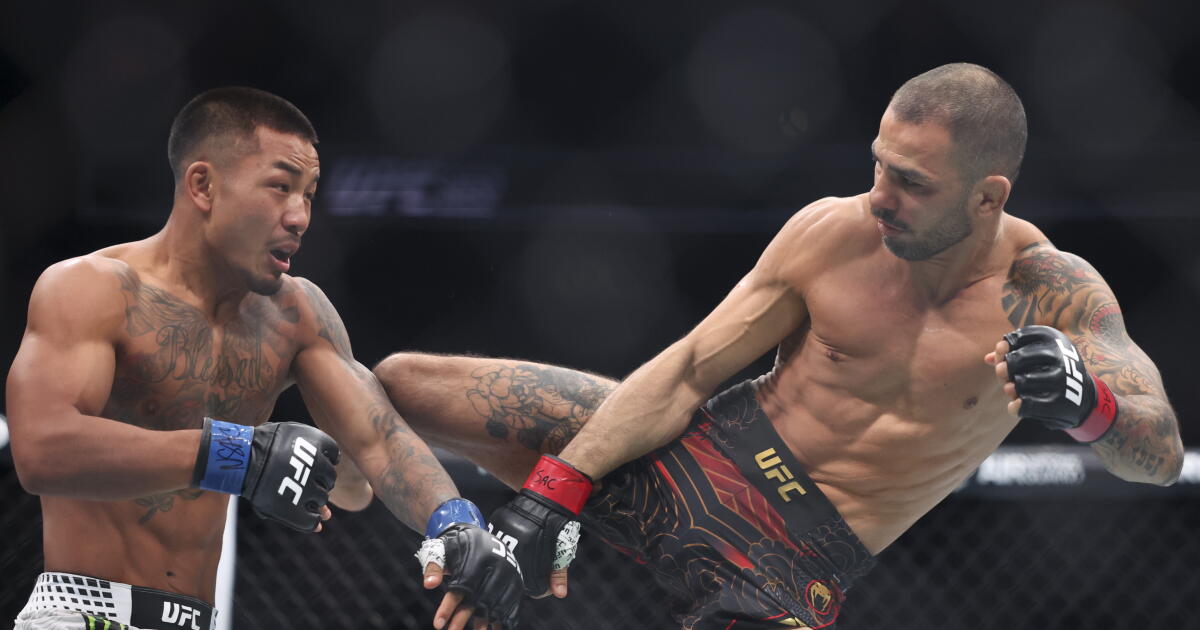
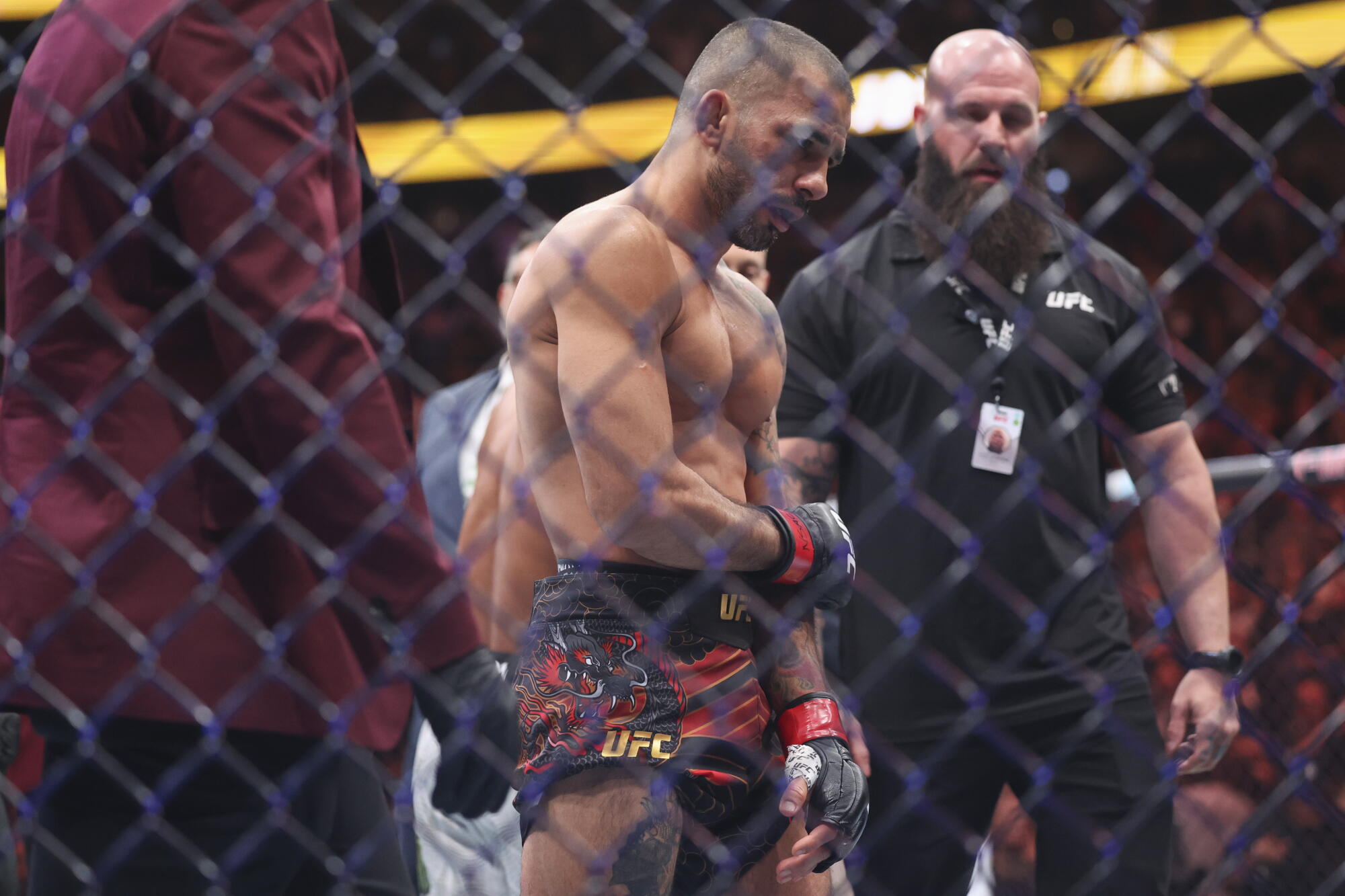
Joshua Van punches Alexandre Pantoja during their UFC 331 flyweight championship bout at Crypto.com Arena on Saturday.
(Luke Hales / Getty Images)
Both fighters had much to gain during their return to the Octagon.
The animosity that had built up was evident from the start. As the fight began, Pantoja went straight for Van. The Brazilian scored an early takedown and sought to keep the champion on the mat, attempting to turn the fight into a grappling and ground-and-pound battle.
Van resisted and managed to get back to his feet. The lack of action during some early stretches prompted the first boos from the crowd.
But the pace changed.
Van began to find openings with his hands and Pantoja had to absorb strikes while continuing to seek takedowns. The champion also showed better defense against the Brazilian’s advances as the rounds progressed.
In the second round, the fight had to be briefly stopped after Pantoja claimed a headbutt. The strike was reviewed and determined to have been accidental, so the fight continued.
“I don’t even know why he was getting worked up. He came at me throwing punches, and I was just trying to counter, and he simply hit me in the head,” Van said. “I guess … I have a tougher head. So then he started complaining and all that. He was saying, ‘You headbutted me, you’re cheating.’ And I told him, ‘You hit me!’ So… um … that was it.”
Van began to take greater control of the fight during the second and third rounds. His boxing allowed him to keep Pantoja at a distance and respond when the Brazilian tried to close in to take him down. Pantoja kept pressing, but he could no longer control the fight on the ground for extended periods.
The fourth round allowed the former champion to regain some of the control he’d lost. Pantoja managed to take Van down to the canvas again and worked from the top for much of the round, showing that he could still trouble the champion when he managed to impose his style.
Van, however, ended the fight on a high note.
“I knew I hurt him — you know, I knew I hurt him,” Van said. “He’s a mental giant, you know. He just didn’t want to go down. He doesn’t want to show that he’s hurt, but I know deep down he was hurt. But like I said, man, that’s why I respect him so much.”
In the fifth round, the champion landed a powerful right-hand punch that knocked Pantoja down. The Brazilian managed to recover and continue until the end, but the blow ultimately tipped the fight in Van’s favor.
Alexandre Pantoja tries to pin Joshua Van on the ground during their UFC 331 flyweight championship bout at Crypto.com Arena on Saturday.
(Luke Hales / Getty Images)
Ahead of the bout, Van defended his title in May against Tatsuro Taira, winning by technical knockout in the fifth round. Pantoja, on the other hand, hadn’t competed since his elbow injury against Van.
“There’s nothing to prove, man,” Van said. “Like I said, I knew I was going to win the first fight, too. So it’s like: ‘OK, do you guys want to see me win again?’”
Before the fight, tensions between the two had escalated. Van had insisted that his first victory wasn’t solely due to Pantoja’s injury, while the Brazilian argued that the December result didn’t show who was truly the better fighter.
The answer, this time, came after 25 minutes.
Tsarukyan knocks out Ruffy
Arman Tsarukyan celebrates after earning a knockout win over Mauricio Ruffy during his UFC 331 lightweight bout at Crypto.com Arena on Saturday.
(Luke Hales / Getty Images)
The co-main event of the night also ended sooner than expected.
Arman Tsarukyan and Mauricio Ruffy arrived at Crypto.com Arena with a five-round bout scheduled and key positions in the lightweight division on the line. Ruffy accepted the fight with just four weeks of preparation after Charles Oliveira was pulled from the card.
Ruffy came out ready to trade blows and showed speed in the opening minutes. Tsarukyan, as he had done for much of his career, sought to use his wrestling skills to change the pace of the fight.
Tsarukyan managed to drive Ruffy against the cage and began landing elbows. At the 4:56 mark of the first round, Tsarukyan landed two elbows that knocked Ruffy out and forced the referee to stop the fight.
“I came to Los Angeles to enjoy the city,” Tsarukyan said. “But I also came to win. I owe those elbows to one of my coaches who taught me how to use them.”
The derby carries particular significance because of Real’s recent difficulties at the Metropolitano, where they have won only two of their past 11 away matches, with the last in La Liga four years ago.
Atleti also won the corresponding derby last season 5-2 – a result that represented an early setback for Real’s previous project under Xabi Alonso.
This time, though, there is a different manager on the touchline.
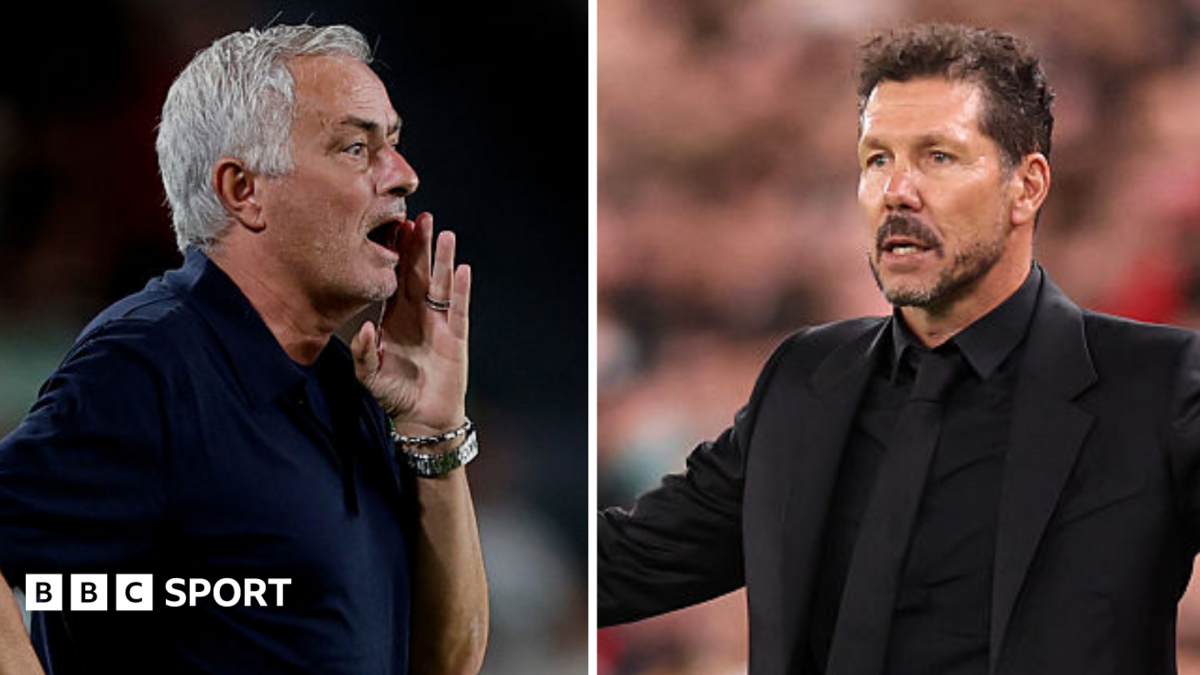
Mourinho’s return this summer has brought a familiar emphasis on organisation and adaptability, but he insisted his tactical approach is dictated by the players available to him rather than a fixed philosophy.
“I’ve evolved alongside my players,” he said. “You have what you like and don’t like as a manager but then you have to work with the group of players you have.”
Simeone’s assessment of Real’s biggest weapon was clear.
“They’re better in transition than us,” said the Argentine, who has managed Atleti in over 800 games since taking charge in 2011.
He believes Real’s ability to turn winning the ball into instant attacking opportunities will be one of the key tactical elements in the game.
“When there’s a loss of possession, they look for [Kylian] Mbappe and Vinicius Jr, they play to that strength,” added Simeone.
“We have to read the game well and not allow any turnovers, so we don’t allow them to use those transitions.”
It is a warning that carries weight given the attacking options and speed available to Mourinho.
France striker Mbappe remains the focal point, while Vinicius Jr provides another route into space.
Real also have the quality to change the game from the bench, something the 21-year-old Espi has already demonstrated since his summer arrival from Levante.
Joshua Van retained his flyweight title with a commanding win over Alexandre Pantoja in their rematch at UFC 331 in Los Angeles.
The 24-year-old from Myanmar beat Brazilian Pantoja in December 2025 after Pantoja suffered an accidental elbow dislocation 26 seconds into the fight.
Van, the first UFC champion born in the 2000s, defended the belt against Tatsuro Taira in May but can now claim to be the best in the division after soundly beating 36-year-old Pantoja again.
“A lot of people said that was an accidental win, well, doubt me now,” Van said after extending his professional MMA record to 18 wins and two losses.
Pantoja took Van down in the first round, before landing heavy punches and knees in a fiery exchange, as Van retaliated with a slicing elbow.
Van, who moved to the United States when he was 12, then peppered Pantoja with left-handed jabs in the second round, and rocked the Brazilian with a fluid combination of punches in the third.
Pantoja controlled the fourth round as he took Van down but was unable to submit him.
In the final round, Van stalked Pantoja and knocked him down with an overhand right, securing the win in the judges’ scorecards.
Scottish fighter Casey O’Neill also won on the night, beating Eduarda Moura with an armbar submission.
Colwill’s boyhood hero, however, was much closer to home. Ever since being raised on recordings of Steven Gerrard he has aimed to emulate the Liverpool great.
“My old man had DVDs and I used to watch loads of Liverpool games of [Gerrard] playing when he was scoring goals,” said Neath-born Colwill.
“So, he’s a player, especially when I was younger, I used to try and model my game on.”
He may not yet have reached the Premier League stage that Gerrard graced but Colwill – the younger brother of Cardiff and Wales team-mate Rubin – broke into Bellamy’s squad in September 2025 making his debut in a friendly against Canada. His second cap came six months later against Northern Ireland.
“When I go on [Wales] camps, I’m trying to learn as much as I can off Craig and the top talent they have there,” Colwill added.
“There’s some top players there, like Harry Wilson and David Brooks, with a lot of them playing in the Premier League, which is every player’s aspiration one day – to play in what some would say is the best league in the world.”
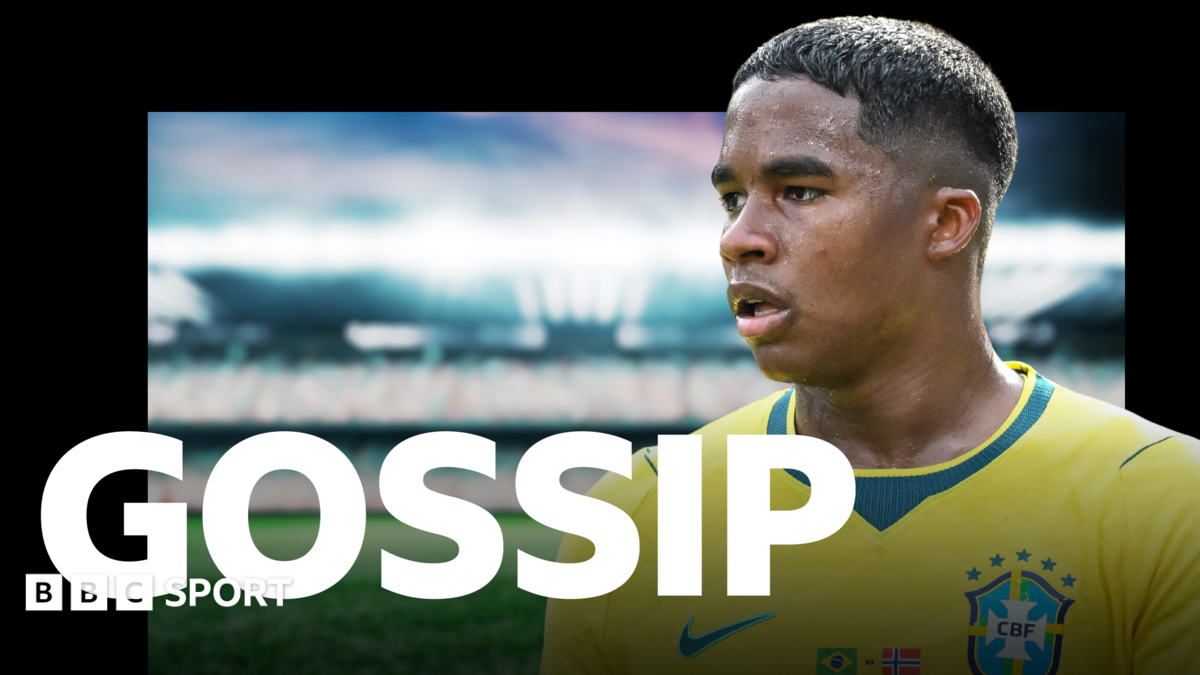
Arsenal interested in struggling Endrick, Liverpool insist on keeping Wirtz, and Barcelona may launch a huge offer for Haaland.
Arsenal are keen on a January move for Brazil and Real Madrid forward Endrick. Concerns are growing over the 20-year-old’s game time in the Spanish capital. (Teamtalk), external
Liverpool are expecting offers for German midfielder Florian Wirtz in January. They have no intention to let the 23-year-old leave. (Football Insider), external
Barcelona are still interested in Manchester City forward Erling Haaland and could launch a huge offer for the 26-year-old Norwegian next year. (Football Insider), external
Juventus and Atletico Madrid are monitoring Arsenal‘s 24-year-old winger Noni Madueke before a potential move in the January transfer window. (Football London), external
Paris St-Germain forwards Ousmane Dembele, 29, Khvicha Kvaratskhelia, 25, and Desire Doue, 21, are all in negotiations to sign new contracts in the French capital. (L’Equipe – in French), external
Juventus could move for a free agent goalkeeper after losing Polish loan signing Kamil Grabara, 27, to a torn ACL, suffered in training on Saturday. (Calciomercato – in Italian), external
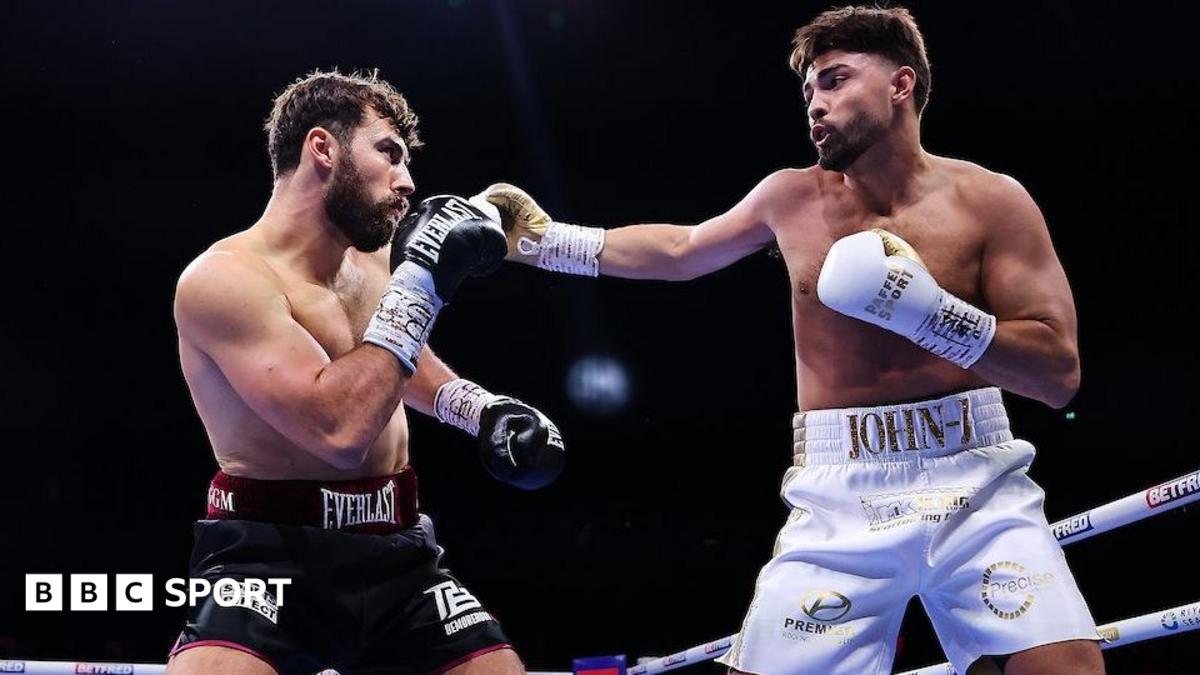
After Moses Itauma and Conor Benn both experienced losses when skipping the British title route and heading straight for world title glory, Brown said he wants to go on the “journey”.
Chris Billam-Smith and Lawrence Okolie are two examples of those who have recently held the British cruiserweight title and gone on to win world honours.
Brown now holds the British and Commonwealth titles, and could look to European title-holder Viddal Riley next.
Riley, 29, last fought in April when he secured a unanimous points decision win over former world title challenger Mateusz Masternak.
When speaking to BBC Sport on Wednesday, the view of Old Trafford – the home of his beloved Manchester United – sat in the background.
Not since 1993, when Chris Eubank and Nigel Benn’s unification bout ended in a draw, has the stadium hosted a boxing match.
Brown said one day headlining at Old Trafford would mean more to him than belts.
Most importantly, Matchroom promoter Eddie Hearn sees the vision: “Pat Brown, world championship, Old Trafford. I see it.”
Brown still has a long way to go if he’s to be mentioned in the same breath as former world champion Hatton, but he’s used his latest opportunity to make his mark.
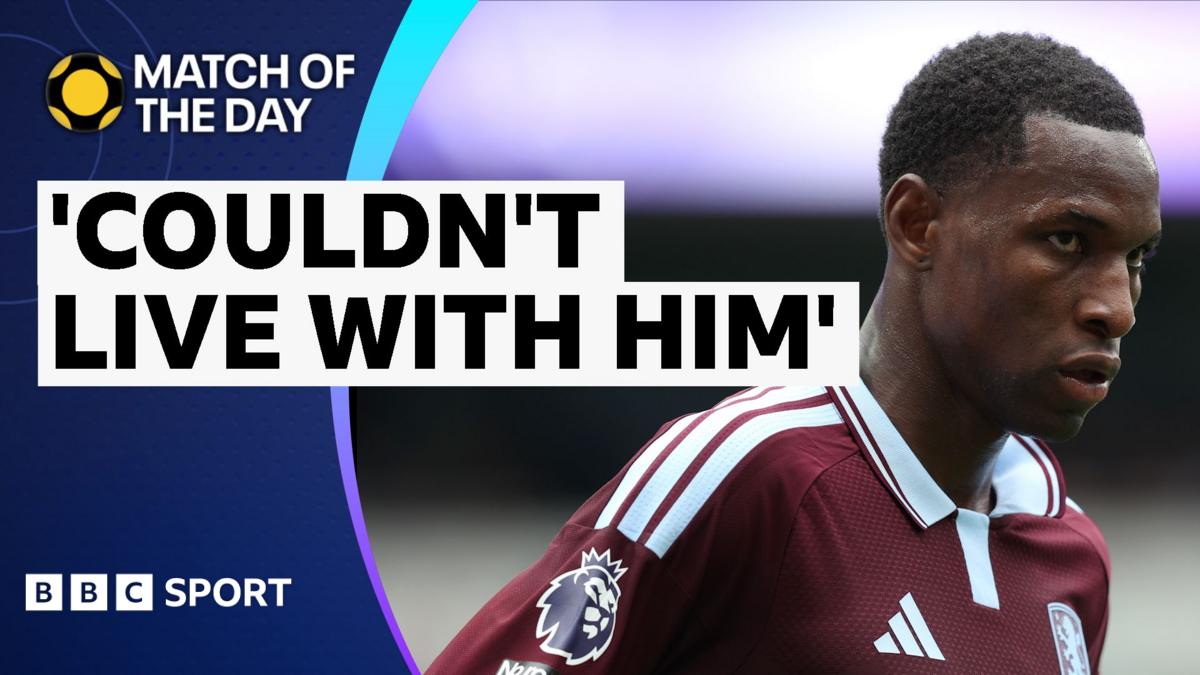
Match of the Day pundit Alan Shearer praises the performance of Aston Villa’s Nicolas Jackson, saying Tottenham’s centre-halves “couldn’t keep up” with the 25-year-old striker.
Match of the Day pundit Danny Murphy praises Brighton’s “incredible” performance in their 3-0 win over Arsenal, predicting they will cause problems for Premier League teams this season.
Jim Harbaugh had never lost an NFL opener as a head coach… until last Sunday.
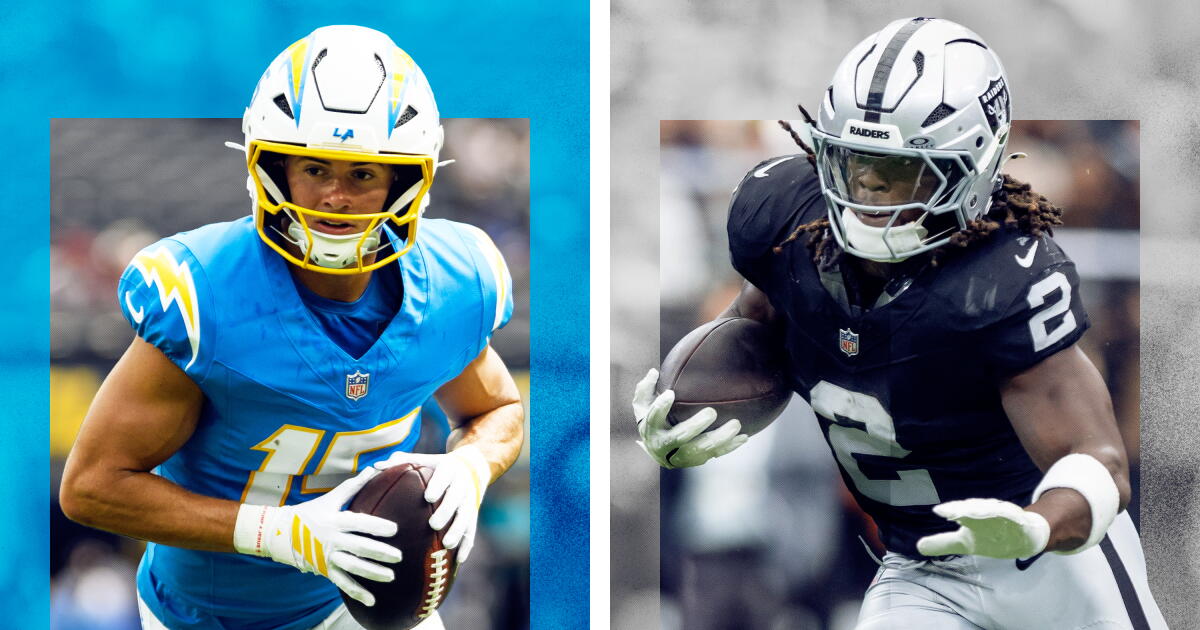
Now, with the Las Vegas Raiders coming to town, Harbaugh is looking to keep another streak intact. With him as coach, his Chargers are 4-0 against the Silver & Black.
If Sunday’s game isn’t a must-win for the Chargers, it’s certainly a high-stakes contest on the heels of an opening flop against the Arizona Cardinals.
The Chargers did precious little right in that 26-14 defeat at SoFi Stadium, the first Week 1 loss for Harbaugh in seven openers.
The Chargers, who were favored by 9½ points, failed to generate anything close to a rhythm. The newly unveiled Mike McDaniel offense failed to get any real traction, and Justin Herbert was sacked three times.
One of the few bright spots for the Chargers was receiver Ladd McConkey, but his availability remains uncertain.
Meanwhile, the Raiders dominated the visiting Miami Dolphins, 27-13, handing Klint Kubiak a victory in his coaching debut. Granted, the Dolphins don’t show a lot of promise.
Harbaugh’s teams have swept the Raiders each of the past two seasons. In fact, the last time the Chargers lost to the Raiders was a 63-21 debacle Dec. 14, 2023, and Chargers coach Brandon Staley was fired the next day.
UFC returns to Crypto.com Arena for the first time in eight years, and it does so with a card packed with big names and fighters looking to make the most of their opportunity to compete on the biggest stage in mixed martial arts.
Saturday’s main event will feature the flyweight title rematch between Joshua Van (17-2) and Alexandre Pantoja (30-6), a matchup that has been highly anticipated ever since their first bout ended prematurely. In December 2025, the two fighters faced off for the first time, but the bout ended after just 26 seconds when the Brazilian landed awkwardly after being sent to the canvas and suffered a serious arm injury, prompting the referee to stop the fight via technical knockout and crown Van the champion.
That victory made the Myanmar native a champion questioned by some, but Van legitimized his reign by prevailing in a grueling battle against Tatsuro Taira last May, stopping his challenger in the final round. For his part, Pantoja has not fought since that bout against Van, in which he suffered a dislocated arm.
In the co-main event, lightweight fighters Arman Tsarukyan (23-3) and Mauricio Ruffy (14-2) will face off in a bout that promises to define the division’s standings. Tsarukyan, from Georgia, has five straight wins, over Dan Hooker, Charles Oliveira, Beneil Dariush, Joaquim Silva, and Damir Ismagulov. Ruffy, from Brazil, has two consecutive victories in his most recent bouts, though he has won nine of his last 10 fights.
The card also features exciting preliminary bouts, including a matchup between Marlon Vera (23-12), who has been training in Southern California for years, and Canadian Charles Jourdain (18-1-1).
The main event at Crypto.com Arena starts at 6 p.m. PDT and will be broadcast on Paramount+. The preliminary bouts begin at 2:30 p.m. and will be broadcast on UFC Fight Pass and Paramount+.
The lineup includes a last-minute change. Brian Ortega was scheduled to fight on home turf, but due to an injury, his lightweight bout against Renato Moicano was removed from the card. As a result, Moicano will now face No. 11-ranked contender Tom Nolan in the main event of UFC Fight Night, which will take place on Oct. 31 at the Meta APEX in Las Vegas.
The last time UFC held an event at Crypto.com Arena was on Aug. 4, 2018, when T.J. Dillashaw defeated Cody Garbrandt by first-round knockout to win the bantamweight title at UFC 227.
Here is the full fight card:
Main card (Paramount +, 6 p.m.):
Joshua Van vs. Alexandre Pantoja, por el título de peso mosca
Arman Tsarukyan vs. Mauricio Ruffy
Patricio Pitbull vs. Dooho Choi
Alonzo Menifield vs. Iwo Baraniewski
Gable Steveson vs. Sean Sharaf
Preliminary Card (Paramount+ and UFC Fight Pass, 2:30 p.m.):
-13 M Elvira (Spa), F Celli(Ita); -12 J Veerman (US), A Del Rey (Spa) JJ Spaun (US)
Selected others:-11 R McIlroy (NI), A Scott (AUS); -10 S Bairstow (Eng), M Wallace (Eng), R MacIntyre (Sco); -9 J Smith (Eng), M Fitzpatrick (Eng), A Rai (Eng); -7 R Fisher (Eng), S Lowry (Ire); -6 A Fitzpatrick (Eng); -5 D Law (Sco), J Rose (Eng), E Ferguson (Sco), T Hatton (Eng)
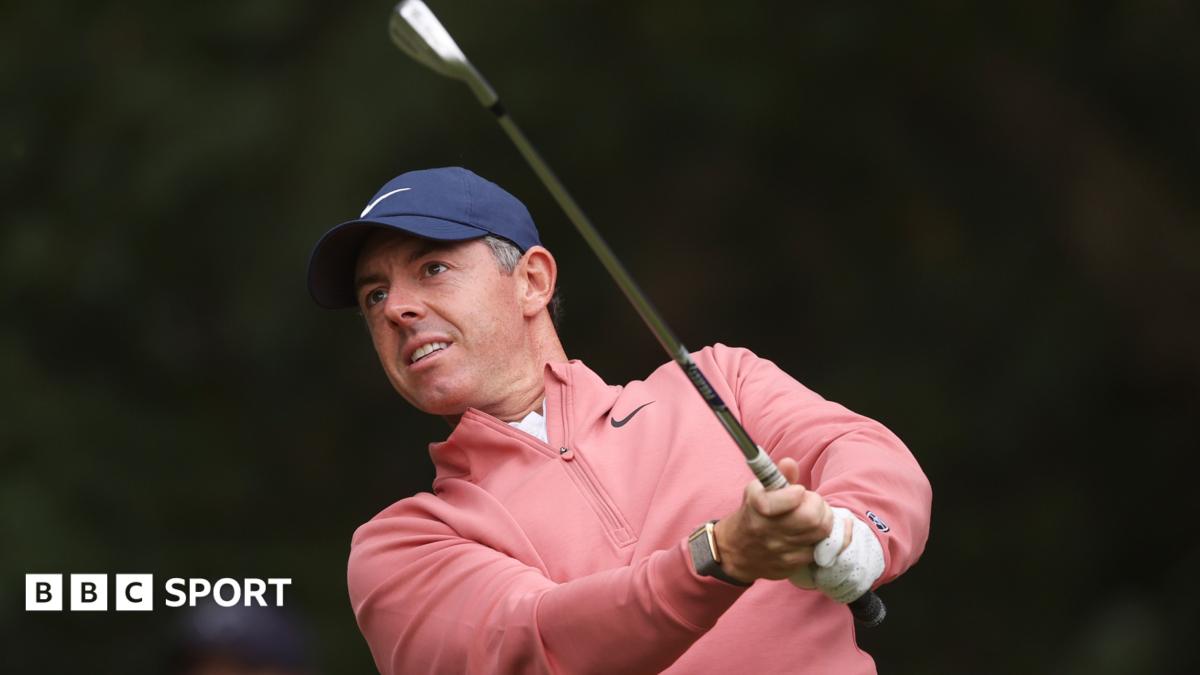
Rory McIlroy left himself two strokes behind the third-round leaders heading into the final day of the BMW PGA Championship at Wentworth.
Northern Ireland’s world number two made a superb eagle on the 18th to stay in contention with a 72, leaving him on 11 under.
Spain’s Manuel Elvira and Italy’s Filippo Celli share the lead after both made birdies on the final hole to leave them 13 under.
But there is a congested leaderboard with 20 players within four strokes of the lead.
Alejandro Del Rey, JJ Spaun and Johannes Veerman are one shot behind with an exciting finish in store on Sunday.
McIlroy is attempting to win a record-equalling eighth Race to Dubai title and can boost his hopes by securing the second Wentworth title of his career.
“There are a lot of people around the leaders,” he said after another round in blustery conditions.
“I think the conditions over the last couple of days are the reason why no-one has got away from the pack, just because it has played so tricky and difficult.
“I’ll probably try not to look at the leaderboards on the front nine, and if I need to play a little bit more aggressively on the back, I’ll do it.”
But the Chargers’ new offensive coordinator knows his unit must show urgency and improvement Sunday against the Las Vegas Raiders after a rude wake-up call in the season opener.
“You have a lot of visions coming to a new team and working on something for months. The vision never looked like that,” McDaniel said of the Chargers’ 26-14 loss to the Arizona Cardinals. “That’s the beautiful thing about football; like life, time spent forecasting [and] visualizing things going a certain way … no one cares about that.
“So, it was a case of humble pie.”
Quarterback Justin Herbert never looked fully comfortable. He completed 17 of 27 passes with 207 yards, one touchdown and one back-breaking interception.
The time-of-possession disparity also played a big role in the loss, with the Cardinals controlling the ball roughly 15 minutes longer.
Herbert knows that can’t happen again.
“It’s another opportunity for us to go play football, to be better, and to put our brand of work out there,” Herbert said. “I don’t think we were happy or content with [the] Week 1 effort. So, we’re doing everything we can to fix it and be better.”
Facing a Maxx Crosby-led Raiders defense that held McDaniel’s former team, the Miami Dolphins, to 13 points in Week 1, the Chargers are focusing on often-overlooked aspects, such as understanding assignments, communicating more clearly, cleaning up penalties and operating as a collective.
“These are elementary things,” McDaniel said.
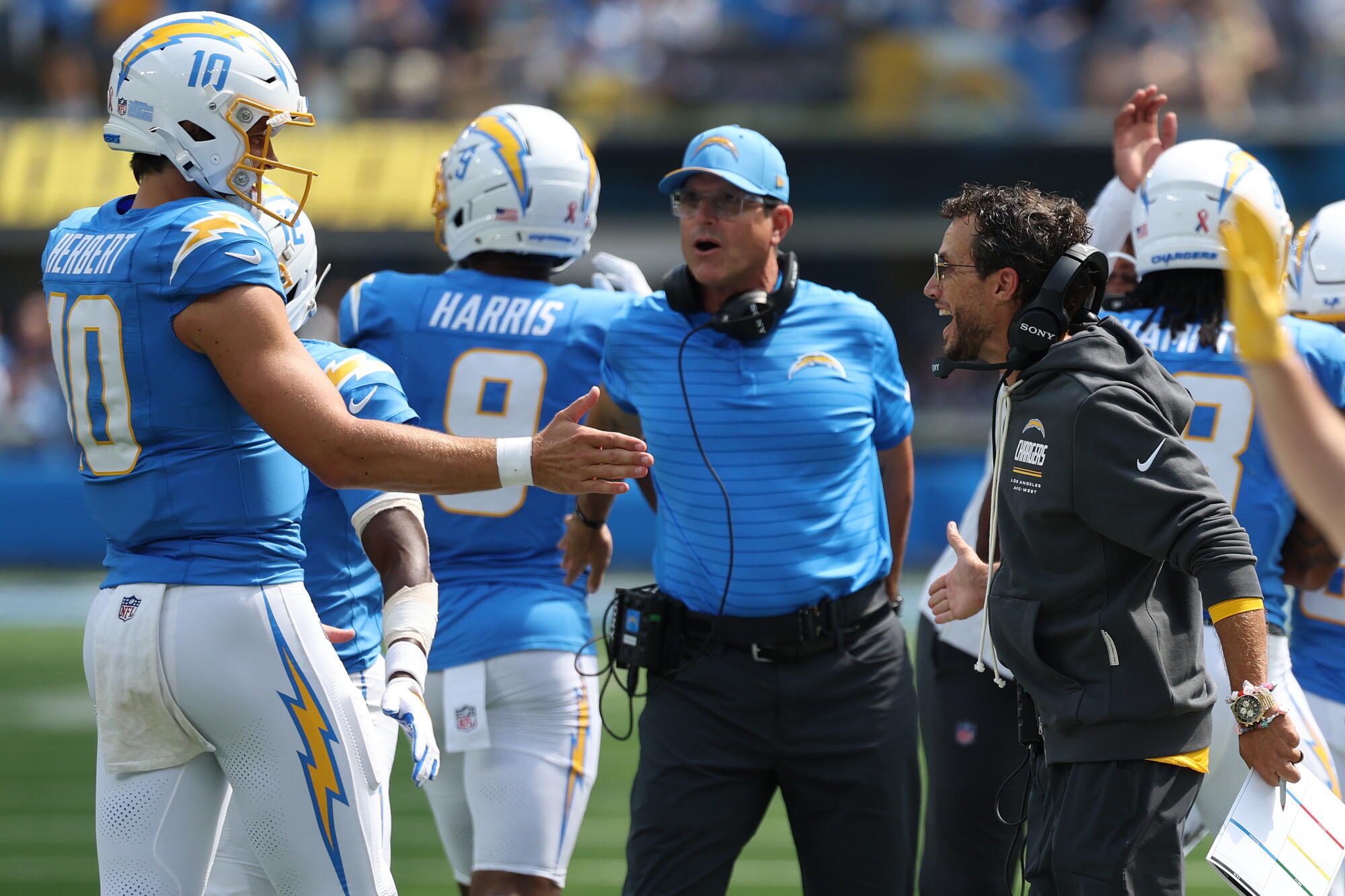
Chargers quarterback Justin Herbert celebrates with coach Jim Harbaugh, center, and offensive coordinator Mike McDaniel after a touchdown against the Cardinals on Sept. 13.
(Harry How / Getty Images)
The offense will need more production from several players, especially if wideout Ladd McConkey, who is questionable to play with a rib injury, is unavailable.
Wide receivers Quentin Johnston and Tre’ Harris, who each saw six targets in Week 1, should see increased involvement, as should speedy rookie Brenen Thompson.
“He’s been really good,” coach Jim Harbaugh said of Thompson. “Great opportunity for him [and a] great challenge.”
Tight end Oronde Gadsden II is another player who could play a key role in a revitalized passing attack.
“I would expect [Gadsden] to be more involved outside of an unforeseen situation where the game and the parameters with which you’re playing change, in which case we’ll address that,” McDaniel said.
Perhaps the most important player to watch Sunday will be Omarion Hampton. The second-year running back had just 12 carries for 43 yards and one touchdown while also losing a fumble against the Cardinals.
“Really just flush [Week 1],” Hampton said about the Chargers’ approach to facing the Raiders. “[And] look at all the stuff we can work on. Come back, regroup as a team, talk about what we need to do to move forward and make it not happen again.
“We all think the same thing … urgent to get how we want to play. That’s really the main thing going on in the locker room.”
Changes also will be apparent on the offensive line.
Trey Pipkins III (knee) won’t play against the Raiders, ending the rotation at left guard, at least for now. And while the team would rather be at full strength, Kayode Awosika — who played well against the Cardinals — will get a chance to prove himself without sharing snaps.
Nonetheless, as McDaniel emphasized, talk of expectations and adjustments don’t matter — it’s what shows up on film that does.
Good thing the Chargers’ new play-caller craves adversity.
“It’s been my favorite week of my employment here,” McDaniel said. “Because — I know [through] my experience in this league — do not measure anything beyond how a group of people handles adversity in the National Football League.
Alexandre Pantoja and Joshua Van hope their fight Saturday at Crypto.com Arena will last longer than 26 seconds.
It has been nine months since their first bout, which ended in less than a minute because of a Pantoja injury and made Van the UFC flyweight champion. Pantoja aims to reclaim the belt he lost at UFC 331, with the main event beginning at 6 p.m. and streaming on Paramount+.
Pantoja dislocated his elbow when he fell while trying to defend against one of Van’s moves on Dec. 6 at UFC 323 in Las Vegas. The fight ended immediately.
Van celebrated winning the 125-pound title, but both fighters walked away from that night feeling everyone deserved more than the premature result.
Alexandre Pantoja holds his arm after losing his flyweight title fight on Dec. 6 in Las Vegas.
(Ian Maule / Getty Images)
Pantoja, of Brazil, has not competed since that night. He has spent most of the past nine months recovering from the injury, while Van successfully defended his title once against Tatsuro Taira in May, winning by stoppage in the final round.
“It’s been [nine] long months,” Pantoja said. “I’ve been working hard. And at a certain point, I think that after two years as champion, five title fights — almost six title fights — at a certain point it’s good to take some time off, enjoy my family, enjoy myself. But at the same time, I’m really hungry to win again.”
Pantoja said he returned to the gym two days after that first fight. Although the injury kept him out of the octagon, he didn’t want to stay away from training for too long because he said that would have made it harder to get back to fighting at the championship level.
During his time out of the octagon, he observed how the division changed.
“I see a lot of good fights. We’re seeing the top 10 change almost completely,” Pantoja said Wednesday. “I see incredible fights in the flyweight division. And I think this Saturday, with my fight against Joshua Van in the main event here in Los Angeles, is very special.”
Van, meanwhile, enters the rematch coming off a five-round championship bout.
“I’ve been working on my ground game, and you’ll see it,” said Van, who holds dual American and Myanmar citizenship. “I tried it in the fight against Taira, but I didn’t quite pull it off. But this time, you’ll see a different level from Joshua Van.”
The champion’s confidence remains undiminished, as he sees the rematch as an opportunity to put any debate surrounding that first fight in 2025 to rest and prove his place in the division.
“When I beat him, I’ll be one of the greats in this division, and then the next challenger will come and try to take the belt from me,” Van said.
Pantoja said Van has changed since December, highlighting the fight against Taira and noting the champion has refined aspects of his fighting style.
Joshua Van celebrates after defeating Alexandre Pantoja in a flyweight title bout during UFC 323 on Dec. 6 in Las Vegas.
(Ian Maule / Getty Images)
“I think Van definitely evolved a lot after our fight,” Pantoja said. “He had the fight against Tatsuro Taira; I think he evolved and corrected some mistakes he made in that fight. So I think it’s going to be completely different.”
Pantoja doesn’t consider himself the same fighter who will face Van.
“The drive is always the same,” Pantoja said. “I’ve had the same drive since I was a kid — I’ve always wanted to fight the best fighters in the world. The drive is the same; it’s just that I think I’m much more mature now.”
Pantoja said Van is a top-tier fighter, but he believes the injury prevented both of them from showing everything they were capable of.
“He’s an incredible fighter,” said Pantoja, 36. “When you watch Joshua Van fight, his expression never changes — he always tries to stay in control. And that proves just how good you are.”
Although Pantoja officially lost that night, the injury changed the course of the fight before it could truly get underway.
“I injured my arm. I know that, as an athlete, I lost that fight, and now I have the opportunity to fight world champion Joshua Van — and that’s what I want. I want him at his best because I’m at my best too,” Pantoja said.
Tensions have escalated since their first encounter.
At a news conference in August in Los Angeles, the fighters got into an exchange that forced UFC president Dana White to intervene. Pantoja stood up from his seat after Van interrupted him, but the situation did not escalate into a physical confrontation.
“As far as I’m concerned, I’m his dad,” Van said. “He was being respectful before the fight, and I don’t know what he’s doing in interviews and stuff like that to make me look like the bad guy.”
Pantoja offered a different explanation.
“He does a very good job,” Pantoja said. “He needed a lesson. When I stood up, I tried to teach him a lesson. I’m from the ‘90s. Back then, if you didn’t respect your mother or father, you’d get a slap.”
Despite the disagreement, both have shown respect for their opponent’s skills. Van described Pantoja as a “very, very dangerous” fighter.
“He’s going to be motivated, he’s going to be hungrier, and I think this will be the best Pantoja we’ll see,” Van said. “So I’m very well prepared for this fight.”
Pantoja, for his part, knows he’s facing a champion who’s already had the chance to prove he can go the distance for five rounds. The Brazilian also viewed Van’s fight against Taira as a source of insight for his preparation.
“An incredible fight, very good,” Pantoja said of his 24-year-old opponent. “I think it’s a good fight for all the fans. It showed me something, but I know Joshua Van is very young and can fix a lot of things from that fight.”
For the Brazilian, the goal this weekend is clear.
“At the end of the day, what matters is the victory,” said Pantoja. “However it plays out — whether it’s by decision, split decision, KO or submission — I think the closer we get to the fight, the less those things matter. The closer we get to the fight, the championship doesn’t matter anymore, the money doesn’t matter — all that really matters is the win.”
Van doesn’t expect to let the fight go to the scorecards.
“I don’t think it’ll go five rounds; I’ll finish it within the first three rounds,” he said confidently. “It’ll be by knockout or submission, but I’m leaning more toward a knockout.”
If Pantoja regains the championship, he would become only the third flyweight champion in UFC history to reclaim the belt after losing it, joining Deiveson Figueiredo and Brandon Moreno.
For the Brazilian, returning to Los Angeles also holds personal significance. He recalled that it was the first city he visited when he arrived in the United States in 2014 and that, back then, he slept in a gym.
Now he’ll return as a title challenger in the main event of UFC 331.
“It’s so nice that people see where I started here and see how far I’ve come,” Pantoja recalled. “For me, the best part is being the same guy I was when I arrived here in 2014; I’m the same guy right now, and I’m very happy and proud of myself.”
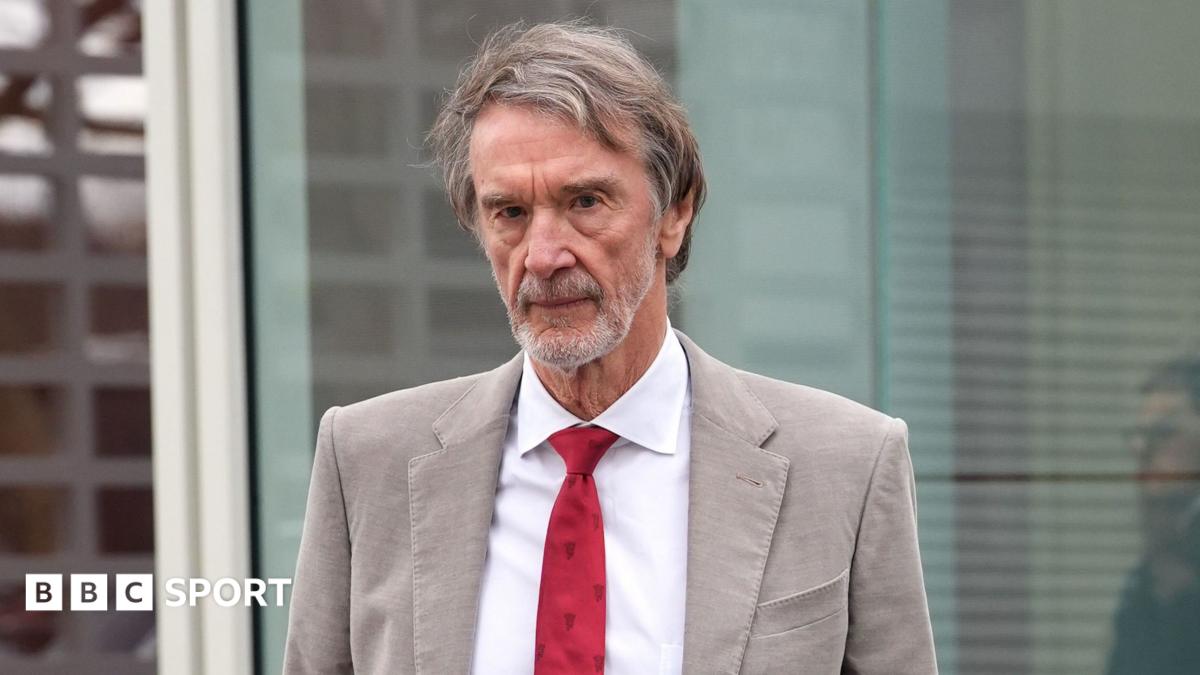
The Manchester United Muslim Supporters group says club co-owner Sir Jim Ratcliffe “must go” after he spoke out against immigration levels and said the country was “on the slide”.
Billionaire Ratcliffe, who is one of Britain’s richest people and founder of petrochemical giant Ineos, made the comments in an interview with the BBC on Saturday.
Ratcliffe said the UK was in decline because of a combination of high taxes and high immigration.
He has previously apologised for “offending some people” with his language after saying the UK had been “colonised by immigrants”.
At the time, in February, United responded by saying the club “prides itself” on being “inclusive”, while BBC Sport cited a source familiar with the Glazer family as understanding the club’s majority shareholders were “horrified” by his initial remarks and saw them as showing “disregard for their ownership”.
“We condemned those comments then,” said a statement of no confidence from Manchester United Muslim Supporters Club (MUMSC) in the club’s ownership, issued on Saturday.
“He [Ratcliffe] subsequently apologised for his choice of language. We hoped a lesson had been learned. Clearly, it has not.
“This week, Sir Jim has again placed immigration and people receiving benefits at the centre of his explanation for Britain’s problems, arguing that nobody is ‘tough enough’ to deal with either.
“We find these latest comments deeply disappointing and completely unacceptable.”
Ratcliffe campaigned for a Leave vote in the 2016 European Union referendum and has been a tax resident in Monaco since 2020.
He acquired a 27.7% stake in Man Utd in 2024, and has since restructured the organisation, overseeing 450 redundancies, overhauling senior management and sacking two managers.
MUMSC highlighted that United’s “players, staff, stewards, security teams and supporters come from different countries, cultures, ethnicities, religions and backgrounds”.
The group added: “Manchester United would not be Manchester United without them. That diversity isn’t a weakness of Manchester United. It is part of Manchester United.”
In the statement, the MUMSC also called on the Glazer family to go.
MUMSC said its members were among the club’s fans who hoped Ratcliffe’s arrival “would finally signal meaningful change” after the Glazer family had “presided over Manchester United’s decline”.
However, the group pointed to “higher ticket prices” and “a stadium allowed to deteriorate”, along with “a football team that continues to fall further behind where Manchester United should be”, among their concerns which “now extend beyond the pitch”.
Manchester United entered the weekend sitting 13th in the Premier League after gaining four points from their first four Premier League games, and they were knocked out of the Carabao Cup on Wednesday with a 3-2 home defeat by Brighton.
“After years of decline, broken promises and repeated failure, Manchester United Muslim Supporters’ Club has lost confidence in the current ownership structure of Manchester United Football Club,” MUMSC concluded.
“Enough is enough. It is time for change. The Glazers and Sir Jim Ratcliffe must go.”
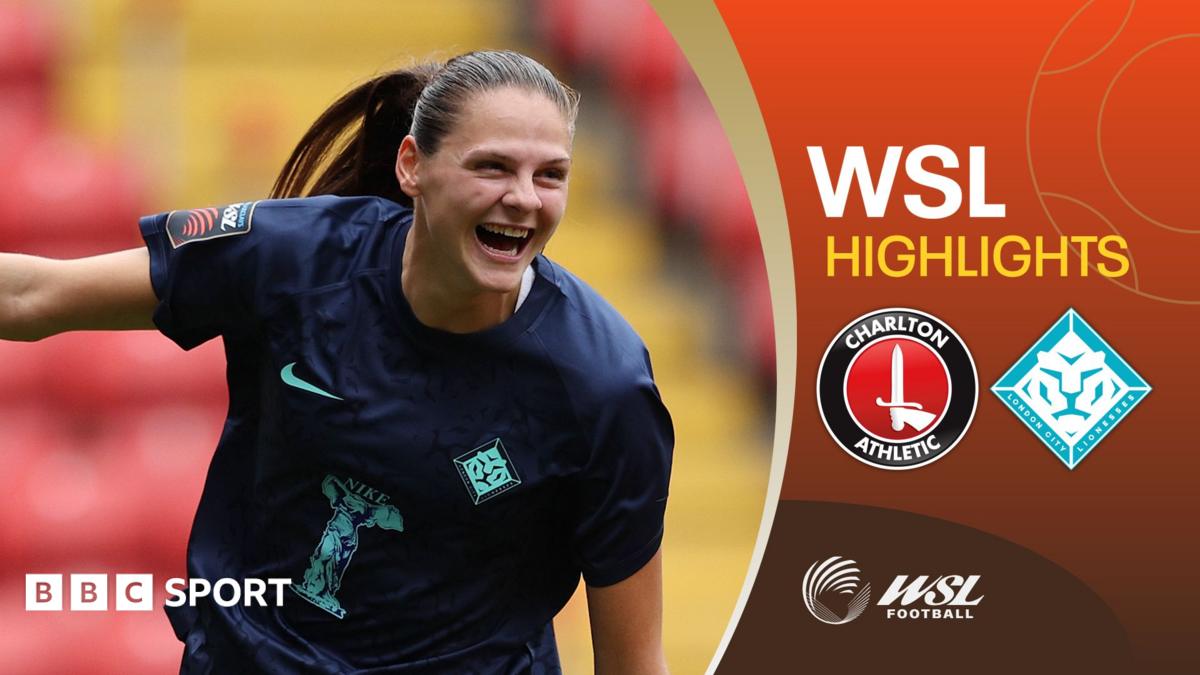
London City Lionesses earn their first away win of the season, ending a four-game streak without a victory on the road, as they emphatically beat a struggling Charlton side that have lost all three of their WSL games.