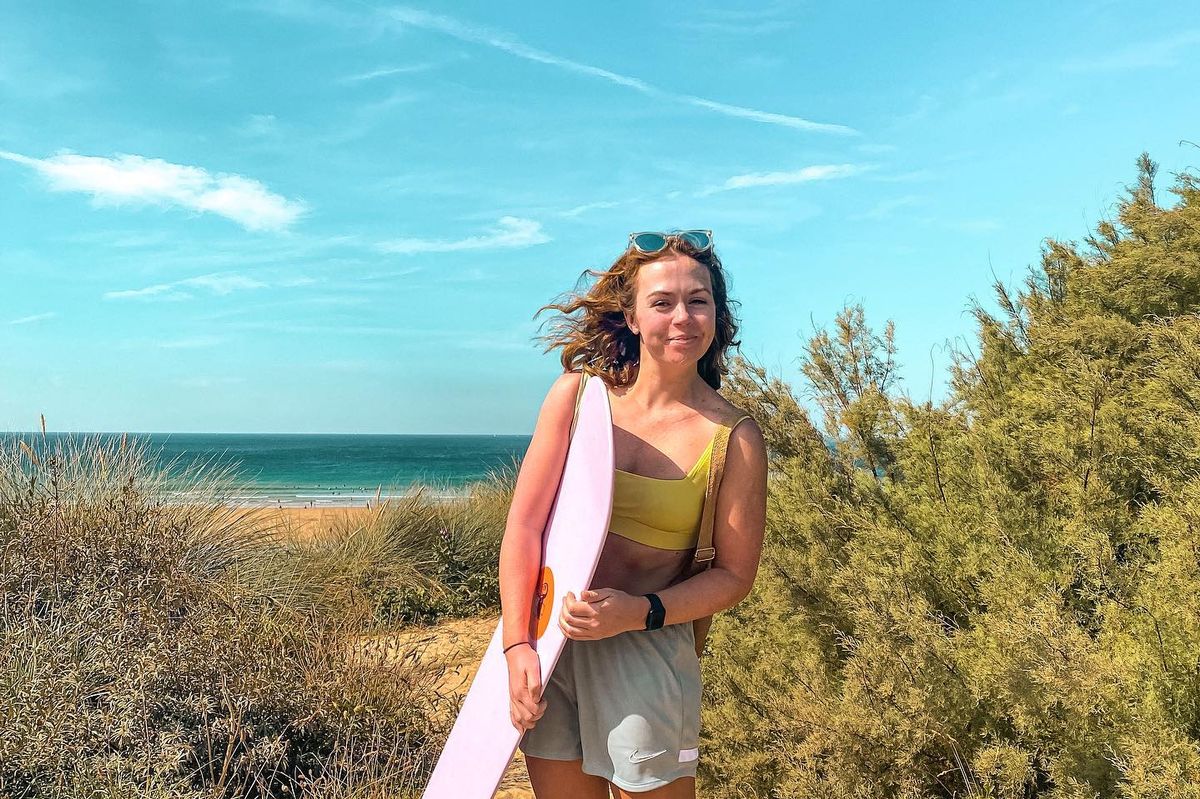
Emma Truscott has opened up on her unique lifestyle and the savings that come with it
Emma is able to work remotely while travelling without the cost of accommodation(Image: Jam Press/@wheres_ems)
For the past three years, Emma Truscott has been travelling the UK and Europe as a full-time traveller, living for the most part entirely rent-free. The 38 year old has revealed the one travel hack that has saved her £12,000 each year, which she’s able to splurge on experiences and luxury pursuits during her travels instead.
Originally from Cornwall, Emma dabbled in house-sitting for strangers during a trip to London in July 2022. It was then that she realised becoming a full-time house-sitter could allow her to stay in other people’s homes at no cost while she globe-trotted.
The role does come with its share of duties. House-sitters are expected to look after the home while the owners are away, including tasks like bin duty, watering the plants, and pet care, all in return for free lodging. As a freelance writer and virtual assistant, Emma can work from strangers’ homes too, making her full-time travelling lifestyle financially viable as she earns money without shelling out for accommodation.
She said: “The biggest perks are being able to live like a local in neighbourhoods around the world, see places I didn’t know existed, and pay nothing for accommodation. To me, there are no cons, and I’ve had nothing but positive experiences so far. I understand it won’t be for everyone, but I love living like this.
“It’s not exhausting like backpacking – you’re in a comfortable home, you can do a big grocery shop and unpack. Sure, there’s usually a day or two of travel every month, but that’s a small sacrifice to pay.”
Emma has no intention of ending her house-sitting lifestyle anytime soon, saying she feels like she’s “really living” and can’t see any advantage to settling in one location whilst spending the bulk of her earnings on household expenses.
She continued: “Perhaps I’ll be lucky enough to make it to 70 years old and still be house sitting – what a life I would have had!”
Nevertheless, she’s hoping to put the £12,000 she’s banked from last year’s bill savings towards holidays that don’t involve house-sitting duties. She revealed: “I’d love to spend a month in Sri Lanka, and perhaps think about rescheduling an adventure through South America that I had to cancel in 2020 because of the pandemic.”
Emma relies on an application to find properties for her full-time arrangement, with most of her earnings going towards “fun rather than overheads”.
She explained: “Without the pressure of big monthly bills, I’m also able to pursue work I genuinely enjoy, take more risks in my freelance business and work fewer hours overall.”
For 2025, Emma worked out she’ll spend roughly £22 on utilities, including her mobile contract, and £195 on work-related costs. Meanwhile, temporary lodging for occasional breaks between house-sits sets her back £86 monthly.
Her other outgoings include roughly £188 on high-end groceries, £63 on experiences such as festivals and an average of £78 per month shopping for non-essentials.
Emma’s travel expenses are among her most costly necessities. Significant flights cost around £148 per month and daily transport sets her back £14 per month.
The incredible tunnel is expected to be completed by 2029
10:02, 11 Jan 2026Updated 10:45, 11 Jan 2026
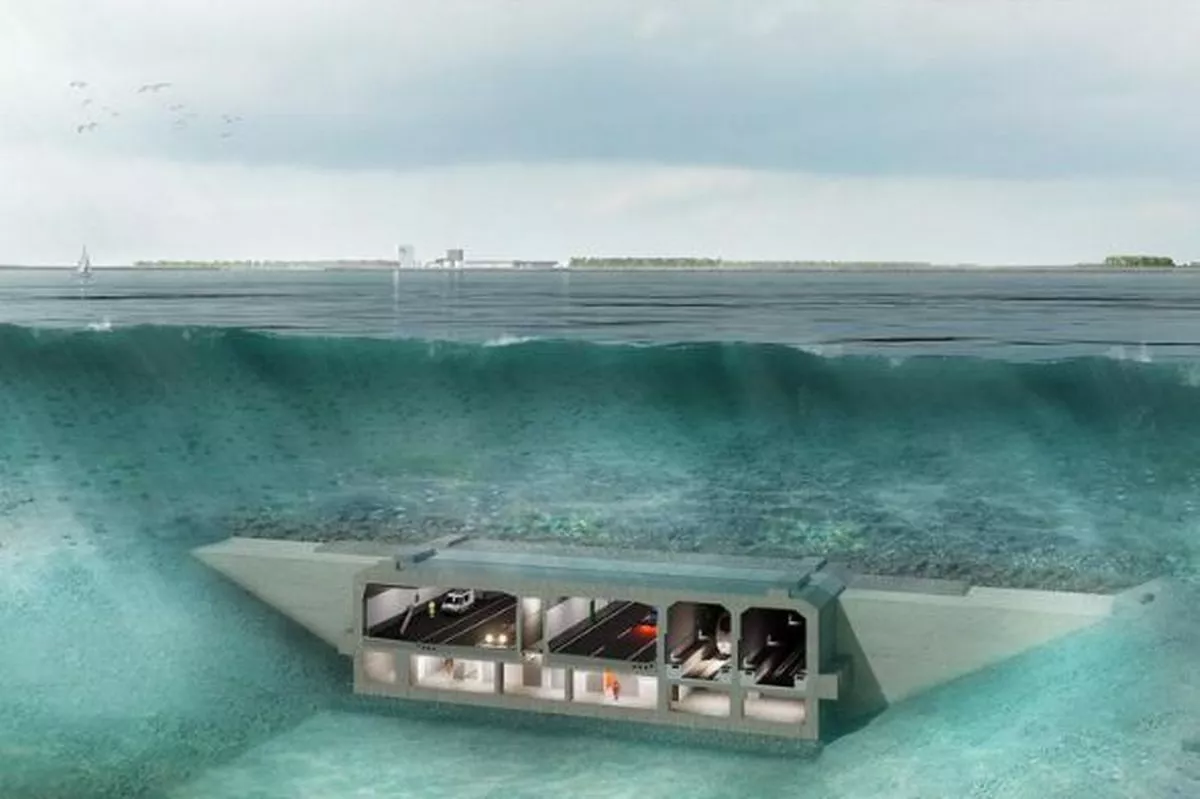
The Fehmarn Belt Fixed Link is an immersed tunnel that will connect the island of Lolland, in Denmar(Image: femern)
The Fehmarn Belt Fixed Link is an immersed tunnel set to link the Danish island of Lolland with Germany’s Fehmarn island. This remarkable tunnel beneath the Baltic Sea, expected to become one of the world’s longest underwater structures, is due for completion by 2029.
Spanning 18 kilometres (11 miles), the Fehmarnbelt tunnel will drastically reduce journey times between Scandinavia and mainland Europe. Femern described the tunnel as “Denmark’s largest infrastructure project and the world’s longest immersed tunnel and rail link”.
The project carries an estimated price tag of DKK 55.1billion (£6.4billion), with the European Union providing approximately 1.3billion euros (£1.1billion) in funding.
Femern outlined that an immersed tunnel represents a “safe, tested and efficient way of building an underwater tunnel”.
“The technology is Danish-developed and builds on experiences from, among others, the Øresund Tunnel. Once completed, the tunnel will not pose any obstacle to vessel traffic in the Fehmarnbelt. Marine safety is also a top priority during the construction phase.
“The Fehmarnbelt tunnel will be just as safe as a corresponding section of motorway above ground. The tunnel is equipped with continuous hard shoulders and emergency exits along its entire length.”
The Institution of Civil Engineers highlighted that the Fehmarnbelt Tunnel will rest atop the seabed, marking it as “a remarkable engineering feat”. “Weighing in at 73,500 tonnes apiece, these colossal structures are a testament to modern engineering. Once a tunnel element is ready to be shipped, waterproof bulkheads (barriers) are installed at both ends, and the segment is carefully towed into position by tugboats.
“In total, 89 elements will be connected sequentially – much like assembling giant Lego pieces – to form the complete tunnel.”
WITH my floating breakfast and infinity pool overlooking the ocean, I feel like I’m in the Maldives.
Yet I’m barely four hours from the UK, on the Greek island of Crete, where temperatures reach into the low 20s — and it’s only January.
Sign up for the Travel newsletter
Thank you!
Kara took a trip to the Greek island of Crete to soak up some January sunCredit: SuppliedThe Royal Senses Resort & Spa has two swimming poolsCredit: Supplied
My hotel, the Royal Senses Resort & Spa, is a masterclass in elegance — with the towering resort built into the mountainside.
Its main attractions are the two swimming pools, stretching 80m across the front of the resort.
And it is safe to say my attempts to get some laps in before breakfast were quickly left wanting.
Instead, I hopped into the heated pool just behind, which is popular with the younger guests if they’re not at the on-site splash park.
If you want some peace and quiet, tucked away on the other side of the resort is the adults-only luxury infinity pool, complete with mini hot tubs and curtained cabanas.
Despite the gym calling me after my failed swimming session, I headed to the hotel spa for a sleep-inducing massage, followed by a trip to the steam room and sauna.
The spa pool is worth a visit too. Half inside, half outside, it has muted pink tiles I want in my own bathroom.
When it comes to time to eat, there is a buffet — complete with a live saxophonist at breakfast — grill restaurants Mitato and the Michelin chef-run Cretamos.
After goat milk ice creams at the Platia pop-up restaurant and cocktails at the Euphoria pool bar, I very much needed the walk back up to my room.
The two-room suite, with sea views, had me feeling like I had stepped on to the set of Netflix’s Selling Sunset.
For an additional charge, you can request your own floating breakfast — something I couldn’t resist — and it came loaded with pastries, fruits, meats and cheeses.
Many of the smaller suites have their own pools as well.
The only thing the hotel is missing is the beach — but that’s where sister hotel The Royal Blue Resort comes in, which is just a short shuttle ride down to the coastline.
The best rooms in the house are the Blue Residence villas, which opened last year and are ideal for larger families.
Made up of a sprawling lounge and kitchenette, along with two bedrooms and three bathrooms, they have private balconies that wrap the length of the villa.
The two-room suite came with sea viewsThe only spot I wanted to be was the hotel’s secluded beachCredit: Supplied
Of course they have their own swimming pools for a quick dip, but the only spot I wanted to be was the hotel’s secluded beach. No beaches on Crete are private, but this certainly felt like it was.
This resort is the smaller of the two but has plenty of dining options to keep you full. Symposium is where you can find breakfast and dinner, with similar options to its sister resort.
Seafood lovers can try the a-la-carte Asterias — serving everything from sea bream ceviche to grilled octopus — or the Mediterranean Elia (I’m still dreaming of the creamy duck risotto).
If you’re feeling pruney from all the pool and sea sessions, and want a touch of culture, then there are some great day trips to choose from.
A short taxi ride away is Margarites — a small village known for its ceramics — or Rethimno, a coastal city with Venetian architecture and trendy cafes.
But being in paradise with your feet in the pool and champagne in hand?
DISCOVER the best destinations for every month of the year whether you’re looking for a fly and flop, in search of wildlife or beautiful views.
It’s all thanks to Travelbag which has created a planner on where’s best to go on holiday for 2026 from Australia the Netherlands and Portugal‘s Azores.
Sign up for the Travel newsletter
Thank you!
These are the best destinations by month around the world – including the PhilippinesCredit: TravelbagAnother top pick for January is VietnamCredit: Travelbag
January
While northern Europe is shivering during the first month of the year, there are plenty of places around the world that aren’t.
In fact, Australia is basking in sunshine, if you want to head to the other side of the world then read more from Assistant Travel Editor Sophie Swietochowski who took a road trip around Sydney.
Thailand at the beginning of the year has temperatures as high as 32C so you’d really be banishing those winter blues.
Travel Reporter Alice Penwill recently went on a trip to Koh Samui where she discovered what island life is all about – cheap cocktails, affordable luxury and incredible beaches.
Other popular destinations in Southeast Asia include Vietnam, Singapore and the Philippines.
If you’re not actually after heat, it’s also a prime time to head to Norway to see the northern lights as there are plenty of sightings at this time of year.
February
It’s still bleak in the UK during February, whereas Indiais dry and sunny throughout.
The country comes to life with vibrant cultural events and festivals – like Goa Carnival.
Horse riding the scenic island is also popular with travellersCredit: St Kitts Tourism Board
Or head the other way to the Caribbeanfor daily sunshine and lots of activities during Carnival Season.
There are major celebrations in St Kitts which Deputy Travel Editor Kara Godfrey visited last year.
For nature lovers, head to South Africa for bird-watching season as its wet season draws to a close.
You could also head to the Galapagos in Ecuador for adventure – it’s also a great place for nature spotting.
Here you’ll find giant tortoises, marine iguanas and Darwin’s finches which inspired Charles Darwin’s theory of evolution.
And over inNew Zealand, temperatures will cool down as autumn approaches.
But you can still enjoy its incredible beaches and go swimming or surfing in the water.
Enjoy cherry blossom season in Japan during AprilCredit: blanscape
April
For those who are desperate to explore Japan, April is a great month to go as it’s cherry blossom season.
Throughout the country, blossom trees with bloom showing off bright pink flowers.
Japan literally turns into a flowery haven as it has over a million cherry blossom trees – it’s even celebrated with festivals.
One travel writer who visited the country saw the blossoms in full bloom in Kyoto at the World Heritage site Ninna-ji, which is a temple founded in 888 AD.
There are flowers all around as in Netherlandstoo, April is one of the best months to see the millions of colourful tulips.
One key viewing spot here is the Keukenhof Gardens which shows off a variety of 800 different tulips.
The nearest airport is Amsterdam which is just just over one hour from the UK.
If you want to see Machu Picchu – head to Peru in MayCredit: Getty Images/Image Source
May
May marks the end of the rainy season in Peru, so it’s the ideal time to visit Machu Picchu and hike through the Amazon rainforest.
This tiny village has been dubbed as one of the UK’s most beautiful because of its medieval abbey stones and fairy-tale charm.
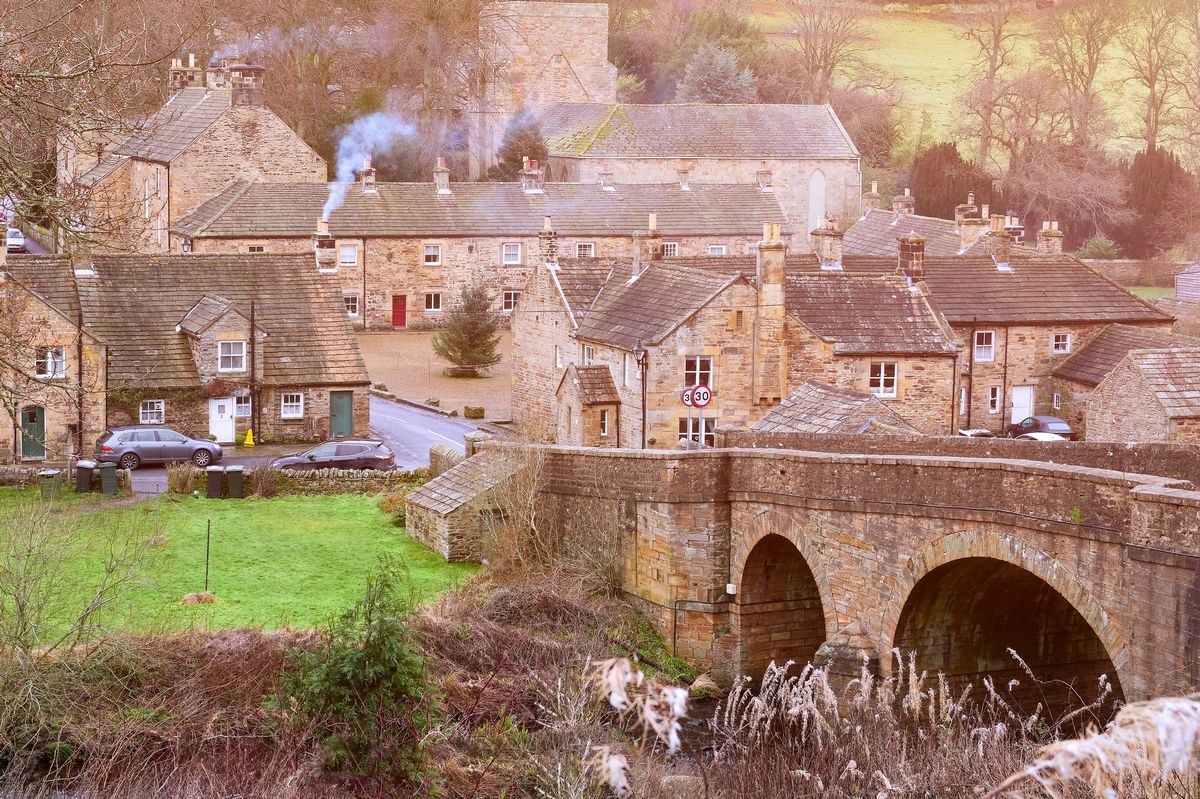
It’s being called one of UK’s ‘prettiest villages’(Image: Duncan_Andison via Getty Images)
A picturesque village that appears to be frozen in time has been hailed as one of the UK’s “prettiest villages” by renowned travel bloggers.
World travellers Jonny and Hannah, founders of the popular travel website Finding our Adventure, have crowned this hidden gem in Northumberland as the UK’s prettiest village, adding it to their extensive list of must-visit spots.
Upon arrival, visitors are immediately struck by the strong French influences in this charming village nestled within the North Pennines Area of Outstanding Natural Beauty. Encircled by stunning moorland fells, the quaint village of Blanchland seems as though it’s leapt straight from the pages of a fairytale.
This enchanting village, established in 1165, was built using stones from the Blanchland Abbey, and it appears as though little has changed since then. The village’s captivating history keeps tourists enthralled, while its picture-perfect honey-stone buildings are simply stunning.
Brimming with cobbled streets, hanging baskets, winding lanes, and beautiful stonework, Blanchland is notable for not having a single modern-day chain store within its borders, giving visitors the sensation of stepping back in time, reports Chronicle Live.
Tucked away beside the River Derwent, this charming hamlet sits within the forested stretch of the Derwent valley and could well be the most picturesque community in the entire North Pennines. Despite having just 135 residents, according to the latest 2011 parish census, Blanchland astonishingly attracts tourists from far and wide.
The settlement boasts only a select few key attractions, including Blanchland Abbey, the White Monk Tea Room – formerly the village school – a quirky local store with a distinctive white postbox, and what might be England’s most renowned pub-hotel combination, the Lord Crewe Arms Hotel.
Blanchland’s rich history
The village’s name stems from the French monks who resided and laboured at Blanchland Abbey, recognisable by their white robes. “Blanche” translates to white in French, giving birth to the name Blanchland – or so the story goes.
Walter de Bolbec established Blanchland Abbey in 1165, and Edward III reportedly stopped at this historically important hidden treasure whilst preparing for conflict with the Scots in 1327. The Scots, Vikings, Romans, and border Reivers are all believed to have battled for dominance over this breathtaking corner of the world.
Blanchland Abbey met its end under King Henry VIII in 1539, with substantial portions of the complex demolished, dismantled, or stripped away. The remaining structures and abbey grounds were reportedly either bestowed upon the King’s allies or sold to private buyers
The abbey’s lodge was subsequently converted into a manor house whilst its gatehouse and additional structures formed what became the village square.
In 1704, Lord Crewe purchased the Blanchland estate, and following his death in 1721, he bequeathed the property to The Lord Crewe Charity Trust. The trust proceeded to enhance the village buildings and assisted in restoring sections of the abbey church.
These efforts aimed to create a “model village” for Blanchland’s residents, who were predominantly mining families during that era.
Famous links
The celebrated Lord Crewe Arms Hotel ranks amongst Britain’s most ancient inns, with origins stretching back to the 12th century. It boasts traditional timber beams, stone-walled interiors, and a crackling open hearth, creating an ideal retreat for visitors seeking refreshment and sustenance or those wishing to spend the night on the premises.
The grand fireplace of the hotel is said to have been a hiding spot for General Tom Forster during the Jacobite uprising of 1715. The esteemed poet WH Auden spent Easter of 1930 within its historic confines and later declared that no other place held more cherished memories for him than the Lord Crewe Arms Hotel. Writer Emily Elizabeth Shaw Beavan also resided and penned her works within the hotel while her husband was employed at the Derwent Mines.
Blanchland is thought to have inspired the village portrayed in the opening and closing scenes of the 1935 play The Dog Beneath the Skin, written by Auden and Christopher Isherwood. Another celebrated poet, Philip Larkin, is rumoured to have been a frequent diner at the Lord Crewe Arms Hotel. A number of other notable figures are also believed to have visited the hotel.
In the popular television series Wolfblood, the scenes set in the fictional town of Stoneybridge were reportedly filmed in Blanchland. The village has also made numerous appearances on ITV’s Vera. Over the years, Blanchland has consistently been a top choice for filming period dramas.
This enchanting East Yorkshire village boasts a Michelin-starred pub, historic attractions and scenic walks for the perfect day out
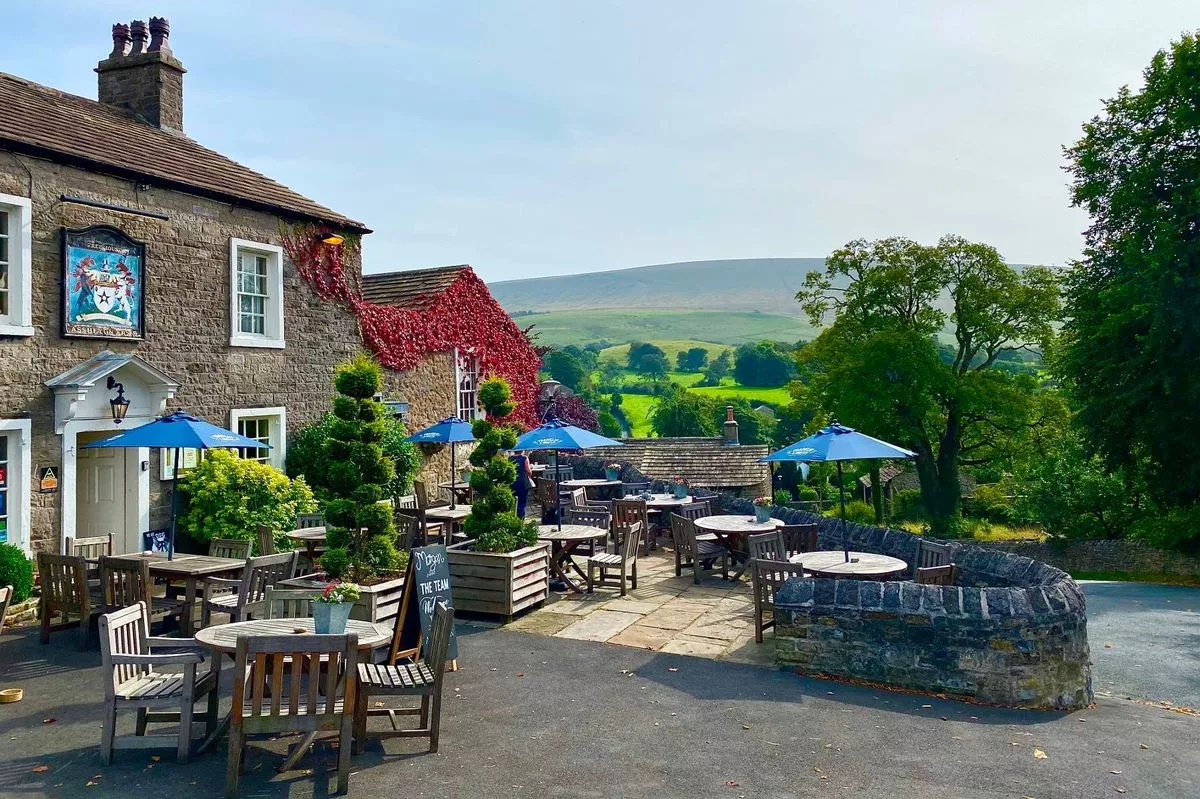
It’s the perfect day out(Image: Wirestock via Getty Images)
A charming village in East Yorkshire is drawing crowds as it’s home to what many consider the best pub in Yorkshire.
The village also houses a beautiful family-owned estate and offers several delightful walks – all of which can be rounded off with a tipple and a bite at the local Michelin-starred pub. Located 10 kilometres north-east of Market Weighton and eight kilometres north-west of Beverley, the idyllic hamlet of South Dalton is tucked away amidst acres of verdant fields and woodlands, offering a tranquil retreat for those seeking respite from the daily grind.
First mentioned in the Domesday Book as ‘Delton’, by 1260 this village was officially recorded as ‘Suthdalton’. The village boasts a selection of renowned attractions that make for an ideal day trip – notably, St Mary’s Church, Dalton Hall which forms part of the larger Dalton Estate, and the crème de la crème of Yorkshire, the Michelin-starred Pipe and Glass pub, reports Yorkshire Live.
Dalton Hall is a standout feature within the village, majestically positioned within the Dalton Estate on slightly elevated ground, enveloped by nature. Regrettably, the Dalton Estate itself is privately owned, so visitors are unable to roam within its gates or grounds, but the stroll around the attraction is a rewarding experience in itself.
The village forms part of the Dalton Estate, a property owned and managed by the Hotham family who have held the land for generations. The estate is steeped in history, with the 18th-century Dalton Hall serving as the residence of Lord Hotham. In 2007, the Eighth Baron Lord Hotham vacated the house, making way for his eldest son William and his family to move in.
Currently, the Dalton Estate is overseen by a land agent, and its residential and commercial properties are occasionally available for rent – making it a popular choice for weddings and large private events. Despite being famously private, the estate welcomes travellers and keen walkers to explore the public highway that winds through its stunning grounds, offering a gentle yet delightful stroll.
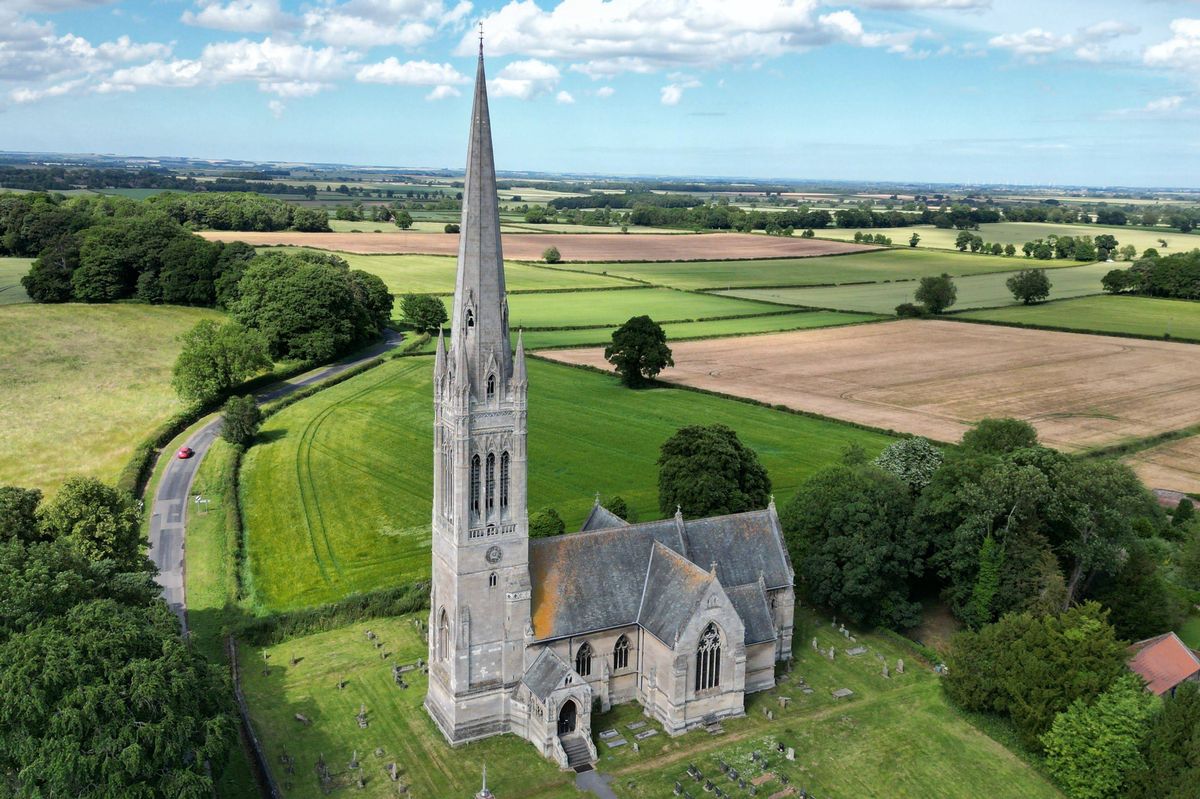
Another key attraction of the village is St Mary’s Church, a Grade I Listed building since 1968. Now, brimming with years of history and culture, it’s listed in the National Heritage List for England. The church’s spire soars over 200 feet high (61 meters), marking the building as a significant local landmark. Designed by JL Pearson – also known for constructing Truro Cathedral – St Mary’s Church houses several graves of the Hotham family within its grounds.
Inside the church stands a black-and-white marble monument, erected in memory of Sir John Hotham, 2nd Baronet. Next on the agenda for ‘the perfect day out in South Dalton’ is the historic 15th-century Pipe and Glass pub, run by James and Kate Mackenzie. Having secured a Michelin star back in 2010, which it still proudly holds today, the Pipe and Glass is an essential stop. The establishment takes pride in being a traditional bar serving real ales whilst also providing luxury boutique rooms and an exclusive private dining suite.
Whether you’re after a simple sandwich or the full Michelin-starred experience, this pub caters for all tastes. Showcasing local ingredients and an ever-changing selection of daily specials, the Pipe and Glass has firmly established itself as a beloved fixture in South Dalton and across the wider Yorkshire region.
With an impressive 4.6 out of 5 rating on Tripadvisor, one guest reflected on their experience: “We had the most unforgettable evening at the Pipe and Glass! The food was absolutely amazing, every dish was beautifully presented and bursting with flavour. The staff were super friendly and attentive throughout our entire visit, making us feel truly welcome. While the location is a little out of the way, it adds to the charm as it’s very quaint and worth every minute of the journey. We can’t wait to return!”
Another individual, in a rave review, wrote: “From start to finish the whole experience was fabulous from the wonderful greeting on arrival to some delicious food the ambiance and excellent service was five stars. The food was well presented and generous Yorkshire portions. If you’re lucky enough to stay here as we were, the rooms are gorgeous with lots of treats and high end features, we ordered breakfast on our terrace and it came right on time. It was delicious. We are already booking again, go you’ll love it.”
The beautiful market town in Buckinghamshire is one of the most expensive places to live in the county, with celebrity residents and historic charm
There are many independent shops(Image: Getty)
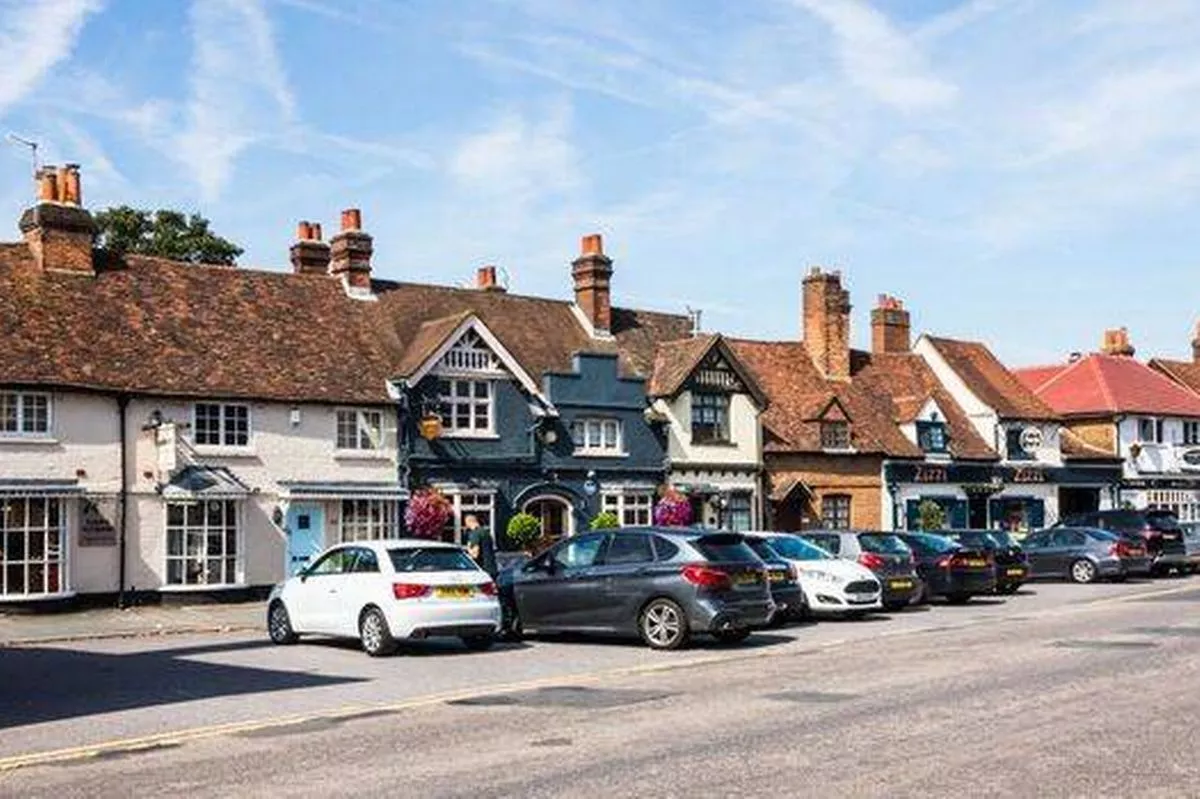
Beaconsfield, a market town in Buckinghamshire, is conveniently located near the M40 and approximately 23 miles from central London. It boasts an old town high street brimming with charming, independent businesses, alongside a vibrant new town high street featuring well-known brands.
The town’s first documented reference dates back to 1185, believed to be of Saxon origin, and it also bears traces of two Roman roads.
The town is steeped in history, with many original structures, such as churches and rectories, still standing. It’s not only a fantastic place to reside but also one of the priciest in Buckinghamshire.
Having lived in and around Beaconsfield my whole life, I can easily understand its appeal to celebrities and tourists alike.
The high street is home to a wide array of independent shops, restaurants, and pubs, including Melody Mint Cafe, Royal Saracens Head, and The Old Tea House, to name just a few.
Brasserie Blanc by Raymond Blanc ranks among my favourite eateries in the old town, along with Giggling Squid and homePizza.
The town also houses the Crazy Bear Hotel, one of the oldest recorded buildings in Beaconsfield, originally a 15th-century coaching inn.
Today, this stunning hotel is lavishly adorned, providing a luxurious setting and serving delectable food.
In the new town, particular favourites of mine include Fego, known for its scrumptious breakfast, as well as The Beech House and Prime Steak House.
A stone’s throw away is the Royal Standard of England, a historic pub boasting the title of Britain’s oldest.
Its charm lies in its carved oak panels, weathered flagstones, twisted timbers and a mouth-watering menu.
The town has also served as a cinematic canvas for numerous films and TV series, including The Theory of Everything, Hot Fuzz and Midsomer Murders.
Nearby picturesque towns such as Amersham, Gerrards Cross, and Marlow add to Buckinghamshire’s allure as a desirable residential location.
However, living here comes with a hefty price tag, with the average property price over the past year hitting a staggering £1,039,083, according to Rightmove.
While there’s no shortage of properties on the market in the town, very few fall below the £500,000 threshold, making it a tough market for first-time buyers.
At present, there are 208 homes up for grabs in the town, with the priciest one fetching a cool £6,750,000.
The seaside spot is perfect for a wintery day trip or weekend away, and even in the freezing weather, it’s so charming
Nicola Roy Spare Time writer
05:02, 11 Jan 2026
We’re already a week into January, and while the start of a new year can be invigorating, it’s tough to kick-start your routine after the celebrations. You’re likely feeling drained after returning to work, eagerly awaiting a weekend of rest.
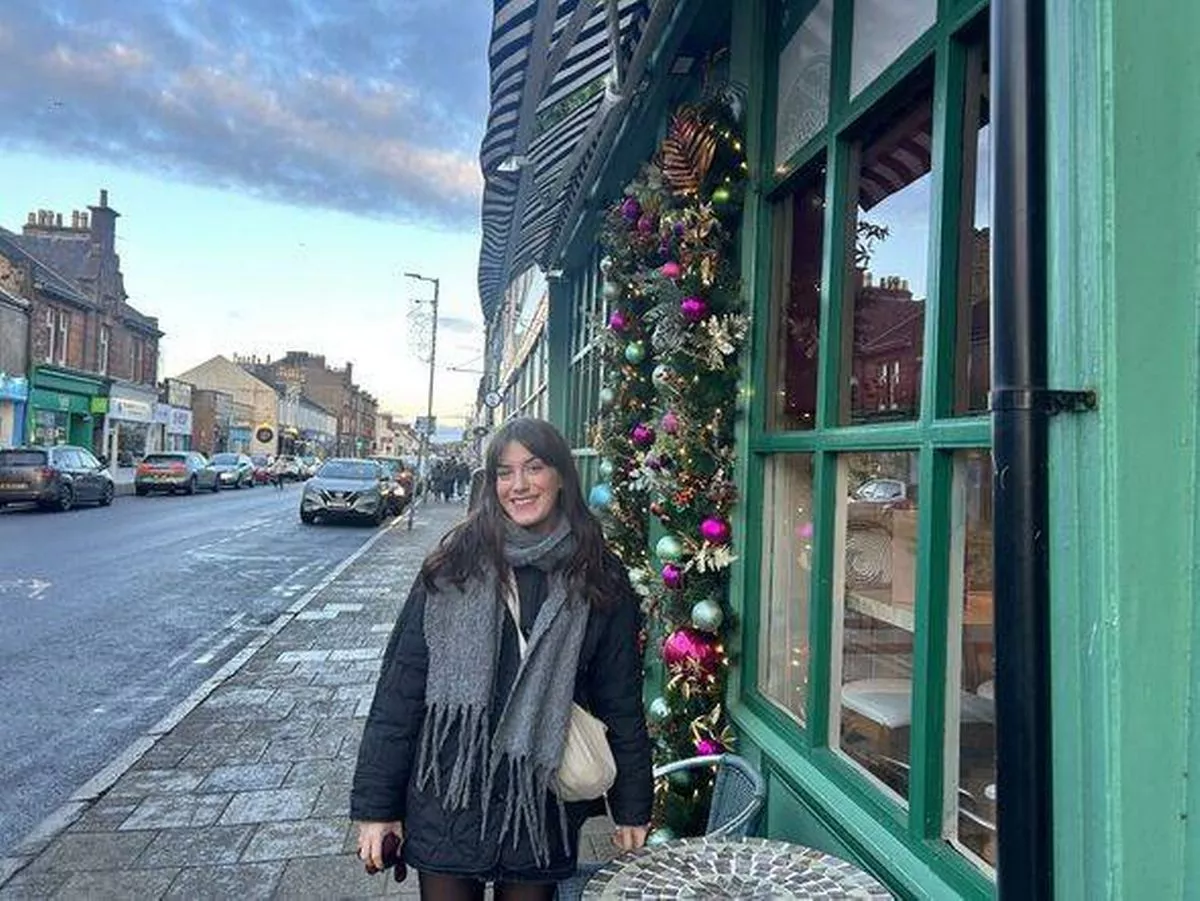
However, exploring a new town or village can do wonders for your mood, which is exactly what I did last weekend. Bracing the frosty breeze, I embarked on a half-hour train journey from Glasgow to Troon, a seaside town bustling in summer but much quieter in winter.
It was an almost perfect day trip, with one minor hiccup threatening to ruin the trip – but don’t let that deter you.
Nestled on Scotland’s west coast with views over the Firth of Clyde, Troon is the perfect coastal retreat from city life. Admittedly, my last visit was around age 15 and I had never been during winter, but craving some outdoor time before returning to work, this seemed ideal.
Upon getting off the train, we made our way to the waterfront, which was freezing yet beautiful. The sun was shining, and although the sea would have been unbearably cold for a dip, it looked stunning, reports the Express.
Depressingly, the sun had begun to set as early as 1pm during our visit, but it provided a lovely backdrop for photos. We walked along the huge beach for around an hour, climbing on top of a paved hill at the end to really take in the panoramic views of the town below.
For kids, there’s a huge play area that was bustling even in the biting cold, so I can only imagine how busy it’ll be in summertime.
When the chill became almost unbearable, it was time to seek out some food. Troon boasts an array of great places to eat and drink, from the stylish Scotts restaurant by the marina to numerous fish and chip shops dotting the high street.
One of the main reasons for this trip was to try out The Wee Hurrie, a seafood shack near the water that had been highly praised by relatives and friends. With TripAdvisor users hailing it as the ‘best chippie in Scotland’, we couldn’t wait.
After braving the icy beach walk, our hunger was intense, so imagine our dismay when we found The Wee Hurrie shuttered. This was our fault, and we should have checked ahead, but the combination of freezing temperatures and hunger nearly brought me to tears.
The closure was due to the Scottish fishing fleet being docked for Christmas, which is entirely understandable. As of Friday (January 9), it’s back in business, and you can bet I’ll be running back as soon as I can for some beachfront fish and chips.
By 3pm, we were still on the hunt for lunch, so we started our journey back to the town centre. As if to rub salt in the wound, it began to snow – but luckily, it was just a brief flurry that ended as quickly as it had started.
I wasn’t expecting much activity on the high street at this time on a Sunday in early January, but I was pleasantly surprised to see plenty of people bustling about, popping in and out of eateries and shops.
Still craving seafood, we stopped into Tempura and ordered a serving of battered prawns and chips each. It hit the spot perfectly, and spotting a tempura Mars bar on the menu made me laugh. You cannot escape the deep-fried life in Scotland.
Despite the slight hiccup with our initial food plans, it was still a great day out – albeit a bit chilly for my liking. But rest assured, as soon as that first hint of warmth graces us in March, I’ll be heading straight back there.
Customers say Primark is ‘the best’ after seeing ‘stunning’ new travel item
Primark’s new travel range impressed shoppers(Image: Yau Ming Low via Getty Images)
With months of cold weather ahead, many Brits are dreaming of a winter getaway. Others will be excitedly planning their summer holidays. Whatever your travel plans for 2026, Primark fans are predicting that everyone will be loving the retailer’s new £35 suitcase for this year’s holidays.
Described as ‘a hard-shell suitcase with a polka-dot design and metallic handles’, the new luggage range is a hit on social media. One fan suggests ‘everyone’s gonna have them this summer’.
The trendy luggage caught attention when shopper @Aimeelynch11 showcased the cases in a TikTok video. Filming the two sizes, Aimée wrote: “New polka dot suitcases in Primark,” and the post quickly went viral. It has racked up thousands of views and likes from excited shoppers.
Praising the new suitcases in the comment section, one fan wrote: “Omg your Primark is legit the best.” Another enthusiastic social media user said: “Omg need.” Someone else thought: “Very nice,” and a similar reply read: “These are gorgg.”
Content cannot be displayed without consent
A different shopper said the cases looked ‘adorable’, and another fan praised the ‘cute’ style. Someone went so far as to suggest the cases are ‘perfect’. They wrote: “Ahhh so perfect.” There was more positive feedback when a commenter claimed: “Omg these are SO cute, everyone’s gonna have them this summer!”
Shoppers interested in the suitcases can use Primark’s website to check in-store availability or order the suitcases via click and collect. Primark also sells a £20 IT Luggage Hard-Shell Polka Dot Vanity, which is offered in a matching polka dot design. It’s described as ‘a vanity suitcase with a hard shell, polka dot design, zip-up sections and carry handles.’
Among the other travel items listed online, there’s also a £20 Essential Travel Backpack. The Essential Travel Backpack is offered in light pink or black. The product description states: “This light pink backpack is perfect for keeping your essentials organised on the go.
“With multiple zip compartments and adjustable shoulder straps, it makes carrying your daily must-haves comfortable and convenient. Whether you’re heading to work, the gym or jetting off on holiday, this backpack works with any outfit – pair it with a tee and joggers for errand runs or team it with your favourite blazer and skirt combo for an office-ready look.”
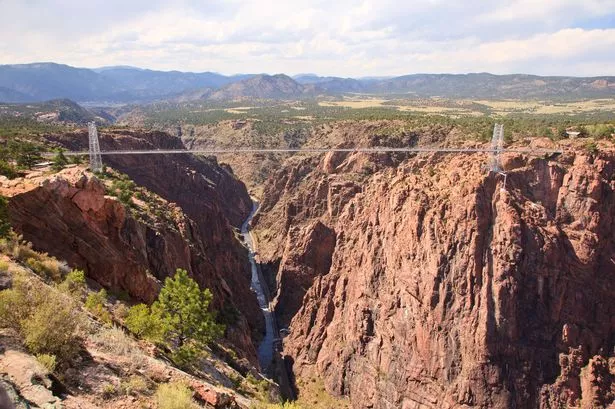
From the world’s tallest to the most dangerous, there is a list of bridges that are sure to leave you shaking like a leaf, whether that’s walking along wooden planks or over a glass floor
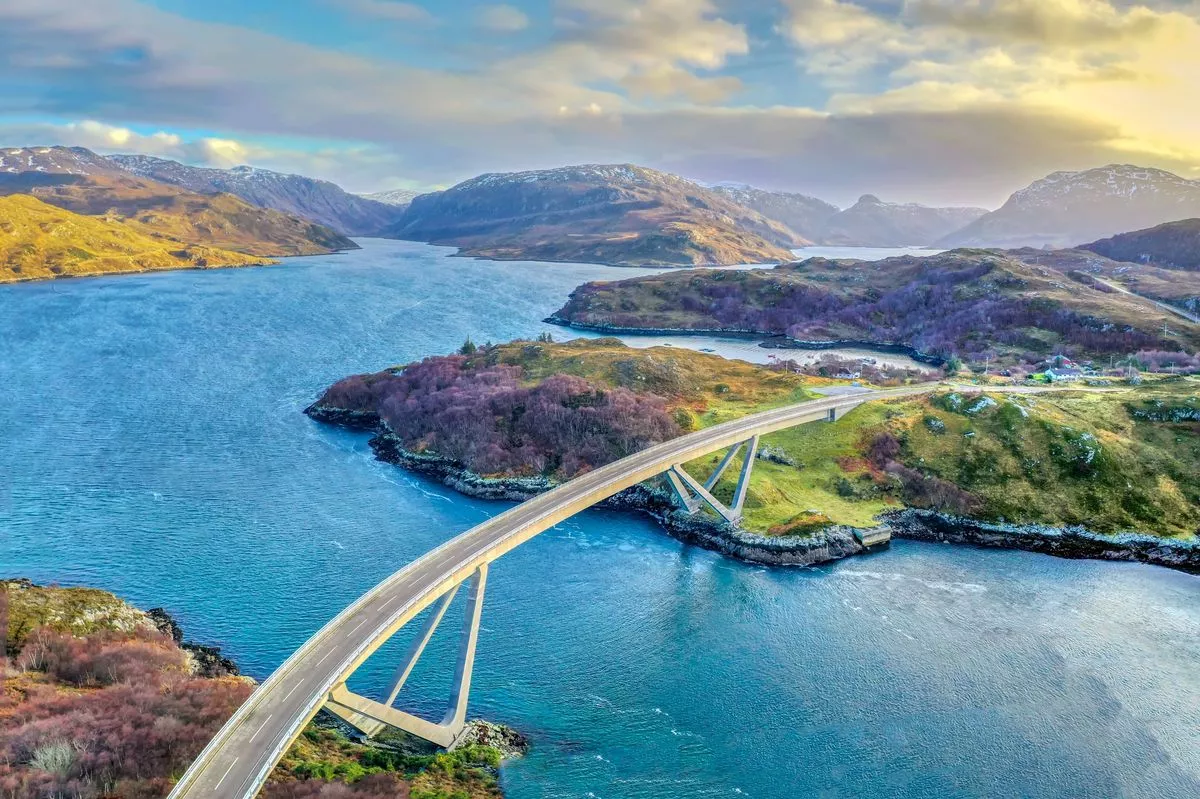
The route is a spectacular 500-mile drive around northern Scotland, taking in historic castles, rugged coastline and mountain scenery over 7-9 days, or as little as 4 days for keen drivers
You’ll get to whizz over the dramatic Kylesku Bridge(Image: Tu xa Ha Noi via Getty Images)
If you’re the type who can’t sit still on holiday, preferring to explore rather than lounge in the sun, then a road trip might be your ideal next getaway.
Many dream of tackling Route 66, but once you factor in flights, one-way car hire, and accommodation, it can be quite pricey and time-consuming. However, there’s an extraordinary road trip right here in the UK that, while lacking endless desert landscapes, boasts an abundance of natural beauty, from rugged coastlines to verdant mountain vistas.
The North Coast 500, or NC500, is a little over 500 miles long, tracing a circular route around Scotland’s northern coast. Most travellers complete the journey in seven to nine days, pausing to visit historic sites, hike, or amble along the beaches, though it can be done in as few as four days for those willing to spend more time driving.
The journey begins and ends at Inverness Castle, a site steeped in history, from the Jacobites to Mary, Queen of Scots. Castles have graced this spot since medieval times, with the current building dating back to the 19th century and even featuring on the Scottish £50 note.
History enthusiasts can explore the Culloden Battlefield and Visitor Experience, delving into one of Britain’s most renowned battles. Visitors are treated to a ‘battle film’, an immersive spectacle that portrays the gruesome finale of the Jacobite uprising, reports the Express.
Many tourists then venture to the Black Isle peninsula, celebrated for its verdant woodlands, farmland, and pristine coastline where dolphins can often be seen playing off the shore. Visit Chanonry Point a couple of hours post low tide, and you might catch sight of bottlenose dolphins hunting for fish.
Easter Ross, known as the home of the Glenmorangie Distillery, is another must-see stop. Besides sampling the local whisky, embark on the Pictish Trail, an archaeological site that was home to the Picts between the 3rd and 9th centuries in this region of Scotland.
The route’s most north-eastern point leads you to Caithness, renowned for its unique geological features like sea stacks, and colonies of puffins and other seabirds. Stand atop Dunnet Head, mainland Britain’s northernmost point, and take in the invigorating winds and breathtaking sea views.
The route boasts numerous rugged beaches, but perhaps some of the most stunning are found in Wester Ross. It features several lengthy stretches of sand, and during the off-season, you might even find yourself with an entire beach all to yourself.
The NC500 website is a treasure trove of information for those keen to embark on the route. For a modest £15 membership fee, travellers can download a variety of itineraries, each tailored to different travel preferences.
These provide a daily rundown of sights to see, accommodation options and dining suggestions. The available itineraries cater to all tastes, from luxury travel to whisky tours and history-themed trips.
However, there’s also a plethora of online resources for those who prefer to plan their own journey.
The NC500 isn’t just for motorists. Cyclists and motorcyclists are also fond of the route, with numerous bike hire services available for those who’d rather not bring their own.
Motorhome enthusiasts are particularly drawn to the NC500, as it eliminates the need to secure nightly accommodation. However, it’s important to note that any vehicle must be capable of navigating single-track roads, and campervan owners will need to reserve a campsite for the night, as Scotland’s wild camping laws don’t extend to vans.
There are several campsites along the route where you can book a van pitch and unwind with the amenities after a day on the road.
Got a travel tale to tell? Drop us an email at webtravel@reachplc. com.
Take your pick (and pack your bags!) for our must-visit destinations of the year.
SOUTH KOREA
Stock up on K-beauty in the district of MyeongdongCredit: DiegoMariottini
THE LOWDOWN: With the launch of direct flights, a new hiking trail and an ever-growing obsession with the country’s incredible cultural hits – including viral Netflix musical KPop Demon Hunters – this destination is looking pretty Golden right now.
Sign up for the Travel newsletter
Thank you!
DON’T MISS: Much of the new Dongseo Trail, a 527-mile route modelled on Spain’s Camino de Santiago, will open this year, running from Anmyeondo Island to the fishing village of Uljin. “Meanwhile, Korean fried chicken is really something, and the capital, Seoul, is the home of that,” says Tom.
Stock up on K-beauty in the district of Myeongdong, and get a taste of music-meets-waterfight at Seoul’s Waterbomb Festival in July or your fix of K-pop proper at the Gangnam Festival in autumn.
BEST TIME TO GO: April, for the cherry blossom.
FYI: Virgin Atlantic flights from London to Seoul start on March 29, from £799 return.
Ludlow is becoming one of the UK’s best foodie destinationsCredit: Rob Scamp
THE LOWDOWN: This pretty Shropshire market town is fast sealing its spot as one of the UK’s best foodie destinations, and Tudor stunner Castle Lodge – former home of Catherine of Aragon – is re-opening as a seven all-suite boutique hotel with an eatery under talented local chef Harry Bullock.
DON’T MISS: Other foodie delights include Pale Kitchen And Arts, serving up pastries and local art, the cheese rarebit on Guinness bread at No3 Church Street (from the owners of much-loved Harp Lane Deli) and excellent waffles at Number 9 Ludlow. Richard Ashcroft, The Streets and The Human League are gigging at Ludlow Castle this summer, too.
“Ludlow is one of England’s great historic towns with a lovely walkable centre filled with independents,” says Tom. “But the beautiful Marches countryside surrounding the town means it’s wise to pack your walking boots as well.”
BEST TIME TO GO: September, for the UK’s longest-running food festival.
PELOPONNESE, GREECE
Peloponnese offers more ‘bang for your buck’ than many Greek islesCredit: Giovanni Simeone
THE LOWDOWN: In Christopher Nolan’s epic adaptation of Homer’s The Odyssey, hitting screens in July, the jaw-dropping scenery of the Peloponnese will be the star of many scenes.
Better still, “You get more bang for your buck here than on many of the Greek isles,” says Tom Hall, vice president at Lonely Planet.
DON’T MISS: Hike to oceanside Nestor’s Cave to see where Matt Damon’s Odysseus outwits the Cyclops, swim in Poseidon’s realm at omega-shaped Voidokilia Beach, explore the atmospheric Methoni Castle and snap flamingos at protected wetland Gialova Lagoon.
There are also herons, ospreys and the African chameleon here – which isn’t found anywhere else in Europe. The area’s home to the kalamata olive, too, so bring on those delicious Greek salads!
BEST TIME TO GO: May for lovely 23°C days.
FYI: Flights to Athens cost from £42 return.
VANCOUVER, CANADA
Stunning Canadian city Vancouver is surrounded by mountainsCredit: Krysek
THE LOWDOWN: This stunning city, surrounded by mountains, is a host of the FIFA World Cup this summer. “Nature is so accessible here – you can spot whales and seals by just going for a walk around Stanley Park,” says Tom.
DON’T MISS: Head to the fan zone at Hastings Park for bands, food stalls and a buzzing atmosphere. Dig into the local sushi fave, a BC roll with sweet spot prawns, washed down with a 33 Acres of Sunshine craft beer, then hop on the Skyride to Grouse Mountain for amazing city views.
Further afield, British Columbia is also home to seven national parks with hiking trails, waterfalls and glaciers to explore, plus the chance to spot bears at Yoho National Park. It’s a hot spot for geothermal activity, so don’t skip the natural spas at Lussier Hot Springs, too.
BEST TIME TO GO: Catch the footie buzz between June and July. Otherwise, September for autumn colours and smaller crowds.
FYI: Flights to Vancouver cost from £323 return.
RABAT, MOROCCO
The Moroccan capital provides a fab setting for adventuresCredit: Mitzo
THE LOWDOWN: A UNESCO World Book Capital for 2026, the Moroccan capital provides a fab setting for adventures. Wander the blue and white alleys near the Kasbah Des Oudayas or explore the Ville Nouvelle, where you’ll find chic boutiques and eateries. Trad riads make great-value stays, too.
DON’T MISS: Take in the Chellah – an impressive 14th-century Islamic necropolis, Zaha Hadid’s futuristic Grand Theatre of Rabat and the observation deck at Mohammed VI Tower. “Rabat is very different to what you might imagine,” says Tom.
“It has a modern feel, yet still has old kasbahs, souks and the beautiful Andalusian gardens. It’s also on Morocco’s high-speed rail network, so if you want to see more of the country, it’s super-easy,” he adds.
BEST TIME TO GO: Spring, for fewer crowds.
FYI: Flights cost from £40 return.
OULU, FINLAND
Oulu has jaw-dropping scenery and lush cuisineCredit: Getty Images
THE LOWDOWN: Sitting on the Baltic Sea, 60 miles south of the Arctic Circle, you’ll find 2026’s European Capital of Culture, with jaw-dropping scenery and lush cuisine. “Pick between experiencing the Midnight Sun or Northern Lights, but either way, it’s a great place to dip your toe into Finnish culture,” says Tom.
DON’T MISS: Feast on reindeer, salmon and foraged berries at pop-ups during August’s Summer Night’s Dinner and September’s Arctic Tasting Week, or just grabbing a coffee and rye bread at Oulu’s lively waterfront market.
Meanwhile, The Climate Clock art trail launches in June with seven hotly anticipated works, and electronic music festival Frozen People is held on a frozen lake in February.
You can even go full Finn at Lainesauna. For €15, you sauna on a raft down the Oulujoki River then dive straight into the water in summer (or an ice hole in winter!).
BEST TIME TO GO: March – to catch the Northern Lights around the equinox and skip the most freezing temperatures.
FYI: Flights to Helsinki cost from £48 return. The new high-speed Pendolino Plus train from Helsinki to Oulu costs from £48 return.
TANZANIA
Tanzania’s capital Arusha is brilliantly located between Mount Kilimanjaro and Serengeti National ParkCredit: Joao Luiz Vieira
THE LOWDOWN: An interactive, immersive conservation centre opens in Tanzania’s capital, Arusha, in memory of primatologist Jane Goodall. And handily, the capital is brilliantly located between Mount Kilimanjaro and Serengeti National Park for ticking off that bucket-list safari, too.
DON’T MISS: Visit Dr Jane’s Dream: The Goodall Centre For Hope, which was developed with help from former Walt Disney Imagineers and African artisans. “National parks, game reserves and conservation areas make up about 38% of the country,” says Jon Nigel, co-founder at Weather2travel.com.
“But as well as spotting the Big Five in Serengeti, head north to Gombe National Park, where Jane conducted her pioneering chimpanzee studies in the ’60s.”
BEST TIME TO GO: June to October for prime waterhole action.
FYI: Flights to Arusha via Amsterdam cost from £412. Safari lodges cost from £62 a night.
LONDON
London is the most-searched-for destination in the worldCredit: Karol Kozlowski
THE LOWDOWN: It’s the most-searched-for destination in the world, and 2026 is serving up stonking new cultural openings for our very own capital.*
DON’T MISS: V&A East is opening in the Queen Elizabeth Olympic Park in April with The Music Is Black: A British Story including exhibits from Stormzy and Little Simz.
“It’s a brilliant time to explore new places, as well as the classics,” says Tom. “The Museum of London is reopening in Smithfield Market, not far away will be the Quentin Blake Centre For Illustration in Clerkenwell from May.
There’s also a huge Tracey Emin retrospective from February at Tate Modern and the Bayeux Tapestry comes to the British Museum from September.” Oh, and an exhibition dedicated to legendary author Agatha Christie hits the British Library in October, too.
BEST TIME TO GO: London’s a winner all year.
BASQUE COUNTRY, SPAIN
Basque Country is packed with history, culture and 22 Michelin-starred restaurantsCredit: TONO BALAGUER
THE LOWDOWN: This small region famed for its pintxos (bar snacks), is packed with history, culture and 22 Michelin-starred restaurants. Plus, it’s home to a gorge coastline.
DON’T MISS: This will be a top spot to see the total eclipse on August 12. “Get as far to the west as you can,” says Jon. “From San Sebastián, Aiako Harria Natural Park will be a great place to view the night sky.
As will Gorbeia Natural Park, which lies between Bilbao and Vitoria-Gasteiz.” Be sure to visit Bilbao’s world-renowned Guggenheim Museum, too.
BEST TIME TO GO: August for the solar eclipse and the legendary fireworks contest at Semana Grande festival in San Sebastián.
THE LOWDOWN: Also known as the Caribbean’s Nature Island, Dominica has just 63,000 inhabitants, but offers year-round whale watching, plus incredible hiking through its dense forests.
The world’s first sperm whale reserve is now located here, too.
DON’T MISS: You’ll love whale watching. “There are 200 sperm whales in the 300 square miles of ocean designated for the reserve and you can even swim with them as part of small, regulated groups,” says Jon.
Emerald Pool, a rainforest pool fed by a 40-foot waterfall, or Titou Gorge, seen in Pirates Of The Caribbean: Dead Man’s Chest, are also must-sees.
Or take the newly-opened cable car to the volcanic Boiling Lake. What was once a three-hour hike each way now takes 20 minutes!
BEST TIME TO GO: go December to April for the best whale spotting.
FYI: Flights to Dominica via Barbados cost from £712. A new international airport is due to open in 2027, too.
FOUR major UK airports have rung in the new year by hiking their drop-off fees.
Nearly all UK airports now charge for kiss and fly parking following Newcastle airport scrapping its free drop-off policy in December.
Sign up for the Travel newsletter
Thank you!
New year, new charges as four major UK airports raise drop-off fees within the first week of 2026Credit: GettyLondon City has introduced its first-ever drop-off charge, setting an £8 fee for up to five minutes and £1 for each additional minute to a 10-minute maximumCredit: Getty
These include London City Airport, which has introduced a fee for the first time from 2026 – setting an £8 charge for up to five minutes with each additional minute costing £1 until a maximum stay of 10 minutes is reached.
The airport, based in the Royal Docks area of East London, said the measure is intended to maintain efficient access for all users, with Blue Badge holders and black cabs exempt.
Gatwick, the country’s second-busiest airport after Heathrow, became the most expensive for drop-offs by increasing its 10-minute fee from £7 to £10, having only raised it to £7 in May last year.
It attributed the rise to higher costs, including business rates that have more than doubled.
At the moment, councils usually have to use a Traffic Regulation Order – a slow, complicated legal process often limited to one street at a time.
But under the new approach, they will be able to bring in area-wide bans more easily and can also allow sensible exemptions where a bit of pavement parking helps traffic flow on narrow streets.
Gatwick becomes the UK’s most expensive airport for drop-offs, lifting its 10-minute fee from £7 to £10Credit: GettyHeathrow raises its drop-off fee from £6 to £7 on New Year’s Day and imposes a strict 10-minute rule in its forecourt areasCredit: GettyBristol Airport pushes its drop-off prices to £8.50 for up to 10 minutes, with stays of 10 to 20 minutes climbing from £9 to £10.50Credit: Getty
DRIFTING off to sleep to the sound of the ocean waves regularly tops the polls of mindfulness apps.
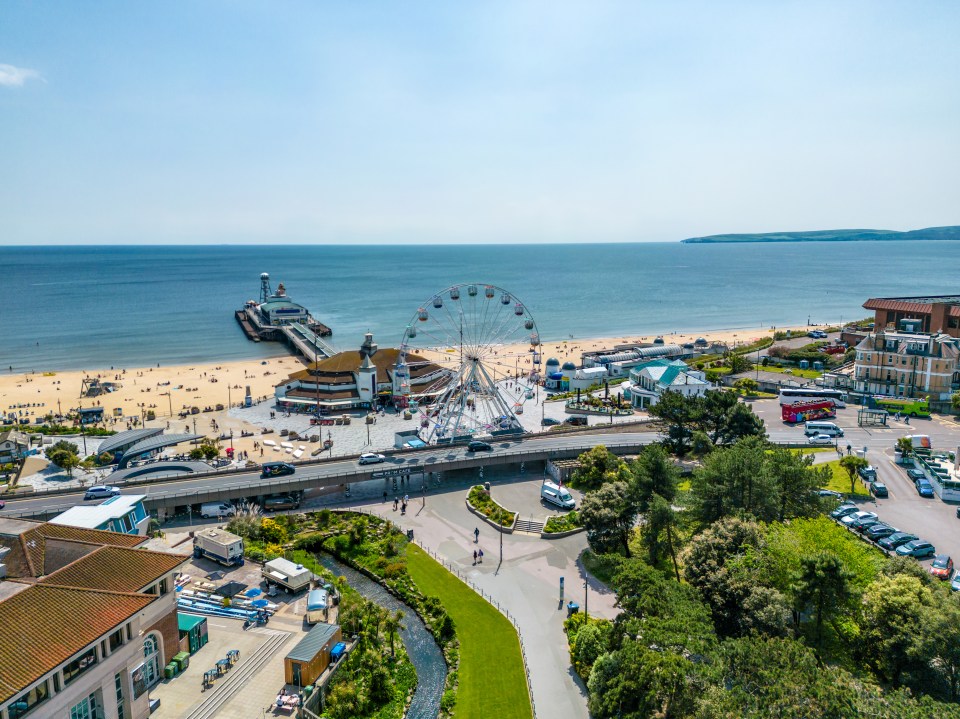
But the real deal is up for grabs at Bournemouth’s stunning Highcliff Hotel – a stone’s throw from the beach.
Sign up for the Travel newsletter
Thank you!
Have fun on Bournemouth’s seafrontCredit: GettyThe historic Highcliff Hotel’s guests have included Dr Jekyll and Mr Hyde author, Robert Louis StevensonCredit: Supplied
And nodding off here is also helped by the luxury beds installed as part of a refurb of 141 rooms at Marriott’s historic retreat.
The lavish redesign complements the imposing exterior of the seaside town’s flagship hotel, overlooking seven miles of golden sand.
The short hop to the beach is particularly handy for parents juggling kids and a load of kit.
But if it is not quite beach weather, Bournemouth’s colourful pier is just a five-minute stroll from the hotel – and full of fun.
With two teenage boys, we didn’t need buckets and spades, but made the most of other attractions nearby.
The 18-hole Smuggler’s Cove adventure golf course was so much fun, as were the penguins, stingrays and sharks in the Oceanarium – which is home to 75 sea life creatures.
The town’s seafront marvels, bustling arcade, and pier rides will keep kids entertained for hours.
A personal highlight for me was the thrilling £6-a-pop Red Arrows simulator, which sends riders soaring through virtual skies just like the real deal.
Most read in Best of British
If that doesn’t get your heart pumping, there’s the 250m pier-to-shore dual zipline, where the riders’ screams of excitement can be heard even over the crowds of holidaymakers on the ground.
Youngsters will be exhausted and happily ready for bed after a day of fun and games in the town.
But there’s a good time to be had inside the Marriott, too.
The outdoor pool is a treat and offers grandstand views of the town. It’s a tempting rival to the beach, even on a chilly day.
The well-equipped, 24-hour Marriott gym also allows guests to burn off the calories after taking advantage of the amazing slap-up food that is on offer at the hotel.
Starter menu highlights in the cosy Brasserie Blanc restaurant included snails with garlic and herb butter and baguette – six for £8.95.
And among the mains, the £19.99 pan-fried sea bream took some beating.
For dessert, the £8.95 pistachio souffle and tarte au citron meringue, at £9.50, both went down a treat.
Charming hotel
The children’s menu has a large variety of options, costing a reasonable £10.50 for two courses or £13.50 for three dishes.
And in the mornings, breakfast is a sumptuous selection of hot and cold treats, with every dish you can think of up for grabs.
The relaxed vibe in the hotel is ramped up at weekends when a DJ pumps out holiday tunes from the hotel bar.
The historic building can be traced back to 1873 and famous guests have included Dr Jekyll and Mr Hyde author, Robert Louis Stevenson.
Within minutes of checking in to this charming hotel, it was easy to see why it’s still such a hit, more than 150 years on.
I will definitely return, to lie on a comfy Marriott bed, window ajar, and listen to the sea below.
IF you’re a fan of pottery, more specifically The Great Pottery Throwdown, you’ll want to pop into this museum.
On the outskirts of Stoke-on-Trent is a towering attraction dating back to the 1700s that makes for a family-fun day out.
Sign up for the Travel newsletter
Thank you!
Gladstone Pottery Museum is in Stoke-on-TrentCredit: AlamyThe Great Pottery Throwdown is filmed in the attractionCredit: Channel 4
Stoke-on-Trent is, bizarrely, the World Capital of Ceramics and one of the museums that focuses on the history of pottery is found on the outskirts in Longton.
It’s called Gladstone Pottery Museum and you’ll recognise it as for 10 years it has been the backdrop of Channel 4‘s popular TV show.
The show sees a series of amateur potters take to the wheel to compete in a series of challenges – the most recent series started on January 4, 2026.
You can step inside yourself to hear more on the history of pottery – and even get your hands dirty with creative workshops.
The Gladstone Pottery Museum is inside a former Victorian pottery factory which operated from 1787 up until 1970.
It’s easily recognisable thanks to its tall coal-fired bottle kilns and was well-known for its bone china production.
Potters still work at the museum, demonstrating their skills modelling clay and glazing.
You can get your hands-on some clay too as it offers workshops where potters can attempt to create tiles, pots, and even masks.
Most read in Best of British
On Tripadvisor, the museum has over 1,000 reviews with a rating of 4.8 and lots of visitors have praised it for being the ‘best day out’.
One dubbed it the “must-do in the potteries region” while another called it an “unexpected hidden gem”.
The museum is still used by potters and holds workshopsCredit: Alamy
Another added: “The Great Pottery Throwdown is our favourite programme so was lovely to visit the place where it’s filmed.”
Alongside exhibits, and plenty of pottery, there’s also a café which serves cakes, snacks as well as hot and cold drinks.
If you pop in, make sure to try some Staffordshire oatcakes which are a local delicacy – essentially these are flat, savoury pancakes served with a choice of fillings.
There’s a gift shop too selling ceramics made and decorated at the museum, as well as other various china and pots.
The pottery museum is a big part of Stoke-on-Trent’s ceramic historyCredit: Alamy
During the winter season, the museum is open between Wednesday – Saturday 10am – 4pm and Sundays 11am – 4pm.
The summer opening hours start on April 1, 2026, when the museum will be open until 5pm and 4pm on Sundays.
Ticket prices for adults start at £8.75 and children (ages 4-16) are £6.10.
Students and over 65’s can get tickets for £7.10 or get a family ticket for £26 (for 2 adults and 2 children).
Here Are Some of Europe’s Weirdest Museums…
Last year easyJetfound the quirkiest museums inEurope, from ones filled with taxidermy frogs to the history of sewers and another that’s fully underwater.
It’s the world’s only scientific penis museum and contains over 300 penises and penile parts from more than 100 species of mammals.
The museum is the only one dedicated to collecting, studying and presenting actual phalluses.
The second strangest museum as voted for by the Brits is the Paris Sewer Museum (called Musée des Égouts) in France.
Inside, visitors will learn all aboutParis‘ underground sewers where work began in the 19th century.
Another of the strangest museums is Froggyland in Croatia which has 507 taxidermy frogs.
Across 21 dioramas, frogs are posed to look like they’re participating in human activities like playing musical instruments, teaching a class or rowing a boat.
AS the train pulls in to Stourbridge Junction station, I wonder if I’m in Legoland by mistake.
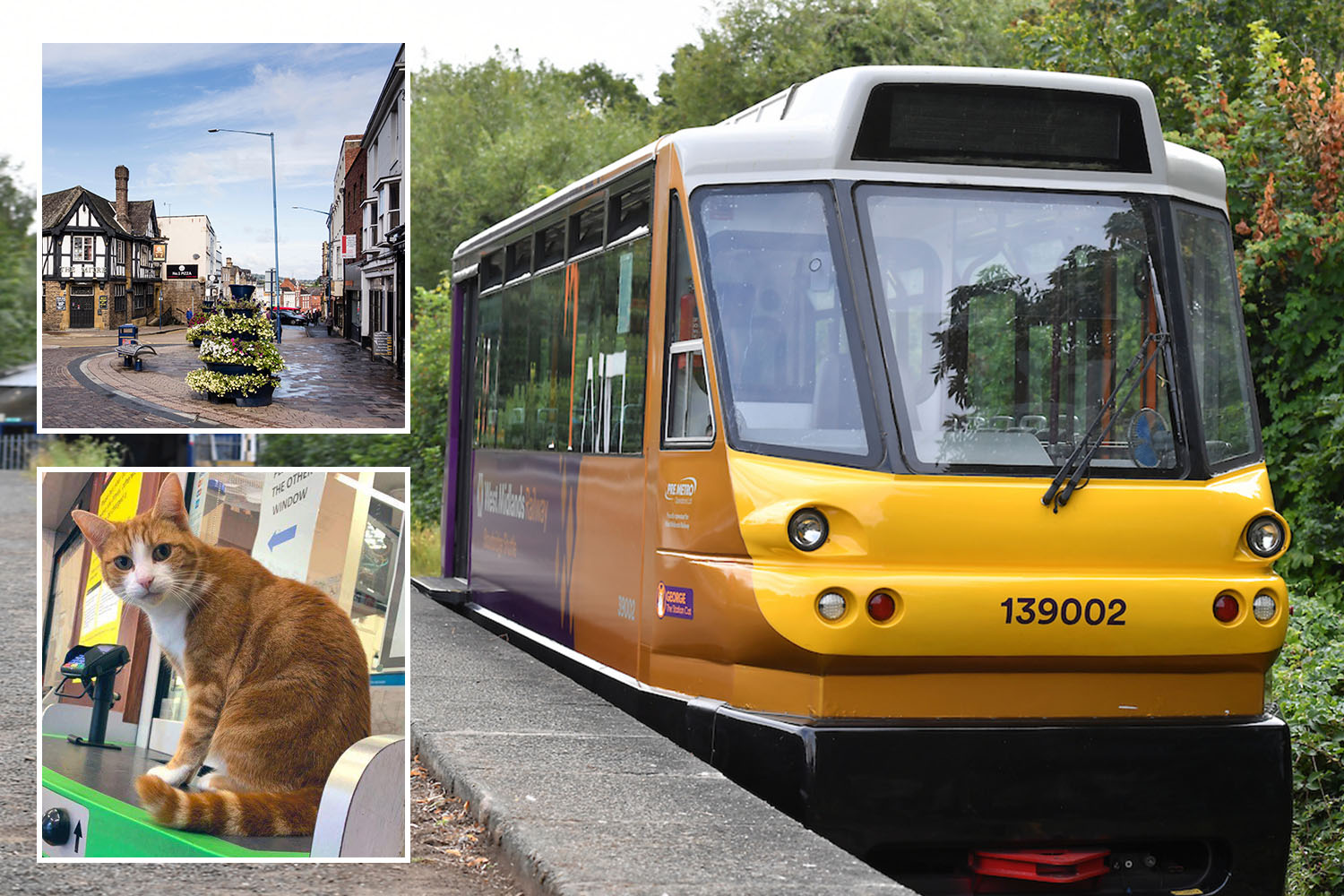
The tiny shuttle carriage could carry four dozen people at a push — and with its goofy looks, it’s like something out of a cartoon.
Sign up for the Travel newsletter
Thank you!
The tiny shuttle carriage at Stourbridge Junction station is the only one of its kind in the worldCredit: Supplied
But this Parry People Mover railcar is the only one of its kind in the world.
Its driver, David Hardwick, says: “We’ve had people come here specially to ride the train, from Japan, Australia, Africa.”
“From every continent except Antarctica,” adds his colleague Ross Bevan, whose website has provided information for hundreds of trainspotters since they began venturing here in 2009.
But it’s not just the train that is unique — it’s the line that it serves too. I hop on board to discover more. And like the best things in life, it’s all over in a few minutes.
The branch line that connects Stourbridge Junction to Stourbridge Town in the West Midlands is less than one mile long — the shortest rail line in Britain, and one of the world’s shortest.
That’s why this dinky railcar, which uses a flywheel to generate energy from braking, was invented to serve it.
I see the rail yards and sidings as we pull out of Stourbridge Junction. A train peels off on the main line to Birmingham, and on the left is a housing estate down a slope.
In the distance, I can see an old church tower with a St George’s Cross fluttering on top.
The train rounds a curve and passes under a bridge — the drama is almost too much — before creeping into Stourbridge Town station.
After watching the little train depart (there’s just one service every ten minutes) I head to the high street to see what Stourbridge has to offer.
For centuries it was an important market town. After the Industrial Revolution exploded in the Black Country, the town became the world centre of glassmaking.
There are handsome historic buildings like King George VI College and the Victorian Gothic red brick Town Hall which has hosted many a live music event over the years.
One local street artist has recently painted huge murals of big Nineties home-town bands The Wonder Stuff, Pop Will Eat Itself and Ned’s Atomic Dustbin on the sides of several buildings.
George the station cat is now world famous, with tens of thousands of followers on social mediaCredit: InstagramVisitors can spend time in Stourbridge’s historic high street, with the town a key part of the Industrial RevolutionCredit: Alamy
As I grab a lime and soda at the Cock & Bull, Wolverhampton’s Slade are blaring out from the speakers.
Then it’s time to head back on the tiny train to Stourbridge Junction.
The train, designed and built in the Midlands by inventor John Parry, almost hits 20mph on its three-minute journey.
Ahmad, who runs Cafe Presto on the platform, tells me to look out for George, the station cat — who is now world famous, with tens of thousands of followers on social media.
I track down the ginger Tom at the ticket office, where he’s getting his belly rubbed by staff members.
Even George has travelled on Britain’s shortest railway line — and they’ve even named the train after him.
GO: Stourbridge
GETTING THERE: London North Western and West Midlands Trains run services from around the country to Birmingham and Stourbridge.
Trains can be booked through Omio. See omio.co.uk.
A ride on the shortest train costs £1.60 each way and tickets can be bought in person at the ticket office or online in advance.
STAYING THERE: Hotel Du Vin in nearby Birmingham has rooms from £100.
IF you fancy fine dining without the enormous price tag – then there’s one restaurant you should visit.
It’s tucked away in a pretty area of Buckinghamshire, in a town that was even used as the backdrop of a murder mystery TV series.
Sign up for the Travel newsletter
Thank you!
Marlow is a small town in Buckinghamshire home to an affordable Michelin-star resaurantCredit: AlamyThe Coach in Marlow serves a three-course meal for just £25Credit: Alamy
In a study, Which? found the cheapest Michelin-star restaurants across the country.
One of those is The Coach in Marlow where head chef Brad Cacela has designed a menu of two courses for £20, or three for £25 – which technically works out as a meal for £8.34 each.
The menu changes weekly – and you can book in for lunch on Monday, Wednesday, Thursday and Friday.
The Coach in Marlow is owned by celebrity chef Tom Kerridge, who opened it in2015.
Called The Marlow Murder Club – it’s the story of four ladies who get caught up solving murders around the town.
Robert said: “I’ve set it in my hometown of Marlow because I was just trying to find somewhere iconic and beautiful, and not too big, not too small, like a Goldilocks town – it is the perfect English spot.
Most read in Best of British
“But then of course, there are downsides to that, because now all of my neighbours in the street are worried that I think they’re all murderers – which I do.”
Robert suggested heading to Tom Kerridge’s restaurants as well as the Compleat Angler and The Bounty.
The award-winning gastropub in Marlow is praised for its relaxed atmosphereCredit: The Coach
Robert said: “If you can, pop into one of Tom’s restaurants. You can always get a table at The Coach, you don’t have to book either, you can just walk in. It’s absolutely top-tier, and Tom is amazing, he’s revitalised the town.”
Robert also revealed that when production takes over Marlow for a few months, the cast even find their own haunts.
He added: “I have met a number of people who kept telling me they’d seen the lead actress [Samantha Bond] in The Ship.”
And when the crew film during the summertime, they make sure to head over to the gelato shop called Amorino.
Marlow is known for sitting along the River Thames where locals go wild swimming, take their boats out and go kayaking.
People who are scared of flying have been issued a message from a pilot with years of experience as he made an announcement in a video on social media addressing the “common” problem
Christine Younan Deputy Editor Social Newsdesk
12:01, 10 Jan 2026Updated 12:20, 10 Jan 2026
The pilot revealed his take on flying with fear(Image: Getty Images/iStockphoto)
Scared of flying? If the answer is yes, you are certainly not alone. In the UK, statistics estimate around 1 in 4 people (25%) experience some fear of flying, ranging from mild anxiety to severe aviophobia.
With numerous surveys indicating about 10% of people have intense fear, one pilot has issued an important message to those who worry about flying. In a post on Instagram, where he boasts 394,000 followers, the pilot shared a clip which read the words: “I’m not afraid of flying, I’m afraid of feeling trapped on the plane… If you think that, you need to know.”
He claimed many people feel anxious on a plane, but it has nothing to do with flying itself, but more the sensation of “being trapped”.
Content cannot be displayed without consent
The pilot continued: “That feeling is very common, and it’s important to understand where it comes from. There is something important you need to know.
“On an airplane, you are not immobilised. When the seatbelt sign is off, you can stand up, go to the bathroom, stretch or walk a few steps down the aisle.
“Moving your body reduces that feeling of confinement, much more than people expect. Even small movements help your nervous system understand that you still have freedom to move.”
He claimed the cabin air is constantly renewed and the pressure is controlled at all times, so there’s no need to worry about “running out of air”.
However, if the anxiety continues, he urged: “You don’t have to handle it alone, you can talk to the cabin crew, ask for water, or explain how you’re feeling. That support helps more than you might imagine.”
Meanwhile in the caption, he concluded: “That trapped feeling doesn’t mean danger, it means your nervous system wants control. Even though your body urges you to escape, you are safe and supported the entire flight.
“Learning how to calm your breathing and shift your focus can reduce that panic and help you feel more in control in the air.”
How to get over the fear of flying:
Educate yourself: Learn more about flight safety then it should minimise your own fears.
Relaxation techniques: Try deep breathing or any distraction methods, whether it’s watching a movie or listening to music.
Get help: Cognitive Behavioural Therapy (CBT) can assist you with your fears by talking about it.
Medication: A doctor might prescribe anti-anxiety meds for occasional use or regular treatment.
Talk to the crew: Let flight attendants know you’re nervous as they can offer reassurance.
CORFU, Koper, Zadar, Kotor, Split. Whoever created this seven-night Balkans cruise must be a fan of ports with five-letter names.
The plan was almost scuppered by Dubrovnik — but it is the P-e-a-r-l of the Adriatic, so still counts.
Sign up for the Travel newsletter
Thank you!
Take in the serene sunsets over SplitCredit: Ratnakorn PiyasirisorostKotor in Montenegro is another of the breahtaking destinationsCredit: joe daniel priceKoper offers Slovenian splendour and panoramic viewsCredit: Getty
My wife Debbie and I were celebrating our anniversary on Marella Explorer, one of five (there we go again) fully refurbished, all-inclusive ships in the TUI-owned line which caters mainly for UK passengers.
When we are on holiday, we try to go high up for the perspective of a new destination.
So, after sailing north from Corfu to terracotta-roofed Koper in Slovenia, we strolled the five minutes from the dock to the main Titov Trg square.
Fortified by bargain €2.40 coffees at the Golden Loggia cafe, we went heavenwards by climbing the 12th-century cathedral tower’s 204 steps (entry €5) to get our bearings, photos and a booming organ recital soundtrack.
Then we descended to see the striking 360-year-old Da Ponte fountain (one to gush over) and the beach (take water shoes, it’s very pebbly).
Back on board, we collapsed in 1,924-passenger Explorer’s shady stern Mediterranean bar for a couple of cold beers before deciding to have a couple more.
New day, new country. We docked at Zadar, in Croatia’s Dalmatia region, and a shuttle bus took us to the Old Town’s weird and wonderful Sea Organ.
It opened in 2005 and the 35 pipes buried under 230ft-wide promenade steps resonate to waves, creating a surprisingly tuneful effect.
Strolling past the ruins of the Roman Forum and the polar opposite tourist tat market, we were inevitably drawn to the cathedral’s 14th-century tower (entry €4).
Here, 180 steps were tackled to take in views of the Old Town, marina and city walls.
Numerous Dalmatian islands were also spotted. We also checked out Five Wells Square, which does indeed have the required number of watering holes.
Next port, Split, is Croatia’s second-largest city, and Romans were also here.
The Unesco-listed showstopper, within walking distance from the port, is the former palace of Emperor Diocletian and was used as a Game Of Thronesfilm location.
Moggy merch
Within it, the gorgeous Old Town wows with its promenade, huge cellars, bars, restaurants, cafes and hotels.
It’s unmissable, and cheaper than Dubrovnik.
There is a 173-step cathedral tower (entry €7) to climb and the steep, claustrophobic first level with no handrail is not for the faint-hearted — or basketball players.
But the view you are rewarded with at the top is a slam-dunk.
A black sphinx is perched near the entrance. Apparently Diocletian liked visiting Egypt but, in the absence of fridge magnets in 300 AD, he returned with souvenir sphinxes.
Dine in the Old Town of Croatia’s DubrovnikCredit: GettyOr visit Koper’s square to marvel at the architectureCredit: AlamyThe guest performer on our trip was Brian Connolly JnrCredit: instagram/brianconnollyjunior
Presumably Imperial customs waved him through.
Top tip while you are here: Head to aMare in Narodni Trg square for the best dark chocolate ice cream that €3 can buy.
If you like cats, next stop Kotor, Montenegro, is purr-fect as the walled Old Town is home to hundreds of strays, supposedly descended from trading ship escapees centuries ago.
These friendly felines are practically worshipped by locals, who leave them food and water daily.
Cat “kennels” are dotted around, there’s a museum and endless moggy merch.
We joined an excursion and, after a walking tour, a bus ferried us to Lovcen mountain cable car, which travels 2.4 miles up to 4,318ft with terrific views of fjord-like Bay of Kotor.
At the top, there are shops, cafes and the Alpine Coaster, a toboggan-style thrill ride on a 1,140-yard metal track which loops around the summit at up to 25mph but feels much faster.
It costs an extra €8 and, had time permitted, we would have got straight back on.
Our final stop was Dubrovnik, which we’d visited several times before, so we reduced the notorious over-tourism and chilled by the pool, catching some Kindle time, doing badly at quizzes and foot-tapping to 80s DJ sets.
Great itinerary, great ship and great crew. High-fives all round, from us.
YOU’LL ADORE THE EXPLORER
THE CABIN: For our anniversary, we upgraded to a junior suite, which is all your cruise Christmases rolled into one. It features a balcony hammock where we swung into action at every opportunity.
You also get a coffee machine, Yorkshire Tea, dressing gowns, slippers, posh toiletries, pillow menu and ample space. A superb cabin.
The Marella Explorer is one of five fully refurbished, all-inclusive ships in the TUI-owned lineCredit: Cezare White PhotographyThe main Latitude 53 restaurant is a reliable go-toCredit: Cezare White Photography
ALL-INCLUSIVE FOOD AND DRINK: The main Latitude 53 restaurant is a reliable go-to and you could happily combine this with the equally dependable Market Place buffet for a week.
Latitude also hosts Piccadilly’s British-with-a-twist and Italian-focused Vista breakouts.
Vista was good, though Piccadilly’s – new on board when we sailed in August – was finding its feet with sporadic service, but really improved on a revisit.
The Mediterranean also has two breakouts – tapas and Italian. Much as we liked the pizzas, Spain was numero uno with its meat and veggie small plates.
For an anniversary treat, we booked the Pan Asian-themed Kora La speciality restaurant (£31.45pp), where feisty Vietnamese Shaking Beef topped the eastern excellence.
While the Mediterranean was our evening alfresco drinks pick, Aperitif bar proved ideal for a swift one before dinner and the Squid & Anchor pub filled up for cocktail-powered game shows, quizzes and live music.
Tip: Budget permitting, the premium all-inclusive package offers better-branded alcoholic and soft drinks plus barista coffees.
ENTERTAINMENT: West End-style shows at Broadway theatre are usually full and the discos (including silent) at Indigo Club attract the night owls.
The guest performer on our trip was Brian Connolly Jnr, son of the lead singer of 70s glam rockers Sweet, who died aged 51 in 1997.
His show in Broadway covered his dad’s hits and a late-night gig in the Squid & Anchor showcased 80s bangers.
We loved the nostalgia and humour.
GO: BALKANS CRUISE
SAILING THERE: A seven-night Adriatic Delights cruise on Marella Explorer 2 is from £1,633pp calling at Dubrovnik, Croatia; Trieste, Italy; Koper, Slovenia; Zadar, Croatia; Split, Croatia; and Kotor, Montenegro.
Price includes flights from Cardiff on June 18 as well as 20kg of luggage, transfers, tips and service charges. See tui.co.uk.
TODAY is Sunshine Saturday – traditionally the busiest day for Brits to book their 2026 holidays.
But where to go? Travel association Abta’s research shows nearly half of us want to visit a country we haven’t been to before.
Sign up for the Travel newsletter
Thank you!
ABTA’s top 10 picks for 2026 aim to inspire Brits to try somewhere new this Sunshine SaturdayCredit: Getty Images
And today, with the help of their expert members, they’ve come up with a top 10 list of places to visit in 2026 .
Abta’s Graeme Buck says: “With a focus on countries or areas that may not immediately spring to mind, offering alternatives to more well-known destinations, there should be something for everyone.”
Lisa Minot looks at Abta’s lust list for 2026.
Head to the Danum Valley in Sabah to search for orangutans and clouded leopardsCredit: Getty
BORNEO: This island in South East Asia is home to unspoilt rainforests, enormous cave systems, imposing Mount Kinabalu and endless wild animal encounters.
Take a boat safari along the Kinabatangan River to spot crocodiles, proboscis monkeys and pygmy elephants.
Head to the Danum Valley in Sabah to search for orangutans and clouded leopards.
Book with: Intrepid Travel, G Adventures and Travelbag.
Colombia’s mix of idyllic beaches, historic cities and rainforests is winning over travellers after its Race Across The World spotlightCredit: Getty
COLOMBIA: With the latest series of CelebrityRace Across The World culminating in Colombia’s Peninsula de la Guajira, we’ve all been entranced by the beauty of this South American gem.
With idyllic beaches, historic cities, rainforests and, of course, great coffee, a tour is a great way to get a snapshot of its highlights, from the colourful colonial city of Cartagena to the Caribbean beaches of Tayrona National Park.
Book with: Exodus, G Adventures and Intrepid Travel.
From ancient treasures to Red Sea resorts, Egypt is shaping up as a top pick for 2026Credit: Getty
EGYPT: The much-anticipated opening of the Grand Egyptian Museum in Giza, on the outskirts of Cairo, makes Egypt a must-visit for 2026.
The museum houses more than 100,000 artefacts from Ancient Egypt, including the incredible treasures of Tutankhamun.
A river cruise along the Nile is a great way to take in all of the key sights, including the temples of Luxor and Aswan.
Sun-seekers will also appreciate the great value offered at Red Sea resorts, including Hurghada and Marsa Alam.
FRENCH POLYNESIA: With its palm-fringed beaches and dark blue lagoons, this vision of paradise is definitely worth travelling to the other side of the world for.
More than 100 islands make up this Pacific archipelago, so this is real bucket list territory.
Tick off as many sights as you can, from the busy markets of capital Papeete, on the island of Tahiti, to the honeymoon beaches of Bora Bora.
Book with: Scott Dunn, Kuoni and Trailfinders.
GERMANY’S BALTIC COAST: Miles of sandy beaches backed by chalk cliffs and beech forests make the German Riviera a favourite for locals – but few outsiders know it exists.
Easy to get to from Hambug or Berlin by train, head to Rugen, Germany’s largest island for fashionable Binz beach.
Hike or bike through the coastal countryside or discover Heiligendamm, known as the White Town by the Sea – the country’s oldest seaside resort with pretty neoclassical architecture and upmarket spas.
The area is also ideal for those looking for cooler summer temperatures.
Book with: Leger Travel, Riviera Travel.
GRENADA: A true taste of the Caribbean’s natural charms, Grenada is known as the Spice Island where its fertile soils produce nutmeg, cinnamon, cloves, ginger, turmeric and vanilla as well as cacao for chocolate.
Summer is ‘Spicemas’ with parties and parades in the pretty capital, St George’s.
And get more nature in the Grand Etang National Park with its lake, lush vegetation and Mona monkeys.
From Capri’s celebrity buzz to Ischia’s peaceful trails and Procida’s pastel charm, the Gulf of Naples offers something for all travellersCredit: Getty
ISLANDS OF THE GULF OF NAPLES: Just a short ferry ride from Naples, Capri is known as a celebrity magnet and prices can be dizzying in the chic shops and fancy restaurants.
But the neighbouring island of Ischia offers a very different experience — a green, wooded mountainous island with great hiking options as well as the chance to relax on pretty beaches or soak away your worries in the Poseidon Gardens thermal pools.
And little Procida, with its pastel-coloured fishermen’s houses and laid-back vibe, has provided the perfect backdrop for films including The Talented Mr Ripley.
Book with: Citalia and TUI.
LA RIOJA: Look north to Spain’s La Rioja wine region for a different taste of our favourite holiday destination.
The Basque country has been proving popular for Brits and with Rioja sitting the other side of the River Ebro, there’s even more to explore from the capital Logrono, with some of the best tapas in Spain to one of the many wineries like the Marques de Riscal and the cosy bodegas in the town of Haro.
Expect spectacular scenery in the Sierra de Cebollera with its mountains, forests and wildlife including boar and birds of prey.
Book with: Brittany Ferries for self-drive breaks and Travelsphere for tours.
LUXEMBOURG: The delightful European duchy of Luxembourg packs a great deal within its compact borders: historic towns, fairytale castles and beautiful countryside.
Visits have increased six per cent year on year.
Start your trip in Luxembourg City, on the banks of a dramatic river gorge, then hop on the free public transport to visit the old town of Vianden with its castles.
Nature lovers will adore exploring the Mullerthal woods with its stunning beech groves, streams, canyons and cave systems.
Book with: Just Go! for coach holidays and First Choice for packages.
SERBIA: From its hip and buzzy capital Belgrade to its spectacular national parks, Serbia is ripe for discovery by those seeking a lesser-known European destination.
Get a taste for the capital’s ancient past at the Kalemegdan Fortress and sip cocktails in the hip Dorcol quarter.
Further afield, cycle along the inspiring Iron Gates gorge, carved out over millenia by the mighty River Danube or go deep into nature in the Tara National Park with dense forests, deep canyons and two lakes popular with water sports.
IF YOU only have one day to spare for a trip, then it is still possible to squeeze in some foreign travel.
Indeed, there are many destinations to head abroad to from the UK for exploration in the space of 24 hours.
Sign up for the Travel newsletter
Thank you!
There are multiplae places abroad that you can visit within 24 hours from the UKCredit: Alamy
These include the breathtaking Danish islands a flight away from Scotland as well as the cute French city that you take a train ride to in just 90 minutes.
We’ve rounded up the speediest ways to enjoy a foreign jaunt – just don’t forget your passport…
Paris
One of the most iconic day trips from the UK to abroad has to be the revered French capital.
While you can get there by Eurostar, a faster route is flying which is just 1hr15 from London.
You can easily fit in a 12-hour day trip to ParisCredit: Alamy
Dublin
The Irish capital makes a lesser known UK day trip abroad.
A flight is just 1hr20 from London, with the cost as low as £30 return with the likes of Ryanair.
Once you’ve landed, it is then possible to get a 30-minute bus from the airport to the city centre, which operate between 04:05 and 00:35.
It is then very possible to see the walkable city’s main attractions in the space of just a day.
These include the stunning university Trinity College, which is home to the famous Book of Kells in the Old Library.
Dublin is just 1hr20 from the UKCredit: Alamy
You can then walk along the bustling Grafton Street and grab a pint in the Temple Bar area.
There’s also Dublin Castle within close proximity, which has available a self-guided tour that takes 30 minutes on average.
It is also possible – and smart – to explore Dublin via a hop-on, hop-off bus which will take you past all the main spots.
The Guinness Storehouse – a brewery dedicated to the famous drink – recommends allowing 90 minutes to visit, however the self-guided tour means you can go at your own pace.
It has been called Lancashire’s ‘most beautiful village’, and it’s easy to see – the picturesque spot is so well-kept it feels a world away from modern life
It is a sought after location for film and TV productions (Image: MEN)
This stunning village is meticulously maintained by the family that owns it, seamlessly blending into its scenic surroundings whilst remaining within the Forest of Bowland Area of Outstanding Natural Beauty.
Downham is part of the historic Assheton Estate, belonging to the notable Lancashire family, the Asshetons. Given this ownership, at their behest, the area is devoid of any traces of contemporary life amongst its idyllic cottages and undulating countryside. There are no TV aerials or telephone wires running in between houses, nor are there any road signs. This uniqueness makes the village feel even more otherworldly, as they have held ownership for more than 450 years.
This enables them to make choices that preserve the historic charm of the location, with all properties in Downham, including farms, being leased out to prevent any further contemporary encroachments. One attraction that lures numerous visitors to the region is the magnificent manor house, Downham Hall, which has remained in the family’s possession since 1558.
Yet at the village’s centre lies the welcoming pub, the Assheton Arms, where you can enjoy hearty fare in a classic pub environment. The establishment itself radiates history through its low-beamed ceilings, aged timbers and period features, providing the perfect relaxed ambience.
Guests consistently post glowing TripAdvisor reviews following their visits, with many describing the venue as “beautiful”. One visitor wrote: “We had the pleasure of a two-night stay at the Assheton Arms after reading many positive reviews. From our arrival to our departure, our experience was nothing short of exceptional.
“The manager and his staff could not do enough for us, and the quality of our accommodation was everything we hoped for. Advance dining reservations were made for both evenings of our stay, and the food was of a very high standard and plentiful. We will certainly return.”
Another guest shared: “Beyond the fantastic accommodation, the food was outstanding. Every dish was beautifully presented and full of flavour, using high-quality ingredients. The pub itself has a warm and inviting atmosphere, with breathtaking views of the surrounding countryside – such a peaceful and scenic location.”
This picturesque location has served as a filming destination for numerous productions throughout the years, including the 1961 classic, Whistle Down The Wind. The BBC also chose it for Born and Bred, whilst it featured in another BBC drama in 2012 called The Secret of Crickley Hall, owing to its genuine rural charm.
Whilst wandering through the locale, visitors frequently discover St Leonard’s Church, positioned next to the village inn. Guest reviews highlight it as “picturesque” and “peaceful”, boasting its 15th century tower constructed in 1910. One reviewer noted: “Very picturesque church in a most beautiful village. Parts of the church date back to the 15th century.”