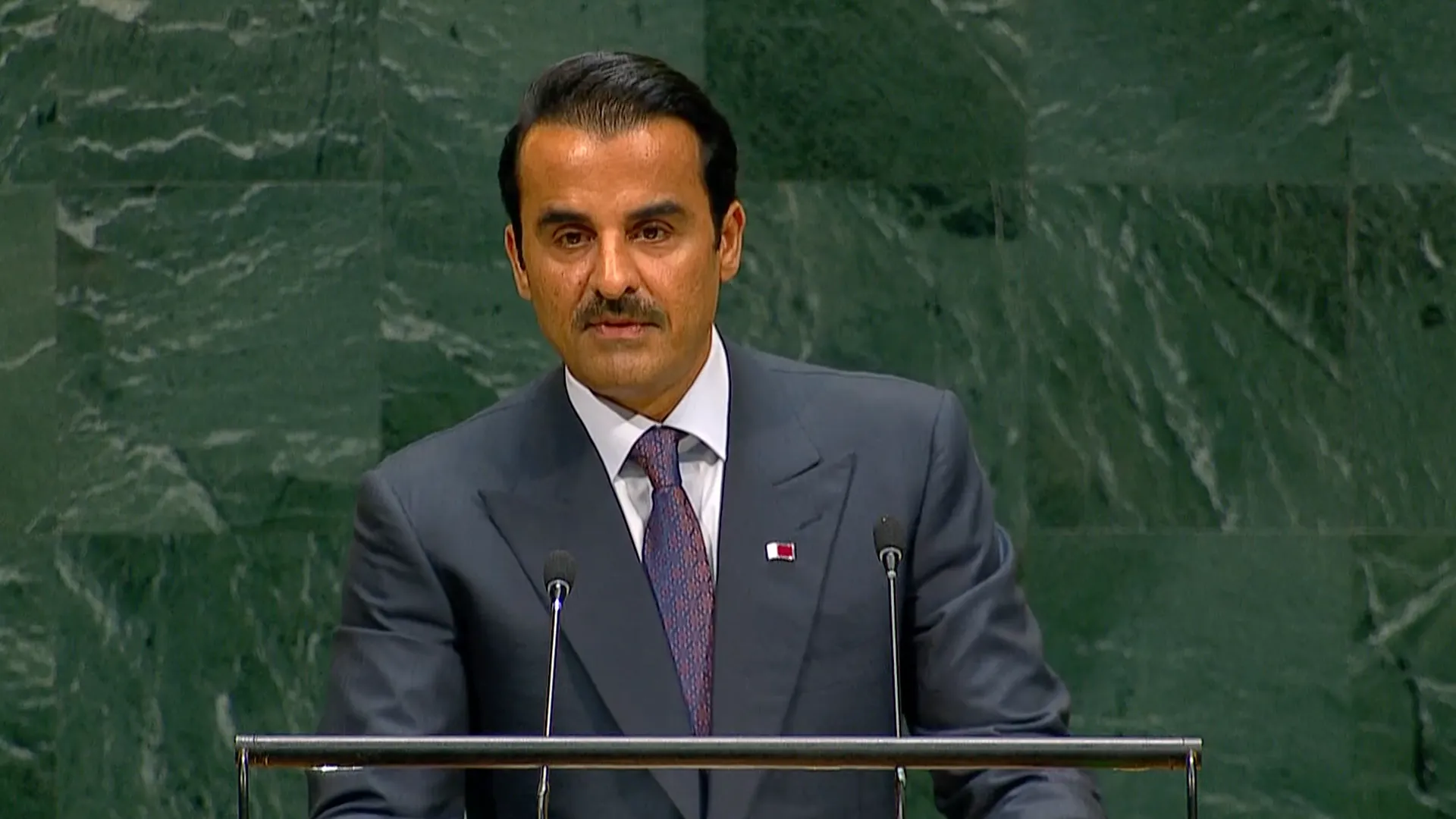
Qatari Emir Sheikh Tamim bin Hamad Al Thani has denounced Israeli aggression in neighbouring countries, saying Israel openly declares it will not abide by its agreements in Lebanon.
Seven armed groups announce alliance to topple government.
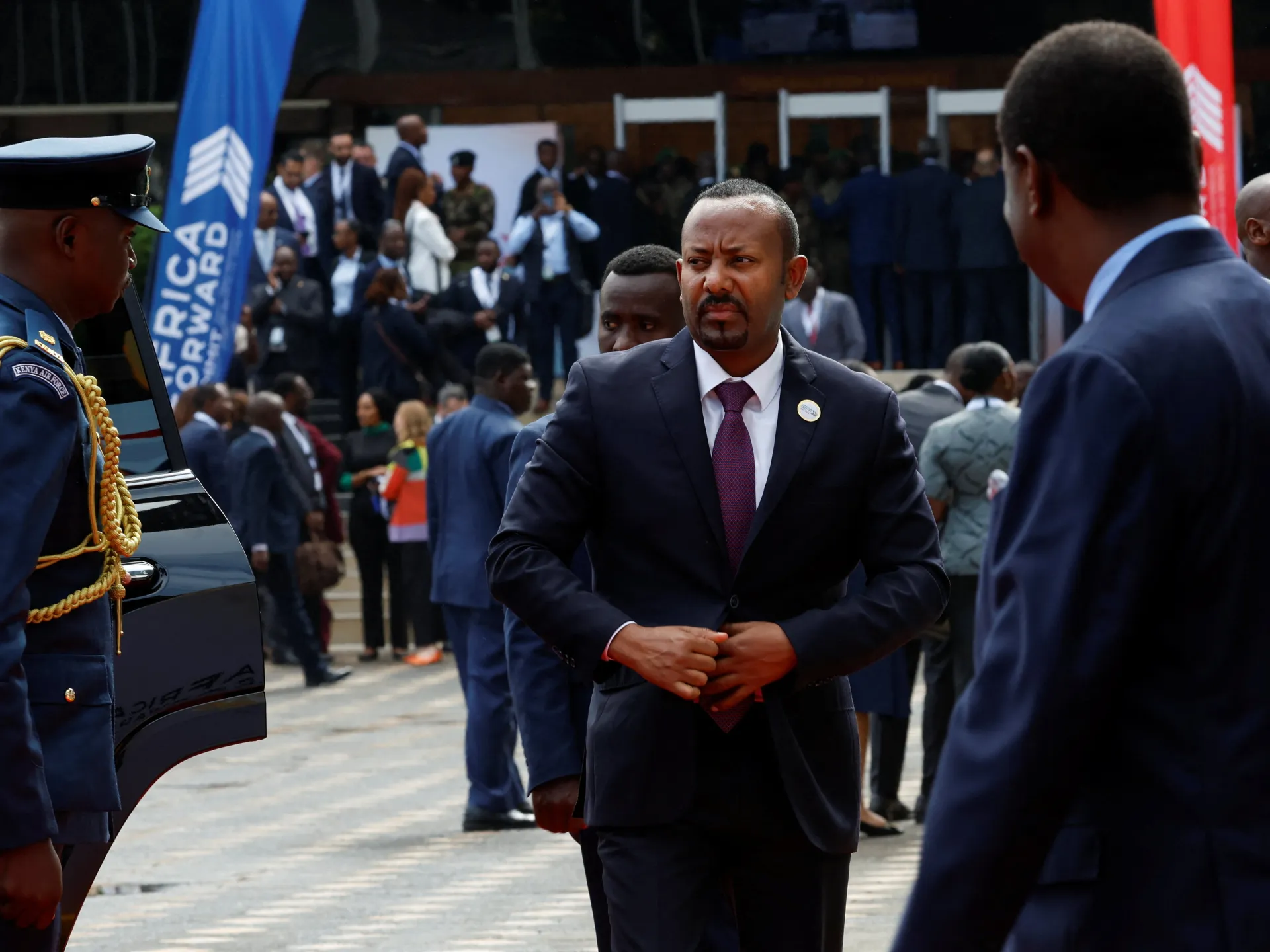
Despite decades of peace deals and ceasefires, armed groups in Ethiopia have continued to battle each other, as well as the military. Now, some of these former rivals have formed an alliance to push out the government in Addis Ababa.
They warn Ethiopia is on the brink of disintegration, and blame Prime Minister Abiy Ahmed. Abiy says the country can defend itself, but Ethiopians fear they could be on the verge of another civil war.
So, could these former rivals, with deep political and ideological divides, achieve their common objective?
Presenter:
Rob Matheson
Guests:
Samuel Getachew – Political commentator who specialises in Ethiopian affairs
Ngala Chome – Horn of Africa analyst
Kjetil Tronvoll – Professor of peace and conflict studies at Oslo New University College
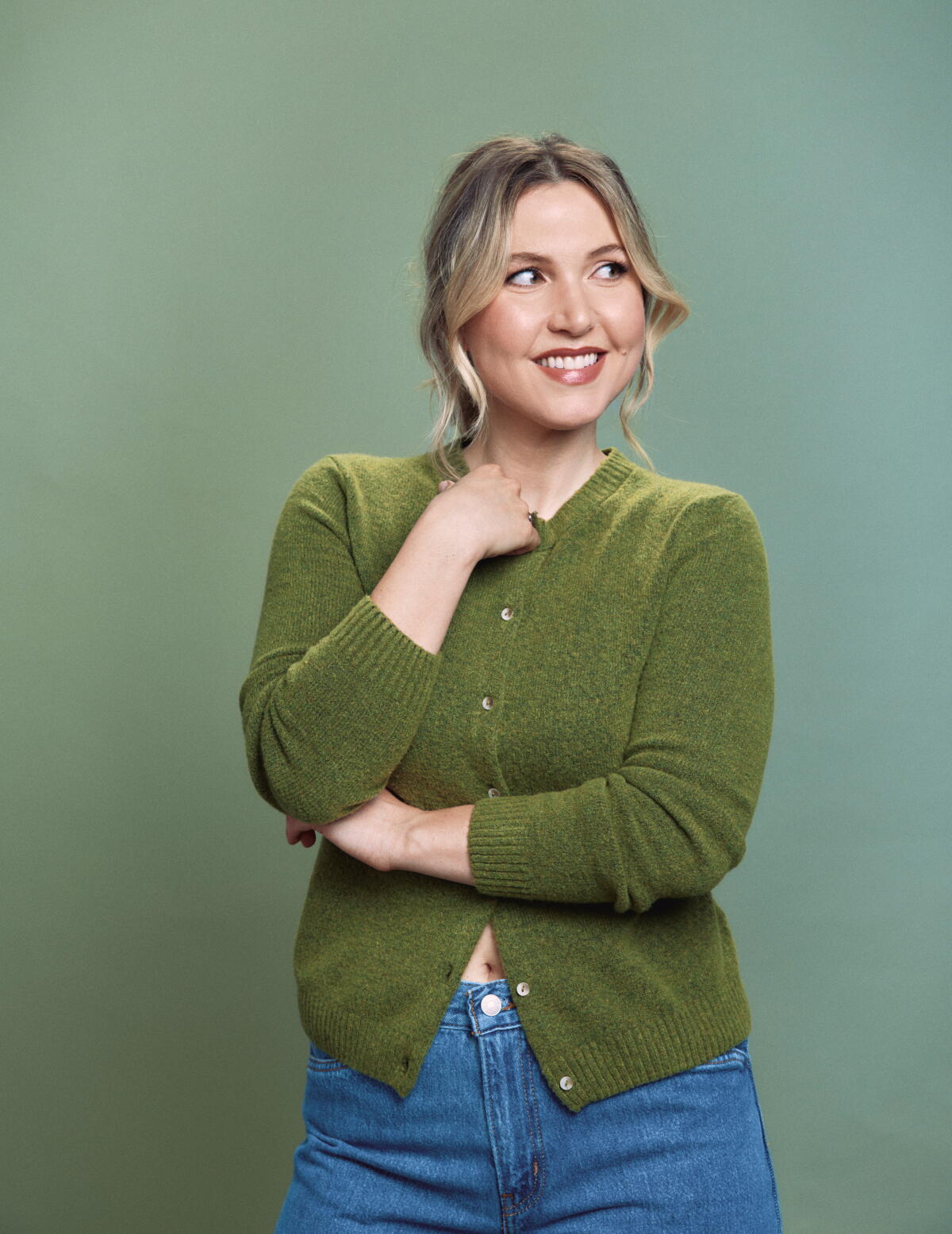
There’s an alternate universe where Taylor Tomlinson is a young adult fantasy author holed up in a cabin miles from civilization.
“ I don’t know if you have some sort of backup career or backup life that you go to in your head when you’re overwhelmed or fed up with your career or whatever process you’re in,” she asks in the lobby of the Four Seasons Hotel Denver ahead of a two-show night. “That was in the back of my head, [I was] like, ‘Well, I could just move to the woods and write books.’”
In this world, she’s a 32-year-old comedian with four Netflix stand-up specials and a two-season stint as the host of late-night game show “After Midnight.”
Her manager told her that people would probably be more interested in her memoir before a series centering on magic and dragons, so she started writing her own story two years ago.
A self-diagnosed workaholic, Tomlinson spent 10 years constantly moving. From a combination of mold exposure and severe burnout from filming “After Midnight” on weekdays and performing in different cities on weekends, she fell ill for months and was forced to take a break.
In that time, she wrote “Actually, Nevermind.” Coming out Tuesday, the autobiographical essay collection delves into the aspects of life that she changed her mind about since her mother died when she was 8 years old.
“Actually, Nevermind” opens with an eclectic mix of three quotes from “Anne of Green Gables” by Lucy Maud Montgomery, celebrated writer Joan Didion, and the 2001 Anne Hathaway-led comedy film “The Princess Diaries.” Tomlinson wanted a combination of funny and serious excerpts capturing grief, but also a quote about evolving as a person.
In the classic coming of age novel “Anne of Green Gables,” a young Anne Shirley states, “I’m not a bit changed — not really. I’m only just pruned down and branched out. The real me — back here — is just the same.”
That’s the essence of Tomlinson’s realizations in her book — she’s growing into herself but that girl who started performing stand-up shows on the church circuit at 16 is still in there.
Tomlinson has a bit from her first Netflix special “Quarter-Life Crisis” about your 20s being a period to “fish trash out of the lake before it freezes over.” She asks how I’m enjoying my 20s, to which I bluntly reply, “It’s a nightmare.”
“ My 20s were a nightmare, too, and I was waiting to be 30, and I was like, ‘When I turn 30, I’m going to be solidified and great.’ And then I turned 30, and it was like the last two years I have probably changed just as much, if not more, than I did in my 20s,” she says. “It’s been much rockier than I anticipated.”
In speaking with her friends, she realized they also felt a disconnect between the lives they envisioned for themselves and their realities. Tomlinson channeled that uncertainty into a jumping-off point for her book.
She reflected on when she began questioning the trajectory of her life and traced it back to her mother’s death.
“ I didn’t know if I was even going to write about my mom at all when I first got the book [deal] because I was like, ‘Well, I talked about it in ‘Look At You,’ and I’ve talked about it in interviews,’ but that’s the thing about losing a parent or any big traumatic grief event is you’re always getting hit by waves of it, and then you’re always untangling it,” she says.
In creating “Actually, Nevermind,” Tomlinson pored through her mother’s diary, deciding to include a few excerpts in the finished book. For most of Tomlinson’s life, she regarded her mother as a flawless, devout Christian whom she desperately yearned to impress.
Drawing on her mother’s diary, estrangement from her father and complex sibling bonds, Tomlinson confronts impossible standards, relinquishes parentified guilt and reframes what family means after loss.
(Sela Shiloni)
Her mother married young, so she tried to hit that milestone, too.
“I didn’t manage it and self-sabotaged a lot,” she says. “Now, I’m grateful that I didn’t get married young, but at the time it was all I wanted because I wanted to fit in and I wanted to be someone she would’ve liked, someone she had things in common with.”
Through reading her mother’s diary entries, Tomlinson began to heal from the impossible standards she set for herself to follow in her mother’s footsteps.
“ She was sort of this perfect, infallible character in my brain for so much of my childhood, so it was helpful to read about her being like, ‘I’m nervous about getting married. We got pregnant on accident,’” Tomlinson says. “There’s stuff I didn’t include about arguments she had with my dad in college. It was just very human, and it was very encouraging to go, ‘Oh, it wasn’t like this perfect frictionless decision for her.’ It’s not like she just nailed it and did everything perfectly.”
One of Tomlinson’s largest shifts in perspective was no longer feeling parental responsibility toward her three younger siblings.
“ I went from their sister to a weird half parent figure when I was still a kid,” she says. “And I made all these missteps because I was also a kid. And then young adulthood was confusing because I had been waiting for everyone to get old enough to be friends with me.”
Now, Tomlinson’s siblings all take care of each other in their own ways. She refers to them as her “soul mates” and feels guilty wishing for a romantic partner when she already has three lifelong best friends.
While Tomlinson remains close with some of her mother’s relatives, she has been estranged from her father for five years. She writes about the sadness of not speaking to someone you feel so alike, but she doesn’t go into extreme detail about cutting ties.
“ There’s some things you just want to keep for yourself, you know?” she says. “You don’t want every painful private detail about who you are and what’s happened to you available to Google because it just makes you feel like you’re a raw nerve walking around, and you can’t get it back once you’ve shared it.”
“And you want something to say on a fifth date,” she jokes.
After processing the heartache of losing another parent in a different way, Tomlinson allowed herself to miss the good memories with her father and assuage any longing for revenge.
In her essay “I’m Gay Now,” Tomlinson explores her bisexuality and the transition from chasing male validation to feeling comfortable in herself. She came out at around 28 years old. Part of what took her until then was feeling the need to prove that she deserved to identify as queer.
In essays on sexuality, faith and ambition, she trades the pursuit of perfection for hard-won self-acceptance, exposing a more vulnerable offstage self still learning to do her best.
(Sela Shiloni)
“ I think that’s just a theme throughout my entire life,” she says. “I felt like I needed to earn the label of comedian. I felt like I needed to earn the label of queer. I needed to earn love.”
Her brother helped her understand that she didn’t have to achieve the title — she’s always been gay.
With all of her adulthood realizations, Tomlinson also reflects on what she wishes she could tell her younger self. Talking to a 16-year-old Taylor, she writes, “The most valuable thing about us cannot be all the things we haven’t done.”
“ So much of my childhood was like, ‘Don’t drink, don’t do drugs, don’t have sex. Don’t step out of line,’” she says. “I wanted to experience things more than I wanted to be this pure version of myself that was performing for the Lord.”
“Actually, Nevermind” is a reflection of Tomlinson when she puts down the microphone, and she is nervous for readers to see that side of her.
“ I feel pretty good about me on stage. Me in the room, I feel really insecure about,” she says. “I’ve gotten to a place where I feel pretty confident about taking up like 45 minutes to an hour and a half of your time. Eight hours, I think, is what the audiobook is. I’m like, ‘Eight hours is a lot more than that.’ So it’s been a real test of confidence.”
After years of chasing perfection, Tomlinson says she finds comfort in knowing that she may never be the world’s greatest anything.
“ In my 20s, I think I was always trying to be the best,” she says. “And now I’m like, ‘I’m going to do my best.’”
US President Donald Trump has told reporters at the United Nations that US officials had a “very good” three-hour meeting with the Iranian delegation.
“They had a very good meeting, a very productive meeting,” Trump said, adding that the meeting on the sidelines of the UN General Assembly in New York lasted about three hours.
“They have another one scheduled in the very near future.”
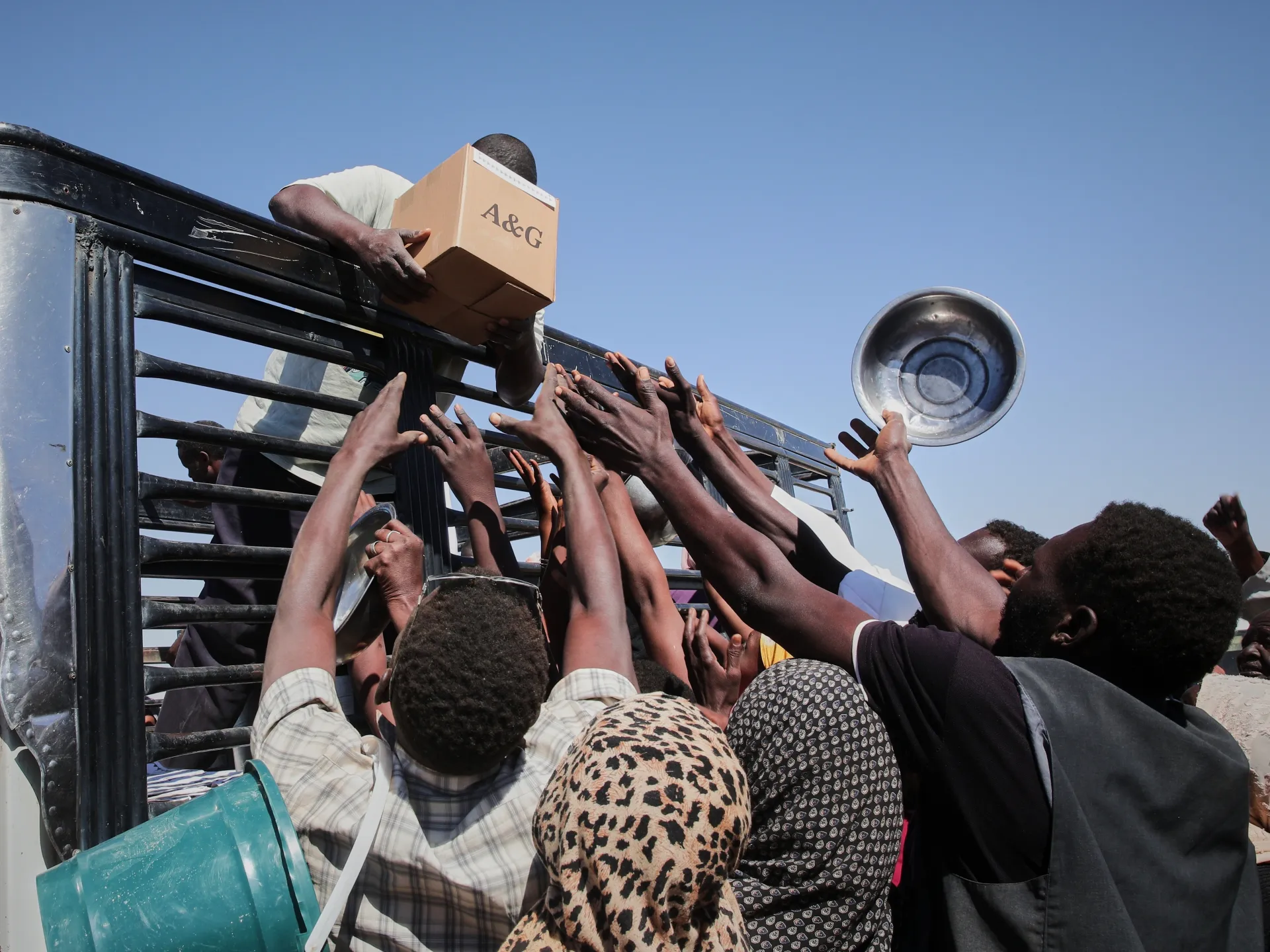
Sudan’s collective memory has long carried stories of famine-induced tragedies. Now, as war pushes the country deeper into a catastrophic food crisis, historians and humanitarian activists fear that some of those horrors are being repeated.
The ongoing war between the Sudanese army and the paramilitary Rapid Support Forces, which erupted in April 2023, has plunged the country into one of its worst modern food crises, with conditions deteriorating sharply since 2024.
Recommended Stories
list of 3 itemsend of list
Sudan has endured severe famines before, often triggered or made worse by drought and other environmental shocks. However, the current hunger crisis, which has triggered famines in Sudan in 2024 and 2025, has been brought on by a man-made factor: war.
Past starvation
One of the earliest recorded major food crises in what is now Sudan occurred in 1684, during the Funj Sultanate. The crisis, which lasted several years, brought severe grain shortages across central Sudan. Historical accounts describe people driven to desperation, and in some cases forced to eat dog meat. The hunger triggered mass displacement, as well as a deadly smallpox outbreak.
Similar climate-driven crises were recorded in 1750 and again between 1835 and 1838 during a period of Ottoman-Egyptian rule, exacerbated by severe drought and low water levels in the River Nile.
The famine most deeply embedded in Sudanese popular memory occurred between 1888 and 1889, during the rule of Khalifa Abdullahi al-Taashi.
Drought, locust infestations and conflict combined to cause widespread hunger and death. Some historical estimates put the death toll at more than one million people, although precise figures from the period are difficult to establish. The crisis was reported to have been so severe that some families shut themselves inside their homes to die rather than going out to beg for food.
Sudan experienced more periods of food shortages during the 20th century. Droughts and poor harvests during the colonial period of the first half of the century forced the authorities at times to import grain from abroad.
Then, in 1984, during the rule of President Jaafar Nimeiri, a devastating drought hit western Sudan, including Darfur and Kordofan, where there were widespread crop and livestock losses, displacing hundreds of thousands of people from rural areas to the capital, Khartoum.
Man-made catastrophe
Unlike many of those historical crises, the current famine is distinctly man-made.
War has disrupted agricultural production and trade, forced farmers to leave their land, and made it difficult to move food and humanitarian aid across the country.
Abdullah al-Tijani, a social historian and humanitarian activist, noted the unprecedented scale of the current disaster.
“Most previous famines were often confined to specific regions, as happened in 1984, or areas in southern Sudan before its secession in [2011], while the capital and major cities continued to have the necessities of life and services,” al-Tijani told Al Jazeera.
This time, he said, hunger and the collapse of basic services have spread across the entire country.
“A comprehensive food crisis has struck the heart of major urban and agricultural centres in the states of Khartoum, Gezira, Sennar, Darfur, and Kordofan, causing millions of citizens to be displaced inside and outside the country,” al-Tijani added.
He pointed to what he described as the “systematic destruction of infrastructure, disruption of large agricultural projects, and targeting of markets, bakeries, and crops, along with disrupting the banking system and communication networks, which isolated entire regions”.
Al-Tijani also cited the “restrictions on humanitarian access and delays in granting transit permits for relief workers”. He accused the warring parties of using control over food supplies as a tool of war, while warning that international funding has fallen short of the size of the crisis.
Lost agricultural potential
The scale of the crisis is stark because of Sudan’s agricultural potential. The country has immense resources, including roughly 200 million acres (81 million hectares) of arable land, abundant water from the Nile, and extensive livestock resources, but Sudan’s potential as a global breadbasket remains unfulfilled.
Mohammed Abdul Rahman, an economic researcher, explained that the current food security crisis reflects a clear development gap, and a longstanding weakness in Sudan’s agricultural sector compounded by war.
“Wars and armed conflicts are among the most influential factors on food production,” Abdul Rahman said, “along with the displacement of farmers from their lands, the absence of political stability and agricultural policies, weak funding and government guarantees, and reliance on traditional farming methods.”
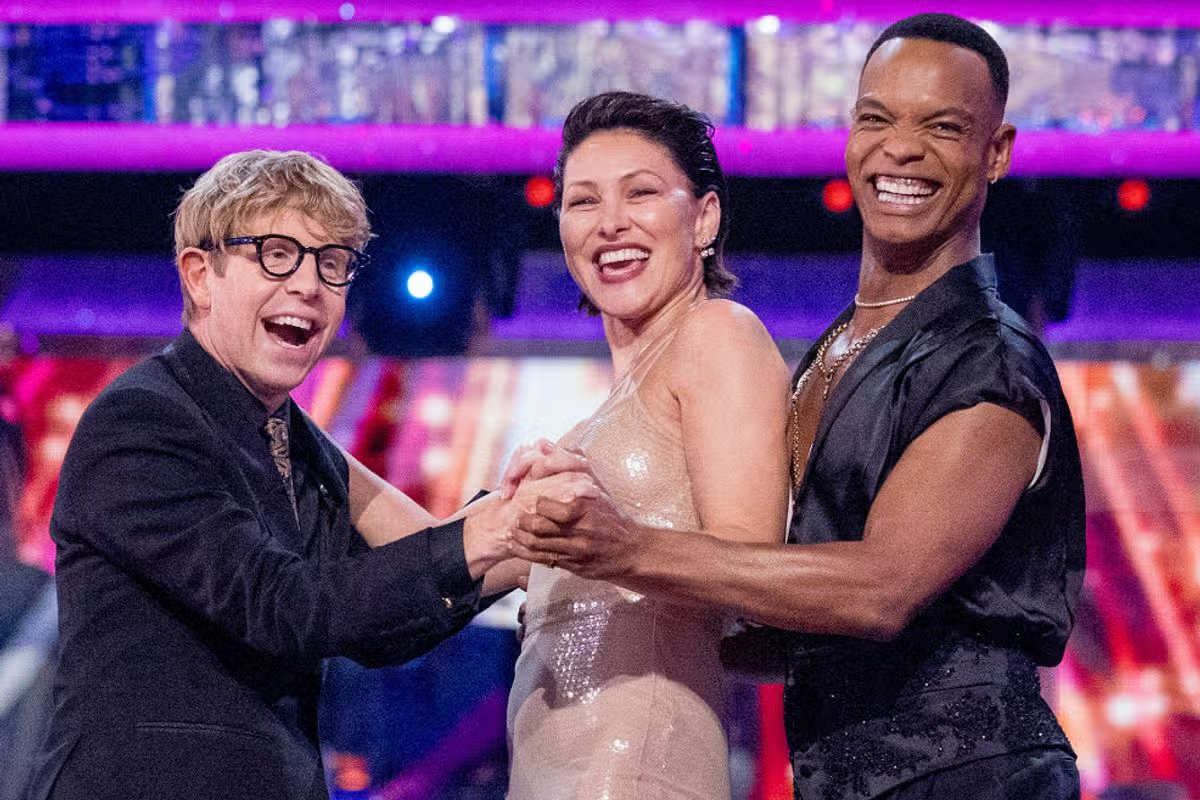
EXCLUSIVE: Strictly Come Dancing legends Vincent Simone and Brendan Cole have had their say on the divisive new presenting trio of Josh Widdicombe, Emma Willis and Johannes Radebe.
Strictly Come Dancing’s Josh, Emma and Johannes hosted for the first time on Saturday(Image: CREDIT LINE:BBC/Guy Levy)
Strictly legend Vincent Simone has branded one new host of the hit dance show ‘lost and nervous’ after their debut showing on Saturday. He didn’t hold back as he laid bare his thoughts – but he did hold special praise for another, admitting they pleasantly surprised him.
All eyes were on the new trio of presenters on Saturday night prime time as Emma Willis, Josh Widdicombe and Johannes Radebe took centre stage after the exit of Claudia Winkleman and Tess Daly. But Josh felt the wrath of Vincent, who labelled him a “lost lamb” before saying he hopes it’s just first show nerves.
Speaking exclusively to the Mirror, Vincent went on: “Emma, professional as always. But I’m sure she was probably as nervous as everybody else. There’s a huge amount of pressure on their shoulders to hold a show together which is essentially new but old.”
And he admitted Johannes’ style shocked him. “Johannes surprised me in a good way,” he said. “I thought he was going to be all flamboyant, running around, talking about himself.
“I don’t know the guy, I’ve met him a couple of times but I thought he seemed really professional and seemed like he was doing a really good job as a host. I heard he was just going to be roaming around, talking to the couples and what have you.
“He would have been as nervous as hell. They all would have been. Given that, I think he did a good job.”
The opinion was matched by Brendan Cole, who also had his say on the new hosts, admitting he would have hoped for a Bruce Forsyth vibe to take the hot seat. He said: “I wanted the old-school class of the likes of Brucey [Bruce Forsyth].
“There aren’t many around that good that you could choose from, but it’s a big world out there. I’m sure they could be found. I want somebody old school. I want somebody triple threat – actor, singer, dancer. Somebody who, when they’re at the helm like Brucey was, absolutely knows showbiz like the back of their hand.”
But despite his disappointment, he held out praise for Johannes too. “I liked Johannes, actually. He did really well for the first show. I didn’t know what his role was going to be, and I think he held himself very, very well.”
Fans also had their say shortly after the launch show on Saturday and were divided in their opinions. Taking to X, formerly known as Twitter, one fan said: “I know it’s only the first few minutes, but I just cannot gel to there being three hosts #strictly.”
Another defended the line-up, adding: “3 presenters was an interesting choice by producers but Emma, Johannes and Josh really do work together. Natural already.” And it was also backed by no-nonsense judge, Craig Revel-Horwood who branded the new trio “fabulous”.
Vincent and Brendan were talking to the Mirror on behalf ofSky Vegas.
Eleven pupils were wounded after a student opened fire near a secondary school in Manisa, western Turkiye, on Tuesday morning, with two reported to be in critical condition. The suspect was detained shortly after the attack while authorities continue to investigate the motive.
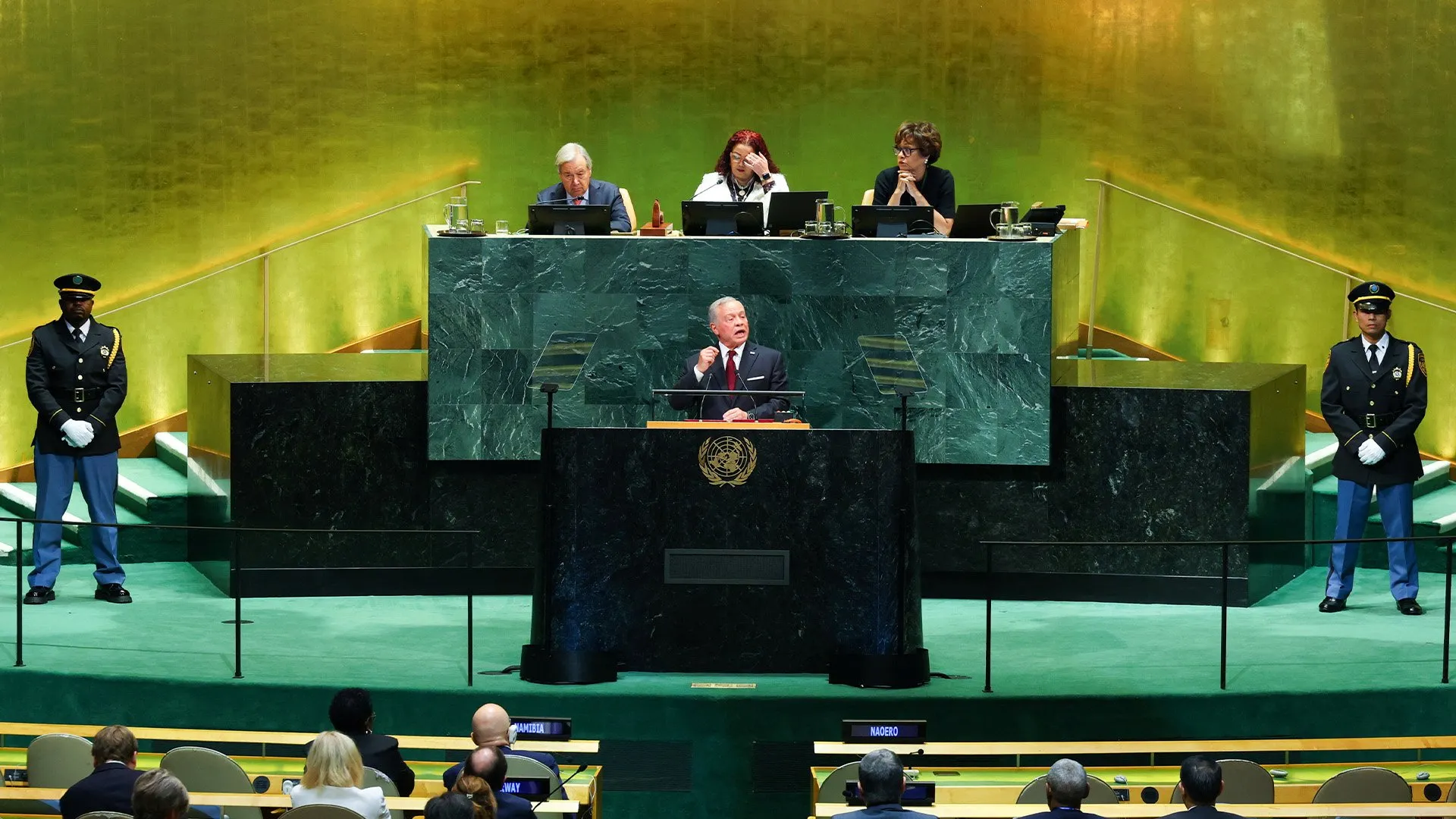
Jordan’s King Abdullah II decried Israeli settler incursions in the occupied West Bank as a strategy of ‘forced displacement’ that should be considered a war crime.
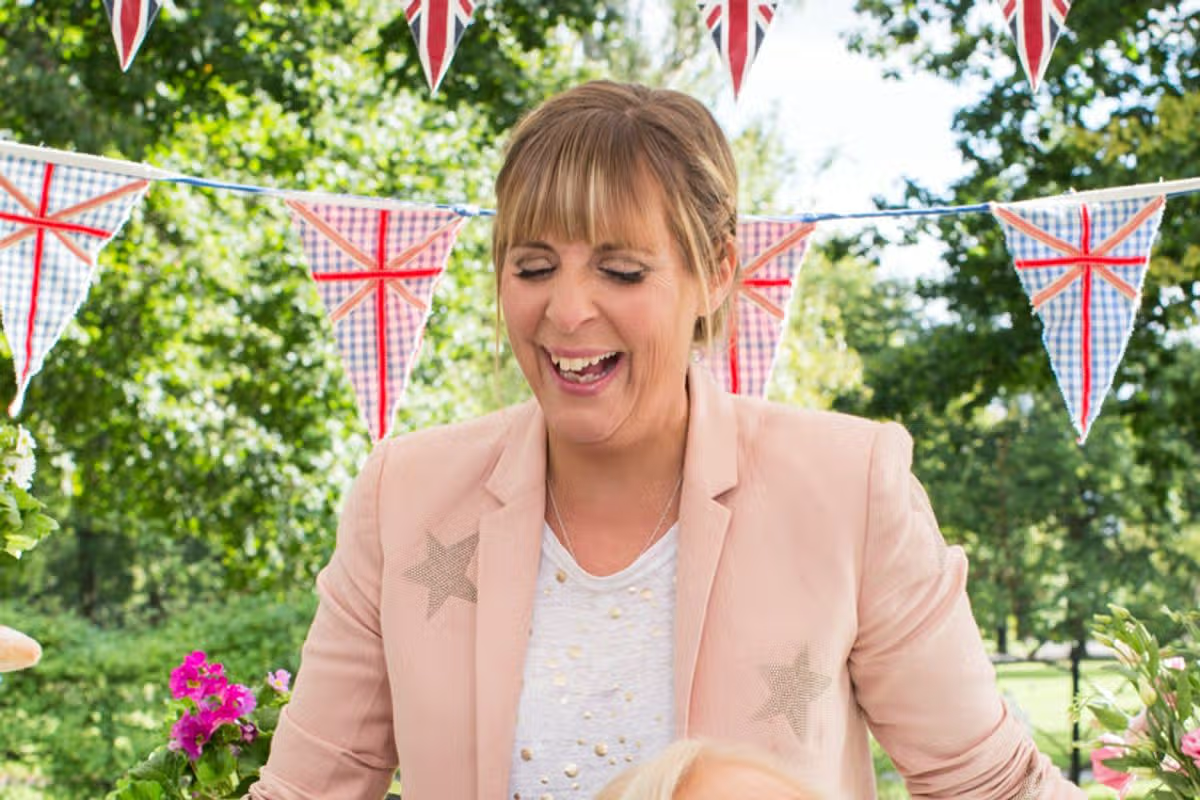
Former The Great British Bake Off host Mel Giedroyc opened up about past moments of jealousy in a candid insight into her friendship with a co-star
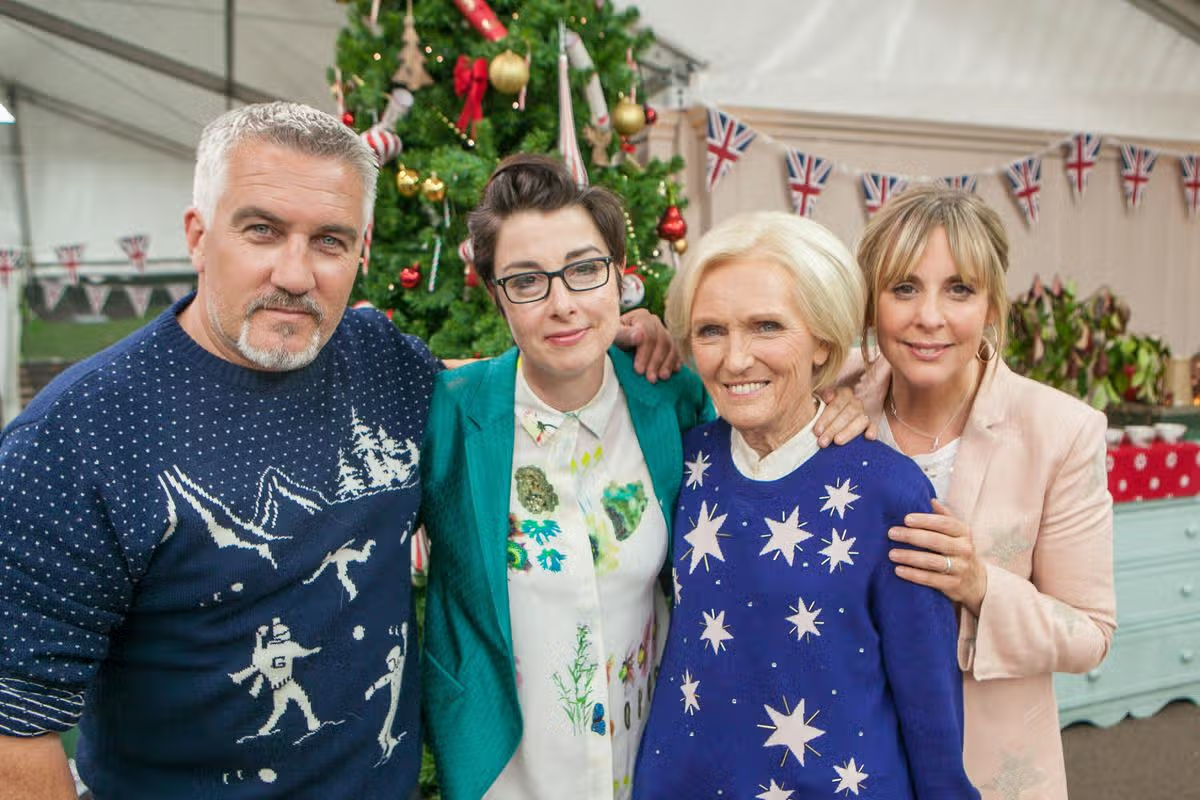
GBBO hosts Mel and Sue with Paul Hollywood and Mary Berry
The Great British Bake Off returns for its 17th series, with hosts Alison Hammond and Noel Fielding at the helm alongside judges Paul Hollywood and Nigella Lawson, who makes her debut on the show. Before the programme moved to Channel 4, presenters Mel Giedroyc and Sue Perkins fronted the series for six years.
The gig was one of many the pair took on together during their long-running friendship, which Mel has now revealed hasn’t always been smooth sailing. The broadcaster said their relationship has gone through “phases”, with periods when they’re inseparable and other times when they’ve been “off” with each other.
Speaking on the Dig It podcast with Jo Whiley and Zoe Ball, Mel explained that she and Sue are currently in one of their closer spells, chatting and seeing each other frequently. At the time of recording, the pair were also preparing to reunite at the Edinburgh International Book Festival.
“There’s a real friendship there, you’ve known each other for ages and you know you’ve got each other’s backs and I think that is such a lovely thing,” she shared. Though keen not to be “disingenuous”, Mel admitted there had been moments of jealousy.
“There’s been times over the last 39 years or whatever that I’ve known Sue, I’m sure that we’ve had moments of a little bit of jealously and, sort of, off with each other but, you know, at base you’ve got each other and it’s everything,” she shared.
“It really is everything and the older I get the more I realise that you have to cling to the real proper quality.”
Mel and Sue released a statement in 2016 when the show left the BBC, saying they were “very shocked and saddened” by the news. In the statement at the time, they praised the BBC for helping shape the programme’s tone and for growing its audience from two million to nearly 15 million.
They also confirmed they were “not going with the dough”, while wishing the future bakers well.
After their departure, the hosting role passed to Sandi Toksvig, who left in 2020, and Noel Fielding, who now presents the show alongside Alison Hammond.
The current judging panel consists of Paul Hollywood, who has been part of the programme since it began, and Nigella Lawson, who makes her debut after stepping into Prue Leith’s shoes.
The new series returns tonight, with 12 amateur bakers entering the tent in the hope of impressing the judges and being crowned this year’s champion.
Away from Bake Off, Mel and Sue have also returned to screens with their Saturday night gameshow Win Win with Postcode Lottery.
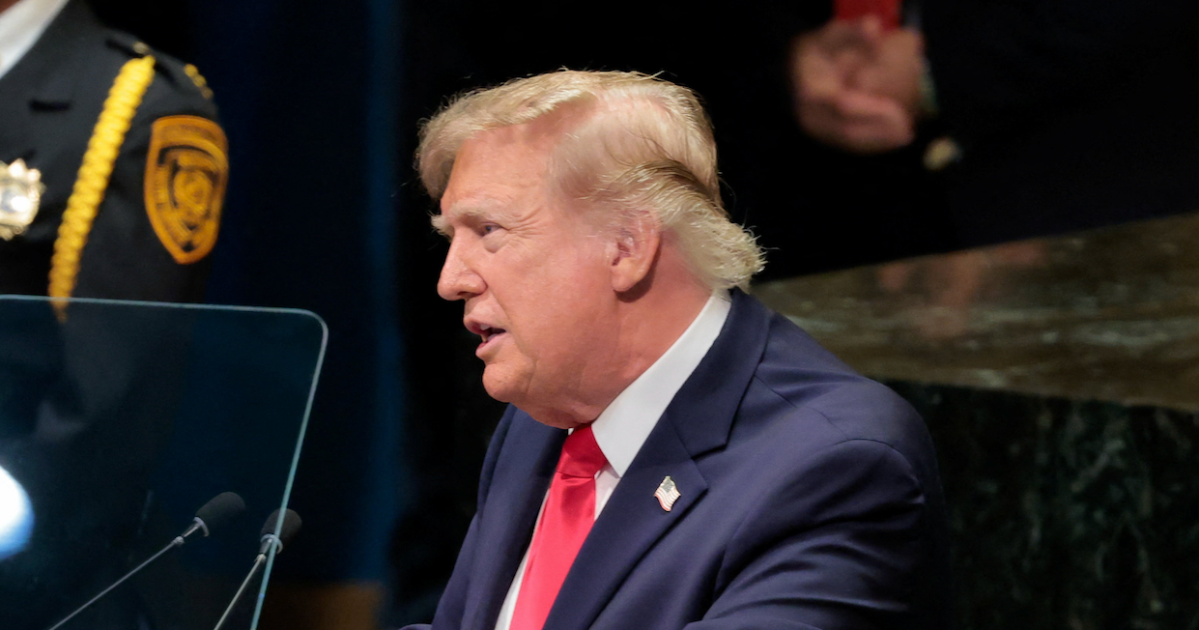
Speaking at the UN General Assembly, US President Donald Trump claimed he helped end the war in Gaza, bring home all remaining hostages, and settle eight wars since taking office. He said trade, tariffs and his relationships with world leaders were key to securing the settlements.
A “suspected terrorist plot” to target the Jewish community in Manchester is believed to have been foiled after two men were arrested in the city on Sunday, police have said.
The men, who are both in their 30s, were detained on suspicion of offences under Section 41 of the Terrorism Act 2000 in Newton Street on Sunday, according to the Metropolitan Police.
Deputy Assistant Commissioner Vicki Evans said police were aware the news would cause “further concern” to the Jewish community, “especially given the significant High Holy day period”.
The two suspects remain in police custody as investigations continue.
“This has been a long-running proactive investigation which has led to the disruption of what we believe to be a plot to target the Jewish community in the Manchester area,” said Evans.
“Counter Terrorism policing continue to focus our efforts on identifying and disrupting those who wish to cause harm in our communities.”
This breaking news story is being updated and more details will be published shortly. Please refresh the page for the fullest version.
NOEL Fielding is back in the Bake Off tent as Series 17 gets under way with 12 new amateur bakers.
The comedian returns alongside Alison Hammond, Paul Hollywood and new judge Nigella Lawson for the latest run of the Channel 4 favourite.
Noel Fielding presents Bake Off alongside Alison HammondCredit: PAThe popular TV star and comedian has been brightening up our screens for more than two decadesCredit: Getty
“When I was 20 he was only in his late 30s, he was my age now, so I’ve sort of had some brilliant years out of my mum and dad, and also they were quite young and tolerant and easy going and up for doing stuff.”
Tragically his birth mum, Yvonne Fagan, 30, died when Noel was just 17 in 1990.
Becoming an artist
Noel originally had plans to be an artist, and had no intention of getting into TV and comedy.
He trained at Croydon Art College and had his first solo exhibition, Psychedelic Dreams Of The Jelly Fox, in December 2007.
The comedian has held a number of different exhibitions since then, including showing his video installation The Jelly Fox at the Saatchi Gallery in 2012.
His artwork remains an active part of his career, with pieces appearing at the London Original Print Fair in May 2026 and Jealous Gallery’s summer exhibition later that year.
In 2006, he told Left Lion: “I wanted to be a painter and went to art school.
“I just got sidetracked into comedy. It was a mistake… I’m trying to get out but I’m trapped!
He remains a team captain on Sky’s revived Never Mind The Buzzcocks, whose fifth series aired in 2025, and has also made appearances on QI and The Big Fat Quiz of Everything.
Since 2023, he has fronted the competition with Alison Hammond.
At the time, he welcomed Alison to the tent by posting on Instagram: “Congratulations and Welcome to the tent lovely!! We are gonna have an absolute blast together.
“I can’t wait. I’m buzzing. Two naughty kids together… The bakers will love you x.”
Noel and Alison both return for Series 17, which begins at 8pm on Tuesday, September 22, 2026, with 12 new amateur bakers entering the famous tent.
Nigella replaced Dame Prue Leith, who stepped down in January after nine series on the programme.
Music lover
And as if that is not enough, Noel is also a huge lover of music.
It will come as no surprise to his fans that he has made appearances in a number of music videos.
He can be spotted in the videos for Kasabian’s Vlad The Impaler and You’re In Love With a Psycho, as well as Razorlight’s In The Morning.
In November 2025, Pink Floyd also commissioned Noel to create a series of paintings inspired by Syd Barrett for the official video accompanying a new stereo mix of Shine On You Crazy Diamond.
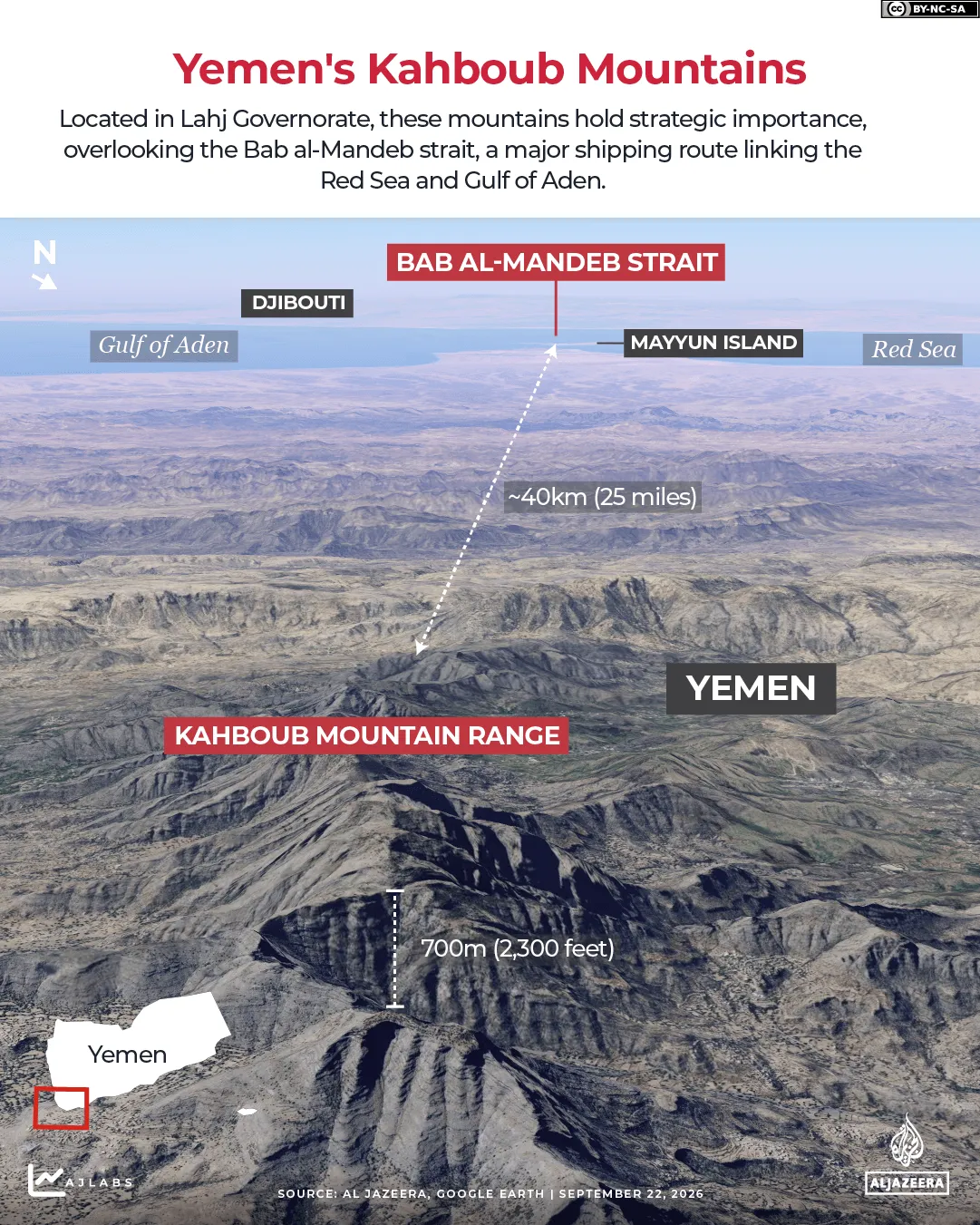
The Houthis are attempting to push into the Kahboub Mountains after seizing much of Yemen’s Red Sea coast in a lightning offensive this month – an advance that experts say could dramatically shift the balance of power in the country’s war if successful.
The renewed fighting in recent months with forces aligned with Yemen’s Saudi-backed, internationally recognised government has brought an end to the relative calm that had largely held since 2022. In recent days, the conflict has moved into the rugged highlands overlooking the approaches to Bab al-Mandeb, one of the world’s most important shipping routes.
Recommended Stories
list of 3 itemsend of list
The strait connects the Indian Ocean to the Red Sea and the Suez Canal, and its importance is only growing as shipping through the Strait of Hormuz remains disrupted by the Houthis’ main ally: Iran.
Experts said taking the high ground would help the Houthis defend the newly captured coastline and make it far harder for government forces to push them back. While the mountains may not necessarily be used as a launchpad for attacks on ships, controlling them would provide defensive depth and cover for Houthi positions closer to the coast, making missile and drone operations in the Red Sea easier to sustain and harder to disrupt.
The Houthis have said they do not intend to target United States shipping and attacks would be limited to vessels linked to Saudi Arabia. But the group has repeatedly attacked ships in the Red Sea in previous years, including vessels with no clear connection to its stated targets.
The Houthi advance has taken on added urgency after The New York Times reported that US President Donald Trump came close to ordering air attacks against the Houthis on Sunday, only to call them off at the last minute. Britain, meanwhile, said it will support Saudi Arabia with defensive refuelling.
Why is Kahboub strategically important?
Kahboub, a mountainous region spanning parts of the Lahj and Taiz governorates in southern Yemen, derives much of its strategic importance from its proximity to Bab al-Mandeb. Some of its heights lie about 40km (25 miles) from the waterway, providing commanding views across a stretch of the Red Sea, through which a significant share of global maritime trade and millions of barrels of oil pass each day.
While that vantage point has considerable military value, experts said the mountains are unlikely to serve directly as a launchpad for attacks in the Red Sea. Their more immediate importance for the Houthis lies in securing the territory the group has already captured.
“The mountains are the natural wall that protects the Houthis’ rear on the coast. Controlling them would cut the coast off from the government-held south and place direct pressure on Lahj and, in the longer term, Aden,” Faozi Al-Goidi, a visiting fellow at the Middle East Council on Global Affairs, told Al Jazeera.
Securing their rear would help the Houthis prevent government forces from attacking their coastal positions from behind or severing the routes connecting their newly captured territory. Until the high ground is secured, Houthi forces stationed along the Red Sea remain vulnerable to attacks from government-held areas to the south and east.
Capturing the elevated positions, therefore, would make Kahboub less important as a potential launchpad for maritime attacks than as a defensive shield for the Houthis’ military gains along the coast.
Ewa K Strzelecka, a visiting senior fellow at the London School of Economics, told Al Jazeera that controlling the coastline, Mayyun Island and the neighbouring highlands would give the Houthis “strategic resilience”.
(Al Jazeera)
“Holding the coastline, Mayyun and the adjacent highlands together would give the Houthis a much deeper and more defensible position around one of the world’s principal maritime chokepoints,” she said.
Those positions would allow the Houthis to move fighters, weapons and supplies along the coast with less risk of their routes being severed from behind.
“From the high ground, the Houthis could monitor movements along the coast, around Mayyun Island and towards the chokepoint while protecting missile, drone and potentially unmanned-boat infrastructure positioned farther inland,” Andreas Krieg, a senior lecturer at the School of Security Studies at King’s College London, told Al Jazeera.
The battle is already proving slower than the Houthis’ rapid advance across the coastal plains. Footage circulated on X by the Taiz Military Axis Command’s media centre appears to show intense fighting between forces aligned with the Yemeni government, local fighters and the Houthis on mountain fronts. The footage could not be independently verified by Al Jazeera.
“This is not an easy battle,” said Mohammed al-Basha, an analyst and a former spokesperson for Yemen’s embassy in Washington. “The fighting is taking place across some of Yemen’s most unforgiving terrain where control of a single hilltop or mountain peak can come at a heavy cost.”
Could the Houthis isolate Taiz by controlling Kahboub?
Control of Kahboub could also place greater pressure on Taiz, a symbolically and strategically important city, as the Taiz governorate forms a bridge between the Houthi-held north and the government-held south and the Red Sea coast. Whoever controls it gains the upper hand in the movement of weapons and supplies between the interior and the southern port city of Aden. Losing it, therefore, could deal a serious blow to the government.
Murad Al-Arefi, an editor at the Sana’a Center, told Al Jazeera that taking Kahboub would “increase pressure on the southern and western approaches to Taiz” although he cautioned that it should not yet be seen as evidence of a broader attempt to encircle the city.
The immediate threat to the Taiz-Aden connection is less direct because Kahboub does not itself sit across the route. “What matters is whether the Houthis can subsequently push farther east through Al-Wazi’iyah and towards the Al-Turbah-Lahj axis, which would place much greater pressure on the southern approaches to Taiz and potentially weaken its connection with Aden,” Strzelecka said.
A further advance, therefore, could leave government forces defending several mountain fronts simultaneously while relying on fewer secure routes to move troops, weapons and supplies, leaving Taiz increasingly exposed. One of Yemen’s largest population centres, Taiz became an important centre of resistance to the Houthis after they seized Sanaa in 2014, and was besieged by the rebel group for years. A major Houthi breakthrough there, therefore, would carry symbolic significance far beyond the territory captured.
What could it mean for Red Sea shipping?
Officially, the Houthis have said their current restrictions in Bab al-Mandeb would apply only to Saudi-linked shipping.
But during its previous Red Sea campaign, the group struck or endangered ships with no clear connection to Israel – their purported target during Israel’s genocidal war on Gaza – raising questions about how narrowly any new restrictions would be applied. Seizing the Kahboub Mountains would further strengthen the Houthis’ position by helping them secure the coastline overlooking Bab al-Mandeb and making it harder for their opponents to push them back.
Simon Mabon, a professor of international relations at Lancaster University, told Al Jazeera that the offensive showed the Houthis using their momentum to capture more territory, weaken their opponents and “dominate Yemen further”.
“This is the Houthis trying to seize more ground and diminish the capacity of their enemies while increasing their strategic ability to close Bab al-Mandeb,” Mabon said.
Recent satellite imagery of a shipyard in northeastern China offers interesting new insights into the country’s next-generation submarine developments. The images notably show a pumpjet propulsor and other features worth examining on an example of what is generally described as a new class of nuclear-powered attack submarine, or SSN.
TWZ has obtained a new image taken on September 18 of the submarine in question, which is being built at the Bohai Shipyard in Huludao, from Vantor. Janes reported on this submarine earlier today, based on a separate Vantor image from September 1. The outlet also described the boat as a Type 095, a commonly used, but still unofficial designation. This is something we will come back to later on.
As mentioned, the pumpjet propulsor immediately stands out in both images. This is also understood to be a feature on the Type 093B nuclear-powered attack submarine, a significantly improved variation on that earlier design, which first emerged in the early 2020s. Compared to traditional exposed propellers and more basic shrouded types, pumpjets offer benefits for quieter operation and efficiencies, especially at higher submerged speeds.
The recent imagery also highlights the submarine’s X-shaped stern plane arrangement. This is not found on the Type 093B, which is considered to be something of a bridge between that class and the next-generation design. Broadly speaking, an X-shaped configuration offers advantages when it comes to enhanced maneuverability, efficiency, and safety, which can be particularly useful in littoral environments. It can also provide benefits when it comes to acoustic signature reductions across significant parts of the submarine’s operating envelope compared to the cruciform stern planes.
Another Chinese submarine design that emerged in 2024, currently referred to as the Type 041 or Zhou class, and that is understood to feature a hybrid nuclear/conventional propulsion system, also has an X-shaped stern configuration. The first known example of the Type 041 came to light after it appeared to have sunk in a shipyard.
An X-shaped stern arrangement also looks to be a feature on yet another new class of submarine that appeared at the JN (Jiangnan) Shipyard in Shanghai earlier this year. Initial reports also suggested that the design lacked a traditional sail. However, it has been confirmed that it has a sail, but that is very small proportionally to the overall size of the boat. Truncated sails can offer performance and other advantages, but there are trade-offs.
The image of the submarine that Janes obtained also notably shows an open rectangular-shaped section aft of the sail. The September 18 image that we received from Vantor shows a structure placed over that section of that submarine, obscuring ongoing work on that part of the boat. The Type 095 is widely expected to feature some type of vertical launch system (VLS) array able to accommodate a variety of anti-ship and land-attack cruise missiles, as well as potentially hypersonic types. The Type 095 is also sometimes referred to as a guided missile submarine, or SSGN, as a result. The open area seen in the September 1 shot could be where the VLS array is set to be fitted. It might also provide access to the reactor compartment or another area of the submarine.
The clearest photos we have on the Type 095 SSN!
As we can see, there is one confirmed chamber than could physically fit about 18-24 VLS Cells. There is a big chance that more than one VLS Chamber exists, with an estimate VLS count from 24-48+ VLS pic.twitter.com/0ZJ8gsl4su
Interestingly, the September 18 image also shows what look to be at least two relatively large circular openings, side-by-side, at the bow end of the submarine in front of the sail, the purpose of which is not immediately clear. There is a possibility these could also be for vertically launching munitions or other payloads. As a point of comparison, U.S. Virginia class nuclear attack submarines, starting with the Block III version, have two large-diameter Virginia Payload Tubes (VPT), one in front of the other, in the bow in front of their sails. At the same time, the openings on the submarine in Huludao also appear to be in a position that is very close to where the submarine’s main sonar array would be installed, and they could be tied to that aspect of the design, too.
“I think it’s too early to be sure about the VLS configuration from publicly available imagery. I realize people assume the large rectangular space halfway behind the sail is the VLS, but I am not sure this is the case and I’d caution to jump to conclusions. The space could also be related to work on the reactor compartment,” Alex Luck, a naval analyst who closely tracks submarine and Chinese navy developments, told TWZ. “With Type 093B, the VLS after launch was initially covered with a tarp, and then the installed launchers were readily visible quite quickly during the fitting-out process. The work process may change with these newer boats, but the different appearance during launch and fitting out needs to be considered in that regard.”
“I do expect Type 095 to have a VLS of some sort, but I am not sure as of yet what the configuration would look like, or where exactly it is located,” he added.
The bigger outstanding question may be exactly what type of submarine is currently being built now at the Bohai Shipyard. Based on a review of additional imagery from Planet Labs’ archive, the boat appears to be around 394 feet (120 meters) long. When the first example of what was assessed to be a Type 095 emerged in Huludao in February, it was estimated to have a length of roughly 361 feet (110 meters). The ‘small sail’ design that broke cover earlier this year in Shanghai is also estimated to be some 394 feet/120 meters long based on available imagery, but also looks to be narrower than the boat presumed to be a Type 095 in February.
“One significant question is the nature and difference between the boat launched by Bohai in February, and the two newer hulls launched in late May/early June both by Bohai and at Jiangnan in Shanghai,” Luck, the naval analyst, also told TWZ. “Specifically, we do not quite know whether they are for different operational roles, or rather a two step development for one final configuration of a new SSN. I think the latter is at least plausible.”
“A related question then is what boat we are looking at now with the new imagery, i.e. the February boat or the newer hull Bohai had launched,” he continued. “Without exact and reliable measurements that question for now is unresolved in the public discourse. For now we need more, and more detailed imagery, including of the different boats together, to clarify these aspects.”
“This [September 1] image reinforces my impression that the boat launched in February may have been a one off not including the full spec featured on the notional 095A launched by Bohai and Jiangnan in late May. We’ve already seen both versions side by side in Bohai,” Luck also wrote on X after Janes‘ published its report.
This image reinforces my impression that the boat launched in February may have been a one off not including the full spec featured on the notional 095A launched by Bohai and Jiangnan in late May. We’ve already seen both versions side by side in Bohai. https://t.co/wBMkB1gmSQ
Regardless, the emergence in recent years of so many new, more modern submarines, and across what appear to be several distinct classes, is significant. It is no secret that China’s People’s Liberation Army Navy (PLAN) is working to significantly expand the size and capabilities of its submarine force with a clear eye toward extending operations further and further out in the Pacific, at least. In the past, U.S. officials have publicly said the overall quality of newer Chinese submarines has been getting closer in parity to American designs.
“The PLA Navy is executing a significant strategic shift from diesel-electric to all-nuclear construction, representing a fundamental departure from historical construction patterns,” U.S. Navy Rear Adm. Mike Brookes, head of the Office of Naval Intelligence, wrote in prepared remarks ahead of a hearing before members of the U.S.-China Economic and Security Review Commission in March.
In particular, the Type 095, as well as the new Type 096 nuclear-powered ballistic missile submarine, “represent next-generation platforms expected to enter service during the late 2020s through 2030s,” Brookes also wrote at that time. “These submarines will incorporate substantial advancements in nuclear reactor design, sensor performance, weapons integration, and noise quieting technologies.”
Submarine modernization efforts are just one aspect of a larger effort by the PLAN to expand its capabilities above and below the waves. Chinese shipyards have also been producing ever-more capable aircraft carriers, amphibious assault ships, destroyers, frigates, and more in recent years, as well. The pace of China’s construction of new surface ships and submarines has also been growing, creating a particularly significant and still-widening disparity in this regard with the U.S. Navy. This is something that has become increasingly concerning, as TWZ routinely highlights.
Work in Huludao, as well as shipyards elsewhere in China, is certainly already revealing interesting new insights into China’s next-generation submarine efforts.
Mel Giedroyc hosted The Great British Bake Off for seven years between from 2010 to 2016, but one contestant shared what she’s really like once the cameras stop filming
Mel Giedroyc worked on The Great British Bake Off from seven years
Mel Giedroyc showed her true personality to contestants when cameras weren’t rolling during filing of The Great British Bake Off. Mel Giedroyc hosted The Great British Bake Off for seven years between from 2010 to 2016 and left the show when it moved from the BBC to Channel 4, famously stating they were “not going with the dough”.
Over her time on the show she met dozens of contestants and hundreds of filming and production crews – with one show member lifting the lid on what she was like once the cameras stop rolling. Former contestant Howard Middleton, a graphic designer from Sheffield who left on week six of series four the show.
He shared one moment where he believes Mel showed her true colours once the cameras were not rolling in the tent.
Speaking to Smooth Spins Casino, former GBBO contestant Howard Middleton said: “They [Mel and Sue Perkins] were so funny. They were lovely. I remember there was one occasion where Mel came up and asked whether I wanted a cup of tea.
“And there were no cameras or anything like that. She actually asked one of the runners to get one for me; she didn’t make it herself, but it was just that consideration and warmth, which was very genuine.”
Nigella Lawson replaces Prue Leith for 2026 Great British Bake Off
Earlier this year, Prue Leith 86-year-old announced it was the ‘right time’ to leave The Great British Bake Off after nine years on the show. However, in her place, viewers will welcome Nigella Lawson to the tent as the 66-year-old will be judging this year’s contestants alongside Paul.
Sharing his thoughts on the newcomer, Paul told Radio Times how each person he’s worked alongside has varied from one another.
He remarked that Mary Berry was different from Prue and Prue was different to Nigella before adding ‘Nigella is different to Mary’. Admitting how each of them brought their ‘own character’ to the programme, he highlighted that Nigella is a ‘very warm’ person, especially to the contestants taking part in the competition.
However, Paul commented that he’s the ‘constant’ as he remains the ‘constructively critical’ judge. Although people are welcoming a new face to the tent, presenters Alison Hammond and Noel Fielding are returning as hosts once again.
Channel 4 viewers were treated to a glimpse of Nigella in the iconic tent during a brief teaser clip revealing the show’s return date. She walked towards the camera in a purple jumpsuit before playfully pretending to tuck into the lens as though it was a sweet treat.
When it was announced that Nigella was joining the Channel 4 show, she had nothing but excitement. Nigella commented: “I’m uncharacteristically rather lost for words right now!
“Of course, it’s daunting to be following in the footsteps of Prue Leith and Mary Berry before her, great dames both, but I’m also bubbling with excitement.
“The Great British Bake Off is more than a television programme, it’s a National Treasure – and it’s a huge honour to be entrusted with it.
“I’m just thrilled to be joining the team and all the new bakers to come. I wish the marvellous Prue all the best, and am giddily grateful for the opportunity!”
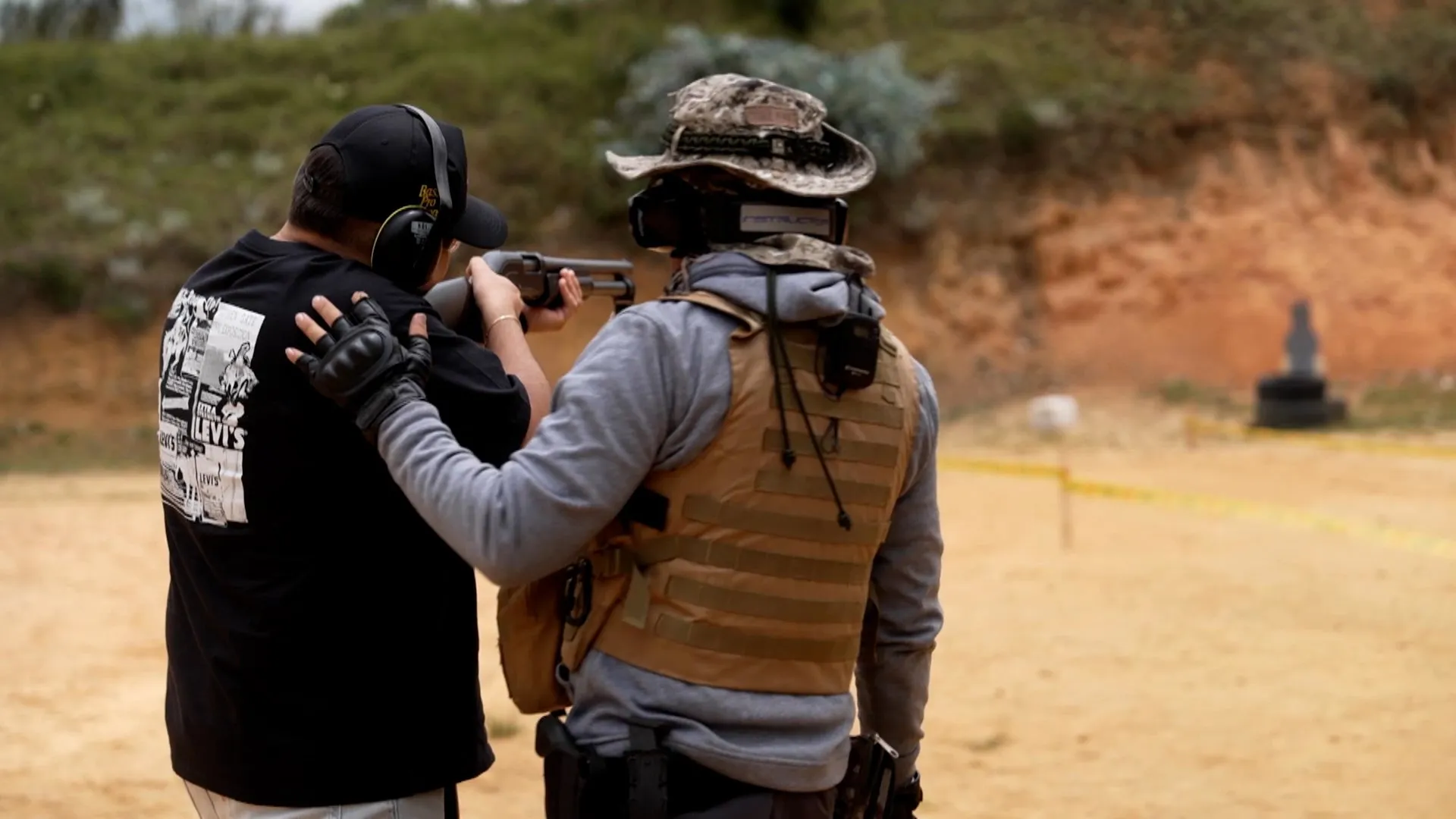
Colombia has loosened gun laws after more than a decade of restrictions. The government says it will help people protect themselves, but some fear it will lead to an increase in even more violence.
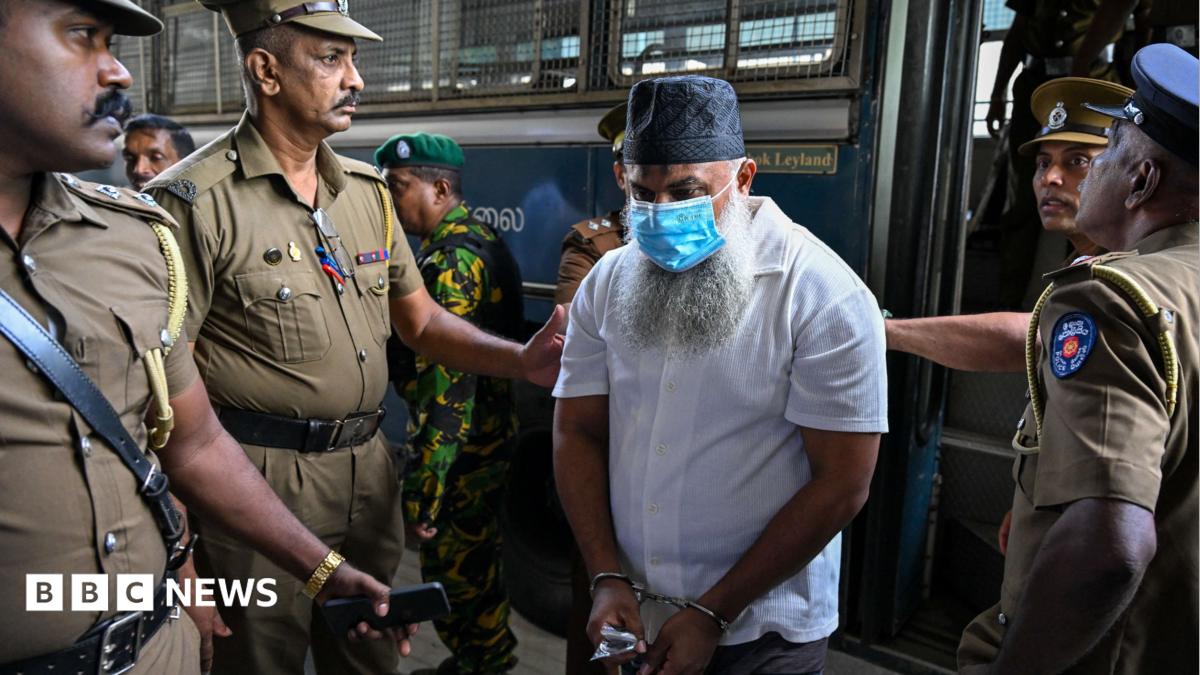
Sri Lanka’s High Court has convicted 15 men who had been charged with plotting the 2019 Easter Sunday bomb attacks that killed 270 people and injured more than 500.
Those found guilty include Naufer Moulavi, who prosecutors said masterminded the suicide bombings. Nine other men were acquitted.
The co-ordinated blasts at three churches and three luxury hotels were the deadliest in Sri Lanka since the end of its civil war in 2009. Forty-five foreigners were among the dead.
All the bombers who carried out the attacks died in the blasts. Investigators have previously blamed the bombings on Islamist extremists, and the 25 men indicted were from Sri Lanka’s Muslim minority. One died in custody.
The accused had been charged with more than 23,000 offences, including murder, conspiracy to commit terrorism and possessing firearms.
More than 2,300 people gave evidence for the prosecution.
There were also 2,076 pieces of evidence, including explosives, swords and firearms.
In the wake of the attacks, Sri Lankan authorities pointed to a “major intelligence lapse”. Its parliament heard that a tip-off from India about the attacks was not properly shared with the authorities.
In 2023, the Supreme Court ordered former president Maithripala Sirisena to pay millions in compensation to the victims of the bombings, after finding him responsible for national security failures that led to the attacks.
Last month, two former senior officials were sentenced to death for criminal negligence that led to the bombings. Death sentences are usually commuted to life in prison in Sri Lanka due to a decades-old moratorium on executions.
For years, Sri Lankans have held regular demonstrations demanding justice for the victims of the Easter attacks.
The verdict comes as a separate investigation on former intelligence chief Suresh Sallay is under way. Sallay is accused of orchestrating the bombings with Islamist extremists.
The allegations echo those aired in a 2023 documentary by British broadcaster Channel 4, which heard whistleblower testimony claiming the attacks were allowed to happen to boost the popularity of the Rajapaksa family, which long dominated Sri Lankan politics.
Sallay, who was arrested in February, denies the allegations. Former president Gotabaya Rajapaksa, who was elected months after the 2019 attacks, with a campaign of tackling Islamist extremism has also denied the allegations.
Rajapaksa, who has been banned from leaving the country, has asked the court to prevent his potential arrest in connection with the ongoing investigations.
EastEnders star Sophie Levy, who plays Priya, has left the show in an unannounced exit that left fans gobsmacked, as the BBC show’s official X account showed the cast’s emotional goodbye
Sophie Levy has left EastEnders(Image: WireImage)
The EastEnders cast have said goodbye to one of their stars in a shock exit that was not announced to fans. Sophie Levy, who played Priya Nandra-Hart, has left the show.
In tonight’s episode, Priya decided to quit Walford, terrified that Max Branning (Jake Wood) would do something drastic if he found out that she was pregnant with his child. She packs her bags and is driven off in a cab headed for Leeds.
It has now been revealed by the EastEnders’ official X, formerly known as Twitter account that these were one of Sophie’s last scenes. They shared a video of Sophie being given a huge goodbye from the cast, who chanted, “We love you Sophie, we do!”
Executive producer Ben Wadey then said: “We have just wrapped Sophie’s last scene with us on EastEnders. Congratulations, Sophie! We want to say a massive thank you on behalf of everyone at EastEnders for an extraordinary few years. It’s a really hard thing to come in and put on the shoes of a new character in the show and instantly become an icon.
“You’ve led so many amazing stories, you’ve had brilliant, unlikely partnerships with people like Martin, with Ian, with Jean most recently. I’ve been enjoying you actually driving Max Branning to have a heart attack by stressing him out so much. You’ve been extraordinary; you’re a delight to work with. You’re going to be very, very missed.”
He added that Sophie, who is pregnant, was onto a “more important adventure” next. Sophie then said that the EastEnders crew were like “family” and that she loved being on the soap. Speaking directly to the camera, she added: “I just wanted to say a massive thank you to all of the fans and the viewers of the show. I’ve been so proud and happy to be part of this family for three years. I can’t believe it’s been three years, it doesn’t feel that long but it also feels like it’s been forever!
“Thank you for having me. And let’s see. Watch this space, you knows if Priya will return.” Turning to the side to show off her baby bump, she signed off with: “See ya!”
EastEnders captioned the post with: “Sophie Levy Khan’s final day on EastEnders was an emotional one. From the moment she arrived, Priya has been an unforgettable character and leaves behind a Walford legacy to be proud of. We’re not crying, you are.”
Fans were shocked in the comments as they did not think Priya’s exit was permanent. “Wait she’s left for good?” one fan asked. Another said: “Shut the f*** up???? This can’t be Priya’s actual exit!”
A third added: “Wait a minute that was her actual last scene really I thought she would be gone for a bit and be back another great Eastenders character gone.”
Others said they thought she might return in time for Christmas, so that she could still be the pregnant woman in Max Branning’s bed at New Year. One said that it was “obvious” that Sophie would return: “She even says at the end of the video let’s see if priya will return ?? Do any of you even watch any of these videos before jumping on a bandwagon ! Its obviously just a temporary leave!”
Infantino proposed an independent review of FIFA’s decision-making process amid criticism to his leadership.
Published On 22 Sep 202622 Sep 2026
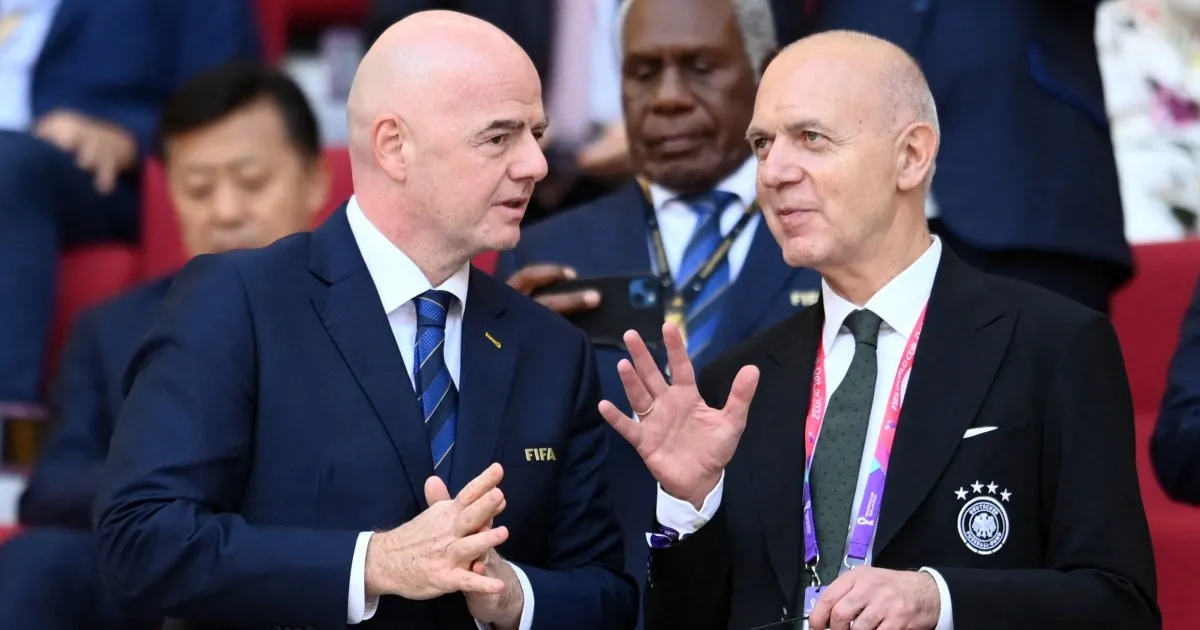
A letter from FIFA President Gianni Infantino this week to all 211 members, offering to discuss reforms within world football’s governing body – amid an ongoing crisis over his failed plan to sell a stake in the World Cup – is a mere ploy to get himself re-elected, Germany’s Football Association (DFB) President Bernd Neuendorf has said.
In Monday’s letter seen by the Reuters news agency, Infantino proposed an independent review of FIFA’s decision-making process, in a move that could help him regain support after the withdrawal of his controversial private investment plan.
Striking a conciliatory tone, he also said he would propose consultations with confederations, member associations and other stakeholders about strengthening FIFA’s decision-making.
Infantino faced a fierce backlash over his proposal to sell a 20 percent stake in FIFA’s commercial rights, including the World Cup, to private investors.
The plan was abandoned in July after strong opposition and boycott threats, with UEFA, the Asian Football Confederation and CONCACAF calling for changes to FIFA’s leadership.
They said there had been no consultation with any continental confederation at any stage, with Infantino acting alone. UEFA has said a change in leadership was now necessary, with the European body having lost faith in the current president.
“I regard Gianni Infantino’s letter as a transparent ploy to secure his re-election next year,” said DFB President Neuendorf on Tuesday. “Fundamentally, FIFA now seems to have recognised that changes are essential.
“However, Gianni Infantino is definitely not the right person to lead a reform process. He has squandered all credibility.”
Neuendorf is also a member of the FIFA Council, the organisation’s main decision-making body.
Infantino said in the letter that member associations’ positions on proposals or governance matters would not affect their treatment by FIFA, whose development and solidarity programmes would continue under existing rules.
The Swiss is up for re-election in March next year, with his opponents struggling to find a candidate to challenge the president. Sources familiar with the discussions told Reuters this month that he still had enough votes to win, prompting opponents to focus on curbing his powers.
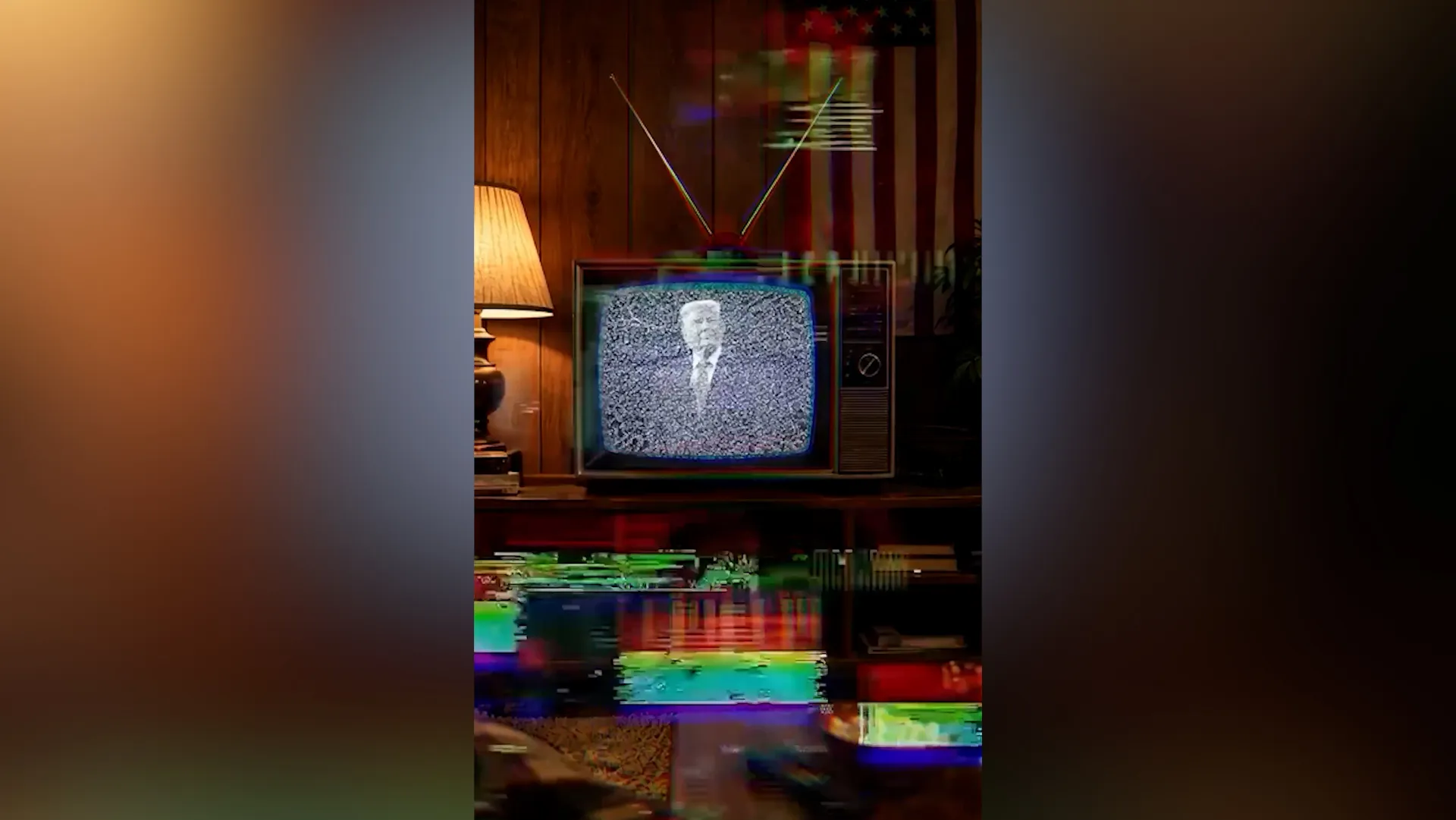
Days after banning a group of news organisations from the White House, the Trump administration has launched a platform called ‘Trump TV’ showing old speeches and announcements.
Filming a broadcast television show can leave even the most seasoned actors feeling like they’ve lost sense of time. But by afternoon on a recent weekday, Josh Charles actually looks like he teleported to the past as he collapses into a seat inside his production trailer in upstate New York.
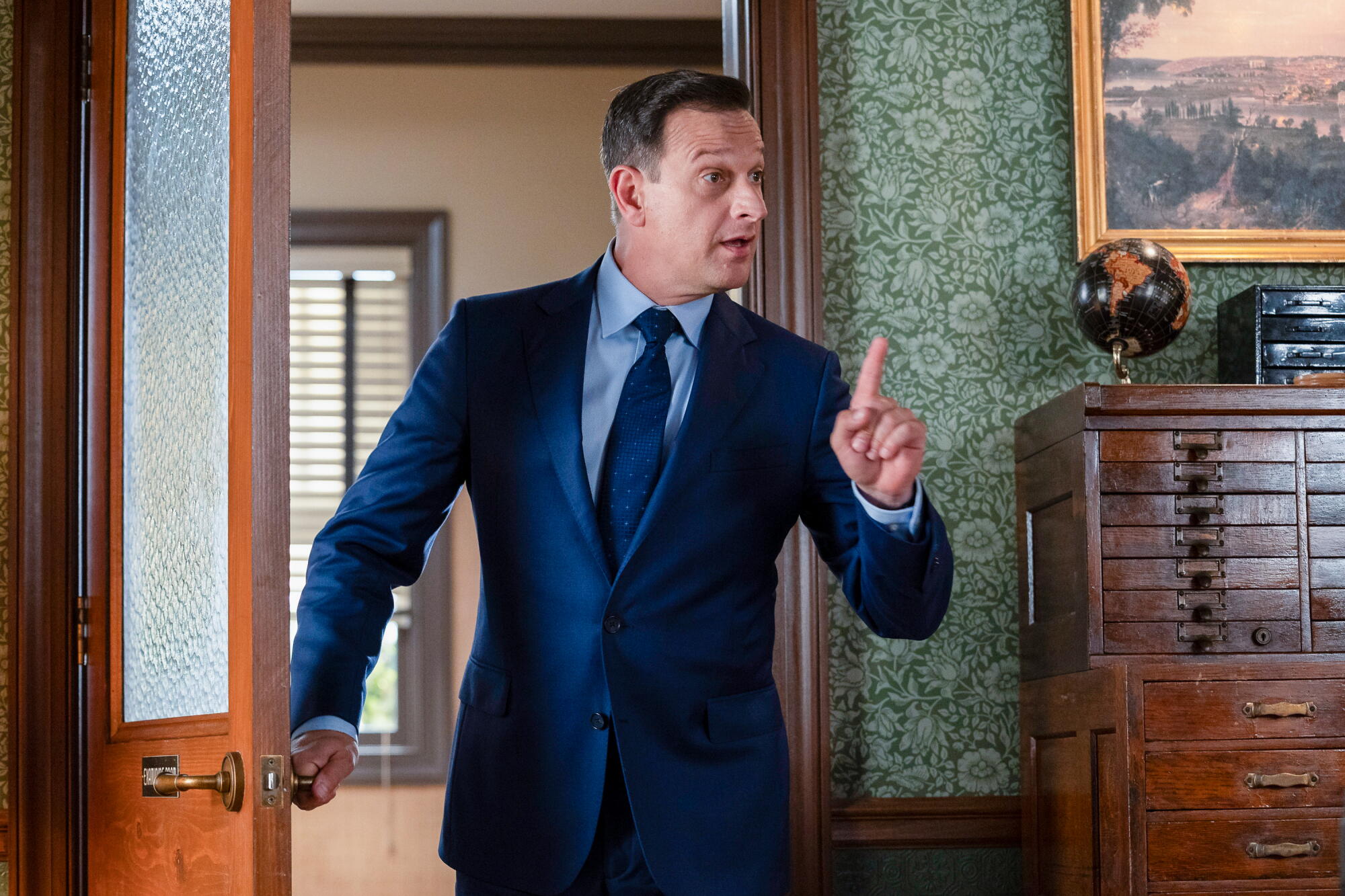
He’s in the throes of filming Season 2 of “Best Medicine,” the Fox dramedy he headlines that’s set in a small fishing village in Maine, and the reason he’s shed his character’s usual suit and tie for gaitered trousers and a navy coat with red facings eventually reveals itself: Port Wenn, the show’s fictional town, is putting on a Revolutionary War reenactment. And if you’re familiar with Martin Best, the curmudgeonly doctor with an almost permanently furrowed brow portrayed by Charles, the character’s willingness to don such a getup likely took some coaxing.
That’s the fun of it all for Charles.
He’s been a working actor since childhood — making his debut at 15 in John Waters’ cult classic “Hairspray,” followed soon after by his turn as Knox Overstreet in “Dead Poets Society” — and a fixture in TV and film ever since.
While best known for dramatic roles like high-powered lawyer Will Gardner in “The Good Wife,” Charles easily pivots to comedy — like the time he memorably played the triple-collared, snobby camp ringleader in “Wet Hot American Summer: First Day of Camp.” Now, “Best Medicine” lets Charles leans into the push and pull of the comedy and drama within his tightly wound alter ego.
Josh Charles as Martin Best in Fox’s “Best Medicine.”
(Francisco Roman / Fox)
Created by Liz Tuccillo (“How to Be Single,” “Sex and the City”), the series follows a brilliant but cranky heart surgeon who, after developing a crippling blood phobia spurred by a traumatic medical case, abandons his thriving career in Boston to become a general practitioner in the town where he spent summers as a child. Martin Best is a doc whose bedside manner could use some TLC, but he came to town hoping he can still practice medicine — that is, if the townspeople would actually do as he says.
“I have been really wanting to do more comedy lately and looking — especially if I was going to call a place home for a particular period of time, like you do in a television show — for something that was a little more lighter air than I had been networking in of late,” says Charles, whose recent credits include dystopian drama “The Handmaid’s Tale” and spy thriller “The Veil.”
The series is based on the beloved British dramedy “Doc Martin,” which starred Martin Clunes as a doctor with a similar storyline, that aired between 2004 and 2022. Tuccillo says Charles brought an elegance and depth to the fish-out-of-water dynamic his character navigates in the quirky town.
“He never hits a false note,” she says in a separate video call. “I knew the material would be in great hands in that he would always elevate it just by his artistry and being. I knew he was going to be able to play the gruffness, but any time that you’re doing a show, there is a question mark on so many things. To be honest, we were like, ‘But is he going to be super funny? Is he going to want to do pratfalls? Is he going to be game for the comedy part of it?’ When we started working, it was clear he was game for all the shenanigans … he likes to laugh. So I try to devise things that I think will amuse him.”
A special advance preview of the Season 2 premiere aired Sunday, but the show will move into its regular time slot Tuesday. Here are edited excerpts from the conversation with Charles.
Josh Charles poses for photos on the “Best Medicine” set in upstate New York. He says he was drawn to the Fox dramedy because it was “a little more lighter air” than the other work he had done recently.
(Ebru Yildiz / For The Times)
“Best Medicine” hit Netflix after its first season aired. Building an audience outside the traditional linear viewing has become such a key component of television today. How do you feel about it?
One of my dad’s best friends told me, “I’m watching the show on Netflix!” He’s like, “I just can’t watch shows with commercials anymore” — as people are programmed now. That is the new shift. You go into these platforms for periods of time, build your audience in a different way and hopefully keep growing that audience. [Television] keeps evolving and growing in a way that I don’t fully understand, but I do know that it’s a different world right now. Netflix has a great reach, and it’s great that we’re on there and that people are discovering it. And apparently we did very well.
Season 2 opens with Martin on probation and under review by the medical board. What is Martin in for this season?
When it starts off, he’s really in it. Eden [Martin’s ex-girlfriend played by Eliza Coupe] is now back in the picture. She’s coming from Boston every weekend, and she’s rubbed a lot of people in town the wrong way. And the progress that Martin made, we see him maybe take a few steps back in the way that he interacts with people. He’s with her and I think there’s feelings there, but I think their relationship feels very — I don’t know, it’s interesting. It doesn’t have the fire. But she doesn’t make him feel bad about himself. She respects him, and I think those things are important. And he’s around in this town where nobody’s listening to him half the time. People are just always mad at him about something, and she’s not. She puts him a little bit on a pedestal, and I think he really needs that.
All that presents an obstacle for the show’s slow burn: Martin and Louisa (Abigail Spencer). There’s been some discourse about the art of the slow burn and how the pacing has changed in an era of short episode orders and unpredictable renewals. You have experience in this department with “The Good Wife.”
Liz and I have talked about it a little bit. You don’t want to muck bait it and drag it out for the sake of dragging it out. I think they’ve done a good job of putting the obstacles in a way that still feels organic and genuine and not yet a reach. In the British show, things accelerated so much faster. They only made eight [episodes] a year. We want to also have it feel like it’s plausible. It is really fun to have Eliza Coupe here. It’s fun to play scenes with her and [see] the different side that brought out in Martin. That is the challenge because I don’t think we’re as interested in doing it quite that fast [as the British show]. I have faith in them that we’ll land it in a good way.
Ellen Soraya Nikbakht as a peculiar patient and Josh Charles as Martin Best in the Season 2 premiere of “Best Medicine.”
(Danielle Mathias / Fox)
You’ve played in comedy and drama in your career. It’s fun to watch you straddle both sides with this character. How has it been finding the rhythm or tone with him?
A lot of the comedy I’ve done, I’ve done some stuff that’s more silly and kind of over the top. I love playing the fool. What’s really fun [here], to me, are the circumstances they put Martin in where things are blowing up in front of him and he’s just trying to deal. I’ve enjoyed doing a lot of the physical comedy on the show.
I [also] found it really interesting to have a character who doesn’t want to be around people, but he actually does. He just doesn’t really know how to do it, and he’s never really had any kind of practice at it in his life. And he’s gone through a lot of trauma in his life. He’s a really specific kind of workaholic. For him to grow up with what he did, and losing his sister really young in his life — I did research on that and what that does to people and how that can sort of frame your life. I imagine he went to private school, maybe a boarding school, then he goes on the track of going to college and medical school — we know how hard that is, the kind of hours they put in; then to be really successful at it, you put everything you have into your work. There’s this other side of his life that is completely empty. This town kind of just softens off the edges of him a little bit and helps him become a little more authentic version of who he was maybe meant to be. That gives me some place to build off of and to go with the character, other than it feeling kind of just very one-note.
Matthew Goode, left, as Finn Polmar and Josh Charles as Will Gardner in a scene from Season 5 of “The Good Wife.”
(CBS)
This series marks your return to broadcast television after leaving “The Good Wife” in its fifth season. You’ve done TV since then, of course. But a big reason you left broadcast was because of the grind of a 20-plus episode season. With “Best Medicine,” you’re the lead and the second season will have 14 episodes. Does that feel like the sweet spot?
If “The Good Wife” was “The Good Fight,” I would have done that until the wheels come off. I would have never wanted to leave that because I would have had a life. I could have been able to go do a play, travel with my family, see my kids. At the time of “The Good Wife,” I didn’t have kids, but we were about to get married and wanted to have children. I was only going to do 18 [episodes] at most with this show, if they wanted it. And then I asked them this year, “Well, we’re just at 14. What was the decision [there]?” And I’m happy about it. They also agree. This just feels like where the show wants to live creatively. You work really hard for four or five months, and then you get to go explore other projects and travel and live your life.
Your departure from “The Good Wife,” with your character Will Gardner dying, felt like an out–of–body viewing experience as it happened. The fact that it was kept under wraps —
I can’t believe we did it, honestly. There was one journalist who obviously had a source somewhere and did find out. Part of being able to keep that silent until the moment was an agreement that they would come to set and be there as long as it was [kept secret]. I remember like when the episode aired, I was in the editing bay with the editors in L.A. [for an episode I directed]. I’m seeing things come in and I was like, “Oh my God!” I thought it was going to get ruined for people on the West Coast. These days, you know how they make something, how much this cost, how they did this scene … we used to be surprised by things. To be able to truly shock people you know like in an Orson Welles-style “War of the Worlds” way. I felt like in our own sort of network TV way, this was the equivalent of that. We really got to narratively pack a punch. That season was one of the great treats of my career. I just felt the writing on that show that season was at another level.
Madrid boss Jose Mourinho accuses officials of bias after his side’s 2-1 derby defeat by Atletico Madrid.
Published On 22 Sep 202622 Sep 2026
La Liga President Javier Tebas has hit out at what he calls accusations of a refereeing “conspiracy” by Real Madrid after their derby loss to Atletico Madrid.
Real Madrid coach Jose Mourinho brought two printed screenshots of what he thought were red-card tackles committed by Atletico players to his post-match news conference after Sunday’s 2-1 defeat.
Tebas responded to a pro-Real article on social media with a lengthy riposte on Tuesday to allegations of a “conspiracy” against the 15-time European champions.
“Here they go again, the mouthpieces and the regime’s television, building the same old narrative – the permanent conspiracy,” said Tebas, who has often been at odds with Real Madrid and the club’s outspoken president, Florentino Perez.
“This article goes further. It claims that referees harm ‘the business that feeds them’.
“What exactly is it asking for? Refereeing based on revenue, viewership or the badge? What a way to understand equality in the competition.
“Real Madrid are crucial to La Liga. But claiming that ‘La Liga is worth nothing’ without them reveals the disdain for the other clubs, their fans and their history. The competition belongs to no one.”
Madrid have made a stuttering start to the season and already sit six points behind reigning champions and early leaders Barcelona in the La Liga table.
“Claiming that referees are directed against Real Madrid is living in another galaxy,” Tebas added.
“That narrative serves as an excuse to cover up other shortcomings that are plain to see in these first matches of the season.
“It’s more comfortable to point to a conspiracy than to explain what’s happening on the pitch.”
Mourinho returned for a second spell in charge at the Santiago Bernabeu in the close season, tasked with ending a two-year spell without a major trophy.
After the heated capital derby on Sunday, Mourinho was furious that Atletico defender Cristian Romero was not sent off for a stamp on Jude Bellingham and also complained about a challenge by Lee Kang-in on Federico Valverde before the visitors were themselves reduced to 10 men five minutes after half-time.
Valverde finished the match but was later diagnosed with “severe trauma to his left ankle”, the club said in a statement. The midfielder will undergo further tests, it added.
“We could skip the press conference because the story of the match is right here,” Mourinho said, holding up the images in what was the start of a near five-minute rant.
“Those were two clear red cards. The difficulties we’ve faced since the sending-off: 11 against 10. Well, we can imagine what 50 minutes of 11 against nine would have been like if justice had been done.”