Month: January 2026

Israel looking to reopen Rafah crossing after US pressure: Israeli media | Gaza News

Israel currently occupies the Palestinian side of the crossing, choking Gaza of a vital humanitarian entry point.

Israel is preparing to reopen the Rafah crossing between the Gaza Strip and Egypt in both directions after Prime Minister Benjamin Netanyahu returns from a visit to the United States, according to Israeli media reports.

Israel’s Kan 11 news reported on Wednesday that the expected decision comes as a result of pressure from US President Donald Trump.

Recommended Stories

list of 3 itemsend of list

For Palestinians in Gaza, the Rafah crossing had long been the only connection to the outside world.

That was until May 2024, when Israeli forces occupied the Palestinian side of the crossing, destroying its buildings, preventing travel and causing a severe humanitarian crisis, especially for patients.

It marked the first time in 20 years that Israeli forces directly controlled the border crossing as they deployed soldiers in a military buffer zone all across the Philadelphi Corridor, where they remain today.

The first phase of Trump’s 20-point plan – imposed by the US administration in October – to end Israel’s genocidal war on Gaza had called for Israeli authorities to let humanitarian aid into the territory and open “the Rafah crossing in both directions”.

Israel, however, has continued to restrict the entry of aid, while a military unit called Israel’s Coordination of Government Activities in the Territories (COGAT) announced in December that the “Rafah Crossing will open in the coming days exclusively for the exit of residents from the Gaza Strip to Egypt”.

The announcement caused concern among mediators, with the foreign ministers of Egypt, Indonesia, Jordan, Pakistan, Qatar, Saudi Arabia, Turkiye and the United Arab Emirates issuing a joint statement that expressed “deep concern” and expressed their “complete rejection of any attempts to displace the Palestinian people from their land”.

Israel’s Kan news reported that discussions about reopening the crossing in both directions had been held before Netanyahu met with Trump in the US, but the move was postponed.

It added that an unnamed US source believed that the announcement about the opening of the crossing would take place in the coming days.

Netanyahu has reached the end of his latest trip to the US, with Trump hailing him as a “hero” and saying Israel – and by extension its prime minister – had “lived up to the plan 100 percent” in reference to the US president’s peace plan.

However, reports emerged last week that suggested US officials are growing frustrated over Netanyahu’s apparent “slow walking” of the 20-point ceasefire plan, suspecting that the Israeli prime minister might be hoping to keep the door open to resuming hostilities against the Palestinian group Hamas at a time of his choosing.

Source link

Six new travel rules holidaymakers need to know ahead of 2026 breaks

From EU border fingerprint checks to new visa waivers and tourist taxes, British holidaymakers face major changes in 2026. Here are some of the most important ones you need to know about before you jet off

The world of travel is constantly changing, with alterations to airport regulations, tourism restrictions, and new paperwork to complete. These changes can often leave holidaymakers scratching their heads, unsure of how they’ll be affected or what steps they need to take.

The upcoming year promises a wave of significant changes, particularly for Brits traveling to or from the EU. The potential requirement for a visa waiver is on the horizon, and the new entry and exit system is likely to be implemented this year, reports the Express.

But what does this mean for the average holidaymaker? And what do Brits need to sort out before they set off? Here’s a breakdown of some of the changes you need to keep an eye on if you have a trip booked.

EU Entry/Exit System (EES)

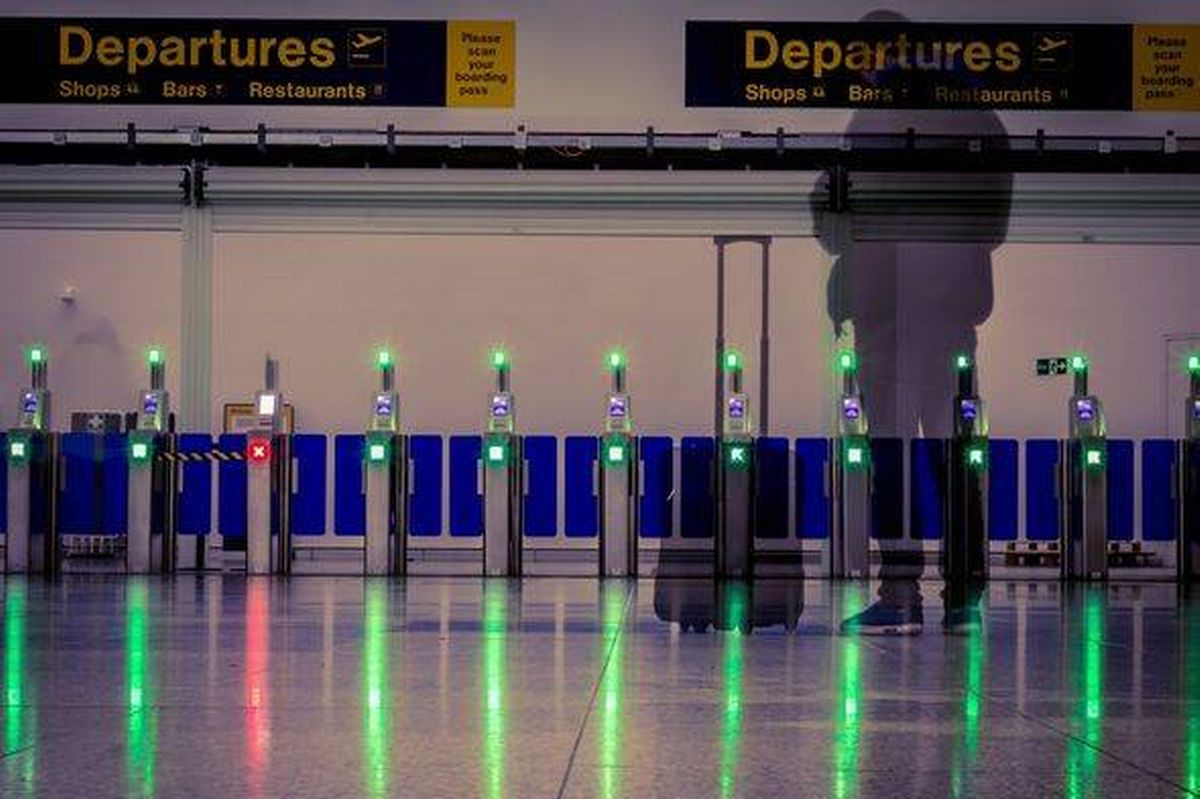
After numerous delays, the Entry/Exit System (EES) finally got off the ground in October. This means anyone from outside the Schengen Area, including Brits, will have to provide fingerprints and a facial image at the border when entering EU countries.

This initiative aims to phase out manual passport stamps and make it easier to monitor tourists who overstay their welcome. However, the roll-out of the system has hit a number of snags.

For instance, the Port of Dover was initially set to start using EES in October for car passengers, but this was pushed back to early 2026 to prevent delays over the busy festive season. Not all EU airports have the system up and running yet, so if you’re planning to travel early next year, your experience may differ.

The deadline for full implementation across all Schengen members, as well as Iceland, Liechtenstein, Norway, and Switzerland, is set for 10 April 2026. Once operational, travellers won’t need to do anything beforehand, but there may be lengthier airport queues as people adjust to the new system.

ETIAS – EU Visas

ETIAS (European Travel Information and Authorisation System) is a new visa waiver programme for exempt visitors making trips to the EU. It’s similar to the United States’ ESTA, and the procedure will be largely the same.

Once implemented, Brits planning an EU holiday will need to complete an ETIAS application, which is a pre-screening that permits you to enter the Schengen Area without a visa.

The downside is that the visa will cost €7 per person (roughly £6.10). However, once approved, the ETIAS will remain valid for three years or until your passport expires, whichever happens first.

Currently, no launch date has been declared on the official ETIAS website, but it’s advisable to stay alert for any updates. The launch date for ETIAS has already been postponed several times, and while it’s presently set for Q4 of 2026, which is October, there could still be delays in rolling out the system.

As with any travel visa or application, only use the official ETIAS website for applications and steer clear of third-party sites.

Brits face bigger bills on arrival

Overtourism has consistently made the news throughout 2025, and Brits travelling to certain countries might be caught off guard by unforeseen additional costs.

An increasing number of destinations are implementing tourist taxes, and while these are typically minor nightly fees, they can quickly accumulate for extended stays or larger groups. English mayors are also set to be given the authority to impose tourist taxes, meaning even staycations could come with added expenses.

New tourist taxes set to begin in 2026 include Edinburgh, where a 5% surcharge will be added to hotel bills from July, and Thailand, which will levy a 300 baht fee (approximately £7) on air passengers.

Brits heading abroad might also discover they’re charged more than locals to visit popular sites. A recent case in point is the Louvre in Paris, which announced that from early 2026, EEA residents will be charged €22 for entry, roughly £19.15, whereas those from outside the EEA, including Brits, will be hit with a €32 admission fee (around £27.86).

U.S. National Parks are set to introduce a two-tier pricing system for American citizens and tourists, with the latter being hit with an additional $100 fee on top of standard charges to gain entry into popular parks such as the Grand Canyon and Yellowstone. This surcharge can be applied per person or per vehicle, depending on the park’s policy.

For instance, a family visiting the Grand Canyon typically pays $35 (roughly £25.87) for a private car. However, under the new rules for non-Americans, this will skyrocket to a staggering $135, meaning visitors could pay just under £100 to simply pass through the gates.

Changes to liquid rules

Air travellers should stay up-to-date with any changes to liquid rules at their departure and destination airports, as the 100ml rule is often subject to change and has even been scrapped in some places due to advancements in technology.

At Birmingham, Gatwick, and Edinburgh airports, passengers can now carry up to two litres of liquids in their hand luggage, thanks to enhanced scanning technology. Meanwhile, at Luton Airport, while the 100ml rule remains in effect, there’s no longer a requirement to remove liquids from your hand luggage. This means the small plastic bag is no longer necessary; you can simply place your luggage in the scanner.

However, it’s important to remember that the regulations at your destination may differ. So, if you bring a two-litre bottle from the UK in your hand luggage, it might need to be stowed in a checked bag for your return journey.

Tightening of smoking and vaping bans

Several Spanish holiday hotspots favoured by Brits are considering imposing stricter regulations on smoking and vaping in public areas. In certain tourist hotspots like Barcelona and the Balearic Islands, puffing away on a cigarette or vape is already prohibited on beaches, while some Canaries’ beaches have been declared ‘clean-air zones’.

However, new proposals set to potentially take effect in 2026 could see a total ban on smoking and vaping in various outdoor spaces, including beaches and bar terraces throughout Spain, with immediate fines for those flouting the rules. In the Canary Islands, penalties for violating anti-smoking laws currently range from €30 to €2,000 (approximately £26 to £1,730), so it’s anticipated that similar fines would accompany the new regulations.

Crackdowns on unruly passengers

A recently enacted law in France, which may soon be replicated across other EU nations, is set to clamp down hard on disruptive behaviour among air passengers.

READ MORE: Ryanair launches flash sale with £25 flights to 21C Canary Islands this JanuaryREAD MORE: Major boost for incredible £7.4bn tunnel that will connect Europe and Africa

Starting from November, passengers traversing French airspace who commit offences such as using an electronic device when forbidden, hindering flight crew, or failing to adhere to safety instructions, will face hefty fines of up to €10,000 and flight bans lasting up to four years. For repeat offenders, fines can soar to €20,000, serving as a stern reminder for passengers to maintain decorum when flying over France.

The French Civil Aviation Authority will maintain a database of misconduct, enabling French airlines to report troublesome passengers and identify habitual offenders.

Have a story you want to share? Email us at webtravel@reachplc.com

Source link

Three of the UK’s top indoor waterparks with tropical climates, water rollercoasters and private hot tubs

KEEPING the kids occupied over weekends and half term holidays can be difficult in the colder months.

So we’ve rounded up the best indoor waterparks across the UK.

Indoor waterparks make for a great family day out, no matter the weather – like Sandcastle Waterpark in BlackpoolCredit: Sandcastle

With a mix of high-thrill slides and rides, relaxing spa treatments and adults-only zones, these waterparks are the perfect place to spend a day indoors.

Here’s three top picks for a splashing family day out.

Waterworld, Stoke-on-Trent

Waterworld is home to over 30 different rides and attractions, and describes itself as the “number one indoor tropical aqua park”.

The waterpark is home to a popular wave pool and rapids which swirl you through its waters.

COOL OFF

UK’s best and biggest inflatable water parks to beat the heatwave as a family


SPLASHING OUT

Huge £250million indoor water resort to finally start works in UK city

There’s also plenty to keep adrenaline junkies entertained.

The famous Thunderbolt ride is known for being the UK’s first trap door drop waterslide – a water flume which shoots you down at 25mph.

Meanwhile one of the newest rides, Hurricane, descends at 17mph with spooky lightning effects.

The popular Python ride has also been recently refurbished, with slithery twists and turns gentle enough for toddlers.

Most read in Best of British

There’s also calming bubble pools, relaxation areas, and a restaurant serving up pizza, bubble waffles and milkshakes.

And if you visit in the warmer months, there’s an outdoor pool and loungers to soak in the rays.

The waterpark is within Waterworld Leisure Resort, which is also home to the tiki-themed Adventure Mini Golf and the new M Club Spa and Fitness facility.

General entry starts at £24.00.

The Wave is a UK award-winning indoor waterparkCredit: The Wave
The lazy river is a more chilled option at this indoor waterparkCredit: The Wave

The Wave, Coventry

This indoor waterpark in Coventry holds the record for the largest wave pool in the UK.

The famous wave pool churns a whopping 20 million litres of water per day, with waves that deepen gradually as you wade in.

The indoor waterpark also has six slides, ranging from The Rapids water coaster to The Riptide – a rubber ring ride set at an exhilarating 90° angle.

The Cyclone is one of the waterpark’s fastest rides, swirling riders around in an open bowl before falling into the pool.

The Wave is also home to a lazy river which whisks swimmers around a winding path, as well as a splash zone for younger children named The Reef.

Adults visiting can enjoy a dedicated pool for lane swimming, fitness centre or a trip to the dedicated spa.

The Mana Spa has a steam room, sauna and offers a variety of massages and facials.

Tickets for ages 12+ start at £14.50 (off peak). Junior tickets start at £12.50, and infants aged 1 and under go free.

Sandcastle Waterpark is one of the UK’s top indoor waterparksCredit: Sandcastle Waterpark

Sandcastle Waterpark, Blackpool

This indoor waterpark is the UK’s largest, with your pick of waterslides and flumes for the kids, as well as a spa for the adults to unwind.

Here you can treat yourself to a tropical holiday in Blackpool, as this waterpark is set in a tropical 84° climate.

The park boasts 18 waterslides, including the UK’s longest indoor rollercoaster.

Family friendly slides range from the Treetops Water Chutes, multi-lane slides perfect for little ones, to the pirate-themed HMS Thunder Splash.

The waterpark is also home to 5 record-breaking “white-knuckle rides” – exciting options for the thrill-seekers in the family.

The Sidewinder is the world’s first Indoor half-pipe waterslide, whilst the Masterblaster has been named the UK’s longest indoor rollercoaster waterslide.

The Caribbean Storm Treehouse, on the other hand, is an interactive water climbing frame – complete with a giant coconut that pours 600 gallons of water onto unsuspecting swimmers every few minutes!

And if you want a break from all the screaming and laughter, the Sea Breeze Spa has a sauna, steam room, foot spas and even an aromatherapy room.

The spa costs £7 per person and must be booked alongside an admission ticket.

There’s also a “Tiki Cabana” experience for ultimate relaxation.

For £60 per person adults can unwind in a private area with a flatscreen TV, fridge stocked with cold drinks, and a private hot tub.

The price also included full-day admission, lunch and access to the spa.

General entry starts from £24.95 for ages 12+, £15.95 for kids aged 3 – 7, and under 3s go free.

You can see the winding slides from outside of the attractionCredit: Sandcastle

Source link

Stormzy reveals he was ‘dying a slow death’ after difficult year in heartfelt statement

IT’S now the beginning of a fresh year, but last year was a tough one for Stormzy.

The famous rapper and singer, who’s real name is Michael Ebenezer Kwadjo Omari Owuo Jr., gained mass attention back in 2014, when he broke into the music scene.

Stormzy has been through a difficult yearCredit: Getty
He bruised his cornea and had to attend the BRIT Awards wearing sunglassesCredit: Getty
Stormzy shared a lengthy end-of-year post to InstagramCredit: Instagram

But now over 10 years on, he’s reflecting on what a tough year he had, and how since the end of 2024 he’s felt like he’s been “dying a slow death”.

In a heartfelt Instagram post, Stormzy shared a statement about how it feels to gradually lose your sense of childhood wonder to reality and its twists and turns.

“Ok, I’m ready,” the star began before launching into a poetic statement.

“There’s poetry in all this chaos so lemme embrace it.

HEARTBROKEN

Stormzy left devastated as beloved Rottweiler he owned with Maya Jama dies


HARD LAUNCH

Maya Jama’s new boyfriend Ruben Dias makes first appearance on her Instagram

“Towards the end of 2024, my life took a few unexpected twists and turns and I was forced to pivot.

“These same events also robbed me of the wide-eyed innocence I once navigated the world with.

“Kinda like how you used to believe that Disneyland was powered by rainbows and fairy dust, and then one day you see a headless Mickey Mouse arguing on the phone and smoking a cigarette.

“This made me more resilient and put the final nail in the coffin of my desire to be understood – a part of me that, tbf, was already dying a slow death.”

The lengthy post continued on for eleven images in a carousel, detailing how Stormzy just wanted to get things “off [his]chest before [he] enters the New Year”.

He also shared how he is “eternally grateful” to the people in his life, whether they still work together or not.

He tied the statement off with the same words he scrawled at the start: “Ok, I’m ready.”

Stormzy opted to turn comments off on the simple text post, captioned with a repeat of “Ok, I’m ready.”

These same three words are the only ones in colour among the black and white statement, standing out in red.

It’s unclear exactly what “events” Stormzy is referring to when discussing the difficulty of 2025, but a couple of notable things happened to the star that did become public.

Back in March at the BRIT Awards, he took to the stage wearing a pair of sunglasses to scoop up an award for best British Hop Hop/Grime/Rap Act.

Clarifying to a confused audience why he was wearing shades inside the venue, he explained he had “bruised his cornea” during a game of padel.

“Sorry I’m wearing shade as well because I’ve mashed up my eye playing padel.

“I’ve got a very sore eye. I’ve got a bruised cornea.

“My eye’s sore under here, I’m not being a mad man with shades on inside.”

Then later on in the year in November, Stormzy shared a devastated post to Instagram sharing that the Rottweiler he owned with ex Maya Jama sadly passed away.

He said: “RIP my no.1 boy. Don’t have much to say, just gutted and heartbroken. I love you so so so much my boy. 

“If you know me then you know how much Enzo meant to me, gonna miss you my guy.”

He spoke of having a tough year and how he had to “rebuild” his lifeCredit: Instagram
He mentioned his faith many times and how it helped guide himCredit: Instagram
His beloved dog Enzo also passed awayCredit: Instagram

Source link

Contributor: We saw progress and peril in 2025. There’s hope for Trump’s next year

Listening to the usual legacy media suspects, one might think 2025 was an apocalyptic wasteland of sorts — an authoritarian fever dream brought on by the return of Donald J. Trump to the Oval Office. The reality looked very different. This past year was, in many ways, a pretty great and clarifying one. Let’s take stock of what happened when our government remembered whom it serves, as well as what unfinished business remains as we flip the calendar.

First, the obvious: Political sanity was restored to the nation’s capital. After years of leftist elite-driven chaos — wide-open borders, hyper-vindictive lawfare, fecklessness on the world stage and more — the nation has begun to revert back to first principles: national sovereignty, law and order, and strong leadership abroad. Under Trump, the United States has once again acted like a real nation-state that pursues its real interests — not a nongovernmental organization with a nagging guilt complex.

That reorientation has paid huge dividends. On immigration, the Biden-era invasion at the southern border has tapered by more than 90%. On energy, a renewed embrace of domestic production has led to the lowest average national gas prices in nearly five years. Violent crime, thanks to Trump’s law enforcement operations and innovative use of the National Guard, has dramatically fallen: Murders decreased by nearly 20% from 2024, and robbery and burglary also saw double-digit percentage decreases. Abroad, allies and adversaries alike recalibrated to the reality that the White House once again means what it says.

Still, work always remains. Here, then, is my 2026 wish list.

Peace in Eastern Europe

The Russia-Ukraine war has gone on far, far too long. The Trump administration has exerted tremendous diplomatic effort trying to orchestrate a peace deal, which remains elusive. A durable peace — one that halts the senseless slaughter on both sides, respects Ukrainian sovereignty and accommodates legitimate Russian concerns, and avoids a wider great-power conflagration — should be a paramount Trump administration foreign policy goal in 2026. Russia is the invader and Vladimir Putin is the greater obstacle to a lasting peace, but both sides need to make painful — if, frustratingly, also painfully obvious — concessions.

Victory on birthright citizenship

Back home, a consequential legal battle now sits before the U.S. Supreme Court: the Trump administration’s righteous challenge to the erroneous practice of constitutionally “required” birthright citizenship for the U.S.-born children of noncitizens. The notion that the 14th Amendment, ratified in 1868 in the aftermath of the Civil War, was meant to constitutionalize a global human trafficking magnet — granting automatic citizenship to all children born here, including those whose parents entered the country illegally — is indefensible as a matter of plain constitutional text, the congressional history in the House and Senate Judiciary Committees, and basic common sense. Indeed, birthright citizenship has been nothing short of ruinous for the United States. A Trump administration victory would restore Congress’s rightful authority over circumscribing citizenship and remove a longstanding incentive for illegal immigration.

Improved affordability and housing costs

Legal victories mean relatively little if ordinary Americans continue to feel like they are getting squeezed. Improved affordability must be front and center in 2026 — from the federal level down to states and localities. The cost of living is not an economic abstraction; it affects rent, groceries, child care and the difficulty of buying a first home. Housing, in particular, demands attention. Housing policy should reward supply, not suffocate it — cutting red tape and burdensome construction fees, reforming zoning incentives, and curtailing the inflationary spending that puts upward pressure on mortgage rates. A nation where young families cannot afford to put down roots is a nation courting decline — the very antithesis of Trumpian restoration.

Justice for Minnesota fraud scandal

The burgeoning fraud scandal over state and federal funds for child care in Minnesota, including at businesses run by Somali Americansastonishing in scale — has become a test case for whether the rule of law still applies when politics get uncomfortable. Justice means following the facts wherever they lead: recovering stolen taxpayer dollars and holding wrongdoers and abettors legally accountable without fear or favor. To wit, on the subject of abettors: What did Gov. Tim Walz (D-Minn.), Atty. Gen. Keith Ellison (D-Minn.), Rep. Ilhan Omar (D-Minn.) and other prominent Minnesota politicians know, and when did they know it? Moreover, what did Kamala Harris — who picked Walz as her 2024 presidential running mate — know, and when did she know it? The Biden administration and the Walz administration began investigating these fraud allegations years ago, and the American people deserve answers to all these questions.

Tamed Communist China

Finally, no wish list can be complete without confronting the central geopolitical challenge of our age: that of Communist China. Simply put, Xi Jinping and the Chinese Communist Party, who just presided over their largest live-fire military exercises around Taiwan, must be meaningfully deterred in the Indo-Pacific. That means maintaining a combative tariff posture, implementing as much economic decoupling as is feasible and emboldening key regional allies — such as Japan — who share America’s interest in freedom of maritime navigation and diminished Chinese hegemony. Decades from now, Trump’s presidential legacy will be partially defined by how he handled the China challenge. Now is not the time to take the foot off the gas pedal.

This past year showed what is possible when Washington rejects the politics of managed decline and reembraces the best of the American tradition and way of life. Let us hope we will see more — a lot more — of that same success in this new year.

Josh Hammer’s latest book is “Israel and Civilization: The Fate of the Jewish Nation and the Destiny of the West.” This article was produced in collaboration with Creators Syndicate. X: @josh_hammer

Source link

Dave Roberts looks to keep Dodgers’ momentum going in second half

Dave Roberts raised his arms to applaud the clinic unfolding before him. His claps were rhythmic and deliberate. He was saluting the best team in baseball.

The Dodgers arrived here around 4:30 a.m. on Monday, but they awoke by the fourth inning for a six-run, systematic humiliation of the Philadelphia Phillies in an eventual 16-2 victory. The display included six hits, a sacrifice squeeze by Austin Barnes and a sublime double steal executed by Barnes and Joc Pederson.

The gap between the Dodgers and the Phillies looked obvious after that inning. It is a chasm. The gap between the Dodgers and the rest of the National League looks almost as large.

The team disembarked for a four-game series at Citizens Bank Park with the most envious position in the sport. They have collected more victories than any other team in baseball, and own the largest division lead.

Heading into Monday’s games, the Dodgers led the National League West by 14 1/2 games. They could forfeit a week’s worth of games and still cruise to a seventh consecutive title. So what do they still have to play for?

A whole lot, it turns out. At least, in the eyes of their manager.

“I’d rather be 14 up than 14 down,” Roberts said before the game. “We still have a lot of work to do. And if you look at that series, there are things we need to get better at, things that we need to clean up.”

A few loose ends from Boston still perturbed Roberts. He cited “defensive lapses, times that we don’t finish at-bats the way we should” and issues with how the bullpen operated. Roberts worried about both the execution and the decision-making of his relievers, “how we attack hitters and [get] synced up,” he said.

“We’ve got to get better,” Roberts said. “And I really don’t care about the win-loss. I care about how we’re playing.”

The result on Monday left Roberts satisfied. The Dodgers humiliated the Phillies. Cody Bellinger swatted two home runs. The offense added a five-run splurge in the eighth. The crowd at Citizens Bank Park took to applauding Phillies relievers for the basic act of throwing strikes. The Dodgers scored with power and speed and guile.

“We’ve got a lot of baseball players on this team, up and down the lineup,” Barnes said. “You ask them to do something, and they’ll do it.”

As the second half unfolds, the Dodgers face only internal challenges before the postseason begins. The front office has two weeks to repair the bullpen through trades; the on-field personnel has a couple of months to place the pitchers in their proper roles. The bullpen remains the obvious blemish on an otherwise enviable roster.

The fragility of the bullpen looked obvious over the weekend in Boston, where the Dodgers still managed to win two of three from the defending championship Red Sox. After Pedro Baez served up a pair of eighth-inning home runs, Roberts faced a decision about who would start the ninth inning of a tied game.

His two choices?

One was Kenley Jansen, the three-time All-Star closer.

The other was Zac Rosscup, a 31-year-old journeyman who had already been cut loose by the Seattle Mariners and Toronto Blue Jays this season.

In a different setting — like the postseason, or the 163-game hothouse that was the 2018 regular season — it is difficult to imagine Roberts opting for Rosscup in this scenario. But he sent Rosscup to the mound on Sunday, in part to save Jansen for a potential save situation in extra innings.

Rosscup did not last long. He walked the only batter he faced, and was replaced by Yimi Garcia. Jansen eventually arrived with two runners aboard. He stranded both, then threw a scoreless inning in the 10th. The Dodgers eventually won in 12.

Rosscup was designated for assignment on Monday. Brought in to replace him was reliever Casey Sadler. He handled the ninth inning, with the Dodgers nursing a comfortable 14-run advantage.

Sign up for our daily sports newsletter »

The lead had ballooned as the Philadelphia bullpen collapsed. In the ninth, the Dodgers faced outfielder Roman Quinn on the mound. One moment typified the sort of effort Roberts expects from his group: Bellinger legged out an infield single to keep a two-run rally going.

“We’ve done that all year, whether we’re up or down,” Bellinger said. “None of our guys give away at-bats. It just shows the kind of group that we have. Everyone just wants to play and play well, and perform. That’s what we’re doing.”

There was little to clean up Monday. The Dodgers romped. The manager expected no less.

“I think our guys now are so wired that we’re just very methodical,” Roberts said. “And I don’t think that we care if we were tied in the division or if we’re 14 games up. It’s about how he play today.”

andy.mccullough@latimes.com

Twitter: @McCulloughTimes


Source link

South Korea ends two-year U.N. Security Council term, cites peace role

President of the Republic of Korea Jae Myung Lee speaks on the first day of the 80th session of the General Debate in UN General Assembly Hall at the United Nations Headquarters on Tuesday, September 23, 2025 in New York City. Photo by Peter Foley/UPI. | License Photo

Dec. 31 (Asia Today) — South Korea’s two-year term as a non-permanent member of the U.N. Security Council ended Wednesday, with the Foreign Ministry saying Seoul led discussions on international peace and security and raised its profile as a responsible global power.

The ministry said South Korea served as Security Council president in September and used the role to steer talks during the high-level segment of the 80th U.N. General Assembly.

It was South Korea’s third stint as an elected Security Council member after terms in 1996-1997 and 2013-2014, the ministry said.

During the 2024-2025 term, South Korea pushed Council discussions on security threats linked to emerging technologies, including artificial intelligence and cybersecurity, the ministry said. It said President Lee Jae-myung became the first South Korean president to preside over a Security Council meeting, leading a session on AI and international peace and security.

The ministry said South Korea also contributed to talks on peacekeeping and peacebuilding, taking part in decisions related to U.N. peacekeeping operations and serving as a coordinator between the Security Council and the Peacebuilding Commission.

It said Seoul urged greater Council attention to nontraditional security issues including women, peace and security and climate change.

The ministry said the period of South Korea’s membership coincided with conflicts in multiple regions, including the war in Ukraine and tensions in the Middle East, underscoring the Council’s role. It said geopolitical rivalry and eroding trust in multilateralism limited Council action, but Seoul consistently emphasized respect for international law, including the U.N. Charter, and protection of civilians.

The ministry said South Korea worked to strengthen solidarity among elected members and promote dialogue between permanent and nonpermanent members.

It said the government plans to expand contributions to international peace and security based on the experience gained during the term, including efforts tied to what it described as a national policy task of building a “G7+ diplomatic powerhouse” through participation in the international community.

— Reported by Asia Today; translated by UPI

© Asia Today. Unauthorized reproduction or redistribution prohibited.

Source link

Chuck DeVore faces steep climb for California Senate seat

Republican Assemblyman Chuck DeVore was riding high from his party’s recent Senate election victory in Massachusetts when he bounded into the town library here. The meeting of the Lincoln Tea Party Patriots was already buzzing over Scott Brown’s win in one of the bluest of blue states, and DeVore tried to convince them that with his consistent conservative credentials, he could take incumbent Sen. Barbara Boxer.

“A sleeping giant has been awakened,” he said. “Some of you are scared. Some of you are mad as hell. . . . Times are different and we can win!”

If any major candidate should be able to marshal that sentiment in California it is DeVore, a lifetime conservative rumbler whose policy positions dovetail perfectly with the mojo of the nation’s guerrilla movement of the moment. Almost a third of Californians, according to a recent poll, identify with Tea Partiers like those at this gathering about 30 miles northeast of Sacramento; Republicans here and across the nation are salivating over the possibility of defeating their long-time Democratic nemesis, Boxer.

But serious questions remain about whether DeVore, 45, can survive the GOP primary. He has the fiscal and social credentials desired by the conservative party voters most likely to turn out in June. But, despite campaigning for more than a year, his candidacy is something of an apparition. Outside party circles and his home base of Orange County voters generally have no idea who he is, and he ended 2009 with a net $140,000 in the bank.

In a state as big as California, recognition does not come cheap. Primary opponent Carly Fiorina, a multimillionaire, has already lent her campaign $2.5 million, and former U.S. Rep. Tom Campbell, who jumped into the race last month, is much better known to voters because he has been in the public eye for two decades.

DeVore is counting on hard work and persistence to make up for money and name identification. Since announcing his candidacy in November 2008 he has logged more than 50,000 miles by car and air to meet with nearly 40,000 Republican voters at 239 stops up and down the state. (The candidate, an admitted wonk, logs every visit, mile and voter on a spreadsheet when he gets home to Irvine).

“Whatever the polls say four months before the primary, the strength of the volunteers backing us, the lack of any skeletal remains in my closet are going to allow me to prevail in this primary and to ultimately vanquish Barbara Boxer,” DeVore said at the January meeting of the West Valley Republican Women Federated at a diner in San Jose.

He tells voters that politicians in both parties have forgotten their duty, which he believes should be limited to securing citizens’ rights to life, liberty and the pursuit of happiness — “not making up new rights.”

“They make it up as they go along because they don’t have a core philosophy that guides their decisions,” DeVore said. “I have a core. It’s the Constitution, it’s the preamble of the Declaration of Independence. I don’t vary from that.”

The retired National Guardsman, Reagan White House appointee to the Pentagon and longtime legislator relishes political combat. Referring to the Senate hearing in which Boxer rebuked a brigadier general for addressing her as “ma’am” rather than “Senator” — she told him she worked hard to win her seat — DeVore pledged to call her “ma’am” every chance he could during debates.

If she objects, he told the women’s club, he will reply, “Well, then, Senator, you can call me Colonel because I worked a hell of a lot harder for that title!”

While mocking Boxer, he also criticizes his GOP primary opponents. At gatherings across the state, he paints Fiorina as a dilettante whose spotty voting record alone undermines her candidacy, and who has shifted her positions to the right on policies such as the federal economic stimulus package. He faults Campbell, who is campaigning as a fiscal conservative, for supporting temporary tax increases in recent years.

“I would argue it’s important to have some consistency in the people we trust with our vote,” DeVore said in Lincoln.

At each event, DeVore takes question after question, and he doesn’t always tell the voters what they want to hear. In Lincoln, one man said he was tired of congressional Republicans arguing they could accomplish nothing because they are in the minority. He asked DeVore how he would achieve more.

“I’m going to challenge you a bit on this, sir,” DeVore replied, before booming: “The first order of a senator is not to do something. It’s to follow the Constitution!”

DeVore’s supporters believe he is the lone candidate who would stop what they see as a growing threat to the nation’s future: ever-expanding government, deficit spending, debt to China. Their frustration that their leaders have stopped listening to them, and acting in their best interest, is palpable.

“I trusted my government,” said Ruth Crone, a Fair Oaks mother of four who attended the Lincoln Tea Party. The registered Republican said she has grown increasingly disillusioned with both her elected representatives and her party, and she supports DeVore because he understands what’s at stake. “Our individual liberties are imperiled by the financial irresponsibility” of the federal government, she said.

Zeal, however, is no guarantee of momentum.

DeVore sees a path to victory. Once primary voters tune in to the race later this year, he said, they will be turned off by the other candidates’ pasts: Campbell’s support for tax increases and Fiorina’s controversial tenure as chief of Hewlett-Packard. When he wins the primary, DeVore said, he believes the national conservative movement will financially back him much as it did Scott Brown in Massachusetts.

“Once you get past the June primary, the notoriety we’ll generate by defeating the better-known and presumably better-financed Republican — one perceived rightly as the pick of the establishment, the other a moderate who has been in favor of tax increases — I think that’s going to put us on the map,” DeVore said. “Frankly, I need that.”

While analysts predict, and polls thus far confirm, that the other candidates match up better against Boxer in the general election, he argues that Republicans would coalesce behind him because of their interest in defeating her. “That’s going to motivate a lot of people,” he said.

In every step DeVore takes, however, lies confirmation that his situation is dire.

He urges followers to attach bumper stickers to their car, noting that each one is worth $200 in paid ads. Campaign signs and T-shirts are stored in his Sacramento apartment. DeVore knows which car rental firm near the state Capitol offers the cheapest rates should he drop the car off in another city.

DeVore’s campaign staff is tiny and volunteer-driven, a shadow of Fiorina’s assembly of pollsters, media advisors and political consultants. The silver lining: The lack of bureaucracy allows DeVore’s circle to be nimble. As Brown gained steam in Massachusetts, DeVore directed his volunteers to call voters there the weekend before the election on Brown’s behalf; Campbell and Fiorina merely put out statements on election day. On Thursday, DeVore jumped on an opportunity to ambush Fiorina on a popular Southern California radio show, where he accused her of flip-flopping on the issues and tried to goad her into committing to a debate.

DeVore used to drive himself to campaign events, until his staff decided his time would be better spent in other ways, such as phone calls, interviews, Facebooking and chatting with voters on Twitter.

“I don’t know if this is going to be a waste of time at the end of the day in a state of 37 million people, or whether, relative to the large numbers of voters that we’re dealing with, whether this is a good investment of time. But what other choice do I have?” he asked. “I’m not a millionaire, and I’m not a celebrity.”

seema.mehta@latimes.com

Source link

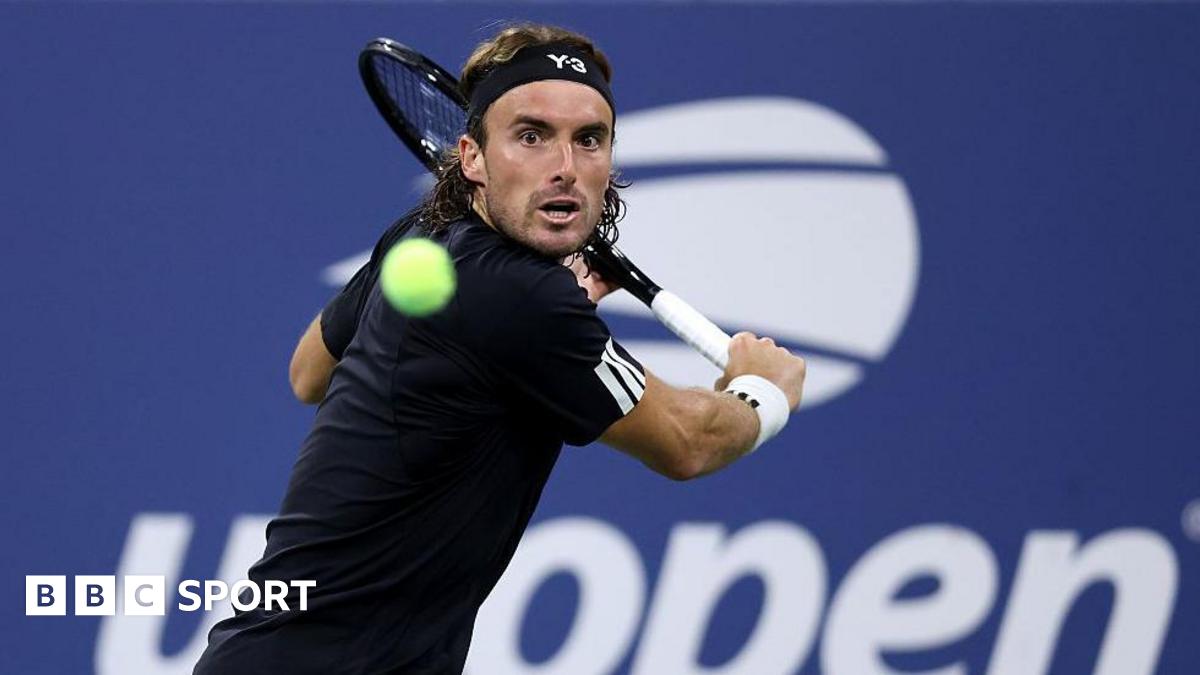
Stefanos Tsitsipas admits he seriously considered retiring from tennis because of an injury-hit 2025

Stefanos Tsitsipas says he considered retiring from tennis because of serious back pain during the 2025 season.

The 27-year-old has been as high as number three in the world and was runner-up to Novak Djokovic at the 2021 French Open and 2023 Australian Open.

Now ranked 36th in the world after playing just two Davis Cup matches since a second-round exit at the US Open in August, he said he is finally seeing progress through ongoing medical treatment.

“I’m most excited to see how my actual training responds with regard to my back,” Tsitsipas said.

“My biggest concern was if I could finish a match,” added Tsitsipas, who said the injury had haunted him “for the last six or eight months”.

“I would ask, ‘Can I play another match without pain?'”

“I got really scared after the US Open loss [to Germany’s Daniel Altmaier]. I could not walk for two days. That’s when you reconsider the future of your career.”

Tsitsipas added he was satisfied with his current care plan after completing five weeks of off-season training without pain.

He will play for Greece, who are grouped with Naomi Osaka’s Japan and the Emma Raducanu-led Great Britain team in the United Cup, which will take place in Perth and Sydney from 2 to 11 January, the week before the Australian Open.

“My biggest win for 2026 would be to not have to worry about finishing matches,” he said.

“It makes great feedback knowing you had a pre-season without pain – I hope it stays that way. I want to deliver for 2026 and the United Cup.

“I put in the work. The most important thing is full belief that I can come back to where I was. I will try everything to do that.”

Source link

Turn 28 days of holiday into 63 days off for 2026 with this super-sizing tip

Strategic planning could help UK workers ‘stack’ their annual leave days around bank holidays to stretch standard holiday entitlement into significantly longer blocks of time, subject to employer approval

As the festive cheer begins to fade and the dreary ordeal of January looms, we’re all on the hunt for a silver lining to brighten up the year ahead.

This glimmer of hope might just be found in recent research that reveals how many of us could potentially maximise our holiday allowance next year – bagging up to 63 days off by using only 28 days of annual leave.

Most UK employees, who work a standard five-day week, are typically entitled to about 28 days of annual leave. However, with some clever planning, astute workers can ‘stack’ their annual leave days to extend their standard holiday entitlement into considerably longer periods of time.

The experts at TargetJobs have detailed how you can effectively double your annual holiday entitlement with a bit of careful manoeuvring.

Do keep in mind though, that your colleagues might also be privy to similar advice, so you’ll need to act swiftly to secure those prime holiday dates before someone else beats you to the punch!

The first holiday you should aim to book is tomorrow (Friday, January 2) – although this might be a tad last-minute for some. Taking into account weekends and bank holidays, this could see you enjoying a four-day break for the price of just one day’s leave.

Next on the agenda is your Easter break. This year, Good Friday falls on April 3, followed by Easter Monday on April 6.

By booking from Monday, 30 March to Thursday, 2 April and then from Tuesday, 7 April to Friday, 10 April, you’ll only use eight days of leave but score a whopping 16 days off work.

You could use this time to soak up some spring sunshine as resorts in southern Europe begin to heat up. Alternatively, if lounging on the beach isn’t your cup of tea, you might still be able to fit in a late-season ski trip at high-altitude resorts like Val Thorens in France’s Tarentaise Valley.

The following month, there will be two official bank holidays. If you book four days off over each, you’ll bag a nine-day break.

That’s plenty of time to jet off to the Mediterranean, or even further afield. If your budget allows, you could squeeze in a week in the Caribbean.

The final bank holiday of 2026 falls on Monday, 31 August, which can give you an additional nine-day break, if you take four days of leave immediately afterwards.

Finally, fast-forwarding to next Christmas, the big day lands on a Friday. As Boxing Day falls on a Saturday, that day off is moved to Monday, 28 December. This means you could use just seven days worth of leave to secure yourself 16 consecutive days off.

You could embrace the festive spirit with a snowy getaway in Lapland, or dodge the season entirely and opt for some winter sun.

Bear in mind, though, popular dates like Christmas and Easter tend to fill up quickly, so it’s best to put in your leave request as early as possible.

Additionally, some employers may block out busy periods, prohibiting you from booking individual days off or even outright refusing to permit staff absence during certain times.

Source link

Adam Peaty refuses to back down from family feud as he shares cryptic New Year statement

ADAM Peaty refused to back down from his family feud with a telling New Year’s Eve post.

The Olympic swimmer tied the knot with Gordon Ramsay‘s daughter on Saturday in a festive ceremony at Bath Abbey.

Adam Peaty shared a cryptic post as he marked the end of 2025Credit: Splash
The Olympic swimmer uninvited his parents to his weddingCredit: Instagram
Adam said he was grateful for ‘everything this year’ – despite falling out with his familyCredit: Instagram

But the nuptials had been overshadowed by Adam’s ongoing feud with his family, including his parents who were uninvited from the wedding.

Instead of holding out an olive branch, Adam appeared to take a final dig at his family in a new post.

The sport star appeared grateful for how things had panned out this year – even if it meant falling out with his family.

He shared a quote, which read: “It’s the last day of 2025. Thank you Jesus for everything this year.”

GIFT SPLURGE

Holly Ramsay & Adam Peaty spend HUGE sum on gifts for 200 wedding guests


WEDDY TO RUMBLE

Adam Peaty & Holly’s wedding war with his family to feature in Netflix show

It’s been a tumultuous time for Adam and his family.

On Tuesday, The Sun revealed that Adam uninvited his great aunt and uncle from his wedding – just four days before the ceremony.

The lead up to their nuptials was fraught with drama, after Adam, 31, uninvited his mum Caroline when a feud erupted over her failing to be invited to Holly’s hen do.

It was then revealed that Adam had said his dad Mark could attend the wedding – but he would have to sit at the back of the church.

Unsurprisingly, Mark chose not to attend, as did Adam’s brothers James and Richard.

Now, The Sun can reveal that his great aunt Janet, 73, and uncle Eddie were uninvited in a very brutal way just four days before the ceremony.

A source said: “They got an automated message basically saying they were off the guest list and to respect Adam and Holly’s decision.

“It was so impersonal, and just four days before the big day.”

The brutal text came despite the fact the couple had already shelled out hundreds of pounds on accommodation, outfits and gifts.

Adam’s older sister Beth was the only family member to be invited to the big day – and along with Holly’s sisters Tilly, 24 and Megan, 27, she was one of the three bridesmaids.

Following the wedding ceremony, a reception was held at Kin House in Kington Langley, Wiltshire.

It saw Holly’s dad Gordon deliver a fiery speech where he made a dig at Adam’s absent parents.

The 59-year-old chef said his wife Tana “will be a good mum to them both”.

Gordon gushed at how beautiful Holly looked and told Adam he was a “lucky man”, adding: “Look at Tana and that’s what you have to look forward to.” 

And in a sly dig at Adam’s parents he told Holly, 25: “Shame you don’t have the same.” 

His words left Caroline “outraged and hurt” with an insider telling the Daily Mail: “Caroline can’t believe Gordon brought their family troubles up his speech. It is outrageous and very hurtful.

“By him saying Tana will be a good mum to them both makes Caroline sound like a bad mum. It was a cruel dig at her.

“She has always done her best for all her children. She is a very good mum.”

However, the newlyweds brushed off any further drama as they were pictured leaving Gordon’s London home on Monday to jet off on honeymoon.

Their trip comes after Adam changed his name on social media to Adam Ramsay Peaty, a move that was quickly criticised by his ex-girlfriend.

Eiri Munroe – who shares five-year-old son George with Adam – told friends she thought it was “hypocritical”.

A friend of his artist ex – who he split from in 2021 – says she wanted George to take her surname plus Adam’s, but claims he refused.

Eiri’s pal told The Sun: “It feels a bit rich to Eiri that Adam has been quick to change his name but didn’t allow her the same right for their son.”

The nuptials had been overshadowed by Adam’s ongoing feud with his familyCredit: Splash
Adam’s sister Beth (right) was the only family member to be invited to the weddingCredit: Getty

Source link

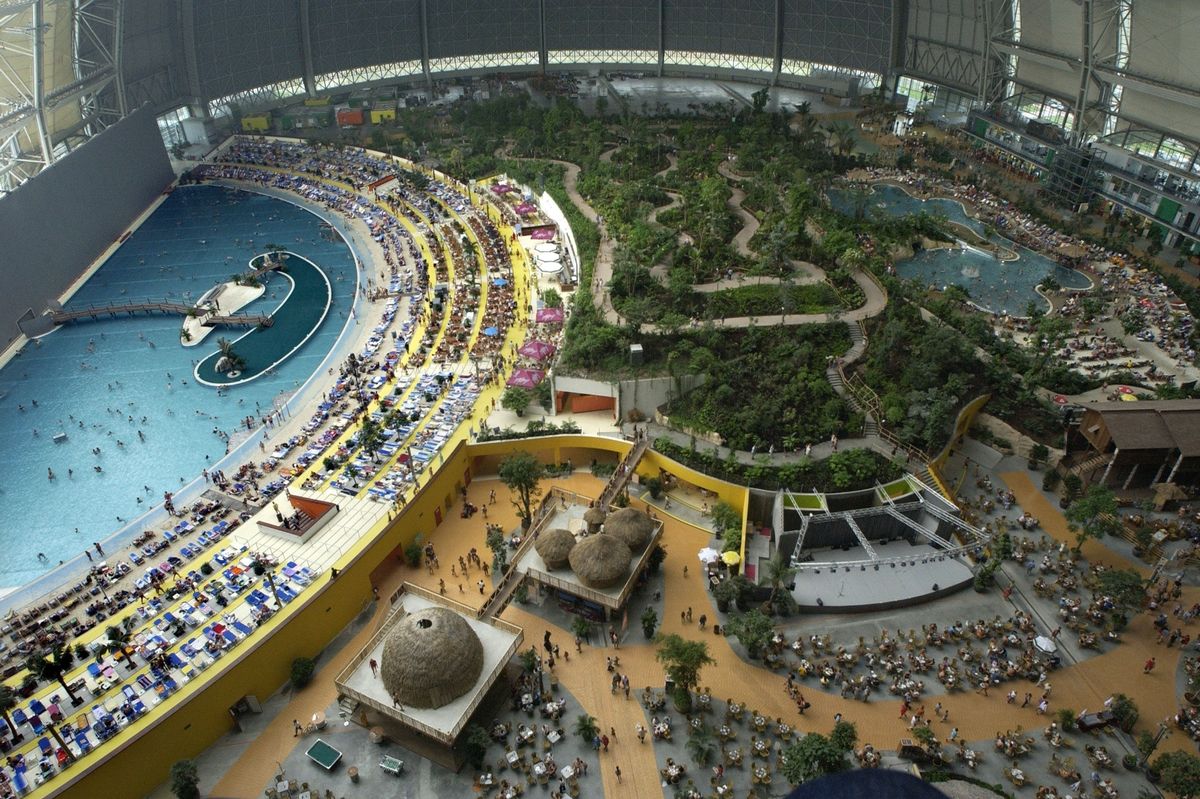
World’s largest indoor beach is 26C all-year-round and two-hour UK flight cost just £47

The world’s largest indoor beach can be found inside the Tropical Island Resort in Krausnick, Germany, which is an hour drive from Berlin where Brits can fly to in under two hours

The world’s largest indoor beach is double the length of a Premier League football pitch – and it is 26C all-year-round.

The man-made sandy beach stretches 200 metres and is dotted with palm trees and sunloungers. It is nestled inside the Tropical Island Resort in Krausnick, Germany, which is also home to the largest indoor swimming pool and one of the biggest indoor rainforests.

Brits can book return flights to its nearest airport – Berlin Brandenburg Airport – for as little as £47 from London Stansted Airport.

The mammoth indoor waterpark, once the biggest in Europe, is an hour drive from Berlin, and it was built in 2004.

The 10,000sqm space includes four attractions which are Water Worlds, Tropical Rainforest, the outdoor Amazonia area and the Tropical Village where visitors can buy food, drinks and gifts.

The complex is so large that it can accommodate 6,000 visitors at a time who can even take air balloon rides inside the unique resort that is inside a gigantic dome hangar.

Being a balmy 26C no matter the season, there are 900 sunbeds available, and the giant swimming pool in the Water Worlds section is the size of three Olympic sized ones. There is also Bali-style huts that surround a water lagoon while kids can play in a Jungle Splash water playground.

The resort is also home to a sizable slide tower that stands at 27 metres (equivalent to a four-storey building) and a power turbo slide reaches speeds of 43mph. And if that wasn’t enough excitement, there is a huge twisty water slide that is 149 metres long.

Some 50,000 plants can be found inside the Tropical Rainforest also boasting butterflies, flamingos and turtles. There are also mini golf games and a Balinese-inspired village.

Adults can also take advantage of the spa and sauna complex where there are seven spa areas in total while there are also caves inspired by Cambodia, Australia and Malaysia.

Visitors can choose to stay in rooms inside the resort or there are tents available to hire for overnight stays too.

Last year, the Hawaiian themed Ohana Town was constructed, where visitors can stay overnight in lodges, play bowling, eat in a restaurant and sing their hearts out in karaoke.

Day tickets for adults start from around £30, children between four and 12 from £26 while kids three and younger are free.

In a recent review on TripAdvisor, one person wrote: “Prices rise annually. It’s starting to be quite expensive fun. In winter still good, because you feel like on holiday.”

Another called it “beach paradise for families with children” before adding: “Large, warm pools and several waterslides for those who like it.

“Lots of sunbeds but they get busy very quickly so if you want these you need to come early in the morning, then they dibs all day.”

Source link

World’s first package holiday was alcohol alcohol-free trip to unlikely UK town

Package holidays have become the go-to option for many Brits, but the first package holiday in 1841 was worlds away from a sizzling trip to Spain – and passengers only travelled 11 miles from home

As the festive decorations are packed away and Brits brace themselves for a dreary, rain-soaked January, many will be planning their summer getaways. When it comes to chasing the sun, Brits have long loved the ease of a package holiday.

ABTA data reveals that 62% of people who ventured abroad last year opted for a package holiday, bundling together flights and accommodation with extras from coach travel to car hire and dining packages.

The surge in package holidays has gone hand in hand with the rising popularity of overseas destinations. So, you might assume that first package breaks involved jetting off to sunny Costa Blanca or the chic south of France.

However, the origins of the package holiday are far more modest, and there’s one man to thank next time you’re basking in an all-inclusive in Alicante or lounging in Lanzarote, reports the Express.

Thomas Cook and the birth of the package holiday

The first package holiday in 1841 was a rather tame event. A Baptist preacher named Thomas Cook chartered a train and organised a trip for his fellow temperance movement members, advocates of abstaining from alcohol.

For a mere shilling, passengers could journey the 11-miles from Leicester to a temperance rally in Loughborough, complete with a cup of tea and a ham sandwich to enjoy on the train.

It may have been a modest start, but spurred on by the sale of 485 tickets, Thomas established Thomas Cook & Son, which became a household name in package holidays for many years. The entrepreneur recognised that railway companies offered discounts for bulk bookings or charters, and the public appreciated the ease of booking a package with everything organised for them.

Following his whirlwind journey to Leicester, Thomas Cook expanded his offerings with further trips across the Midlands, before branching out to London for the Great Exhibition. In 1855, he ventured overseas, leading tour groups to Belgium, Germany, and France, and in 1863, he introduced the first tour of Switzerland.

Opening up the world

Given the popularity of his European excursions, Thomas Cook presented his most ambitious itinerary yet in 1872. For 200 guineas, roughly equivalent to £25,000 today, travellers could embark on a 222-day tour encompassing the USA, Japan, China, India, and Egypt.

Around this time, Thomas also pioneered the use of circular notes, later known as traveller’s cheques, making it easier for holidaymakers to spend money abroad.

By 1888, Thomas Cook & Sons had established a global presence with offices worldwide, including three in Australia and one in New Zealand. By 1890, they were selling tickets to over three million travellers annually.

Previously, travel was a luxury only the wealthy could afford, but many of Cook’s new clientele were from the burgeoning middle classes. France, Germany, and Switzerland were popular destinations, and packages often included cultural excursions to museums, theatre and opera visits, in addition to outdoor pursuits like mountain climbing.

Fast forward to 1949, when the first modern package holiday, as we know it today, was introduced. Vladimir Raitz, a Moscow-born businessman who had relocated to London, was holidaying in Corsica when a business associate challenged him to attract more Brits to the island.

Vladimir calculated that for £35 per person (equivalent to around £1,100 in today’s money), he could charter a plane and offer British holidaymakers two weeks of sun-soaked bliss on the French island.

Despite facing some hurdles, Vladimir’s offer of a flight, tent accommodation, and twice-daily meals with meat proved irresistible to those still grappling with post-war austerity. The first charter flights took off in May 1949.

Vladimir went on to found Horizon Holidays, the first in a long line of package holiday companies promising sun-drenched getaways.

By 1950, the post-war holiday surge saw a million Brits venturing abroad, and in 1957, the now-obsolete British European Airways capitalised on this trend by offering flights to Valencia, situated approximately two hours north of Alicante. To market this fresh destination, the nickname Costa Blanca was created, encompassing the towns and cities along the 120-mile coastline.

During this period, a quaint fishing village named Benidorm was witnessing a decline in its fishing industry and needed a new income source. The local council, seizing an opportunity, began approving new developments.

In 1956, the General Plan was initiated, which moulded the destination that Brits adore today. While the area had been a tourist hotspot for some time, this plan incorporated more high-rise buildings and large public spaces, completely changing the skyline of the Spanish city.

1950 also marked the debut of the first resort to offer a version of the modern all-inclusive. Club Med launched a resort in Alcúdia, Majorca, where holidaymakers could have all their meals included in the price.

Tourists, primarily from Belgium and France, stayed in tents or beach huts and meals were a communal event, yet it laid the groundwork for a popular style of holiday that persists to this day.

Golden age

In the 1960s, a mix of factors like improved flight accessibility, increased wages and more paid holidays led to Brits swapping their local getaways for foreign adventures. Many embarked on their first overseas journeys, basking in the sun-soaked climes of Spain, Greece, and Italy, immersing themselves in diverse cultures and sampling exotic cuisines.

READ MORE: Three cities where boozy stag dos are ‘more popular than ever’READ MORE: Ryanair passenger ‘flung out of our seats’ during horror turbulence at 35,000ft

Fast forward to today, and not much has changed with package holidays. A week or two under the sun remains the summer highlight for many Brits.

While new destinations have emerged, early favourites like Costa Blanca and Majorca continue to draw crowds. And even though the internet has opened up a world of travel opportunities, the continuing popularity of package holidays shows that sometimes all you need for a great holiday is a bit of sunshine and a comfy sunlounger.

Have a story you want to share? Email us at webtravel@reachplc.com

Source link

Photo Error Blamed for Election Loss

A state Senate candidate whose picture was erroneously published on primary day with a story about a fraud case asked a judge to order a new election and make the Star Tribune pay for it. John Derus of Minneapolis said in his lawsuit that the use of his photo with the unrelated story about a charity fraud in Philadelphia hurt him in the election. Derus, a Democrat, lost to Linda Higgins by 104 votes out of about 6,300 cast in the Minneapolis district Sept. 10. He wants the newspaper to pay for a new primary, estimated at $20,000.

Source link

Eight players hoping for a big 2026: Antoine Semenyo, Igor Thiago, Claudio Braga and Nico O’Reilly

Bournemouth winger Antoine Semenyo is close to joining Manchester City after they activated a £65m release clause in his contract.

The 25-year-old is likely to complete the move after making a final appearance for the Cherries in Saturday’s game against his soon-to-be-club’s title rivals Arsenal.

Most of the big-spending clubs in the Premier League had been interested in the Ghana international after he became one of the stars of the 2025-26 season.

Semenyo is the third top scorer in the league with nine goals, plus has three assists.

And now the former Bristol City man will finally have the opportunity to play in Europe – and the Champions League.

But the question is – and this is why Semenyo is facing a big 2026 – how quickly can he break into the City XI with so much competition for attacking places?

Source link

Why are some African countries banning US citizens from entry? | Donald Trump News

Mali and Burkina Faso have announced they are imposing full visa bans on United States citizens in retaliation for US President Donald Trump’s ban on US visas for their citizens this month.

The two West African countries, which are both governed by the military, on Tuesday became the latest African nations to issue “tit-for-tat” visa bans on the US. These follow Trump’s new visa restrictions, which now apply to 39 countries in Africa, Asia, the Middle East and Latin America. The White House said they were imposed on “national security” grounds.

Recommended Stories

list of 4 itemsend of list

“In accordance with the principle of reciprocity, the Ministry of Foreign Affairs and International Cooperation informs the national and international community that, with immediate effect, the Government of the Republic of Mali will apply the same conditions and requirements to US nationals as those imposed on Malian citizens,” the Malian ministry said in a statement.

Burkina Faso’s foreign minister, Karamoko Jean-Marie Traore, in a separate statement similarly cited a reciprocity rule for his country’s visa ban.

Which countries have issued bans on visas for US citizens?

The US directive issued on December 16 expanded full US visa bans to citizens of five nations other than Mali and Burkina Faso: Laos, Niger, Sierra Leone, South Sudan and Syria.

Travellers holding travel documents issued by the Palestinian Authority were also banned from entering the US under the order.

The US cited the countries’ poor screening and vetting capabilities, information-sharing policies, visa overstay rates and refusal to take back their deported nationals for the ban.

Trump’s order also noted countries were additionally assessed based on whether they had a “significant terrorist presence”.

The US ban takes effect on Thursday.

Mali, Burkina Faso and neighbouring Niger have been plagued by violence from armed groups linked to al-Qaeda and ISIL (ISIS) for years. The violence in those countries has displaced millions of civilians.

On Friday, Niger banned entry for US citizens, also citing the US ban on its citizens. The country is also military-led like its neighbours Mali and Burkina Faso. All three formed the Alliance of Sahel States in July 2024 to tackle security problems and improve trade relations.

In its own reciprocal move, Chad stopped issuing visas to US citizens on June 6 with an exception for US officials. Only US citizens who were issued visas before June 9 are now allowed entry into Chad.

The country was on an initial list of 12 nations whose citizens the Trump administration issued a full visa ban on from June 9.

Traore
Burkina Faso President Ibrahim Traoré, second from left, walks alongside Malian President Assimi Goïta during an Alliance of Sahel States summit on security and development in Bamako, Mali, on December 23, 2025 [Handout/Mali government information centre via AP]

Which countries are affected by the US visa bans?

Citizens of 39 countries are now under full or partial entry restrictions to the US, according to the US-based Council on Foreign Relations think tank.

Those fully banned are:

  • Afghanistan
  • Burkina Faso
  • Chad
  • Equatorial Guinea
  • Eritrea
  • Haiti
  • Iran
  • Laos
  • Libya
  • Mali
  • Myanmar
  • Niger
  • Republic of Congo
  • Sierra Leone
  • Somalia
  • South Sudan
  • Sudan
  • Syria
  • Yemen
  • Holders of travel documents issued by the Palestinian Authority are also fully banned.

Those partially restricted are:

  • Angola
  • Antigua and Barbuda
  • Benin
  • Burundi
  • Cuba
  • Dominica
  • Gabon
  • The Gambia
  • Ivory Coast
  • Malawi
  • Mauritania
  • Nigeria
  • Senegal
  • Tanzania
  • Togo
  • Tonga
  • Turkmenistan
  • Venezuela
  • Zambia
  • Zimbabwe

Is Trump specifically targeting African countries with visa bans?

Trump’s approach to Africa regarding visa entries in his second term as US president is similar to that of his first administration when he issued a “Muslim ban”, which included citizens of three African nations – Somalia, Sudan and Libya – as well as Yemen, Syria, Iraq and Iran.

In later updates to the ban, Sudan was removed while Chad was added.

Most countries under US entry restrictions since Trump took office on January 20 are in Africa. Of the 39 affected countries, 26 are African nations.

How have US-Africa trade relations fared under Trump?

Tradewise, the US has shifted away from its preferential African Growth and Opportunity Act (AGOA) trade programme to a tariff-based regime that has also been applied to most other countries around the world under Trump’s tariffs policy.

From 2000, AGOA provided African nations with duty-free access to US markets, bolstering African exports to the US of a wide range of goods, from wine to cars.

AGOA created an estimated 300,000 jobs in African countries and indirectly sustained another 1.2 million jobs, according to the US-based Center for Strategic International Studies.

However, AGOA expired in September after the US Congress failed to renew it. Although the Trump administration said it supported a one-year extension, no steps have been announced to revive the programme.

Instead, African countries now face often steep tariffs as the US sometimes justifies them on political grounds.

South Africa, Africa’s richest country, for example, was slapped with a 30 percent tariff after Trump made debunked allegations of a “genocide” on the country’s white Afrikaner minority. The US government has since prioritised resettling Afrikaners as refugees in the US.

South African President Cyril Ramaphosa met with Trump at the White House in May and explained that crime in the country targets the population at large – not just its white citizens – but was unable to persuade Trump.

Trump’s administration is also prioritising its access to critical rare earth minerals, used to develop high-tech devices, in a bid to remain competitive with China, which mines about 60 percent of the world’s rare earth metals and processes 90 percent of them.

Trump took up a mediator role in the conflict between the Democratic Republic of the Congo (DRC) and neighbouring Rwanda this year after the DRC government proposed a minerals deal with the US. The US and United Nations accuse Rwanda of backing a rebellion by the M23 armed group in the eastern DRC.

Trump did not commit to US military intervention in the DRC but successfully secured a peace pact between the two countries on December 4 after applying diplomatic pressure on Rwanda.

Attacks on civilians by M23 have nonetheless continued despite the peace deal.

A clause in the pact granted US firms priority access to both the DRC’s and Rwanda’s mineral reserves, which include cobalt, copper, lithium and gold.

US-South Africa leaders
US President Donald Trump, right, meets South African President Cyril Ramaphosa in the Oval Office of the White House on May 21, 2025 [Evan Vucci/AP]

How about aid and security cooperation?

In early 2025, the Trump administration shut down the US Agency for International Development and cut billions of dollars of US foreign aid, affecting many African countries that greatly depended on the world’s largest funder of health and humanitarian aid.

Aid groups have since reported rising hunger in northern Nigeria, Somalia and northeastern Kenya.

Health observers and analysts have also raised the alarm about the risk of undoing work to prevent and contain the spread of HIV in Lesotho and South Africa.

In northern Cameroon, officials have reported a spike in malaria deaths as drug supplies fall. This month, the US unilaterally pledged $400m in health funding to the country over the next five years on the condition that Cameroon raises its own annual health spending from $22m to $450m.

African nations were also most affected when Trump recalled 30 career diplomats appointed by former President Joe Biden from 29 countries last week.

Fifteen of them had been stationed in African nations: Algeria, Burundi, Cameroon, Cape Verde, Gabon, Ivory Coast, Egypt, Madagascar, Mauritius, Niger, Nigeria, Rwanda, Senegal, Somalia and Uganda.

Meanwhile, the US has continued to intensify strikes against armed groups linked to ISIL and al-Qaeda, similar to those during Trump’s first term as president from 2017 to 2021.

In Somalia, the US launched strikes in September targeting al-Shabab and the ISIL affiliate in Somalia Province, according to the US-based New America Foundation think tank.

The US also targeted ISIL- and al-Qaeda-linked groups in northwestern Nigeria for the first time on Thursday.

While those strikes were carried out in collaboration with the Nigerian government, a war of narratives prevailed between the two countries.

The US claims to be “saving” Nigerian Christians, who it alleges are experiencing a genocide.

Nigerian authorities, on the other hand, deny claims of genocide and say people of all religions have been badly affected by armed groups operating in the country.

Source link