TV Shows

The Me Too movement in the age of Trump and Epstein | Women’s Rights

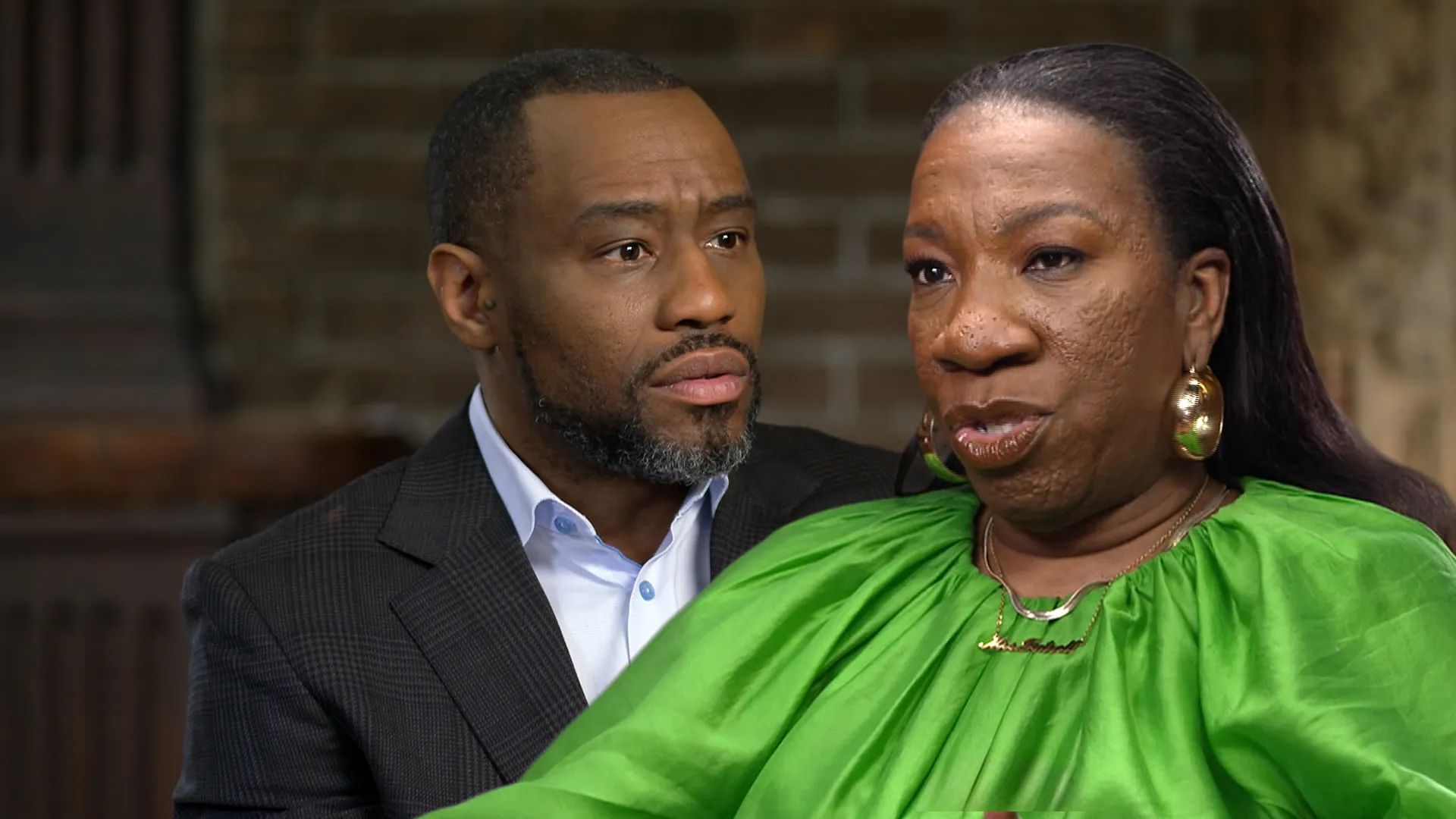
Tarana Burke tells Marc Lamont Hill on Epstein, Trump and how widespread sexual violence is in the United States.

In 2017, a reckoning over sexual violence called “#MeToo” swept the globe. Eight years later, has the movement done enough for survivors? And what will it take for some of the world’s most powerful men accused of sexual misconduct to face consequences?

This week on UpFront Marc Lamont Hill speaks to founder of the Me Too movement, Tarana Burke.

The Department of Justice has released files related to the late convicted sex offender and financier Jeffrey Epstein after mounting pressure led President Donald Trump to sign the Epstein Files Transparency Act last month. Trump, who himself has been accused dozens of times of sexual assault and misconduct, has already appeared in photos, emails and other documents in connection with Epstein, causing a rift in his base. Other business elites, academics, politicians and world leaders have also been named in connection to Epstein. While some have faced minor consequences, only Ghislaine Maxwell has been criminally convicted as part of Epstein’s sex trafficking of minors. Will newly released documents lead to new convictions and genuine accountability for survivors?

Source link

Why has signing the EU-Mercosur deal been delayed? | International Trade

Sealing of deal postponed despite decades of preparation.

European farmers are protesting against the EU-Mercosur deal.

That is as signing has been postponed until January, due to disagreements in Europe.

The European-South American deal, planned for more than 25 years, would create the world’s largest free-trade zone.

So, why is there division?

Presenter: Folly Bah Thibault

Guests:

Pieter Cleppe – Editor-in-chief at BrusselsReport.eu
Ciaran Mullooly – Member of the European Parliament for the Independent Ireland group
Gustavo Ribeiro – Founder and editor-in-chief of the Brazilian Report online newspaper

Source link

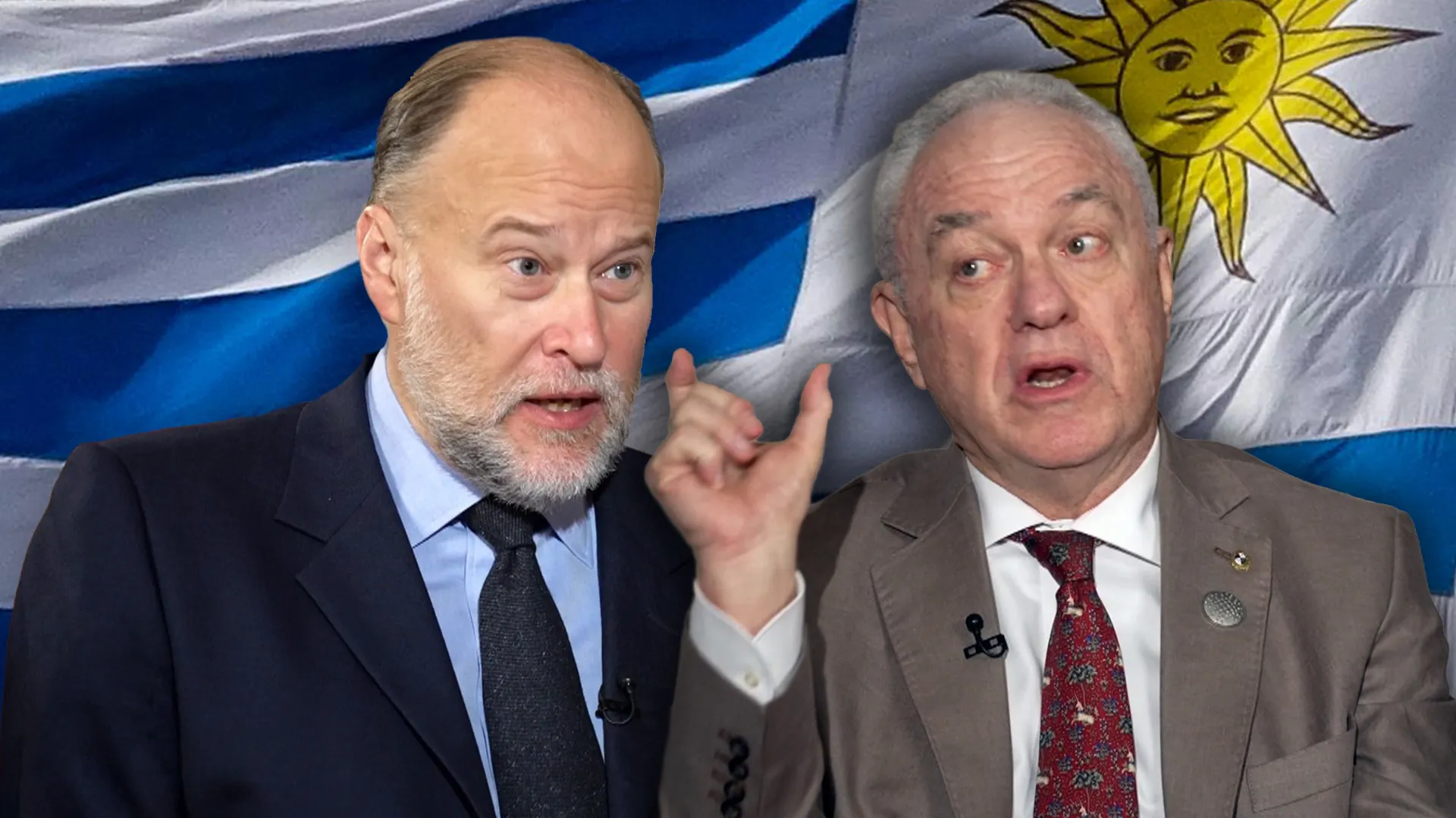
Uruguay’s FM on US claims to police Latin America and rising tensions | Nicolas Maduro

Mario Lubetkin on Washington’s revived sphere-of-influence doctrine, Venezuela, and China’s growing footprint.

The United States is reviving a policy first set out in the 1800s that treats Latin America as its strategic sphere of influence. As Washington expands maritime operations in the Caribbean and eastern Pacific, critics warn of legal violations and rising regional instability.

Uruguay’s Foreign Minister Mario Lubetkin joins Talk to Al Jazeera to discuss US strikes, Venezuela, migration pressures, and China’s growing role in the region — and whether diplomacy can still prevent escalation in a hemisphere shaped once again by power politics.

Source link

What’s next for the global economy in 2026? | Business and Economy

2025 was the year of tariffs and a global shift in economic power.

Two words that largely define the economy right now: Global reordering.

President Donald Trump’s Tariffs have landed as a shock to global trade. This is 2025.

Major economies are rewriting their playbooks, and alliances are being redrawn.

From Africa’s minerals boom to the global AI race, countries are scrambling for influence – even as debt piles up.

They are spending more, borrowing more and making tough choices from defence to climate policy and labour shortages.

And through it all, people are bearing high costs.

Source link

What’s behind South America’s shift to the right? | Politics

Chileans have elected their most conservative leader in decades.

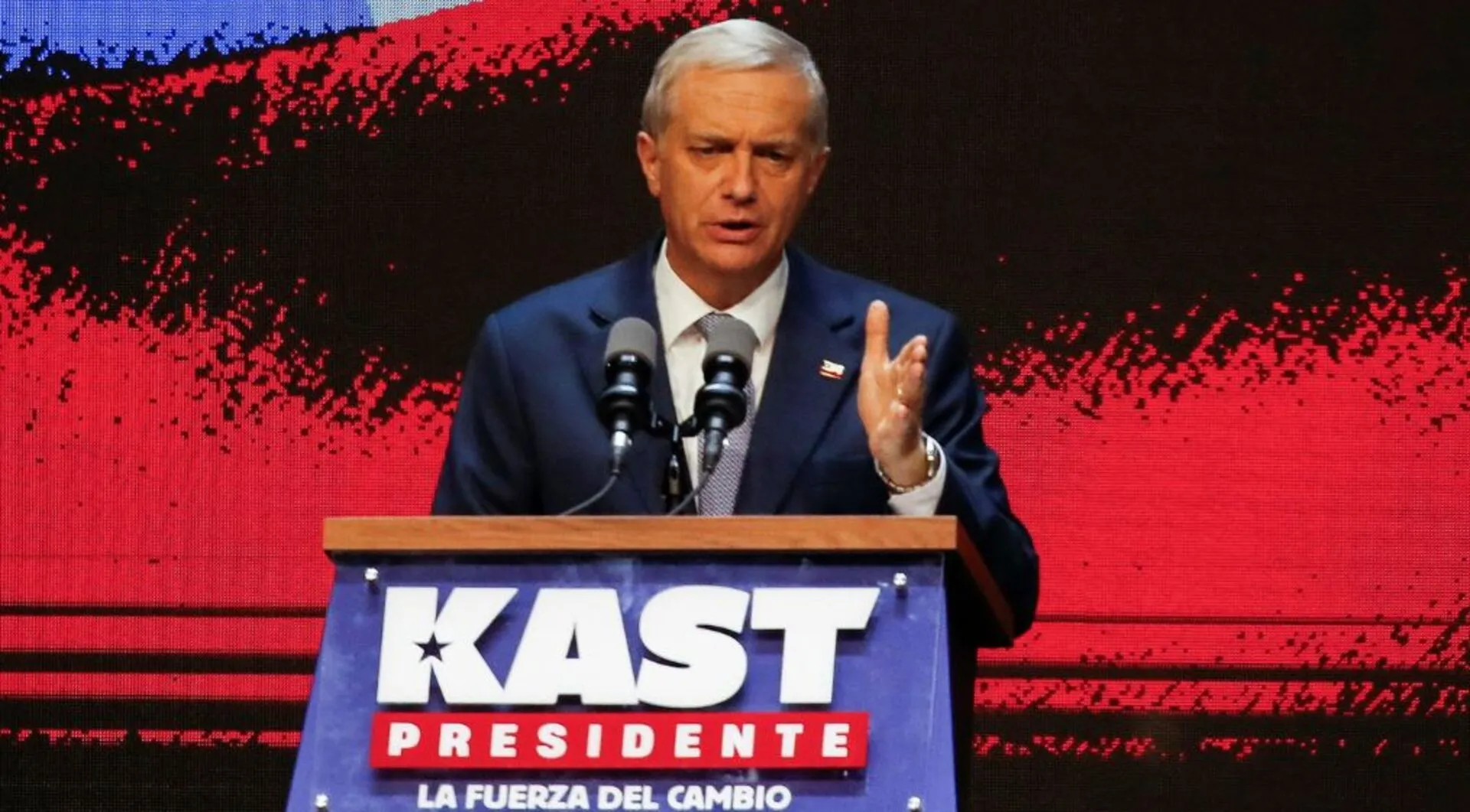
Chile has joined South America’s shift to the right, electing Jose Antonio Kast, a hardline conservative, as president.

He tapped into voters’ fears about a rise in crime and migration, and an economic crisis.

His victory marks a significant shift since the end of military rule more than 30 years ago.

It also comes as other populist conservatives have taken office in the region.

From Bolivia to Argentina to El Salvador, the move to the right is being watched closely, particularly by the United States.

But what does it all mean for the political dynamics in South America?

Presenter: Dareen Abughaida

Guests:

Claudio Barrientos – Professor at the School of History at Diego Portales University

Jose Ragas – Historian and assistant professor at the Catholic University of Chile

Christopher Sabatini – Senior fellow for Latin America at Chatham House

Source link

How will US respond to the killing of three of its soldiers in Syria? | Syria’s War

Washington has blamed ISIL (ISIS) for the attack and promised retaliation.

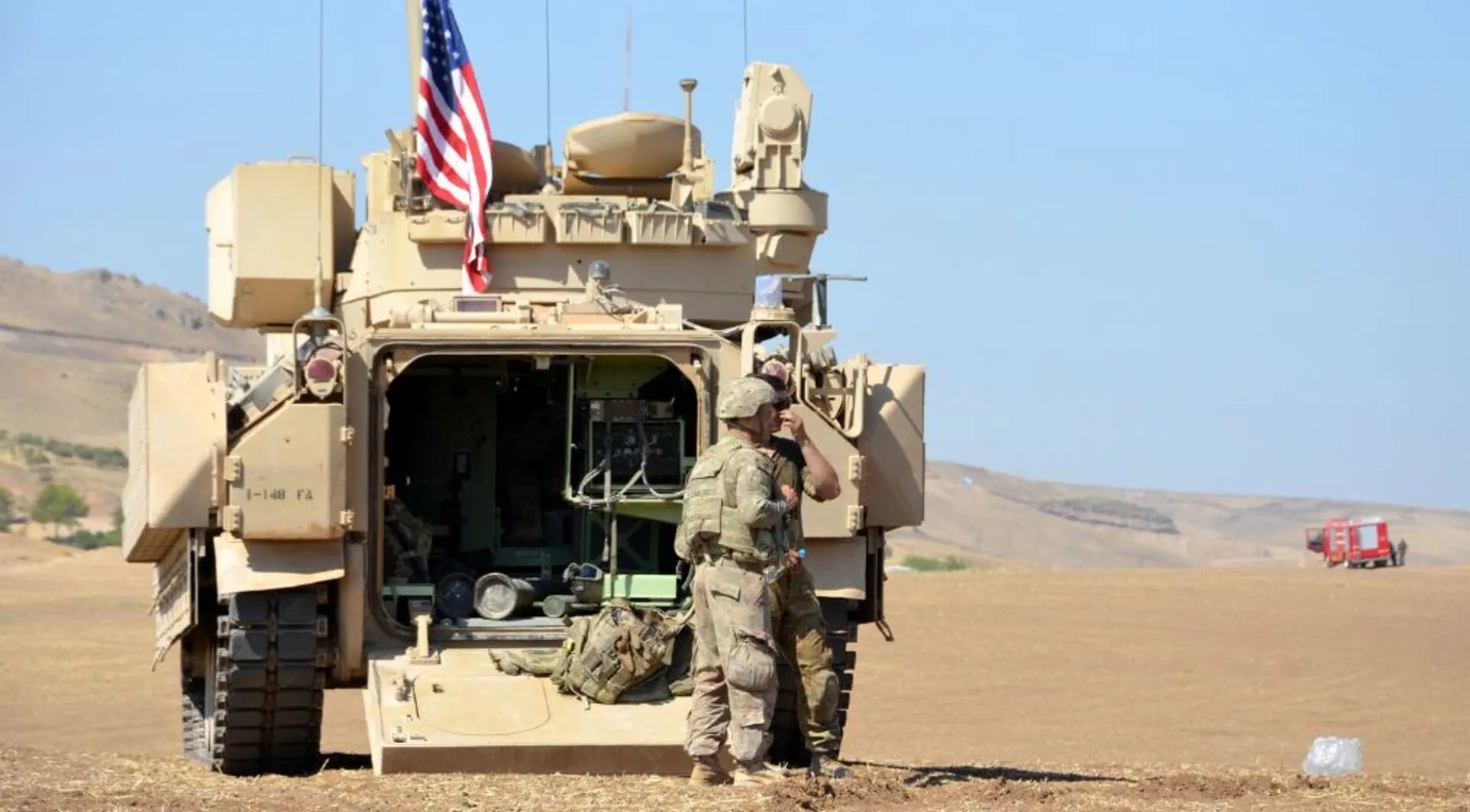
Three US soldiers have been killed in an attack in Syria’s central city of Palmyra.

It is the first known deadly attack on US forces since former Syrian President Bashar al-Assad was deposed last year. Washington has accused the ISIL (ISIS) group of carrying out the assault.

The government in Damascus has expanded its ties with Washington and joined a coalition to fight the ISIL group.

But how much of a security challenge is ISIL in Syria?

Will the US now reinforce its military presence? What risks could that pose?

Presenter: Dareen Abughaida

Guests:

Colin Clarke – executive director of The Soufan Center

Dareen Khalifa – senior adviser at the International Crisis Group

Orwa Ajjoub – PhD candidate in global politics, focusing on armed groups in Syria

Source link