BEING wowed by a spectacular show is the perfect finale to a theme park day out – as the big hitters in Europe and America do so well.
Now, one Midlands amusement park is blazing a trail for other UK attractions.
Sign up for the Travel newsletter
Thank you!
Drayton Manor near Tamworth has a new lake show, which is billed as the biggest of its kind in the UKCredit: Catherine LofthouseThe lights and water fountains were introduced this year to mark the 75th anniversary of the parkCredit: Catherine Lofthouse
Drayton Manor near Tamworth is billing it’s new nighttime lake show as the biggest of its kind in the UK, so I went to check it out.
The lights and water fountains were introduced this year to mark the 75th anniversary of the park and mark the close of the day, just like at Disneyland and Efteling.
The shows will change to reflect the season.
Drayton Manor is my nearest theme park and I’ve been on many days out there over the years.
I used to love the Mississippi showboat fun house on the lake in the late 80s and early 90s and I can also remember when you used to be able to take a turn around the water on the Drayton Queen paddleboat.
But it’s been a while since the lake has hosted attractions in its own right, instead of providing a pretty backdrop that everything else is set around.
So it was lovely to see the water taking centre stage in this spectacle of lights, fountains and music.
While it’s on a smaller scale than the likes of Disney and Efteling, it’s a brilliant idea to bring everyone together to mark the end of a great day out.
Sometimes heading home after all the rides and fun can feel a bit anticlimactic, especially if you’re trying to load young children bouncing around with excitement into the car for the drive home.
So this water, music and fire show is the perfect way to add a little bit of a buffer between finishing your fun and heading home.
We watched the Christmas Miracle on the Lake show and it was truly magical, with jets of water lit up and set to festive classics.
The dancing jets were interspersed with a screen of mist that had an animated story projected onto it, so that Christmas scenes such as Santa’s workshop and ice palaces could be brought to life.
There were even dramatic flames shooting up into the sky at points, so Drayton Manor really has pulled out all the stops to make the most of its new spectacle.
It’s also nice that it runs shorter versions of the light show during the day so that younger guests who may not still be on site by the close of the day have something to enjoy as well.
But for the full effect, you will want to watch the 15-minute grand finale in all its splendour.
I’ve seen quite a few well-rated magic fountain shows in my travels, including at Montjuic in Barcelona and in front of the Burj Khalifa in Dubai.
This year, I was wowed by the water effects while watching Kynren, an epic outdoor show telling tales of the British Isles.
The show is smaller than the likes of Disney and Efteling, but it is a brilliant way to end your dayCredit: Catherine LofthouseIt feels like Drayton Manor has drawn inspiration from other theme parks for the showCredit: Catherine Lofthouse
And I would say that Drayton Manor has drawn inspiration from all of these to bring something impressive to its guests.
It’s even installed viewing platforms around the edge of the lake to give those stood further back a better view over the head of visitors in front.
Given it’s a new concept for Brits, there were lots of announcements over the course of the day in the park, letting guests know what time to expect the show to kick off.
There were even a couple of lakeside rides still running when the light show took place – I imagine it would be quite the experience to see the fountains from the pirate ship or while being spun around on the thrill ride Thor in the Viking land.
I’ll certainly look forward to seeing what new shows the park comes up with as the seasons change – make sure it’s on your 2026 to-do list if you want that European theme park vibe but without leaving the UK.
And there are viewing platforms around the edge of the lake to give those stood further back a better viewCredit: Catherine LofthouseIn total, the grand finale show lasts 15 minutesCredit: Catherine Lofthouse
These cities have all tried to crack down on drunken Brits but are still seeing an increase in stag and hen do bookings.
Stag parties are still popular in these places(Image: Getty)
Despite efforts to curb drunken British tourists and prevent alcohol-fuelled stag parties, three European destinations are witnessing a surge in bookings.
Amsterdam in the Netherlands, Albufeira in Portugal and Prague in the Czech Republic have all tried to deter boozy visitors from overwhelming their streets but, according to stag and hen do organiser Last Night of Freedom, these measures have had little impact.
Matt Mavir, managing director at the Tyneside-based company said: “Rules, fines and huge publicity campaigns – authorities in each of these cities have thrown everything at trying to discourage revellers from choosing their city to party, but it hasn’t done a fantastic job.
“Our customers aren’t being scared off and the numbers prove it. In fact, these destinations are becoming more popular than ever.”
Amsterdam led the charge in 2023, becoming the first of the three cities to launch a campaign targeting rowdy tourists.
The Dutch capital banned drinking on the streets and cannabis consumption in public, restricted access to the Red Light District and launched an online warning campaign specifically aimed at British men.
Prague followed suit by attempting to prohibit fancy dress and pub crawls throughout the city centre, whilst earlier this year Albufeira joined the crackdown.
The Portuguese resort town introduced a new code of conduct imposing on-the-spot fines for drunkenness, excessive noise and anti-social behaviour.
Yet, despite these measures, large numbers of British men and women are still booking their stag and hen parties in these destinations.
In reality, all three locations have seen a surge in reservations, reports the Express.
Prague has climbed from fifth to third most sought-after destination, Amsterdam has risen from ninth to seventh, and Albufeira has made its debut this year at number six.
Matt suggested this demonstrates that Brits remain undeterred. “The headlines can make it sound as though stag dos are being pushed out, but that just isn’t happening,” he said.
He added: “Each city is trying to change its image and attract a different type of tourist – more couples and families and fewer big groups heading straight to the bars and nightclubs.
“But I think what the authorities forget is that they’re often the same people. Our stags aren’t some fringe group – they’re just normal people with jobs, relationships and children who are looking for somewhere to celebrate with their mates.”
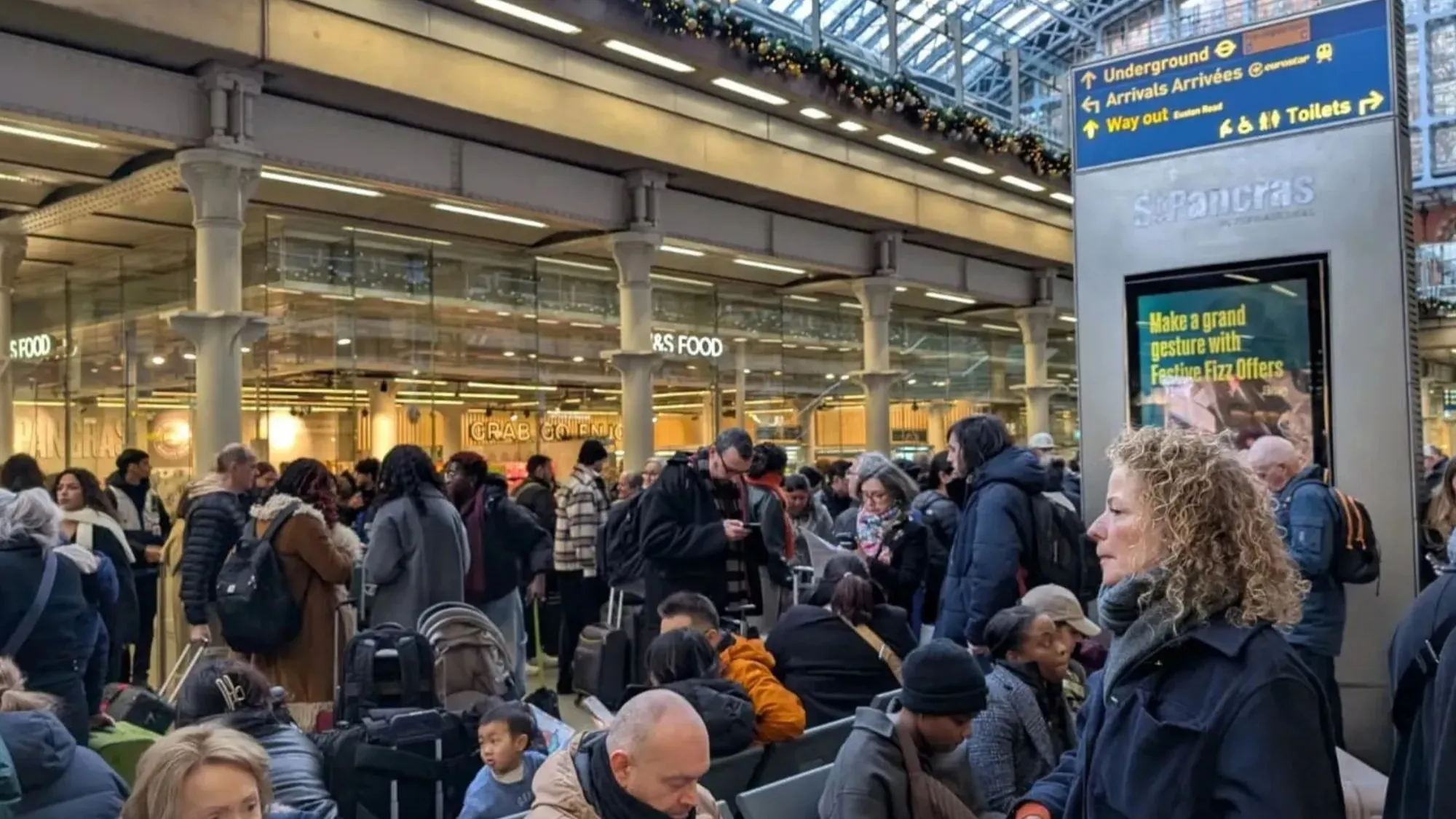
EUROSTAR passengers have been left stranded for hours due to a power supply fault with holidaymakers urged not to travel.
Journeys between the UK and France are cancelled or seriously delayed as a result of the problem with the overhead power supply in the Channel Tunnel.
Sign up for the Travel newsletter
Thank you!
London’s St Pancras International station is crammed with waiting passengers near the departure area as they wait for updates on the delayed and cancelled Eurostar servicesPassengers have been stuck on Eurostar trains for up to four hoursEurostar passengers have been warned of severe delays (stock)Credit: Getty
Eurostar said it strongly advised all its passengers to postpone their journey to a different date.
The high-speed train operator warned passengers to expect severe delays and last-minute cancellations due to the power supply problem.
London’s St Pancras International station is crammed with waiting passengers near the departure area as they wait for updates.
Disgruntled passengers took to social media to vent their frustrations.
One traveller even claimed they were “stranded on the Eurostar for four hours”.
Another called the delays “absolutely ridiculous” after being stuck on a train for five hours.
He was travelling to Brussels but is now back in London, which he said “ruined new years plans”.
Others reported several trains stuck in the tunnel itself.
Some are stuck in lines of traffic waiting to board Eurostar, with one posting on X: “Going nowhere. Power failure apparently. One way to end the year!”
Eurostar said in a statement on its website: “Due to a problem with the overhead power supply in the Channel Tunnel and a subsequent failed Le Shuttle train, we strongly advise all our passengers to postpone their journey to a different date.
“Please don’t come to the station unless you already have a ticket to travel.
“We regret that trains that can run are subject to severe delays and last-minute cancellations.
“Please check for live updates on the status of your train on the train status and timetables page.”
Delays are being reported on both LeShuttle terminals – that’s the service that takes road vehicles on trains across the Channel.
On the UK side, there is a delay of around three-and-a-half hours to the booked time.
Meanwhile, at the terminal in France, the delay is currently around two hours.
National Rail is also advising passengers to reschedule their journeys.
It says the on-going power issue is very likely to lead to severe delays and last-minute cancellations between London St Pancras International and Paris.
“There is a problem with the overhead power supply in the Channel Tunnel,” National Rail say.
“Trains are likely to be subject to severe delays and last-minute cancellations.
“Check before you travel as your journey could be disrupted. We strongly advise all passengers to postpone their journey to a different date.”
Journeys between the UK and France are cancelled or seriously delayed, with many stuck on trains for hours already
A TOWN frozen in time since World War II will open to the public for a limited time.
The abandoned ghost village stays cut off from the world for most of the year, with visits only permitted this week.
Sign up for the Travel newsletter
Thank you!
The abandoned village of Imber in Wiltshire is open to the public for a limited time this weekCredit: AlamyThe Ministry of Defence took over the town during World War II, converting it to a military training areaCredit: Alamy
History buffs and nature lovers alike swarm to the area, where 150 people once lived until 1943.
Since then, the abandoned village of Imber in Wiltshire, only sees visitors for 12 days out of the year.
During the second World War, residents of the area were given 47 days to evacuate their homes so the village could be turned into a military training area for troops.
While they were promised they would be able to return after the war, the village is still occupied by the Ministry of Defence (MoD) to this day.
And now it has invited the public to visit, with roads opening through Imber this week, until 8am on Friday, January 2.
Public access has been granted to the village as well as the Grade I-listed St Giles Church, which will be open from 11am to 4pm daily.
The original surviving building is free to visit during open days with any donations going towards the Churches Conservation Trust (CCT) for maintenance and restoration.
Along with an old pub, the church is one of the few remaining original structures in the village.
Most of the larger stone buildings were damaged during military training, and were subsequently demolished.
Meanwhile, other houses in the village are either hollowed-out shells or have been converted into modern windowless buildings createdto simulate urban environments for military training.
While those who once lived in the village have the right to be buried on the church grounds, the only living residents now are an abundance of undisturbed wildlife, including owls, badgers, birds, and foxes.
Imber also holds open days during Easter weekend and a single day in summer, with all visitors required to adhere to the public rights of way and designated areas, and comply with signposting.
The public are permitted access to the town for 12 days out of the year, including this weekCredit: AlamyResidents of the village were given 47 days to evacuate and never returnedCredit: Alamy
THE COLOURFUL costumes and heart-warming songs of The Lion King first graced the West End over 26 years ago, yet one person knows the show more intimately than anyone else.
Leading actor George Asprey never imagined he would’ve stayed playing Scar in The Lion King for six months, let alone over 17 years, but it didn’t take him long to fall in love with the production.
Sign up for the Travel newsletter
Thank you!
George Asprey has been playing scar in The Lion King for 17 yearsCredit: Getty
Since then, millions have watched him act Scar on stage at the Lyceum Theatre.
And as a result, the actor obviously has a lot of tips for visitors.
His first piece of advice, is that whether you are new to the show or have seen it a thousand times, to come with no expectations.
He said: “Allow yourself to just open up to the set and the costumes.
“It is difficult to take everything in, in one sitting, and when you come again, you’ll pick up the different nuances.
“Maybe in the scenery, for example.”
George shared how this is particularly true for one fan, who has seen the show over 100 times “just because she loved it so much and said there was always something to see”.
He added: “She would say ‘this is what I love to do’ – different shows affect different people in different ways, and for her, it was just her love of life in the show.”
One moment is particularly special though, admitted George.
He said: “When people watch The Lion King for the first time, they will never get that experience again – that feeling or reaction.
“I think I am always aware of that kid in the audience, mainly because of having my own children and I know firsthand, as to him and to everyone at the show, I need to be the best possible Scar I can be.
“It is a huge responsibility for all of us to consider the legacy and I think that’s probably one of the reasons I like to think the show continues to impress people.”
And having been in the show for such a long time, George of course has tips for those heading to the show.
He revealed: “I’ve had friends right at the front of the stalls and I have had friends right at the bottom end of the upper circle, and I think the one thing about the Lyceum is that all of the viewing is extraordinary.
“I really don’t think there’s a vantage point in the upper circle where you won’t see everything still.
According to George, you could sit anywhere in the Lyceum Theatre and have a good viewCredit: Getty
“I think it its decent price for a reason and I don’t think it’s not worth it and I wouldn’t avoid coming if you can only afford a certain seat, because you still get a wonderful experience.”
George added how it is so much more than a show, that the costumes are all like their own pieces of art.
“Like you have a full-size elephant just walking down he aisle – it is such a feast for the eyes,” he said.
“There are just so many incredible moments in the show.
“I follow two of the greatest numbers in the show – Scar comes on and completely changes the tone.
“I think the Lion King has one of the greatest opening numbers of any musical ever,” he added.
And whilst people may think The Lion King is a show for kids, they couldn’t be more wrong.
And the show isn’t just for children, adults will enjoy it tooCredit: Disney
George said: “When you’re younger, of course, you think Scar is the scariest character, but then as you get older – you start to think the language is so beautiful, his costume is so interesting and everything he says actually has a point to it.
“It truly is a family show, because every member of the family will get something different from it.”
Each time George performs, he gets to the show around 5:30pm and then by 6pm he is in costume.
He revealed: “We have to be there at 6pm, to start vocal and physical warm up – which runs until 6:30pm – then I am straight into hair and makeup and after makeup straight down to costume.
“I’ll get back to my dressing room by five past 10 and considering the amount of makeup I’m wearing, I’m so quick at getting it off – I am normally out the building by 10:15/10:20pm.”
Of course, they are days where it is more difficult though, like when he is unwell, but he did share “it’s never to do with the job itself”.
As for his routine to ensure he doesn’t get unwell often, he makes sure to eat clean – apart from Sundays, when “all bets are off”.
He also works out as much as he can.
For George, his most memorable moment was the first show back after CovidCredit: Johan Persson
Through 17 years George has had many memorable moments as well – but the most memorable?
“The first show back after Covid,” he revealed, “theatre was the last thing to return so it was a long time coming.
“And of course, it meant a lot to everyone.
“I’m actually welling up at the thought of it.
“To not be able to do what you love doing for 17 months and not seeing the people you love seeing – it’s hard and suddenly, people could enjoy the theatre again.”
He concluded: “All I can say is that it is a huge honour [to play Scar] and something that I never take for granted.”
For more inspiration on things to do in London, here’s everything you can do at one of London’s most popular attractions before it closes ahead of £240million renovation.
Keeping the kids entertained on holiday is a non-stop job, especially when sunshine isn’t guaranteed.
Thankfully, Devon has loads to offer families, from days spent building sandcastles on beaches to adventure parks with fun rides and animals to meet.
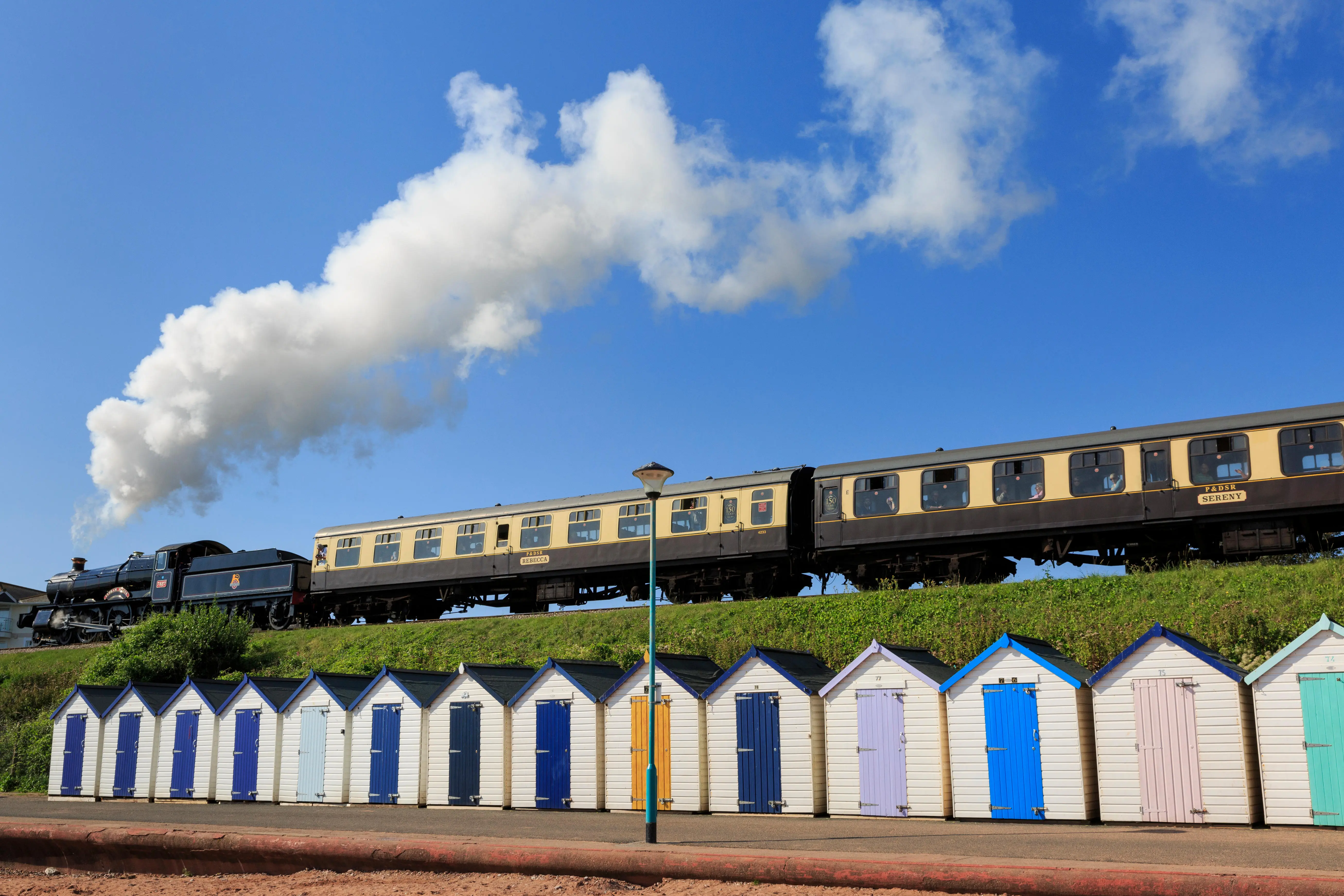
Devon has loads to offer families, from days spent building sandcastles on beaches to adventure parks and steam trains (pictured)Credit: AlamyThe Big Sheep is a family-friendly theme park with animals and attractionsCredit: Alamy
There are plenty of options if you’re looking to keep on a budget, with free things to do around the county, from events to museums that don’t cost a penny.
We chatted to local experts and Sun readers who know Devon well to find out what they would recommend to families heading there on a £9.50 Holiday.
We’ve also added in our own tips, plus Tripadvisor top-rated family attractions, so you and your family will have a £9.50 Holiday to remember…
Fun on the farm
If you and the family are based in North Devon, a day out could be well spent at The Big Sheep, around a 45-minute drive from Croyde and its surrounding beaches.
Paul Braithwaite, General Manager at Ruda Holiday Park, said: “The Big Sheep is a family-friendly theme park with animals and attractions – including North Devon’s biggest and fastest rollercoaster.”
The park is a good rainy day option, with an indoor playground including giant slides, a baby sensory room and cafe.
Winter indoor play is from £4.50 for adults, £6 for kids, £4 for children under 3 ft and £2 for babies.Tip: Book online for the best rates.
On the south coast, the top-rated Donkey Sanctuary in Sidmouth has free entry and parking.
It’s free to enter, and has also been voted Best Family Attraction in the 2024 Muddy Stilettos Awards for Devon.
You can expect awesome artwork and creative activities such as the weekly sensory art sessions for one to four-year-olds (tip: these have an additional cost of £7 for the first child and £4 for each additional child).
Don’t miss the free Friday storytelling sessions – half an hour that will engage under-fives.
Free daddy daycare
Dads (or male guardians) can make the most of free soft play sessions that take place every Thursday in Plymouth.
The Dads N’ Dinkies club has been recommended by Gem Krupa, Holiday Home Sales Manager at Challaborough Bay holiday park.
She said: “On Thursdays, Barnardo’s runs a Dads and Dinkies session, which is free soft play for dads and the children.
Mums can have a rest while Dads take the kids down to the YMCA for a play.”
Sessions run on Thursdays at 1.30pm. Tip: pre-booking essential.
Go to the big screen
On a rainy day, nothing beats the cinema.
And the Everyman Cinema in Plymouth comes highly-rated for families by Gem Krupa.
She said: “As well as adult sessions in the evening, the cinema has family-friendly screenings in the day.
It’s not that much more expensive than a regular cinema ticket but it’s a really cool experience.
There are sofas and armchairs in there. You get a blanket and a menu and you can order cocktails, or burgers and desserts.”
Family tickets are available.
The Christmas Train of Lights on the Dartmouth Steam Railway, which runs from Kingswear to PaigntonCredit: Alamy
Steam train magic
Sun reader Richard Tilley from Devizes in Wiltshire has visited South Devon numerous times with his family, most recently staying at Parkdean Resorts Torquay.
Richard, 62, recommends exploring the South Devon coastline by steam train and ferry, like he did with his children when they were younger.
He said: “We used to take the family on the steam train from Paignton to Kingswear, then hop on a ferry over to Dartmouth and back. The kids loved it – it now brings back happy memories.”
Tickets from £14pp for a family of five.
Tripadvisor’s Top 5 things to do in Devon with kids
Devon’s top-rated family attraction is Kents Cavern, a prehistoric labyrinth of underground passages in Torquay.
Kids will love exploring this cave, which was home to ancient humans sheltering from extreme weather and hunting Ice Age animals.
Paignton Zoo Environmental Park, Pennywell Farm in Buckfastleigh and The Donkey Sanctuary in Sidmouth also make the top-rated list.
Devon’s top-rated family attraction is Kents Cavern, a prehistoric labyrinth of underground passages in TorquayCredit: GettyThe indoor adventure playground at The Big Sheep Theme Park in AbbotshamCredit: Alamy
No matter the age – or the weather – there are attractions to suit, from adrenaline-fuelled water parks to museums that will ignite their passion for science. And the best bit? You don’t need to break the bank.
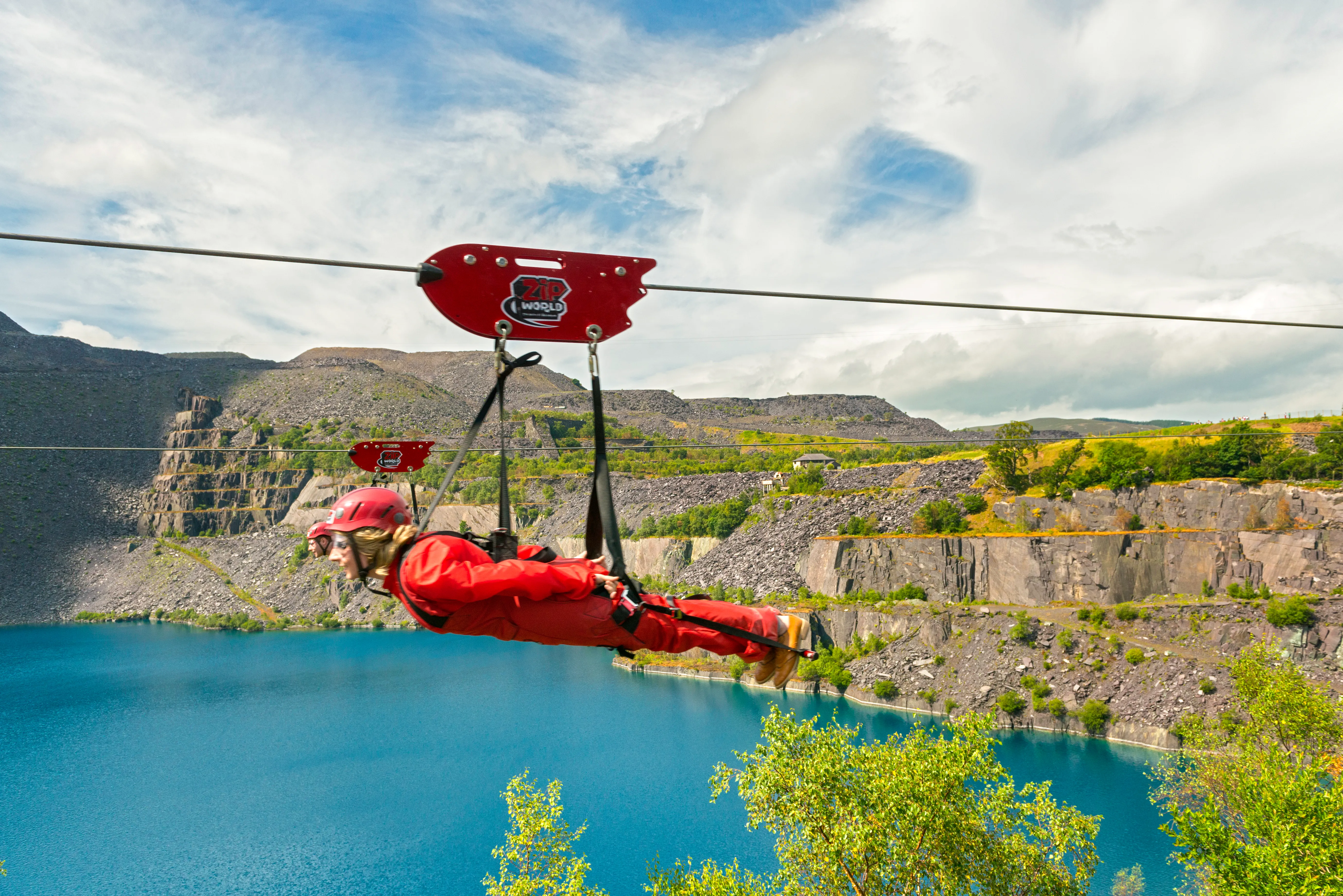
Wales has family attractions to suit all tastes, from adrenaline-fuelled Zip World Penrhyn Quarry (pictured) to museumsCredit: Visit Wales
If you’re heading to North Wales, you’ve got the epic natural playpark of Snowdonia to explore, as well as thrilling zip wire rides through quarries, such as Zip World Penrhyn Quarry for a treat.
Or how about taking mini marine biologists to spot sea creatures at the Anglesey Sea Zoo?
Meanwhile, South Wales is home to the capital – you could head to Bute Park for a picnic (tip: grab some traditional Welsh cakes from Bakestones) or see the Norwegian Church where children’s author Roald Dahl was christened (free to visit).
The Cardiff Bay area also has free things to do on a day out, like scooting the Barrage embankment to the skate park and taking a selfie at the Enormous Crocodile bench.
But don’t just take our word for it. We’ve chatted to Wales experts and Sun readers who have taken £9.50 Holidays in Wales for their favourite best family attractions located near our £9.50 Holiday parks.
She said: “It’s about 15 minutes away from our park and is a really good day out. They’ve got indoor and outdoor play areas as well as animal paddocks, sit-on tractors and a cafe.”
Open every day except Christmas and Boxing Day, the park is great value, costing from £4 for kids and from £2 for adults.
Big thrills at the Aqua Park
Steph Powell, a parent blogger from South Wales, recommends taking older water babies to let off steam at the Aqua Park in Cardiff Bay (suitable from age eight upwards) with its inflatable slides, towers and “flip stations”.
There are plenty of wallet-friendly activities nearby for a family day out too.
Steph said: “In the summer holidays, Cardiff Bay Beach is free to enter, with rides and attractions for the whole family. We like the Bay and its surroundings, so usually we grab a coffee and stroll across Cardiff Bay Barrage.
“We enjoy the sea air, and taking in the views as we go.
There’s a sandy play park and skate park along the route, too. These days can be as cheap or expensive as you like. We often take a picnic so it only means covering parking, petrol and coffees/ice creams.”
At Techniquest, kids of all ages can dive into science, technology and engineering via over 100 hands-on exhibits and live showsCredit: Alamy
Spark their imaginations
Chantelle Hawkins recommends Techniquest, a science attraction in Cardiff, around half an hour from Trecco Bay.
Kids of all ages can dive into science, technology and engineering via over 100 hands-on exhibits and live shows.
A good all-weather option, highlights include a planetarium, sensory garden and a Mini Metro Play Zone for under-sevens.
Chantelle said: “It’s really fun for all ages and isn’t expensive.” Tickets cost £11.81 for adults and £10 for children; free for under-threes.
Hit the market…and fairground at Tir Prince
Nicola Jones, 36, from Worsley, Manchester, has been visiting Lyons Robin Hood, on the coast of Rhyl in North Wales, since she was a child.
She said: “It’s somewhere where we’ve always gone. We usually go to Tir Prince Market because there’s loads of parking and a fairground next to it, which the kids love.”
The fairground has everything from rollercoasters for thrill seekers, to bumper cars and caterpillar rides for little ones.
The market is also a great place to pick up a bargain, with Pound shops and hundreds of stalls and a car boot area selling things like fresh food and second-hand household goods.
In the summer holidays, Cardiff Bay Beach is free to enter, with rides and attractions for the whole familyCredit: Alamy
Go wild at the zoo
With stunning panoramic views of Colwyn Bay, the Welsh Mountain Zoo is within easy reach of Lyons Robin Hood, just a half-hour drive along the coast.
Nicola Jones said: “It’s a great option for children. They have some more unusual animals there, like tigers, camels and snow leopards.
“The site is mostly outdoors, so bring warm clothes and prepare for steps and narrow paths.”
Tip: if you’re taking a buggy, pick up a free map at the entrance showing pram-friendly routes. Tickets from £12.98pp for a family of four; free for under-threes.
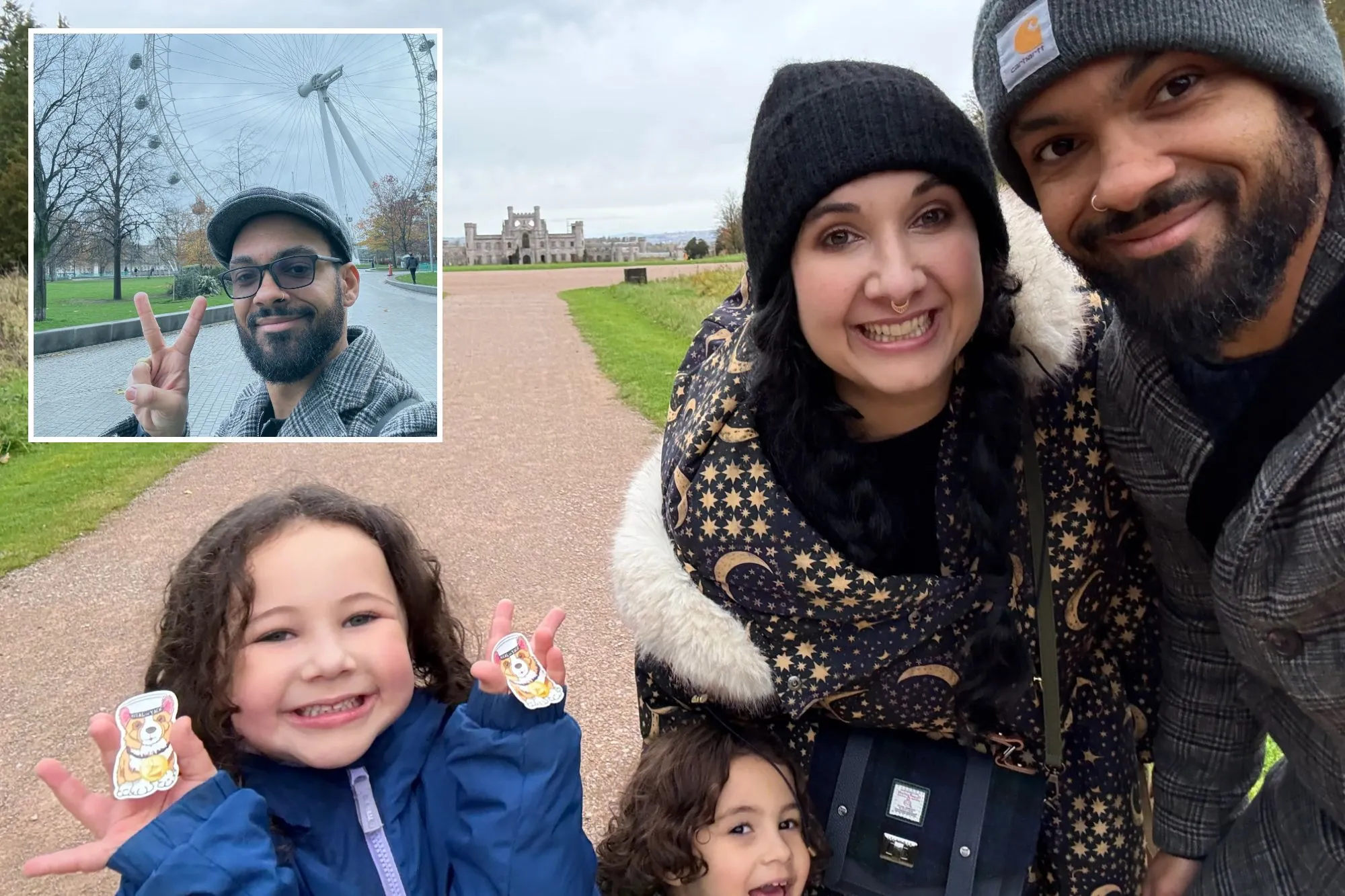
Zach Lincoln, 36, from Olympia (Seattle) Washington
Sign up for the Travel newsletter
Thank you!
Two children named Lilith age five and Maeve age three.
The decision to move from America to the UK came after Zach felt a lot of tensuion in the states, including expressing your own opinion and aROUNDF WOMEN’S RIGHTS.
So, for his family’s benefit, he decided to move to the UK and as for where they settled, that was London.
Since being in the Big Smoke, Zach has realised several differences between American and British people as well as contrasts in day-to-day activities.
One of the biggest differences Zach has noticed is how kind the people in the UK are.
He said: “[I was surprised by] how welcoming and friendly the people are here.
“The US is huge and very regional, which means people act differently depending on where you are in the country.
“Washington state, for example, people are very reserved and you don’t really engage witg people.
“[So] when random people started talking to us in the UK – like stopping me to get my story – I was surprised.
“I had to come up with a two-minute elevator pitch about myself.”
He added: “People here are very tactile too, the let me touch them to express connection, like a hand on a shoulder.
“But people are so afraid to do this in the US.”
The queueing
Speaking to children
Zach said: “People talk to children here, but this doesn’t happen in the US – they don’t want to intrude.
“It gives them a level of autonomy (in the UK) but it has been a big adjustment.
“For example, we were out for a meal and my children were asked what they wanted.
“They looked at me but I said they had been asked and let them figure it out for themselves.”
Cafe culture
Zach said: “Cafe culture is very large here – or third spaces in general [places that aren’t your home or work environment] like pubs, cafes, coffee shops, malls for example.
“People often run into people they know here or feel confident enough to chat to a stranger.
“I think walking to a corner cafe and getting a pastry is a lovely activity.”
He also shared how he has noticed the UK tends to have more dogs, which isn’t surprising as according to the PDSA, three in 10 people have a dog in the UK.
And cafe culture and dogs often mix, Zach has noticed.
“We essentially have a dog by proxy,” he said.
“You go into a cafe and there will a dog there that is well-adjusted and friendly – my kids love them.”
Walking everywhere
Zach said: “People are very mobile and walk-centric.
“People are just out walking all hours of the day, but the US is very car-centric.
“In London, I went from 2,000 to 15,000 steps a day.”
Grocery prices
Zach has also noticed how some things are less expensive in the UK, most notably groceries.
He compared the price of pears for example, sharing how in the states he could often pay around $10 (£7.41) for a bag of pears.
Yet, in the UK, he can grab some for just £1.
Though, he did admit that housing seems to be on the less affordable end of the spectrum.
Perhaps most surprisingly, Zach even found M&S cheap compared to US grocery stores.
In a week in the UK he found that he was spending around £50 on food, but in the US this was around $150 (£111.18).
Eating out is cheap as well in comparison, according to Zach.
“I love a ‘cheeky Nandos’,” he said, “you can just jump in, be seat and be eating within 20 minutes.”
Clothes shopping
Similar to the difference in the price of groceries between the US and the UK,
THE busiest railway in Britain is temporarily shutting down for demolition in a matter of hours.
This isn’t good news for anyone who was planning to travel for New Year’s Day, though the project was far from a snap decision.
Sign up for the Travel newsletter
Thank you!
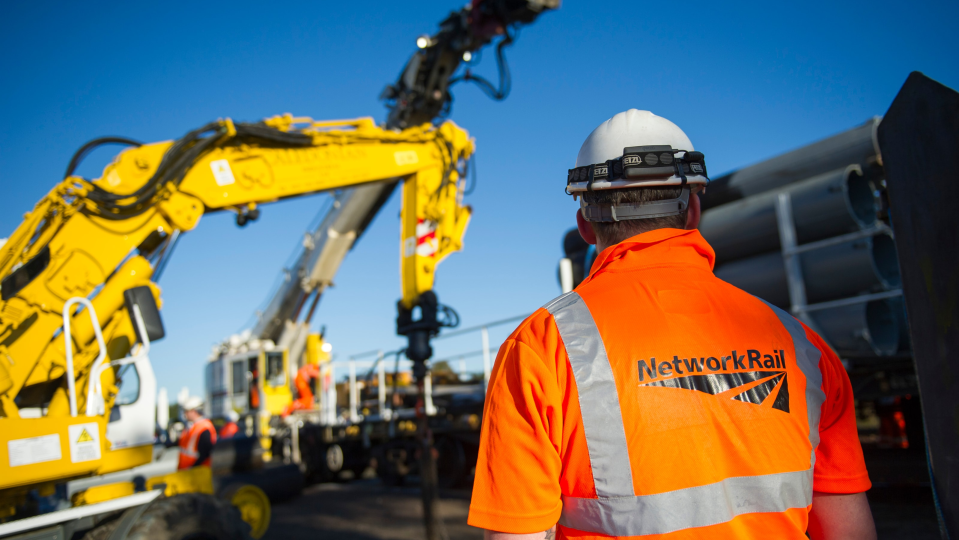
Network Rail are due to start demolishing an old bridge tomorrowCredit: Network RailTrain journeys will face disruption as a resultCredit: Refer to source
In fact, engineers have spent 12 months preparing and perfecting the enormous steel structure of a new bridge set to carry trains on the West Coast Main Line over the M6.
The previous bridge in place that’s being demolished – Clifton Bridge – is now nearly 60 years old and can only carry one train at a time due to weight restrictions.
Replacing this with a brand-new bridge will smooth out services and prevent delays – beneficial to safety as well as customer satisfaction.
The new bridge will be installed by Network Rail in partnership with Skanska during a two-week period at the beginning of 2026.
As a result the M6 will be shutting down for two consecutive weekends, including:
8pm on Friday January 2 and 5am on Monday January 5 2026
8pm on Friday January 9 and 5am Monday January 12 2026
During this time frame, the motorway will close in both directions between junction 39 at Shap and junction 40 near Penrith as well.
Further to the weekend closures, parts of the West Coast Main Line won’t be operating in the North West, so it’s necessary to check your upcoming travels:
January 1-4 2026, the line will be closed through Preston, between Oxenholme and Carlisle, and Carlisle to Dumfries and Lockerbie
January 5-6 2026, the line through Preston will be open. The railway between Oxenholme and Carlisle, and Carlisle to Dumfries and Lockerbie, will remain closed for work.
January 7-14 2026, the line north of Carlisle will be open. The railway between Oxenholme and Carlisle will be closed as the work to replace Clifton bridge continues until the early hours of 15 January.
Speaking on the importance of the project Network Rail’s project manager William Brandon says: “This is a vital project which will improve journeys for passengers for decades to come.
“While we close the railway to replace the M6 bridge we’ll also be renewing more than 80 kilometres of overhead lines and continuing our major modernisation of signalling systems.
“We appreciate passengers’ patience while this work is completed, and I would urge anyone planning to travel in this period to check National Rail Enquiries in advance.”
A feasibility study has concluded that a railway tunnel beneath the Strait of Gibraltar is technically viable, with Spain now commissioning blueprints for the ambitious project
The tunnel would be bored beneath the nine-mile stretch of water separating southern Spain from Morocco(Image: Getty)
A colossal underwater tunnel linking Europe and Africa could finally be on the cards after the project received a major boost.
The ambitious project, which would see the tunnel burrow beneath the Strait of Gibraltar, has been reignited by Spain after being mooted by various governments for decades. Now scientists have declared that such an engineering feat is possible.
In October, a study commissioned by the Spanish Government and carried out by German tunnel experts Herrenknecht concluded that drilling a railway tunnel below the Strait would be technically achievable with current technology. Since then, Spanish consultancy firm Ineco has been tasked with drawing up a blueprint for the project by the end of next year, with hopes that Government approval could be granted as early as 2027.
The concept of creating a man-made link between Europe and Africa first surfaced in the 1970s, popping up intermittently in election campaigns and Government agendas since then, but no tangible steps have been taken until now. Previous proposals included the establishment of a joint Spain-Morocco committee in 1979 to assess the feasibility of the plan.
The proposed tunnel, to be drilled beneath the nine-mile stretch of water separating southern Spain from Morocco, would take inspiration from the Eurotunnel, which opened in 1994 and links Britain to northern France under the English Channel.
The Herrenknecht report, formally commissioned by the Spanish Society for Studies on Fixed Communication across the Strait of Gibraltar (Secegsa), under the Ministry of Transport, has assessed the feasibility of constructing the railway tunnel in its most complex sections, especially under the Camarinal Threshold – an area with extremely difficult geological conditions.
The most recent cost estimate for the project is €8.5 billion (£7.4 billion), according to Voz Populi.
The project, featuring two separate railway tunnels each carrying trains in one direction, is set to connect Punta Paloma in Cadiz with Morocco’s Cape Malabata, near Tangier. The tunnel would span roughly 26 miles, with nearly 17 miles of the route submerged underwater, reports the Express.
It’s also projected to reach a depth of 1,540 feet – significantly deeper than the Channel Tunnel, which only dips to 246 feet below sea level. Upon completion, the journey is estimated to take about 30 minutes by train, with the capacity to carry both passengers on high-speed AVE trains and freight.
The project faces significant technical challenges, particularly due to its location at the boundary between the Eurasian and African tectonic plates along the Azores-Gibraltar fault line, Morocco World News reports.
If given the green light, fieldwork is anticipated to commence in 2030, with the main construction phase scheduled for between 2035 and 2040. However, these dates could be subject to change.
While initial plans aimed to complete the tunnel by 2030, coinciding with the FIFA World Cup co-hosted by Spain, Portugal, and Morocco, experts have since stated that this timeline is unrealistic, given the project’s complexity and its current preliminary stage of studies.
The current proposed route, from Punta Paloma to Cape Malabata, comes after decades of discarded proposals, including an early concept for a suspension bridge. This type of connection was eventually ruled out due to the Strait’s depth, seismic activity and extreme wind conditions.
The project is being jointly managed by SECEGSA and its Moroccan counterpart, SNED (National Society for Strait Studies). Both organizations are working to establish a reliable rail connection for passengers and freight between Europe and North Africa.
North Yorkshire village is known as the ‘jewel of the moors’ and features the iconic Beck Isle Cottage – one of the most pictured buildings in Yorkshire
08:00, 30 Dec 2025Updated 08:10, 30 Dec 2025
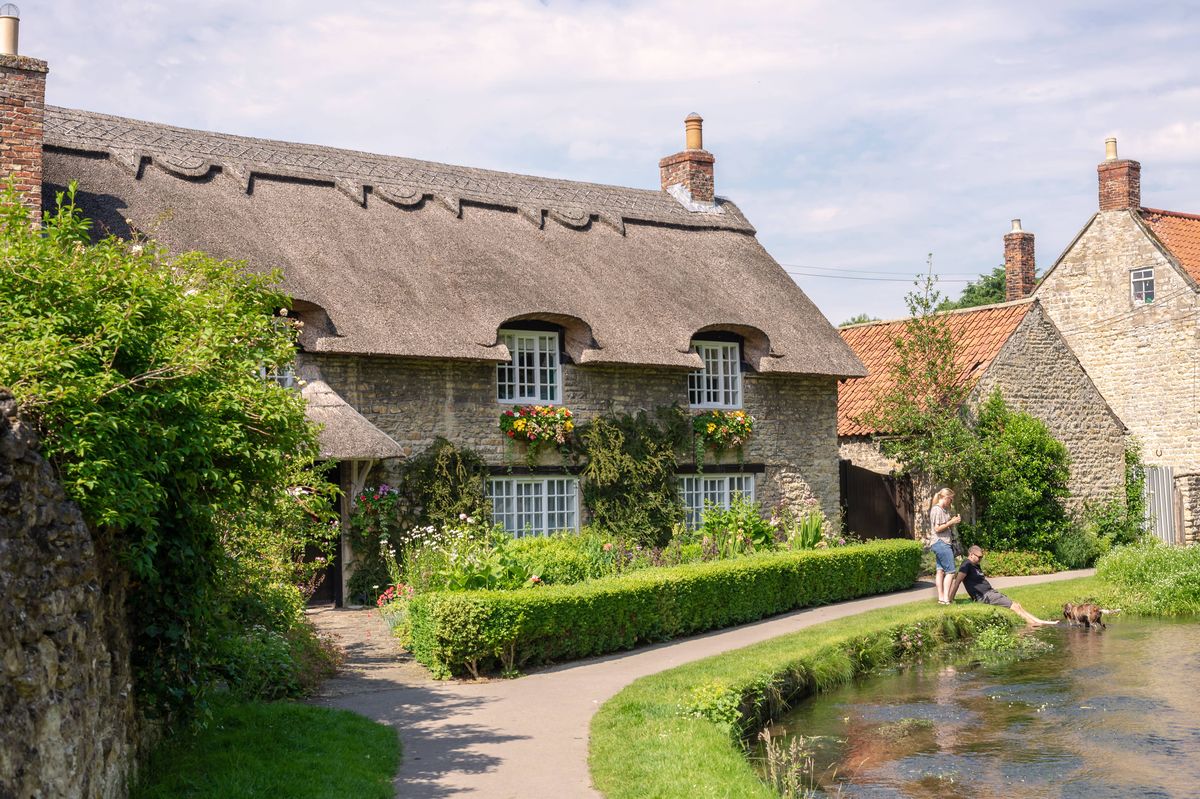
It’s quaint cottages have captured the hearts of visitors for decades (Image: jackcousin via Getty Images)
Nestled in a tranquil corner of Yorkshire, this village has earned quite the name for its famously charming cottages, lush greenery and unique food and shopping outlets.
Perched on the brink of the North York Moors lies Thornton-le-Dale, a picturesque spot often hailed as the ‘jewel of the moors’. Its historical allure continues to enchant visitors, making it a must-visit destination for those eager to discover North Yorkshire.
The village attracts many with its stunning thatched cottages, contributing to the quintessential English countryside ambiance, but one cottage stands out from the rest. Renowned for its charming thatched roof and storybook appeal, the iconic Beck Isle Cottage is a sight you won’t want to miss in the area.
As a grade II listed building, the cottage is not only a visual delight but also serves as a tangible piece of history, reflecting a bygone lifestyle in the moors. It remains one of the most photographed buildings in all of Yorkshire, as visitors fantasise about the twirling florals climbing up the brickwork and its impeccably manicured hedges.
Encircling the village is a wide variety of shops, cafes and pubs, making it the perfect place to wander around on a peaceful weekend. From quintessentially British pubs serving hearty meals and pints to cosy cafes offering baked treats, there’s something to suit every mood.
According to TripAdvisor reviews, the top-rated dining destination is the acclaimed Brandysnap Bistro in Thornton-le-Dale. A recent review described the restaurant as an “absolute gem” in the village.
They wrote: “Ate here last night… I can’t believe this absolute gem is only 2 miles from my house. Full house staff needs an award. Adam is a pure gentleman; his assistant Emma is of the highest praise. Claire, who does the cooking, is up there with the best. An absolute ‘Yorkshire feast’ of a mind-blowing establishment, recommended to everybody.”
Meanwhile, the beloved Cafe Bouchere keeps delighting guests, with one visitor commenting: “What a lovely place to eat. The owners were very welcoming and friendly. The food was delicious. The cafe was spotless, as were the toilets. I’d be more than happy to return on our next visit.”
Flowing through the village is the Thornton Beck, a winding waterway that brings serenity to those enjoying a peaceful walk along the curving lanes. For visitors seeking more challenging terrain, Thornton-le-Dale serves as an excellent gateway to the nearby North York Moors National Park.
The Thornton le Dale and Ellerburn Walk proves particularly popular, offering a two-mile circular journey that follows riverside field paths. The route leads to Ellerburn, where walkers can admire its historic church, before heading back via the road to this charming village.
The whole walk can take roughly an hour, but there are numerous opportunities to delve deeper into the countryside after a leisurely stroll around the village. Alternatively, some might opt for the Dalby Beck Yellow Trail or even embark on the Dalby Forest and Bridestones loop for a solid four-hour hike through the North York Moors National Park.
A floating community sauna on frozen Lake Oulu seemed as good a place as any to ask Finnish locals what they think of the European Capital of Culture bandwagon that will be rolling into their city in 2026. Two women sweltering on the top bench seemed to sweat more over my question than over the clouds of sauna steam – the result of a beefy Finn ladling water on the wood-fired coals with a grim determination to broil us all.
“Hmmm, yes, it will bring people to Oulu, which is good, but we don’t really know much about it,” said one of the women. “We know it’s happening, but we haven’t had many details.”
Outside, queueing for the pleasure of a dip in the frozen lake, the question elicited the sort of shrug rarely seen outside France. “We know it’s happening because the posters and signs are everywhere and people are talking about it, but we don’t know exactly what is happening,” said another woman, steaming in the sub-zero air.
Oulu can be found on the eastern edge of the Baltic Sea. Photograph: VisitOulu
There are many reasons to visit the Finnish city of Oulu, which sits on the eastern edge of the Baltic Sea: it hosts the Air Guitar world championships; is home to the world’s only Screaming Men’s Choir (20-40 suited, shouty men); and holds the annual Polar Bear Pitching event, where would-be business leaders pitch money-spinning ideas while standing in icy water. The presentations tend to be brief.
Oulu, Finland’s fifth most populous city, is 100 miles south of the Arctic Circle. It is a short drive from huskies and sled rides; it offers sea, rivers, rapids, lakes, woods, nature trails and reserves; and there is cross-country skiing as well as almost 600 miles of cycle lanes. You can see the midnight sun in summer and the northern lights in winter. It is a leading light in solar power and renewable energy – and it has saunas. Saunas on lakes and on rafts, saunas in hotels, free saunas by the roadside and in most homes. A century ago, 95% of all children were born at home, often in the sauna. Today, most parents-to-be choose a hospital but introduce their offspring to the sauna at an average age of 4.5 months.
Plus, the Oululainens have a cheery disposition, as do most Finns according to a survey that declared Finland the world’s happiest country for the eighth successive year.
These are all positives to attract visitors to this northern Nordic city that began as a settlement on Sami land in the 1600s, then became a trading site for wood tar, salmon and Nokia phones, and is now a European digital hub and a “living laboratory” (where innovations are tested in a real-world environment) for new technologies.
A floating sauna on Lake Oulu. Photograph: Jukka Lappalainen
Sadly, few of these esoteric attractions featured on a trip organised by the city’s Oulu 2026 culture committee, which chose highbrow over the shouty men and pretend guitarists.
The city’s diverse €50m Capital of Culture programme, spread across 39 sites and four counties, is aiming to attract up to 2.5 million visitors – 20% up on an average year – with the theme “Cultural Climate Change”. Highlights include a free Frozen People electronic music festival, held on the iced-over Bothnian Bay – provided it is frozen next year. Also on the calendar is the Lumo Art & Tech festival, plus the Arctic Food Lab, celebrating local cuisine (wild fish, berries, mushrooms), and a Sami opera, Ovllá, about the Indigenous people of Sápmi – the local word for Lapland – which covers northern Finland, Norway, Sweden and Russia’s Kola Peninsula.
“Its a unique opportunity for Oulu,” said Piia Rantala-Korhonen, chief executive officer of Oulu 2026, who estimates that for every euro spent, there will be a €5 return for the city. “Climate change is already happening and is a big concern here: the ice and snow are disappearing. Last year, we had to cancel the skiing marathon for only the second time in 100 years because there was no snow,” she said.
An Arctic Food Lab event, where people sample local delicacies. Photograph: oulu2026
Out on Oulu’s unseasonably slushy streets, most locals are cheerfully enthusiastic about 2026. “It will be nice to have people come here and discover our city,” said Matti, a student at one of Oulu’s two universities. “I am looking forward to it.”
Thirty meters under the city, you can find the Kivisydän (“stone heart”), a vast state-of-the-art car park that diverts vehicles away from the centre and doubles as a walkway when it rains and an emergency bomb shelter. It is a reminder of Finland’s proximity to Russia and the increasing alarm over its aggressive neighbour since Moscow’s invasion of Ukraine. Behind the Kivisydän’s steel doors, a vast red stone column stands like a beating heart. The car park could house the entire city, our guide told us.
But does it have a sauna? I asked.
“I don’t think so, but we’re Finns. If necessary, we can build one in a couple of days,” he said.
Were I a publicist for Oulu 2026, I would have hired Finland’s best air guitarist to accompany the screaming men with a few riffs while standing in an icy lake. Instead, after a traditional salmon soup dinner hosted by the city – followed by a sauna – we were treated to a cosy Norse tale. When 19th-century Oulu sailors became drunk and rowdy on merchant ships carrying tar to Liverpool, local legend has it that the Liverpudlian landlord would urge them to “keep peace”. This is now a popular toast.
As we raised glasses of local schnapps, I can think of many exclamations a scouse pub owner might make to an inebriated Finn. “Keep peace” is not one of them. Still, surrounded by the world’s happiest people, it seemed churlish to argue.
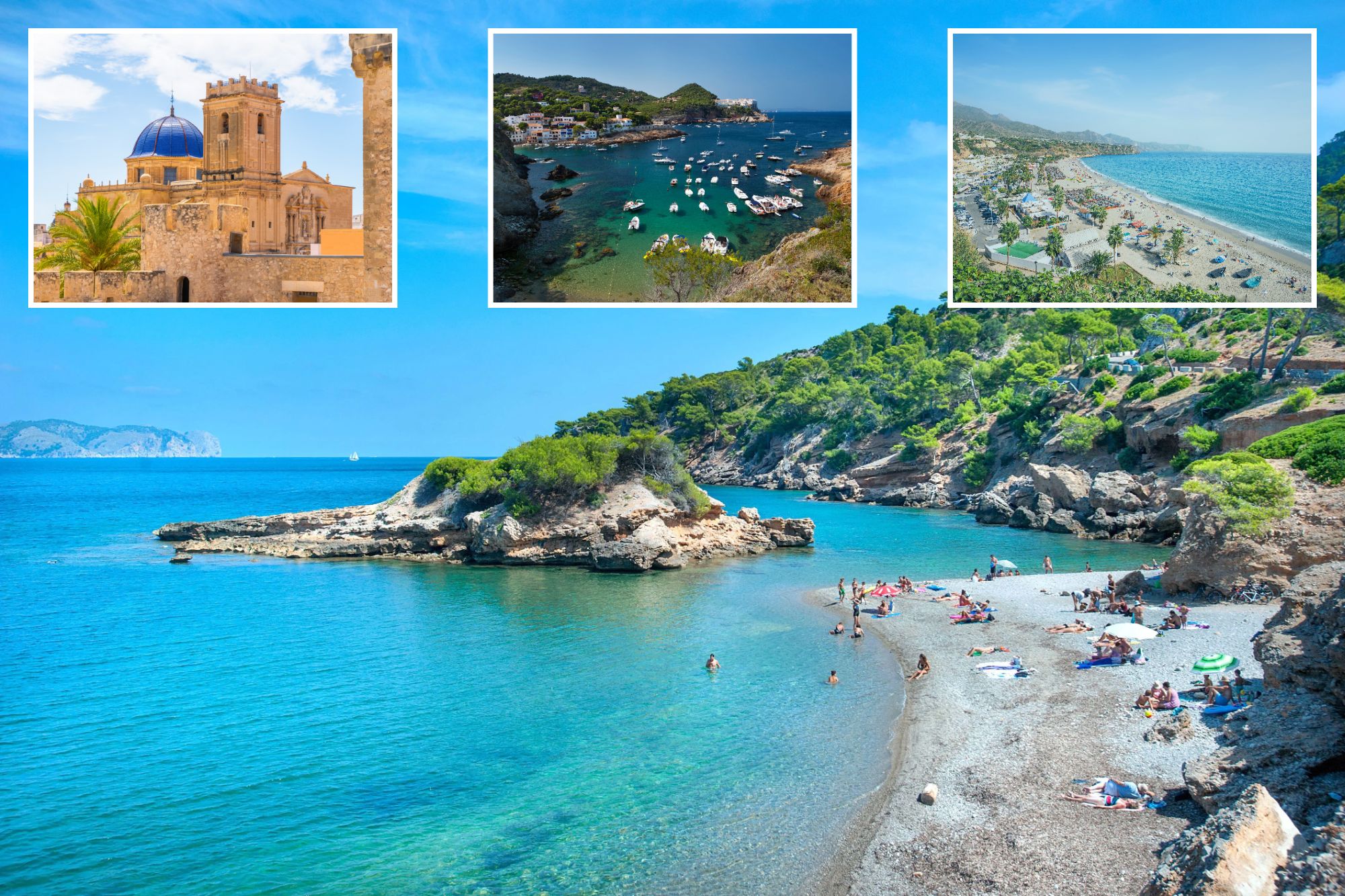
FROM the Canaries to Costa Blanca, these under-the-radar Spanish destinations should be on your holiday wish list.
We’ve picked out some of the best hidden gems across Spain, with whitewashed villages, beach towns and exotic city breaks for a fraction of the usual price and no crowds.
Manilva in Costa del Sol is an overlooked Spanish gemCredit: Alamy
Manilva, Costa del Sol
If you’re heading to the Costa del Sol, leave behind the tourist hotspots of Malaga, Marbella and Torremolinos.
Instead, head to the local favourite of Manilva, around 27 miles south of Marbella.
This resort has a traditional hilltop white village (pueblo) with stunning coastal views, plus a marina and beach town, San Luis de Sabinillas.
The area is also full of vineyards – with producers like Nilva offering wine tastings and modern dry whites at a fraction of the price you’d pay in France or Italy.
For example, you’d pay £26.50 for a two-hour wine tour or £15 for a bottle of Dry Muscatel.
The pueblo and marina have loads of affordable tapas bars, such as Susi Gastro Tapas, where a plate of croquettes costs less than £4.
It’s also amazingly affordable to stay in Manilva.
A seven-night getaway here in 2025 cost an average of just £371 according to TravelSupermarket.
And hotel rooms cost from as little as £30 per night in spring, according to Hotels Combined.
It’s a great time of year to travel, with average highs of 20C and actual highs of 25C in April.
The vineyards in Manilva produce mainly dry white wineCredit: AlamyS’illot in Majorca is a calmer choice than Palma or MagalufCredit: Alamy
S’illot, Majorca
Get away from the hordes of Brits that flock to Magaluf and Palma, and make a beeline for S’illot on the other side of the island.
Around halfway down Majorca’s east coast, it’s quieter and calmer than the mainstream resorts, making it a hit with families and locals.
And it’s easy to see why. The water is turquoise, shallow and calm, beaches have soft sand and you can watch fishing boats in action.
Another advantage of S’illot is its location – you can jump on a bike and cycle the island’s beautiful coastline on a path linking several beach towns.
And at £449 per person for a week’s break according to TravelSupermarket, it’s also an affordable Spanish beach resort.
El Palmar de Vejer on the Costa de la Luz has a laid-back vibeCredit: AlamyEl Palmar de Vejer is within the province of CadizCredit: Getty
El Palmar de Vejer, Andalucía
This little surf town on the south-west coast in the province of Cádiz, is one of Spain’s best-kept secrets.
El Palmar de Vejer – or just El Palmar to locals – is loved by Spanish holiday-makers – but you’re unlikely to spot many Brits here because it’s less packaged for mass tourism.
It’s not the easiest destination to reach – from Malaga, you need to catch a three-hour train to Cádiz and board a bus down the coast that takes around an hour.
But the journey is well worth it. You’ll be greeted by a long, wide beach with soft golden sand, independent surf lodges and laid-back chiringuitos (beach bars).
Most of these serve proper Andalusian paella and fresh seafood, which you can eat with your toes in the sand while watching the Atlantic rollers.
You can bag a great meal with drinks for under €20 if you know where to go.
Try La Cerveceria, where a beer costs just £1.50 and a glass of white wine is less than £2.
Accommodation isn’t expensive either – instead of high-rise developments and hotel chains, you’ll find locally-run bungalows and guest houses.
Casa Reyes El Palmar has rooms from just £43.50pp per night (£87 for a double room).
Wake up to the sound of the sea, hit the beach, maybe book a surfing lesson and then head to a beach bar for lunch.
This place has the same relaxed, surfy vibe you get in California – no wonder locals call it “Cádizfornia”.
The Basilica of Santa Maria is a landmark church in Elche on the Costa BlancaCredit: Getty
Elche, Costa Blanca
Just outside the main city is El Palmeral de Elche, a huge palm tree park and gardenCredit: Getty
Around half an hour inland from Alicante, this city offers all the classic Spanish features – minus the crowds.
You may not have Costa Blanca’s famous beaches within walking distance, but you are only a short stroll to cultural highlights like pink palaces and Europe’s largest palm grove.
Built during the 11th and 13th centuries, Palau d’Altamira is a fortress that looks pink in the sun.
It’s now a museum packed with artefacts about the history of Elche – and has a nominal entrance fee (€3/£2.59 for anyone above the age of six; €1/86p for students; free entry for anyone on Sundays).
Just outside the main city is El Palmeral de Elche, a huge palm tree park and garden.
Home to a whopping 200,000 palm trees, it’s also completely free to enter.
If you do want beaches, the coastal towns of Urbanova and Arenales del Sol are a 25-minute drive away.
The city is filled with cosy tapas restaurants, like local hangout Bar Paquito, which has been serving homemade dishes like paella and fried rice since 1970, with prices from just €6.
You can also bag a bargain on hotels – The Ibis Elche has rooms from just £29.50pp per night (€59 for a double room).
Nerja has a number of sweeping golden beaches to choose fromCredit: GettyMountainside Burriana houses make Nerja a postcard-perfect Spanish spotCredit: Getty
Nerja, Costa del Sol
This former fishing village is around a 50-minute drive east of Malaga and is less built up than its Costa del Sol neighbours.
Pronounced “Ner-ha”, it;s a scenic resort on the Andalusian coast with a number of beaches, a 17th-century church and mountain-and-sea views.
With its soft sand, clear water and lively restaurants, the Blue Flag Burriana is arguably the best beach.
Powdery sand stretches for almost ten miles in Nerja, and you can try activities like water skiing and scuba diving.
Nerja is also packed with history, with Andalusian white villages and ancient caves dotting the seafront.
Balcon de Europa is an expansive, cliffside promontory, home to the 17th-century Church of El Salvador.
Worked up an appetite? Chiringuito Mauri is a rustic beachside restaurant serving seafood, chicken and paella cooked on a converted fishing boat.
It also won’t break the bank to eat here – paella costs from €6 (£5.30) and chicken dishes from €8.50 (£7.50).
Around a 25-minute walk along the seafront from the centre of town, Hotel Balcón de Europa has rooms from £57pp per night.
Mojácar is a traditional pueblo close to the city of AlmeriaCredit: AlamyCabo de Gata is a nature reserve in AlmeriaCredit: Getty
With a warm climate, low rainfall and excellent tapas bars, a stint in Almería will leave a smile on your face.
Despite the recent launch of new flights from the UK, this port city on the Iberian Peninsula is still often overlooked by Brits who flock to Madrid or Barcelona instead.
Its main attraction is the 16th-century Moorish Alcazaba (fortress) that has the best views of the city.
There is also the Barrio de la Chanca, a small quarter of the old town where colourful houses are built into the caves.
Beach lovers can head to Playa del Zapillo and Playa de Las Olas – both located just a stone’s throw away from the city’s trendy restaurants and bars.
There’s no shortage of tapas bars in Almeria, including Jovellanos 16, where small dishes like mushrooms in garlic sauce are served for free with every drink you order.
Almeria is also Europe‘s only city with a hot desert climate thanks to its proximity to the continent’s only desert.
A 30-minute drive away, the Tabernas Desert has been used as a filming location for famous Westerns, including The Good, the Bad and the Ugly.
And with rooms from as little as £35 a night at the likes of the Hostal Estacion, you can stay somewhere central without having to splash the cash.
El Rompido is a lesser-visited traditional coastal boroughCredit: AlamyThe beaches of El Rompido are often far less busy than those of MarbellaCredit: Alamy
El Rompido, Andalucía
Around half an hour west of Huelva city, El Rompido is a small seaside resort with plenty of beach bars, boat trips and good-value restaurants.
Backed by natural marshland and with narrow streets and whitewashed houses, this fishing village has a local feel, with many Spanish families choosing to holiday here in summer.
When it comes to activities, much of it is tied to the coast – think kayaking, a segway through the marshes and walking in the dunes – and there is a golf course with sea views.
La Flecha is an eight-mile spit of land that is accessible only by boat – offering incredible beaches of powder sand and a feeling of remoteness.
El Rompido is known for its “gambitas de Huelva” (small prawns) – try them at Doña Gamba, a local seafood bar in the village square (from €8.50/£7.50).
You won’t find any expensive boutique hotels or big chains here, meaning El Rompido is still both affordable and charming.
On the edge of town, Hotel Nuevo Portil has rooms from just £28pp (doubles from £56).
Tarifa is a top destination for wind-sportsCredit: AlamyTarifa sits at the tip of the Iberian PeninsulaCredit: Getty
Tarifa, Andalucía
Europe’s southernmost point, Tarifa is loved by locals but often overlooked by Brits.
It features pristine, white sand beaches and, thanks to its location, lots of wind, meaning kitesurfers and windsurfers flock to the area.
It’s a great spot to watch or even try the sport for yourself, with group lessons with Captain Kite Tarifa costing around £58 (€66 for three hours).
For something less energetic, boat trips offer dolphin and whale watching, and you have views of Morocco across the Strait of Gibraltar.
Another option is to explore the 800-year-old Tarifa Castle, dip in the natural sea pools along the coast or simply hit the beach.
The town’s surf scene means it has a laid-back vibe, with lively tapas bars like El Lola serving just-cooked tortillas, local sherries and wine from Cádiz to diners on its terrace.
Don’t expect to see many chain hotels in Tarifa – that’s part of its appeal.
Located just 500 yards from the beach, the whitewashed La Casa de la Favorita has rooms from £44 per night, while the three-star Beach Hotel Dos Mares has rooms from £37.50pp per night (£75 for a double).
Arrieta is a quieter option when visiting LanzaroteCredit: GettyPlaya la Garita in Arrieta is small, sandy and unspoiltCredit: Alamy
Arrieta, Lanzarote
Most of Lanzarote’s popular beach resorts, such as Playa Blanca and Puerto del Carmen, are found on the south of the island.
Instead, head north towards the more rugged coastline and you’ll discover the lesser-known fishing village of Arrieta.
With volcanic mountains on one side and the sea to the other, it offers the classic features of a holiday in the Canaries – but is blissfully uncrowded.
Join locals at La Garita beach, a sheltered cove where you can surf small waves, build sandcastles and sip €5 cocktails from a mojito truck parked by the sand.
You’re also within easy reach of Lanzarote’s wine-growing region, La Geria.
Minerally dry whites are paired perfectly with traditional Canarian potatoes (boiled and salty) and spicy red “mojo” sauce.
You can sample them on a wine tour with a company like Wine Tours Lanzarote or direct through the bodega (vineyard).
Accommodation in Arrieta tends to be small-scale, from villas to family-run places, rather than mega resorts.
The Eco Cabin at Finca de Arrieta costs from £40pp per night based on four sharing (€180).
Cala Aigua Blava in Begur is a breath-taking bay with a few fantastic seafood restaurantsCredit: GettyNearby Sa Tuna is a tiny picturesque fishing village, and is only 11-minutes down the roadCredit: Alamy
Begur, Costa Brava
Around an hour north of Barcelona, and 30 miles beyond the package holiday favourite Tossa de Mar, sits the charming town of Begur.
Its golden sand, Moorish history and tapas bars keep the locals coming back year on year for stylish Spanish beach holidays.
You can happily spend your time hopping from cove to cove, each with steep walls plunging into turquoise water.
The Cami de Romda coastal path is a great hike between coves, while kayaking and stand-up paddleboarding gets you even closer to the sea caves.
But it’s not just a beach town. You’ll also find a medieval castle, narrow old town streets and “Indiano” mansions – homes built by people who went to Latin America and returned.
Begur is known for its fresh fish – try traditional Catalan fish stew and wines from the DO Emporda region.
One of Begur’s oldest restaurants, Restaurante Casa Juanita is known for its fresh, local rock fish – cooked before your eyes in an old wood oven.
Set in a 19th-century “Indiano” house, the three-star Cluc Hotel has rooms from £52.
I stayed at a hotel that’s been branded one of the worst in the UK and for some reason decided that it would be a good idea to use a UV light in my windowless room
There aren’t that many hotels that charge £10 for windows or are seemingly completely empty the week before Christmas. And there’s only one hotel chain that has been named the worst in the UK for 12 consecutive years. To experience such delights, you’ve got to check yourself into a Britannia.
The chain is the stuff of legend. Fifty years after its first property, the Country House Hotel in Didsbury, Manchester, was opened, it has added around 60 more and grown to stretch across the UK before taking over Pontins.
However, its story is not an entirely positive one. Britannia has been much maligned over the years for (according to some of its unhappy customers at least) turning once grand properties into grimy, unpleasant, and uncomfortable hotels that don’t offer good value, even for their budget price tags.
My first experience in a Britannia came back in 2022, in the heady post-lockdown days when I took the train down to Bournemouth to stay in a hotel that has since been repurposed to house asylum seekers. The stuck fast windows and thick smell of paint ensured it was a hot and sticky night, while the drained outdoor pool, discarded knickers in the courtyard and a scattering of NOS canisters added to the general sense of neglect.
Have you had a memorable hotel stay? Email webtravel@reachplc.com
With such images in my head, it was with trepidation that I headed to my local Britannia to find out whether anything had changed at the UK’s worst hotel chain.
It hadn’t.
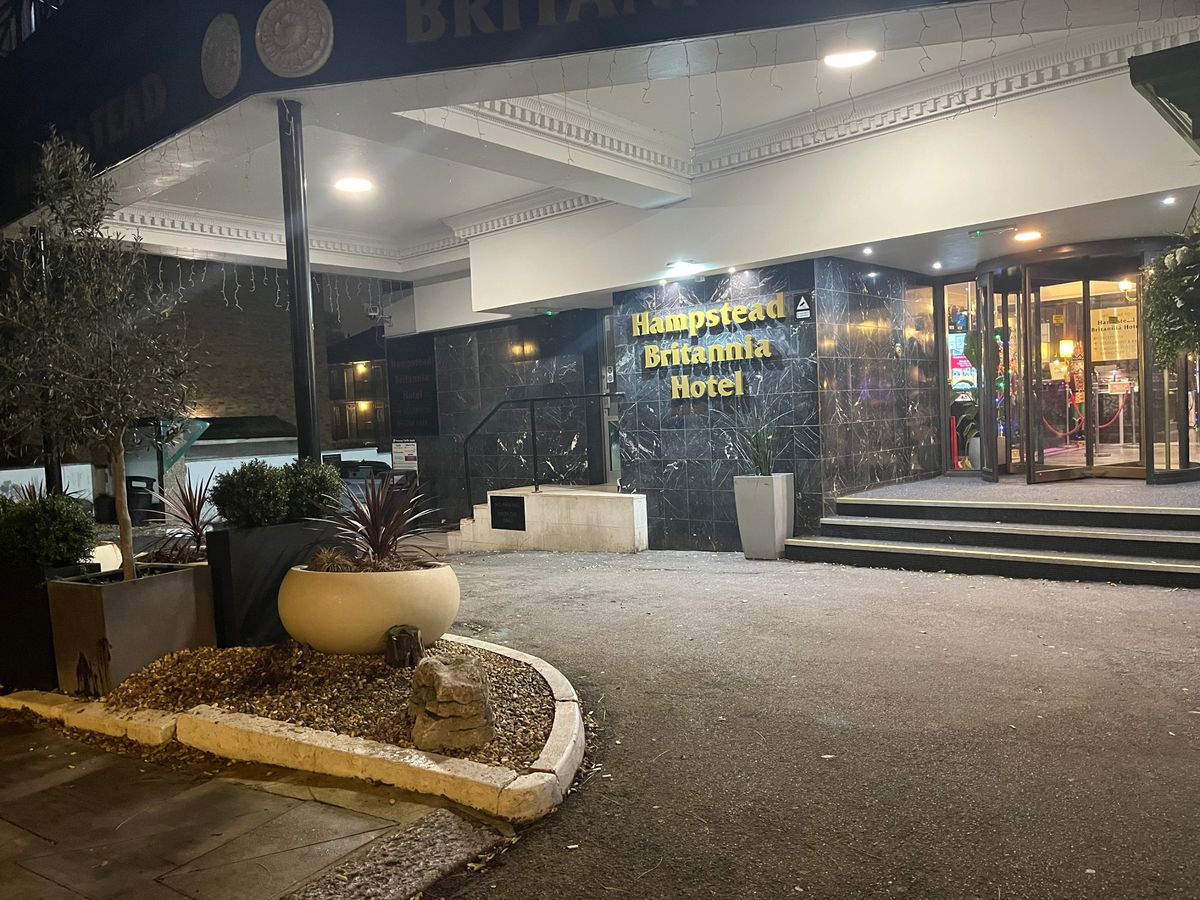
Britannia Hampstead is bleak, albeit in different ways to its sister venue down on the south coast. Here’s a breakdown of its key elements, compared to a recent visit to The Manor in Blakeney, North Norfolk. The Manor is part of the Coaching Inn Group, which was named the UK’s best large hotel chain of 2025 by Which? readers, while Britannia came dead last. Here is what separates the wheat from the chaff.
Vibe
On my Bournemouth trip, things were a lot livelier. There was life in the hotel. I knew because I could hear arguing couples and other people’s TV choices through my room walls. What I would’ve done for even the most muffled background characters this time around. The six-storey London hotel, which is big enough to house a 350-person business suite, was completely dead. The fairy lights flickered, but no one was home.
Contrastingly, the Manor was vibey. It may be a good hour’s cycle from the nearest train station, but even in the dead of November, it was busy, friendly, and warm. The staff were happy to chat, as were the guests lined up at the bar, enjoying special weekends away or a quick drink in what served as their local.
Rooms
It’s certainly not going to win any prizes, but my room in the Hampstead Britannia was much nicer than the Bournemouth one. In Bournemouth, a singular dead fly lay on the windowsill next to a deeply stained armchair. A screw stuck out from a picture frame. For several hours, I was unable to illuminate the room as all but the bathroom lights were out of action, leaving us with the deafeningly loud extractor fan until a cheery man on reception explained that the central electricity switch was hidden beneath the kettle.
In North London, the room was just… a bit bland. It was so clean that my UV torch found absolutely nothing. I can only assume that the strong stench of cleaning fluids had something to do with that. The furnishings were old and mostly brown, but inoffensive. At points during the night, the lack of windows did make me wonder if I was in prison. But I slept, woke and then jailbroke to tell the tale.
Over in Norfolk, it’s a different story. The Manor has 36 rooms, the cheapest of which can be booked for £99 next week. It is classic budget hotel fare, albeit of the quality end of the spectrum. A comfortable double bed, a medium-sized TV, and a well-decorated bathroom. Everything is solid, clean and cheerful.
Staff
As my only fellow humans in the Britannia hotel that night, I have no real complaints about the staff. They seemed nice enough, if not a little distracted when I chatted to them. The receptionist didn’t seem completely sure why the restaurant and bar were closed. Otherwise, my interactions with the staff were limited to them looking at me curiously as I read my book in the empty lobby.
Contrastingly, at the Manor, it’s all about staff. Many of them have been there for well over ten years. About half of them seem to be members of the Hill clan, including Tore, Karen, Sophie and Wayne. They were all on hand at various points during my stay to ensure everything was in its right place and to offer insights into the local area. For me, and the chatty returning customers who knew staff by name, such warmth is a major plus. It transforms the hotel from a place to stay and eat for the night, to somewhere homely that you want to be.
Location
This should be one of Britannia’s strong suits. In my mind, its customers tolerate a low-quality stay because of the convenience of staggering home to a city centre joint after a work away day or stag do. The Hampstead hotel offers none of that. It’s neither near enough the Heath nor Camden to be properly in either, and it’s a long old schlep from the centre of town. I can only imagine the disappointment of tourists who didn’t do enough research before booking.
Blakeney, on the other hand, is a lovely place. Just metres from the hotel’s front is the River Glaven, which winds its way through the National Nature Reserve. Nearby Blakeney Point is renowned for its seal colonies, with Beans Boat offering guided tours throughout the year. Most Coaching Inn Group hotels are in similarly scenic and remote rural locations.
Price
Windowless rooms at the London Britannia cost from £55, according to its website. But mine was closer to £90 with breakfast. If I’d opted for the sought-after window option, that would’ve hit the £100 mark.
The average cost of a room at the Manor is £128. While that isn’t very cheap, in the Which? survey, the hotel was one of only two to score four out of five stars for value for money. The other was Wetherspoons. I visited the Spoons Hotel in Canterbury in November, where a room for the night can be yours for just £55 and the average price is £70.
Spoons easily takes the prize for best value in my book, with Coaching Inn Group not far behind. Britannia, however, offers very little for what is a sizeable price tag. The average home price across all its hotels is £84, according to Which?. Even in 2025, that’s poor.
Nothing about my stay at the Britannia convinced me that it’s on the up or going to shed its unwanted ‘worst in class’ title anytime soon. I’m sure it’ll bag the bottom spot for a thirteenth time next year.
Britannia’s model seems to be to buy up grand old properties and flog the rooms for cut-price rates. Such is the size of the buildings, renovating to a modern standard would be a costly and risky venture. Far better, I imagine its executives have assumed, to keep costs low, even if profits remain the same. As a result, it’s a franchise with dozens of worn-out buildings that consistently fail to delight.
Contrastingly, Coaching Inn Group is a company that has done things right. For virtually the same price, customers can stay in one of its charming hotels in a warm, comfortable room with staff that seem genuinely invested in their work. Really, there is no competition.
Tourists visit the Iguazu Falls in Iguazu National Park in Foz do Iguazu, Brazil, last week. Photo by Juan Pablo Pino/EPA
Dec. 29 (UPI) — International tourism across South America rebounded strongly in 2025, led by Brazil, which received nearly 9 million foreign visitors and consolidated its position as the region’s top destination.
Brazil welcomed 8.97 million international tourists between January and November 2025, a 40% increase compared with the same period last year, according to data from Brazil’s Ministry of Tourism.
Argentines were the largest group of visitors, totaling 3.1 million tourists, followed by travelers from Chile, the United States, Uruguay and Paraguay.
Brazilian authorities said visitor numbers are expected to rise further in December with the year-end holidays and the peak of the Southern Hemisphere vacation season.
Tourism revenue generated more than $7.1 billion in foreign income through November, reflecting higher volumes and longer average stays, according to the Central Bank of Brazil and tourism officials.
Elsewhere in South America, tourism recovered at different speeds. Most countries reported clear gains compared with previous years, driven mainly by regional travel and improved air connectivity.
Brazil was the main country of origin, followed by the European Union and Uruguay. Despite solid inbound figures, Argentina posted a negative tourism balance, as outbound travel by residents continued to exceed arrivals of foreign visitors.
Chile reported more than 5 million international tourist arrivals during the year, according to data from the National Tourism Service, marking one of the strongest recoveries in South America.
Authorities said the growth was driven mainly by visitors from Argentina and Brazil, along with a gradual return of long-haul travelers from North America and Europe as air connectivity improved.
Uruguay received 3,207,536 international visitors between January and November, with estimated tourism spending of $1.784 billion.
Argentina and Brazil remained the country’s main source markets. Argentine tourists totaled more than 2 million arrivals, generating $1.034 billion in spending, while nearly 450,000 Brazilian visitors produced approximately $296 million during their stays.
Paraguay posted one of the region’s strongest rebounds early in 2025, with international arrivals up more than 50% year over year in the first quarter, according to Unite Nations tourism data.
The growth was driven mainly by cross-border travel and short stays linked to commerce and regional mobility.
South American travelers took advantage of exchange rate differences and expanded land and air connections. The return of travelers from the United States and Europe added further momentum, particularly in Brazil and Chile, reinforcing South America’s post-pandemic tourism recovery.
A passenger described the terrifying moment a Ryanair flight from Birmingham to Tenerife encountered severe turbulence at 35,000ft, forcing an emergency return
Severe turbulence struck during the meal service, leaving several people injured
A passenger aboard a Ryanair flight forced to turn back to Birmingham has revealed how travellers were ‘hurled from their seats’ during a terrifying ordeal that saw the aircraft lurch violently without warning.
The 33-year-old from Lichfield, who asked not to be named, described the harrowing experience as “like something from a horror movie”. The aircraft took off from Birmingham Airport at around 2.50pm on Sunday, December 28 and transmitted an emergency code (squawk 7700) whilst flying over Brittany, France, after climbing to 35,000ft.
Travellers informed The Aviation Herald that the severe turbulence struck during the meal service, leaving several people injured. The aircraft reversed course and dropped to FL100 (cruising at 10,000ft).
The passenger revealed: “I was on this flight. It felt like something you see on a horror movie. We were smooth cruising then, out of nowhere all of a sudden, the plane jerked to the left extremely quickly and then to the right.
“It felt like a loss of control, and then we plummeted down and we were flung out of our seats. I came out physically unharmed but the mental toll this has taken it awful,” reports Birmingham Live.
“Other passengers said to me they saw a fighter jet pass us by just before it happened. How do you not pick up on a planes radar other planes in the area? It doesn’t make sense.
“Who knows – I would like real answers though this has really traumatised me. The cabin crew said within their 10 years as cabin crew they’ve never experienced anything like it.”
The aircraft made a safe landing back at Birmingham about an hour and 32 minutes after its initial departure. As reported by AirLive, the plane was directed to an isolated parking bay where medical personnel could assess passengers.
A Ryanair spokesperson confirmed to the Mirror on Sunday evening: “FR1121 from Birmingham to Tenerife on 28th December returned to Birmingham Airport shortly after take-off due to air turbulence.
“The aircraft landed normally before passengers disembarked and returned to the terminal, where a small number of passengers were provided with medical assistance. This flight continued to Tenerife at 21:06 local.”
HAVE you ever holidayed in Spain and wondered if you’re saying the right thing or if there’s an easy way to order at a restaurant? One language expert has the answers.
James Smith, who has been teaching Spanish for years and now runs Learn Spanish with James, has revealed to Sun Travel his top tips from ordering food to the lesser-known spots to visit in Spain.
Sign up for the Travel newsletter
Thank you!
James Smith has been studying Spanish for years and now runs Learn Spanish with JamesCredit: James SmithHere are some of his top tips – like why you shouldn’t order tapas as your main mealCredit: Alamy
When it comes to speaking Spanish, James says while you might not be an expert (yet), there’s no harm in trying.
Talking to Sun Travel, James said: “People make mistakes in English everyday, but when it’s in a foreign language they worry about sounding silly.
“In Spain they’d just be happy if you try, and you’ll get much better service if you’ve made an effort to speak Spanish with them rather than the expectation for them to speak English – that’s when you start getting free shots to the table.”
Here’s one way to do this in a restaurant, rather than just speaking English more loudly and slowly.
James explained: “In order to sound quite colloquial, in Spain, you can say ‘me das’ or ‘me pones’ followed by what you want to ask for which is a very Spanish thing.
“It means, ‘can you get me this?’ – in English we’d say ‘can I have?’. On its own if you say it without the context of food it would mean ‘you turn me on’. But you’ll hear it all the time in restaurants and it doesn’t mean that.
“So for example you can say, ‘me pones un café con leche por favor’ – and always remember to say thank you afterwards.”
When it comes to pronouncing words in Spanish, other top tips include pronouncing ‘ll’ like ‘y’ – which will come in handy the next time you order a tasty paella.
Another example is that a ‘z’ is actually a ‘th’ sound and so is the letter ‘c’.
When it comes to holidaying in Spain, most Brits will head to restaurants for fresh seafood and patatas bravas – but there’s one Spanish classic that James warns against ordering a lot of.
A lesser-visited city is Cuenca where you’ll find the Hanging Houses built into cliffsideCredit: Alamy
James explained: “I would say anywhere you’re going where you have tapas as your main meal, you’re probably going to get ripped off.”
He continued: “You’re meant to have small tapa with a drink – it originates from people trying to stop flies in the alcohol, so they’d give you a ‘tapa’ which means lid in Spanish and put it on top of their glass.
“It’s only meant to be a small dish but now people have jumped on that and charge £15 for tapas when in reality, it was a freebie with a drink. I never have it as a main meal.”
Another sign of an inauthentic restaurant, according to James, is if there are pictures on the menu – or you see Spanish cuisine alongside egg and chips.
If you want some good recommendations but aren’t sure where to find them, then James says just ask.
He told us: “I always ask the hotel staff for a place to go and eat where tourists usually don’t go and they’re more than happy to help you.”
James says Cadiz has some of the best beaches in SpainCredit: Alamy
Most Brits head to the likes of Barcelona and Madrid, but aside from the major cities, where would James suggest to visit?
He said: “The Hanging Houses of Cuenca, which are just outside of Madrid. I would say like always look for these kind of day trips when you visit like the main cities.
“Toledo is another one, in the south of Spain, and Cádiz has the best beaches in Spain.”
James has been learning Spanish since he was a child, having taken an interest playing football in rural Spain.
He then studied the language at university before heading off to Buenos Aires and Costa Rica.
Now, he runs Learn Spanish with James suitable for beginners, intermediate and advanced speakers – by signing up you can get a free email series with tips on how to learn the language.
“Tenerife boasts more Michelin stars than Wales and the Royal Hideaway Corales Resort has more stars than any hotel in Spain with four!
“And Tenerife just keeps winning stars. This year Il Bocconcino snared one. As a Scot I know when hiking is brilliant. Tenerife has massive variety, as does Gran Canaria, but my top tip is La Palma.
“I hiked around what the Canarios call ‘La Isla Bonita’ with Ramble Worldwide earlier this year. It was a joy soaring with our friendly group of largely British retirees up volcanoes, through thick forests and down to the cobalt Atlantic.”
While the UK might be in the grip of a cold snap, there’s still plenty of sunshine to be found elsewhere. If you’re not one for the chilly and dark seasons in the UK, then there are numerous other destinations to consider.
Maria Hughes, a travel expert at Good To GoTravel Insurance, has revealed to the Express her top six winter sun spots that holidaymakers should check out.
From vibrant cities to expansive beaches and lush rainforests, there’s a world of options – and these locations all boast temperatures in the mid to high 20s, ideal for soaking up some rays.
6. Valletta, Malta
This majestic walled city is a popular holiday destination for Brits because it’s just a few short hours away. Not only does Malta have some gorgeous beaches, but it also has winding streets filled with cafes and bars, perfect for exploring.
5. Cape Town, South Africa
South Africa is in full summer splendour, and the views are spectacular. Dine alfresco at the foot of the imposing Table Mountain, or take a cable car up to it and see the landscape spread out beneath you. There are white sand beaches and a bustling harbour to sit at and watch the boats sail to and from.
4. Punta Cana, Dominican Republic
White sand, turquoise seas and a gentle breeze rustling the palms as you sit back and relax. The Dominican Republic is a stunning place to explore, and this is no different. This resort town is the perfect place to kick back and enjoy a taste of luxury as the warm, balmy weather sweeps over you.
3. Tenerife, Canary Islands
Although this island is not as hot as some of the other places on the list, it’s still a popular winter sun destination for Brits because it’s so easy to get to. Tenerife has jaw-dropping black sand beaches, volcanoes and a bustling Old Town that makes for a fabulous day out.
2. Sri Lanka
January marks the beginning of Sri Lanka’s dry season, so it’s the perfect time to visit for the best weather. You can explore the misty rainforest highlands and drink tea, or just laze around on the beaches and relax.
1. Barbados, Caribbean
Just as in Sri Lanka, January in Barbados is the dry season. This island paradise is famous for its laid-back lifestyle, delicious food and beachfront resorts. You can swim with turtles, explore the coast by boat and experience true Caribbean hospitality.
This 800-year-old village is a must-see in the New Year.
This village has so much to offer(Image: Wirestock via Getty Images)
Portugal boasts numerous attractions that draw visitors from across the globe. Lisbon and Porto remain incredibly sought-after destinations, with travellers flocking to wander their charming cobbled lanes and savour exceptional cuisine.
Yet venture beyond these hotspots and you’ll discover a corner of Portugal that remains largely unexplored.
This settlement represents a true hidden treasure, though those who’ve discovered it regard it as amongst the nation’s finest spots to visit.
Indeed, Castelo Novo in Portugal received international acclaim from the United Nations’ World Tourism Organization (UNWTO).
The UNWTO assesses settlements using rigorous standards, covering environmental responsibility, prospects for locals, safety measures, plus preservation of cultural and natural heritage.
And Castelo Novo in Portugal secured recognition amongst the globe’s top tourism villages, reports the Express.
This historic community, founded eight hundred years ago, contains one of the area’s most important archaeological locations. The Roman Baths of Quinta do Ervedal represent the main attraction drawing travellers to Castelo Novo.
UNWTO observed: “The oldest mention of Castelo Novo, then called Alpreada, dates back to around 1202 AD. To protect his kingdom against any potential threats, King Dinis rebuilt the village castle adopting typical Gothic features and commissioned several Medieval-style buildings.”
The settlement has also earned praise for its groundbreaking environmental initiatives, becoming Portugal’s first location to reach total carbon neutrality. Castelo Novo offers five electric vehicles to ferry visitors from nearby train stations.
One traveller who visited the village shared: “A secret kingdom. Located in the heart of the Beira Baixa Region, once the capital of Portugal, it is a picturesque stone village that looks out onto the Garduna mountains. It has a terrific visitor centre.”
Another holidaymaker noted: “The castle on top of the hill is a gem. Once at the top the view of the surrounding area is superb even on a grey day.”
Visitors can also learn about the traditional grape-treading methods used by former residents and admire the historic manor houses in the settlement.
Those touring the area can follow the Miller’s Way to see the windmills that were once a crucial part of village life.
The journey to Castelo Novo from Lisbon takes roughly three-and-a-half hours by train or two-and-a-half by car. The village is also conveniently located near Coimbra, a charming riverside city in Portugal with a medieval Old Town.
The drive is just under two hours, making Castelo Novo an easy day trip from the city.
SCOTLAND could soon have its own direct link to Europe via ferry.
Plans have been in the works for years to connect Scotland to northern France and it’s set to become a reality in 2026.
Sign up for the Travel newsletter
Thank you!
The proposed route will connect a town in Fife, Scotland to the city of DunkirkCredit: AlamyThe route to France would be one of the longest in Europe taking around 20 hoursCredit: Alamy
Speaking in Westminster in November 2024, Scottish MP Graeme Downie proposed that £3 million in funding was needed to start up the service.
He said: “It is estimated the direct ferry link would initially carry 51,000 passengers a year, rising to 79,000, bringing an additional £11.5 million of spend to the Scottish economy.”
The new proposed route would become one of the longest ferry journeys in Europe.
But that title currently belongs to the service between Portsmouth to Bilbao in Spain, which lasts between 27 and 30 hours.
In the past, Scotland had a similar service between Rosyth and Zeebrugge which Belgium previously connected Scotland to Europe.
The overnight crossing took 17 hours and operated four times per week.
DFDS offers three routes from the UK to France – but these are from Dover and NewhavenCredit: Alamy
The route was discontinued in 2008, following six years of service.
It was reintroduced in 2009, but was pulled again in 2010 because of insufficient demand.
DFDS operates three main routes from the UK to France.
Currently, there are no direct passenger ferries from Scotland to mainland Europe.
Other routes DFDS offers include those to the Channel Islands from southern England and the northernmost major ferry route from the UK from Newcastle to Amsterdam.
Another ferry route connects Essex to the Netherlands…
Elsewhere in the UK, Harwich, a seaside town in Essex, already has a direct ferry service to Europe.
Brits looking to head to the Netherlands will be excited to know about Harwich’s ferry link to the Hook of Holland.
With a journey time of roughly seven hours, many tourists opt for the sleeper service so they can arrive in Holland early in the morning.
From the Dutch ferry port, Rotterdam is 40 minutes away by car, while a drive to Amsterdam takes just over an hour.
Wales’ craggy coastline is among the most beautiful in the world and can be enjoyed year-round
I stayed a weekend out of season in UK’s ‘best’ seaside town — I won’t go in summer again(Image: Portia Jones )
The UK’s craggy coastline is among the most beautiful in the world and can be enjoyed year-round, especially in winter when crowds disperse and prices drop. I spent an affordable winter weekend in Tenby, widely considered one of the UK’s best seaside towns — and now summer travel is officially off the list as I want to avoid the crowds and sky-high prices.
There’s a particular joy in taking a solitary coastal walk on a Tuesday in November while everyone else is stuck at their desks. Strolling around the seafront, it’s easy to see why Tenby is such a hit. With picturesque beaches just a short stroll from the lively town centre, pubs, cobbled streets, and eye-catching, brightly coloured houses, I’m not surprised that this coastal jewel consistently tops the list of the country’s “best seaside towns”.
Stepping beyond its historic 13th-century walls, you’ll find sandy beaches and dramatic cliffside vistas over the sea towards the mesmerising Caldey Island. I have visited Tenby many, many times over the years, from childhood holidays to grown-up escapes and I love it a bit more with each visit. While admittedly summer is perfect for sea swimming and long wine-filled afternoons on sun-trap pub terraces, I have come to appreciate Tenby more in winter, especially when I can bag a good accommodation deal.
Sure, the weather might not be as sunny, but this is Wales. It’s completely unpredictable, so you may as well chance a cheaper autumn visit and hope the weather gods smile upon you. I love that if you visit Tenby during the week, say, mid-January, you can escape the crowds and wander the pretty streets and sandy beaches in relative peace. Just wrap up warm, buy a hot chocolate, and watch the waves roll in from a chilled-out seaside cafe.
Where to stay in Tenby
You can get some pretty good deals in the off-season, especially if you visit midweek rather than at the weekend. One of my favourite spots is YHA Manorbier, a very affordable stay that’s a short drive from the town centre.
This budget-friendly hostel, situated on a former military installation, offers glamping and camping facilities and costs under £50 for a private en-suite room for two (YHA members pay even less). Accommodation options include affordable private rooms, unique American Airstreams, cute camping pods, and pitch-up camping.
I usually book a clean, private en-suite room for just £45 for two, and as a YHA member, I get an extra 10% off. Win! Yes, the private rooms can have limited space for large luggage, which estate agents might call “bijou” and normal people might call “compact”. However, for just over £20 each it’s a genuine bargain – especially in the pricey Pembrokeshire area. You’re here for the vibes.
A community-spirited atmosphere fostered by shared kitchens, mismatched mugs, and conversations over wine in the lounge. Want to stay closer to town? Check out autumn deals on Booking.com and book a seaside hotel for around £70 for two adults, or spoil yourself with a stay at a four-star property, the Dunes, for just £80 for a night in the off-season.
The Premier Inn Tenby Town Centre hotel costs just £48 for a night for two in January and offers a cosy stay right in the middle of all the action.
Things to do in Tenby off-season
There’s still plenty to do in Tenby after the busy summer season has ended. You can stomp along the coast path, drink craft ales in local boozers, browse boutique shops, and pick up locally made gifts. Tenby has several sandy beaches where you can take a chilly winter sea dip if you’re feeling brave or drink hot chocolate overlooking the blustery shoreline.
South Beach is a dune-backed sandy beach close to the town and has the added accolade of being a Blue Flag Beach. For food options, check out Salty’s Beach Bar and Restaurant, located right on the beach.
Nearby Castle Beach was crowned the UK’s best beach in 2019 and currently holds a 4.8 out of five rating on Google. Unlike most places in the UK, it’s just a few steps from the town centre. North Beach in the Pembrokeshire town has previously been voted the most photogenic in the UK, beating other stunning sites like Durdle Door in Dorset and Brighton seafront. Pretty Harbour Beach is the smallest but has a backdrop of colourful houses, bobbing boats, and a road leading back to town.
Autumn is also a great time to traverse the Tenby Coast Path. This scenic section of the larger Pembrokeshire Coast Path offers views of Tenby’s colourful harbour, Caldey Island, and St Catherine’s Island.
Popular routes include the four-mile walk to Saundersfoot, a moderate nine-mile loop returning inland, and a challenging 10.9-mile point-to-point path to Freshwater East.
If it’s raining, head to Tenby Museum and Art Gallery, the oldest independent museum in Wales. Established in 1878, this retro museum houses a wide-ranging collection of local geology, biology, archaeology, and maritime artefacts.
Many of the exhibits also relate to the culture and heritage of South Pembrokeshire, offering insight into local history and art. A small gift shop near the entrance also sells local books and gift items.
The museum’s admission price is £6.50 for adults and £3.50 for children. It also operates a reusable ticket scheme – all tickets are valid for one year after purchase, so you can make as many return visits as you like within that time at no additional charge.
Places to eat and drink in Tenby
There are two local breweries in Tenby for Welsh tipples. Both produce quality beers and supply local bars and restaurants. Tenby Brewing Co., which took over from Preseli Brewery, has multiple stockists in Tenby and is one of Wales’s leading craft breweries.
The award-winning brewery was born when two friends decided (over a pint) to quit the rat race and start their own brewery. The Yard is their hip venue here at the brewery, with a capacity of 150, an exciting rotating food offering from awesome pop-up food vendors, draft beer lines from their range, and some of their favourite brewers.
The newer brewery on the scene, Harbwr, is a craft brewery and taproom that brews a range of cask and bottled ales just above Tenby harbour.
Food-wise, Tenby’s cluster of tiny streets and pastel-coloured buildings hides its best restaurants and cafes down the narrowest of alleys.
One of these more secluded dining finds is Plantagenet House, with a warren of flagstone floors, exposed beams, and a 40ft medieval Flemish chimney.
If you book early enough, you can bag a table by the fireplace. A recommended dish is their vegan Thai coconut curry, featuring squash, chargrilled spring onion, spiced rice, and roasted almonds.
Links restaurant is located on the ground floor of Tenby Golf Club and is a great Michelin-recommended dining choice for gastronomes.
Led by a talented local chef, the menu features simple yet incredibly tasty dishes made with the best Welsh produce. Start your meal with their freshly baked ale bread, served with whipped Marmite butter – trust me, it’s the perfect opener.
The atmosphere is relaxed but refined, and the menu strikes the perfect balance between unpretentious and exciting. From hot-smoked salmon with cucumber and buttermilk to heritage tomatoes paired with buffalo mozzarella, there are loads of lush dishes to choose from.
For mains, enjoy locally sourced delights like Pembrokeshire beef or Cornish cod in a bisque sauce, or tuck into a tender Welsh lamb rump, served with all the right accompaniments.
And don’t forget to save room for dessert, whether it’s rich dark chocolate fondant with tarragon ice cream or tangy lemon meringue with almond cake and blueberry sorbet, you won’t go home hungry.
D. Fecci and Sons possibly serve the best fish and chips in Wales and have been serving visitors and locals since 1935. With potatoes grown up the road in Pembrokeshire and groundnut oil making haddock, cod, and calamari fantastically light, the chippy also serves fresh mackerel in the summer.
For sweet treats, pop into Môr Tenby, a swish family-run coffee shop and gift shop that sells its own blend of coffee (“Coffi Môr”), chocolate products, deli items, home fragrances, homeware, gifts, and Welsh produce.
A beloved institution in Tenby, Top Joe’s is the go-to spot for pizza lovers.
This former ’60s diner has transformed into an artisan pizzeria serving freshly-made pizza, pasta, and salads with the finest Italian ingredients. Located in the heart of this picturesque beach town, it’s a firm favourite with locals and visitors.
Chef Giovanni Recchia, recently named one of the best in the world at the Pizza World Championships, brings his expertise to the menu. He crafts pizzas with locally milled flour and top-notch ingredients, including cured meats from Trealy Farm Charcuterie.
After snapping up a room for just £50, strolling straight into pubs that are usually rammed, and demolishing fish and chips by the sea, I can honestly say winter has stolen the crown as my favourite time in Tenby.
In 2026, I fully intend to resist the siren call of summer and book another cold-weather escape, where I can wander the streets before anyone else wakes up and claim the town entirely for myself.
A flight attendant with over five years of experience has shared the ideal seats to book on long-haul flights for maximum comfort – and which rows you should avoid at all costs.
There is one place that’s best to sit(Image: Getty)
Few experiences test human endurance quite like a marathon economy flight.
Squeezing into those minuscule seats with barely any legroom whilst the journey drags into double-digit hours can push anyone to their limits, yet several strategies can help make the ordeal more bearable.
When embarking on a distant adventure, ensuring your experience is as comfortable as can be is paramount, and industry insiders have shared exactly how to achieve this.
Travel medical insurance specialists at AllClear have collaborated with a seasoned Virgin Atlantic flight attendant to unveil optimal seating choices, areas to steer clear of, and crucially, techniques for snatching some shut-eye during those marathon journeys.
The crew member, boasting over half a decade of flying experience, revealed that nervous flyers should prioritise booking seats positioned above the aircraft’s wings.
They explained: “Seats over the wings usually offer the smoothest ride during turbulence, and the further forward you sit on the aircraft, the less you’ll feel the impact of it.
“Likewise, sitting over the wing is often one of the smoother spots on the plane. Being closest to the aircraft’s centre of gravity, you tend to feel less movement and vibration compared with seats further back.”
Regarding securing some rest during extended flights, striking the right balance proves particularly challenging.
Finding a peaceful spot for slumber becomes essential, though this can prove elusive, the aviation professional warned.
They explained to the Express.: “You can never truly predict the quietest spot on a plane, as it depends on the passengers around you. But the aft [rear] of the plane can be a bit noisy because toilet flushes are quite loud.
“The seats at the back on all our aircraft recline, so that’s not a problem, but sometimes light catches through the galley curtains on a night flight, and it can be noisy as the crew are working. So, I also wouldn’t choose back row seats.”
For the ultimate in-flight experience, the cabin crew member suggested one particular area to aim for when selecting your seat: “The ideal seat would be around five rows from the back, or five rows from the front.
“Crew work front to back simultaneously, or two carts from the front of economy to the back. So, five seats from the front is best as you’ll get your first meal choice.
“It’s also closer to the front for turbulence, as if you’re five from the back you’ll feel it more, and being closer at the front means you’ll get off quicker.”