New plaques have been installed in US President Donald Trump’s ‘Presidential Walk of Fame’ at the White House that attack many of his predecessors and make questionable claims about his own achievements.
Legislators have been publishing photos related to convicted sex offender as Justice Department faces Friday deadline to release more.
Published On 18 Dec 202518 Dec 2025
Share
Democrats in the United States House of Representatives have released dozens more photos from the estate of financier and convicted sex offender Jeffrey Epstein.
The release on Thursday comes a day before the Department of Justice faces a deadline to release a more comprehensive set of files related to Epstein, who died in a New York jail in 2019 while awaiting sex-trafficking charges.
Recommended Stories
list of 3 itemsend of list
In a statement, Democrats on the House Oversight Committee said they would “continue releasing photographs and documents to provide transparency for the American people”.
“It’s time for the Department of Justice to release the files,” they said.
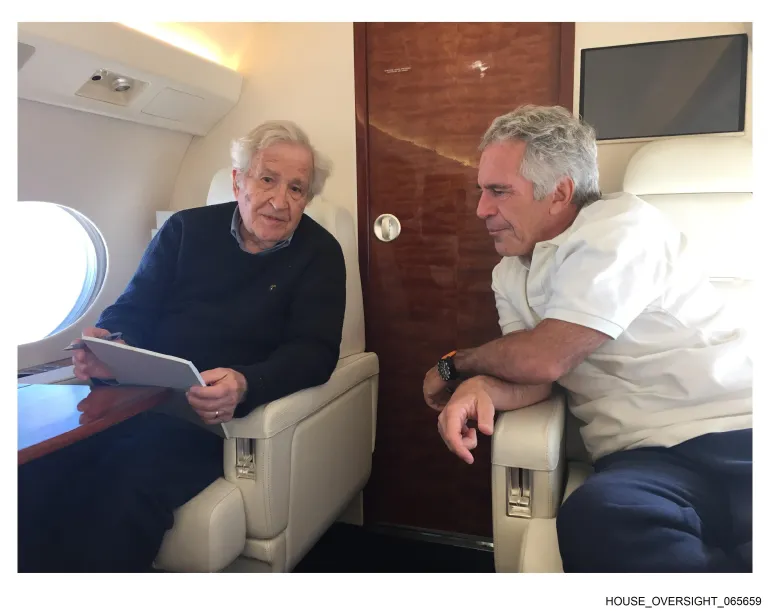
The latest trove includes photos of Epstein with public intellectual Noam Chomsky, as well as images of billionaire Bill Gates, filmmaker Woody Allen and former Donald Trump strategist Steve Bannon at Epstein’s compound.
One release shows a screenshot of a text exchange in which an unknown sender appears to discuss recruiting young women.
“I have a friend scout she sent me some girls today. But she asks 1000$ per girl. I will send u girls now. Maybe someone will be good for J?” the post says.
An undated photo released by Democrats on the House Oversight Committee on Thursday, December 18, 2025, shows professor and political activist Noam Chomsky with Jeffrey Epstein.
Other images show women’s passports and the body of an unidentified woman with messages written on her skin, next to Vladimir Nabokov’s Lolita, a novel about a man’s sexual obsession with a child.
Like a trove of images released last week, the materials released on Thursday were not accompanied by any further context or details. Last week’s images also showed Bannon, Allen, and Gates, as well as former US President Bill Clinton and former Israeli Prime Minister Ehud Barak.
Another image showed US President Trump surrounded by three young women, his hand clutching the waist of the woman to his right.
Trump has acknowledged a prior relationship with Epstein, but has denied taking part in the sex abuse ring that Epstein ran. He said the two men had a falling out years before Epstein’s arrest.
In emails previously released by House Democrats, Epstein said that Trump “knew about the girls”. In another, Epstein described Trump as “the dog that hasn’t barked”.
The president had initially opposed a more complete release of files related to Epstein, but faced mounting pressure, including from within his own Make America Great Again (MAGA) base.
Speculation has focused on the influential figures in Epstein’s orbit, and any involvement they made have had in his crime. The intrigue has been fueled by the murky circumstances surrounding Epstein’s death in a New York jail cell, which was ruled a suicide.
Last month, Trump pivoted on the issue, signing into law a bill requiring the Justice Department to publish materials connected to the Epstein investigation.
However, the Justice Department has remained silent on whether it will meet Friday’s deadline outlined in the law, dubbed the Epstein Files Transparency Act.
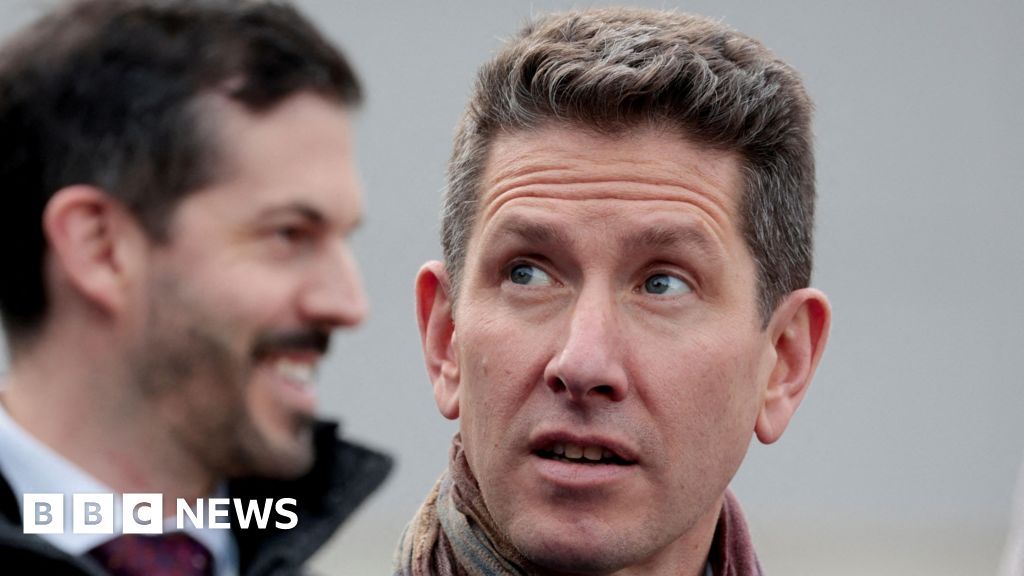
The UK has named career diplomat Christian Turner as its new ambassador to the US, Downing Street has confirmed.
Turner has spent nearly 30 years working across Whitehall and the Foreign Office.
He will now become the man tasked by Prime Minister Sir Keir Starmer with building links to the Trump administration.
The previous ambassador Peter Mandelson was sacked by Starmer after evidence, including emails and photos emerged, showing his continued association with the paedophile Jeffery Epstein.
Lord Mandelson has repeatedly said he regrets his relationship with Epstein, who died in jail in 2019 while awaiting trial on sex trafficking offences.
The Foreign Office said in a statement that King Charles had formally appointed Turner, and the UK would now seek official approval for his appointment from the US.
Turner said he was “honoured” to be nominated for the role.
“At a pivotal time for the transatlantic relationship, I look forward to working with President Trump’s administration, and leaders in Congress, business and society to strengthen that bond in the years ahead,” he added.
In a statement released by the Foreign Office, Starmer said: “The United Kingdom and United States have a very special relationship, and Christian’s extensive experience as an outstanding diplomat will support this uniquely close bond and ensure it continues to flourish.”
Turner’s previous roles include political director at the Foreign Office, British High Commissioner to Pakistan, and Foreign Office Director for the Middle East and North Africa. He also previously worked in 10 Downing Street as Private Secretary to the Prime Minister.
Before entering government, he worked in television documentaries.
Foreign Secretary Yvette Cooper said Turner would bring “exceptional diplomatic experience and deep understanding” to the role.
Weekly insights and analysis on the latest developments in military technology, strategy, and foreign policy.
A key Russian airbase in occupied Crimea has been targeted by a Ukrainian drone strike, according to Ukraine. Authorities in Kyiv claim that drones hit a MiG-31BM Foxhound interceptor, as well as elements of an S-400 air defense system, at Belbek Air Base, near Sevastopol.
The Security Service of Ukraine (SBU), the government’s main internal security agency, reported that a successful drone strike operation was carried out overnight by forces from its Special Group “Alpha.” Russian officials, including the governor of Sevastopol, claim that the attack was repelled with 11 drones downed and resulted in no damage.
Minus russian MiG-31 jet 🔥 Last night, the warriors from the @ServiceSsu Alpha Special Operations Center struck a russian MiG-31 fighter jet with a full combat load at the Belbek military airfield in temporarily occupied Crimea. An S-2 Pantsir air defense system, an S-400 air… pic.twitter.com/qEsjJwrd0o
The SBU has published a series of video stills showing the attack, with footage taken from the perspective of the long-range one-way attack drones heading toward their targets. Based on the imagery, the drones could well be the same fiber-optic types that have been launched from Ukrainian drone boats.
Further videos were posted to social media by residents of Crimea, showing explosions and attempts by Russian troops to shoot down the drones. At this point, it should be noted that, without the full videos of the strikes, we cannot be sure whether the drones detonated or the degree of damage they might have caused.
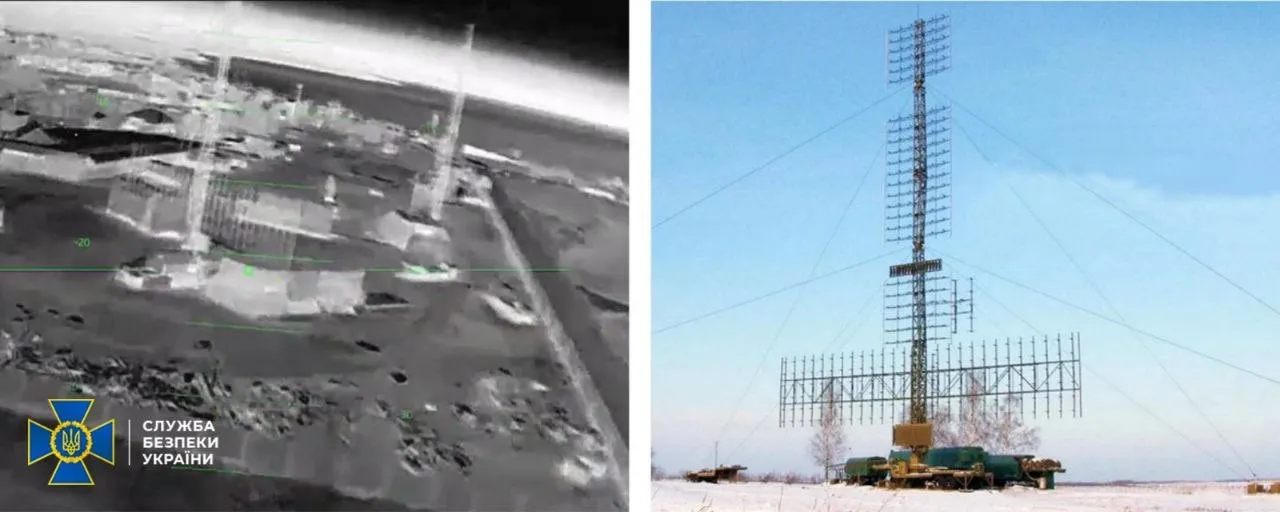
According to the SBU, damage was recorded to a MiG-31, a 92N6 (NATO reporting name Grave Stone) long-range multifunction radar that is part of the S-400 system, two Nebo-SVU long-range surveillance radars, and a Pantsir-S2 surface-to-air missile system.
Ukraine claims that the targeted MiG-31 was carrying a full combat load, although the available video reveals that it carries no armament under its wings. Potentially, it carries air-to-air missiles below the fuselage, but the forward-mounted examples are also not visible. While it looks like a real aircraft rather than a decoy, it remains possible that it may have been a non-operational example. However, recent satellite imagery assessed by TWZ shows a MiG-31 sporadically at the base in recent weeks, sometimes sitting out in the open.
MiG-31. SBU
It’s worth noting, too, that the reported 92N6 system (seen below) was covered with camouflage and/or anti-drone netting, making its positive identification harder. It could also have been a 96L6 (Cheese Board) all-altitude detection radar, also associated with the S-400 air defense system.
SBU
It’s a cheeseboard, its been axtive at Belbek for a long time, you made a good id, you can recognise it because the radar array has a round base and on the gravestone its rectangular pic.twitter.com/f4RDqfaoYY
As to the estimated value of these items of equipment, the SBU put a figure of $30-50 million on the MiG-31, depending on configuration and armament, $30 million on the 92N6, $60-100 million for each of the Nebo-SVUs, and $12 million for the Pantsir-S2.
“The SBU continues its effective work to destroy air defense systems in Crimea that cover important military and logistical facilities of the occupiers,” the agency said in a statement on its Telegram channel. “The elimination of components of this echeloned system significantly weakens the enemy’s defense and military capabilities in the Crimean direction.”
Belbek plays a key role in Russia’s war in Ukraine and, as such, has been targeted by Ukraine in the past.
The significance of the airbase, in particular, lies in the fact that its aircraft and air defenses help extend coverage deeper into Ukraine, as well as providing critical screening for the nearby Russian naval base at Sevastopol, and also extend this coverage far out into the Black Sea.
Several photos recently posted on the “warhistoryalconafter” TG channel showing a VKS Su-27P/S. Visible AAMs include an R-73, R-27ET & R-27ER. Photos appear to be from Belbek (thanks to @StefanB2023 for IDing the base) – the jet is presumably assigned to the 38th IAP based there. pic.twitter.com/e6Dm4fGjfX
Belbek Air Base was used by Ukraine before Russia annexed Crimea in 2014. Today, it is home to the 38th Fighter Aviation Regiment (38 IAP, in Russian nomenclature), a unit that you can read more about here. When Moscow launched its full-scale invasion of Ukraine, Belbek received an influx of additional combat aircraft deployed from units in Russia. These have included examples of the Su-30SM and Su-35S, as well as Su-34 Fullback strike fighters, and MiG-31s.
MiG-31s, together with the very long-range air-to-air missiles they carry, have been a particular threat to the Ukrainian Air Force.
In October 2022, during take-off from Belbek, a MiG-31BM departed the runway, crashed, and was completely burned out. The navigator/weapons system officer ejected successfully from the rear cockpit, while the pilot was killed.
The airbase’s value means that it has received new hardened aircraft shelters and additional construction to help shield aircraft from drone attacks and other indirect fire. This is part of a broader push by the Russian military to improve physical defenses at multiple airfields following the launch of the full-scale invasion of Ukraine.
A view of the central section of Belbek, showing hardened aircraft shelters. Google Earth
Notably, the MiG-31 was targeted while standing in the open, unprotected. Its twin cockpit canopies were open, suggesting it was being prepared for a sortie or had recently returned from one.
As well as previous drone attacks, Ukrainian forces have employed U.S.-supplied Army Tactical Missile System (ATACMS) short-range ballistic missiles with cluster munition warheads against the base, with a notably destructive ATACMS barrage in May of last year. That attack resulted in two MiG-31s being burnt out, confirmed in post-strike satellite imagery. Since then, however, the use of hardened aircraft shelters at Belbek will have made the resident aircraft less vulnerable to the effects of ATACMS armed with cluster munitions, in particular.
The Russian Aerospace Forces began the current conflict with around 130 MiG-31s in active service, a small number of them adapted to carry Kinzhal aero-ballistic missiles. The two aircraft destroyed previously at Belbek are the only confirmed combat losses, though thast ight change when more details of the latest drone strike become available.
Russian MiG-31 Downs Ukrainian Su-25 from high altitude
And here are the first photos from the ground showing the aftermath of Ukrainian strikes with ATACMS missiles on Russia’s Belbek Air Base in the Crimea last night.
— Status-6 (Military & Conflict News) (@Archer83Able) May 15, 2024
The targeting of Belbek again overnight, which Ukraine claims caused significant damage to prized air defense assets, shows that Ukraine is continuing to apply pressure on Russian forces in Crimea and is using a variety of weapons to achieve this.
NEWS BRIEF Ukrainian drone strikes killed three people, including two crew members of a Russian-flagged oil tanker, in overnight attacks on the port of Rostov-on-Don and the town of Bataysk in southern Russia. The strikes mark a continued escalation in Kyiv’s campaign targeting Russian energy infrastructure and maritime assets, as both sides trade accusations of […]
Kitsch Liao, associate director at the Atlantic Council Global China Hub, says Beijing’s reaction to the largest US arms sale to Taiwan is an information warfare tactic.
Thousands protest as EU leaders clash over trade pact farmers fear will flood Europe with cheaper South American goods.
Published On 18 Dec 202518 Dec 2025
Share
Hundreds of tractors have clogged the streets of Brussels as farmers converged on the Belgian capital to protest against the contentious trade agreement between the European Union and South American nations they say will destroy their livelihoods.
The demonstrations erupted on Thursday as EU leaders gathered for a summit where the fate of the Mercosur deal hung in the balance. More than 150 tractors blocked central Brussels, with an estimated 10,000 protesters expected in the European quarter, according to farm lobby Copa-Cogeca.
Recommended Stories
list of 2 itemsend of list
It made for a twin-tracked day of febrile tension outside and inside at the EU summit as leaders were perhaps more focused on a vote to determine whether they are able to use nearly $200bn in frozen Russian assets to support Ukraine over the next two years.
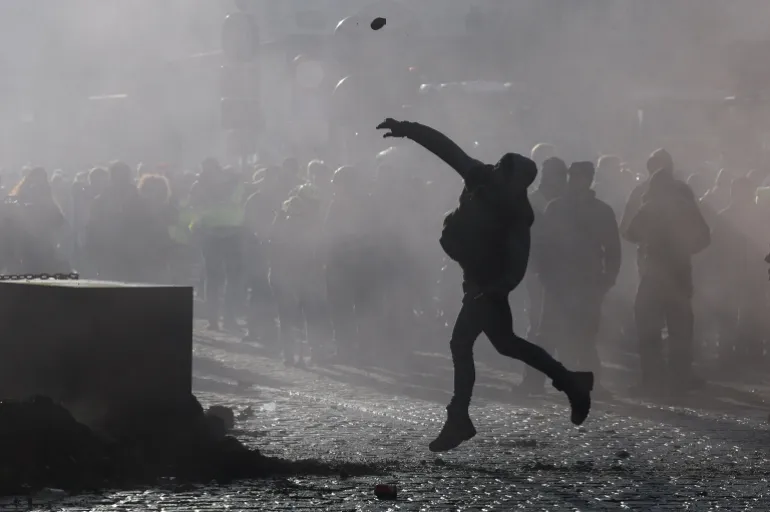
Outside the gilded halls on the streets, farmers hurled potatoes and eggs at police, set off fireworks and firecrackers, and brought traffic to a standstill.
Authorities responded with tear gas and water cannon, setting up roadblocks and closing tunnels around the city. One tractor displayed a sign reading: “Why import sugar from the other side of the world when we produce the best right here?”
“We’re here to say no to Mercosur,” Belgian dairy farmer Maxime Mabille said, accusing European Commission chief Ursula von der Leyen of trying to “force the deal through” like “Europe has become a dictatorship”.
A protester throws an object, as farmers protest against the EU-Mercosur free-trade deal in Brussels, Belgium [Yves Herman/Reuters]
Protesters fear an influx of cheaper agricultural products from Brazil and neighbouring countries would undercut European producers. Their concerns centre on beef, sugar, rice, honey and soya beans from South American competitors facing less stringent regulations, particularly on pesticides banned in the EU.
“We’ve been protesting since 2024 in France, in Belgium and elsewhere,” said Florian Poncelet of Belgian farm union FJA. “We’d like to be finally listened to.”
France and Italy now lead opposition to the deal, with President Emmanuel Macron declaring that “we are not ready” and the agreement “cannot be signed” in its current form.
France has coordinated with Poland, Belgium, Austria and Ireland to force a postponement, giving critics sufficient votes within the European Council to potentially block the pact.
However, Germany and Spain are pushing hard for approval. German Chancellor Friedrich Merz warned that decisions “must be made now” if the EU wants to “remain credible in global trade policy”, while Spanish Prime Minister Pedro Sanchez argued the deal would give Europe “geo-economic and geopolitical weight” against adversaries.
The agreement, 25 years in the making, would create the world’s largest free-trade area covering 780 million people and a quarter of global gross domestic product (GDP).
Supporters say it offers a counterweight to China and would boost European exports of vehicles, machinery and wines amid rising US tariffs.
Despite provisional safeguards negotiated on Wednesday to cap sensitive imports, opposition has intensified. Von der Leyen remains determined to travel to Brazil this weekend to sign the deal, but needs backing from at least two-thirds of EU nations.
Brazil’s President Luiz Inacio Lula da Silva issued an ultimatum on Wednesday, warning that Saturday represents a “now or never” moment, adding that “Brazil won’t make any more agreements while I’m president” if the deal fails.
US President Donald Trump has said the US owns rights to Venezuelan oil and land. The claims follow the US seizure of Venezuelan oil and the declaration of a naval blockade. But is any of this true? Soraya Lennie explains.
A Briton who fought in Ukraine has been sentenced to 13 years in a maximum-security prison, the Russian Prosecutor-General’s office has said.
Hayden Davies, a former British soldier who Russia has called a mercenary, was reportedly captured in Ukraine’s Donbas region in late 2024 or early 2025 while serving with the country’s foreign legion.
He was tried in a Russian-controlled court in the city of Donetsk, which is currently occupied by Moscow.
The UK Foreign, Commonwealth & Development Office (FCDO) said it strongly condemned the sentencing of Mr Davies “on false charges”, adding he was a prisoner of war.
It said: “We remain in close contact with Mr Davies’ family and are providing consular support.”
The FCDO said that under international law, prisoners of war cannot be prosecuted for participating in hostilities.
It added: “We demand that Russia respect these obligations, including those under the Geneva Conventions, and stop using prisoners of war for political and propaganda purposes.”
In a statement, Russian prosecutors said Mr Davies joined the Ukrainian army in August 2024 and “took part in military operations against the Russian armed forces on the territory of [Donetsk Region]”.
In court footage released by prosecutors, a man with a British accent speaks via a translator from inside a barred cage, which is standard practice for many Russian hearings.
The man said he was a member of the Ukrainian Army’s foreign legion and travelled to Ukraine by bus via Poland.
He said he was paid $400 (£300) or $500 a month as a salary. When asked if he pleaded guilty to the charge, the man said “yeah” and nodded his head.
It is not clear whether he was speaking under duress.
Earlier this year, the FCDO also criticised the case brought against James Anderson, another Briton captured fighting with Ukraine forces, after he was jailed for 19 years for terrorism and mercenary activity.
The 22-year-old was the first British national to be convicted by Russia during the war.
Saturday, Dec. 13, 2025, was meant to be a pivotal civic exercise across Borno State, northeastern Nigeria, as residents were expected to elect chairpersons and councillors responsible for local development, basic services, and community representation. Instead, what unfolded across parts of the state bore little resemblance to a functioning democratic process.
Umar Ali, a resident of Gamboru in Maiduguri, stepped out that morning expecting to vote, but could not locate any polling unit nearby. “We thought it was just a delay, but there was no election activity at all,” he said.
His experience was replicated across the city and other neighbouring council wards. HumAngle observed that many polling units listed by the Borno State Independent Electoral Commission (BOSIEC) were deserted, with neither officials nor voters in sight. In locations where officials were present, there was only a handful of voters, often confined to near-empty compounds.
An exception was Ajari II polling unit in Mafa Ward, where Borno State Governor Babagana Zulum cast his vote, which recorded a higher turnout than most other locations observed.
In several neighbourhoods, residents watched the day pass from outside their homes or went about their chores. Conversations revealed frustration, distrust, and a widespread perception that the outcome had already been predetermined.
“This is not an election. It is a selection,” said Musa Ali, who declined to approach the polling unit closest to his house. He accused the government of determining the results in advance. “They already know what they are doing,” he argued.
For many residents, the only indication that an election was taking place was the restriction of movement imposed across the state. “If not for the ban, you would not even know voting is going on,” said 22-year-old Fatima Alai.
On some of the empty streets, children and even young adults turned it into football fields.
Borno State has over 2.5 million registered voters, with about 2.4 million Permanent Voter Cards collected, as of February 2023. Yet participation in local government elections remains low. It is unclear how many people voted in the Dec. 13 elections. However, this trend is not unique to Borno or even to the current election cycle.
Across Nigeria, turnout in local government elections is consistently lower than in national polls. Analysts and residents alike attribute this to weak service delivery at the council level, the routine imposition of candidates by political parties, and the limited credibility of state-run electoral commissions. For many citizens, local elections appear disconnected from accountability or tangible improvements in daily life.
Malpractice in plain sight
Beyond voter apathy, HumAngle observed troubling procedural violations at multiple polling units. At a polling unit in Bulama Kachallah II, in Maiduguri, HumAngle observed electoral officials stamping ballot papers and depositing them into the ballot box in the absence of voters. This continued between 9:00 a.m. and 1:00 p.m., when we left the unit.
A similar scene played out at another polling unit in nearby Bulama Kachallah I. BOSIEC officials wearing identification tags, alongside unidentified individuals, openly filled out ballot papers and inserted them into the boxes.
When approached, a party agent who was present at the scene told HumAngle, “Ba ruwan ka,” meaning, “It is none of your business.”
A group of young men were seen stamping on ballot papers at a polling unit in Maiduguri. Photo: Abubakar Muktar Abba/HumAngle.
Despite these irregularities, BOSIEC Chairperson Tahiru Shettima maintained that the process met democratic standards. “I think the commission has done its best and the election was free, fair, inclusive, and transparent,” he said.
Two days after the exercise, BOSIEC announced that the ruling APC won all 27 chairpersonship seats in the state. The election was contested by six political parties, including the New Nigeria People’s Party, Social Democratic Party, Labour Party, and People’s Redemption Party.
Notably absent was the Peoples’ Democratic Party (PDP), the state’s leading opposition force. In the days leading up to the election, the PDP formally boycotted the process, citing concerns about the legitimacy and fairness of the electoral process, the high costs associated with the expression-of-interest and nomination forms, and a lack of trust in BOSIEC’s capacity to conduct credible elections.
The African Democratic Congress (ADC), a national opposition coalition, was also missing from the ballot. A member of the party, who asked not to be named, claimed that “the state government had been a big challenge”. He said that when the party attempted to launch its Borno State chapter in November, security operatives disrupted the event, alleging that the government had not been notified. According to him, this interference contributed to the ADC’s absence from the December local council election.
The electoral commission rejected these criticisms. Shettima said BOSIEC had consulted with stakeholders, including political parties, on logistics and nomination fees, and insisted that participation was voluntary. “We cannot force any political party to take part in the election,” he told journalists.
Public reactions on social media, meanwhile, suggested a contrasting reality to official claims. Tanko Wabba, a Facebook user, wrote: “We didn’t see the election [ballot] box in our street,” reflecting frustration over missing polling units and highlighting a gap between official claims and citizens’ experiences.
Weakened local governance
For more than a decade, local council elections were not held in Borno State due to the Boko Haram insurgency. During that period, councils were administered by caretaker committees appointed by the state government. Elections resumed in 2020, with another round held in January 2024.
While those elections were described by the media as largely peaceful, turnout was characterised as average at best. Analysts cited voter fatigue, lingering security concerns, and persistent doubts about the relevance and autonomy of local councils.
Under Nigeria’s Constitution, local governments constitute the third tier of government, operating under the state’s supervision. Democratically elected councils are mandated to manage basic services such as roads, markets, sanitation, health clinics, business and vehicle licensing, local fees, education, and support for agriculture and health in coordination with the state.
Executive authority at the local level rests with the chairperson and vice chairperson, who implement council policies through supervisory councillors and the civil service. In practice, however, councils often have limited autonomy. State governments frequently override their authority by appointing caretaker committees—often ruling party loyalists—and retaining control of local government finances through joint state–local government accounts.
Autonomy debates and unresolved tensions
In July 2024, Nigeria’s Supreme Court ordered that allocations from the federation account meant for local governments must be disbursed to them directly, rather than the joint account created by the state government. The court restrained governors from collecting, withholding, or tampering with these funds, declaring such actions unconstitutional, null, and void.
The Minister of State for Defence, Bello Mohammed Matawalle, welcomed the ruling, saying it would allow local governments to manage their own finances, strengthen accountability to voters, and improve service delivery and development.
However, the Nigerian Governors’ Forum opposed the decision. The governors argued that full local government autonomy does not align with Nigeria’s federal structure and said the ruling failed to address longstanding issues of weak administration and executive excesses at the council level.
“The desire for decentralisation must be backed by a commitment to delegate resources, power, and tasks to local-level governance structures that are democratic and largely independent of central government,” said Victor Adetula, a Professor of Political Science at the University of Jos.
Against this backdrop of contested authority and fragile credibility, the conduct of Borno’s local government elections raises deeper questions—not just about electoral integrity, but about whether local democracy in the state can meaningfully deliver the governance and development it promises.
Dealmakers in 2025 enjoyed a near-record year for mergers and acquisitions, despite a turbulent spring that threatened hopes of a broader revival. So far this year, there were 70 global deals valued at more than $10 billion each, 22 of them in the fourth quarter, according to Dealogic. Total deal value has surpassed $4.8 trillion, up 41% from 2024, though the number of deals fell 6% to 38,395, marking the second-largest year ever behind 2021.
The spike in mega deals reflects a growing focus on scale. “M&A today is all about the mega deals, the race for scale,” said Anu Aiyengar, JPMorgan’s global head of advisory and M&A. There were at least four deals above $50 billion, with two notable bids for Warner Bros. Discovery totaling over $80 billion and Paramount Skydance’s $108 billion hostile offer.
Drivers of Late-Year Rally
A more permissive regulatory environment in the U.S., coupled with a calmer macroeconomic outlook, is encouraging companies to pursue transformative deals. With antitrust scrutiny easing under the Trump administration, boards and executives are seizing opportunities for strategic acquisitions, according to Frank Aquila, partner at Sullivan & Cromwell.
Dealmakers also say valuations are rising, prompting companies to pay higher multiples while expecting their own stocks to maintain relative strength. “Valuations have been bid up and we’ve seen clients be more aggressive in terms of multiples,” said Lazard’s Mark McMaster.
Technology and AI Influence
Technology deals, particularly those tied to artificial intelligence, have played a prominent role. OpenAI raised $40 billion in funding led by SoftBank, and Aligned Data Centers was acquired for $40 billion. Morgan Stanley’s John Collins said companies are pursuing scale to invest in AI-driven changes, both in tech and across other industries.
Cross-Border and Global Trends
Cross-border M&A activity surged in 2025, reaching $1.24 trillion, the highest since 2021. U.S. and UK companies were the most targeted, while U.S., France, and Japan were the most acquisitive. Multinational companies, particularly from Europe and Japan, are investing in the U.S. to capitalize on the world’s largest market. China and Japan are also seeing strong outbound activity, with Japanese deal values boosted by high-profile transactions like OpenAI and Toyota Industries.
Corporate divestitures are rising, up 30% in volume from last year, exemplified by Holcim’s $30 billion spin-off of its North American business, Amrize. Private equity is also regaining momentum, with global buyouts reaching $1.1 trillion, a 51% increase from 2024.
Outlook for 2026
Dealmakers expect the M&A rally to continue into 2026, with $50 billion–$70 billion deals already in the pipeline and a $100 billion tech transaction not ruled out. Analysts see a multi-year run of high-value deals, fueled by scale-seeking corporations, AI-related opportunities, cross-border expansion, and corporate restructuring. While caution remains in politically uncertain markets like the UK, the global appetite for transformative deals appears set to drive another strong year for mergers and acquisitions.
Israeli Prime Minister Benjamin Netanyahu has announced ‘the largest gas deal in Israel’s history’, worth around $35 billion, with Egypt. Cairo has been a vocal critic of Israel’s genocide in Gaza, but experts say the country is facing an energy crisis.
Kylian Mbappe scored two goals to help Real Madrid overcome a stubborn challenge from third-division side Talavera.
Published On 18 Dec 202518 Dec 2025
Share
Kylian Mbappe scored twice and Real Madrid beat third-division club Talavera 3-2 in the round of 32 of the Copa del Rey on Wednesday.
Mbappe converted a 41st-minute penalty and sealed the victory late in the second half with a shot from outside the area for his 10th goal in his last six matches in all competitions with Madrid. The French forward was also involved in the play that led to an own-goal by Manuel Farrando in first-half stoppage time.
Recommended Stories
list of 4 itemsend of list
“He was decisive,” Madrid coach Xabi Alonso said. “Kylian has that knack for scoring. The third goal was key, which is why we kept him on the pitch and why he started.”
Talavera cut Madrid’s lead with goals by Nahuel Arroyo in the 80th and Gonzalo Di Renzo in second-half stoppage time, but Madrid held on to avoid the upset that would have put Alonso under increased pressure following a series of disappointing results recently.
A tough save by Madrid goalkeeper Andriy Lunin in the final minute was key to securing Madrid’s win.
Madrid struggled late but had been in control from the start despite playing without a few regular starters.
“In the first half, we controlled the game well and took the lead, but not making it 3-0 left the game open, and it remained that way until the end,” Alonso said. “The second half was competitive. We looked for the third goal earlier and had chances, but it wasn’t to be. It was an exciting tie. It’s a special competition. Objective achieved, and on to the next game.”
Madrid closes 2025 at Sevilla in the Spanish league on Saturday.
Mbappe puts Real Madrid 3-1 up against Talavera in the 88th minute [Susana Vera/Reuters]
In a national address, US President Donald Trump claimed the Gaza truce he helped broker brought peace to the Middle East “for the first time in 3,000 years.” Trump’s statement comes despite ongoing Israeli ceasefire violations and near-daily attacks on Gaza.
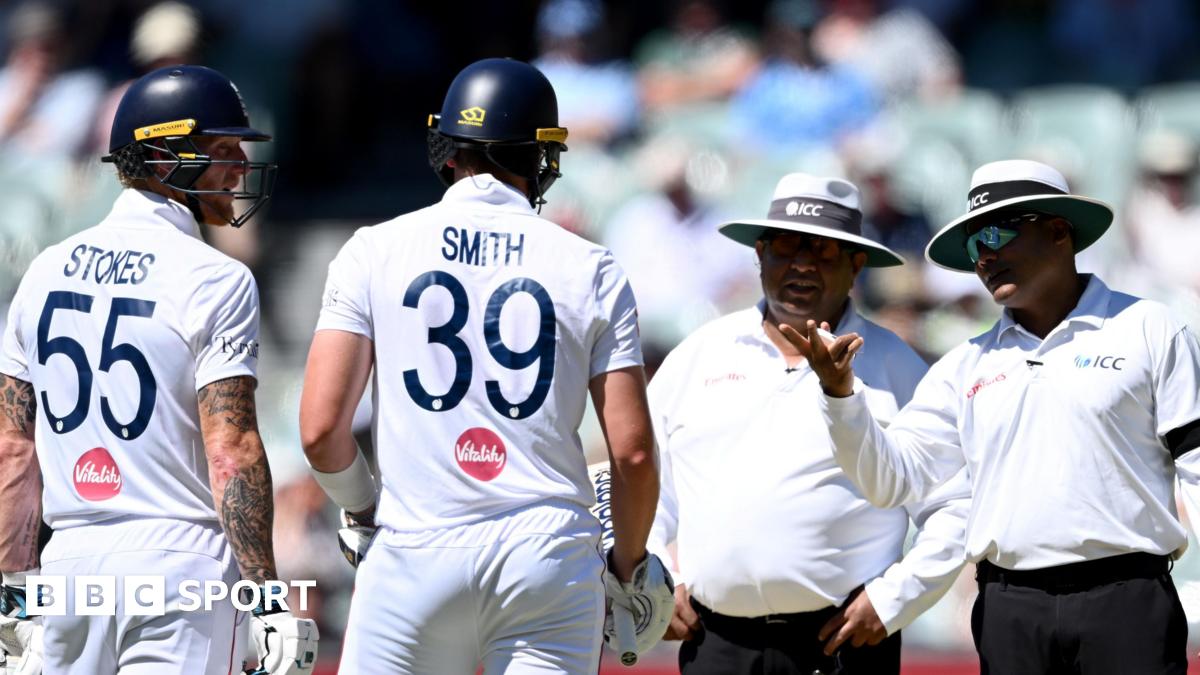
The controversy on the second day follows Alex Carey being given not out on Wednesday, when England reviewed a caught-behind decision with the Australia wicketkeeper on 72.
He was given not out because the spike which appeared on the technology was out of sync with the pictures, but that was later revealed to have been an error by the operator.
The first incident on day two occurred in the 44th over, with England 149-5.
Australia appealed for a catch after a ball to Smith looped to Usman Khawaja at slip and the on-field umpires sent the decision to the TV umpire to check if the ball had carried.
TV umpire Chris Gaffaney then deliberated over various replays, first checking whether the ball had hit Smith’s glove or helmet.
Again the technology appeared inconclusive but Gaffaney deemed the ball had hit Smith’s helmet.
The hosts’ fielders were visibly disgruntled and one Australian was heard saying “Snicko needs to be sacked” over the stump microphone.
In any case it appeared the ball did not carry to Khawaja.
More contentious was the second decision, which ultimately resulted in Smith’s dismissal.
He attempted a pull shot to Pat Cummins but Australia appealed confidently for a thin snick.
Smith appeared certain he had not hit the ball and was ready to review the decision had it been given out on the field.
Again on-field umpire Nitin Menon suggested he was not sure if the ball had carried so sent the decision for Gaffaney to review.
As the players came together to await the decision, Nathan Lyon was heard asking non-striking batter Ben Stokes if he heard anything.
Gaffaney said “there is nothing obvious there” after viewing an initial replay but Snicko showed a rough spike within a frame of the ball passing the toe of Smith’s bat – the leeway allowed in such scenarios.
Smith was given out. Both he and Stokes seemed frustrated with the decision.
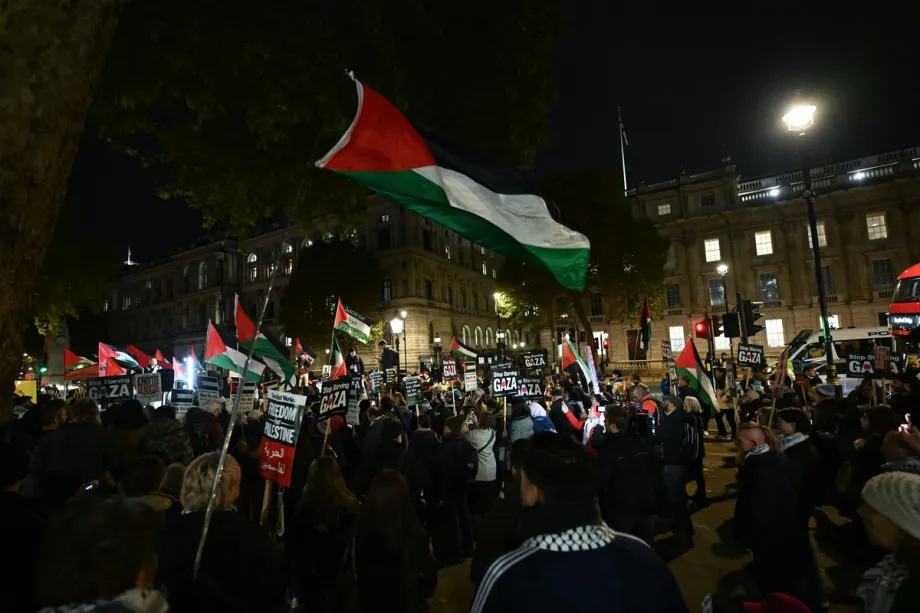
Police in the UK have said they will arrest people who hold placards or chant the phrase “globalise the intifada,” arguing that the slogan now carries heightened risk in the wake of recent attacks on Jewish communities, Anadolu reports.
The term “intifada,” an Arabic word meaning “uprising,” came into widespread use during the Palestinian uprising against Israeli occupation of the West Bank and Gaza Strip in 1987.
In a joint statement, London’s Metropolitan Police and Greater Manchester Police said the move followed Sunday’s mass shooting at Bondi Beach in Sydney, Australia.
Fifteen people were killed on Sunday when two suspected shooters—father and son—opened fire along the beach in Sydney, the New South Wales capital and Australia’s largest city by population.
The two forces also referred to a knife attack at the Heaton Park Hebrew Congregation Synagogue in Manchester, northern England, on Oct. 2, in which two people were killed.
“Violent acts have taken place, the context has changed—words have meaning and consequence. We will act decisively and make arrests,” the police said.
They added: “We know communities are concerned about placards and chants such as ‘globalise the intifada,’ and those using it at future protests or in a targeted way should expect” the two forces “to take action.”
The statement said frontline officers would be briefed on what police described as an “enhanced approach,” and that powers under the Public Order Act would be used, “including conditions around London synagogues during services.”
“Visible patrols and protective security measures around synagogues, schools, and community venues have been stepped up in London and Greater Manchester. We are intensifying investigations into hate crime, and Counter Terrorism Policing continues to operate 24/7 to identify and disrupt threats,” it added.
The UK’s chief rabbi told the BBC this week that chants of “globalise the intifada” had helped lead to the two attacks.
UK Prime Minister Keir Starmer said in parliament on Wednesday that his government has increased funding for Jewish security.
“I’m pleased to do that, but I’m sad to do that,” he said, adding that he has ordered a review of protest and hate crime laws.
Weekly insights and analysis on the latest developments in military technology, strategy, and foreign policy.
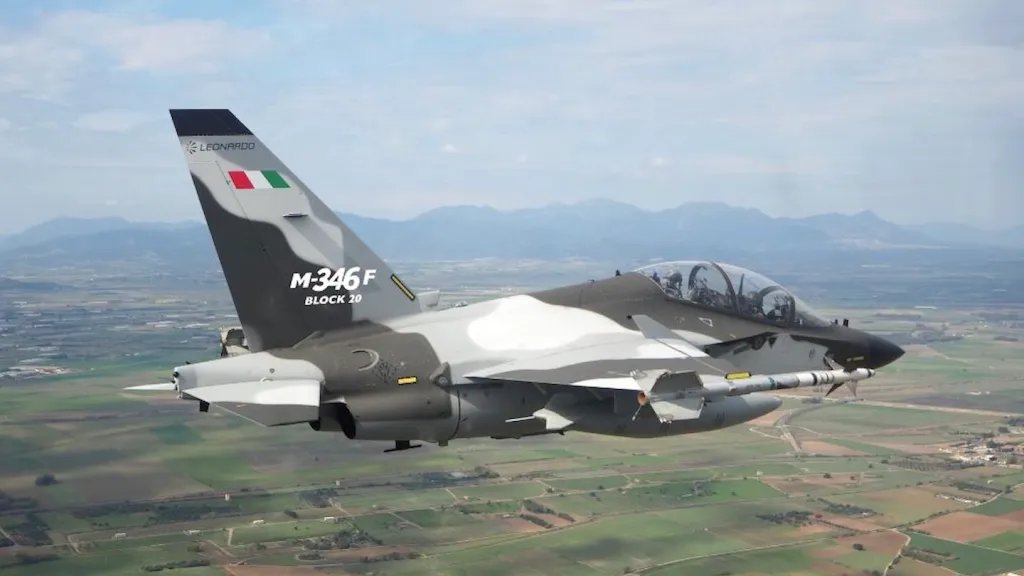
Austria is buying 12 M-346F Block 20 light combat aircraft from Italian defense contractor Leonardo, as part of an overhaul of its air force, the Luftstreitkräfte. Austria does already operate 15 Eurofighter Typhoons, which were procured under controversial circumstances. Those jets have notably limited capabilities compared to other Typhoons, as well as high operating costs, which have prompted attempts to offload them.
Leonardo announced the Austrian contract today. As well as the dozen M-346s, the deal includes simulation systems for pilots, training for maintenance technicians, spare parts and equipment, plus logistical support for six years. The total cost is around $1.7 billion, and the first aircraft is due to be delivered in 2028.
According to Leonardo, the Austrian Air Force will use the M-346Fs for the “defense needs of Austria’s national airspace and territory,” as well as for training.
M-346FA
The two-seat M-346 was originally developed as an advanced jet trainer, but light combat versions have long been offered for sale. Block 20 standard variants are notably well-equipped for aircraft of their size and weight. They come with a pair of large-area displays (LAD) in each cockpit, an active electronically scanned array (AESA) radar, a Link 16 datalink, and electronic countermeasures. The jets are capable of being configured to employ various air-to-air and air-to-surface weapons options, but can also be operated as pure trainers.
In the trainer role, the M-346Fs will serve as a successor to the Austrian Air Force’s Saab 105 jets, which were retired in 2020, and are seen in the video below.
Action: Saab 105 im Flug
The M-346 has been developed by Leonardo as part of an integrated advanced flight training system. Beyond the jets themselves, this includes a ground-based training system (GBTS), which is based around the live, virtual, and constructive (LVC) concept. In this way, simulated elements and scenarios can be combined with real-life training flights.
Austria is already familiar with the M-346 as its pilots already train on it at the International Flight Training School (IFTS), which Leonardo and the Italian Air Force operate together in Decimomannu, Italy.
IFTS – International Flight Training School
According to Leonardo, the complete training system for Austria will include capabilities related to air-to-surface missions. This would be a new development for the Austrian Air Force, which is currently optimized for air defense.
It will also allow pilots to train for aerial refueling, something else that hasn’t previously been featured in the Alpine air arm’s operations. It is worth noting here that the Luftstreitkräfte does not currently operate any tankers itself.
Most notably, however, as well as advanced training, Austria will fly the M-346 in the “dual role of fighter for lower-intensity operations,” according to Leonardo.
Imagery related to the M-346F Block 20 released to date includes pictures of a demonstrator aircraft armed with wingtip AIM-9L/M Sidewinder infrared-guided air-to-air missiles. It has also been seen loaded with laser-guided bombs and Joint Direct Attack Munitions (JDAM). Reportedly, Austria will integrate the IRIS-T infrared-guided air-to-air missile (already used on its Typhoons), 20mm gun pods, and LAU-32 seven-round rocket launchers for its M-346s, as well as Israeli-made electronic countermeasures pods.
An M-346FA is pictured with MBDA MICA NG IR (center), and MICA NG IR air-to-air missiles outside the Leonardo stand on the second day of the Farnborough International Airshow 2024. Photo by JUSTIN TALLIS / AFP JUSTIN TALLIS
While the now-retired Saab 105s had a limited air-policing role, the M-346F’s capabilities mean that certain, more expansive operational missions could be ‘downloaded’ from the expensive Typhoon and onto the smaller and more economical jet.
Two Austrian Eurofighters join a Lufthansa Airbus A380 in formation overhead Austria in 2011. Bundesheer/Markus Zinner
Nonetheless, this would still be a significant augmentation for the Typhoon force, not least because Austria is a small country and the M-346F would be capable of responding to most routine threats, especially thanks to its AESA radar.
Furthermore, the Austrian Typhoons have no beyond-visual-range air-to-air missile armament, so the M-346Fs wouldn’t be at a disadvantage in terms of weaponry, either.
In fact, an argument could be made for Austria having ordered the M-346F, or a similar light combat aircraft, rather than the Typhoon in the first place.
The Typhoon acquisition was far from straightforward. Austria selected the Eurofighter design over the Saab JAS 39C/D Gripen in 2002, but only finished paying off the €2 billion ($2.3 billion at the rate of conversion at the time of writing) purchase costs for the 15 single-seat jets (an order that was also reduced from a planned 18 aircraft) in 2014. The deal was also overshadowed by accusations of deception, fraud, and bribery, including a high-level lawsuit filed by the defense ministry against Airbus and Eurofighter.
Overall, the Austrian Ministry of Defense has been far from happy with the Typhoon. It has called into question the jet’s operating costs and lack of certain critical capabilities — including the PIRATE infrared sensor, a helmet-mounted display, and the EuroDASS self-defense suite. As mentioned above, the Austrian jets have no beyond-visual-range air-to-air missiles and lack any air-to-ground capability.
As long ago as 2017, Austria outlined plans to phase out the Typhoons by 2023, arguing that it would be cheaper than upgrading them. Since these are the baseline Tranche 1 jets, equipped to the most basic standard, it is far harder to modernize them. At this time, it was envisaged that they would be replaced by 18 new fighters, which would also supersede the Saab 105s.
More recently, efforts were made to try to sell the Typhoons to Indonesia, as you can read about here.
Somewhat ironically, back in 2020, Austria’s Green Party called for the replacement of both the Typhoon and the Saab 105 with the M-346.
As TWZnoted at the time, “Austrian Typhoon pilots already train on the M-346 in Italy, and in many ways it would seem to make an ideal replacement for the two-seat Saab. However, it lacks the raw performance and sophisticated avionics of a modern fighter jet, which would render it less suitable for the air policing role now undertaken by the Typhoon.”
An Austrian Typhoon pilot prepares for a mission. Bundesheer
However, the M-346F Block 20 is a much more capable proposition in terms of avionics, although it remains subsonic.
As a non-aligned nation, Austria can’t rely on NATO support to defend its airspace, so having additional, more economical light combat aircraft to help do this job will be welcome.
The M-346 also has the benefit of an established user base and supply chains to go along with it. As a trainer, existing M-346 customers include Greece, Italy, Israel, Poland, Qatar, and Singapore. The Italian Air Force has also selected it as the future aircraft for its aerobatic team, the Frecce Tricolori.
An Israeli Air Force M-346 advanced jet trainer. Amit Agronov/Israeli Air Force
Leonardo, as part of a team-up with Textron in the United States, has also been offering a navalized M-346N version to the U.S. Navy as a possible replacement for that service’s T-45 Goshawk jet trainers. You can read more about the M-346N, which was rebranded as a Beechcraft product earlier this year, here. Beechcraft is a wholly-owned subsidiary of Textron.
M-346 Jet Trainer Walk-Around Tour With Its Test Pilot.
The only country known to have already introduced a light combat aircraft version of the M-346 is Turkmenistan, which reportedly acquired just four M-346FA (Fighter Attack) versions, as well as two trainers. It’s unclear exactly what kinds of weapons the country’s jets carry.
However, Nigeria now looks to be lining up to buy the M-346FA, as well, with a potential deal for as many as 24 of the jets reportedly on the cards.
Buying the M-346 also further cements the Austrian Ministry of Defense’s own relationship with Leonardo, from which it previously acquired 36 AW169M Light Utility Helicopters (LUH) under two contracts signed in 2022 and 2023.
An Austrian Armed Forces AW169M. Bundesheer
The Austrian order and the possibility of a larger sale to Nigeria are good news for Leonardo, which is continuing to evolve the M-346 from an advanced jet trainer into an ever more versatile multirole light combat aircraft.
The overall market space for light fighters based on advanced jet trainers is steadily growing globally, too. Korea Aerospace Industries has seen particular success with its FA-50 version of its T-50 trainer. The possibility of Boeing developing a light fighter based on its T-7 Redhawk for the U.S. Air Force has also come up in the past.
On the other hand, the Austrian Air Force remains stuck with the Typhoon, something of a costly white elephant when it’s considered that its primary mission is peacetime air policing over neutral airspace. Ultimately, perhaps, the Typhoon might be retired without a direct replacement, leaving the future M-346Fs to take on all frontline fighter roles.
Qatar is trying to catch up in the artificial intelligence (AI) race in the Gulf, relying on its low-cost energy and financial resources. The country is launching Qai, supported by its sovereign wealth fund and a joint venture with Brookfield, marking a significant step into the AI sector. This move is part of a broader aim for the Gulf region to diversify its economies away from oil reliance, similar to investments made by Saudi Arabia and the United Arab Emirates (UAE).
Despite its energy advantages, Qatar faces several challenges in becoming a significant player in AI. These include the need to adopt Western data governance practices, secure advanced chips that are subject to U. S. export controls, and attract skilled talent in a competitive market. Analysts emphasize that overcoming these obstacles, rather than just having financial resources, will be crucial for success in the AI field.
The launch of Qai comes at a time of rising demand for AI infrastructure as companies seek efficiency and cost cuts. Analysts believe that Qatar’s low electricity costs could provide a competitive edge, helping to manage high energy needs in a hot climate. The region’s energy efficiency ratings show that Qatar could grow significantly in the AI market if it maintains affordable power and develops its infrastructure.
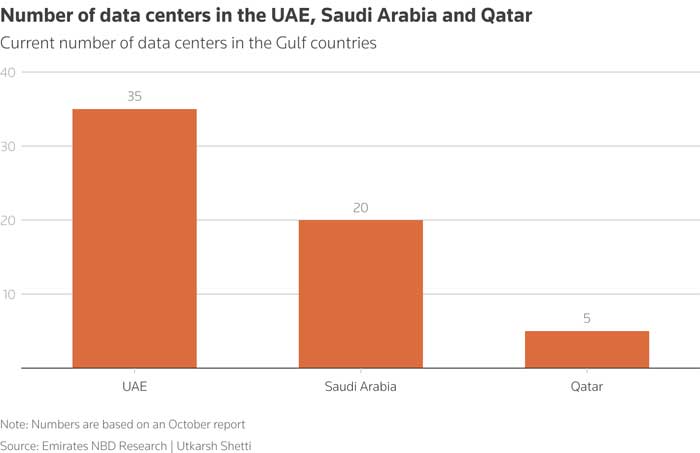
Currently, Qatar has a few data centers compared to its neighbors, with plans to increase capacity considerably. The UAE aims to build a large AI campus, while Qatar would need to reach significant milestones, such as achieving 500 megawatts by 2029, to improve its standing. Compliance with strict U. S. rules on chip usage will also be essential for Qai to obtain advanced processors.
Analysts highlight Qatar as a late entrant in the AI race compared to established players like Saudi Arabia and the UAE. While it has certain advantages, its neighbors are better positioned in terms of scale and volume.
Maxwell, a former British socialite and Epstein accomplice, says her conviction for trafficking a ‘miscarriage of justice’.
Published On 18 Dec 202518 Dec 2025
Share
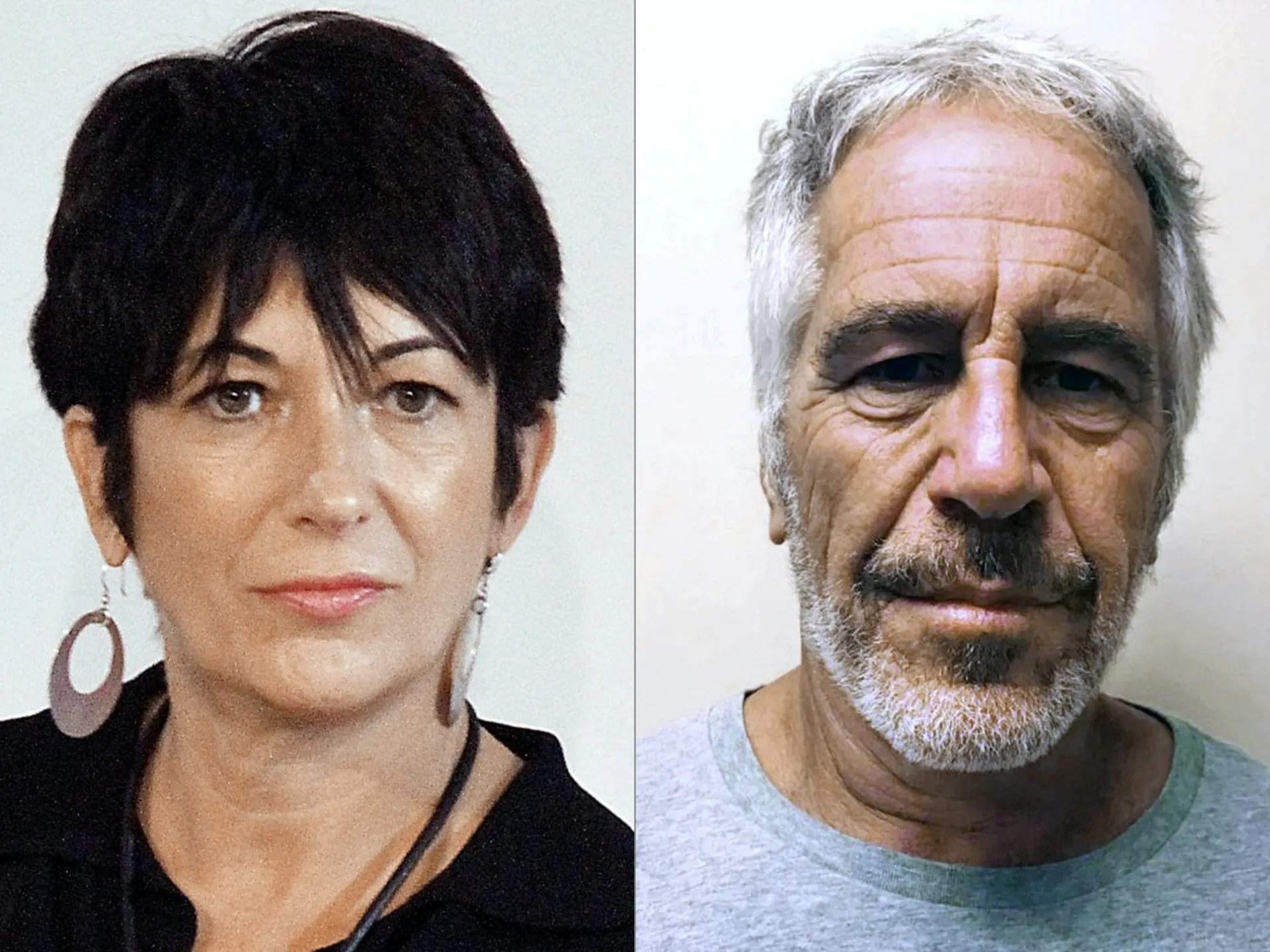
Ghislaine Maxwell, former girlfriend and accomplice of convicted sex offender Jeffrey Epstein, has asked a federal judge in the United States to set aside her sex trafficking conviction and quash her 20-year prison sentence.
Maxwell made the long-shot legal bid in a Manhattan court on Wednesday, saying “substantial new evidence” had emerged proving that constitutional violations spoiled her trial in 2021 for recruiting underage girls for wealthy financier Epstein, who died in 2019.
Recommended Stories
list of 4 itemsend of list
In the lengthy filing, Maxwell, 63, argues that “newly discovered evidence” proves that she “did not receive a fair trial by independent jurors coming to Court with an open mind”.
“If the jury had heard of the new evidence of the collusion between the plaintiff’s lawyers and the Government to conceal evidence and the prosecutorial misconduct they would not have convicted,” Maxwell wrote.
She said the cumulative effect of the constitutional violations resulted in a “complete miscarriage of justice”.
Maxwell submitted the filing herself, not in the name of a lawyer.
Proceedings of the type brought by Maxwell are routinely denied by judges and are often the last-ditch option available to offenders to have their convictions overturned, the AFP news agency reports.
Maxwell’s filing also comes just days before records in her legal case are scheduled to be released publicly as a result of US President Donald Trump’s signing of the Epstein Files Transparency Act.
The law, which Trump signed after months of public and political pressure on his administration, requires the Department of Justice to provide the public with Epstein-related records by December 19.
The circumstances of Epstein’s death and his influential social circle, which spanned the highest reaches of business and politics in the US, have also fuelled conspiracy theories about possible cover-ups and unnamed accomplices
Critics also continue to press President Trump to address his own once-closerelationship with Epstein.
The Justice Department has said it plans to release 18 categories of investigative materials gathered in the massive sex trafficking probe, including search warrants, financial records, notes from interviews with victims, and data from electronic devices.
Epstein was arrested in July 2019 on sex trafficking charges but was found dead a month later in his cell at a New York federal jail, and his death was ruled a suicide.
Maxwell, once a well-known British socialite, was arrested a year later and convicted of sex trafficking in December 2021.
In July, she was interviewed by the Justice Department’s second-in-command and soon afterwards moved from a federal prison in Florida to a prison camp in Texas.
Maxwell’s transfer from the Federal Correctional Institution (FCI) Tallahassee – a low-security prison in Florida – to the minimum-security Federal Prison Camp in Bryan, Texas, was carried out without explanation at the time.
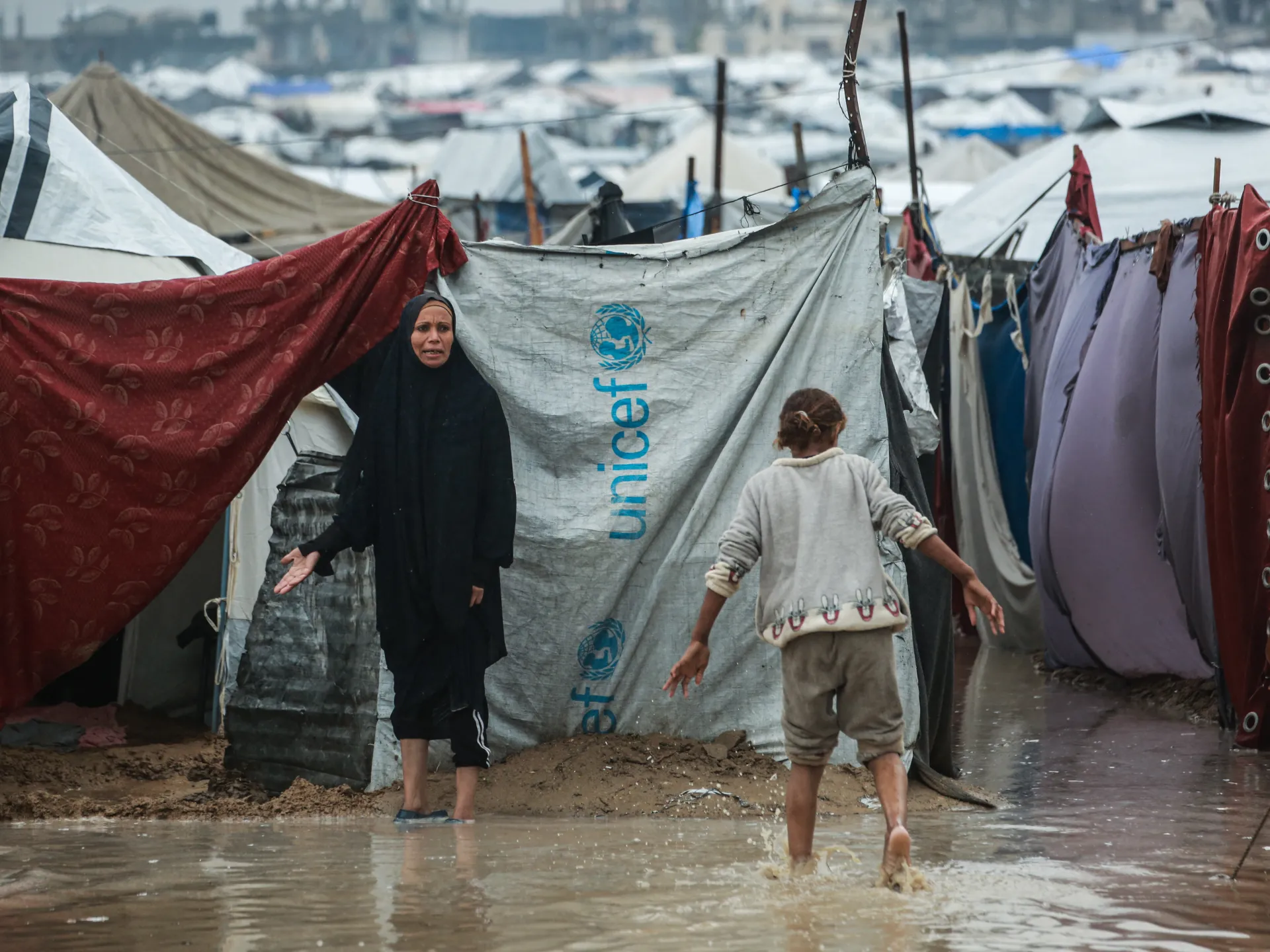
Winter storms are worsening conditions for hundreds of thousands of displaced Palestinians in Gaza, as aid agencies warn that Israeli restrictions are preventing lifesaving shelter assistance from reaching people across the besieged enclave.
The United Nations has said it has tents, blankets and other essential supplies ready to enter Gaza, but that Israeli authorities continue to block or restrict access through border crossings.
Recommended Stories
list of 4 itemsend of list
In Gaza City’s Shati refugee camp, the roof of a war-damaged family home collapsed during the storm, rescue workers said on Wednesday. Six Palestinians, including two children, were pulled alive from the rubble.
It comes after Gaza’s Ministry of Health said a two-week-old Palestinian infant froze to death, highlighting the risks faced by young and elderly people living in inadequate shelters.
A spokesperson for UN Secretary-General Antonio Guterres said the storms had damaged or destroyed shelters and personal belongings across the territory.
“The disruption has affected approximately 30,000 children across Gaza. Urgent repairs are needed to ensure these activities can resume without delay,” Farhan Haq said.
The Palestinian Civil Defence in Gaza added in a statement that “what we are experiencing now in the Gaza Strip is a true humanitarian catastrophe”.
Ceasefire talks and aid access
The worsening humanitarian situation comes as Qatar’s Prime Minister Sheikh Mohammed bin Abdulrahman bin Jassim Al Thani held talks in Washington, DC, with United States Secretary of State Marco Rubio on efforts to stabilise the tenuous ceasefire in Gaza.
According to Qatari officials, the talks focused on Qatar’s role as a mediator, the urgent need for aid to enter Gaza, and moving negotiations towards the second stage of a US-backed plan to end Israel’s genocidal war against the Palestinian people in Gaza.
Al Jazeera’s Alan Fisher, reporting from Washington, said Sheikh Mohammed stressed that humanitarian assistance must be allowed into Gaza “unconditionally”.
“He said aid has to be taken into Gaza unconditionally, clearly making reference to the fact that a number of aid agencies have said that Israel is blocking the access to aid for millions of people in Gaza,” Fisher said.
The Qatari prime minister also discussed the possibility of an international stabilisation force to be deployed in Gaza after the war, saying such a force should act impartially.
“There has been a lot of talk in the US over the past couple of weeks about how this force would work towards the disarmament of Hamas,” Fisher said.
Sheikh Mohammed also called for swift progress towards the second phase of the ceasefire agreement.
“He said that stage two of the ceasefire deal has to be moved to pretty quickly,” Fisher said, adding that US officials were hoping to announce early in the new year which countries would contribute troops to a stabilisation force.
Israeli attacks continue
Meanwhile, violence continued in Gaza despite the ceasefire, with at least 11 Palestinians wounded in Israeli attacks in central Gaza City, according to medical sources.
The Israeli army said it is investigating after a mortar shell fired near Gaza’s so-called yellow line “missed its target”.
Al Jazeera journalists in Gaza reported Israeli artillery shelling east of the southern city of Khan Younis. Medical sources said Israeli gunfire also wounded two people in the Tuffah neighbourhood of eastern Gaza City.
In the occupied West Bank, where Israeli military and settler attacks have escalated in recent days, Palestinian news agency Wafa reported that Israeli troops shot and wounded a man in his 20s in the foot in Qalqilya. He was taken to hospital and is reported to be in stable condition.
Since October 2023, at least 70,668 Palestinians have been killed and 171,152 wounded in Israeli attacks on Gaza, according to Palestinian health authorities. In Israel, 1,139 people were killed during the Hamas-led October 7 attack, and more than 200 others were taken captive.
Brazilian president says it is now or never after Italy joins France in saying it is not ready to sign trade deal.
Published On 17 Dec 202517 Dec 2025
Share
Brazilian President Luiz Inacio Lula da Silva has warned he may abandon a long-awaited trade deal between members of the South American bloc Mercosur and the European Union after key countries sought a delay.
The Brazilian leader issued the threat on Wednesday after Italy joined fellow heavyweight France in saying it was not ready to commit to the pact to create the world’s biggest free-trade area.
Recommended Stories
list of 4 itemsend of list
The EU had expected its 27 member states to approve the deal in time for European Commission President Ursula von der Leyen to fly to Brazil to sign an agreement with the host, along with Mercosur partners Argentina, Paraguay and Uruguay, on Saturday.
“I’ve already warned them: If we don’t do it now, Brazil won’t make any more agreements while I’m president,” Lula told a cabinet meeting.
“We have given in on everything that diplomacy could reasonably concede.”
‘Premature’ to sign: Meloni
The deal, more than two decades in the making, has been keenly backed by economic powerhouse Germany, along with Spain and the Nordic countries, amid rising Chinese competition and recent United States tariffs, which have increased the incentive to diversify trade.
It would allow the EU to export more vehicles, machinery, spirits and wine to Latin America, and more beef, sugar, rice, honey and soya beans to flow in the opposite direction.
France, eager to protect its agriculture industry, had already called for a delay on a vote to approve the deal, and gained the support necessary to potentially block the agreement when Italian Prime Minister Giorgia Meloni said on Wednesday that Rome was also not ready.
“It would be premature to sign the deal in the coming days,” she told parliament, saying that some of the safeguards Italy is seeking on behalf of farmers were yet to be finalised.
She said Italy did not seek to block the deal altogether, and was “very confident” that her government’s concerns would have been addressed to allow it to be signed early next year,
French President Emmanuel Macron told a cabinet meeting on Wednesday that his government would “firmly oppose” any attempts to force through the deal.
Hungary and Poland are also lukewarm on the agreement.
By contrast, German Chancellor Friedrich Merz said Wednesday he would push “intensively” for the bloc to approve the deal by the year’s end, in what he described as a test of the EU’s “ability to act”.
EU reaches agreement on agricultural safeguards
In an effort to allay some of the concerns, the EU struck a provisional deal on Wednesday to set tighter controls on imports of farm products, amid a background of farmer protests against the deal.
It determined the trigger for launching an investigation into such imports if import volumes rose by more than 8 percent per year or prices fell by that amount in one or more EU members.
EU leaders will discuss the matter at a Brussels summit on Thursday, a commission spokesman said.
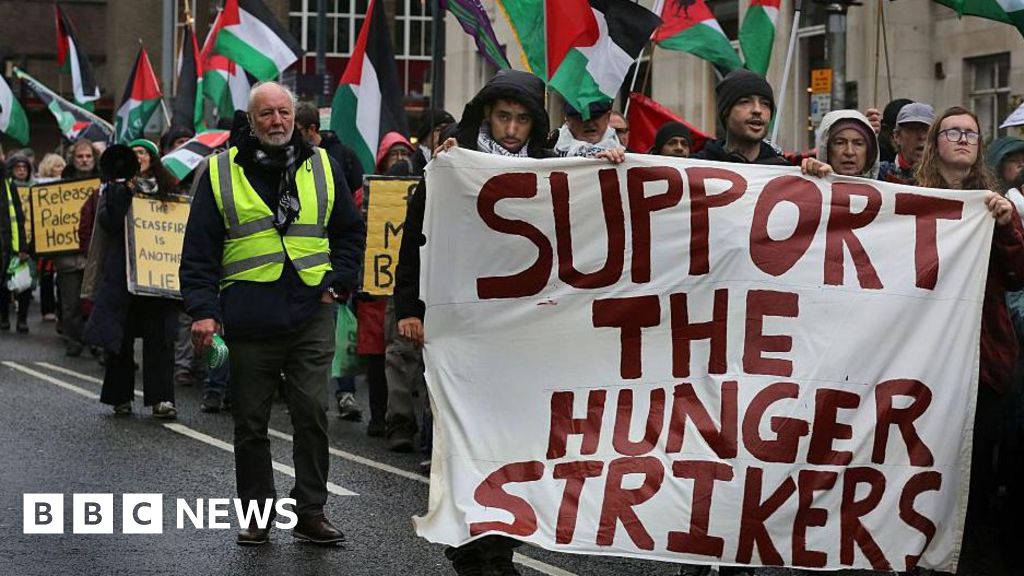
Two remand prisoners waiting to go on trial for alleged offences relating to Palestine Action have ended a hunger strike protest – but five more are said to be continuing to refuse food.
The detainees, in various prisons, have made a series of demands including calling for the ban on Palestine Action to be lifted and for a defence firm with links to Israel to be shut down.
The two longest-protesting detainees have been refusing food for 45 days according to supporters – a claim that has not been disputed by officials.
Three people were arrested following a protest outside HMP Bronzefield in Ashford, Surrey, in support of one of the prisoners.
Speaking at Prime Minister’s Questions on Wednesday, Sir Keir Starmer said “rules and procedures” were being followed in relation to the hunger strike.
Lawyers for the group have repeatedly written to Deputy Prime Minister and Justice Secretary David Lammy asking for a meeting, saying there is a “real and increasingly likely potential” that their clients would die as a result of their protest.
Fifty-one MPs and peers have also written to Lammy asking him to meet the lawyers.
The protests, which began in November, involve people who have all been charged with offences relating to alleged break-ins or criminal damage on behalf of Palestine Action, charges that are denied.
The alleged incidents all occurred before Palestine Action was banned under terrorism legislation – but their trials are not taking place before next year.
Supporters of the detainees confirmed to BBC News on Wednesday that Jon Cink and Umer Khalid had both ended their hunger strike after 41 days and 13 days respectively.
Qesser Zuhrah and Amy Gardiner-Gibson are said to have each been refusing food for 45 days. Heba Muraisi began her protest a day later. Teuta Hoxha is said to have refused for 38 days and Kamran Ahmed 37 days.
An eighth prisoner is described by supporters as intermittently joining the protest but then breaking it because of an underlying health condition.
Some of the group have had periods in hospital but in each case they have been discharged or have self-discharged.
Your Party MP Zarah Sultana has protested outside HMP Bronzefield, demanding urgent medical care for Qesser Zuhrah, who is on remand there.
On Wednesday, an ambulance arrived at the prison and video posted on social media showed scuffles between protesters and police.
Police were called after protesters “attempted to gain entry to restricted areas”, Surrey Police said.
According to police, a member of prison staff was assaulted while officers tried to remove protesters from the building.
A 29-year-old man from Wellingborough, Northamptonshire, was arrested for suspected assault occasioning bodily harm.
“At the point of arresting this man, several people became disruptive towards police and a police officer was assaulted,” Surrey Police added.
“The protesters then blocked the road, delaying our ability to get medical assistance to the injured officer.”
A woman, 28, from Worcester Park, Surrey, was arrested on suspicion of assault causing grievous bodily harm, and a man, 28, from Glasgow, was taken into custody on suspicion of criminal damage to a police vehicle.
A Ministry of Justice (MoJ) spokesperson said: “The escalation of the protest at HMP Bronzefield is completely unacceptable.
“While we support the right to protest, it is deeply concerning that a member of staff has now been injured and protesters are gaining access to staff entrances – putting hard-working staff and security at risk.”
A spokesman for the South East Coast Ambulance Service would not comment on whether the ambulance had transported a protester to hospital.
During Prime Minister’s Questions on Wednesday, former Labour leader Jeremy Corbyn said to Sir Keir that ministers had declined to meet the protesters’ representatives and one of the group had been taken to hospital.
“Many people are very concerned by the regular breaches of prison conditions and prison rules with respect to these hunger strikes,” he said.
“Will he make arrangements for the Ministry of Justice to meet representatives of the hunger strikers to discuss these breaches of the conditions that they’re experiencing at the present time?”
Sir Keir replied: “He will appreciate there are rules and procedures in place in relation to hunger strikes, and we’re following those rules and procedures.”
On Tuesday, justice minister Jake Richards said in answer to an earlier question from Corbyn that he would not be meeting the group’s lawyers and the Ministry of Justice had “robust and proper guidance and procedures” for such scenarios.
“I am satisfied, and the ministry is satisfied, that those procedures are being enacted and we’ll continue to keep it under review.”
An MoJ spokesperson said: “Prisoners’ wellbeing is continually assessed, and appropriate action is taken, including hospital treatment where required.”
They added His Majesty’s Prison and Probation Service had assured ministers that all cases of prisoner food refusal were being managed in accordance with the relevant policy, and with appropriate medical assessment and support – consistent with prisoner rights.