MANY of us have fond memories of our UK seaside summer holidays growing up.
Fish and chips, building sandcastles, braving the British waters – this is all a part of growing up holidaying in the UK.
Sign up for the Travel newsletter
Thank you!
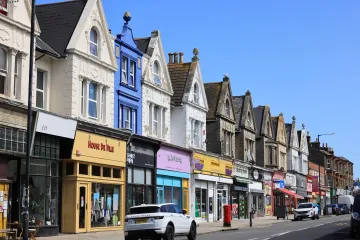
Cromer in Norfolk is known for crabbing and classic bucket-and-spade holidaysCredit: Getty
But as time went by, many seaside resorts lost their sparkle, leaving behind abandoned fairgrounds or forgotten piers, especially following the boom in cheap package holidays abroad.
Thankfully, many major seaside resorts in the UK have had some serious revamps – with new restaurants, hotels, cafes and shops breathing fresh life into these beloved beach towns.
Now, some of these familiar towns are becoming family holiday hotspots, and are fast-becoming some of the UK’s must-visit destinations.
Here are some of the seaside towns that were once left to ruin – only to have become the coolest places to visit in recent years.
Folkestone was was once dubbed a “dump” in a viral TikTok video, and was left rundown after years of neglect, despite being a popular holiday resort back in the Victorian times.
Not only was there once a direct train from London to the harbour itself, but it had a thriving funicular, lido and even rollercoaster.
Yet over the years, these were all left to fall into disrepair before closing or being knocked down.
However, the seaside town is becoming a new coastal hotspot.
Most read in Best of British
The town was named the Best Place to Live in South East England last year in The Sunday Times, and even charted as Time Out’s best UK place to visit in 2025.
Folkestone has undergone major transformation in recent years.
Folkstone’s most popular beaches include Sunny Sands and Sandgate BeachCredit: GettyThe historic Leas Lift, installed in 1885. is making a return in 2026Credit: Getty
Once a tired ferry port, Folkestone has been refreshed with the addition of trendy seafront bars, high-end restaurants, and a thriving Creative Quarter.
The once-derelict Harbour Arm celebrates it’s 10th anniversary this year, now lined with nearly 70 food and retail stalls, bars and live music spots.
Linking the Harbour Arm to the Lower Leas Coastal Park is the Boardwalk – a path over the calm shingle beach made from old railway sleepers.
Or wander up the hilly, cobbled streets from the harbour into the town centre, and you’ll find the vibrant Creative Quarter – packed with galleries, studios, and independent shops.
Here you’ll find the Folkestone Quarterhouse, showing a range of theatre shows, comedy and music events and festivals.
In fact the town is home to many artistic festivals – celebrating everything from poetry to documentaries.
The seaside town even attracts hoards of Kate Bush fans for the viral Wuthering Heights day.
And the transformation isn’t slowing down anytime soon.
The historic Leas Lift, a Grade II listed funicular railway taking passengers between the seafront and promenade, is set to reopen in 2026.
Artsy resort Folkestone was once a quiet harbour town and ferry portCredit: GettyFolkstone’s creative quarter is dotted with colourful boutique shopsCredit: Getty
Cromer, Norfolk
Cromer in North Norfolk was seen as a dated seaside town for a long time.
With trendy seaside towns like Wells-next-the-Sea and Holkham drawing in crowds to North Norfolk each summer, to many Cromer appeared bland and dreary in comparison.
However, Cromer has recently reinvented itself with a wave of new cafes, shops and quirky art spaces.
And with Norfolk being named a must-visit destination by Condé Nast in 2025, the limelight is shining back on the Victorian seaside town.
Cromer once seemed bland compared to quaint and pretty Blakeney or royal favourite HolkhamCredit: GettyCromer’s traditional seaside charm now mixes with trendy art galleries and coffee shopsCredit: Getty
“Come for the party but stay for one of the UK’s very best summer getaways […] as you stroll Cromer’s charmingly retro pier” states the travel magazine.
Cromer Artspace is home to contemporary art and exhibitions, whilst the artisan Grey Seal Coffee shop offers a trendy new spot to grab a flat white.
And recently, new dessert spot Norfolk Crumble has seen queues long out the door for its unique crumble flavours and popular thick shakes.
Down at the Blue Flag beach, you’ll find a maritime museum, pretty painted beach huts, and Norfolk’s best waves for surfing.
There’s also a year-round weekly market on Fridays, and the Amazona Zoo where you can meet jaguars, parrots and anacondas.
Cromer has been home to a seaside pier since 1391Credit: Getty
Hastings, Sussex
For many, Hastings has not been a top pick when choosing a seaside town to visit in the South-East of England.
In fact, a Which? survey of more than 3,500 people saw the resort rank in last place under the “best smallUK citiesfor a short break“.
Hastings was one of 101 UK towns to be given a share of investments from the government in their £3.6bn Towns Fund – a plan to “level up our regions”.
The program has seen the addition of public art, extra green spaces, and even a boost in affordable housing for locals.
Thanks to these investments, Hastings is not only becoming a desirable place to live – but a trendy seaside spot to visit.
The East Hill Lift up to Hastings Castle is the UK’s steepest funicular railwayCredit: Getty
Historic Hastings Castle is home to Norman ruins and breath-taking clifftop views, whilst the iconic Hastings pier (opened in 1872) is a Victorian classic revamped.
The pier, which suffered a dramatic fire in 2010, has been rebuilt with cafes, children’s rides, and even live music in the summertime.
It’s also home to the Pavilion Restaurant and Bar, a 2x AA Rosette-winning restaurant inside of the original pier’s only remaining building.
There’s also plenty to see and do in Hastings with the kids, including the traditional Flamingo Amusements, and Hastings Aquarium – home to pufferfish, pythons and axolotls.
There’s also the exciting Smugglers Adventure – a journey through caves and caverns to discover the secrets of real smugglers.
The colourful Hastings beach huts make for a postcard-perfect pictureCredit: Alamy
Southend-on-Sea, Essex
Southend-on-Sea has long had a divisive reputation, and was even once dubbed the “worst place on earth” by a resident on TripAdvisor.
In fact, Which? Travel ranked the Essex town number 10 in their list of the Top 10 Worst Seaside Towns in the UK earlier this year.
Many have thought the town to be an unsafe place to visit, but a £16 million cash injection has revived the once-faded seaside resort.
Now, Southend is swapping tacky for trendy, with a line-up of brand new restaurants, hotels and revitalised shores.
The well-known Essex Mimosa restaurant has opened up a stylish location on Southend’s seafront, and the brand-new boutique Seven Hotel has added a splash of luxury to the resort.
Southend’s strip of sandy beach sees thousands of tourists each summerCredit: Getty
Plus an £8m refurbishment of the popular Cliffs Pavilion arts venue is underway, which will see a major restaurant expansion, a modern new entrance and brand new outdoor piazza.
Another major change the town has seen is the introduction of a “green oasis” on the seafront.
Work is underway to create luscious gardens which will both prevent flooding and add a pretty landscape of canopies and greenery.
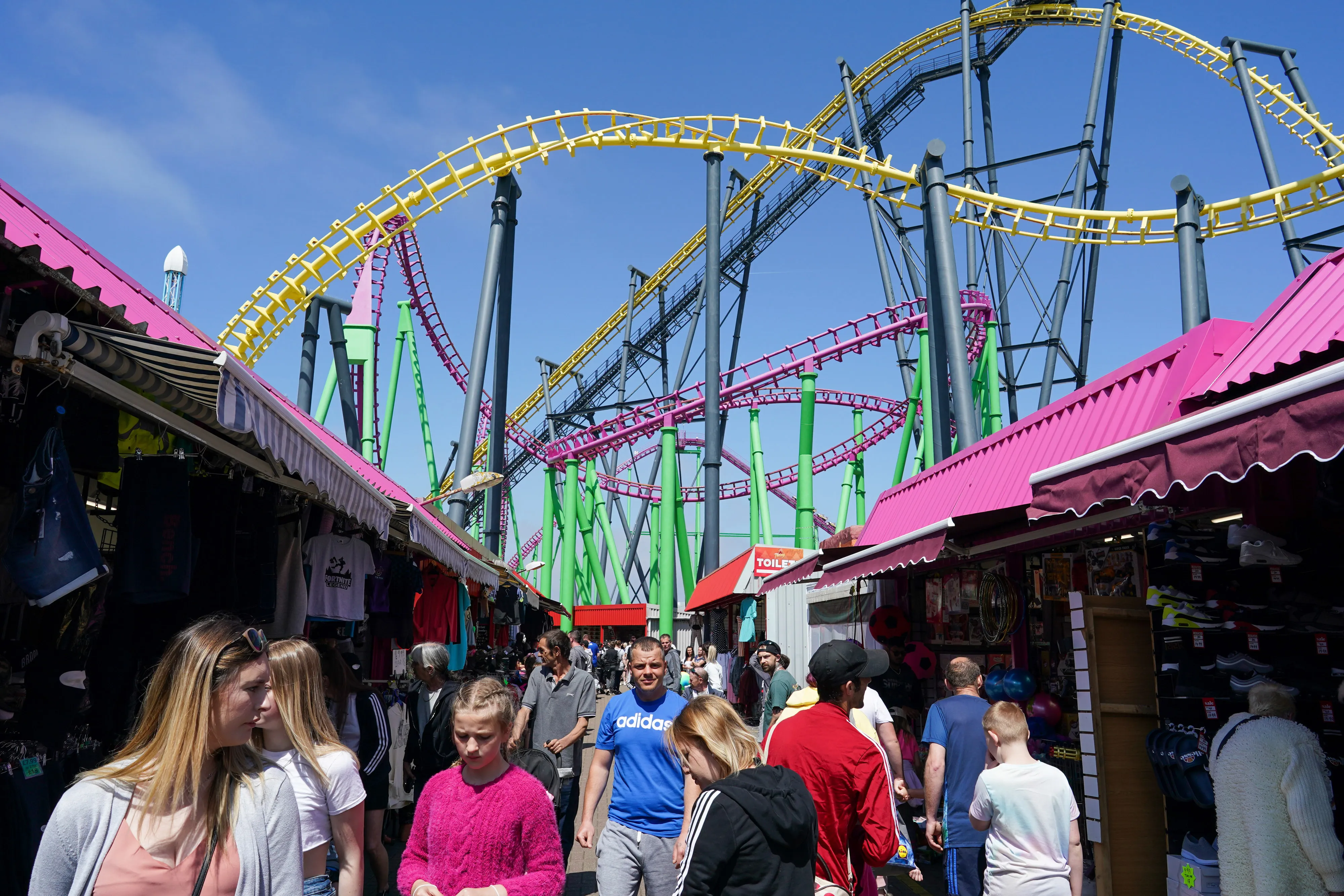
Alongside these new additions, classic attractions such as Adventure Island continue to bring in hoards of thrill-seeking tourists.
Many continue to return to Southend year after year for the ever-popular pier and railway, chasing a wave of childhood nostalgia from bucket and spade summer holidays.
Now in the coming years, the seaside town is set to offer the perfect mix of classic coastal charm and modern design.
Adventure Island in Southend is a fairground with free admissionCredit: GettyHastings is full of picturesque old houses, nestled in the Bourne Stream valleyCredit: Getty
BEFORE I headed to the Greek island of Alonissos, a waiter in neighbouring Skiathos told me: “It’s too quiet there, I prefer to party here.”
Now I was looking forward to the trip even more.
Sign up for the Travel newsletter
Thank you!
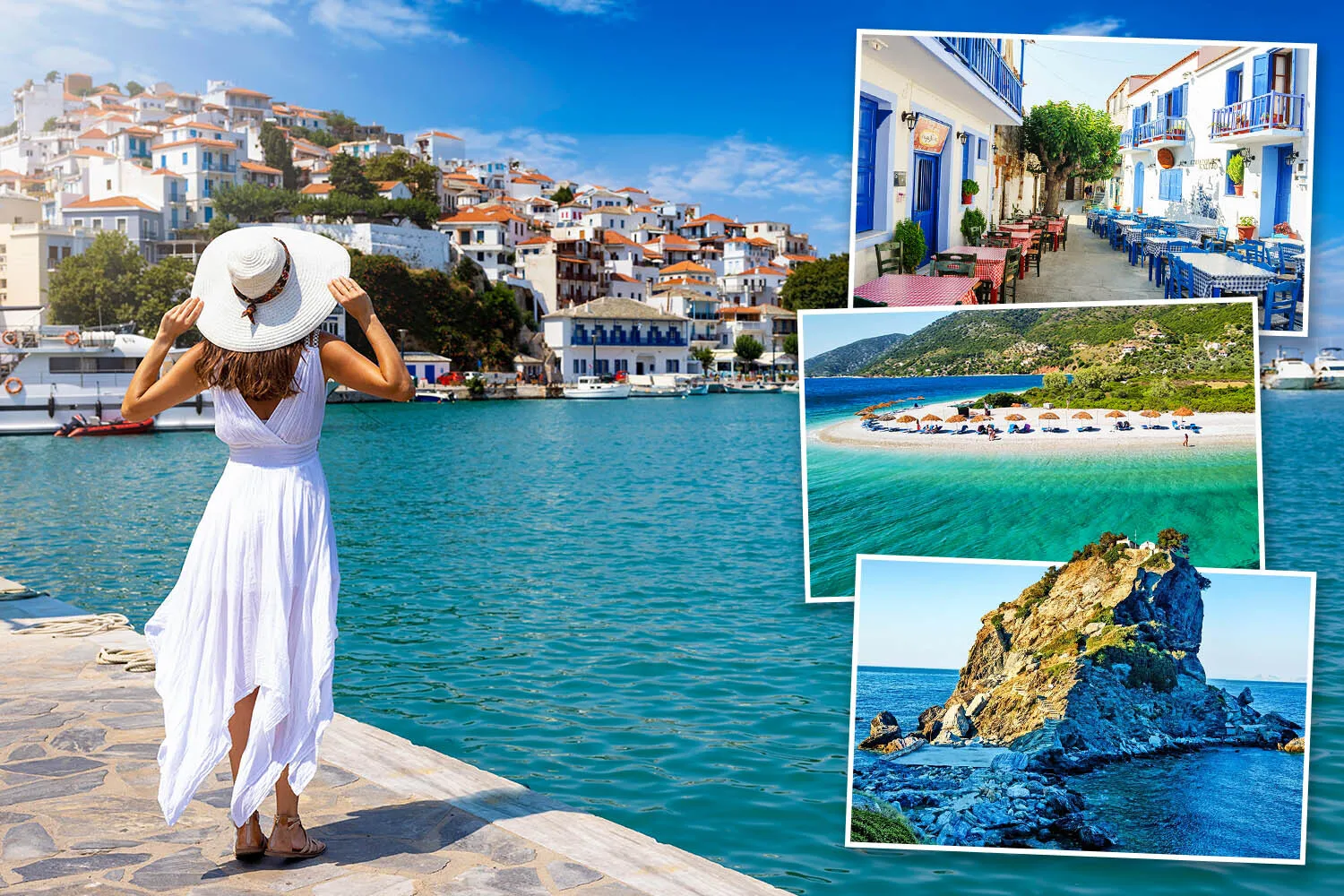
Many visitors skip the party scene and take the short ferry ride to Alonissos or Skopelos, aboveCredit: GettyIdyllic bathing at Agios Dimitrios beach, AlonissosCredit: GettyMy first stop was the relatively untouched AlonissosCredit: Getty
While most tourists tend to land at Skiathos airport and stick to that lively destination, many are making the short ferry ride to Alonissos or Skopelos, where scenes for 2008 film Mamma Mia! were shot.
These two beautiful islands rising out of the Aegean sea offer alternatives to bars and restaurants blasting out music from competing sound systems.
With just 5,000 beds for tourists and 3,000 locals living on this slender, 12-mile-long island, I was immediately struck by how quiet and unhurried everything is.
Even though there is only one main snaking road, I hardly encountered another car.
And at the first beach I tried, Agios Dimitrios, to the north of the island, the chatter on the sun loungers was soft, no phones rang and no music disturbed the peace at the closest taverna.
The tourists had sensibly decided that the pristine turquoise waters, facing another island so that you might think you are in a lake, were captivating enough.
Other beaches to lay your towel on include the crescent of pebbly sand at Kokkinokastro, backed by towering red cliffs, and Chrisi Milia, with its shallow water.
Further down the coast, the tiny port of Kalamakia is well known for its fresh fish restaurants.
One such restaurant is Corali, overlooking the tranquil bay and run by two sisters. They served us the delicious local specialty — a cheese pie, which is fried rather than baked.
Up above the main port of Patitiri, its old town, thoughtfully rebuilt following a 1965 earthquake, is pedestrianised and you won’t be harassed by scooters while attempting to navigate the steep stone steps.
Rarely have I relaxed into holiday mode so quickly on a break.
If you want maximum splendid isolation, join Albedo Travel’s day trip to meet the sole monk living at a 17th century clifftop monastery on the otherwise uninhabited Kyra Panagia island.
With 90 per cent of the guests at the Atrium hotel where I stayed hailing from Britain, it is clear that I was not alone in wishing to escape the crowds
The excursion, which takes in three breathtaking swimming stops, is led by the white-bearded maritime entertainer Captain Pakis, who has honed his patter such as “GMT time is Greek Maybe Time” to perfection.
If you are more adventurous, Alonissos has become a popular scuba-diving spot due to the presence of a 5th century BC shipwreck 66ft underwater.
The island is also home to Europe’s first national marine park, established in 1992 to protect the endangered population of Mediterranean monk seals.
With 90 per cent of the guests at the Atrium hotel where I stayed hailing from Britain, it is clear that I was not alone in wishing to escape the crowds.
Skoplelos’ Agios Ioannis chapel, atop rocky outcrop, where Mamma Mia! wedding scene was filmedCredit: GettySaint John’s Chapel was the backdrop to the Does Your Mother Know sequenceCredit: Alamy
This lovely little hotel’s hillside location means there are stunning sea views from all of the rooms.
Travellers seeking a middle ground between party Skiathos and quiet Alonissos can opt for Skopelos, which sits between them.
Chic pool area
With 30,000 tourist beds and 4,500 locals, it is far more developed, with busy bars, coffee shops and restaurants vying for your custom at the harbour to the main port, Skopelos town.
One of the big attractions is its connection to hit musical Mamma Mia!, starring Meryl Streep and Amanda Seyfried.
As I sat on a small coach waiting for my four-hour Mamma Mia! tour of the island to begin, I started to get nervous because the music sounded like someone had asked ChatGPT to play Abba in a Greek style.
Every detail of the boutique hotel and spa has been immaculately planned, from the modern take on colonial styling to the best breakfast buffet I’ve experienced
But Dolphin Of Skopelos’ trip proved to be enormous fun, taking in Saint John’s Chapel’s 199 steep steps, which Donna (Streep) climbed for the wedding of Sophie (Seyfried), and Kastani beach, which was the backdrop to the Does Your Mother Know sequence.
The tiny Saint John’s church has incredible views that shouldn’t be missed.
The party vibe is more obvious here, with a DJ on the decks at the bar behind Kastani.
But when I drove to Panormos beach on another day, the atmosphere was relaxed as a waitress brought drinks to the free sun beds in front of the serene bay.
And at the new 5-star Minno hotel in Skopelos town, the chic pool area makes you feel you’re winding down with the jet set.
Poster shot for 2008 filmCredit: Alamy
Every detail of the boutique hotel and spa has been immaculately planned, from the modern take on colonial styling to the best breakfast buffet I’ve experienced.
The restaurant offers fine dining for a price comparable to burger and chips in a London pub.
If you are looking for amazing food, quiet, clean beaches and welcoming locals you should be saying I Do, I Do, I Do to both islands.
TRAVELERS visiting America’s famed national parks are going to face an extra $100 entry fee this week.
It comes as the National Park Service announced a new initiative, called the “America-first entry fee policy”.
Sign up for the Travel newsletter
Thank you!
The National Park Service has abruptly upped its fees for international visitorsCredit: GettyThe amount of free entry days for US citizens has also been alteredCredit: Alamy
Under the policy from January 1 2026, citizens of the US will be prioritized for free entry, while international visitors will now face higher entry fees overall.
This will bring the cost of annual passes for non-residents to $250, while US residents will continue to pay $80.
The parks will no longer offer free admission at all on select days of celebration including Martin Luther King Jr. Day, which falls on the third Monday of January, or Juneteenth, celebrated on June 19.
Though Flag Day (June 14), the anniversary of the NPS (August 25), Constitution Day (September 17), and President Theodore Roosevelt’s birthday (October 27), will be acknowledged as fee-free days.
So if you’re planning a trip as a US citizen, these are the best days to aim for.
Eleven national parks will be affected, including the Grand Canyon, Yellowstone, and Yosemite, according to the U.S. Department of the Interior.
In total, there will be eight free-entry days in 2026, up from six in 2025, but only for American citizens and residents.
Fees and increases will continue to vary by park, so it’s always best to check online before you book or travel.
The changes will make sure US taxpayers “continue to enjoy affordable access, while international visitors contribute their fair share to maintaining and improving our parks for future generations,” Interior Secretary Doug Burgum posted on X.
The increased fees come months after President Donald Trump signed an executive order to increase entry fees for foreign tourists.
WITH its tiny, twisty streets that lead to the harbour, there’s something magical about the small Cornish fishing village that is the setting for ITV’s Doc Martin.
The TV series, set in stunning Port Isaac, aired its final episode in 2022 but its legacy lives on.
Sign up for the Travel newsletter
Thank you!
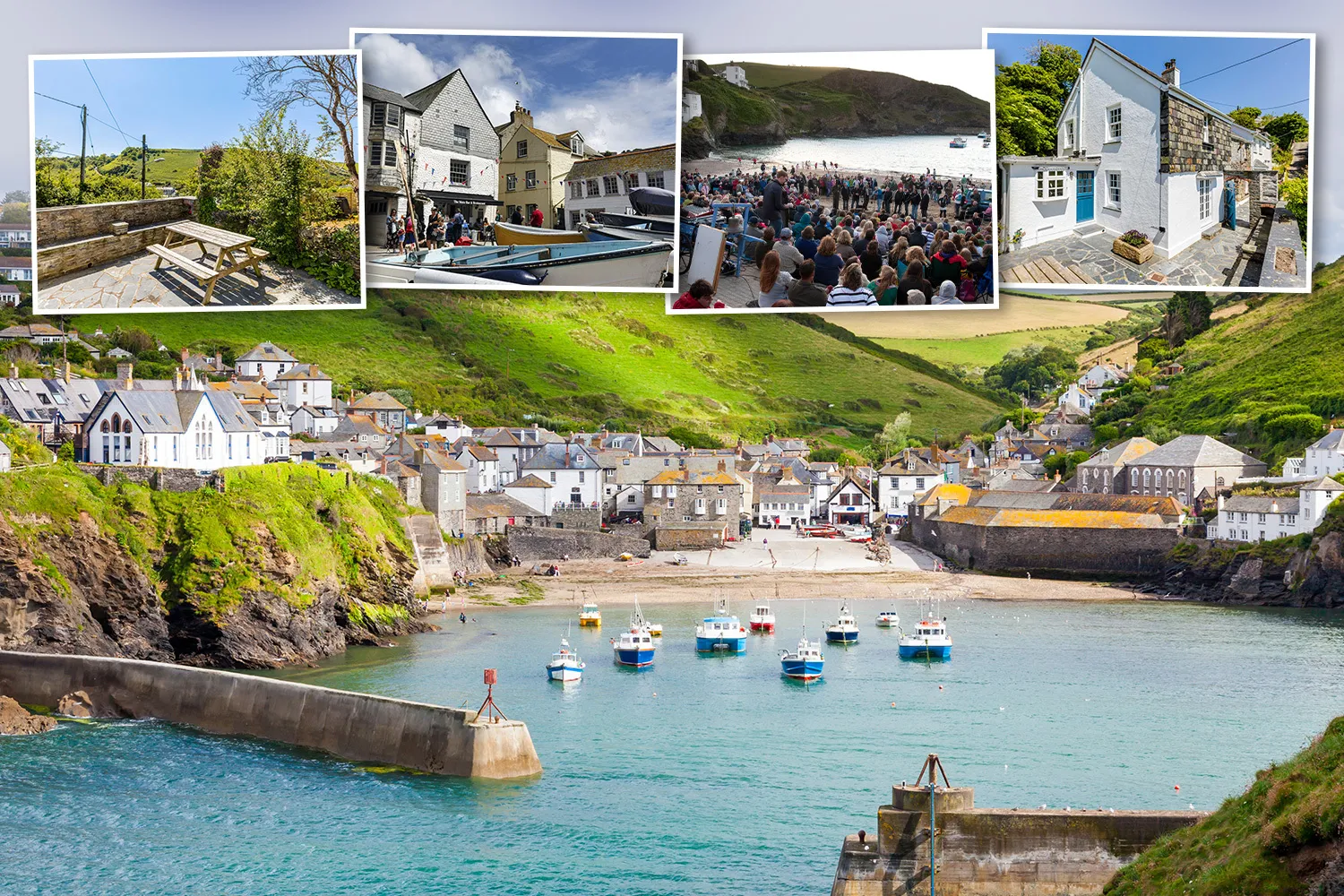
The Cornish fishing village of Port Isaac, made famous on TV’s Doc Martin, still casts a spell on visitors years after the cameras stopped rollingCredit: GettyI was visiting with my husband Paul and daughter Lexi, staying in Mermaid CottageCredit: sykescottages.co.ukThe view from the patio of Mermaid CottageCredit: sykescottages.co.uk
Daily tours take in some of the most famous landmarks and many of the shops are full of merchandise dedicated to the loveable doctor, played by Martin Clunes.
I was visiting with my husband Paul and daughter Lexi, staying in Mermaid Cottage booked through self-catering site sykescottages.co.uk.
Our central village location meant that once we had pulled into our private parking space, we could enjoy almost everything without having to use the car.
The three-bedroom cottage sleeps up to six and was beautifully furnished and full of extra comforts such as spacious bedrooms and a powerful shower.
The two wood-burners provided a cosy ambience in the evening, although we did have to splash out £50 for wood and kindling.
We were lucky with the weather and, despite the odd shower, enjoyed everything that Port Isaac had to offer — including a couple of spectacular rainbows.
The harbour is known for sea glass (weathered glass from discarded bottles etc), and Lexi and I spent hours searching for treasure and came up trumps.
You won’t go hungry when staying in Port Isaac and if you want to give the cooking a miss (which we did) you will be spoilt for choice.
Apparently lots of artists visit the area to collect pieces to use in jewellery and artwork.
There’s more than just sea glass to spot near these waters, though.
We went on a Sea Safari courtesy of Wavehunters, which was an exhilarating 90 minutes looking for seals, tuna and other wildlife. It was awesome exploring parts of Cornwall that you cannot access by road.
The father-daughter skipper combo were able to point out local highlights including remnants of the old tin mines, where communities lived perched on the side of the cliff, and many tiny beaches that can only be visited via boat.
You won’t go hungry when staying in Port Isaac and if you want to give the cooking a miss (which we did) you will be spoilt for choice.
For delicious drinks, huge pastries, and filled rolls that were probably the best I’ve ever eaten, I can’t recommend Cleaves Cafe Deli enough.
Crowds gather to watch Fisherman’s Friends perform a secret gig in the villageCredit: Alamy
More laid-back
We also had a delicious dinner at The Slipway (portisaachotel.com) in the heart of the village which offers tasty food at decent prices in a relaxed atmosphere. On the menu were burgers, sausage and mash, and glazed pork belly.
Nestled in a tiny hamlet adjacent to Port Isaac is newly renovated hotel and restaurant The Port Gaverne, open from 8am through to 8.30pm for breakfast, lunch, snacks and dinner.
Owned by the St Austell Brewery, The Port Gaverne offers great food with harbour views. Port Isaac has long been a favourite location for both TV and films.
With so much beauty and adventure, it is no wonder Doc Martin chose to settle here
The sea-shanty group which inspired that film still sing in the harbour, but these days they do so unannounced to prevent chaos in the village.
If you do want to venture out, Trevathan Farm Shop & Restaurant is just minutes away in the car and so much more than your average farm shop.
Summer months draw the masses, but the ‘shoulder season’ is when you can truly enjoy the sights away from the crowdsCredit: GettyDoc Martin stars Martin Clunes and Caroline CatzCredit: Neil Genower
They have a great restaurant as well as the well-stocked shop — and the outside area is ideal for children who want to let off steam in the park.
We also took a trip to seaside favourite Padstow. I would never visit the town in August because of the crowds — but it was ideal in October, when the vibe was more laid-back.
Farther afield, and a great day out for youngsters is The Milky Way Adventure Park in Higher Clovelly — home to rides, slides, soft play, minigolf, live shows and an incredible birds-of-prey display.
With so much beauty and adventure, it is no wonder Doc Martin chose to settle here.
GO: PORT ISAAC
STAYING THERE: Three nights’ self-catering at Mermaid Cottage costs from £121.34pp, based on six sharing. See sykescottages.co.uk.
OUT & ABOUT: Wavehunters’ 90-minute sea safari (wavehunters.co.uk) is from £27.50pp. Milky Way Adventure Park tickets from £18.95 (themilkyway.co.uk).
THE safest country to visit in Africa has been revealed – and its a tropical island paradise.
Mauritius is known for its beautiful beaches, year-round warm weather and safe-to-swim waters.
Sign up for the Travel newsletter
Thank you!
The island of Mauritius has been named the safest place in AfricaCredit: GettyMost people visit the island for its beautiful white sand beachesCredit: Getty
And the African island has been named the safest place to visit in Africa by Altezza Travel.
The south-east African country also ranked top within Africa in the 2025 Global Peace Index.
It was followed by Botswana and Namibia coming in second and third respectively.
The island is considered a very safe place to visit due to its low crime rate.
And whilst it’s popular with Brits for winter sun, Mauritius boasts sunny temperatures year-round – averaging a daily maximum temp of 27.6C.
Their summer season (November – April) is hottest, where temperatures average at around 30C.
And even in the colder months, it’s rare to see temperatures dip below 17C.
The sea temperature is warm too, and can even reach 27C during summer months – 10C warmer than that of the UK.
Most read in Beach holidays
When it comes to paradisical beaches, you’re spoilt for choice in Mauritius.
Flic en Flac is an enormous stretch of white sand facing a glittering lagoon, whilst Le Morne beach is backed by the luscious greenery and its iconic mountain.
Expect highs of 30C when the UK is in its winter seasonCredit: GettyCoral reef snorkelling is a popular activityCredit: Getty
There’s also lesser-known gems like Pointe aux Biches, where the locals go to find a slice of quiet sand between rocky coves.
Whilst Mauritius is paradise for spending days relaxing on the beach, there’s also plenty more to see and do.
The island is very popular with divers, snorkelers and adventurers who love to explore its dramatic landscapes.
The Blue Bay Marine Park is a magical spot to go snorkelling, with clear shallow waters and an abundance of colourful fish.
Mauritius has excellent coral reefs, if you fancy trying out some scuba diving.
Some of the best spots for divers are Coin de Mire in the North and Belle Mare in the East.
And if you want to explore the island by foot, the Black River Gorges National Park has over 30 miles of hiking trails and breath-taking waterfalls to explore.
Here you may also see wildlife like macaque monkeys, parakeets, and the painfully-cute Mauritian flying fox.
The sunsets are just as spectacular over the islandCredit: Getty
Typically, tourists visit the north of the island for a nice mixture of stunning beaches and towns with shops and restaurants, like Grand Baie and Trou aux Biches.
The South is where you’ll find more wild landscapes, the national parks and historic sites.
But don’t just stick to the outskirts for beach resorts and sea swimming – head inland and you’ll find waterfalls, volcanic craters and beautiful mountain ranges.
The capital and largest city in Mauritius is Port Louis.
Port Louis is known for its bustling central market, where vendors sell bright fresh fruits and typical Mauritian cuisine.
The island is popular for its all inclusive resorts, but if you’re looking to sample some Mauritian food out and about, the street food here is delicious – and very cheap.
Street food is extremely cheap tooCredit: Getty
A spiced Creole curry can cost you as little as 40 Mauritian Rupees – which is approximately 66p.
Here you can also visit Le Caudan Waterfront, where a colourful umbrella canopy shades the streets.
There’s some beautiful buildings to admire too, like the grand St. Louis Cathedral and the bright white Jummah Masjid mosque.
TUI offers package holidays across Mauritius, ranging from adults-only romantic hotels to golfing resorts.
One of their cheapest options in Mauritius is a week-long stay at the Aanari Hotel and Spa with breakfast for £1,157 pp.
Similarly, deals on loveholidays can have you staying by the lagoon of Trou aux Biches for £849 pp.
For direct flights, British Airways offers direct round-trip flights from London to Port Louis for £876.
Mauritius offers year-round sun, but the best season is from May through to September, when humidity is low.
TUI has some great deals to Mauritus including at the Aanari Hotel and Spa
This village in the Yorkshire Dales is a hidden gem with stunning waterfalls and green landscapes that inspired a famous artist hundreds of years ago
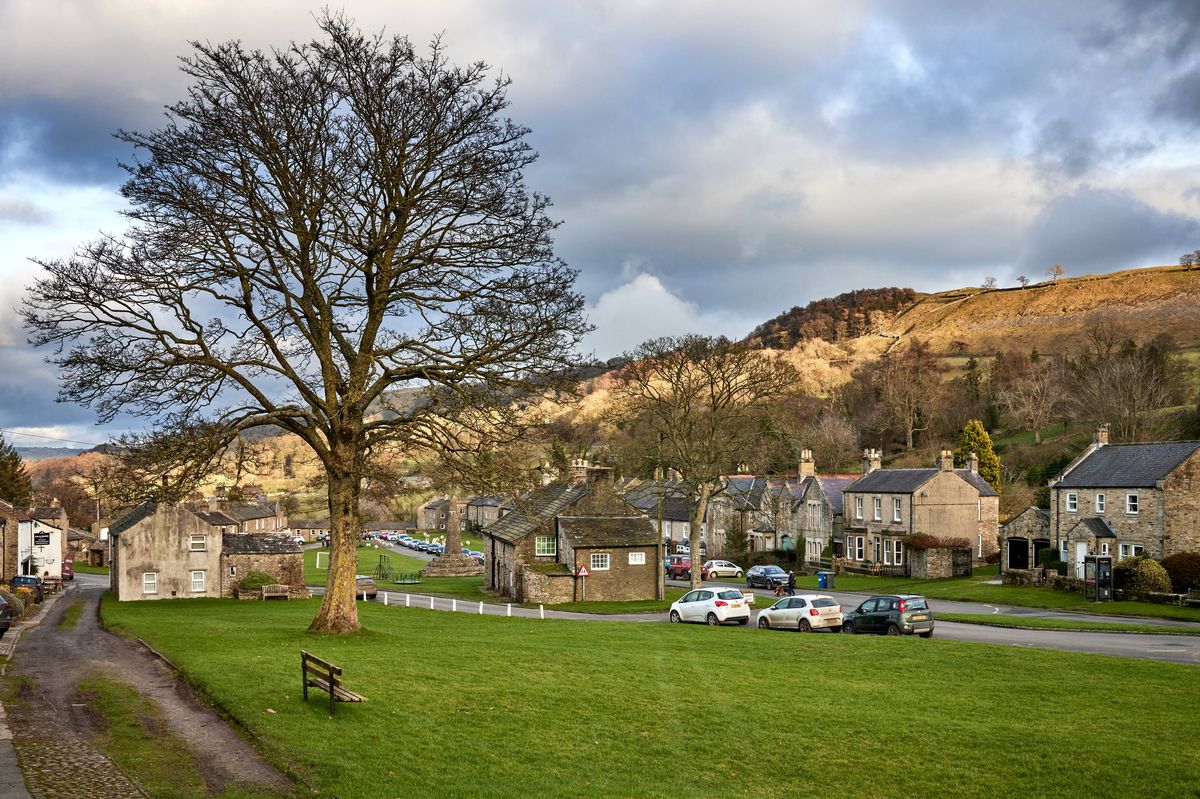
It provides a tranquil backdrop for relaxing in the countryside (Image: Michael Campbell Cole via Getty Images)
Nestled in the Yorkshire Dales, this quaint village provides the perfect getaway for those seeking to immerse themselves in nature’s splendour – and a renowned artist did just that.
West Burton, tucked away in a side valley of Lower Wensleydale, has a deep-rooted connection with the celebrated painter J. M.W. Turner, who is acclaimed for his evocative depictions of expansive landscapes. The village itself, particularly its breathtaking waterfall, served as inspiration for Turner. A sketch of the Cauldron Falls, drawn by the artist during his tour of Yorkshire in 1816, still exists. It’s thought that he spent a significant amount of time by the water, studying its flow and observing how it cascaded over the falls.
His plan was to create a larger, more detailed piece in his signature watercolour style; however, it famously remained unfinished. Despite this, the artwork can be viewed alongside his other masterpieces at the Tate in London. Remarkably, the falls remain unchanged even after 200 years, allowing visitors to appreciate their full colour and beauty firsthand. A brief stroll from the charming West Burton village will lead you there, where you can marvel at the stunning plunge pool, filled with naturally tumbling water.
A recent holidaymaker left their review on TripAdvisor, stating: “Wow, what a hidden gem this is, tucked away in the quaint village of West Burton. Really easy to access the falls, a very short walk from the village itself. Stunning waterfall and peaceful away from the crowds. Simply magical.”
Beyond this attraction, the village centre boasts a verdant green space, surrounded by numerous period buildings and charming cottages that perfectly capture authentic Yorkshire countryside living. The settlement serves as a favoured stopping point for those keen to discover the dales and surrounding regions.
Standing proudly on the green is the impressive West Burton Obelisk, a stone monument built in 1820. While such features are typical of many market settlements, this particular structure is thought to have originally been a preaching cross, now serving as a significant historical marker for the locality.
The village’s heritage stretches back much further, with connections to an Iron Age community, evidenced by the Burton Moor hut circles, which eventually evolved into a mediaeval estate. During the 18th century, it flourished as a bustling settlement centred on lead extraction, stone quarrying, traditional crafts, and naturally, farming.
Traditional crafts remain a local speciality, most notably the distinctive Cat Pottery. This charming establishment has been creating adorable Moorside cats since 1982, with every piece lovingly handmade within the village itself – preserving the region’s rich tradition of skilled craftsmanship.
One visitor hailed the spot as a “hidden gem”, adding: “Perfect for cat lovers. Bought two ceramic cats and had a lovely conversation with the gentleman who was working there at the time. It was hard to pick which we wanted because all of the pot cats are adorable. Will be ordering more online!”.
The day starts with a gentle trek. We clamber up from Flodigarry to circle under the black cliffs of the Quiraing where clouds flood around the bizarre rock formations. At the pass, we meet a howling wind and force our way down with shrieks of laughter.
I’m walking on the Isle of Skye, specifically a section of the Trotternish Ridge for CoppaFeel!, the young people’s breast cancer awareness charity. There are 120 participants in total, split into four groups of 30. Over five days, we will trek about 100km on the island’s rugged trails, traversing sea cliffs, climbing mountains, passing ruined castles, crossing bogs and jumping over rivers to raise money for the charity.
I’ve never been out in the hills with so many other women before. Some 117 of the participants are female, with a further six female celebrities spurring us on. We’re a raucous bunch.
After a scenic lunch overlooking Raasay and the distant Scottish mainland, we tackle the second half of the day’s trek – then bad weather rolls in. As we climb, rain starts falling, thick as smoke. The ground is sodden. Cold water drips from my hood, running down my nose, cheeks and chin. It’s grim. My waterproofs need reproofing and I’m soon drenched right through, like everyone else.
Of the 30 women in my group, most are new to mountain walking. For some, it’s their first time in Scotland. But somehow in these difficult miles across the wind and rain-battered mountain, morale stays high. I don’t need to turn and check where everyone is. I can hear them singing. They’re belting out Bohemian Rhapsody. When we pause, they dance.
Singing helps to keep morale high while traversing a bog.
Back on the campsite in the village of Uig, our base for the week, we shower, change and eat hot lasagne from Really Delicious, the Glasgow caterer looking after us all week. The event is organised by CoppaFeel! in partnership with Charity Challenge, which specialises in adventure challenges, providing the transport, routes and accommodation, as well as the expert mountain leaders who guide the inexperienced walkers across the island.
Mass participation charity events such as this are growing, and since Covid, Charity Challenge reports a huge increase in demand. From national Three Peaks Challenges to Hadrian’s Wall and overnight ascents of Yr Wyddfa (Snowdon), group trekking in the UK has exploded. The events bring a range of benefits. Businesses find them a good way to bring teams together in person, boosting employee morale and mental health. In a tough funding climate, charities gain much-needed income and visibility. CoppaFeel!’s record is exemplary: in 2017, the charity raised £200,000 from trekking; in 2025, it was aiming to reach £2m.
After dinner, we gather in the marquee for the daily debrief – 150 people crowd in, taking shelter from the wind. The ground squelches beneath our feet. Today was tough, a baptism of fire for novice walkers. I expect sullen stares and low spirits, but when the celebrity leaders and CoppaFeel! staff walk in, the tent erupts.
The walkers and a guide cross a stream on the Quiraing with views to Trotternish Ridge.
“What a day!” says author and podcaster Giovanna Fletcher, one of CoppaFeel!’s celebrity patrons. The tent falls quiet, as everyone strains to catch her words. We’re two days in, and an intense cohesion is forming. It feels like family. Standing in front of the crowd wearing a giant boob costume, Giovanna reflects on the day.
Tonight, even after the brutal storm, most people are laughing and cheering. She reminds us all to dig deep and remember our personal motivations – our “why” – to get through the week. Giovanna’s is Kris Hallenga, the inspirational woman who founded CoppaFeel! in 2009 after she was diagnosed with stage four breast cancer when she was 23. “Kris is why I’m here,” she says. Kris died in 2024.
Over five days, we complete five different routes around Trotternish, the northernmost peninsula on Skye. It’s stunning. With each hike, we gain different views of the hills of Harris and North Uist, watching the light change on the sea between the mainland and the Outer Hebrides. The days are long and demanding but everyone shows good stamina and determination. By day three, a committed group have drunk the local bar dry.
On our fourth day, we hike from Sligachan to the Fairy Pools and back again. Circling underneath the Black Cuillin (Skye’s highest and rockiest range), the women are awestruck. “It feels like we’re on another planet!” one woman says.
For many, these treks provide a guided entry to adventure. The leaders support everyone on the mountain, covering route-finding and first aid, while CoppaFeel! helps with kit lists, a training plan, regular webinars and online meetups. I watch women who trained in London’s Richmond Park become adventurers, newly comfortable with trekking poles, gaiters and “nature pees”. They all say they will go out and do this again.
Stopping for lunch at the Fairy Pools, a series of natural pools and waterfalls not far from the Black Cuillin, the women pose for photos and make videos. They dip their faces in the clear water and share their experiences on social media to raise awareness and fundraise. Every participant has a target of £2,500.
Hikers on the way to the Fairy Pools from Sligachan under ominous skies.
By this point in the week, we’ve relaxed into each other’s company. Five days is a long time to spend with strangers, but as the week goes on, I come to see that the length of this challenge is part of its power.
“At the start,” Giovanna says, “a week will feel like for ever. But make the most of it. Trust me, by the end, you won’t want to finish.”
Strangers form close bonds and my team becomes deeply supportive. In this safe space, people open up.
Many of the participants have personal experience of breast cancer. For some, it was five, 10 or 20 years ago – while others are now in treatment. Many have also experienced grief. In this context, the challenge is not merely physical: deep, raw emotions are close to the surface.
Walking and talking beside the river underneath the Cuillin, one woman tells me about her life. From chronic illness to having children, her breast cancer diagnosis and treatment, everything flows out in an easy conversational way. Then she falls behind, starts chatting with someone else and that’s how it goes. An hour later, we catch up and she says she cried after sharing those things with me – she realised she had never said them aloud before.
Participants ford a river in tutus.
She’s not alone. People change over this week. There’s a mother in my group who has two young children. She has recently finished her breast cancer treatment and is emotionally wobbly. But by the end of the week she is beaming, looking stronger and happier, as if a weight has been lifted. The trek creates a profound space of mass empathy. Stigma is removed and the experience of breast cancer is normalised.
The final day dawns like a festival. Glitter goes on like war paint. There are flower garlands, frilly tutus and giant pink knickers. About 150 of us toil uphill through bog to reach the summit of Beinn Edra. The sun comes out and on the breast of this hill, those who choose to, bare it all.
Back at camp, we cross the finish line, singing, hugging and crying. Looking around, I see new friends for life have been made. Then the CoppaFeel! girls read out the fundraising total. The reach is astonishing. This week, 120 women walking the rough trails of Skye have raised over £500,000. They are a force to be reckoned with.
CoppaFeel! is running four treks in 2026, including two day-long treks in the UK; apply to do a trek or register interest at coppafeel.org/trek
Moldova, one of Europe’s least visited countries, offers incredible value for British travellers with restaurant meals from £3.50, flights from London starting at £51, and stunning scenery including underground wineries and historic monasteries without the crowds
Moldova is considered one of the least visited countries in Europe(Image: Getty)
A stunning European destination that remains “unnoticed by tourists” serves up dining experiences for just £3.50. Fewer than 150,000 visitors annually are believed to venture to Moldova, tucked between Ukraine and Romania.
Yet this nation presents budget-friendly travel possibilities with flights from London starting at merely £51. Holiday-makers can also savour a restaurant meal for as little as £3.50 (€5) whilst a soft drink costs under £1.
The typical hotel in the capital Chisinau is reported to charge travellers approximately £26 per night, according to El Economista, reports the Express.
This landlocked country showcases breathtaking landscapes including the Nistru River and the ancient cave monasteries of Tipova. It’s also the location of enormous subterranean wineries like Cricova alongside the sprawling Codru National Reserve.
Moldova even houses the globe’s most extensive collection of wine bottles. The nation stores 1,500,000 valuable bottles of wine, including one that once belonged to Russian President Vladimir Putin.
This country, which proclaimed its independence in 1991, has remained torn between its connections to Russia and the European Union.
It submitted its EU membership application in March 2022, receiving candidate status in June that same year. The nation is targeting complete EU membership by 2030.
However, it’s believed the separatist region of Transnistria might prove problematic following Russia’s invasion of neighbouring Ukraine. The UK Government strongly advises against all travel to the Transnistria region.
The Foreign, Commonwealth & Development Office warns: “FCDO advises against all travel to Transnistria. There is widespread military activity in Ukraine, including close to some Moldovan borders. Transnistria is outside the control of the Moldovan government.”
YouTuber Steve Marsh ventured to the nation in 2023, confessing he felt “nervous” during his journey after his return flight was cancelled due to “security” concerns. However, he quickly found himself charmed by the country.
He shared: “As first impressions go, I really like this place, and even with this horrible weather. The fact that nobody comes here just adds to the allure for me.”
Travel blogger Drew Binksy also had words of praise for the small nation. He expressed: “I actually really like Moldova.
“Chisinau is the capital. It’s like the least visited city and country in Europe. No one really knows about it.
“[It is] Very similar to Russia. They speak Russian. They look Russian, they act Russian, but it’s this kind of mix of European, little bit of Ukrainian vibes because it’s kind of sandwiched there on the border.
“They have really good wine in Moldova. There’s a place called Orhei. I’m not pronouncing it right, but I went down there for the winery tour and it was fantastic.”
Has the new series of BBC’s The Traitors got you yearning for a Scottish staycation? We took a history-filled trip to Edinburgh and found a surprisingly affordable hotel
06:00, 03 Jan 2026Updated 11:57, 03 Jan 2026
Where to stay, eat and visit in Edinburgh, says travel editor Laura Mulley(Image: Laura Mulley)
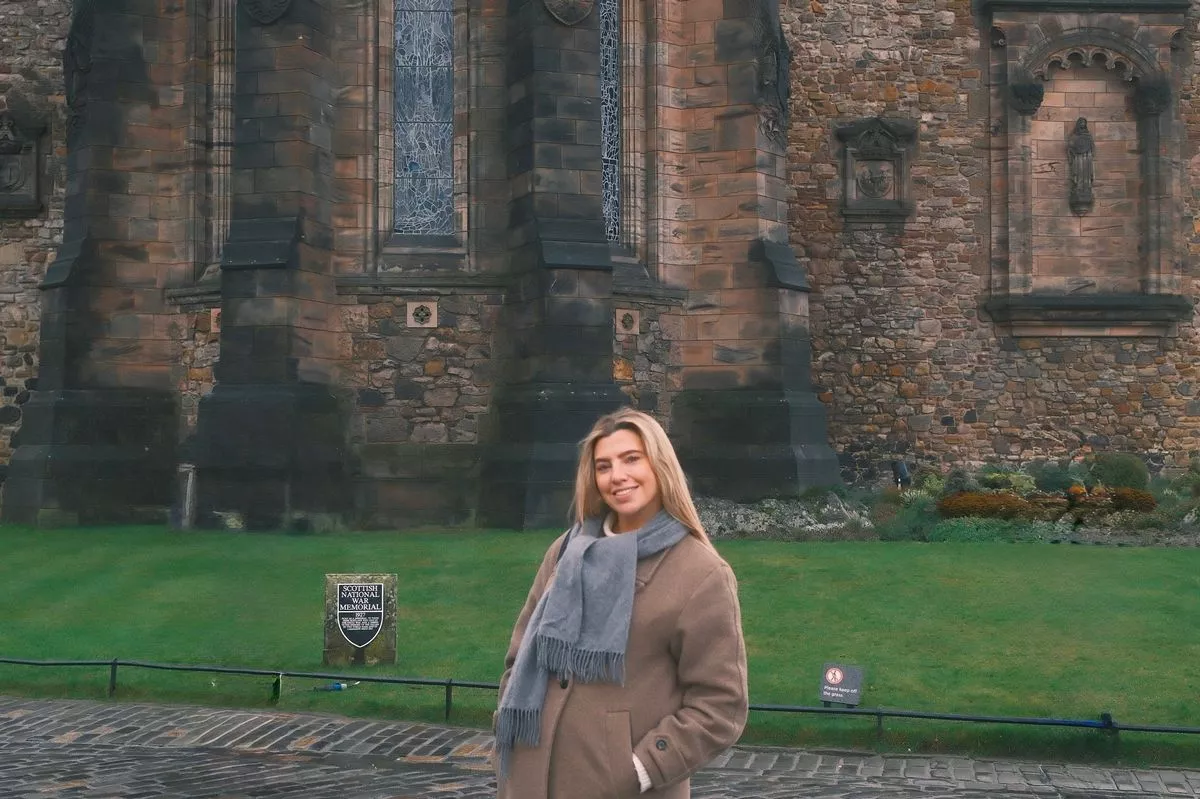
Looming over the city from up high and lit up in dramatic red lights at night, Edinburgh Castle looks like it could be straight out of a Traitors scene. Tickets (£21.50 for adults) get you access to all parts of the 900-year-old site, including the Scottish crown jewels, St Margaret’s Chapel (the oldest building in Edinburgh, dating back to 1130) and the Prisons of War exhibit.
It’s off The Royal Mile, however, that we found our favourite tourist attraction in Edinburgh: The Real Mary King’s Close. This guided tour takes you back in time through some of the city’s former residential streets, which were built over in 1753 to construct the Royal Exchange above them. Interesting for adults and older children alike, the guides are engaging and it’s fascinating to see how people lived here over 400 years ago, including through devastating plague years.
Where to eat in Edinburgh
When it was time to rest weary feet – and Edinburgh’s streets are notoriously steep – and fill up rumbling stomachs, we loved Ka Pao for its delicious Southeast Asian sharing dishes (don’t skip over the fried Brussels sprouts, which even had our party’s sprout-hater converted). Booking is essential, as there was a two-hour wait for walk-ins on the Friday night we visited.
For traditional pubs, head to the historic Grassmarket area and nearby Rose Street. For fancier cocktails served with flair, we loved Commons Club (part of the Virgin Hotel), Panda & Co, a cool, speakeasy-style establishment posing as a barber shop, and The Last Word, a romantic, candle-lit gem with an impressive whiskey list in Edinburgh’s upmarket Stockbridge area.
Where to stay in Edinburgh
We stayed at The Bruntsfield, about half an hour’s walk from the city centre, or a cheap taxi ride. Although the hotel could do with a bit of an update (we’re told there are plans for this), the rooms are very big for an affordable city hotel, and come with a complimentary dram of whiskey and square of crumbly Scottish fudge. There’s also a bar and kitchen downstairs serving casual pub-style dishes.
Perhaps the highlight of our stay, however, was the warm and friendly reception staff that welcomed us, pointing out a bowl of help-yourself Tunnock’s Teacakes, handing us a map of the city and, later, helping us successfully locate a bag we’d left in the back of a taxi.
The Bruntsfield Hotel
This article contains affiliate links, we will receive a commission on any sales we generate from it. Learn more
Has the new series of BBC’s The Traitors got you yearning for a Scottish staycation? We took a history-filled trip to Edinburgh and found a surprisingly affordable hotel
06:00, 03 Jan 2026Updated 11:43, 04 Jan 2026
Where to stay, eat and visit in Edinburgh, says travel editor Laura Mulley(Image: Laura Mulley)
Looming over the city from up high and lit up in dramatic red lights at night, Edinburgh Castle looks like it could be straight out of a Traitors scene. Tickets (£21.50 for adults) get you access to all parts of the 900-year-old site, including the Scottish crown jewels, St Margaret’s Chapel (the oldest building in Edinburgh, dating back to 1130) and the Prisons of War exhibit.
It’s off The Royal Mile, however, that we found our favourite tourist attraction in Edinburgh: The Real Mary King’s Close. This guided tour takes you back in time through some of the city’s former residential streets, which were built over in 1753 to construct the Royal Exchange above them. Interesting for adults and older children alike, the guides are engaging and it’s fascinating to see how people lived here over 400 years ago, including through devastating plague years.
Where to eat in Edinburgh
When it was time to rest weary feet – and Edinburgh’s streets are notoriously steep – and fill up rumbling stomachs, we loved Ka Pao for its delicious Southeast Asian sharing dishes (don’t skip over the fried Brussels sprouts, which even had our party’s sprout-hater converted). Booking is essential, as there was a two-hour wait for walk-ins on the Friday night we visited.
For traditional pubs, head to the historic Grassmarket area and nearby Rose Street. For fancier cocktails served with flair, we loved Commons Club (part of the Virgin Hotel), Panda & Co, a cool, speakeasy-style establishment posing as a barber shop, and The Last Word, a romantic, candle-lit gem with an impressive whiskey list in Edinburgh’s upmarket Stockbridge area.
Where to stay in Edinburgh
We stayed at The Bruntsfield, about half an hour’s walk from the city centre, or a cheap taxi ride. Although the hotel could do with a bit of an update (we’re told there are plans for this), the rooms are very big for an affordable city hotel, and come with a complimentary dram of whiskey and square of crumbly Scottish fudge. There’s also a bar and kitchen downstairs serving casual pub-style dishes.
Perhaps the highlight of our stay, however, was the warm and friendly reception staff that welcomed us, pointing out a bowl of help-yourself Tunnock’s Teacakes, handing us a map of the city and, later, helping us successfully locate a bag we’d left in the back of a taxi.
The Bruntsfield Hotel
This article contains affiliate links, we will receive a commission on any sales we generate from it. Learn more
The tiny Greek island is offering incentives to families and skilled workers to relocate there, including free food, accommodation, and a monthly stipend.
Sophie Law Deputy Editor Spare Time
05:05, 03 Jan 2026
Families could be paid 500 euros a month to live here(Image: Getty)
Ever fancied packing up and moving to a picturesque Greek island, complete with whitewashed buildings, a charming harbour, and shimmering turquoise waters?
It might seem like a pipe dream, but thanks to an initiative from the tiny island of Antikythera, it could become your reality.
Nestled in the Aegean Sea between Crete and the Peloponnese, this stunning island is rolling out the welcome mat for families and skilled workers, offering free grub, digs, and a monthly allowance.
In a bid to boost its dwindling population, Greece is dishing out €500 per month to newcomers on Antikythera for three years after they settle in.
That’s a tidy sum of €18,000 in total, or roughly £15,000. The island offers a tranquil, rural lifestyle, complete with breathtaking beaches and the balmy Greek climates.
“Antikythera has only 45 permanent residents as of now, so it’s a tranquil and close-knit community,” shares Wayne Mills, Head of Operations at Seven Seas Worldwide, an international shipping firm.
“They’re especially keen to attract young families to revitalize the island and bring back youthful energy, so you’ll no doubt be extremely popular as soon as you arrive!”
In response to falling populations and brain drains, numerous countries are laying out the welcome mat to lure new inhabitants to specific regions. Most of Antikythera’s residents are over 50, and children are few and far between.
According to Elxis, a Greek real estate and legal services provider, the scheme has been organised by the Greek Orthodox Church of Kythera, which also covers Antikythera, to attract bakers, fishermen, and families with children.
Aimed at a total of five families, applicants will be interviewed before receiving the financial incentive to relocate to Antikythera.
Andrea Harhalakis, the president of Antikythira, told Iefimerida.gr that “we need young families, large enough to make Antikythira alive and full of children’s voices.”
However, there is a catch. Whilst families wishing to relocate to the island will have their choice of a new house, the properties have not yet been constructed due to delays in paperwork.
As a result, Antikythira has not yet welcomed any families through this programme. For updates on construction progress, interested parties are advised to contact Kythira’s Tourism Department.
The island, covering a mere 7.89 square miles, can be reached by ferry from the nearby island of Kythira or from Kissamos port in Crete.
Antikythera, with its sparse population and secluded setting, offers an authentic taste of traditional Greek island life.
During the winter months, there’s only one small shop selling basic foodstuffs and vegetables. However, the island is equipped with electricity and internet access.
Antikythera is renowned for the Antikythera Mechanism, an ancient Greek analogue computer dating back to approximately 150-100 BCE.
This contraption was utilised to forecast astronomical positions, eclipses, and potentially other celestial events.
Unearthed in 1901 from a shipwreck off the island’s coast, it’s hailed as one of antiquity’s most significant technological relics.
The Antikythera shipwreck (around 70-60 BCE) ranks among the richest ancient wrecks ever discovered, brimming with artefacts such as statues, coins, and luxury items.
The island is also acclaimed for its raw beauty and wildlife. Antikythera serves as a crucial pit stop for migratory birds journeying between Europe and Africa, making it a birdwatcher’s paradise.
From Thailand to Barbados, a travel content creator shares top winter sun destinations with temperatures ranging from 21 to 30C to beat the British chill.
There are plenty of hot getaways this winter(Image: AzByCx via Getty Images)
The chilly winter weather is in full swing as frosty conditions continue to blanket the UK. With the festive season behind us, we’re still facing plenty of dark evenings as we yearn for the warmth of summer.
January is a prime time for planning holidays for the year ahead, but it’s also an ideal month to travel if you want to beat the crowds. Many people use this time of year to recharge their batteries, and what better way to do so than on a sun-soaked beach?
There are numerous holiday destinations that boast temperatures above 22C at this time of year. Plus, you’re likely to encounter fewer tourists than during the peak summer travel season.
So, if you’re considering a last-minute escape to warmer climes, a travel expert has compiled a list of their top seven picks for this year, reports the Express. TikTok user @kelseyinlondon, who regularly shares travel advice online, has chosen her favourite winter sun destinations that are sure to deliver some much-needed heat.
Thailand
First on Kelsey’s list is Thailand, a destination that’s growing increasingly popular with Brits. In January, the average temperature is a balmy 30C, and visitors can take advantage of the dry season. Imagine endless blue skies, crystal-clear waters, and a laid-back island atmosphere.
Dubai
Dubai is renowned for its scorching temperatures, but in January, you can experience the desert heat without it being too intense. The average temperature this month is a comfortable 25C.
Kelsey recommends: “January in Dubai is the perfect balance of warm days and cool evenings. Soak up the sun at beach clubs, explore the desert by hot air balloon, and enjoy alfresco dining in Dubai Marina.”
Maldives
Why not jet off to paradise and bask in 28C heat in the Maldives? Start your New Year’s resolutions surrounded by crystal-clear waters and tranquil seas. Unwind in an overwater villa or discover the local marine life on a snorkelling adventure.
Marrakech
Consider a winter getaway to Morocco, where you can relish strolling through the streets of Marrakech with fewer tourists. With temperatures hovering around a pleasant 21C, immerse yourself in the rich culture the city has to offer.
Canary Islands
This beloved European winter sun destination is ideal for savouring beach days away from the summer crowds. Expect an average temperature of 22C as you relax on the islands of Tenerife, Lanzarote, Fuerteventura, Gran Canaria or La Palma.
Barbados
For a hotter island experience, make your way to Barbados, where temperatures average a balmy 28C.
Kelsey suggests: “It’s peak dry season, so you can spend all day lazing on white sand beaches, sipping rum punches, and enjoying the island’s incredible laidback vibes.”
Red Sea Coast, Egypt
Venture to destinations like Hurghada, El Gouna and Sharm El Sheikh where you’ll find sunshine, golden sands and warm turquoise waters. With temperatures around 24C, you can still enjoy mild evenings out.
The city is, by some counts, the hottest in the world. However, in January, the coldest time of the year, the thermometer rarely rises much higher than 20 °C, while staying in the balmy mid-teens
Waleed Alkhamees has lived his whole life in Kuwait City (Image: Waleed Alkhamees)
It’s possible to get to the hottest city in the world for £78 this month.
Kuwait City is, by all measures, ferociously hot. On July 21, the mercury reached 53.9C in Mitribah, which is near to the Capital. That temperature was verified by the World Meteorological Organization as the highest ever recorded in Asia.
Given how dangerous such high temperatures can be, it’s advisable to visit Kuwait in the winter or spring months, rather than the summer. In January, the coldest time of the year, the thermometer rarely rises much higher than 20 °C, while staying in the balmy mid-teens.
If escaping the UK’s frosty shores for a spot of Kuwaiti sunshine appeals, then you’re in luck. Flight prices are relatively low at this time of the year. Skyscanner lists flights from London for £78 return this January, with services from Bristol, Birmingham and Manchester coming in at under £100.
Waleed Alkhamees has lived his whole life in Kuwait City – a destination the tour guide describes as one that “no one ever moves away from”. Yet this Middle Eastern metropolis holds the dubious distinction of being the planet’s most scorching urban centre. During 2021, the mercury climbed above 50C (122F) for 19 consecutive days.
When we caught up with Waleed, he told us how locals deal with the weather. “Everybody is trying to keep indoors, as everywhere in Kuwait is air-conditioned. Most of the locals escape from the heat and go outside Kuwait during the summer. Businesses close down. By law you can’t work outdoors from 10am to 5pm, so the workers work from midnight until the morning.”
Waleed has observed the average temperatures inching up year on year. Each summer, he notes, it seems to get a tad hotter. While it’s always been a place where the mercury soars, residents of the largely concrete city are finding themselves making more and more adaptations just to manage.
The state heavily subsidises electricity – funded alongside healthcare and education from vast oil reserves that keep the tax rate at zero – enabling most of the 3.3 million city dwellers to run their air conditioning units non-stop.
Nearly all enclosed public spaces are filled with artificial cold air throughout the day and night, while streets are enveloped in clouds of cooling water. A government prohibition on outdoor work from 10am to 5pm during the summer months aims to prevent people from collapsing and dying in weather conditions that pose a constant threat to human health.
However, if you visit Kuwait City in the summer, you might notice that this rule isn’t strictly enforced. Workers, often recent immigrants, defy the heat and the ban to labour on the streets, their bodies fully covered from head to toe for some respite from the relentless sun.
Waleed guides tourists around the city, showcasing landmarks such as the spaceship-like Kuwait Towers, which tower over the city as a clear symbol of its wealth in a style reminiscent of the 1970s. The Grand Mosque and the old Souk are the other major attractions.
His tour groups typically comprise around 80% Americans, with the remainder being European visitors – a demographic that mirrors the significant US military presence at Camp Arifjan in the country’s south-east. Even during the scorching months of June and July, tours operate year-round, with visitors seldom stepping out of air-conditioned vehicles whilst discovering the city.
Western travellers seeking a refreshing beer in the evening will be disappointed in Kuwait, which maintains a rigorous and strictly enforced alcohol ban, even within hotels frequented by tourists. For those brave enough to trust their sun cream, the city’s coastline proves particularly attractive.
The expansive sandy shoreline ranks among the longest in the Middle East and boasts excellent diving locations.
Despite the unrelenting heat – so extreme it forces pigeons to stay grounded during parts of the day and has even killed off marine wildlife in the bays – Waleed insists his fellow citizens have no intention of leaving.
“Kuwait City has gotten hotter. For years now. It is hotter and hotter every year. I am worried about global warming. It’s half a degree every couple of years. But we won’t move away. Kuwaitis never move away. There are lots of benefits in Kuwait,” he explained.
“The currency is the highest currency in the world, we pay zero tax, everything is subsidised by the government, fuel cost is half that of Saudi Arabia. Medication and education is free. People, they don’t move away.”
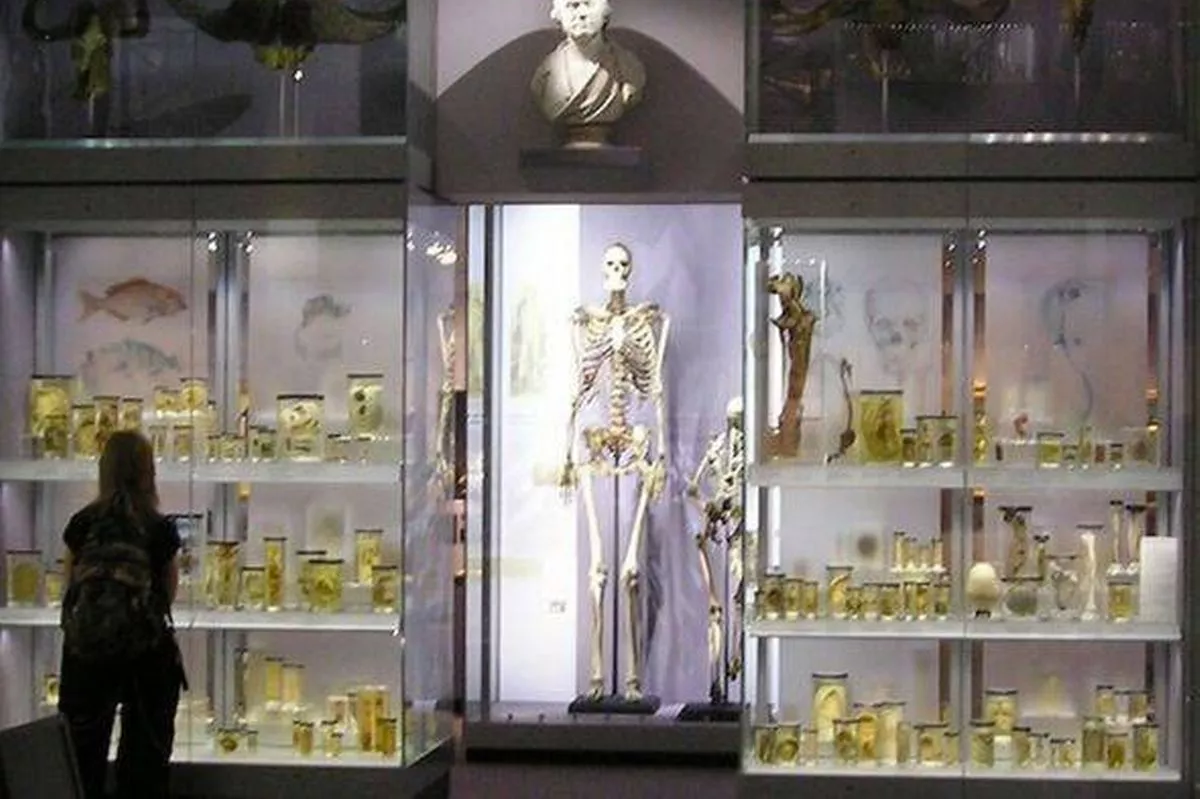
The Hunterian Museum in London is a collection of anatomical specimens, both animal and human, and while it’s a fascinating place to visit for some, it warns that many tourists may find it upsetting
The museum includes human remains, which may be upsetting for some(Image: Unknown)
Nestled in a leafy London square, encircled by stunning Georgian architecture, stands the 200-old Royal College of Surgeons building. Despite its impressive columns and elaborate exterior stonework, few would guess that behind these historic walls lies one of Britain’s most macabre museums.
The Hunterian Museum houses a vast array of anatomical specimens – both animal and human – guaranteed to fascinate, educate, and shock visitors in equal measure. It also serves as a monument to medical trailblazers, featuring artworks and sculptures that chronicle the lives of those who revolutionised modern surgery.
Many galleries in this free-to-visit attraction boast towering shelves stretching from floor to ceiling, each crammed with jars containing fascinating and extraordinary specimens, reports the Express. Most originate from the animal kingdom, showcasing an array of dissected beings preserved for scientific research.
Yet controversially, the collection also features human remains, including foetuses, potentially making for an unsettling experience unsuitable for those of a sensitive disposition.
A warning on their website cautions: “Viewing human remains can evoke powerful emotions which some visitors can understandably find difficult. Visitors should consider whether visiting the Hunterian is right for them.”
The museum asks that visitors avoid photographing human remains or sharing such images on social media. They continue: “Many of the preparations of human tissue on display in the Hunterian Museum were gathered before modern standards of consent were established. We recognise the debt owed to those people – named and unnamed – who in life and death have helped to advance medical knowledge.”
For decades, heated debate surrounded the exhibition of Charles Byrne’s skeleton, a gentleman renowned for his extraordinary stature, measuring roughly 7 ft 7 in at the time of his death. Even as Charles lay dying, he anticipated that body snatchers would target his remains, leading him to explicitly request burial at sea.
Despite his desperate wishes, his skeleton was acquired by the museum, where it remained on show for more than 200 years. Only in 2023, after many prolonged campaigns, was it finally taken down.
Additional exhibits feature teeth extracted from troops who battled at Waterloo and a pair of false teeth that previously belonged to Winston Churchill. There’s a macabre relic from Britain’s first mummy dissection in 1763, featuring a severed foot preserved under a glass case.
The Evelyn Tables are another eerie yet captivating exhibit. At first glance, they might be mistaken for a piece of modern art hanging on the wall.
However, these are among the oldest anatomical preparations in Europe, created to educate students about the human body. Each wooden slab showcases a different part of the body, such as arteries, nerves, and veins.
These were dissected from a human body, assembled, and then varnished, ensuring their preservation for many years.
But perhaps the most spine-chilling exhibits are the surgical tools used prior to the invention of anaesthesia, when surgery was a gruesome and bloody affair. Seeing an 18th-century amputation kit or a dental set really brings home the sheer terror of undergoing a procedure back then and makes you grateful for modern medicine.
The Hunterian Museum welcomes visitors from Tuesday to Saturday, between 10am and 5pm. Entry is free, but it’s advisable to book a slot online, as it can get busy at peak times.
Have a story you want to share? Email us at webtravel@reachplc.com
Hundreds of thousands of Brits are expected to rush to book summer breaks to beat the winter blues as travel firms brace themselves for a ‘Sunshine Saturday’ holiday spending splurge
Gozo on the Maltese archipelago has led the way for online holiday searches according to analysis(Image: Getty Images)
The travel industry predicts a record number of holiday bookings on Saturday as families dream of sunshine getaways.
The post-Christmas lull – and gloomy weather – is expected to prompt thousands of Brits to take the plunge and book a summer break. As a result, the first Saturday after the new year has traditionally been dubbed “Sunshine Saturday”, with this year’s forecast to be the busiest single day of the year for travel firms.
Travel companies expect demand to be 5% higher in the twelve months between October 2025 and September 2026 compared to the same period the previous year. Last January saw 4.3million people book ATOL-protected holidays, with even higher numbers expected in coming weeks. If trends continue as projected, industry chiefs reckon more than 200,000 more holidaymakers will be booking in January.
It came amid separate predictions for where Brits will be holidaying in 2026. According to the website TravelSupermarket using analysis of online searches, Gozo leads the way, potentially transforming Malta’s quieter sister island from an afterthought to a must-visit destination. Sri Lanka followed, along with South Africa’s Cape Town, the Greek island of Zante, and dream destination of Mauritius.
The Civil Aviation Authority, which runs the ATOL financial protection scheme, is urging consumers to check they are covered and to read the small print on bargain holiday deals.
Selina Chadha, group director for consumers and markets at the CAA, said: “Sunshine Saturday is seen as the busiest day of the year for people booking holidays as travellers look for bargain deals on their next getaway. With more people looking to book their holiday, it’s important to check your package holiday for ATOL protection. Whether you’re searching for a summer or winter break, you’ll have peace of mind that you won’t lose money if your travel company collapses.”
Rory Boland, editor of Which? Travel said: “Booking a package is the best way to protect your next holiday abroad, as the ATOL scheme ensures you won’t be left out of pocket, or worse, stranded abroad if your holiday company were to go bust.
“Package holidays also offer far greater protection than booking a trip yourself. You’ll be covered both financially and legally by the package travel regulations, which means the holiday operator is responsible for sorting out any problems, from disruption caused by wildfires and bad weather to the hotel being closed or not being up to scratch. Remember, though this weekend is advertised as a prime time to grab a holiday bargain, don’t feel pressured into booking in a hurry.
“Consider your options and shop around to make sure you’re getting the right holiday for you, at the right price. If you are flexible on destination, there are offers throughout the year.”
ATOL’s top 10 tips to protect your 2026 holiday bookings:
Research your travel company and planned trip before you book, particularly if it is a company you haven’t travelled with before, and shop around with other providers to check it really is a good deal.
Check the web address is legitimate and has not been altered by slight changes to the domain name.
Don’t reply to unsolicited messages, emails, texts, social media or calls with holiday offers. Links and attachments in emails may lead to malicious websites or download viruses.
Book travel insurance as it can provide extra protection if the holiday doesn’t work out quite as intended. The type of cover will vary so always carefully check the insurance terms and conditions for full details of cover.
Make sure your package holiday is ATOL protected. Consumers can easily check if their holiday provider is ATOL protected by using the Check for ATOL tool on our website.
Look out for hidden costs and charges. For example, if you want to amend the booking before you travel or if you need to pay for extra baggage.
Use a credit card for holiday bookings if possible. A credit card may provide additional protection for your trip, under Section 75 of the Consumer Credit Act.
Stay updated on international travel requirements for where you’re heading. This includes passport validity, visas, and entry restrictions.
Keep essential documents safe. Save and organise bookings, receipts, copies of passports and insurance documents for easy access during your trip.
Plan your packing – to avoid queues at security and fly safe, make sure you don’t put the wrong things in your bag.
Many people book a January holiday to feel refreshed and recharged, but it could be a mistake if you don’t do your research – here’s what to look for
(Image: Getty Images)
As the UK looks set to be covered in snow over the next few days, many Brits will be looking to book a holiday somewhere warmer.
January is the most popular month for British people to book holidays as the cold sets in, but if you’re one of them then it’s a wise idea to exercise caution, as travel experts warn that some hotels may subtly cut corners during the quieter winter months.
Experts warn that booking hotels in January can be fraught with risk if travellers aren’t aware of what to look out for as some hotels alter their operations once the festive season is over.
But the good news is it’s still possible to bag a bargain holiday and save money, as long as you know the red flags to look out for, according to Ski Vertigo.
1. Significant discounts with ambiguous descriptions.
While substantial price reductions can be enticing in January, experts caution that vague listings often indicate a change. This could encompass closed amenities, restricted services or rooms that aren’t typically available during peak periods.
2. Lack of winter facilities information.
Hotels which don’t explicitly outline their winter operations should raise eyebrows. Factors such as heating, transport accessibility and food options can all be impacted during the colder months. If a hotel fails to clarify this, travellers may find themselves faced with limited services upon arrival.
3. Negative or outdated reviews from winter stays.
Travel gurus suggest that holidaymakers often only consider reviews from summer holidays. Those planning a January getaway are advised to sift through recent winter stay reviews. Complaints about chilly rooms, poor food or closed facilities should raise red flags.
4. Reduced staff or services.
January is a period when many hotels cut back on their workforce. This can result in slower check-in times, limited housekeeping and fewer dining options. If a hotel fails to clearly outline what services are on offer, experts recommend erring on the side of caution.
5. Promising luxury at bargain prices.
Hotels offering spa access, gourmet dining and premium extras at surprisingly low prices in January may not live up to guests’ expectations. Amenities may operate on reduced hours or incur additional charges. ABTA’s industry guidance advises travellers to always verify what’s included in off-peak stays and to confirm facilities directly with accommodation providers prior to booking.
Travel pundits assert that January isn’t a poor time to travel, but it’s a month where meticulous planning is more crucial than ever. A spokesperson from Ski Vertigo highlights that travellers often presume all hotels operate the same way throughout the year, which is seldom the case once the peak season concludes.
Rather than hunting for bargains, specialists recommend prioritising clear communication, recent reviews, and accommodation tailored for winter travel.
The line will predominantly be used by residents. All you need to ride the cable car is a bus ticket or travel pass that you’d also be using on the metro, and it will only cost around €2 (£1.74).
The purpose of the cable car is to connect poorly served southeastern suburbs like Créteil and Villeneuve-Saint-Georges.
The journey from Créteil to Villeneuve-Saint-Georges by road takes 40sminutes-– the cable car can do it in 18.
It will fly over four municipalities in the Paris region; Créteil, Limeil-Brévannes, Valenton, and Villeneuve-Saint-Georges.
This is the seventh urban cable car to open in France, it cost a whopping €138million (around £120.8 million) to build.
While this might seem a lot – it’s much less than a new Metro line would have cost to build.
You can experience another cable car right here in the UK
The Heights of Abraham in the Derbyshire Dales installed the UK’s first ever alpine-style cable car 40 years ago to get visitors up to its hilltop park.
You’ll find underground tours, play areas and woodland wanders for you and your family to enjoy.
The unique transport system cuts out the need to scramble up the steep hillside and has even inspired the likes of the London Eye and the cable car at Alton Towers.
The trip to the top takes you over trees, rock formations and the river, with incredible views of the town of Matlock Bath below you and rolling countryside stretching as far as the eye can see.
But the cable car voyage is only the start of a day out with a difference deep in the Derbyshire Dales.
ONE of the UK’s most iconic piers is up for sale, and new owners could be in place as early as the summer.
The 126-year-old structure is on the market following “difficult” years caused by bad weather, rising costs and falling footfall.
Sign up for the Travel newsletter
Thank you!
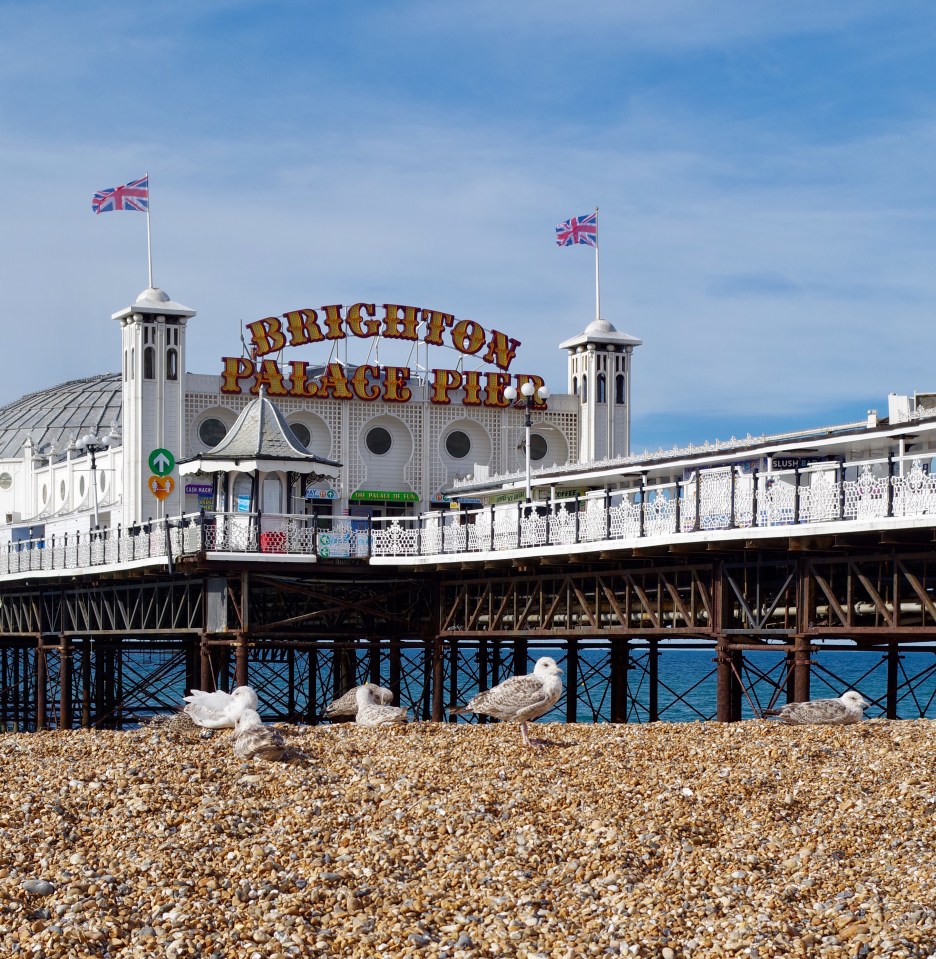
Brighton Palace Pier is for saleCredit: TWPhotography
Brighton’s Grade II* listed Palace Pier has been put up for sale by the Brighton Pier Group, who said the decision to sell was taken to secure the best possible value for shareholders.
A Grade II* listed building designation means the property is a “particularly important building of more than special interest”, elevating its status above that of a standard Grade II listing.
The company previously described 2023 and 2024 as “difficult” years for business, citing bad weather, a fall in visitor numbers to Brighton, and overall costs rising by “about 50 per cent”.
The group’s CEO Anne Ackord said: “The pier is an integral part of Brighton and I know the local council and residents appreciate that.”
She added: “Of course there is an element of sadness. It has been a difficult decision but we have shareholders and we have decided that our duty is to them.
“It’s not just a national treasure, but a Brighton treasure as well. You are buying a piece of history.”
Ms Ackord also remarked that any buyer “would want to be in situ by the summer”, indicating that the sale could be finalised before the busy holiday season starts.
While the price has not been publicly disclosed, she said interested buyers would need “many millions” to purchase the pier.
In 2016, the Brighton Pier Group purchased the landmark, which opened in May 1989, for £18million.
But in November 2025, the group confirmed it was considering selling the 1,772ft (540m) pier after like-for-like sales fell by four per cent in 2024, in comparison to 2023.
In response to declining revenue, an admission fee of £1 for non-residents was introduced in 2024, before being doubled to £2 in March of the same year.
The new owners will be ‘buying a piece of history’Credit: Alamy
The Great British Rail Sale is returning for the fourth year, offering millions of discounted tickets with savings of up to 50% and more on popular routes across the UK
A major sale on train travel is launching this month (Image: Getty Images)
A massive sale for rail travel is set to launch this month, offering up to 50% off on thousands of popular routes from nearly every train operator.
The Great British Rail Sale is back to make train journeys more affordable, boasting millions of discounted tickets. The week-long sale, taking place from 6 to 12 January 2026, presents an opportunity to secure bargain fares with over 50% savings on advance and off-peak tickets.
These reduced fares are valid for travel on thousands of routes from 13 January to 25 March 2026. With almost all train operators joining in and routes covering the length and breadth of the UK, it’s the perfect time to book, whether you’re planning a city getaway, commuting, or looking for half-term activities.
Some of the deals include £10 trips from South Coast destinations, such as Portsmouth to London Waterloo, offering a whopping 59% saving. Travellers hopping on the train from Exeter to London Waterloo can also enjoy a staggering 76% discount with tickets slashed from £41.70 to just £10.
In other deals, a 50% reduction will be available on the London Marylebone to Birmingham Moor Street route, with tickets going for a mere £7. Passengers can also benefit from the discounted journey from Manchester Piccadilly to Manchester Airport, which will be priced at just £1.20, down from £2.90, reports the Express.
Transport Secretary, Heidi Alexander, said: “The Rail Sale is back – and it means further discounts for passengers as we freeze rail fares for the first time in 3 decades to help ease the cost of living. We all want to see cheaper rail travel, so whether you’re planning a half-term getaway, or visiting friends or family, this sale offers huge reductions. It’s all part of our plans to build a railway owned by the public, that works for the public.”
This marks the fourth year of the Great British Rail Sale, with travellers saving approximately £8 per trip last year, leading to more than one million tickets being snapped up. The government is understood to be determined to increase the number of people using trains in an effort to reduce carbon emissions and clear road space for emergency vehicles and freight.
Jacqueline Starr, executive chairperson and CEO of Rail Delivery Group, said: “The Rail Sale gives people even more reasons to choose rail, whether it’s reconnecting with loved ones or exploring new places. Rail continues to play a vital role in the lives of millions, supporting local economies and offering a more sustainable way to travel.
“This year’s Rail Sale will offer millions of discounted advance fares across the network from 6 January, giving customers the chance to save on journeys big and small. By making rail travel more accessible, we hope even more people will enjoy the convenience and comfort of travelling by rail.”
Key discounts
Do you have a travel story to share? Email webtravel@reachplc.com
There are a multitude of European getaways offering a refreshing escape or lively city break, just a few hours away by train from the UK, including those in France, Belgium, the Netherlands, and Germany
IF you fancy visiting one of the ‘Seven Wonders of the World’ – there’s a place right here in the UK that has made it onto a new list.
It might not be one of the classics like the Great Wall of China or Petra, but rather one with modern twist.
Sign up for the Travel newsletter
Thank you!
The Bradford Pennine Gateway is a Nature Reserve in YorkshireCredit: AlamyThere are 8 sites across the Nature Reserve including Harden ReservoirCredit: Alamy
Condé Nast Traveller declared the Bradford Pennine Gateway in England to be a ‘wonder of the world’ that should be on your must-visit list for this year.
The publication said: “One of the reigning monarch’s ongoing Kings Series of nature reserves, the Bradford Pennines Gateway is part of a nationwide initiative to protect and celebrate the UK’s natural heritage, enhance biodiversity, and give local communities better access to nature.
“Rather like King Charles himself, there’s something stoic and un-showy about this 1,272-hectare region, resided in, and beloved by, the Brontë sisters and encompassing Ilkley Moor, Penistone Hill Country Park, Harden Moor and Bingley North Bog.”
It continued: “These are landscapes of unhurried drama: undulating moors, wind-polished gritstone tors and views that collapse into long, moody distances broken only by the slow, stately flap of a marsh harrier.”
Bradford Pennine Gateway was only declared a Nature Reserve in May 2025.
It forms part of the King’s Series of National Nature Reserves (NNRs) and is the first in West Yorkshire.
These were launched in 2025 to celebrate the Coronation of King Charles III and ‘create a lasting public legacy for people and nature by accelerating the pace of nature recovery in England‘.
The Bradford Pennine Gateway spans 1,274 hectares – twice the size of Ilkley Moor.
Most read in Best of British
The reserve links together eight nature sites within the Bradford and South Pennines area.
The sites include Ilkley Moor, Baildon Moor, Shipley Glen, Trench Meadows, St Ives Estate, Harden Moor and Bingley Bog North.
The Calf and Cow rocks are a famous site along Ilkley Moor
Another is Penistone Country Park which was the home of authors Charlotte, Emily and Anne Bronte.
The natural surroundings which consist of heathlands and wetlands were said to inspire novels like Wuthering Heights and Jane Eyre.
Ilkley Moor is a place to go for panoramic views across the countryside, and is home to rock formations like theCow and Calf Rocks.
The two rocks got their names because the bigger one looks like a cow and a smaller boulder nearby resembles a calf.
There’s also the ancient site of the12 Apostles Stone Circle.
Other major sites in the reserve include the Harden Reservoir and the Goit Stock Waterfall.
By 2027, there’s set to be 27 major NNRs across England including the Lincolnshire Coronation Coast National Nature Reserve.
Others are the Mendip National Nature Reserve in Somerset and North Kent Woods and Downs National Nature Reserve.
This quaint English village that inspired one of UK’s top TV soaps…
The village was used for filming the British ITV soap, Emmerdale…
Despite no actors or camera crew setting foot in it for almost 30 years, it regularly attracts crowds of telly addicts because the stone cottages, shops and local farms were used to film exterior scenes in Emmerdale until the nineties.
Esholt, on the outskirts of Shipley in West Yorkshire, was the backdrop for what was then called Emmerdale Farm between the 1970s to the 1990s.
Producers first chose to film Emmerdale in the village because of the classic North Yorkshire village look, and it being a half hour drive from the Leeds studios.
The local pub found on Main Street was originally called The Commercial, but it was later renamed The Woolpack, after the owner got sick of changing the signs back and forth.
The pub is still called The Woolpack to this day, despite production leaving the village in 1996.
Home Farm was based on the real Home Farm on the Esholt Estate, which dates back to 1691. The row of six cottages on Bunkers Hill was used for filming Demdyke Row. Emmerdale stopped using the plot in 1993 when there was a fictional plane crash that demolished the houses.
IF you’re off to the Lincolnshire coast with the kids, you’ll be pleased to hear that you’ll have a whole host of family-friendly attractions at your fingertips.
Of course, if the weather plays ball then there’s nothing quite like a day at the beach, with buckets and spades to hand.
if the weather plays ball then there’s nothing quite like a day at the beach in Lincolnshire, but if it rains there is plenty more to do tooCredit: GettyMabelthorpe Seal Sanctuary rehabilitates sick and injured seals, 50 metres from the beachCredit: Mablethorpe Seal Sanctuar
When you book a £9.50 Holiday, you also have the added bonus of fun family events and activities included on-site, from indoor pools to evening entertainment.
But if you do fancy venturing out, there’s tons for your whole brood to do.
From bottle-feeding calves at a kid-friendly farm to discovering the history of the Magna Carta, Lincolnshire is home to a wide range of attractions the whole family will enjoy.
We asked Sun readers and local experts for their favourite family attractions in Lincolnshire, and have suggested some of our own and highly-rated options.
Here’s your handy guide to follow…
For animal lovers
Budding naturalists will love exploring some of Lincolnshire’s wildlife attractions.
Sun reader Linda McDonnell, 71, from Lincoln, recommends the Mablethorpe Seal Sanctuary and Wildlife Centre, saying: “It’s very interesting – and there is more than seals to see.
“You also have other animals like parrots (Australian cockatiels), lemurs and reptiles.”
Another option for wildlife lovers is Lincolnshire Wildlife Park, suggested by Sarah Al-Aidi, General Manager at Southview Holiday Park.
Sarah said: “It isn’t as well known as some other family attractions like Fantasy Island.
“They have interesting animals like Bengal tigers and white lions. You can make it a whole day out and it’s great for the whole family.”
The park’s family-friendly touches include a children’s play area and kids will love the “snax shack” where you can buy treats for the parrots and meerkats (£2) and feed them.
Park life
Full immersion in nature doesn’t have to cost a penny – particularly if you head to Hubbard’s Hills, which is free to visit.
Sarah Al-Aidi said: “Woodhall Spa is a former spa town with a really beautiful place called Hubbard’s Hills.
“It’s a real beauty spot with great picnic areas, dog walking trails and nature walks.”
Families can while away the day splashing in rivers or spending time in the cafe, which has a play area for kids.
There are also plenty of hills for kids to burn off their energy by climbing and playing.
Tip: although the park is free to visit, all-day parking costs £1.
Ride the coasters
No trip to the Lincolnshire seaside would be complete without a visit to Fantasy Island in Skegness.
The park has thrilling rides for the whole family, from white-knuckle roller coasters to dodgems, water flumes and carousels.
There’s also ten-pin bowling and crazy golf to help keep your whole brood entertained all day.
Don’t miss the market – Europe’s largest seven-day market with over 320 stalls selling everything from discounted pushchairs to soft toys.
Tip: for the best value, buy a ride-all-day wristband (from £14.50), which includes access to adventure golf, or use an “iCard” to pay per ride.
Fantasy Island in Skegness has thrilling rides for the whole family, from white-knuckle roller coasters to dodgems, water flumes and carouselsCredit: Getty
Fun on the farm
Less than an hour’s drive from the coast, Rand Farm Park is ideal for a day out with the family.
Kids will love meeting the animals – which range from Jersey cows, donkeys and horses to a pair of Swiss rams named “Ed Shearan” and “Justin Biebaaa”.
Animal activities include bottle-feeding the calves, watching a milking demonstration, tractor rides and handling small animals like rabbits.
There are indoor and outdoor play areas, including a climbing wall and a soft play with an under-fours sensory area.
Family tickets cost £28 (two adults and two children). The park even offers school holiday childcare for kids aged between four and 12, including meals (half-day sessions cost £31, full day from £41).
For mini history buffs
For older kids with a thirst for history, the highly-rated Lincoln Castle is a great option.
Youngsters will love the summer jousting events and a “Medieval Wall Walk” where you can explore towers and dungeons steeped in history.
Look out for the graffiti scratched into the walls by desperate prisoners, or imagine you’re Henry VIII as you roam the walls – he visited the castle with Catherine Howard in 1541.
At Christmas, the wall is illuminated with lights, with fairground rides and food stalls to enjoy.
There’s also the historic Magna Carta to see in real life – the castle contains one of only four surviving original copies of this famous document.
Tip: the Magna Carta is taken for maintenance every year – so it’s a good idea to call to check before your visit to avoid disappointment.
Full immersion in nature doesn’t have to cost a penny – particularly if you head to Hubbard’s Hills, which is free to visitCredit: Hubbard’s Hills