

The Theft That Never Was: Inside Venezuela’s 1976 Oil Takeover
Last week, the Deputy Chief of Staff for Policy and Homeland Security offered a sharply different account of Venezuela’s 1976 oil nationalization. It is provocative, but it does not hold up to the record.
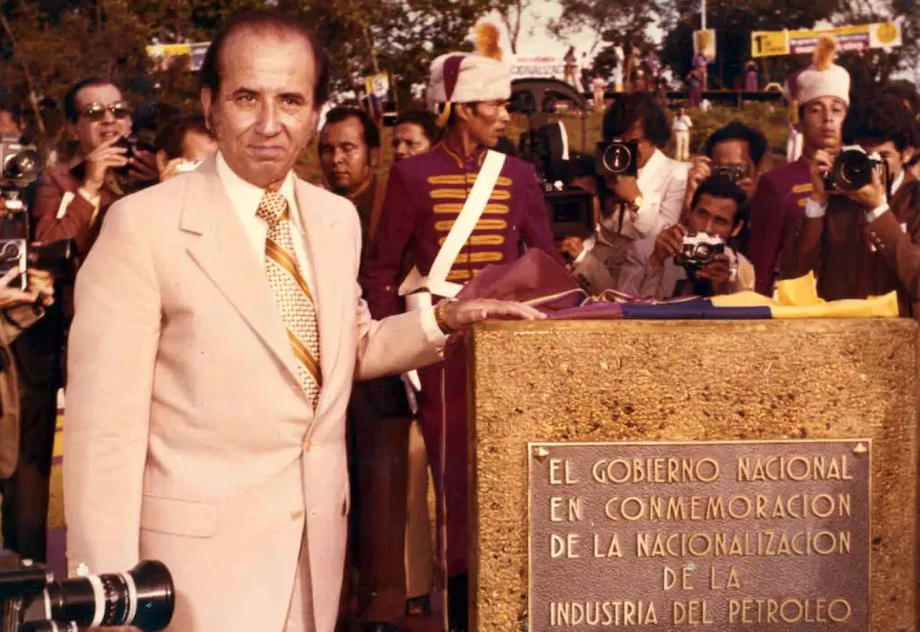
President Carlos Andrés Pérez (1974-1979) proclaimed the takeover of the petroleum industry on January 1, 1976. The announcement occurred at the Mene Grande oilfield in Zulia. Crucially, the transfer from private control to a state-run model went smoothly. The major multinationals were compensated, invited to work with the new state-owned company, Petróleos de Venezuela (PDVSA), as service and technology providers, and the process triggered no diplomatic incident with the United States. A brief look at the facts does not support claims of “theft of American wealth and property,” since “the tyrannical expropriation” was precisely engineered to avoid the kind of rupture Miller describes.
The nationalization of the Venezuelan petroleum industry responded to global events unfolding in the Middle East around 1970. To be sure, Venezuelan politicians had long dreamed of granting the state full control over the most important sector of the country’s economy. However, plans for an eventual state takeover of the oil fields remained nebulous, a goal set for a distant future. Muammar Qaddafi (1969-2011) in Libya, of all figures, provided Venezuelan lawmakers with a concrete horizon for materializing full control over the hydrocarbon sector. The Libyan strongman unilaterally increased royalties and taxes on multinationals, with Iran pursuing a similar approach. OPEC then formalized this push for higher prices at its December meeting that year. What followed in 1971 sent shock waves across the world: Libya nationalized its oil industry, followed by Algeria and Iraq. This process quickly expanded to the rest of the Middle East, setting the backdrop for the fuel shortages of that decade and the energy crisis of 1973.
This global context greeted President Rafael Caldera (1969-1974), a Christian Democrat of COPEI, who was intent on capitalizing on these favorable winds. Soon, every political faction in Congress sought to outdo the other in displaying their anti-corporate credentials. Caldera stood at the top as the most nationalist of the pack, passing an unprecedented package of bills and decrees destined to expand government control over the industry significantly. By the time he handed power to Carlos Andrés Pérez from Acción Democrática (AD), de facto state control over the entire industry was already in place. Nationalization became the only politically safe position when the electoral campaign of 1973 started. Once elected, Carlos Andrés Pérez authorized the creation of a Presidential Commission in charge of studying the state takeover and proposing a bill to that effect, to be approved by Congress in 1975. Ordinary Venezuelans shared this renewed fervor for ownership over the national riches of the country, though in a conflicted way.
Polls by the weekly political magazine Resumen showed broad support for nationalization. Yet respondents also rated working conditions at the foreign oil companies very favorably and many wanted foreign capital to remain involved after the takeover because they trusted the firms’ experienced managers. At the same time, they doubted the state’s capacity to run complex industries, while still believing it could improve over time and that a state-run oil sector was in the nation’s interest. That nuance rarely appeared in Congress.
The nationalization became a fait accompli without antagonism with the U.S. government or the multinationals
COPEI and a constellation of center-left and leftist organizations pushed for an immediate, total takeover without any foreign role. Some opposed compensation altogether and even welcomed a showdown if necessary, seeing local employees working for these multinationals as threats to a “genuine” nationalization of the industry. Venezuelan managers soon came under attack from politicians accused of having “their minds colonized” by the American and British firms. They were also viewed as “centers of anti-Venezuelan activity.” Insults in the press and public spaces galvanized domestic employees to take action. Led by Venezuelan mid-level managers such as Gustavo Coronel from Royal Dutch Shell, the managerial class came together to form Agrupación de Orientación Petrolera (AGROPET). The nonprofit aimed to help the country prepare to take full responsibility for the hydrocarbon sector.
From March 1974 through 1975, AGROPET ran a public campaign for an orderly, compensatory nationalization built on continuity, not a politicized break. Their activities included appearing on radio programs, giving TV interviews, publishing in newspapers, and participating in public forums, including congressional meetings, and talks with members of the Presidential Commission mandated by President Pérez. The irony of this body is that it gathered representatives from prominent sectors of society. And yet the Commission excluded the people who actually ran the industry.
AGROPET quickly steered the nationalization debate back toward a technocratic solution. The organization’s pivotal moment came in January 1975, when its leaders met with President Pérez and laid out what became the blueprint for the 1976 nationalization. They argued for an industry built on administrative efficiency, technological progress, apoliticism, and sound management not a politicized rupture. Their model envisioned a holding company with four affiliates that would absorb concessionaire operations. The new organizational culture would blend practices inherited from the Creole Petroleum Corporation and Shell, and the nationalized industry would retain ties to its foreign predecessors. Under this proposal, Petróleos de Venezuela (PDVSA) became, in effect, the direct descendant of the multinationals that built Venezuela’s modern oil industry. It perpetuated the business philosophy of the multinationals. Persuaded by Venezuelan managers, Pérez sided with the technocrats and sent an amended nationalization bill to Congress, crucially allowing foreign capital to return under Article 5. The AD-dominated legislature defended the bill and enacted it in August 1975. Two months later, Creole and the other firms accepted a compensation package of about $1 billion for their expropriated assets.
The nationalization became a fait accompli without antagonism with the U.S. government or the multinationals. It constituted less a watershed than a continuation of relationships the Venezuelan state and foreign oil companies had built across the twentieth century on new terms. PDVSA quickly signed service and technology agreements with the very companies it had expropriated. What’s more striking is that this smooth outcome became, in part, an unintended consequence of Venezolanization: the deliberate integration of Venezuelans at every level of the corporate ladder, a policy initiated by Creole and Shell in the 1940s. Unusual in the industry at the time, it stood out as a strand within a broader set of corporate social responsibility practices these companies implemented in Venezuela. Locals trained through that system helped make the transition to state control orderly and broadly beneficial.
For much of the political opposition, however, the outcome felt bittersweet. They denounced its chucuta nature (a “half-baked” nationalization) and framed Article 5 as outright betrayal. Many wanted the kind of dramatic showdown associated with Cárdenas in Mexico, Mossadegh in Iran, or Velasco Alvarado in Peru, cases where claims of expropriation and “theft” of U.S. property could at least be mounted. Venezuela in 1976 stood far away from that drama, and once the transfer was complete, business continued as usual despite the lamentations of certain congressmen. Venezuela’s 1976 oil nationalization was engineered to preclude confrontation. Getting the history right matters. If the current U.S. administration wants to cite this episode to justify pressure, escalation, or exceptional measures, it has chosen a poor example, precisely because the process avoided the kind of rupture Mr. Miller invokes. So, por este camino no es.
Toyota Supercharges US Investment—Or Is It?
Toyota is revving up its US manufacturing ambitions. Last month, it announced—or seemed to announce—plans to invest up to $10 billion across its American operations over the next five years: a pledge that arrived just as its first US-based electric-vehicle battery plant officially began production. The Japanese automaker, which has been building cars in the US since the 1970s, framed the expansion as a milestone moment in its long American road trip.
The new battery facility in Liberty, North Carolina—Toyota’s only such plant outside Japan—comes with a separate $14 billion price tag. It also promises to create up to 5,100 jobs. Production has already begun on batteries for the Camry HEV, Corolla Cross HEV, RAV4 HEV, and a still-secret EV model.
“Today’s launch of Toyota’s first US battery plant and additional US investment up to $10 billion marks a pivotal moment in our company’s history,” Ted Ogawa, CEO of Toyota Motor North America, said in a statement. “Toyota is a pioneer in electrified vehicles, and the company’s significant manufacturing investment in the US and North Carolina further solidifies our commitment to team members, customers, dealers, communities, and suppliers.”
Transportation Secretary Sean Duffy applauded the expansion, calling it “the latest show of confidence” in the Trump administration’s reshoring efforts.
Not So Fast
According to Reuters, Toyota public affairs officer Hiroyuki Ueda then clarified that the company never explicitly promised the new investment.
Turns out, Toyota only confirmed that it invested roughly $10 billion in the US during President Trump’s first term: and despite Trump suggesting a new pledge, the company says no such commitment was made, noting instead that by 2021 under President Biden, it had already boosted its total planned US investment to nearly $13 billion, including some 600 new manufacturing jobs.
“We didn’t specifically say that we’ll invest $10 billion over the next few years,” Ogawa said, adding that Toyota remains committed to its ongoing US investment and job creation.
But with global automakers increasingly seeking American factory space—Hyundai, Honda, Nissan, Rolls-Royce, Volvo, and Volkswagen among them—Toyota’s announcement underscores an industry-wide trend: In the age of tariffs, supply-chain anxiety, and political whiplash, expanding in the US is the path of least resistance.

Hurricane Melissa Devastation Saddles Jamaica With Multi-Billion-Dollar Bill

Jamaica faces an $8 billion-plus price tag to repair the damage caused by Hurricane Melissa. Wind gusts hit a record-breaking 252 miles per hour between October and November.
The catastrophe claimed 45 lives, 15 remain missing, and a further nine cases are under investigation.
Prime Minister Andrew Holness stated that repairs will be equivalent to 30% of Jamaica’s GDP. However, the World Bank’s and Inter-American Development Bank’s estimates of $8.8 billion would amount to 41% of GDP. That makes Melissa the most expensive hurricane in Jamaica’s history. Housing insurance alone could total between $2.4 billion and $4.2 billion. The Office of Disaster Preparedness and Emergency Management recorded 156,000 homes damaged and 24,000 considered total losses.
According to Verisk Analytics, “Many neighborhoods in St Elizabeth parish … are reporting significant damage, with 80% to 90% and, in certain cases, 100% of roofs destroyed.”
The Cost of Recovery
Jamaica is looking to its insurers and multilaterals for immediate financial relief. The Caribbean Catastrophe Risk Insurance Facility (CCRIF) made two payments totaling $91.9 million. The World Bank added another $150 million.
A further package of aid from the World Bank is forthcoming. This will include emergency finance redeploying existing project funds to speed up repairs and private-sector assistance via the International Finance Corporation. The CCRIF’s payout will come from Jamaica’s cyclone and excessive rainfall parametric insurance policies.
Holness promises that the government will spend each dollar carefully.
“We will spend to relieve human suffering, but every dollar that is spent will be accounted for,” he told reporters while touring disaster sites, “and not just from an accounting point of view, meaning adding up the dollar spent. It will be accounted for from an efficiency point of view, which is really the greater accountability. Every dollar spent, every aid given, every commitment made, will be used in a way that quickly advances the recovery, but at the end of it makes Jamaica stronger.”
Czech Republic’s Election Winner Is Up In The Air
There were long faces in Brussels in early October when Czech parliamentary elections handed a victory to Andrej Babiš’s ANO party. And even longer ones a month later when Babiš, short of a majority, announced plans to form a coalition with the far right, pro-Russian SPD and the eccentric, libertarian Motorists alliance.
Although the jury is still out on whether this new populist government will join those in Slovakia and Hungary to form an anti-EU front in Central Europe, it will look very different from the pro-EU, pro-Ukraine Spoulu (Together) government it replaces, headed by Petr Fiala.
Babiš Returns to The Czech Republic — and Repositions Himself
Returning to the premiership—Babiš, aged 71, was prime minister from 2017 to 2021 and before that deputy prime minister and finance minister from 2014—is a major personal victory for the Czech Republic’s richest man, estimated to be worth over $4 billion. Babiš’ made his fortune through his holding company, Agrofert, the now-huge agribusiness and chemicals powerhouse he founded in 1993.
Babiš has moved steadily to the right, with ANO’s populism a long way from the centrist positions ANO (YES) championed when Babiš set up the party in 2012. Although dubbed the Czech Trump for his anti-establishment outbursts and authoritarian rhetoric, observers believe Babiš Mark II will be more measured, favoring stability and prioritizing his business interests and those of the Czech Republic.
“An ANO-led government will face institutional constraints on its near-term ability to implement significant policy shifts, notably the outgoing coalition’s constitutional majority in the upper house [the Senate], where it holds 60 of 81 seats,” argues Malgorzata Krzywicka, director, Sovereigns at Fitch Ratings. “[We expect] a broadly prudent fiscal policy, although it is likely to adjust foreign policy, notably regarding alignment with some EU priorities.”
Babiš, Like Trump, Has a Second Act
Another potential issue for Babiš is centrist, pro-EU President Petr Pavel’s power to veto ministerial appoints and legislation. Meanwhile, the prospect of a populist anti-EU front amongst the four Visegrad countries must be measured against next April’s parliamentary elections in Hungary. Polls suggest Prime Minister Viktor Orban is running well behind his pro-EU challenger, Péter Magyar.
That said, Babiš’s return to power—like US President Donald Trump’s, after a gap of four years—will likely mean change.
“Divergence from Spolu’s strongly pro-Western stance is likely, for example over providing munitions to Ukraine,” reckons Krzywicka. It could lead to disputes with the EU in such areas as energy or migration, she added.
That said, “we think these are highly unlikely to intensify sufficiently to have consequences, such as the suspension of EU funds.”
Japan’s New Finance Minister Walks A Fiscal-Policy Tightrope
In a historic appointment, Satsuki Katayama became Japan’s first female finance minister in October, taking the reins of the powerful portfolio at a moment of acute economic tension in the country.
A veteran bureaucrat and politician, she brings deep institutional knowledge. Katayama previously climbed the ranks of the Ministry of Finance (MoF), including a high-profile role in the influential Budget Bureau. That’s a rare feat for a woman in the 1980s and 1990s.
Katayama’s immediate challenge is managing newly seated Prime Minister Sanae Takaichi’s core economic priority: growth through fiscal expansion.
Takaichi is betting big on a stimulus package, estimated at over $65 billion, that aims to bolster household consumption, energize regional economies, and spur the “virtuous cycle” of sustained wage and price growth.
Such aggressive spending puts Katayama at cross-purposes with economists concerned about Japan’s financial health, however.
With the country holding the world’s highest debt-to-GDP ratio and committed to achieving a primary surplus in fiscal 2025, she must convince financial markets that the new spending is both “proactive and responsible” while working to reduce the debt-to-GDP ratio.
The external environment adds layers of complexity. The Bank of Japan held its policy rate steady, focusing on securing its 2% inflation target. But the recent economic contraction and pressure from Takaichi for cautious rate hikes create a difficult path for monetary normalization. The prime minister recently voiced concern over the yen’s “very one-sided, rapid” weakening, a development that threatens to undermine consumer purchasing power and exacerbate import costs just as the government rolls out its spending plan.
The Bank of Japan subsequently increased its benchmark interest rate to 0.75 percent.
Looking ahead, the finance minister’s success hinges on her ability to walk this policy tightrope: reconciling the MoF’s mandate for fiscal discipline with the political imperative for bold, stimulus-led growth. Katayama’s task is about execution.

AI, Tariffs Fuel Big Tech Layoffs
This year is on course to become one of the worst years of this century for job cuts, comparable only to the Great Financial Crisis of 2008 and 2009 and the year of the pandemic, 2020.
Corporations are primarily attributing hundreds of thousands of recently announced layoffs to higher operating costs caused by US tariffs. Still, many feel that a workforce-rebalancing strategy to fund investments in artificial intelligence may also be to blame.
Last October, US job losses topped 153,000, the highest level since 2003. In November, the US gained 64,000 jobs, more than expected, but the unemployment rate climbed to a four-year high of 4.6%.
According to The Challenger Report, a leading indicator of the US labor market, American companies laid off over a million employees in the first 10 months of 2025. That’s the highest number since the pandemic-related recession five years ago, and up 65% from the same period last year.
The huge wave of redundancies, begun in January with the Trump Administration’s restructuring of government agencies, is now expanding to most sectors.
The latest round of announcements came from tech giants Intel, Microsoft, IBM, and Verizon, which collectively announced the axing of over 50,000 jobs. Online retail giant Amazon slashed 30,000 positions, while international courier UPS let go of 48,000 employees.
Other major industry players that have significantly reduced their workforce include Accenture (11,000 cuts), Procter & Gamble (7,000), PwC (5,600), Salesforce (4,000), American Airlines (2,700), Paramount (2,000), and General Motors (1,700).
The trend isn’t limited to American firms. In Europe, companies across various sectors also disclosed extensive staff reductions this year, with Nestlé cutting 16,000 jobs, Bosch 13,000 jobs, Novo Nordisk 9,000 jobs, Audi 7,500 jobs, Volkswagen 7,000 jobs, Siemens 5,600 jobs, Lufthansa 4,000 jobs, Lloyds Bank 3,000 jobs.
Asia-Pacific is also affected, with India’s Tata Consultancy dismissing 12,000 employees, Japan’s Nissan dismissing 11,000, and Australia’s second-largest bank, ANZ, dismissing 3,500.
Fears are spreading that this might be the start of an unprecedented, massive recession caused by AI expansion. If Amazon and Palantir dismissed the claim, Nvidia CEO Jensen Huang lately emphasized that “100% of everybody’s jobs will be changed” by AI.
And in a extraordinary step, after axing 1,500 jobs this year, traditional brick-and-mortar retailer Walmart delisted from the NYSE this month and move to tech-focused Nasdaq. The move highlights Walmart’s ‘tech-powered approach’, with decade-long investments in warehouse-automation and its current strong push towards AI.
Why Maduro’s Alliance with Russia Matters for European Security
We live in an interdependent world where no country or region is exempt from the effects of developments elsewhere. The transition into autocracies in other countries is not the exception. Autocratisation has escalated into a global wave. According to the latest V-Dem report, 45 countries are currently moving towards autocracy, up from just 16 in 2009, while only 19 are democratising. By 2024, 40% of the world’s population lived in autocratising countries.
Autocratic expansion represents a threat to liberal democracies in Europe and beyond, as political science’s only near-lawlike finding holds: democracies do not wage war against each other. In contrast, an autocratic Russia invades Ukraine and might quite possibly very soon attack the rest of Europe, as NATO’s General Secretary Mark Rutte alerted in Berlin on December 12: “We are Russia’s next target, and we are already in harm’s way… we must act to defend our way of life now”.
The link between democracy and peace was also at the centre of this year’s Nobel Peace Prize ceremony. In his address, Jørgen Watne Frydnes, Chair of the Norwegian Nobel Committee, emphasised that democracy is not only essential for peace within national borders, but also for peace beyond them. The award to Venezuelan opposition leader María Corina Machado, who insisted that the prize belongs to all Venezuelans, underscored that message.
Russia illustrates this connection with unusual clarity, and the Maduro regime is a close ally of the regime directly threatening Europe. Since Chávez, under whose rule Venezuelan democracy collapsed no later than between 2002 and 2007 (according to V-Dem), the Venezuelan regime has deepened its ties with China and Russia. The latter, particularly, became an important partner in the military and security realms. By providing weapons, equipment and intelligence support, Russia secured a geopolitically strategic foothold in South America. This allows Putin to project power into the Western hemisphere and to undermine US and European strategic interests.
Venezuela’s partnership with Russia follows a foreign policy logic of influence projection within the United States’ regional sphere, much as Washington has done in Eastern Europe. This relationship has taken the form of military cooperation, with Venezuela—alongside Nicaragua—becoming one of Russia’s main partners in Latin America.
A democratic Venezuela could reintegrate into Mercosur, opening an additional market under the forthcoming EU-Mercosur agreement—one of the EU’s tools for diversifying trade partners and reducing excessive economic dependencies.
While earlier cooperation included a visit of nuclear-capable Russian bombers to Venezuela in 2018, more recent ties have focused on military diplomacy: high-level defence meetings, training exchanges, and joint participation in initiatives such as the International Army Games. But despite Russia’s growing resource constraints following its invasion of Ukraine, reports of the construction of a new ammunition factory in Maracay (Aragua) and the presence of Russian “Wagner” mercenaries in Venezuela exemplify the possibility of going back to further military cooperation. The ammunition factory would specifically produce a version of the AK-130 assault rifle (developed in the Soviet Union) and a “steady supply” of 7.62mm ordnance under Russian license in spite of sanctions to avoid Russian ammunition exports.
Beyond the military sphere, Venezuela currently cooperates with Russia to mitigate the effects of Western sanctions. Together with Iran, both countries share shadow shipping networks that allow sanctioned oil exports to continue flowing, primarily towards China (surprise! Another autocratic country).
Thus, from a European Security perspective, Venezuela isn’t really a distant or marginal case. A Russia-aligned autocracy in South America strengthens Moscow’s global reach at a time when Europe is already struggling to contain Russian aggression on its own continent. Supporting democratic survival or democratisation abroad is not only a normative commitment, but a strategic interest: Europe’s democratic stability—and its own way of life—are reinforced when democracies elsewhere endure.
Democratisation in Venezuela could bring concrete benefits. It would weaken Russia’s standing among authoritarian partners that depend on its support and reduce diplomatic alignment against European priorities in multilateral forums. Such alignment was evident, for example, in the 2014 UN resolution condemning Russia’s annexation of Crimea, where several Latin American governments sided with Moscow. Moreover, a democratic Venezuela could reduce the US’ attention diversion from the Russia war on Ukraine, and it could weaken Russia’s potential leverage when looking for US-concessions, in exchange for their own concessions in Venezuela.
But this is also about not missing opportunities. A democratic Venezuela could reintegrate into Mercosur, opening an additional market under the forthcoming EU-Mercosur agreement—one of the EU’s tools for diversifying trade partners and reducing excessive economic dependencies. At a time when economic strength has become an existential priority for Europe amid rising geopolitical tensions, this matters. Before Mercosur, and in the more immediate period following a transition, Venezuela would require substantial investment to rebuild its economy. Historical economic and social ties already exist, shaped in large part by post–Second World War European migration to the country.
Repression is not confined to Venezuelan citizens. More than 80 foreign political prisoners have been reported, including Europeans from Italy, Spain, Poland, Portugal, Hungary, Ukraine and the Czech Republic.
In the path towards the stabilisation of Venezuela as a partner to democracies—instead of being a source of autocratic threat—the democratic mandate expressed by Venezuelans on 28 July 2024, when we elected Edmundo González Urrutia as president, is a crucial element to consider. González has since identified María Corina Machado as his intended vice-president in a potential transition.
In regards to the question about how to get there, the equation toward a democratic Venezuela does not only include measures to weaken the Maduro regime’s repressive capacity, but also strengthening democratic actors inside and outside the country. Many of these active citizens often move within resource-limited bounds—juggling work, precarious living situations and scarce resources for essential tools such as websites, digital security, travel for advocacy, and organisational infrastructure. Migrants in early integration phases do not necessarily count with abundant financial resources, yet they invest what they have into their democratic efforts.
At the same time, the regime’s repressive reach extends beyond Venezuela’s borders. Recent transnational attacks like the murder attempt against Luis Alejandro Peche and Yendri Velásquez in Colombia, the attempted attack on Vente Venezuela’s Alexander Maita, and the assassination of Ronald Ojeda in Chile highlight efforts to intimidate political mobilization even outside the country.
But repression is not confined to Venezuelan citizens. More than 80 foreign political prisoners have been reported until this month, including Europeans from Italy, Spain, Poland, Portugal, Hungary, Ukraine and the Czech Republic. Thus, limiting the regime’s repressive capacity is vital to incentivize crucial pro-democracy mobilization.In summary, Europe faces a choice. Supporting Venezuelan democratisation is not only a matter of global democratic solidarity, human rights, or European soft power in Latin America. It is a matter of self-preservation. The collapse of Venezuela’s once-stable 40-year democracy and Russia’s war on Ukraine both serve as reminders that democracy—and the peace it sustains—is not a given. It must be embodied, defended, and actively built when necessary.
Democratic Republic of Congo: Waiting For The Peace Dividend
Continued conflicts prevent the central African nation from fully exploiting its natural riches.
The Democratic Republic of Congo (DRC) has been ravaged by what is aptly described as a “forgotten war” spanning more than three decades.
In June, US President Donald Trump decided it was time to silence the guns. The signing of a peace deal between the DRC and Rwanda at the White House in June was momentous.
To ensure the pact holds, the US sanctioned the armed groups and companies profiteering from the conflict through illicit mining and trafficking. The peace remains fragile. Government forces and the Rwanda-supported March 23 Movement (M23) still engage in atrocities. The UN estimates that over 1,000 civilians have been killed since the signing of the agreement.
“The Trump deal is an important step towards lasting peace, but there is a long way to go before the conflict is truly over,” says Christopher Vandome, a senior research fellow with the Chatham House Africa Program, adding that incentives to renege on the agreement remain high.
Fueling the DRC conflict are deeply entrenched ethnic tensions, weak governance, a history of external interference, and most fundamentally, the struggle for internal and external control of the country’s vast untapped mineral wealth, which the US International Trade Administration estimates is worth more than $24 trillion.
For the US, supported by Qatar and the African Union, durable peace and stability are critical for the DRC to benefit from its mineral resources, attract foreign direct investment (FDI), and turn a page toward economic transformation.
At present, China maintains a firm grip on the DRC’s minerals, including cobalt, a key ingredient in the rechargeable batteries that are critical for the green transition. More than 60% of production is tied to Chinese operators via long-term joint ventures, off-take agreements, and infrastructure-for-minerals deals.
“The rising interest presents DRC with a rare moment of geopolitical leverage,” observes Landry Djimpe, a managing partner at Paris-based Innogence Consulting. “If managed wisely, the country could witness a transformation.”
The Cost of Conflict
Decades of conflict have undoubtedly caused massive suffering in the DRC. The UN estimates that the conflict has killed over 6 million people. With millions more displaced and dependent on aid for survival, the country is one of the most unequal and vulnerable globally.
Despite that, the DRC is far from being considered a failed state. GDP expanded by 6.5% in 2024, driven by the extractive sector and recovery in the agricultural and services sectors. This year, the International Monetary Fund (IMF) projects a slower growth rate of 5.7%.
Inflation declined to 8.5% in June from 17.7% in 2024, and 23.8% in 2023, while foreign reserves have increased to $7.6 billion, supported by IMF disbursements under a program approved in January.
While the DRC is perceived as a volatile and risky market for investors, the UN Conference on Trade and Development’s World Investment Report 2025 notes that FDI inflows stood at $3.1 billion in 2024, up from $2.5 billion in 2023.
The surging demand for critical minerals used in electric vehicles and the transition to clean energy have made the mining sector a top attraction.
Last year, the country attracted $130.7 million in exploration investments alone, the highest in Africa, according to US Department of State data. The DRC produces more than 70% of the world’s cobalt and is its second largest copper producer. For columbite-tantalite (coltan) and diamonds, the country boasts 80% and 30% of global reserves, respectively. Other minerals the DRC holds include gold, silver, lithium, zinc, manganese, tin, uranium, and coal.
It is not surprising, therefore, that the DRC is fast becoming an epicenter of geostrategic competition for access, influence, and control. Currently, China boasts a commanding lead. The US and its companies, however, are determined to disrupt the status quo, particularly through the ambitious Lobito Corridor, which aims to link the DRC to Angola’s Atlantic coast.
In May, KoBold Metals agreed to acquire the Manono lithium deposit from Australian-based AVZ Minerals.
It is also committing to invest $1 billion to launch large-scale critical mineral exploration in the country.
Another US firm, America First Global, is part of a consortium that is eying the Rubaya coltan mine, which produces half of the DRC’s coltan—approximately 15% of the world’s reserves—according to ITA.
| VITAL STATISTICS |
|---|
| Location: Central Africa |
| Neighbors: Angola, Burundi, the Central African Republic, the Republic of the Congo, Rwanda, South Sudan, Tanzania, Uganda, and Zambia |
| Capital city: Kinshasa |
| Population (2025): 112.8 million |
| Official language: French |
| GDP per capita (2024): $686 |
| GDP growth rate (2024): 6.5% |
| Inflation (2024): 17.7% |
| Currency: Congolese franc |
| Credit rating: CCC+ (Fitch), B3 (Moody’s), B-/B (S&P Global) |
| Base interest rate: 17.5% |
| Investment promotion agency: National Agency for Investment Promotion (ANAPI) |
| Investment incentives: Exemptions from equipment and materials import duties, export duties and taxes; import VAT for new projects, corporate income tax, and property tax; streamlined business registration processes; special economic zones; bilateral investment treaties with numerous countries; party to dispute settlements organizations. |
| Corruption Perceptions Index rank (2024): 163 |
| Political risks: Endemic governance issues; government lacks full control of the country; judicial inefficiencies; pervasive corruption; human rights concerns; weak institutional capacity; no dedicated national ombudsman for investors |
| Security risks: M23 violence in eastern DRC; numerous armed groups; interference from outside forces; an under-skilled workforce; high youth unemployment; large and violent protests; high crime rate. |
| PROS |
|---|
| Abundant mineral resources |
| Major hydroelectric potential |
| Enormous agricultural potential |
| Large and rapidly growing population |
| CONS |
|---|
| Economy based mainly on mineral extraction |
| Dependence on commodity prices |
| Weak infrastructure |
| Propensity for epidemics (cholera and Ebola) |
| Widespread extreme poverty |
Sources: Trading Economics, IMF, FocusEconomics, World Bank, Macrotrends, Coface, Transparency International, PwC, ANAPI, US Department of State
Other powers, like the EU, India, Saudi Arabia, Russia, and the Persian Gulf states, are jockeying for position. In recent months, two United Arab Emirates giants, NG9 Holding and International Resources Holding, have secured major mining and renewable energy deals in the DRC.
“The scramble for minerals allows DRC to renegotiate contracts, push for local value addition, and assert greater control over pricing and benefits,” says Innogence’s Djimpe. But the high levels of interest come with potential risks, he adds, such as fragmented governance and opaque deals made for short-term geopolitical alignment.
In June, an audit by the country’s Court of Auditors unearthed significant discrepancies in revenues reported by mining companies, amounting to $16.8 billion. Notably, mining makes up for over 95% of export earnings, according to the US State Department.
“One way for the DRC to overcome the resource curse is better enforcement of tax payment: that is, making sure that companies are paying their dues,” says Chatham House’s Vandome.
Anglo-Swiss giant Glencore, China’s CMOC Group, and Canada’s Ivanhoe Mines are among the largest mining companies operating in the country. Luxembourg-based Eurasian Resources Group and Metorex, a subsidiary of the Chinese multinational Jinchuan Group, also have significant interests.
Beyond Mining
While mining remains central to the DRC’s economic renaissance, other sectors, such as energy, agriculture, transport, financial services, and mega infrastructure, are also attracting global attention.
In renewable energy, the country boasts 100,000 megawatts of hydroelectric potential, yet less than 3% is currently exploited. In agriculture, the DRC has over 80 million hectares of arable land and 4 million of irrigable land.
Yet, it has managed to utilize only 1% of them, according to the Food and Agriculture Organization of the UN.
For this reason, the country remains dependent on food imports, spending $3 billion annually.
Financial services, spanning banking, microfinance, insurance, and fintech, is another low-hanging fruit for investors. Although mobile penetration—currently at about 50%—is the lifeline for financial services access through mobile money, the DRC wrestles with low financial inclusion. The banking penetration rate is estimated at just 6% while the broader financial inclusion rate stands at below 40%, according to State Department data.
To close the gap, foreign banks from Kenya, Tanzania, Nigeria, and South Africa are making forays into the central African nation. Kenyan lenders KCB Bank and Equity Bank have become big players after entering the country through the acquisition of Banque Commerciale du Congo (BCDC) and Trust Merchant Bank, respectively. EquityBCDC, which has 2 million customers in the DRC, expects to grow to 30 million clients by 2030.
For the country’s people, socioeconomic transformation is intertwined with peace. Critics, including the Oakland Institute, argue that the US-brokered peace deal is a gimmick to open “a new era of exploitation.” But popular opinion holds that the deal offers the DRC its best chance at stability and prosperity.

The Democratic Republic of Congo
For more information, read our Country Economic Data.
AI In Finance Awards 2025: Round II
In banking as in other industries, AI is rapidly becoming a core business driver. The biggest gains will come from a foundational rethink of operations, not marginal improvements.
The financial sector is undergoing a profound transformation, powered by AI. Banks’ strategic integration of AI is moving beyond simple efficiency gains to make the technology a core business driver, focused on hyper-personalization, augmentation of human talent, and robust governance.
The real opportunity, says Andy Schmidt, vice president and global industry lead for Banking at CGI, [our AI in Finance judging partner], lies not in simply applying AI to existing workflows, but in fundamentally rebuilding processes with AI at the core.
A key aspect of this transformation is the shift towards an ultra-personalized and predictive customer experience. AI is moving past rudimentary chatbots to become an “agentic, conversational assistant” that can proactively anticipate a customer’s needs: from preventing payment failures by automatically increasing card limits to providing tailored financial guidance and real-time product recommendations.
Going forward, this intensified focus on customer experience will be a significant component of return on investment (ROI), Schmidt predicts.
“The real value comes in improved customer experience,” he stresses. “Being able to onboard customers more quickly, being able to transition from opportunity to revenue more quickly, and optimizing the customer experience so that they remain satisfied and stay with the bank over time.”
Schmidt highlights success stories in wealth and personal finance where GenAI drives personalization recommendations. DBS Bank’s harnessing of AI, for example, has drastically accelerated customer journeys, demonstrating the potential for significant scale and opportunity.
Human-AI Augmentation
The case for AI adoption in banking centers on strategic augmentation, were AI becomes a co-pilot for human experts. The goal is to automate repetitive and low-value tasks, freeing up human capital to focus on such complex, high-value activities as strategic decision-making, advisory sales, and conflict resolution.
Further driving this internal empowerment is the democratization of GenAI tools across the workforce, accelerating research, analysis, and data synthesis. Crucially, banks must commit to the principle of human oversight, ensuring that for complex matters, a human being is always in the loop and remains the final decision-maker.
AI’s role in risk management is evolving from reactive analysis to real-time, predictive analytics. By continuously monitoring vast internal and external data streams, AI can anticipate potential risks and perform complex what-if scenario planning. This capability couples with enhanced fraud detection, where sophisticated AI, including neural networks, provides real-time surveillance and prevention across massive transaction volumes.
AI is also streamlining the traditionally costly and time-consuming realm of regulatory compliance. Schmidt emphasizes the value of AI in bringing “transparency, auditability, and repeatability to key processes, especially when it comes to compliancerelated processes like KYC [know your customer].” Relatedly, AI is automating tasks like credit report preparation and enhancing the rigor of due diligence on complex M&A transactions.
Maximizing ROI Gain
A significant lesson emerging from AI deployment is that the most substantial returns come from a foundational rethink of operations, not marginal improvements. The financial industry is recognizing that “adding AI to existing processes will make them marginally better,” Schmidt notes, but that “optimizing processes to leverage AI will make them dramatically better.” The best way to realize the benefits of AI transformation, he adds, is in “examining these long-standing processes, optimizing them, and fundamentally rebuilding them. The goal is to integrate AI at the core of the process, rather than sprinkling it on top as an afterthought.”
With every aspect of AI adoption, however, the best approach is to proceed in stages. For those beginning their AI journey, Schmidt suggests adopting large language models (LLMs) as a starting point before transitioning to more specialized, purpose-built models. The effective integration of AI requires continuous change management to sustain capabilities and maximize ROI over time.
Methodology
The Global Finance AI In Finance award winners are chosen based on entries provided by financial institutions. Entrants are judged on the impact, adoption, and creativity that AI brings to both systems and services. Winners are chosen from entries submitted by banks and evaluated by a world-class panel of judges at CGI, a leading multinational IT and business consulting-services firm. CGI is a trusted AI expert that combines data science and machine slearning capabilities to generate new insights, experiences, and business models powered by AI. The editors of Global Finance are responsible for the final selection of all winners.
Meet The Winners
Winner Insights

AI In Finance Round II—Consumer Winners
Artificial intelligence is transforming the banking industry, streamlining operations, improving risk management, and enhancing the customer experience.
Banks are leveraging this burgeoning tech to automate routine tasks, analyze complex data, detect fraud, and deliver personalized financial advice—all with greater speed and accuracy. For consumers, this translates to more efficient services, faster responses, and smarter financial solutions.
The winners below set the standard in AI-driven innovation by using AI to automate back-office operations, accelerate credit assessments, detect fraud in real time, and deliver personalized financial recommendations.
Others leverage AI to monitor customer journeys, identify pain points, and provide seamless virtual assistance. These innovations not only streamline operations but also give consumers faster, smarter, and more tailored banking services, setting a new standard for the industry.
| Best Payments | AkBank |
| Best Chatbots & Virtual Assistants | CaixaBank |
| Best Enhanced Customer Experience | DBS Bank |
| Best Personalized Financial Advice | QIB |
| Best Private Banking | Bank of Georgia |
| Best Fraud Detection and Prevention | Banamex |
| Best Credit Assessment | Banamex |
| Best Risk Management | BBVA |
| Best Fintech | CTBC |
Best Payments
Akbank
Aiming to enhance back-office efficiency and reduce friction, Akbank implemented an AI-driven solution in 2024, training an open-source LLM on over 100,000 banking documents. The custom-tailored LLM tool reinforces secure and compliant operations within the bank’s own data centers and is accelerating back-office automation, significantly improving accuracy, security, and overall efficiency, and underscoring the bank’s dedication to AI innovation and regulatory compliance.
Akbank is utilizing this AI-driven model primarily to automate payment order processing for both customers and regulatory institutions; it also plays an important role in automating back-office transaction orders, significantly reducing the need for manual intervention.
Best Chatbots & Virtual Assistants
CaixaBank
CaixaBank’s employees now have access to NOA, a GenAI-powered assistant designed to provide accurate answers to internal questions using NLP. The tool is a first for CaixaBank, setting a new standard for AI-driven operational efficiency at CaixaBank. Unlike traditional knowledge management systems, it eliminates the need for manual searching by directly retrieving precise information from the bank’s extensive internal documentation. In so doing, NOA has fundamentally altered the process by which 45,000 CaixaBank personnel access information, reducting the necessity for escalating issues and enhancing query resolution efficiency. The system currently handles more than 8 million queries a year, reducing response times and elevating the overall employee experience. User adoption has been swift, attributed to NOA’s intuitive interface and seamless integration within workflows.
Best Enhanced Customer Experience
DBS Bank
DBS Bank pioneered an industry-first Negative Customer Impact (NCI) Control Tower in 2024 that enhances service management by identifying customer pain points and “silent sufferers” in real time. It focuses on key customer journeys to detect performance anomalies early, enabling an effective and timely response while minimizing customer impact.
The NCI Control Tower provides crucial transparency on customer behavior and client performance data to platform and business owners, facilitating ongoing improvement of the customer journey. This comprehensive approach, covering a broad spectrum of service performance dimensions, significantly enhances DBS’s resilience and response capabilities. Since its launch, NCI teams have scaled across more than 15 customer-facing channels, encompassing the delivery of more than 300 customer journeys.
Best Personalized Financial Advice
QIB
QIB’s upgraded AI-driven Next Best Offer (NBO) 2.0 recommendation engine uses deep learning on customer behavior, transactions, and financial patterns to deliver personalized, real-time financial product recommendations. Its key feature is non-intrusive, seamless integration into QIB’s mobile app, providing tailored product information without disrupting core banking.
The AI algorithms evolve, improving accuracy and engagement over time. NBO 2.0 analyzes over 1,600 customer attributes—including demographics, holdings, transactions, and interaction data over five years—to pinpoint the customer’s financial journey stage and suggest the most appropriate products. It also provides valuable data for product portfolio refinement.
Best Private Banking
Bank of Georgia
Bank of Georgia (BoG) is setting a new standard in client acquisition with a dual strategy for identifying and converting high-potential, affluent clients who primarily bank elsewhere. By leveraging these external sources, BoG can detect “invisible” high-income individuals who have minimal engagement with the bank’s current ecosystem: a significant improvement over traditional identification methods that rely on publicly available external data. This fusion of AI and strategic intelligence provides a tailored approach to building the client base, making BOG a leader in data-driven banking innovation.
Best Fraud Detection And Prevention
Banamex
Banamex is employing AI and machine learning, specifically including neural networks, for real-time fraud detection and prevention. The bank reports a 70% reduction in attempted fraud since it integrated AI throughout its operations in March 2024. Banamex combines rules-based systems, data mining, and neural networks to activate a unified system capable of instantaneous analysis and response to potentially fraudulent activities.
A critical element involves implementing the FICO Falcon Fraud Manager solution. The real-time processing capabilities of the tool’s neural network models mitigate fraud-related losses and enhance detection accuracy by identifying fraud at the point of sale, prior to transaction completion. Its AI infrastructure processes voluminous amounts of transaction data in real time to discern patterns, anomalies, and deviations from behavioral norms, enabling it to promptly flag and potentially inhibit suspicious transactions.
Best Credit Assessment
Banamex
Banamex is leveraging AI to revolutionize its credit assessment process, shifting from slow, traditional methods to real-time evaluations. AI algorithms analyze vast datasets, incorporating up to 200 variables—including traditional financial metrics and potential alternative sources like geolocation—to create a comprehensive, multidimensional, and more accurate view of the applicant’s creditworthiness. This dynamic model significantly improves decision-making speed, the bank reports, particularly for high-volume tasks, and enhances overall operational efficiency by automating data processing and analysis.
AI and data analytics deliver tangible customer benefits as well. Faster credit approvals and personalized services, driven by AI insights, elevate the overall customer experience and thereby help Banamex maintain a competitive advantage in Mexico’s rapidly evolving financial sector.
Crucially, AI-powered credit assessment contributes to the goal of financial inclusion by providing the opportunity to enter the formal banking system to prospects with limited or no established financial history. Typically, the options available to low-income individuals or those operating only in the informal economy are limited in capacity, come with substantially higher annual percentage rates, and may involve tough collection practices. Access to financing from a formal player like Banamex can be a life-changing event for these applicants.
Best Risk Management
BBVA
BBVA utilizes Mexico’s extensive transfer network, analyzing both direct and indirect data including recurring client-to-nonclient transactions, to accurately estimate client income. This enables effective assessment of those with limited banking activity, optimizing the credit offer based on true financial stability.
Transfer analysis is the foundation of a sophisticated relationship model that identifies financial links and inherited assets and detects irregular activities like triangular movements and simulated income, enhancing accuracy and mitigating fraud. This enables BBVA to offer better-tailored financial products, promoting responsible and secure credit access.
The model is applied across BBVA’s entire client portfolio—those holding existing credit products and those not—providing a valuable tool for business units needing insights into clients’ economic standing and repayment capacity. Integrating multiple data sources—including credit bureau reports, investments, transactions, relationship graphs, and payroll—ensures thorough evaluation, reducing risk and optimizing credit allocation. This multisource approach yields precise opportunity identification, ensuring BBVA’s marketing campaigns align with its risk appetite while minimizing exposure to clients who lack financial capacity.
A critical component is assigning a predicted income range, refining the bank’s marketing campaigns to align with a predetermined risk level. This leads to enhanced prediction stability and optimized credit offers, ultimately maximizing profitability and reducing default risk.
Best Fintech
CTBC
CTBC Bank’s AI Cheque Check is notable as Taiwan’s first AI-based check recognition system, achieving over 90% accuracy in interpreting traditional Chinese handwriting, the bank reports, by integrating advanced handwriting recognition and centralized processing.
Initially developed for internal use, it has significantly boosted check processing efficiency and accuracy across CTBC Bank’s branch network, eliminating the manual verification bottlenecks inherent in traditional processing, thereby accelerating check clearance and minimizing human error.
AI Cheque Check uniquely combines optical character recognition, structured transaction data, and AI-driven compliance checks to ensure smooth automation while maintaining crucial regulatory accuracy. It benefits the Taiwanese bank’s customers as well by speeding up transaction times and improving service quality.
Akbank VP Gökhan Gökçay On Driving Engagement And Financial Wellness
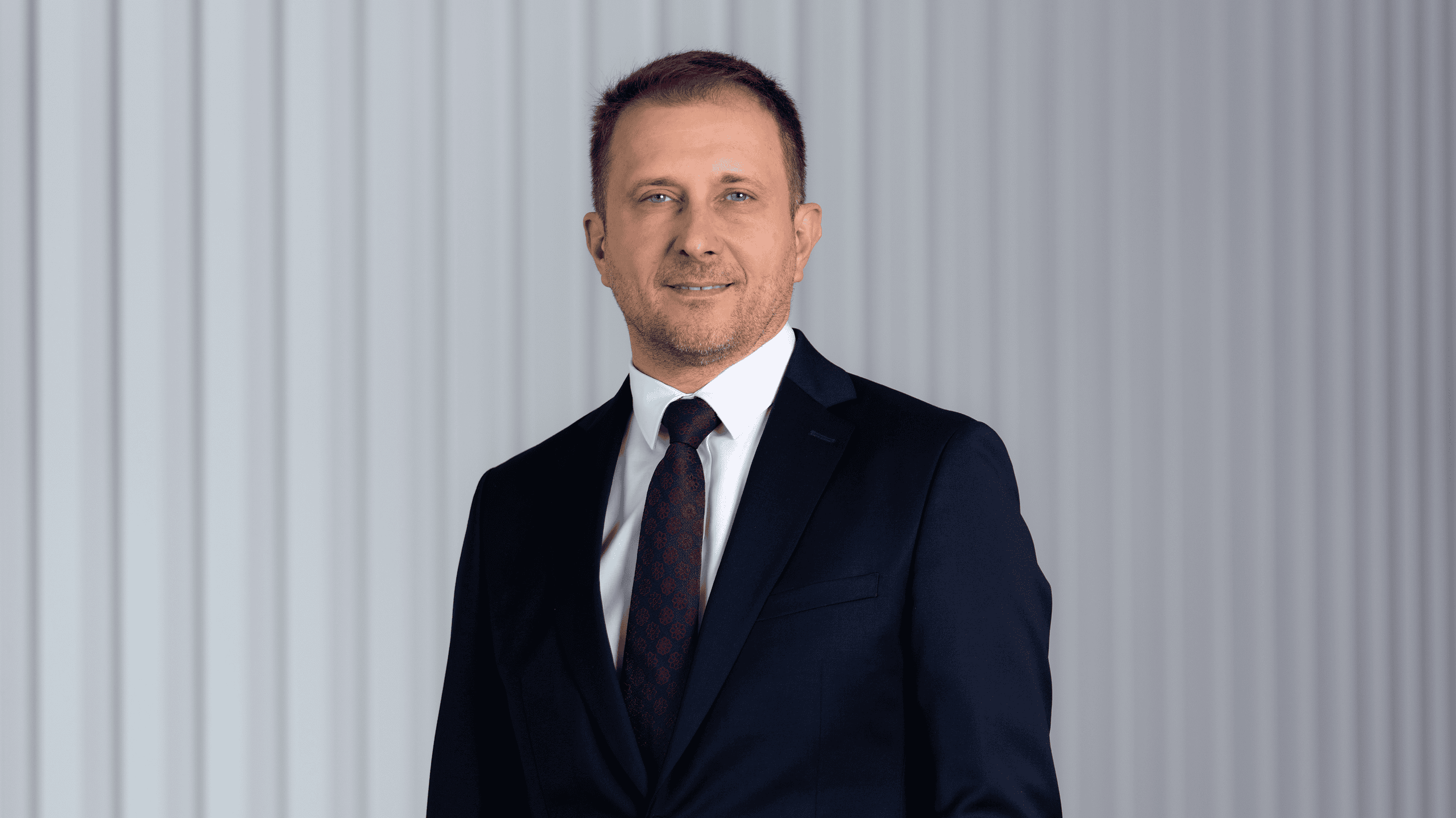
Gökhan Gökçay, executive VP of Technology at Akbank, explains how his bank—named the World’s Best Consumer AI Bank—uses AI and partnerships to tailor service and secure data.
Global Finance: What impact has Akbank’s AI-powered digital assistant had on customer loyalty, and how does it contribute to your 96% digital migration rate for sales?
Gökhan Gökçay: Akbank Assistant has become a cornerstone of our customer engagement strategy by delivering fast, personalized, and seamless banking experiences across all channels. By enabling customers to complete more than 200 types of transactions autonomously and resolving 250,000 monthly support sessions through the “Help Me” module, it has significantly enhanced convenience and satisfaction.
The Assistant’s proactive and context-aware guidance, combined with human-like voice interaction, has fostered stronger emotional connections and loyalty. This trust and ease of use have been key drivers in Akbank’s remarkable 96% migration rate of transactions, including sales and inquiries, to digital channels.
Moreover, the Assistant’s recommendation engine, powered by advanced analytics and large language models, has increased product conversion rates from 2% to 18%, demonstrating that intelligent personalization directly translates into customer engagement and business growth. Customers now engage with our digital platforms over 700 million times daily, reflecting a deep behavioral shift toward mobile-first, AI-supported banking.
GF: Akbank uses AI to provide “Banking IQ” insights to customers, such as cash flow analysis and spending patterns. How do these insights directly translate into better financial habits for your customers, and what is your approach to turning these insights into proactive, personalized product recommendations?
Gökçay: Through AI-powered “Banking IQ” insights, Akbank analyzes customer cash flow, spending patterns, and savings behavior to provide meaningful, actionable financial guidance. These insights empower customers to make smarter financial decisions, such as optimizing savings, avoiding overdrafts, or rebalancing investments, based on real-time data.
The same infrastructure supports our agentic recommendation engine, enabling customers to better understand their financial habits, stay in control of their goals, and develop long-term financial wellness, turning data into trusted everyday advice that drives healthier financial behavior.
GF: Given your use of AI to create hyper-personalized customer experiences, how do you balance the drive for personalization with customer data privacy concerns, and what specific measures are in place to ensure compliance and maintain customer trust?
Gökçay: At Akbank, personalization is built on trust, transparency, and ethical responsibility. All AI systems are designed in full compliance with Turkey’s banking and data protection regulations. In 2025, we introduced the Akbank Responsible AI Manifesto, publicly affirming our commitment to ethical and responsible AI. The manifesto defines a set of nonnegotiable principles—fairness, transparency, accountability, inclusiveness, and data privacy—that guide every stage of our AI lifecycle, from model design to deployment.
Our dedicated AI governance framework continuously monitors model behavior, bias, and data use, while regular audits ensure compliance with both regulatory and ethical standards. By embedding these principles into our technology, we ensure that personalization always empowers customers, strengthens trust, and reinforces our long-term human-centered AI vision.
GF: Can you describe how Akbank LAB collaborations with fintechs and tech companies accelerate AI innovation, and what role these external partnerships play in Akbank’s overall long-term AI strategy?
Gökçay: Akbank LAB acts as the innovation bridge connecting our bank’s internal R&D ecosystem with fintechs, startups and global technology pioneers. Established in 2016, Akbank LAB has become one of the world’s leading financial innovation centers, recognized as part of Global Finance’s Innovators 2025 list.
Collaborations with companies like Personetics and Jasper accelerate the development of advanced personalization, conversational intelligence, and generative AI capabilities. However, Akbank’s open innovation approach goes beyond specific partnerships. We value every collaboration that enhances or personalizes our customers’ experience. We believe in the power of the ecosystem where shared innovation drives transformation and progress across the financial landscape.

Hong Kong Issues One Of The Biggest Digital Green Bonds
In mid-November, the Hong Kong government priced an approximately HK$10 billion ($1.3 billion) tokenized green bond offering. It is the first global government issuance to permit settlement via digital fiat currencies and one of the largest digital bonds issued globally.
The Hong Kong Monetary Authority, the territory’s de facto central bank and bank regulator, issued the bond in four tranches across several currencies. The Hong Kong dollar and yuan tranches can be settled using e-HKD and e-CNY, digital versions of those currencies based on blockchain technology, alongside traditional settlement methods.
Sovereign tokenized bonds indicate financial centers no longer compete on just cost or liquidity, “they are now competing on infrastructure,” says Dor Eligula, co-founder of BridgeWise. “Hong Kong’s move accelerates a shift toward markets where data is auditable in real-time, and settlement becomes a feature rather than a friction. That ultimately reshapes the global hierarchy of capital markets.”
“Riding on our established strengths in financial services, this issuance will further consolidate Hong Kong’s status as a leading green and sustainable finance hub,” said Christopher Hui Ching-yu, secretary for financial services and the treasury, in the November 11 announcement.
Specifically, investors purchasing the HK$2.5 billion, two-year tranche would receive 2.5% in annual interest for two years. The 2.5 billion yuan ($351 million), five-year tranche yielding 1.9% annually, with the $300 million, three-year tranche returning 3.6%, and the €300 million ($348 million) four-year tranche paying 2.5% annually.
The offering drew total demand of more than HK$130 billion, with subscriptions from a range of international institutional investors, including multinational banks, investment banks, insurers, and asset management firms, according to an HKMA prepared statement.
The current bond offering will finance and refinance projects under the government’s Green Bond Framework. The government issued two batches of tokenized green bonds—an HK$800 million batch in February 2023 and another worth around HK$6 billion in February 2024.
The latest issuance extends the tenor up to five years. Compared with previous issuances, the number of investors has also “expanded markedly,” according to the HKMA.
FATF Removes 4 Countries From Watchlist
The intergovernmental Financial Action Task Force (FATF) in October removed South Africa, Nigeria, Mozambique, and Burkina Faso from its “Jurisdictions under Increased Monitoring” list, commonly known as the FATF gray list. The decision followed on-site assessments and noted improvements in the four African countries’ anti-money-laundering (AML) and counter-terror-financing (CFT) frameworks.
FATF President Elisa de Anda Madrazo described the removals as “a positive story for the continent of Africa.” She highlighted:
- South Africa’s use of enhanced tools to detect money laundering and terrorist financing
- Nigeria’s improved inter-agency coordination
- Mozambique’s increased financial intelligence sharing, and
- Burkina Faso’s strengthened oversight of financial institutions.
The four nations’ departure from the gray list is Africa’s largest simultaneous improvement in FATF ratings in a decade. Some jurisdictions continue to face structural challenges in curbing financial crime. Still, delisting signals to global investors that the continent’s banking systems are gaining credibility.
It’s also a sign to global banks, investors, and correspondent-banking networks that systemic risk in these countries is diminishing. As a result, it could potentially unlock cross-border lending, trade finance, and capital flows.
Why Delisting Matters
Remaining on the FATF gray list can have tangible economic consequences. The International Monetary Fund estimates that grey listing reduces foreign capital inflows by roughly 7.6% of GDP. The FATF estimates that globally, 2% to 5% of GDP—around $800 billion to $2 trillion annually—may be laundered through financial systems.
South Africa’s National Treasury said the delisting reflected a year-long effort to address nearly all 22 items on its FATF action plan. “Removing the designation is not a finish line, but a milestone on a long-term journey toward building a robust and resilient financial ecosystem,” noted Edward Kieswetter, commissioner of the South African Revenue Service,
Nigeria’s Financial Intelligence Unit emphasized that the country has “worked resolutely through a 19-point action plan” to satisfy FATF requirements. President Bola Ahmed Tinubu described the decision as “a major milestone in Nigeria’s journey towards economic reform, institutional integrity, and global credibility.”
Despite progress, some African countries, such as Tanzania, Cameroon, and Mozambique, remain under FATF scrutiny. “Getting off the list could make it easier for capital to enter these markets,” says LexisNexis Risk Solutions’ Vincent Gaudel. “Banks will expand correspondent services and trade-finance operations will run more smoothly.”
Bayer’s New CFO HasA Risky Mountain To Climb
Judith Hartmann, taking over as Bayer’s CFO next June, is a skilled mountaineer. Earlier this year, she climbed Aconcagua, a 22,838-foot peak in Argentina; it taught her “perseverance, adaptability and the power of belief in oneself,” she says.
Bayer’s board is counting on it.
Hartmann will succeed Wolfgang Nickl as CFO. The pharmaceutical and agricultural giant announced her appointment in November to follow Nickl’s retirement in May. Hartmann will join the Bayer board in March.
She will be tackling a tough role at Bayer; the German multinational is burdened with high debt—over €32 billion at the end of last year—and faces litigation risks over its Roundup herbicide. Last but not least, it is restructuring to eliminate layers of management.
The Roundup litigation stems from Bayer’s acquisition of Monsanto in 2018. The plaintiffs allege that Glyphosate, the active ingredient in the herbicide, causes non-Hodgkin lymphoma.
Bayer lawyers deny any link to cancer, but years after the Monsanto purchase, the legal nightmare persists. The company faces 65,000 potentially pricey, unresolved claims. In March, a plaintiff in Georgia was awarded $2.1 billion; Bayer said at the time that it would appeal.
Hartmann, 55, is much traveled. She joins Bayer from US-based Sandbrook Capital, but previously worked at French energy company Engie—including as interim co-CEO—German media giant Bertelsmann, GE, and Disney, holding top positions “in seven countries across three continents,” as she says on LinkedIn.
An alumnus of Vienna University of Economics and Business, the future head of finance speaks German, English, and French; Norbert Winkeljohann, chair of Bayer’s supervisory board, highlights her “vast international experience.”
Mercosur signature delayed to January after Meloni asked for more time
Published on
•Updated
Following tense negotiations among the 27 member states, Commission President Ursula von der Leyen on Thursday pushed the signature of the contentious Mercosur agreement to January to the frustration of backers Germany and Spain.
The trade deal dominated the EU summit, with France and Italy pressing for a delay to secure stronger farmer protections, while von der Leyen had hoped to travel to Latin America for a signing ceremony on 20 December after securing member-state support.
Without approval, the ceremony can no longer go ahead. There is not set date.
“The Commission proposed that it postpones to early January the signature to further discuss with the countries who still need a bit more time,” an EU official told reporters.
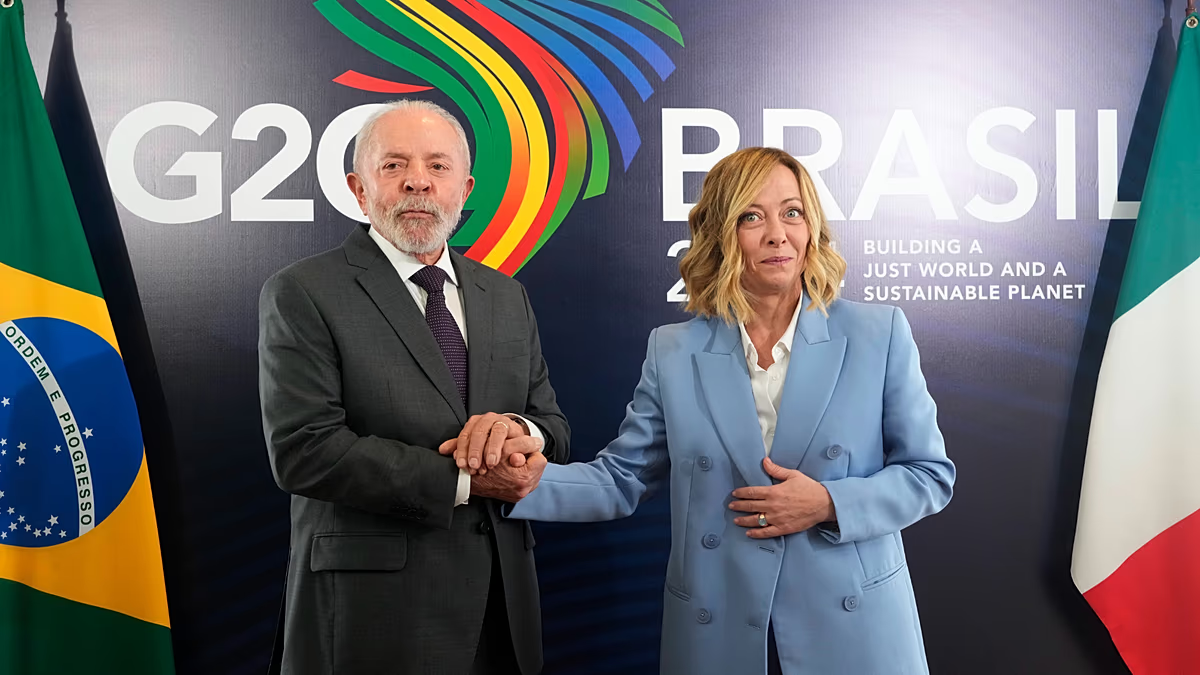
After a phone call with Brazilian President Luiz Inácio Lula da Silva, Prime Minister Giorgia Meloni said she supported the deal, but added that Rome still needs stronger assurances for Italian farmers. Lula said in separate comments that Meloni assured him the trade deal would be approved in the next 10 days to a month.
The Mercosur agreement would create a free-trade area between the EU and Argentina, Brazil, Paraguay and Uruguay. But European farmers fear it would expose them to unfair competition from Latin American imports on pricing and practices.
Meloni’s decision was pivotal to delay
“The Italian government is ready to sign the agreement as soon as the necessary answers are provided to farmers. This would depend on the decisions of the European Commission and can be defined within a short timeframe,” Meloni said after speaking with Lula, who had threatened to walk away from the deal unless an agreement was found this month. He sounded more conciliatory after speaking to Meloni.
Talks among EU leaders were fraught, as backers of the deal – concluded in 2024 after 25 years of negotiations – argued the Mercosur is an imperative as the bloc needs new markets at a time in which the US, its biggest trading partner, pursues an aggressive tariff policy. Duties on European exports to the US have tripled under Donald Trump.
“This is one of the most difficult EU summits since the last negotiation of the long-term budget two years ago,” an EU diplomat said.
France began pushing last Sunday for a delay in the vote amid farmers’ anger.
Paris has long opposed the deal, demanding robust safeguards for farmers and reciprocity on environmental and health production standards with Mercosur countries.
The agreement requires a qualified majority for approval. France, Poland and Hungary oppose the signature, while Austria and Belgium planned to abstain if a vote were held this week. Ireland has also raised concerns over farmer protections.
Italy’s stance was pivotal.
However, supporters of the agreement now fear prolonged hesitation could prompt Mercosur countries to walk away after decades of negotiations for good.
After speaking with Meloni, Lula said he would pass Italy’s request on to Mercosur so that it can “decide what to do.”
An EU official said contacts with Mercosur were “ongoing,” adding: “We need to make sure that everything is accepted by them.”
Newest Cross-Border Payment System Goes Live
The 21 member states of the Common Market for Eastern and Southern Africa (COMESA) can now trade directly in local currencies rather than the US dollar via its recently launched Digital Retail Payments Platform (DRPP), which went live on October 9. The Lusaka-based bloc notes that the platform reduces settlement delays, lowers transaction costs, and alleviates dollar-funding pressure on regional banks.
“This platform is a major step toward reducing currency-conversion losses and strengthening intra-COMESA trade,” COMESA Secretary-General Chileshe Kapwepwe said at the launch. She added that member states lose “hundreds of millions of dollars annually” due to dollar-denominated settlement costs and volatility.
The initiative could reroute part of the region’s $30 billion in annual intra-regional trade onto African clearing rails, according to analysts.
The DRPP allows near-real-time settlement between national currencies.
Pilot tests over six months involved central banks in Kenya, Egypt, Zambia, Rwanda, Malawi and Uganda, and commercial-bank pilots with Equity Group, KCB Group, Zanaco, and CIB Egypt. COMESA’s Payments Unit reported over 11,000 test transactions, with average settlement under two minutes compared with 48-72 hours via offshore correspondent banks.
“Exporters could save 2%-4% on conversion costs once fully implemented,” says Dr. Emily Musaba, COMESA’s Director of Trade Integration.
The DRPP is grounded in the COMESA’s 2025-published Regional Payment and Settlement Regulations and requires participating central banks to maintain prefunded settlement accounts, thereby mitigating credit and liquidity risks. The system could reshape regional banking flows and influence how global banks assess correspondent-banking exposure and FX-risk pricing across Africa, say analysts.
Commercial lenders will see reduced reliance on dollar clearing. COMESA officials said the system improves liquidity management and allows banks to price cross-border products more competitively.
Kapwepwe emphasized that the reform is about financial autonomy, not isolation.
“This isn’t about turning away from global markets; it’s about positioning Africa as a predictable, investable and efficient trading zone,” she said.
COMESA expects the platform to support long-term goals of increasing intra-regional trade from roughly 12% of total commerce to 20%, marking a major upgrade to Africa’s payments architecture.
Private Credit: Boogeyman Or Opportunity?
Some argue that warnings about private credit’s risks reflect not just financial caution but tension and competition between banks and private lenders.
Blackstone’s latest move tells the story. In November, the firm led a £1.5 billion ($2 billion) private-credit package to finance London-based Permira’s buyout of JTC plc: a transaction backed by a who’s-who of heavyweight private lenders including CVC Credit, Singapore’s GIC, Oak Hill Advisors, Blue Owl Capital, and PSP Investments, along with Jefferies. The deal, which spanned multiple currencies and combined senior loans with revolving credit facilities, is the kind of complex tie-up that was once synonymous with big banks.
But today, this is what the center of corporate finance looks like.
Private Credit Soaks It In
Private credit, no longer a dimly lit corner of the financial markets, is now the go-to route for blockbuster deals. Since 2010, the market has grown nearly seven-fold and, according to the Bank for International Settlements, has swelled into a $2.5 trillion global industry, putting it on par with the syndicated-loan and high-yield bond markets.
On the surface, private credit seems to be eating the bankers’ lunch. After all, only one of the firms that participated in the Blackstone deal—Jefferies—is a traditional investment bank. But the reality is more complicated. The rise of direct lending hasn’t eliminated the old guard, but forced banks and private-credit firms into an uneasy partnership, with each increasingly intertwined in the other’s success.
Jamie Dimon, Chairman and CEO of the US’s largest bank, doesn’t like it.
Dimon sounded the alarm on an October 14 call with analysts, warning of “cockroaches” lurking in opaque corners of the private credit market. That same day, Blue Owl Capital’s co-CEO Marc Lipschultz clapped back at Dimon’s “fear mongering,” putting the blame on the syndicated loan market, not private credit itself.

It’s an “interesting dichotomy,” says Prath Reddy, president of Percent Securities, an investment manager specializing in private credit. The players involved, he argues, are all in bed with each other anyway.
Yes, private credit lenders are largely unregulated and nontransparent about their risky line of business. And traditional banks may be regulated. But banks keep busy lending directly to private businesses and financing the private credit firms themselves.
“All the large investment banks also have major stakes in—and in many cases control over—asset managers that are competing with the existing private credit funds out there that they claim are eating their lunch,” says Reddy. “They’re trying to hedge that lunch from being eaten by playing directly with them.”
How We Got Here
As bank regulations tightened after the 2007-08 financial crisis, traditional lenders found their balance sheets constrained. This opened the door to non-bank lenders. Brad Foster, head of fixed income and private markets at Bloomberg, says this shift reshaped the entire corporate finance ecosystem.
Post-crisis, new regulations put real pressure on bank capital.
“As that happened, obviously more of what was that corporate borrow base shifted from what was traditionally bank capital into non-bank capital,” says Foster.
What began as a simple, one-to-one lending model quickly evolved. Direct lenders grew into “clubs” that mirrored the bank-dominated syndicates; their borrowers expanded from private, middle-market companies to public firms and even investment-grade issuers. Deals once destined for the syndicated-loan or high-yield bond markets increasingly migrated to private credit instead.
“It’s difficult to argue this hasn’t had an impact on banks,” Foster adds. “Large deals are being financed away from the public markets.”
Still, he notes, the relationship isn’t purely competitive. Banks and private-credit managers now frequently partner on transactions, blending capital from both sides. Sponsors today “will pick and choose whether to go to the bank market or the non-bank market:” a choice that didn’t exist at this scale a decade ago.
The result? Highly bespoke capital structures that entice sponsors and investors alike, due to the speed and flexibility with which deals can get done.
Private credit, for example, has helped private equity sponsors orchestrate leveraged buyouts. Notable examples include Vista Equity Partners, which teamed up with Ares Management to finance the $10.5 billion acquisition of EverCommerce. Similarly, Apollo Global Management relied on its private credit division to fund its $8 billion purchase of Ancestry.com, offering custom high-yield loans as banks hesitated in the face of rising interest rates. Additionally, Carlyle Group turned to Oaktree Capital Management for private credit to complete its $7.2 billion buyout of Neiman Marcus, as banks were reluctant to finance retail deals amid economic uncertainty.
By nature, however, the new system is less liquid, and back-leverage facilities can make restructuring more difficult.
So far, there have been no significant defaults or loan losses across the private credit portfolio, according to Matthew Schernecke, partner at Hogan Lovells in New York. But it’s uncertain “how great a risk a broader systemic shock may be if the number of defaults and loan losses are amplified in a significant way,” he adds.
“Banks try to hedge their lunch from being eaten by playing directly with private lenders,”
Prath Reddy, Percent Securities
‘Cockroaches’ To Blame?
The market got a whiff of what that systemic risk test would look like after the collapse of auto sector companies Tricolor and First Brands, whose bankruptcies highlighted private credit exposure’s vulnerabilities.
UBS had more than $500 million committed to First Brands through several of its investment funds. Even though its direct private credit exposure turned out to be relatively small, the situation was severe enough to spark a contentious back-and-forth over whether non-bank “cockroaches” were to blame, as JPMorgan’s Dimon suggested.
Hogan Lovells’ Schernecke sees both sides. On one hand, private credit deals are typically held rather than sold. This allows lenders to earn an illiquidity premium for concentrated risk and limited secondary market opportunities. This structure also enables fast execution; one or a few creditors can approve terms without broader market input.
On the other hand, underwriting standards can become compromised and looser documentation on large-cap deals can affect lower middle-market loans.
“Weaker loan documentation can lead to unintended consequences in private credit in which creditors are generally intending to hold their paper for an extended period and do not want to allow for significant leakage of collateral or value without their consent,” says Schernecke. “Given how fiercely competitive deployment opportunities have become, it is difficult for funds to push back on more ‘aggressive’ terms because they may be replaced by another fund to land the mandate.”
While most private credit funds will resist including the most egregious leakage provisions, being the first mover on any specific issue is difficult when other funds may be more willing to be flexible, he adds.
Banks’ concerns are partly competitive. Private credit has captured significant market share in middle-market and even large-cap lending, prompting Dimon and other executives to view it warily—while also getting cozy with their rivals.
What’s Next
As Percent’s Reddy notes, private credit’s growth—and its competition with banks—isn’t new. More than 15 years after the global financial crisis, bank lending shifted into “the hands of a few key players: Apollo, KKR, Blackstone,” he says. Today, they’re building out syndication desks and structuring loans just like the big banks did.
Reddy points to his former employer, UBS, as being “one of the first movers” when it came to adapting to the times. The bank began partnering with private equity firms and became more “sponsor-driven,” he says, since that’s where the opportunity lies for banks now. “I’ve seen the evolution firsthand.”
But if private credit’s flexibility is its strength, opacity is its Achilles’ heel. When banks originate syndicated loans, borrowers have regulatory oversight. Private credit funds don’t have to disclose much. If they put a deal on their balance sheet, no one knows the terms, the covenants, or even how collateral is verified, Reddy warns. That lack of visibility, he says, is why bank CEOs like Dimon can make ominous but unverifiable warnings.
“When Jamie Dimon speaks, the world listens,” Reddy quips. Dimon knows exactly how much exposure JPMorgan has to private credit funds, but must project vigilance for the sake of financial services in general.
When bank bosses accuse private credit funds of “eating their lunch,” then, Reddy isn’t so sure. At the end of the day, those private credit funds still have massive facilities with the banks, which have indirect exposure; they’re lending to all the largest lenders.
So, has lunch been eaten? Reddy wonders: “Maybe half-eaten.”


Mirae Asset Securities: Embedding Innovation at the Core of Global Private Banking
As Korea’s largest securities firm, managing USD 393.6 billion in client assets as of Q2 2025, Mirae Asset Securities has established itself as a global institution known for sophisticated investment capabilities and consistently high-quality service. Size is not its only strength; the company sees innovation as a strategic imperative—and is pursuing both organic and inorganic pathways to build a financial ecosystem that anticipates the future.
AI as the Engine of Organic Transformation
Artificial intelligence sits at the heart of Mirae Asset Securities’ transformation efforts. The firm has recruited global top-tier technology talent, overhauled its organisational culture, and embedded AI applications directly into frontline wealth-management operations.
These investments are yielding results. Clients can now access real-time global market information with automatic translation, improving the quality and speed of decision-making. Data shows that investors who use the firm’s AI-driven tools exhibit a 15% higher rate of active investment decisions than those who do not.
Two flagship systems, the Mirae Asset AI Wealth Assistant and the PB Desk Assistant, deliver personalised recommendations, alerts, and investment insights. AI systems have studied roughly 400 internal work manuals, enabling instant guidance on procedures and documentation. For private bankers, the impact is substantial: average preparation time for consultations has dropped to one-quarter of the previous level, directly enhancing the quality of client engagement.
To sustain this momentum, the company launched an AI Digital Finance Expert Program with KAIST(Korea Advanced Institute of Science Technology) and offers a suite of internal training programmes, including online learning through Udemy for all wealth-management and private banking employees. The goal is clear: build a workforce capable of leading, not just responding to, industry change.
Acquisitions Fuel the Next Wave of Innovation
Mirae Asset Securities’ commitment to innovation also extends beyond Korea’s borders through targeted acquisitions and strategic investments. Recent deals by affiliate Mirae Asset Global Investments include the acquisition of Stockspot, an Australian robo-advisor, and the creation of Wealth Spot, an AI-driven asset-management company in New York. These ventures strengthen the firm’s own AI investment models, supporting internally managed robo-advisory assets that now total approximately USD 2.6 billion.
The firm is also collaborating closely with Global X— Mirae Asset Global Investments’s U.S. ETF subsidiary—on AI-enhanced market strategies and expansion into Asia’s fast-growing technology markets, including China Core ETFs.
In a major push into emerging markets, Mirae Asset Securities recently acquired 100% of India’s Sharekhan. Today, roughly 60% of its employees and nearly half its clients are based overseas, reinforcing its position as a global private bank with almost USD 400 billion in client assets.
Shaping the Future Through Digital Assets
Alongside AI, digital assets represent the next major pillar of innovation. Mirae Asset Securities was the first Korean securities company to complete Phase 1 of a Security Token Offering (STO) platform under the Financial Services Commission’s regulatory sandbox.
It is now building a blockchain-based system that integrates issuance, investment, payment, and settlement—supported by partnerships with SK Telecom, Hana Financial Group, and a working group of 23 global service providers.
Mirae Asset 3.0: A Group-Wide Re-Targeting
Mirae Asset Group—which includes Mirae Asset Securities—is taking another bold leap forward following two earlier eras: 1.0, marked by its founding and the pioneering of mutual funds, and 2.0, defined by global expansion and ETF leadership. In October 2025, the Group declared the beginning of a new 3.0 era, advancing toward a future in which traditional and digital assets converge, powered by innovation in Web3 and digital assets.
While innovation inherently involves risk, Mirae Asset Group continues to move forward with unwavering conviction, guided by the long-term global strategy and leadership of its Founder & Global Strategy Officer (GSO).
Anchored by this vision, the Group surpassed KRW 1,000 trillion in client assets in just 28 years since its founding (as of July 2025).
In a global market where many institutions speak of innovation, Mirae Asset Group demonstrates what true innovation looks like—bold, disciplined, and relentlessly future-focused.
As a permanent innovator, the Group—and Mirae Asset Securities—will continue to evolve in ways that draw heightened attention from the world of global private banking.


Farmers must not be sacrified for the profit of a few industries, lawmaker says on Mercosur
Published on
•Updated
Austrian MEP Thomas Waitz (The Greens) told Euronews that the European Commission should rethink its budget plans in order to shield EU farmers from the impact of the Mercosur agreement, which could be adopted this week.
Under the Commission’s proposal for the 2028–2034 budget, funding for the Common Agricultural Policy would fall by 20%. Critics of the Mercosur deal argue it would expose EU farmers to unfair competition, as imports from South American countries could be more competitive on the European market.
“You cannot cut the funds by 20% literally and by 40% if you include inflation and sacrifice the farmers just for the profit of a few national companies or European industry,” Waitz told Euronews.
He said large agribusinesses stand to gain from the agreement, while small and medium-sized farmers would bear the costs.
EU farmers protest deal
The coming days are decisive for the trade pact, concluded in 2024 between the European Commission and Mercosur countries – Argentina, Brazil, Paraguay, and Uruguay – to establish a transatlantic free trade zone.
The European Parliament remains sharply divided over the deal. Tuesday will see lawmakers vote on a Commission-backed safeguard clause to monitor potential market disruptions from Mercosur imports, while EU member states are also expected to take a position at the Council in the coming days.
Commission President Ursula von der Leyen hopes to travel to Latin America on Saturday to sign the agreement in Foz do Iguaçu, on the Argentina–Paraguay border,Euronews has learned.
EU farmers are set to protest on Thursday as national leaders gather for a European summit.
If no agreement is reached beforehand, the issue will be pushed to the top of the summit agenda, with tense negotiations expected.
Full ratification, however, requires the backing of a “qualified majority” of the EU’s 27 member states. France remains firmly opposed and is seeking to delay a Council vote. Hungary, Poland and Austria have also aligned with farmers against the deal.
Ireland and the Netherlands, previously critical of the deal, have yet to clarify their positions. Italian farmers are also voicing opposition, putting pressure on Prime Minister Giorgia Meloni to declare her stance.
“If we lose them, we lose the rural areas and the ability to supply our population independently with food,” Waitz added.

All eyes on Italy as Mercosur deal hangs in the balance
Italy’s silence on the Mercosur trade pact is deafening – and potentially decisive. Rome could become the kingmaker between supporters of the deal and countries seeking to block it.
European Commission President Ursula von der Leyen plans to fly to Brazil on December 20 to sign off the agreement. France, facing farmer anger over fears of unfair competition from Latin America, opposes the deal and wants to postpone the EU member states vote scheduled this week to allow the signature.
The trade pact with Mercosur countries – Argentina, Brazil, Paraguay, and Uruguay – aims to create a free-trade area for 700 million people across the Atlantic. Its adoption requires a qualified majority of EU member states. A blocking minority of four countries representing 35% of the EU population could derail ratification.
By the numbers, Italy’s stance is pivotal. France, Hungary, Poland and Austria oppose the deal. Ireland and the Netherlands, despite past opposition, have not officially declared their position. Belgium will abstain.
That leaves Italy in the spotlight. A diplomat told Euronews the country is feeling expose but that may not be a bad position to be in if it plays its cards rights to get concessions.
Coldiretti remains firmly opposed to the agreement
Rome’s agriculture minister had previously demanded guarantees for farmers.
Since then, the Commission has proposed a safeguard to monitor potential EU market disruptions from Mercosur imports. The measure, backed by member states, will be voted on Tuesday by EU lawmakers at plenary session in the European Parliament in Strasbourg.
Italy’s largest farmers’ association, Coldiretti, remains firmly opposed.
“It’s going to take too long to activate this safeguard clause if the EU market is hit by a surge of Mercosur’s imports,” a Coldiretti representative told Euronews.
On the other side, Prime Minister Giorgia Meloni faces a delicate balancing act between farmers and Confindustria, the industry lobby, while Italy remains the EU’s second-largest exporter to Mercosur countries.
This was also made clear by Agriculture Minister Francesco Lollobrigida a few days ago in Brussels. “Many industrial sectors and parts of the agricultural sector, such as the wine and cheese producers, would have a clear and tangible benefit [from the deal]. Others could be penalized,”he said.
This is why Italy has not taken a clear stance up to now. “Since 2024, we tried to protect everybody”, Lollobrigida argued, while remaining ambiguous on the country’s position.
Supporters of the deal are wooing Meloni, seeing her as the path to get the agreement done and open new markets amid global trade obstacles, including nationalist policies in the US and China.
“As long as the Commission president is preparing to go to Brazil to the Mercosur summit, we need to do what’s necessary for that to happen,” an EU senior diplomat from a pro-deal country said.
Yet uncertainty lingers. No one wants to schedule a vote that might fail, and Italy’s prolonged silence is rattling backers, sources told Euronews.
One diplomat familiar with the matter speaking to Euronews conceded “it’s hard, looks difficult”.