Thousands of voters who got Democratic Rep. Maxine Waters’ “official sample ballots” this week might have wondered at her recommendations for president.
One version of the fliers, which are made to look like ballots, have bright red circles around the names of Green Party candidate Ralph Nader and his running mate, Winona LaDuke. In another version, the names of Libertarian candidate Harry Browne and running mate Art Olivier are circled.
On Thursday, the Waters camp was scrambling to correct the mistake; the congresswoman from Los Angeles’ 35th District firmly supports the Al Gore/Joseph I. Lieberman ticket.
“It was a printing error,” explained Karen Waters, the congresswoman’s daughter and spokeswoman for campaign activities. “It has been corrected, and voters will receive a letter of apology.”
Nader campaign officials, of course, said no apology was necessary.
“All we can say is, thank you, thank you, great campaign karmic gods,” said Ross Mirkarimi, state director of the Nader 2000 effort.
Political consultant Parke Skelton said he thinks “it’s funny.”
“But I also think it will cost Gore some votes. Not enough to put the state in danger, of course. But Waters definitely has a following, and some people may follow the recommendations,” Mirkarimi said.
That would be particularly fortuitous for Nader, he added, “who has not been polling well in African American communities.”
But Joyce Marshall, a designer of political direct mail, disagreed that the error is funny. “This is not a small error. It’s totally serious.” Marshall and others have long been critical of Waters’ phony sample ballots, which are adorned with the same flag, seal and layout as the real thing.
Robert Stern, a former chief counsel for the state Fair Political Practices Commission, has decried the mailers as “really outrageous.”
Waters’ mailer does contain a disclaimer on each page, as well as asterisks next to the names of the candidates who paid to be listed among those backed by the influential Democratic legislator and chairwoman of the Congressional Black Caucus.
Waters first mailed a version of the mock ballot in 1992. So far, the mailer has survived state scrutiny.
In years past, candidates have invested heavily in the tactic. In 1998, the Checci for Governor campaign spent $50,000 to be included; the campaign to elect Bill Lockyer attorney general paid $15,000.
“This strategy has been done in the past,” the congresswoman’s daughter said, “and we think voters look forward to receiving them.”
Maxine Waters said 10,000 to 15,000 voters saw the boo-boo.
“It was small enough to have a rerun and have the mailers back out in the mail by [Thursday]. At the same time, a coordinating campaign did telephone calls into all those homes Wednesday night,” she said, “so the damage control was quick and effective.”
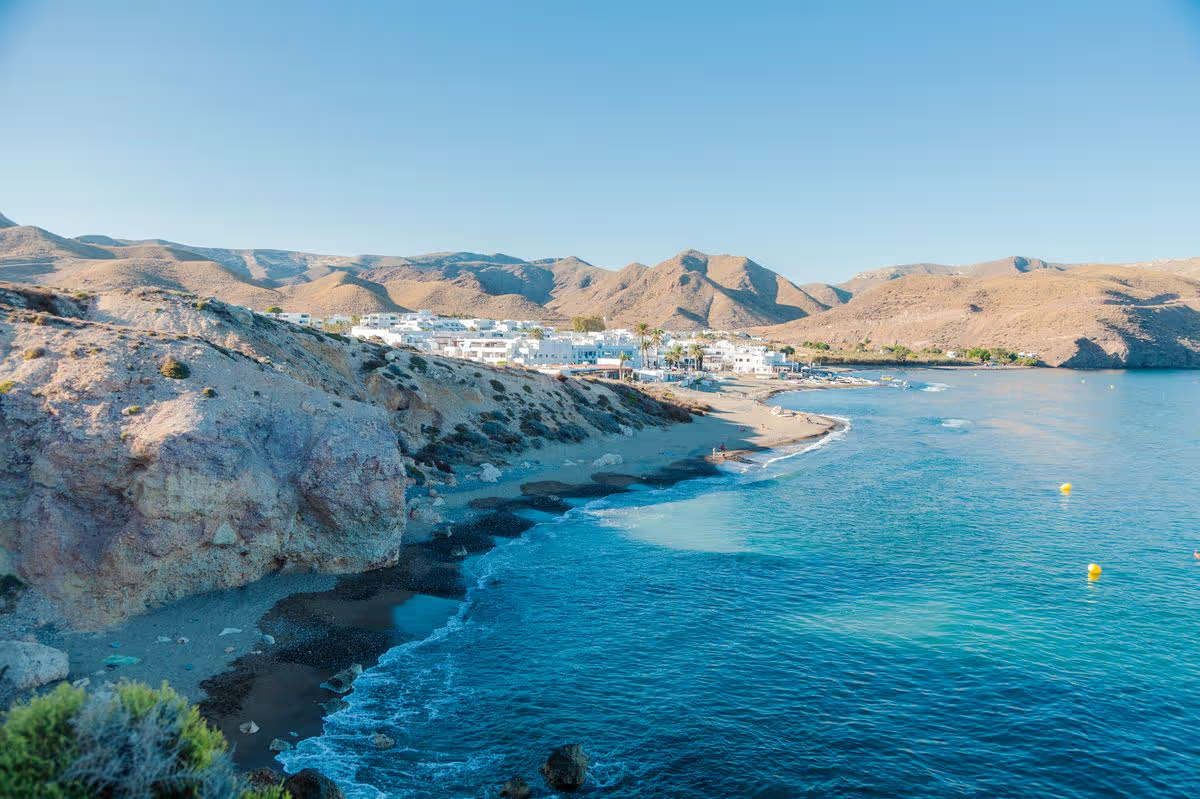
This sun-soaked city that welcomes more than 3,000 hours of sunshine a year and a tropical climate, is a haven for holidaymakers seeking a quieter escape from the tourist crowds
This beautiful coastal city, with nearby towns, is a lesser-known destination (Image: Getty Images)
A beautiful coastal city, less than three hours from the UK, offers a scenic escape with 21C April temperatures and £13 flights.
Almería, in southeast Spain, is set against the diverse landscapes of volcanic beaches, azure waters, and dramatic desert, with balmy rays and virtually year-round sunshine. It’s a lesser-known destination compared to the likes of Costa del Sol, with quieter beaches and a laid-back atmosphere for a more authentic Spanish experience.
Due to its location near the Tabernas Desert, Almería is known as the ‘desert coast’ and enjoys a warmer, drier climate than neighbouring areas. It welcomes more than 3,000 hours of sunshine a year and only around 26 days of rainfall, making it a highly desirable sun-soaked destination.
In April, visitors can expect to bask in a balmy 21C and enjoy eight hours of blistering sunshine. During the summer months, temperatures can creep up to 32C, with an inviting 12 hours of sunshine every day, and a warm 24C in the turquoise sea.
Aside from the inviting climate, the coastal city offers an affordable holiday, with flights from London to Almería starting at £13 in April, or £17 from Manchester, according to Skyscanner. What’s more, prices don’t rise too much during the peak summer season, with flights from Manchester to Almería costing from £28 one-way in July, or from £33 departing from London.
Once you’ve arrived in the pretty Spanish city, the appealing prices only continue. Travel experts at First Choice found that a beer could set you back just £3 (€3.50) in Almería, while a three-course meal for two typically costs between £25 (€30) and £30 (€35).
Alongside its stretches of golden-sand beaches, crystal-clear blue waters, and diverse landscapes, there’s plenty to explore in the Spanish region. The walkable, compact city centre is brimming with charm, from its Gothic and Renaissance architecture to ancient landmarks, narrow streets and bustling tapas bars.
Almería is renowned for its huge tapas culture and vibrant bars, so you’ll often get free tapas with every drink, as you dine alongside Spaniards. There’s also the 16th-century cathedral towering over the streets, the Plaza Vieja with its beautiful architecture and palm trees, and the main shopping area of Puerta de Purchena, which is brimming with boutique shops.
Away from the city is the protected Cabo de Gata-Níjar Natural Park, with volcanic cliffs, hidden coves, and some of the most stunning Spanish beaches. There’s also the striking Tabernas Desert that you can explore during a guided day tour, as well as the charming whitewashed hilltop village of Mojácar.
The village may look recognisable to some as it was famously used as the backdrop for major Hollywood movies, including Indiana Jones, and the hit TV series Game of Thrones. There’s even the opportunity to visit the preserved Wild West film set of MiniHollywood Oasys, which offers various shows and attractions in a setting that will transport you straight onto the set of Indiana Jones.
Do you have a travel story to share? Email webtravel@reachplc.com
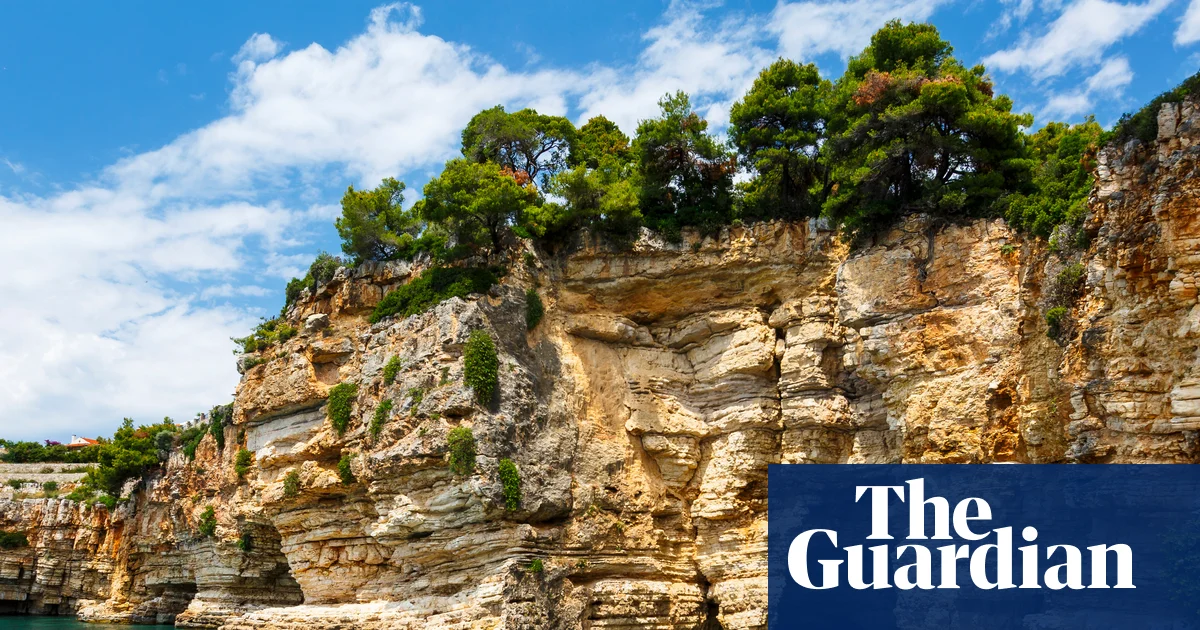
Greek divers surface around me shouting about “megalo” groupers. I’m surrounded by enormous grins above the water and big fish below. A happy place to be. A bunch of us, divers and snorkellers, are hanging around Agios Petros reef off the island of Alonissos, and there’s a reason the groupers are big here. The National Marine Park of Alonissos Northern Sporades, established in 1992, is Greece’s largest working marine protected area (MPA) – two bigger MPAs have just been created, but are not yet operational. The protective measures appear to be working, judging by the size, abundance and diversity of marine life – glassy waters teeming with colourful fish and precious shells make swimming here an absolute dream.
For those who like to go deeper, Alonissos is the site of Greece’s first underwater archaeological park and museum – the impressive Peristera wreck, with its giant cargo of amphorae preserved from the 5th century BC. This one is for certified divers descending with accredited local dive centres. I’m with one of those schools, Ikion Diving, but today we’re doing something more accessible. We’re in the village of Steni Vala for the launch of a citizen science project, the Highly Protected Mediterranean Initiative (much more fun than it sounds). Ikion is partnering with the universities of Thessaloniki and the Aegean to offer free snorkelling and diving trips logging native and alien species. I’m worried about my fish ID skills, but the effervescent biologist Katerina Konsta runs a great briefing and we’re given dive slates with images to mark (imparting a childish delight at playing scientist).
Everyone buddies up. I have come solo, so Katerina is stuck with me, and we complete two gentle transects of the reef. It’s a sea of colour: reds and blues, yellows, silver and gold. Friendly little wrasse, painted combers, sizeable parrotfish and 35 salema porgy accompany us as I try not to double-count them. No sign of invaders – lionfish, rabbitfish, redcoats or bluespotted cornetfish. Back at the dive centre, we input the data, and I’m gratified to find that my card matches Katerina’s, give or take a grouper.
It has been great fun – a very gentle introduction to fieldwork, in what I’m going to declare the best place in the Mediterranean to spot fish. I do not say this lightly. Over several years, I have sailed east to Greece from Gibraltar; my boyfriend, Wolfi, sailed west from Turkey. We both freedived. Neither of us has seen this much life underwater, though he is reminded of particular parts of the Turkish coastline where, as a teenager 20 years ago, he regularly found now-rare giant triton (Charonia tritonis) and giant tun snails (Tonna galea) – a great source of envy as I have never seen either in the wild.
‘A happy place to be’ … Susan Smillie diving off Alonissos. Photograph: Wolfgang Hainzl
With the smug glow of having done something worthwhile, I wander down to the charming harbour, where I find Wolfi soaking up the atmosphere, and I boast about all the groupers I’ve seen. Fish tavernas line the front, but I have a local person’s recommendation, so we’re heading for Tassia’s Cooking (if you can’t get in, Sossinola is also good). Having made friends with so many fish today, I find I just can’t eat one, so I opt for creamy fava bean and vine leaves, followed by moussaka – all homemade, well priced and really good.
A five-minute stroll from Steni Vala’s harbour, behind Glyfa beach, we find our night’s accommodation, Ilya Botanic Suites, by a shady olive grove. Calming and compact, these minimalist rooms reflect the landscape; fine-grained terrazzo softened with vertical wooden blinds and plants, and – the best bit – a small plunge pool to sink into after the hard work of counting fish.
The next day we head north to Gerakas, where I’m in the water for under a minute when I find a beautiful grouper snagged on the end of a tangled line. We get some pliers and release the distressed creature; it heads down to the safety of the rocks and we make for the tiny port of Kalamakia for the excellent Margarita fish taverna (owned by a fisher). Our meal of fresh Thunnus alalunga (Alonissos tuna), scorpion fish and lobster comes to about €180 for two with drinks – expensive by Greek standards, but all locally caught and the quality is excellent.
Kritamo restaurant in Patitiri has great cocktails and modern Greek cuisine. Photograph: Kritamo
Away from the water, Alonissos is surprisingly lush for an Aegean island – Aleppo pines and oaks, maples and olive trees stud the hills. It even boasts a mountain (just, at 475 metres), Kouvouli. At 20km long, the island’s interior is easy to cover over a couple of days (you’re more likely to meet handsome goats than other humans), but, be warned, some roads only loosely resemble that description, and a quad bike is preferable to a car if you don’t want to lose your deposit. There are plenty of bike trails (and beautiful ravine hikes), but in the searing July heat we opt for shady forest walks and quick stops for clifftop views. And, let’s be honest, on a Greek island in summer, the best days start and finish in the sea.
Happily, you can access a range of beaches on both sides of the island for sunrise and sunset views. On the eastern shore is the much-loved Agios Dimitrios, a sweeping triangular stretch of white pebble. It’s organised with cafes and sunbeds, great for families, but for me it’s most stunning from above, that tongue of white plunging like an arrow into turquoise sea. Kokkinokastro is another beautiful beach, and Gialos, with its old windmill perched on the cliffs, offers a wonderfully moody sunset. But my favourite, hands down, is the small and secluded Kremisma beach. Absolutely beautiful. It’s a short walk from a car park and a slightly steep drop (ignore the frayed rope), and there are no sunbeds, no bars, nothing at all (perhaps literally – it’s said to be nudist-friendly, though personally I wouldn’t recommend stripping, which is not customary in Greece).
Off the pebble beach is a rocky little coastline that’s perfect for spotting marine life. Wolfi and I by now are on one baby moray eel each, and I have swooned over a shiny brown cowrie, but he’s ahead on octopus. Competitive, me?
The busy little port town of Patitiri, where you will arrive, is home to most residents and offers plenty of accommodation, shopping, beaches, tavernas and a museum (a steep climb makes a morning visit best). To get a sense of why Alonissos is important, visit the monk seal information centre, run by MOm (the Hellenic Society for the Study and Protection of the Monk Seal). The marine park was established to protect its population of monk seals (one of the most endangered marine mammals in the world). There are gifts, and footage of seals you won’t see up close (a sobering photo of someone with a nasty bite illustrates another reason you shouldn’t try).
For nightlife, don’t miss the tiny and eclectic Drunk Seal bar, at its best after midnight. Overlooking the port, you will find Kritamo restaurant, with great cocktails and a contemporary spin on Greek cuisine. Down among the throng of the town, the old-school taverna Archipelagos cooks Greek classics – goat in tomato, stifado – very well. A few kilometres along the coastline, pretty Votsi and Rousoum Gialos harbours are also worth a stroll for dinner.
Behind and above Patitiri sits Chora, the historic hilltop “old town”, where locals lived until it was devastated by an earthquake in 1965 (establishing the port as the new capital). Most of the stone houses have since been extensively restored, while several churches and the original Byzantine walls survived. It’s beyond charming – all cobbled alleys crowded with candlelit tavernas and flowering balconies. The views over both coastlines make it ideal for sunset and dinner (evening temperatures help with the steep streets). There’s also a museum where landlubbers can “dive” the Peristera shipwreck, using VR to navigate the piles of amphorae.
Great fun, but you don’t need scuba skills or simulation to find real treasures underwater in Alonissos. With Wolfi and I neck and neck in sightings, I end the week on an absolute high, spotting a stunning giant triton snail in the shallows, followed by a giant tun snail partly buried in the sand. Numbers of both have plummeted in the Mediterranean due to overfishing and shell collectors, so it’s a joy to see them alive and well in Alonissos’s practically pristine waters.
Ilya Botanic Suites in Steni Vala has double suites with a hot tub and garden view from £105 a night. Free scuba diving and snorkelling trips: to take part in a reef check in Alonissos, contact Kostas (info@ikiondiving.gr) or check the website (sporadesdiving.gr). Return ferry tickets to Alonissos from Skiathos, about £45; or from Volos, Thessaly (2.5 hours’ drive from Thessaloniki), or Mantoudi, Evia island (2 hours’ drive from Athens, connected by a bridge), about £80
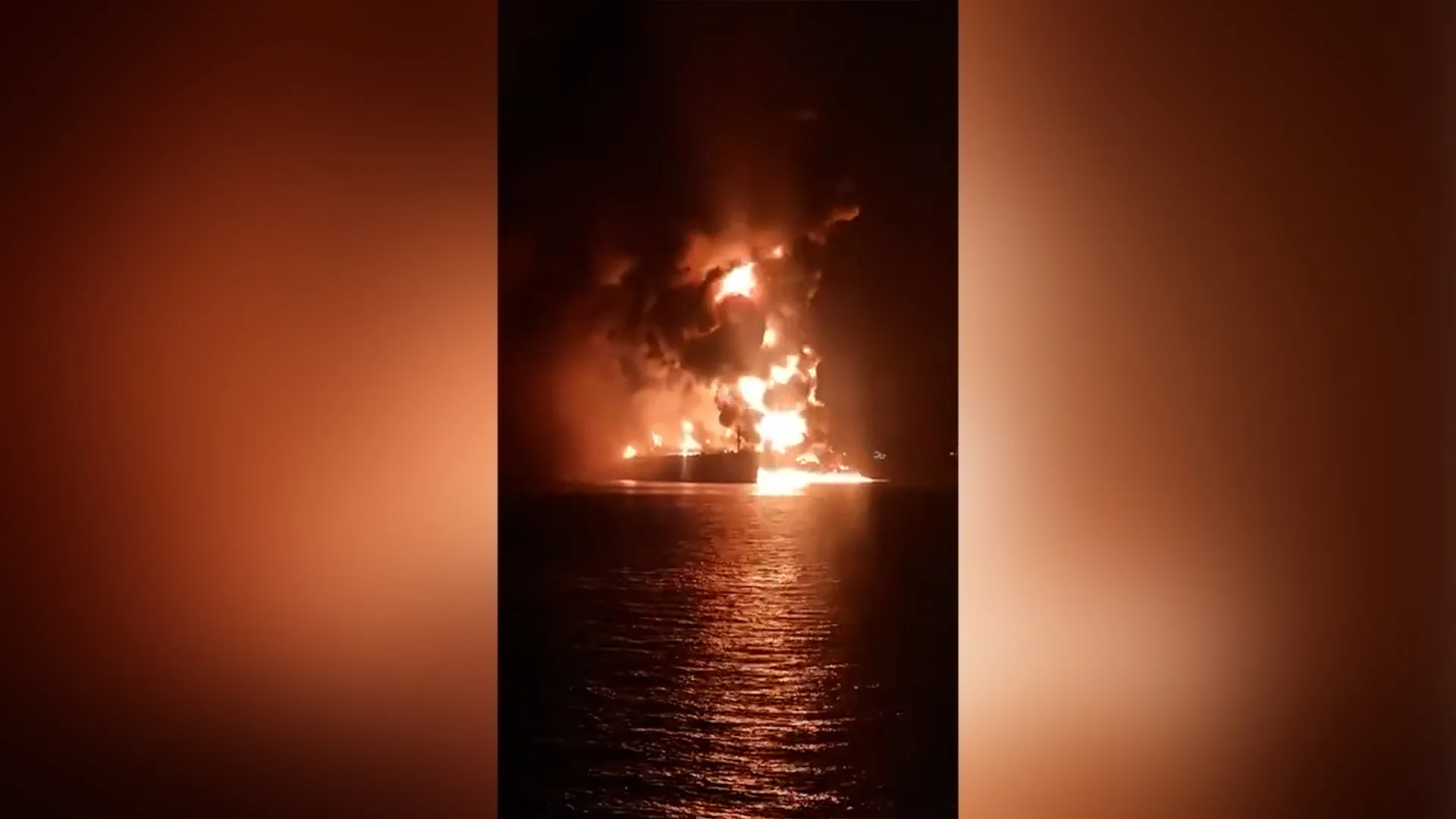
Two foreign tankers were seen ablaze in Iraqi territorial waters after a strike near the al-Faw port. Authorities say they evacuated 25 crew members but have confirmed at least one death and are battling to control the flames.