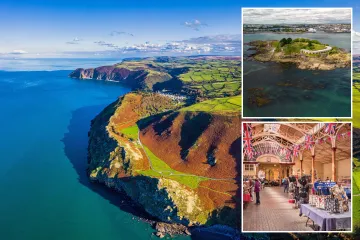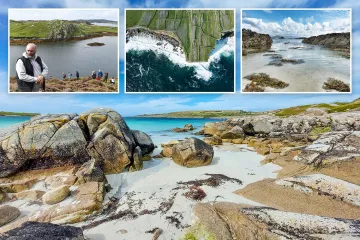
Discover a charming Cornish village on the River Tamar with stunning Devon views, historic pubs, galleries and access via the UK’s ‘most scenic’ train ride
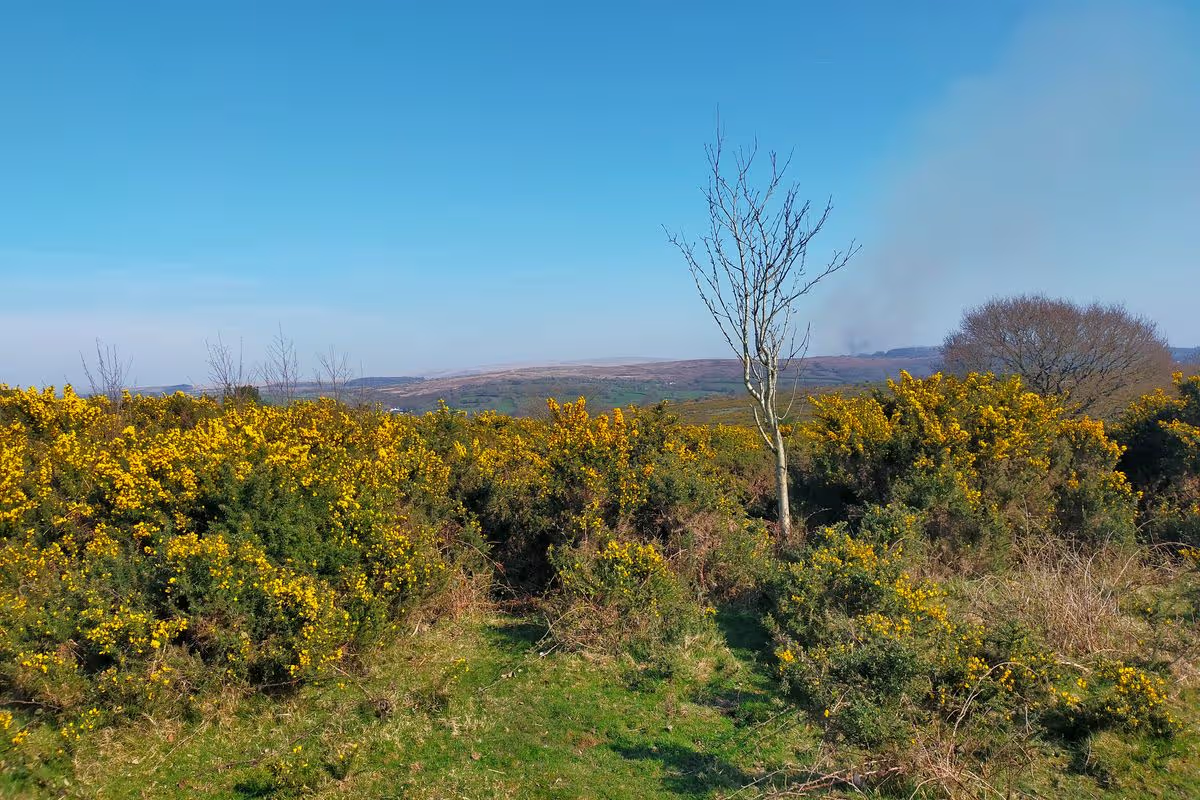
Cornwall is on one side of the river – and Devon is on the other side(Image: Mick Blakey via Getty Images )
A delightful Cornish village overlooking the river towards Devon remains something of a hidden treasure – boasting galleries, pubs and beautiful walks to discover. Situated inland, this charming spot doesn’t get swamped with tourists, which is why I adore visiting for its authentic Cornish atmosphere.
Despite its tucked-away location, Calstock village is remarkably accessible by train. Better still, it forms part of a railway journey that’s been dubbed Britain’s “most scenic”, winding through Devon and Cornwall.
Last summer, I arrived in Calstock aboard a Plymouth Boat Trips ferry and I can’t recommend it enough – the harbour cruise to this riverside village is both picturesque and thoroughly enjoyable.
Plymouth Boat Trips describes the ferry journey on their website: “A truly idyllic cruise to experience the stunning scenery of the Tamar Valley. Setting sail across Plymouth Sound and up the River Tamar to the picturesque Cornish village of Calstock.”, reports the Express.
“Leaving the busy city behind we pass the Naval Dockyard and Brunel’s famous bridge, taking in the beautiful sights of the Tamar Valley, passing Cargreen, Wier Quay, Pentille, Holton and Cotehele.”
The cruise tends to be quite sociable – when I made this ferry trip to Calstock with a few friends, we ended up chatting to plenty of fellow passengers, whilst the vistas along the River Tamar were absolutely breathtaking. The boat then docks along the river banks at Calstock, allowing passengers to disembark for a few hours before heading back; this provides visitors with ample time to explore the village properly.
During my visit to Calstock, we stopped by a local pub called The Boot Inn, which seems to be thriving as a recent TripAdvisor review describes it as “a lovely friendly place” where diners enjoyed a “brilliant” Sunday roast beef lunch.
Alternatively, you can take the Tamar Valley Line from Plymouth to Calstock – a railway journey that’s been dubbed “the most scenic train ride in the UK”.
The route takes you through an Area of Outstanding Natural Beauty, passing charming villages and picturesque river crossings, and as you approach Calstock the train travels across an historic viaduct built in the early 1900s.
Calstock Viaduct offers a breathtaking view from the village – the impressive structure dominates the local landscape, connecting Cornwall to neighbouring Devon.
The Cornish village of Calstock is naturally separated from Devon by the River Tamar, so it’s Cornwall on one bank and Devon on the other – and numerous historical battles have taken place along these shores throughout history.
The Escape To Britain observes: “Calstock lies alongside the River Tamar, an area of Cornwall often neglected in favour of more popular Cornish destinations such as St Ives and the Lizard coastline.
“However, what you’ll find should you venture to this UNESCO World Heritage site is plenty of Roman history and some gorgeous architecture.”
Captivating and eerie yet hauntingly beautiful, this ancient Italian city is frozen in time — and it really is fascinating to visit
This Italian water fountain well is centuries old(Image: Katie Oborn )
Italy never fails to enthral me with its ancient buildings and streets, many of which have stood the test of time. Then there are the breath-taking views, whether it’s the countryside, the sea, or even volcanoes – Italy truly has it all – not to mention the mouth-watering food.
While holidaying in Sorrento, I found it easy to hop on a train to several other Italian destinations. One such stop was Ercolano Scavi, the gateway to an eerie yet intriguing place.
The train route from Sorrento towards Naples passes through Herculaneum (modern name: Ercolano), a site where a tragic event preserved a significant piece of history. Some 2,000 years ago, Herculaneum was a prosperous city, but in 79 AD, the Mount Vesuvius volcano that towers over this area erupted, burying the ancient Roman city under fast-flowing lava.
Mount Vesuvius is a daunting sight in this part of Italy, visible from both Sorrento and Naples, but it looms ominously over Ercolano, serving as a stark reminder of the potential devastation it could wreak, even today.
Its last eruption occurred on March 17, 1944, claiming the lives of 26 civilians, lending an eerie atmosphere to this part of Italy, despite trips and hikes to the top of Mount Vesuvius being offered to tourists, reports the Express.
I chose to stay below the volcano to focus on exploring Herculaneum, where 2,000 years ago, volcanic ash and rock engulfed everything – and everyone alive at the time.
But despite the fear and tragedy that struck at that time – and can be felt as you wander around the now uncovered and preserved streets and buildings of Herculaneum – it was the volcanic lava that preserved this Roman city.
From drinking troughs to mosaics, walls and statues, even bread in ancient stone ovens, it was fascinating to see how creative and systematic the people who lived here were at the time.
The mosaics and murals were so detailed and colourful, I observed that this ancient civilisation took pride in their surroundings, which arguably may not always be the case in modern times.
It was a few years ago that I visited Herculaneum, and since then, archaeologists have uncovered more of the ancient Roman city, including skeletal remains.
A recent Google reviewer wrote about what they saw: “What a brilliant place, so well preserved, fascinating architecture and history.
“Seeing the bodies of the poor souls who got trapped is quite a distressing thing to witness, completely different from the disconnect of a picture online, you can, unfortunately, see the terror in their faces.
“Sad part aside, a brilliant place to explore and learn from, the boat they recovered is amazing, as are all of the personal effects going within the town.”
Another recent Google review states: “Herculaneum is absolutely mind-blowing. Smaller and less crowded than Pompeii, but in many ways even more impressive. The level of preservation here is unreal – second stories still standing, wooden doors, roof beams, furniture, even food remnants. It’s like the eruption happened yesterday.
“We did a private tour with an archaeologist who helped bring it all to life – explaining how this seaside town functioned before the eruption and why it was preserved so differently from Pompeii. The contrast between the two sites is fascinating.
“It’s more compact than Pompeii, but every corner is packed with detail and history. And the best part – it’s not swarming with tourists, so you can really take your time and soak it all in.
“Don’t skip this one, Herculaneum is a must. Quiet, powerful, and unforgettable.”
WHEN choosing where to head for some winter sun, popular destinations that crop up include Thailand and the Maldives.
But what if I told you there was a cheaper alternative, where they love Brits, that is booming this year?
Sign up for the Travel newsletter
Thank you!
Sri Lanka has been named a booming travel destination – and after my visit, I definitely get itThe island is home to thousands of free roaming elephantsCredit: Alamy
Sri Lanka has been named a trending destination for 2026, with demand soaring.
According to TravelSupermarket, searches for holidays to Sri Lanka are up 605 per cent (only behind Gozo, which saw a surge of 1,900 per cent).
According to Chris Webber, Head of Holidays and Deals at TravelSupermarket: “Sri Lanka has rocketed up as the UK became its second-largest visitor market, with improved connectivity making the destination far more accessible.”
Having welcomed nearly two million tourists last year, the UK is the biggest market in Europe – only beaten by Indian tourists.
Off the coast of India, the tiny island is the size of Ireland, so is manageable to explore.
It is also known for its world-famous beaches, with Goyambokka Beach often named one of the best in the word, as well as Mirissa Beach.
And the island is home to the huge population of Sri Lankan elephants, one of the largest in the world.
With around 6,000 roaming across the island, there are a number of ethical safaris you can go on, although the best are found in the southeast of the island.
During my visit, one of the standout highlights was a sunrise tour of Sigiriya, a 5th century fortress “in the sky,” built on a huge ancient rock.
With a 6am wake up and 1,200 steps, it is certainly a challenge, but worth it for the breath-taking views of the forest and mountain landscape.
When it comes to bucket-list hotels, there are also amazing ones to stay at too.
Jetwing Vil Uyana, named one of the besteco-hotelsin the world, starts from £266 a night (with breakfast).
Or there is Cape Weligama, named one of the world’s best, which starts from £542 with breakfast.
WITH its tiny, twisty streets that lead to the harbour, there’s something magical about the small Cornish fishing village that is the setting for ITV’s Doc Martin.
The TV series, set in stunning Port Isaac, aired its final episode in 2022 but its legacy lives on.
Sign up for the Travel newsletter
Thank you!
The Cornish fishing village of Port Isaac, made famous on TV’s Doc Martin, still casts a spell on visitors years after the cameras stopped rollingCredit: GettyI was visiting with my husband Paul and daughter Lexi, staying in Mermaid CottageCredit: sykescottages.co.ukThe view from the patio of Mermaid CottageCredit: sykescottages.co.uk
Daily tours take in some of the most famous landmarks and many of the shops are full of merchandise dedicated to the loveable doctor, played by Martin Clunes.
I was visiting with my husband Paul and daughter Lexi, staying in Mermaid Cottage booked through self-catering site sykescottages.co.uk.
Our central village location meant that once we had pulled into our private parking space, we could enjoy almost everything without having to use the car.
The three-bedroom cottage sleeps up to six and was beautifully furnished and full of extra comforts such as spacious bedrooms and a powerful shower.
The two wood-burners provided a cosy ambience in the evening, although we did have to splash out £50 for wood and kindling.
We were lucky with the weather and, despite the odd shower, enjoyed everything that Port Isaac had to offer — including a couple of spectacular rainbows.
The harbour is known for sea glass (weathered glass from discarded bottles etc), and Lexi and I spent hours searching for treasure and came up trumps.
You won’t go hungry when staying in Port Isaac and if you want to give the cooking a miss (which we did) you will be spoilt for choice.
Apparently lots of artists visit the area to collect pieces to use in jewellery and artwork.
There’s more than just sea glass to spot near these waters, though.
We went on a Sea Safari courtesy of Wavehunters, which was an exhilarating 90 minutes looking for seals, tuna and other wildlife. It was awesome exploring parts of Cornwall that you cannot access by road.
The father-daughter skipper combo were able to point out local highlights including remnants of the old tin mines, where communities lived perched on the side of the cliff, and many tiny beaches that can only be visited via boat.
You won’t go hungry when staying in Port Isaac and if you want to give the cooking a miss (which we did) you will be spoilt for choice.
For delicious drinks, huge pastries, and filled rolls that were probably the best I’ve ever eaten, I can’t recommend Cleaves Cafe Deli enough.
Crowds gather to watch Fisherman’s Friends perform a secret gig in the villageCredit: Alamy
More laid-back
We also had a delicious dinner at The Slipway (portisaachotel.com) in the heart of the village which offers tasty food at decent prices in a relaxed atmosphere. On the menu were burgers, sausage and mash, and glazed pork belly.
Nestled in a tiny hamlet adjacent to Port Isaac is newly renovated hotel and restaurant The Port Gaverne, open from 8am through to 8.30pm for breakfast, lunch, snacks and dinner.
Owned by the St Austell Brewery, The Port Gaverne offers great food with harbour views. Port Isaac has long been a favourite location for both TV and films.
With so much beauty and adventure, it is no wonder Doc Martin chose to settle here
The sea-shanty group which inspired that film still sing in the harbour, but these days they do so unannounced to prevent chaos in the village.
If you do want to venture out, Trevathan Farm Shop & Restaurant is just minutes away in the car and so much more than your average farm shop.
Summer months draw the masses, but the ‘shoulder season’ is when you can truly enjoy the sights away from the crowdsCredit: GettyDoc Martin stars Martin Clunes and Caroline CatzCredit: Neil Genower
They have a great restaurant as well as the well-stocked shop — and the outside area is ideal for children who want to let off steam in the park.
We also took a trip to seaside favourite Padstow. I would never visit the town in August because of the crowds — but it was ideal in October, when the vibe was more laid-back.
Farther afield, and a great day out for youngsters is The Milky Way Adventure Park in Higher Clovelly — home to rides, slides, soft play, minigolf, live shows and an incredible birds-of-prey display.
With so much beauty and adventure, it is no wonder Doc Martin chose to settle here.
GO: PORT ISAAC
STAYING THERE: Three nights’ self-catering at Mermaid Cottage costs from £121.34pp, based on six sharing. See sykescottages.co.uk.
OUT & ABOUT: Wavehunters’ 90-minute sea safari (wavehunters.co.uk) is from £27.50pp. Milky Way Adventure Park tickets from £18.95 (themilkyway.co.uk).
Globetrotter Deborah Jackson celebrated her 50th birthday by challenging herself to visit 50 cities around the world – in a year.
Extreme Day Trip fanatic Deborah Jackson, 50, from Dunmow, Essex has marked her milestone 50th birthday by travelling to 50 cities in just 12 months.
A self-professed ‘extreme day trip fanatic,’ she started on her 49th birthday on December 5, 2024, by going to Pisa for the day, and returned to the Italian city exactly a year later for her 50th.
Deborah, who had only done two extreme day trips a year prior to starting her bucket list challenge, says: “I wanted to mark turning 50 in a memorable way. It’s a milestone birthday and I wanted to set a goal to mark it. I like to make the most of every moment.
“I set myself the challenge of seeing 50 cities in one year. I did 39 extreme day trips, which means I left and came back on the same day.
“I started the challenge last year on December 5 in Pisa and finished exactly a year later – again in Pisa. I went up the leaning tower, then took the train to Lucca, where I went to a Christmas market and saw illuminations projected onto the amphitheatre.
“Sometimes I’ve seen two cities in one day trip – for example Pisa and Lucca, Rome and the Vatican City. Nothing beats having freshly-made traditional pizza in Italy for lunch. It simply tastes so much better with a stunning view.”
Deborah took two ferries, six Eurostars, one Air Baltic trip and 78 Ryanair flights during the year. She made nine solo trips – with the rest either being with her husband Matthew, 54, an IT product manager, her son Tom, 19, or daughter Madeleine, 16, or with both her children.
She says: “My highlights included taking the funicular railway to watch the sunset in Bergamo (Italy), visiting the floating saunas in Oslo (Norway) and getting the ferry from Helsinki (Finland) to Tallinn (Estonia). I was blown away by the beauty of Riga (Latvia). My favourite places were walled cities with cobbled streets. And I loved Florence (Italy) because there is history and beauty in every corner. I have seen and done more on a day trip than on a week’s holiday!”
Deborah says she loves extreme day trips (EDTs) because there is something thrilling about seeing a new country in a day and making it back home in time for bed. She adds: “There is something so amazing about seeing places for the first time with your own eyes. I love doing EDTs, the feeling travel gives me, it’s such a buzz.
“If I was choosing which would top a list, then I adored all three Baltic states, and Berlin (Germany) was my favourite ‘big’ city. I think my favourite country has been Italy, it’s never disappointed. As a child I only holidayed in the UK. But with EDTs you can go here, there and everywhere- it’s incredible. Life is an adventure, life is for living. I’ve always been a glass half full person and I want to make the most of every day.’”
Deborah works two days a week as a display rep and says her job provides the flexibility to go on EDTs – with most either being on weekends, Tuesdays or Wednesdays. Her cheapest EDT was to Gdansk (Poland) – where she and Matthew spent £30 each, including a nice meal – with flights costing just £27 return.
She tends not to spend more than £35 on return flights, although she made an exception for return flights to Lapland, which cost £60. Deborah uses the Go Anywhere function on Skyscanner to look for the best deals. She continues: “I’m very fortunate, I’ve paid off my mortgage and don’t have a lot of outgoings. I don’t pay more than £35 for return flights and don’t have to pay to park, as I live next to Stansted Airport.
“I love doing EDTs because I love leaving early and coming back in time to sleep in my own bed. It feels like a real adventure. EDTs are also a fantastic way to find out if you like somewhere and I’ve never not enjoyed one. I had some trepidation when I first started doing EDTs, so I did some with family as a safety net at the beginning and didn’t go too far while I found my feet. But once you’ve done a couple of solo trips the world is your oyster!
“I’ve got big plans for 2026. Next on my list are South Eastern Europe – Serbia, Montenegro, Bosnia, Croatia. To anyone thinking of going on an extreme day trip, or doing solo travel I say ‘go for it – you’ll never regret it. It’s life-changing.’”
List of Deborah’s trips:
Dec ‘24: Pisa, Lucca, (Italy) Brussels, Bruges (Belgium) Lille (France), Edinburgh
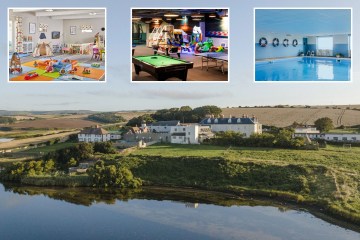
Lift the spirits and venture into nature by planning a unique late winter or spring getaway for the family – uncover the delights the stunning UK countryside has to offer from the Lake District to the Jurassic Coast
A swim with a Lake District view
At around this time of year, a relaxing hotel stay with the family could be just the thing to give us a lift amid the winter gloom. Or maybe your thoughts have already turned to spring, when the family will be ready for a break.
There’s nothing better to blow away the cobwebs of the cooler months than getting out into nature and letting the kids run or swim free while the adults in the family can enjoy a relaxing spa or indulge in some fine-dining cuisine.
As the new Good Hotel Guide goes live online, we asked their team to suggest five great family-friendly hotels. There’s something to delight all ages with stays in star-gazing treehouses, sea views of a beach where you can go dolphin-spotting, and even a hotel with a lakeside ice rink. Here are their top picks.
Toddlers up to age three stay for free in their parents’ room at this resort on the 500-acre Farncombe Estate in Cotswold countryside above photogenic Broadway. Centred on a Scandi-style lodge, with accommodation scattered over the hillside, it comprises rooms and suites in a former coach house, stables and other buildings, as well as adults-only shepherds’ huts and three ‘treehouses’ with bunks for kids aged up to 12.
Tiny tots will like the outdoor play area, but this is more a destination to appeal to adventurous older children, with paid-for activities for those aged 12 and upwards, including archery and axe-throwing. Falconry is open to all from age four; wine tastings are for adults only, and duck herding is for large groups.
The rooms are country chic, with a soothing pale palette, all with an espresso machine, smart TV, Temple Spa toiletries. Some have a private terrace with views over the Vale of Evesham, and a few interconnect. A bar/lounge menu provides a casual dining option, with burgers, hot dogs, salads and light bites. For more sophisticated dining, Hook by Martin Burge has a fairly wide-ranging menu, strong on seafood, with such options as haddock schnitzel with smoked anchovies, sauce gribiche and seaweed fries alongside steak bèarnaise with roasties. A children’s menu, vegan dishes and Sunday roast beef should keep everyone happy.
And if raptors, axes and bows, and arrows aren’t your thing, you can borrow maps from the boot room and explore, or, when the sun shines, bag a deckchair beside a small lake.
B&B doubles from £220, family suites from £295, rooms with terrace from £275, extra bed for child 3-16 years £60.
Close to and a world away from Salcombe, lapped by gently rolling National Trust countryside, wildflower bejewelled and ablaze with gorse in summer, this low-built hotel is the perfect child-friendly, dog-friendly bolthole for an outdoorsy break. Formerly the 10-bedroom Sea View Guest House, unofficial officers’ mess for Bolt Head Airfield, and once famed for its meringue afternoon teas, it has been owned, run and cherished by the Makepeace family since 1978.
The 22 smart-contemporary rooms and suites – all but one at ground level – have glass doors to a patio and were designed to optimise the stunning views. The sheltered beach is one of the loveliest in South Hams, perfect for paddling, sandcastle-building, crabbing, dolphin-spotting. Guests have use of the spa and indoor saltwater swimming pool, a lounge with books and board games.
Activities locally include sea safaris and seal-watching trips. You can order a picnic (crab sandwiches!) and walk the Southwest Coast Path, return for a cream tea (no meringues now), dine in the glass-walled, sea-facing restaurant on such dishes as Fowey mussels with sea herbs and mussel velouté, Dexter beer burger, fish and chips, cauliflower steak with sauternes raisins, cauliflower purée, pickled shallots and romesco sauce. There is a short kids’ menu, and the night’s desserts might include the Pavlova that Audrey Hepburn declared ‘divine’ when she visited in 1987. Mobile coverage here is limited, so it’s a detox for screen-addicted teens – no Facetime, just pure quality time.
Family rooms from £211.50 (continental breakfast; cooked breakfast £15).
Kids stay free when sharing with parents at this Jacobean manor house in 14-acre grounds amid the Wiltshire countryside, part of the small Luxury Family Hotels collection. Everything is geared to making families feel welcome and relaxed, with the Ofsted-registered Four Bears Den, where children aged eight and under enjoy arts and crafts, toys, dressing up and outdoor adventures.
There is a spa, indoor pool and, in summer, a heated outdoor pool, a library with pool table, air hockey and table football, the Green Fingers gardening club in the walled garden with its resident ducks and hens. Organised activities include Cooking with Chef, jewellery-making and tropical-animal discovery sessions.
Book a Baby’s First Break package and they’ll provide a Bugaboo cot and giraffe highchair and a baby monitor. With all the family bases covered, the hotel is not short on the promised luxury, with comfy lounges, beautifully presented bedrooms, indulgent spa treatments and adults-only swim times.
You can order a cream tea in the garden, dine informally in the Orangery, or in either of two dining rooms, one dog friendly, from a menu of steaks, burger, fish and chips, maybe lentil dahl, garden pumpkin, chickpea, smoked onion and coriander, or sea trout with crushed potato and fennel. Literary buffs should check out also, sister properties Fowey Hall, Cornwall, believed to have been Kenneth Graham’s model for Toad Hall, and Moonfleet Manor, Dorset, which inspired John Meade Faulkner’s 1898 novel of shipwrecks and smuggling, Moonfleet.
B&B family rooms for around £246.
‘A very strange stranger it must be who does not see the charms in the immediate environs of Lyme,’ wrote Jane Austen in Persuasion. Like Austen, Kathryn Haskins spent happy family holidays in this historic resort on Dorset’s Jurassic Coast. In fact, her parents were so smitten with its charms that, in 1982, they bought Lyme’s landmark hotel. A Georgian house built for the Earl and Countess of Poulett, it is now owned by Kathryn, who brings to it her experience of working in hotels around the world, and who can personally vouch for its appeal to a child.
The ambience is informal, the interiors achieving a kind of unshowy chic without upstaging the glorious sea views. Some larger bedrooms can sleep four, or families might take one of two self-catering apartments, each big enough for six. Apartment guests have access to all hotel facilities, and menu items can be delivered by room service.
In the light-filled Ammonite Restaurant, typical dishes include pan-fried halibut, fried polenta, cauliflower puree, cranberry gel; ribeye steak and chips; gnocchi. ‘It’s like staying in a comfy country-house hotel,’ says Guide readers, all of whom have particularly warm words for the staff. And, since family is not just about children, a word of praise for the ‘personal touches’ that really made the stay for one reader and her parents on their Golden Wedding anniversary. Ask for a packed lunch and spend the day fossil hunting, walking the coastal paths, swimming, sailing, windsurfing, and return with an appetite for afternoon tea.
B&B large doubles from £330, cots £8, extra bed for a child £44.
There is a real Swallows and Amazons vibe at this dog-friendly new lifestyle resort, the frumpy old Rampsbeck Hotel reinvented as a cool destination. As well as fabulously stylish bedrooms and suites, some for families, in the original Georgian house and modern wings, there is a two-bedroom treehouse with decking and outdoor bath, and shepherds’ huts, some with an extra bunk room, all with a log burner and star-gazing roof.
This is a place that revels in the landscape and in its lakeside situation, where days might be spent wild swimming, paddleboarding, hiking and fell walking. Right now, too, because it’s winter, there’s even a lakeshore ice rink. Other facilities include a 20metre indoor pool, outdoor hot tub, cardio and treatment rooms. The Ofsted-registered Kids’ Zone encourages learning through play: staff take the youngsters outside as much as possible to follow animal footprints, build campfire and go on nature hunts with ‘bingo’ sheets for outdoor I-Spy.
In the fine-dining Rampsbeck Restaurant, menus feature such locally sourced dishes as roast Cartmel Valley venison haunch, caramelised celeriac puree, savoy cabbage, Anna potato, pickled walnut ketchup, venison samosa, juniper sauce (from the children’s menu maybe garden patch soup, mac and cheese, chocolate brownie). There is more casual dining in the Living Space (steak and fries, rice bowls, wraps and burgers), woodfired pizzas in the Glasshouse by the vegetable garden, and hearty pub grub at sister venture The Brackenrigg.
B&B doubles, Stay and Skate from £240, family room from around £340, extra bed for age 3-plus 25% of double room price.
Brussels has been named a top place to go in 2026Credit: AlamyIt has some amazing street artCredit: Alamy
However, spring and summer are just as good, if not better, thanks to its amazing restaurant and bar scene, as well as as art scene.
CN Traveller named it as one of their Best Places to Go in 2026, alongside places such as Hong Kong and Australia.
They explained: “This often-overlooked European capital is having a cultural moment, signalling a shift from a bureaucratic hub to a creative powerhouse.”
This includes a number of new openings in the city, including the new The Standard hotel this year, as well as the Kanal-Centre Pompudiu next year, a factory turned exhibition space.
I visited earlier this year, for a quick weekend trip to Europe.
It’s one of the easiest places to get to thanks to the Eurostar – taking under two hours, it is the second stop after Lille.
And it drops you right in the train station just south of the city, making it an easy walk or tram ride into town.
The first thing to do is grab a cup of coffee, and there are some fantastic spots in town.
My favourite was Wide Awake, a trendy stop with their own roasted beans and delicious snacks including kimchi croissants and walnut cookies.
Of course, tourist stops you need to make include Fritland – a chip shop serving up the best in town with a variety of dipping sauces – and Maison Dandoy, famous for their light and fluffy waffles.
A beautiful spot for photos is Galeries Royales Saint Hubert, one of the Europe‘s oldest shopping galleries.
Dating back to 1847, it was inspired by Italian palaces and Parisian gardens, and is now full of luxury shops and chocolatiers.
They said it was a street that “captures the spirit of Brussels” adding: “It’s got all the charm – cobbled streets, crooked façades and centuries-old houses – but without the clichés.”
There’s photobooths tucked into shops – I grabbed a vintage one from Photomatique for a few euros.
Urban Therapie is where you can get some great shopping done, all selling independent brands.
And for food, I recommend Knees to Chin, a small Brussels chain restaurant selling Asian fusion food.
You can even go on street art tours of the cityCredit: AlamyFritland is touristy but a mustCredit: Alamy
Or nearby is Nona Pizza and Nona Pasta, right next to each other and serving up Italian classics.
Make sure to have your cameras ready when wandering around town too, as the city is full of street art and murals.
There is even an official Street Art Trail, which you can find here to help you spot all 150.
Want to take some souvenirs home? One that is unique is the Jeanneke-pis boutique.
The ‘sister’ of the famous Mannekin Pis (the peeing boy), the boutique sells some unusual gifts including statues of the peeing girl herself.
But you can’t go wrong with some classic Belgium chocolates, and can barely walk without being tempted into a chocolatier by its smell.
My favourites include Neuhaus – also in the UK – as well as Mary and Elizabeth.
Some of my other recommendation include Wolf Food Market, an indoor food market with 17 restaurants and bars.
And for a glam stay, the Doubletree by Hilton Brussels City is beautiful (and don’t forget the free cookie at check in).
The Eurostar from London to Brussels takes just 1hr53, with tickets from £39 each way.
Trains from London take less than two hoursCredit: Alamy
The underrated ‘Capital of Christmas’ has everything you could want for a festive break but there’s also plenty more than just Christmas – including Stranger Things locations
12:44, 23 Dec 2025Updated 13:43, 23 Dec 2025
Niamh takes a selfie in front of the main Christmas tree(Image: Niamh Kirk)
Nestled in the south of Lithuania, Vilnius, the second largest city in the Baltic states, is a place where Christmas is celebrated with gusto.
Every nook and cranny of the city sparkles with festive lights, baubles, gifts, and all sorts of decorations you can imagine. The streets are festooned with Christmas trees, buskers strumming carols on their guitars, and everyone indulging in warm wine, soaking up the holiday cheer.
The city has earned the title ‘Capital of Christmas’, and it’s not hard to see why – they pull out all the stops when it comes to decking the halls.
I had the pleasure of visiting this enchanting city and was swept away by the festive euphoria. There’s a magical aura that permeates the city, making the spirit of Christmas palpable.
As I wandered around, snowflakes gently falling, fairy lights twinkling, and shop fronts adorned with such stunning decorations that you can’t help but stop for a closer look.
A short flight from London City airport (with return fares starting at £33) transported me within hours to this vibrant and mystical Baltic city, steeped in rich history and home to over 50 churches, subterranean spas, numerous museums, and an arts quarter. It’s also gained fame as a filming location for Netflix’s hit series Stranger Things, with parts of season four shot here, including scenes in a now-defunct 100 year old prison.
Vilnius is famed for the architectural splendour of its Old Town, one of Europe’s largest and best-preserved historical centres, earning it a UNESCO World Heritage Site status in 1994. This heritage-rich area also hosts the city’s iconic Christmas market.
The European Parliament’s Christmas Cities Network crowned Vilnius as the Capital of Christmas, largely due to its internationally acclaimed Christmas trees. The Vilnius Christmas tree has topped the European Best Destinations list two years running.
For me, it was the picture-perfect Christmas markets that drew me to this city. The main Christmas market is nestled in the enchanting Cathedral Square, within the old town, and is renowned for its stunning, award-winning Christmas tree – a genuine 205-square-metre installation standing 20 metres tall.
The market is brimming with quaint wooden stalls offering sweet delicacies, mulled wine, and festive crafts.
You can enjoy a warming mulled wine or a hot chocolate for €7 each, but if you return your mug, you’ll receive a €2 refund, making these festive beverages a bargain at just €5 (roughly £4.60).
If all that wandering about works up an appetite for some authentic Lithuanian fare, you can sample regional specialities from the vendors, including traditional “kaladinis” chimney cakes, sweet curd doughnuts and plenty of pudding-style treats such as confectionery, gingerbread, doughnuts, hot chocolate and naturally mulled wine. The vendors also offer numerous handcrafted goods and locally-made products created specially for Christmas.
Adorned with fairy lights scattered throughout the market and featuring an enormous sparkling tree, the principal Christmas market is genuinely spectacular, but in typical Vilnius fashion, one market simply won’t suffice and the city plays host to ten different ones across the area. Once you’ve finished browsing the stalls, be sure to explore the stunning Jewish quarter within the Old Town district.
Alternatively, if you’re seeking somewhere for supper, you might venture to Lokys, the city’s most established family-operated restaurant, which serves vibrant pink chilled beetroot soup with potatoes, alongside beaver casserole – genuine regional specialities of the area.
The Christmas market launched on 29th November and will remain in the square until 6th January, whilst you can discover the additional markets at the railway station, Hale Market and a rather unconventional market in Lukiški prison (yes, genuinely!).
The city adores Christmas so thoroughly that the national bank even introduced Vilnius’ own Christmas currency, enabling you to purchase goods from the Christmas markets using the festive tender which was revealed as red pine cones. Another yuletide attraction in the square is the two-storey Christmas carousel.
Standing at a towering 10 metres high, it’s been crafted by Italian artisans in a traditional style. Other jolly features to keep an eye out for in Vilnius include the ice rink in Town Hall Square and the Christmas train that whisks visitors on a 20-minute journey through the twinkling streets of Old Town Vilnius for a mere €1.80.
Book the trip
LOT Polish Airlines provides direct flights to Vilnius from London City airport. Ryanair and Wizz Air also offer non-stop flights from the UK.
Rooms at the Hotel Pacai start from €176 a night (approximately £153).
For more information about Vilnius, visit govilnius.lt.
Monique Lindner spent more than seven years as a full-time traveller before settling in one city that she says has a mixture of ‘local charm’ and ‘big city vibes’
A woman says Chiang Mai is the only place she would live(Image: Getty Images)
She says she was the first of her family to leave their home country, Germany, and even spent more than seven years travelling the world. But eventually she found she needed somewhere that she could settle down.
Writing in BusinessInsider, Monique says there was one destination that stood out above the rest. After some careful consideration she found herself setting up home in Chiang Mai, Thailand.
She says the city is the perfect mix of “local charm” and “big city vibes”. Located a few hundred miles north of Bangkok, Chiang Mai is home to around a million people and boasts an array of Buddhist temples and ruins.
Monique said: “My first visit was about a decade ago, when the city felt more like a backpacker’s paradise with cheap beer on every corner, $5 hostel beds, and loads of young people driving around with their gear on rented scooters.”
She says she “loves” that the city is home to both shopping malls as well as smaller “mama shops” owned by local families. It has local tea and fresh food markets as well as chains like Starbucks.
Monique admits she would “never get bored” visiting the Buddhist temples and attending musical performances and local art galleries. But says she still “loves to travel”, regularly finding herself on daytrips by car and boat.
A 25 minute drive from the city would find Monique in the middle of an “amazing” national park while an hour gets her into the historic town of Lamphun. When she first settled in Chiang Mai, Monique found herself living in a gated community with a garden, tennis court, and pool, all on a “modest budget”.
She added: “Although my neighborhood felt quiet, it was still convenient, with car-repair joints, fresh food markets, and numerous shops nearby. Building a community and making friends in the area has also been easy for me.”
Monique says she has attended events advertised on Facebook and even connected with other “digital nomads” during her time in Thailand. She says it feels like there are “activities and gatherings for everyone” ranging from yoga classes to drumming workshops.
She however admits there is no “perfect” place to settle down, and struggles during the traditional “burning season” where crop fields and forest debris are burned.
She says she has embarked on road trips during the last couple of burning seasons, but admits she finds herself “missing” Chiang Mai.
Monique concluded: “Falling in love with this city was easy for me, and it was wonderful having a home base there for several years. Though I’ve still got a few logistics to work out, I hope to call this piece of Thailand my permanent place of residence in the future.”
FUELLED by a glass of Moet from the 24-hour champagne bar, I sleepily made my way to the resort’s palm-lined beach club, nibbling on a golden chocolate-covered strawberry as I plodded.
So far, so Dubai . . . except I am actually in Turkey at the Cullinan Belek hotel.
Sign up for the Travel newsletter
Thank you!
The luxurious Turkish resort of Cullinan Belek is great for both couples and familiesCredit: SuppliedRelax in luxury around the adults-only poolCredit: UnknownThe swim-up infinity pool which lapped my second-floor terrace, overlooking the main resortCredit: supplied
Which means, after a short four-hour flight from the UK, I was swept into the kind of luxury you would expect from one of the 5H properties on The Palm Jumeirah — only without the seven-hour journey, or the jet lag.
Plus, it meant I was feeling fresh enough to go from the plane to the party in minutes.
Cullinan Belek’s Galapagos beach bar was pumping as masked dancers beckoned in revellers with their flaming torches and a live DJ played Balearic-style beats.
Its troupe put on two original shows a night – one more family-friendly piece in the main auditorium and a more progressive, late-night number for the adults, like tonight’s, which took its inspiration from Moroccan belly dancers.
A waiter served me a freshly-shaken, personalised cocktail from his cart, and before long, I was dancing barefoot on the beach.
Cullinan Belek won the Luxury All-Inclusive Resort gong at the World Travel Awards in 2024, but if I needed further proof of its prestige, I found it back at our Superior Duplex room.
There’s a pillow menu, top-of-the-range tech to control lights, curtains and air, plus divine Bvlgari toiletries in the two bathrooms.
But the real treat is the swim-up infinity pool which lapped my second-floor terrace, overlooking the main resort.
A quick plunge shook off last night’s cocktails and a trip to the hotel’s C’Espace spa beckoned.
Somehow the hotel’s gym even managed to make sweating feel refined as it is among the best I’ve ever used — yes, it even beats those in Dubai.
As well as the usual equipment there is a Pilates reformer stand, yoga room, decent set-up for weight-lifters, plus even an indoor and outdoor Hyrox zone for those seeking an on-trend workout.
And if you’re after something more relaxed, I’m told the Cullinan’s golf course is the best in Belek, which has become known as the heartland for the sport with the hotel offering special packages for enthusiasts.
There are 14 sections to browse for breakfast, ranging from your standard pastries and fry-ups to Indian cuisine, Mexican breakfast burritos and a juice bar.
Instead, I signed up to play sport-of-the-moment padel — as made popular by the Princess of Wales — and was immediately hooked, as it had all the fun of tennis without as much running.
That felt like more than enough activity for one day, but it turns out another challenge lay ahead.
The Mare main restaurant is an epic buffet set-up, larger than any I’ve seen before — yes, even larger than those in Dubai.
There are 14 sections to browse for breakfast, ranging from your standard pastries and fry-ups to Indian cuisine, Mexican breakfast burritos and a juice bar.
Variety might be the spice of life, but at that hour of the day, the choice was sometimes overwhelming and the crowds and queues tricky to navigate.
Away from the throng of the buffet, though, is where the Cullinan Belek really excelled.
The resort has two Italian restaurants as well Greek, Asian, teppanyaki and a steakhouse plus a number of snack bistros, a patisserie and an in-house chocolatier. So I got to work.
In the evening, some of these carry an additional charge on top of the all-inclusive package but each time it felt worth it.
Great value
I particularly enjoyed the beef in hot sauce from Nori Asian, which, for an extra €25 per person, allows you to dine to the sounds of live music as you sit among the petal design of the Azure pool.
Meanwhile The Beef Grill puts its succulent steaks at the centre of the action, with the cuts displayed in a huge chiller spanning the length of the restaurant, and an open kitchen grill.
The real jewel in the hotel’s crown, however, is the huge water park which offers an oasis for families, alongside a football pitch, splash pool and tons of beach games…
The €55-per-person surcharge felt great value when the signature starters of Meat Sushi and Onion Blossom were prepared at our table by an intrepid server with a blow torch.
The real jewel in the hotel’s crown, however, is the huge water park which offers an oasis for families, alongside a football pitch, splash pool and tons of beach games as well as indoor bowling alley and games consoles.
A luxury terrace overlooking the swim-up poolCredit: suppliedThe Sun’s Felicity Cross going into action at the padel courtCredit: SuppliedFelicity enjoys a tasty mealCredit: Supplied
The offering for children is impressive — but all the more so because these facilities somehow nestle unobtrusively alongside the chic, laidback aspects, just like at the super hotels in Dubai.
Which was ideal for me, lazing by the adults-only pool as I awaited my next cocktail from the roller-skating waitress.
If Cullinan Belek is a Dubai dupe, then honestly, who needs the real thing?
GO: TURKEY
GETTING / STAYING THERE: Seven nights’ all-inclusive plus at the 5-star Cullinan Belek is from £1,254pp including easyJet flights from London Southend to Antalya on February 26, 2026, two 23kg bags and transfers.
PLODDING down the steep cobbled ramp, I was already starting to believe that I was stepping into a fairytale.
The boat, bobbing on the water, was the start of my journey to another world.
Sign up for the Travel newsletter
Thank you!
The Scottish island of Eilean Shona was the inspiration behind Peter Pan’s NeverlandCredit: @goodcompany.group/@konrad.j.borkowskEilean Shona is a rugged tidal island in Scotland’s Inner Hebrides which is only accessible by boatCredit: @goodcompany.group/@konrad.j.borkowsk
And, as I drew closer to my destination — a small, mist-shrouded island that was the inspiration for Neverland in JM Barrie’s Peter Pan stories — the storybook setting felt even more real.
Eilean Shona is a rugged tidal island in Scotland’s Inner Hebrides.
“Hidden gem” is an apt description of the place, with visitors having to drive down a long and winding road on the mainland before they even reach the boat taxi that will ferry them to the island.
Boats aren’t on a regular schedule either — the island, and its manor house, Eilean Shona House, is privately owned by Sir Richard Branson’s sister Vanessa, who transformed the destination into a luxury eco-friendly retreat in the 1990s.
I really did feel like Wendy when I spotted Neverland for the first time, hidden beneath the clouds.
Just like JM Barrie’s mythical land, the island is covered in thick green woodland.
But this is far from your typical island retreat. Don’t expect speedy wifi, shops and roads, because Eilean Shona is completely car-free, has no shops and only nine people live here.
Instead, you can expect whimsical walks, white sand beaches and a cosy Scottish atmosphere.
The best way to get your bearings is with a refreshing walk to the summit of the island, 265 metres above sea level, which boasts spectacular views over Loch Moidart and the small isles of Rum and Eigg, as well as the Isle of Skye.
You can reward your hiking efforts with a slurp of vodka, because while whisky is the spirit more typically associated with Scotland, this island is where the premium spirits brand Sapling began.
Sat on a bench near the water’s edge in 2018, the brand’s founders, Ed Faulkner and Ivo Devereux, came up with the idea for a climate-positive spirit.
Sapling vodka and gin was formed — spirits that didn’t mess with the environment. In fact the firm gives back to it, by planting a tree each time a bottle is sold.
It was the perfect tipple to accompany me as I sat back and took in the calm of the starlit sky overhead, after retreating back to the manor house where I was staying.
Roaring fireplaces
There are a number of smaller cabins and cottages for those who are travelling solo or in a smaller group, but the manor house offers a more grand experience.
It’s a bit like a miniature version of The Traitors castle, with roaring fireplaces, ornate bathtubs, high ceilings and a grand staircase.
The 19th-century property was originally owned by Captain Swinburne, a Royal Navy seafarer, and it started out as a hunting lodge.
Swinburne went on to develop a great love for the pine trees that he saw on his travels and ended up transforming the landscape of Eilean Shona into one of the most diverse pine collections in Europe.
However these spectacular trees are only part of what makes the island’s surrounding so breathtaking.
My mornings consisted of refreshing plunges off the manor’s pontoon into chilly water, followed by dashes into the sauna afterwards.
You can follow it up with a hike or kayaking, or head to the other end of the island to see a gorgeous beach, which is like nowhere else in the UK, where soft, sugar-like sand meets serenely calm waters.
Eilean Shona House is the island’s main accommodation, sleeping up to 18 people, with a dining room that can host up to 20.
There is a library as well, with a full-sized billiards table, dartboard and a large collection of board games, while in the drawing room sits a grand piano, a cosy seated alcove and views of the loch.
The house can be booked either self-catering or fully catered, with a minimum stay of three nights.
Other options include the Shepherd’s Cottage, which sleeps two people, and the Old Schoolhouse, which sleeps four.
On Eilean Shona I could exchange the real world for Captain Hook’s imaginary version — and for a short time, I didn’t need to worry about growing up.
GO: Eilean Shona
GETTING THERE: The closest airport is Inverness, which is around three hours from the island.
Flights cost from £23.99 each way from London Gatwick. See easyjet.com.
Or the Caledonian Sleeper from London Euston Station costs from £59 each way, then it is just over an hour’s drive to Eilean Shona.
After travelling to nine Spanish cities over several years, two stole my heart with their ancient culture, stunning architecture and unique atmosphere – and you can explore them both by train
Two unique Spanish cities were so memorable – and would be perfect for a winter break(Image: Katie Oborn)
Over the years, Spain has become one of my favourite places to visit. Mallorca was the first foreign place I visited as a young adult in the 1990s – and I’ve returned there numerous times since. Mallorca’s capital city, Palma is a splendid destination for a winter break, but there are two lesser-known Spanish cities that have truly left an impression on me.
I’ve visited Barcelona a couple of times, even spending several months there once, and while it’s a fantastic city, it was two other Spanish cities that truly captured my heart. The first city that enchanted me is described by Lonely Planet as “truly one of Spain’s most magnificent cities” – and I wholeheartedly agree. It’s an ancient city not far from Madrid named Toledo.
I visited this historic place alone several years ago, outside of the busy season, so there were hardly any tourists. However, like many other places, Toledo can sometimes draw too many visitors these days.
This atmospheric place is an old walled city with a haunting aura of past lives; you can almost feel the layers of history that have unfolded in Toledo. This ancient city is perched on a hill, encircled by the Tagus River (El Rio Tajo in Spanish).
When I stepped off the train from Madrid, the sight of Toledo genuinely took my breath away – at first glance I mistook the river for a moat, though I’ve since learnt that it winds naturally around the hill upon which this city sits. Lonely Planet noted that Toledo “was known as the ‘city of three cultures’ in the Middle Ages” where “Christian, Muslim and Jewish communities peacefully coexisted”.
Yet even today, it’s that sense of diverse culture that feels compelling and somehow magical, as if it’s been absorbed into the walls of the ancient buildings here. There are mosques, synagogues and one of Spain’s “finest Gothic cathedrals” within this city.
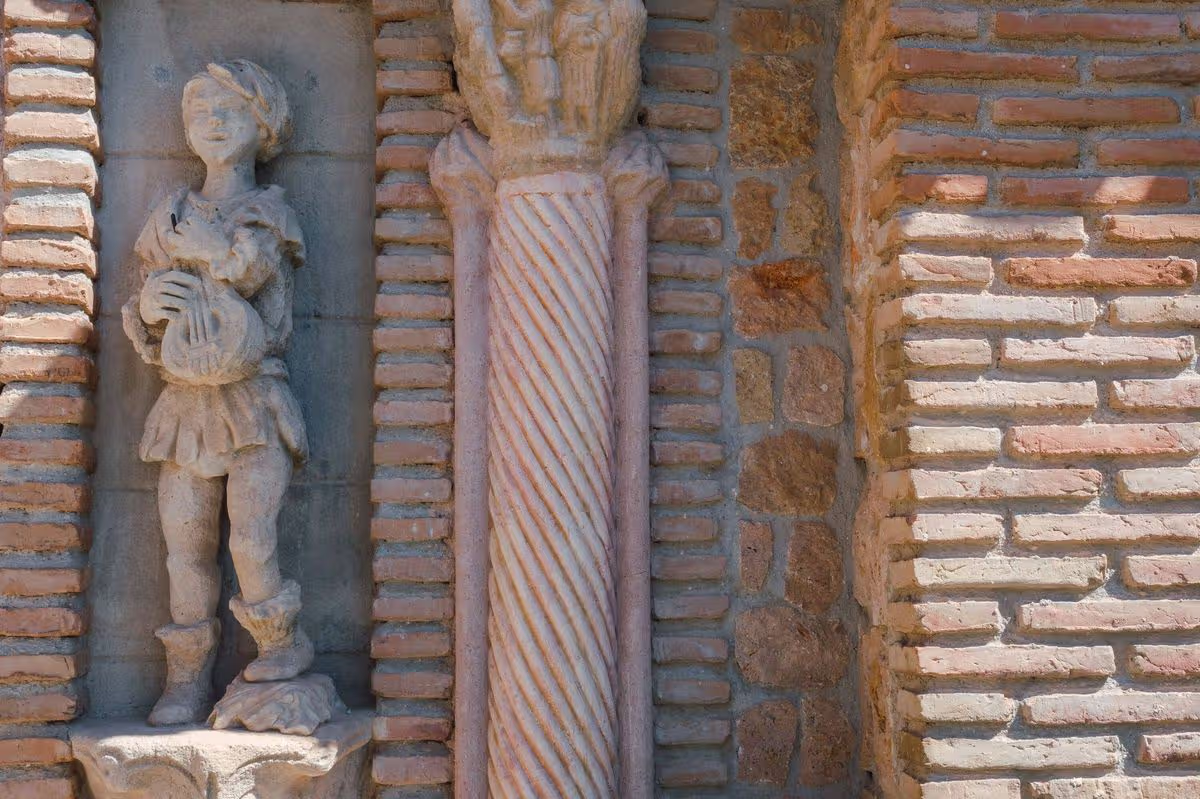
Historically, Toledo is said to have been named by the Romans before later becoming an Arabic fortress. The old town area is brimming with history, featuring sights such as the “Puerta de Valmardon” – the oldest city gate within the walls.
The most ancient monument still standing in Toledo is believed to be the Cristo de la Luz Mosque, constructed in the year 999, though throughout this sprawling city, you’ll discover so much of interest spanning numerous eras.
Now onto my next most memorable Spanish city, perhaps even less well-known than Toledo – and you can actually catch a train from Toledo to get to this next beautiful destination: Córdoba. I’ve explored much of Spain via rail journeys – and I’d thoroughly recommend it.
You get to see so much of the countryside when you travel by train abroad. The Spanish city of Córdoba, nestled in the Andalusia province in the south of Spain, is a city I had the pleasure of visiting a few years ago – and it’s another very memorable place.
After spending two days in Seville, having initially flown into Malaga, Córdoba was less than an hour’s train ride away from Seville – and what a captivating place it turned out to be.
Set on the banks of the Guadalquivir River, which flows from Seville to Cádiz, Córdoba is brimming with nature and wildlife. The Sierra Morena Mountains provide a stunning backdrop to Córdoba.
I visited Córdoba in October when it was still quite hot, with daytime temperatures reaching 40C. While I would recommend visiting at a cooler time of year, the city was incredibly atmospheric.
Known as the ‘city of flowers’, Córdoba is adorned with floral decorations in its streets, on monuments and balconies. One particularly vibrant street is the Calleja de las Flores.
One of the city’s most awe-inspiring features is the Roman Bridge of Córdoba. Featured in series 5 of Game of Thrones as the “Long Bridge of Volantis”, it offers exceptional views and tranquil riverside walks.
The city itself is bustling, and at its heart lies the Mezquita Cathedral de Córdoba. This unique mosque-cathedral is an incredible structure that was once under Moorish rule centuries ago before being converted into a Catholic cathedral.
Córdoba, set amidst ancient surroundings, exudes a lively atmosphere. Every glance reveals something intriguing, from the whitewashed or vibrantly coloured homes to the unspoilt cobbled streets.
It’s an unforgettable destination, offering a blend of culture and delectable cuisine, such as the Córdoban Salmorejo soup – a delightful concoction of garlic, tomato and olive oil, even served at breakfast.
My journey through this city was part of a larger adventure that included visits to Malaga, Seville, Córdoba and the coastal city of Cádiz. Each of these places had its own unique charm.
Fringed by the Atlantic Ocean, it’s no surprise that Cádiz is renowned for its fried seafood selection – incredibly fresh and delicious.
The city’s central market (Mercado Central) is a treasure trove of stalls including local fish and irresistibly sweet churros. The market has a truly local feel; while tourists do visit, they’re not as prevalent as in other Spanish seaside locations.
In this city, which gazes out across the ocean towards Morocco and beyond, the daily and frequent tolling of bells from the Cádiz Cathedral adds to the continental ambiance.
A stroll along the coast here is simply beautiful, with sandy beaches lining the way. Although the sea was rough during my October visit, preventing me from swimming, the water temperature remained pleasantly warm.
Touring the cities of Andalusia was a fantastic way to experience this region of Spain and it’s something I’d certainly do again. In my view, it’s incredibly rewarding to see several different places in one exploratory holiday.
There’s another city worth mentioning at the opposite end of the country in north-eastern Spain, which I visited on a separate occasion – Girona.
Girona is less than an hour by train from Barcelona. I made the journey there from the beach resort of Lloret de Mar while on holiday – it’s another captivating city with a remarkable old town.
While in Girona’s old town, I explored the Passeig de la Muralla, which has numerous steps leading to high points offering stunning views of the surrounding province. Although this city is inland, there are several beach areas just a short drive or train ride away.
Girona is a blend of ancient structures and vibrant new buildings. Spain’s official tourism website describes this city as being “of Roman origin with medieval, Romanesque, Gothic and modernist architecture”.
This city also served as another Spanish filming location for Game of Thrones.
This year’s edition of a famous Christmas market has been the target of criticism, mainly for overlooking one important thing.
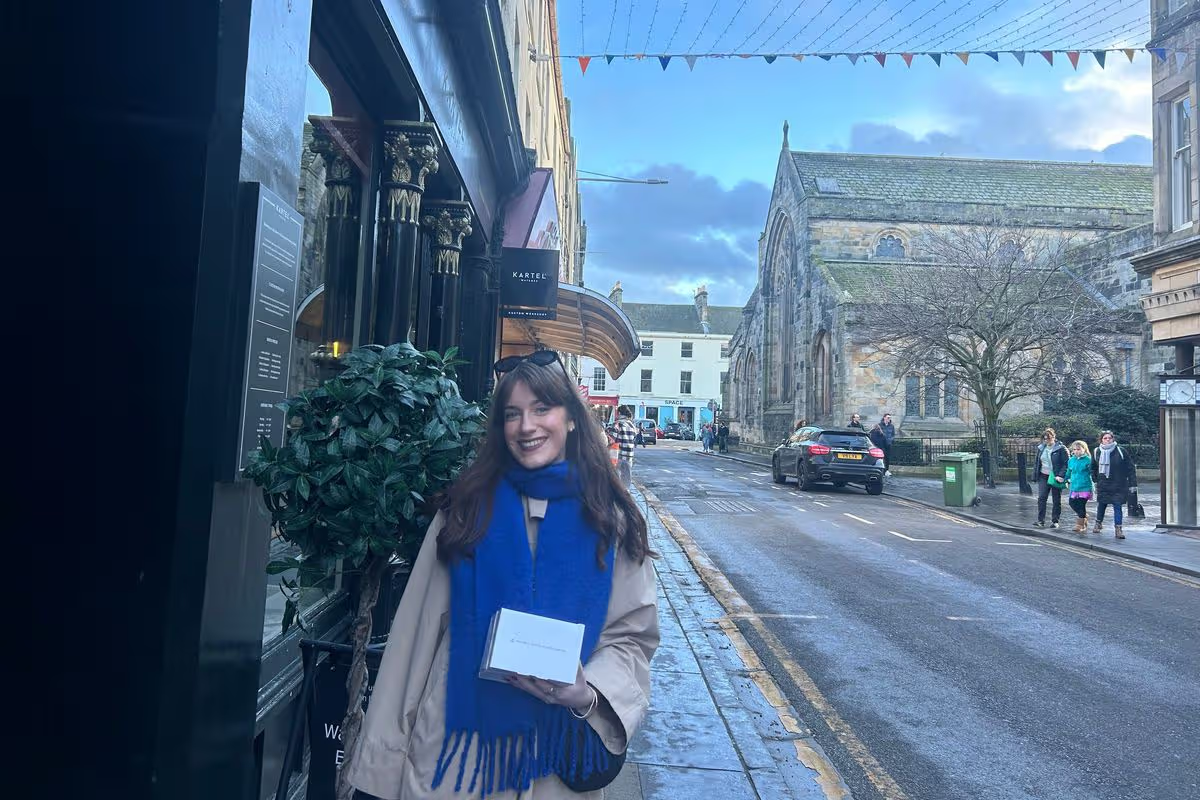
This article contains affiliate links, we will receive a commission on any sales we generate from it. Learn more
The Bath Christmas Market is dividing visitors’ opinions(Image: Getty Images)
Forget London or Manchester — according to expert testing platform Which?, the best Christmas market in Britain is the one in Bath.
The historic city was voted Which? Readers’ favourite medium-sized city, and is renowned for hosting one of the UK’s biggest and most established Christmas markets every year, with over 200 stalls.
Which? praised the Bath Christmas Market for its reputation for offering good food, drink, and festive activities.
Visitors can browse everything from handmade wooden furniture and garden sculptures to knitwear, fragrances, and gifts for pets, while also sampling regional delicacies such as foraged jams and seasonal baked treats.
However, despite its accolades and picturesque setting, the market does not appear to please everyone. In a recent Mail on Sunday feature analysing UK Christmas markets, Bath was rated only “OK” for a weekday visit.
According to Jane Fryer’s feature, although the market was not as overcrowded as previous visitors had complained, it fell short of expectations in one key area: the lack of Christmas spirit. This included music, limited lighting, or the absence of traditional seasonal touches, such as Santa or entertainers.
She noted that many stalls sold everyday market items, such as bags, coats, and T-shirts, rather than the expected festive goods and crafts. While the occasional stall offering local arts and foods was “charming,” the overall impression was that the place felt much less Christmas-ready than it should.
She also highlighted a broader trend among visitors nationwide, noting complaints about high prices, repetitive stalls, and overcrowding at many festive markets.
Fryer reported a mix of reactions from Bath’s visitors. Some had travelled specifically to see the market and were delighted by the traditional mulled wine, local foods, and the town’s scenic backdrop. Others, however, expressed disappointment, describing the experience as “not very Christmassy” due to the lack of music or entertainment.
Across social media and travel review platforms, Bath has been widely labelled underwhelming this year — not only because of logistical or layout issues but, primarily, due to a perceived lack of festive atmosphere.
Elsewhere in her piece, Fryer praised other seasonal markets she visited, particularly those with strong visual theming, live entertainment, and an overall more festive ambience, highlighting how these elements can significantly enhance the visitor experience.
Amsterdam’s iconic Christmas market serves glühwein, raclette and festive treats just one hour from the UK – it needs to be on your radar this winter.
Amsterdam’s iconic Christmas market serves glühwein, raclette and festive treats just one hour from the UK – it needs to be on your radar this winter(Image: Ellen Jenne)
There’s only so much time to soak up the Christmas spirit before the big day, and despite work and life becoming more hectic than usual, I managed to swap the hustle and bustle of London for Amsterdam. It was my first trip back to the Dutch capital in a decade, with my arrival coinciding with the start of one of the city’s most iconic Christmas markets, reports the Express.
Christmas markets in the UK can be hit or miss, and I must admit, the ones I’ve visited over the years have never quite matched those on the continent. The first time I realised our markets didn’t measure up was just a few years ago when I visited Vienna, which can only be described as Christmas on steroids.
The largest Christmas market in Amsterdam springs up in the shadow of the Rijksmuseum on Museumplein, where you can blend the festive spirit with a visit to some of the city’s most renowned museums and galleries.
We arrived on its opening day, and even though we visited in the evening, we managed to dodge the wall-to-wall crowds. This was something I never experienced in Vienna, and on this occasion, I was extremely grateful for it.
Entry to the market is free, but you’ll have to fork out €16 for the joy of skating on its ice rink. Much like other European markets, Amsterdam’s was adorned with wooden chalets offering everything from knick-knacks to treats, piping hot cups of glühwein and food from all around the world.
There was even a cabin flying the Union Jack selling fudge. Who would have thought that British fudge was such a hit overseas?
No visit to a Christmas market would be complete without trying some of the local specialities. A Dutch wurst is a robust cured pork sausage typically served with stamppot, a blend of mashed potatoes and kale. However, it seemed we had arrived too late. No wursts for us.
So we settled for the next best thing: barbeque jumbo sausages served on toasted slices of bread with pickled onions and gherkins, topped with crispy onions and mayo. This isn’t your average sausage sandwich. Trying to tackle every bite is a mouthful, overflowing with chunks of smoky sausage and crumbly onions.
It was evidently a popular choice, with crowds gathering around the open flame grill right in the heart of the action, with sausages sizzling and emitting a tantalising aroma. A barbeque might not be what you expect in the depths of winter, but blimey, was it needed.
Sadly, the warmth emanating from the grill wasn’t enough to heat our bones while we waited, so two cups of glühwein were called for. Glühwein is traditional German mulled wine, delicately spiced with cinnamon, cloves, star anise.
I’m not entirely certain what the secret is, but somehow the Germans manage to perfectly balance the red wine and spices in a way that all the mulled wine I’ve sampled at UK Christmas markets always seem far too acidic. Glühwein is the ideal beverage to warm you to your core, particularly in a freezing city in December, even if the city is renowned for its beer.
When our sausages finally turned up, they were heaped with pickled onions and gherkins. Much like a Scandi open sandwich, it was bursting with diverse flavours, so unlike any festive fare you’d find back home.
You received an entire jumbo sausage on one slice of bread, quartered to actually fit into your mouth. The smoky pork was wonderfully offset by the sharp tang from the pickles, with a different texture provided by crispy onions. This isn’t your typical Christmas market grub, but it was delightful to sample some local specialities.
However, no Christmas is complete without a generous helping of cheese. A classic choice at European Christmas markets is bubbling, ooey, gooey raclette.
We opted for the traditional pairing of raclette and potatoes. What could be more perfect? The humble new potato smothered in smoky melted cheese.
The cheesy spuds were served with some more crispy onions and a fresh coleslaw. Now this is what Christmas is truly about. I would devour a bucketful of raclette if they’d offered one.
Sausages, glühwein and raclette: the holy trinity of Christmas market food.
Even though it was late at night and the crowds were thinning, there was still a buzz among the youngsters and families huddled around the electric heaters trying to stay warm, sipping from steaming cups, welcoming the festive season. Compared to Vienna, Amsterdam’s markets offer a more tranquil start to the Christmas season.
Is this the best Christmas market I’ve ever visited? Probably not, but I’m always fascinated to see how other countries embrace the festive season.
Content cannot be displayed without consent
Amsterdam is one of those cities where you can spend hours just wandering around, and we certainly did plenty of that. You can meander from spot to spot with ease, particularly if navigating foreign public transport baffles you. That being said, Amsterdam’s public transport runs like clockwork.
From the moment you step out of Amsterdam Centraal, you can sense the Christmas spirit in the air. I returned to the city for the first time in ten years, and up until this point, I hadn’t felt all that festive.
Amsterdam served as a stepping stone into Christmas for me before I head back to Vienna again for round two of Christmas on steroids. If there’s anywhere you should flee to in December, it’s Amsterdam. It’s only a train journey away.