unnecessary

Mexican president tells Trump that U.S. intervention against cartels is ‘unnecessary’

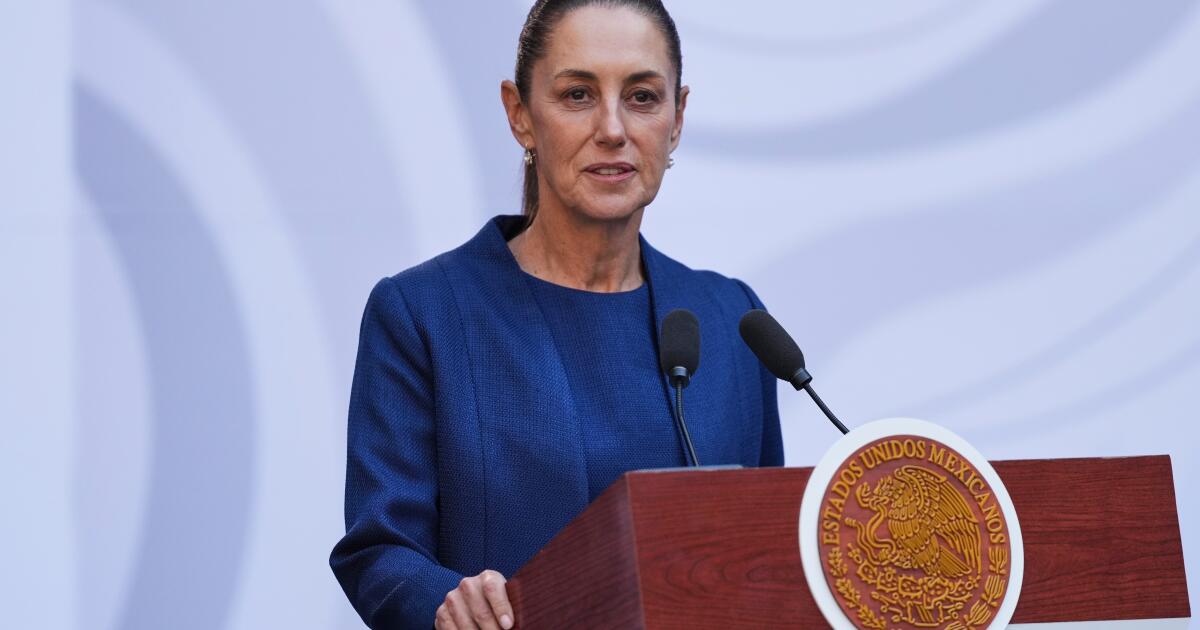
Mexico President Claudia Sheinbaum said she had “a very good conversation” with President Trump on Monday and that their two governments will continue working together on security issues without the need for U.S. intervention against drug cartels.

The approximately 15-minute call came after Sheinbaum said Friday she had requested dialogue with the Trump administration at the end of a week in which he had said he was ready to confront drug cartels on the ground and repeated the accusation that cartels were running Mexico.

Trump has repeatedly offered to send the U.S. military after the cartels and Sheinbaum has always declined, but after the U.S. removal of Venezuelan President Nicolás Maduro, Trump’s comments about Mexico, Cuba and Greenland carried new weight.

“He (Trump) asked me my opinion about what they had done in Venezuela and I told him very clearly that our constitution is very clear, that we do not agree with interventions and that was it,” Sheinbaum said.

Trump “still insisted that if we ask for it, they could help” with military forces, which Sheinbaum said she again rejected. “We told him, so far it’s going very well, it’s not necessary, and furthermore there is Mexico’s sovereignty and territorial integrity and he understood.”

In an interview with Fox News aired last Thursday, Trump said, “We’ve knocked out 97% of the drugs coming in by water and we are going to start now hitting land, with regard to the cartels. The cartels are running Mexico. It’s very sad to watch.”

Sheinbaum said Monday the two leaders agreed to continue working together.

Mexico’s Foreign Affairs Secretary Juan Ramón de la Fuente spoke Sunday with his U.S. counterpart, Secretary of State Marco Rubio. Rubio asked for “tangible results” and more cooperation to dismantle the cartels, according to a statement from the U.S. State Department.

Sheinbaum said Mexico shared those results, including a significant drop in homicides, falling U.S. fentanyl seizures and fentanyl overdose deaths.

Experts still see U.S. intervention in Mexico as unlikely because Mexico is doing what the U.S. asks and is a critical economic partner, but expect Trump to continue using such rhetoric to maintain pressure on Mexico to do more.

Sheinbaum said the two leaders did not speak about Cuba, which Trump threatened Sunday. Mexico is an important ally of the island nation, including selling it oil that it will need even more desperately now that the Trump administration says it will not allow any more oil shipments from Venezuela to Cuba.
Source link

US says Chinese military drills around Taiwan cause unnecessary tensions | Conflict News

US recently approved $11bn arms package for Taiwan, which condemned ‘provocative’ Chinese military drills.

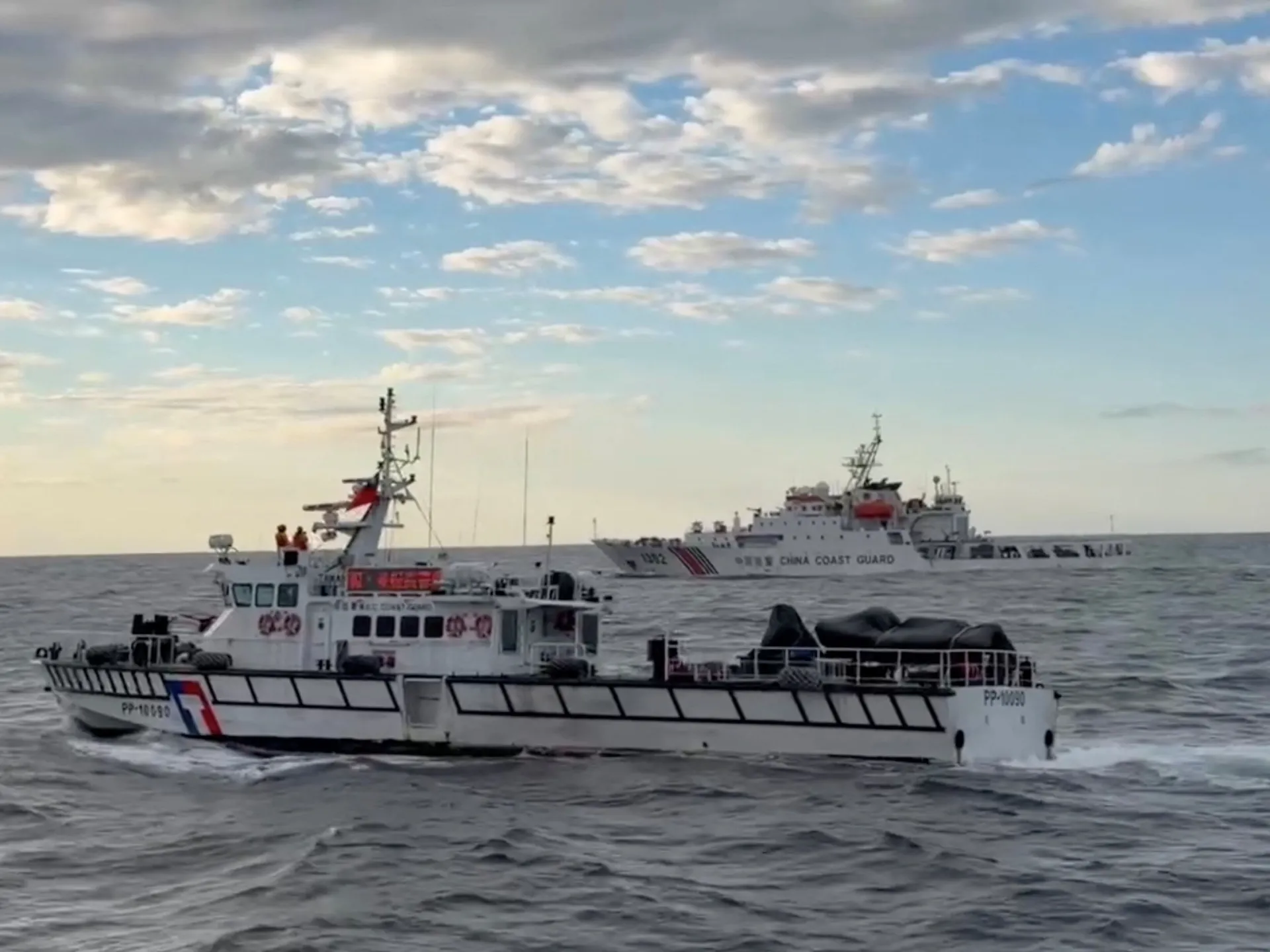
The United States has called on China to exercise “restraint” and avoid actions that raise tensions following a series of war games around Taiwan simulating a blockade of the island.

The US Department of State said in a statement on Thursday that China’s bellicose language and military drills, which prompted sharp condemnation from Taipei, were a source of unnecessary strain.

Recommended Stories

list of 3 itemsend of list

“China’s military activities and rhetoric toward Taiwan and others in the region increase tensions unnecessarily. We urge Beijing to exercise restraint, cease its military pressure against Taiwan, and instead engage in meaningful dialogue,” said State Department spokesman Tommy Pigott.

“The United States supports peace and stability across the Taiwan Strait and opposes unilateral changes to the status quo, including by force or coercion,” he added.

China fired missiles and deployed jets and naval vessels earlier this week in a simulation of military actions to encircle Taiwan, which Beijing claims as an integral part of its territory and has vowed to bring under its control.

Chinese military drills have become a frequent occurrence, causing few disruptions to life on the self-governed island, whose status the US has not officially weighed in on.

But Beijing’s assertive stance has prompted angry condemnations from Taiwanese officials, and crackdowns on formerly autonomous areas such as Hong Kong following integration with China have bolstered scepticism about the prospects of possible reunification with Beijing.

“As president, my stance has always been clear: to resolutely defend national sovereignty and strengthen national defence,” Taiwanese President William Lai Ching-te said on Thursday.

Lai has called for a $40bn increase in Taiwan’s military spending, but the proposal is stalled in the country’s legislature, where the opposition party currently holds a majority.

“The coming year, 2026, will be a crucial one for Taiwan,” the president said, adding that Taiwan must “make plans for the worst, but hope for the best”.

While US lawmakers often make strong statements of support for Taiwan, US policy towards the island has been marked by ambiguity for decades and does not include an assurance of military support in the event of an invasion by China.

The US recently approved an $11bn arms package for Taiwan, but President Donald Trump said earlier this week that he did not believe China had plans to launch an invasion of Taiwan in the near future.

“I have a great relationship with [Chinese] President Xi [Jinping]. And he hasn’t told me anything about it. I certainly have seen it,” Trump told reporters on Monday.

“They’ve been doing naval exercises for 20 years in that area. Now people take it a little bit differently,” he added.

Source link