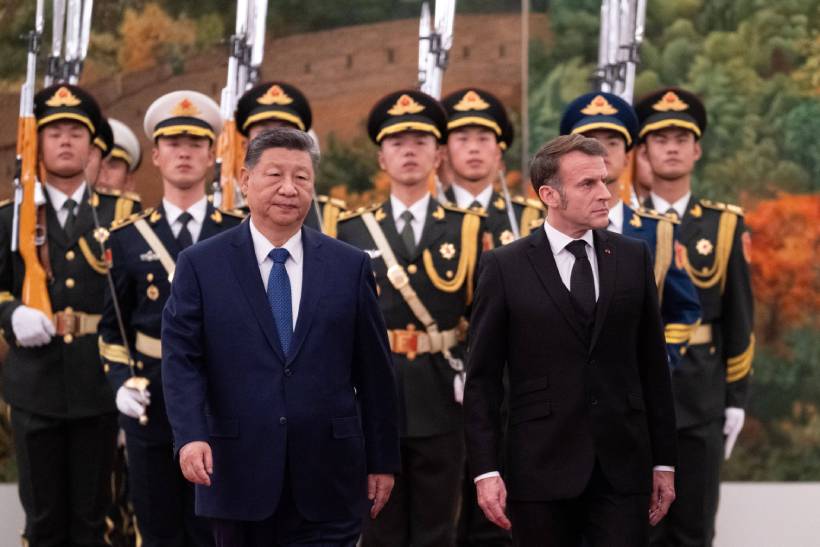
Macron Reaffirms U.S.-Europe Unity on Ukraine, Rejects Claims of Distrust
French President Emmanuel Macron, speaking during a visit to China, sought to dispel claims that France harbours mistrust toward Washington over efforts to negotiate a settlement in Ukraine. His comments came after Spiegel reported that both Macron and German Chancellor Olaf Scholz had expressed scepticism about U.S.-led peace initiatives in a confidential call. Macron denied the report outright, reiterating that Europe and the United States have maintained close coordination since Russia’s 2022 invasion of Ukraine.
Why It Matters
Macron’s remarks come at a sensitive moment, as shifting geopolitics and domestic pressures in multiple Western capitals have raised questions about long-term support for Kyiv. Any signal of division between European capitals and Washington could embolden Russia and complicate ongoing diplomatic efforts. By publicly reaffirming unity, Macron aims to stabilize perceptions of Western cohesion and counter narratives suggesting weakening support for Ukraine.
For Ukraine, united backing from the U.S. and Europe is crucial to sustaining military aid and advancing diplomatic options. The United States, under scrutiny over its evolving strategy and potential talks with Moscow, relies on European engagement to share the political and financial burden of supporting Kyiv. European allies, particularly France and Germany, are navigating their own public debates over the cost and duration of involvement in the conflict. Russia is watching closely for any cracks in transatlantic coordination that could provide leverage in negotiations or on the battlefield.
What’s Next
Macron’s message suggests that Western capitals will continue presenting a joint front as they explore diplomatic efforts to end the conflict. Upcoming discussions among European and NATO partners will test how aligned their visions for a future peace framework truly are. Meanwhile, Washington’s next steps especially in light of U.S. domestic political dynamics will heavily influence how the transatlantic alliance coordinates military, economic, and diplomatic pressure on Russia.
With information from Reuters.