Strait of Hormuz tolls would harm livelihoods worldwide, shipowners warn | Shipping News
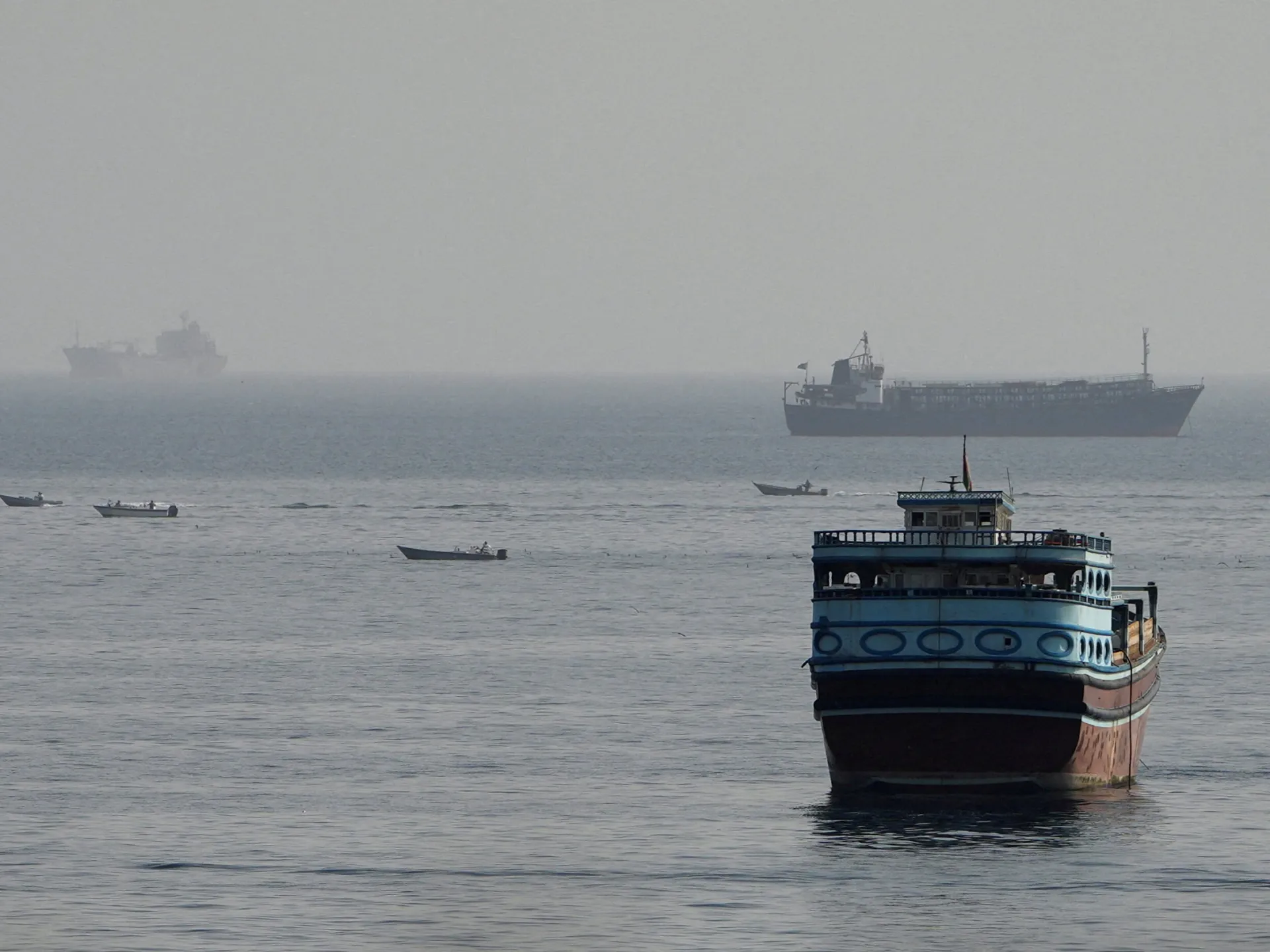
Eight of the world’s largest shipping associations have urged the United Nations to oppose tolls in the Strait of Hormuz amid reports that Iran and Oman are nearing a deal to manage the critical waterway.
In a letter to UN Secretary-General Antonio Guterres and International Maritime Organization Secretary-General Arsenio Dominguez, the group said that allowing authorities to charge vessels to transit the strait would violate international norms and harm the global economy.
Recommended Stories
list of 4 itemsend of list
“Introducing compulsory charges for transit, or service fees that are a toll in all but name, through the Strait of Hormuz would represent a significant departure from established international practice,” the groups representing shipowners and operators said in the letter, which was sent to the UN on Monday but made public on Wednesday.
“Beyond the immediate financial implications for global trade, it would establish a precedent that could undermine the internationally recognised legal framework governing straits used for international navigation and transit passage.”
Internationally recognised rights of navigation should not be “compromised or used as part of broader political negotiations,” the group said, warning that a permanent de facto “toll booth” would lead to higher energy prices, inflation and economic uncertainty.
“Ultimately, these impacts will carry a human cost, affecting livelihoods around the world. It is vital that we continue supporting the preservation of freedom of navigation as the foundation of international maritime governance,” the group said in the letter.
The letter’s eight signatories are the Asian Shipowners Association, the Baltic and International Maritime Council, the Cruise Lines International Association, the European Shipowners Association, the International Chamber of Shipping, the International Association of Dry Cargo Shipowners, the International Association of Independent Tanker Owners and the World Shipping Council.
Dominguez, the head of the UN’s maritime agency, previously told Al Jazeera that imposing fees in the strait would violate international law and set a “very detrimental” precedent for global shipping.
“Countries do not have the right to introduce tolls or payments or charges on these straits,” Dominguez said in April.
Deborah Elms, the head of trade policy at the Hinrich Foundation in Singapore, said the establishment of a permanent toll system would be felt acutely in Asia, which buys the bulk of the Gulf’s energy exports.
“The cost increases from Hormuz disruption can be seen in Asia, particularly in diesel fuel price increases and shortages, in the skyrocketing cost of fertilisers, and in rising costs and shortages of plastics,” Elms told Al Jazeera.
“Much of the oil currently shipped through Hormuz could be rerouted through pipelines, but natural gas remains a problem. This chokepoint is not a major problem for container shipping, but if tolls were applied to other waterways, containers and bulk carriers would be affected much more,” she said.
Iran established a de facto maritime “toll booth” in the strait shortly after the US and Israel launched their war against the country in late February.
Tehran formalised its fee regime with the establishment of the Persian Gulf Strait Authority in May.
Iran’s ability to launch attacks on commercial vessels in the region has granted Tehran effective control over the waterway, giving it powerful leverage in negotiations on ending the war.
Dozens of attacks have been carried out on vessels since the start of the conflict, most of which have been blamed on Iranian forces.
The IMO has confirmed 64 incidents and 17 deaths in the region since the war began.
Shipping across the Gulf continues to be severely disrupted more than five months into the conflict, with at least 6,000 seafarers still stranded in and around the strait as of late July, according to the IMO and UN Human Rights Chief Volker Turk.
In the latest incident on Wednesday, a tanker reported hearing two explosions while transiting the strait, according to the UK Maritime Trade Operations Centre (UKMTO).
Drew Thompson, a senior fellow at the S Rajaratnam School of International Studies in Singapore, said the IMO and other international agencies have limited ability to influence any deal involving Iran, Oman and the US despite their concerns.
“Despite clear interests in maintaining freedom of navigation in international straits, neither the UN, international organisations or shipowners have adequate leverage or ability to affect Iran’s calculus,” Thompson told Al Jazeera.
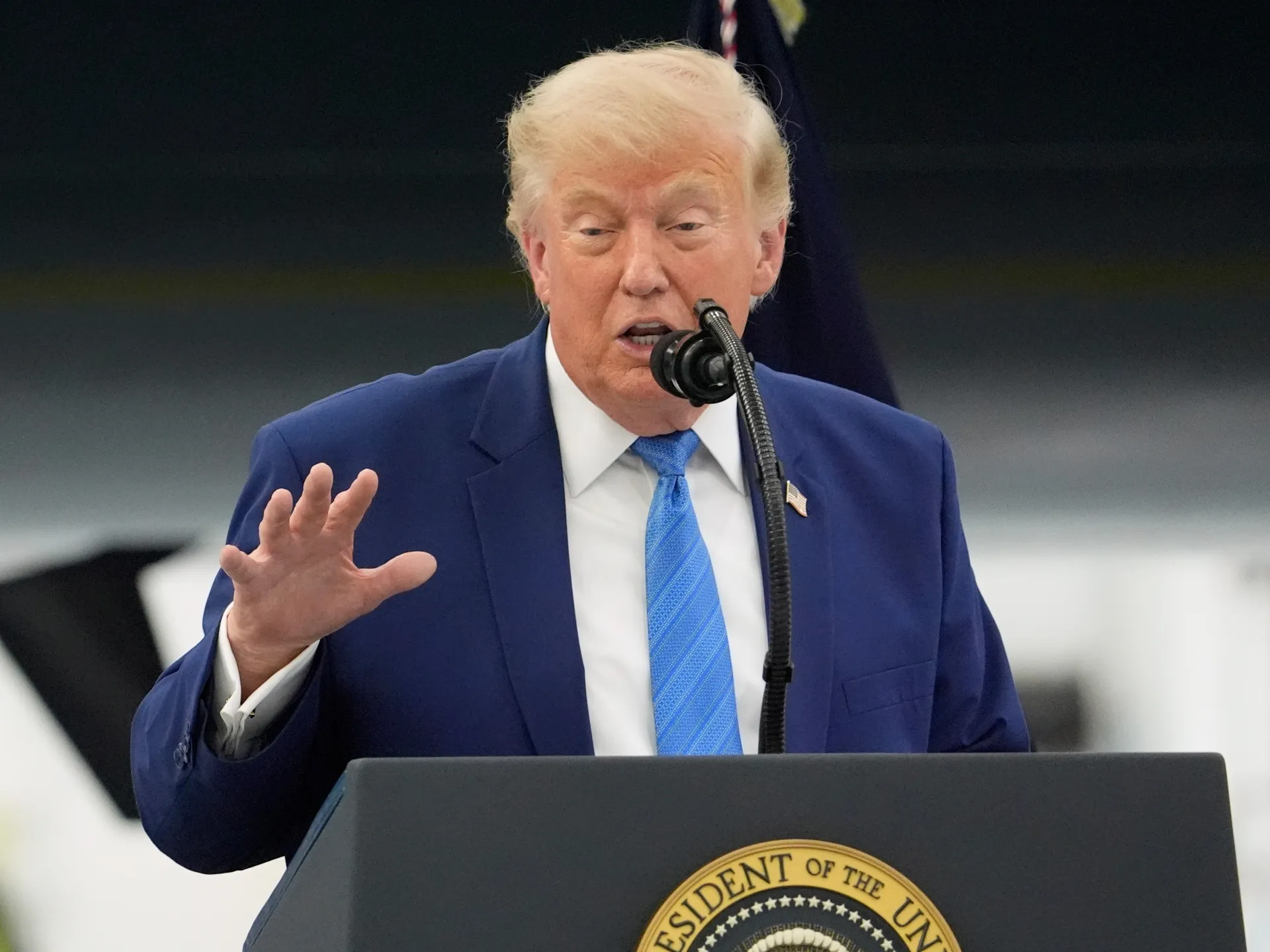
“President Trump has the means to continue to use violence to coerce a stubborn and resilient Iran, but he has thus far been ambivalent about international law and freedom of navigation, so it is uncertain if he would use his political capital or military force to prevent Iran from extracting tolls on shipping in the strait,” Thompson said.