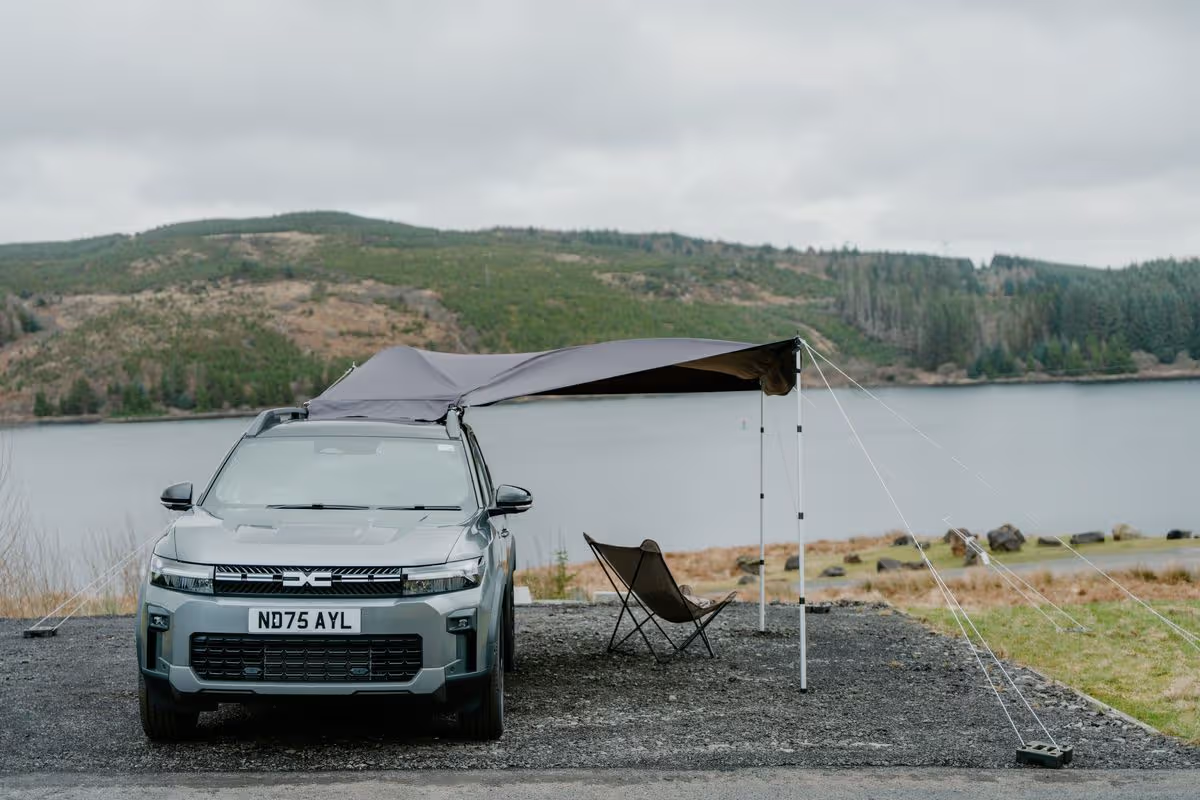
Content creator Sophie Royston shares how she’s ditched hotels and embraced car camping for stunning views and flexibility
Adventurers are swapping hotels for cars in an emerging trend which sees them use their trusty cars as their hotel for the night. Sophie Royston, like countless other keen globe-trotters, has adopted the trend, using her Dacia as a mobile camper. The content creator insists the “freedom”, “incredible views” and simplicity of converting your car into accommodation beats the hassle of reserving a hotel.
The adventurous traveller, who boasts thousands of Instagram followers, embraced the trend with the intention to cut costs and save money, but confessed she now does it to reach stunning locations away from the tourist trail.
“I love the freedom of it. If I find somewhere beautiful, I can just stay there,” said Sophie. “Waking up and opening the back of the car to an incredible view is the best part.
“It was initially about saving money and using what I’d saved on a hotel to enjoy experiences. But this soon turned into the benefit of flexibility and spontaneity, as well as the spirit of adventure and essentialism.
“More people are realising you don’t need a campervan to enjoy an amazing road trip.”
Sophie used her car to camp beside a Scottish Loch as well as the snow-covered peaks of the Alps, using her vehicle as a home away from home. The 31 year old insists she gets a better night’s sleep in her car than she ever did when stopping in hotels.
She claims this is down to a new Sleep Pack that easily fits into her Dacia Bigster, which is available with a number of Dacia’s cars. “It makes me feel more free to sleep in my Dacia rather than stay in a hotel,” she added.
“I have stayed in hotels where you can see a beach in the distance, but with camping in my car, I can actually be on that beach. Quite the difference and quite the experience.”
As an avid hiker, she admits that car camping makes everything simpler, allowing her to reach her destination and recuperate on-site ahead of walking the next day.
With the trend gaining momentum and more people following in Sophie’s footsteps, she says: “It’s amazing to see more people embrace outdoor travel.
“There are so many solutions available to make this easier and more accessible like the Sleep Pack and the set up in the Dacia Bigster. I think this is why it’s growing in popularity.”
To get the most out of the experience, she recommends curling up with a good book or treating yourself to a hot chocolate before settling down for the night.
She adds: “Find the perfect park spot, get the Sleep Pack set up, cook some tasty food and then get cosy for the evening. I always make sure I get into some warm, comfy clothing, especially when car camping in winter, have a nice hot chocolate and then climb into the cosy set up and wind down for the evening.”