Iran-Saudi talks on Yemen’s Houthis: What’s in it for Tehran? | Explainer News
Iran has offered to facilitate talks between Saudi Arabia and Yemen’s Houthi group after a series of deadly attacks on the kingdom, raising questions about Tehran’s diplomatic calculations as fighting intensifies across the region.
Iranian Foreign Minister Abbas Araghchi spoke with his Saudi counterpart, Prince Faisal bin Farhan Al Saud, on Sunday, in their first publicly reported contact since the Iran-aligned Houthis stepped up attacks on Saudi Arabia.
Recommended Stories
list of 3 itemsend of list
The diplomatic outreach comes after strikes on Riyadh’s international airport over the weekend killed 14 people and wounded hundreds, while Saudi-backed forces continued their offensive against the Houthis, also known as Ansar Allah, in Yemen.
The talks also come against the backdrop of the wider US-Israel war on Iran, with Tehran potentially seeking to avoid being dragged into another confrontation.
“Tehran is an ally of Ansar Allah and has influence with the movement, although it does not control its decisions,” Negar Mortazavi, senior fellow at the Washington, DC-based Center for International Policy, told Al Jazeera.
“By offering to facilitate talks with Riyadh, Iran is positioning itself as an indispensable party to a broader regional settlement.”
So what discussions are happening between Riyadh and Tehran, and why is Iran offering to facilitate talks?
What did Iran and Saudi Arabia talk about?
According to the Saudi state news agency, the two foreign ministers discussed the recent escalation in the region and efforts to reduce tensions. Iran’s Foreign Ministry also confirmed the development.
Following the discussions, Araghchi on Sunday warned against pursuing a military solution to the conflict and offered Tehran’s assistance in facilitating dialogue between Saudi Arabia and Yemen.
“Insisting on a military approach and disregarding a political solution would only further complicate the situation,” Araghchi said, according to Iran’s Foreign Ministry.
On Monday, ministry spokesman Esmaeil Baghaei reiterated Tehran’s willingness to mediate, saying Iran was deeply concerned about developments in the Arabian Peninsula.
“We absolutely do not want hostilities and war to continue between two Islamic countries,” Baghaei said, urging dialogue to resolve the conflict.
What is Iran’s stance on the war in Yemen?
Iran has repeatedly called for a diplomatic settlement to Yemen’s conflict and says it supports a political solution rather than continued military action.
Tehran backs the Houthis, who control Yemen’s capital, Sanaa, and other parts of the country.
The armed group forms part of the Iran-aligned “axis of resistance”, which also includes Lebanon’s Hezbollah and armed groups in Iraq.
Saudi Arabia, meanwhile, has led a military coalition supporting Yemen’s internationally recognised government since 2015.
Baghaei said on Monday that the conflict served Israeli interests, framing a negotiated settlement as preferable to further fighting.
What is the latest in the Yemen fighting?
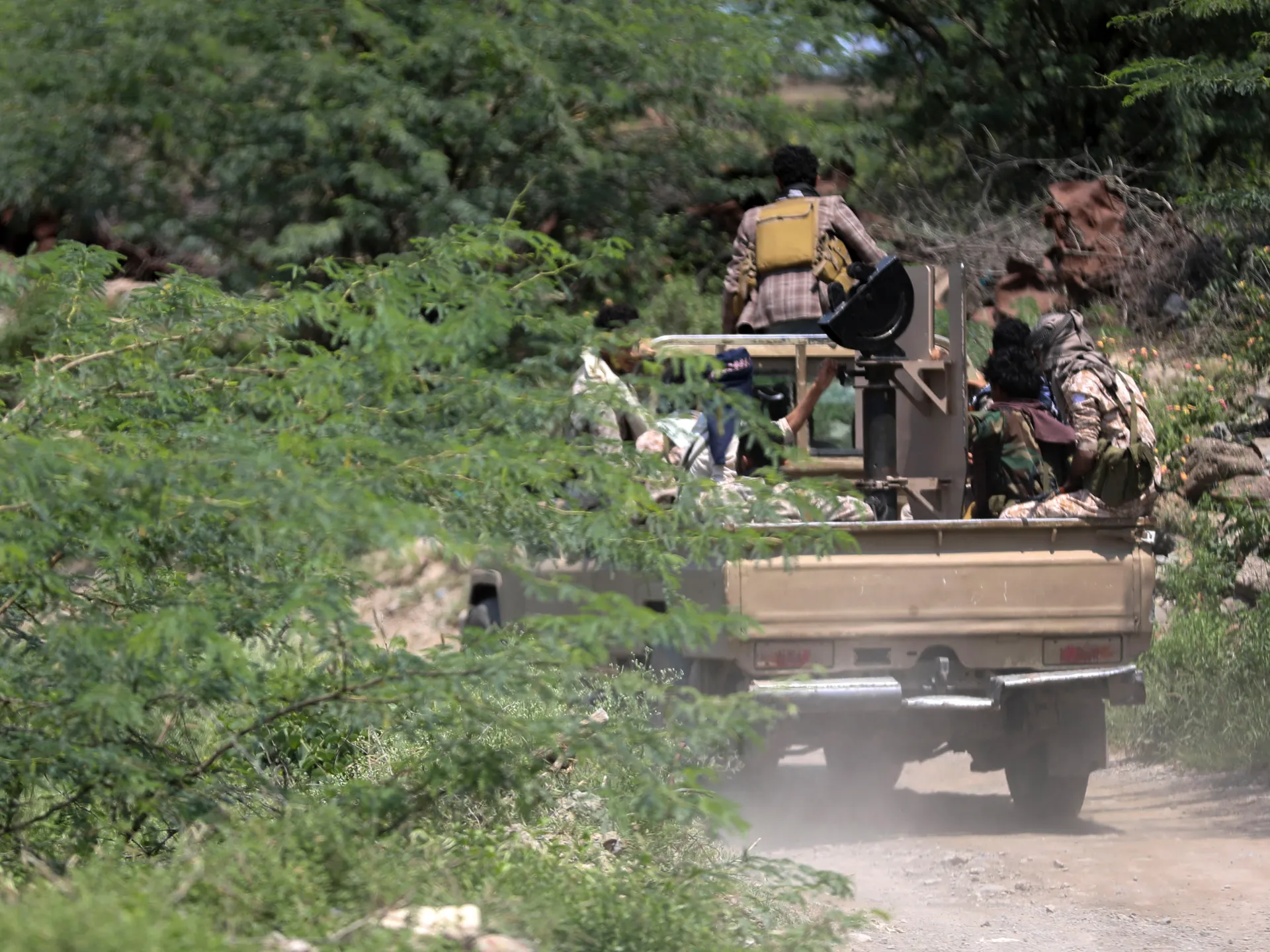
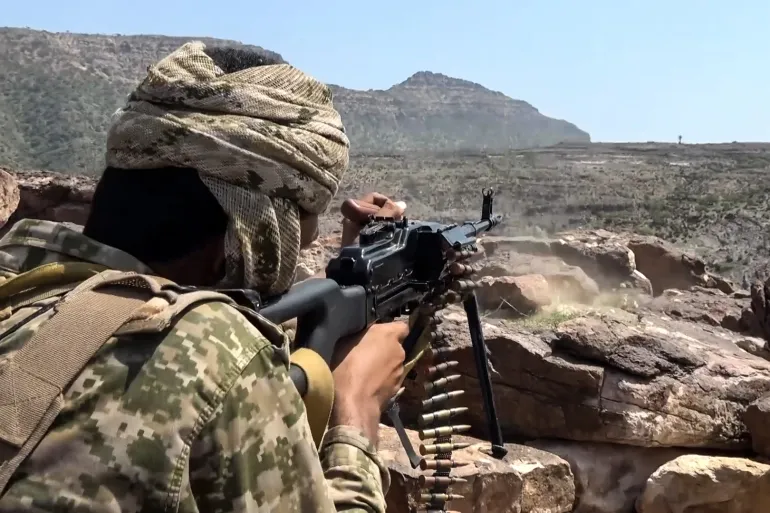
Fighting has intensified in Yemen, after the internationally recognised government’s forces announced Operation Dawn of Yemen on October 4 to reverse recent Houthi territorial gains, including the capital, Sanaa.
Government forces, backed by Riyadh, have reported advances near the strategic Bab al-Mandeb strait, a vital international shipping route. However, competing battlefield claims remain difficult to independently verify.
The Houthis have responded with missile and drone attacks on Saudi airports, energy infrastructure and other targets.

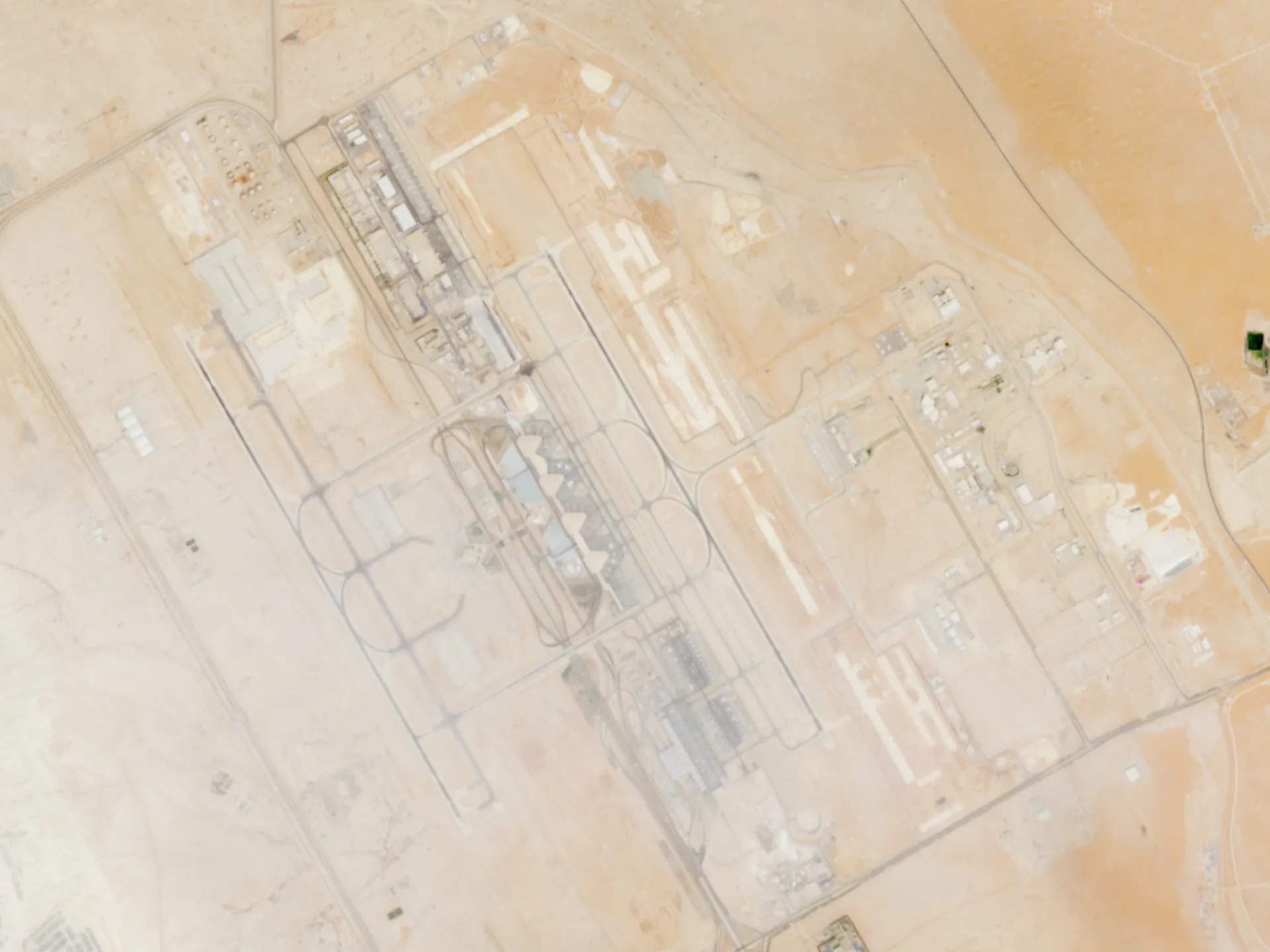
Two strikes on Riyadh’s King Khalid International Airport on Saturday and Sunday killed 14 people and wounded more than 300. The casualties included foreign nationals from Bangladesh, Pakistan and Palestine.
The escalating violence has also disrupted commercial flights, businesses and schools in Riyadh, underlining the growing economic and civilian consequences of the conflict.
UN Special Envoy for Yemen Hans Grundberg warned on Friday that Yemen had returned to “full-scale war”, with civilians bearing the brunt of the attacks.
Why is Iran willing to facilitate talks between Saudi Arabia and the Houthis?
Iran’s offer to facilitate talks between Riyadh and the Houthis could be an attempt to strengthen Tehran’s diplomatic position and secure a wider regional agreement that extends beyond Yemen.
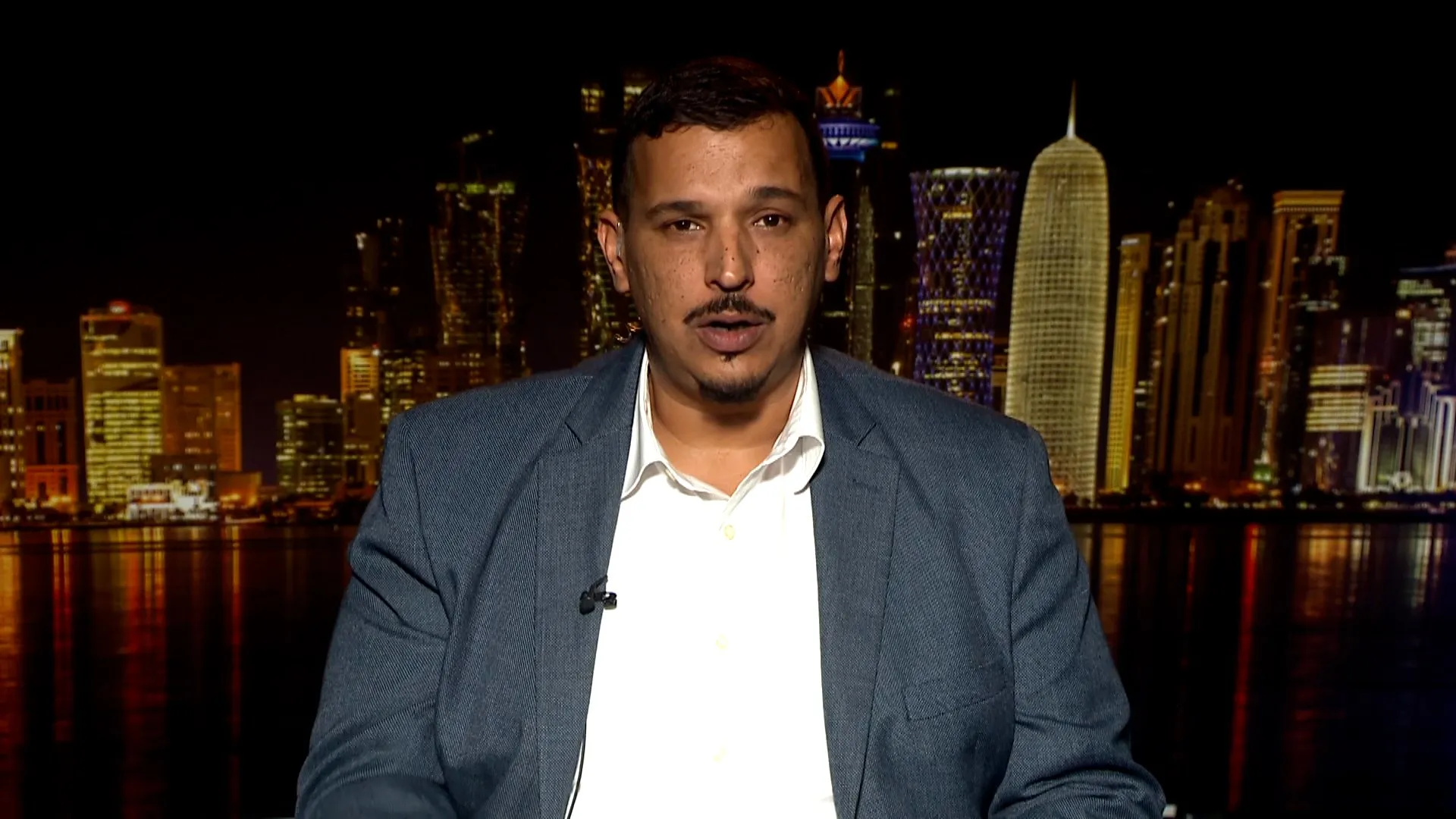
“I think Iran is trying to turn Yemen from a military liability into a diplomatic asset,” Andreas Krieg, a Middle East security analyst at King’s College London, told Al Jazeera.
He said Tehran recognises that Saudi Arabia is struggling to reverse Houthi territorial gains, particularly around Taiz and Bab al-Mandeb, despite intensifying its military campaign.
“Araghchi’s offer is an attempt to position Iran as part of the solution to a crisis in which it has also helped sustain the problem,” Krieg said.
Analyst Mortazavi, meanwhile, said Iran’s diplomatic outreach is part of a broader effort to link the conflicts unfolding across the region.
“The larger political objective is an informal non-aggression arrangement between Iran and its allies on one side and the United States and its regional partners on the other,” she said.
Such an agreement, she argued, would require an end to hostilities across multiple fronts, including Yemen and Lebanon, rather than a settlement confined to the US-Iran conflict.
Moreover, academic Krieg said there was also an important “Saudi dimension” to the discussions.
“Riyadh is increasingly uncomfortable with its dependence on Washington, frustrated by the limited American willingness to intervene in Yemen and reluctant to become dependent on the UAE again,” he said.
“Iran sees an opportunity to demonstrate that engagement with Tehran can deliver something Saudi Arabia’s traditional security partnerships have struggled to provide.”
There are also economic considerations, the analysts noted. Iran is under significant pressure from the US blockade, while Gulf countries are gradually recovering their energy exports to pre-war levels despite Iranian disruptions.
“Offering Riyadh a way out of Yemen potentially gives Iran leverage well beyond the Yemeni theatre, particularly in negotiations over Hormuz, sanctions relief and the wider regional security architecture,” Krieg said.
However, Krieg cautioned against overstating Iran’s influence over the Houthis, who have their own political ambitions and demands.
“Ansar Allah is not simply an Iranian proxy awaiting instructions,” Krieg said. “Its leadership has its own political ambitions, increasingly sees itself as a regional military actor and believes its recent territorial gains have strengthened its negotiating position. Iran can facilitate talks and potentially influence the intensity of escalation, but it cannot simply order the Houthis to surrender their gains around Mocha or Bab al-Mandeb.”
For Mortazavi, the broader message is that regional security cannot be addressed in isolation.
“Ultimately, Tehran’s message is that regional security cannot be divided,” she said. “Saudi Arabia cannot obtain security from attacks, while Iran and its allies remain under military and economic pressure.”