U.S. authorizes resale of Venezuelan oil to Cuba for private sector

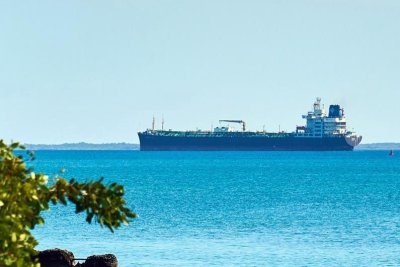
A loaded oil tanker tanker enters Matanzas Bay off Havana, Cuba, on February 16 and docks near the city’s energy logistics port amid ongoing U.S. energy sanctions on the island. Russia has been sending fuel considered to be aid. Photo By EPA
Feb. 26 (UPI) — The U.S. Office of Foreign Assets Control said it will allow certain operations to resell Venezuelan-origin oil destined for Cuba, provided the fuel is used by citizens and private companies on the island.
The island nation relied for years on Venezuela for fuel, but shipments stopped after the United States captured Nicolás Maduro on Jan. 3 and took control of Caracas’ energy industry.
After the operation, President Donald Trump repeatedly warned that Cuba was on the brink of economic collapse, and he threatened to impose further economic pressure on the country to reach an agreement with the United States. Trump has not publicly defined what kind of agreement he seeks.
The trade measure, published Wednesday, says that the transactions must comply with the conditions of General License 46A for Venezuela. This license is an authorization issued by foreign assets office that allows companies to conduct operations involving Venezuelan oil under specific terms, despite the sanctions in place against that country’s energy sector.
Companies that seek authorization will not need to have an entity established in the United States, and the usual Cuba-related restrictions set out in that license will not apply.
The Treasury Department specified that the policy will cover only exports for commercial or humanitarian purposes that benefit Cuba’s private sector.
Operations involving the Cuban armed forces, intelligence services or other government entities will not be permitted, including those listed on the U.S. Department of State’s Cuba Restricted List.
The Treasury Department recalled that the Commerce Department primarily regulates the export or re-export of U.S.-origin oil to Cuba.
Under the Support for the Cuban People License Exception, certain exports of gas and other petroleum products intended to improve living conditions and support independent economic activity in Cuba do not require separate authorization from foreign assets office provided the applicable terms are met.
The agency referred to its Frequently Asked Question 1226 for the definition of “Venezuelan-origin oil,” which includes petroleum products.
Preliminary data from the Energy Information Administration show that Venezuela exported 339,000 barrels per day of crude to the United States in the third week of February.
At the same time, regional fuel supply to Cuba has been limited. On Jan. 29, the Trump administration declared a national emergency with respect to Cuba, creating a new mechanism to impose tariffs on imports from any country that provides oil to Havana.
On Feb. 17, Mexican President Claudia Sheinbaum said her government would not send fuel to Cuba “for now” amid the current situation and potential U.S. trade measures.
Cuba faces fuel shortages that have affected electricity supply, transportation and other basic services, and it relies heavily on oil imports.
Separately, the Russian Embassy in Havana confirmed two weeks ago that Russia will send crude oil and refined products to Cuba as humanitarian assistance.
Russia is sending the oil directly, not through intermediaries, and the shipments are considered to be aid, not commercial sales.