readers

‘No cars, unspoilt beaches and seabirds rule’: readers’ favourite European island escapes | Travel

Visiting this Spanish archipelago is like winning the lottery

A short ferry ride from Vigo (daily and overnight visitor numbers are capped) took us to the tiny archipelago of the Cíes Islands, a protected cluster of islands where seabirds rule and tiny beaches remain unspoilt. There are no cars on the island and only a few small restaurants dotted about. There is one campsite, with little else but the waves of the Atlantic to lull you to sleep. I felt as if I had won the lottery when we visited and knew this would be an experience not easily matched.
Helen E

Ischia in Italy is best by bus

Ischia, in the Bay of Naples. Photograph: Alxpin/Getty Images

Italy has brilliant public transport. We found it so easy to use the ferries and buses during our visit to Ischia in the Bay of Naples. The simple circular routes on the island mean there is almost zero chance of getting lost. You can buy a day ticket for a few euros, hopping on and off at your leisure until quite late in the evening. Much more fun to experience the lovely island like the locals and cheaper than a taxi.
Jane

Profile

Readers’ tips: send a tip for a chance to win a £200 voucher for a Coolstays break

Show

Guardian Travel readers’ tips

Every week we ask our readers for recommendations from their travels. A selection of tips will be featured online and may appear in print. To enter the latest competition visit the readers’ tips homepage

Thank you for your feedback.

A serene corner of Elba

‘Heaven’ … Cavo on Elba, in Italy. Photograph: Image Professionals/Alamy

Tiny Cavo on the island of Elba is my idea of heaven. Some of the hydrofoils from Piombino on the mainland stop there; some continue round to the busier Portoferraio with its mega yachts and bustle. Cavo is much quieter, more serene, and the iron-rich landscape means that the sea glitters with tiny flecks of iron as you swim underwater. A few hotels, a beach, prawns the size of your head, a jazz festival in the summer: what’s not to like? Porto Azzurro is more glamorous, but the quiet of Cavo is what I want.
Angharad

An overlooked Greek island

The Temple of Aphaea at Aegina, in Greece. Photograph: Panagiotis Karapanagiotis/Alamy

I recently revisited Aegina, off Athens, which was my childhood holiday spot for many years. It’s more than just “a small island near Piraeus”; it was once, very briefly, the capital of Greece and still has impressive ancient temples from a time when it stood strong among larger Greek city states. The town has changed, but it was great to see once again the port with its colourful mansions, market, and the mix of boats bobbing in the water. Returning felt like a trip down memory lane, and I’m grateful that Aegina remains charming and slightly off the usual tourist path.
Michael Castelli-Coats

Soulful and sandy Rügen, Germany

‘Germany’s Baltic jewel’ … Rügen. Photograph: Lothar Knopp/Getty Images

For a nostalgic escape, head to Rügen, Germany’s Baltic jewel and largest island. Famed for its white chalk cliffs, the island’s soul lies in its fine sands and unspoilt towns. In Binz and Sellin, ornate belle époque villas line the promenade, feeling wonderfully frozen in time. We took the Rasender Roland steam train from Putbus to Göhren, stopping at charming seaside resorts along the way. Whether soaking up the architecture or lounging in a wicker strandkorb (beach basket), Rügen is a masterclass in coastal serenity. We stayed at Hotel Am Meer & Spa (€165 B&B) and enjoyed its panoramic views.
Daniela

The UK’s ultimate north

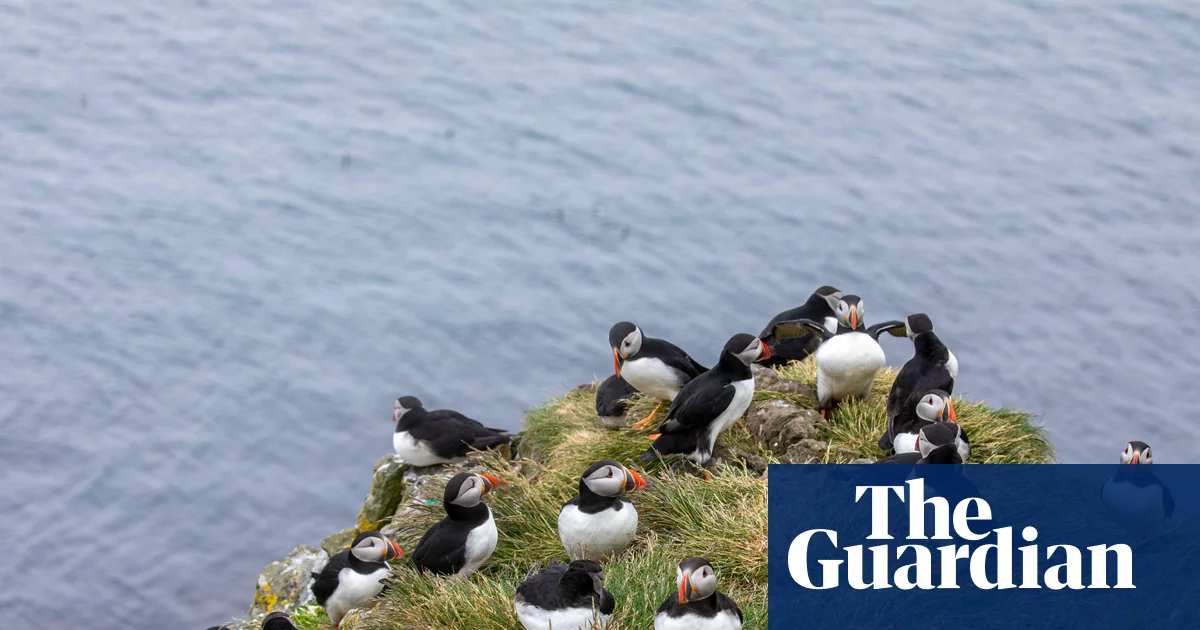
A puffin in Hermaness national nature reserve, on Unst, in the Shetland Islands. Photograph: FLPA/Alamy

Unst, the UK’s most northerly inhabited island, is reached via two small ferries through Shetland. The journey is part of the pleasure. Rolling, heather-covered hills greet you. Hermaness national nature reserve is a highlight, with boardwalks to dramatic cliffs and the UK’s northernmost point. May to August offers the best chance of good weather and puffins, though neither is guaranteed. Nor were the otters that we glimpsed.
Richard Waters

Kayaking around Vis, Croatia

‘You can kayak round the island in a week’ … Stiniva Beach on Vis. Photograph: Mauritius Images/Alamy

The cliffs on the north side of the Croatian island of Vis rise straight up from the sea, a crumpled mass of limestone. You can kayak round the island in a week – if the weather gods are kind – but it’s the desolate north coast that makes the greatest impression. Eleonora’s falcons nest there and screech as you paddle past. At one point along the shore, a blowhole erupts in a burst of spray with each wave. Small bays with sandy beaches let you take a break from kayaking, but you won’t see another person until you reach Vis port, tired but deeply satisfied.
Andrew Cassely

A timeless slice of village life in Sicily

‘Sicily slowed to a human pace’ … The hilltop Novara di Sicilia. Photograph: Danita Delimont/Alamy

Perched high in the Nebrodi mountains, Old Noar Villa in Novara di Sicilia offers a rare kind of island escape: Sicily slowed to a human pace. Fruit trees, grapevines and walnut trees surround the house, scented by mountain air and deep quiet. Ancient churches and a beautifully preserved 200-year-old theatre anchor village life, alongside the butcher, baker and biscotti maker, cafes and softly buzzing bars. The sea is never far – the almost Grecian Aeolian Islands are just a hop away.
Neil Masey

Cycle to huge beaches off the Netherlands

‘One of the largest beaches in Europe’ … at Schiermonnikoog. Photograph: Westend61/Alamy

Schiermonnikoog is well off the beaten track in the north of the Netherlands. Only permanent residents are allowed to drive; everyone else cycles or walks. It has one of the largest beaches in Europe, where you can go seal spotting or birding. It’s brilliant for kids because there’s hardly any traffic – they can safely roam around by themselves.
Sabine

Winning tip: We glimpsed our future on a Scottish island

Stags at Lochranza, on Arran. Photograph: John Rae/Alamy

Arran is stunning and diverse. We went just after finding out my partner was pregnant, so it holds a special place in our hearts. In Lochranza, we stepped off the bus and immediately saw a herd of deer and seals on the beach. We walked the rugged coast to Hutton’s Unconformity, where it was realised the Earth is millions not thousands of years old, and imagined our future. In the cosy community pub, a friendly barman shared his whisky knowledge. We returned for our first family holiday. We took a slower pace, pottering along the seafront and castle gardens in Brodick. Auchrannie spa pool was perfect for our baby’s first swim. We’ll go back again when he’s old enough to enjoy more of an adventure on Arran.
Nic

Source link

‘In Switzerland, it’s possible to sledge between two railway stations’: readers’ favourite family adventures in Europe | Family holidays

Take the toboggan to the train, Switzerland

Travelling by rail in Europe gives you plenty of opportunity for ad-hoc adventure. We were returning from a ski trip in Italy and took the Bernina Express part of the way. We’d heard that if you disembark at Bergün, leave your luggage at the station and take the train back one stop to Preda village it’s possible to sledge between the two stations. So there we found ourselves renting traditional wooden sledges from Preda and walking the short distance to the start of the tobogganing run. What we thought might be a gentle run into town turned into a fast and fun-filled couple of hours as we hurtled down the tree-lined course. At times it felt like we were in the game Mario Kart and at one point a children’s birthday party overtook us, the birthday girl’s sledge trailing balloons. About 5 miles later we arrived back in Bergün, before continuing our train journey onwards.
Layla Astley

Profile

Readers’ tips: send a tip for a chance to win a £200 voucher for a Coolstays break

Show

Guardian Travel readers’ tips

Every week we ask our readers for recommendations from their travels. A selection of tips will be featured online and may appear in print. To enter the latest competition visit the readers’ tips homepage

Thank you for your feedback.

Interrail to Venice

The Rialto Bridge. Photograph: Marco Bottigelli/Getty Images

Interrailing as a family of five was full of special moments, but taking the night train from Vienna to Venice was the cherry on the cake. Arriving in Venice Santa Lucia around 8am, you can take the vaporetto (water bus) before the city has fully woken. We wandered quietish streets, lingered on the Rialto Bridge in relative solitude, and took our time crisscrossing canals before the hustle and bustle began. It was truly special, and completely unexpected in mid-August. We nearly skipped it – assuming it would just be too busy – but left with a precious couple of hours we’ll never forget.
Sophie

A Swiss Alps adventure with the kids

The Allmendhubel playground has views of the Eiger. Photograph: Image Broker/Alamy

Exploring the Lauterbrunnen valley, Switzerland, in summer with our young children was full of surprises. Superb trains on long-distance services to Interlaken include playground family carriages. Epic alpine playgrounds, such as Allmendhubel Alpen Playground, are reached by cable cars (some gondolas have karaoke machines). At Wengen, we enjoyed playing with the marble runs and hiring a “fondue backpack” to accompany our walks. Many of the shorter walks have family-friendly activities en route, such as blowing the alpine horn or milking a model cow. There are many waymarked routes for all abilities – and all without the crowds of a coastal resort.
Lucy

Teenage boys let loose in Norway

White-water rafting in Norway. Photograph: Image Professionals/Alamy

Last summer, as a family we explored Norway, starting in Oslo with saunas and fjord jumps, then visiting the Olympic Park in Lillehammer. We spent a week hiking in Jotunheimen national park, climbed Norway’s highest mountain, Galdhøpiggen (2,469m), explored a glacier, and went white-water rafting. The combination of dramatic scenery, outdoor activities and adventure made it a perfect summer holiday, especially for our teenage boys who love the outdoors.
Lucy Bissell

Dutch road trip joy

Efteling theme park.

We decided to change things up from an all-inclusive summer break and went on a road trip through the Netherlands for two weeks with our two kids. After enjoying Amsterdam, we picked up a rental car and headed towards Duinrell Eurocamp, which was perfectly pitched for our kids aged nine and 12. We stayed in a cabin for four days, then drove to our next destination, Efteling theme park. I can’t tell you how much my kids enjoyed this park: mythical, magical, thrilling! Our final destination was Texel, an island just off the northern coast of the Netherlands. The kids loved the ferry. Again we stayed in a hut, which came with bikes. Lots of cycle paths, sandy beaches – a slower, more relaxing end to the holiday.
Noreen

Winning tip: a waterfall walk in the Pyrenees

The Cirque du Gavarnie in the French Pyrenees. Photograph: Miguel Moya/Alamy

Our young family travelled to the Hautes-Pyrénées in France and, ignoring the offer of a donkey ride, walked for nearly 6 miles from the village of Gavarnie up to the Grande Cascade (a waterfall of 420 metres) in the Cirque du Gavarnie. It made for an easy day out in summer and was great for our five-year-old and seven-year-old, who enjoyed seeing whistling marmots, circling lammergeiers (also called bearded vultures) with their 2.5-metre wingspans, and snow bridges over streams. Spray from the waterfall provided us with a free shower at the walk’s end.
Chris Henshall

Source link

‘A scramble down to a gorgeous expanse of beach’: readers’ favourite unsung places in Wales | Wales holidays

Winning tip: fossils and soaring cliffs near Cardiff

I’m a fan of the lesser-known beaches along the dramatic and rugged Glamorgan Heritage coastline; Wick, Monknash and Nash Point. One of my favourite routes requires a scenic hike across fields and a precipitous scramble down Cwm Bach ladder. The reward is a gorgeous expanse of rocky beach with only the occasional distant naturist and huge stepped cliffs absolutely full of fossils, including some enormous ammonites. The nearby ancient Plough & Harrow feels like a step back in time and you’re being served beer in someone’s living room.
P Thomas

Profile

Readers’ tips: send a tip for a chance to win a £200 voucher for a Coolstays break

Show

Guardian Travel readers’ tips

Every week we ask our readers for recommendations from their travels. A selection of tips will be featured online and may appear in print. To enter the latest competition visit the readers’ tips homepage

Thank you for your feedback.

A magical swimming spot in Pembrokeshire

The Witches’ Cauldron. Photograph: Andrew Kearton/Alamy

Last July on the hottest day of the year my friend took me to the slightly hidden Witches’ Cauldron in Moylegrove. This is a collapsed cave where you can swim in water that glows magical emerald green in the sun. You can swim straight from the cave out to sea. It’s a bit of a scramble down on foot from the Pembrokeshire Coast Path, or you can access it by sea kayak through tunnels from the sea. Check that it’s accessible though, as sometimes it’s closed to protect local seals.
Anna

Eryri’s most enchanting castle

The ruins of Castell y Bere boast wonderful views of the north Wales mountains. Photograph: Paul Weston/Alamy

North Wales is famous for its castles: Conwy, Caernarfon and Harlech are lauded and filled with visitors, year-round. But forget these Anglo-Saxon fleshpots and seek out Castell y Bere. Located near Tywyn, in the south of Gwynedd, this stronghold of medieval Welsh ruler Llywelyn ap Iorwerth (Llywelyn the Great) stands on an impressive, windswept crag, surrounded by flat, fertile estuarine pastures. Looking over this land you can sense the herds of cattle that once roamed here and fed the people. The atmosphere of history is pervasive, almost crushing. If you go there, tread lightly and don’t stay too long, lest its magic be ruined for others.
Ian Statham

A petrified forest in Ceredigion

The remains of a petrified forest can be seen at Borth. Photograph: Dannie Evans/Alamy

The submerged forest of tree stumps between Ynyslas and Borth is incredible. The stumps of oak, pine, birch, willow and hazel are up to 5,000 years old and were preserved in peat. I like to walk down the beach to touch them and imagine how the world was all those years ago.
Michael Gale

A slice of Bangor

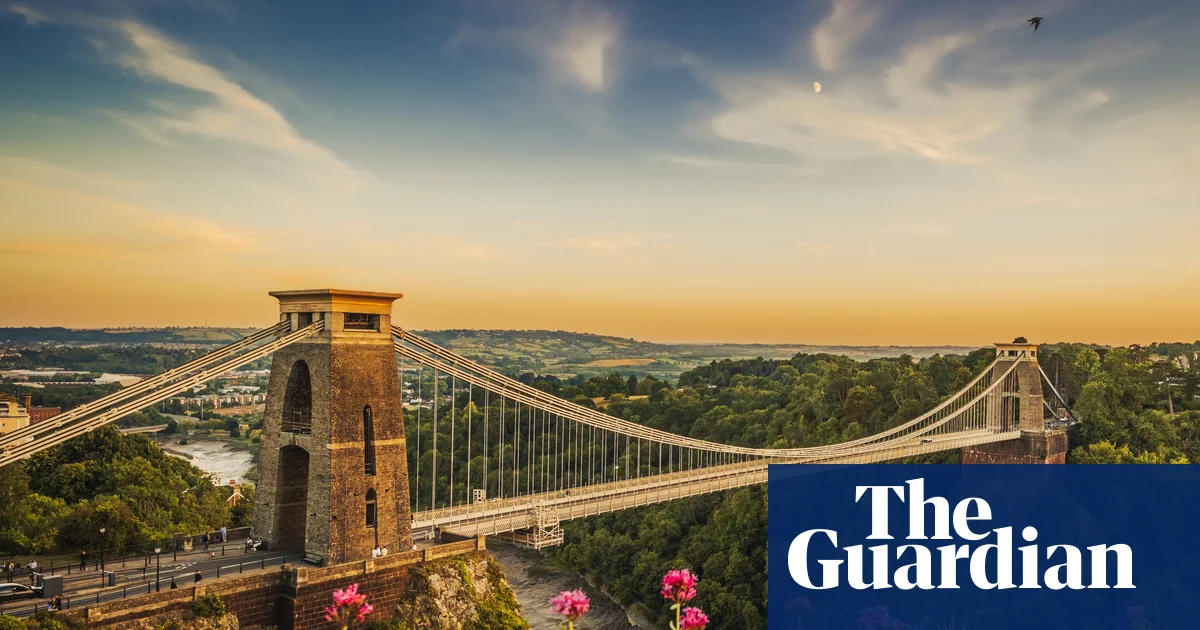
Returning to Gwynedd where my dad grew up feels like a homecoming of sorts. A trip to Jones’ Pizza in Bangor after a journey on the marvellous North Wales mainline train fills hungry stomachs. It’s good value, bustling, and a pillar of community and student life. I like to take a scenic walk along the Menai Strait and wonder at both Thomas Telford’s Menai Bridge, built in 1826, and Britannia Bridge, before moseying around Caernarfon’s monthly Saturday craft fair and dried flower shop Herbariwm, and following the medieval castle’s walls, which snake around the town.
Flora

A north coast cycle to Llandudno

The Prestatyn to Llandudno route runs for 18 miles. Photograph: DGD Images/Alamy

Not considering myself a serious cyclist, I found the 18-mile Prestatyn to Llandudno route to be a brilliant entry-level cycle ride. It’s almost all off-road, along national cycle network paths by the coast, so you can just focus on the beautiful north Wales coastline without worrying about cars or maps or anything else. There are plenty of lovely places to stop along the way to refuel and admire the view. Towards the end it gets pretty steep but you’re rewarded with beautiful views and the best chippy supper from Barnacles, which has a dedicated vegan menu. You can either cycle back again or take your bike on the train.
Esther

A forest garden near Dolgellau

Cadair Idris from Coed y Brenin. Photograph: Henry Ciechanowicz/Alamy

Mountain bikers flock to Coed y Brenin, a few miles north of Dolgellau. After all, it’s the UK’s first purpose-built mountain biking centre. Few pause at the quietly enchanting Forest Garden though. Tucked away from the main trails, it offers a slower, more contemplative side of the forest. After slipping into disrepair in the early 2000s, it has been carefully restored. Redwoods, the tallest trees here, now rise above moss-covered boulders and a lively stream that swells into cascades after rain. Douglas firs from the 1920s stand alongside larch, spruce and pine from wetter corners of the world. Part of the circular trail is all-access, making this woodland retreat open to everyone – and it’s free entry.
Alina Congreve

A wild iron age site, Ynys Môn (Anglesey)

Tŷ Mawr Hut Circles. Photograph: David Lyons/Alamy

Tŷ Mawr Hut Circles on the slopes of Holyhead Mountain is a true under-the-radar treasure. More than just a fascinating archaeological site, it’s a beautifully preserved glimpse into iron age life – and an unbeatable picnic spot, with sweeping views. Visit year-round, but late summer is especially magical when the hillside glows with vibrant purple heather. It feels peaceful, wild and wonderfully untouched. From here, continue your walk towards the dramatic South Stack lighthouse, where the cliffs plunge into the sea. With a bit of luck, you might even spot seals bobbing below or puffins nesting.
Tatiana Campo

Artistic inspiration in Tenby and Cardiff

A painting of Tenby by Gwen John, circa 1900. Photograph: incamerastock/Alamy

The tiny but fascinating Tenby Museum and Art Gallery, housed in a Grade II-listed building in Pembrokeshire, is the oldest independent museum in Wales, having been established in 1878. As well as featuring geology, local history and culture, it is home to several intriguing works by Gwen and Augustus John, famous sibling artists who spent their childhoods in Tenby. Appetite whet, from there travel to Cardiff where a major retrospective of Gwen John, Strange Beauties, is running until 28 June at the National Museum.
Adrian Brodkin

Atmospheric Welsh cemeteries

Cefn Golau Cholera Cemetery, Tredegar. Photograph: Liquid Light/Alamy

Welsh graveyards are special. From austere chapel burial grounds with their glass-domed immortelles to remote churchyards with Welsh-language inscriptions cut deeply into local slate, every village has something to see and something to teach you about life in the local community. Some recent discoveries of mine include Cefn Golau Cholera Cemetery, isolated on a windswept hill high above Tredegar (just south of the Bannau Brycheiniog national park) for fear of contagion from the dead; and the ancient circular-walled churchyard of St Baglan’s, Llanfaglan, set in a field overlooking the mouth of the Menai Strait just west of Caernarfon – a truly peaceful and magical place.
Emma Halstead

Source link

‘Avignon warmed our bones and fed our souls’: readers’ favourite early spring trips to southern Europe | Europe holidays

Winning tip: cycle the greenways of Annecy

Saint-Jorioz in Haute-Savoie will provide a springtime lift for your spirits. On the shore of Lake Annecy, it’s a short bus ride from the city of Annecy, but less busy and with superior lake and mountain views. Hike to the surrounding peaks, towards the lesser-known Col de l’Arpettaz, or cycle on the excellent greenways. Relax by the cool blue alpine water. Behind you lies the underrated Les Bauges Unesco Geopark. The department only joined France in 1860, and has its own Italian-influenced regional cuisine.
Brian Lowry

Naples is best in early spring

A courtyard off Spaccanapoli. Photograph: Andrea Pucci/Getty Images

Although not the most traditionally beautiful city in Italy, Naples offers a glimpse of warmth in early spring. A world apart from Florence or Turin, Naples is a fascinating, lived-in city with a long history and a rich culinary tradition. The Spaccanapoli, which runs right through the core of the city, is a bustling place to walk along and experience Neapolitan life. The world-class sites of Pompeii and Herculaneum are nearby, as are Mount Vesuvius, Sorrento and the wonderful islands of Capri, Ischia and Procida. You can get to Naples by train from London via Paris and Turin or Milan in about 15 hours.
Michael Kuipers

Take the ferry to Corsica

Corsica in spring offers wildflower-covered hillsides and snowy mountain peaks. Photograph: Jon Ingall/Alamy

Eurostar from London via an easy connection at Lille or a change in Paris takes between six and eight hours to arrive in Marseille. After a shower at the station, refresh in Vieux Port before arriving for breakfast in Bastia, Corsica, via a comfortable night-ferry. From Bastia, catch the scenic mountain railway into this remarkably unspoiled island to explore its wild interior and coastal regions. Mid to late spring is best for southern Europe, when snow-melt replenishes streams and waterfalls that dry up in summer. The weather is sunny yet exceedingly pleasant, hillsides blanketed with wildflowers, wild animals nurturing their young and locals refreshed in mood.
Jake

Profile

Readers’ tips: send a tip for a chance to win a £200 voucher for a Coolstays break

Show

Guardian Travel readers’ tips

Every week we ask our readers for recommendations from their travels. A selection of tips will be featured online and may appear in print. To enter the latest competition visit the readers’ tips homepage

Thank you for your feedback.

Germany’s greenest, sunniest city

Photograph: Querbeet/Getty Images

Take the Eurostar to Paris and continue east via Strasbourg by high-speed train through the rolling hills and vineyards of Alsace to Freiburg – Germany’s warmest, sunniest and greenest city. (Some routes go via Brussels and Cologne.) Feast on Swabian classics such as käsespätzle (cheesy egg noodles with caramelised onion), enjoy tacos at YepaYepa or drop into Hausbrauerei Feierling’s lively beer garden for a drink. From Freiburg, explore the Black Forest’s highlights, from Triberg’s cuckoo clocks and waterfalls to the treetop walk in Bad Wildbad. Opt to stay at a participating town and you’ll receive a Konus guest card, giving you free transport around the region for your entire stay.
George

Tiny beaches near Nice

Villefranche-sur-Mer. Photograph: Hemis/Alamy

I’ve spent many happy spring breaks in Villefranche-sur-Mer, just a few miles east of Nice. The charm of its historic heart, the beauty of its deepwater bay, the proximity to spectacular coast and mountains, plus excellent cafes and restaurants make it hard to beat. Take the TGV to Nice, then it’s just a few minutes on the local train (easy for day trips to Cannes and Menton, too). It should be warm enough for a dip at the tiny, secluded Plage de la Darse, or Plage de la Fosse on swanky Cap Ferrat …
Gill R

Lemons and light on the Côte d’Azur

The calm blue bay of Menton. Photograph: Natalia Schuchardt/Getty Images

My sister and I spent a beautiful sunny few days in Menton on the Côte d’Azur in early April. We spent our time meandering the cobbled streets with their pastel-coloured buildings, eating a mix of French and Italian meals (it’s the last French town before the Italian border) and paddling in the calm blue bay. We trekked in the hills north of the town, past stunning houses, pine trees and spring flowers to explore Maison Gannac, a citrus farm that grows the Menton lemon, which is renowned for its flavour and aroma.
Katie

A boat trip along the Moselle in Germany

The view from Burg Landshut castle ruins. Photograph: Mauritius Images/Alamy

The Moselle valley in April was stunning. Starting in the old Roman city of Trier, with its amazing Porta Nigra gate, we followed the river 30 miles north-west to enjoy the panoramic views from Burg Landshut. We took boat trips, including to Cochem, to take the chairlift opposite the castle up to the Pinnerkreuz viewpoint. Early April means wildflower-strewn meadows and fewer visitors. Castles, boats and cable cars kept the children entertained; the fresh Moselle valley rieslings kept the adults happy. We finished our trip in Koblenz, with its selection of traditional breweries where späzle and schnitzel pair well with any beer.
Kirsten Lowery

Coastal paths near Perpignan

The harbour at Port-Vendres. Photograph: Mauritius Images/Alamy

Go south by train and resist the rush. Take the Eurostar to Paris, then a fast TGV to Perpignan in six hours, before a final 25-minute local train to Port-Vendres – about nine hours from London, end to end. Early spring suits this working harbour: many places are shut, the fish market is not. Lunch at its no-nonsense restaurant, then walk the coastal paths to Collioure, brighter and busier by comparison. The Pyréneés-Orientales coast is one of France’s sunniest areas, and even out of season the light does much of the work.
Becky

The hazily golden city of Avignon

The Rhône at Avignon. Photograph: Hilke Maunder/Alamy

En route to Sicily via ferry from Genoa, we stopped in Avignon. We got off the train in the early evening to find a hazily golden city with winding medieval streets full of small independent shops, the amazing Palais des Papes (Popes’ Palace), a beautiful shining Rhône river – and we explored the remaining four arches and gatehouse of the 12th-century Pont Saint-Bénézet. Everywhere was walkable, from the very comfortable and reasonably- priced Bristol Hotel. Warm in the evening, plenty of traditional restaurants, no crowds. In the off-season, Avignon relaxed us, warmed our bones and fed our souls.
Hilary

Source link