racer

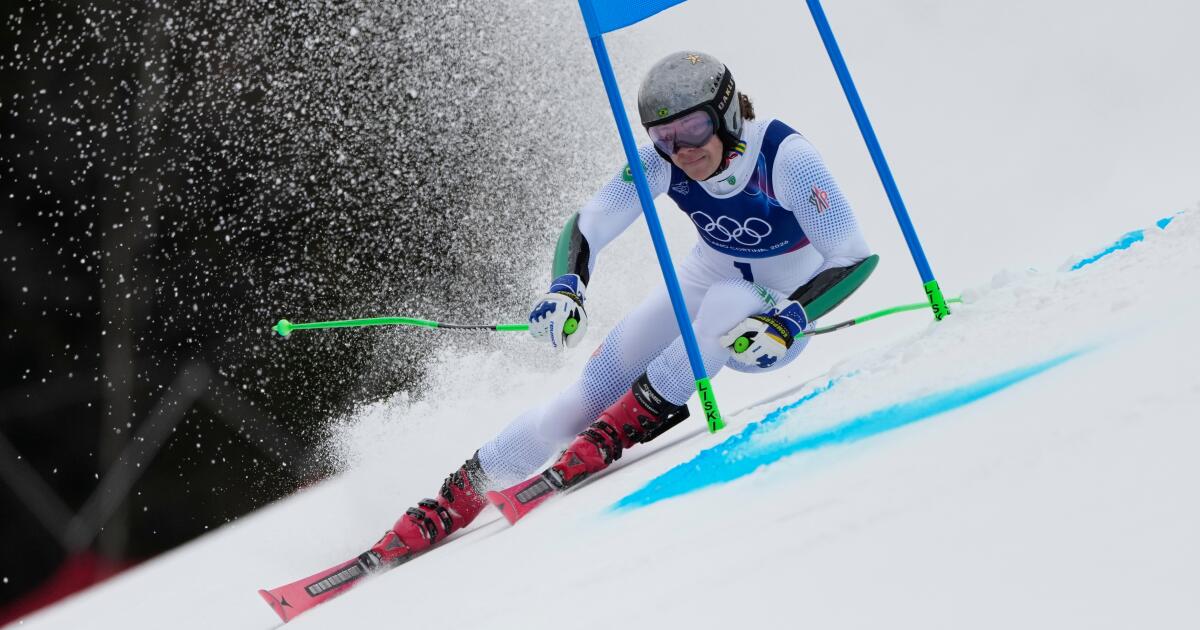
Six features of Olympic skiing that you should know

p]:text-cms-story-body-color-text clearfix”>

There are two varieties of fencing: A-net and B-net.

A-net is more rigid, often permanent, and used to prevent racers from flying off the course and into dangerous areas, off cliffs, into rocks and the like.

B-net is temporary and closer to webbing that’s aimed at absorbing the kinetic energy of a falling skier. Frequently, there are multiple layers of B-net with space in between that combined to act as a catcher’s mitt.

“They put nets where you have really big fall zones and high-speed sections, places where you need that extra level of protection,” Morse said.

It isn’t like tumbling into a pit of foam blocks, though.

“The A-net is much more like hitting a trampoline,” Morse said. “The B-net is designed to come out of the ground and wrap you like a blanket. … When you go into the nets, your boot buckles, your bindings, your skis, they all get tangled in the webbing.”

So what does it feel like when you’re going 70-80 mph?

“Terrible,” he said. “It’s like you’re in a washing machine getting hit with sticks.”

Source link

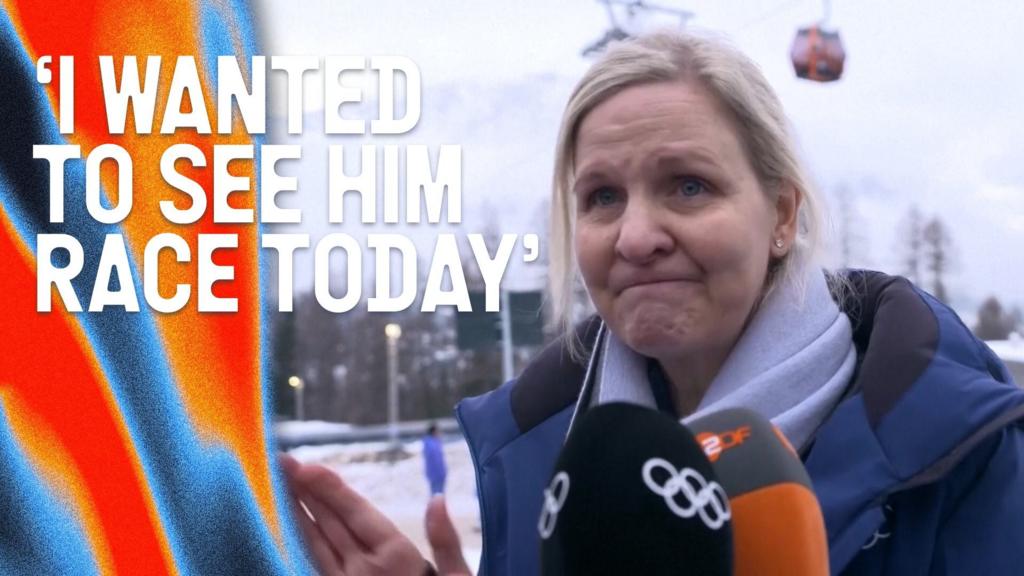
Winter Olympics 2026: Tearful Coventry on ’emotional morning’ of talks with Ukrainian skeleton racer

International Olympic Committee (IOC) President Kirsty Coventry gets tearful as she explains the conversation she had with Ukrainian skeleton pilot Vladyslav Heraskevych.

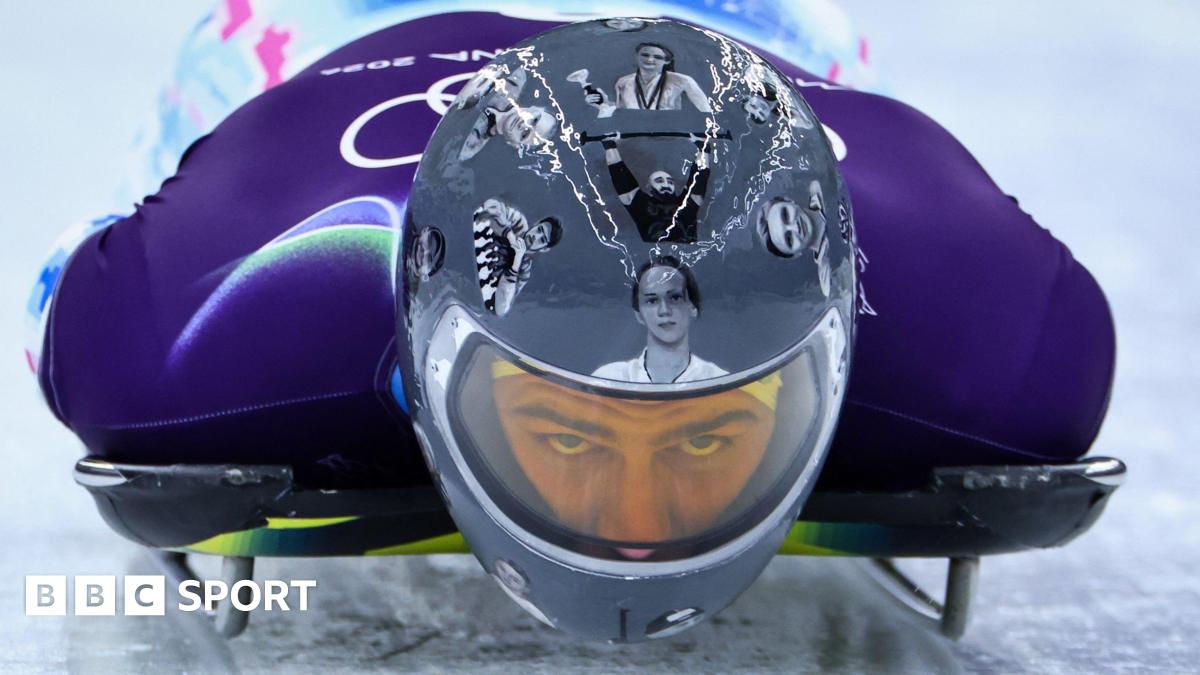
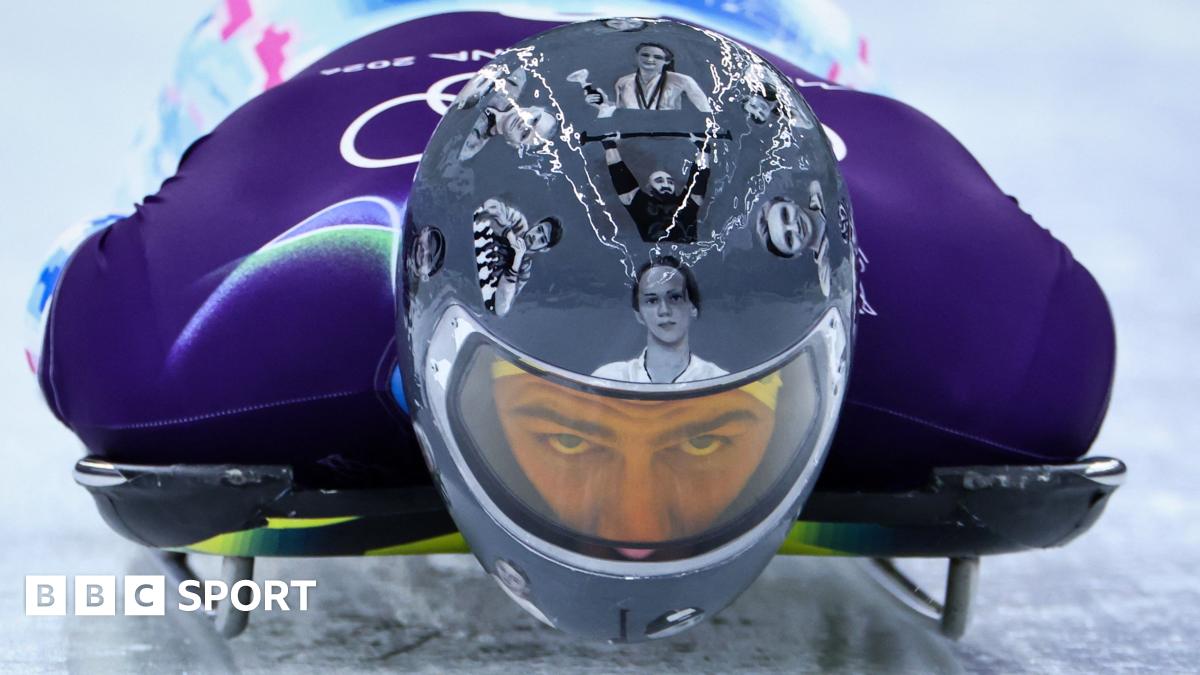
Heraskevych was banned from participating in the race for continuing to wear a helmet featuring images of athletes killed during Russia’s invasion of his home country, which the IOC says breaks its rules.

READ MORE: ‘Price of dignity’ says Ukrainian athlete banned over helmet

Source link

Vladyslav Heraskevych: Ukraine skeleton racer wears helmet despite IOC ban

Ukrainian skeleton racer Vladyslav Heraskevych says he will wear his helmet of remembrance on race days “because these athletes deserve to be on the track” – despite the International Olympic Committee banning him from doing so.

Heraskevych wore the helmet, which features images of athletes killed during Russia’s invasion of his home country, during a training session on Thursday after being told it was not allowed.

The IOC says the helmet breaks the rules laid down in the Olympic Charter and suggests he could instead wear a black armband to pay tribute.

Heraskevych says he does not believe the IOC will impose sanctions on him for continuing to wear it, adding: “I believe we have all the rights to wear this helmet in competition because it is fully compliant with the rules.

“I believe the IOC doesn’t have enough black bands to honour all of the athletes.”

The IOC has not confirmed whether it would disqualify Heraskevych for continuing to wear the helmet, saying it is “not helpful to look at hypotheticals”.

Rule 50.2 of the Olympic Charter states “no kind of demonstration or political, religious or racial propaganda is permitted in any Olympic sites, venues or other areas”.

Mark Adams, a spokesperson for the IOC, said they will contact Heraskevych on Thursday to “reiterate his many opportunities to express his grief”.

The men’s skeleton heats begin on Thursday with the final runs on Friday and Adams says he can show the helmet in mixed zones and on social media but “the field of play is sacrosanct”.

“We really want him to compete, we want all athletes to have their moment,” Adams said.

“[It’s] not helpful to look at hypotheticals. It’s not helpful to speculate now, but there are rules and regulations the athletes want us to enforce. In the end it would be an IOC matter.

“We don’t want to prosecute this issue in public – the way we hope we can deal with this is on a human level. It is in everyone’s interest for him to compete.”

Heraskevych said that many of those pictured on his helmet were athletes, including teenage weightlifter Alina Peregudova, boxer Pavlo Ishchenko and ice hockey player Oleksiy Loginov, and some of them were his friends.

“With this helmet we keep memories about these athletes,” he said.

“Some of them were part of the Olympic movement – they were part of the Olympic family. I believe they deserve to be here.”

The IOC has previously disqualified athletes for displaying political messages.

Afghan breakdancer Manizha Talash, who represented the Refugee Olympic Team at the 2024 Paris Games, was disqualified for displaying a ‘Free Afghan Women’ slogan on her cape during a pre-qualifier dance battle.

Source link

Vladyslav Heraskevych: Ukraine skeleton racer says IOC banned war victims helmet

Ukranian skeleton racer Vladyslav Heraskevych claims the International Olympic Committee has banned his helmet featuring images of people killed in the war in his home country, in a decision that “breaks my heart”.

The 26-year-old wore the helmet during a Winter Olympics training session in Cortina, and had promised before the Games to use the event as a platform to keep attention on the conflict.

The IOC is yet to confirm publicly if it has banned the helmet.

“The IOC has banned the use of my helmet at official training sessions and competitions,” said Heraskevych, who was a Ukraine flagbearer in Friday’s opening ceremony, on Instagram, external.

“A decision that simply breaks my heart. The feeling that the IOC is betraying those athletes who were part of the Olympic movement, not allowing them to be honoured on the sports arena where these athletes will never be able to step again.

“Despite precedents in modern times and in the past when the IOC allowed such tributes, this time they decided to set special rules just for Ukraine.”

Heraskevych told Reuters that many of those pictured on his helmet were athletes including teenage weightlifter Alina Peregudova, boxer Pavlo Ishchenko and ice hockey player Oleksiy Loginov, and stated some of them were his friends.

Heraskevych said Toshio Tsurunaga, the IOC representative in charge of communications between athletes, national Olympic committees and the IOC, had been to the athletes’ village to tell him.

“He said it’s because of rule 50,” Heraskevych told Reuters.

Rule 50.2 of the Olympic Charter states that “no kind of demonstration or political, religious or racial propaganda is permitted in any Olympic sites, venues or other areas”.

He said earlier on Monday that the IOC had contacted Ukraine’s Olympic Committee over the helmet.

The IOC said it had not received any official request to use the helmet in competition, which starts on 12 February.

Meanwhile, Ukraine president Volodymyr Zelensky thanked Heraskevych “for reminding the world of the price of our struggle” in a post on X, external.

The post continued: “This truth cannot be inconvenient, inappropriate, or called a ‘political demonstration at a sporting event’. It is a reminder to the entire world of what modern Russia is.”

Heraskevych, Ukraine’s first skeleton athlete, held up a ‘No War in Ukraine’ sign at the 2022 Beijing Olympics, days before Russia’s 2022 invasion of the country.

Rule 50.2 of the Olympic Charter states: “No kind of demonstration or political, religious or racial propaganda is permitted in any Olympic sites, venues or other areas.”

Heraskevych had said he intended to respect Olympic rules which prohibit political demonstrations at venues while still raising awareness about the war in Ukraine at the Games.

Following Russia’s full-scale invasion of Ukraine in 2022 athletes from Russia and Belarus were largely banned from international sport, but there has since been a gradual return to competition.

The IOC cleared 13 athletes from Russia, external to compete as Individual Neutral Athletes (AINs) in Milan-Cortina.

BBC Sport has approached the IOC for comment.


Source link