Tensions flared on the eve of a critical week ahead for Paramount Skydance’s proposed $111-billion acquisition of Warner Bros. Discovery, amid new urgency for talks aimed at settling antitrust litigation brought by California Atty. Gen. Rob Bonta and 11 other states.
Over the weekend, opposition intensified to a proposed settlement as details trickled out, including a proposal to establish a bipartisan editorial board to monitor cable news channel CNN, one of Warner’s premier properties that Paramount Chief Executive David Ellison would control along with CBS News.
It wasn’t clear Sunday whether a proposed settlement would require Warner to sell off assets — something Bonta repeatedly has insisted upon. Critics of the deal urged Bonta and other state attorneys general to resist pressure to reach a settlement that would allow Ellison’s deal to move forward.
“State Attorneys General, please hang tough against the giant proposed Paramount-Warner Brothers merger,” Rep. Jamie Raskin (D-Md.) wrote on social media late Saturday.
“Paramount, run by the Ellisons, should not own both CBS and CNN. California must not cave and take a deal that leaves both under the same owner,” Rep. Ro Khanna (D-Fremont) wrote.
Bonta and Ellison have made progress in the talks in recent days, according to four people familiar with the matter not authorized to speak publicly.
However, New York’s Letitia James and at least two other attorneys general who joined Bonta’s lawsuit in July privately have expressed reservations about the proposed compromises, believing they don’t go far enough to mitigate concerns about the power Paramount-Warner Bros. would wield over the film and TV industries should the merger go through, according to the people familiar with the matter.
James isn’t on board with Bonta’s proposed settlement, two of the people said. A potential split within Bonta’s coalition could be a setback because Bonta needs the other state attorneys general who joined his legal effort to sign off on any deal.
A spokesperson for Bonta did not respond Sunday to a request for comment.
Paramount maintains its deal to bring HBO, CNN, CBS, TBS, Comedy Central and two legendary film and television studios together would create a stronger company that could withstand the fierce competition from tech giants such as Apple, Netflix, Google (which owns YouTube) and Amazon. The two studios, on their own, would not be strong enough on their own to remain viable in the streaming age, the company has said.
On Thursday, Paramount lawyers plan to demand that U.S. District Judge Araceli Martínez-Olguín in Oakland require the states and the Writers Guild of America to post a $1.88-billion bond that would cover some of Paramount’s delay-related deal costs should the company eventually prevail.
The states and the WGA, which also sued to block the merger, have balked at the request, which was designed by Paramount to create fissures within the coalition of states, which also include Minnesota, Oregon, Colorado, Connecticut, New Jersey and Massachusetts.
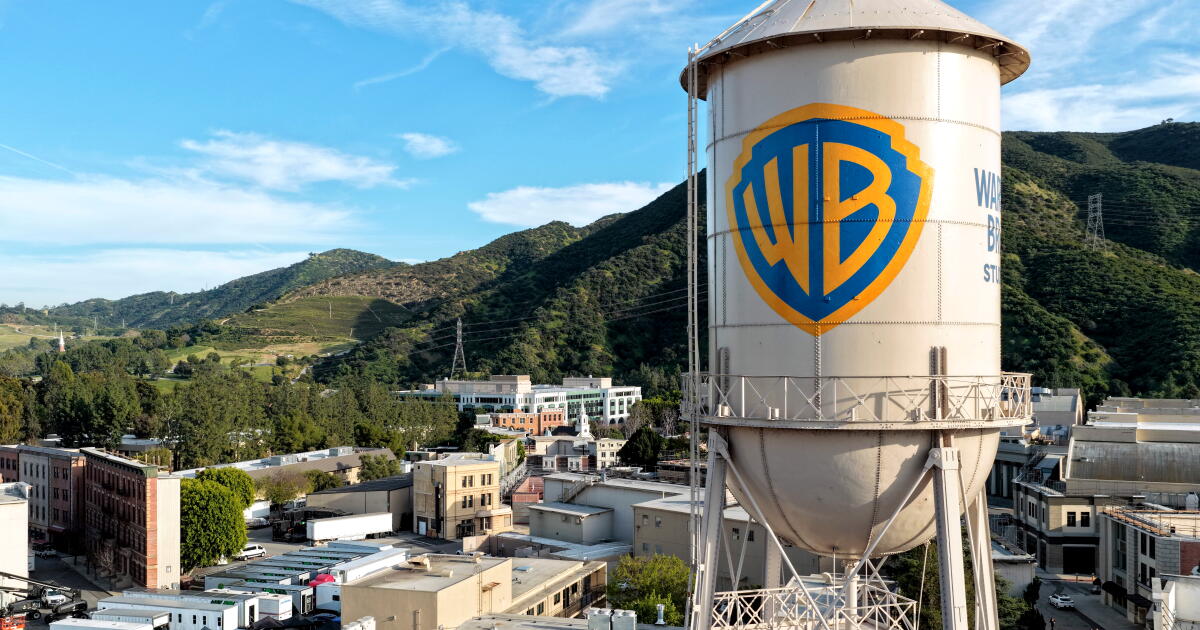
Ellison wants the merger finalized by Oct. 1, when his company will be obligated to make a higher payout to Warner Bros. Discovery shareholders. The company has threatened to move its Hollywood base from its historic Melrose Avenue lot to Tennessee or Texas should the antitrust battle stretch into October.
The prospective loss of an iconic California business — a century-old film studio that helped establish Hollywood — has rattled state and local politicians, who are fearful of losing more jobs at a time when Los Angeles film production levels already are at alarming lows.
Gov. Gavin Newsom, Los Angeles Mayor Karen Bass and Xavier Becerra, the Democratic nominee for California governor, have publicly called on Bonta to settle the suit rather than prepare for a trial next spring. City Councilmember Nithya Raman, Bass’ opponent in the L.A. mayor race, has been one of few California politicians in support of Bonta’s fight.
In an opinion essay Sunday, a trio of 1st Amendment and antitrust experts dismissed Paramount’s threat to leave Los Angeles as a ploy that doesn’t make business sense.
“Ellison’s threat is empty, and the AG should call that out — not give into it,” the experts — Fiona Scott Morton, Gene Kimmelman and Norm Eisen — wrote in the Contrarian.
Both Morton, an economics professor at the Yale School of Management, and Kimmelman formerly served in the U.S. Justice Department during Democratic administrations. Eisen, founder of the group Democracy Defenders Action, is helping lead the Block the Merger campaign.
“Paramount [would be] sinking the cost of moving before it knows what businesses it owns and how best to combine and organize them — which makes expensive strategic mistakes inevitable,” the trio wrote. “A company that raises its own costs while leaving behind the most valuable labor in the industry does not threaten California; it threatens itself.”
The group noted Paramount, in its regulatory filings, still lists its Times Square offices in New York as its corporate headquarters — not its Melrose Avenue campus in Hollywood.
“There is also the possibility that Ellison is planning to move Paramount to Tennessee regardless of how the lawsuit resolves,” the group wrote.
Bonta and Paramount have discussed including in any settlement a condition that Paramount would keep its operations in California for a set period, according to people familiar with the proposal but not authorized to comment.
Merger opponents planned a Sunday evening rally outside Bonta’s offices in Oakland to encourage him to stand tough. The group plans subsequent demonstrations this week outside James’ office in New York City and the Paramount lot in Hollywood.
The jockeying comes as President Trump, who favors the Ellison takeover of CNN and Warner Bros., has sought to block several prominent news organizations, including CNN and Politico, from reporting from the White House.
“Trump just locked CNN out of the White House. Now his billionaire allies want to own it,” Sen. Cory Booker (D-N.J.) added in a Sunday post. “State attorneys general: Don’t settle. Hold the line. Block this merger.”