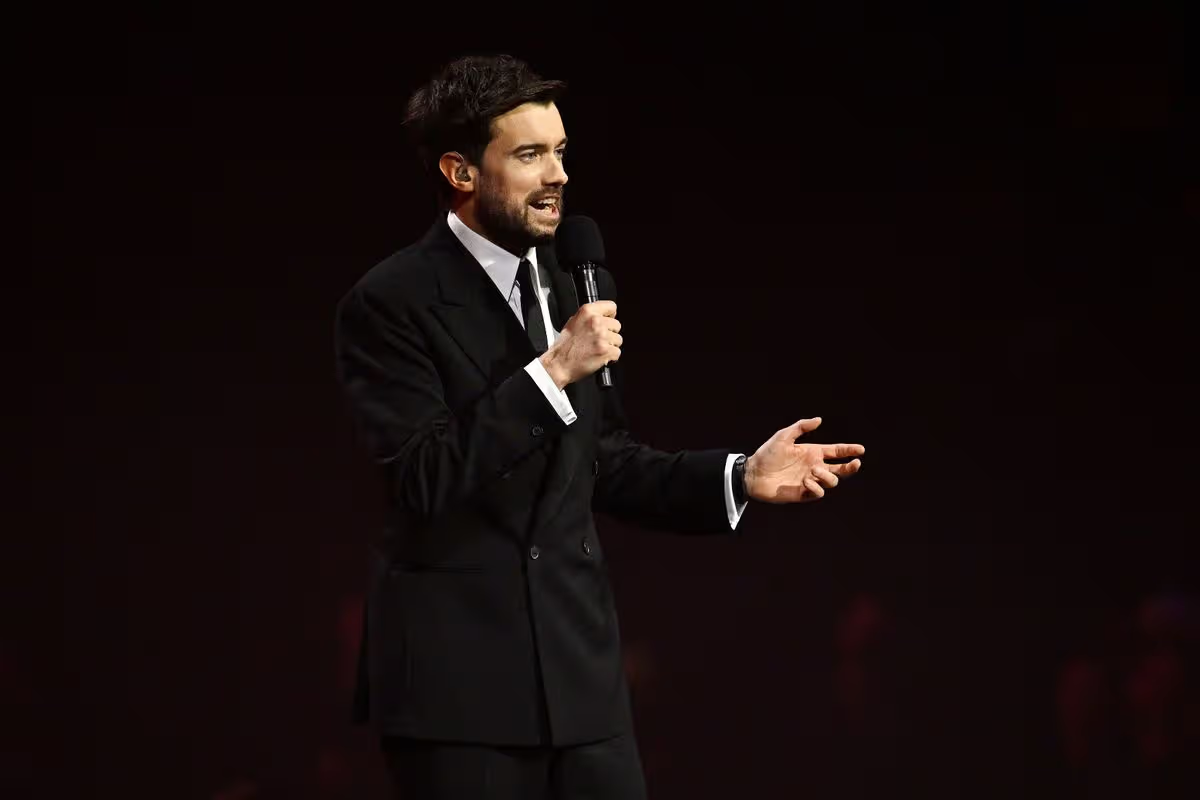
The Brit Awards viewers were left unimpressed by ITV’s decisions on a number of occasions during the ceremony hosted by Jack Whitehall

Jack Whitehall was censored on a number of occasions(Image: PA)
Viewers of the Brit Awards were left incensed by ITV as they watched the annual ceremony. As many tuned in to see how would be winning the biggest gongs of the year, they fumed as the ITV show kept being censored.
Bosses made the decision to blank out several of Jack Whitehall’s jokes throughout his hosting duties. And as a number of winners used their acceptance speech time to share their views, they also found themselves censored. Among those being bleeped was Geese frontman Cameron Winter.
The singer of the Brooklyn indie rock band took to the stage as the band won their first ever Brit Award for International Group of the Year. During his acceptance speech, he said: “I just want to say, Free Palestine, F–k ICE, go Geese!”
READ MORE: Sharon Osbourne defends Robbie Williams for Ozzy Brits tribute with telling commentREAD MORE: Jim Carrey’s unrecognisable new look has fans questioning if he is wearing a mask
But viewers at home didn’t get to hear his actual speech, with interference played over the top. The same thing happened during Noel Gallagher’s speech after he accepted the accolade for Songwriter of the Year.
After thanking his brother and his bandmates, Noel shouted: “Up the f***ing Blues” in reference to his beloved Manchester City. But the moment was banned from TV, and instead viewers at home just heard the aftermath of boos.
And another getting the bleep button was Angry Ginge as he took aim at London. The Manchester native made his feelings known as he called the country’s capital a “s***hole”.
Fans weren’t impressed with the cuts and on Twitter/X they let their feelings be known. One user ranted: “The buzzing to bleep things out is getting annoying. I’m sure what they’re saying is not that bad to air at 9.30 pm. #Brits2026”
“Free speech and all that. Bleep bleep. #Brits2026,” moan another. A third added: “I’ve never known the Brits bleep out so much stuff? What is happening #Brits2026”
A fourth tried to make light of the situation and create a drinking game for the irritation. “Take a shot every time there is a bleep #Brits2026 #BRITs.” And a fifth simply wrote: “Bleep bleep bleep bleeeeep #Brits2026”
The rage continued when Sharon Osbourne was also censored. A fan ranted: “It’s 23:00 and ITV are censoring Sharon Osbourne accepting an award for her late husband.”
But despite the complaints, one user had a different idea, hitting out at host Jack. “Why do they hire Jack Whitehall to present every year if they’re gonna bleep half the jokes just get someone else #Brits2026.”
Elsewhere at the awards ceremony, in between the awards wins, Jack “let slip” who will be the new Strictly Come Dancing hosts. Tess Daly and Claudia Winkleman stepped down at the end of the last series and ever since speculation over their replacement has been rife.
Speaking to Bez and Shaun Ryder of the Happy Mondays, Jack joked they were ready for the role and “revealed” their secret. Shaun labelled Jack a “grass” as he played along with the joke announcement.
Like this story? For more of the latest showbiz news and gossip, follow Mirror Celebs on TikTok, Snapchat, Instagram, Twitter, Facebook, YouTube and Threads.