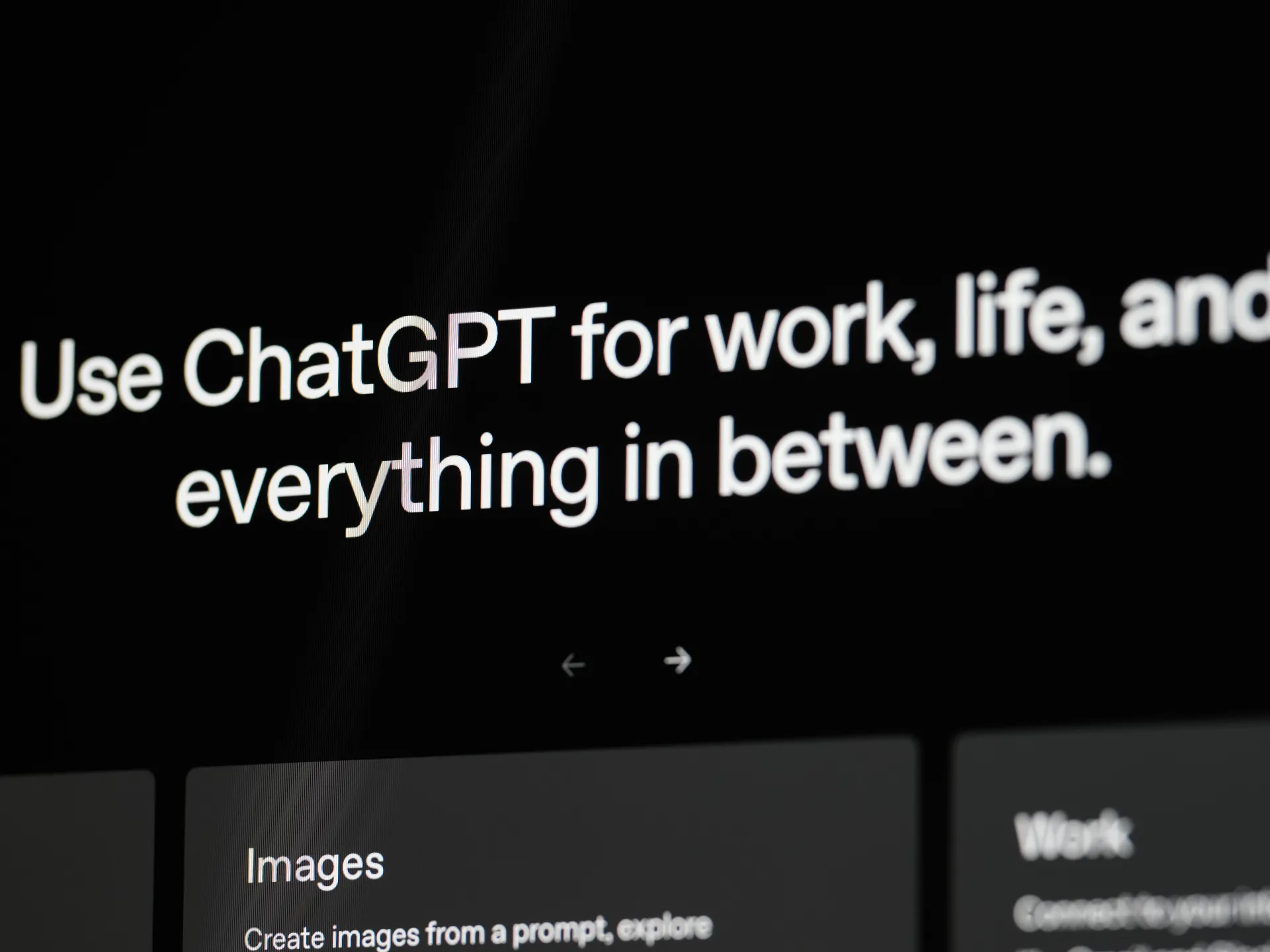
For months before carrying out Canada’s deadliest school shooting in almost four decades, Jesse Van Rootselaar was consulting an unlikely adviser on how to perpetrate mass murder.
“In a hallway, indoors, or a crowded classroom, the 870 [Remington shotgun] is brutal … Close quarters is its playground,” OpenAI’s ChatGPT guided the 18-year-old, according to reports.
Recommended Stories
list of 3 itemsend of list
On February 10, 2026, Van Rootselaar shot his mother and half-brother at home before going to a school in the small British Columbia town of Tumbler Ridge, where he killed another six people – including five students – before taking his own life.
Earlier this week, on October 14, US authorities charged a Washington State man with allegedly conspiring with Van Rootselaar to plan the attack. But the mass shooting incident has raised questions that go beyond the traditional legal understanding of culpability.
The British Columbia government in September filed a civil lawsuit against OpenAI and its CEO Sam Altman, accusing them of failing to prevent the incident and claiming they were aware of the conversations that turned deadly. Families of the victims also filed separate lawsuits. OpenAI’s leadership issued a public apology for their failure to notify authorities.
The company has not responded to requests from Al Jazeera for its comments on the lawsuits.
But as the case against OpenAI progresses, it has spurred a familiar debate: Where should a line be drawn between reporting potentially dangerous behaviour and protecting an individual’s privacy?
“The question of whether companies should be required to turn such information over to law enforcement is extraordinarily difficult, particularly if they don’t already screen chats for indications of such types of threats,” United States-based civil liberties lawyer Jenin Younes told Al Jazeera.
“Forcing companies to implement a surveillance system implicates very serious civil liberties concerns, and that’s probably a bridge too far for me,” Younes added.
“On the other hand, AI gives individuals access to types and quantities of information they didn’t have previously that may facilitate the commission of mass casualty events, a concern it’s not easy to dismiss.”
AI’s ability to distinguish thoughts from threats
One of the biggest challenges facing AI companies is determining whether a user expressing violent thoughts actually intends to act on them.
In August, Anthropic, the company behind AI chatbot Claude, flagged a user to San Francisco police after discovering conversations allegedly threatening its CEO, Dario Amodei.
According to the San Francisco Standard, citing a police report, the user had claimed to possess an AR-15 gun and suggested he had Amodei “in his sights”.
However, when contacted by the newspaper, the man said he was joking and had no intention of carrying out any form of violence. The person was neither charged nor detained, the Standard said.
Fazl Barez, a senior researcher at the University of Oxford specialising in AI safety and governance, said current AI models cannot “reliably” determine whether an interaction with an AI chatbot “is purely hypothetical or is likely to lead to harmful behaviour”.
“Suppose you are a creative writer working on a fictional story and want to explore how a murder plot might unfold. From the context, it may be clear that this is simply a fictional narrative. If the threshold for flagging potentially harmful content is too low, such a writer could be wrongly flagged,” he told Al Jazeera.
“Similarly, consider a graduate student in biology or chemistry studying pathogens that, if misused, could have serious consequences. They might be trying to understand the risks associated with these pathogens and how to mitigate them. Such discussions may be necessary for legitimate research and education. Even when the subject matter is sensitive, they should not automatically be flagged without considering the broader context.”
The researcher said identifying a credible threat may require examining a user’s interactions across multiple conversations, rather than relying on isolated statements.
Barez said someone experiencing intrusive violent thoughts might turn to a chatbot for support, while another person planning an attack may reveal their intentions gradually across several conversations.
“Distinguishing between the two requires careful consideration of context, intent and patterns of behaviour, rather than relying on individual statements alone,” he added.
Chinmayi Sharma, a law professor at Fordham University, said the debate has parallels with the duty imposed on mental health professionals to warn identifiable third parties about credible threats.
However, she said there was a key difference – therapists have professional training, knowledge of their patients and enforceable standards governing their conduct. AI companies do not necessarily have comparable safeguards.
“My concern with AI companies is that right now there’s not a concerted effort to hire mental health professionals, sociologists, individuals that would have the unique expertise on what the indicators of threat are here,” Sharma told Al Jazeera.
“Secondly, licensed professionals are accountable to concrete, legally enforceable standards in their discipline. We don’t have something like that for AI companies.”
The privacy dilemma
The privacy implications extend beyond whether AI companies can accurately identify threats. Millions of people use chatbots to discuss relationships, emotional distress, mental health concerns and deeply personal experiences.
Civil liberties lawyer Younes said many users may not realise how vulnerable those conversations could be to disclosure.
“They often reflect a person’s innermost thoughts, questions, and desires. The majority of people assume that these dialogues will never be viewed by another person,” Younes, president and legal director of the American-Arab Anti-Discrimination Committee, said.
Younes warned that the consequences of greater monitoring could extend well beyond those planning violence.
“If people fear their chats can be turned over to law enforcement simply because they express disturbing thoughts/violent fantasies etc, many will be dissuaded from using them,” she told Al Jazeera.
Younes argued that forcing companies to establish systems for monitoring users and reporting conversations could raise serious constitutional concerns in the US, including protections against unreasonable searches.
Meanwhile, Fordham’s Sharma also raised an issue about who could be disproportionately affected by heavy monitoring by AI chatbots.
“The concern is always there about either intentional or unintentional targeting, because if you have models trained on what we consider dangerous speech, they’re almost always going to reflect biases,” she said. “Certain minorities’ speech is over‑flagged as a threat, while other comparable speech is not.
“Even in a world in which everyone is benevolent, we should still be concerned about disparate outcomes,” she said, warning that machines could reproduce such disparities at scale.
‘Not a licensed therapist’ – When do AI companies become liable to report?
While AI companies may face moral pressure to prevent violence, their legal obligations are less clear, legal experts say.
Bryan Choi, a professor of law at the University of Colorado Boulder, said US law recognises a duty to warn in certain circumstances, including when mental health professionals become aware of imminent threats or when a special relationship exists between parties.
But those principles do not necessarily apply to AI companies.
“Under present case law, it seems unlikely that a company such as OpenAI would be held to have such duties to warn,” Choi told Al Jazeera. “The chatbot is not a licensed therapist. There is no special relationship between the company and the victims.”
Choi said existing negligence and product liability laws could potentially be applied to AI companies, but proving responsibility would present significant challenges.
Finding a balance
Fordham’s Sharma suggested that independent institutions could help establish reporting standards rather than leaving decisions entirely to private companies or requiring immediate disclosure to police.
Such bodies she said could develop procedures for assessing threats and explore ways of sharing only relevant information while protecting users’ identities and other personal details.
Meanwhile, Younes argued that users should, at a minimum, be clearly informed about whether their conversations are monitored and what circumstances could lead to information being shared with law enforcement.
“This is almost certainly an issue that will be wrestled with over the coming years, and I’m not sure anyone knows the solution at this particular point in time,” she said.
“Events that have not yet occurred will likely influence how these policies are shaped.”
Coronation Street’s Sam Blakeman revealed the reason behind his latest struggles in Thursday night’s episode and viewers were shocked by the surprise admission
21:28, 01 Oct 2026Updated 21:28, 01 Oct 2026
Coronation Street’s Sam Blakeman has been keeping a shocking secret (Image: ITV)
Coronation Street has revealed the reason behind Sam Blakeman’s latest set of struggles.
Just as Sam seemed to be readjusting to life as best he can, things took another turn for the worse. Out of nowhere, the teenager was very snappy with Nick when he told him off for being on his phone and he then was seen being irritable with schoolfriend Hope Dobbs.
To see more of the stories you love from The Mirror and to find them easily in Google then make us your preferred source. Free and easy-to-do, just click on the link here to find more from The Mirror at the top of your feed.
In scenes that aired on Thursday night’s episode of the world’s longest-running TV soap, it was finally revealed why. Viewers may have thought he was acting out after accidentally pushing Rovers Return landlady Eva Price (Catherine Tyldesley) down the stairs in the pub and landing her in hospital.
Eva confessed to partner Ben that Sam was the one who accidentally pushed her and the teenager was summoned to the backroom of the Rovers to explain himself to his aunt, claiming that he had been looking for his phone.
Later on, Leanne Battersby (Jane Danson), who is a somewhat surrogate mum to Sam, questioned him on what had really been going on along with Nick and his partner Toyah. He finally said: ” I’ve been buying crypto. I wanted to transfer it back to myself before I lost it all.”
Cryptocurrency is a virtual form of money which utilises blockchain networks and investors can potentially earn a passive income via various investments and staking, and the purchase of a digital coin before selling it on for a higher price.
When it was pointed out that he hasn’t got any money, Sam confessed that he had pretended to be his dad, who runs the Bistro. Sam told Nick: “I applied for a credit card in your name through a different bank. I’ve got all the passcodes. I set up an email address to deal with everything.”
In disbelief, Leanne raged: “Do you know what? I can’t believe this. Megan or no Megan, illness or no illness, this is totally unacceptable. How much was it, Sam?” When pushed for the amount of debt he racked up, Sam admitted that it had totalled to more than £6,200.
Reacting to the latest scenes, one fan wrote on X: “Sam has f****d up royally,” whilst another said: “Bloody hell, Sam!” and a third wrote: “An unexpected twist for Sam Corrie today!”
One shop worker called it ‘the friendliest town in England’
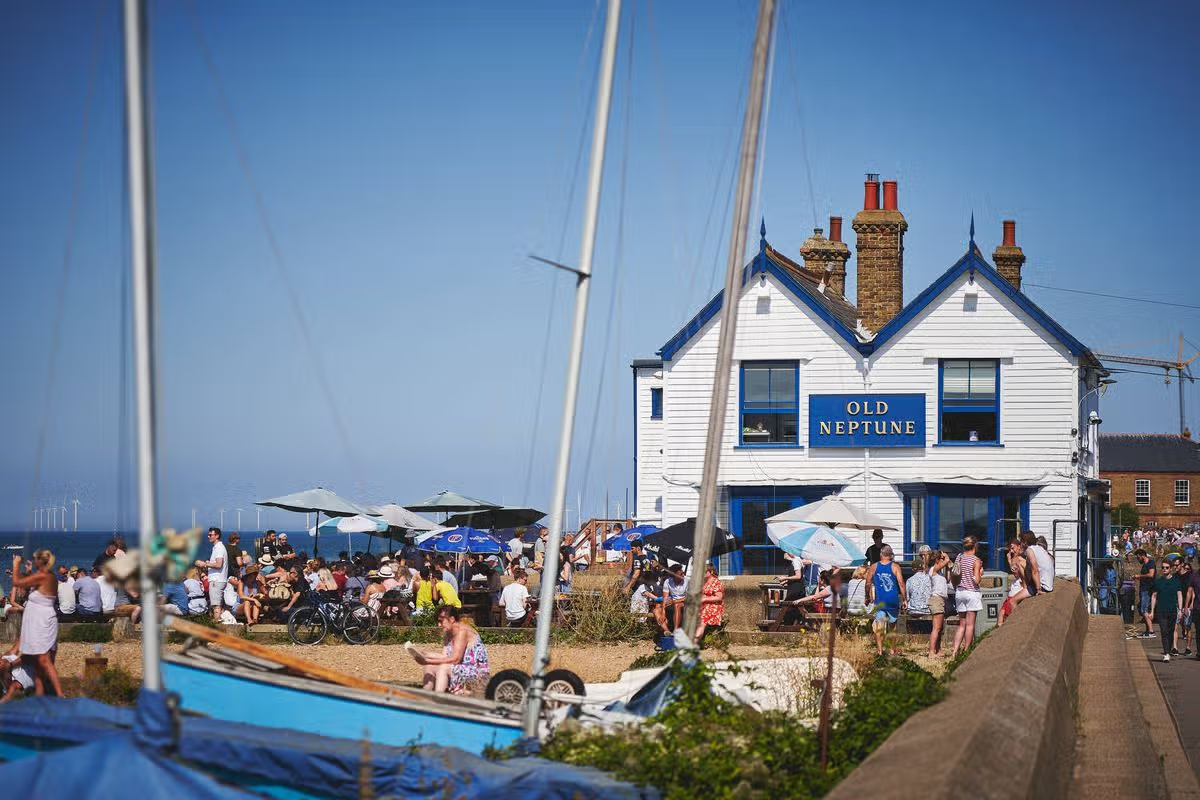
The town’s working harbour remains one of the main attractions(Image: Paolo Paradiso via Getty Images)
One charming UK seaside town is famous for its oysters, bustling harbour and colourful collection of independent shops. Oysters have long been at the heart of Whitstable’s identity, with the town’s seafood heritage dating back centuries.
Today, its working harbour remains one of the main attractions, with fishing boats, seafood stalls, a market and waterside places to eat. But there’s much more to Whitstable than its famous seafood.
The town is a haven for independent shopping, with Harbour Street, the High Street and the surrounding streets lined with quirky boutiques, vintage stores, galleries, delis, bookshops and homeware shops.
Only a handful of national chains remain.
Just over an hour from London by train, the town has become a popular weekend retreat for city dwellers, reports the Express.
Visitors can spend the day browsing independent businesses before grabbing some fresh seafood and taking a stroll along the coast.
Wander down Harbour Street and the High Street, and you’ll encounter shopfronts brimming with character. Here, you can uncover a variety of distinctive treasures like the stunning Pearl Shop selling contemporary pearl jewellery and marine object d’arts, to George’s Whitstable, a fixture of the high street for 50 years and a true Aladdin’s Cave of treasures
You’ll also find award-winning British artisan cheeses at The Cheese Box, unique gifts at Buttercup Independent Toy Shop, a beautiful selection of books at Harbour Books, Whitstable’s beloved independent bookstore, and sweet treats at HoneyKanes Bright & Beautiful Shop, all without stepping inside a single chain store. That reputation has only strengthened in recent years.
Whitstable flourishes on independence, creativity and community spirit.
This sentiment is echoed by Stewart McArthur, from Brisbane, Australia, who is on a gap year and working at The Wit! of Whitstable, a vibrant Harbour Street gift shop that recently moved up from a small harbour stall to a prime High Street location.
He said: “You can wander up and down the street and see anything you need – there are so many different style stores that you don’t really need Amazon here.
“This is quite a busy little town. It just seems to get a lot of people coming through, which helps the independent businesses.”
Tourists, he added, are absolutely crucial. “They really support a lot of the local businesses when they come through. It gets busy, but I wouldn’t say overwhelmed,” he said.
For Stewart, what sets Whitstable apart is its sense of community. “It’s the friendliest town in England, it’s just a nice, chill, relaxed place. It’s nice to have a conversation with anyone who comes by.”
That sense of community was perhaps best illustrated by the tale of Revival Food & Mood, a social enterprise café and wellbeing hub that lost its premises during the 2021 lockdown.
Rather than disappearing, it was rescued by a grassroots campaign championed by residents with backing ranging from local groups to household names like Suggs from Madness and celebrated potter Keith Brymer Jones.
Thanks to the town’s resolve, Revival ultimately secured funding through the government’s Community Ownership Fund and reopened in a restored heritage building on the High Street. It now operates not only as a café but also as a venue for music, social gatherings, and mental health support.
Vanessa Brolly, the front-of-house manager at Revival Food & Mood told the Express: “There was a lot of support from the community about making sure that they found a new home.”
The wellbeing hub café is supported by East Kent and Bexley Mind, and has been in Whitstable for roughly eight years, though only two at its current site, and provides a variety of dishes, drinks, and social events such as “Chatty Tuesday” and a regular “Sound Social” in partnership with a neighbouring record shop.
Ms Brolly said: “There’s definitely a very close-knit community feel here. For example, we’ve got the social sounds event on tonight and that’s being run by the record shop, which is about two doors down and they’ll come in and play the records. Everyone’s always looking to collaborate, which is nice.”
Step inside and you’re welcomed by quirky décor designed to brighten the spirits, featuring an indoor garden complete with a water fountain, snug booth seating, and a 1970s-inspired relaxation space kitted out with sofas, vinyl decks, lamps, and a mirror ball.
Ms Brolly noted that national chains such as Costa and Prezzo have shut their doors, yet believes this speaks to the strength of independent businesses rather than any ill-feeling towards big brands.
“If I were visiting, I wouldn’t go to Costa,” she said, emphasising that visitors come to Whitstable in search of unique, independent spots.”
She went on to say that funding initiatives, such as Canterbury Council’s levelling-up programme, could also help keep Whitstable’s flourishing independent scene alive, but ultimately, what makes the town truly special to her is straightforward. “Everyone supports each other.”
For her, the best thing about working at Revival is “being involved in the community and listening to good music.”
Mrs Sally Miller, owner of Anchors Aweigh Vintage, has run her seaside vintage shop for 13 years.
Having lived in neighbouring Tankerton for over 17 years, she’s witnessed first-hand how the high street has changed over time. Step inside and it’s impossible not to be captivated by its treasure trove of curiosities — a shop overflowing with history, character and one-of-a-kind finds that each seem to have a story of their own.
Mrs Miller told the Express: “You get more versatility now than you did. A lot of the locals moan about the idea that it’s all down to people from London. Actually, we probably have more people from Sheffield than from London, but that doesn’t occur to them. The world is a transient place now, isn’t it?”
“Some of the locals are like, ‘all these people!’ But you live in a nice place – people aren’t going to avoid it. When you talk about DFLs [Down From Londoners], it doesn’t really matter. It’s a transient place, a tourist destination. And because we do live in a nice place, people come. The more the merrier!”
Yet for Mrs Miller, the backbone of Whitstable’s businesses remains its local community: “We get a lot of repeat customers, a lot of local shoppers as well. They like popping in for buttons and little bits.”
What keeps independent shops thriving and sets Whitstable apart, she believes, is a winning combination of attentive service and a warm, welcoming atmosphere that fosters genuine conversation and connection with every customer who walks through the door.
“People like to talk, they like to stop. We give them the time of day – I’m sure we probably keep people in here longer than they should be,” she laughed.
“It’s the service. People still appreciate the service.”
That sense of camaraderie runs deep — if she doesn’t have something in stock, Ms Miller is more than happy to point customers in the direction of a fellow trader, as they all get along and know one another well.
She added: “We have a strong shop local culture. We’re really lucky. People here talk to you.”
Pearl Shop owner, jeweller and pearl specialist Bibi Southwell also revealed how the town’s heritage and community spirit shaped her business: “We first opened as a pop-up in August 2024, and the response was incredible – both locals and visitors really embraced us. That encouraged us to open permanently just a couple of months later in October. Whitstable’s longstanding history with oysters made The Pearl Shop feel like a natural addition to the town. With its coastal charm, creativity, and independent spirit, it was the perfect fit.
“My favourite thing is being able to be creative every day and sharing that with the community. There’s such warmth here, and we’re surrounded by other independent shopkeepers who all support each other.
“Whitstable draws people from all over thanks to its seaside character, oysters, and thriving independent scene. We see loyal locals who come back regularly as well as visitors who discover us while exploring the high street and both are equally important to us.”
She added: “Whitstable has an authenticity that you don’t find everywhere. The town celebrates creativity, uniqueness, and quality over mass-produced sameness. Visitors come here expecting to find something they won’t see on every other high street, and that gives independents like us the space to really thrive.”
On the subject of the recent closures of chains such as Costa, Ms Southwell said it underlines how people in Whitstable actively seek out independent businesses. Echoing views shared by others including Ms Brolly, she explains that visitors arrive wanting to soak up the distinctive character of the town, rather than the familiar chains they can find anywhere else.
“It shows that people in Whitstable actively choose independents. When you visit, you want to experience the character of the town, not the same coffee chain you’d find anywhere else. I think Whitstable is proving that high streets can survive, and even flourish, when they’re built around small, passionate businesses instead of big brands.”
While many traders are celebrating Whitstable’s flourishing independent scene, not everybody is persuaded it can last. One shop owner, speaking on condition of anonymity, offered a sobering reminder of the very real pressures bearing down on the town’s small businesses.
“They’ve let the harbour be rented out to everything you can imagine that we don’t need in a small seaside town, instead of seafood, for people to make money instead of seafood, which is what we actually need there,” they said. “I don’t want another glossy piece by someone from London saying this is the ‘new Camden’. That’s five years behind the times and it doesn’t help us. Until councils stop raiding towns that were built by small family businesses, we’re all going to die. The local councils couldn’t organise a p***-up in a brewery.”
The shopkeeper’s exasperation is plain to see: “Tourists come here expecting seafood, and instead they find crochet cushions and Thai curry. That’s not what this harbour was built for.”
They went on to say that the town’s weekend atmosphere has been put under strain: “Our weekends are dominated by traffic jams and alcohol. Families leave early, children can’t run around, and the council won’t close the smallest, most dangerous roads for safety. This place risks turning into a tourist attraction, rather than a real working town with shops and families.”
Despite this, the shopkeeper conceded that Whitstable retains its undeniable appeal. “The town will always be amazing – but there’s something not quite right about what goes on behind the scenes when small coastal towns are made popular.”
A spokesperson from Canterbury City Council told the Express: “We’re very pleased to hear such positivity about Whitstable, which only goes to reinforce our view that it’s one of the UK’s best seaside towns – a fantastic place to live and work in, and also wonderful for a visit or extended stay.
“Clearly it’s never possible to please everybody, but given the fact the negative comments have been made anonymously, it makes you wonder if the individual has been turned down for trading opportunities at the harbour and their views have been affected as a result.
“The criticism is also incorrect, because there is seafood readily available at the harbour. The harbour is visited by thousands and thousands of people each year and our commercial units along the south quay are very popular with local residents and visitors alike.
“The hugely popular Whitstable Rocks Oyster Festival takes place each September – this year from 12 to 14 September, see whitstablerocksoysterfestival.com – which brings lots of people in and is also run by a private business.
“At its heart, Whitstable remains a fishing town with an active harbour and plenty of businesses selling seafood. Shops selling a whole mix of other goods complement this offer, which leads to a great balance of traders overall.
“But don’t take our word for it – Daily Express readers should come and experience Whitstable for themselves!”.
Toyah Battersby was briefly recast in Thursday night’s episode of ITV soap Coronation Street as part of a sad twist in Debbie Wester’s long-running dementia storyline
20:42, 24 Sep 2026Updated 20:51, 24 Sep 2026
Toyah Battersby was recast for Thursday night’s episode of Coronation Street (Image: ITV)
Toyah Battersby was briefly recast in Thursday night’s episode of Coronation Street. The Bistro waitress is normally played by Georgia Taylor, and she made her debut on the programme in 1997 alongside stepsister Leanne Batterbsy (Jane Danson), her stepfather Les and mother Janice (Vicky Entwistle).
But on the latest instalment of the world’s longest-running TV soap, the character was briefly played by another actress for a matter of seconds amid a stylistic twist to portray Debbie Webster’s dementia spiral.
The hotelier (Sue Devaney) is at the centre of a long-running storyline involving vascular dementia and in recent weeks, her condition has worsened. Debbie approached a woman and said: ” Excuse me, which way is the Rovers?”
The woman looked a little bit confused, and said: “It’s just round the corner…Are you OK, Debbie?” But Debbie immediately asked how the woman knew her name, and refused any further help as she stormed off.
It was then that it was revealed that the woman Toyah all along and, wearing the same costume, Georgia Taylor was stood in her place looking very concerned.
In the credits, the character is simply listed as Stranger, and she was played by actress Anya Williams.
Reacting to the scene, one fan wrote on Reddit: “I enjoyed that scene today. It hit hard. My first thought when debbie said how do you know my name. Was why didn’t the woman explain. Then when it panned to it being toyah I was like, wow.”
Taking to X, a second viewer said: “Very heartbreaking #Corrie scene Debbie not recognising Toyah. Dementia is a cruel disease,” and a third wrote: “Powerful scene with Debbie not recognising Toyah and us seeing it from Debbie’s POV.”
In recent years, Coronation Street has favoured the use of numerous storytelling devices like flashbacks, flashforwards, and dream sequences that have rendered it away from the naturalistic approach that made it famous.
Emmerdale has also tried this method before when dementia sufferer Ashley Thomas struggled to recognise Aaron Dingle.
For Debbie, the incident was just the latest in a series of bad turns amid her diagnosis, having recently believed she was back in the 1980s and working as a hairdresser.
It was previously confirmed that actress Sue Devaney will be leaving the soap in 2027 and, Debbie, more than aware of her mortality, recently told sister-in-law Abbie that she wanted to film her own eulogy for her funeral.
Sue previously spoke of the erratic nature of playing Debbie and wanted to make sure she was telling the story with “full impact.”
She said: “I find it really interesting to play and going into that deeper, next journey of the illness.
“It’s that thing of who’s gonna look after her around that time? Some days she’ll be lucid and normal and then other days she will have a bad day.
“That’s how it happens, so it’s been really interesting to play, it’s really moving. I speak to my friend who is a dementia specialist and she tells me the journey I’m going on and if I am doing it correctly.
“You wanna do it right and I don’t want to not tell the full impact that dementia has on somebody.”
Coronation Streetairs Monday to Friday at 8:30pm on ITV1 and is available to stream from 7am onITVX.
Acting United States Navy Secretary Hung Cao has confirmed that there have been “eight suicide attempts” by personnel assigned to the USS Abraham Lincoln aircraft carrier strike group posted in the Middle East – at least two by jumping overboard – during their deployment there.
In a letter to US Senator Kirsten Gillibrand on Tuesday, Cao wrote about quality of life on the fleet and morale among personnel. He was responding on behalf of US Defense Secretary Pete Hegseth to her questions about reports of crew members attempting to harm themselves.
Recommended Stories
list of 3 itemsend of list
While Cao said no service members had died by suicide during the deployment, there had been attempts to jump overboard.
“This includes the Lincoln crew and sailors from the carrier airwing, strike group and destroyer squadron staff, escorting destroyers and all embarked aviation squadrons,” the letter read.
Here’s what we know:
What is the USS Abraham Lincoln?
It is a nuclear-powered Nimitz-class aircraft carrier that the Navy has referred to as one of the “largest warships in the world”. Nimitz-class vessels include 10 nuclear-powered aircraft carriers in the US arsenal.
The carrier, which set off from California in November 2025 for a routine deployment to the South China Sea, was rerouted in January to the US Central Command (CENTCOM) region in the Middle East because of escalating tensions with Iran.
Since the US-Israel war on Iran broke out at the end of February, the USS Abraham Lincoln has engaged in combat efforts and helped enforce the US naval blockade on Iranian ports.
The roughly 5,000-strong crew on board the Lincoln were at sea for 286 days before finally disembarking in Thailand on September 1, setting a record for the longest deployment. Besides one short port stop last December, the crew had no land breaks in that time.
US media reports have tied ship supply shortages to Iranian attacks on US military sites in the Middle East, notably the heavy damage inflicted on the naval base in Bahrain in the early days of the war. The navy was reportedly forced to use the Indian Ocean island of Diego Garcia instead as its main supply hub, some 3,540km (2,200 miles) from where the USS Lincoln was operating in the Gulf.
According to its website, Naval Support Activity Bahrain provided “services and support to ships at sea, remote sites throughout the region, and military and civilian personnel living in Bahrain”.
Last month, experts told Al Jazeera that the lack of port stops during the ongoing conflict was a major issue for the carrier.
“Ships need maintenance, particularly ships that are extremely complicated with very advanced weapon systems such as nuclear-powered carriers with very advanced systems, and there are things that you cannot do in terms of maintenance under way,” Harlan Ullman, a retired senior naval officer and chairman of the strategic advisory firm Killowen Group, said.
Extended deployments “erode the readiness and capability of that ship the longer it’s at sea, and it lacks the ability to repair and extend maintenance”, he added.
Following media reports of poor levels of morale on board, the USS George Washington was diverted from the Pacific to replace the carrier last month.
What does Cao’s letter say?
“Since the beginning of Lincoln’s deployment, there have been a total of eight suicide attempts across the strike group,” Cao wrote.
In particular, he said one sailor assigned to the air wing jumped overboard in early August but was “quickly recovered”, treated by the medical department and “transferred off ship for follow-on care”.
“Additionally, one sailor attempted to go overboard in March and was stopped by his shipmates. That sailor was also provided with immediate medical care and subsequently returned to homeport,” the letter added.
Cao said the carrier had been deployed with various mental health resources, including one psychologist, three behavioural health technicians, one clinical social worker, one embedded integrated prevention counsellor, one facility dog, and five chaplains.
Cao also acknowledged resupply limitations, however, as the vessel was participating in “major combat operations”, which meant that the number of main course options served during meal times was reduced from two to one.
He said the Navy prioritised the delivery of “hygiene products, fresh provisions and critical repair parts”, adding that while the ship experienced plumbing issues earlier in its deployment, the shipboard engineering team had completed repairs and “portable water supply remains safe and tested daily”.
The Navy chief added that a biparitsan Congressional Delegation was in the “planning stages” of an on-board visit to the carrier once it returns to the US.
Have there been previous reports on the conditions on board the carrier?
Yes.
Before Cao’s letter, a crew member on board the carrier told CNN that morale on the vessel was very low, with suicidal ideation repeatedly heard among crew members.
Last month, the Navy Times, which covers US military news, spoke to the wife of a sailor who, she said, had attempted to jump off the vessel, saying he was “burnt out”.
According to the US news outlet, MSNOW, families of sailors had also attended a meeting with Cao the same month to express their concerns over the sailors’ mental health, exhaustion, and safety on board.
It also reported separately that families told it, on condition of anonymity, that their relatives and spouses on board had described mouldy showers and no hot water for showering for weeks.
Stars and Stripes, a US military news organisation, also reported last month that a spouse told the meeting with Cao that she had received a message from her husband saying “he hopes he doesn’t wake up tomorrow.”
The same month – and following that reporting – the Pentagon fired the Stars and Stripes editor-in-chief and its Middle East reporter.
Since beginning his second term in January 2025, US President Donald Trump has accused news outlets of publishing and broadcasting “fake news”.
On Thursday, US federal judge Timothy Kelly ordered the Trump administration to reinstate press passes after finding that the revocation was done without “constitutionally adequate due process”.
What has been the response to reports on the situation of sailors on board?
Following reports of burnout and struggling mental health on the USS Abraham Lincoln, CENTCOM chief Brad Cooper visited the sailors on the ship last month.
Cooper said in a statement afterwards that the team were “standing tall with immense, justified pride”, adding that “history will record this deployment as one of the most operationally intense and consequential of the modern era.”
Last month, Hegseth said reports about low morale and poor conditions on the ship had been “completely misrepresented”.
“We make sure every ship, every crew, every captain has everything we can provide them at every single moment. Some deployments are longer than others, and I have more respect and gratitude for those sailors than anybody,” Hegseth told reporters during a visit to Panama.
Trump also dismissed reports and said last month that the ship was “beautifully maintained”, saying reports of poor conditions were a “CNN fake news report”.
In a statement on Wednesday to CNN following the letter from Cao, Gillibrand said that what Trump and Hegseth had dismissed as “fake news” was in fact “serious and deteriorating conditions for our service members”.
“Our troops and their families make immense sacrifices every single day, yet the president dismissed them with open disrespect. That this administration can find endless taxpayer dollars for bombs, ballrooms, and billionaires, but cannot take care of our service members, is completely unacceptable.”
Robyn Thompson says her mum Yvonne was the heart of their family
When Yvonne Ford and her husband Ron jetted off to Morocco in February 2025, they expected to return home with little more than happy holiday memories. Instead, what appeared to be nothing more than a tiny scratch would ultimately cost Yvonne her life.
The couple had been relaxing on sun loungers when a stray puppy appeared. At some point, it scratched 59-year-old Yvonne’s leg, leaving what appeared to be nothing more than a superficial mark. Looking back, Yvonne’s daughter, Robyn Thomson, says her parents never imagined the incident posed any danger.
“They were relaxing on the beach on the sun beds. Mum had put her legs down onto the sand and must have startled the puppy,” she said. “The puppy scratched her leg leaving a very minimal scratch on her leg.”
“It barely broke the skin and looked so insignificant that she simply cleaned it with a wet wipe and carried on enjoying the holiday.”
At the time, the family thought nothing more of it. “It was Mum and Dad enjoying a holiday together, and none of us had any idea that such a tiny scratch could expose someone to rabies. We simply didn’t know,” said Robyn, 33, from Barnsley, South Yorkshire. “That tiny scratch had absolutely changed our lives forever.”
When Yvonne returned home to the UK, Robyn remembers asking whether she wanted to get the scratch checked, but Yvonne declined because it seemed so insignificant. “If someone had told us then that such a tiny scratch could be fatal months later, we would never have believed it,” Robyn said.
For weeks after returning home, Yvonne appeared perfectly healthy and life returned to normal. Then, in early June, she developed a headache and, within days, her condition rapidly deteriorated, leading to her being admitted to Barnsley Hospital.
She first developed a headache before eventually beginning to lose the ability to walk and talk. “It was the most devastating thing we’ve ever been through,” Robyn says. “The disease spread through her body so rabidly once the symptoms started. It all started with a headache.”
From there, her condition worsened with terrifying speed. “One minute Mum was independent and full of life, and then she deteriorated so quickly,” Robyn said. “She became confused, frightened and started hallucinating. Eventually she couldn’t walk, couldn’t talk properly, couldn’t swallow, couldn’t eat and couldn’t sleep.”
Robyn says that watching her mum deteriorate was excruciating. “As her daughter, watching someone you’ve looked up to your entire life become so desperately ill and knowing there was nothing anyone could do was unbearable,” the neonatal nurse said.
As Yvonne’s condition worsened, doctors struggled to determine what was making her so ill. Five days passed before a psychiatrist, who initially suspected Lyme disease, recognised the symptoms and asked about her recent travel history.
“This is what I’ve found so hard, knowing that nobody knew what was causing my mum to be so poorly for the first five days until a doctor within the mental health sector suggested it could be a possibility,” Robyn said. One of the things she remembers the most was the shock of being told that her mum had contracted rabies.
“It was the worst news we could have received because there was no cure, nothing to be done to bring mum back,” she saif. “The damage was already done. Rabies was never something we imagined could affect our family. You associate it with something that happens somewhere else, not to your mum after a holiday. Especially with the scratch being so tiny and minimal.”
Yvonne was then transferred to the infectious disease unit at Sheffield’s Royal Hallamshire Hospital, where she died on 11 June, four months after being scratched by the puppy. Now, Robyn knows that if there had been more awareness around rabies at the time, her mum might still be here.
“Looking back now, that’s one of the hardest things to accept. If we’d understood the risk and known she needed urgent treatment immediately, everything could have been different,” she said. “We would have pushed her to get the treatment and it would have saved her life.”
Robyn is now campaigning for greater awareness of rabies to help prevent other families experiencing the same heartbreak. “I wish there were more awareness, more awareness when booking holidays about the risk of potential exposure in certain high-risk countries,” she said. “I wish someone had told us that there is no such thing as ‘just a scratch’ when it comes to rabies.”
“I wish we’d known that washing the wound thoroughly and getting post-exposure treatment immediately can save your life. That lack of awareness cost us our Mum.”
Speaking about Yvonne, Robyn describes her as “the heart” of their family. “She was funny, warm, caring and incredibly selfless,” she said. “She always put everyone else before herself and absolutely adored her family, especially being a Nannie to her four grandchildren.”
“She had so much life left to live. She and my dad, Ron, had worked hard all their lives and were enjoying making memories together. They loved travelling and experiencing different cultures, and the holiday to Morocco was supposed to be another wonderful adventure together.”
Robyn says her mum was also an animal lover who would never have imagined a puppy could pose such a danger.
“Mum loved animals and would never have imagined that a friendly looking puppy could pose such a danger,” she says. “That’s one of the biggest misconceptions people have. She would never want any harm to come to the dog.”
The scratch wasn’t the result of a vicious attack but a chance encounter that would have devastating consequences. “It was a stray puppy that didn’t seem threatening,” Robyn says. “That’s exactly why people need to understand that you can’t judge the risk by how the animal behaves or how serious the injury looks.”
Robyn is now working with Worldwide Veterinary Service and its Mission Rabies program to ensure that this doesn’t happen to anyone else. “After losing Mum, I felt I had to do something,” she said. “I couldn’t change what had happened to our family, but I could help stop it happening to somebody else’s.”
“Working with Worldwide Veterinary Service and Mission Rabies has shown me the incredible work that’s being done to eliminate rabies by vaccinating dogs and educating communities.”
Robyn also has a message for anyone else who is scratched or bitten by an animal while travelling overseas but thinks it’s “only a minor scratch”.
“Please don’t take the risk,” she says. “Our family thought it was only a tiny scratch too.. Wash the wound thoroughly with soap and running water straight away and seek urgent medical advice immediately, even if the injury seems insignificant. Don’t wait until you get home, and don’t assume you’ll be fine because the animal looked healthy or friendly.
“The vaccines could save your life.”
Rabies is present in more than 150 countries, including popular holiday destinations such as Turkey, Morocco and Thailand. According to Worldwide Veterinary Service, nearly half of Brits (47%) say they would approach or interact with a dog or cat abroad and 61% do not know that rabies can be transmitted if an infected animal licks an open wound or scratch.
As a result, the organisation is launching its Think Rabies Before You Travel campaign, urging holidaymakers to check local rabies risk, avoid contact with unfamiliar animals and seek immediate help after any potential exposure this summer.
Jason Eaton faces up to life in prison after a jury rejected his insanity defence.
Published On 21 Sep 202621 Sep 2026
A jury in the US state of Vermont has convicted a man of attempted murder for shooting three Palestinian college students in 2023, rejecting his defence that he was not guilty by reason of insanity.
Jason Eaton, 51, faces up to life in prison for the attack near the University of Vermont campus in Burlington. It left Hisham Awartani paralysed from the waist down and wounded his friends Tahseen Aliahmad and Kinnan Abdalhamid.
Recommended Stories
list of 4 itemsend of list
The jury deliberated for several hours on Monday before reaching its verdict after a week-long trial that included testimony from the three men and psychiatric experts called by both the defence and prosecution.
Eaton was ordered jailed pending sentencing, which has yet to be scheduled.
Awartani and Aliahmad, who were sitting in the front row of the courtroom, smiled and hugged people around them as the verdict was read.
Eaton did not dispute that he shot the three men in November 2023. Instead, his lawyers argued that he should be found not guilty by reason of insanity.
The defence said Eaton was suffering from a delusional psychotic disorder and believed the CIA and Israel’s Mossad were transmitting messages to him through FM radio.
Joshua O’Hara, the supervising attorney at the Chittenden County Public Defender Office, told jurors that Eaton believed the intelligence agencies had enlisted him to “overwatch duty” to protect a Jewish family living across the street and that God was commanding him to act.
Prosecutors rejected the insanity defence, telling jurors that a state psychiatrist had concluded Eaton did not have a mental disease or defect and that the evidence showed he intended to kill the three men.
‘He pulled out a handgun and started shooting’
Awartani, Aliahmad and Abdalhamid, now 23, grew up together in Ramallah in the occupied West Bank before moving to the US for university.
They were visiting Awartani’s grandmother in Burlington over the Thanksgiving holiday when they went for a walk near the University of Vermont campus after dark.
Awartani testified that the friends were smoking cigarettes and speaking a mix of English and Arabic. Two of them were wearing keffiyehs.
He said Eaton was standing on the porch of the apartment building where he lived before approaching the friends without saying anything.
When Eaton was about five to 10 feet (1.5 to three metres) away, Awartani testified, he pulled out a handgun and began shooting.
Awartani, then a student at Brown University, was shot in the chest and left paralysed from the waist down. Aliahmad, who attended Trinity College, was shot in the collarbone, while Abdalhamid, a Haverford College student, was shot in the right buttock.
The shooting prompted calls for a hate crime investigation, but no hate crime charges were filed.
Police later found three shotguns in Eaton’s apartment as well as a Ruger .380-calibre handgun that crime laboratory testing identified as the weapon used in the shooting.