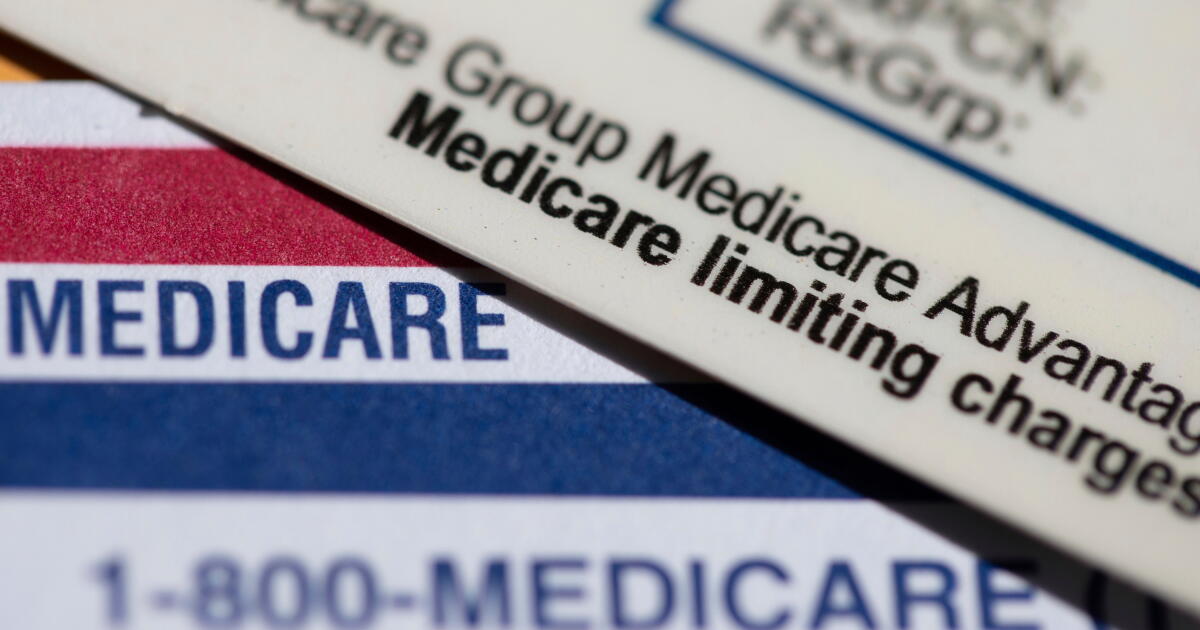
Trump’s $90 Medicare rebate rolls out, but millions aren’t eligible
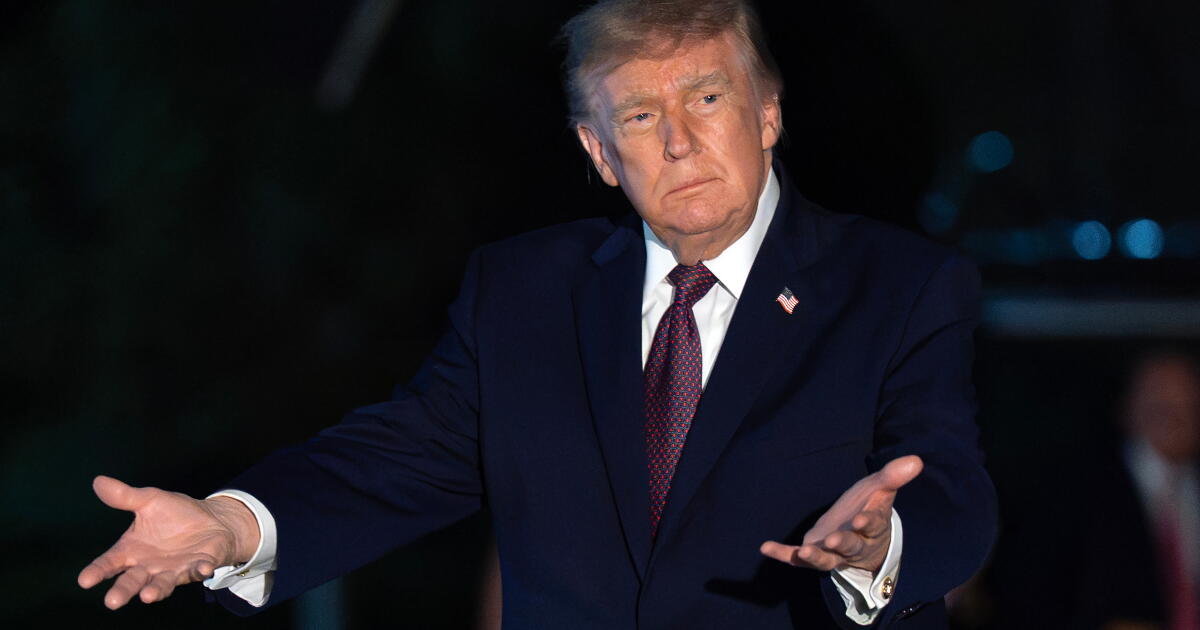
WASHINGTON — President Trump says his administration will make one-time payments of $90 per person to help more than 20 million Medicare enrollees pay for their Part B premiums. It will cost about $2 billion.
Less than one-third of all Medicare recipients are eligible for the payments, which are expected to be sent out this week. Not eligible are roughly 35 million Medicare Advantage enrollees, millions of people with disabilities who get premium assistance and low-income Medicare recipients.
The election-year promise that the Republican president made over the weekend comes as the Nov. 3 midterms are fast approaching, with the cost of living and healthcare expenses among the top issues for voters.
Some questions and answers about the payouts:
Who will benefit?
Some 20.8 million people in the original Medicare Part B who are living in the United States, not receiving premium assistance from Medicaid or not paying an income-related monthly adjusted amount.
Medicare Advantage enrollees, who make up more than half of the eligible 64.2 million Medicare beneficiaries, will not receive a payment, according to KFF, a healthcare research nonprofit. Nor will 12 million low-income older adults and people with disabilities who get premium assistance.
The Part B program covers expenses such as doctor’s visits, ambulance services and lab tests. Total monthly costs generally start at about $200 and vary with income.
Allison Schuster, a White House spokeswoman, said in a statement that the administration “is enabling Americans to take control of their health by putting money directly back in the hands of Medicare patients.”
When will the payments go out and how will they be disbursed?
According to the Centers for Medicare & Medicaid Services website, eligible beneficiaries will receive one $90 rebate this month, with most getting a direct deposit on or around Friday. Others will receive a paper check from the Treasury Department later in October.
Juliette Cubanski, director of KFF’s program on Medicare policy, said the payment will be automatic.
“As far as a benefit goes, people don’t have to call or sign up — it’s just money they receive directly, but not everybody on Medicare will receive this money.”
A White House fact sheet says people can call (800) MEDICARE ([800] 633-4227) to check their eligibility for the premium rebate. To check on payment status, people should call the Social Security Administration at (800) 772-1213.
What is the source of the money?
Payments will come out of the Medicare Improvement Fund created by Congress in 2008 and intended to make improvements to the Medicare fee-for-service program.
The fund was created to improve program management and conduct oversight of contracts and contractors, according to the Congressional Budget Office, but its purpose has expanded after various legislative changes.
This is not the first time the fund has been used.
President Obama’s administration, along with Congress, redirected $20 billion to expand healthcare coverage through the Affordable Care Act.
But under Trump, it is the first time that the fund has been used to directly pay recipients.
What are critics of the plan saying?
Critics of Trump’s promise characterize the $90 payments as a preelection stunt designed to sway voters rather than address structural problems in healthcare costs and administration.
The top Democrat on the Senate Finance Committee, Oregon Sen. Ron Wyden, said in a statement that “this is another desperate attempt by a failed president to escape Americans’ revulsion with his failed agenda, amounting to one tank of Trump-inflated gas.”
Trump recently promised $500 rebate checks to an estimated 1 million Obamacare enrollees across 30 states whom the White House alleged were overcharged by the Biden administration for some fees.
Cubanski said the Medicare rebate payments were being doled out when Americans were feeling the bite of higher food, energy and gas prices. Surging healthcare costs are only compounding those pressure, she said.
“This might be helpful for people but it might not go very far.”
Hussein writes for the Associated Press.


![OpenAI CEO Sam Altman addresses the United Nations Security Council during a session on Artificial Intelligence during the 81st United Nations General Assembly, at UN Headquarters in New York City, US, September 23, 2026 [Brendan McDermid/Reuters]](https://i0.wp.com/occasionaldigest.com/wp-content/uploads/2026/09/2026-09-23T193910Z_1511611083_RC27PNAQNEYE_RTRMADP_3_AI-UN-1790203991.jpg?w=640&ssl=1)