The Sunday Telegraph reports on the arrival of “thousands” of marines in the Middle East as the US-Israel war against Iran enters its second month – and the entrance of Yemen’s Iran-backed Houthis into the conflict. In other news, the prime minister’s former chief of staff, Morgan McSweeney, has been “told to hand over” private texts relating to ex-US ambassador Lord Mandelson, according to the paper. The government has pledged to release relevant communications regarding Lord Mandelson’s appointment. McSweeney’s government phone was stolen last year.
Austrian officials highlight addiction and ill-health while advocating for stricter age restrictions.
Published On 27 Mar 202627 Mar 2026
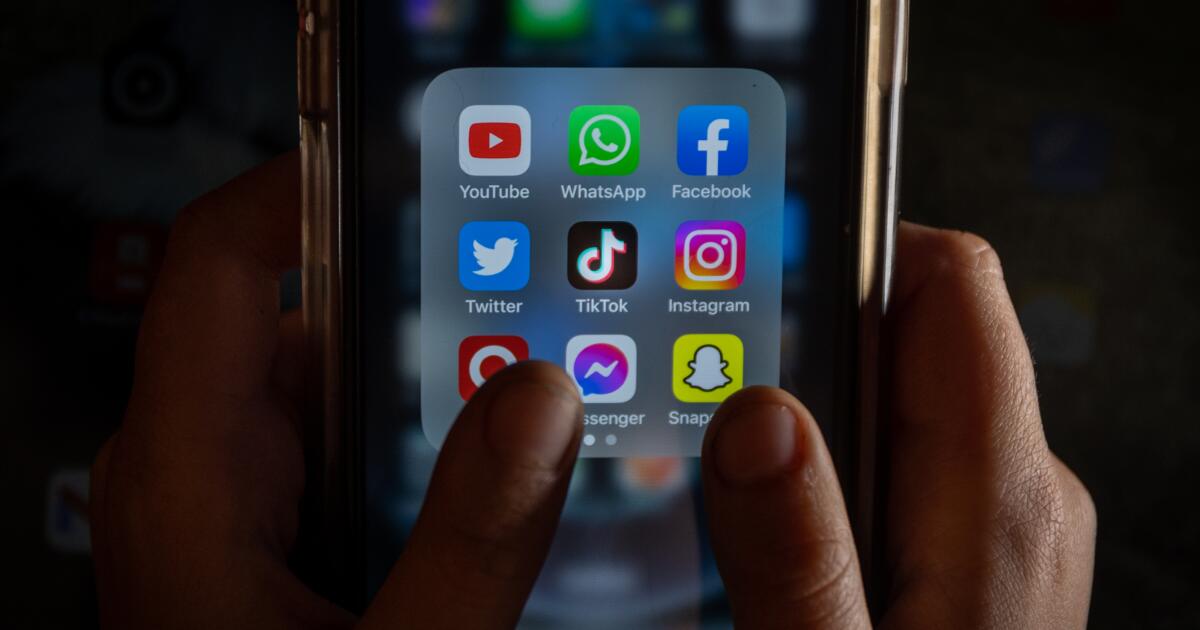
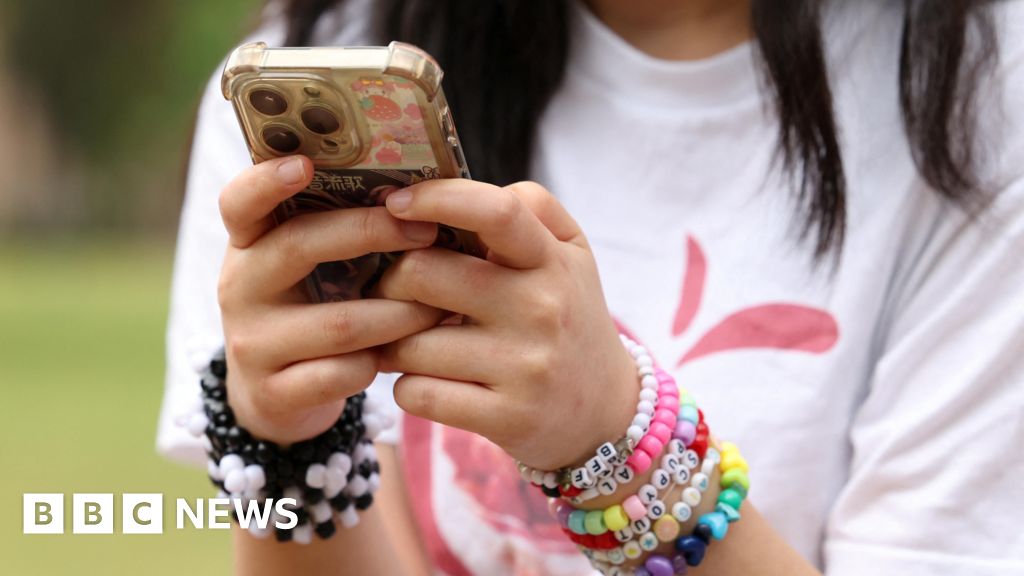
Austria plans to ban children under 14 from using social media, with an official saying certain online sites are addictive and making young people “sick”.
“Austria is introducing a compulsory minimum age of 14 for the use of social media platforms,” conservative junior minister for digitisation, Alexander Proll, told a joint news conference on Friday.
Recommended Stories
list of 3 itemsend of list
Proell added that draft legislation would be drawn up by June. Cabinet members from Austria’s two other governing parties were also in attendance.
“We will decisively protect children and young people in future from the negative effects of social media,” Vice Chancellor Andreas Babler of the Social Democrats said.
“We will no longer stand by and watch while these platforms make our children addicted and often also sick … The risks associated with this use were ignored for long enough, and now it is time to act,” he added.
Babler said the government would not list individual platforms the ban would apply to, but would decide based on how addictive their algorithms are and whether they include content such as “sexualised violence”.
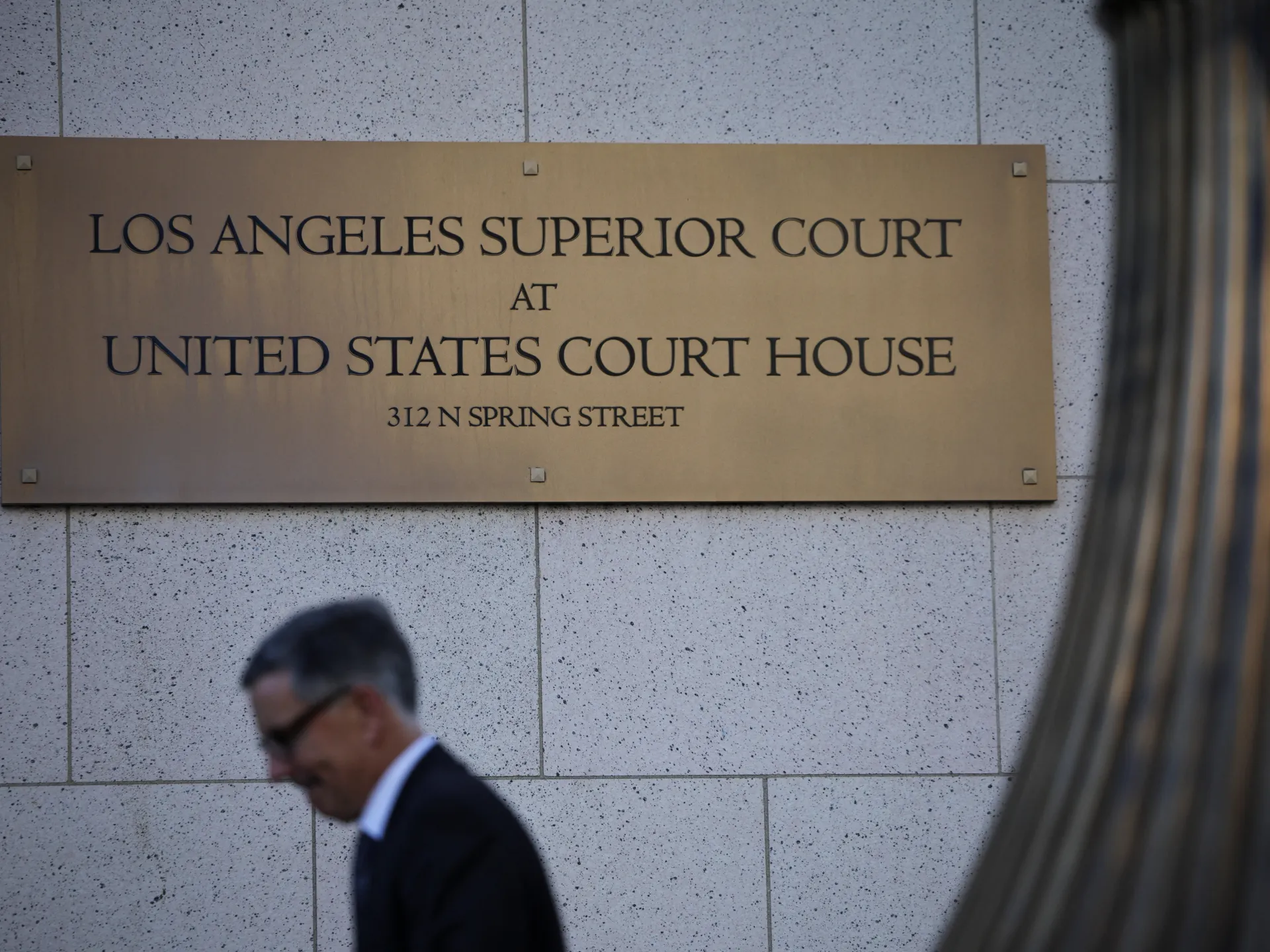
The announcement comes days after a Los Angeles jury found Alphabet’s Google and Meta liable for $6m in damages in a landmark social media addiction lawsuit.
The case involved a 20-year-old woman who said she became addicted to the apps at a young age due to their platform design. Meta says it plans to appeal the decision.
Also on Friday, the United Kingdom advised parents of children under five to limit screen time to a maximum of one hour per day.
Similar to Austria, other nations in Europe and elsewhere have banned the use of social media for children.
In January, the French parliament voted in favour of banning children aged below 15 from social media, amid growing concerns about online bullying and mental health risks.
Countries including the UK, Denmark, Spain and Greece are also studying a ban.
The European Parliament has called for the European Union to set minimum ages for children to access social media, although it is up to member states to impose age limits.
Tom Skinner, an entrepreneur who was on The Apprentice in 2019, appeared on Question Time in Clacton-on-Sea, Essex, which featured a debate about social media giants
Tom Skinner came under fire on Question Time(Image: BBC)
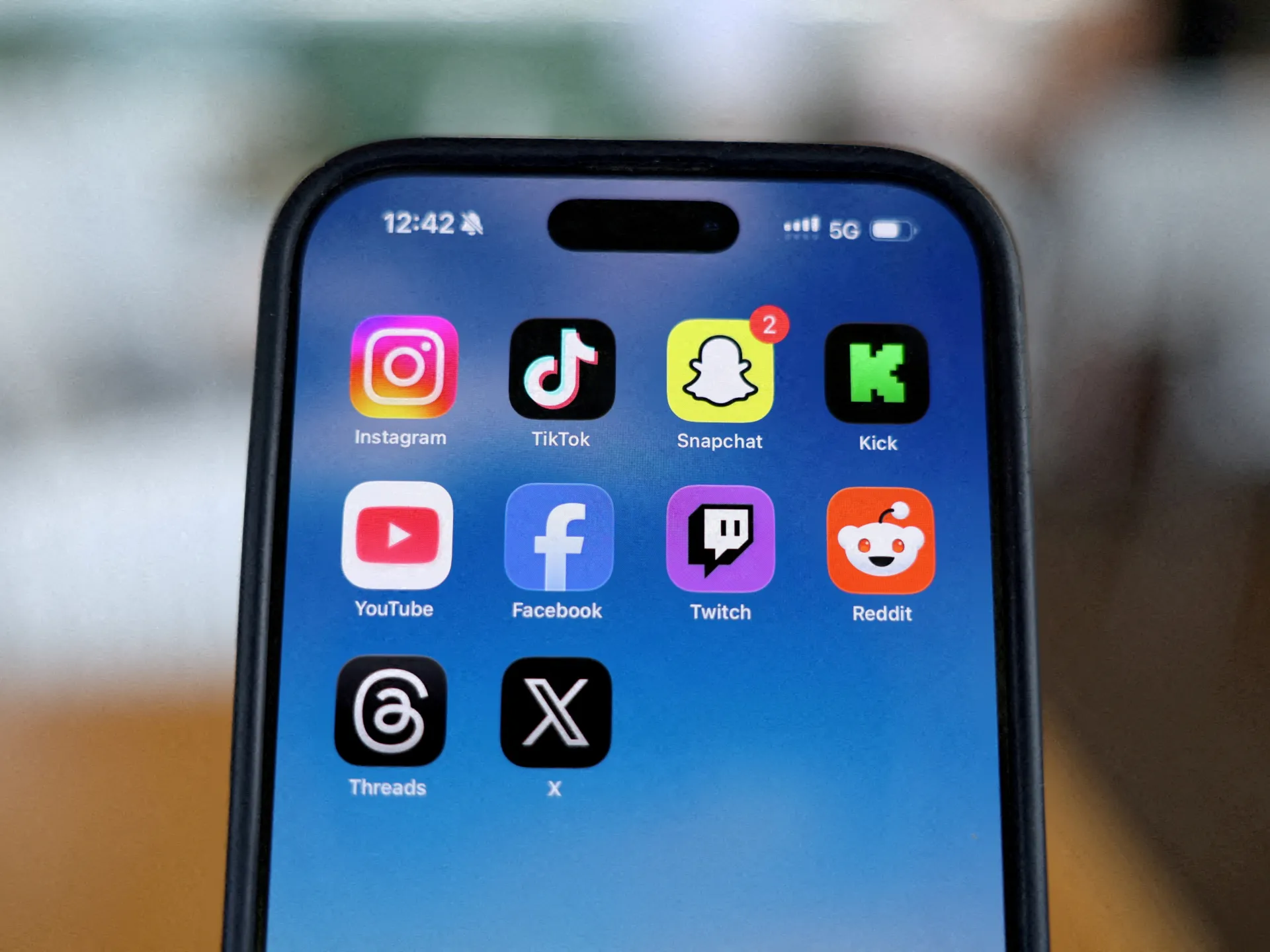
The presenter of the topical debate programme accused Mr Skinner, 35, of being “part of the problem” amid the debate around the pros and cons of apps, such as TikTok and Instagram. The entrepreneur regularly posts videos to his 536,000 TikTok followers, including clips of him eating full English breakfasts at his favourite café. He told Question Time he also makes money by promoting products on Instagram, TikTok and other apps.
But Ms Bruce fronted him on his use of the platforms, suggesting he himself was actually playing into the challenges young people and their parents face with social media. Meta and Google were this week found liable for causing addiction in users in a landmark £2.2million legal case, which led to last night’s debate around how they government should help protect children from such addiction.
Addressing Mr Skinner, the host said: “As you said, you are benefiting from social media, you make part of your living that way and, part of the reason you are able to do so is because of the addictive algorithms that will push people towards yours (social media content)… It is giving you a platform, and job opportunities come your way because of it. In the nicest possible way, you are part of the problem.”
The remark led to a wry smile from Justice Minister Jake Richards, also on the panel in Clacton-on-Sea, Essex. Dad-of-three Mr Skinner hesitated as he answered, eventually insisting his videos are harmless.
Ms Bruce, presenter of the programme since 2019, said: “How can you on the one hand say ‘people shouldn’t be doing it so much’ but, on the other hand, you are benefiting from it?” It left the entrepreneur stuttering again, before he went on to stress the importance of the roles parents should play in protecting children.
“It’s bad. It’s bad when people sit on their phone all day. I’ve seen it myself. I’ve done it myself, I sometimes know I’ve got to be up in four hours and I’ve sat there and I’ve scrolled my brains through, watching absolute nonsense,” Mr Skinner, from Romford, east London, said.
Other panellists defended Mr Skinner, arguing his clips are innocent and “do not drive the worst of the algorithms”. The case this week heard Meta and Google both were negligent in the design or operation of their platforms — including the “infinite scroll” feature that was claimed to trigger addiction in users.
The jury also decided each company’s negligence was a major factor in causing harm to a 20-year-old woman, who says her use of social media as a child addicted her to the technology and worsened her mental health struggles.
Both firms have strongly rejected the verdict and plan to appeal.Meta said: “We respectfully disagree with the verdict and are evaluating our legal options”. A spokesperson for Google added: “This case misunderstands YouTube, which is a responsibly built streaming platform, not a social media site.”
A Los Angeles County jury on Wednesday found Meta and YouTube liable in a social media addition case. File Photo by Adam Vaughn/EPA
March 26 (UPI) — A California jury has found Meta and YouTube liable for negligently designing addictive social media platforms that harm children, in a landmark verdict that could have lasting implications for the tech industry.
The Wednesday verdict marks the first time technology companies have been found liable for creating addictive online products, amid increased scrutiny of the industry and a wave of litigation.
“This jury saw exactly what we presented from the very first day of trial: that these companies built digital spaces designed to negatively influence the brains of children, and they did it on purpose,” Mark Lanier, lead trial counsel and founder of The Lanier Law Firm, said in a statement.
“The evidence showed that Meta and YouTube knew their platforms were hooking children and harming their mental health, and instead of fixing the problem they kept developing features to maximize the time kids spent on their apps. Now a jury has told them that is not acceptable, and you are being held accountable.”
UPI has contacted Meta and YouTube for comment.
The verdict follows a seven-week trial centered on a now-20-year-old plaintiff known to the court by her initials K.G.M., who testified that her use of Instagram, owned by Meta, and YouTube, an Alphabet product, from a young age caused her to develop anxiety, depression, body dysmorphia and suicidal thoughts.
During the trial, she testified that the platforms’ addictive design features, including algorithm-generated recommendations, beauty features and push notifications caused her severe mental harm.
“[The plaintiff] put a human face on what these companies have known for years: that their platforms were engineered to hook young users, and that the children most vulnerable to trauma were the ones they were most effectively reaching,” Rachel Lanier, co-lead counsel and managing attorney of The Lanier Law Firm’s Los Angeles office, said in a statement.
In its verdict, the jury found Meta 70% responsible for the harm the plaintiff suffered and YouTube 30% responsible, and ordered the Mark Zuckerberg-owned tech behemoth and Google‘s video-sharing service to pay her a combined $6 million, half for compensatory damages and half for punitive damages.
Of the punitive damages, Meta is to pay $2.1 million and YouTube $900,000.
This was the first trial in a much larger consolidated case involving more than 1,600 plaintiffs seeking to hold social media companies responsible for the harm they suffered from using those products.
“This is a major victory for the public, for social media users and for child safety,” Libby Liu, CEO of nonprofit legal organization Whistleblower Aid, told UPI in an emailed statement.
“Each successful lawsuit paints a crystal clear picture showing that Meta is not above the law and can and should be held accountable.”
The verdict came down a day after a New Mexico jury found Meta liable for misleading consumers about the safety of its products, ordering the company to pay $375 million in civil penalties for violating the state’s consumer protection laws.
During the trial, state prosecutors showed that Meta’s design features enabled predators to engage in child sexual exploitation, while demonstrating that Meta intentionally designed its platforms to addict young people.
Following the verdict in Los Angeles County, New Mexico Attorney General Raul Torrez, a Democrat, celebrated it as “another critical step toward justice that puts Meta and other big tech executives on notice that they cannot evade responsibility for design choices that jeopardize child safety.”
“We will seek court-mandated changes to Meta’s platforms that offer protections for kids,” he said in a statement.
The rulings come as more attention is being paid to the effects social media has on youth, resulting with Australia in December banning those under the age of 16 from social media, while other countries are considering similar restrictions.
A Los Angeles jury has found Alphabet’s Google and Meta liable for $6 million in damages in a landmark social media addiction lawsuit. The case involved a 20-year-old woman who said she became addicted to the apps at a young age due to their platform design. Meta says it plans to appeal the decision.
A California jury found Alphabet’s Google and Meta liable for $3m in damages in a landmark social media addiction lawsuit that accused the companies of being legally responsible for the addictive design of their platforms.
The decision was handed down by a Los Angeles-based jury on Wednesday after more than 40 hours of deliberation across nine days, and more than a month after jurors heard opening statements in the trial.
Recommended Stories
list of 4 itemsend of list
Among those who testified in the case were Meta CEO Mark Zuckerberg and Instagram head Adam Mosseri, although YouTube chief executive Neal Mohan was not called to testify.
The plaintiff in the case, referred to as KGM or Kaley, was awarded $3m in damages. The 20-year-old said she became addicted to social media at a young age, which exacerbated her mental health issues. She began using YouTube at age six and Meta-owned Instagram at age nine.
Kaley’s legal team alleged that the social media giants used designed features intended to hook young users, including notifications and autoplay features.
“Today’s verdict is a historic moment — for Kaley and for the thousands of children and families who have been waiting for this day. She showed extraordinary courage in bringing this case and telling her story in open court. A jury of Kaley’s peers heard the evidence, heard what Meta and YouTube knew and when they knew it, and held them accountable for their conduct. Today’s verdict belongs to Kaley,” lawyers for the plaintiff said in a statement shared with Al Jazeera.
Jurors were instructed not to consider the content of the posts and videos Kaley saw on the platforms. That is because tech companies are shielded from legal responsibility for user-posted content under Section 230 of the 1996 Communications Decency Act.
Meta consistently argued that Kaley had struggled with her mental health separate from her social media use, often pointing to her turbulent home life. Meta also said, “not one of her therapists identified social media as the cause” of her mental health issues in a statement following closing arguments. But the plaintiffs did not have to prove that social media caused Kaley’s struggles — only that it was a “substantial factor” in causing her harm.
YouTube focused less on Kaley’s medical records and mental health history and more on her use of the platform itself. The company argued that YouTube is not a form of social media, but rather a video platform, akin to television, and pointed to her declining use as she got older.
According to company data, she spent about one minute per day on average watching YouTube Shorts since its inception. YouTube Shorts, which launched in 2020, is the platform’s section for short-form, vertical videos that include the “infinite scroll” feature that the plaintiffs argued was addictive.
“We disagree with the verdict and plan to appeal. This case misunderstands YouTube, which is a responsibly built streaming platform, not a social media site,” Jose Castaneda, a spokesperson for Google, told Al Jazeera.
Meta did not respond to Al Jazeera’s request for comment.
Snap and TikTok were previously named in the suit but settled with the plaintiff for undisclosed terms before the trial began.
Shifting momentum
The verdict is the latest in a wave of lawsuits targeting social media companies. There is a looming federal social media addiction case slated to begin in June in Oakland, California.
On Tuesday in New Mexico, a jury found that Meta violated state law by misleading users about the safety of Facebook, Instagram, and WhatsApp, and by enabling child sexual exploitation on those platforms.
This case has been closely watched by legal experts, who say the verdict will shape future litigation.
“The fact the jury found Meta and Google liable represents that these cases have real exposure to the social media giants, and are going to frame how future litigation will proceed. Although this case will certainly be appealed, I would not be surprised if Meta and Google are already making changes within their platform to reflect the real exposure, and hopefully, the states will start to enact laws regulating social media in a manner congruent with the ruling,” entertainment lawyer Tre Lovell told Al Jazeera.
Professor Eric Goldman, associate dean for research at the Santa Clara University School of Law, echoed Lovell’s assessment.
“The Los Angeles jury verdict is the first of three bellwether trials in Los Angeles, with more bellwether trials to follow in summer, in the federal case. As such, today’s verdict is just one datapoint about liability and damages. The other trials could reach divergent outcomes, so this jury verdict isn’t the final word on any matter.”
Despite the ruling, Meta’s stock has not taken a hit, as it came the same day CEO Mark Zuckerberg was appointed to a new White House advisory council. The stock is up 0.7 percent. Alphabet’s stock, however, is trending downward in midday trading on the heels of the verdict, down 1 percent.
The proposals request that Iran must “commit never to pursue nuclear weapons“, pledge to dismantle nuclear facilities and to hand over the enriched amounts of uranium it possesses to the International Atomic Energy Agency (IAEA), the UN nuclear watchdog, which is to monitor the issue going forward.
This is first big step by the ChatGPT maker to focus its business on potentially more lucrative areas, such as coding tools.
Published On 25 Mar 202625 Mar 2026
OpenAI is shutting down its social media app Sora, which went viral towards the end of last year as a place to share short-form videos generated by artificial intelligence but also raised alarms in Hollywood and elsewhere.
OpenAI said in a brief social media message on Tuesday that it was “saying goodbye to the Sora app” and that it would share more soon about how to preserve what users had already created on the app.
Recommended Stories
list of 4 itemsend of list
“What you made with Sora mattered, and we know this news is disappointing,” it said.
The company behind ChatGPT released Sora in September as an attempt to capture the attention, and potentially advertising dollars, that follow short-form videos on TikTok, YouTube or Meta-owned Instagram and Facebook.
But a growing chorus of advocacy groups, academics and experts expressed concerns about the dangers of letting people create AI videos on just about anything they can type into a prompt, leading to the proliferation of nonconsensual images and realistic deepfakes in a sea of less harmful “AI slop”.
OpenAI was forced to crack down on AI creations of public figures – among them, Michael Jackson, Martin Luther King Jr and Mister Rogers – doing outlandish things, but only after an outcry from family estates and an actors’ union.
Disney, which made a deal with OpenAI last year to bring its characters to Sora, said in a statement on Tuesday that it respects “OpenAI’s decision to exit the video generation business and to shift its priorities elsewhere”.
But Disney did not see the move coming, the Reuters news agency reported.
On Monday evening, Walt Disney and OpenAI teams were working together on a project linked to Sora. Just 30 minutes after the meeting, the Disney team was blindsided with word that OpenAI was dropping the tool altogether, a person familiar with the matter said.
OpenAI announced the move publicly on Tuesday.
“It was a big rug-pull,” according to the person, who requested anonymity to discuss the matter.
Messy process
The move is the first big step by the ChatGPT maker to focus its business on potentially more lucrative areas, such as coding tools and corporate customers.
But the abrupt cancellation of Sora illustrates how messy the streamlining process may become as OpenAI prepares for a stock market debut that could come as early as later this year.
The Sora decision means the end of a blockbuster $1bn deal between Disney and the ChatGPT maker that was announced a little more than three months ago. As part of the three-year deal, Disney said it would invest $1bn in OpenAI and lend more than 200 of its iconic characters to be used in short, AI-generated videos.
But the transaction between the companies never closed, two other people familiar with the matter said, and no money changed hands.
For decades, mole catchers in the countryside have hung their carcasses on fences to be counted for payment and as evidence of their trapping prowess. But when hill walker Simon Lucas shared a photograph of the tradition on social media, he was unprepared for the ferocity of the response.
Meta, YouTube and Snapchat are already under scrutiny for risks they pose for young people. Now they are facing another hurdle in their home state.
California lawmakers are considering legislation to restrict social media use for teens and children under 16 years old. Assemblymember Josh Lowenthal (D-Long Beach) and others introduced a bipartisan bill that would bar social media platforms from allowing users under 16 years old from creating or maintaining accounts.
The legislation comes amid mounting concerns about how social networks impact the mental health of young people. Anxiety among parents and lawmakers has heightened as platforms and AI chatbots become more intertwined with people’s daily life.
Last month, tech executives, including Meta’s chief executive and co-founder Mark Zuckerberg, testified in a landmark trial in Los Angeles over a lawsuit that alleges social media is addictive and harms children.
The trial centers on whether tech companies such as Instagram, which is owned by Meta, and YouTube can be held liable for allegedly promoting a harmful product and addicting users to their platforms.
California has passed legislation before aimed at making social media platforms and chatbots safer but faced pushback from tech industry groups that have sued to stop new laws from taking effect. Tech companies are have responded by releasing more parental controls and restrictions for young users.
Other countries have been moving forward with restrictions on social media. Last year, Australia barred children under 16 years old from having social media accounts.
TechNet, whose members include Meta and Google, said in a statement that it hasn’t taken a position on the California bill but doesn’t believe a ban will effectively achieve the Legislature’s goal’s.
“We support balanced, evidence-based solutions that strengthen protections for young people, equip parents with meaningful tools, and ensure accountability across platforms. Our companies have made significant investments in teen safety and parental controls, and we remain committed to building on that progress,” said Robert Boykin, TechNet Executive Director for California and the Southwest in a statement.
The use of social media by young people has divided tech executives.
Pinterest Chief Executive Bill Ready wrote in an op-ed in TIME published on Friday that governments should follow Australia’s lead and ban social media for kids under 16 years old if tech companies don’t prioritize safety.
“Social media, as it’s configured today, is not safe for young people under 16,” he said.”Instead, it’s been designed to maximize view time, keeping kids glued to a screen with little regard for their well-being.”
Lowenthal’s bill cited social media’s dangers such as “exposure to harmful content, compulsive use patterns, exploitation, and adverse impacts on mental health and well-being.”
“Existing age-based restrictions that rely primarily on user self-attestation have proven ineffective and place an unreasonable burden on children and families rather than on the entities that design, operate, and profit from social media platforms,” the bill states.
A spokesman for Lowenthal didn’t immediately respond to a request for comment.
Before taking any travel trip, it’s vital that you’re aware of any rules that are in place for the country you’re visiting, as a harmless habit can catch you out and land you a hefty fine
There’s a strict travel rule in this popular European destination (Image: Getty Images)
Jetting off abroad is always exciting, but if you’re visiting a popular European destination, there’s a little-known rule you need to be aware of.
Taking photos while wandering the quaint streets of a European town or capturing snaps of the city’s famed landmarks comes second nature to holidaymakers when exploring somewhere new. And afterwards, many tourists look forward to sharing their snaps on social media, but this harmless habit could land you in trouble, alongside a hefty fine.
Travellers planning a trip to Germany are being warned about the country’s strict rules on taking photos in public and sharing them on social media. While tourists have every right to take photos while visiting Germany, there are regulations on publishing or sharing images of people without their consent, even if the photo was taken in a public place, under the Art Copyright Act (KUG).
Simon Hood, a travel expert and Executive Director of John Mason International, explained: “Taking a photograph of a stranger and publishing or distributing this without their permission is illegal in Germany. Even if a person’s face is not in the picture, if they can be recognised by their tattoos, clothes, or the context of the photo, this is still disallowed.
“The regulations are complicated, for example, posting photos of strangers at public events such as parades, sports events and demonstrations are allowed, as long as they are not specific photos of the crowd. The Federal Court of Justice judge cases individually and ultimately determines what is and isn’t unlawful.”
Fines for sharing an unauthorised image online can range from £850 (€1,000) upwards, Simon added. “With this in mind, it’s best to ask those in-frame before posting a photo that includes them.”
Family Law Attorney Stephen Bardol explained the rule further: “From a family law perspective, this topic is often underestimated, especially when children appear in photos. Many assume that posting a photo of someone else is a harmless act, such as during travel, holidays or at family celebrations. But the fundamental rights of the image and privacy protection in Germany are often highly violated here.
“If a person can clearly be identified in a photo, posting the photo is no longer a decision for the person posting the photo, but rather a consent, privacy and interference with the fundamental rights of others.”
Stephen added that the situation can become much more complex when children are involved. He said: “The fact that a child cannot fully understand what the publication of their photo on the internet implies, eg, where it will be accessible, for what period of time and who will have access to it, and most of all the possibility that the picture will be shared or re-published by other users, means that the protection of children is greater than that of adults.”
He advised: “Tourists who are visiting Germany should be careful when taking photos, especially of families with small children. Posting a photo of a square where the families are only visible in the background is one thing, but posting a photo of a single child or a single family is an entirely different matter.”
Do you have a travel story to share? Email webtravel@reachplc.com
Heavy social media use has contributed to ‘worrying decline’ in wellbeing in Western countries, World Happiness Report says.
Published On 19 Mar 202619 Mar 2026
Social media has played a large role in declining happiness among young people in Western countries, a United Nations-backed report has found.
Heavy social media use partly explains a “worrying decline” in the wellbeing of young people in the West, the latest edition of the annual World Happiness Report said on Wednesday.
Recommended Stories
list of 4 itemsend of list
In total, 15 Western countries, including the United States, Canada, Australia and New Zealand, saw significant declines in youth wellbeing over the past two decades, according to the report.
The trend was not observed globally, with young people in regions covering 90 percent of the world’s population reporting higher life satisfaction than before.
“The trends are caused by many factors, which differ between continents. However, the evidence in this report does suggest that heavy social media use, especially in some countries, provides an important part of the explanation,” researchers John F Helliwell, Richard Layard, Jeffrey D Sachs, Jan-Emmanuel De Neve, Lara B Aknin, and Shun Wang said in an executive summary of the report.
“Outside the English-speaking world and Western Europe, the links between social media use and wellbeing are more positive, and they vary between platforms,” the researchers added.
The report, published by the University of Oxford’s Wellbeing Research Centre in partnership with Gallup and the UN Sustainable Development Solutions Network, cited data from sources including the Programme for International Student Assessment (PISA) and research by the American social psychologist Jonathan Haidt.
Despite the decline in youth wellbeing, Western countries, particularly in Scandinavia, dominated the overall happiness rankings across age groups.
Finland ranked as the world’s happiest nation for the ninth consecutive year, followed by Iceland, Denmark, Costa Rica, Sweden and Norway.
The Netherlands, Israel and Switzerland also made the top 10.
Middle Eastern and African countries had the lowest happiness scores.
Afghanistan reported the lowest life satisfaction, with Zimbabwe, Malawi, Egypt, Yemen and Lebanon also ranking among the bottom 10 countries.
Social media use among young people has been a growing concern for governments amid reports linking platforms to bullying, sexual exploitation and worsening mental health.
Australia last year introduced the world’s first social media ban for under 16s, with plans for similar restrictions under way in Indonesia, France and Greece.
Jeffrey Epstein urged Canadian-American media and real estate mogul Mortimer Zuckerman to relinquish control of his financial affairs over what he claimed was the magnate’s “potentially dangerous” cognitive impairment, according to files released by the United States Department of Justice.
While Epstein’s business ties with Zuckerman, now 88 years old, have been a matter of public record for over two decades, the files suggest that the late sex offender also served as a confidant with access to the most intimate details of the billionaire mogul’s personal life.
Recommended Stories
list of 4 itemsend of list
After a meeting with Zuckerman and the Norwegian diplomat Terje Rod-Larsen in October 2015, Epstein wrote an email urging the tycoon to enter a guardianship or conservatorship for his own protection.
Epstein told Zuckerman, the owner and publisher of US News & World Report, that the mogul had requested his help during their meeting several days earlier, but that he “might not remember”.
“Your friends including me are very concerned that your cognitive impairment has now reached a serious and potentially dangerous level. There is serious concern for your financail, emotional physical and psychological safety,” Epstein wrote, using his typically idiosyncratic approach to spelling, punctuation and grammar.
Epstein suggested that Zuckerman grant Rod-Larsen, Zuckerman’s nephews, and “anyone else you trust” authority to manage his affairs, warning that his “remarkable abilities” were no longer enough to protect him.
“I am aware that your condition makes you prone to suspicion but that being said, the future predictable decline will be an ever increasing danger,” Epstein wrote.
“Admittting you have a problem will take courage and determination.”
Zuckerman, who previously owned The Atlantic and the New York Daily News, appeared to take Epstein’s advice seriously, thanking him for his “thoughtfulness and friendship” and asking for recommendations for a lawyer with “experience in such matters”.
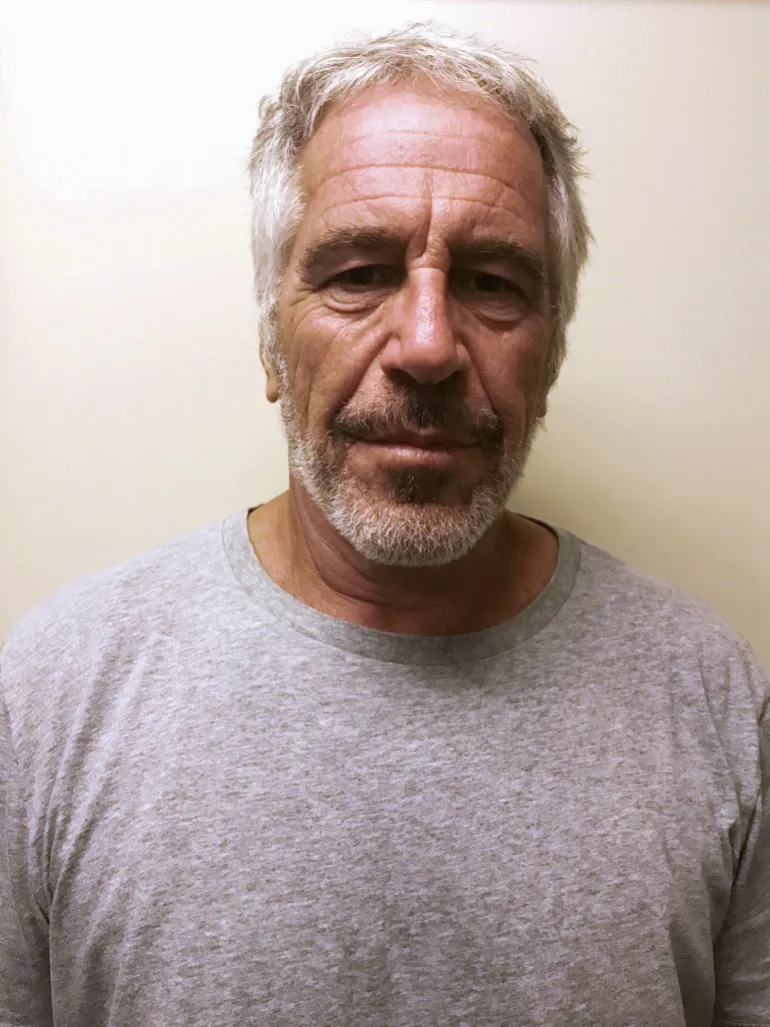
Jeffrey Epstein appears in a photograph taken for the New York state’s sex offender registry on March 28, 2017 [Handout/New York State Division of Criminal Justice Services via Reuters]
Zuckerman suggested the two men meet after he returned from an upcoming trip to San Francisco, but Epstein advised him to cancel the trip and said the mogul had told him about his travel plans on four separate occasions.
“I know you dont remember each time. . MORT , you need a Guardian,” Epstein wrote. “you should choose one now, while your judgment peeks through the haze. waiting too long. will mean most likely a court imposed solution. NOT FUN.”
Epstein also discussed Zuckerman’s health with his nephew, Eric Gertler, advising the relative to oversee the sale of the businessman’s stocks, art collection, helicopter and plane.
“my expertise is the financial . take any other suggestion as merely transmitting from others skilled in this terrible situation,” Epstein wrote to Gertler, who is the current executive chairman of US News & World Report, in one email.
It is not clear if Zuckerman followed Epstein’s advice to pass over control of his affairs.
Zuckerman announced that he would step down as chairman of Boston Properties, one of the largest real estate investment trusts in the US, about six months after his correspondence with Epstein.
Zuckerman did not cite any health concerns at the time and kept the title of chairman emeritus at the company, which he cofounded in 1970.
His philanthropic organisations – the Zuckerman Institute and Zuckerman STEM Leadership Program – and Gertler did not reply to Al Jazeera’s requests for comment.
Zuckerman’s relationship with Epstein, who died in 2019 while awaiting trial on sex trafficking charges, occasionally made headlines during the early 2000s, before Epstein’s 2008 conviction for soliciting a minor for prostitution.
In 2003, Zuckerman partnered with Epstein and several other prominent businessmen, including the disgraced Hollywood producer Harvey Weinstein, in an unsuccessful bid to buy New York Magazine.
The two men teamed up again the following year to invest $25m in the short-lived relaunch of the entertainment and gossip magazine Radar.
Investigative files released by the US Department of Justice in January showed that the late financier viewed Zuckerman as a client and close associate, as well as a business partner.
In 2013, Epstein drew up a $21m proposal to provide Zuckerman with “analysing, evaluating, planning and other services” related to the passing on of his estate, according to emails in the files.
It is unclear whether Zuckerman accepted Epstein’s proposal or otherwise employed him to manage his estate planning.
Epstein also pressured Zuckerman to alter coverage of his alleged sexual abuse of girls in the New York Daily News, suggesting a “proposed answer” to questions put to him by the newspaper in 2009. Zuckerman owned the New York Daily News at the time.
The Palestinian presenter delivered the network’s first-ever bulletin when it went on air in 1996.
Published On 15 Mar 202615 Mar 2026
Share
Al Jazeera Arabic presenter Jamal Rayyan, the first face ever seen on the channel when it launched nearly three decades ago, has died at the age of 73.
Rayyan passed away on Sunday after a broadcasting career spanning more than five decades, during which he covered major global and regional events for the channel – from the United States wars in Afghanistan and Iraq to the Arab Spring.
Recommended Stories
list of 4 itemsend of list
He had been with Al Jazeera since its first day on air on November 1, 1996, when he presented the channel’s opening bulletin at the start of what would become a major broadcaster in the Arab world.
Born in Tulkarem in the occupied West Bank in 1953, the Palestinian presenter began his career at Jordanian Radio and Television in 1974 before working with several broadcasters in the region and beyond, including Emirati television, South Korean public broadcasting, and BBC Arabic.
Rayyan later recalled being sworn to secrecy after being quietly selected for the historic role.
“The vice chairman of the board came and said to me, ‘You have been chosen to be the first face on Al Jazeera, but we want one thing from you: do not tell anyone,’” he told Al Jazeera’s In-Depth Studies, a collection of testimonies from the channel’s founders and early staff.
Measured delivery, distinctive voice
The announcement that Rayyan was presenting the first bulletin was made public half an hour before airtime. He entered the studio deliberately on an empty stomach, he recalled, to ensure he could breathe well and deliver.
“As the broadcast started, my heart began beating rapidly. However, after I appeared on the screen and said, ‘Welcome to the first broadcast of Al Jazeera channel,’ I returned to my natural state and finished the broadcast. As soon as I finished and exited the studio, the entire room erupted in applause,” Rayyan said.
He spent nearly three decades as one of Al Jazeera’s most recognisable presenters, building a following of 2.3 million on X.
Over the years, Rayyan became a familiar presence in homes across the Arab world, his measured delivery and distinctive voice closely associated with Al Jazeera’s news bulletins.
In the Arab world and beyond, his broadcasts and the channel’s editorial approach reached wide audiences and helped shape regional news coverage in the years that followed.
The captain of the Iranian women’s football team has withdrawn her bid for asylum in Australia, Iran’s state media says, making her the fifth member of the delegation to change her mind after her team’s participation in the Asian Cup.
Zahra Ghanbari will fly from Malaysia and travel to Iran within the next few hours, the IRNA news agency said on Sunday.
Three players and one backroom staff member had already withdrawn their bids for asylum and travelled to Malaysia from Australia, where the team participated in the AFC Women’s Asian Cup.
Australia’s Home Affairs Minister Tony Burke said his country had offered asylum to all players and support staff members prior to their departure over fears they might be punished upon their return home after the team refused to sing Iran’s national anthem at the tournament.
Iranian state broadcaster IRIB reported on Saturday that the three had “given up on their asylum application in Australia and are currently heading to Malaysia”, posting a picture of the women allegedly boarding a plane.
The news was confirmed by Burke a few hours later.
“Overnight, three members of the Iranian women’s football team made the decision to join the rest of the team on their journey back to Iran,” Burke said.
“After telling Australian officials they had made this decision, the players were given repeated chances to talk about their options.”
Five players took up the offer and signed immigration papers last week, with one more player and a member of staff joining them a day later. It leaves two Iranian players in Australia, where they have been promised asylum and an opportunity to settle.
Iran played their three group games of the Asian Cup at the Gold Coast Stadium in Queensland on March 2, 5 and 8, after the United States and Israel launched their war on Iran on February 28.
The initial attacks killed Iran’s Supreme Leader Ayatollah Ali Khamenei and other leaders.
Overall, an estimated 1,444 Iranians have been killed since the war began, including more than 170 people, mostly schoolgirls, who were inside a primary school in the city of Minab.
After refusing to sing the Iranian national anthem at their first match, players on the Iranian women’s football team were branded “traitors” by an IRIB presenter.
When Iran played their second game of the tournament against Australia three days later, not only did the players sing the national anthem, but they also saluted it, prompting fears that they may have been forced to change their stance after receiving backlash in Iranian media.
While neither the players nor the team management explained why they refrained from singing before the first match, fans and rights activists speculated that it may have been an act of defiance against the Iranian government.
On the day of the team’s departure from Australia, Burke announced his government had offered all players and staff members the chance to stay back in the country.
On Tuesday, Burke told reporters that five Iranian players had decided to seek asylum in Australia and would be assisted by the government.
“They are welcome to stay in Australia, they are safe here, and they should feel at home here,” he said.
A day later, Burke confirmed that an additional player and a member of the team’s support staff had received humanitarian visas in the hours before their departure.
However, one player, who previously chose to stay behind, changed her mind and decided to return to Iran.
The player, who was later identified as Mohadese Zolfigol, changed her decision on the advice of her teammates, Burke told the Parliament of Australia.
“She had been advised by her teammates and encouraged to contact the Iranian embassy,” he said.
The players who managed to escape with the help of Iranian rights activists were taken away by Australian police officials to a safe house, where they met immigration officials and signed the paperwork.
“Our understanding is that every single member of the squad was interviewed independently by the Australian Federal Police,” Beau Busch, the Asia/Oceania president of players’ welfare body FIFPRO told Al Jazeera last week.
“[The players] were made aware of their rights and the support available to them. They certainly weren’t rushed through that process.”
Iranian media report the deaths in central Iran as Tehran launches new missile salvoes at Israeli targets.
Published On 14 Mar 202614 Mar 2026
Share
A missile strike on an industrial area of the central Iranian city of Isfahan has killed at least 15 people, with workers having been inside a factory at the time of the attack, Iranian media reports.
The strike hit a factory producing heating and cooling equipment on Saturday, a working day in Iran, according to the semi-official Fars news agency, which attributed the attack to US and Israeli forces.
Recommended Stories
list of 3 itemsend of list
It came on the 15th day of a conflict that Iran’s Ministry of Health says has now killed at least 1,444 people and wounded more than 18,500 since the US-Israeli attacks began on February 28.
Cities across Iran have been repeatedly targeted following the onset of hostilities.
On March 8, shelling damaged Russia’s consulate in Isfahan, injuring staff, with Moscow calling the strike a “blatant violation” of international conventions.
Iran’s Ministry of Culture said on Saturday that 56 museums and historic sites had been damaged, including Naqsh-e Jahan Square, a 17th-century centrepiece of Isfahan, and the UNESCO-listed Golestan Palace in Tehran.
UNESCO said it was “deeply concerned,” noting that four of Iran’s 29 World Heritage Sites had been affected.
Separately on Saturday, Iran’s army confirmed that Brigadier General Abdullah Jalali-Nasab had been killed in an Israeli attack, saying he was “martyred while defending the country”.
Earlier, US forces also struck Kharg Island, which handles roughly 90 percent of Iran’s crude exports, though a regional official said operations were continuing normally, and there were no casualties.
US President Donald Trump had previously threatened to target the island’s oil infrastructure if Tehran continued to disrupt the Strait of Hormuz.
Any prospect of negotiations appears remote. The Trump administration has rebuffed regional efforts to broker a ceasefire, with a senior White House official telling the Reuters news agency the president is focused on pressing ahead.
“He’s not interested in that right now, and we’re going to continue with the mission unabated,” the official said.
Iran has equally ruled out talks while the attacks continue, Reuters reported, citing an anonymous Iranian official.
Iranian Minister of Foreign Affairs Abbas Araghchi struck a defiant tone on Saturday, saying the US security framework in the region had “proven to be full of holes” and calling on neighbours to “expel foreign aggressors”.
Israeli Minister of Defence Israel Katz said the war was entering a “decisive phase”, which would “continue as long as necessary”.
Iran launched new missile salvoes at Israel on Saturday, with explosions heard over Jerusalem, according to reporters from the AFP news agency.
Six waves of missiles, some carrying cluster bomb warheads, struck wide areas of the country, the Israeli army said. In Eilat, a cluster munition impact injured three people, including a 12-year-old boy, according to The Times of Israel.
Star NBA players like LeBron James take to social media to praise the Miami player’s incredible scoring achievement.
Published On 11 Mar 202611 Mar 2026
Share
Miami Heat centre Bam Adebayo’s 83-point performance against the Washington Wizards on Tuesday – the second-highest scoring game in NBA history – was a historic statistical line no one saw coming.
The Heat star shot 20-43 from the floor and was 7-22 from beyond the three-point line. Thirty-six of his 83 points came from the free-throw line (36 of 43).
Recommended Stories
list of 4 itemsend of list
Entering the game, Adebayo was averaging just 18.9 points per night this season, placing him outside the top 40 scorers in the league.
Now, the 28-year-old only trails the legendary Wilt Chamberlain for most points scored in a single NBA game after he passed the late Kobe Bryant’s 81-point masterpiece against the Toronto Raptors, set in 2006.
Post-game, Adebayo spoke of the significance of passing Bryant, who he idolised growing up.
“To be 83 and passing [Bryant], in my mind, it’s like, what would he say to me? Because I’ve always wanted to have a conversation with him,” Adebayo said. “He’ll probably say, ‘Go do it again.’
“Just a surreal moment being in the company with somebody that you idolised growing up.”
Here is some reaction to the Miami big man’s incredible scoring feat from some of the biggest names in the NBA:
“BAM BAM BAM ,” wrote LeBron James, the NBA’s all-time career leading scorer, on X.
Former Miami Heat legend Dwayne Wade wrote: “83 for Cap”
Houston Rockets star Kevin Durant, who was asked about Adebayo’s achievement in a post-match news conference on Tuesday, said:
“I couldn’t believe it when I was hearing about it in real time. He got 30 in the first quarter … Congratulations to Bam. I know how much work he puts in.
“I looked at the statsheet, and it’s pretty crazy, 40 shots, 40 free throws, 20 threes, that takes a lot of stamina man, that takes a lot of energy to not only go out there to put those shots up, but also make them to set the record to surpass Kobe [Bryant] as the second-highest scorer in the history of the game,” Durant added.
WNBA player A’ja Wilson, left, and Adebayo embrace after he scored a career-high 83 points [Megan Briggs/Getty Images via AFP]
SOCIAL media is a great place for discovering hacks, but sometimes they don’t always work.
To save you the time and money, we have tried and tested some of the viral travel hacks that have popped up on our social media.
Sign up for the Travel newsletter
Thank you!
The Sun Travel team has tried and tested a number of travel hacksCredit: Getty
Whether it is grabbing an item you already have and using it for another purpose to save yourself some money or a specific product that can make travelling better, we know what works and doesn’t.
Tried and tested and would recommend
New toys for the journey
One of the best tips I’ve followed is to buy a couple of new toys and keep them out of sight until the plane journey, if you’re travelling with young kids.
Wiki sticks were recommended to me and went down a treat with my son.
You can mould them into different pieces of art, then pack them away for the next trip.
A small box of Lego works very well too, and you can even pick these up in duty free at most airports.
If you’re looking to save money, a kids’ magazine with several naff plastic toys on the front works equally well – they have often kept my child entertained for the journey and the whole trip.
CBeebies magazine, Lego magazine and Pokemon magazine have held attention for a particularly long time.
– Caroline McGuire, Head of Travel (Digital)
Snoozeband
Any hack that promises to improve sleep will pique my interest and the Snoozeband did not disappoint me.
Essentially, it makes using headphones much more comfortable, particularly when you are trying to catch some kip.
I’ve used my band on many overnight flights – and it’s pretty much the only way I can ensure I’ll get some shut eye.
It looks a little like a sweatband or running headband in that it’s made from elasticated material that wraps around the circumference of your head, over the ears.
A Snoozeband is an elastic headband with earphones inCredit: Supplied
Built into the band are two mini speakers that line up with your ears and connect to your device via Bluetooth.
They most definitely save you that horrible discomfort that you get with traditional earbuds or AirPods-style headphones, particularly if you are leaning on a surface trying to catch some Zs or even when on a pillow.
– Sophie Sweitochowski, Assistant Travel Editor
Have an iPad for holidays-only
We have an old iPad that my child is only allowed to use on holiday.
Before the trip, I download audiobooks and Netflix shows and he’s allowed to watch as much TV as he wants on the actual flight.
He also has some apps that he is allowed to use on the holiday.
A big favourite at the moment is Simply Draw, with video tutorials on how to draw different things.
– Caroline McGuire, Head of Travel (Digital)
For kids, an iPad on the plane can help keep them occupiedCredit: Getty
Universal plug adaptors over single country ones
Plug adapters are a travel essential that often prove to be more frustrating than you’d think.
It’s difficult to remember which countries use which type, and even if you think you know, you can sometimes still end up packing the wrong one.
Some countries will catch you out, too.
For example, even though Switzerland is in Europe it doesn’t use the standard EU Type C plug – it uses the Type J instead.
So the easiest way I’ve found to get around all of this is by packing a universal travel adaptor.
One simple block with prongs that fold in and out depending on which plugs and sockets you’ll need to use – nice and easy.
I often leave one in my suitcase: readily prepared for the next trip, no thinking required.
– Jenna Stevens, Travel Reporter
A universal plug adaptor alleviates the stress of having the wrong adaptor when on holidayCredit: Getty
Inflatable booster seats
Hiring a booster seat from a car rental company can be astronomically expensive, costing up to £15 a day.
But you can buy an inflatable booster seat by BubbleBum for under £40 and take it on multiple holidays for years.
You’ll make the money back in just one trip.
Plus it’s also helpful for if you take taxis to the airport or go on coach transfers.
– Caroline McGuire, Head of Travel (Digital)
An inflatable booster seat is a great way to save money spent on hiring a car seatCredit: BubbleBum
Balloons to cover bottles
If travelling with liquids, my biggest worry is always, what if they leak?
But a while ago whilst carrying out my daily doom-scroll session, a video came up of a woman cutting the stem off of a balloon, just to be left with the bit that would have been the spherical part of the balloon.
She then stretched this over a bottle of fake tan.
I was sold, and sure enough on my next trip I tried it out and it worked.
A bag of 20 plus balloons will set you back a couple of quid, which is well worth it when you could be saving your suitcase from being an entire ooey-gooey mess.
– Cyann Fielding, Travel Reporter
If you cover your bottles with balloons, it should help to stop them from leakingCredit: Getty
TikTok underseat bag for budget flights
Ever since I had to fork out £65 in excess baggage fees at the Ryanair departures gate, I’ve made sure never to make that expensive mistake again.
I realised just before boarding that you can’t simply eyeball your travel backpack and hope for the best – especially since the eye-watering fee cost me more than my return flights to Dublin.
So when I saw the perfect underseat bag pop up on my TikTok For You Page – black, collapsible and barrel-shaped – I knew I had to grab it.
Since my purchase I’ve been able to stuff my new bag to the brim – and it still slides perfectly into the baggage sizer at the gate.
And at £11.99, this one-off purchase has saved an over-packer like me from endless extra luggage fees!
– Jenna Stevens, Travel Reporter
For Ryanair, it is worth getting a cabin bag you know fits their requirementsCredit: Getty
Ditching tours for Google Lens
A friend introduced me to the wondrous Google Lens a while back and it’s saved me hundreds on guided tours over the years.
Strolling around an unknown city and curious to know what a particular landmark is?
Snap it on your camera with Google Lens and it will be identified in a matter of seconds – and if you want to learn more about that monument’s story or historical significance, you can expand the description through use of Google’s integrated AI tools.
The Lens feature is built into the Google app, so it won’t take up an unnecessary storage on your phone.
It doesn’t just work on well known buildings either.
I often use it to identify unusual plants that I don’t recognise in tropical climates or even items of food and old artefacts in museums.
– Sophie Sweitochowski, Assistant Travel Editor
Google Lens can essentially act as a your tour guideCredit: Alamy
Packing cubes
If there is one thing I never do on holiday, I never check in a suitcase.
And trying all the hacks over the years, my failsafe?
The good old packing cube.
I’ve managed to cram in 10 days worth of clothes into just four packing cubes, which all fit into my hand luggage-size suitcases.
It also makes it so much easier finding my clothes, as everything is separated into tops, bottoms, jumpers and underwear.
You don’t need to spend too much on them either – certainly less than having to check in a suitcase, anyway.
– Kara Godfrey, Deputy Travel Editor
Packing cubes allow you to organise your clothesCredit: Amazon
Solid shampoo and conditioner bars
If you’re anything like me, packing your liquids bag often feels like an impossible challenge of fitting a million make-up items into one tiny pouch.
And once you’ve got your mascara, concealer, foundation and perfume in there, suddenly there’s no more room for your actual shower essentials.
So instead of buying a large (and often more expensive than you’d hope) shampoo and conditioner abroad, I recommend packing a solid shampoo and conditioner bar.
These won’t affect your liquids allowance, which is especially great when you’re travelling with hand luggage only.
My personal favourites are from Lush – the Squeaky Green shampoo is packed with fragrant herbs and flowers, and the ‘Big’ conditioner leaves my hair beachy and shiny with a coconut oil and vanilla scent.
– Jenna Stevens, Travel Reporter
Solid shampoo is great if you are worried about bottles leaking in your bagCredit: Alamy
Free calculator currency converter
Trying to work out if that Moroccan souk bag is really a bargain? Not sure if that cheap glass of wine is really so cheap?
You don’t need any fancy currency converter apps.
Did you know that the iPhone calculator app can be used instead?
Simply click the button at the top right and change it from Basic to Convert.
And there we go – every currency you can think of at your fingertips, so you don’t end up paying £1,000 for that rug you thought was £100 instead…
– Kara Godfrey, Deputy Travel Editor
If you have an iPhone, then you can convert currencies on a calculatorCredit: Getty
Tried and tested and wouldn’t recommend
Foot hammock
With an old knee injury, long haul flights in economy can be pretty unbearable.
So when everyone was raving about ‘foot hammocks’ which you can tie underneath the plane seat, I was intrigued.
The mini hammock is meant to raise your legs to a higher, more comfortable position to ease pressure on your knees and back.
However, I found it didn’t help at all, instead just making my feet slide together and feel even more crammed in.
My cheaper, easier hack?
Just put a small bag on the floor underneath the seat in front of you, and rest your feet on that instead. Voila.
– Kara Godfrey, Deputy Travel Editor
Foot hammocks are not worth the money according to Kara GodfreyCredit: Amazon
Mobile phone straps
A strap for your phone that hangs around your neck, allowing you to go hands free, sounds great. In reality, however, it falls short.
I don’t think you’ll ever feel fully secure parading one of your most valuable possessions around on display for the world to see, especially in city or festival environments.
The only thing standing between you and a thief is your neck.
And I’m not sure I’d fancy putting my neck on the line (quite literally).
The one time I did use a mobile strap, I found that I wasn’t able to wear it for long as my neck started to ache – and wearing it across the body, on one shoulder, defeats the purpose of having your phone easily accessible as I’d have to remove it from under my arm to use my device.
The one time I did find it useful was at a theme park, when on a roller coaster – although many places don’t allow this.
In general, though, a cross body bag is much more practical. You can carry a shed load more, too.
– Sophie Sweitochowski, Assistant Travel Editor
Mobile phone straps sit around your neck which can be uncomfortableCredit: Shutterstock
Elastic band phone strap
I love taking photos and videos on my phone when away, but in some spots I am stressed about losing it forever.
For example, let’s say you are on a boat tour and want to lean over the edge of the boat to take photos of the vibrant blue water.
The fear is that you’ll drop your phone in the sea, right?
Well, if you have an elastic band or hairband, you can loop this through the bottom of your phone case and pop it around your wrist for a makeshift wristband.
After seeing this on Instagram, I thought it was a great idea.
That was until the hairband snapped and my phone plummeted to the ground. Luckily, I wasn’t there.
– Cyann Fielding, Travel Reporter
Mini toiletries
So-called ‘travel-sized’ toiletries are not suitable for travel at all – unless you’re planning on only showering once on your holiday.
These often overpriced minis can set you back £3 to £5 per tiny bottle, or even more if you opt for the luxury brands.
I often find that I can only get one use out of mini shampoos and conditioners, especially when you have longer hair.
And when it comes to the mini spray deodorants, it soon seems like you’re only spraying air from these aerosols.
Other than the disappointing contents, these mini toiletries are also not the most sustainable option.
Plus it can save you both time and money to simply refill a set of reusable 100ml bottles each time you go away, rather than repeatedly fork out on minis.
It’s also worth checking the toiletries your hotel already provides ahead of time.
Most hotel bathrooms are stocked up with shampoo, conditioner and body wash as standard.
So once you’ve simply topped up your refillables with your holy grail products, you’re all set.
– Jenna Stevens, Travel Reporter
Mini toiletries, especially when bought at the airport, can cost a lot of moneyCredit: Getty
Paper to stop clothes creasing
When packing a suitcase, it is slightly heartbreaking to think the next time you open it you’ll see the clothes you meticulously packed, but now with loads of creases.
So you can imagine when I saw someone on social media saying that acid-free tissue paper helps to prevent clothes from creasing, I was thrilled.
You are meant to place a sheet between each folder layer of clothes and essentially, the paper acts as a buffer to stop creases.
Though, having now tried this a couple of times, it hasn’t worked for me.
In the future, I think I’ll stick to using the hotel iron…
– Cyann Fielding, Travel Reporter
When it comes to packing, acid-free tissue paper is meant to keep your clothing crease-freeCredit: Alamy
Boarding the plane first
You know that announcement at the beginning of the flight that says families with young children can board first? Ignore it.
Unless you have masses of cabin suitcases and are worried about there being enough space on the plane, wait until the end of boarding to get onto the plane.
Because the last thing kids need is MORE time stuck in a seat.
I’d also add that if you’re child can possibly walk to the boarding gate, do away with the buggy and let them.