Trump Administration Issues New Licenses Opening Venezuela Mining to Western Firms
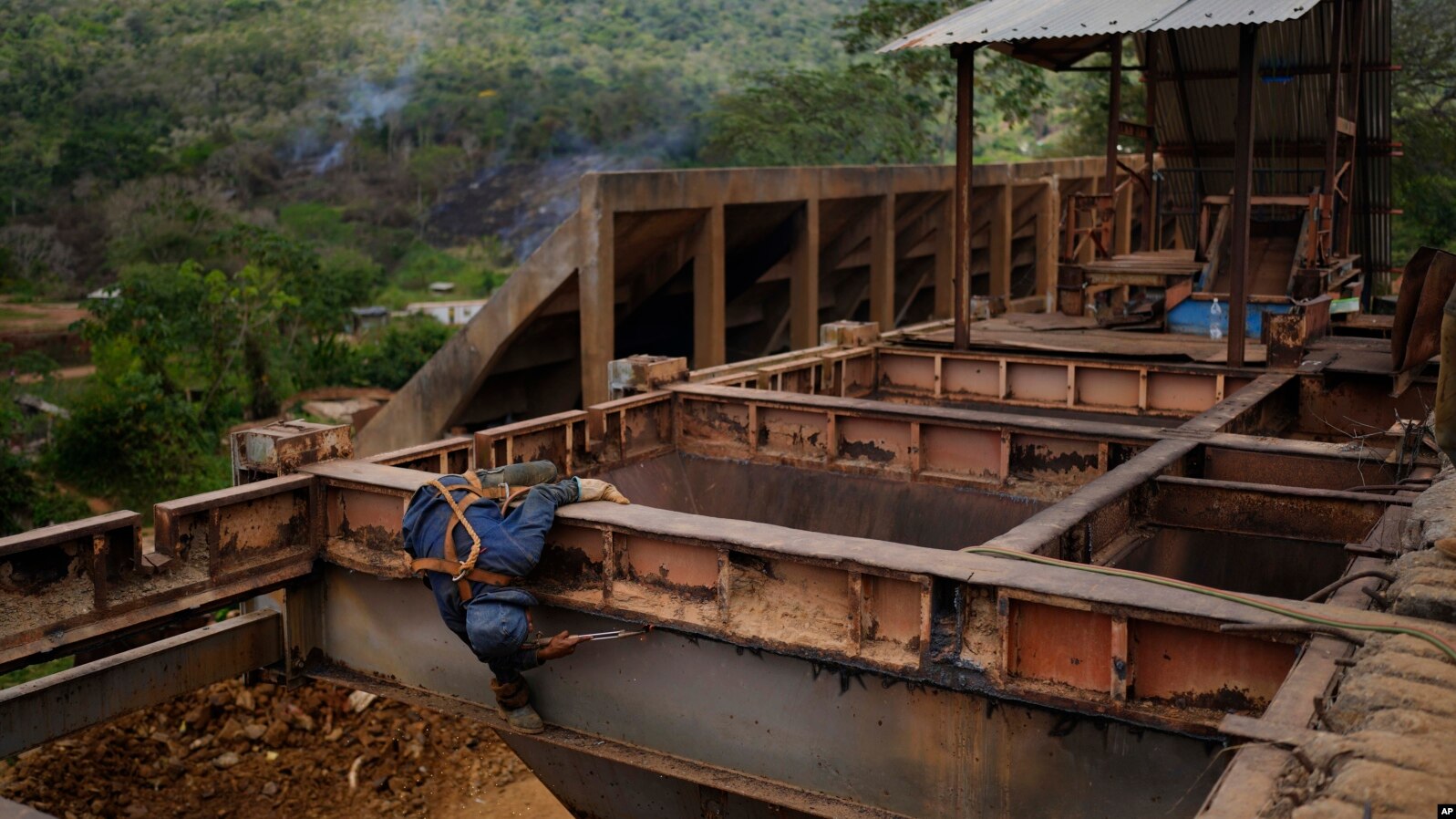
Venezuela contains extensive gold reserves in the east of the country. (AP)
Caracas, March 30, 2026 (venezuelanalysis.com) – The US Treasury Department has published three sanctions waivers related to the Venezuelan mining sector.
On Friday, the Treasury’s Office of Foreign Assets Control issued general licenses 51A (GL51A), 54 (GL54) and 55 (GL55) to authorize Western conglomerates’ dealings with Venezuelan minerals.
GL51A allows US entities to engage in operations to purchase, transport, and sell “Venezuelan-origin minerals, including gold.” However, it does not permit extraction or refining activities. The waiver replaced General License 51, which established conditions only for gold-related operations.
GL54 allows US entities to provide “goods, technology, software, or services” connected to mining activities in Venezuela. Finally, GL55 grants corporations permission to engage with Venezuelan state entities to negotiate contracts, but requires them to apply for a specific license before the contracts are enacted.
The latest US Treasury sanctions exemptions mirror recent licenses related to the Venezuelan energy industry, blocking transactions with entities from Cuba, China, Iran, North Korea, and Russia. They likewise mandate that all Venezuela-bound payments be made to a US Treasury-run account. Since January, the Trump administration has imposed control over Venezuelan oil exports, collecting revenues before disbursing a portion at its discretion to Caracas.
On Friday, Canadian conglomerate Roland Mineral Enterprises announced plans to “aggressively seek out and acquire interests in Venezuelan mineral properties.”
“Recent material events in Venezuela, including the new Draft Mining Law, make Venezuelan gold, silver and copper deposits and resources especially attractive for pioneering, transformative and rapidly adaptable resource companies like Roland Mineral Enterprises,” a press statement read.
Roland went on to disclose deals to access information on Venezuelan natural resource deposits and declare interest in gold projects such as Las Cristinas, estimated to contain over 14 million ounces of gold.
Western interest in Venezuelan minerals was boosted by a recent visit from US Interior Secretary Doug Burgum, who holds the natural resource portfolio. Burgum, accompanied by over 20 US and Canadian mining executives, held a meeting with Venezuelan Acting President Delcy Rodríguez and trumpeted the lucrative opportunities in the sector.
Burgum’s visit also saw US $100 million worth of gold bars shipped to the US in a deal involving Trafigura.
The negotiation of mining contracts remains contingent on an ongoing process to introduce new legislation. On March 9, the Venezuelan National Assembly preliminarily approved a new Organic Mining Law establishing favorable conditions and incentives for foreign capital.
Legislators have advanced in debating a second and updated version of the law, approving the first 55 of its 130 articles on Thursday. A final session is expected in early April. According to a draft of the latest version of the law seen by Venezuelanalysis, the bill establishes a new regulatory framework for mining at different scales, while also allowing private companies to take disputes to international arbitration.
The law expands conditions for private mining concessions, which can last up to twenty years and be renewed for two additional ten-year periods, and do not require National Assembly approval. Additionally, the executive can lower fiscal responsibilities for mining firms at its discretion. The law establishes 13 and 6 percent caps for royalties and a mining tax.
The law’s approval will repeal the current mining law, approved by the Hugo Chávez government in 1999, as well as a 2015 decree imposing state control over mining activities. Since 2015, the Nicolás Maduro administration looked to mining as a potential revenue source, particularly in the 112,000 square-kilometer Orinoco Mining Arc. Nevertheless, the sector was targeted by US sanctions, while the proliferation of irregular mining groups has generated environmental and human rights concerns.
Venezuela possesses vast proven reserves of gold, iron, and bauxite, as well as lesser quantities of copper and nickel. Analysts have also drawn attention to Venezuela’s significant reserves of coltan.
Venezuela’s mining reform follows a pro-business overhaul of the country’s Hydrocarbon Law. In recent weeks, Western energy giants Chevron, Eni, Repsol, and Shell have signed agreements for oil and gas exploration under the improved conditions of the new law. Acting President Rodríguez has touted the country’s reforms in lobbying foreign investors.
In parallel to oil and mining, Venezuelan authorities are also preparing to open the state-run electric sector to private capital. Acting President Rodríguez announced legislative reform plans, while a spokesman for the FEDECÁMARAS business lobby reported that Siemens and General Electric recently sent delegations to evaluate Venezuela’s electrical infrastructure.
Edited by Lucas Koerner in Fusagasugá, Colombia.