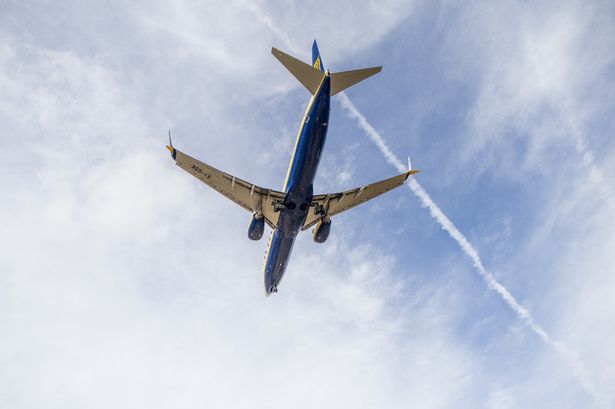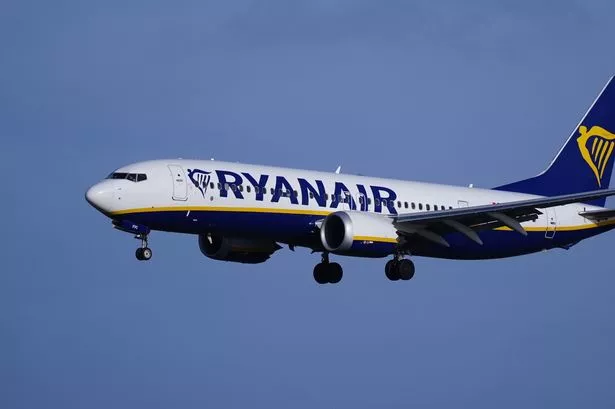
The six routes to the islands, which have been growing in popularity as winter sun destinations, will be cancelled from March 2026 with the budget airline citing issues such as rising air traffic control costs

Ryanair has announced it’ll cut all of its routes to the Azores islands as of March 29, 2026, due to rising costs and travel taxes, the airline claims.
The budget airline once offered six routes to and from the island, including seasonal flights from London Stansted and Bristol Airport, which operated from April to October. It also offered connections from Portugal’s mainland, including Lisbon and Porto.
Ryanair’s CCO Jason McGuinness said: “We are disappointed that the French airport monopoly ANA continues to raise Portuguese airport fees to line its pockets, at the expense of Portuguese tourism and jobs – particularly on the Portuguese islands. As a direct result of these rising costs, we have been left with no alternative other than to cancel all Azores flights from 29 March 2026 onwards and relocate this capacity to lower cost airports elsewhere in the extensive Ryanair Group network across Europe.”
He added: “This loss of low fare connectivity to the Azores is direct result of the French monopoly airport operator – VINCI – imposing excessive airport charges across Portugal (which have risen by up to 35% since Covid) and the anti-competitive enviro taxes imposed by the EU, which exempt more polluting long haul flights to the US and Middle East, at the expense of EU remote regions such as the Azores.
“After 10 years of year-round Ryanair operations, one of Europe’s most remote regions will now lose direct low-fare flights to London, Brussels, Lisbon, and Porto due to ANA’s high airport fees and Portuguese Govt. inaction.”
The airline also urged the Portuguese government to take action, with statement saying: “The Portuguese Govt. must intervene and ensure that its airports which are a critical part of national infrastructure – especially in an island economy like the Azores – are used to benefit the Portuguese people, rather than benefitting a French airport monopoly.”
READ MORE: I visited city that’s perfect for a winter break and there’s 1 thing I can’t forgetREAD MORE: TUI tourist denied boarding Thailand flight due to ‘stamp smudge’ on passport
Ryanair’s axing of these flights now leaves Brits with only one direct route to the Azores; British Airways offer seasonal flights from London Heathrow to Ponta Delgada Airport. However, direct flights only run during the peak summer season, although you can book flights with a connection in Portugal’s mainland for the rest of the year.
The Azores are not the first destination to see its Ryanair services axed due to costs. Ryanair abandoned a number of regional airports in 2025 including Strasbourg, Bergerac, and Vatry, and has threatened to leave several French airports due to rising taxes. Jason McGuinness told a French magazine that a 180% tax increase made regional airports ‘unviable’ for the airline.
The French government’s 2025 budget included a tax hike for air travel, meaning domestic and European flights leaving France were hit with an extra cost of €4.77 (approx. £4.21) per ticket.
Have a story you want to share? Email us at [email protected].