Israel-Iran conflict

Are the US and Iran moving closer to war? | Donald Trump

Diplomacy continues despite the significant United States military build-up.

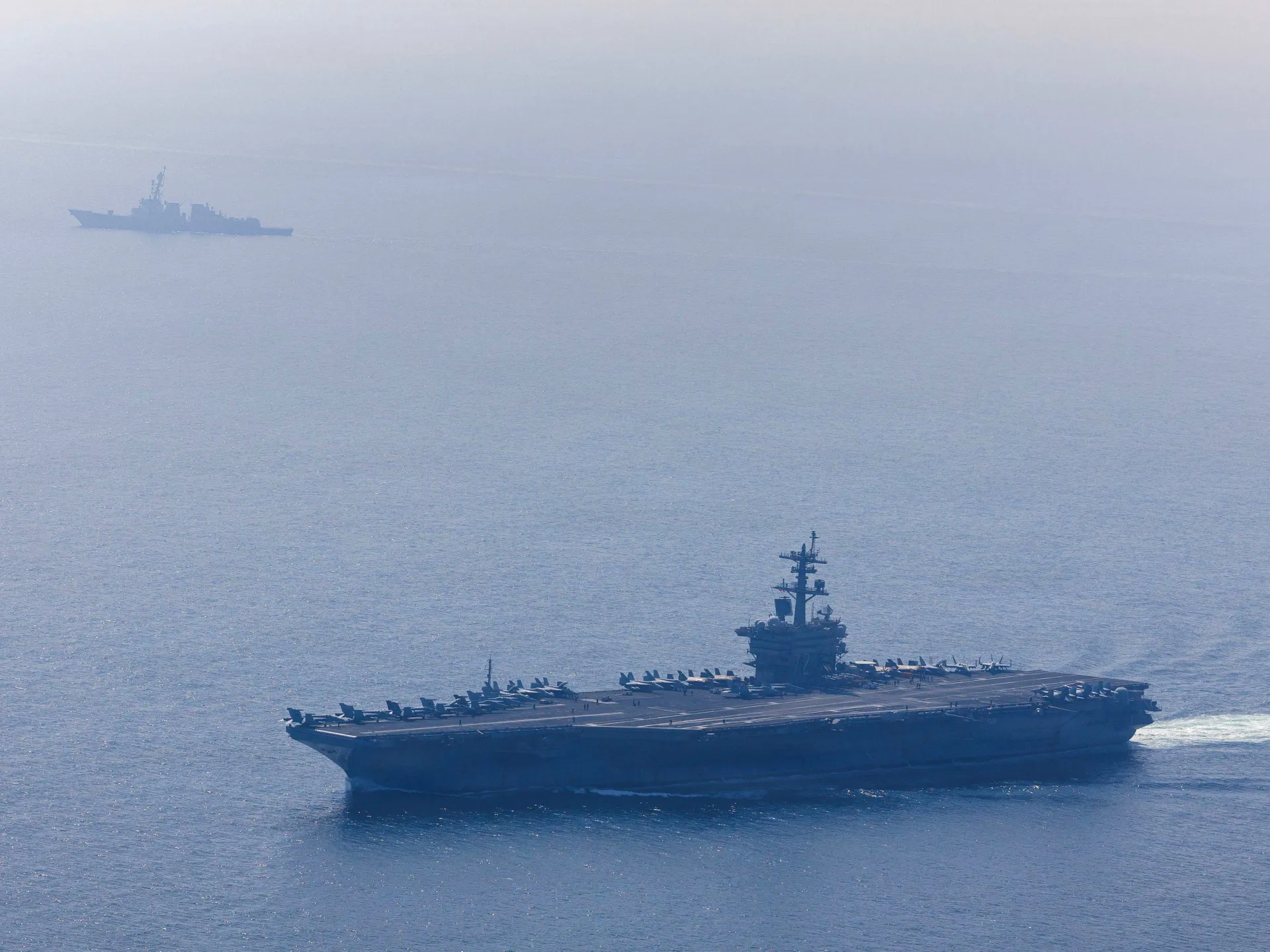
More talks are planned for Thursday between Iran and the United States, which is mobilising its largest military force since the invasion of Iraq more than two decades ago.

Amid mixed messages from US President Donald Trump, Tehran says it wants talks, but is ready for war, too.

So, where do both sides stand?

Presenter: James Bays

Guests:

Jamal Abdi – President of the National Iranian American Council

Hassan Ahmadian – Associate professor at the University of Tehran

Richard Weitz – Senior fellow at the NATO Defense College

Source link

Netanyahu says Israel will forge regional alliance to rival ‘radical axes’ | Israel-Palestine conflict News

Israel to join with India, Greece, Cyprus and other Arab, African, Asian countries that ‘see eye to eye’, says PM.

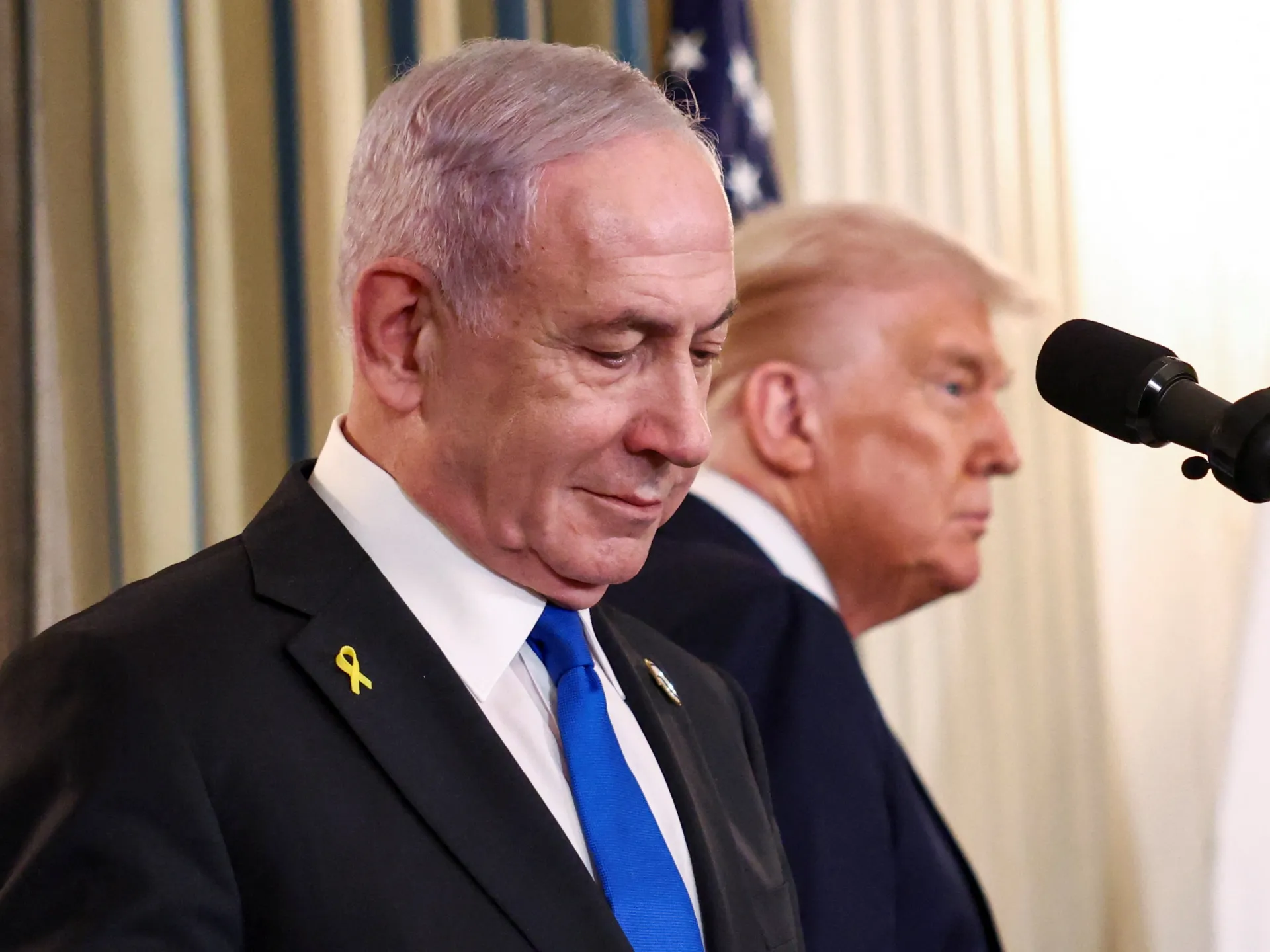
Israeli Prime Minister Benjamin Netanyahu has announced that Israel plans to build a network of allied nations in or around the Middle East to collectively stand against what he called “radical” adversaries.

Netanyahu made the comments on Sunday while announcing the upcoming visit to Israel of Indian Prime Minister Narendra Modi, whose country the Israeli leader said would be part of the “axis of nations that see eye to eye” with Israel.

Recommended Stories

list of 3 itemsend of list

Netanyahu, who is wanted by the International Criminal Court on war crimes charges, also referred to Greece, Cyprus and other unnamed Arab, African and Asian countries.

“In the vision I see before me, we will create an entire system, essentially a ‘hexagon’ of alliances around or within the Middle East,” Netanyahu said, according to the Times of Israel.

“The intention here is to create an axis of nations that see eye to eye on the reality, challenges, and goals against the radical axes, both the radical Shia axis, which we have struck very hard, and the emerging radical Sunni axis.”

Modi said he fully agrees with Netanyahu on the “bond between India and Israel”, including the “diverse nature of our bilateral relations”.

“India deeply values the enduring friendship with Israel, built on trust, innovation and a shared commitment to peace and progress,” Modi wrote in a post on X.

Since the start of Israel’s genocidal war on Gaza, its assaults have been weakening the Iran-led “axis of resistance”, including Hezbollah in Lebanon. Israel and Iran also directly clashed last June in a 12-day war, in which the US military also joined to attack Iran’s nuclear sites.

Netanyahu did not elaborate on what he meant by “emerging radical Sunni axis”, but he has previously identified the Muslim Brotherhood as its leading element.

Relations between Israel and several predominantly Sunni Muslim states have soured amid the bloodshed in Gaza, including with Turkiye, whose President Recep Tayyip Erdogan has sharply criticised Netanyahu, and Saudi Arabia, which has accused Israel of genocide.

Prospects for normalisation between Israel and Saudi Arabia also appear to be eroding. In recent months, the kingdom has rebuked Israel’s recognition of Somalia’s breakaway region, Somaliland, as well as the Israeli moves towards annexation in the occupied West Bank.

Since 2020, Israel has pushed to establish formal ties with Arab and Muslim states as a way to shore up its regional standing as part of the US-backed so-called “Abraham Accords”.

Under that framework, Israel has been enjoying close relations with the United Arab Emirates, Bahrain and Morocco.

Source link

Trump suggests Iran has 10 days to reach agreement with US | Donald Trump News

US president says at inaugural Board of Peace summit that Washington and Tehran should make a ‘meaningful deal’.

Donald Trump has renewed his threats against Iran, suggesting that Tehran has about 10 days to reach a deal with Washington or face further military strikes.

Speaking at the inaugural Board of Peace meeting in Washington, DC, on Thursday, the United States president reiterated his argument that the joint Israeli-US strikes against Iran in June of last year paved the way to the “ceasefire” in Gaza.

Recommended Stories

list of 3 itemsend of list

Trump argued that without the US attack on Iran’s nuclear facilities, the “threat” of Iran would have prevented countries in the region from agreeing to “peace in the Middle East”.

“So now we may have to take it a step further, or we may not,” Trump said. “Maybe we’re going to make a deal. You’re going to be finding out over the next probably 10 days.”

Trump’s comments come days after the US and Iran held a second round of indirect talks.

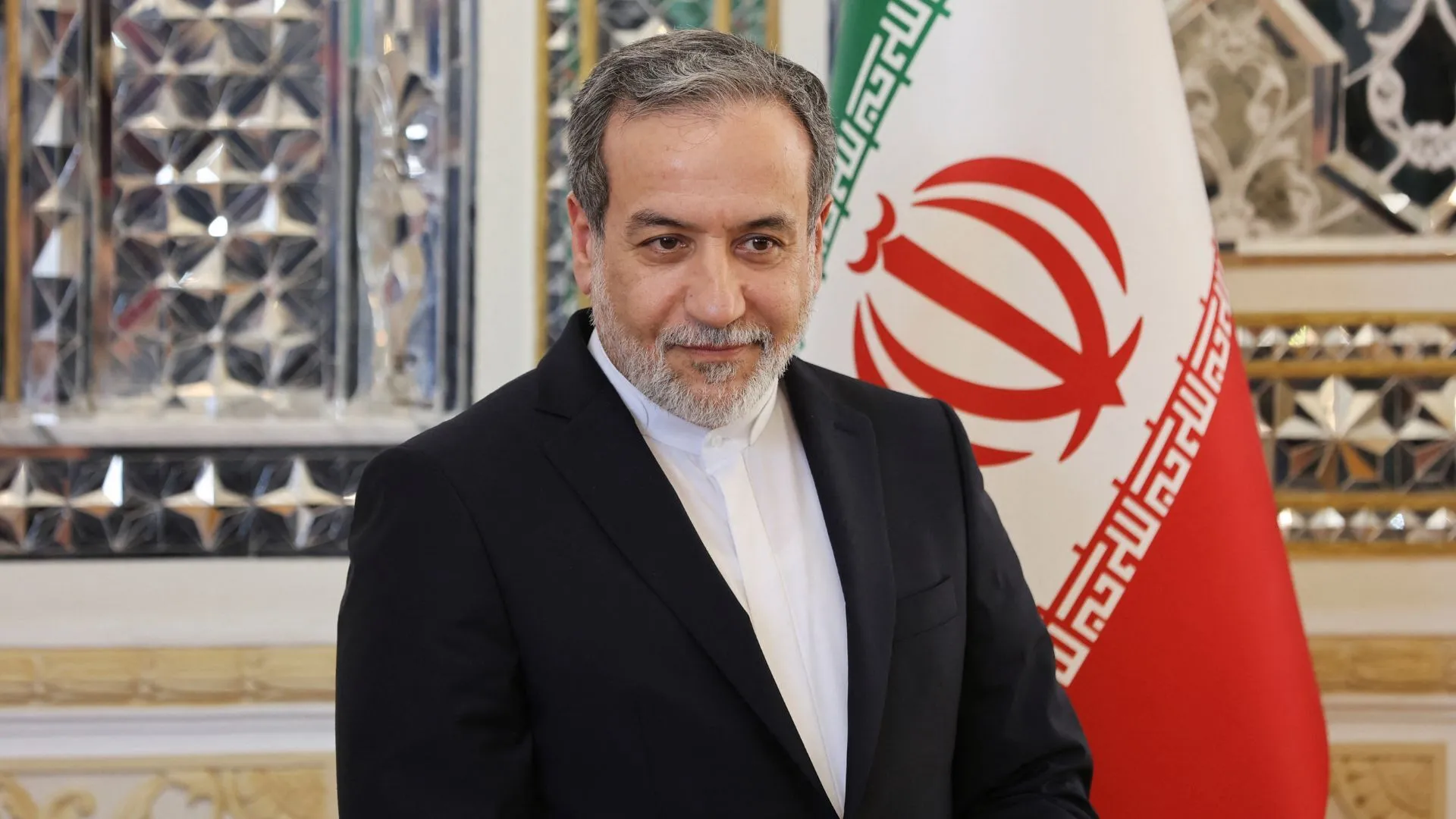
On Wednesday, Iran’s Minister of Foreign Affairs Abbas Araghchi said the two sides made “good progress in the negotiations” in Geneva and “were able to reach broad agreement on a set of guiding principles” for an agreement.

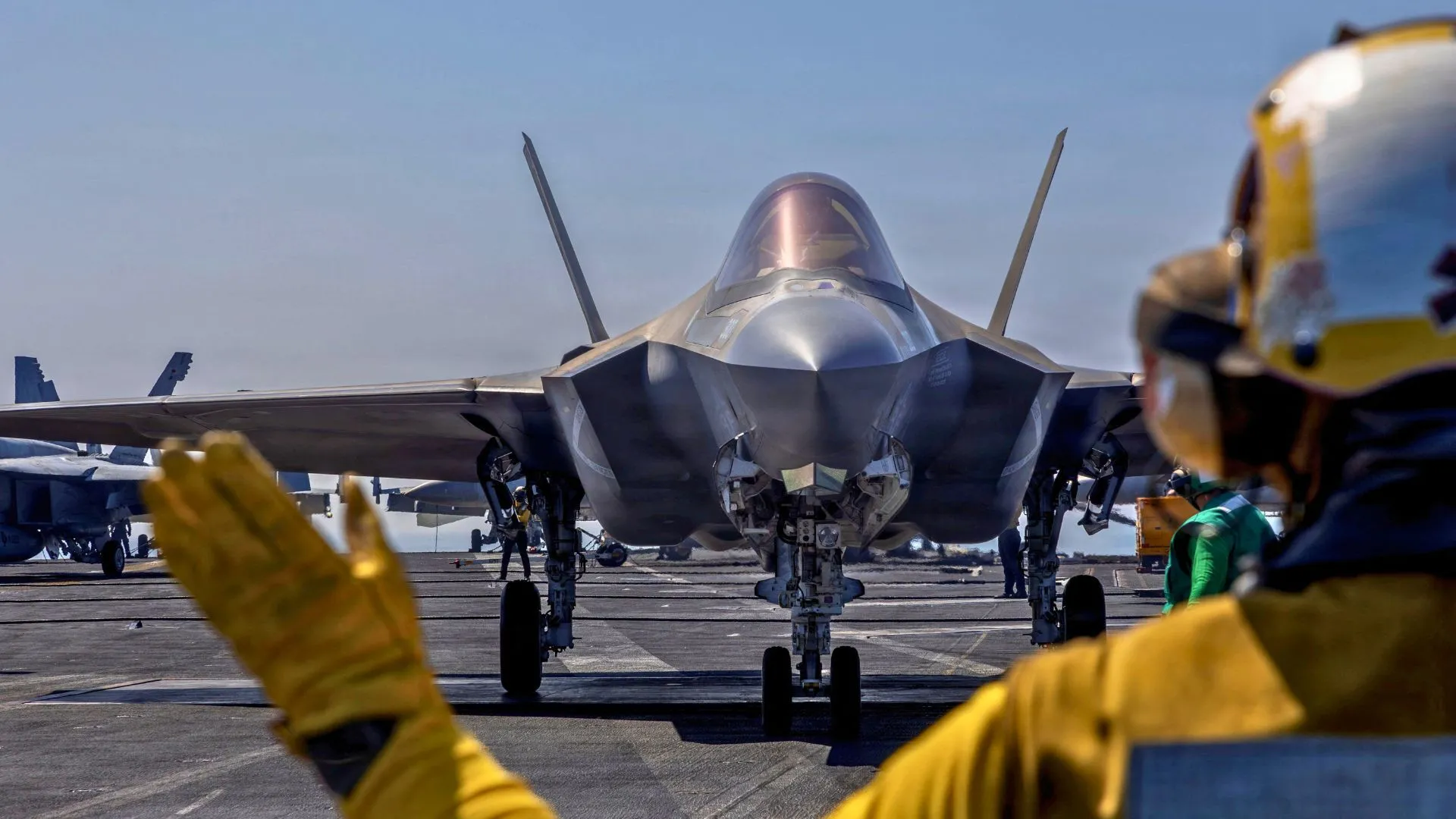
But the US has continued to amass military assets in the Gulf region, including two aircraft carriers and dozens of fighter jets.

Iran, which denies seeking a nuclear weapon, has said it would agree to curbing its uranium enrichment and placing it under rigorous international inspection.

But the Trump administration has said that it would oppose any Iranian enrichment. Washington has also sought to place limits on Tehran’s missile arsenal, but Iranian officials have ruled out any concessions over the issue, which they say is a non-negotiable defence principle.

On Thursday, Trump said his diplomatic aides Steve Witkoff and Jared Kushner have had “very good meetings” with Iran’s representatives.

“We have to make a meaningful deal. Otherwise, bad things happen,” he said.

Last week, Trump said the US and Iran should come to an agreement “over the next month”, warning Tehran with “very traumatic” consequences.

But Iranian officials have expressed defiance against the US president’s threats.

“The Americans constantly say that they’ve sent a warship toward Iran. Of course, a warship is a dangerous piece of military hardware,” Iranian Supreme Leader Ali Khamenei wrote on X on Thursday.

“However, more dangerous than that warship is the weapon that can send that warship to the bottom of the sea.”

Tensions between the Washington and Tehran have been escalating since late 2025, when Trump – while hosting Israeli prime minister Benjamin Netanyahu in December – vowed to strike Iran again if attempts to rebuild its nuclear or missile programmes.

Days later, antigovernment protests broke out in Iran. Trump encouraged the demonstrators to take over state institutions, promising them that “help is on the way”.

Trump appeared to step back from the brink of attacking Iran last month, saying that the country agreed to halt the execution of dissidents under US pressure.

The two countries later renewed negotiations with the first round of talks since the June war taking place in Oman on February 6.

But threats and hostile rhetoric between Washington and Tehran have persisted despite the ongoing diplomacy.

In 2018, during his first term Trump nixed the multilateral nuclear deal that saw Iran scale back its nuclear programme in exchange for lifting international sanctions against its economy.

Source link

Iran builds concrete shield at military site amid acute US tensions | Israel-Iran conflict News

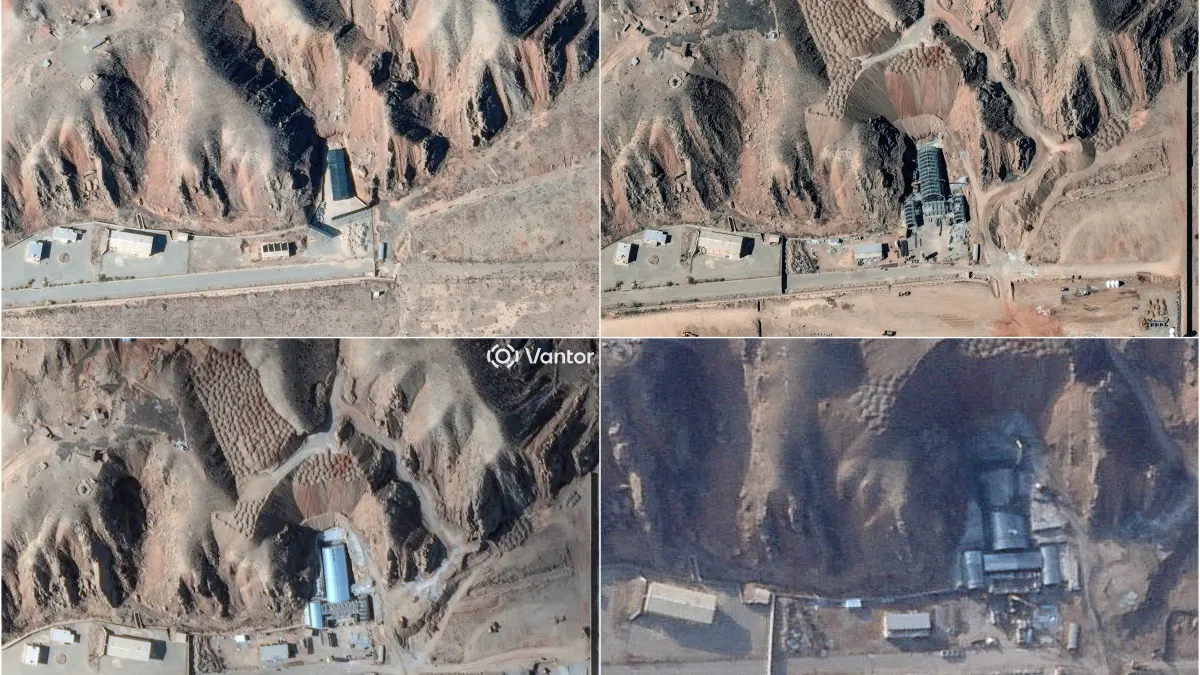
Newly released satellite images show that Iran has recently built a concrete ‌shield over a new facility at a sensitive military site and covered it in soil, advancing work at a location reportedly bombed by Israel in 2024 amid soaring tensions with ⁠the United States and the threat of regional war.

The images also show that Iran has ⁠buried tunnel entrances at a nuclear site bombed by Washington during Israel’s 12-day war with Iran last year – which the US joined on Israel’s behalf – fortified tunnel entrances near another, and has repaired missile bases struck in the conflict.

Recommended Stories

list of 4 itemsend of list

They offer a rare glimpse of Iranian activities at some of the sites at the centre of tensions with Israel and the US.

Some 30km (20 miles) southeast of Tehran, the Parchin complex is one of Iran’s most sensitive military sites. Western intelligence has suggested Tehran carried out tests relevant to nuclear bomb detonations there more than 20 years ago. Iran has always denied seeking ⁠atomic weapons and says its nuclear programme is purely for civilian purposes.

Neither US intelligence nor the UN nuclear watchdog found any evidence last year that Iran was pursuing nuclear weapons.

Israel reportedly struck Parchin in October 2024. Satellite imagery taken before and after that attack shows extensive damage to a rectangular building at Parchin, and apparent reconstruction in images from November 6, 2024. Imagery from October 12, 2025, shows development at the site, with the skeleton of a new structure visible and two smaller structures adjacent to it.

Progress is apparent in imagery from November 14, with what appears to be a metallic roof covering the large structure. By February 16, it cannot be seen at all, hidden by what experts say is a concrete structure.

The Institute for ‌Science and International Security (ISIS), in a January 22 analysis of satellite imagery, pointed to progress in the construction of a “concrete sarcophagus” around a newly built facility at the site, which it identified as Taleghan 2.

ISIS founder David Albright wrote on X: “Stalling the negotiations has its benefits: Over the last two to three weeks, Iran has been busy burying the new Taleghan 2 facility … More soil is available and the facility ⁠may soon become a fully unrecognizable bunker, providing significant protection from aerial strikes.”

The institute also reported in late January that satellite images showed new efforts to bury two tunnel entrances at the Isfahan complex – one of the three ⁠Iranian uranium-enrichment plants bombed by the US in June during the war. By early February, ISIS said all entrances to the tunnel complex were ⁠”completely buried”.

Other images point to ongoing efforts since February 10 to “harden and defensively ⁠strengthen” two entrances to a tunnel complex under a mountain some 2km (1.2 miles) from Natanz – the site that holds Iran’s other two uranium enrichment plants.

This comes as Washington seeks to negotiate a deal with Tehran on its nuclear programme while threatening military action if talks fail.

On Tuesday, US and Iranian representatives reached an understanding on main “guiding principles” during a meeting in Geneva, but felt short of achieving any breakthrough. The meeting in the Swiss city came after a first round of talks in Oman on February 6.

Reports suggest that Tehran would make detailed proposals in the next two weeks to close gaps. Among the many hurdles in the negotiations is the US push to widen the scope of the deal to include restrictions on Iran’s ballistic arsenal and support for its allies in the region.

That is fuelled by Israel’s demands and regional narrative, with Israeli Prime Minister Benjamin Netanyahu repeatedly pressing US President Donald Trump to shift from nuclear-only parameters.

Tehran has insisted that these provisions are non-negotiable but that it is open to discuss curbs on its nuclear programme in exchange for sanctions relief.

A previous negotiating effort collapsed last year when Israel launched attacks on Iran, triggering the 12-day war that Washington joined in by bombing key Iranian nuclear sites.

As diplomacy forges a path, both parties are ramping up military pressure.

The Islamic Revolutionary Guard Corps (IRGC) held a series of war games on Monday and Tuesday in the Strait of Hormuz to prepare for “potential security and military threats”.

On Wednesday, Tehran announced new joint naval drills with Russia in the Sea of Oman. Rear Admiral Hassan Maqsoudlou said the exercises were aimed at preventing any unilateral action in the region, and enhancing coordination against threats to maritime security, including risks to commercial vessels and oil tankers.

The US has also escalated its military build-up in the region. Trump has ordered a second aircraft carrier to the region, with the first, the USS Abraham Lincoln and its nearly 80 aircraft, positioned about 700 kilometres (435 miles) from the Iranian coast as of Sunday, according to satellite imagery.

The Trump administration also issued new threats against Tehran with White House press secretary Karoline Leavitt saying on Wednesday that “Iran would be very wise to make a deal” with the US. Trump escalated his rhetoric on social media.

“Should Iran decide not to make a Deal,” the US may need to use an Indian Ocean airbase in the Chagos Islands, “in order to eradicate a potential attack by a highly unstable and dangerous Regime”, he wrote on his Truth Social platform.

Source link

Iran’s Araghchi meets IAEA chief in Geneva ahead of nuclear talks with US | Nuclear Energy News

Iran’s top diplomat says he hopes to ‘achieve a fair and equitable deal’ before high-stakes talks are held on Tuesday.

Iranian Foreign Minister Abbas Araghchi has arrived in Geneva for high-stakes second round of nuclear talks with the United States aimed at reducing tensions and avert a new military confrontation that Iran’s Supreme Leader Ayatollah Ali Khamenei has warned could turn into a regional conflict.

“I am in Geneva with real ideas to achieve a fair and equitable deal,” Araghchi wrote on X on Monday. “What is not on the table: submission before threats.”

Recommended Stories

list of 4 itemsend of list

Iran and the US renewed negotiations earlier this month to tackle their ⁠decades-long dispute over Tehran’s nuclear programme as US deploys warships, including a second aircraft carrier, to the region as mediators work to prevent a war.

Araghchi met with Rafael Grossi, the head of the International Atomic Energy Agency (IAEA), on Monday, after saying his team nuclear experts for a “deep technical discussion”.

The United Nations nuclear watchdog has been calling for access to Iran’s main nuclear facilities that were bombed by the US and Israel during the 12-day war in June. Tehran has said there might be a risk of radiation, so an official protocol is required to carry out the unprecedented task of inspecting highly enriched uranium ostensibly buried under the rubble.

Speaking to state-run IRNA news agency on Monday, foreign ministry spokesman Esmail Baghaei said the IAEA will play “an important role” in upcoming mediated talks between Iran and the US. But he also renewed Tehran’s criticism of Grossi for the director’s refusal to condemn military strikes on Iranian nuclear sites that are protected under agency safeguards as part of the Non-Proliferation Treaty (NPT).

Araghchi also said he would meet his Omani counterpart, Badr bin Hamad al-Busaidi, who mediated the first round of talks between Iran and the US since the war earlier this month.

Iran has repeatedly emphasised that it will not agree to Washington’s demand for zero nuclear enrichment, and considers its missile programme a “red line” that cannot be negotiated.

Meanwhile, the US continues to build up its military presence in the region, with President Donald Trump saying a change of power in Iran “would be the best thing that could happen” and sending in a second aircraft carrier.

Trump is again likely to send his special envoy Steve Witkoff and his son-in-law Jared Kushner to represent the White House in the Geneva talks. Brad Cooper, the most senior US military commander in the region, had unexpectedly joined the US delegation during the Muscat talks on February 6.

The talks also come over a month after Iran’s deadly crackdown against nationwide protests, with Iranian officials claiming “terrorists” and “rioters” armed and funded by the US and Israel were behind the unrest.

The UN and international human rights organisations have blamed Iranian authorities for the widespread use of lethal force against peaceful protesters, which killed thousands, mainly on the nights of January 8 and 9.

But the hardliners in Tehran are more concerned about any potential concessions that could be given during upcoming talks with the US.

Addressing an open session on Monday, one of the most hardline lawmakers in Iran’s parliament cautioned security chief Ali Larijani against giving inspection access to the IAEA befire ensuring Iran’s territorial integrity, the security of nuclear sites and scientists, and use of peaceful nuclear energy for civilian purposes under the NPT.

“When US warships have opened their arms to embrace Iranian missiles, US bases have opened arms to take our missiles, and the homes of Zionist military personnel are anticipating the sound of the air raid sirens, it is obvious that such conditions cannot be met at the moment,” said Hamid Rasaei, a cleric close to the hardline Paydari (Steadfastness) faction.

In the other diplomatic track pursued in Switzerland on Tuesday, officials will be discussing ways of ending the Ukraine war, which is approaching the end of its fourth year after Russia’s full-scale invasion in 2022.

But no immediate breakthrough appears in sight, with Ukrainian President Volodymyr Zelenskyy telling the annual Munich Security Conference on Saturday that Kyiv has “too often” been asked to make concessions.

Source link

Netanyahu calls for dismantling Iran’s nuclear programme in any US deal | Israel-Iran conflict News

Israeli Prime Minister Benjamin Netanyahu has outlined the conditions he considers necessary for any prospective deal between the United States and Iran, including the dismantling of all of Tehran’s nuclear infrastructure.

His comments on Sunday came as Iranian Minister of Foreign Affairs Abbas Araghchi headed to Switzerland for a second round of nuclear talks with the US.

Recommended Stories

list of 3 itemsend of list

Speaking at the annual Conference of Presidents of Major American Jewish Organizations, Netanyahu said he was sceptical of a deal, but had told US President Donald Trump last week that any agreement must include several elements.

“The first is that all enriched material has to leave Iran,” he said.

“The second is that there should be no enrichment capability – not stopping the enrichment process, but dismantling the equipment and the infrastructure that allows you to enrich in the first place”.

The third, he said, was resolving the issue of ballistic missiles.

Netanyahu also called for sustained inspections of Tehran’s nuclear programme.

“There has to be real inspection, substantive inspections, no lead-time inspections, but effective inspections for all of the above,” he said.

Iran and the US resumed nuclear negotiations in Oman on February 6, months after previous talks collapsed when Israel launched an unprecedented bombing campaign against Iran last June, which started a 12-day war.

The US joined in the attacks, bombing three Iranian nuclear sites.

Netanyahu’s comments mark the first time he has spoken publicly on the discussions with Trump in Washington, DC, last Wednesday. The meeting was their seventh since Trump returned to office last year.

Trump told reporters afterwards that they had reached no “definitive” agreement on how to move forward with Iran, but that he had “insisted that negotiations with Iran continue to see whether or not a deal can be consummated”.

According to a report by Axios, the two leaders agreed to intensify economic strangleholds on Iran, mostly on its oil sales to China. More than 80 percent of Iranian oil exports current go to China.

The report, which cited US officials, said Netanyahu and Trump agreed in their meeting on the necessary end state: an Iran without the capability to obtain nuclear weapons. But they disagreed about how to get there.

Netanyahu told Trump it would be impossible to make a good deal, while Trump said he thought it was possible. “Let’s give it a shot”, Trump said, according to Axios.

Iran has long denied any intent to produce nuclear weapons, but has said it is prepared to discuss curbs on its atomic programme in exchange for the lifting of sanctions. It has ruled out linking the issue to missiles, however.

The CBS broadcaster, meanwhile, reported on Sunday that Trump had told Netanyahu during a meeting in Florida in December that he would support Israeli strikes on Iran’s ballistic missile programme if the US and Iran could not reach a deal.

The network cited two sources familiar with the matter.

There was no immediate comment from the US or Israel on the CBS report.

The renewed push for diplomacy comes after Trump threatened new attacks on Iran and sent a US aircraft carrier to the region, citing a deadly crackdown on antigovernment protesters in January.

Tensions in the region remain high, meanwhile.

On Friday, Trump said he was sending a second aircraft carrier to the Middle East, and openly discussed changing Iran’s government.

Asked if he wanted a government change in Iran, Trump responded that it “seems like that would be the best thing that could happen”.

Asked why a second aircraft carrier was headed to the Middle East, Trump said: “In case we don’t make a deal, we’ll need it … if we need it, we’ll have it ready.”

For its part, Iran has promised to retaliate to any attack, saying it will strike US bases in the Middle East.

The continued tensions have sparked fears of a wider regional war.

Source link