More than 70 medics infected with Ebola as DRC outbreak spreads ‘fast’ | Ebola News
Aid cuts and poor sanitation are deepening fears that Ebola is spreading through displacement camps.
Published On 19 Jun 2026
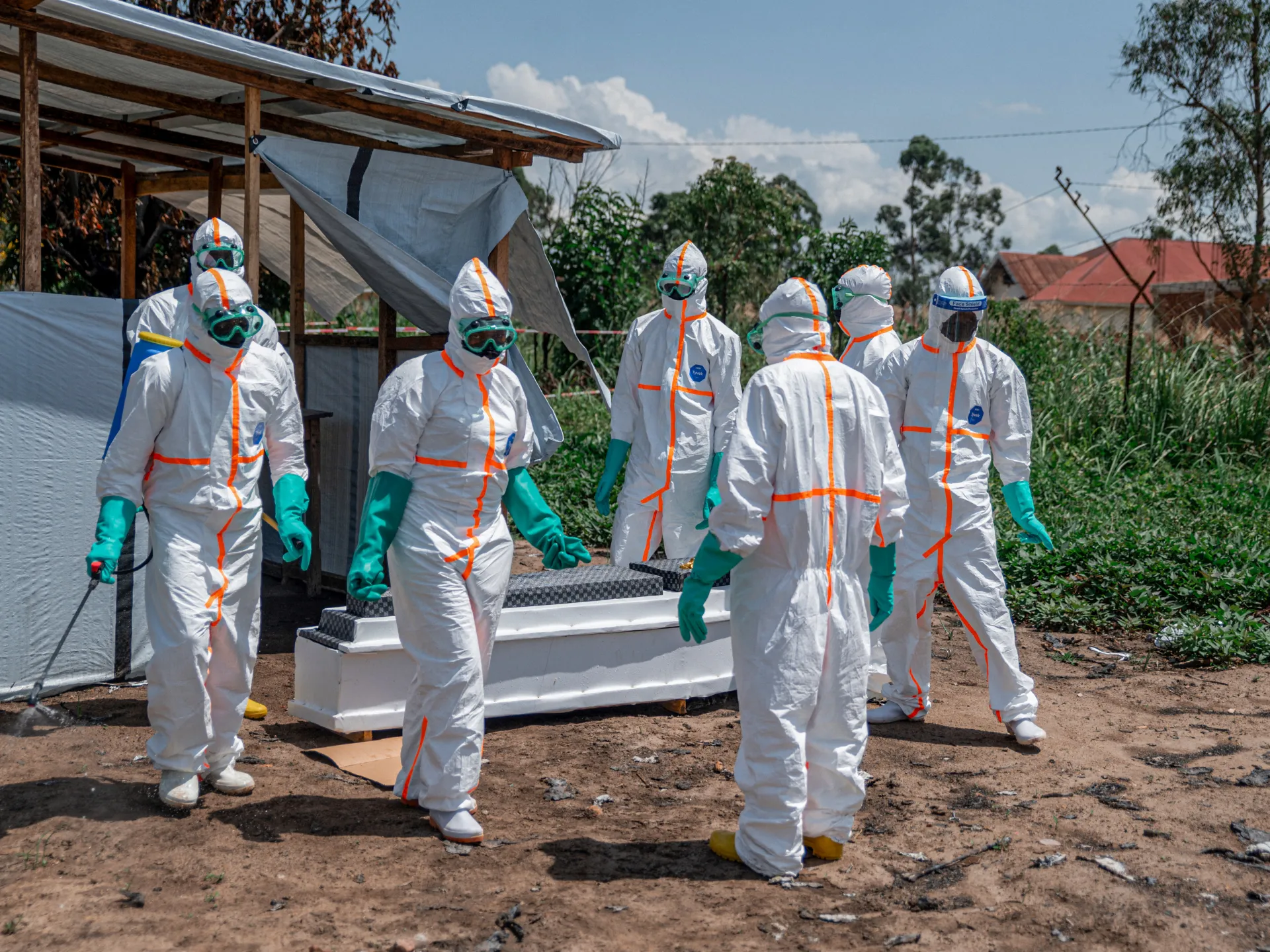
Seventeen medics have died from Ebola in the Democratic Republic of the Congo (DRC) as the death toll surpasses 200 in an outbreak tearing through a health system already weakened by years of conflict, displacement and chronic underfunding.
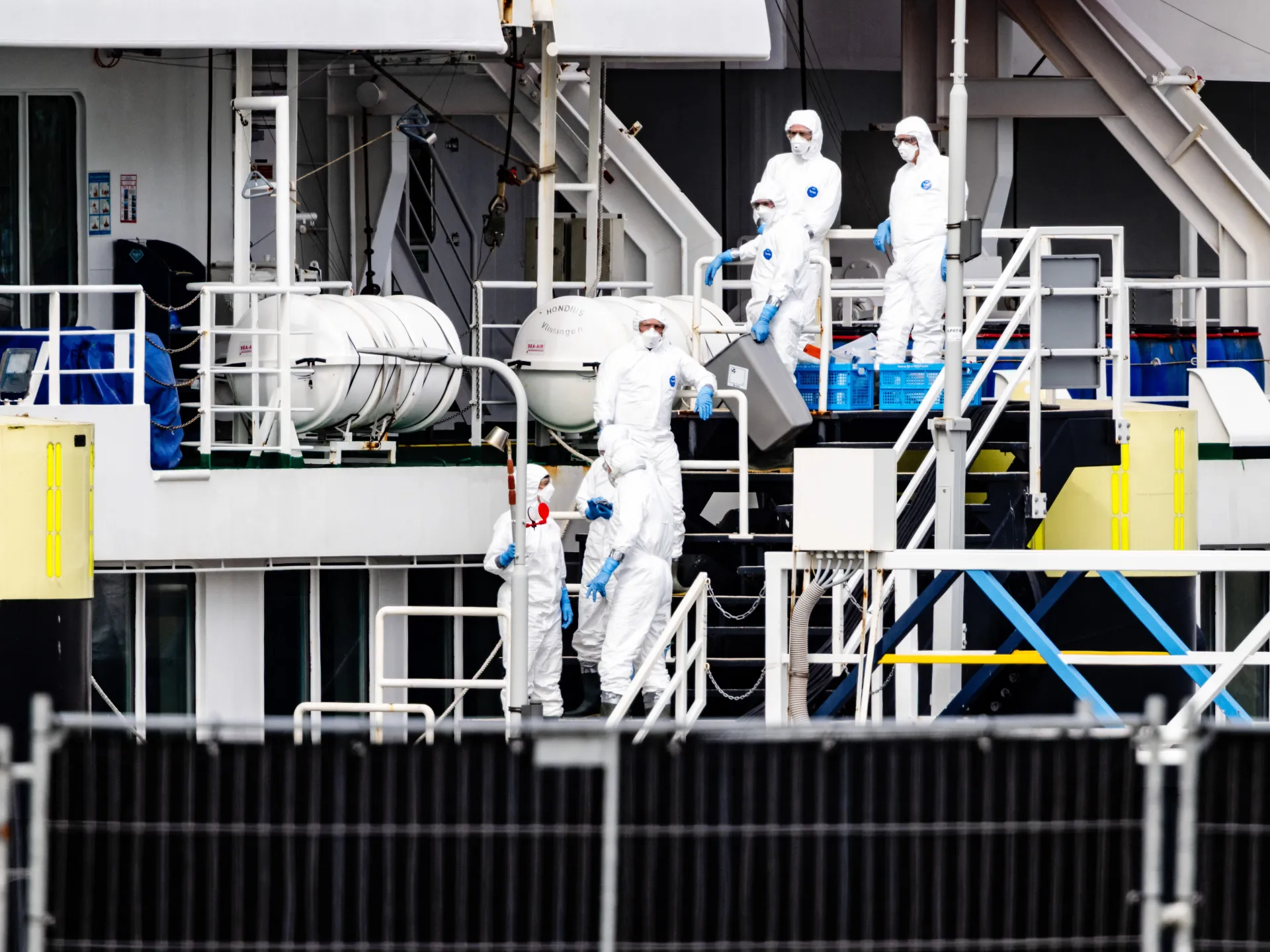
A senior World Health Organization (WHO) official confirmed the death toll on Friday and said that 75 healthcare workers had contracted the virus since Congolese authorities declared the outbreak on May 15 .
Recommended Stories
list of 3 itemsend of list
“The outbreak remains serious” and is “evolving so fast”, said WHO emergency director Marie Roseline Belizaire.
“It is a really high price that the system, the healthcare system, is paying, because we don’t have enough of healthcare workers in DRC,” she told reporters by video link from the outbreak epicentre in eastern DRC.
Health officials believe the rare Bundibugyo strain of Ebola had been spreading for months before the government formally announced the outbreak, leaving doctors, nurses and other medical staff exposed before they knew the virus was present.
Even now, basic protective equipment remains in short supply, with some facilities struggling to secure gloves, masks and other essentials needed to limit infection.
The DRC has one of the world’s lowest ratios of healthcare workers to population, with about 11 health workers for every 10,000 people, according to WHO data. Belizaire said China and Uganda were sending medical teams to support the response.
She added that the WHO was providing psychological support to medics who feared treating patients after seeing colleagues fall sick.
“When they are explaining to you how they live it, how they were infected … [it] can break your heart.”
Outbreak yet to reach its peak
Congolese authorities said on Thursday that the outbreak has killed 232 people and infected 896 others across 31 health zones in the country.
African Union member states have pledged nearly $1bn to respond to the emergency in eastern DRC and neighbouring Uganda, which has confirmed 19 cases and two deaths.
Health officials warn that the outbreak has not yet reached its peak.
The crisis is also raising alarm in camps for displaced people, where overcrowding, poor sanitation and resistance to testing could allow the virus to spread undetected.
At least 30 people have died since early May in Kigonze camp in Bunia in Ituri province, the epicentre of the outbreak. Camp officials described the death rate as unprecedented.
Authorities could not confirm the causes of death because patients and relatives had refused testing of both the living and the dead until Thursday, according to a camp spokesperson and aid organisation Caritas.
But witnesses and aid sources told Reuters that the dead had symptoms linked to Ebola, including headaches, fever and vomiting.
“People didn’t just die like this before,” camp spokesperson Desire Grodya Bapi told Reuters.
Kigonze is home to more than 15,000 people. The rising number of deaths there has increased fears that Ebola may be spreading among the more than five million displaced people in eastern DRC.
Aid workers say funding cuts have made the emergency more dangerous. Donors, including the United States under President Donald Trump, have reduced support for water, hygiene, and sanitation programmes, which are vital in fighting the disease spread through bodily fluids.
UN data shows funding for toilets and handwashing stations in DRC more than halved between 2024 and 2025, falling to about $38m. This year’s $80m appeal is only 21 percent funded.
DRC has hundreds of displacement camps, some housing up to 100,000 people. Ebola deaths have already been recorded in another camp in Ituri province, which accounts for more than 90 percent of nearly 900 confirmed cases.