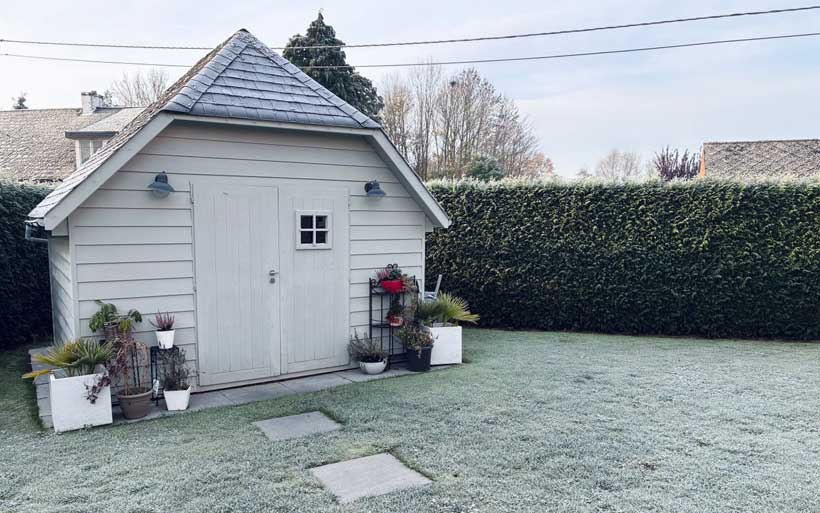
Sustainable gartenhütte: Green construction in Austria
Awareness of environmentally friendly construction methods is increasing in Austria, which is reflected in the growing interest in sustainable garden sheds. The term “gartenhütte” refers to a garden hut or shed, typically a small structure used for storage, hobbies, relaxation or other activities in the garden. This development comes not only from ecological considerations but also from the desire for more durable, affordable and comfortable structures that complement outdoor spaces. The key lies in choosing the right materials, improving energy efficiency and integrating the structure into natural cycles.
What makes a garden shed sustainable?
A sustainable garden shed incorporates an overall approach in which materials are not the only consideration. It takes into account the entire life cycle of the structure, from the extraction of raw materials through to disposal or reuse. Key criteria include reducing the ecological footprint, maximizing resource efficiency, and ensuring the health and comfort of users.
- Material selection: Preference is given to renewable, recycled or locally available raw materials.
- Energy efficiency: Optimal insulation and passive solar energy use minimize energy consumption.
- Durability: Robust construction and weather-resistant materials ensure a long service life.
- Recyclability: Materials should be easily reused or recycled at the end of their life cycle.
Materials for sustainable garden sheds
A garden shed’s sustainability depends on the materials you choose for it. When building a garden shed, it is best to use locally sourced wood, recycled building materials, and natural insulation materials. Such materials can conserve resources, while shorter transport distances can help reduce the environmental impact of material delivery and contribute to a healthy indoor climate.
- Native woods: Larch, spruce, and Douglas fir are particularly suitable due to their availability and weather resistance.
- Recycled and reused building materials: Used bricks, windows or doors can significantly reduce the consumption of primary raw materials.
- Natural insulation materials: Hemp, sheep’s wool, and wood fiber offer good insulating properties and can be environmentally friendly. Cellulose flakes, at approximately €9–17/m², can be a relatively affordable eco-friendly insulation option.
- Ecological surface treatments: Non-toxic, water-based oils, varnishes, and paints protect the wood and are harmless to health.
Austrian municipalities and sustainable construction
Green building methods and sustainable garden projects are increasingly being considered by Austrian municipalities as part of broader efforts related to climate protection and local economic development. This can include funding programs for natural garden design and community gardens.
Stay ahead of the geopolitical week.
MD Briefing delivers expert analysis across five global fronts — the Indo-Pacific, energy, geoeconomics, European security, and the Middle East — every Monday morning. Free.
- Funding programs: Some Austrian regions and municipalities offer funding or incentives for environmentally friendly garden and landscaping projects.
- Local economic development: By prioritizing regional materials and craftspeople, municipalities and garden owners can support local businesses and help keep economic activity in the region.
- Climate adaptation: De-sealing and greening projects can contribute to improving the local microclimate and may complement sustainable garden design.
The 3-pillar model of the sustainable garden shed
The implementation of a truly sustainable garden shed in Austria can be guided by a three-pillar model. The framework considers environmental, economic and social perspectives as part of an integrated approach to planning and implementation. Rather than focusing on a single aspect, it considers how different elements of sustainability can work together.
- Material chain: Prioritizing regional sourcing. This pillar focuses on minimizing transport distances and supporting local forestry, sawmills and other suppliers. The use of locally sourced timber and other building materials can help reduce the environmental impact associated with transportation and support regional businesses.
- Life cycle costs: Considering long-term economic viability. Through intelligent planning, high-quality insulation with materials such as cellulose or wood fiber, and the use of passive solar energy, operating costs can potentially be reduced. Considering both initial costs and long-term operating expenses can help building owners make environmentally and economically responsible choices.
- Community benefit: Supporting local craft businesses. This pillar emphasizes the social aspect of sustainability. Collaboration with local carpenters, joiners, and other craftspeople can support regional businesses while fostering traditional craftsmanship and the transmission of expertise. Choosing local suppliers and craftspeople can therefore be part of a broader approach to sustainable development.
Conclusion: Sustainable garden sheds as a future solution
A sustainable garden shed is not just a building but a statement of a future-oriented and environmentally conscious lifestyle in Austria. By consistently applying environmentally friendly construction methods, garden owners can contribute to climate protection and biodiversity.
The trend is clearly toward durable, energy-efficient and resource-saving solutions that make sense both environmentally and economically. Using the right methods and materials, together with any available local incentives, can help make a sustainable garden shed a worthwhile long-term investment.