Gov. Ron DeSantis calls for special session in April to redraw Florida’s congressional districts
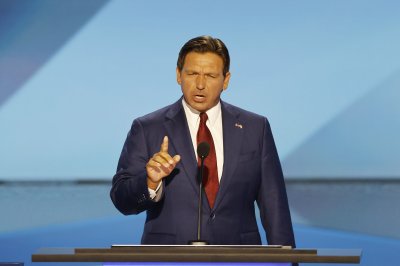
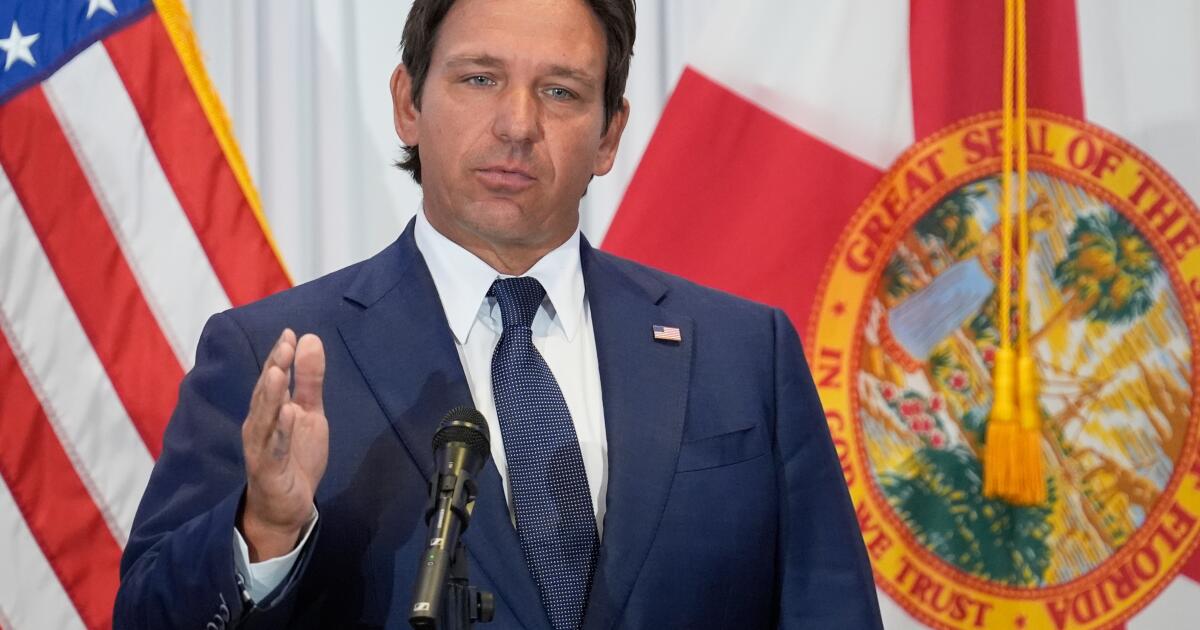
ORLANDO, Fla. — Florida Gov. Ron DeSantis said Wednesday he plans to call a special session in April for the Republican-dominated Legislature to draw new congressional districts, joining a redistricting arms race among states that have redrawn districts mid-decade.
Even though Florida’s 2026 legislative session starts next week, DeSantis said he wanted to wait for a possible ruling from the U.S. Supreme Court on a key provision of the Voting Rights Act. The ruling in Louisiana vs. Callais could determine whether Section 2, a part of the Voting Rights Act that bars discrimination in voting systems, is constitutional. The governor said “at least one or two” districts in Florida could be affected by the high court’s ruling.
“I don’t think it’s a question of if they’re going to rule. It’s a question of what the scope is going to be,” DeSantis said at a news conference in Steinhatchee, Fla. “So, we’re getting out ahead of that.”
Currently, 20 of Florida’s 28 congressional seats are held by Republicans.
Congressional districts in Florida that are redrawn to favor Republicans could carry big consequences for President Trump’s plan to reshape congressional districts in GOP-led states, which could give Republicans a shot at winning additional seats in the midterm elections and retaining control of the closely divided U.S. House.
Nationwide, the unusual mid-decade redistricting battle has so far resulted in a total of nine more seats Republicans believe they can win in Texas, Missouri, North Carolina and Ohio — and a total of six more seats Democrats expect to win in California and Utah, putting Republicans up by three. But the redrawn districts are being litigated in some states, and if the maps hold for 2026, there is no guarantee the parties will win the seats.
In 2010, more than 60% of Florida voters approved a constitutional amendment prohibiting the drawing of district boundaries to unfairly favor one political party in a process known as gerrymandering. The Florida Supreme Court, however, last July upheld a congressional map pushed by DeSantis that critics said violated the “Fair Districts” amendment.
After that decision, Florida House Speaker Daniel Perez last August announced the creation of a select committee to examine the state’s congressional map.
Florida Senate Democratic Leader Lori Berman said in a statement that what DeSantis wants the Legislature to do is clearly illegal.
“Florida’s Fair Districts Amendment strictly prohibits any maps from being drawn for partisan reasons, and regardless of any bluster from the governor’s office, the only reason we’re having this unprecedented conversation about drawing new maps is because Donald Trump demanded it,” Berman said. “An overwhelming majority of Floridians voted in favor of the Fair Districts Amendment and their voices must be respected. The redistricting process is meant to serve the people, not the politicians.”
In a statement, the Florida Democratic Party called the move by DeSantis “reckless, partisan and opportunistic.”
“This is nothing more than a desperate attempt to rig the system and silence voters before the 2026 election,” the statement said. “Now, after gutting representation for Black Floridians just three years ago, Ron is hoping the decimation of the Voting Rights Act by Trump’s Supreme Court will allow him to further gerrymander and suppress the vote of millions of Floridians.”
Michael McDonald, a political science professor at the University of Florida, said the state already has a fairly strong Republican gerrymander, so it would be difficult for Republicans to pick up additional seats, unless they’re planning to draw “noncompact districts that squiggle all over the place” and then hold the election before a judge can throw out the map. McDonald said DeSantis also could be trying to shore up Republican strongholds to mitigate the losses generally experienced by the party in power during midterm elections.
“Trump’s approval ratings are pretty low,” McDonald said. “And so looking at what we would expect to happen in November, unless something fundamentally changes in the country between now and then, we expect the Democrats to have a very good year.”
Schneider and Fischer write for the Associated Press.