cool

All the stage shows ending this year and the VERY cool new ones coming

THERE are a load of shows leaving the theatres soon that you will want to catch before they go – and with Sun Club you can get cheaper tickets.

If you sign up to Sun Club for £1.99 a month or just £9.99 for one year in our summer sale, you can get an extra 10 per cent off show tickets with London Theatre Direct.

There are a number of West End shows ending this year as well as new ones opening Credit: Getty

Once you’ve signed up, head to the Sun Club Offers hub and find the London Theatre Direct offer, or simply click here.

Plus, you’ll get unlimited access to our award-winning articles, exclusive showbiz scoops, and a huge range of other offers and discounts too – from early access to book Hols From £9.50, free racing tickets to top UK racecourses and 2-4-1 tickets to theme parks.

With just days left of the school summer holidays and the days drawing in as we enter autumn, there couldn’t be a better activity than heading to the theatre.

Here are all the shows ending (and some exciting ones launching) in the coming months:

Read more on travel inspo

GET A ROOM

13 London hotels we love for UNDER £100- all-inclusives & bargain suites


SEA IT

All 25 of the English Riviera beaches ranked from best to worst – by a Devon local

Shows ending soon

Hercules

Disney‘s Hercules is due to end on September 5.

The high-energy musical is based on Disney’s 1997 animated film, where Hercules sets off on a quest to prove himself as a hero.

It is a great option for Disney fans as well as families, and those who love a good singalong.

Disney’s Hercules will finish on September 5 Credit: Alamy

Grease: The Immersive Movie Musical

The popular immersive experience from Secret Cinema is set to end on September 13.

The interactive show allows people to fully immerse themselves in Rydell High, with actors roaming around and giant screens showing the film.

It is adult-only, but a load of fun with people getting dressed up and dancing around with actors as well as having fun on carnival attractions.

Brainiac Live!

The fun, family-friendly and interactive show Brainiac Live! is due to end on August 30.

Ideal for a last minute activity to head to with the kids before they go back to school, you can expect explosive experiments and messy stunts.

The Gruffalo

Another great family option is ending for the season soon – The Gruffalo, on September 6.

The show follows Julia Donaldson’s classic picture book.

The Tiger Who Came to Tea

Similarly, The Tiger Who Came to Tea will end on September 5 for the season.

The stage adaptation follows the story of Judith Kerr’s beloved tiger who loves a cuppa.

Now You See Me Live will end on September 6 Credit: PR Supplied

Now You See Me Live

Set to close on September 6, Now You See Me Live will have only run for five weeks.

Caroline McGuire, Head of Travel (Digital) recently visited and said: “This is as close to a Vegas-style magic show as you’re going to get in the UK, which is why it makes sense that the next stop on its world tour will in fact be the Nevada city.

“Without spoiling too much of the magic, the moment the escapologist is locked, handcuffed, upside down in a tank of water in a recreation of Houdini’s water torture stunt, is undoubtedly a highlight of the show.”

Death Note The Musical

Death Note The Musical will end on September 12 at the Barbican Theatre.

The show is based on the famous Japanese manga series.

Harry Potter and The Cursed Child (two parts)

The two parts of Harry Potter and the Cursed Child will soon become one continuous and shortened show.

The two-part show will end on September 20 before being replaced by the reimagined one part show on October 9.

The show follows Harry’s son Albus Severus Potter who struggles with the weight of his family’s legacy.

The Comedy About Spies

The Comedy About Spies stage show is set to end on September 26.

The show is set in a 1961 London hotel where a rogue British agent steals plans for a top-secret weapon.

Stranger Things: The First Shadow

Stranger Things: The First Shadow is set to end on December 27.

The show acts as a prequel to the famous Netflix series.

Stranger Things: The First Shadow will finish on December 27 Credit: Alamy

Other shows set to end soon

  • Prehistoric Planet: Discovering Dinosaurs – September 1
  • Cyrano de Bergerac – September 5
  • Trainspotting The Musical – September 5
  • Jesus Christ Superstar – September 5
  • Pride The Musical – September 12
  • To Kill a Mockingbird – September 12
  • Abigail’s Party – September 19
  • The Oresteia – September 19
  • You & It – September 26
  • The Last Ship – October 3
  • Electra/Persona – October 10
  • The Turn of the Screw – October 10
  • Love Never Dies in Concert – October 18
  • Much Ado About Nothing – October 24
  • The Story – October 24
  • Thelma & Louise: The Musical – October 24
  • Stories: The Tap Dance Sensation – October 31
  • Kimberly Akimbo – November 7
  • Sylvia – November 15
  • Some Woman – November 21
  • The Master Builder – November 21
  • The Pianist – November 28
  • Million Dollar Quartet – December 6
  • Tosca – December 11
  • Hay Fever – December 12
  • Nine Night – December 19

Shows coming soon

10 Things I Hate About You

Dates are yet to be set but a 10 Things I Hate About You stage adaption has been announced.

The show will follow the story of the 1999 rom-com but will now feature music by Carly Rae Jepson and a book by Lena Dunham.

It will premiere on Broadway before moving to the West End.

The Greatest Showman

Set to launch in the spring and replace Hercules is Disney’s The Greatest Showman.

Based on the 2017 film by the same name, the stage adaptation will feature the film’s original songs.

The Greatest Showman is coming to the West End in spring Credit: PA

High School Musical

Opening on October 12 in time for the film’s 20th anniversary is High School Musical.

The story follows Troy and Gabriella as they disrupt social cliques at East High.

The production is set to feature McFly’s Harry Judd as Coach Bolton and original film cast member Kaycee Stroh as Ms Darbus.

Pirates of the Caribbean

Opening on February 26, 2027, Secret Cinema will have their first permanent theatre in London on the Greenwich Peninsula.

And the show will be Pirates of the Caribbean: The Immersive Adventure.

Visitors can expect a walkthrough stage as well as an interactive experience.

Billy Elliot The Musical

Set to open on February 12, 2027, Billy Elliot is returning to the West End.

Revived by Elton John, the show follows a young boy in the 1980s in a Northern English mining community, who discovers he has a talent for ballet.

Dirty Dancing

Opening on October 16, Dirty Dancing will be London’s first show at the Capital Theatre.

The show will be an intimate production set at Kellerman’s 1963 resort with live music and lots of dancing.

Dirty Dancing is set to launch later this year Credit: Jack Hill/The Times, The Sunday Times.

Rent

Opening on September 26, 2026 is Rent.

The production is a 30th-anniversary West End revival of Jonathan Larson’s rock musical, which will star Stranger Things star Gaten Matarazzo as Mark.

The show follows a year in the life of a group of young artists and musicians in Manhattan’s East Village coping with HIV/AIDS, love, loss and community.

The Jungle Book

Launching on November 13, the National Theatre will be running a stage adaptation of Rudyard Kipling’s Jungle Book.

The show will be set in the mangroves of the Sundarbans.

It is not a Disney musical, but instead a more serious show with original music and live puppetry.

Harry Potter and The Cursed Child (one part)

Launching on October 9, will be the new stage format of Harry Potter and The Cursed Child, which will be one part not two.

It follows the same story as the two-part show, just reimagined and condensed into one performance.

And The Jungle Book is launching at the National Theatre on November 13 Credit: London Theatre

Other new shows set to launch soon

  • The Children – September 2
  • Thelma & Louise: The Musical – September 3
  • Million Dollar Quartet – September 4
  • Shamilton! The Improvised Hip-Hop Musical – September 8
  • Tru – September 19
  • Who’s Afraid of Virginia Woolf? – September 21
  • Into the Woods – September 22
  • Hay Fever – September 22
  • The Cherry Orchard – October 3
  • Some Woman – October 7
  • An Oak Tree – October 7
  • The Lives of Others – October 14
  • Jesus Christ Superstar – October 16
  • The Master Builder – October 16
  • Cloud 9 – November 2
  • Julius Caesar – November 6
  • Nine Night – November 12
  • The Rise and Fall of Little Voice – December 2
  • Stick Man – 3 December 2026 Paddington: The Musical – December 9
  • Christmas Carol Goes Wrong – December 18
  • Romeo & Juliet (London Coliseum / English National Ballet) – January 14
  • The Seagull – January 15
  • Wild About You (Charing Cross Theatre) – January 18
  • John Proctor Is the Villain – February 2
  • King John – February 7
  • Trial By Jury & The Zoo – March 4
  • Berlin – March 11
  • Too Much Too Young – April 18
  • Ivanov – July 27

Offer is open to UK residents aged 18+ only. Save an additional 10 per cent off tickets. Offer ends at 23:59pm on Thursday, December 31, 2026. Full T&Cs apply, see here.

Source link

How a hip-hop throwback concert series is making SeaWorld cool again

Out on a wooden platform extending over San Diego’s Mission Bay, young women sway from side to side, riding an imaginary wave to the beats. Steps away, a man does the “Crank Dat” dance as a young child bounces on his shoulders in gleeful entrancement. Vendors weave through the packed crowd hawking cans of beer, hard seltzer and jalapeño-tequila and cherry vodka Jell-O shots, served in plastic syringes.

“Take a sip of water now,” Soulja Boy tells the crowd after performing his booty-shaking anthem “Donk.” He still has an hour to go.

Much of the audience looks like clones of the star rapper, dressed in extremely oversized white tees, baggy denim, thick gold chains, tilted snapbacks and white-framed sunglasses with words written across the lenses. As the sun dips below the horizon, a fleet of onlookers on jet skis and boats idle on the water to catch a peek of the vivacious scene.

The concert has all of the energy of a 2000s MTV “Spring Break” or BET Spring Bling special. Except here, parents can bring their kids along for the festivities and check out a penguin exhibit or ride a roller coaster all in the same night.

Audience members dance during a new viral concert series hosted by SeaWorld.

“Usually I just come here for the rides and watching animals, but the concert is time for the parents to have fun,” says Ricky Roman of San Diego.

It’s all part of SeaWorld San Diego’s Summer Spectacular, an annual concert series that just wrapped up at the park’s Bayside Amphitheater. The lineup was packed with beloved hip-hop and R&B throwback artists like Too $hort, Ginuwine, Ashanti, Warren G and E-40. What began as a way to reintroduce locals and entice newcomers to the 62-year-old marine park, which is known for its shows and programming focusing on aquatic life, has turned into a multigenerational phenomenon and one of the season’s most anticipated events.

Paul Wall co-headlined a July concert with Soulja Boy at SeaWorld San Diego's summer concert series.

Paul Wall co-headlined a July concert with Soulja Boy at SeaWorld San Diego’s summer concert series.

“The people watching is crazy,” says Bootleg Kev, a hip-hop radio personality who hosted the recent Soulja Boy concert, which was co-headlined by Houston rapper Paul Wall.

He describes the vibe of the event. “It’s in the middle of the water, Shamu is like feet away. There’s a lot of parents in here getting twisted. There’s hella babies.” (It should be noted that Summer Spectacular does not feature killer whales or any live animals.)

Though SeaWorld has hosted the event since 2019, it’s taken years to find the right formula and the concert series has only recently taken off.

“There were certain acts that just filled the house and certain ones that didn’t,” says the park’s president, Tyler Carter, adding that early performances swung drastically from hip-hop to Christian rock entertainers. But after hosting a successful show with rappers and teen sensations Bow Wow and Soulja Boy (who’ve performed at SeaWorld multiple times), Carter and his team wondered, “How do we lean into the nostalgia that Southern California millennials love?” he says. The answer was hip-hop, R&B and pop acts from the late 1990s and early aughts.

Their hypothesis was confirmed when footage of a Ying Yang Twins performance went viral in 2025. Executives had found an unexpected pairing that works: Inviting people to the theme park — a place many associate with childhood and simpler times — to experience the music they grew up listening to.

SeaWorld has faced a number of challenges since the 2010s, many stemming from the intense public criticism over its captive orca breeding program, which the company ended in 2016. SeaWorld’s parent company, United Parks & Resorts, has reported a general decline in attendance, revenue and earnings across its parks, most recently in the 2025 fiscal year. Park officials say the concert series, which also takes place at SeaWorld’s Orlando and San Antonio locations, has helped boost ticket sales and brand awareness.

What helps make the event effective is its lower barrier of entry. While tickets to throwback concerts or festivals can easily cost upward of $100 a ticket, SeaWorld’s shows are included with a regular park ticket (starts at $99.99) or an annual pass. Seating is first come, first served, but guests can purchase a reserved spot to guarantee a prime spot. Given that the shows happen every week throughout the summer, many annual pass holders attend each one.

“It’s lowkey a free concert,” says pass holder Juanita Jones, a San Diego resident who was wearing a custom graphic tee with her and Soulja Boy’s faces imprinted on it. She and her friends get a personalized shirt made for every show.

Audience members at SeaWorld San Diego's viral concert series.

Although SeaWorld has been hosting the summer shows since 2019, they have only recently taken off.

Ricky Roman grew up going to SeaWorld and now takes his two children to the park on a weekly basis. But on this day, which was also his 29th birthday, he decided to leave his kids at home.

“Usually I just come here for the rides and watching animals, but the concert is time for the parents to have fun,” he says.

Jackson flew in from Washington, D.C., with a group of college friends to celebrate a 40th birthday at the show, after seeing several unfiltered videos from the past shows — most notably a clip of a mother twerking on a bleacher seat with a baby strapped to her chest in a carrier during a Ying Yang Twins performance in June.

Dolphin exhibit at SeaWorld San Diego.

SeaWorld executives encourage attendees to come early or stay after the concert to check out the many animal exhibits at the marine park.

“We’re millennials and we’ve been seeing this on TikTok. We were like, ‘It’s starting to look like it’s getting out of hand. Let’s go before this gets out of control,’” she says, laughing.

While some people go solely for the concerts, others come early or stay late to explore the park, which stays open roughly two to three hours after the show. Even the headliners check out the marine life, Carter says.

“When the Ying Yang Twins were here, I was riding rollercoasters with them,” he says. “I ended up taking Baby Bash’s kids around during sound check and we rode Shipwreck Rapids three times in a row and were soaking wet, having a blast.”

While the concerts have been mostly welcomed by locals, outside protests still occasionally find their way to the amphitheater. During Ashanti’s July performance, PETA activists sailed a 49-foot yacht displaying a “SeaWorld Kills” banner in protest of animal welfare at the park and Miami rapper Trina received letters regarding her performance last year.

SeaWorld officials, however, encourage critics to check it out for themselves.

“Our animal care team does an incredible job caring for these animals,” says Carter, noting that the park performs “significant amounts of rescues” per year.

Carter and Jackie Plaza, the park’s vice president of marketing, are already planning for next season’s lineup that will be announced in January. In the meantime, SeaWorld fans can check out its other music programming including the Bayside Bands, Brew & BBQ concerts, which feature performances from Uncle Kracker on Aug. 22 and Skillet on Aug. 29.

As attendees make their way out of the venue, excitement lingers through the air. Groups of friends are still singing the words to their favorite Soulja Boy songs and parents are strapping their antsy toddlers into strollers. A lengthy line begins to form in front of the amphitheater where an orca show will happen.

“That was wild,” one guest says.

A friend agrees. “Now, let’s go see some animals.”

Audience members are splashed during an "Orca Encounter" live presentation at SeaWorld San Diego.

Audience members are splashed during an “Orca Encounter” live presentation at SeaWorld San Diego.


Source link

The warming climate is forcing marathons to consider changes to keep runners cool

Paul Grinvalds has completed 114 marathons in all 50 states, but he still wilts when he races in temperatures beyond 60 degrees.

It’s the same for most runners, as the body can’t cool down during exertion, and heat makes that even harder.

“One thing about marathoners is typically we’re kind of stubborn,” said Grinvalds, 68, from West Des Moines, Iowa, who finds even temperatures in the 50s a bit warm. “So if we have a goal and it’s hot, a lot of times we’re still going to try to do that goal, which is just stupid because you’re almost guaranteed to have a very painful experience.”

Such an experience can also be dangerous, a reality that marathon organizers are having to confront as climate change, caused mostly by the burning of fuels like coal and gasoline, pushes temperatures up. To improve the chances of having the 26.2-mile race in cooler weather, organizers are shifting race dates, starting earlier and even giving options for participants to cut their runs short.

Starting in 2027, the Twin Cities Marathon in Minneapolis-St. Paul will shift its more than 40-year tradition of holding the race on the first Sunday in October to later in the month. That decision comes after cancellation of the marathon in 2023 because of record heat and humidity, and starting temperatures near 70 for the 2025 race.

Organizers of the Sioux Falls, South Dakota, marathon last year similarly moved their annual race from August to September after canceling the 2024 race due to hot conditions. And other races, including the Air Force Marathon in Dayton, Ohio, the Little Rock Marathon in Arkansas, and the Long Beach Marathon in Southern California, all moved their start times to earlier in the morning in search of cooler temperatures.

In Los Angeles in March, warm conditions prompted race organizers to give runners the option of stopping after 18 miles and still receiving a finishers medal. Less than 5% of participants opted for the shorter finish and only 14 of roughly 27,000 runners were treated at a hospital, with all released the same day. Still, the move led to some online derision.

“We welcome the feedback and it’s certainly something that caused a lot of discussion, but when we’re grading ourselves on it, it has to do with how safe our runners were on the day of the event and we’re very happy with the outcome,” said Meg Treat, a spokesperson for the marathon.

At the Twin Cities Marathon, race director Ed Whetham called the decision to cancel the 2023 marathon “devastating” for runners and the organization. Whetham said it prompted an extensive analysis of weather patterns that resulted in the decision to permanently delay the race by a couple weeks.

That analysis showed that by holding the race later in October, runners would have a far greater chance of optimal conditions. Given that snow sometimes falls in the Twin Cities in late October, there is a greater chance of chilly conditions, but Whetham said, “We’ll take a 39-degree start over a 70-degree start.”

Temperatures are expected to keep rising

The contiguous U.S. just had its warmest July ever recorded, and the Earth had its hottest year on record in 2024. The World Meteorological Organization forecasts that between 2025 and 2030 the Earth’s average global temperature will likely rise by more than 2.7 compared to the 1800s.

The warming is already making conditions worse for most marathons, according to a study of 221 races by the climate research group Climate Central. By 2045, optimal conditions for recreational runners — in the low 40s — would be less likely at 46 of the 51 U.S. marathons analyzed.

“The ability to go outside, to exercise, to take advantage of your human body and being healthy, that’s something that’s getting challenged by climate change,” said Andy Pershing, who led the Climate Central research.

Jessica Murfree leads a University of North Carolina-Chapel Hill lab studying climate change’s effect on sports. She said organizers of marathons, bicycle races and other competitions — from tennis to college football — increasingly must consider changing event dates and times and adopting other safety measures, as climate change makes the weather hotter and more volatile.

Murfree said the concern extends beyond organized sports to whether people can even get outside on increasingly warm days, pushing people to exercise indoors or opt for activities like swimming.

“If we can’t walk, if we can’t exercise or go for runs, it’s too hot, can we still stay physically active while remaining cool?” she asked.

Marathons are especially hard in warm weather

Any kind of exercising in the heat can be challenging, but running a marathon in warm, humid conditions is especially difficult because it’s hard to prevent overheating when a person keeps pushing themselves for hours. And the faster a person goes, the more heat their body produces.

Chris Minson, a University of Oregon professor who researches how people can adapt to extreme heat and other environmental conditions, said the optimum temperature to run a marathon is about 50 degrees. As the temperature creeps into the upper 50s and 60s, the body has a tougher time supplying blood to muscles while also keeping the body cool.

“As you get to warmer temperatures you end up having a bigger competition between blood supplying your muscles to keep running, to keep nutrition going, and blood flow to your skin for thermal regulation,” Minson said.

Minson said it takes a tremendous amount of energy to run quickly. But of that energy, only about 25% is used to move the body forward. The rest goes to deal with the heat that is created by rapid movement.

Even worse than high temperatures is high humidity, which prevents sweat from evaporating and cooling the body.

Minson adds, though, that by regularly exercising in warm weather, people can acclimate to high temperatures and perform better in the heat, though likely not as well as they would in cooler conditions. Athletes who acclimate to high heat also can perform better in lower temperatures than if they hadn’t exercised in warm weather, he said.

Some athletes like John Seals even run in the midday heat and endure a sauna after a workout to acclimate their bodies. That all forms part of Seals’ training for an annual 135-mile ultramarathon held in July in Death Valley, California.

“We had a heat wave this week and for me, that’s a great thing,” said Seals, of West Des Moines.

Still, running in the heat can be dangerous without taking precautions.

Douglas Casa, a kinesiology professor who leads the Korey Stringer Institute, which studies sudden deaths in sports, said the Twin Cities Marathon’s change was prudent, especially considering the way in which many runners approach races.

“If someone was smart enough to say, ‘OK, it’s a little hotter today than usual, I’m going to run a 7 minute mile instead of a 6:30 mile,’ then they won’t get any hotter than normal,” Casa said. “It’s just that runners are sometimes very locked into what they normally do and what their goals are.”

McFetridge writes for the Associated Press. The Associated Press’ climate and environmental coverage receives financial support from multiple private foundations. AP is solely responsible for all content. Find AP’s standards for working with philanthropies, a list of supporters and funded coverage areas at AP.org.

Source link

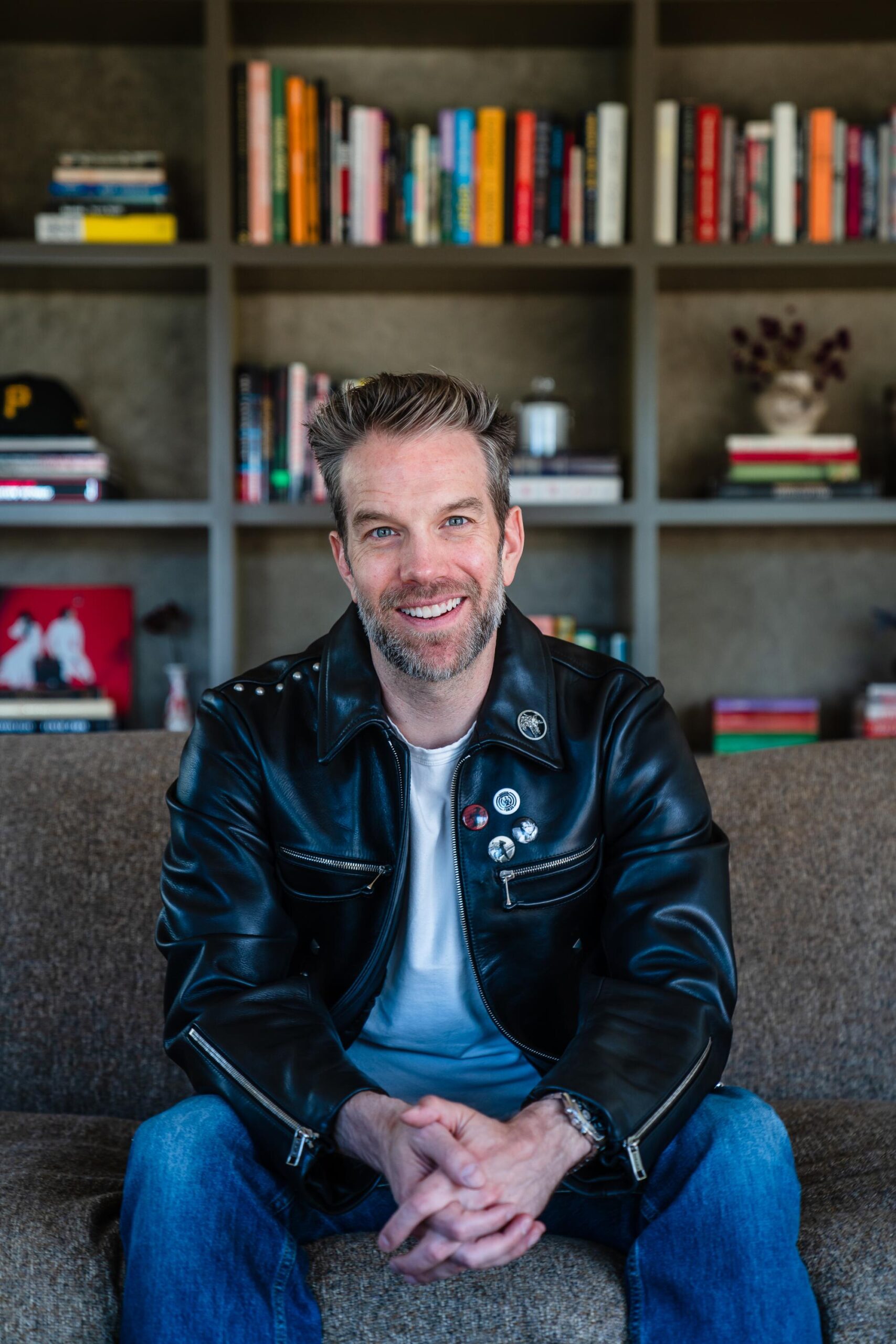
Inside the Jeselnik Book Club: How Anthony Jeselnik is making reading cool

Years ago, at the height of his success, Anthony Jeselnik couldn’t sleep. It was making him crazy. Hoping to find relief, the comedian sought help from a therapist he assumed would guide him back to a healthy sleep schedule. Instead, he encountered an apathy that stunned him.

“So what?” he recalls her saying. “So what if you don’t sleep? If you wake up, read a book. Find ways to be productive in your loneliness.”

Anthony Jeselnik

Anthony Jeselnik grows earnest when he talks about his love for books.

(Ariana Drehsler / For The Times)

The advice resonated. Today, the comedian is still reading alone, only now he has a dog — and an audience. A lifelong reader, Jeselnik has transformed his literary habit into a popular online book club, Jeselnik Book Club, where he recommends novels and invites discussion on his YouTube channel. His first video, posted in January and reviewing Jim Thompson’s “The Getaway,” garnered over 31,000 views. Each month, he chooses a novel and offers it up for discussion.

“My goal was to curate and give people their best shot at enjoying reading,” he says. It’s a valiant effort, considering that reading has been in a steady decline. Last year, it was reported that the number of American readers had declined by 40% over the previous two decades.

“People will say, ‘Oh, I don’t like reading books.’ You’re choosing the wrong books,” says Jeselnik, his voice likely ringing with his signature snark because he, for the most part, knows otherwise. In 2022, bestselling writer Isaac Fitzgerald, who recently released the anticipated American Rambler: Walking the Trail of Johnny Appleseed,” witnessed the power of a Jeselnik recommendation.

Anothony Jeselnik

“It helps with the masculinity crisis in that reading is masculine. It is a masculine thing to do,” Anthony Jeselnik argues, advocating that young men trade online conspiracy forums for literature.

(Ariana Drehsler / For The Times)

“A friend texted me that Anthony Jeselnik, a comedian whom I loved but had never met nor interacted with — shouted out his love of my memoir, ‘Dirtbag, Massachusetts,’ on his podcast. I was thrilled,” Fitzgerald says. “At my events, both in Chicago and throughout the rest of that year, more and more people in my signing lines told me they’d heard of the book from Jeselnik’s podcast. I was also buoyed by how many of the people in the signing lines were young men.”

Since then, despite Jeselnik’s self-proclaimed loner status, Fitzgerald and Jeselnik have struck up a friendship. “The man is a real lover of books, with excellent taste and, unsurprisingly, confidence in his convictions,” Fitzgerald says. Earlier this year, the author held a book launch event for “American Rambler” at Skylight Books in Los Feliz. Jeselnik hosted. “I think he may have single-handedly invented a new way to do literary events. I don’t know what to call it … a literary roast?” Fitzgerald says. “Everyone laughed for an hour straight.”

In a sun-drenched luxury apartment above Hollywood Boulevard, Jeselnik explains that he mostly avoids the press — because he says he’s become weary of cancel culture and identity politics, conversations that have mired comedy.

Still, he welcomes the chance to discuss books, his voice swelling with excitement at the mention of authors Emily St. John Mandel and Ottessa Moshfegh — both personal favorites. Almost an hour into the conversation, the comedian reveals that he has Joan Didion’s author photo tattooed on his chest. His hand rests on his heart as he evangelizes her writing — a surprisingly tender moment of sentimentality from a comedian who has made a career out of stinging misanthropy.

“She has the cleanest prose. I think she’s the best writer of all time,” Jeselnik says. “I’ve read all of her novels, a lot of her essays. Her book about her husband dying is one of the most heartbreaking books.”

In fact, Didion is a natural match for the comedian. He is renowned for his precise and restrained use of language, delivering provocative truths about people’s ugliest impulses and asking the audience to laugh at them.

In the comedy world, Jeselnik has become legendary for his razor-edged one-liners, each joke ending with a dark reversal. He’s gained a reputation as the provocative bad boy of comedy with irresistible charm. Over the course of his career, he has enjoyed toying with this stage persona, which he jokes is that of a “borderline psychopath.” His roast of Donald Trump catapulted him to stardom, and he has released five hourlong comedy specials, the most recent of which, “Bones and All,” debuted in 2024. On Instagram, he has over 1 million followers.

“I was trying to be the devil onstage and somehow ended up as likable anyway,” he says of his storied career. This interests him in literature too — transcending reputation through good art. “Edgar Allan Poe wrote these books about psychopaths and killers. Authors do not equal their persona.”

Anothony Jeselnik

“I’m trying to make reading cool again,” Anthony Jeselnik says. “Reading is a solitary act in the way that stand-up comedy is a solitary art form.”

(Ariana Drehsler / For The Times)

Jeselnik’s book club recommendations are eclectic and literary — the kind of titles name-dropped in MFA writing workshops and met with impressed nods at dinner parties. Most recently, he recommended “Stoner” by John Williams, “Dept. of Speculation” by Jenny Offill, and “Paradais” by Fernanda Melchor. He curates his recommendations painstakingly, choosing brisk reads of around 250 pages that he hopes will hook new readers.

“I’m trying to make reading cool again,” Jeselnik notes. “Reading is a solitary act in the way that stand-up comedy is a solitary art form.”

He hopes his fan base embraces a life of reading. Similarly, in 2025, comedian John Mulaney also began recommending books on social media. “There are so few books for guys that are literary. There’s a lot of John Grisham and Jack Reacher, but there’s not something literary that a guy can sink his teeth into,” Jeselnik says. “If it’s well written, and the writer is great, then I’ll go on any kind of journey they take me on. I don’t always understand everything that I read, either. But reading a great writer, it’s like listening to classical music.”

With anti-intellectualism in comedy on the rise, he says his book club stands as an antidote to the manosphere. Young men passing time on conspiracy theory-infested corners of Reddit should instead pick up a novel, the comedian argues. “It helps with the masculinity crisis in that reading is masculine. It is a masculine thing to do,” he says. “The Hemingways of the world were out there. It used to be a badass thing to be a writer, and a brave thing to put your thoughts onto the page and publish them.”

The comedian has been a voracious reader since childhood. When he was in a Montessori school, the teachers discovered that reading would soothe Jeselnik. “I could go sit in a corner, and you can be a juvenile delinquent reading juvenile delinquent books.” Reading gave him a sense of accomplishment and satisfaction that followed him into early adulthood — a penchant he would like to stoke in his fans.

Early on, when Jeselnik discovered Bret Easton Ellis’ work, it felt revelatory. “Once you got outside of the curriculum, it was revolutionary to me to read Bret Easton Ellis; to read about sex, gay sex, to read about drugs, and people, young people, doing this was fascinating.”

Starting a book club felt like a natural progression for Jeselnik’s decadelong career, he explains. “In terms of how I do things and my approach to stand-up, instead of doing a podcast, having a book club seems like a natural extension of that.” There’s an earnestness in his appreciation of great literature that translates to his videos. “You can tell that I like the book and want people to enjoy it at the same level.”

Jeselnik, 47, imagines his comedy career is winding down. Thankfully for his fans, he has other creative ambitions. “I’d love to take a crack at either short stories or writing a novel.”

He reflects on the trend of comedians who, later in their careers, seek new legitimacy. “You see a guy like Jim Carrey: the last thing he wants to do is make anyone laugh anymore. He wants to be taken so seriously,” he says. Jeselnik believes his stage persona spared him from that particular crisis of self. “People are afraid of me. Fans who approach me are careful because my stage persona is borderline psychopath,” he says. “I don’t feel that same need to be taken seriously. I think I am taken seriously.”

His comedic sensibility explores cruelty, shock, transgressions and antiheroes — and it’s also what continues to draw him to literature. “I love bank robbers. I love the idea of the villain winning. That is revolutionary to me. You’re raised on TV, and things have to be wrapped up in half an hour, and the moral has to hold,” Jeselnik says. “I love that books don’t have to play by those rules.”

Connors is a culture journalist in L.A. She covers books, food, entertainment and offbeat Los Angeles. She’s currently at work on a book of essays about tourism in all its forms.


Source link

Jon Bon Jovi cuts ‘Forever’ tour show short: ‘I’ve got to cool it’

Jon Bon Jovi’s “Forever” tour stop was cut short after the singer said he needed to cool it.

Nearing the end of his nine-show residency at Madison Square Garden on Thursday, the 64-year-old rock icon apologized to fans when he had to pull the plug nearly an hour early.

Just before launching into “Livin’ on a Prayer,” he told the audience in a raspy voice, “I am the most grateful man in the world right now because I know I’m letting you down, and it’s not like me to do that. I feel f— great, but I’m gonna do one more song. I’m gonna need your help. I might have to cool it because I’m f— hurt.”

He performed the 1986 megahit, with the audience belting the chorus in his place toward the end. Bon Jovi then said, “I’m sorry, I’ve got to go. Stay tuned.”

“I’ve got to cool it,” he continued. “It’s just not going to get any better. Don’t throw away your ticket stubs. I’m gonna figure something out, OK? Just hold onto it, we’ll figure out how to reschedule.”

Bon Jovi embraced his band mates in a group hug before heading off stage.

Representatives for the “Bad Medicine” rocker told The Times that the concert ran for 90 minutes before ending.

“Jon Bon Jovi spoke from stage and told fans he has been battling a sinus infection, which led to the show’s early ending,” the statement continued. “As part of the Bon Jovi residency at Madison Square Garden, Jon has said numerous times that it has been a joy to return to live shows for the band.”

Bon Jovi’s “Forever” tour is the first since the namesake frontman had surgery to repair a vocal cord injury in 2022.

The tour kicked off July 7 at the New York City venue and then will head overseas for a series of international stadium dates, including stops at Scottish Gas Murrayfield Stadium in Edinburgh on Aug. 28, Croke Park in Dublin on Aug. 30, and a three-night stand at Wembley Stadium in London on Sept. 4, 6 and 9.

In 2024, Bon Jovi spoke on a Hulu panel in support of his docuseries “Thank You, Goodnight” and revealed that one of his vocal cords was “atrophying.”

“I pride myself on having been a true vocalist,” the musician said. “I’ve sung with Pavarotti. I know how to sing. I’ve studied the craft for 40 years. I’m not a stylist who just barks and howls. I know how to sing.”

“So when God was taking away my ability, and I couldn’t understand why — I jokingly have said the only thing that’s ever been up my nose is my finger — you know, so there’s no reason for any of this,” he added.

The same year, he told The Times that his voice was a “work in progress.”

“I’m an athlete coming back from an injury — Kobe Bryant with his Achilles torn off. Before I got on the plane this morning, I was at vocal therapy. The goal is 2½ hours a night, four nights a week,” he said.

In June, he told People that he was fully recovered. “It was longer than I’d ever expected, but it had to be right. We never lost faith.”


Source link

Colson Whitehead’s Cool Machine review: A masterful end to the Harlem trilogy

Colson Whitehead’s latest foray into the bent world of “reluctant fence” Ray Carney — “Cool Machine,” the third and final installment of his Harlem Trilogy — is an American epic disguised as a heist novel. It’s a dizzyingly brilliant measure of the versatility and depth of the acclaimed author’s literary talent.

Book Review

Cool Machine

By Colson Whitehead
Doubleday: 368 pages, $30

If you buy books linked on our site, The Times may earn a commission from Bookshop.org, whose fees support independent bookstores.

After writing two books dealing with monstrous historical trauma and institutional abuse — “The Underground Railroad” and “The Nickel Boys,” for which he won two successive Pulitzers — Whitehead pivots to an entirely new genre, subverting it, toying with it, making it wholly his own. And while the Harlem novels, too, have a great deal to say about serious subjects such as systemic racism, corruption, and crimes and misdemeanors of various proportions, they often lean on humor to get the message across.

In fact, it’s easy to envision the author at his laptop, as exhilarated as his prose, cracking himself up over how he bends language, employs slang, and forges descriptions like this one about a bar where Carney and a partner in crime conspire over how to fence a stolen diamond necklace: “He met Flinch Wilson at the Marlin, a narrow dive on 110th and Broadway with a decor inspired by an old leather shoe that lived in a drainage pipe.” Or this about a rival who has it out for Carney and his cohorts: “Buzz struck him as a plumber, one who comes back when you aren’t home to strangle your parakeet if you stiff him on the bill.”

“Cool Machine” is set in the 1980s, and Carney is still in the picture. It’s the Reagan era, and predatory capitalism rules, as does Mayor Giuliani, who’s waged war on the mafia and the homeless. What Whitehead dubs the “churn” roils the city and his protagonist. It’s that “churn” that beckons Carney to break his promise to himself and once again divert from his legit furniture store business. The excuse this time is that his wife Elizabeth wants to open her own travel agency, and can’t get a bank loan. Despite the couple’s closeness, for all these years her husband has managed to conceal that he’s a part-time crook. He desires respectability, but savors the buzz, the camaraderie — the honor among thieves. Carney falls in with criminal mastermind Uncle Rich and signs on to his outrageous plan to break into the Waldorf Astoria; the goal is to liberate Jesse Owens’ Olympic gold medal from those who forced him to cash it in.

The intricacy with which Whitehead details the planning and execution of this caper marks him as a top-tier researcher — he’s drawn on many primary sources to ground this work of fiction in historical fact. (There’s also his obsessive use of Pinterest.) The scenes set in the bowels of Grand Central, where there’s a secret train track leading to the Waldorf, are thrilling enough to read for their action, but the atmospheric descriptions are equally delectable: “Track 23’s next departure pulled into the station. One commuter joined Carney and Uncle Rich on the platform, a deflated man in a pinstripe suit with shiny elbows, then another businessman who sagged on one side, as if his briefcase was filled with lead weights.” One of the marvels of this novel is how effortlessly such sentences land, despite being honed to perfection. It would be a spoiler to say anything further about whether the thieves’ mission impossible yields their reward.

Part two of the novel shifts downtown, into the heart of the ’80s East Village art scene. A preoccupation of Whitehead’s — Jean-Michel Basquiat — is the inspiration for a fictional graffiti artist whose omnipresent scrawls capture the pretensions of the burgeoning wheelers and dealers, who, like uptown crooks, are relentless strivers, albeit with sleeker facades. Their snobbery is juxtaposed with Carney’s friend and colleague Pepper’s unsettling bluntness and eyeball to eyeball stare. He’s on the trail of a psychopath-for-hire dubbed “the Melancholy Hitman,” while battling stomach issues that have him downing Pepto-Bismol and coughing up blood in random bathrooms. In this section, Carney plays a supporting role to Pepper’s lead; “Escape from New York” is the enveloping soundtrack.

In the novel’s final act, Carney reemerges from straight life and Pepper from retirement in Delaware to rescue Carney’s nephew, Robert, who’s on the mob’s hit list for a murder he witnessed. Political corruption is rampant, and the revelation of who’s on the take has rattled a lot of cages. Robert is unwittingly entrapped, and has absconded with something mob bigwig Lombardi wants revenge for. Carney dons his best furniture salesman hat to make the pitch of a lifetime, a deal that could save Robert’s life, or take Carney’s. As Carney drives to the meet-up, he reflects on New York’s evolution: “Crime transformed the city by degrees. He thought of what John [his son] told him about rap music, where it came from. Rap was part of the New York environment now, barging from boom boxes and windows. They created something new from the spoils, the theft of turntables from record shops, the rip-off of a musical line or riff from another song — a crooked art.”

For those who enjoy knowing how an author’s inspiration arrives, it’s amusing to note that in the case of the trilogy that kicked off in 2021 with “Harlem Shuffle,” Whitehead told the New Yorker: “I was staring off into space and thinking about how much I like heist films and how much fun it would be to write a heist.” That sounds simple enough, but “Harlem Shuffle” turned out to be years in the making. The idea initially came to him around the same time he was writing “The Underground Railroad,” which was published in 2016. It wasn’t until after the release of that book, and then “Nickel Boys,” that Whitehead decided to lighten the mood by composing a crime novel set in New York City in the 1960s. And while he usually avoids staying on the same topic or voice from book to book, in the midst of writing “Harlem Shuffle,” Whitehead found he was still imagining further escapades for his main character, this time in the 1970s, with the city on the verge of bankruptcy, and incendiary conflagrations between the NYPD and the Black Liberation Army trending. As he envisioned what would become “Crook Manifesto,” Whitehead thought: “Why not make it three?”

Carney is part poet. Part crook. Part salesman. Part philosopher. To my knowledge, Carney’s creator is neither crook nor salesman, but Whitehead can lay claim to those other two mantles. His vocabulary appears boundless, as does his apparent love for the city he grew up in, where he still lives. “Cool Machine” is a modern masterpiece and an ode to New York, no matter that rats skitter and cockroaches scamper underfoot. When Carney has the chance to move anywhere in the world he wants, he ponders the appeal of fresh air. “Fresh was nice,” he reflects, “but so was other stuff. Noise, dirt, and struggle.” After escaping Manhattan, he wonders, “Where do you go? There’s no place else. It was like going on the lam from yourself.”

Whether or not New York is your jam, or a place you have escaped from or to, Whitehead’s Harlem Trilogy is destined to live on as an American classic. Never mind the rats and cockroaches — it’s the churn.

Haber is a writer, editor and publishing strategist, and co-founder of the Ink Book Club on Substack. She was director of Oprah’s Book Club and books editor for O, the Oprah Magazine.

Source link

Ed Sheeran installs £20k root cellar in his garden to cool his veg in latest addition to sprawling ‘Sheeranville’ estate

ECO-conscious pop superstar Ed Sheeran has installed a £20,000 root cellar in his sprawling mansion’s garden.

The singer, 35, has set up the trendy structure near his vegetable patch to keep the produce cool.

The European Premiere of F1 ® The Movie
Ed Sheeran has installed a £20,000 root cellar in his sprawling mansion’s garden Credit: Getty
NINTCHDBPICT001096424115
The cellar is the latest addition to Ed’s pad in Framlingham, Suffolk, dubbed ‘Sheeranville’ Credit: Bav Media

The cellar is partially dug into the earth and covered by an earth mound for insulation — making it look like a Hobbit hole from Tolkien’s fantasy tales.

It uses the earth’s natural insulating qualities to keep contents at a cool 8C to 15C without electricity and can be used to store veg, cheese and wine.

The cellars, which can hold 3,000 litres, are a growing trend among celebrities, including US actress Jennifer Garner. Hollywood star Gwyneth Paltrow also had the high-end Groundfridge on her Goop brand’s gift guide.

Ed’s model features solar­powered ventilation and lights up when opened, just like a fridge. It costs £15,500 plus installation fees.

WEDDING MELS

Inside Mel C’s lavish wedding from menu to Geri & Mel B coming face to face


NOBODY DOES IT BEDDER

Vanessa Feltz opens up about DISASTROUS dates & lifts lid on new show

The Dutch firm says having a fridge in your kitchen is “too easy” and says it is “more fun” to get outside to grab produce.

Other energy-saving root cellars can also be bought from high street stores, including B&Q, which is selling one for £8,138.

It is the latest addition to Ed’s pad in Framlingham, Suffolk, which is dubbed “Sheeranville”.

The property also boasts a pub, tree house, underground music room, tunnels and a ­private chapel.

Source link

Denmark’s ‘Cold Hawaii’: the artfully cool surf zone on the Jutland coast | Denmark holidays

The North Sea wind is buffeting my body and face, shaking me awake after a six-hour journey from Copenhagen on buses and trains to this rugged stretch of the Danish coast. From my high vantage point on the grassy dunes, overlooking what feels like an endless sea, there is hardly another soul to be seen, save for the specks of a few surfers who are trying their luck on the crashing waves.

Surfers, windsurfers and paddleboarders flock to this stretch of north-west Jutland, which is playfully known as “Cold Hawaii”. The phrase was coined in the 1990s by the international surfing community, and popularised by world champion windsurfer Josh Stone, to describe this laid-back shoreline and its 31 official surf spots running for around 30 miles (50km) from a little north of the industrial harbour of Hanstholm down to the sandy beaches of Agger.

Unlike tropical Hawaii, however, the European version is lined with the heathlands, dunes and forest of the Thy national park. The weather is also brisker – you’d be loath to spend long in the water here without a wetsuit to keep you warm.

The wild beauty of the coastline feels markedly different to the largely agricultural landscape I have come to know in the several years I’ve lived in Denmark. Cold Hawaii has been recommended to me countless times as somewhere a little more under the radar than the popular resorts on the north coast of Zealand, or Skagen on the northern tip of Jutland. It’s not easy to reach Thy by public transport and, once here, the patchy local bus service makes it far easier to explore by car. For that reason, Cold Hawaii has remained something of a local secret, and there’s a strong sense of community here even in winter, when all the summer houses sit empty.

The dunes of Thy national park. Photograph: Stephen J Taylor/Getty Images

On a sun-drenched afternoon in early spring, with the tourist season yet to begin, the surf schools and ice-cream shops are still quiet. Driving into Klitmøller – the unofficial centre of Cold Hawaii, which hosts an annual international surfing competition – there are hints of how the area has transformed into a surfers’ paradise over recent decades. As well as surf shops and schools, there’s a wine bar, a spa and a co-working space on the main street. Several artists are based in the area, too, including the internationally renowned Jeppe Hein.

It’s a similar story in the nearby seaside town of Vorupør, where I’m staying at the Vorupør Badehotel. It is an expansion of the original Vø Surfshop, opened by Peter Joseph Jensen and Sigrid Bruun Jakobsen in 2011; another couple joined them to open the hotel in 2023. My bubblegum-pink room is nestled in the eaves with huge windows looking out to sea and a freestanding tub (a luxury for a Copenhagener like me). In cosy Danish fashion, there’s a shoes-off-at-the-door policy.

Standing on Vorupør beach between anchored fishing boats, I’m joined by families enjoying strolls in the blustery wind and dappled sunshine – it’s that time of the year when Denmark emerges from the winter gloom and everyone rushes to be outside as much as possible. Not so long ago, Vorupør was a quiet fishing village, but in recent years it has become increasingly popular with Danish, German and Belgian tourists, giving rise to a flurry of new places to stay, restaurants and boutiques.

One notable addition, not far down the coast, is the restaurant Tri. The founder and head chef, Nicolas Min Jørgensen, earned a Michelin star just a year after opening in 2022, winning acclaim for a hyperlocal approach to produce and menu-planning. The flavours of the sea, Thy national park and the nearby Limfjord, which cuts through northern Denmark, are evident in the mussel broth and seaweed, smoked roe butter and magnolia flowers that feature on the menu.

Vorupør Badehotel, located on the waterfront

During dinner, Jørgensen waves to fisher René, who harvested the first shrimps of the season from the Limfjord that morning, and points out farmer Niels, who is eating in the restaurant and enjoying his own berries.

The next day, I venture to SMK Thy, the new, highly acclaimed outpost of the National Gallery of Denmark (Statens Museum for Kunst), which opened in the village of Doverodde last year. From Vorupør, it’s a 30-minute drive inland to the banks of the Limfjord, passing the dune plantations of Thy national park.

skip past newsletter promotion


A 42-metre former grain silo from the 1960s towers over the collection of warehouses that now host exhibitions such as Living Landscapes (until 18 October) featuring artists from Claude Lorrain to Edvard Munch and rising Danish stars such as Rasmus Myrup. Inside, a winding steel staircase traverses three floors and rewards visitors with remarkable views over the Limfjord. There’s also a “Nature Village” with pavilions serving as bases for outdoor education, exploring nature and kayaking.

It’s hard to figure how the National Gallery ended up in this sleepy part of Jutland, but it is already proving popular with people who might otherwise feel disconnected from the collection in the Danish capital on the other side of the country.

The SMK Thy gallery, a new Jutland outpost of Denmark’s National Gallery. Photograph: Martin Hoffman

Across the Limfjord is another notable destination for culture lovers – Kunsthal Thy gallery was set up in 2023 by artist Rasmus Søndergaard Johannsen in a barn on the medieval manor house estate of Boddum Bisgaard. Its programme features a roster of international and Danish avant garde artists, working in sculpture, video and installations that feel unexpected in this quiet corner of Denmark, and quite different from SMK Thy’s efforts over the water to share its collection with a regional audience.

And it’s that sense of the unexpected that lies at the heart of the region’s growing appeal. It’s why outdoor adventurers may be willing to swap the classic Atlantic surf hubs of Biarritz in France or Ericeira in Portugal for a northern outpost dubbed Cold Hawaii. That and a certain understated sense of Scandinavian style, of course.

The trip was supported by Visit Denmark and Visit Nordvestkysten. Doubles at the Vorupør Badehotel start at £178 B&B. Several trains depart in the morning from Copenhagen central station to Sjørring in the Thy district, which connects to local buses run by Nordjyllands Trafikselskab. A ticket from the train company DSB covers transport from Copenhagen to Vorupør, including two trains and a bus, from 516 krone (around £60)

Source link

‘We have nothing to cool off with’: French heatwave exposes inequalities | Weather News

Paris and Chamonix, France – Ibrahim Doukanthi prepares to plunge into the Canal Saint-Denis. It is almost noon, and the temperature in the Paris region is nearing 30 degrees Celsius (86F).

He grew up just north of Saint-Denis, one of France’s poorest municipalities, and now lives in La Plaine, hundreds of metres from the Stade de France, the country’s national stadium.

Recommended Stories

list of 4 itemsend of list

“The water here is completely normal,” he said. “It’s just that it’s green, so you don’t know what’s in it – that’s what makes it a bit scary.”

He has been jumping into the canal – technically not open to swimmers – to cool off during the recent heatwaves.

Like many residents of Paris’s sprawling, historically disinvested suburbs, Doukanthi had to be creative to beat the heat while living in an apartment building without air conditioning.

“What I do is take the spray bottles – I call them ‘pshit-pshit’ – fill them with water, spray myself down, then sit in front of the fan,” he said. “It cools you off like crazy.”

Ibrahim heatwave
Ibrahim Doukanthi has been trying to cool off in a canal during France’s heatwave [Phineas Rueckert/Al Jazeera]

Sitting in the shade at a flea market in Saint-Denis, Natifa Segli, a municipal employee, criticised the government’s response to the heatwave.

“I don’t feel like we learned the lesson from the 2003 heatwave. Here we are in 2026, and this heatwave was horrible,” she said. “Even at work, we weren’t sheltered. The temperatures in the offices were very, very hot.”

For Segli, the only consistent solution is to avoid the sun. “We’re going to stay in the shade,” she said of an upcoming heatwave, expected later this week.

‘We really have nothing to cool off with’

In areas like Saint-Denis, access to cooling infrastructure is unevenly spread, Louiza Ammari, a childcare worker who lives in social housing, told Al Jazeera.

In her building, police banned residents from setting up an inflatable pool for children. As renters, her family is not allowed to install air conditioning. Though one municipal pool opened free swimming hours, she could not go because it does not allow burkinis.

“We really have nothing to cool off with,” she said.

Louiza heatwave
Louiza Ammari tries to protect herself from the blazing sun under an umbrella [Phineas Rueckert/Al Jazeera]

In France, there were 2,025 additional deaths during the last heatwave, the week of June 22 – a week-over-week increase of 30 percent nationwide and 62 percent in the Paris region, according to the national public health agency.

Extreme heat highlights existing inequalities, according to Bruno Villalba, a political science professor at AgroParisTech Paris-Saclay, specialising in political ecology and environmental policy.

“The heatwave is merely a symptom of social vulnerability, particularly in terms of housing,” Villalba told Al Jazeera.

Wealthier people can insulate their homes, afford a portable air-conditioning unit, eat fresh produce, or even leave the city for vacation when it gets too hot, options that are unavailable to many others.

“It’s up to the government to step in,” Villalba said.

“They tell us, ‘Stay hydrated, don’t stay in the sun, drink water,’” he said. “The French government did not sufficiently anticipate the acceleration of climate change.”

‘We are not all equally exposed’

There is a pervasive misconception of “universality” when it comes to climate deregulation, noted Mael Ginsburger, a lecturer at Universite Paris Cite focused on inequalities linked to the ecological transition.

Although experienced by everyone, more vulnerable populations have limited resources to mitigate heatwave conditions.

“We are not all equally exposed, just as we are not all equally responsible. There are significant inequalities in carbon emissions,” Ginsburger said. “Not everyone is equally capable of adapting, and there are certain groups that face multiple vulnerabilities linked to poor health, for example.”

Among wealthy households in France, 70 percent consider their homes properly insulated to combat heat, compared with 46 percent of lower-income households, according to Ginsburger’s research. More people report now suffering from heat in the summer – 66 percent – than cold in the winter, 46 percent.

“Overcrowded housing is much more likely to be in poor condition and have extremely poor insulation,” Ginsburger said. “These are populations facing a combination of overcrowding in dilapidated housing located in areas like Marseille and Lyon that are particularly vulnerable to heat.

“We’re sticking with this same approach of small steps rather than a structural approach that would actually require a more far-reaching overhaul of [building] infrastructure.”

For the homeless, the ramifications of heatwaves can be even worse.

“People who are outside don’t have a moment’s respite. They are suffocating in a concrete jungle where there is no simple, effective way to escape the intense heat. On asphalt, the perceived temperature can often rise to 45-50 degrees,” Paul Alauzy, at NGO Medecins du Monde, or Doctors of the World, told Al Jazeera.

He is a member of Le Revers, an activist group that formed during the 2024 Paris Olympics to bring awareness to the conditions faced by unhoused people in the Paris region.

“We’re asking for long-term policies designed to protect as many people as possible and reduce the number of people living on the streets, precisely to shield them from the harsh weather,” Alauzy said. “Once again, the authorities are stubbornly resorting to reactive, weather-dependent management.”

During heatwaves and cold snaps, French officials usually add a few emergency shelters and install temporary water stations.

“This is obviously not nearly enough,” Alauzy said.

Not all parks and natural spaces, essential for cooling down, are accessible to all.

“Trees, which are natural tools for regulating temperatures, have been effectively pushed out of our cities,” Villalba said, especially in deprived areas.

In places like Saint-Denis, schools and other public infrastructure are insufficiently equipped, said Ammari, the childcare worker.

‘Definitely an advantage to be at an altitude’

Even in the mountains, temperatures rose above 30C during the last heatwave, about 10C (18F) above normal end-of-June temperatures.

In Chamonix, the Bossons Glacier above town visibly shrank and conditions along popular routes up Mont Blanc and neighbouring peaks are becoming dangerous due to rockfall risks.

But nights are not stifling, and locals and visitors in the Alps sleep comfortably.

There are forested trails and a river fed by glacial melt that cools the surrounding area.

“In Chamonix, like in many mountain towns, it’s definitely an advantage to be at an altitude of 1,000 metres [3,280 feet] and to have the forest a few minutes from home,” Jean-Michel Bouteille, who recently retired from his role as director of municipal services in Chamonix, told Al Jazeera. “We’re a town of 9,000 people, but we still have nearby green spaces that are free and easily accessible.”

Although the mountain weather is not oppressive, climate change is felt in Chamonix.

“We have temperatures much higher than in previous years, which is leading to significant consequences. The Bossons Glacier is a disaster,” said Bouteille, who has lived in the valley for 26 years.

Source link

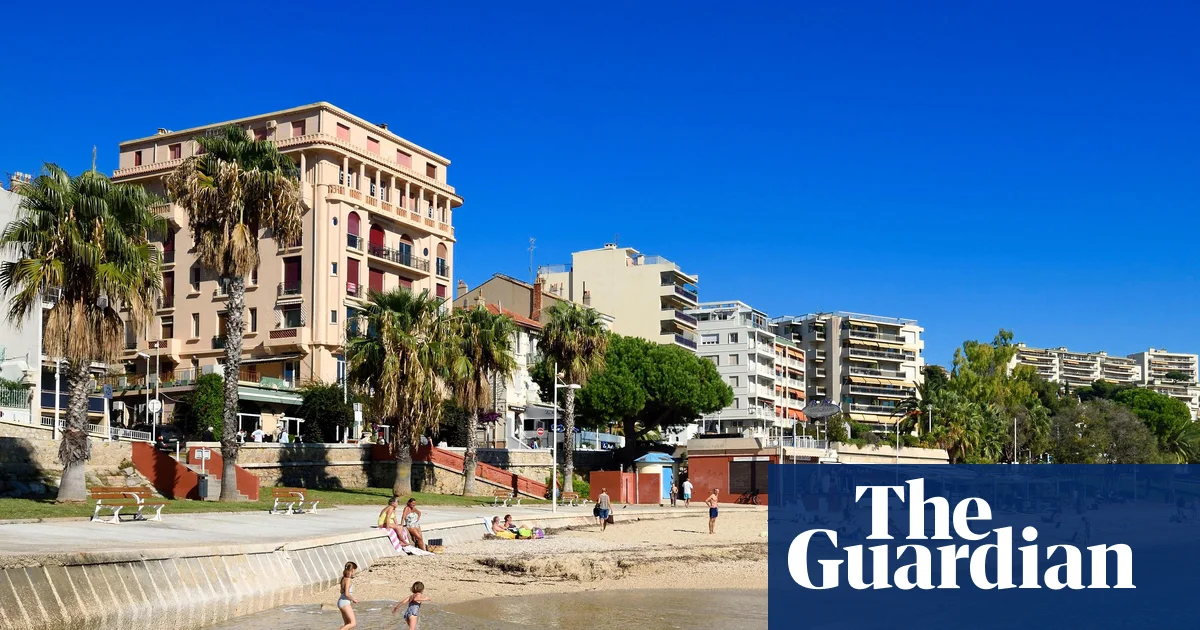
‘Year-round sunshine practically guaranteed’: Le Mourillon is Toulon’s cool, beachy quarter | France holidays

Why go now

South of the city centre, Le Mourillon is Toulon’s characterful and unpretentious seaside quarter. Once a fishing village, Le Mourillon is home to little shops selling Provençal produce such as huge garlic bulbs and tomatoes in vibrant shades, alongside lively bars and restaurants. It’s not as glamorous or polished as the likes of Antibes or Saint-Tropez – you won’t find designer brands – but it’s all the more charming for that.

The hilly, narrow streets wind down to Le Mourillon’s star attraction: its beaches. Widely recognised as the second sunniest city in France, Toulon practically guarantees year-round blue skies and sunshine. The clear, azure sea sparkles and the beaches are lined with restaurants and date palms. While cruise ships come and go from the city’s main port, Le Mourillon is far enough from the centre that you only see them in the distance, alongside sailing boats and fishing vessels.

Where to eat and drink

Eating and drinking is one of the main pastimes in the south of France, especially on Sundays when many shops are closed. Le Mourillon is home to some of the best restaurants in Toulon, most of which celebrate Mediterranean cuisine and ingredients. Try AOC 41 for fresh, seasonal fare and some of the most flavoursome meals I’ve had, such as confit beef open ravioli with sand-grown carrots and bourguignon jus whipped with bone marrow (starters from €12, mains from €26). If you fancy a pre- or post-dinner drink, pop round the corner to Havana Cafe, which in the summer months spills out across the whole square.

Down by the beaches, restaurants offer everything from a p’tit dej formule (classic French set breakfast of bread, a pastry, coffee and juice) to freshly caught fish of the day. La Sorga serves an incontournable (unmissable) caesar salad with breaded chicken and oven-baked potatoes, best enjoyed with a glass of rosé overlooking the sea. This being the south of France, the wine is cheap and you certainly won’t be rushed.

Cultural experiences

Les Toulonnais flock to the Fête de la Mer for fresh oysters every spring. Photograph: Hemis/Alamy

Created in the 1970s, the four human-made beaches are the main attraction in Le Mourillon. Swim in the (usually calm) Mediterranean or rent a paddleboard or kayak from the yacht club. While strolling along the promenade, take in the local people playing pétanque and beach volleyball, while children play mini golf, bounce on trampolines and enjoy churros.

At one end of the beaches, next to a little fishing harbour, you’ll find Fort Saint Louis – built in the 17th century, it’s still used by the French navy (albeit for staff lunches rather than warfare).

Back in the heart of Le Mourillon, Saint-Flavien church, built in 1868, is a beautiful building worth admiring, and you might get lucky and hear some music or singers. Art lovers should visit the Museum of Asian Art, just back from the beaches, or head inland to one of the many galleries on Rue Lamalgue, Le Mourillon’s main street, such as Galerie d’art Toulon Inna Khimich.

Joshua Redman at last year’s Toulon jazz festival. Photograph: Jean-Michel Elophe

In the height of summer, Toulon’s jazz festival (26 July-8 August) brings free concerts to Le Mourillon’s beaches. Every year on 15 August, the Feast of Assumption is marked with a spectacular fireworks display from the fort. In spring, La Fête de la Mer sees local producers and winemakers set up stalls in the port to sell fresh oysters, baked goods and local wine and beer. Tables are filled with les Toulonnais, who arrive en masse to settle in for a day of live music, drinks and seafood.

Where to shop

Rue Lamalgue is the place to shop. Photograph: Veronique Tournier/Hans Lucas/AFP/Getty Images

Rue Lamalgue is a narrow street lined with Provençal buildings in shades of pale pink and terracotta with faded blue shutters, decorated with strings of bunting and floral arrangements on the lamp-posts. It’s the heart of Le Mourillon and home to many independent boutiques and cafes. For tasteful gifts, from vases to children’s toys, visit Oblada, and try Acanthe for chic French clothing for the whole family. But be warned: most shops close for up to 3.5 hours over lunch, as well as all day Sunday and Monday.

Pick up artisan cheeses at Fromagerie Grosso, meat at one of Lamalgue’s multiple boucheries, fruit and veg at Primeurs Vitamine, wine at Cave Faubourg du Mourillon or La Dégust Nature, and bread, pastries, chocolates and cakes at one of the many bakeries. Of course, there’s a market too, selling fresh produce every morning except Mondays. Saturday mornings is when Le Mourillon is most alive, as local people amble around, picking up fresh bread and stopping for a coffee and croissant.

Don’t miss

The coastal path to Plage de La Mitre. Photograph: Jacques Dreano/Alamy

Walking along the beaches of Le Mourillon is lovely, but the best trails are the coastal paths that continue from each end. If you go east, past the yacht club, the path winds around the coast with various sets of steps down to tiny beaches. Keep going past Fort Cap Brun, and you’ll eventually get to Anse de Méjean, one of the most beautiful coves in the area, which almost feels like a tiny Greek fishing village. Toulon may not be as bougie as Cannes or Nice, but you might still see a family sail in on a yacht for lunch at L’Escale, a hidden gem of a restaurant that is well worth a visit (bear in mind it closes in the winter).

Walk the other way from the beaches of Le Mourillon and the path winds round to Plage de La Mitre, another beautiful stretch of sand.

Stay

There aren’t many hotels in Le Mourillon, but Hôtel Les Voiles offers simple accommodation with sea views (doubles from €112). A little more upmarket is the four-star L’Eautel in central Toulon (doubles from €119).


Source link

From cool Marseille to a photo-feast in Arles – an art trail through Provence | Cultural trips

My wife and I moved from London to Marseille a little over five years ago when our British passports still conferred “right to reside” in France. That first winter on the beach, in short sleeves, as our daughters played in the topaz-coloured Mediterranean and the sun set across an ever-clear blue sky, I understood why this part of southern France has always been popular with artists.

I was recently speaking about this with the painter Fanny Nushka and her sailor husband, Benoît Bouchet, on the terrace of Café la Muse in Marseille’s “coolest” neighbourhood. She said: “It took a long time to go back to blue. It’s like being in Paris and painting the Eiffel Tower. It’s dangerous to paint the Calanques [limestone coves] as an artist from here.”

We moved to Marseille for the same reason that has attracted countless artists: it’s cheaper to live here. Marseille’s affordability enables Fanny to paint full-time and Benoît to sail without being away from his family for weeks. Benoît runs daily catered cruises on a listed sailing yacht, Le Don du Vent. For €135, you get a taste of Mediterranean luxury with swimming, snorkelling and sunbathing in the unspoiled sea coves around Marseille, pausing briefly for wine and a lunch prepared onboard.

Always buzzing … La Friche in Marseille. Photograph: Hemis/Alamy

Céline Ghisleri, co-president of Provence Contemporary Art, which represents 62 arts organisations in and around Marseille, tells me the city has always had a dynamic art scene. However, the turning point came when Marseille was named European Capital of Culture in 2013. Since then, large institutions such as Frac Sud, Mac and the Museum of European and Mediterranean Civilisations (Mucem) have expanded the city’s offering with bigger exhibitions from more widely recognised artists.

This summer, the Mucem’s exhibitions are Bonnes Mères, a collection of contemporary and historical works on the theme of motherhood, and Clément Cogitore’s fascinating Ferdinandea, l’île éphémère, a body of work centred on the brief existence of a volcanic Mediterranean island. At the end of August, the art fair Art-O-Rama will be hosted at La Friche La Belle de Mai. La Friche (the Wasteland) was a tobacco factory and is now an enormous warren of a multidisciplinary arts centre that is always buzzing, especially in the summer when they set up a movie screen and food trucks on the roof. La Friche is emblematic of the art scene in Marseille: absolute chaos, but somehow it works.

Outside Marseille, Plein Sud, a network of contemporary art organisations between Monaco and Montpellier, produces a guide with travel itineraries. It’s how I discovered the charming Gallifet art centre in nearby Aix-en-Provence, which is only about 40 minutes from Marseille but exists in a completely different universe.

Mucem in Marseille. Photograph: Pcalapre/Alamy

You couldn’t be further away from Marseille’s port city energy than Aix’s daily market at Place Richelme, where you can grab a coffee and, if you are lucky, an outdoor seat at the patisserie and salon de thé Maison Weibel. For lunch, I recommend Drôle d’Endroit (Funny Place). It is tucked down an alley off a sidestreet, but the meals are always pleasing and the atmosphere friendly. Another solid choice is Tita for Levantine street food.

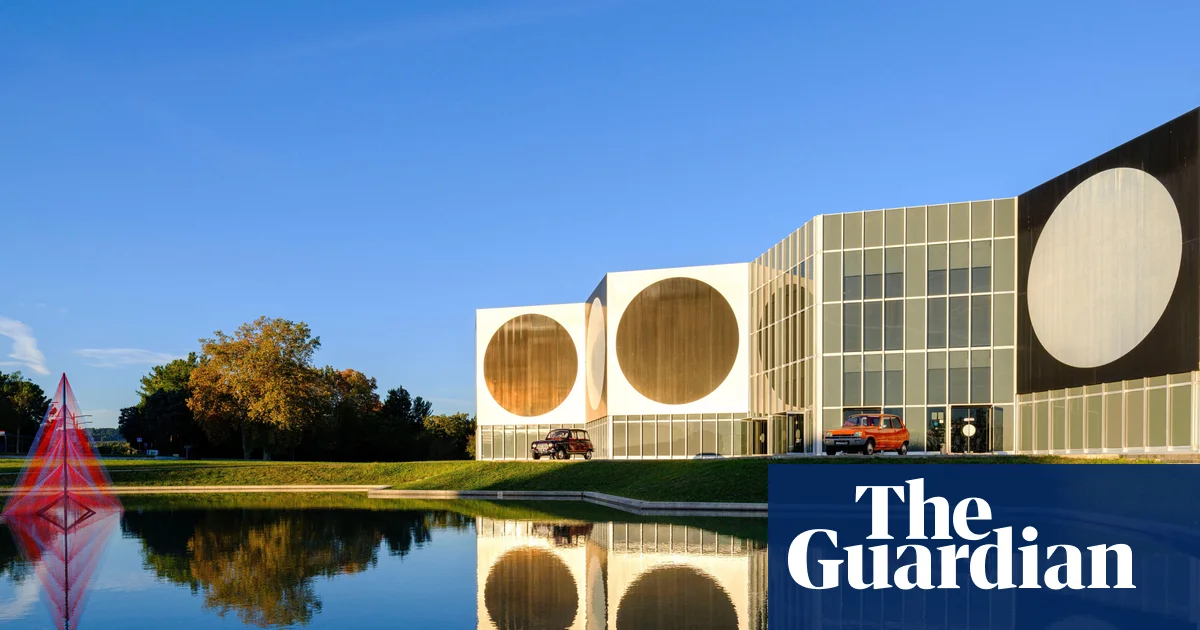
As tiny and quiet as Aix is, it has an abundance of museums, such as the Granet Museum, the Caumont Art Centre and the Vasarely Foundation, but they tend to lean heavily on art that historians have already anointed. For example, it wasn’t until 1984 that the Granet acquired any works by the local boy done good, Cézanne, whose preserved studio is just up the hill.

A striking sculpture by Diadji Diop in the courtyard of Gallifet gallery, Aix-en-Provence. Photograph: Javier Larrea/Alamy

That’s why it was refreshing to find Gallifet trying something different. The owners, Nicolas Mazet and Kate Davis, have a mission to bring contemporary art to conservative Aix. Located on the ground floor of an 18th-century townhouse, the courtyard’s striking red sculpture of a swimmer mid-stroke, by Diadji Diop, hints that Gallifet is more than just a home (the owners live above the art centre).

This summer’s exhibition features a retrospective of the photographer François Halard, with more than 100 works spanning more than three decades. Until the end of September, Gallifet also hosts a seasonal restaurant and chef’s residency. This year, two Paris-based chefs, Lisa Desforges and Bruno Hammerle, will use Provence’s abundant and delicious ingredients to create menus including entrees such as smoked ricotta gnocchi with peas and a peapod veloute. Gallifet also offers two apartments (from €200 and €160 per night), both decorated with pieces from previous exhibitions and filled with Provençal features such as marble fireplaces and tomette terracotta tiles.

Palais des Papes, in Avignon. Photograph: Image Broker/Alamy

A little further up the Rhône, Avignon nestles against the river, enclosed by preserved medieval walls. The Palais des Papes overlooks the renowned vineyards of Châteauneuf-du-Pape to the north and lavender fields to the south. Each July, the town is taken over by the Avignon festival, one of the oldest performance arts festivals.

After a visit, take a walk along the most picturesque and charming street in Avignon, La Rue Peyrolerie. A winding medieval cobbled alley leads to an equally charming restaurant, L’Épicerie, situated in a square beside a small 14th-century gothic church with an ornately carved walnut-wood door. The cuisine is classic French, served in generous portions by friendly staff. Every time we visit Avignon, we dine here and have never been disappointed, but be warned that the terrace fills up quickly. This is a well-known and well-loved spot among locals. Another safe bet for outdoor courtyard dining is Numéro 75.

The most notable address for contemporary art in Avignon is the Lambert Collection, housed in two stunning 18th-century townhouses, Hôtel de Caumont and Hôtel de Montfaucon. The collection is the legacy of Yvon Lambert, a celebrated gallerist and collector who made his reputation in the latter half of the 20th century championing American artists such as Nan Goldin, Donald Judd, Lawrence Weiner and Cy Twombly. The collection continues to support up-and-coming local artists in its Antechamber of Summer exhibition. This year’s exhibition is by Melika Sadeghzadeh, an Iranian artist living and working in Montpellier.

Luma art complex, with a tower by the architect Frank Gehry, in Arles. Photograph: Hesham Elsherif/Getty Images

Just south of Avignon, Arles has at its centre a nearly 2,000-year-old Roman amphitheatre, which hosts plays and concerts. The Vincent van Gogh Foundation and Luma host several exhibitions throughout the year, but the real treat comes in July during the Rencontres d’Arles. For 50 years, venues across town, from galleries to grocery stores, have showcased a wide range of contemporary and historical photography.

Recently, we went to Arles for its Festival of Drawing. After a wander through the picturesque medieval streets of the Roquette district on the east side of town, popping into venues as we went, we discovered the tiny restaurant Páou in the quaint Place Paul Doumer. The menu promised sharing plates starring local produce and wines. So we sat down for another meal at another terrace table, under another clear blue sky.

Jarred McGinnis’s latest book is There is No Meant to Be (Harvill, £20). To support the Guardian, order your copy at guardianbookshop.com. Delivery charges may apply

Source link

How Porto’s gritty, industrial neighbour became a cool coastal hotspot | Porto holidays

Why go now

This once declining industrial city is on the up, but not so much that it has been ruined – yet. See it now, mid-gentrification, before its humble seafood restaurants become overpriced and its beautifully curated museums and galleries overrun.

Five miles north-west of Porto city centre, Matosinhos (pronounced mh-to-ZEE-nyosh) is a municipality built on the fishing. After the construction of the vast Port of Leixões in the 19th century, its fishing industry boomed and supported 54 canneries in its mid-20th-century heyday. Two survive, but most have been demolished, along with the textile factories and sugar refinery that occupied the district south of the harbour, next to the extensive sands of Matosinhos beach, which are fringed by surf schools and rammed with Porto residents in summer.

Luxury apartment blocks have risen from the ashes of once prosperous industries, but these stand cheek by jowl with 19th-century tiled houses, abandoned buildings daubed with graffiti and faded mid-century architectural classics championing raw concrete. The faculty of architecture at the University of Porto exerted its influence on the city’s renaissance, and sights include works by Pritzker prizewinning architect Álvaro Siza, born in Matosinhos, and the coolly contemporary Casa da Arquitetura – a cultural centre and exhibition space incorporating Siza’s remodelled family home, plus warehouses used for bottling and packing port wine in the 19th century. When I visited, it was deserted.

Where to eat and drink

The bounty of the sea is on show at the strikingly modern Mercados Municipais. Photograph: Kuki Waterstone/Alamy

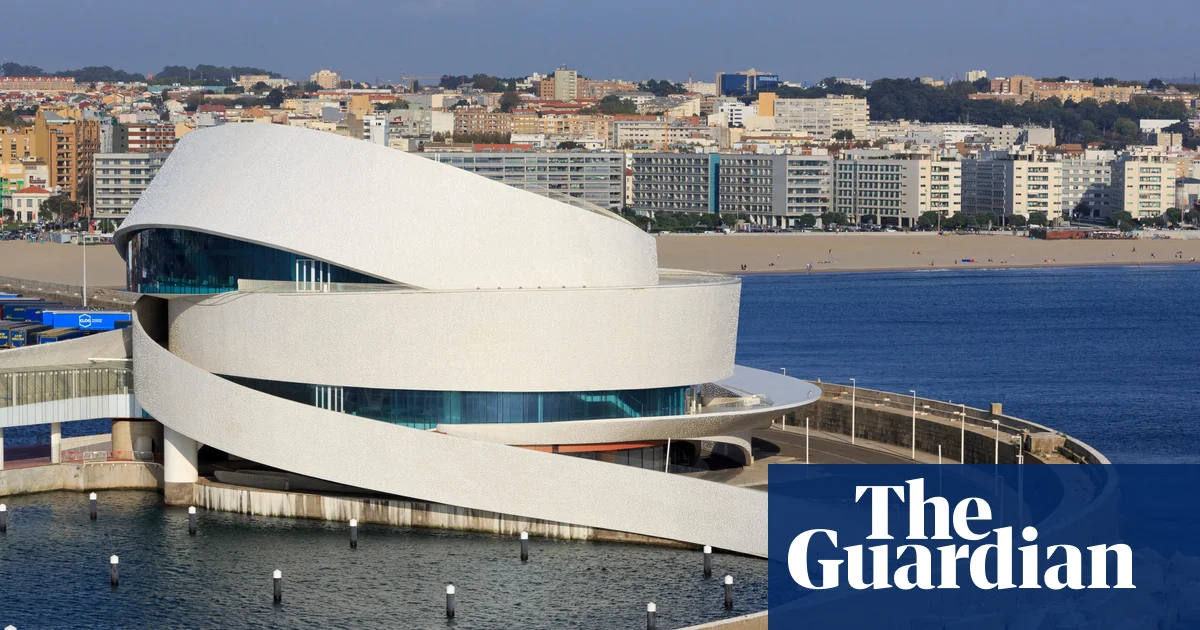
In 2025 Matosinhos was recognised as a Unesco creative city of gastronomy for its long history of harvesting and preparing produce from the sea. Though Leixões port has huge container docks and a futuristic cruise terminal, part of it remains a fishing harbour with its own fish market. Behind it is Rua Heróis de França, a street packed with seafood restaurants – many dating from the 1950s, when fishers set up basic premises in which to cook and serve their catch.

Here, the air is filled with the smoky aroma of grilled sardines. Follow your nose and take your pick as most are good, affordable – from €20 for two courses and a drink – and serve not just sardines but horse mackerel, golden bream, sea bass and percebes (goose barnacles), plucked from the rocks, a nugget of salty flesh extracted from a leathery tube.

The bounty of the sea is on show at the strikingly modern Mercados Municipais, where the first floor serves as an “incubator” for design and architecture start-ups. Downstairs, you can select fish from a stall and have it cooked at an outlet on the fringes, or check out Bistrô by Vila Foz, a spin-off from the Michelin-starred Vila Foz in Porto, presided over by chef Arnaldo Azevedo. I had tuna tartare with avocado and chilli, horse mackerel escabeche, and a cataplana fish stew.

Across the Leça River is the parish of Leça da Palmeira. Next to the 17th-century Leça da Palmeira fort, Rua do Castelo has a handful of decent, reasonably priced restaurants – as well as the O Batô nightclub, a 1970s classic, one of several bars in the area. Back near the port, A Marisqueira de Matosinhos restaurant serves the most generous seafood platter I have tasted. Soup, main course and wine from €45.

Heading north up the coast, 7 miles from Matosinhos is Angeiras with its beachy, sun-drenched Atlantic vibe and small fishing community. A Casa do Gordo serves shared plates of percebes, prawns, octopus, grilled sardines and codfish tempura, and main courses including bream with arroz malandro (a soupy rice dish). Meals from €30 a head, with wine.

Cultural experiences

Álvaro Siza’s Piscina das Marés saltwater pools are shaped to follow the rocky contours of the coast. Photograph: Josef Kubes/Alamy

Here, it is all about architecture – not just signature works by Álvaro Siza and other Portuguese masters, but the pristine and pleasing spaces in which everything from art to tins of sardines is presented. One highlight is the Piscina das Marés, Siza’s stunning 1960s complex of two seawater pools, changing rooms and bar, following the rocky contours of the coast in Leça da Palmeira. Busy in high summer, it is best visited in June or September for a taste of Siza’s playful use of light, shade and ocean views and his love of weather-resistant concrete and wood.

The same materials and mischief are evident at Siza’s landmark Casa de Chá da Boa Nova, opened as a tea room in 1963 and now a two-Michelin-star restaurant with a €140-plus tasting menu. Stand on the rocky promontory outside and take in views of the coast and the Farol da Boa Nova, the second-tallest lighthouse in Portugal.

Álvaro Siza’s Casa de Chá da Boa Nova is now a two-Michelin-star restaurant. Photograph: Luso Architecture/Alamy

For a cultural one-stop shop, head to the area around the city hall, where the Galeria Municipal exhibits works by Portuguese contemporary artists. Opposite is the Museu da Memória, located in the Visconde de Trevões mansion, built between 1910 and 1913 as a home for rubber baron and philanthropist Emídio José Ló Ferreira. Beautifully restored, airy and inviting, it is now a museum celebrating the history and culture of Matosinhos, with an Archive of the First Person – recordings made by local people sitting in a soundproof booth.

On Avenida Menéres, immerse yourself in the light, space and designer ambience of Casa da Arquitetura, housed in part of the Quarteirão da Real Vinícola complex of renovated wine warehouses, with exhibition spaces, a cafe, a shop and an archive of architectural projects from Portugal and its former colonies. A couple of blocks away, Conservas Pinhais is one of two surviving canneries in the city and offers interactive tours of its sardine factory and museum – highly professional and fun.

Where to shop

Flashy stores selling designer furniture and covetable surfing gear are springing up, but in Matosinhos (as opposed to Porto) retail therapy isn’t really a thing; food is the focus. Pick up beautifully packaged tins of Pinhais or Nuri branded sardines after your factory tour, or shop for cheeses, olive oils or rice at the Mercados Municipais.

Pinhais sardines. Photograph: Godong/Alamy

Don’t miss

Of all the city’s architectural landmarks, the futuristic Porto Cruise Terminal is the most conspicuous. Dominating the Port of Leixões, the white circular building recalls (variously) coiled ribbons, a seashell – thanks to the play of light on the million hexagonal tiles cladding its surface – and an octopus with four “tentacles” that are actually ramps. Completed in 2015, and the catalyst for a tourism boom in Matosinhos, it houses the laboratories of CIIMAR, a University of Porto research and training institution dedicated to maritime science. The view from the rooftop is sensational and a guided tour (Sundays only) essential.

Where to stay

Totally in keeping with Matosinhos and its history is the Vintage Beach House (doubles from £111), built in 1851 and once the holiday home of Portuguese aristocrats. Faithfully restored with period details intact, including a majestic wooden staircase, the seven-bedroom guesthouse with its red facade is family-owned and near the beach, but most rooms are small and there is no restaurant. For more space and facilities but less character, consider Eurostars Matosinhos (doubles from £63) or the Sea Porto Hotel (doubles from £82).

The trip was organised by the City of Matosinhos; meals were provided by the restaurants named


Source link

How Jack Hendry’s Saudi experience can help him stay cool in US heat

They call this place the Sunshine State for a reason. It beats down with a fierce intensity, allowing little air to puncture it… until a fierce thunderstorm hits.

Such sweltering conditions were exactly what Clarke wanted, though, as he stressed the importance of “acclimatising” this week to the conditions his squad will face throughout their tournament.

The Scots start against Haiti (Sunday, 14 June, 02:00 BST) – live across the BBC – and also play Morocco in Boston, before returning to Miami to face Brazil on Wednesday, 24 June (23:00).

“It maybe would have been a shock if we had came out to the Miami game because it hits you as soon as you come off the plane, the humidity and the heat,” Hendry told BBC Scotland at the team’s hotel in Fort Lauderdale.

“So it’s good that we can come out here for this week, prepare and get used to it and I’m sure that will put us in really good stead going into the game.”

Water breaks will be in operation, and Hendry stressed the importance of “using them efficiently”.

“They’re certainly going to help us from a recovery point of view, but maybe tactical. as well,” he said.

“I’m accustomed to it in Saudi; we have these water breaks and it might disrupt the rhythm of the game a wee bit, but from the players’ point of view it definitely helps.”

By the time the Scots return south following back-to-back games in Boston, it could be they have already done what no other Scotland side have by reaching the knockout stages of a World Cup.

It’s undoubtedly the aim for this talented, together squad, but they’re not looking too far ahead. They’re still Scottish after all.

“It’s just trying to get as far as possible, I think,” Hendry said of what success for the country looks like this summer.

“It’s difficult to look too far ahead. The main ambition is going to be trying to get out of the group. Then we see where we can go afterwards.

“We can’t look too far ahead, just take it game by game and if we do that, enjoy it and play the best we can, then we should be able to achieve that.

“We’ve got to make the most of it and make sure we don’t come out of this with any regrets.”

Source link

Sprinters and relay teams thrive in cool conditions at state track prelims

Cool conditions produced a bunch of fast times Friday at the CIF state track and field championships.

Rosary Academy sprint coach Jon Gilmer was worried 4×100-meter relayers Tra’via Flournoy, Justine Wilson, Pfeiffer Lee and Maliyah Collins might get complacent at prelims, but the Royals were the top qualifiers in 45.13 seconds — nearly a full second faster than Canyon Country Canyon (46.07) — at Buchanan High School.

“It’s different not having Calabasas here,” Gilmer said. “Now we’ve got to push ourselves.”

Rosary set a state record (44.23) at the Arcadia Invitational on April 11, but lost to the Coyotes one week later at the Mt. SAC Relays. However, the anticipated state finals clash was not to be as Calabasas dropped the baton in the Southern Section finals and failed to advance.

Collins had a huge lead by the time she received the stick for the anchor leg Friday.

“This is maybe our fourth- or fifth-fastest time but we just wanted to make finals,” said Wilson, who ran the second leg before handing off to Lee. “We want to run faster tomorrow when we go for a PR, the meet and the state record.”

Calabasas might be out of the relay, but three Coyotes remain in contention in the 100, led by Malia Rainey (the top qualifier in 11.54), Marley Scoggins (11.63) and Olivia Kirk (11.63).

Calabasas sprinter Marley Scoggins, center, wins her 100-meter heat.

Calabasas sprinter Marley Scoggins, center, wins her 100-meter heat at the CIF state track and field preliminaries on Friday.

(Steve Galluzzo / For The Times)

Collins won her heat in 11.62, the third-fastest time.

Servite won the first heat in the boys 4×100 relay in 40.29 — two hundredths off its winning time at last year’s state finals — and is primed to defend its title in the event. Concord De La Salle (40.81) was the second-fastest qualifier, followed by the other heat winners, Rancho Cucamonga (40.87) and Loyola (40.93).

“We got the stick around pretty good today,” said Jorden Wells, who ran the first leg Friday instead of his customary second leg, which was run by Jaelen Hunter. “Did it feel different? Not really, I’ve done it before.”

Wells said his twin brother Jace will run the first leg Saturday, he will run the second while Kamil Pelovello and Benjamin Harris will stay in the third and fourth positions.

Harris, the favorite to win the 100 meters, won his heat in a wind-legal 10.36, but three others were fractions faster in wind-aided times — Elk Grove’s Cy Lugo (10.20), Will Wood’s Deshawn Seymour (10.34) and De La Salle’s Damari Dean (10.34). Newbury Park’s Jaden Griffin won the last heat in 10.37, setting the stage for an exciting finals sprint as all nine qualifiers ran under 10.48.

Harris put himself in position for a Saturday double by winning his 200 heat in 21.10 but as he did in the 100, Lugo (the Sac-Joaquin Section record holder) had the fastest time (20.73), followed by Seymour (20.88), Camren Hughes (20.93) of Palos Verdes and Jace Wells (21.02). Jordan Wells (21.11) also made the cut.

Newbury Park’s Jaden Griffin, center, shouts after winning his heat in the 100 meters.

Newbury Park’s Jaden Griffin, center, shouts after winning his heat in the 100 meters at the CIF state track and field preliminaries on Friday.

(Steve Galluzzo / For The Times)

Servite (3:15.43) had the second-fastest qualifying time in the 4×400-meter relay behind only El Cerrito (3:14.96) of the North Coast Section.

Coming off a state-record 3:33.83 at the Masters Meet in Moorpark, Long Beach Wilson’s 4×400 girls relay had the fourth-fastest qualifying time (3:46.73) without two out of its best runners (Clara Adams and Saniah Varnado), taking second in the first heat behind San Luis Obispo (3:45.85) and safely advancing to the finals along with Heat 2 runner-up Rosary (3:45.08) and Heat 3 winner Canyon Country Canyon (3:46.77).

Having broken the Southern Section record in the 400 meters six days earlier in 51.98, Adams put it in cruise control to win her heat in 53.53, the fastest qualifying mark. Joining her in the final will be her three relay teammates Varnado (54.42), Wilson (54.57) and Fowler (54.62). Adams later won her 200 heat in 23.60, a tenth of a second behind fastest qualifier Naiaja Sizemore of Vanden.

San Jacinto Valley Academy’s Kaahliyah Lacy ran a wind-legal 13.59 for the top qualifying spot in the girls 100 hurdles and Varnado (40.85) was the top qualifier in the 300 hurdles.

Another showdown is brewing in the boys 400, where Loyola’s Ejam Yohannes (47.08) and Hunter (47.21) won their heats in the two fastest times Friday. Hunter clocked 46.32 to set a California freshman record last spring, but lost to Yohannes by 11 hundredths of a second at the Masters Meet.

City Section champion Jayden Rendon showed good form in his bid to defend the state 300 hurdles crown, posting the fastest prelims time (36.80). He also advanced to the finals in the 110 hurdles with a 13.83 effort. Moorpark’s Davis Benson (14.03) nabbed the last spot.

Corona Santiago’s Braelyn Combe, right, wins the first heat of the 800 meters.

Corona Santiago’s Braelyn Combe, right, wins the first heat of the 800 meters at the CIF state track and field preliminaries on Friday.

(Steve Galluzzo / For The Times)

Corona Santiago senior Braelyn Combe won her 1,600 heat in 4:46.88 and is set for a four-lap battle with San Diego Section champion Chiara Dailey of La Jolla, who won the second heat in 4:46.00. Combe is the defending champion, having edged Hanne Thomsen of Santa Rosa Montgomery by five hundredths of a second in the finals last year.

“I just wanted to advance with as little effort as possible,” Combe said. “It was not as hard as I expected. I don’t want to leave any regrets. I’m taking it one race at a time.”

Combe also had the fastest time (2:08:25) of three heats in the 800 meters.

Venice senior Lawrence Kensinger, who set the City Section shot put record with a state-leading throw of 65 feet 11 inches last week, had the third-best mark at prelims (59-6¾) and easily advanced to the finals. Defending state high jump champion JJ Harel of Sherman Oaks Notre Dame tied nine others for the second-best mark (6-6) heading into the second day.

Aliso Niguel senior Jaslene Massey had the top marks in the girls shot put (51-3¾) and discus (175-6) and transgender athlete AB Hernandez from Jurupa Valley was the leading qualifier in the girls long jump (20-5½) and triple jump (41-8½) and was one of 13 qualifiers in the high jump.

AB Hernandez competes at the CIF state track and field preliminaries at Buchanan High School on Friday.

AB Hernandez competes at the CIF state track and field preliminaries at Buchanan High School on Friday.

(Tomas Ovalle / For The Times)

Source link