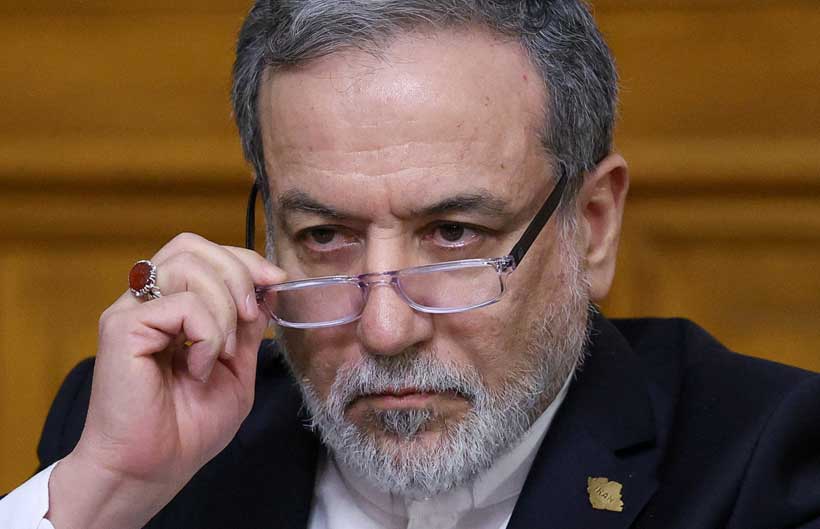
Iran signals demand for comprehensive deal with US as talks test fragile Middle East truce
Iran has said it will only accept a fair and comprehensive agreement in ongoing negotiations with the United States, as talks continue alongside a fragile ceasefire in the Middle East conflict. Foreign Minister Abbas Araqchi made the remarks following discussions with Wang Yi in Beijing.
At the same time, Donald Trump has pointed to what he described as significant progress, announcing a temporary pause in US naval operations linked to the Strait of Hormuz to support negotiations. The strait remains largely restricted, disrupting global oil flows and contributing to an ongoing energy crisis.
What does Iran mean by a comprehensive agreement
The key question is what Iran is asking for. A comprehensive agreement suggests Tehran wants more than a temporary ceasefire. It likely includes guarantees on sovereignty, relief from military pressure, and recognition of its rights under international agreements such as nuclear development for peaceful purposes.
This position indicates Iran is negotiating for long term security and political legitimacy rather than short term concessions.
What is the United States offering in response
The United States appears to be using a mix of pressure and incentives. Military actions and blockades continue, but the pause in naval escort operations signals willingness to de escalate if progress is made.
Statements from US officials show a firm stance on preventing Iran from controlling key shipping routes, while still leaving room for diplomacy. This creates a dual track approach of negotiation backed by force.
Why is the Strait of Hormuz central to the talks
The Strait of Hormuz is critical because it carries a significant share of global oil supply. Its disruption has already triggered sharp movements in energy markets and raised concerns about global economic stability.
Control over this route gives Iran strategic leverage, while reopening it safely is a priority for the United States and global markets. This makes the strait a core bargaining point in negotiations.
Implications for global markets and politics
The negotiations are directly influencing oil prices, currency markets, and investor sentiment. Even signals of progress have led to falling oil prices and improved market confidence.
Politically, the situation affects domestic dynamics in the United States, where rising energy costs are a concern ahead of elections. It also shapes regional power balances across the Middle East.
Analysis what are the possible outcomes
There are three main paths forward. First, a comprehensive agreement could stabilise the region, reopen energy routes, and reduce global economic pressure. Second, prolonged negotiations without resolution could keep markets volatile and maintain the current fragile ceasefire. Third, a breakdown in talks could lead to renewed escalation, further disrupting oil supply and increasing geopolitical risk.
The most realistic short term outcome appears to be continued negotiations with limited de escalation steps. A full agreement will likely require compromises on both security concerns and economic demands.
With information from Reuters.