Iraq’s head coach Graham Arnold couldn’t help but pause, smile and wave to the hundreds of Iraqi football fans gathered at Sydney airport to welcome back the Australian after he guided the Arab team to their first FIFA World Cup in 40 years.
Arnold was given a rapturous welcome as the jubilant Iraqis sang, danced to the beat of drums and tambourines, held aloft placards proclaiming their love for the coach and chanted his name as the 62-year-old walked out of the airport on Sunday night.
Recommended Stories
list of 4 itemsend of list
Fans waved Iraqi and Australian flags as they chanted “Arnie, Arnie, Arnie, oi, oi, oi” while Arnold spoke to local media following his return from Mexico, where his team won the intercontinental playoff final against Bolivia on Tuesday.
The 2-1 victory came during a tumultuous time in Iraq, engulfed in the Middle East conflict that left several players stranded in various parts of the region and threatened to sabotage their campaign for the playoff tournament.
However, Iraq overcame a logistical nightmare and strong South American opposition to mark their return to the global showpiece event for the first time since 1986.
The Lions of Mesopotamia also returned home to a hero’s welcome. Thousands of fans lined the streets in central Baghdad as the players, sitting atop a double-decker bus, celebrated with their compatriots on Saturday.
Arnold was not part of those celebrations but the Iraqi community in Australia ensured the coach didn’t feel left out.
“Crazy, crazy. I didn’t expect this here in Australia. Obviously in Iraq. But it’s incredible,” Arnold told Australian broadcaster SBS as he stood in front of the fans in the terminal.
“First, I want to apologise to everyone in Iraq that I couldn’t go back there to celebrate due to the airspace shutdown.
“Seeing this here is amazing. Thank you very much.
“I’m just very, very proud of the players and what they did, making many Iraqis happy is very important and that was the main thing.”
Reports in Australian media said local Iraqi football fans found out about Arnold’s return flight from Iraq’s Football Association (IFA) and decided to greet him at the airport.
Fans could be seen chanting “One, one, one, Arnold number one” as the coach took in the scenes around him.
Arnold, who formerly coached Australia, took charge of the Iraqi team in May and led them to three wins, three draws and two losses in their World Cup qualification campaign.
The results took Iraq to the fifth and final round of the Asian Football Confederation’s (AFC) qualification competition, where they beat the United Arab Emirates 3-2 on aggregate in November and secured a place in the FIFA playoff tournament.
Earlier in March, the former Australian international player urged FIFA to postpone Iraq’s playoff final fixture or find a way to ensure the players reached Mexico well ahead of the match as they grappled with the consequences of the US-Israeli war on Iran.
His plea was heard as FIFA arranged a charter flight for the Iraqi squad and support staff, who reached Mexico just over a week ahead of the March 31 final.
Following their win, Arnold was effusive in his praise of the Iraqi players who participated in the match while the war raged on.
“Everything that is going on in the Middle East made it a little bit harder,” Arnold said after the play-off final.
“I banned social media since the day we got here,” he added. “I did not want them to think of what is going on in the Middle East because they had to focus on the job we had here.”
Arnold said qualifying for the World Cup was a major privilege for the players. “Iraq has nothing to lose.”
Iraq will be placed in one of the toughest groups at the World Cup. Their opponents in Group I will be France, Norway and Senegal.
The Middle East team will face Norway in their opening game on June 16 in Boston. Their second fixture will be against 2018 champions France on June 22 in Philadelphia and their final group game against Senegal is four days later in Toronto, Canada.
Barcelona forward Lamine Yamal speaks out against Islamophobic chants during Spain’s match with Egypt.
Published On 3 Apr 20263 Apr 2026
Real Madrid coach Alvaro Arbeloa says Spain is a tolerant country and not racist despite Islamophobic chanting during a national team match this week.
Sections of the crowd at Spain’s friendly against Egypt on Tuesday sang, “Whoever doesn’t jump is Muslim,” at Espanyol’s RCDE Stadium in Cornella.
Recommended Stories
list of 4 itemsend of list
Spain and Barcelona forward Lamine Yamal, who is Muslim, criticised those chanting as “ignorant and racist”.
Arbeloa defended Spain on Friday while insisting racist attitudes should be eliminated.
“I think Spain is not a racist country. If it was, we would have a problem every weekend at all of the stadiums,” the Spaniard told reporters.
“I keep thinking we have to eradicate any racist attitude at stadiums and in society. … Spain as a country has to keep fighting to get rid of these attitudes.
“[However,] I think we’re a great country, very tolerant, and with these kinds of situations, we shouldn’t generalise.”
Real Madrid striker Vinicius Jr has been racially abused at several stadiums across the country in high-profile incidents in recent years.
In January 2023, Atletico Madrid fans hung an effigy of the Brazilian forward from a bridge near Real Madrid’s training ground.
Four months later, Vinicius squared off with fans abusing him at Valencia’s Mestalla stadium in an incident that gained him worldwide support in his battle against racism.
In 2025, five Real Valladolid fans who racially abused Vinicius in a 2022 match, were found guilty of committing a hate crime – the first such ruling in Spain regarding insults at a football stadium.
Barcelona coach Hansi Flick praised teenager Yamal for making a “great statement” by condemning those responsible for the abuse.
“We stand for inclusion. … It’s frustrating that a small number of idiots don’t understand this,” Flick said.
“We all want to be respected. It doesn’t matter about your colour, your religion, your region. It’s time to change these thoughts.”
Atletico coach Diego Simeone said the problem was related to a lack of respect in the world.
“It’s a social problem on a world level, not about Spain or Argentina or Brazil or anywhere,” the coach said.
“Respect that was lost many years ago – respect for parents, schoolteachers, police, club directors, coaches, presidents – … today it’s been lost. and we don’t have it.”
Catalonia’s regional police said they were investigating the chants, and Spanish Prime Minister Pedro Sanchez called the incident “unacceptable”.
“We cannot allow an uncivil minority to tarnish the reality of Spain, a diverse and tolerant country,” he said.
The Azzurri’s failure to reach a third consecutive World Cup continues to send shockwaves through Italian football.
Published On 3 Apr 20263 Apr 2026
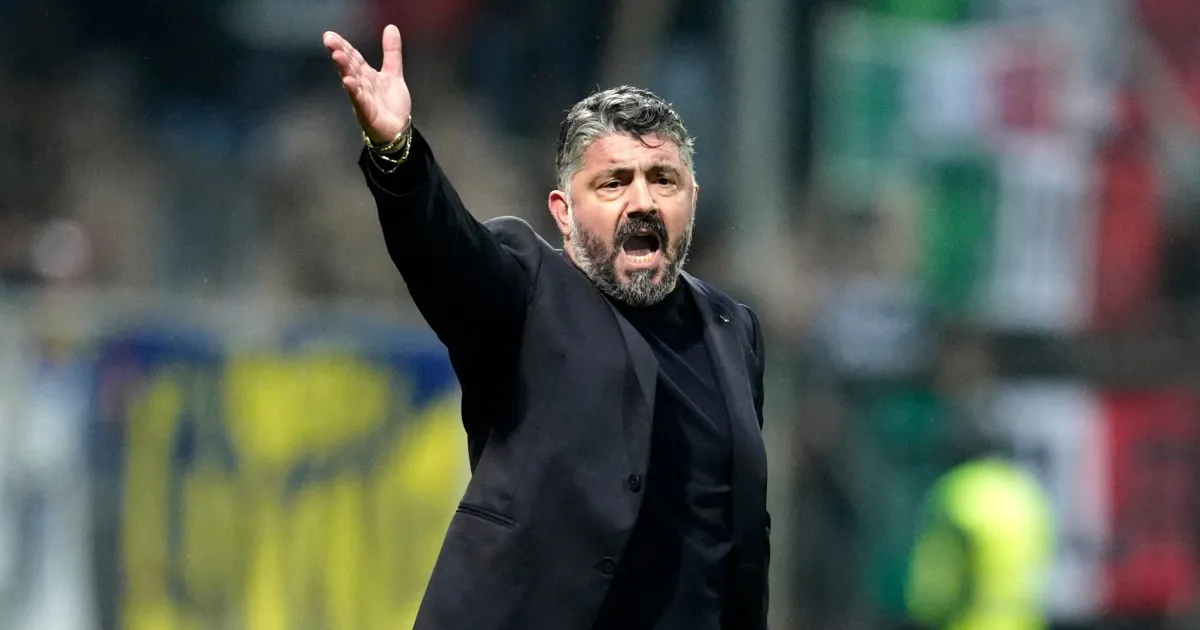
Italy coach Gennaro Gattuso has left his role “by mutual consent”, three days after the national team failed to qualify for a third consecutive World Cup.
The Italian football federation announced the news in a statement on Friday, thanking Gattuso “for the dedication and passion” during his nine months in charge.
Recommended Stories
list of 4 itemsend of list
Italy’s chances of reaching this year’s tournament in North America ended on Tuesday after a penalty shootout loss to Bosnia and Herzegovina in a qualifying playoff.
“With a heavy heart, having failed to achieve the goal we had set ourselves, I consider my time in charge of the national team to be over,” Gattuso said in a statement.
“The Azzurri shirt is the most precious asset in football, which is why it is right to facilitate future technical assessments with immediate effect.
“It has been an honour to lead the national team, and to do so with a group of lads who have shown commitment and loyalty to the shirt.”
Gattuso was appointed in June on a one-year contract, replacing Luciano Spalletti who was sacked following Italy’s 3-0 defeat by Norway in their opening group game, although he remained in place for the 2-0 win over Moldova the next day.
Italy won their next five group games under Gattuso, but given Norway’s far superior goal difference, they were resigned to another World Cup playoff before the final group game, which Norway won 4-1 at the San Siro.
Italy had lost at the playoff stage for the last two World Cups to Sweden and North Macedonia, respectively, but looked on course to make it this time after a 2-0 win over Northern Ireland in the semifinal, before it all fell apart in Bosnia.
Gattuso’s 10-man team let slip a 1-0 lead and crumbled in the penalty shootout.
His departure comes a day after Italy’s football federation president Gabriele Gravina resigned, along with Gianluigi Buffon, who was the national team’s delegation chief.
UCLA football coach Bob Chesney wasn’t looking for star performances during the Bruins’ first spring practice on Thursday — instead, he wanted his players to focus on holding themselves accountable for putting in their best effort.
“We talk about the mirror test. Don’t worry about what your coach says, don’t worry about what your other teammates say,” Chesney said. “Go look at yourself in the mirror. That’s really the only guy that’s gonna know, right?”
There was excitement and intensity but perfection wasn’t expected. For the new head coach, it was about whether the fundamentals UCLA worked on throughout the winter carried over, he said.
“While I watch it out here, the things that don’t take skill, the things that don’t take great genetics, were the things I wanted to focus on today more than anything — the effort,” Chesney said.
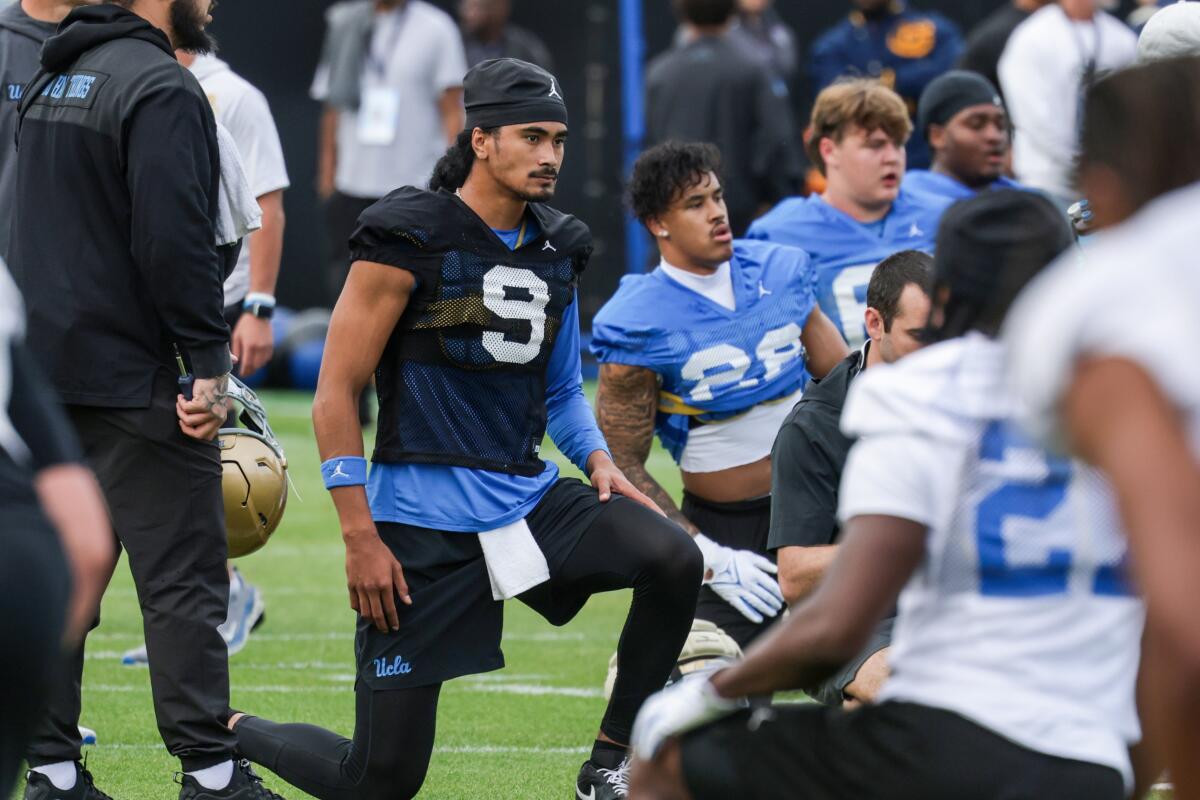
UCLA quarterback Nico Iamaleava stretches with teammates at Spaulding Field on Thursday.
(Robert Gauthier/Los Angeles Times)
“We’ll go and watch the film and figure the rest of it out, but I didn’t think it was a bad day.”
Chesney said he plans to build on each practice, and his coaching staff will set a standard that trickles down to the players. He said there will always be something to improve and something to build toward.
Ta’Shawn James, a defensive back who transferred from Iowa to UCLA, showed strength during drills — an encouraging sign early in his progression.
“It’s Day 1, it’s the first time we’re running at full speed, it’s the first time we’re out here seeing people redirecting, what his makeup speed looks like,” Chesney said. “When he makes a mistake, how quickly can he recover? What’s his range in the open field? What’s the speed differential? All those things are things we’re looking through on just about everybody out there.”
“Not to name names, but they are all physical, they’re all downhill players. They protect the football well. What their bodies look like is phenomenal,” Chesney said. “ … There’s some stuff in that room that’s just a little bit different right now, so we got to keep them healthy, keep them playing downhill and doing what they do.”
At right tackle, the competition is wide open.
“A lot of guys, we’re not really at a spot to just nail that down just yet. Give me a couple more days on it. But, right now, there’s a lot of guys rotating through a lot of different places,” Chesney said.
As spring practice gets started, it is not about individuality, Chesney said, but about identifying and correcting mistakes.
“Dwelling on the past, if it was bad, is not gonna get you anywhere. Getting too high in the successful moments isn’t gonna get you anywhere,” he said.
Chesney wants his squad to play without any limitations or hesitations.
“You set these standards, you live by these standards, you hold them accountable to these standards, not only the coaches and the players, but everybody that’s part of this program.
UCLA coach Bob Chesney leads the Bruins through their first spring football workouts on Thursday.
(Robert Gauthier/Los Angeles Times)
“That starts to build trust within the team,” he added.
UCLA’s social media accounts highlighted Chesney’s efforts all offseason to preach personal accountability and serving others, doling out a mix of John Wooden and Ted Lasso life lessons.
Chesney reiterated at the start of the next chapter — spring football workouts — that he wants his players to keep pushing to be great people. If they expect to be successful on the field, Chesney argues, they must first be successful off it.
“You can only be one degree of separation from how you’re living your life,” he said. “… We don’t have any bad guys that are bad students, that are bad teammates, we don’t have any of that, we have really good guys so they have a chance to be great at football.”
Alum donates $10 million
UCLA alumnus Angelo Mazzone III committed $10 million to the football program to help maintain the infrastructure needed to compete at the highest levels.
“For him to be as generous as he is and willing to help us with that, I think that’s a big deal,” Chesney said. “It talks about just the investment and the belief people have in this program at this current moment and rightfully so.”
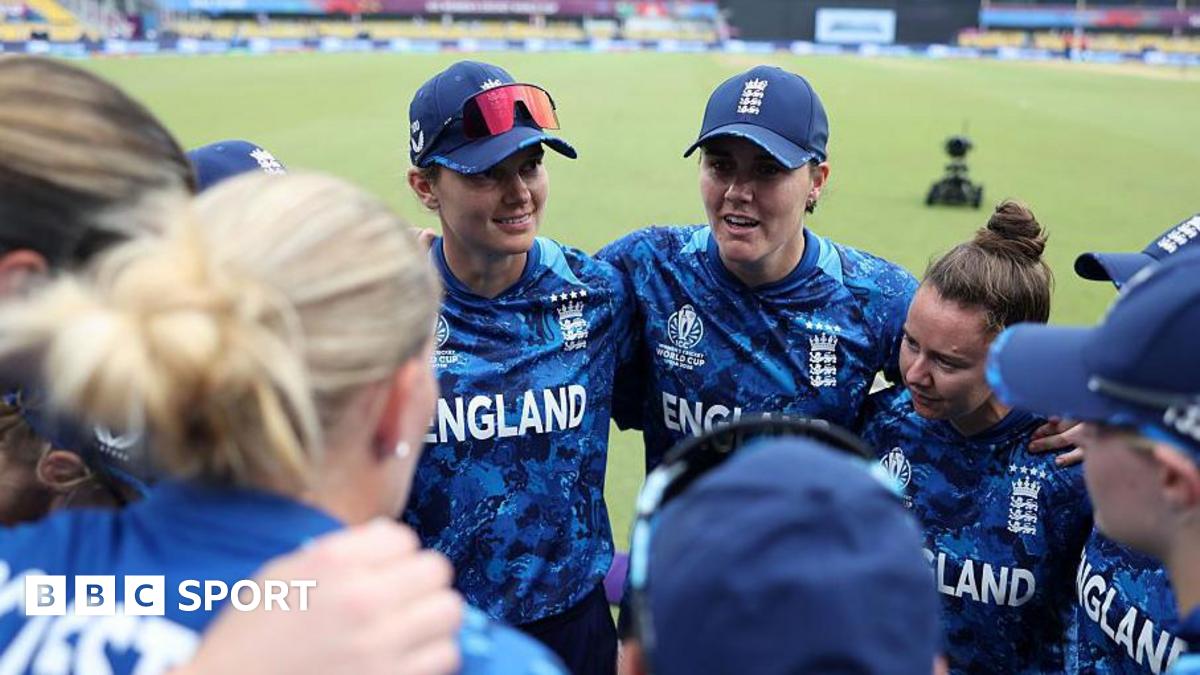
England head coach Charlotte Edwards says her players have categorically addressed the issues surrounding their fitness.
The physical condition of England’s players was a hot topic of debate before Edwards’ appointment.
England’s early exit from the Women’s T20 World Cup just under 18 months ago prompted former spinner Alex Hartley to say some players were “letting the team down” in terms of fitness.
Athleticism again came into focus during the Ashes in January 2025, and former coach Jon Lewis attributed it to a cultural difference between the UK and Australia.
When asked on a BBC Test Match Special debate show if the fitness issue had been put to bed, Edwards responded that it “100%” had.
“We’re in a really good place. The results are all so high. I couldn’t be more chuffed – we’ve made real progress,” Edwards said.
“It’s not just all about whether you can run round a track. It’s all the other elements to it that we’ve tried to make just as important.”
Edwards will celebrate a year in charge of England, who host the T20 World Cup this summer, on Wednesday.
The 46-year-old said the introduction of specific benchmarks relating to fitness have had the desired impact.
“I think once you set out the expectation, the players know what they need to do. And we’ve added in sort of benchmarks over the winter,” Edwards added.
“We’ve got to keep raising the standard. The players have fully bought into that, which, that was, I guess what I set out to do and am really pleased with the buy-in.
“I don’t know if anyone watched the fielding from the recent [intra-squad] series, but it’s some of the best fielding I’ve seen, certainly from our group, the improvements we’ve made.”
Watch the full debate about England’s women’s team on BBC iPlayer or listen to it as a podcast on BBC Sounds.
Within the first 72 hours of a 26-day game, “Survivor 50,” featuring 24 veteran players, had already delivered feuding, anguish and heartbreak. Legendary rivals Ozzy Lusth and Benjamin “Coach” Wade appeared to bury the hatchet, only for their conflict to reignite soon after. Kyle Fraser was forced out due to injury, and Jenna Lewis-Dougherty, who competed in both the show’s inaugural season and “All-Stars,” was the first person voted out after more than two decades away from the game.
Yet there were also moments of nostalgia, connection and excitement as returning players arrived on the beach, grateful to be part of the show’s landmark 50th season.
This raw display of humanity has kept the show’s torch burning for over 25 years. “‘Survivor’ is built on a timeless idea because human nature doesn’t change,” says Jeff Probst, the host, executive producer and showrunner of the reality competition series. “It’s essentially behavioral psychology in the wild.”
Back in Fiji’s Mamanuca Islands for “Survivor 50: In the Hands of Fans,” the show has added a novel element. Fans were given a say in key decisions, voting online to shape production and game mechanics, from choosing tribe colors to requiring castaways to earn rice and supplies instead of receiving them at the start.
“What a great twist,” says Wade in an interview over Zoom. “‘In the Hands of Fans’ transforms the game. Instead of it being, ‘They are playing,’ it’s ‘We are playing.’”
Though he was disappointed to be deprived of staples upon his arrival, he smiles and says that if he were watching at home rather than competing, he also would have wanted players to start with nothing.
Singer-songwriter and “Survivor” superfan Zac Brown coooked and performed for contestants on the show.(Robert Voets/CBS)
“Survivor” has also leaned into its famous fan base this season, bringing in self-proclaimed superfans, including Grammy-winning singer-songwriter Zac Brown — who appeared in Episode 4 as a reward for a winning tribe for whom he spearfishes, cooks and performs. The show also nods to Billie Eilish via the Billie Eilish Boomerang Idol featured in the season premiere. The game piece was handpicked by the Oscar- and Grammy-winning pop star — whose 2022 song “TV” references “Survivor” — and accompanied by a letter in which she outlined its instructions.
But Mike White, creator of “The White Lotus,” represents the show’s most intertwined cultural crossover. He drew inspiration for his hit HBO series from “Survivor” and cast several former tribemates in cameos. “Survivor 50” also features “The White Lotus” Easter eggs.
Returning to the franchise for the first time since he finished as runner-up in 2018, in the Season 50 premiere he says, tearfully, “There are times in ‘White Lotus’ where I’m so fried … it’s a 129-day shoot, but I look back on my ‘Survivor’ experience, and I’m like, ‘Dude, I did that and I can do this.’” Yet White’s hard-won resilience couldn’t protect him from being voted out in a blindside in Episode 4, proving that fame offers no immunity.
And that is the point. At its core, “Survivor” is about watching people from all walks of life dropped into a remote, unforgiving landscape where they must outwit, outplay and outlast one another for a $1 million prize — hungry, exhausted and sore, roasting in the blazing sun or shivering through rainstorms, and enduring grueling physical competitions. They must cooperate with the very people they’re competing against. And as alliances form and fracture, each day grows more fraught.
Former “Survivor” contestants Mike White, left, and Quintavius “Q” Burdette in Season 50.
(Robert Voets/CBS)
“It’s very simple but very deep,” Probst says. “The goal is not to get voted out, but the strategy in achieving that goal is infinite, so the game’s easy to understand, but it’s impossible to master. That’s why it’s so much fun to watch. You’re constantly asking yourself, ‘What would I do?’”
It’s one thing to ask from the comfort of home, but another to live it out, and on national television to boot, says Wade. Coach “When you step on that beach, the stakes are so much higher,” he explains. “Nobody really thinks about the million dollars. They’re thinking about surviving, not getting voted off.”
“Most people would be able to do it,” he continues. “But what you’d realize is what happens to your character and your facade when you’re deprived of everything — food, comfort, reaching out to your friends and having a support system that you know and trust. When you strip all of that away, this stops being a game, and your character will be forged, revealed or shattered.”
A four-time player, Season 23 runner-up and 2015 Survivor Hall of Fame inductee, Coach is one of the show’s most legendary figures. Known as the Dragon Slayer, he’s often shown meditating, praying, waxing philosophical, and pontificating on nobility, integrity and honor. His grandiose persona rubbed many the wrong way early on, earning him a villain label.
Reflecting on his legacy, Wade partly blames the edit but acknowledges he often took himself too seriously, was arrogant, and tried too hard to be larger than life, yet he stresses his authenticity. “The way I look, dress and talk — I’m polarizing,” he says. “That’s who I am in my real life, so that’s who I am out there.”
Probst affirms that what you see is what you get. “Coach shows up authentically every day,” he says. “He wears his mythology on his sleeve and has it tattooed on his body. When he pulls back his hair into a ponytail and quotes Magellan, that’s Coach: ‘I’m the guy with quotes about war and victory and fearlessness and courage. That’s actually who I am.’”
This season, Wade calls himself “Coach 4.0,” but Probst remains skeptical. “Every time he plays, Coach refers to himself as the new version of Coach,” Probst says. “But the minute he starts talking, everybody thinks the same thing: ‘Coach, you may have some more maturity and life experiences now that you’re married and have kids, but you’re exactly the same.’”
That’s not a critique of Coach. After observing more than 750 players over 25 years, Probst believes, “We are capable of much more than we think we are, and simultaneously, at our core, we generally are who we are. It doesn’t mean you can’t change or become a better version of yourself, but you’re going to have some core instincts.”
Benjamin “Coach” Wade in “Survivor 50.” (Robert Voets/CBS)
Coach in 2011’s “Survivor: South Pacific,” the show’s 23rd season. (Monty Brinton/CBS)
The show’s unflinching exploration of human nature traces back to visionary British television producer Charlie Parsons. He conceived the social experiment based on a combination of his curiosity about people, the influence of “Lord of the Flies” and “Robinson Crusoe,” and his boarding school experience.
“It was an all-boys school and quite a competitive place, so there was an element of survival in that,” Parsons says over Zoom. “It wasn’t a bad experience, but if you’re 13 and you’ve never lived away from home before, it can be quite a wrench to live for a month at a time away from your parents. On one occasion I called my parents and said, ‘Will you rescue me?’ And they didn’t.”
In 1988, Parsons turned his concept into “The Castaways,” a three-part documentary for a magazine-style television program he was showrunning.
Several years later, he was approached by Disney’s Buena Vista Productions to make an American version of a successful British morning show he created. When that didn’t pan out, he pitched what would eventually become “Survivor,” developing it with Buena Vista in hopes of selling it to ABC.
But, he says, the radical concept didn’t fit neatly into existing TV genres, and the network balked. “It’s difficult to imagine, but back in the ‘90s this idea of reality TV basically didn’t exist,” Parsons says. “Television was reasonably siloed … ABC took a long time deciding because they could see that there was something about it, but in the end they passed.”
In 1997, however, the concept found immediate success in Sweden with “Expedition Robinson,” leading to expansion in more Scandinavian countries.
The leap to America required a new alliance. During Parsons’ development process with Buena Vista, he’d met fellow British TV producer Mark Burnett at a party in Los Angeles where he’d told him about the reality competition format he was building. Burnett then called every six months pressing to produce it until Parsons finally agreed to grant him the American licensing rights.
“Mark had an incredible energy and presence, which meant that he could go and sell the s— out of it,” Parsons says. “He could persuade the networks to take a risk on something risky.”
Even so, as Burnett relayed in a comprehensive 2010 Television Academy interview, he faced a difficult pitching process. But after every major network passed, he re-approached CBS, where then-CEO and President Les Moonves was game to try original programming during summertime when reruns caused dwindling viewership. But when Moonves commissioned a pilot, Burnett said a stand-alone episode was too costly and couldn’t capture the show’s slow-burn endgame.
Instead, he proposed a sponsorship model built on integrating products into the game, pitching the value of a castaway using a branded cellphone to call home, or the desperation for a slice of pizza and a beer. After Burnett secured corporate sponsors, Moonves greenlighted “Survivor.”
Though firmly embedded in the culture today, “Survivor” was revolutionary when it debuted May 31, 2000, quickly becoming a cultural phenomenon. The Season 1 finale averaged 51.7 million viewers, surpassing both the Academy Awards and Grammys that year. Time magazine featured Lewis-Dougherty on its late June 2000 cover, and “The Late Show With David Letterman” featured a “Survivor”-themed Top 10 list presented by the show’s 16 castaways.
From its exotic location to the now-iconic buffs, “Survivor” established a world all its own, complete with a unique lexicon of immunity challenges, tribal council and Probst’s signature catchphrase, “The tribe has spoken.” As the enduring face of the show, Probst is central to its legacy, earning four Emmys for his role as host.
But even Probst’s survival wasn’t guaranteed. About 15 years ago, the relentless travel and schedule left him so depleted that he briefly quit the show. A few months of rest, however, allowed him to reevaluate. “It really was, ‘I don’t know if I have anything left in my tank to bring to the game.’ That might be what partly influenced Mark to make me showrunner even faster,” Probst says. “I needed to be more of a storyteller on this show.”
The cast of “Survivor” Season 1, standing from left: Ramona Gray, Dirk Been, Gretchen Cordy, Richard Hatch, Sonja Christopher, Susan Hawk, Kelly Wiglesworth, Sean Kenniff, B.B. Andersen and Rudy Boesch. Seated from left: Gervase Peterson, Jenna Lewis, Joel Klug, Stacey Stillman, Greg Buis and Colleen Haskell.
(Monty Brinton/CBS)
He’s quick to note the show’s collaborative ethos, however. “The term ‘showrunner’ is pretty misleading at this point. We make this as a team,” Probst says. Under his stewardship, “Survivor” is more cinematic, reimagined through the lens of Joseph Campbell’s “The Hero’s Journey,” and family friendly. Probst also notes the necessity of continually evolving game design, creating unexpected twists and advantages to keep players on edge and never knowing whom to trust.
The pandemic brought changes as well. With production shut down amid a world in turmoil, Probst felt “Survivor” needed more levity. When filming resumed, due to the 14-day quarantine requirement, back-to-back seasons were shot and the format was shortened from 39 days to 26. The faster-paced “New Era” that began with Season 41 also coincided with CBS’s 2020 diversity mandate requiring at least 50% of the cast to be nonwhite, and Probst dropped his longtime catchphrase “Come on in, guys” in favor of more inclusive language.
By Season 45, in keeping with Probst’s narrative-driven vision, the previously hourlong episodes expanded to 90 minutes.
Television habits have also changed since viewers once dissected tribal council proceedings at the office the next morning. Streaming breathed new life into “Survivor,” with younger viewers discovering it during the pandemic, while its cross-generational appeal keeps it a broadcast powerhouse. The Season 50 premiere drew 9.1 million viewers across live broadcast and delayed streaming, and in the weeks leading up to the launch, viewers revisited older seasons, boosting streaming numbers ahead of the anniversary.
According to Mitch Graham, CBS executive vice president of alternative programming, “Survivor” ranks No. 1 in the coveted 18 to 49 demographic, and the Season 50 launch generated the biggest social media engagement in the franchise’s history.
Even as the reality TV landscape has grown crowded, Probst remains unfazed. “It’s a show like no other,” he says. “It’s adventure, survival, strategy, interpersonal relationships, social politics. … This multi-layered storytelling gives it durability because any given week you have no idea what you’re going to watch.”
Meanwhile, as Season 50 continues to unfold, no one knows who will be crowned “Sole Survivor” on May 20 in Los Angeles, the show’s first live finale since 2019. But rest assured, by then they’ll have revealed exactly who they are.
SACRAMENTO — Cori Close’s candid remarks about the growing challenges of coaching in modern college athletics sparked a reaction nationwide among her peers.
On Thursday, the UCLA women’s basketball coach was asked about the rapid changes shaping college sports ahead of her Bruins’ Sweet 16 matchup against Minnesota on Friday night. The No. 1-seeded Bruins (33-1) entered the Sweet 16 round considered a strong Final Four contender, powered by one of the deepest starting lineups in the nation.
“I’ve never been as tired as I’ve been in the last two years, and it’s made me think how much longer I can do this,” Close said. “And I’m just being transparent with you about that. There are so many things that are harder, and we keep losing incredible people on the men’s and the women’s side.”
UCLA has dominated throughout the season, entering the Sweet 16 on a 27-game winning streak that dates to late November. Three starters — Lauren Betts, Charlisse Leger-Walker and Gianna Kneepkens — began their college careers elsewhere before transferring into the program.
“How do we now figure out this transfer portal? Let’s not complain about it,” Close said. “Let’s have solutions about what’s right and what adjustments need to be made. … I’m a huge advocate for NIL. It should have happened 20 years ago. And we need boundaries. We need infrastructure. We need competitive equity. We need transparency.”
In contrast, Louisville coach Jeff Walz offered a more critical perspective when addressing the same topic during a NCAA news conference in Fort Worth, Texas.
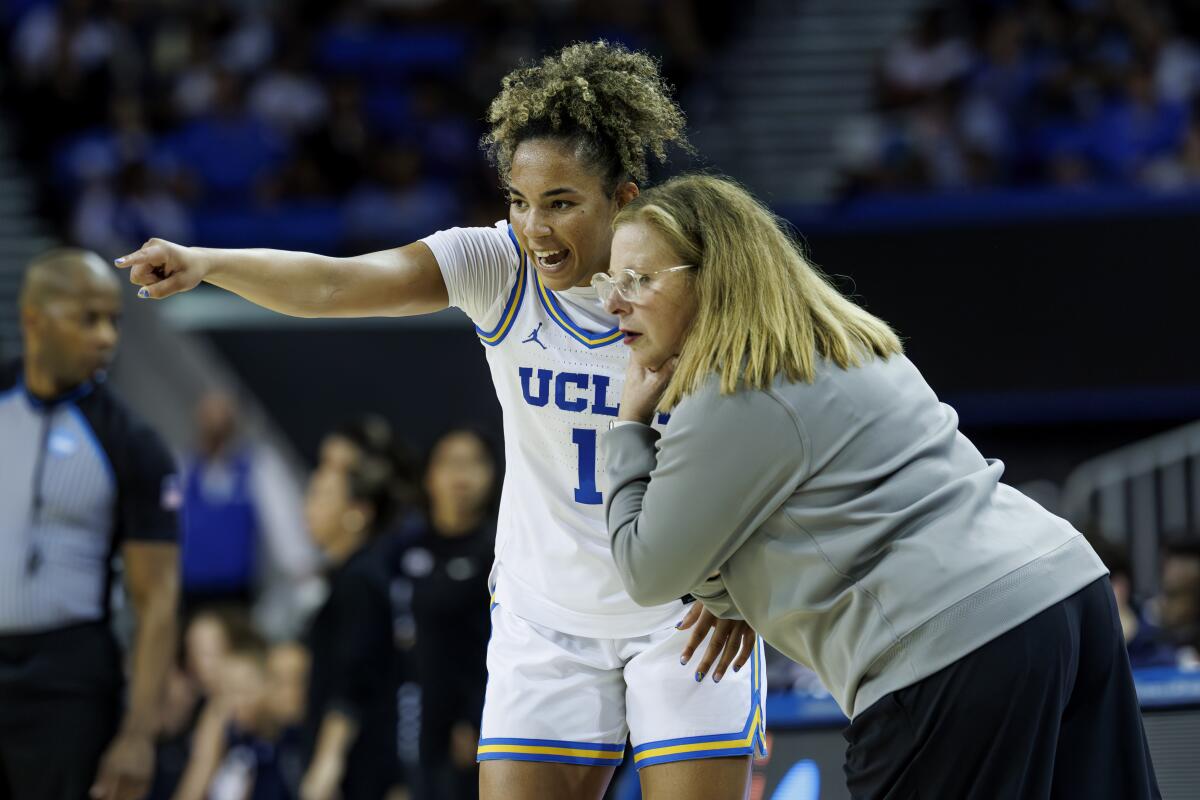
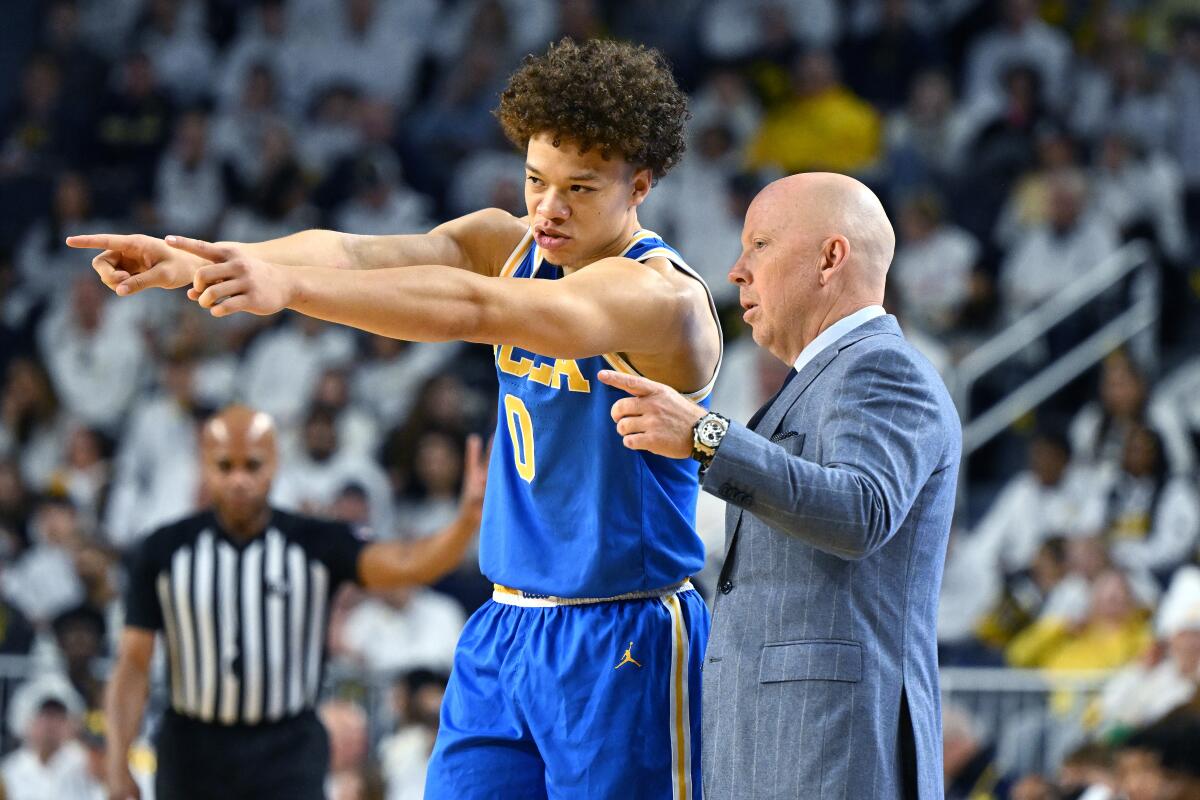
UCLA guard Kiki Rice points across the court while talking with Bruins coach Cori Close during an NCAA tournament win over California Baptist at Pauley Pavilion on March 21.
(Gina Ferazzi/Los Angeles Times)
“I’m friends with Cori,” Walz said. “My favorite line, I would tell her, if you don’t like your job, find a new job. I mean, I’m listening this morning at 4:20 as the workers outside my window at the hotel in the street are working. I mean, you choose your profession. If you don’t like it, find a new profession.”
No. 3-seeded Louisville will face No. 2 Michigan on Saturday after falling short against Duke in the ACC championship game.
Close, who has spent 33 years in coaching, including 15 at UCLA, has navigated an evolving landscape shaped by name, image and likeness compensation policies and the transfer portal, just like everyone else. Last season, she earned national coach of the year and led the Bruins to the program’s first Final Four. UCLA has now reached at least the Sweet 16 during four consecutive seasons and eight times during Close’s tenure in Westwood.
This year, the Bruins swept through Big Ten play undefeated and once again secured a No. 1 seed in the NCAA tournament.
“I mean, of course, it’s a lot of work, but we chose to do it and we get compensated for it,” Walz said. “I don’t think anybody is going to feel too sorry for us that you might be tired. I’m tired, too, but who is not?”
Several longtime coaches have stepped away from the game in recent years, amid, though not always directly attributed to, the sport’s ongoing transformation. Hall of Fame Stanford coach Tara VanDerveer retired in 2025, while Georgia Tech’s Nell Fortner, Iowa’s Lisa Bluder and Harvard’s Kathy Delaney-Smith stepped down during the past three seasons.
“It’s ever-changing, and that’s the frustrating part, because you can never get a grasp on any of it,” Kentucky coach Kenny Brooks said. “You think that you have it. Then all of a sudden, it’s like somebody pulls a rug out and says, ‘No, we’re changing it,’ and now it’s going to be this way now. We want to get out ahead of everything, but we can’t. We always seem like we’re one step behind because there are so many changes.”
Ultimately, Close’s message centered on the need for structural support in a rapidly shifting environment.
“If there’s one thing I would ask of our governing bodies and the NCAA and our administrations is please develop infrastructure and boundaries that create an opportunity to have sustained excellence and sustainable pace,” she said. “Otherwise, we are going to continue to lose some of our best coaches, and I do not think our game can afford to do that.”
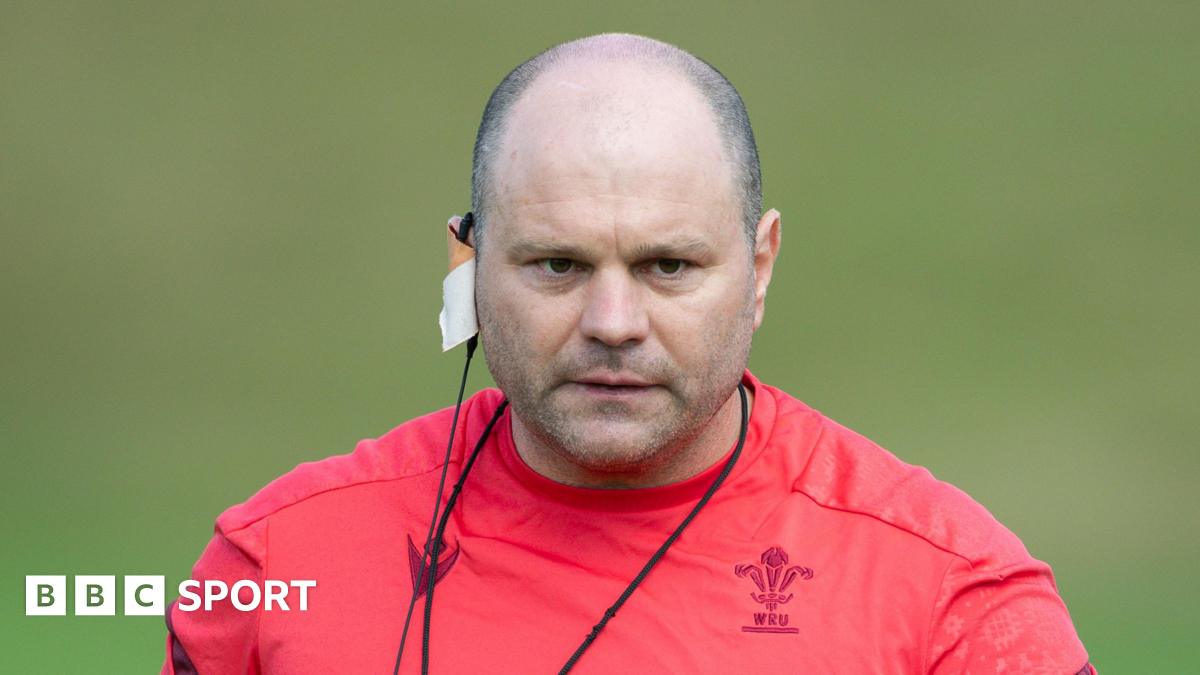
Lynn says he has been very impressed with the South Africa-born former flanker and expects to see a “big improvement” in that area, especially with Holmes being full-time.
“It’s what we will be needing to be competitive,” said Lynn, who admits his side were “bullied off the park” in their World Cup opener against Scotland.
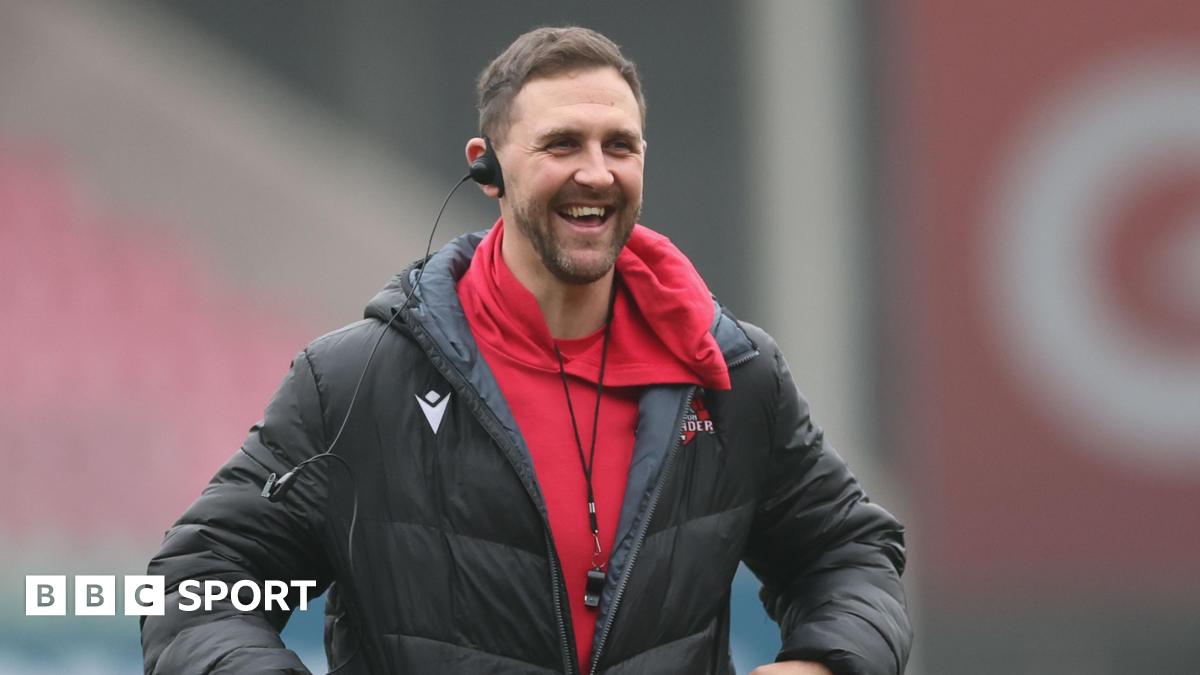
Brython Thunder coach Ashley Beck will attempt to revive Wales’ stale attack, while Exeter Chiefs head coach Steve Salvin will be working with the forwards on an interim basis.
“It’s new voices, new faces and big energy,” said Lynn.
“What we’re going after is that consistency, every coach who’s coming in is making sure that we are following the process.
“I want us to be more hard-working, competitive, and when you’re in those competitive games and you find those winning moments, those game-changing moments, that’s where I feel this team can grow.”
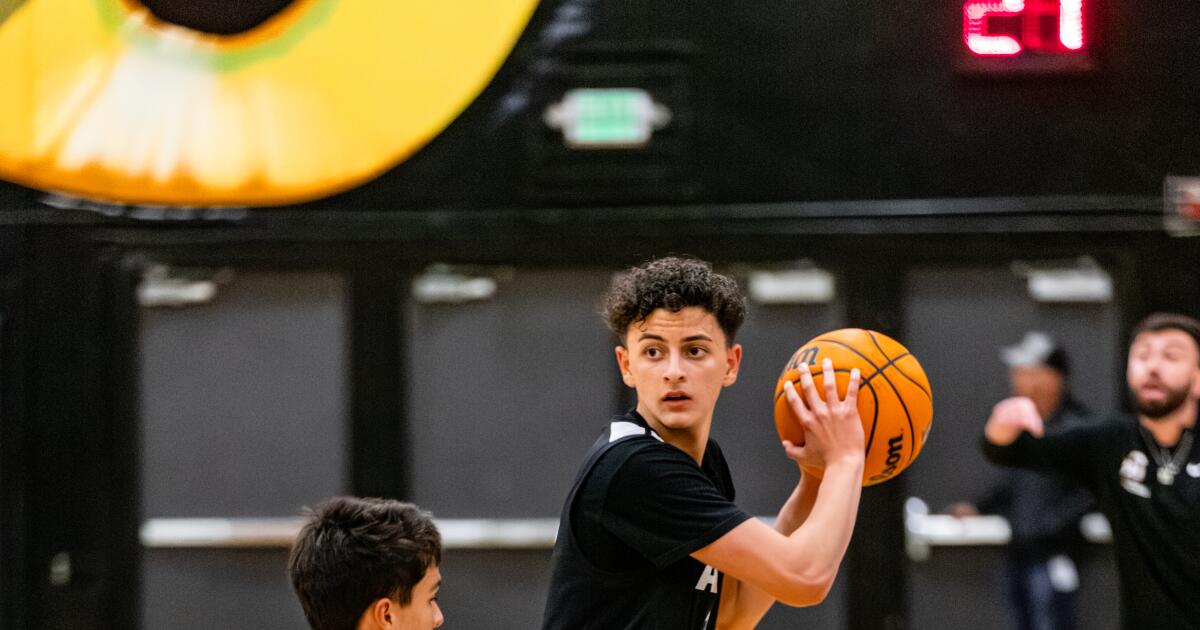
For Nareg Kopooshian, the basketball coach at AGBU High in Canoga Park, there’s a big summer ahead. He’s going to be the head coach for the U16 Armenian national team in the FIBA U16 EuroBasket competition July 4-12 in Yerevan.
It’s the first time Armenia is hosting the event.
Los Angeles has the largest Armenian community in the United States with as many as 700,000 people.
Players selected for the training camp in Armenia include Anthony Sarkesian (Chaminade), Anthony Karayan (Village Christian), Ethan Kazanjian (AGBU), Edward Gemjian (La Canada) and Jivan Dorian (AGBU).
This is a daily look at the positive happenings in high school sports. To submit any news, please email eric.sondheimer@latimes.com.
“Playing for Wales is the highest honour you can get when you are a player and it’s the same when you are a coach,” said Beck.
“To be asked by Sean to join the set-up for the Women’s 2026 Six Nations is a real privilege and I am excited by the challenge of coaching at Test match level.
“Having worked with a host of the players in the Celtic Challenge, I know the talent we have in Wales and the challenge for the players is to believe they can compete at this level.”
Wales kick off their Six Nations campaign at home to Scotland at Principality Stadium on Saturday, 11 April.
Zidane will succeed his former national side teammate Didier Deschamps as France head coach, according to the report.
Published On 24 Mar 202624 Mar 2026
French football icon Zinedine Zidane has agreed to take over his national team’s head coaching duties following this summer’s FIFA World Cup, ESPN reported on Monday.
Zidane, 53, reportedly reached a verbal agreement with the Federation Francaise de Football to replace Didier Deschamps, who has held the role since 2012.
Zidane, who managed La Liga powerhouse Real Madrid for two stints (2016-18, 2019-21), has long been expected to eventually become the skipper for France.
As a player, the dynamic midfielder won the 1998 Ballon d’Or and was a three-time FIFA World Player of the Year (1998, 2000 and 2003).
He helped France win the World Cup in 1998 and finish second in 2006. He was infamously sent off during the final of the latter World Cup when he head-butted Italy’s Marco Materazzi in the chest.
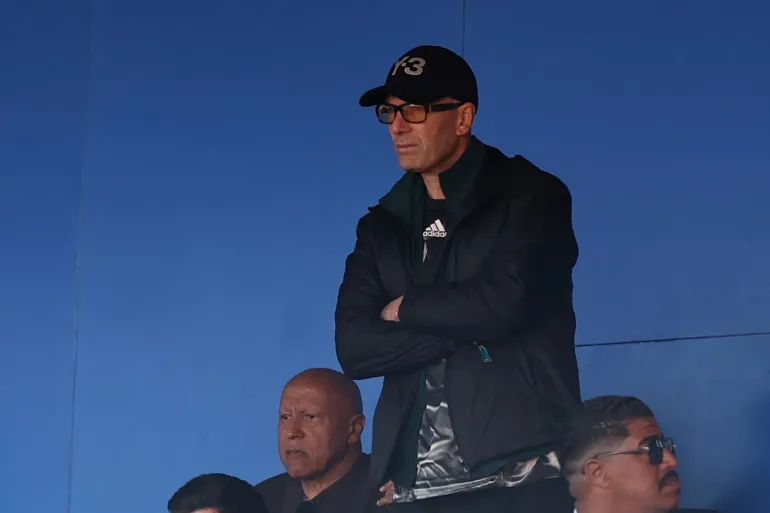
Zidane watches the CAF Africa Cup of Nations quarterfinal between Algeria and Nigeria at the Grand Stadium of Marrakesh, Marrakesh, Morocco, on January 10, 2026 [Amr Abdallah Dalsh/Reuters]
When UCLA baseball coach John Savage scouts prospects, he looks at their projections and skill upside. Most important, he wants players dedicated to the culture he’s developed during his 22 years as a coach.
“We want people that fit into our program, that want to be a part of a winning culture,” he said.
Most of his current roster consists of players who came up short in last year’s College World Series. This year, the No. 1 team in the country has its eyes set on winning a national title in Omaha. The Bruins (21-2 overall, 9-0 in the Big Ten) are coming off a three-game weekend home sweep of Maryland.
Sign up for UCLA Unlocked
A weekly newsletter offering big game takeaways, recruiting buzz and everything you need to know about UCLA sports.
By continuing, you agree to our Terms of Service, which include arbitration and a class action waiver. You agree that we and our third-party vendors may collect and use your information, including through cookies, pixels and similar technologies, for the purposes set forth in our Privacy Policy such as personalizing your experience and ads.
The Times spoke to Savage about the expectations the Bruins set for themselves and his longevity with UCLA. The following interview has been edited for length and clarity.
Your team entered the year ranked No. 1 nationally and has gotten off to a strong start. How have you managed expectations?
Savage: It’s really about the people you have in the clubhouse. They’ve been born and raised through our program. Now it’s their junior years. They went to Omaha their sophomore year. They had a difficult year their freshman year. It’s been a work in progress, and I think the expectations are probably the heaviest inside our room. Everybody’s held to a very high standard and they believe in one another, they believe in the program. It’s refreshing to coach people that want to be coached, and to have people that love UCLA, and want to stay at UCLA.
After returning a large percentage of last year’s production, what differences have you noticed in this roster compared to previous teams?
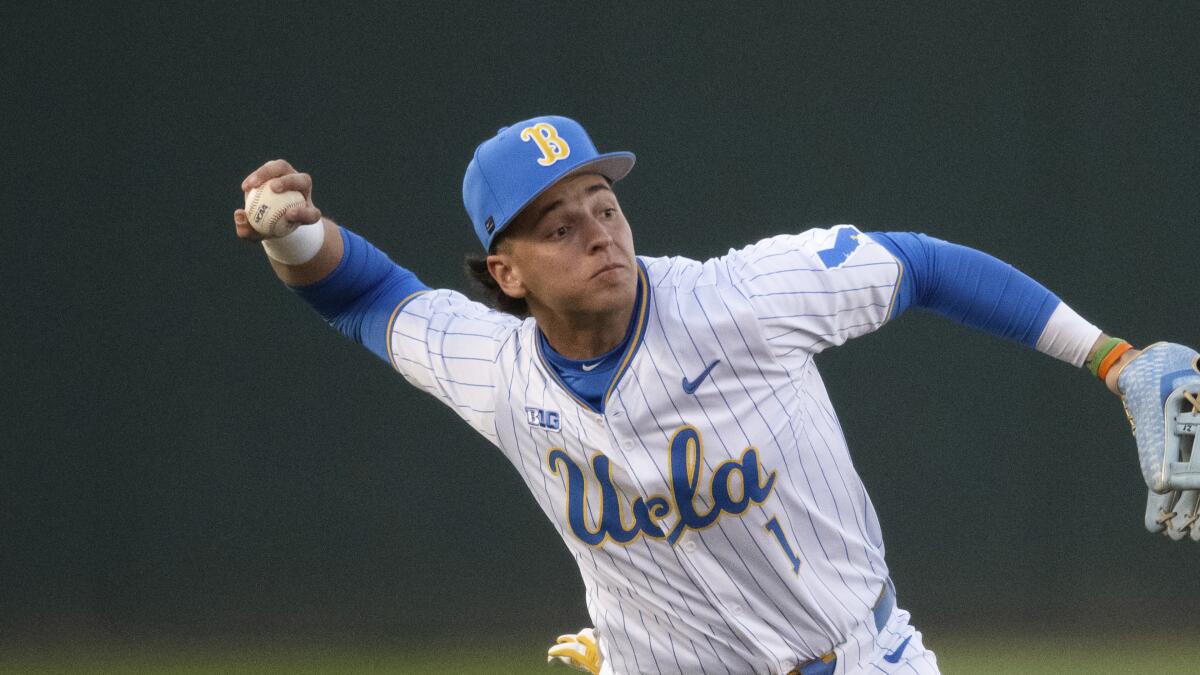
UCLA shortstop Roch Cholowsky.
(Kyusung Gong / Associated Press)
Savage: I think the leadership is fantastic. Roch Cholowsky, Cashel Dugger, Michael Barnett, Jack O’Connor — our captains, they do a wonderful job of making sure guys are accountable. Everybody’s a year older. Everybody’s a little stronger. Everybody’s a little faster. A lot of guys that work extremely hard to upgrade their physicality, and then certainly it’s a mental game. We’ve worked really hard on the mental side of things to make sure that we’re combining both phases.
What has allowed your program to retain so much of its core talent year to year?
Savage: I would say loyalty, personal relationships, wanting to be at UCLA, to get a degree from UCLA, coaching staff, facilities, location. But, I would say most importantly, relationships. We didn’t win a national championship last year and these guys seem to be on that sort of mission.
Last season’s run to Omaha ended just short of the championship series. How much has that experience motivated this year’s group early in the season?
Savage: You see where you’re going. People always talk about Omaha, but if you never go, it’s hard to really envision what it looks like. It’s something that if you experience, you want to go back. It’s the mecca of college baseball and the city of Omaha has done a wonderful job of developing this tournament over 75 years. It’s an experience that you go and you definitely want to go back as a player and certainly as a coach.
How has recruiting or roster construction changed, if at all, now that UCLA is competing in the Big Ten instead of the Pac-12?
Savage: It’s still UCLA. I’ve been here 22 years, we’ve produced 30 major leaguers. It’s a place that you certainly could go and enjoy your college life and go play in the major leagues. The Big Ten is getting better in baseball, with the addition of UCLA, USC, Oregon and Washington. Obviously, it has helped the baseball side of things quite a bit. But there’s a lot of programs that are investing throughout the Big Ten in baseball and it’s only going to get better. Baseball is baseball. You gotta go play any time, anywhere.
With the travel demands that come with a conference like the Big Ten, what adjustments have you made to keep players fresh and focused?
Savage: We don’t charter. We’re all commercial. We fly out of LAX on Wednesday morning and we get back late Sunday night. It’s a challenge and it’s certainly one that it’s a daily and weekly operation. In terms of managing school, they all go to class. Not a lot of remote classes, really, so we love the challenge and the opportunity to grow as a young player and a young person.
You’re now in your 22nd season leading the Bruins. What has kept you motivated to continue evolving as a coach after more than two decades in Westwood?
Savage: I love being at UCLA. I love what it stands for. It’s a combination that I’m really looking for in terms of baseball, schedule, league, school — it’s just an elite combination. You have to make sure you’re grounded. You have to make sure you’re very consistent. You have to make sure that you have true values that are consistent with the university and that equates to winning. Winning is really, really difficult, especially now at the Power 4 level.
When players leave UCLA after their careers — whether they go to pro baseball or move on to other careers — what do you hope they carry with them from their time in your program?
Savage: That they understand how to be a contributor to an organization, to a business, how to lead a family, how to lead a group in work. Just be a person that people like to be around and a person that has a vision, that they want to get better and they want to do well in their lives and they want to have impact on other lives. That’s ultimately what we’re looking for, that they can handle themselves in any phase of life.
UCLA men are out, UCLA women stay strong
UConn’s Tarris Reed Jr. tries to get through UCLA’s Trent Perry, from left, Donovan Dent and Eric Dailey Jr. in the first half Monday.
(Matt Rourke / Associated Press)
UCLA coach Mick Cronin never wavered.
If senior forward Tyler Bilodeau felt any pain, he was not playing the NCAA tournament.
The No. 7 seed Bruins could not overcome No. 2 seed UConn’s interior game and suffered a 73-57 loss. The Bruins kept it close early, trailing by just five at halftime.
Cronin will help UCLA cope with the sudden end to its season and then immediately work on sorting out next season’s roster.
While fans questioned Cronin’s aggressive coaching style, the Bruins did play significantly improved defense through the final four weeks of their season and his players never wavered in their support of him.
Now Cronin will start over, working to forge comparable buy-in from the next wave of players.
The UCLA women walk to the bench during a time out against Cal Baptist.
(Gina Ferazzi / Los Angeles Times)
It’s rare for a No. 1 seed in the women’s NCAA tournament to miss the Sweet 16, but the Bruins (32-1) say they expect a big test when they face No. 8 seed Oklahoma State (24-9) at 7 p.m. Monday night at Pauley Pavilion.
It will be the final game the Bruins’ celebrated senior class will play at Pauley Pavilion.
UCLA coach Cori Close provided the following scouting report on Oklahoma State.
“I think that what stands out is their ability to shoot the three, their versatility, their work down the tunnel with the high ball screen,” Close said. “They’re extremely good in transition. It’s going to be so important for us to make them play later into the shot clock, which is going to be easier said than done. But I guess with the exception they don’t have like a really tall big, but they actually remind me in terms of their style and some of the actions that they run of Oklahoma. Their guard play.
“And one of the big things that we talk a lot about is trying to make them play later in the clock than they’re comfortable with. Now we go through all the analytics, and the later you have them play in the shot clock, the less efficient they become. They’re 13th in the country in offensive efficiency. They’re really, really good.
“Defensively I think that we obviously need to really hunt the paint. We’ve got some advantages with our size there. But they’re a really good team.”
Survey says
We asked “How far will the UCLA men advance in the NCAA men’s tournament. After 648 votes, the results:
They lose in the second round, 36.5% They lose in the Sweet 16, 27.5% They lose in the Elite Eight, 17.3% They win it all, 12.6% They lose in the first round, 3.2% They lose in the Final Four, 2.5% They lose in the championship game, 0.4%
Do you have a comment or something you’d like to see in a future UCLA newsletter? Email newsletters editor Houston Mitchell at houston.mitchell@latimes.com. To get this newsletter in your inbox, click here.
There was a spiritual pull for Bellamy returning to Wales.
Born in Cardiff, he spent most of his playing career outside of his homeland, representing the likes of Liverpool and Newcastle.
As a coach, Bellamy followed Vincent Kompany to Anderlecht and Burnley, describing his time with the now Bayern Munich boss as an “education”.
The former Manchester City team-mates remain good friends and speak frequently, but Bellamy felt it was time to become a head coach in his own right when his country came calling.
Despite only being an assistant to Kompany at Burnley, Bellamy took a substantial pay cut to take charge of Wales.
This, however, was a job like no other. As well as the obvious emotional ties, Bellamy had unfinished business.
He never got the chance to play at a major international tournament but, as head coach, he aims to put that right by qualifying for this summer’s World Cup.
“You always have that buzz of chasing something, like I want qualification, I want to be at major tournaments,” Bellamy says.
“But how do we do it? I’ve got loads of flaws, but the team needs to play with intensity, play with balls.
“As long as you have belief, that’s the motivation. That’s why you do so much work, why you look at opposition.
“As a footballer for Wales, I didn’t really feel belief, I just felt hope. Italy [when Wales won 2-1 in 2002 in a European Championship qualifier] was different because we took the game to them. We were brilliant but there weren’t many nights like that.”
Bellamy scored the winning goal when Wales last faced Italy in Cardiff, a momentous occasion at a sold-out Millennium Stadium.
The teams will meet again if they win their respective World Cup play-off semi-finals on Thursday, with the final to be played at Cardiff City Stadium the following Tuesday.
Much like Bellamy himself, Welsh football is unrecognisable from that memorable night 24 years ago.
Having been absent from major tournaments since the 1958 World Cup, Wales not only qualified for Euro 2016 but reached the semi-finals in France, three years after Bellamy retired.
They followed that by getting to the knockout stages at Euro 2020 and then qualifying for the 2022 World Cup.
Bellamy wants to build on that success – and take his country to new heights.
“Euro 2016, that moment was like, ‘We are here’. That gave belief and I want to carry that on,” he says.
“We do punch well above our weight but that’s where we want to be. We need to do it continuously. I like expectations.
“This is what it takes to be a Wales player. To wear this shirt, these are the qualities you have to have. I believe we have a chance to consistently be at major tournaments.”
With that, Bellamy turns back to his laptop. The cursor hovers over files labelled ‘Italy’ and ‘Northern Ireland’ – Wales’ potential play-off final opponents – and then back to ‘Bosnia’.
Whether or not Wales get to the World Cup this summer, it will not be down to a lack of preparation.
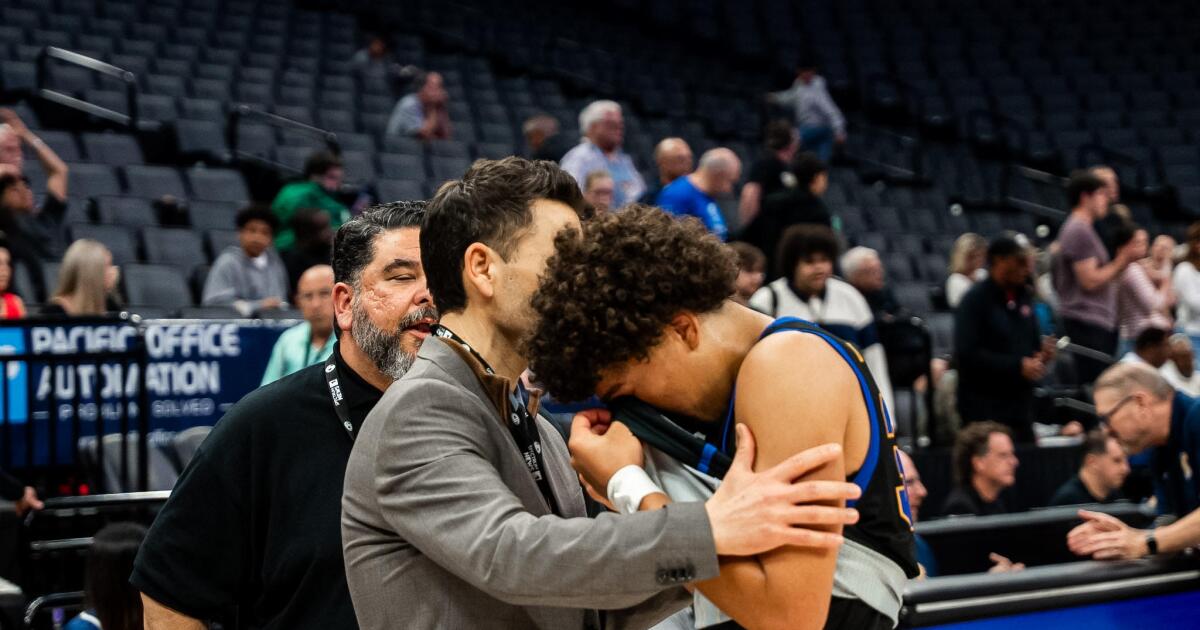
Coaching high school basketball since the 1979-80 season and being the second-winningest coach in state history with 1,127 victories, Mike LeDuc is one of those old-school coaches who likes to push his players forward and fade into the background when team success comes.
This season at Damien, LeDuc can take a bow for guiding the Spartans to the state Division I championship with little size but a group of players who loved to shoot threes, never stopped hustling on defense and executed close to perfection on the biggest stage at Golden 1 Center and during his team’s playoff run.
For turning a group of players he fondly called “overachievers” into champions, LeDuc is The Times’ boys’ basketball coach of the year.
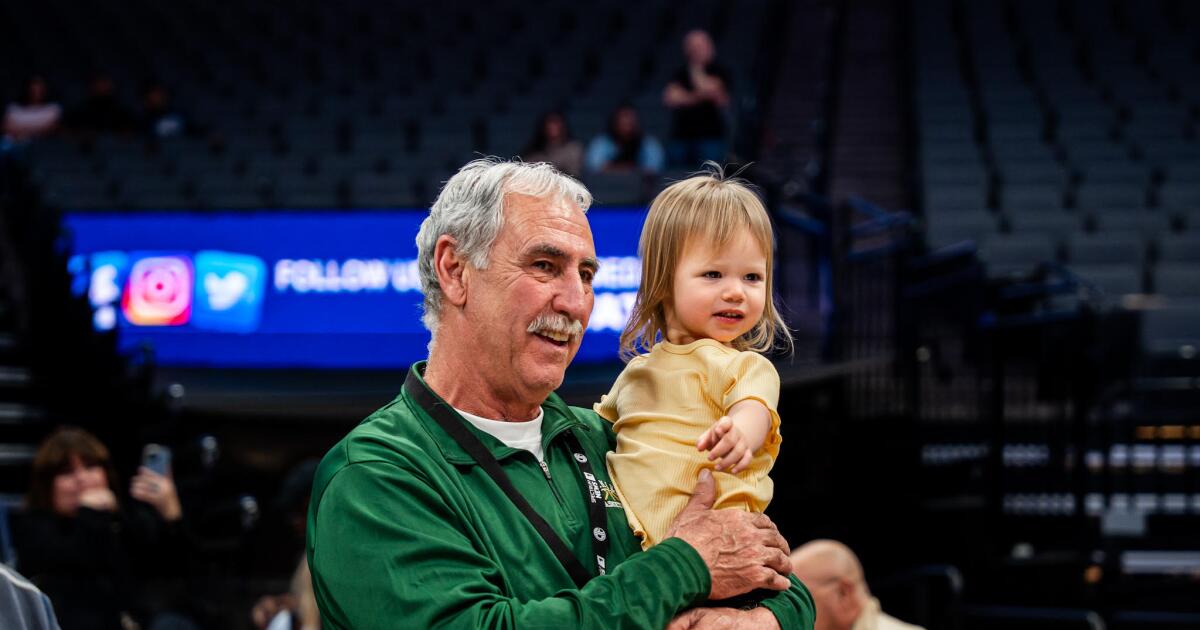
Through his many years of coaching at Damien and previously at Glendora, he’s mentored such outstanding players as Tracy Murray, Casey Jacobsen and Cameron Murray. Now Cameron’s sophomore son, CJ, plays for Damien. It’s a full circle moment for LeDuc, who was holding his granddaughter at the awards ceremony in Sacramento.
As the years go by and the game keeps changing, LeDuc continues to adapt, adjust and power on.
LeDuc‘s answer is, “Basketball is a real simple game. It’s a game of repetition and if you do it over and over, you expect it to be done perfectly.”
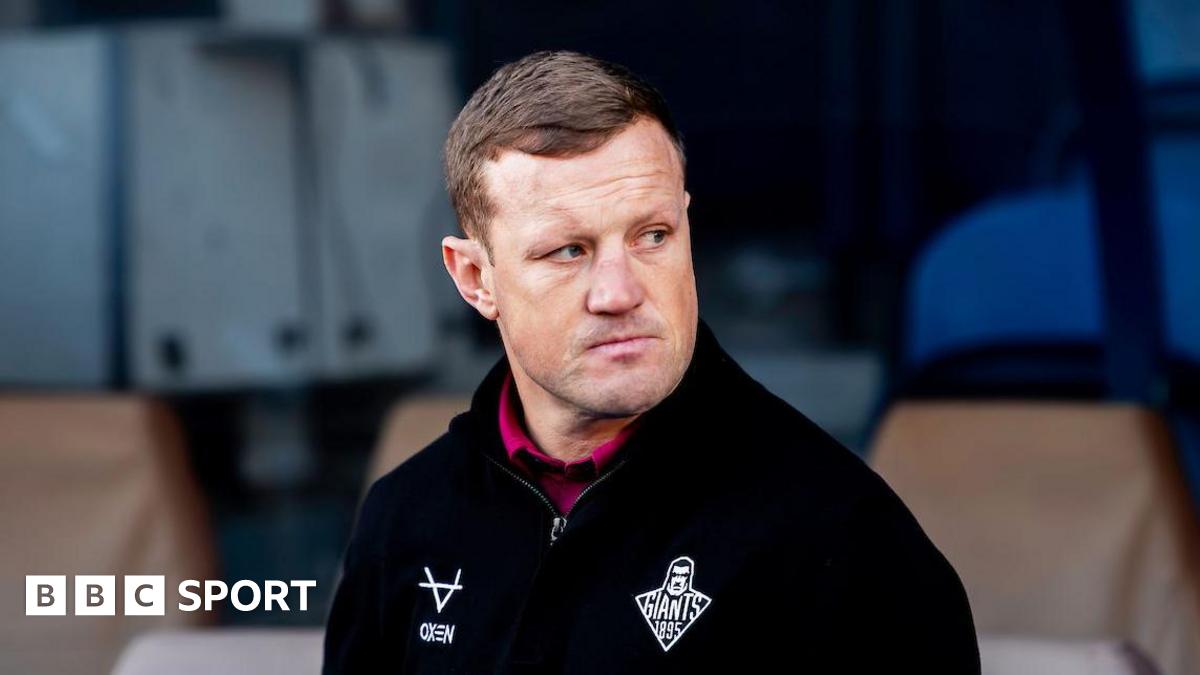
Huddersfield Giants have sacked head coach Luke Robinson after a poor start to the 2026 Super League season.
Giants have lost all of their opening five matches, leaving them without a point and bottom of the table.
Robinson began his second spell as Giants boss in September 2024, replacing Ian Watson, and went on to lose his first nine matches in charge before finally tasting success with a narrow victory against Hull FC at Magic Weekend last May.
Hampered by financial limitations, Robinson eventually guided the club to 10th in the final Super League standings last year.
This season, the 41-year-old has had to deal with a number of injuries to key players, including star full-back George Flanagan Jr, one of 16 first-team members who were unavailable during an injury crisis labelled as “unprecedented” by the club earlier this month.
Robinson was left looking a forlorn figure following his side’s defeat by Bradford Bulls on Friday night, which has ended up being his final match in charge.
He previously, but briefly, acted as interim head coach of Giants during the end of the Covid-affected 2020 season after Simon Woolford resigned, taking charge of the final eight matches of the campaign.
Director of rugby Andy Kelly will take charge of the first team until Robinson’s successor is appointed.
Huddersfield continue their Super League campaign with a trip to league leaders Wigan on Saturday [15:00 GMT].
PHILADELPHIA — Besides carrying on the UCLA legacy, which Mick Cronin says is an honor in itself, he’s got an extra incentive here this weekend that has nothing to do with finding the best cheesesteak in town.
“We’ve got to win two games,” said Cronin, whose Bruins will start off going against Central Florida, whose coach, Johnny Dawkins, knows all too well from the years they squared off when he was at Cincinnati in the American Athletic Conference. “My daughter goes to American [University.]
“I’ll see her Monday. But I would like to spend a week with her.”
That’s because the East Region will be held in Washington, where AU is located. But for the Bruins to advance to past a Sunday showdown most likely against powerful Connecticut, Cronin says they’ll first need to contain Central Florida’s potent attack.
UCLA coach Mick Cronin talks with guard Trent Perry during the Bruins’ game at Michigan on Feb. 14.
(Lon Horwedel / Associated Press)
“Central Florida can score,” he explained of the 21-11 Knights, who’ve successfully made the transition from the AAC to the Big 12. “They’re athletic.
“[Themus] Fulks [averaging 14.1 points and 6.7 assists] keeps me up at night because he can get in the lane whenever he wants. He’s great off the pick and roll. He makes good reads and he’s a problem.
“I’ve seen Riley Kugel [14.4 points] since high school. He played for a friend of mine, so I know he’s a very good player and has gotten better as he’s gotten older.
“They can shoot it. They’ve struggled of late which means law of averages, that’s going to flip. They’re an athletic, aggressive team.”
On the other hand Dawkins, back in the city where he played for five years and won an NBA Eastern Conference title while playing alongside Charles Barkley, knows what he’s up against.
“Mick does a great job with his team,” said Dawkins, who before coming to Central Florida went 156-115 coaching eight years at Stanford, following a decade serving as Mike Krzyzewski’s assistant at his alma mater, Duke. “Of course. UCLA is a storied program of all college basketball.
“What an amazing history they’ve had there. and, of course, Coach Cronin is a coach I have known from the American as well. I know his team is going to be really, really talented.
“They’re very skilled and they’re tough.”
Speaking of that legacy, which includes a 1976 Final Four appearance here under John Wooden’s replacement, Gene Bartow, Cronin’s players knew what they were signing up for when they decided to come to Westwood.
“It’s definitely a blessing just to be part of this, to be part of the history, part of the tradition,” said senior guard Skyy Clark, averaging 11.7 points per game. “It’s a lot to carry for sure, but it motivates us to go out there and just do what we can.”
UCLA forward Tyler Bilodeau is congratulated by fans after beating USC at the Galen Center on March 7.
(Allen J. Schaben/Los Angeles Times)
“Yeah, a lot comes with these four letters we wear on our chest,” added second-leading scorer and top playmaker Donovan Dent (13.5, 7.6 assists). “We just want to make our names and the history of it.
“I wouldn’t say there’s extra pressure, but we know there’s definitely a standard that needs to be held.”
UCLA forward Tyler Bilodeau and Dent were injured during the Bruins’ Big Ten tournament run, but Cronin said Thursday “they looked good today [during practice,] so knock on wood.”
Maintaining the standard first set by Wooden is what lured Cronin from Cincinnati, where he won 296 games in 13 years and took them to the NCAA tournament nine times.
“I had a great job and was close to being the winningest coach ever at Cincinnati,” said Cronin, who’ll be making his fourth tourney appearance with the Bruins, including dropping a 2022 Sweet Sixteen game to North Carolina in this building. “But I left to sit in Coach Wooden’s chair and coach at the best university in the country, arguably the world, and everything that goes with it.
“It’s tremendous. I’ve been very fortunate. To coach at my alma mater, Cincinnati, and to be the head basketball coach at UCLA following so many.”
On Friday night, Cronin and the Bruins will take on the challenge of Central Florida and his longtime adversary Dawkins, mindful there are no gimmes once you get this far. No. 5 seed Wisconsin learned that during a loss to No. 12 High Point on Thursday and top-ranked Duke nearly did, having to rally from 13 points down to survive No. 16 Siena.
“You got to have players,” he said. “If you can’t coach, you’re not going to be in those tournaments. “The better players you have, the further you go.
That’s the whole key to getting in these things and advancing in them. Perseverance.”
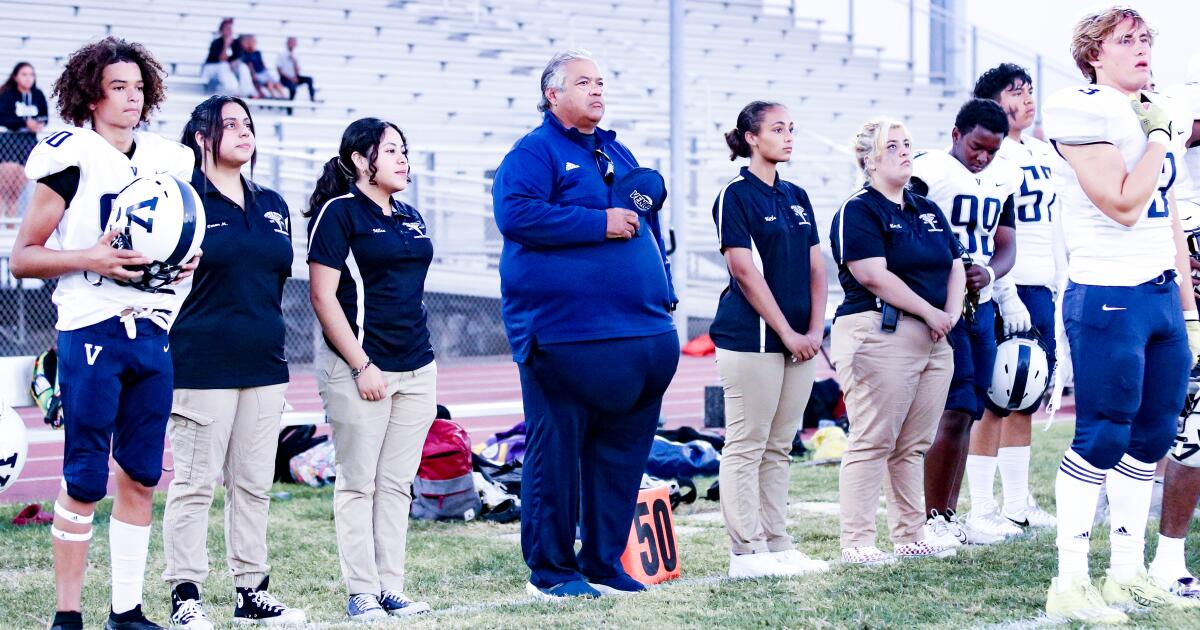
Angelo Gasca, a one-of-a-kind high school football coach who grew up using football to escape from gangs and became a beloved special education teacher, mentor and coach for 36 years at Venice High, died Monday night while watching a Lakers game on television, according to longtime friend, Steve Clarkson. He was 65.
The 1978 Venice graduate never left his neighborhood. Gasca won his first and only City Section Division I championship in 2021. He was known for his innovative passing schemes and producing numerous top City Section quarterbacks, led by former NFL player JP Losman. He was such a fixture at Venice that coaching sons of former players became the norm. He loved the concept of “neighborhood team.”
Perhaps his most important contribution was training, supporting and preparing players to become teachers and coaches. Most of his staff at Venice has been made up of former players. He’d help them stick with the difficult task of earning a teaching credential and find jobs for them.
He was most proud of former running back Byron Ellis, who became an orthopedic surgeon, and receiver Brycen Tremayne, who walked on at Stanford, went undrafted and made the Carolina Panthers.
Last month, Gasca was asked if he ever learned anything from a player and he told the story of having a coaches meeting and one of his ex-players reminded him how he wanted to quit football but Gasca wouldn’t let him.
“I’m not accepting your resignation today,” Gasca told him. “You need to go home and think about it.”
Said Gasca: “He went home and thought about it and stayed on the team and was the starting center. He taught me the best thing we can teach kids is come to school and you never know what connections you’ll make at the school you grew up at. He taught me there’s more to coaching than winning games and scoring touchdowns. In our lives as teachers and coaches, we do learn from players. When we stop learning, it’s time to stop coaching.”
Even though there were rumors last season of Gasca retiring, he insisted he was coming back because he loved teaching and coaching and believed that sports competition can change someone’s life for the better.
“My parents didn’t attend high school,” he said. “When you play, you get a little taste of success and want to play harder and people come into your life and help you. It’s just as easy to do well as it is to do bad. Sometimes when your friends zig right, you have to zig left. The life lessons we learn together is what it’s about.”
That’s the only way to describe what San Juan Hills players, coaches and fans were feeling on Saturday at Golden 1 Center when Alex Osterloh made two of three free throws with 0.3 seconds left to give Atherton Sacred Heart Prep a 47-45 victory in the Division IV state boys’ basketball championship game.
Osterloh was fouled at the top of the key by Kellen Owens with the scored tied.
“I’m pretty sure I was fouled,” Osterloh said.
San Juan Hills had earlier lost the ball on a turnover, its 19th of the game, surrendering its chance to take the lead.
“It was a tough ending,” San Juan Hills coach Jason Efstathiou said. “We turned over the ball too much. Nineteen is insane. Ultimately we didn’t do a good enough job handling pressure.”
San Juan Hills (22-14) came back from a 12-point deficit in the second quarter to take a four-point lead in the fourth quarter.
Garrett Brehmer finished with 17 points while Rocco Jensen had 10 points and eight rebounds for San Juan Hills. Osterloh scored 15 points and Pat Bala had 13.
“There’s a little distaste,” Efstathiou said, “but at the same time we got to be here.”
Hall of Fame high school football coach Bob Johnson, who turned El Toro and Mission Viejo into powerhouse high school football programs and became one of the winningest coaches in state history, has died. He was 80. He had been battling Alzheimer’s.
“I feel for the family,” Mission Viejo football coach Chad Johnson (no relation) said Wednesday.
Johnson passed early Wednesday morning,
Johnson won six Southern Section titles coaching at Mission Viejo and three at El Toro while winning 338 games, the second winningest in Orange County history and in the top five in state history, according to the Orange County Register.
His two sons, Rob and Bret, were standout high school quarterbacks before enrolling at USC and UCLA, respectively. Rob made it to the NFL. Both became coaches after their playing days were completed. Rob still coaches as an assistant at Mission Viejo.
When Jeff Bryant was playing high school basketball at Sylmar, the top teams in the City Section were annually among the best in California.
“The City dominated back in the day,” Bryant, now the head coach at Palisades, said Tuesday before Southern California Regional Division II boys’ basketball final. His Dolphins lost a heartbreaker, 59-57 at Bakersfield Christian, falling a win short of a trip to Sacramento for the state finals.
Eleven days earlier Palisades captured the City Open Division crown, going undefeated against section opponents, and with 10 players — including all five starters — returning next season, Bryant not only has his sights set on a repeat, he wants to reverse a 15-year trend during which City teams have struggled to compete at the highest level.
City boys teams won the state’s top division five times in six years from 1993-98 and seven times in nine years from 2002-10. However, since the Open Division debuted in 2013 only two City teams have advanced to the regional finals in that division — Westchester in 2014 and Fairfax in 2015 — and the last time a City team made the Open bracket was five years ago when Birmingham lost in the first round.
Bryant, who graduated in 2006, will be rooting for his former coach on Friday when his alma mater plays for the Division V state championship under the guidance of Bort Escoto, who piloted the Spartans to the City Division II title on the same night Palisades won the Open Division. Sylmar was dropped down to Division V for regionals and ran the table.
Birmingham was upset by Fairfax in the opening round of the City Open Division playoffs Feb. 11 and dropped to Division III for the regional tournament. The Patriots have since reeled off four convincing victories and will also play for a state title Friday afternoon.
Birmingham and Sylmar are the latest City teams to benefit from regional playoff expansion in which teams are placed several divisions lower from where they played in their section. Chatsworth advanced to the Division II state final last winter after losing in the City Open Division final and reached the Division IV state final after its City Open semifinal loss two years ago. Like Sylmar this season, Verdugo Hills was the City Division II champion in 2024 and went on to play for the Division V state title.
On the girls’ side, no City squad has won an Open Division state playoff game. Five teams from the section have received berths in the highest division over the last 14 years, but none since Fairfax in 2018. Narbonne is the last City team to conquer the state’s top division, claiming back-to-back Division I titles in 2000 and 2001, long before the Open debuted.
Like the boys, City girls’ teams fare well when dropped to lower divisions.
Palisades, which fell in the first round in the City Open Division, plays for the state Division IV crown Saturday while City Open Division champion Westchester was seeded 14th in Division I for regionals and lost in the first round. Granada Hills went to the Division III state finals two years ago after losing in the first round of the City’s Open Division.
Before taking the helm at Palisades, Bryant guided West Ranch of the Southern Section into the Open Division regional playoffs in 2023. Now he aims to do the same at a school in the section he once played in.
Walsall have sacked head coach Mat Sadler following Tuesday’s defeat by Salford City which left them with one win in their past 11 matches in League Two.
The 1-0 loss was their third in a row and further dented their fading challenge for a play-off place.
Walsall were four points clear at the top of the table in early December, but a run of two wins in 14 since Boxing Day has left them 11th in the table, three points outside the top seven with 10 games remaining.
Sadler, a former defender at the club, leaves after a nearly three years in charge, having been appointed on a permanent basis in May 2023 following a short interim stint.
“I would like to take the opportunity to acknowledge the significant efforts and contributions of Mat, both as a professional and as a person, during his time at the club,” Walsall co-chairman Ben Boycott said.
“We thank him for his dedicated service and wish him the very best for the future.”
Coach Darren Byfield will take interim charge of the team with support from Terry Connor and the rest of the backroom staff, the club also confirmed.