In 1975, 31-year-old Mick Jagger told People magazine that “I’d rather be dead than sing ‘Satisfaction’ at 45.” The Rolling Stones’ frontman is still very much alive, despite having performed that song in concert hundreds of times since then, most recently in 2024 during the band’s “Hackney Diamonds” tour. Jagger was 80 at the time.
“Time waits for no one,” as the Stones once sang, but apparently that doesn’t apply to the “World’s Greatest Rock and Roll Band.” To paraphrase the group’s first Top 10 U.S. hit in 1964, time is on their side. Yes, it is.
Consider the fates of the British Invasion superstars who emerged from England alongside the Stones in the 1960s. The Beatles broke up in 1970. The Kinks dissolved in 1996. The original Animals imploded in 1966. The Who called it quits in 1982 but has reunited repeatedly, including for its recent North American farewell tour.
And then there’s the indestructible, indefatigable Rolling Stones. With the partnership of Jagger and guitarist Keith Richards still front and center, the Stones will release their 27th studio album, “Foreign Tongues,” on Friday. Over the decades, they have produced classics such as “Exile on Main St.” and “Some Girls,” mediocrity like “Steel Wheels,” and abominations such as “Dirty Work.” We rank the group’s six-decade studio output from worst to first. All albums are the U.S. editions.
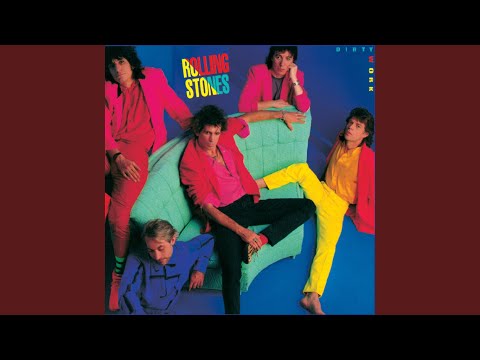
27. ‘Dirty Work’ (1986)
Never has an album cover so captured a band’s mood. “Dirty Work” features a photo of sullen, unsmiling Rolling Stones looking like they’d rather be anywhere else. The music reflects that disinterest. Apart from the cover of “Harlem Shuffle,” nothing here is memorable. It’s no surprise that the Stones nearly broke up during this period.
26. ‘Undercover’ (1983)
The follow-up to the brilliant “Tattoo You” landed with a thud. Although the song “Undercover of the Night” nicely melds a solid guitar riff with trenchant lyrics about political corruption and violence in South America, the rest of the album wilts.
25. ‘Bridges to Babylon’ (1997)
Another in a series of disappointing releases, “Bridges to Babylon” has one great song, “Saint of Me,” and lots of filler.
24. ‘Steel Wheels’ (1989)
Touted as a return to form, this album certainly outshines “Undercover” and “Dirty Work.” But that’s not saying much. With dated production and too many songs that make a good first impression but fail to stick, “Steel Wheels” has gathered moss over the years.
23. ‘Voodoo Lounge’ (1994)
Like its predecessor “Steel Wheels,” this is another attempt to recapture their classic sound. To an extent, the record succeeds. “You Got Me Rocking” sounds like a throwback to something on “Exile on Main St.,” while the ballad “Out of Tears” echoes “Angie.” With the exception of “Love Is Strong,” however, most of the songs here are little more than pleasant exercises in nostalgia.
22. ‘The Rolling Stones: England’s Newest Hitmakers’ (1964)
A solid debut, “England’s Newest Hitmakers” features covers of songs by Willie Dixon, Chuck Berry and Jimmy Reed, firmly grounding the group in its American blues and R&B influences. The sole Jagger/Richards original here, “Tell Me,” only hints at the duo’s future songwriting prowess.
21. ‘Black and Blue’ (1976)
After guitar virtuoso Mick Taylor’s departure from the Stones in late 1974, the band used “Black and Blue” to audition potential replacements. They settled on Ronnie Wood, a former member of the Faces who, ever since then, has engaged in the ancient art of guitar weaving with Keith Richards. Heavy on grooves and jams, this album sometimes feels unfocused and indulgent. The excellent ballads “Memory Motel” and “Fool to Cry” are essential.
20. ‘12X5’ (1964)
A step forward from their debut, “12X5” has the magnificent covers “Time Is on My Side” and “It’s All Over Now.” For those who like their Stones bluesy, early albums like this offer a cornucopia of treasures.
19. ‘Blue & Lonesome’ (2016)
Recorded in just three days, this album of blues covers sizzles. The Stones sound absolutely committed, with Jagger’s harmonica and vocals particularly strong.
18. ‘The Rolling Stones, Now!’ (1965)
On the band’s third U.S. album, the Stones rock harder and softer. Their version of Willie Dixon’s “Little Red Rooster” is a slow burn. The ballad “Heart of Stone,” one of their best early originals, made the Billboard Top 20.
17. ‘Foreign Tongues’ (2026)
The Stones have rarely sounded looser or more alive. Produced again by the classic-rocker whisperer Andrew Watt (Paul McCartney, Elton John, Pearl Jam), the band delivers a clutch of strong songs. In a just world, the single “In the Stars” would be a hit. “Back in Your Life,” fueled by some of Wood’s most sensitive and impassioned playing, is a stunner. At 14 songs and 62 minutes, the album would have benefited from trimming three or four of the more generic tunes. Still, it’s amazing that Jagger and Richards, both 82, and Wood, 79, have made such a fresh and vital record. Sometimes you can get what you want.
16. ‘A Bigger Bang’ (2005)
For the band’s first album of originals in eight years, the Stones remind you what makes them great. The first of their three late-career triumphs, “A Bigger Bang” brings attitude, funk, dirty rockers and dreamy ballads. The blazing “Rough Justice” and the slinky, sexy “Rain Fall Down” are topflight.
15. ‘Hackney Diamonds’ (2023)
Eighteen years passed between the release of “A Bigger Bang” and this album. It was worth the wait. “Hackney Diamonds” is another strong effort, with the banger “Angry” sounding urgent and, well, genuinely angry. The gospel-tinged “Sweet Sounds of Heaven,” featuring Lady Gaga, finds her and Jagger trading vocals and pushing each other to the stratosphere. It’s the best song the group has made since “Tattoo You’s” “Waiting on A Friend” and “Start Me Up” in 1981. The absence of late drummer Charlie Watts is felt, but Jagger and Richards prove that old geezers can still rock.
14. ‘Out of Our Heads’ (1965)
A very strong outing that includes originals “The Last Time,” “Play With Fire” and “Satisfaction,” one of the best rock songs ever written.
13. ‘It’s Only Rock ‘n Roll’ (1974)
Keith Richards’ deepening heroin problem meant Jagger had to carry more of the load himself. On this album, he acquits himself admirably. The anthemic title track positively swaggers. The poignant “Time Waits for No One” features one of Taylor’s most beautiful solos, a fitting coda to the end of his five-year career with the Stones. A fine album with several good songs and a couple great ones.
12. ‘December’s Children (And Everybody’s)’ (1965)
A hodgepodge of live cuts, outtakes, British LP tracks and singles, this album shows the Stones rapidly gaining confidence and playing with equal parts finesse and fire. Any album with “Get Off of My Cloud” and “As Tears Go By” is worth the price of admission.
11. ‘Their Satanic Majesties Request’ (1967)
Released months after “Sgt. Pepper’s Lonely Hearts Club Band,” this occasionally ill-advised foray into psychedelia pales in comparison to the Beatles’ masterpiece. That doesn’t mean it’s bad. In fact, the Stones never sounded as adventurous or experimental. When it works, as it does on “She’s a Rainbow” and “2000 Light Years From Home,” candy-colored bliss follows.
10. ‘Emotional Rescue’ (1980)
An underrated gem often overshadowed by its predecessor, “Some Girls,” and its successor, “Tattoo You,” “Emotional Rescue” finds the Stones in fine form at the dawn of a new decade. The rhythm section of bassist Bill Wyman and drummer Watts locks in, while Richards and Wood converse with their guitars as only they can. Jagger sounds energized on the rockers “Let Me Go” and “She’s So Cold” and sexy on the incredibly funky “Dance (Pt. 1).”
9. ‘Goats Head Soup’ (1973)
Considered a big letdown after the magisterial “Exile on Main St.,” this album has received a well-deserved critical reappraisal and aged like a fine wine. It’s not the Stones at their peak, but close enough. “Angie” is absolutely gorgeous, while “Star Star” captures the Stones at their most profane.
8. ‘Tattoo You’ (1981)
Needing new material for their 1981 tour, the Stones cobbled together “Tattoo You” from leftovers and half-finished songs dating back to “Goats Head Soup.” Jagger penned new lyrics, recorded new vocals, and presto — the band made its last classic. “Start Me Up,” the band’s best rocker since “Brown Sugar,” propelled the album to multiplatinum sales and shook stadiums around the world. It still does.
7. ‘Aftermath’ (1966)
The first Stones album composed entirely by Jagger and Richards, “Aftermath” represents a quantum leap forward or two. Brian Jones, before drugs and paranoia dimmed his creative spark, made some of his greatest contributions, elevating “Paint It Black” with his sitar and adding the indelible marimba riff to “Under My Thumb.” The Stones had finally lived up to all the hype.
The American version kicks off with the one-two-three punch of “Let’s Spend the Night Together,” “Yesterday’s Papers” and “Ruby Tuesday” and doesn’t let up. Arguably the band’s poppiest album, it sounds like groovy Swinging London set to music.
5. ‘Some Girls’ (1978)
After the lackluster “Black and Blue” and the mixed critical reception of “It’s Only Rock ‘n Roll” and “Goats Head Soup,” some wondered if the Stones had lost their musical magic. They needn’t have worried. The band, hungry to prove the doubters wrong, made one of its strongest albums. With Wood now fully integrated into the group , punky, guitar-centric rockers like “Respectable,” “When the Whip Comes Down” and “Shattered” snarl. Jagger, entranced by the sounds coming out of New York’s discos at the time, contributed the No. 1 “Miss You.” Add “Beast of Burden” and the countryish “Far Away Eyes” to the mix and you have the ingredients for a stunning comeback.
4. ‘Beggars Banquet’ (1968)
The start of one of the strongest four-album runs in rock history, “Beggars Banquet” is a near-perfect listen from beginning to end. New producer Jimmy Miller helps strip the band down to its rawest, raunchiest essence on songs like “Sympathy for the Devil,” “Stray Cat Blues,” and “Street Fighting Man.” For the first time, the Stones had released an album on par with some of the Beatles’ best work. Indispensable.
3. ‘Sticky Fingers’ (1971)
Unbreakable love (“Wild Horses”); heartbreak (“I’ve Got the Blues”); slavery, interracial sex and heroin (“Brown Sugar”); addiction (“Sister Morphine”) — “Sticky Fingers” has it all, along with some of the most powerful music in the Stones’ catalog. If a Martian came to Earth and wanted to know what made the Stones special, a listen to “Sticky Fingers” would make it abundantly clear.
2. ‘Let It Bleed’ (1969)
By the end of the ’60s, the dream had faded. Vietnam, inner-city riots, and the assassinations of Robert F. Kennedy and Martin Luther King Jr. had cast a pall over the Day-Glo optimism of the Love Generation. The Rolling Stones were there to chronicle the impending hangover. “Gimme Shelter” reflected the growing dread of the times. It’s among the darkest, grittiest and most transcendent songs ever recorded, with Jagger singing about rape and murder over Richards’ shimmering guitar. In the powerhouse “Midnight Rambler,” Jagger takes on the persona of a killer, even name-checking the Boston Strangler. Dark stuff. Yet the superb “You Can’t Always Get What You Want,” replete with a gospel choir, the country stylings of “Let It Bleed” and “Love in Vain,” sung by Jagger with utter conviction, give the album incredible diversity and depth.
1. ‘Exile on Main St.’ (1972)
And then there was one. Recorded largely in the steamy, sweltering basement of Richards’ rented French villa, Nellecôte, “Exile” reeks of filth, decadence and decay. With Jagger’s vocals often buried deep in the muddy and murky mix, the album initially sounds like a druggy demo. But listen again. And again. Slowly, it reveals itself as quintessential Stones, a potent admixture of styles, sounds and soul. Richards tosses off one indelible riff after another, making “Rocks Off,” “Happy,” “Tumbling Dice” and “All Down the Line” rock and roll perfection. You like your Stones with a dash of Americana? “Sweet Virginia” might be the band’s best country rocker. Blues? Try “Ventilator Blues.” Gospel? “Shine a Light,” accented with Billy Preston’s piano and organ, transports listeners to a higher place. Other Stones records contain more classics and better production, but none holds together as well as a whole or comes as close to the sublime as this one.
Marc Ballon, a former Times, Forbes and Inc. Magazine reporter, teaches an advanced writing class at USC. He lives in Fullerton.