Just six miles from Sheffield, this charming South Yorkshire village hides the story of one of Britain’s deadliest Victorian floods that claimed 250 lives in 1864

The village was destroyed in a flood but a few original structures remain (Image: PA)
Nestled in South Yorkshire lies the quaint village of Low Bradfield, a stone’s throw from the bustling city of Sheffield and the stunning vistas of the Peak District, making it an ideal spot for a getaway or day trip.
Situated just over six miles from Sheffield’s city centre in the Loxley Valley, Low Bradfield entices visitors with its appealing rural charm. It serves as the perfect escape for those seeking respite from urban life, boasting a fascinating history and numerous tranquil walking routes. Shadowed by the Agden Reservoir, Low Bradfield is twinned with High Bradfield, its sister village perched at a higher altitude merely half a mile away. The two delightful villages are connected by a steep lane, offering scenic views along the journey.
However, unlike its neighbour, Low Bradfield has a somewhat darker past, having been largely obliterated by a devastating flood. In 1864, the Dale Dike Reservoir’s dam wall ruptured, unleashing what is believed to be over 700 million gallons of water onto the valley.
This extraordinary burst claimed the lives of more than 250 people in the valley and swept away numerous buildings in the area. Fortunately, only one death was recorded in the village itself, as residents heeded warnings and evacuated in time.
However, their corn mill, blacksmiths, schoolrooms, and other structures did not survive the destruction, including the schoolmaster’s house and a farmhouse.
Meanwhile, High Bradfield boasts historical features that have remained unchanged for centuries beyond imagination.
At the village’s edge stands a man-made conical mound, approximately 10.5 metres tall, officially designated as a Scheduled Ancient Monument. Although its exact origins remain a mystery, with experts suggesting it could be an ancient Saxon fortification.
Low Bradfield continues to be a charming destination today, notwithstanding its tragic past, with the village centred around an attractive local cricket ground, complemented by excellent pub and shop options.
Particularly noteworthy is The Plough Inn, now rebranded as the Bradfield Plough, a welcoming traditional venue featuring a crackling fire, oak beams and original exposed brickwork.
A recent visitor said on TripAdvisor: “The bar offers a great selection of ales, and the country atmosphere is so inviting. The staff were super chatty and friendly, making the experience even better. I’d definitely recommend booking ahead since it’s a popular spot. Highly recommend!”.
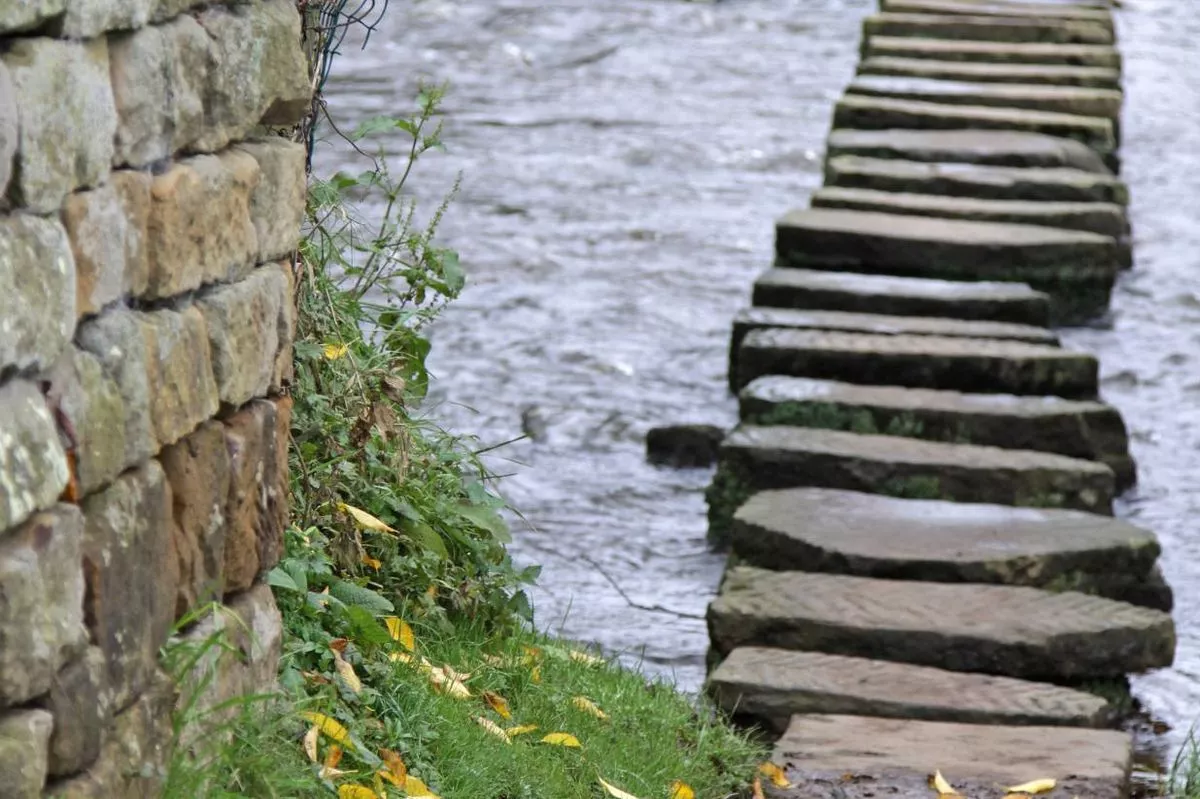
However, the village’s most photographed locations must be its stunning bridges, spanning the beautiful stream that flows through the village centre.
There’s Smithy Bridge, situated near a picnic spot, alongside Mill Lee Road Bridge. These structures serve as important landmarks for enthusiastic ramblers in the region and offer picturesque vistas of the Yorkshire Valley.
The village attracts numerous walkers who follow various paths, either along the river, towards its source or on longer treks to the Agden Reservoir.
Alternatively, eager adventurers often embark on the Great Sheffield Flood Walk, gaining insight into the valley’s history as they traverse through Low Bradfield and across the woodland and moors.