
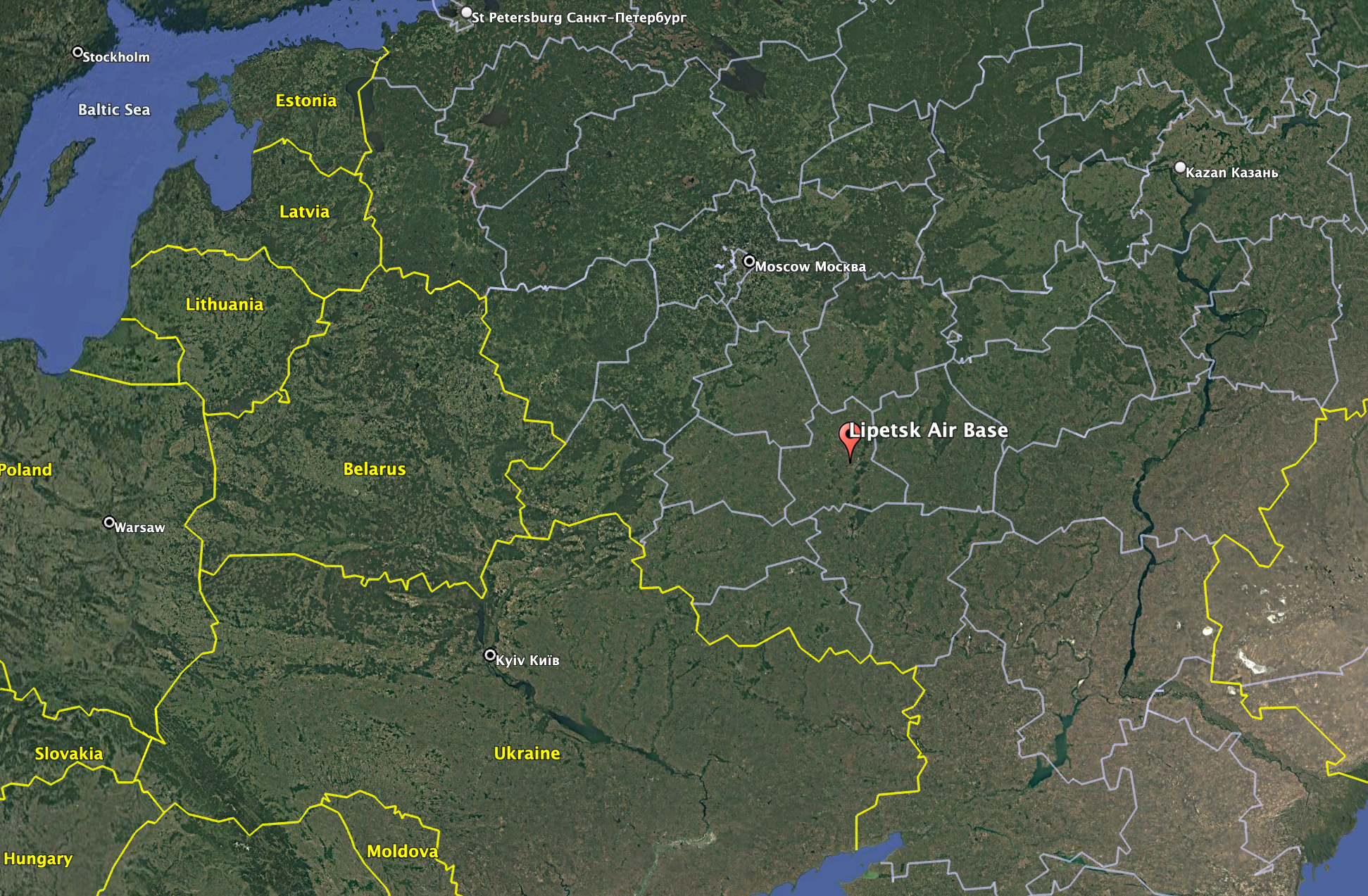
Two Russian Su-30 Flanker multirole fighters have been damaged in an overnight arson attack on the military airfield at Lipetsk in the region of the same name in southwest Russia. According to the Defense Intelligence of Ukraine (GUR), the raid was launched by “a representative of the resistance movement in Russia.” If that’s the case, it underscores the varied tactics being used to strike Russian military aircraft on their bases, coming soon after two separate drone attacks on Belbek Air Base in Russian-occupied Crimea.

Уражено ворожі винищувачі Су-30 та Су-27 ― відео та деталі унікальної операції ГУР в ліпєцку
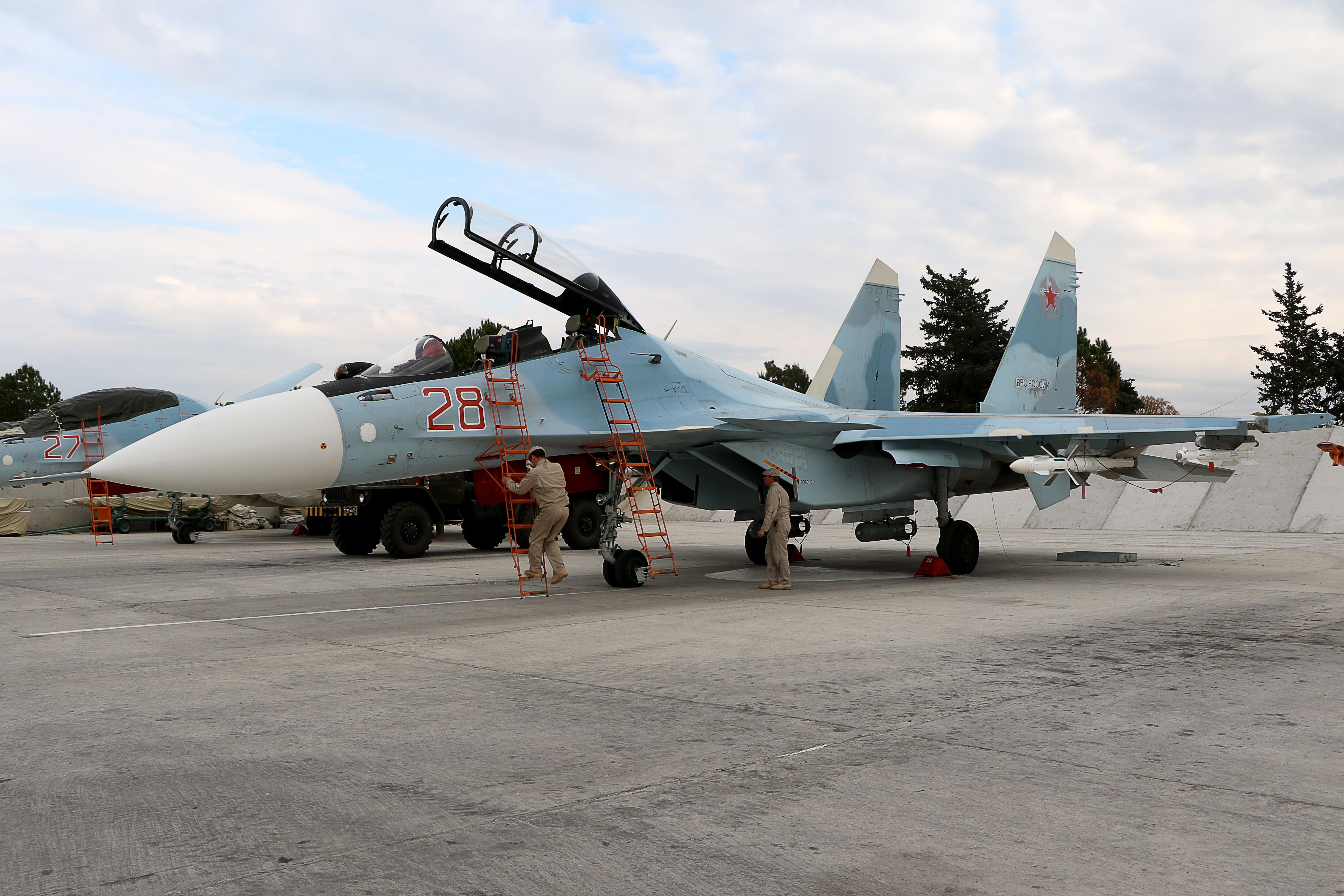
In its initial statement, the GUR said that a Russian Su-30 Flanker multirole fighter and a Su-27 Flanker interceptor were damaged in a fire at Lipetsk Air Base (also known as Lipetsk-2) on the night of December 20-21. The agency later clarified that both targeted aircraft two-seat, more advanced Su-30s.
While the GUR claims that is masterminded the operation, which required two weeks of planning, the agency also says that the sabotage was “directly implemented by a representative of the resistance movement to the criminal Russian regime.”
In a statement, the GUR explained: “Studying the patrol route and guard change schedule allowed them to infiltrate the aggressor state’s military facility unnoticed, hit the Russian jets in their protective aircraft hangar, and then leave the airfield unhindered.”
The GUR has released a video that purports to show the attack, which it describes as the result of “careful preparation, composure, and professionalism.” The airbase is located around 200 miles from the Ukrainian border.
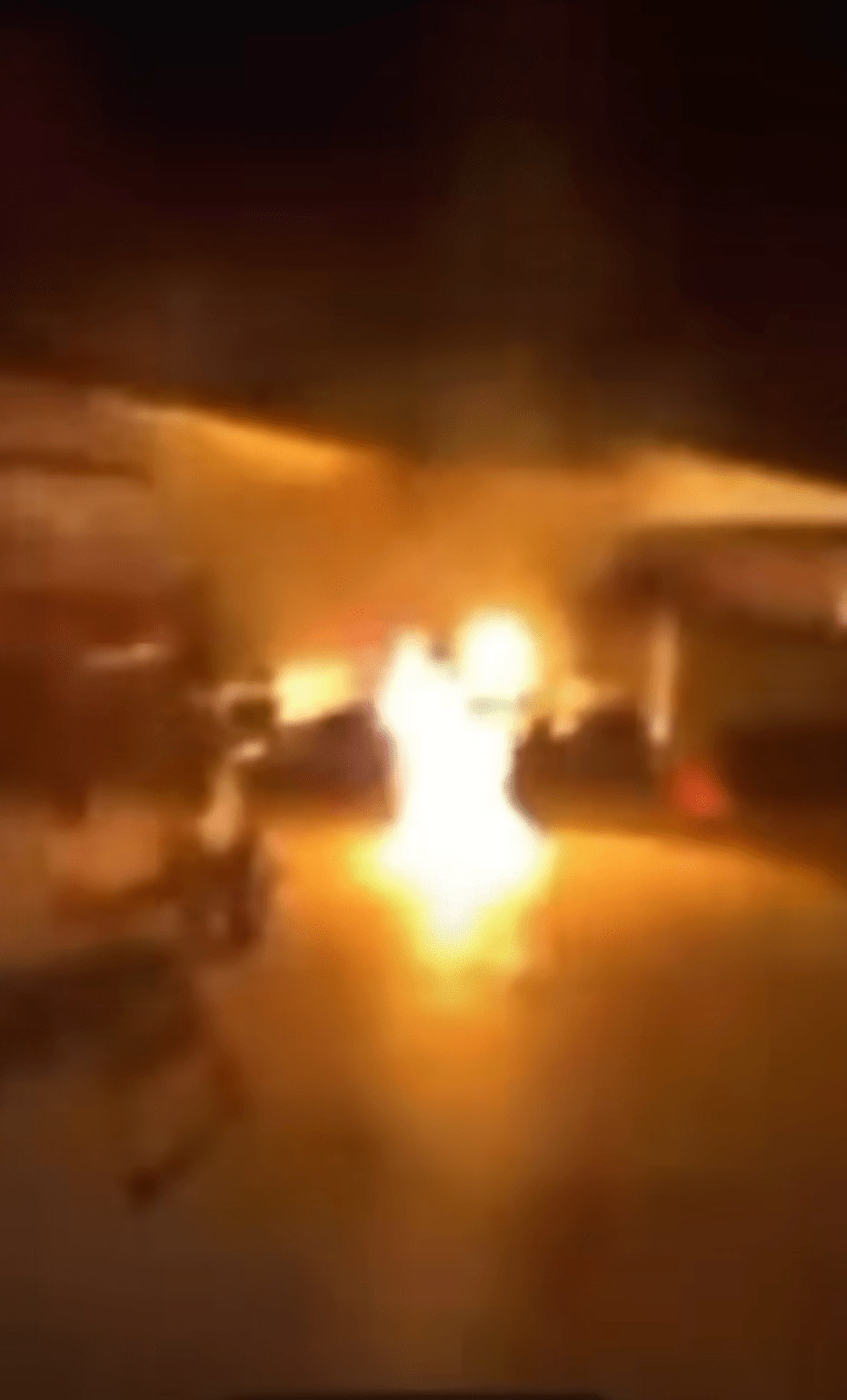
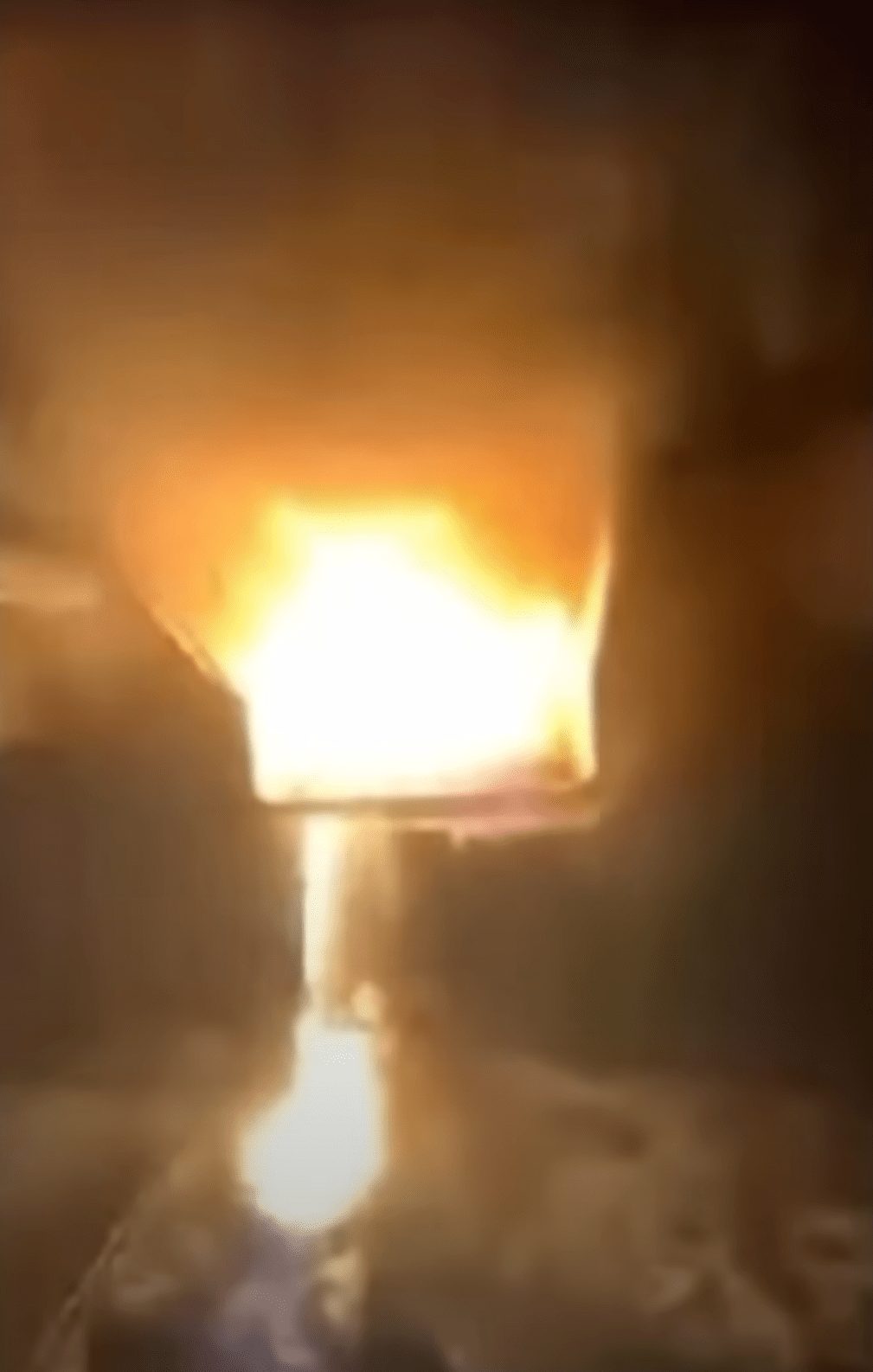
The footage includes a view inside the cockpit of an apparent Su-30SM, as well as a fire being started at one of the main undercarriage legs of the same type of jet, which then spreads to engulf one of the engine intakes. One Su-30SM is also armed with underwing air-to-air missiles. Clearly visible is one of the canard foreplanes on the Flanker, confirming it is a Su-30SM, rather than a Su-27UB or a Su-30M2.
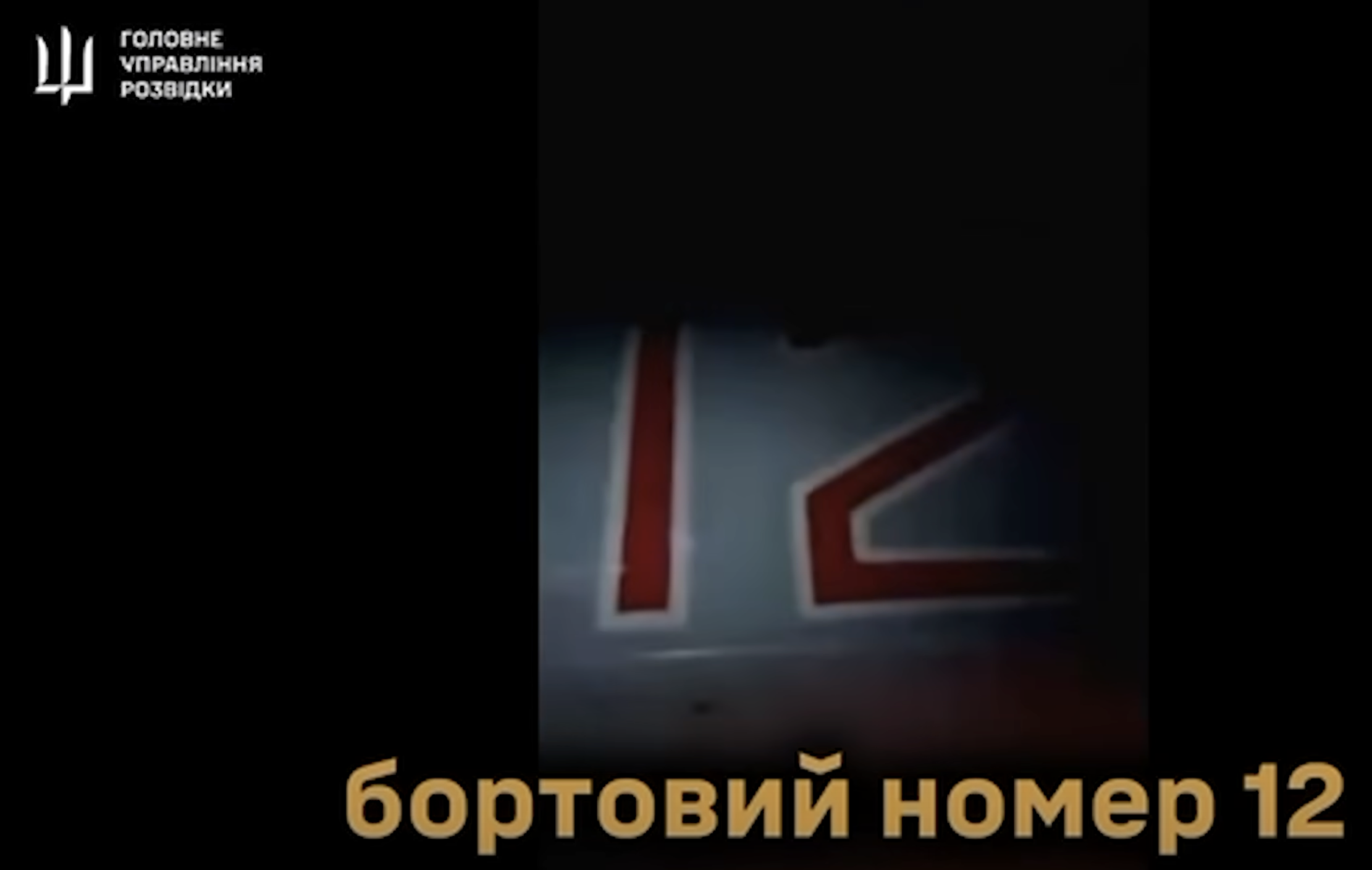
Also seen in the video are close-ups of the aircraft’s individual red-painted ‘Bort’ numbers, ‘12’ and ‘82.’

The GUR puts the estimated total cost of the two affected fighters as “up to $100 million,” although this is presumably based on them being totally written off, something which remains unclear. Indeed, the agency only states that the jets were “disabled.” Ukrainian media reports also state that the aircraft were “put out of action,” but once again we don’t have any concrete evidence about their current state.
Lipetsk Air Base has a very significant role within the Russian Aerospace Forces (VKS).
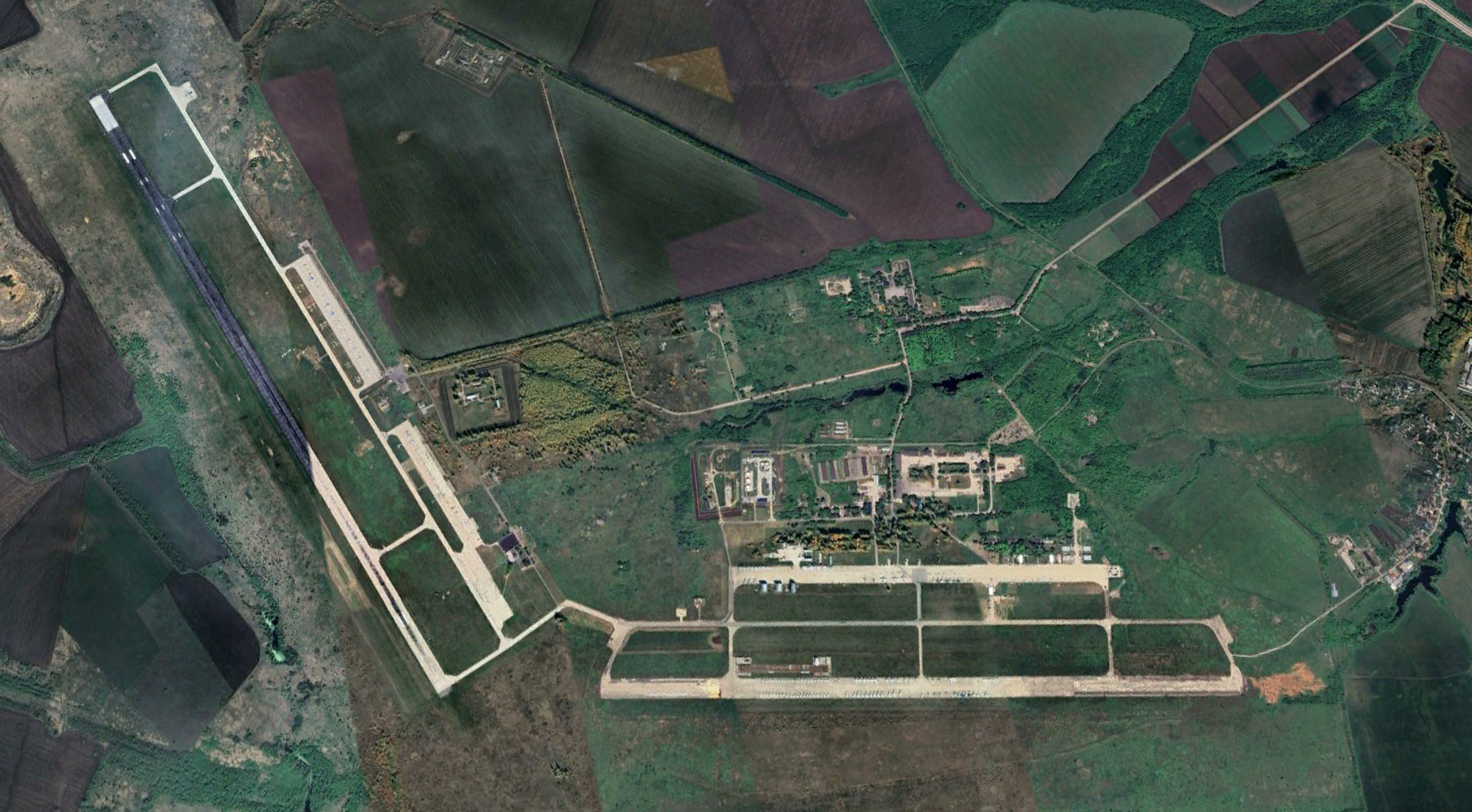
The 4th State Air Personnel Preparation and Military Evaluation Center at the base is tasked with conducting military evaluation of initial batches of new tactical combat aircraft, training pilots in the combat application of the aircraft, and developing air force tactics, which are then used by operational units.
At Lipetsk, the 4th Center is responsible for the 968th Research Instructor Composite Aviation Regiment (968 IISAP, in Russian), which receives the first batches of new tactical aircraft. The regiment was first to receive the Su-34 Fullback, in 2010, the Yak-130 Mitten, in 2013, the Su-30SM Flanker, in 2014, and the Su-35S Flanker, in 2019. It was to also the first to receive Su-57 Felon fighters, so that pilots could undergo theoretical training on the new type.
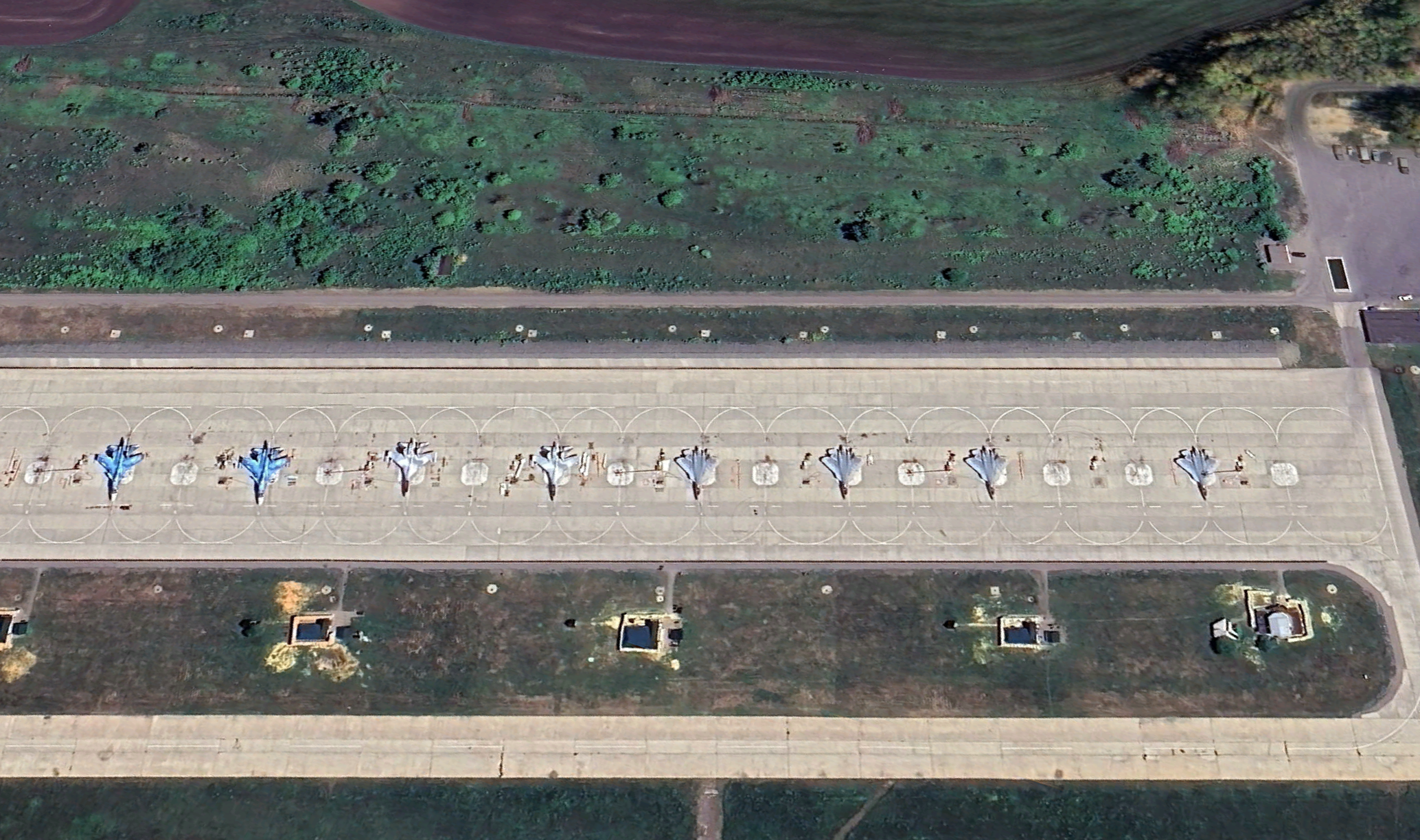
The regiment has squadrons of Sukhoi fighters (Su-27, Su-30SM, and Su-35S), tactical bombers (Su-24 Fencer and Su-34) and attack aircraft (Su-25 Frogfoot), as well as a detachment of An-26 Curl transport aircraft.
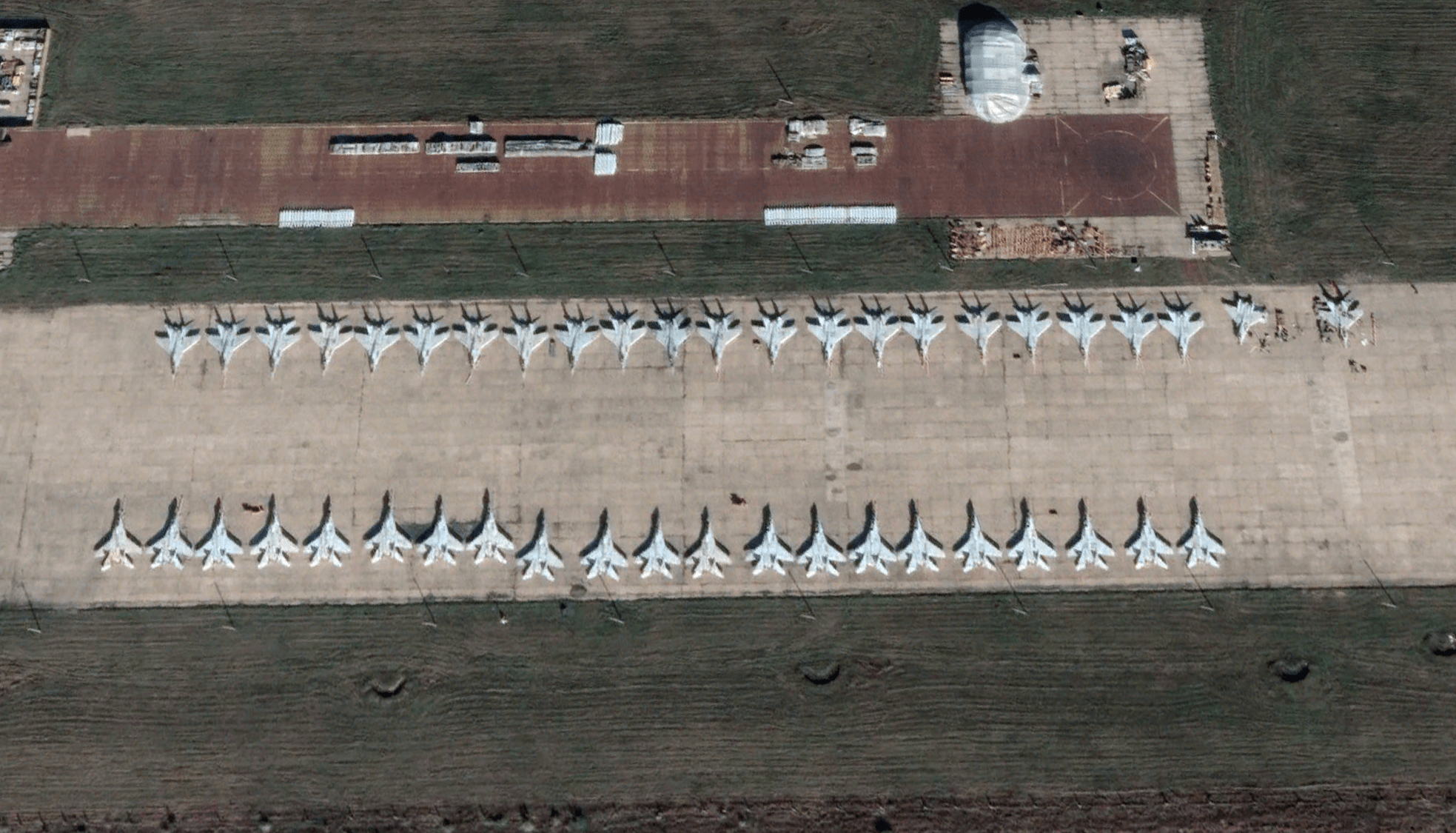
Lipetsk Air Base has two runways; the main runway is around 9,800 feet long, while the second, shorter runway has long been unused and is used for storage of several dozen MiG-29 Fulcrums, and smaller numbers of MiG-31 Foxhounds, and Su-27s.
The video evidence available suggests that at least the Su-30SM that was targeted was very much an active aircraft, based on its armament as well as its relative modernity.
There is also a strong suggestion that the aircraft targeted were part of the VKS effort to combat Ukrainian long-range one-way attack drones, including those headed toward Moscow.
Su-30SMs ‘Red 82’ and ‘Red 12’ belong to the 14th and 31st Fighter Aviation Regiments, not normally based at Lipetsk. The presence of these jets at the base, at least one of them armed with air-to-air missiles, would be consistent with a forward deployment for quick reaction alert (QRA) duties.
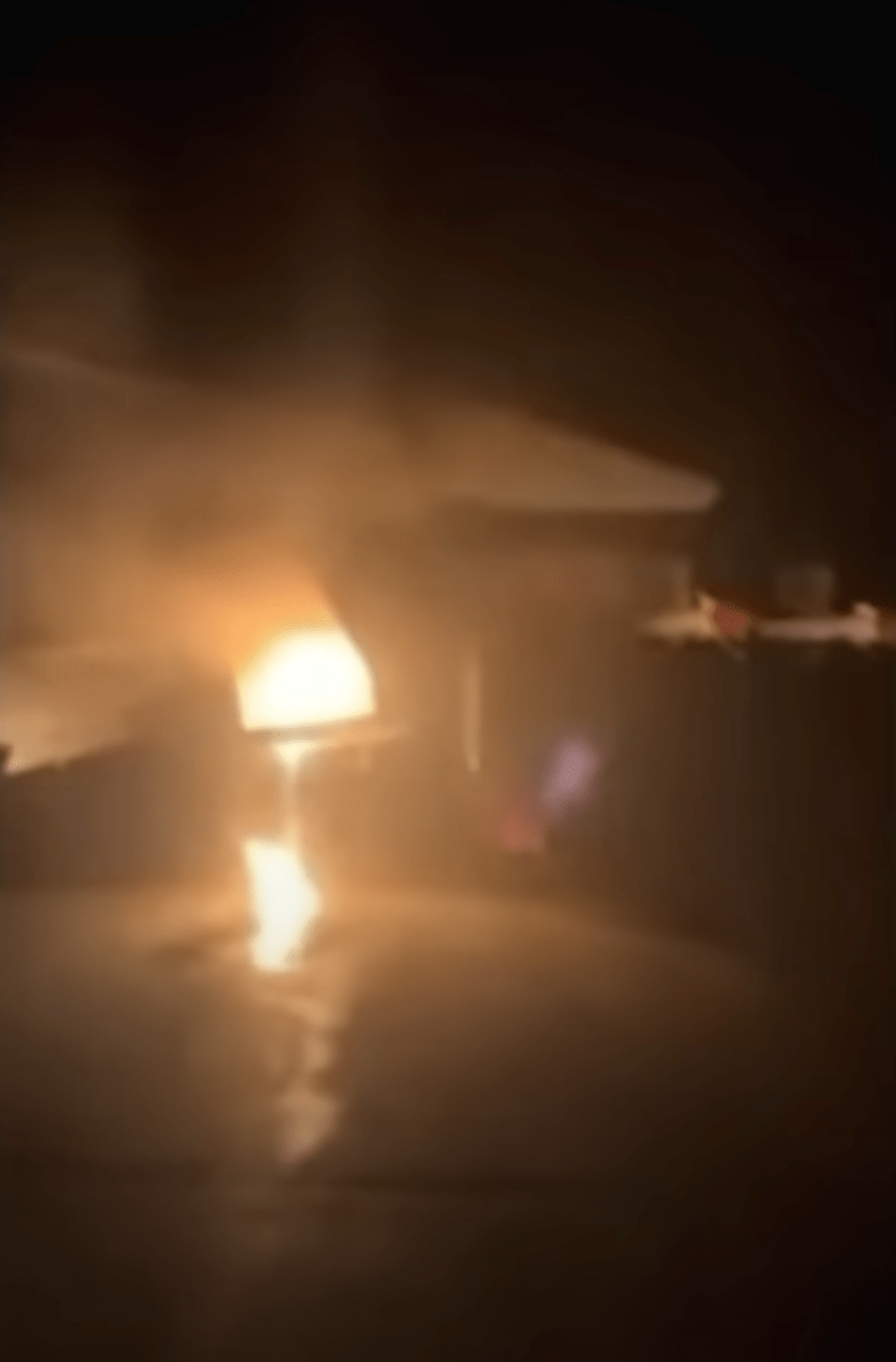
This would not be the first time that a Russian airbase has been targeted by pro-Ukrainian or Ukrainian saboteurs.
In the aftermath of reported explosions at Russian airbases in occupied Crimea, in the summer of 2022 — most dramatically, the blasts at Saki Air Base that left at least 10 jets seriously damaged or destroyed — there were reports citing Ukrainian officials claiming that a team, possibly made up of Ukrainian special operations forces, local partisans, or a mixture of both, had attacked the installations.
In October 2022, we reported on an apparent sabotage raid against a Russian airbase in the Pskov region, in the far west of the country. This was filmed by the operatives before they detonated explosives placed on attack helicopters at Ostrov Air Base. The explosions destroyed two Ka-52s and one Mi-28N, according to the Ukrainian defense intelligence service.
In May 2023, meanwhile, Russia’s Federal Security Service (FSB) confirmed a sabotage attack against a Russian strike or reconnaissance aircraft at an aircraft factory in Siberia. This was reportedly an arson attack, although it’s unclear if the aircraft in question was actually airworthy at the time.
In September 2023, there were reports that one of Russia’s most important airbases, Chkalovsky, located less than 20 miles from Moscow, was struck by saboteurs. In a statement on the raid, the GUR said that “unidentified saboteurs” were responsible for the attack on what it described as a “heavily guarded airfield,” which left three aircraft “badly damaged.”
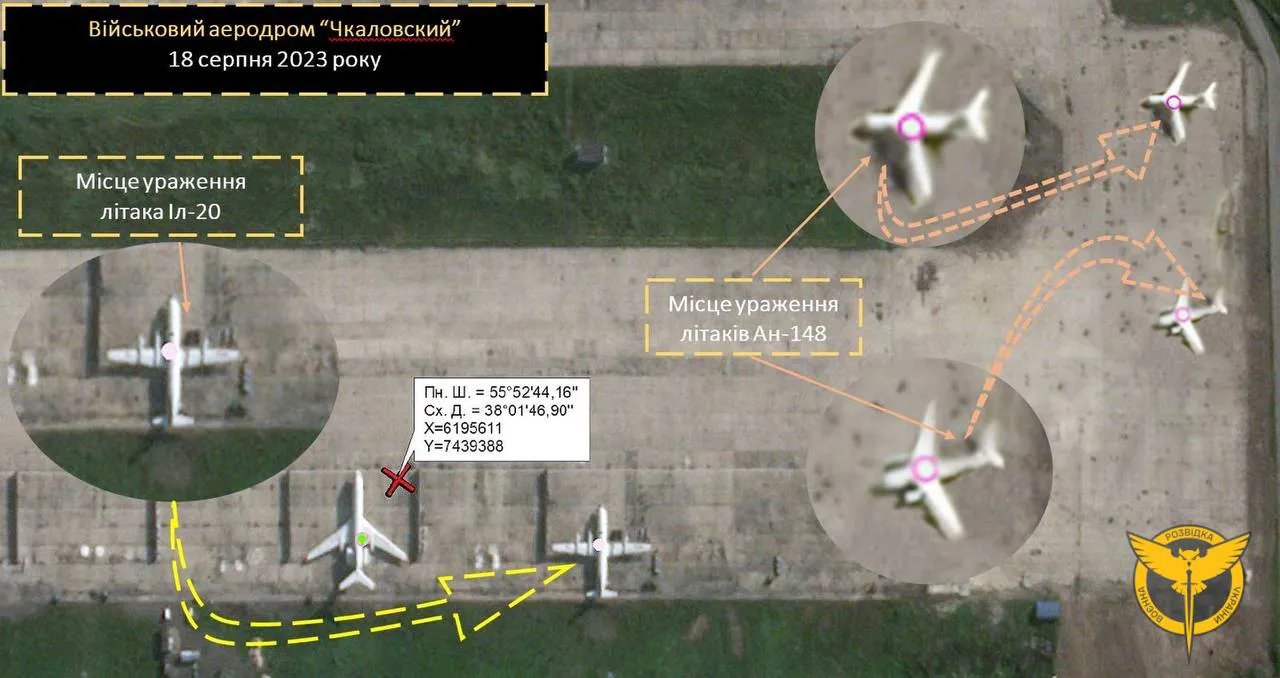
As we have noted in the past, the ability of saboteurs to penetrate frontline Russian airbases clearly points to major security loopholes.
On the other hand, even Russian airbases housing other strategic assets have been subject to incursions in the recent past, by apparent criminal elements, while other airfields have been penetrated by drunken soldiers in command of an armored vehicle, for example.
What remains far less clear, and something we are unlikely to learn more about for the foreseeable future, is how the Ukrainian military and intelligence services work or at least coordinate with partisans in Russia. We do know that Ukraine conducts extensive activities, including sabotage efforts, in areas of the country that Russia occupies, as well as inside Russia proper. Most prominent was this summer’s Operation Spiderweb, the large-scale Ukrainian drone strike against airbases across Russia yesterday, which you can read about in our coverage here. This used more than a hundred short-range drones that were launched from trucks against at least four bomber airfields.
In recent days, there have been other notable attacks on VKS aircraft by Ukrainian using drones, too.
As we reported last week, Belbek Air Base, a key Russian facility in occupied Crimea, was targeted by a Ukrainian drone strike on December 18, according to Ukraine. Authorities in Kyiv claim that drones hit a MiG-31BM, as well as elements of an S-400 air defense system.
The Security Service of Ukraine (SBU), the government’s main internal security agency, reported that the Belbek drone strike was carried out overnight by forces from its Special Group “Alpha.”
Just two days later, “Alpha” was reportedly responsible for another drone strike on Belbek. This time, the SBU said its operatives hit two Su-27s. Like the MiG-31, these were also parked out in the open.
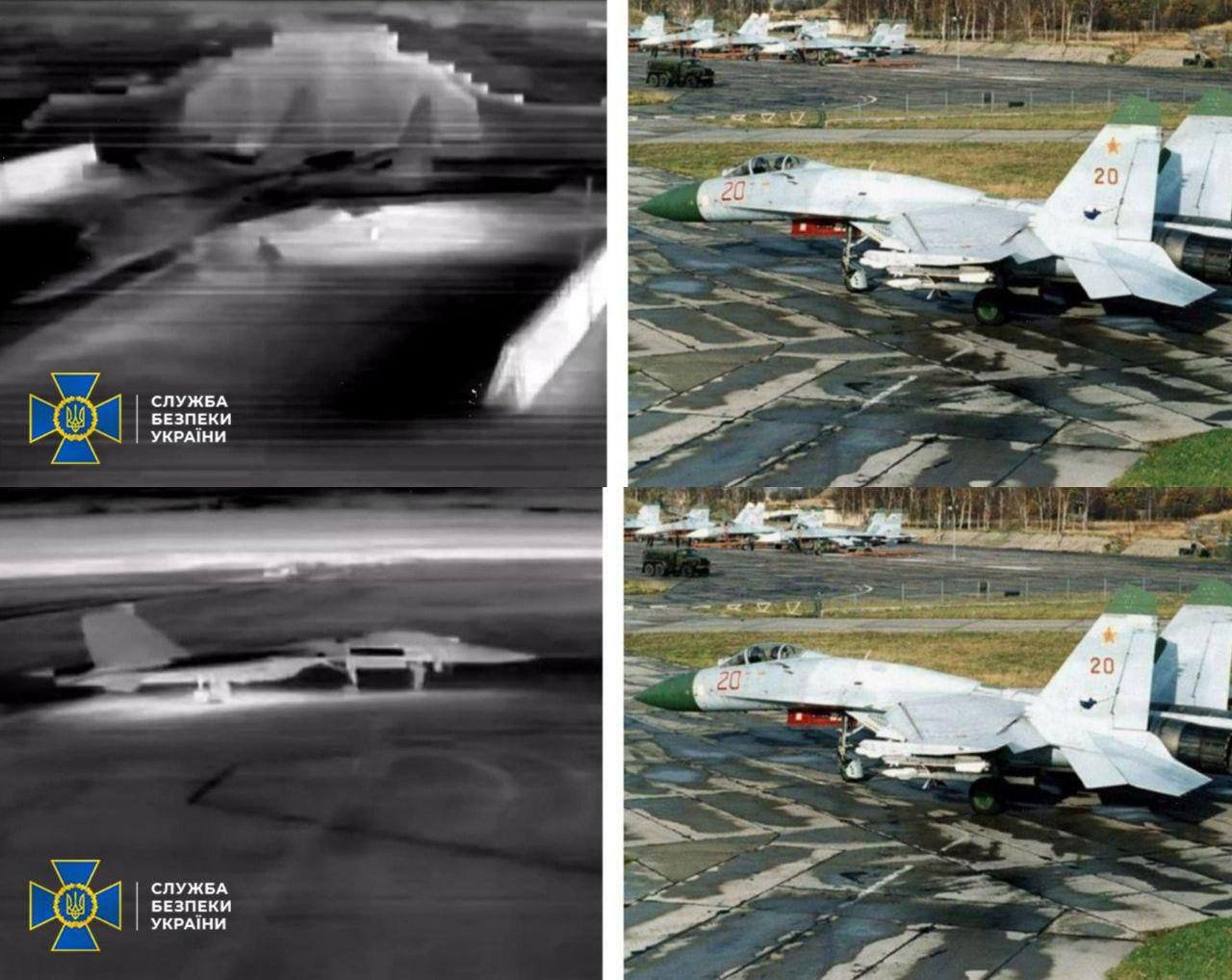
Whatever the results of the apparent partisan raid on Lipetsk, the operation once again highlights the fact that Russian military aircraft and other assets are not safe, even if relatively far from the Ukrainian battlefields, and that drones are by no means the only threat they face,
Contact the author: thomas@thewarzone.com