Syria's War

Syrian army, Kurdish-led SDF agree to stop deadly fighting in Aleppo | Syria’s War News

At least two people killed in clashes in northern city of Aleppo during Turkish FM Fidan’s visit to Syria.

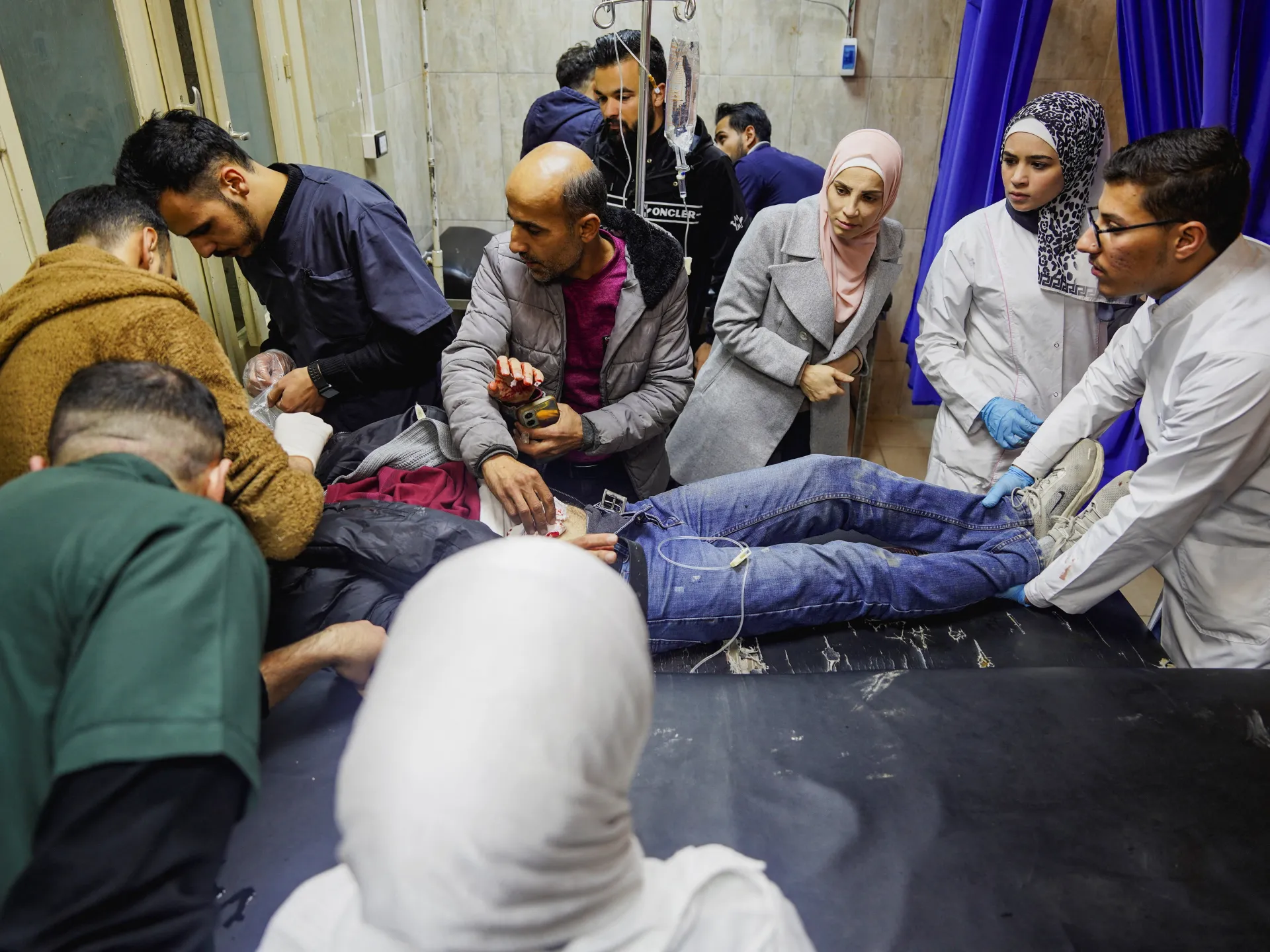
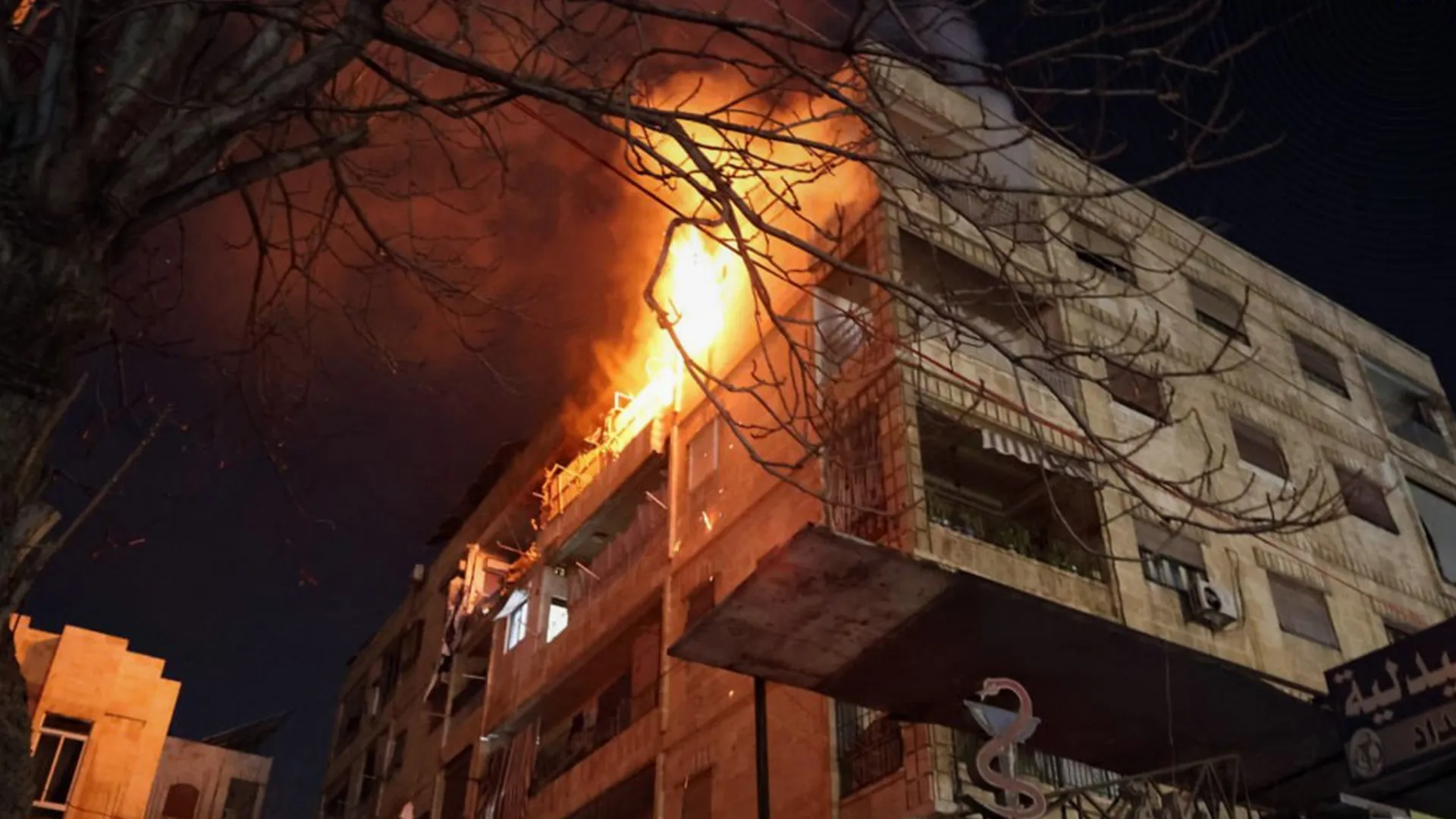
Syrian government forces and the Kurdish-led Syrian Democratic Forces agreed to stop fighting in the northern city of Aleppo, after a wave of attacks left at least two civilians dead.

Syria’s state news agency SANA cited the defence ministry as saying that the army’s general command issued an order to stop targeting the SDF’s fighters after the deadly clashes erupted during a visit by Turkish Foreign Minister Hakan Fidan.

Recommended Stories

list of 3 itemsend of list

Fidan, whose country views the SDF, which controls swathes of northeastern Syria, as a ‘terrorist’ organisation, said on Monday that the SDF appeared to have no intention of honouring its pledge to integrate into the state’s armed forces by an agreed year-end deadline.

Following the SANA report on Monday evening, the SDF said in a later statement that it had issued instructions to stop responding to attacks by Syrian government forces following de-escalation contacts.

More to follow.

Source link

Deadly clashes break out in Aleppo between Syrian army, Kurdish-led SDF | Syria’s War

NewsFeed

At least two people have been killed in clashes in Aleppo between Syrian government forces and the Kurdish-led Syrian Democratic Forces (SDF) that control the country’s northeast. Syrian President Ahmed al-Sharaa signed a deal in March with the SDF to integrate the group into the country’s state institutions by the end of this year.

Source link

Germany charges ex-Syrian prison guard over Assad-era abuses | Syria’s War News

Prosecutors accuse the official, named as Fahad A, of torturing dozens of prisoners in jail run by Syrian intelligence.

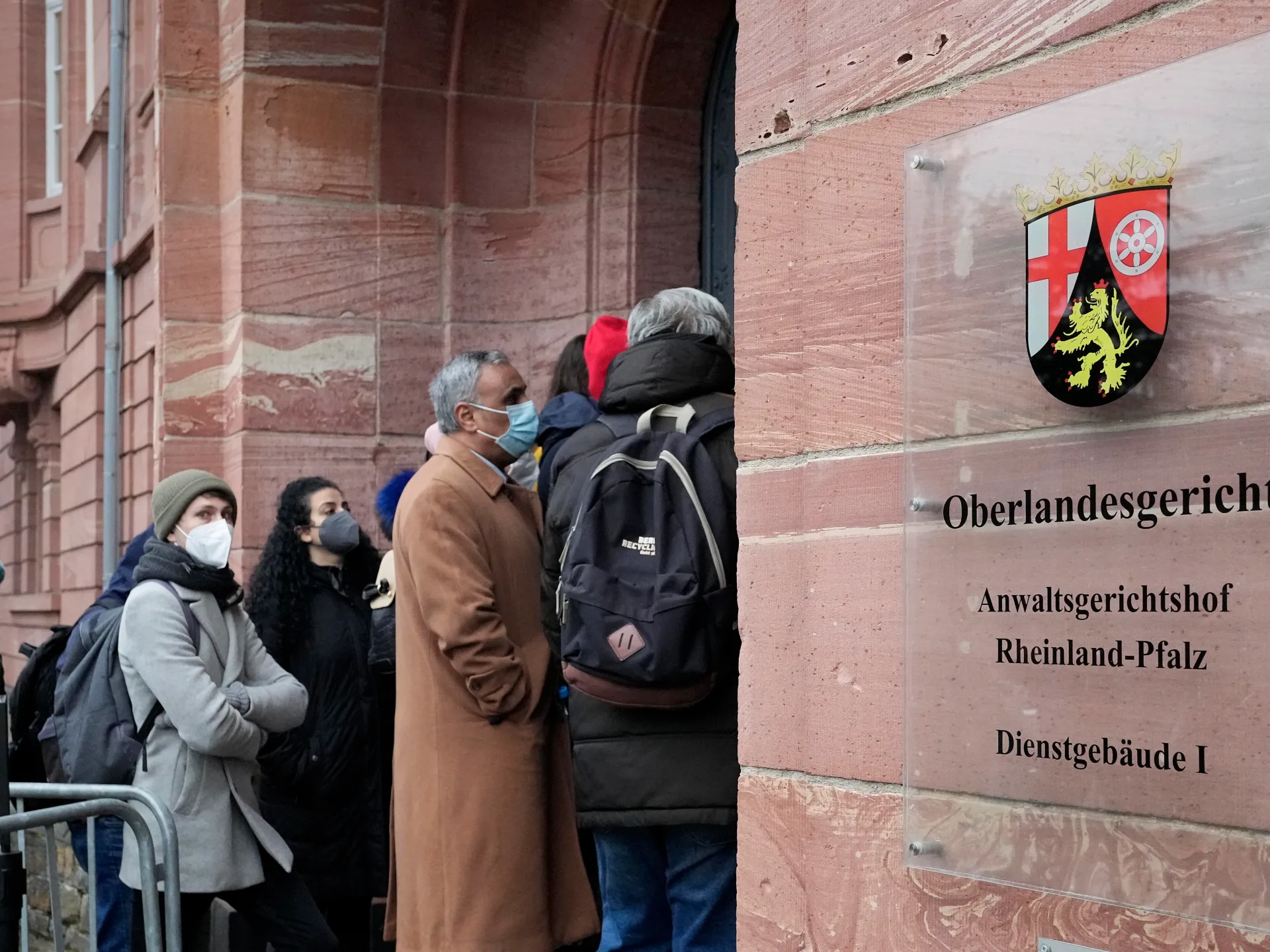
German prosecutors have charged a former Syrian security official with crimes against humanity, accusing him of torturing dozens of prisoners at a Damascus jail while ex-President Bashar al-Assad was in power.

Germany’s Federal Public Prosecutor General’s office announced the indictment on Monday, alleging the ex-prison guard, named only as Fahad A, took part in more than 100 interrogations between 2011 and 2012 in which prisoners were “subjected to severe physical abuse”.

Recommended Stories

list of 3 itemsend of list

The abuse included electric shocks, cable beatings, forced stress positions and suspensions from the ceiling, according to a statement by the prosecutor’s office.

“As ‌a result of such mistreatment and the catastrophic prison conditions, at least ‌70 prisoners died,” said the statement, noting the former guard is also charged with murder.

The official was arrested on May 27 and formally indicted on December 10.

He is being held in pre-trial detention, the German prosecutor’s office added.

Syrians have demanded justice for crimes committed under the decades-long rule of al-Assad, who was removed from power in December 2024 after a rapid rebel offensive.

The Assad regime, which was accused of mass human rights abuses, including the torture of detainees and enforced disappearances, fell after nearly 14 years of civil war.

Universal jurisdiction

In Germany, prosecutors have ⁠used universal jurisdiction laws to seek trials for suspects in crimes against humanity committed anywhere in the world.

Based on ‌these laws, several people suspected of war crimes during the Syrian conflict have been arrested in the last ‍few years in Germany, which is home to about one million Syrians.

In June, a court in Frankfurt handed a life sentence to a Syrian doctor convicted of carrying out acts of torture as part of al-Assad’s crackdown on dissent.

The doctor, Alaa Mousa, was accused of torturing patients at military hospitals in Damascus and Homs, where political prisoners were regularly brought for supposed treatment.

Witnesses described Mousa pouring flammable liquid on a prisoner’s wounds before setting them alight and kicking the man in the face, shattering his teeth. In another incident, the doctor was accused of injecting a detainee with a fatal substance for refusing to be beaten.

One former prisoner described the Damascus hospital where he was held as a “slaughterhouse”.

Presiding judge, Christoph Koller, said the verdict underscored the “brutality of Assad’s dictatorial, unjust regime”.

Source link

Syria’s government curbing once-booming Captagon industry: UN report | Drugs News

Authorities have shuttered drug factories that were cash pipeline for former ruler Bashar al-Assad, UN report.

Syria’s government has cracked down on the Captagon industry, which boomed under former longtime leader Bashar al-Assad, according to a United Nations report.

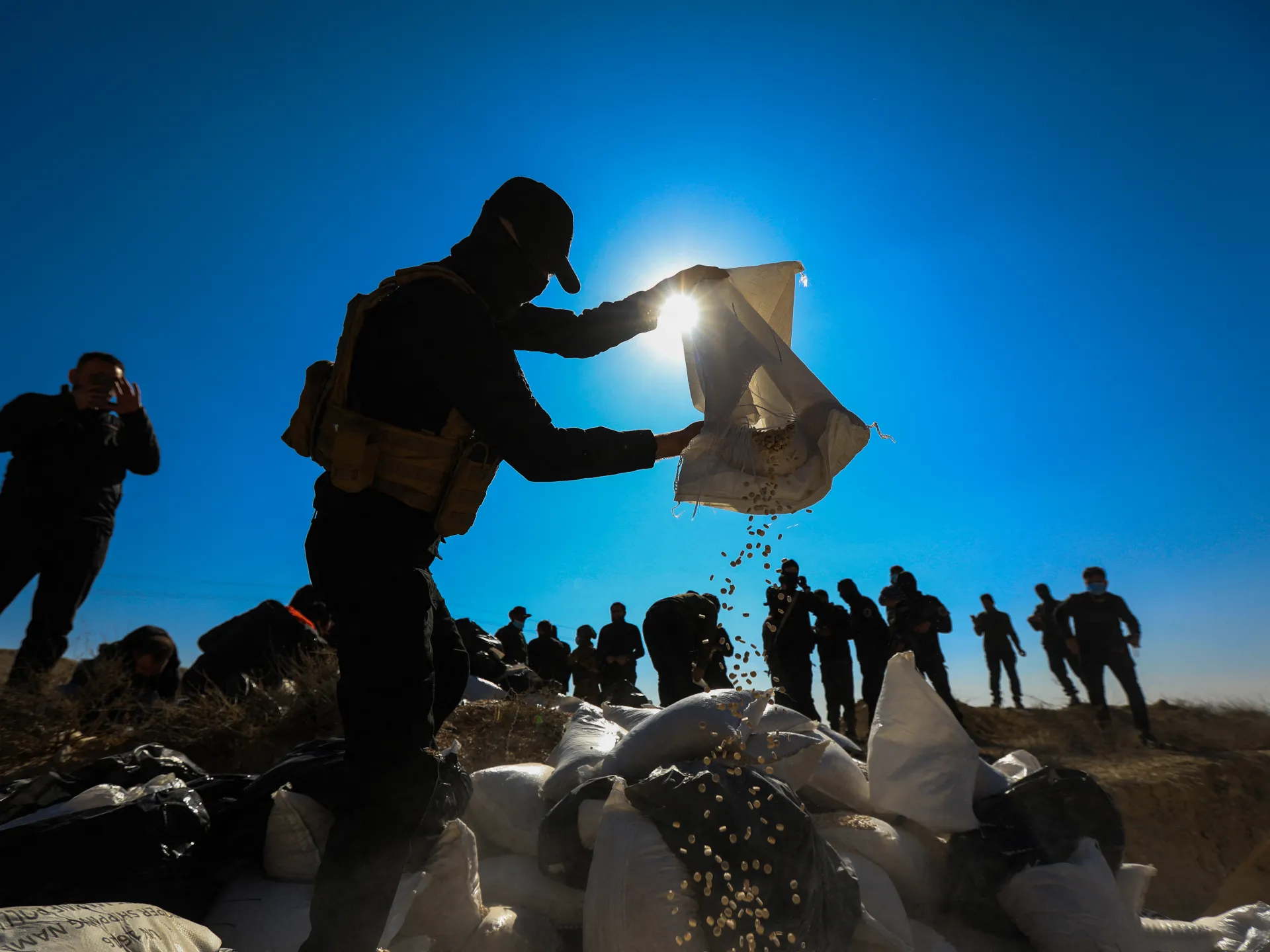
Since al-Assad’s ouster a year ago, Syria’s new authorities have dismantled a network of factories and storage sites, a research brief published on Monday by the UN Office on Drugs and Crime (UNODC) said.

Recommended Stories

list of 3 itemsend of list

For more than a decade, Syria produced most of the world’s Captagon, a highly addictive, amphetamine-like pill, bringing in billions of dollars for al-Assad’s government.

However, interim President Ahmed al-Sharaa has carried out a clampdown as he tries to legitimise his government and strengthen diplomatic ties globally.

Overall, 15 industrial-level laboratories and 13 storage sites have been shuttered, according to the UNODC report. The agency said the action has “drastically changed” the Captagon market across the region.

Syria’s role in the drug trade had previously drawn scrutiny from numerous Gulf states, where the pill is popular, including Saudi Arabia. It also helped to prompt Western sanctions.

‘Political will and international cooperation’

For years, the Captagon trade provided billions of dollars in profit for networks and individuals aligned with the former government “either within the leadership of the regime’s security apparatus, Syria’s commercial sector and business elite, and/or family members of Bashar al-Assad”, according to Caroline Rose, an expert on Syrian drug trafficking at the New Lines Institute think tank.

Maher al-Assad, Bashar’s brother and former commander of the army’s elite Fourth Division, was identified as a key player, profiting from protecting shipments through Latakia, a former al-Assad stronghold.

Despite the current Syrian government’s targeting of the industry, large seizures of the drug across the region suggest that significant stockpiles of the pills originating from Syria remain in circulation, the report noted.

Smaller-scale production is also likely continuing inside Syria and in neighbouring countries, the UNODC added, with Gulf countries still the top buyers of the drug.

The UN agency said the disruption of the Middle East’s Captagon industry shows that with “political will and international cooperation … even highly complex drug markets can be destabilised within a relatively short period of time”.

However, it warned that the shift risks pushing regional consumers towards new synthetic substances, like methamphetamine, which has recently grown in popularity.

“Without addressing the underlying demand for ‘Captagon,’ trafficking and use are likely to shift toward other substances, such as methamphetamine, with new routes and actors emerging to fill the gap,” it said.

Source link

Israel launches new raids in Syria’s Quneitra, establishes checkpoints | Conflict News

Syrian state television denounces the Israeli incursion as another violation of the nation’s sovereignty.

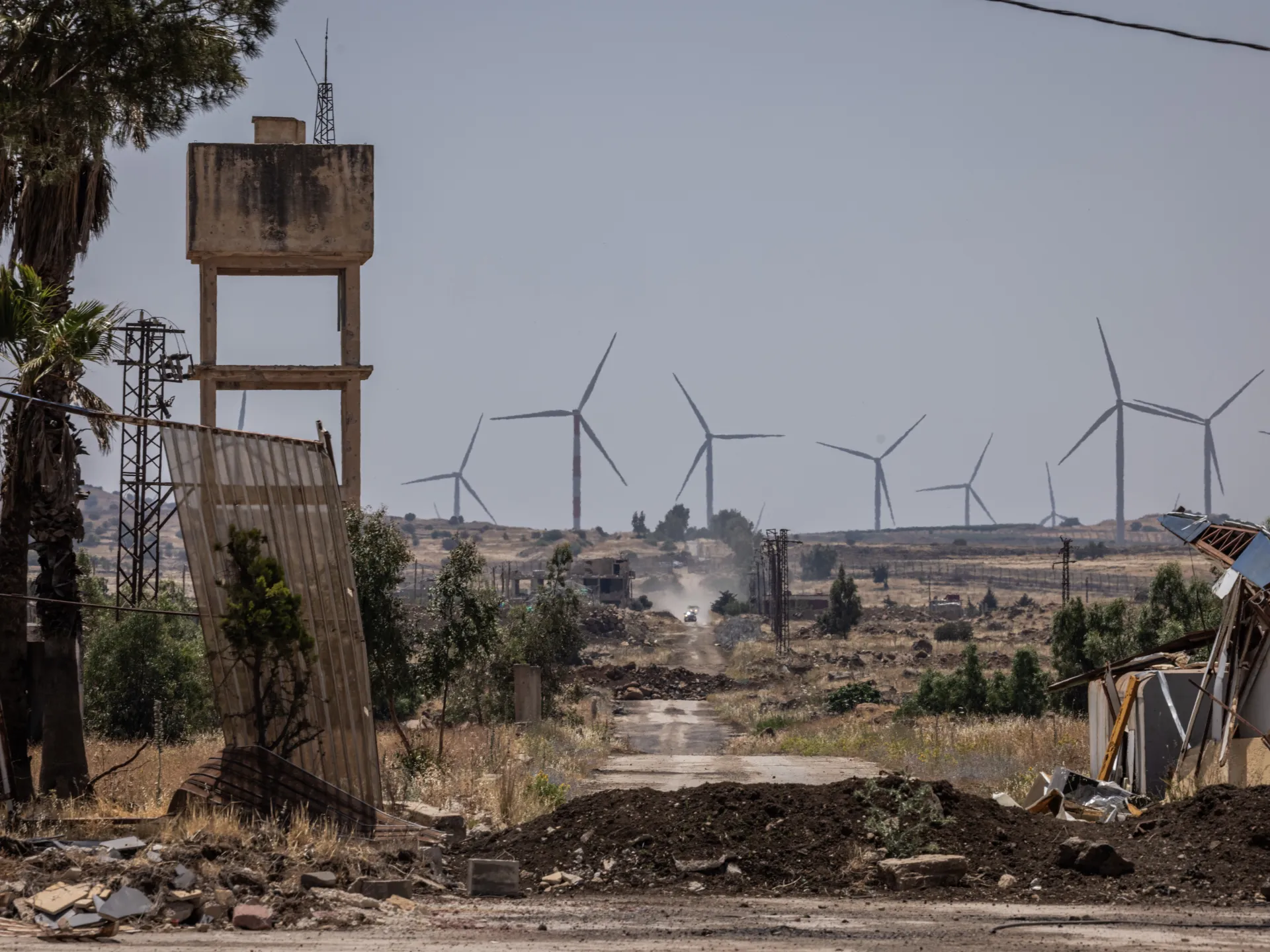
Israeli forces have advanced into the Quneitra area of Syria’s occupied Golan Heights and set up two military checkpoints, an Al Jazeera correspondent on the ground reports.

The Israeli military operation on Saturday took place in the villages of Ain Ziwan and al-Ajraf in the southern part of the country.

Recommended Stories

list of 4 itemsend of list

For months, Israeli forces have conducted near-daily incursions into southern Syria, particularly in the Quneitra governorate, carrying out arrests, erecting checkpoints, and bulldozing land, all of which have prompted growing public anger and unrest.

Syrian state television said the Israeli incursion was a violation of Syrian sovereignty, noting that the army used five military vehicles to set up the checkpoint in Ain Ziwan.

The latest raid comes one day after Israeli forces advanced towards the towns of al-Asha, Bir Ajam, Bariqa, Umm al-Azam and Ruwayhina in the southern Quneitra countryside, according to the Syrian News Agency (SANA).

Dozens of Syrians on Friday protested the Israeli incursion in the city of al-Salam in the Quneitra Governorate, condemning the ongoing Israeli attacks against citizens and their properties.

The demonstrators, part of a group called “Syrians with Palestine”, held banners denouncing what they stated were repeated Israeli violations of Syrian lands.

Despite a reduction in direct military threats, the Israeli army continues to carry out air raids that have caused civilian casualties and destroyed Syrian army sites and facilities.

Over the past year, Israel has launched more than 600 air, drone or artillery attacks across Syria, averaging nearly two attacks a day, according to a tally by the Armed Conflict Location and Event Data (ACLED).

Israeli military incursions have become more brazen, more frequent and more violent since Israel expanded its occupation of southern Syria following the ousting of President Bashar al-Assad in December 2024.

Disengagement accord

After al-Assad’s fall, Israel declared the 1974 Disengagement Agreement – brokered after the 1973 war, in which Syria failed to regain the occupied Golan Heights – void.

The agreement had established a UN-patrolled buffer zone, which Israel has since violated, advancing deeper into Syrian territory.

Citing al-Assad’s flight, Israel says the accord no longer applies, while carrying out air raids, ground incursions, reconnaissance flights; setting up checkpoints; and arresting or disappearing Syrians. Syria has not responded with attacks.

In September, Syrian President Ahmed al-Sharaa stated that Israel had conducted more than 1,000 air attacks and more than 400 ground incursions in Syria since al-Assad was overthrown, describing the actions as “very dangerous”.

Syrians believe that the continuation of these violations hinders efforts to restore stability in the region and undermines attempts to improve the economic situation in southern Syria.

Al Jazeera visited Quneitra in recent weeks and spoke to Syrians about Israeli incursions and abductions there, which have stoked fears.

Syria and Israel are currently in talks to reach an agreement that Damascus hopes will secure a halt to Israel’s air raids on its territory and the withdrawal of Israeli troops who have pushed into southern Syria.

In the background, the United States has been pushing diplomatic efforts to restore the 1974 deal.
Source link

How will US respond to the killing of three of its soldiers in Syria? | Syria’s War

Washington has blamed ISIL (ISIS) for the attack and promised retaliation.

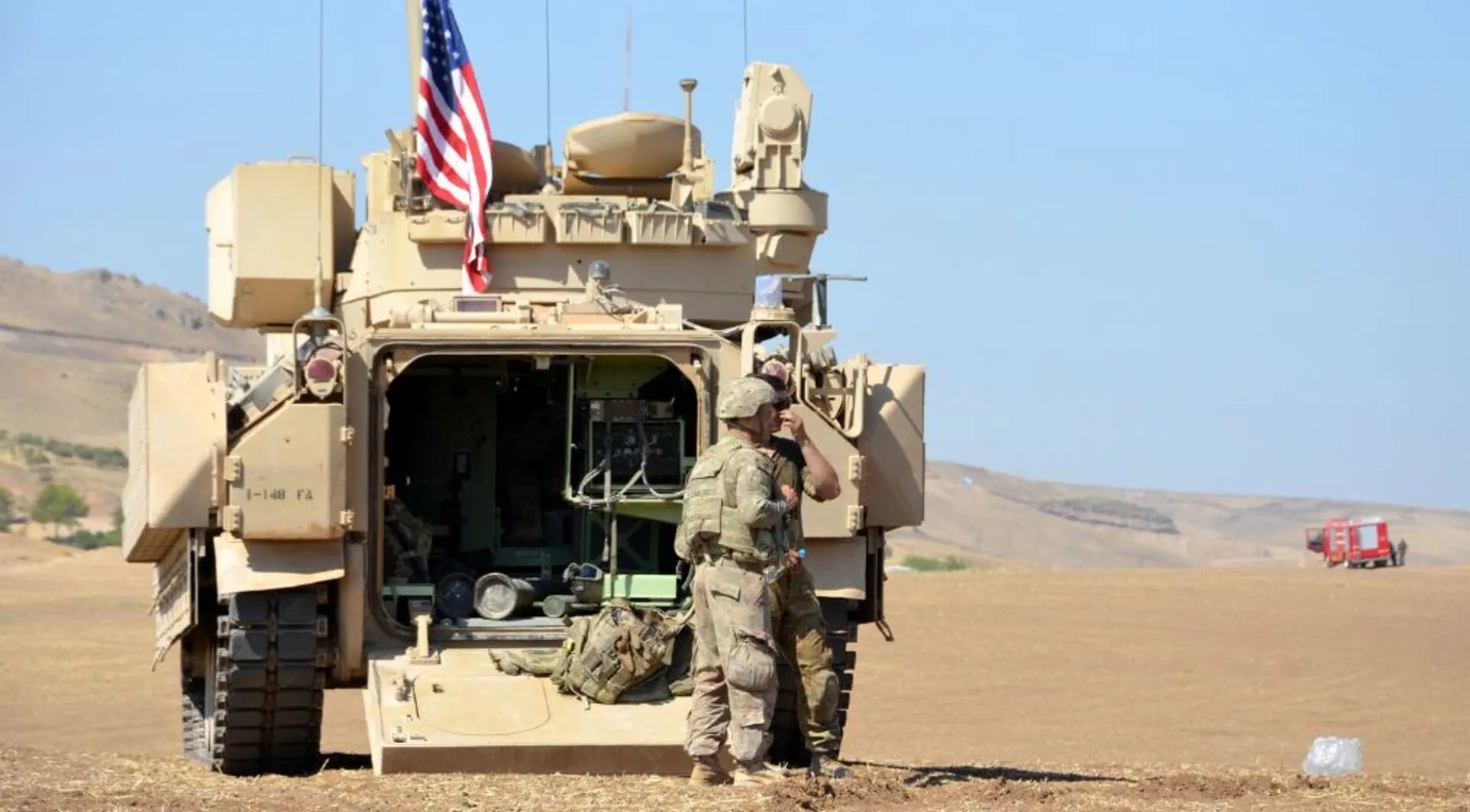
Three US soldiers have been killed in an attack in Syria’s central city of Palmyra.

It is the first known deadly attack on US forces since former Syrian President Bashar al-Assad was deposed last year. Washington has accused the ISIL (ISIS) group of carrying out the assault.

The government in Damascus has expanded its ties with Washington and joined a coalition to fight the ISIL group.

But how much of a security challenge is ISIL in Syria?

Will the US now reinforce its military presence? What risks could that pose?

Presenter: Dareen Abughaida

Guests:

Colin Clarke – executive director of The Soufan Center

Dareen Khalifa – senior adviser at the International Crisis Group

Orwa Ajjoub – PhD candidate in global politics, focusing on armed groups in Syria

Source link