NEWS

Stay informed and up-to-date with the latest news from around the world. Our comprehensive news coverage brings you the most relevant and impactful stories in politics, business, technology, entertainment, and more.

Aftermath Of Ukraine’s Underwater Drone Attack On Russian Submarine Seen In Satellite Imagery

Satellite imagery is now available showing the aftermath of a Ukrainian attack yesterday on a Russian Navy Improved Kilo class diesel-electric submarine in the Black Sea naval stronghold of Novorossiysk. The Security Service of Ukraine (SBU) claimed that this was the first attack against a Russian vessel using an uncrewed underwater vehicle (UUV). The operation could also mark the historic first successful use of a UUV as an anti-ship weapon, but the actual level of damage inflicted on the submarine remains unclear. Readers can first get up to date on the attack in our initial reporting here.

TWZ obtained satellite images of where the attack occurred in Novorossiysk from Vantor (formerly Maxar Technologies). Additional imagery from Planet Labs has also been circulating online.

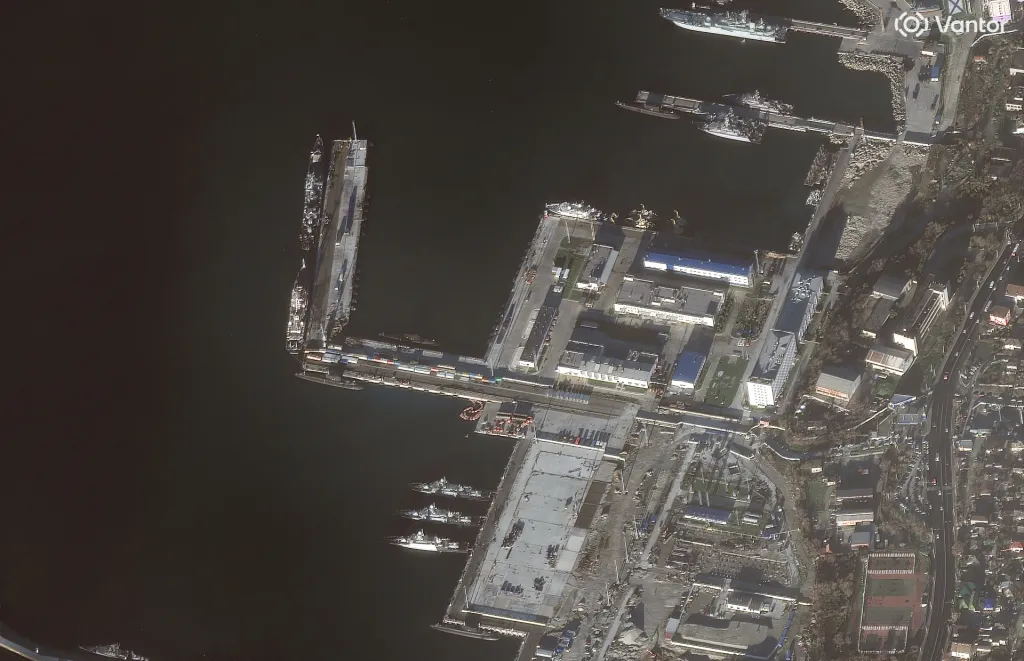
The satellite imagery confirms that the UUV — named by the SBU as a Sub Sea Baby, a previously unknown type — detonated off the stern of the submarine, which was at a pier in the port of Novorossiysk. A substantial chunk of the pier itself was destroyed in the attack. This all aligns with video footage shot during the attack from a position on the ground nearby, which the SBU released yesterday.

Satellite image from after the attack, with an overview of the targeted submarine, within the harbor, and another submarine moored outside of it. Other ships are also moored nearby. Satellite image ©2025 Vantor

The post-strike imagery shows that the Improved Kilo class submarine, also known as a Project 636.3 Varshavyanka class type, is in the same position as it was before the attack. Two other submarines that were moored nearby when the attack occured have moved. Other submarines and ships are still in the moorings, including on the outside edge of the damaged pier.

Some of the imagery available now suggests that the submarine that was attacked may now be sitting lower in the water, but that can’t be readily confirmed. Any damage below the waterline would also not be visible in the images. At the same time, there are also no clear signs of any emergency measures having been taken to keep it afloat, or to contain the leakage of oil or other potentially hazardous fluids, as one might expect to see if the damage was severe.

A closer view of the submarine targeted in the SBU’s attack and the surrounding areas, with the damage to the pier also clearly visible. Satellite image ©2025 Vantor
The same area seen before the attack, in an image from December 11, 2025. Satellite image ©2025 Vantor

Based on the estimated length of what is visible of the submarine, some observers have noted that the epicenter of the explosion looks to have been less than 65 feet from the stern. The size and configuration of the Sub Sea Baby’s warhead, as well as other details about the UUV and its capabilities, remain scant.

Satellite imagery shows the aftermath of a strike by a Sea Baby underwater drone against a submarine pier in the port of Novorossiysk.

According to the image, the strike occurred approximately 20 meters from the stern of a Project 636 Varshavyanka-class submarine, which remains… https://t.co/SVecegvkeD pic.twitter.com/fxOicR5AAW

— OSINTWarfare (@OSINTWarfare) December 16, 2025

To note, the stern section of Kilo-class submarine remains submerged so presumably it was even closer than 20 meters.

Highly probable that at least the propelled end got affected in a kinetic way.

(satellite imagery I’ve used is not recent and used for illustration purposes… https://t.co/fwO0UldAZs pic.twitter.com/qxNHs2AEQf

— Status-6 (Military & Conflict News) (@Archer83Able) December 16, 2025

It’s also worth noting that wider views of the port of Novorossiysk following the attack show four Project 636 submarines still present. There is nothing definitive to indicate that the targeted boat might have been replaced by another to conceal the extent of the damage.

Satellite reveals that four Kilo-class submarines are docked at the Novorossisk port in Russia. One of them appears to have a slightly different waterline compared to the other three. Ukraine claimed that its underwater UV launched an attack on the area via Mizarvision #OSINT pic.twitter.com/k1DLtOcloL

— GEOINT (@lobsterlarryliu) December 16, 2025

For its part, the Russian Ministry of Defense had unsurprisingly denied that any damage was inflicted on the submarine or to any personnel at the port. The ministry has released a video that it claims shows the undamaged boat, but does not offer a view of the stern end. The background is also heavily censored. Even so, it does still reveal what looks like piles of broken concrete debris left on the pier after the explosion, which was clearly visible in the SBU’s video of the attack, as well as in the satellite imagery available now.

The press service of the Russian Black Sea Fleet, which operates the submarine, also denies any damage to its vessels. This is also consistent with reports from various Russian naval monitoring channels on social media, but clear corroborating evidence has yet to emerge.

Overall, at this stage, we still cannot say with any authority what degree of damage, if any, the submarine may have actually sustained.

On the other hand, the attack does show Ukraine was at least able to slip a UUV into a heavily defended harbor, in daylight, and detonate its warhead only a few dozen or so feet away from a prized Russian submarine worth, according to the SBU, around $400 million.

At least one Ukrainian UUV was therefore notably able to penetrate past barriers erected at the mouth of the port, intended specifically to protect the vessels within. It’s worth noting, however, that the defensive barriers Russia has already built around ports were primarily put there in response to Ukraine’s uncrewed surface vessel (USV) campaign. This underscores the significance of the use of a UUV in this attack, as another example of the steady adaptation of weapons systems and tactics in response to countermeasures that has become a particular hallmark of the conflict in Ukraine.

Barriers at the entrance to the Novorossiysk naval base, seen after the attack. Satellite image ©2025 Vantor
The same area, seen before the attack, on December 11, 2025. Satellite image ©2025 Vantor

With that in mind, Russia is likely to introduce new countermeasures against this particular mode of attack, one which Ukraine has spent some time developing.

The results of yesterday’s attack, while inconclusive for now, will likely spur further such developments in Ukraine, as well. Before SBU targeted the submarine in Novorossiysk, Ukraine had unveiled a UUV dubbed Marichka, designed to launch kamikaze attacks against ships and maritime infrastructure. At least one other Ukrainian UUV, known as Toloka, has previously been disclosed. It’s unclear if either of these has any relationship to the Sub Sea Baby.

Video of the Toloka UUV:

Автономний підводний дрон TOLOKA


Furthermore, the attack confirms that the Black Sea Fleet is very much still a prime target for Ukraine. This applies especially to the submarines like the Project 636 types and corvettes that are able to launch Kalibr long-range cruise missiles. These weapons have been regularly used in Russia’s nightly barrages launched against targets across Ukraine.

Already, Ukrainian naval actions had forced the Black Sea Fleet to retreat from bases on the occupied Crimean Peninsula to Novorossiysk. Attacks in Crimea were also prosecuted against another Improved Kilo class submarine. In September 2023, the Rostov-on-Don was severely damaged during a combined missile and USV attack on Sevastopol. Ukraine later claimed it was destroyed.

Photo showing damage to the Improved Kilo class submarine at Sevastopol, apparently first published by the Conflict Intelligence Team. CIT via X

At the start of Russia’s full-scale invasion of Ukraine, the Black Sea Fleet had a total of six Project 636 submarines available.

Other navies around the world will likely have watched yesterday’s attack with interest.

As well as the United StatesChina and many other nations are developing their own UUVs for missions like this one.

UUVs are able to attack vessels and other targets at long distances and can be launched from submarines and motherships, further extending their range. They can also be used for surveillance and mine laying, among other duties. You can read more about these vessels in various TWZ stories here.

Ultimately, whether or not the Russian submarine was damaged, the attack has demonstrated once again that the war in Ukraine is a crucible for the development of new military technologies, especially uncrewed ones.

Contact the author: thomas@thewarzone.com

Thomas is a defense writer and editor with over 20 years of experience covering military aerospace topics and conflicts. He’s written a number of books, edited many more, and has contributed to many of the world’s leading aviation publications. Before joining The War Zone in 2020, he was the editor of AirForces Monthly.


Joseph has been a member of The War Zone team since early 2017. Prior to that, he was an Associate Editor at War Is Boring, and his byline has appeared in other publications, including Small Arms Review, Small Arms Defense Journal, Reuters, We Are the Mighty, and Task & Purpose.


Source link

Exploring Technology, Mind, and Health with Global Academy

The Technology Mind Health half-day summit, hosted by the Global Academy for Future Governance (GAFG) and its partners, brought together interdisciplinary leaders, researchers, and thinkers to explore the intersection of digital technologies and human psychological well-being. Reflecting the Academy’s foundational mission to enhance the development of governments, businesses, academia, civil society, and consumers through ethical and human-centered deployment of technology, the event underscored that technological progress, when governed thoughtfully, can strengthen individual and collective mental health rather than undermine it.

What made this event truly unparalleled on a global scale was its extraordinary diversity, uniting every geography and every generation under the Global Academy’s platform. No other gathering brings together both the developing and the developed world in such a format—not only in its audience but also among its speakers.

The summit indeed offered a genuinely equal platform across continents and age groups: from seasoned experts and leading professionals to the youngest participant, just 11 years old. All stood side by side, engaged in a shared mission to confront one of the most urgent issues of our time, the relationship between technology, mind, and health, and to collectively explore the challenges and chart future pathways.

Or, as the Development-8 Secretary-General, Isiaka A. Imam, urged previously, the emerging digital world must be co-written by all nations, not inherited by a few. These are words that were further detailed by Charles Oppenheimer, who warned that AI is a new primordial fire, powerful enough to uplift humanity or to undo it. 

Mission and Framing

Founded to advance the ‘3M’ matrix (maximum good for maximum species over maximum time), mindful, measurable, and mutually beneficial technological integration across sectors, the Global Academy for Future Governance promotes sustainable progress free of hidden social, environmental, and health costs. Its interdisciplinary, multispatial, cross-sector mandate aligns with pressing global needs to distinguish substantive technological challenges from hype and to strengthen frameworks that enable early identification and mitigation of risks.

The Technology Mind Health summit of early December 2025 opened with a warm introduction delivered by Dr. Philippe Reinisch, GAFG co‑founder. He highlighted this gathering as the inaugural event for the newly created GAFG and emphasized the importance of bridging technology and society with human enhancement, including human mental wellness.

Acting as the GAFG host, Jesinta Adams, Assistant Director-General of GAFG, spoke passionately about the central role different generations play at the intersection of technology and mind health. 

Voices from Leadership and Thought

The event began with a prerecorded (unauthorized) address by Dr. Khaled El‑Enany Ezz, a candidate for UNESCO Secretary‑General. This powerful note reflected on humanity’s current crossroads amid rapid technological change, underscoring rising challenges related to health, wealth inequality, and psychological well‑being. He emphasized education as the essential tool for guiding technological deployment with wisdom, extending beyond technical mastery into cultural and ethical literacy. His message was clear: “Use technology as a tool rather than a master.”

Following this, Vladimir Norov, former Foreign Minister of Uzbekistan and former Secretary‑General of the Shanghai Cooperation Organisation, addressed the Summit. He drew attention to expanding societal risks, including threats to mental health, social cohesion, privacy, and equitable access, but urged attendees to consider the transformative potential of AI when governed ethically. Highlighting examples from medical innovation in Central Asia, Norov stressed three core principles for beneficial technological integration: human‑centered design, ethical governance, and resilience building. He concluded, “Technology does not replace us but elevates us.” 

Expert Contributions on Mind, Health, and Technology

Closing on the high level, the keynote addresses and the substantive section as the central part of the Summit have started with Dr. KaT Zarychta, a specialist in technology, innovation, and holistic health. She opened by comparing artificial intelligence to the human mind, reminding audiences that AI cannot feel, empathize, or emotionally self‑correct. She argued that the most effective path forward lies in human‑AI collaboration, where evidence‑based digital tools support rather than supplant human capacities. Dr. Zarychta closed with a call to co‑create a world where psychological well‑being is nurtured and protected in tandem with technological innovation.

As the next speaker, Marisa Peer, RTT founder and bestselling author, focused on the role of social media as a source of disconnection and psychological distress. She highlighted the platforms’ addictive dynamics and their proliferation of unrealistic ideals that fuel dissatisfaction and self‑doubt. She urged reimagining digital spaces as tools for learning, growth, and mental enrichment—enabling technology to expand, not contract, human potential.

Prof. John A. Naslund, co‑director of the Mental Health for All Lab at Harvard Medical School, addressed the global mental health crisis, particularly rising depression rates. He introduced the EMPOWER Model, a psychosocial behavioral intervention framework emphasizing community‑based support and scalable delivery. Naslund highlighted the model’s adaptability, from teenagers to adults, and its multilingual expansion, demonstrating how evidence‑driven designs can strengthen resilience across populations.

Dr. Malek Bajbouj, Head of Psychiatry and Psychotherapy at Charité Berlin, examined psychological health in contexts of conflict, pandemics, and ecological anxiety. He described the accelerating demand for mental health support and positioned trustworthy digital tools as essential if governed ethically. According to Dr. Bajbouj, resilient mental health systems rest on population‑wide strategies, transparent communication, and sustained trust in public institutions.

From Uruguay, Professor María Castelló of the Clemente Estable Research Institute investigated neurological and psychological effects of prolonged technology use, especially in youth. She highlighted concerns about brain development, anxiety, depression, and unhealthy digital habits. Yet Castelló also acknowledged potential cognitive benefits, such as enhanced memory, behavioral functioning, and multitasking skills. Her call to action called for policies that address digital inequities and mental health from a neuro‑social perspective rather than one‑size‑fits‑all approaches. 

In her part, Prof. Birgitta Dresp-Langley identified excessive childhood exposure to digital environments as a central factor underlying a range of growing health concerns. Prolonged screen time indoors reduces children’s exposure to natural daylight, which is essential for healthy visual development, sleep regulation, and metabolic balance. This deficit is linked to increasing rates of early myopia, obesity, sleep disorders, depression, and behavioral difficulties, with risks emerging even in very young children.

French professor Dresp-Langley proposes a unifying biological model in which reduced daylight and increased artificial light disrupt vitamin D and melatonin production, leading to deregulation of serotonin and dopamine pathways in the developing brain. These neurochemical changes resemble those seen in addictive disorders and may result in long-term cognitive, emotional, and behavioral consequences. She concluded her detailed writing contribution to the Summit by concluding that urgent awareness, preventive policies, and increased outdoor activity are needed to mitigate these risks.

Youth Engagement and Future Directions

The event culminated with the announcement of winners from the Technology Mind Health Essay Competition, led by Theodora Vounidi (Balkan Youth Initiative founder). Contestants (aged 14-18 and 18-28) discussed the correlation between digital technology and mental health and the need for balance between analog and digital time, as well as the newly formed ‘always online’ (sub-)culture.

With 40 global submissions comprising about 60 writers, as some elected to work in teams, including from the youngest entrant at age 11 (demoiselle Tess), the competition highlighted both the breadth of youth engagement and the global relevance of the human technology dialogue.

First place was awarded to Nikos Galitsis from Greece, second place to Claudio Monani from Italy, and third place was awarded to Kenedy Agustin from the Philippines, while fourth place was secured by a participant from India. Fifth place was awarded to the youngest entrant from Singapore. The top three winners of the competition were given the opportunity to present their work, offering insightful perspectives on the emerging intersection of technology and mental health. 

Main takeaways & future outlook

The Technology Mind Health summit highlighted a crucial truth—as encapsulated in the closing remarks by Prof. Anis H. Bajrektarevic, GAFG cofounder, “technological advancement is inevitable, but its impact on humanity is not predetermined—it depends on the collective choices we make.”

Across sessions, speakers emphasized that technology can either be a catalyst for psychological well-being or a source of disruption, depending on how it is designed, governed, and integrated into society. Ethical frameworks, evidence-based policies, and human-centered governance are essential to ensure that digital tools empower rather than diminish individual and collective mental health.

Equally important is the role of education, intergenerational dialogue, and global collaboration. As the GAFG summit demonstrated, solutions require insights from every sector, culture, and age group—from seasoned professionals to the youngest participants. By fostering awareness of risks such as digital overexposure, social media-induced stress, and inequitable access, while simultaneously encouraging innovative approaches for mental wellness, society can navigate the technological landscape thoughtfully.

Ultimately, the responsibility to shape a future where technology enhances rather than undermines human flourishing lies with all stakeholders—governments, academia, civil society, businesses, and individuals alike.

By successfully conducting such a complex and content-rich event, the GAFG demonstrated its true capability to provide flexible, impartial, and highly engaging solutions for the FAST technology to both the public and private sectors.

In recognition of the summit’s success and the youth essay competition’s impact, the Global Academy for Future Governance (GAFG) has decided to annualize both the Technology-Mind-Health Summit and the essay competition (with its BYI partner), ensuring ongoing dialogue and engagement at the intersection of technology, meridians, generations, and mental well-being.

Source link

Activists decry state of Tunisia’s democracy, 15 years after Arab Spring | Arab Spring

NewsFeed

The Arab Spring began in Tunisia 15 years ago, after Mohamed Bouazizi set fire to himself triggering unrest which toppled the dictator and sparked hopes for freedom. Relatives of political prisoners say President Kais Saied has pushed the country back into authoritarianism.

Source link

False spring: The end of Tunisia’s revolutionary hopes? | Arab Spring News

Fifteen years ago, a Tunisian fruit seller, Mohamed Bouazizi, despairing at official corruption and police violence, walked to the centre of his hometown of Sidi Bouzid, set himself on fire, and changed the region forever.

Much of the hope triggered by that act lies in ruins. The revolutions that followed in Tunisia, Libya, Egypt and Syria have cost the lives of tens and thousands before, in some cases, giving way to chaos or the return of authoritarianism.

Recommended Stories

list of 4 itemsend of list

Only Tunisia appeared to fulfil the promise of the “Arab Spring”, with voices from around the world championing its democratic success, ignoring economic and political failings through much of its post-revolutionary history that stirred discontent.

Today, many of Tunisia’s post-revolutionary gains have been cast aside in the wake of President Kais Saied’s dramatic power grab in July 2021. Labelled a coup by his opponents, it ushered in a new hardline rule in Tunisia.

Burying the hopes of the revolution

Over the following years, as well as temporarily shuttering parliament – only reopening it in March 2023 – Saied has rewritten the constitution and overseen a relentless crackdown on critics and opponents.

“They essentially came for everyone; judges, civil society members, people from all political backgrounds, especially the ones that were talking about unifying an opposition against the coup regime,” Kaouther Ferjani, whose father, 71-year-old Ennahdha leader Said Ferjani, was arrested in February 2023.

In September, Saied said his measures were a continuation of the revolution triggered by Bouzazzi’s self-immolation. Painting himself a man of the people, he railed against nameless “lobbyists and their supporters” who thwart the people’s ambitions.

However, while many Tunisians have been cowed into silence by Saied’s crackdown, they have also refused to take part in elections, now little more than a procession for the president.

In 2014, during the country’s first post-revolution presidential election, about 61 percent of the country’s voters turned out to vote.

By last year’s election, turnout had halved.

“Kais Saied’s authoritarian rule has definitively buried the hopes and aspirations of the 2011 revolution by systematically crushing fundamental rights and freedoms and putting democratic institutions under his thumb,” Bassam Khawaja, deputy director at Human Rights Watch, told Al Jazeera English.

In the wake of the revolution, many across Tunisia became activists, seeking to involve themselves in forging what felt like a new national identity.

The number of civil society organisations exploded, with thousands forming to lobby against corruption or promote human rights, transitional justice, press freedom and women’s rights.

At the same time, political shows competed for space, debating the direction the country’s new identity would take.

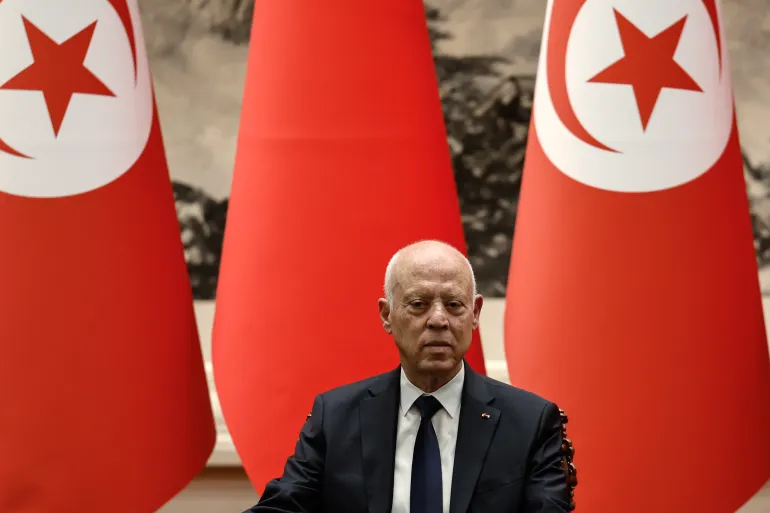
BEIJING, CHINA - MAY 31: Tunisian President Kais Saied attends a signing ceremony with Chinese President Xi Jinping (not pictured) at the Great Hall of the People on May 31, 2024 in Beijing, China. (Photo by Tingshu Wang - Pool/Getty Images)
Tunisian President Saied attends a ceremony with President Xi Jinping in China [ingshu Wang/Getty Images]

“It was an amazing time,” a political analyst who witnessed the revolution and remains in Tunisia said, asking to remain anonymous. “Anybody with anything to say was saying it.

“Almost overnight, we had hundreds of political parties and thousands of civil society organisations. Many of the political parties shifted or merged… but Tunisia retained an active civil society, as well as retaining freedom of speech all the way up to 2022.”

Threatened by Saied’s Decree 54 of 2022, which criminalised any electronic communication deemed by the government as false, criticism of the ruling elite within the media and even on social networks has largely been muzzled.

“Freedom of speech was one of the few lasting benefits of the revolution,” the analyst continued.

“The economy failed to pick up, services didn’t really improve, but we had debate and freedom of speech. Now, with Decree 54, as well as commentators just being arrested for whatever reason, it’s gone.”

In 2025, both Amnesty International and Human Rights Watch slammed Tunisia’s crackdown on activists and nongovernmental organisations (NGOs).

In a statement before the prosecution of six NGO workers and human rights defenders working for the Tunisian Council for Refugees in late November, Amnesty pointed to the 14 Tunisian and international NGOs that had their activities suspended by court order over the previous four months.

Included were the Tunisian Association of Democratic Women, the Tunisian Forum for Social and Economic Rights, the media platform Nawaat and the Tunis branch of the World Organisation against Torture.

‘Plotting against state security’

Dozens of political figures from post-revolution governments have also been arrested, with little concern for party affiliation or ideology.

In April 2023, 84-year-old Rached Ghannouchi, leader of what had been Tunisia’s main political bloc, the Ennahdha Party, was arrested on charges of “plotting against state security”.

According to his daughter, Yusra, after a series of subsequent convictions, Ghannouchi currently faces a further 42 years in jail.

Later the same year, Ghannouchi’s principal critic, Abir Moussi, the leader of the Free Destourian Party, was jailed on a variety of charges.

Critics dismiss the charges, saying the criteria for arrest have been the person’s potential to rally opinion against Saied.

“This is not just the case for my father,” Yusra continued, referring to others, such as the leading post-coup opposition figure Jawhar Ben Mubarak.

“Other politicians, judges, journalists, and ordinary citizens … have been sentenced to very heavy sentences, without any evidence, without any respect for legal procedures, simply because Tunisia has now sadly been taken back to the very same dictatorship against which Tunisians had risen in 2010.”

The head of Tunisia's Islamist movement Ennahdha Rached Ghannouchi greets supporters upon arrival to a police station in Tunis ,on February 21, 2023, in compliance to the summons of an investigating judge. (Photo by FETHI BELAID / AFP)
The head of Tunisia’s Ennahdha, Rached Ghannouchi, greets supporters upon arrival at a police station in Tunis on February 21, 2023, in compliance with the summons of an investigating judge [Fethi Belaid/AFP]

Ghannouchi and Moussi, along with dozens of former elected lawmakers, remain in jail. The political parties that once vied for power in the country’s parliament are largely absent.

In their place, since Saied’s revised 2022 constitution weakened parliament, is a body that is no longer a threat to the president.

“The old parliament was incredibly fractious, and did itself few favours,” said Hatem Nafti, essayist and author of Our Friend Kais Saied, a book criticising Tunisia’s new regime. He was referring to the ammunition provided to its detractors by a chaotic and occasionally violent parliament.

“However, it was democratically elected and blocked legislation that its members felt would harm Tunisia.

“In the new parliament, members feel the need to talk tough and even be rude to ministers,” Nafti continued. “But it’s really just a performance… Nearly all the members are there because they agree with Kais Saied.”

Hopes that the justice system might act as a check on Saied have faltered. The president has continued to remodel the judiciary to a design of his own making, including by sacking 57 judges for not delivering verdicts he wanted in 2022.

By the 2024 elections, that effort appeared complete, with the judicial opposition to his rule that remained, in the shape of the administrative court, rendered subservient to his personally appointed electoral authority, and the most serious rivals for the presidency jailed.

“The judiciary is now almost entirely under the government’s control,“ Nafti continued. “Even under [deposed President Zine El Abidine] Ben Ali you had the CSM [Supreme Judicial Council], which oversaw judges’ appointments, promotions, and disciplinary matters.

“Now that only exists on paper, with the minister of justice able to determine precisely what judges go where and what judgements they’ll deliver.”

Citing what he said is the “shameful silence of the international community that once supported the country’s democratic transition”, Khawaja said: ”Saied has returned Tunisia to authoritarian rule.”

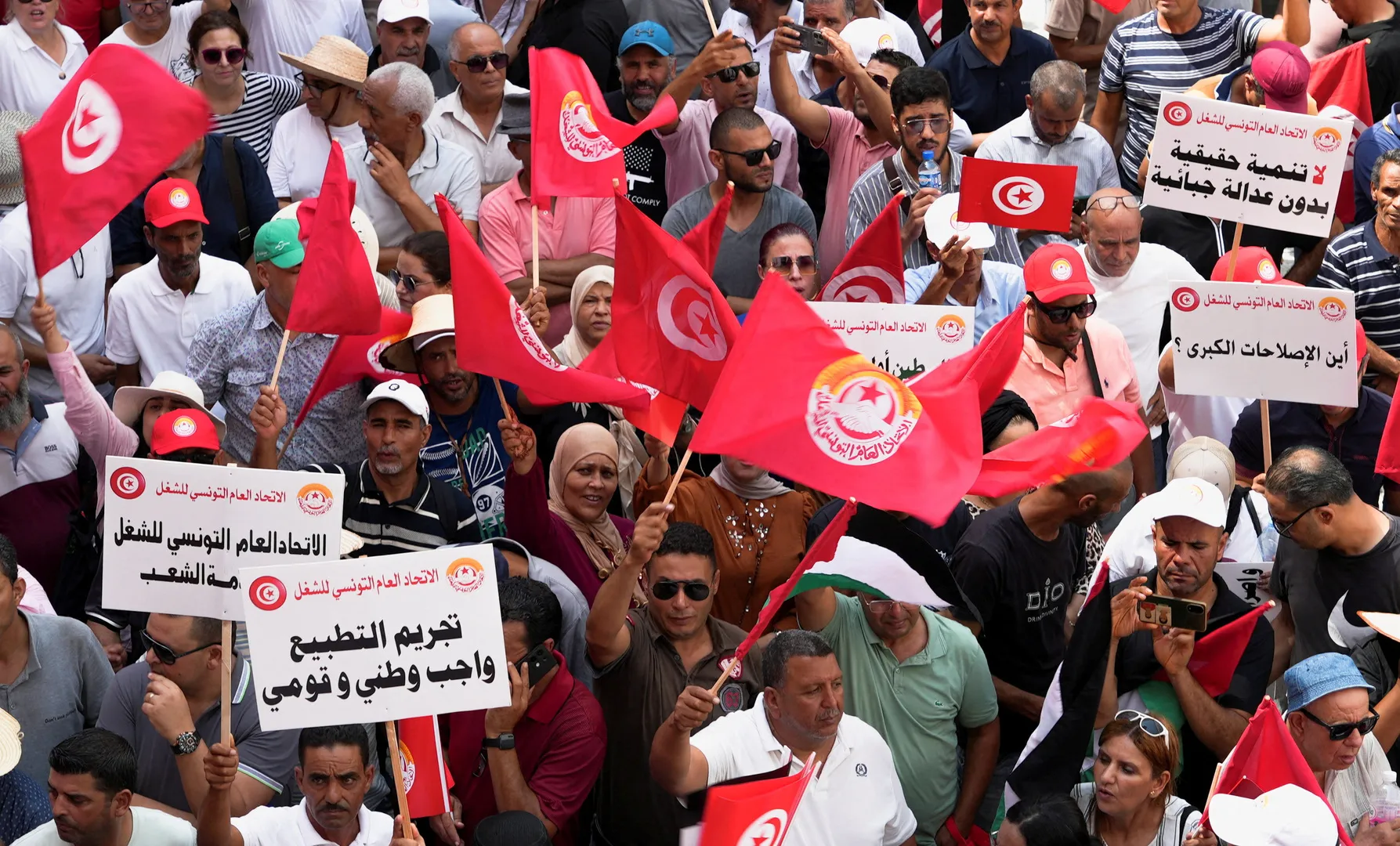
A man holds a flare as protesters rally.
A protest against Saied on fourth years after his power grab. Tunis, July 25, 2025 [Jihed Abidellaoui/Reuters]

Source link

South Africa to deport Kenyans involved in US-Afrikaner refugee scheme | Donald Trump News

Foreign nationals arrested for illegally processing applications under Trump’s contentious programme for white South Africans.

South Africa has arrested and ordered the deportation of seven Kenyan nationals who were illegally working at a centre processing refugee applications for a highly controversial United States resettlement programme aimed at only white Afrikaners.

The arrests on Tuesday in Johannesburg followed intelligence reports that the Kenyans had entered the country on tourist visas and taken up employment despite South Africa’s Home Affairs Department having previously denied work visa applications for the same positions.

Recommended Stories

list of 3 itemsend of list

The seven individuals will be banned from re-entering South Africa for five years.

The operation has led to a new diplomatic dispute between Pretoria and Washington, adding to tensions that have escalated throughout 2025 over US President Donald Trump’s widely rejected claims that white South Africans face “genocide” and racial persecution.

The US State Department told CNN that “interfering in our refugee operations is unacceptable” and said it would seek immediate clarification.

CNN reported that two US government employees were briefly detained during the raid, though South Africa’s statement said no American officials were arrested.

The Kenyans were working for processing centres run by Amerikaners, a group led by white South Africans, and RSC Africa, a Kenya-based refugee support organisation operated by Church World Service. These organisations handle applications for Trump’s programme, which has brought small numbers of white South Africans to the US this year.

South Africa’s Department of International Relations and Cooperation said the presence of foreign officials coordinating with undocumented workers “raises serious questions about intent and diplomatic protocol” and has initiated formal engagements with both the US and Kenya.

‘If you’re not white, forget about it’

Trump launched the resettlement programme in February through an executive order titled “Addressing Egregious Actions of The Republic of South Africa”, cutting all US aid and prioritising Afrikaner refugees who he claims face government-sponsored discrimination.

In September, he set a historic low refugee ceiling of 7,500 for 2026, with most spots reserved for white South Africans.

Scott Lucas, a professor of US and international politics at University College Dublin’s Clinton Institute, previously told Al Jazeera the contrast between how Trump treats white South African refugees, and refugees of colour from other countries, showed a “perverse honesty” about Trump’s conduct and worldview.

“If you’re white and you’ve got connections you get in,” Lucas said. “If you’re not white, forget about it.”

South Africa’s government strongly rejects the persecution allegations.

Foreign Minister Ronald Lamola has said there is no data supporting claims of white persecution, noting that Afrikaners are among the country’s “most economically privileged” citizens.

Major Afrikaner organisations also rejected Trump’s characterisation.

AfriForum and the Solidarity Movement, representing some 600,000 Afrikaner families, declined his refugee offer, saying emigration would mean “sacrificing their descendants’ cultural identity”.

The Afrikaner enclave of Orania said: “Afrikaners do not want to be refugees. We love and are committed to our homeland.”

Deteriorating relations

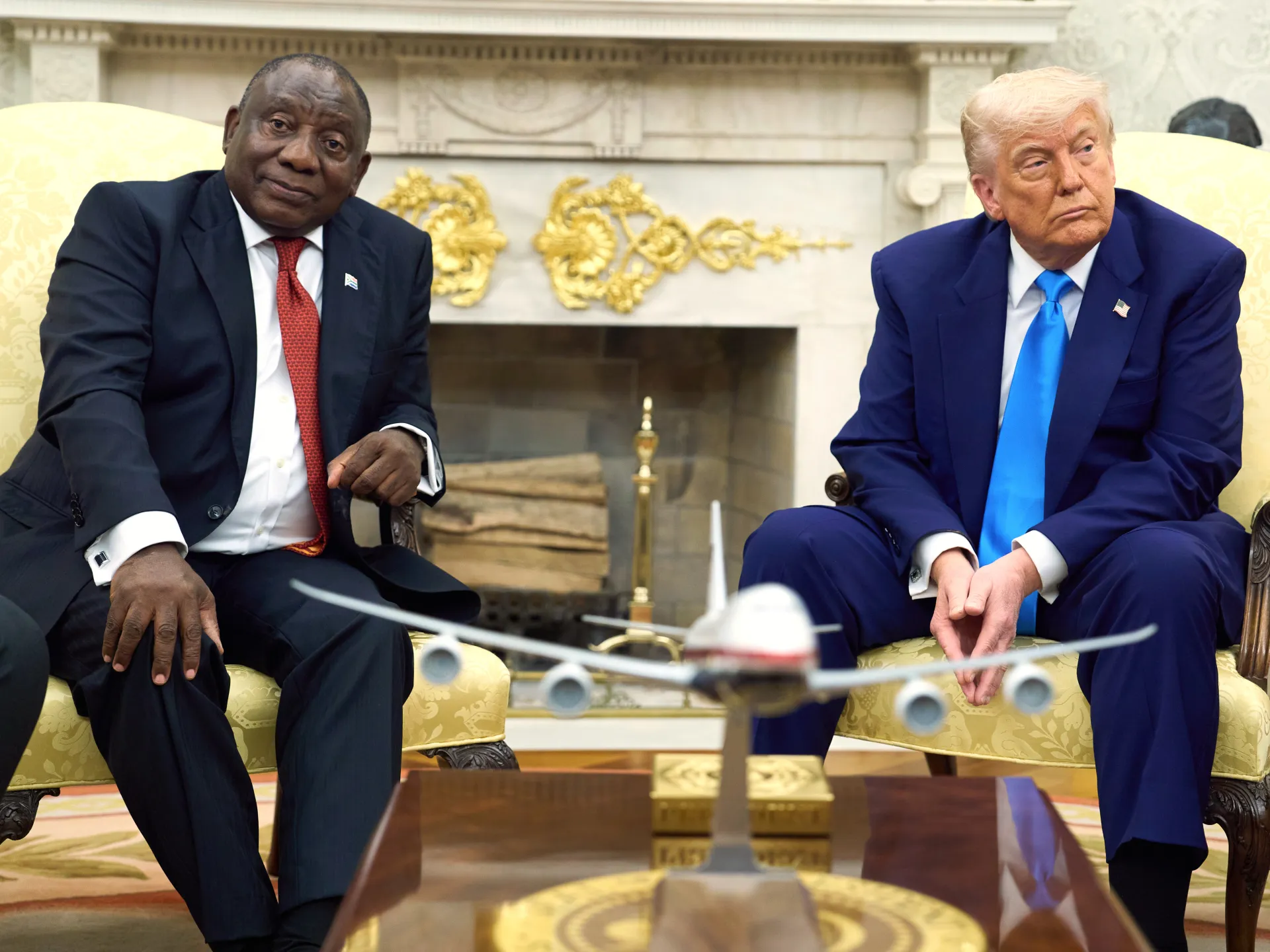
Trump has repeatedly presented debunked evidence to support his claims, including a choreographed and televised ambush of South African President Cyril Ramaphosa during a White House visit.

Trump played video in May featuring images later verified as being from the Democratic Republic of the Congo and footage of a temporary memorial that Trump falsely claimed showed mass graves.

Relations between the countries have deteriorated sharply this year.

Trump expelled South Africa’s ambassador in March, boycotted Johannesburg’s G20 summit in November, and last month excluded South Africa from participating in the 2026 Miami G20, calling it “not a country worthy of Membership anywhere” in a social media post.

Just one day before the arrests, South Africa condemned its G20 exclusion as an “affront to multilateralism”.

Source link

Teenager charged with murder of girl, 9, in Weston-super-Mare

Sarah TurnnidgeWest of England

PA A police forensics officer in white overalls is seen from the back, opening a van door. There is another police van parked next to it. In the background there is a police cordon across the road, with a police officer behind it. It is a residential street, with a house and a garage partially visible.  PA

A post-mortem found the preliminary cause of Aria’s death was a single stab wound

A 15-year-old boy has been charged with the murder of a nine-year-old girl.

Police have named the victim as Aria Thorpe, who was found dead at a house in Lime Close, Weston-super-Mare, on Monday evening.

A post-mortem examination found the preliminary cause of her death was a single stab wound, Avon and Somerset Police said.

The teenage suspect, who cannot be named due to his age, remains in custody and is due to appear at Bristol Magistrates’ Court later.

Bunches of brightly flowers line a street corner, around a low brick wall. Some of the bunches of flowers have handwritten notes on them, and there are also several stuffed toys. On the wall are several dandles, including a candle holder shaped like a snowman.

Floral tributes to Aria have been left close to the scene of the incident

Supt Jen Appleford said it was “impossible to adequately describe how traumatic the past 36 hours have been” for Aria’s family.

“The tragic loss of such a young girl has caused a huge amount of shock and upset, with there being a profound sense of loss felt throughout the community,” she added.

She said police officers were working with schools across the area to make sure those affected were being supported, adding: “We are grateful to local residents for the patience shown while we have been carrying out enquiries in the area.”

A police cordon has been in place around Lime Close since Monday, with forensics teams working at the scene as officers carry out house-to-house inquiries.

A close up shot of some of the floral tributes, some of which have notes attached.

Officers are working with schools to make sure children are supported

Neighbours said they feel “shocked” and “horrified” by what has happened, as the usually quiet residential area has been taken over by emergency services.

Supt Appleford said work gathering evidence would continue in the coming days.

The town’s MP, Dan Aldridge, described Aria’s death as an “utterly heartbreaking tragedy for the family and her loved ones”.

“This is a moment that will understandably shock and sadden us all, and I know many in our town will be grieving, anxious, and seeking answers,” he said, adding that there was no indication of any wider threat to the public.

Source link

The Women Who Keep Vigil on Their Farms in Adamawa

Kolo Askumto sits on a small mat outside her makeshift shelter, a shawl draped around her shoulders for warmth. Her eyes remain fixed on the farmland ahead, not out of desire but necessity. Rows of guinea corn and beans stretch into the darkness. While she scans the fields, careful not to blink for too long, her ears strain at every unfamiliar rustling of leaves. 

It is midnight, and Kolo is at the Lainde fields in Mayo-Ine, a community in Fufore Local Government Area of Adamawa State, in North East Nigeria.

The 55-year-old has been living on her farm during every harvest season for the past three years. Before 2022, guarding her ripe beans or guinea corn was never a concern. That changed when thieves began invading their fields at night, carting away crops — sometimes even those already harvested and packed, waiting to be transported home. 

Kolo lives with her family at the Malkhohi displacement camp in Yola, the state capital. She managed to secure farmland in Lainde after fleeing Madagali in Borno State due to Boko Haram attacks. Since 2016, subsistence farming has helped her support her husband in providing for their family. 

This year, Kolo has slept on her farm for more than two weeks. Every night, she spreads her blanket on her mat, switches on her torch, and scans her surroundings like an owl. When the night deepens, she retreats to her thatched tent but barely blinks while she’s there. 

Small, round hut made of straw and twigs with a narrow entrance. It stands on dry ground with sparse trees in the background.
Kolo’s thatched tent at the Lainde fields in northeastern Nigeria. Photo: HumAngle. 

She is not the only one keeping watch. The isolation of the area adds to the danger. Located on the outskirts of the Mayo-Ine area, Lainde lie far from residential settlements, with only a few people living there permanently. There is no police station nearby, farmers said, except in the main village several kilometres away, leaving those who sleep on the fields largely on their own through the night.

The vigil

Every night, several farmers keep watch across open fields. Some sit in small groups, whispering as they stay awake until dawn. At sunrise, some resume their harvest, while others head home to return by evening for the night shift. The women mostly stick together. 

To stay awake, the farmers told HumAngle that they drink herbal concoctions believed to chase sleep from their eyes. Sometimes, they light a fire and huddle around it for warmth. 

“We pray that God should protect us before we sleep, but we wake up to every sound we hear,” Kolo said. 

Though the vigil has helped keep her farm safe this year, fear still lingers. Two years ago, criminals struck in the dead of night and stole all the grains she had packed in sacks. She was not physically harmed, but the memory of that night has never left her. Since then, she sleeps with a machete by her side.

Unlike some women who return home during the day to rest, Kolo plans to remain on the farm for nearly a month — until the crops are fully harvested. The journey from the IDP camp is long and exhausting. “If we are to trek before we get here, we will be tired, and we will not have enough strength to work,” Kolo said. It takes about an hour to reach Lainde from Yola by tricycle, and much longer on foot.

While she has not encountered any security problems this year, she fears she might encounter the same group that robbed her the last time. However, Kolo says she is willing to go to any length to protect her farm. “If we don’t sleep here, we can lose everything,” she said.

“We can’t afford to pay”

Not every farmer in Lainde stays on the field all night. Some pay guards, mostly young men, to keep watch on their behalf. It costs around ₦60,000 to ₦70,000 monthly. In some cases, the guards are paid with a bag or two of harvested crops.  

For many women, that option is simply out of reach. “We have to buy fertilisers, herbicides, and other inputs,” Kolo explained. “There is nothing left to pay guards.”

Elizabeth Joseph has farmed maize, groundnuts, and beans in the Lainde fields for three years. Every harvest season, she says, comes with anxiety. Once, she harvested several bags of beans and left them in the field while she went to find transport. When she returned, everything was gone. Not even a single grain remained.

Bags and bundles of straw leaning against a tree in a sunny, arid landscape. A pair of shoes is on the ground nearby.
Bags of harvested maize in Lainde field await transportation. Photo: HumAngle

In 2024, a bag of beans sold for between ₦110,000 and ₦130,000, while a bag of maize cost about ₦60,000; losing even a few bags can undo months of back-breaking work for these small-scale farmers. That loss left her with little choice but to keep watch herself.

But the vigil is exhausting.

“If I have money, I won’t have to come to the farm. I will just assign labourers to do the work for me, and I will just come during the harvest season. I will even pay those who will harvest, and there won’t be any stress, but since I don’t have the money, I have to come and guard myself,” Elizabeth added. 

Although her husband could sleep on the farm while she managed the household, they switched roles. According to Elizabeth, men are more likely to be attacked or killed by thieves at night.  Her fear is not unfounded.

Recently, in Bare, another community in Adamawa State, twelve young men working on a farm at night were attacked; three of them were killed. Even on the Lainde fields, such attacks that claimed lives have occurred. 

Such thefts are not isolated to Lainde or Bare. Across the BAY states — Borno, Adamawa, and Yobe — farmers have repeatedly reported nighttime farm thefts and attacks during harvest seasons. Communities continue to call on authorities to address the insecurity, saying the losses threaten their livelihoods and food supply.

These threats compound the vulnerability of rural communities to hunger and poverty. Nearly 35 million people in Nigeria, particularly in the BAY states, are facing acute food insecurity, according to the World Food Programme. Displacement, rising food prices, and ongoing violence have further worsened the risk of malnutrition in the region.

Living with danger

However, the robbers are not the only thing farmers are afraid of; they face other threats such as snakes, scorpions, cold weather, and isolation. 

Zara Abba, who began farming in Lainde in 2023, said the environment becomes frightening after sunset. “By 7 p.m., everywhere looks like it is midnight; the whole place gets dark,” she stated. 

Like Kolo and Elizabeth, Zara cannot afford night guards. A mother of four, she brings her children to the farm and lives with them in a thatched tent. At night, the children sleep while she stays awake, watching the fields.

Zara said the women had once raised their concerns with the community leader, hoping for intervention or improved security. But nothing changed.

A child stands outside a small straw hut with belongings scattered nearby in a rural area, with trees and dry grass in the background.
Zara Abba and her family will stay on the Lainde field for a month before returning home with their harvest. Photo: HumAngle 

“If I could afford guards, I would stay home with my children,” she said. “But I don’t have a choice.” She carries gallons of water, cooking utensils, and clothes, staying on the farm for nearly a month until the harvest is complete.

“The other women, too, have been sleeping here for a long time,” she said. “We decided to come here because if we don’t, we will lose our harvest.”

As someone who has lost her ripened crops to thieves in the past, Zara says she does not mind living on the open field with her four children, where she can keep an eye on all of them. 

While they continue to find ways to adapt, the women who spoke to HumAngle said staying on the fields has impacted their other responsibilities, especially for those who can’t bring their children to the open fields. “When coming to sleep here, we leave the children at home and make sure we give them food that would sustain them with the older ones who take care of them before we get back,” Kolo said. 

Though the routine has become familiar, it remains exhausting. 

“The nights are harsh, and sometimes we feel like not selling our farm produce because of the suffering, but we end up selling it at a cheaper price sometimes,” Elizabeth lamented. The exposure often leaves them with flu. “Every harvest season comes with its stress.”

Elizabeth is also frightened by snakes and scorpions; people have been bitten in the fields in the past. To protect herself, she keeps a machete by her side.

As the harvest season draws to a close, the women of Lainde fields look forward to when they can return home, carrying the fruits of both their labour and sleepless nights. Yet even as they prepare to leave, another harvest season will come, and they will be forced to face long nights under open skies again.

Source link

More KC-135 Tankers Deploy To The Caribbean

The Pentagon is continuing to pour assets into the Caribbean to beef up the Trump administration’s military pressure on Venezuelan dictator Nicolas Maduro and enhanced drug interdiction operations. As additional aerial refueling tankers arrive in the region, the White House is also reportedly preparing to seize more sanctioned oil tankers to further impact Maduro’s income.

Meanwhile, Defense Secretary Pete Hegseth and Secretary of State Marco Rubio visited Capitol Hill on Tuesday to again explain to lawmakers the details of a Sept. 2 attack on a suspected drug boat that also killed the survivors of an initial strike on the vessel. Three more boats were destroyed yesterday in the Operation Southern Spear campaign that began as a counter-narcotics mission but has morphed into one aimed at Maduro.

On Dec. 15, at the direction of @SecWar Pete Hegseth, Joint Task Force Southern Spear conducted lethal kinetic strikes on three vessels operated by Designated Terrorist Organizations in international waters. Intelligence confirmed that the vessels were transiting along known… pic.twitter.com/IQfCVvUpau

— U.S. Southern Command (@Southcom) December 16, 2025

New imagery emerged on social media Monday showing that at least four more U..S. Air Force KC-135 Stratotankers have joined six aerial refuelers that recently arrived at Aeropuerto Internacional Las Américas in the Dominican Republic. Meanwhile, KC-46 Pegasus tankers have been flying sorties out of the U.S. Virgin Islands for months, with a major ramp-up in activity in recent weeks. As we previously noted, forward deploying the tankers reduces the amount of time needed to fly to the region and thus increases time on station and sortie rates.

In addition, an online airplane tracker using the @LatAmMovements X handle said more C-17 Globemaster III heavy cargo jets have arrived in Ecuador with supplies from Erbil, Iraq. The flight was the latest of several from the U.S. Central Command (CENTCOM) region bolstering Southern Spear. CENTCOM declined to comment on that effort.

RCH937 out of MacDill AFB (KMCF) 🇺🇸 en route to Manta (MEC/SEMT) 🇪🇨.

This is the fourth Southern Spear-related cargo flight to Ecuador. This flight is carrying cargo from Erbil, Iraq.

RCH937 | 04-4137 | C-17A | #AE1242 | USAF pic.twitter.com/2ljlQA2UYH

— LatAmMilMovements (@LatAmMilMVMTs) December 16, 2025

The open-source tracker also found that at least nine C-17s have arrived in Puerto Rico from the Vermont Air National Guard’s 158th Fighter Wing, likely carrying supplies and troops ahead of the looming deployment of an unspecified number of F-35A stealth fighters, which we were the first to report. The Vermont National Guard (VNG) declined to offer any details. Low resolution satellite imagery we obtained shows C-17s in Puerto Rico.

RCH234 out of Burlington ANGB (KBTV) 🇺🇸 en route to Roosevelt Roads (RVR/TJRV) 🇵🇷.

This is the ninth cargo flight in support of the 158th FW’s upcoming deployment to PR.

RCH234 | 08-8197 | C-17A | #AE2FA9 | USAF pic.twitter.com/TQVuq7Owe3

— LatAmMilMovements (@LatAmMilMVMTs) December 15, 2025

Low resolution satellite imagery showed C-17s on the ground in Puerto Rico. We also found that , with a major ramp-up in activity in recent weeks.

The new tankers and cargo planes join a growing aerial armada that includes combat search and rescue (CSAR) aircraft, E/A-18G electronic warfare jets, Marine Corps F-35B and AV-8B Harrier II fighters, MQ-9 Reapers and AC-130 Ghostrider gunships and various helicopters already in the region.

As for the Navy, an official told us Tuesday morning that no new ships have joined the 11 already there, including the USS Gerald R. Ford, the world’s largest aircraft carrier.

Though ordered to the Caribbean as part of the ongoing counternarcotics mission, the USS Gerald R Ford aircraft carrier is holding off the coast of Africa.
The aircraft carrier USS Gerald R. Ford is one of 11 Navy warships currently deployed to the Caribbean. (U.S. Navy photo by Mass Communication Specialist Seaman Apprentice Alyssa Joy)

Beyond equipment, U.S. Southern Command continues to expand its footprint in the region. On Monday, Trinidad and Tobago agreed to allow the U.S. military to use its airports for Southern Spear. That follows an earlier deployment by the U.S. Marine Corps of an AN/TPS-80 Ground/Air Task-Oriented Radar (G/ATOR), a modern road-mobile multi-purpose AESA radar that can be used for air defense and more general air traffic control purposes.

Amid all these aircraft movements, the Federal Aviation Administration issued a new Notice To Airmen (NOTAM) warning them to “exercize caution” in and around Venezuelan airspace.

“OPERATORS ARE ADVISED TO EXERCISE CAUTION WHEN OPERATING IN THE MAIQUETIA FLIGHT INFORMATION REGION (SVZM FIR) AT ALL ALTITUDES DUE TO THE WORSENING SECURITY SITUATION AND HEIGHTENED MILITARY ACTIVITY IN OR AROUND VENEZUELA,” according to the NOTAM. “THREATS COULD POSE A POTENTIAL RISK TO AIRCRAFT AT ALL ALTITUDES, INCLUDING DURING OVERFLIGHT, THE ARRIVAL AND DEPARTURE PHASES OF FLIGHT, AND/OR AIRPORTS AND AIRCRAFT ON THE GROUND.”

That move came after a Jet Blue airliner had a close encounter with a U.S. Air Force aerial refueling tanker near Venezuela on Friday. The FAA issued a similar NOTAM last month.

ATC audio of US Military aircraft operating DUE REGARD over the Caribbean Sea, this JetBlue pilot sounds pissed but what are they going to do about? 😎 https://t.co/Eq5yCmeEHy

— Thenewarea51 (@thenewarea51) December 14, 2025

On the economic front, the Trump administration is reportedly planning to take control of more oil tanker ships in the wake of the seizure of the M/T/ Skipper last week. The goal is to deprive Maduro of revenues gained from oil sales.

Today, the Federal Bureau of Investigation, Homeland Security Investigations, and the United States Coast Guard, with support from the Department of War, executed a seizure warrant for a crude oil tanker used to transport sanctioned oil from Venezuela and Iran. For multiple… pic.twitter.com/dNr0oAGl5x

— Attorney General Pamela Bondi (@AGPamBondi) December 10, 2025

There are upwards of 18 sanctioned oil-laden ships in Venezuela’s waters now, Axios reported. “Eight are classified as ‘Very Large Cargo Container ships’ like Skipper, which can carry nearly 2 million barrels of Venezuelan crude, according to Samir Madani, co-founder of the firm Tanker Trackers that monitors global shipping.”

So far, Trump has opted against moving into Venezuelan waters to seize any of these vessels, but that could soon change, Axios noted.

“We have to wait for them to move. They’re sitting at the dock. Once they move, we’ll go to court, get a warrant and then get them,” a Trump adviser told Axios. “But if they make us wait too long, we might get a warrant to get them” in Venezuelan waters.

The U.S. seized the M/T Skipper, a sanctioned oil tanker, on Dec. 10. (Satellite image ©2025 Vantor)

While the Trump administration continues to insist that Southern Spear is directed at stemming the flow of drugs into the U.S., The New York Times on Tuesday suggested Venezuela’s vast oil reserves and competition from China are the real motivating factors.

“Venezuela and its oil lie at the nexus of two of Mr. Trump’s stated national security priorities: dominance of energy resources and control of the Western Hemisphere,” the newspaper noted. “Venezuela has about 17 percent of the world’s known oil reserves, or more than 300 billion barrels, nearly four times the amount in the United States. And no nation has a bigger foothold in Venezuela’s oil industry than China, the superpower whose immense trade presence in the Western Hemisphere the Trump administration aims to curb.”

In its recently published China’s Policy Paper on Latin America and the Caribbean, Beijing repeated its stance that it has a valid economic stake in the region and does not want to have its access cut off.

Today I had the chance to read #China’s Policy Paper on Latin America and the Caribbean, released just a few days ago.

It is the first update to this document in 9 years and it came immediately after the “Trump Corollary” to the Monroe Doctrine was released. I think the timing… pic.twitter.com/2fA0Atlw00

— Imdat Oner (@imdat_oner) December 15, 2025

Against this backdrop, Hegseth and Rubio provided closed-door briefings to the Senate (SASC) and House Armed Services Committees (HASC) about the Sept. 2 boat strike. It was the first of nearly two dozen such attacks that have so far killed almost 90 people. These attacks – and especially the follow-up one on Sept. 2 that killed survivors – have been strongly condemned by various parties.

Hegseth promised to provide the committees with full versions of the video feed from that attack. Only snippets have been publicly released so far.

The full video of that attack will remain classified and won’t be shown to the public, Hegseth proclaimed. He also justified the boat attack campaign.

Southern Spear has been “a highly successful mission to counter designated terrorist organizations, cartels, bringing weapons – meaning drugs – to the American people and poison the American people for far too long,” Hegseth told reporters gathered at the Capitol. “So we’re proud of what we’re doing…”

Senators received a classified briefing from Secretary Marco Rubio and Secretary Pete Hegseth on the ongoing operations in the Caribbean today, but left without seeing the highly requested unedited video of the Sept. 2 boat strikes, senators said. https://t.co/ezRFeAMfn4 pic.twitter.com/ga3uHgaP8M

— ABC News (@ABC) December 16, 2025

Hegseth’s comments came a day after Trump issued an executive order declaring fentanyl a weapon of mass destruction, a move that could possibly widen the administration’s ability to take action against Maduro, who has a $50 million bounty on his head as a fugitive wanted on U.S. drug charges. However, while Trump and his aides have insisted Southern Spear is aimed mainly at stopping drug trafficking, “Venezuela is not a drug producer, and narcotics smuggled through the country mostly go to Europe,” The New York Times noted.

In a somewhat surprising exchange, Wiles, the president’s chief of staff, suggested getting rid of Maduro may be the real reason Trump is expending so many resources and so much political capital in the Caribbean.

“Over lunch, Wiles told me about Trump’s Venezuela strategy,” Vanity Fair reporter Chris Whipple wrote Tuesday in the second part of an exclusive interview with one of Trump’s closest advisors. Wiles told the magazine that “He wants to keep on blowing boats up until Maduro cries uncle. And people way smarter than me on that say that he will.” The story continued, stating “Wiles’s statement appears to contradict the administration’s official stance that blowing up boats is about drug interdiction, not regime change.”

“Over lunch, Wiles told me about Trump’s Venezuela strategy: “He wants to keep on blowing boats up until Maduro cries uncle. And people way smarter than me on that say that he will.” (Wiles’s statement appears to contradict the administration’s official stance that blowing up…

— Natasha Bertrand (@NatashaBertrand) December 16, 2025

Trump’s true motivations and how he will act on them remain unknown. On Friday, he repeated his refrain that he may soon order strikes against drug traffickers on land in addition to those at sea. Meanwhile, some 15,000 U.S. troops who have surged to the region continue to wait for orders.

Update: 7:49 PM Eastern –

In a post on Truth Social, Trump offered the clearest indication of his motives and terms for the Caribbean build-up and how Venezuela’s oil reserves play a role.

“Venezuela is completely surrounded by the largest Armada ever assembled in the History of South America. It will only get bigger, and the shock to them will be like nothing they have ever seen before — Until such time as they return to the United States of America all of the Oil, Land, and other Assets that they previously stole from us,” Trump wrote. “The illegitimate Maduro Regime is using Oil from these stolen Oil Fields to finance themselves, Drug Terrorism, Human Trafficking, Murder, and Kidnapping. For the theft of our Assets, and many other reasons, including Terrorism, Drug Smuggling, and Human Trafficking, the Venezuelan Regime has been designated a FOREIGN TERRORIST ORGANIZATION.”

Trump also ordered  “A TOTAL AND COMPLETE BLOCKADE OF ALL SANCTIONED OIL TANKERS going into, and out of, Venezuela, however, he did not provide details of how that will work. We reached out to the White House for more information.

Contact the author: howard@thewarzone.com

Howard is a Senior Staff Writer for The War Zone, and a former Senior Managing Editor for Military Times. Prior to this, he covered military affairs for the Tampa Bay Times as a Senior Writer. Howard’s work has appeared in various publications including Yahoo News, RealClearDefense, and Air Force Times.


Source link

White House Rifts Laid Bare as Trump Aide Wiles Details Internal Clashes

White House Chief of Staff Susie Wiles offered an unusually candid look inside President Donald Trump’s second-term administration in comments published by Vanity Fair, drawn from 11 interviews conducted over Trump’s first year back in office. Wiles, a key architect of Trump’s 2024 comeback and the first woman to hold the chief of staff role, spoke about internal disagreements over tariffs, immigration enforcement, government downsizing and the handling of the Jeffrey Epstein files. The article prompted an immediate backlash from Wiles and senior officials, who accused the magazine of selectively quoting her remarks.

Why It Matters

The comments highlight the limits of internal restraint in Trump’s White House. While Wiles described herself as a facilitator rather than a check on presidential power, her inability to alter decisions on tariffs, pardons and political retribution underscores how heavily policymaking still rests on Trump’s instincts. The revelations also revive politically sensitive issues, including Epstein-related disclosures and tensions over Elon Musk’s role in dismantling USAID, complicating efforts to project unity and stability.

Trump remains the central figure, with Wiles emerging as both a stabilising force and a focal point of controversy. Vice President JD Vance, Attorney General Pam Bondi and Elon Musk are drawn into the spotlight, reflecting competing centres of influence within the administration. Beyond the White House, trade partners, immigrant communities, congressional leaders and Trump’s political base all have stakes in the policies and internal divisions exposed by the interviews.

What’s Next

The administration is likely to move quickly to contain political fallout and reinforce discipline, but the substance of Wiles’ remarks may continue to resonate. Policy direction appears unchanged, with tariffs, immigration enforcement and confrontational political strategies set to continue. The episode raises fresh questions about whether Trump’s more structured second-term White House can prevent internal tensions from spilling into public view again.

With information from Reuters.

Source link

Myanmar regime claims Aung San Suu Kyi ‘in good health’ despite son’s fears | Aung San Suu Kyi News

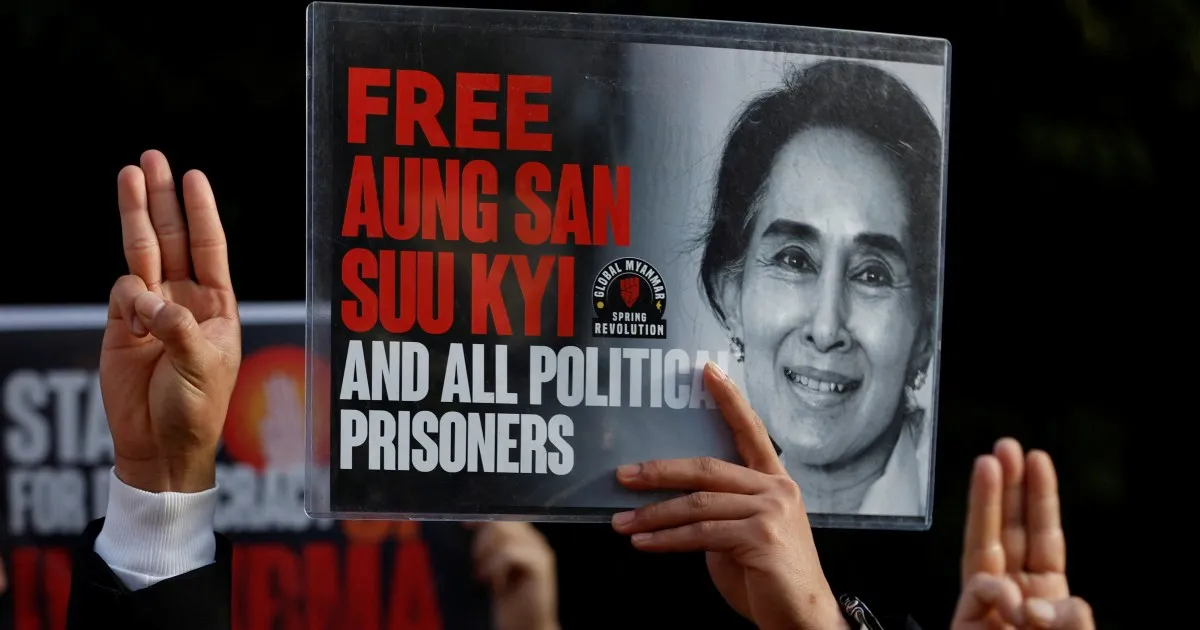
Noble laureate’s son says military must ‘prove’ Suu Kyi is healthy after her years in detention and unseen following military coup.

Military-ruled Myanmar has said the country’s jailed Nobel Peace Prize laureate Aung San Suu Kyi is “in good health” amid concerns about the health of the pro-democracy leader who was removed from power by a coup in 2021.

“Daw Aung San Suu Kyi is in good health,” a statement posted on the military-run Myanmar Digital News said on Tuesday, using an honorific for the country’s leader.

Recommended Stories

list of 4 itemsend of list

The military, which offered no evidence or details about Aung San Suu Kyi’s condition, issued the statement one day after her son, Kim Aris, told the Reuters news agency that he had received little information about the 80-year-old’s condition and fears she could die without him knowing.

“The military claims she is in good health, yet they refuse to provide any independent proof, no recent photograph, no medical verification, and no access by family, doctors, or international observers,” Aris told Reuters on Wednesday in response to the military’s statement.

“If she is truly well, they can prove it,” he said.

A Myanmar regime spokesman did not respond to calls seeking comment.

Interviewed in October, Aris told the Asia Times news organisation that he believed his mother, who has not been seen for at least two years, was being held in solitary confinement in a prison in the capital Naypyidaw and “not even the other prisoners have seen her”.

Aung San Suu Kyi was detained after the 2021 military coup that toppled her elected civilian government from power, and she is now serving a 27-year prison sentence on charges that are widely believed to be trumped-up, including incitement, corruption and election fraud – all of which she denies.

Aris also said the military was “fond of spreading rumours” about his mother’s health in detention.

“They have said she is being held under house arrest, but there is no evidence of that at all. At other times, they said she has had a stroke and even that she has died,” he told Asia Times.

“It’s obviously hard to deal with all this false information,” he said.

A civil war has gripped Myanmar since the 2021 coup, but the military plans to hold elections at the end of this month that analysts and several foreign governments have dismissed as a sham designed to legitimise military rule.

While fighting rages across the country, Aung San Suu Kyi’s National League for Democracy (NLD), Myanmar’s largest political party, remains dissolved, and several anti-military political groups are boycotting the polls.

On Wednesday, the military said it was pursuing prosecutions of more than 200 people under a law forbidding “disruption” of the election, legislation that rights monitors have said aims to crush dissent.

“A total of 229 people” are being pursued for prosecution “for attempting to sabotage election processes”, the military regime’s Home Affairs Minister Tun Tun Naung said, according to state media.

Convictions under election laws in Myanmar’s courts can result in up to a decade in prison, and authorities have made arrests for as little as posting a “heart” emoji on Facebook posts criticising the polls.

The legislation also outlaws damaging ballot papers and polling stations – as well as intimidating or harming voters, candidates and election workers, with a maximum punishment of 20 years in prison.

Source link

Trump stands by chief of staff after shock remarks about Vance, Bondi, Musk | Donald Trump News

US President Donald Trump said he was standing by his White House chief of staff, Susie Wiles, after Vanity Fair magazine published interviews in which Wiles revealed internal tensions in Trump’s administration and painted an unflattering picture of the roles played by some of the president’s inner circle.

Trump, who regularly describes Wiles as the “most powerful woman in the world”, told the New York Post on Tuesday that he has full confidence in his chief of staff and that she had “done a fantastic job”.

Recommended Stories

list of 4 itemsend of list

Vanity Fair published two articles based on the interviews, giving insights into what Wiles thinks about other key figures in Trump’s second presidency.

Speaking about Trump, Wiles described the teetotaling president as having “an alcoholic’s personality” and an eye for vengeance against perceived enemies.

“He has an alcoholic’s personality,” Wiles said of Trump, explaining that her upbringing with an alcoholic father prepared her for managing “big personalities”.

Trump does not drink, she noted, but operates with “a view that there’s nothing he can’t do. Nothing, zero, nothing”.

In his defence of Wiles, Trump said she was right to describe him personally as having an “alcoholic’s personality”, even though he does not drink alcohol.

“I’ve often said that if I did, I’d have a very good chance of being an alcoholic,” Trump said. “I have said that many times about myself, I do. It’s a very possessive personality,” he said.

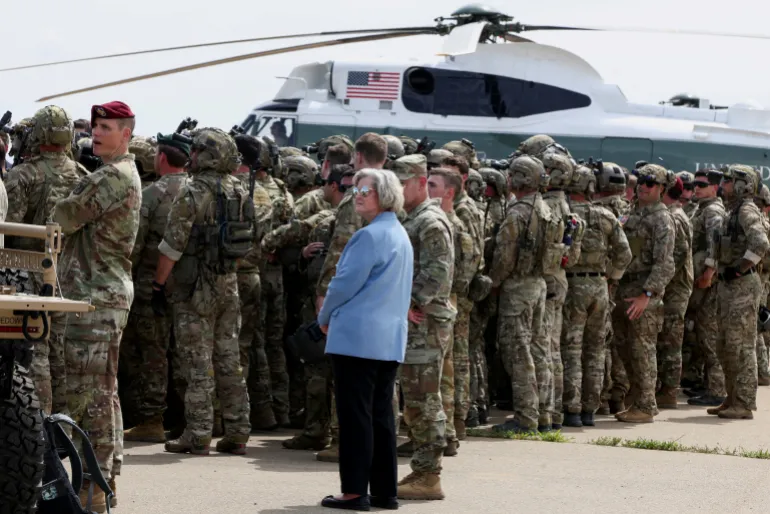
White House Chief of Staff Susie Wiles stands with U.S. Army members during U.S. President Donald Trump's visit to Fort Bragg to mark the U.S. Army anniversary, in North Carolina, U.S., June 10, 2025. REUTERS/Evelyn Hockstein
White House Chief of Staff Susie Wiles, centre, stands with US Army members during US President Donald Trump’s visit to Fort Bragg in North Carolina, in June 2025 [Evelyn Hockstein/Reuters]

Speaking on the Trump administration’s failure to quickly deliver its promise to share information related to convicted sex offender Jeffrey Epstein, Wiles suggested that Trump’s attorney general, Pam Bondi, had failed to clearly read the situation with the public.

“First, she gave them binders full of nothingness,” Wiles said of Bondi, noting that Vice President JD Vance had more fully grasped how important the issue was to some people, since he is himself “a conspiracy theorist”.

Of Trump’s inclusion in the Epstein files, Wiles said, “We know he’s in the file”, but claimed the file did not show him doing “anything awful”.

Referring to other members of the Trump administration, Wiles called Russ Vought, the chief of the White House Office of Management and Budget, a “right-wing absolute zealot” and branded tech tycoon Elon Musk an “odd, odd duck”, Vanity Fair said.

On Ukraine, Wiles said that Trump believes Russian President Vladimir Putin “wants the whole country”, despite Washington’s push for a peace deal.

Wiles also affirmed that Trump wants to keep bombing alleged drug boats in the waters off the coast of Venezuela until that country’s leader, Nicolas Maduro, “cries uncle”.

In a post on X, Wiles called the Vanity Fair story “a disingenuously framed hit piece on me and the finest President, White House staff, and Cabinet in history”, saying it omitted important context and selectively quoted her to create a negative narrative.

Other members of Trump’s inner circle also defended Wiles after the articles were published.

Vance said in a speech in Pennsylvania that he and Wiles had “joked in private and in public” about him believing conspiracy theories.

“We have our disagreements, we agree on much more than we disagree, but I’ve never seen her be disloyal to the president of the United States,” Vance said.

White House press secretary Karoline Leavitt told reporters outside the West Wing that Wiles was “incredible” and accused Vanity Fair of the “bias of omission”, while Secretary of Defense Pete Hegseth said on X that there was “absolutely nobody better!” than Wiles.

Source link

Russia-Ukraine war: List of key events, day 1,392 | Russia-Ukraine war News

These are the key developments from day 1,392 of Russia’s war on Ukraine.

Here is where things stand on Wednesday, December 17:

Fighting

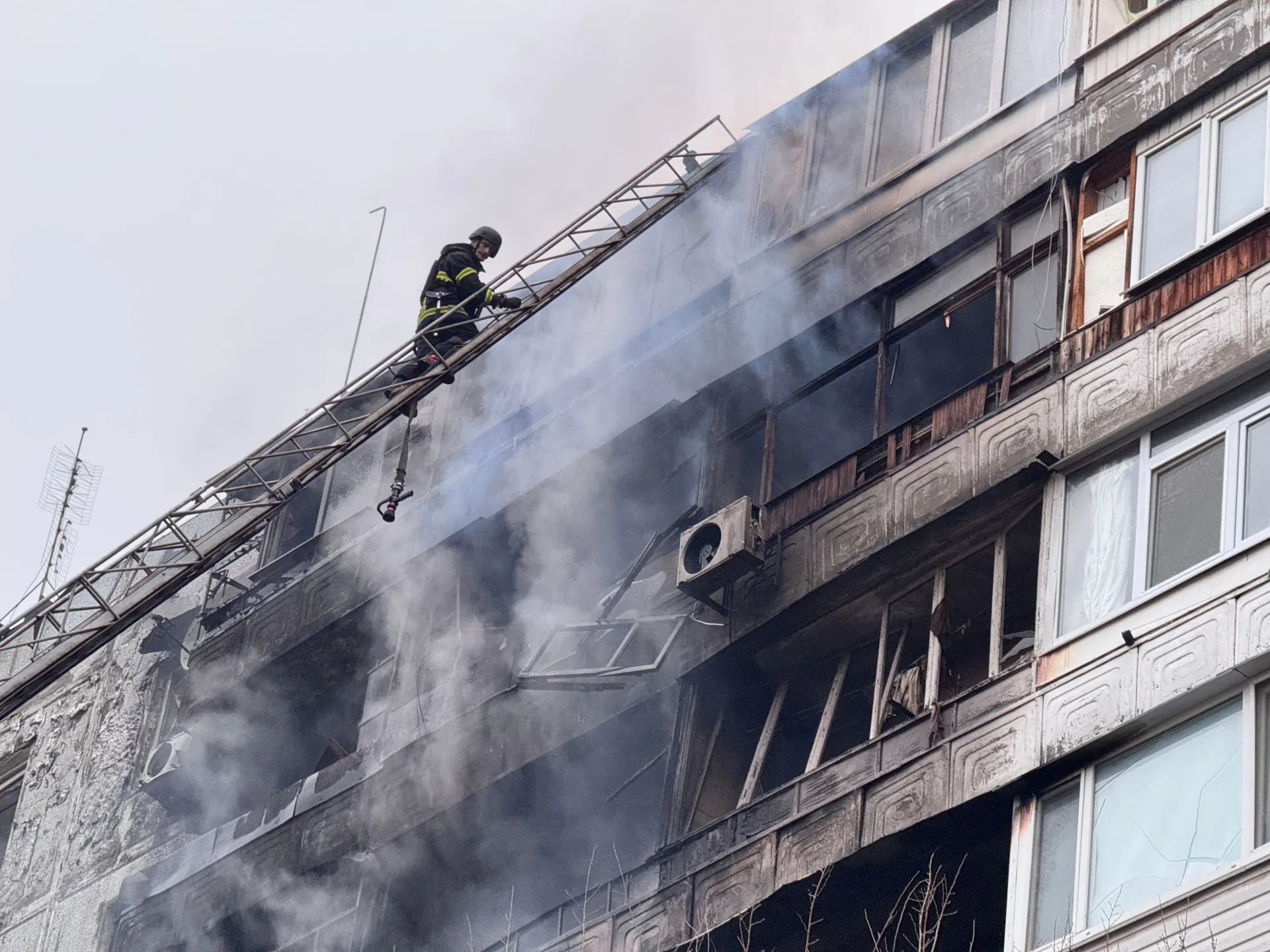
  • Kyiv Mayor Vitalii Klitschko said explosions were heard in the Ukrainian capital and warned people to stay in shelters late on Tuesday night as air defences worked to repel a Russian attack.
  • Russian forces launched a “massive” drone attack on Ukraine’s Sumy region, targeting energy infrastructure and causing electricity blackouts, Governor Oleh Hryhorov said on Telegram late on Tuesday night.
  • Power outages were also reported in the Donetsk region, Ukrainian Deputy Minister of Energy Mykola Kolisnyk said.
  • A Russian attack on electrical substations and other energy infrastructure left 280,000 households in Ukraine’s Odesa region without power, Governor Oleh Kiper wrote on Telegram.
  • Electricity was later restored to 220,000 homes, Kiper said, but extensive work was still needed to repair damaged networks.
  • The Russian-occupied Zaporizhzhia nuclear power plant in Ukraine is currently receiving electricity through only one of two external power lines, the facility’s Russian management said, after the other line was disconnected due to military activity.

  • Russian forces shot down 180 Ukrainian drones in one day, Russia’s Ministry of Defence said, according to the state-run TASS news agency.
  • The ambassador-at-large of the Russian Ministry of Foreign Affairs, Rodion Miroshnik, told TASS that Ukrainian attacks had killed 14 Russian civilians and injured nearly 70, including in the Russian-occupied Kherson and Zaporizhia regions of Ukraine, over the past week.

Ceasefire talks

  • German Chancellor Friedrich Merz shared details about a potential European-led multinational force being considered as part of discussions on security guarantees for Ukraine.
  • “We would secure a demilitarised zone between the warring parties and, to be very specific, we would also act against corresponding Russian incursions and attacks,” Merz told ZDF public television, adding that the talks “we’re not there yet”.

Regional security

  • Bulgaria, Estonia, Finland, Latvia, Lithuania, Poland, Romania and Sweden said in a joint statement on Tuesday that “Russia is the most significant, direct and long-term threat to our security and to peace and stability in the Euro-Atlantic area”.
  • After the Eastern Flank Summit in Helsinki, Finland, Polish Prime Minister Donald Tusk said that the grouping of European countries discussed an “anti-drone wall” that would require “billions in expenditure here”.
  • Germany’s Federal Ministry of Defence said that it ended the deployment to Poland of its Patriot systems and soldiers from its Air and Missile Defence Task Force, after the mission concluded as planned.
  • UK Secretary of State for Defence John Healey said the United Kingdom is spending 600 million pounds (more than $800 million) to buy “thousands of air defence systems, missiles, and automated turrets to shoot down drones” for Ukraine, during a virtual meeting of the Ukraine Defence Contact Group, according to the Kyiv Independent news outlet.
  • German Defence Minister Boris Pistorius told the same meeting that Germany would “transfer a significant number of AIM-9 Sidewinder missiles” to Ukraine next year.

Reparations

  • The leaders of 34 European countries signed an agreement in The Hague to create an International Claims Commission for Ukraine to seek compensation for hundreds of billions of dollars in damage from Russian attacks.
  • “Every Russian war crime must have consequences for those who committed them,” Ukrainian President Volodymyr Zelenskyy said before signing the agreement.
  • “The goal is to have validated claims that will ultimately be paid by Russia. It will really have to be paid by Russia,” Dutch Minister of Foreign Affairs  David van Weel said.

Source link

Trump says he’s ordering blockade on oil tankers in and out of Venezuela

US President Donald Trump has said he is ordering a “a total and complete” blockade of all sanctioned oil tankers going into and out of Venezuela.

In a post on Truth Social, he said Venezuelan leader Nicolás Maduro’s government had been designated a foreign terrorist organisation and accused it of stealing US assets, as well as “Terrorism, Drug Smuggling, and Human Trafficking”.

“Therefore, today, I am ordering A TOTAL AND COMPLETE BLOCKADE OF ALL SANCTIONED OIL TANKERS going into, and out of, Venezuela,” he added.

His remarks came a week after the US seized an oil tanker off the coast of Venezuela. In a statement, Venezuela’s government said it rejected Trump’s “grotesque threat”.

In his post, Trump said Venezuela was “completely surrounded by the largest Armada ever assembled in the History of South America”.

He added that it will “only get bigger” and “be like nothing they have ever seen before”.

Trump also accused Maduro’s government of using stolen oil to “finance themselves, Drug Terrorism, Human Trafficking, Murder, and Kidnapping”.

The Trump administration has repeatedly accused Venezuela of drug smuggling, and since September the US military has killed at least 90 people in strikes on boats it alleged were carrying fentanyl and other illegal drugs to the US.

In recent months, the US has also moved warships into the region.

Venezuela – home to some of the world’s largest proven oil reserves – has, in turn, accused Washington of seeking to steal its resources.

The US, under both Trump and former President Joe Biden, has opposed the Maduro government for years and pressed for him to be removed by instituting stringent sanctions.

Last week, the US imposed fresh sanctions on six more ships it said were carrying Venezuelan oil.

Sanctions were also placed on some of President Maduro’s relatives and on businesses associated with what the US called his illegitimate regime.

A day earlier the US said it had seized a tanker off Venezuela’s coast.

The White House said the seized vessel, called the Skipper, had been involved in “illicit oil shipping” and would be taken to an American port.

Venezuela’s government denounced the seizure, with Maduro saying the US “kidnapped the crew” and “stole” the ship.

The US had built up its military presence in the Caribbean Sea, which borders Venezuela to the north, in the days before the raid.

It involved thousands of troops and USS Gerald Ford – the world’s largest aircraft carrier– being positioned within striking distance of Venezuela.

Source link

USAF Buying Lufthansa 747s To Serve As Future Air Force One Trainers, Spare Parts Sources

The U.S. Air Force has confirmed it is buying two Boeing 747-8 airliners from German flag carrier Lufthansa. The jets will be used for training and as sources of spare parts as part of a larger effort to try to accelerate the entry into service of two new VC-25B Air Force One aircraft. This follows the service’s recent announcement that it now hopes to have the first VC-25B in hand by mid-2028, a slight improvement in the still much-delayed delivery timeline for the aircraft.

“As part of the presidential airlift acceleration efforts, the Air Force is procuring two aircraft to support training and spares for the 747-8 fleet,” Ann Stefanek, an Air Force spokesperson, told TWZ in a statement. “Given [that] the 747-8i is no longer in active production, and is a very different aircraft than the 747-200, it is important for the Air Force to establish an overall training and sustainment strategy for the future Air Force 747-8i fleet.”

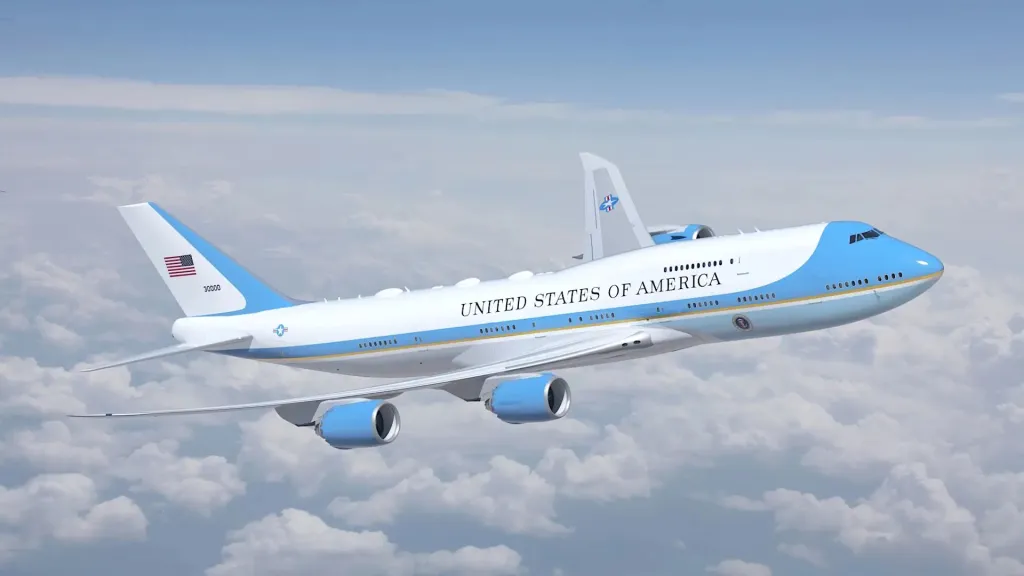
A rendering of a future VC-25B Air Force One presidential plane. USAF A rendering of a future VC-25B Air Force one jet. USAF

The Air Force’s two existing VC-25A Air Force One jets are based on the 747-200, a type that has become increasingly difficult to operate and maintain in recent years. The last 200-series model rolled off Boeing’s production line in 1991. This version is also the basis for the service’s four E-4B Nightwatch ‘doomsday plane’ flying command posts, which are in the process of being separately replaced with E-4C Survivable Airborne Operations Center (SAOC) jets converted from newer 747-8s.

Furthermore, Boeing shuttered the 747 line entirely in 2022. Lufthansa, Korean Air, and Air China are the only airlines that still use 747s of any kind for scheduled passenger flights. A number of other commercial operators continue to fly freighter versions, and a number of specially configured 747s also remain in VIP fleets globally.

“The Air Force is procuring the two aircraft for a total of $400M. We expect the first aircraft to arrive early next year. The second is expected to be delivered before the end of the year,” Stefanek, the Air Force spokesperson, added, though the reasons for the reverse order in delivery of the jets are not clear. She further clarified that one of the aircraft will fly and be used for training purposes, at least initially. The other aircraft will be utilized as a source of spare parts from the start. Air Force One pilot and flight engineer training has previously been contracted out.

Unconfirmed reports that Lufthansa was selling two 747-8s to the Air Force first emerged last week. The aircraft in question reportedly have the registrations D-ABYD and D-ABYG, which have been flying for the German airline since August 2021 and March 2013, respectively. There had been no prior indications that Lufthansa was looking to divest any part of its 747 fleet, and it is unclear how long this deal has been in the works.

and, I’m told there are rumors that they were sold to USAF– I have *zero* confirmation on that (or any reason to believe it’s true or not true, no idea whatsoever,) but, I am 100% on the info that 2 have been sold.

— JonNYC (@xJonNYC) December 13, 2025

Lufthansa Boeing 747-8i D-ABYG, one of two aircraft slated to be sold to the U.S. Air Force, visited LAX during the Airline Videos Live broadcast from the H Hotel on December 14th, 2025. Lufthansa plans to sell both 747-8i aircraft in 2026. pic.twitter.com/IxsB55Kz8h

— AIRLINE VIDEOS (@airlinevideos) December 15, 2025

“To be clear,  Boeing continues to modify two 747-8i aircraft for the VC-25B program, the first of which is expected to deliver in mid-2028,” Stefanek stressed. “The two aircraft mentioned above are additional aircraft to be used for training and spares.”

As mentioned, the VC-25B program has repeatedly faced delays due to technical and other issues. Earlier this year, the White House confirmed the first of these aircraft was not expected to arrive until sometime in 2029 at the earliest, representing a new schedule slip. The Air Force had originally hoped to take delivery of the first jet in December 2024.

Pushing the timeline to the left to 2028 would notably give President Donald Trump a better chance of flying in one of the VC-25Bs before the end of his second term. Trump has been particularly outspoken and active in regards to the program since before his first term. In December 2016, as president-elect, he had publicly called for the purchase of the two new Air Force One jets to be cancelled. Trump subsequently became a supporter of the program after claiming to have single-handedly been responsible for slashing the cost of the aircraft, though this remains debatable.

He has, however, continued to be critical of the progress, or lack thereof, on the new VC-25Bs. This is said to have contributed to the acquisition of a highly-modified ex-Qatari VVIP 747-8i aircraft earlier this year, ostensibly as a gift from that country to the United States. The process of converting that jet into an ‘interim’ Air Force One, reportedly helmed by L3Harris, began in September. The Air Force has said previously that it expects the conversion to cost less than $400 million. TWZ has previously questioned the feasibility of this plan in detail, given the strenuous operational and other requirements the jet will have to meet to truly serve in the Air Force One role.

The ex-Qatari 747-8i that is now in the process of being converted into an ‘interim’ Air Force One jet. ROBERTO SCHMIDT/AFP via Getty Images

With the ex-Qatari jet and the two 747s from Lufthansa, the plans around the future VC-25B fleet have ballooned from two aircraft to five, four of which will be flyable. This also reflects a broader trend under the Trump administration to expand U.S. government executive aircraft operations.

Separate from the VC-25B program, the Air Force’s acquisition of the two 747-8s from Lufthansa highlights broader potential challenges for operating any aircraft based on this design, also including the E-4Cs, as time goes on. It is worth noting here that with no new 747s in production, at least the initial tranche of E-4Cs are being converted from ex-Korean Air jets. Many more 747-200-series jets were made than -8 versions, as well.

A rendering of a future Air Force E-4C SAOC aircraft. SNC

Ensuring there is a sufficient logistical base to support the VC-25B and E-4C fleets will be critical going forward, and the secondary market looks set to continue playing an important role.

Contact the author: joe@twz.com

Joseph has been a member of The War Zone team since early 2017. Prior to that, he was an Associate Editor at War Is Boring, and his byline has appeared in other publications, including Small Arms Review, Small Arms Defense Journal, Reuters, We Are the Mighty, and Task & Purpose.


Howard is a Senior Staff Writer for The War Zone, and a former Senior Managing Editor for Military Times. Prior to this, he covered military affairs for the Tampa Bay Times as a Senior Writer. Howard’s work has appeared in various publications including Yahoo News, RealClearDefense, and Air Force Times.


Source link

Afghanistan’s India Pivot: Economic Pragmatism and Strategic Calculus

As Afghanistan reevaluates its economic geography in light of the deteriorating relations with Pakistan, India has become a major option for Kabul in its quest for diverse trade routes. The recent top-level meetings between the Taliban and the Indian government indicate a desire on the part of the former to diminish their reliance on the Pakistani transit corridors and to gain more strategic independence. However, India’s role is more a matter of political calculation than of geographical convenience. Afghanistan has no direct land route to India, and therefore its trade with India is expensive routes via Iran with limited air corridors, making it very difficult for a sanctions-hit and cash-strapped economy to scale up. Although the engagement with New Delhi gives the Afghan government the chance to send diplomatic signals and obtain very limited economic relief, it also poses the question of whether India is going to be a long-term trading partner or merely a geopolitical counterweight in Kabul’s broader regional strategy.

Taliban officials have begun signalling a recalibration of economic policy. Deputy Prime Minister for Economic Affairs Mullah Abdul Ghani Baradar publicly urged Afghan traders to explore alternative transit corridors, accusing Pakistan of using border closures as a tool of political pressure. Shortly thereafter, Nooruddin Azizi, Minister of Industry and Commerce of Afghanistan, had an official visit to New Delhi on 19 November 2025 for official discussions aimed at increasing bilateral trade, enhancing the mechanisms for import and export and finding out different ways for Afghan businesses to trade. This visit comes after the Afghanistan’s Minister of Foreign Affairs Amir Khan Muttaqi’s trip to India in October that lasted for eight days, which was his first trip to India, for which he was granted a temporary UN sanctions exemption, even though India has not yet recognized the Taliban government.

Over the past two decades, the Taliban’s propaganda has been persistently depicting India as a Hindu “kafir” state that is supporting the “anti-Islam” forces in Kabul, making Indian diplomats look like enemies and Indian consulates like secret intelligence stations working against Afghanistan and Pakistan. The destruction of the Bamiyan Buddhas was declared as a holy war against the “un-Islamic idols” and the whole Buddhist-Hindu civilization, which was a clear indication of the Emirate’s hardline ideological approach. However, this narrative has changed for political and economic reasons.

Moreover, the Taliban, having once described the Indian state as their ideological enemy, are now actively courting India, even sending their foreign minister and commerce minister to New Delhi to get access to trade routes and investment in infrastructure. However, the newly established open channels of communication between the two parties are indicative of a major pragmatism shift, wherein the former rhetoric of enmity and ideological purity has been replaced by the language of using one another in business transactions, thus, signaling the willingness of Afghanistan to retrieve economic lifelines and gain a strategic position in a region.

Historically, Taliban’s official communications are filled with references to Islamic unity, historical connections, and the values of Muslim brotherhood in its relationship with Pakistan. However, when relations with Islamabad were strained over the Tehrik-i-Taliban support, as well as border management and refugees; the Emirate quickly turned to engagement with other regional states instead of reconciliation with its closest Muslim neighbor. This selective realism reveals a definite order of priorities; Afghanistan is ignoring Pakistan’s main security issues but is ready to do anything for a state that is Hindu-majority and can offer trade routes, investment, and international legitimacy.

This transactional approach is not only limited to regional politics but also encompasses the global economic system. The Taliban constantly criticized “Western economic slavery“, interest-based financial systems and considering themselves as an ideological alternative to the West. Nowadays, the Taliban are lobbying India who is heavily involved in the Western capital markets and global financial networks positively to get banking access, reconstruction projects, and investments. The ideological rigidity at home is sharply contrasted with the foreign policy flexibility; those states which were once labelled as anti-Islamic are now being courted for material and political gains.

The Taliban’s selective pragmatism is also evident in the territorial and security sensitive issues. On one hand, they keep on challenging the issue of the Durand Line with Pakistan, an internationally recognized border between both states, while on the other hand, they are quite liberal with India. Likewise, in the past, Taliban-associated clerics and militants celebrated jihad in Kashmir, denounced Indian government actions toward Muslims there and such discourse got muted during visits to Delhi. It is very clear that economic and diplomatic goals are prioritized over ideological or sectarian consistency.

Afghanistan’s trade pivot underscores the delicate balance between ambition and structural reality. While the Taliban’s efforts to diversify transit routes reflect a desire for economic autonomy and greater regional leverage, geographic constraints, limited infrastructure, and entrenched economic patterns impose severe limitations. Engagement with India offers symbolic and partial relief, yet Pakistan remains the linchpin of Afghan commerce, providing the fastest and most cost-effective access to global markets. The Emirate’s strategy is as much a political signal-demonstrating flexibility, pragmatism, and a quest for de facto recognition as it is an economic maneuver. Ultimately, Afghanistan’s “strategic heart of Asia” narrative will be tested not by intent but by its capacity to reconcile aspiration with the unyielding realities of terrain, logistics, and regional interdependence.

Source link

Thousands protest in Slovakia against Fico government’s judicial reforms | Protests News

Protesters called on President Pellegrini, usually an ally of Prime Minister Fico, to veto the changes.

Thousands of people have rallied across Slovakia to protest against changes to the judicial system that opposition politicians and critics say are destroying the rule of law, Slovak media reported.

Protesters filled much of a central square in the capital of Bratislava, and there were protests in eight other cities on Tuesday.

Recommended Stories

list of 3 itemsend of list

The biggest opposition party, Progressive Slovakia, called the protest after Prime Minister Robert Fico‘s leftist-nationalist government pushed legislative changes through parliament last week that dismantle the whistleblower protection agency and change the way the state deals with crown witnesses.

“They took a chainsaw to the rule of law,” Michal Simecka, the leader of Progressive Slovakia, told the crowd in Bratislava, according to a live video that streamed online.

“Slovakia is the only country where the government approves laws to make life easier for criminals and mafia,” he also said.

People carried Slovak and European Union flags as well as placards with slogans, such as “Fico’s government is helping Mafia”, and chanted “Enough of Fico” and “Shame!”

A protester holds a banner reading "For Christmas I wish to get a reason to be proud that I live here" as demonstrators gather for a protest against the abolition of the whistleblower protection office and penal code changes in Bratislava, Slovakia on December 15, 2025.
A protester holds a banner reading, ‘For Christmas I wish to get a reason to be proud that I live here”, at a demonstration against the abolition of the whistleblower protection office and penal code changes [AFP]

Fico’s critics claim that, under his government, Slovakia is following Hungary’s lead under Prime Minister Viktor Orban.

Fico’s administration argues that the old whistleblower agency was politically abused. The administration has also weakened criminal codes for financial crimes, revamped the public broadcaster and pushed constitutional changes asserting national sovereignty over some EU laws, which has raised European Commission scrutiny.

Fico’s government has faced several large protests since coming to power in 2023. Tuesday’s rally was one of the biggest since last February, when tens of thousands demonstrated against what critics say is an increasingly pro-Russian foreign policy.

A man holds a banner reading "Gangster Fico is destroying Slovakia" during a protest against the abolition of the whistleblower protection office and penal code changes in Bratislava, Slovakia on December 15, 2025.
A man holds a banner, reading ‘Gangster Fico is destroying Slovakia’, during a protest against the abolition of the whistleblower protection office and penal code changes [AFP]

Source link

Trump expands US travel ban to include Syria, Palestine | Donald Trump News

US adds five Arab and African countries to travel ban list as right-wing politicians intensify Islamophobic rhetoric.

United States President Donald Trump has added five countries to the list of nations whose citizens are banned from entering the US, including Palestine and Syria.

The White House announced the expansion of the ban on Tuesday, as it intensifies its crackdown on immigration.

Recommended Stories

list of 3 itemsend of list

Tuesday’s order imposed a travel ban on six new countries – Palestine, Burkina Faso, Mali, Niger, South Sudan and Syria – in addition to the 12 initially made public in June.

The decree did not refer to Palestine, which Washington does not recognise as a state, by name or even as the occupied Palestinian territory.

Instead, it describes the Palestine category as “Palestinian Authority Documents” and refers to Palestinians as “individuals attempting to travel on PA-issued or endorsed travel documents”.

The decision comes weeks after Trump declared a “permanent pause” on migration from what he called “all Third World Countries” in response to the shooting of two National Guard troops in Washington, DC.

“Several US-designated terrorist groups operate actively in the West Bank or Gaza Strip and have murdered American citizens. Also, the recent war in these areas likely resulted in compromised vetting and screening abilities,” the White House said.

“In light of these factors, and considering the weak or nonexistent control exercised over these areas by the PA, individuals attempting to travel on PA-issued or endorsed travel documents cannot currently be properly vetted and approved for entry into the United States.”

Democratic Congresswoman Rashida Tlaib, who is of Palestinian descent, slammed the ban, accusing Trump and his top aide Stephen Miller of pushing to alter the demographics of the country.

“This administration’s racist cruelty knows no limits, expanding their travel ban to include even more African and Muslim-majority countries, even Palestinians fleeing a genocide,” she said in a social media post.

The move to ban Palestinians from entering the US comes as Israel continues its daily deadly attacks in Gaza and the occupied West Bank, where Israeli settlers have killed at least two US citizens this year.

Meanwhile, the ban on Syrians coincides with rapprochement between Washington and Damascus after Syrian President Ahmed al-Sharaa visited the White House in November.

“While the country is working to address its security challenges in close coordination with the United States, Syria still lacks an adequate central authority for issuing passports or civil documents and does not have appropriate screening and vetting measures,” the White House said.

On Thursday, US Director of National Intelligence Tulsi Gabbard cited the mass shooting that killed 15 people at a Jewish festival in Australia to laud Trump’s immigration restrictions.

“Islamists and Islamism is the greatest threat to the freedom, security, and prosperity of the United States and the entire world. It is probably too late for Europe – and maybe Australia,” she wrote on X.

“It is not too late for the United States of America. But it soon will be. Thankfully, President Trump has prioritized securing our borders and deporting known and suspected terrorists, and stopping mass, unvetted migration that puts Americans at risk.”

Trump’s Republican allies have been increasingly using Islamophobic rhetoric, and calling for Muslims to be blocked from entering the country.

On Sunday, Senator Tommy Tuberville called Islam a “cult”, baselessly accusing Muslims of aiming to “conquer” the West.

“Stop worrying about offending the pearl clutchers,” he wrote in a social media post. “We’ve got to SEND THEM HOME NOW or we’ll become the United Caliphate of America.”

When Trump first ran for president in 2015, he called for a complete ban on Muslims entering the US, and when he started his first term, he imposed a travel ban on several Muslim-majority countries.

Source link

Palestinian infant freezes to death in Gaza as Israel keeps blocking aid | Child Rights News

Winter cold ‘becomes lethal’ as Israel restricts entry of tents, blankets and other shelter supplies to ravaged enclave.

A Palestinian infant has frozen to death in the Gaza Strip, local authorities say, as Israel continues to restrict the entry of shelter supplies and other humanitarian aid to the enclave despite the harsh winter conditions there.

The Palestinian Ministry of Health in Gaza said on Tuesday that the two-week-old baby, Mohammed Khalil Abu al-Khair, died a day earlier after seeking treatment for severe hypothermia, brought on by the extreme cold gripping Gaza.

Recommended Stories

list of 3 itemsend of list

Reporting from Gaza City, Al Jazeera’s Tareq Abu Azzoum noted that the child’s death comes as basic protections in Gaza have been “systematically dismantled” due to Israel’s genocidal war against Palestinians in the territory.

“Families are living in tents on wet ground without heating, electricity or sufficient clothing,” Abu Azzoum said. “When food, fuel, shelter and aid are banned, cold absolutely becomes lethal.”

Israel’s two-year war has decimated more than 80 percent of the structures across Gaza, forcing hundreds of thousands of families to take refuge in flimsy tents or overcrowded makeshift shelters.

A huge storm that recently hit the Strip killed at least 11 people as torrential rains and fierce winds flooded tents and caused damaged buildings to collapse.

“We try to dry the children’s clothes over the fire,” Umm Mohammed Assaliya, a displaced Palestinian mother, told Al Jazeera from Gaza City.

“There are no spare clothes for them. I am exhausted. The tent we were given cannot withstand winter conditions. We need blankets,” she said.

Humanitarian groups have urged Israel to allow unimpeded deliveries of aid to Gaza.

But the United Nations agency for Palestinian refugees, UNRWA, which the UN says is best suited to distribute supplies in the territory, says the Israeli government has blocked it from bringing aid directly into Gaza.

“People have reportedly died due to the collapse of damaged buildings where families were sheltering. Children have reportedly died from exposure to the cold,” UNRWA said in a social media post on Tuesday.

“This must stop. Aid must be allowed in at scale, now.”

Hamas slams Israeli ceasefire violations

Meanwhile, Hamas has condemned Israel for its repeated violations of a ceasefire deal that came into effect in October.

At least 393 Palestinians have been killed and 1,074 others wounded in Israeli attacks on Gaza since the first full day of the ceasefire on October 11, according to the latest figures from the enclave’s Health Ministry.

The Israeli military also killed a senior Hamas leader, Raed Saad, in a targeted attack on a vehicle in western Gaza City on Saturday, further straining the tenuous truce.

On Tuesday, Hamas leader Ghazi Hamad accused Israel of “manipulating” the text of the US-brokered agreement.

“We want to make it absolutely clear: the ceasefire agreement is straightforward, detailed, and unambiguous. However, it’s evident that the Israeli occupation has distorted the text, manipulating and violating every single article,” Hamad said.

“Since day one, Hamas has fully abided by the agreement and honoured its commitments. In contrast, Israel has deliberately committed several systematic and preplanned breaches.”

Source link

Erasmus scheme to return for UK students, BBC understands

The UK is set to rejoin the Erasmus scheme, the BBC understands, five years after announcing that it would end its participation as part of the Brexit deal with the European Union.

The EU provides funding through the scheme for people to study, train or volunteer in other European countries for up to a year.

The UK replaced it with its own Turing scheme in 2021, which funds similar placements worldwide.

The government said it would not comment on ongoing talks.

Prime Minister Keir Starmer had suggested in May that a youth mobility scheme could be part of a new deal with the EU.

The BBC understands that UK students will be able to participate in the Erasmus scheme from 2027.

Alex Stanley, from the National Union of Students (NUS), said it was “fantastic that another generation of students will be able to be part of the Erasmus programme”, adding that it would represent “a huge win for the student movement”.

“Students have been campaigning to rejoin Erasmus from the day we left,” he said.

The Erasmus scheme was scrapped in the UK in December 2020, when the government announced its post-Brexit trade deal with the EU.

Boris Johnson, prime minister at the time, said it was a “tough decision”, but the scheme had become “extremely expensive”.

He said it would be replaced by the Turing scheme, which has operated since then.

Both schemes are open not just to university students, but also to people doing vocational courses, as well as apprentices and people training at college or school.

In 2020, the last year in which the UK participated in Erasmus, the scheme received 144m euros (£126m) of EU funding for 55,700 people to take part in Erasmus projects overall.

The UK sent out 9,900 students and trainees to other countries as part of the scheme that year, while 16,100 came the other way.

Glasgow, Bristol and Edinburgh were the three universities to send the most students, and Spain, France and Germany were the most popular countries which UK students went to.

In the 2024/25 academic year, the Turing scheme had £105m of funding, which paid for 43,200 placements, with 24,000 of those being in higher education, 12,100 in further education and 7,000 in schools.

The majority (38,000) were from England, with 2,900 from Scotland, 1,000 from Wales and 1,200 from Northern Ireland.

Ministers who introduced the Turing scheme in 2021 said it was designed to benefit more people from disadvantaged backgrounds and provide greater support for travel costs than the Erasmus scheme did.

It is not yet clear what will happen to the Turing scheme once Erasmus is reintroduced for UK students.

Source link

Humanitarian Crisis Looms As M23 Rebels Seize Uvira Town of DR Congo

Human Rights Watch, an international non-governmental organisation,  has raised concerns over the dire humanitarian situation in the Democratic Republic of Congo, following the capture of Uvira town by M23/AFC rebels.

In a statement released on Monday, Dec. 15, Human Rights Watch reported that the offensive launched by M23/AFC, with support from Rwanda in Uvira and the surrounding areas, has resulted in a significant displacement of populations. It stated that access to humanitarian assistance has been severely diminished.

According to figures from the United Nations, approximately 200,000 people have fled the fighting, including over 30,000 who have crossed the border into Burundi. Congolese refugees arriving in Burundi have informed UN officials that they are receiving little to no humanitarian assistance. Human Rights Watch reports that local hospitals and health centres are overwhelmed amid a decline in humanitarian aid due to limited access and financial resources.

The organisation emphasises the suspension of food assistance in the province, stating that the UN World Food Programme has halted its support throughout South Kivu, worsening the living conditions of displaced populations still in areas affected by conflict. They are urging all forces present on the ground to ensure humanitarian access and the protection of civilians. In particular, they demand that the Rwandan authorities and the M23 guarantee access to essential items for the population’s survival, including water, food, and medicine.

Human Rights Watch states that the lack of progress in humanitarian aid, despite recent diplomatic efforts, is concerning.

“The Washington Accords dealing with the situation in the Eastern DR Congo have not permitted improved security nor better access to aid for the civilians near Uvira in South Kivu,” said Clementine de Montjoye, Human Rights Watch’s principal researcher for the Great Lakes region.

While humanitarian needs are rapidly increasing, Human Rights Watch exhorts its international partners to act quickly.

 “The situation faced by civilians in South Kivu is more and more perilous, and the humanitarian needs are considerable,”  the non-governmental organisation said, calling for an urgent reinforcement of assistance and the adequate protection of civilian populations.

Human Rights Watch has expressed alarm over the worsening humanitarian crisis in the Democratic Republic of Congo, particularly after the M23/AFC rebels, with Rwandan support, seized Uvira town. The conflict has displaced around 200,000 people, with over 30,000 fleeing to Burundi, where they receive minimal humanitarian support. The organisation highlights the overwhelming pressure on local health facilities and the suspension of the UN World Food Programme’s aid in South Kivu, exacerbating the plight of those in conflict-ridden areas.

Human Rights Watch urges all involved forces to ensure the protection of civilians and access to essential services like food, water, and medicine. Despite diplomatic efforts, progress in humanitarian aid remains limited, with recent agreements showing little effect on improving security or aid distribution in South Kivu. The NGO calls for urgent international action to bolster aid efforts and provide adequate protection for civilians amidst increasing peril and significant humanitarian needs.

Source link

China’s ‘Y-30’ Turboprop Airlifter Spotted For The First Time

The latest Chinese military aircraft to appear in flight test is a tactical transport aircraft, known, unofficially for now, as the Y-30. Not perhaps as headline-grabbing as China’s string of new crewed and uncrewed combat aircraft designs, the transport is nonetheless highly significant, reflecting the People’s Liberation Army’s growing ambitions to be able to conduct out-of-area operations, including from unprepared airfields.

A product of the Shaanxi Aircraft Corporation, the Y-30 (the alternative Y-15 designation has also been proposed) is expected to be a partial replacement for the same company’s Y-9 four-turboprop transport. Video and photos of the new aircraft began to circulate on social media for the first time today. The aircraft is reportedly flying from the Xi’an Aircraft Corporation (XAC) airfield in the city of Xi’an in central China, with XAC having been absorbed by Shaanxi.

One of the first images of the so-called Y-30. via Chinese internet

While a new Chinese medium/heavy airlifter had been anticipated for some time, there was speculation that it would be powered by a pair of turbofan engines: The result would have been something like a scaled-down Y-20, with a shorter fuselage and a new wing, somewhat similar in concept to the Kawasaki C-2. In the event, the so-called Y-30 is powered by four turboprops, meaning it looks much more like the Airbus A400M, although it would appear to be in a different class to the European transport.

Other features in common with the A400M include the wide fuselage, offering useful internal volume, especially compared to the Y-9, a rear loading ramp, and heavy-duty landing gear, which should make it suitable for operating out of short, poorly prepared landing strips. Like the Airbus transport, the Y-30 has a T-tail empennage, but its high-lift wing is not swept. The wingtips of the Chinese design additionally feature winglets, which improve fuel efficiency by reducing drag and increasing lift. There is a suggestion that the aircraft might also have asymmetric fuselage-side sponsons, a feature of the C-17 that you can read about here; on the other hand, this may just be a feature of the AI-enhanced version of one of the images.

via Chinese internet
The latest Chinese military aircraft to appear in flight test is a tactical transport aircraft, known, unofficially for now, as the Y-30. Not perhaps as headline-grabbing as China’s string of new crewed and uncrewed combat aircraft designs, the transport is nonetheless highly significant, reflecting the People’s Liberation Army’s growing ambitions to be able to conduct out-of-area operations.
An AI-enhanced view of the Y-30 (apparently based on the image above) shows off the distinctive winglets and other details, but should be considered as provisional only. via Chinese internet via Chinese internet

The Y-30 is reportedly powered by either WJ-10 or WJ-16 turboprops, which are said to develop 6,800 horsepower or 5,140 horsepower each, respectively. While the A400M’s engines drive distinctive eight-bladed ‘scimitar’ propellers, the Y-30, at least at this stage, has more conventional six-bladed props.

Both the WJ-10 and WJ-16 are notably less powerful than the 11,000-horsepower Europrop TP400-D6 engines used in the A400M, suggesting an aircraft that is smaller overall and with a more limited load capacity, closer to the C-130J Hercules. This would make sense, since the A400M, as you can read about here, was designed as a gap-filler between the C-130 at the smaller end of the transport segment, and the larger C-17 Globemaster III at the other end.

With China already building the Y-20 as a broad equivalent to the C-17, the Y-30 is likely intended to be more of an equivalent to the C-130/Y-9, probably slightly larger than the Hercules, rather than being a ‘mid-market’ transport like the A400M.

Unconfirmed accounts suggest the Y-30 will have a payload capacity of around 30 metric tonnes (around 66,000 pounds), which compares with around 145,000 pounds for the Y-20, 82,000 pounds for the A400M, 55,000 pounds for the Y-9, and 47,000 pounds for the C-130J-30.

A rear three-quarter view of the Y-30. via Chinese internet

In keeping with its test status, the Y-30 seen in the imagery available so far features a long air-data boom on the nose. This boom is used to obtain data on air pressure, temperature, and airflow direction, etc., vital for flight-testing. There is no sign of an aerial refueling probe, although this may well be added in the future, as was the case with certain variants of the Y-9.

In fact, the Y-30 first appeared in model form at the Zhuhai Airshow, back in 2014, after which the project went quiet.

A model of the Y-30 displayed at the Zhuhai Airshow in 2014. via Chinese internet

Currently, according to Western estimates, the People’s Liberation Army Air Force (PLAAF) operates around 24 Y-9s in a transport role, together with 80 of the older Y-8 four-turboprop transports.

The PLAAF is rapidly introducing the Y-20, which is expected to eventually replace the roughly 26 Soviet-designed Il-76 Candid transports that remain in use. Indeed, by now, Y-20 numbers already eclipse those of the hard-worked Il-76.

PERTH, AUSTRALIA - APRIL 16: A Chinese Ilyushin IL-76 aircraft prepares to fly out from Perth International Airport to assist with the international search effort trying to locate missing Malaysia Airways Flight MH370 on April 16, 2014 in Perth, Australia. Twenty-six nations have been involved in the search for Malaysia Airlines Flight MH370 since it disappeared more than a month ago. (Photo by Greg Wood - Pool/Getty Images)
A PLAAF Il-76 prepares to fly out from Perth International Airport, Australia, to assist with the international search effort trying to locate missing Malaysia Airlines Flight MH370 in 2014. Photo by Greg Wood – Pool/Getty Images

Meanwhile, should the Y-30 prove successful, it will presumably supplant the Y-9 and allow the retirement of the aging Y-8 fleet.

While the Y-20 offers truly strategic range to support PLA operations (and humanitarian missions) around the globe, a modern turboprop-powered transport like the Y-30 would be especially well-suited to operations from more dispersed and even austere bases. For example, the new airlifter could fly troops and equipment in and out of China’s island outposts, as well as conduct airdropping as part of any future effort to retake Taiwan; it would also be of notable value during a conflict involving India.

CHANGCHUN, CHINA - SEPTEMBER 19: Y-20 military transport aircraft flies in the sky during flight performance at the aviation open-day activities of the Chinese People's Liberation Army Air Force (PLAAF) and the Changchun Air Show 2025 on September 19, 2025 in Changchun, Jilin Province of China. The event will be held from September 19 to 23 in Changchun. (Photo by Yue Shuhua/VCG via Getty Images)
A Y-20 transport aircraft flies at the Changchun Air Show 2025 in Changchun, Jilin province of China. Photo by Yue Shuhua/VCG via Getty Images
ZHUHAI, CHINA - SEPTEMBER 22: A Y-9 transport aircraft flies in the sky before the upcoming Airshow China 2021 on September 22, 2021 in Zhuhai, Guangdong Province of China. (Photo by Yue Shuhua/VCG via Getty Images)
A Y-9 transport at Airshow China 2021 in Zhuhai, Guangdong province of China. Photo by Yue Shuhua/VCG via Getty Images

As well as its core transport role, it might be expected that the Y-30 could eventually be adapted for special missions, as has been the case with the Y-8 and Y-9. Between them, dozens of electronic warfare, maritime patrol, and airborne early warning and control (AEW&C) aircraft have been produced for the PLA on these airframes, in numerous different sub-variants. On the other hand, with the Y-9 now well-proven as a special missions platform, it could be the case that continued production of this type will fulfill these niche roles, while the Y-30 production run is dedicated to transports.

It is worth noting that the PLAAF’s ability to conduct airborne assault operations is a relatively recent addition to its core missions. It was only in the 1990s that the Airborne Corps was transformed into a division, and its overall strength was boosted. At the same time, the first Il-76 transports were delivered, but for a long time these remained the extent of the PLAAF’s rapid-reaction transport force. Paratroopers operating as part of a combined-arms force are also a relatively new addition and part of the PLA’s wider modernization.

(150616) -- BEIJING, MAY 25, 2015 (Xinhua via Getty Images) -- File photo shows soldiers of the Chinese Air Force special airborne operation troop attending a drill on May 25, 2015. A special airborne operation troop of the Chinese Air Force left for Belarus on June 15, 2015 to take part in the China-Belarus "Dashing Eagle 2015" counter-terrorism exercise, to end on June 27. (Xinhua/Huang Hui)
A file photo shows members of the PLAAF special airborne operation troops during a drill in 2015. Xinhua/Huang Hui

In terms of airlift capacity, the Y-20 has more recently spearheaded this continued transformation, and the Y-30 looks set to continue the process.

Like other Chinese designs, the Y-30 also has the major advantage of being immune to the tight export restrictions that typically apply to Western designs in the same class. Beijing would be likely to grant export licenses for the transport to countries that might be prohibited from buying a Western design, something that was the case with the Y-9, exported to Myanmar and Namibia, for example. Meanwhile, other markets could also provide an opportunity for the Y-30, as China becomes a more relevant competitor to the West across the military aviation segment.

Overall, the appearance of the Y-30 tops off a remarkable year for China’s military aircraft industries. The last 12 months have also seen the flying debuts, at least in the public realm, of two new combat jets, various collaborative combat aircraft (CCA)-type drones, at least three flying-wing type drones, a ‘drone mothership,’ an advanced jet trainer, a new AEW&C platform, as well as crewed and uncrewed tiltrotors, and coaxial helicopter concepts.

Given the rate at which new Chinese aircraft designs are appearing, it would be wise not to bet against further revelations before this year is out.

Contact the author: thomas@thewarzone.com

Thomas is a defense writer and editor with over 20 years of experience covering military aerospace topics and conflicts. He’s written a number of books, edited many more, and has contributed to many of the world’s leading aviation publications. Before joining The War Zone in 2020, he was the editor of AirForces Monthly.


Source link

Trump files $10 billion defamation suit against BBC over edited speech

President Donald Trump has filed a lawsuit against the BBC for up to $10 billion, claiming that edited clips of his January 6, 2021, speech defamed him. The edited footage made it seem like he told supporters to storm the U. S. Capitol, without showing his call for peaceful protest. Trump argues the BBC’s edits harmed his reputation and violated Florida law against deceptive practices, seeking $5 billion for each of the two counts in his suit.

The BBC acknowledged it made an error in judgment when airing the edited footage, which created a misleading impression of Trump’s words, and it previously apologized to him. However, the BBC plans to defend itself legally, stating there is no valid reason for the lawsuit. A spokesperson for Prime Minister Keir Starmer stated that the legal matter is specifically between Trump and the BBC, emphasizing the importance of a strong and independent broadcaster.

Despite the BBC’s apology, Trump criticized the corporation for lacking actual remorse and failing to implement changes to prevent future mistakes. The BBC operates on funds from a compulsory license fee paid by UK viewers, raising concerns about the political implications of any potential payout to Trump. With total revenue of about 5.9 billion pounds in the last financial year, a payment could be controversial.

The lawsuit has posed significant risks for the BBC and already triggered the resignations of its top executives due to the resulting public relations crisis. Trump’s legal representatives argue that the BBC’s actions caused him considerable reputational and financial damage. Though the BBC asserts that the documentary was not broadcast in the U. S., it is available on the BritBox streaming platform in the U. S., and Canadian company Blue Ant Media has rights to distribute it in North America.

The BBC denies the defamation claims, arguing it could prove the documentary was ultimately true and assert that the editing did not create a false impression. Trump has previously sued other media organizations, such as CBS and ABC, successfully reaching settlements. The attack on the U. S. Capitol aimed to disrupt the certification of Joe Biden’s victory in the 2020 election.

With information from Reuters

Source link