


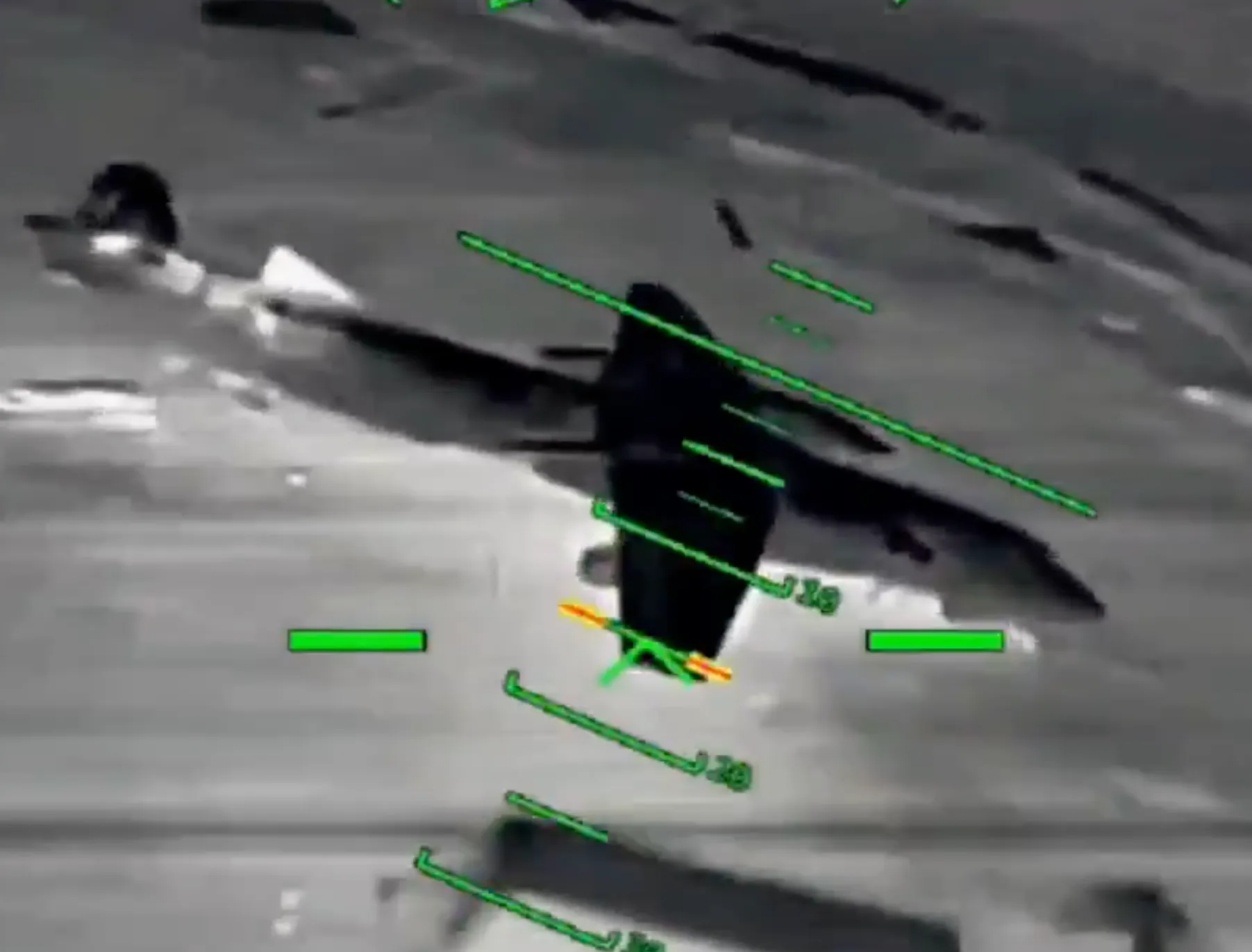
As both sides in the war in Ukraine continue their campaigns of long-range drone attacks, the Ukrainian government’s internal security agency has released a compilation of strikes directed against Russian airbases. The video, published by the Security Service of Ukraine (SBU), records drone strikes against Russian military aircraft by its special forces unit, the “Alpha Group,” also known as “A” Special Operations Center.
“The enemy is used to feeling safe in the deep rear. But for the special forces of “Alpha,” distance has long ceased to matter,” the SBU wrote in a post accompanying the video on social media.
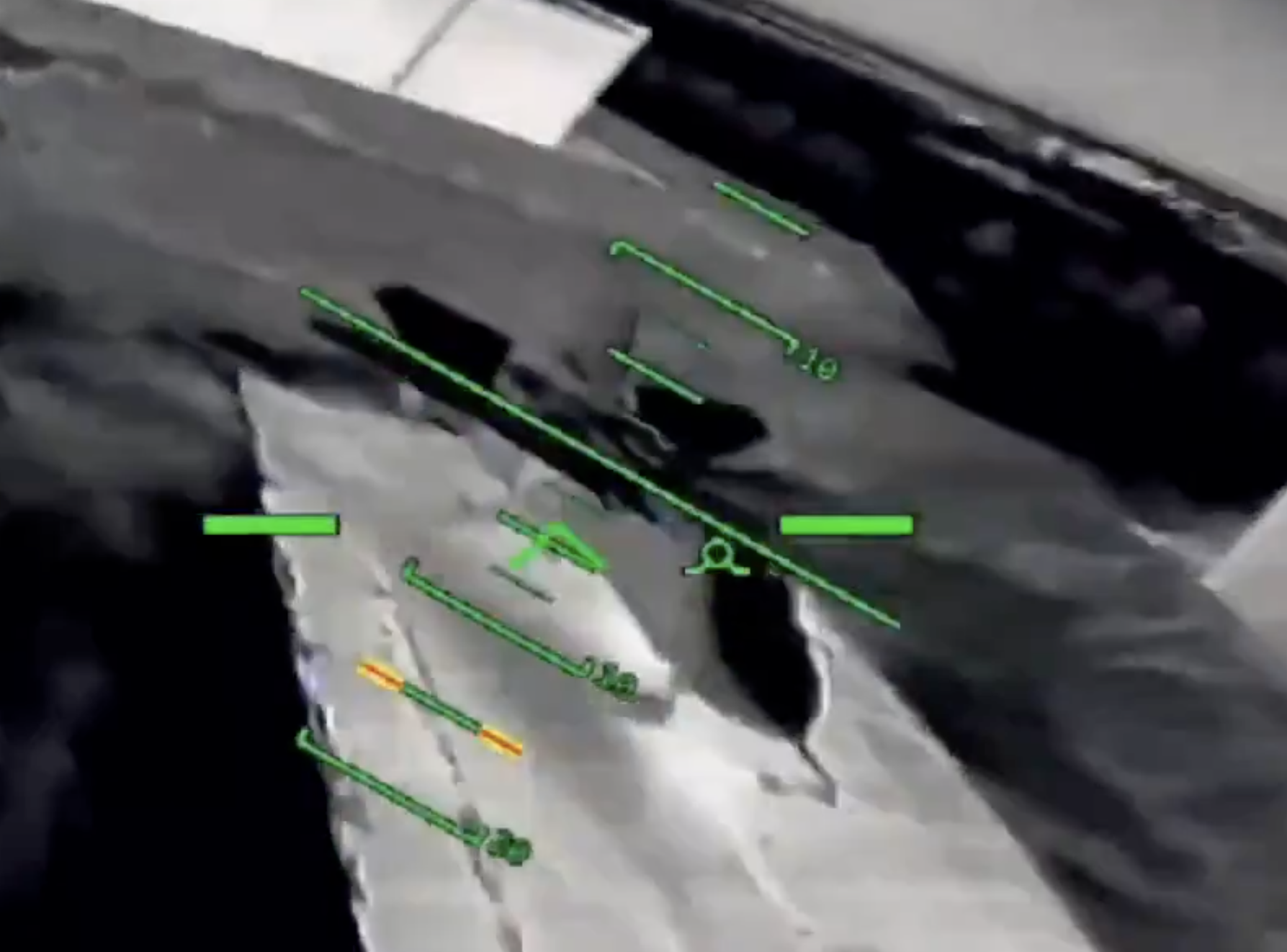
The footage shows several Russian aircraft being targeted, from the perspective of the attacking drones. It appears that most, if not all, of these strikes were previously claimed, and some have been previously seen in the form of video stills. But the end result is certainly impressive, presuming all of the targeted aircraft were damaged or destroyed — which is far from clear from these videos.

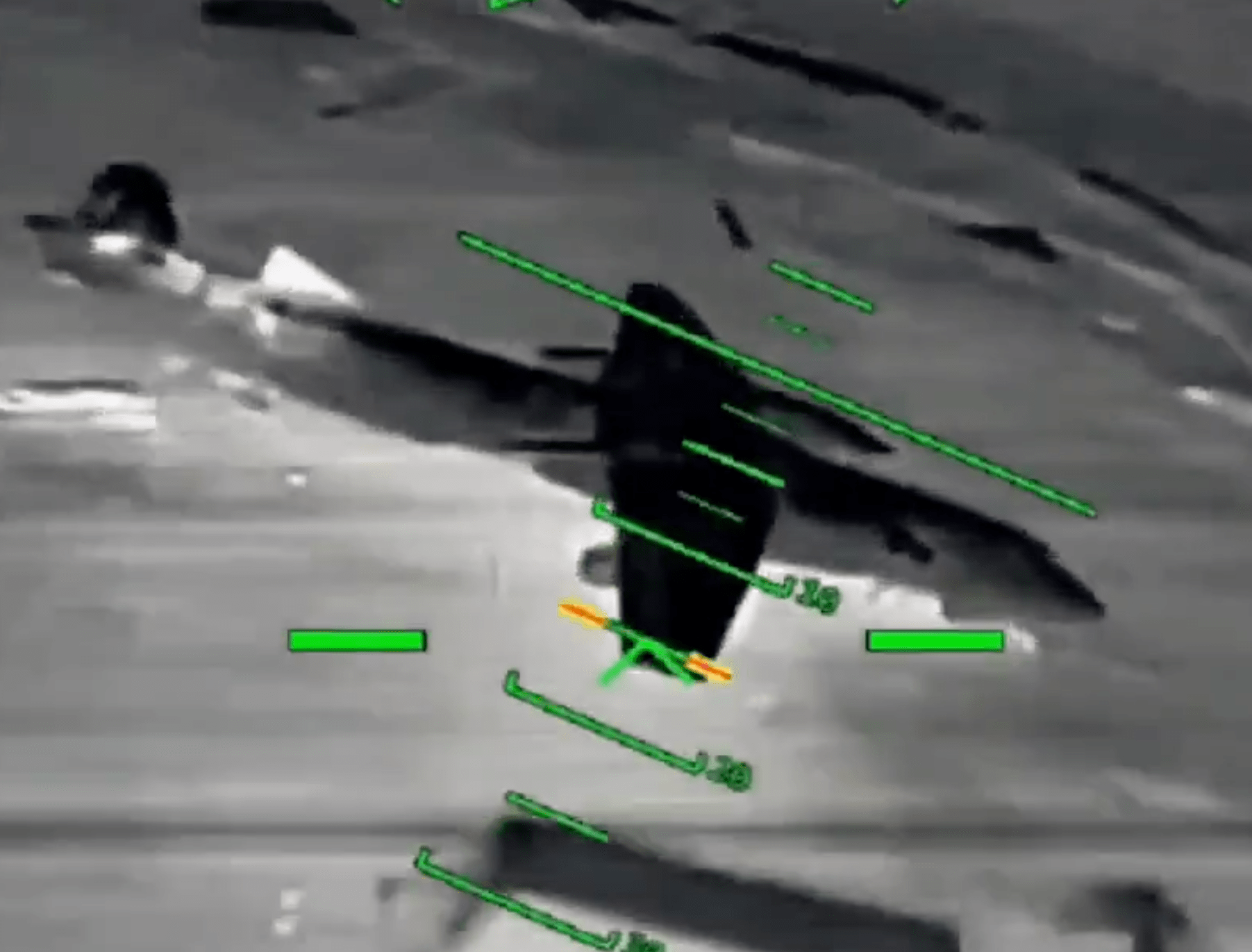

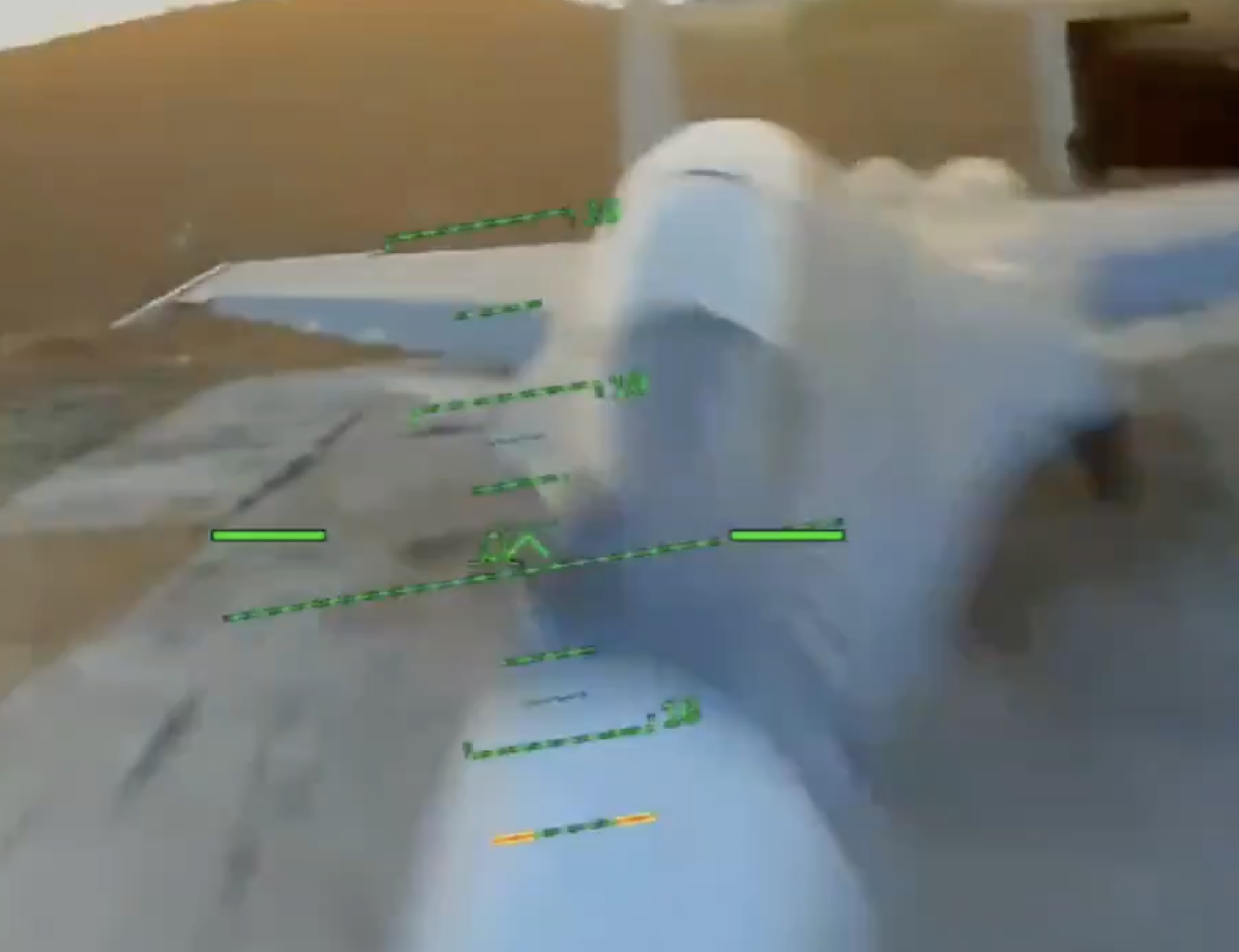
The SBU claims that the total value of the damage was more than $1 billion, although it’s far from clear how this was calculated, especially since some of the airframes in question are decades old and no longer in production. It’s also notable that the SBU figure includes damage inflicted on ammunition and fuel depots at the airfields in question.
Regardless, the 15 aircraft claimed targeted by the SBU appear to comprise:
From what can be seen, the An-26 appears to have been damaged beyond repair, while one Su-24 seems to have had at least its tail section damaged; available satellite imagery may show a destroyed Su-24, but the quality of the imagery means that it can’t be determined for sure.

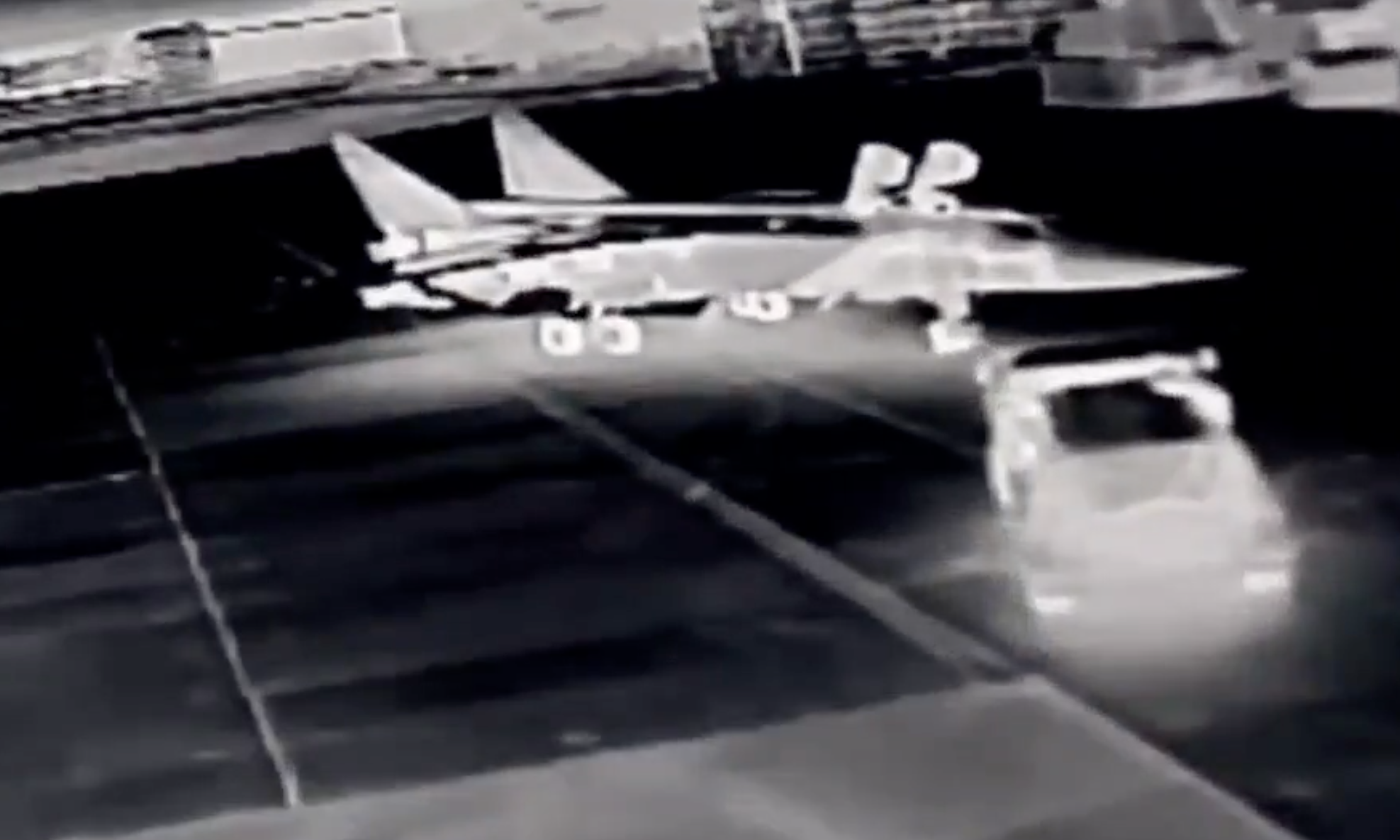
These aircraft were targeted at five different airfields, the SBU stated, without disclosing their exact locations.
However, based on open-source analysis, it seems that the targeted bases included Belbek, Kirovskoye, Saky, and Simferopol, all in Russian-occupied Crimea.

The growing threat of attacks like these on airbases has prompted Russia to build new hardened aircraft shelters and embark on additional construction to help shield aircraft from drone strikes and other indirect fire. This is part of a broader push by the Russian military to improve physical defenses at multiple airfields following the launch of the full-scale invasion of Ukraine.
The highlighted airfield raids in the video are part of a wider Ukrainian drone campaign carried out last year, in which the SBU also targeted Russian air defense systems, radar installations, and critical energy infrastructure.
As far as air defense systems are concerned, the SBU claims that it destroyed Russian equipment worth an estimated $4 billion last year. These included S-300, S-350, and S-400 surface-to-air missile systems, as well as advanced radar systems such as the Nebo-M, Podlet, and Protivnik-GE.
In 2025, Ukraine also carried out the spectacular Operation Spiderweb, a large-scale Ukrainian drone strike against airbases across Russia in June. This targeted Moscow’s fleet of strategic bombers and saw a reported 117 drones launched against at least four airfields.


New footage from Ukraine’s Operation Spiderweb hitting Russian bombers
Notable also is the fact that the specific Ukrainian campaign against Russian airfields is something that was brought up by U.S. President Donald Trump in a telephone call with his Russian counterpart, Vladimir Putin, last summer. The timing of that call suggests that Operation Spiderweb prompted that discussion.
Ukraine’s ability to strike high-value Russian targets at considerable range has been bolstered through the addition of long-range cruise missiles, as well as an expanding inventory of attack drones, both large and small.
Meanwhile, SBU is continuing its long-range drone strikes.
Overnight on January 13, the security agency teamed up with the Ukrainian Navy to attack a drone production facility in Taganrog, where several production halls appear to have been destroyed, based on satellite analysis.
The facility in question, the Atlant Aero factory, is responsible, among others, for producing Russia’s Molniya loitering munition, widely used in Ukraine.
Drones being used to strike enemy facilities producing drones is very much indicative of the path the war has taken, when it comes to the increasing use and diversity of uncrewed systems across all fronts.
For its part, Russia employed a BM-35 loitering munition to attack what was claimed by some observers to be a Ukrainian F-16 fighter at Kanatove Air Base in Ukraine’s Kirovohrad region, on January 26. In fact, the target was either a decoy or a ground-instructional aid, something that even Russia’s Rubicon Drone Operations Center attested to.
This is not the first time that a Russian drone strike has claimed a Ukrainian aircraft mock-up, but again demonstrates the potential vulnerability of airfields to these kinds of attacks.
Notably, too, the BM-35 drone used in the strike is reported to use satellite connectivity via Starlink, allowing operators to control it in real time over long distances.
The SBU’s latest ‘greatest hits’ compilation underscores how drone attacks on Russian military aircraft are one of its highest priorities and one that we will certainly see targeted again in the months to come.
Contact the author: thomas@thewarzone.com