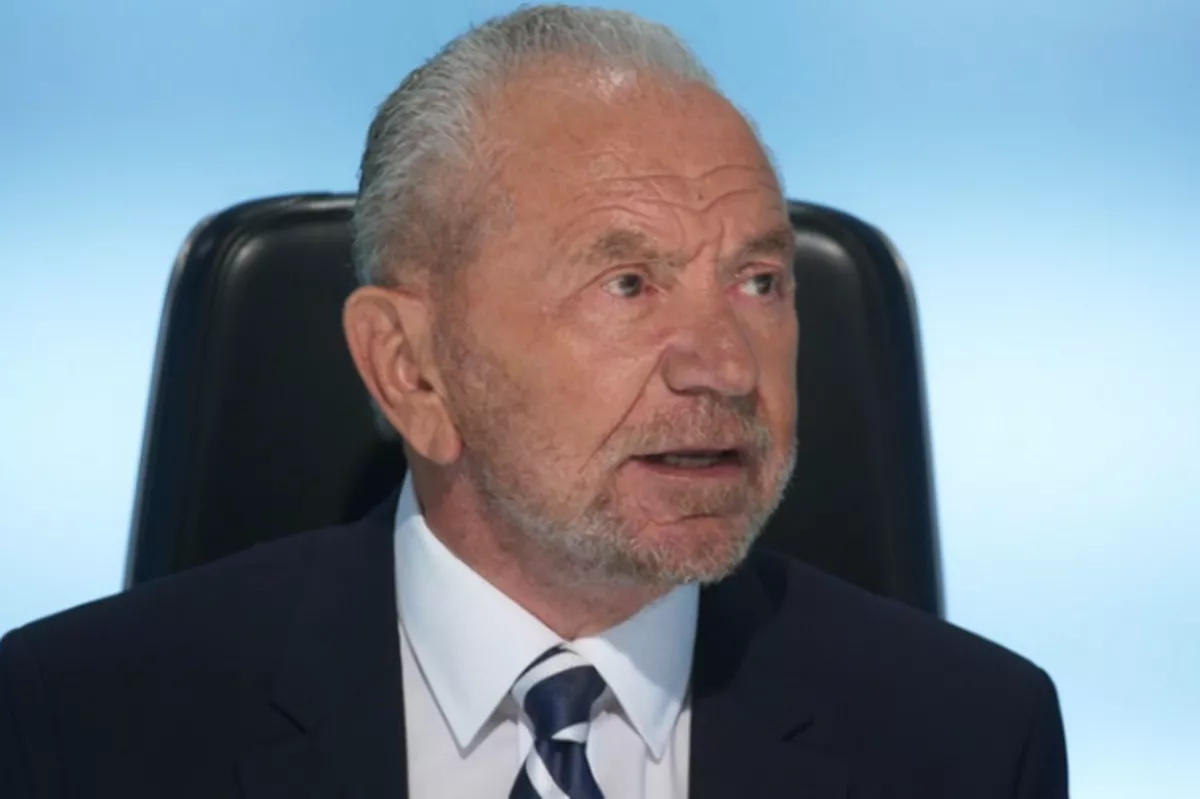
Celebrity Apprentice fans were left stunned after Lord Sugar announced the winners on Tuesday

The Celebrity Apprentice winners were announced on Tuesday (December 30), with fans claiming the results were “fixed”.
The first of two festive specials for BBC Children in Need aired on Monday (December 29), seeing 12 well-known personalities jet off to Lapland to craft their own Christmas gingerbread biscuits and devise marketing campaigns, complete with adverts and catchy jingles.
Team one comprised Tom Skinner, Matt Morsia, Shazia Mirza, Angela Scanlon, Sarah Hadland, and project manager JB Gill. The rival squad included Charlie Hedges, AJ Odudu, Jake Wood, Kadeena Cox, Eddie Kadi, and project manager Rob Rinder.
JB’s team dreamt up Gary the Penguin, an unusual creation combining bubblegum and white pepper flavours. Rob’s team countered with Jolly Mc Trouble, a gingerbread featuring vanilla and Christmas pudding notes, though their batch ended up slightly overdone, reports Wales Online.
Tonight’s episode saw both teams showcase their creations to a panel of industry retailers at a central London venue.
Matt, Shazia, and Tom stunned their fellow contestants when they revealed their promotional video, which prominently featured Tom screaming whilst dressed in a penguin outfit.
After completing market testing sessions with groups of youngsters, the teams began fine-tuning their crucial presentations. The celebrities also tapped into their personal networks to secure advance orders.
For the pitch, JB’s group brought in Rylan Clark alongside Gladiators stars Montell Douglas, Livi Sheldon and Matty Campbell – also known as Fire, Diamond and Bionic. In contrast, Rob secured video messages from several celebrity pals, including acting legends Benedict Cumberbatch and Olivia Colman.
When they returned to the boardroom, Lord Sugar praised Rob’s team for their compelling biscuit backstory and Jake’s carefully crafted advertisement. Yet in a surprising turn of events, JB’s team secured victory after attracting the highest number of orders.
Rob’s team managed to secure 355,500 units, whilst JB’s team racked up an impressive 452,000 orders. Despite this, viewers at home were left unimpressed by the outcome, taking to X (formerly Twitter) to voice their displeasure.
“Fix, how did they win with that crap?!” one viewer posted, whilst another questioned: “How the f*** did that team win with that diabolical advert.”
A third viewer expressed: “Shocked that the Gary The Penguin team won. They had the worse TV advert and their flavours were disgusting. Jolly Mc Trouble should have won.”
However, one viewer supported the winning team, commenting: “I’m pleased Gary the Penguin won as even though their ad was awful, the product made far more sense (and the jingle was catchy)!”
As the episode concluded, project manager Rob brought Kadeena and Jake back into the boardroom, where Lord Sugar ultimately decided to fire Rob.
The Celebrity Apprentice is available to stream on BBC iPlayer
For the latest showbiz, TV, movie and streaming news, go to the new Everything Gossip website