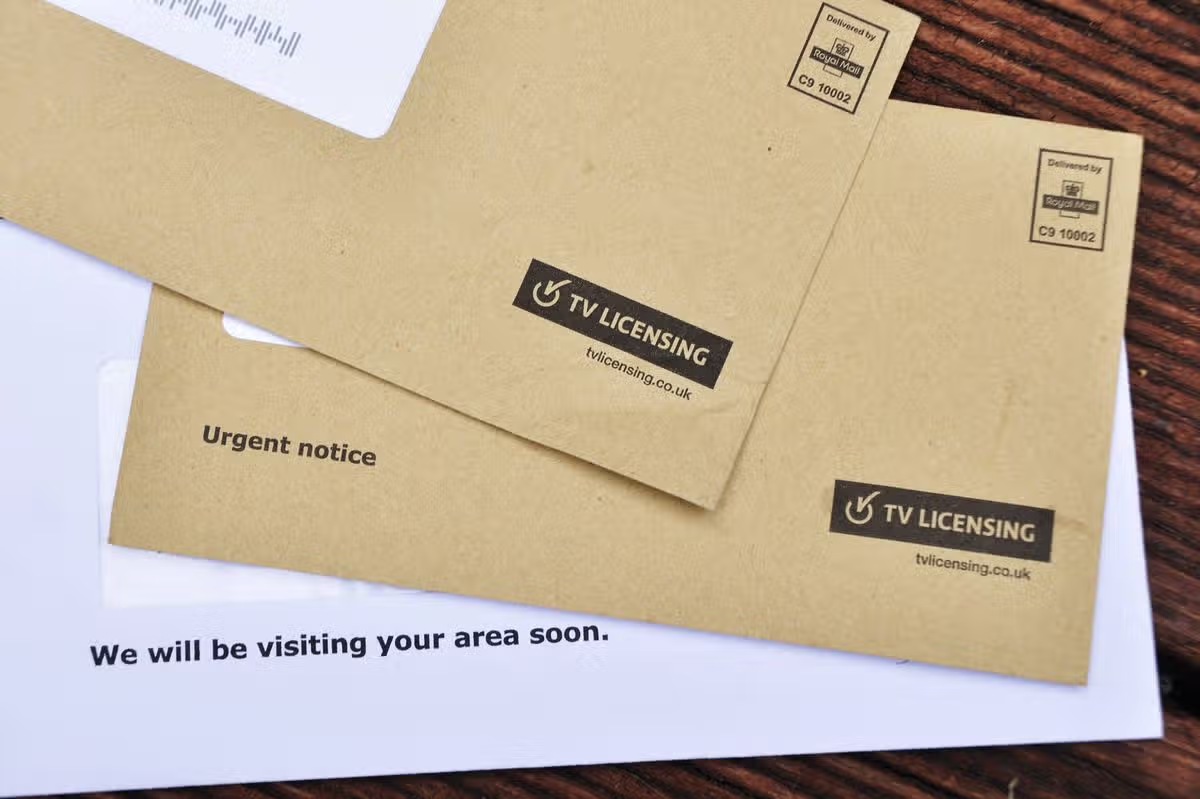
Many households could be overpaying for their TV Licence without realising it

Some people are entitled to a discounted or free TV Licence(Image: MMassel via Getty Images)
Many people may be able to get their TV Licence for less than they think, with some eligible households saving up to £90 a year.
TV Licensing says discounts are available to certain groups. For example, if you’re aged 74 or over and you, or a partner living at the same address, receive Pension Credit, you may be entitled to a free licence.
People in a care home or sheltered accommodation may also qualify for a reduced fee of £7.50, while those who only watch on a black-and-white TV pay £60.50. Meanwhile, anyone who is blind (severely sight impaired) can apply for a 50% discount, cutting the cost to £90.
50% TV Licence discount
A TV Licence costs £180 per year, following a price rise on April 1, 2026. However, TV Licensing rules state you could get it for £90.
It explains: “If you are blind (severely sight impaired) and can provide the appropriate evidence, you are eligible to apply for a 50% concession.”
“Your licence will also cover anyone who lives with you”, it confirms. However, it adds that “if you are partially sighted (sight impaired), you are not eligible.”
Do I qualify for a 50% blind concession TV Licence?
TV Licensing explains that a blind concession Licence costs £90 for colour and £30.25 for a black and white Licence. It asks that it be provided with a copy of ONE of these documents to confirm that you’re certified as blind (severely sight-impaired):
- CVI (Certificate of Visual Impairment) to confirm that you’re certified as blind (severely sight impaired)
- BD8 Certificate to confirm that you’re certified as blind (severely sight impaired)
- A certificate or document issued by a Local Authority that shows you are registered as blind (severely sight impaired)
- A copy of a certificate from an Ophthalmologist (eye surgeon), stating that you are blind (severely sight impaired).
- Tax coding notice from HMRC showing you receive Blind person’s allowance
- A copy of your National Registration Card signed by an Ophthalmologist stating that your are blind (severely sight impaired)
- DHSS documentation or certificate stating that your are blind (severely sight impaired) for Isle of Man residents only
- Health and Social Services documentation or letter from Optometrist for residents of Northern Ireland only
I live with someone who is blind, can I still get the discount?
Yes. The TV Licence experts note that if you or someone you live with is blind (severely sight impaired), regardless of their age, you can apply for a blind concession.
If you already have a TV Licence but it isn’t in the blind person’s name, you’ll need to transfer it to them. This can be done by submitting a first-time blind application and entering the TV Licence number currently linked to your address.
I am partially sighted (sight-impaired). Can I get the discount?
No. TV Licence rules state: “People who are partially sighted (sight impaired) do not qualify for a 50% blind concession.”
How to apply for a blind concession
If you already have a blind licence, you can sign in here to renew it. If you are applying for the first time, you can fill out the official form here.