dock

Maduro says Venezuela open to talks with US, remains mum on dock attack | Politics News

Venezuela leader strikes conciliatory tone while renewing claim US wants to topple government to access vast oil reserves.

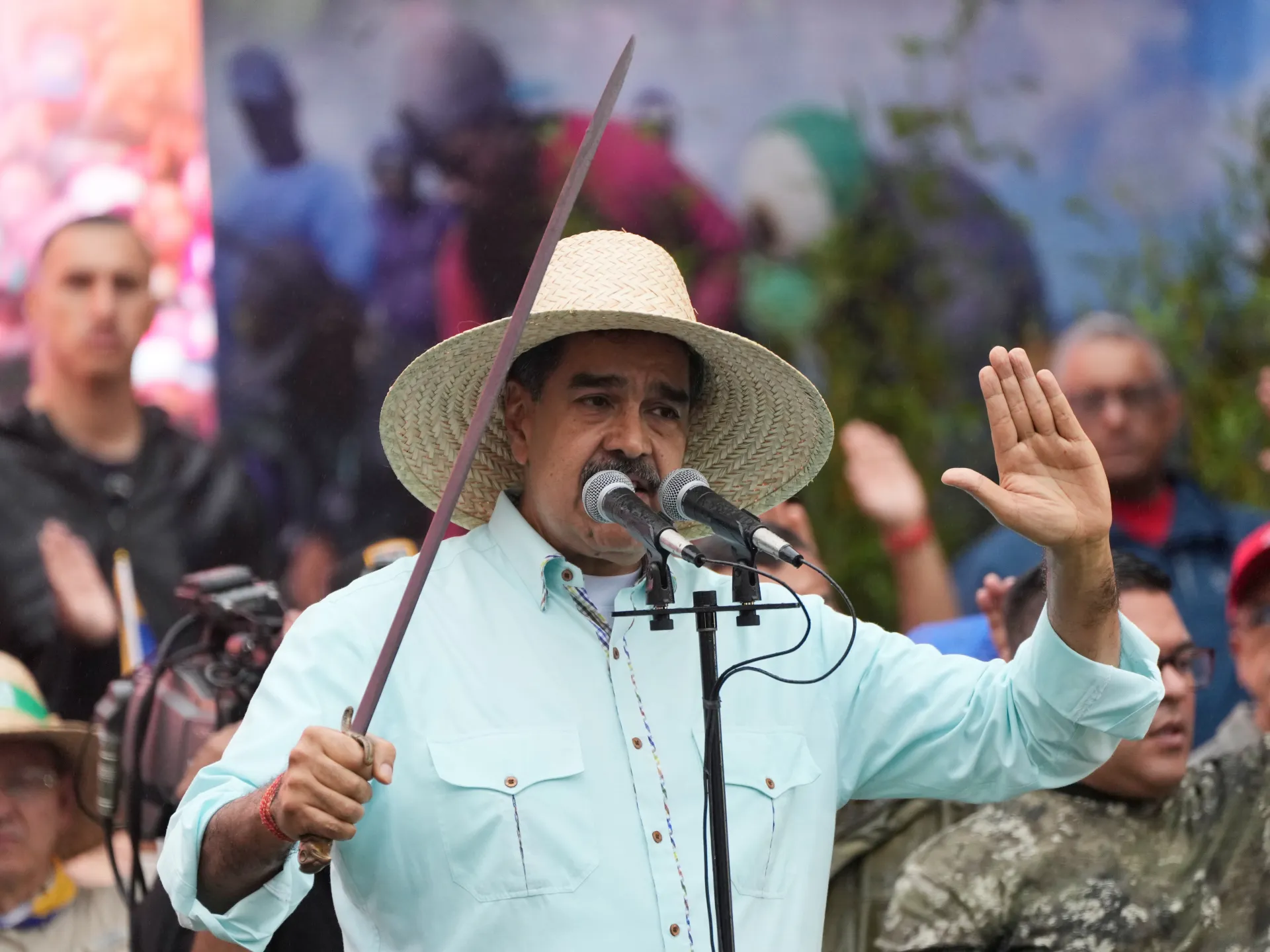
Venezuela is open to negotiating a deal with the United States to combat drug trafficking, President Nicolas Maduro has said, even as he remained silent on a reported CIA-led strike on his country last week.

The latest statement, made during an interview that aired on Thursday, comes as Maduro has struck a more conciliatory tone towards the US amid Washington’s months-long sanctions and military pressure campaign.

Recommended Stories

list of 3 itemsend of list

That included, on Thursday, the release of more than 80 prisoners accused of protesting his disputed victory in the 2024 election, the second such release in recent days.

“Wherever they want and whenever they want,” Maduro told Spanish journalist Ignacio Ramonet of the idea of dialogue with the US on drug trafficking, oil and migration in an interview on state TV.

He stressed that it is time for both nations to “start talking seriously, with data in hand”.

“The US government knows, because we’ve told many of their spokespeople, that if they want to seriously discuss an agreement to combat drug trafficking, we’re ready,” he said.

Still, Maduro renewed his allegations that the US is trying to topple his government and gain access to Venezuela’s vast oil reserves through Washington’s months-long sanctions and military pressure campaign.

“If they want oil, Venezuela is ready for US investment, like with Chevron,” he added, referring to the US oil giant, which is the only major oil company exporting Venezuelan crude to the US.

Asked point-blank by Ramonet if he confirmed or denied a US attack on Venezuelan soil, Maduro said: “This could be something we talk about in a few days.”

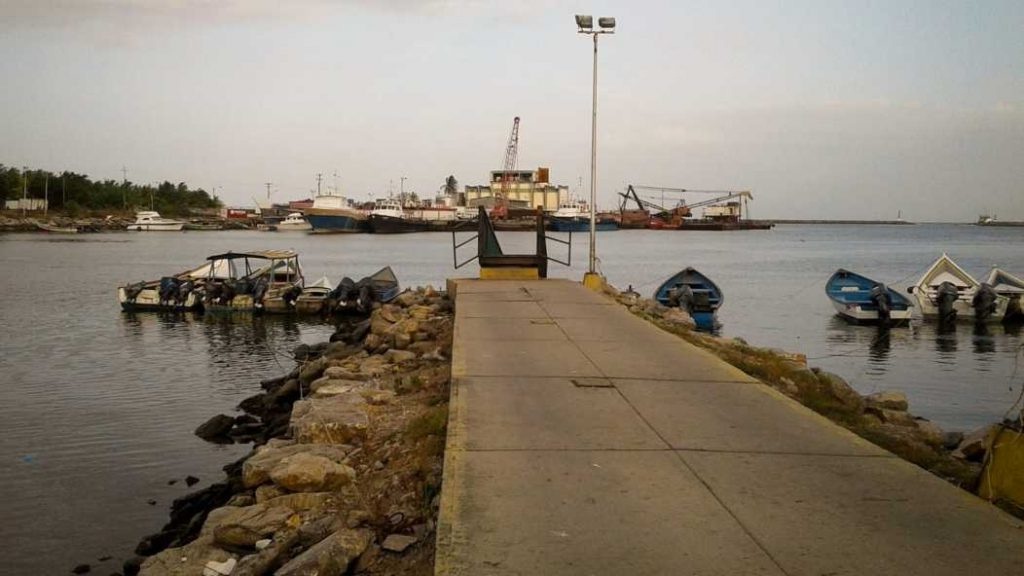
To date, Maduro has not confirmed a US land attack on a docking facility that allegedly targeted drug boats.

For months, the US has launched numerous strikes on alleged drug smuggling boats originating from Venezuela, in what rights groups have decried as extrajudicial killings. The Trump administration has also imposed a blockade on sanctioned oil tankers entering and exiting Venezuela’s coast.

Tensions further escalated after Trump revealed earlier this week a strike on a docking area for alleged Venezuelan drug boats, in the first known attack on Venezuelan territory of the US campaign.

Trump has not confirmed widespread reports in US media that the attack was a CIA operation or where it occurred, saying only it was “along the shore”.

“There was a major explosion in the dock area where they load the boats up with drugs,” he told reporters at his Mar-a-Lago resort in Florida.

“So we hit all the boats and now we hit the area, it’s the implementation area, that’s where they implement. And that is no longer around.”

The US president has repeatedly threatened ground strikes on drug cartels in the region, which he has labelled “narcoterrorists”. He has claimed, without providing evidence, that Maduro leads a trafficking organisation that aims to destabilise the US by flooding it with drugs.

However, regional experts have noted that Venezuela is not known to be involved in the illicit fentanyl trade, which far and away accounts for the highest number of overdose deaths in the US. Trump has labelled the drug a “weapon of mass destruction”.

Maduro has said the Trump administration’s approach makes it “clear” that the US “seek to impose themselves” on Venezuela through “threats, intimidation and force”.

Maduro’s interview was taped on New Year’s Eve, the same day the US military struck five alleged drug-smuggling boats, killing at least five people.

The latest attacks bring the total number of known boat strikes in the Caribbean and eastern Pacific to 35 and the number of people killed to at least 115, according to numbers announced by the Trump administration.

Venezuelans and Colombians have been among the victims.
Source link

CIA Claimed to Have Launched Strike on ‘Remote Dock’ on Venezuelan Coast

Trump has repeatedly threatened to strike purported drug targets inside Venezuelan territory. (Archive)

Caracas, December 30, 2025 (venezuelanalysis.com) – The United States’ Central Intelligence Agency (CIA) has reportedly bombed a target inside Venezuelan territory.

According to CNN, citing “sources familiar with the matter,” the CIA carried out a drone strike against a “remote dock on the Venezuelan.” US officials allegedly believed the facility was being used for drug storage and shipping.

There was reportedly no one present on site during the attack, which is only specified to have taken place “earlier this month.” A New York Times report, likewise relying on anonymous sources, presented similar claims and added that the strike took place last Wednesday.

US President Donald Trump first alluded to a purported strike inside Venezuelan territory during an interview on Friday, claiming that US forces had destroyed a “big facility where ships come from” two days earlier. 

Trump elaborated on a Monday press conference, adding that the site was along the Venezuelan shore and that there was a “big explosion in the dock area where they load the boats up with drugs.”

US agencies have not confirmed the attack, with the CIA, the White House and the Pentagon refusing comment. Analysts relying on open source data tracked no signs of an explosion on the Venezuelan coast in recent days.

For its part, Venezuelan authorities have not released any statements on the matter.

If confirmed, the land strikes would mark a significant escalation in the US’ military campaign against Venezuela. Since August, the Trump administration has amassed the largest build-up in decades in the Caribbean and launched dozens of strikes against small boats accused of narcotics trafficking, killing over 100 civilians in the process.

Trump has repeatedly vowed to bomb purported drug targets inside Venezuelan territory while escalating regime change threats against the Nicolás Maduro government. The White House allegedly approved lethal CIA operations in the country in October.

Despite recurrent “narcoterrorism” accusations against Maduro and other high-ranking Venezuelan officials, Washington has not provided court-tested evidence to back the claims. Specialized agencies have consistently shown Venezuela to play a marginal role in global drug trafficking.

In recent weeks, Trump has turned his discourse toward Venezuelan oil, claiming that the Caribbean nation had “stolen” oil rights from US corporations during nationalization processes in the 2000s and 1970s. 

The US president ordered a naval blockade against Venezuelan oil exports, with US forces seizing two oil tankers carrying Venezuelan crude in international waters earlier this month. A third vessel reportedly refused to be boarded and headed toward the Atlantic Ocean. According to Reuters, US forces have been ordered to enforce a “quarantine” of Venezuelan oil in the next two months in order to exacerbate the South American country’s economic struggles. 

A group of UN experts issued a statement on December 24 condemning the US’ maritime blockade as “violating fundamental rules of international law.”

“The illegal use of force, and threats to use further force at sea and on land, gravely endanger the human right to life and other rights in Venezuela and the region,” the experts affirmed, while urging UN member-states to take measures to stop the blockade and the vessel bombings.

The attempted blockade builds on widespread US economic sanctions, particularly targeting the Venezuelan oil industry, the country’s most important revenue source. US coercive measures have been classified as “collective punishment” and found responsible for tens of thousands of civilian deaths.

For its part, the Maduro government has condemned US “acts of piracy” in capturing oil tankers and blasted the Trump administration’s actions as blatant attempts to seize Venezuela’s natural resources.

Caracas has received diplomatic backing from its main allies, with China and Russia both condemning Washington’s military escalations as violations of international law. However, a recent UN Security Council meeting convened by Venezuela produced no resolutions.

Source link