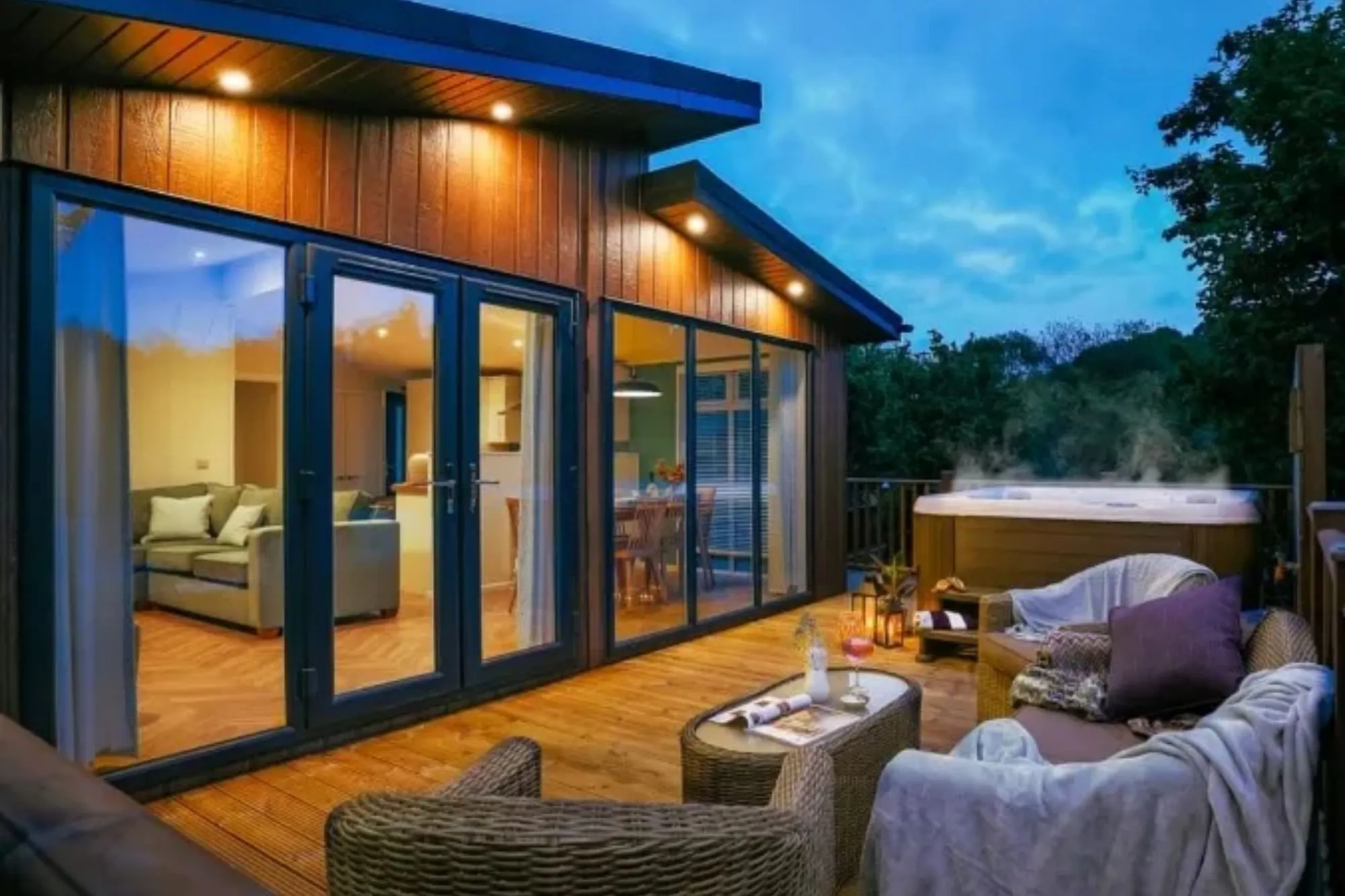
A short flight from the UK, the Channel Islands offer wild coastal walks, peaceful beaches and a new style of upscale autumn stays
This article contains affiliate links, we will receive a commission on any sales we generate from it. Learn more
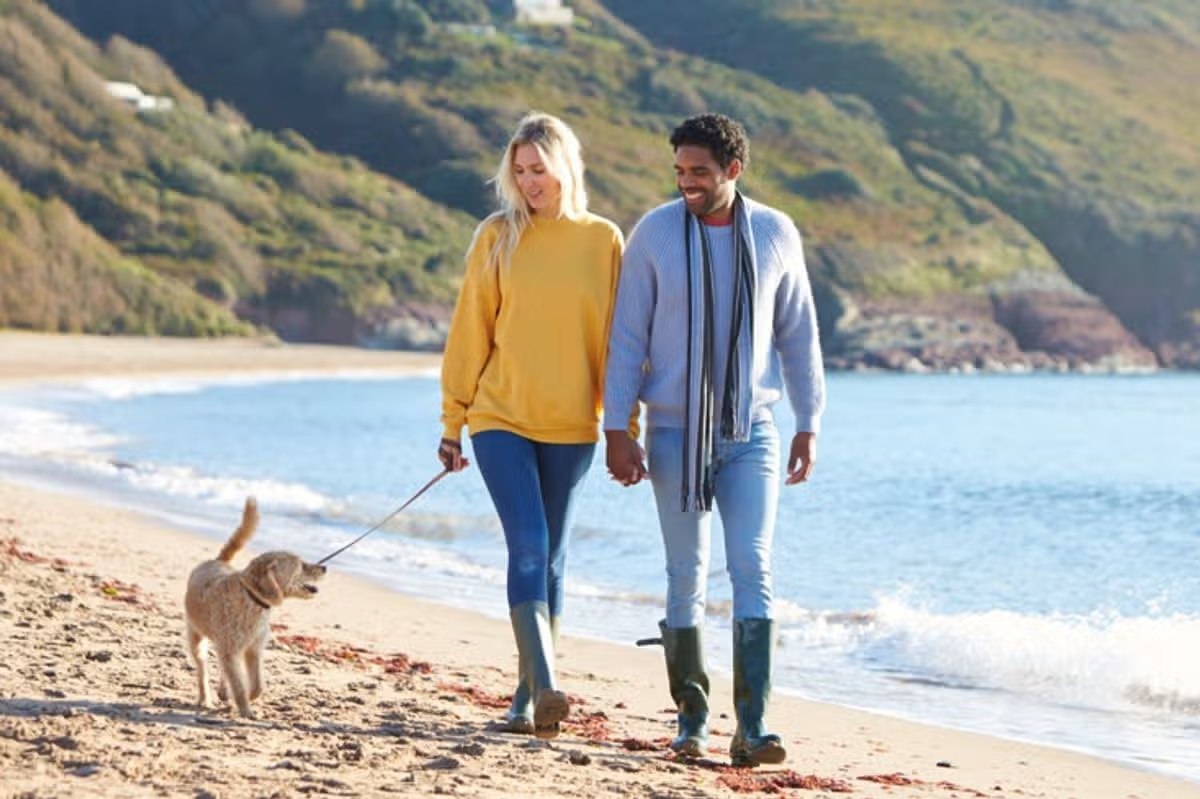
Long beach walks, windswept skies and cosy pub fires – autumn doesn’t get much more magical (Image: Getty Images)
If you’re craving an autumn escape but don’t fancy spending hours travelling, the Channel Islands could offer the perfect change of scenery. Just a short flight from the UK, Jersey, Guernsey and Alderney can feel a world away from everyday life, particularly once summer crowds have disappeared and autumn arrives.
There’s something particularly appealing about spending the day outdoors with the autumn air on your face before retreating somewhere warm and cosy as the sun begins to set. The islands offer plenty of reasons to embrace the season, from dramatic coastal walks and windswept beaches to cold-water swims and changing woodland.
That’s the idea behind Hand Picked Hotels’ new Amber Hours – Autumn by Hand Picked campaign. Designed to celebrate the Channel Islands, the short breaks are a perfect way to breathe in the landscapes as they take on a wilder, more atmospheric character.
READ MORE:
Think bracing walks along the coast followed by Champagne Afternoon Tea, a dip in the sea before warming up in a sauna, or settling beside a window with a glass of wine one of the five Hand Picked Hotels in the Channel Islands that are offering their own take on an autumn break.
Jersey, the largest of the Channel Islands, is a brilliant island escape, with golden beaches, rugged coastal paths and pretty villages offering plenty to discover beyond its sunny summer months. From windswept seaside walks to cosy cafés and historic spots, it’s an easy place to embrace the changing seasons and enjoy a relaxing autumn break.
There are a selection of hotels across Jersey and Guernsey offering autumn breaks with room and food upgrades.
If you fancy a little island adventure of your own, L’Horizon Beach Hotel & Spa makes a rather lovely base for an Amber Hours escape in Jersey. Sitting right beside the golden sands of St Brelade’s Bay, it’s just a 10-minute drive or around 20 minutes by bus from Jersey Airport – so you can be on the beach before you’ve had time to properly switch off your out-of-office.
Dating back to 1850, the hotel has plenty of character, while its terrace comes with uninterrupted views across the bay. After a bracing coastal walk or perhaps a chilly dip in the sea, you can retreat to the spa for some well-earned relaxation and a choice of treatments.
This five-star hotel puts you within easy reach of Jersey’s attractions, while its rooms make the most of the seaside setting, with some offering ocean views. There’s also an indoor heated pool, sauna and steam room – ideal for warming up after a day spent exploring the island.
Guernsey is the kind of island escape where dramatic cliff paths, hidden coves and sandy beaches make it easy to forget you’re only a short flight from the UK. With wild coastal walks, pretty scenery and plenty of cosy spots to retreat to afterwards, it’s a particularly tempting choice for an autumn getaway.
An Amber Hours autumn break with Hand Picked Hotels is available at the Fermain Valley Hotel. Located a 15-minute drive or 20-minute bus away from Guernsey Airport, this hotel is perched on a clifftop above Guernsey’s southeast coast for spectacular views and offers a variety of dining options between its steakhouse, Mexican restaurant and tea rooms.
Also in Guernsey is St Pierre Park Hotel, which is 10 minutes by car or 50 minutes by public transport from Guernsey Airport. Home to an award-winning spa and nine-hole golf course, the grounds of this hotel are home to a picturesque lake and gardens, with master suites offering guests their own private garden and hot tub.
Another accommodation option in Guernsey is Hotel Jerbourg, which is the number one choice on Booking.com based on guest reviews. Set on the clifftop at Jerbourg Point with views stretching as far as France on a clear day, this hotel is home to two restaurants as well as a coffee shop with a sun terrace and an outdoor swimming pool open from May to September.
Over on the island of Alderney, Braye Beach Hotel sits right beside a stretch of pristine white sand, with turquoise waters just steps from the door. It’s the sort of place where you can slow right down, taking in beautiful bay views from the sun terrace, spotting local wildlife or simply settling into a peaceful island escape.
Renowned for offering one of the most luxurious stays on the Alderney island thanks to its 4-star status, the hotel boasts beautiful sea views, while the Terrace and Beach Bar is a relaxed space to unwind. For something a little different, The Vaults is a popular spot for sampling some of the finest wines and steaks, or mingle with the locals in our popular Divers Inn pub.
“An absolute Gem”
Meanwhile, the selection of Hand Picked Hotels across Jersey and Guernsey have all earned a rating of 4.3 out of five stars or higher on Tripadvisor, having earned thousands of reviews from visitors. The top favourite is L’Horizon Beach Hotel & Spa, with one guest writing of a recent stay: “The location is fantastic. A sea view room gives a panoramic view of the wonderful St Brelade’s Bay. Direct access to the beach from the hotel.”
They added: “Comfortable accommodation. Well equipped room. Food excellent. Breakfast selection very good and quality high. Dinner in the terrace restaurant was very enjoyable, again with a matchless view.”
Another visitor fed back: “Stunning location, excellent service and customer care. Lovely open air terrace, wonderful glass-fronted dining terrace, good menu choices with different options for dining, outstanding selection of breakfast choices. Nice pool and spa with good treatment options. Good parking. Convenient for airport and access to all other parts of the island. All in all a wonderful experience and will definitely return.”
Although, they went on to note: “The music on the terrace only happened a couple of times but is it really necessary to bring in loud music to ‘entertain’ people in such a stunning location in a place that oozes tranquillity?”
Another delighted guest added: “An absolute Gem found right beside a lovely wide beach which will give you great childhood Vibes and an enchanting memory. Honestly we can’t wait to go back -to walk on the perfect soft white sand , enjoy the beautiful sea view & savour the calm & peaceful oasis that this wonderful hotel serves up. An absolutely fantastic find.”
Meanwhile, someone else wrote of their stay: “Rooms were of a high quality and always attended to by housekeeping every day and night to turn down your bed. Food in hotel was fantastic. From breakfast to evening meals. Can say it is some of the best food we have had on holiday. Location and staff really made this an unforgettable holiday for us.”
AUTUMN is a fantastic season for a cheap UK staycation – you just have to know where to look.
Luckily, our team of travel experts have banded together to reveal their favourite UK holiday spots for the season… and each is paired with an amazingly cheap holiday deal.
Visit the royal estate of Sandringham on a trip to NorfolkCredit: Alamy
From coastal holiday parks with plenty of Halloween action for kids, to underrated charming Cotswolds towns, we’ve selected breaks that are even better in autumn.
Here’s our pick of affordable autumn UK holidays starting from less than a tenner per person.
Heacham, Norfolk
Travel Reporter, Jenna Stevens
North-west Norfolk might just be my favourite place to visit in autumn.
The royal estate of Sandringham is home to a 600-acre country park, where you’ll stroll down paths shaded by emerald evergreen trees and fiery red cypresses.
The blue and yellow walking trails are marked by giant sculptures of woodland animals. Make sure to also stop by the giant wooden playground with the kids, all for free.
In nearby Snettisham you can hand-feed deer on a Deer Safari at Snettisham Park (£13.50 per adult, £11.50 per kid) or settle down for a local pint by the fire in 14th century pub The Rose and Crown.
In the village of Heacham you’ll find Church Farm, where you can pick your own pumpkins to take back and carve (or simply pose for some family photos with their amazing hay bale displays). Drive a bit further to Brookhill Farm in Thursford and you’ll find a giant pumpkin house.
Base yourself at Parkdean Resorts Heacham Beach for a Halloween-themed October break with loads to do for kids, including rain-proof activities like indoor fancy dress contests, slime-making and a huge ‘Monster Ball’ party.
Plus here you’re only 15 minutes’ drive from Sandringham and Snettisham, and a short walk from Norfolk’s typical golden sands for a breezy beach walk.
You can book a three night weekend break from October 15 in a Bronze caravan sleeping six for £139 total. That works out to £7.72pp per night – plus the Halloween activities will already be up and running.
Witney, Oxfordshire
Deputy Travel Editor, Kara Godfrey
Deputy Travel Editor Kara Godfrey recommends a trip to Witney in OxfordshireCredit: Alamy
A hot chocolate, comfy walking boots and a stroll through the countryside to the pub is my idea of heaven in autumn.
And where is more beautiful that the Cotswolds? But skip the busier towns and head to Witney, often overlooked in favour of the nearby Burford and Bourton-on-the-Water.
The best coffees are found at Coffeesmiths, while a slice of cake from Hunter’s Cake Cafe is a must.
While it has a crazy amount of pubs (the Hollybush is my favourite), there is one that is worth the walk.
Then follow the river for an easy 2hr30 walk through the fields, ending at The Rose Revived Pub where you can warm up with a fantastic roast dinner.
Then hop in a taxi back to Witney and stay at The Blue Boar, a converted 16th century former coaching inn which recently underwent a huge makeover with rooms from around £64.
Salisbury, Wiltshire
Assistant Travel Editor, Sophie Swietochowski
Salisbury in Wiltshire makes for an ideal autumnal breakCredit: Getty
Autumn is, in my opinion, the most magical season for glamping. Nature is at its finest: woodlands are carpeted in crunchy golden leaves and there’s a brisk chill in the air that makes golden hour feel even more cherishable.
And there’s no better place to take advantage of all this than Liba Vineyard in Salisbury, home to just three cosy wooden cabins, sleeping up to four.
Buried in rugged countryside on a working vineyard, each bolthole comes with floor-to-ceiling windows offering spectacular views of the scenery, while bedrooms come with sky lights for night time observing.
You’ll actually feel grateful for the brisk weather here as that means you can take advantage of the wood-fired hot tubs and roaring outdoor fire pits (don’t forget to pick up some marshmallows for toasting)
While you can’t yet drink the wine from the vines grown outside your door, it’s still the perfect spot for hunkering down with a glass of red and a board game.
Cabins cost from £34.75pp (or £139 in total) per night.
North York Moors
Travel Reporter, Jenna Stevens
Visit the historic seaside town of Whitby on a trip to the North York MoorsCredit: Getty
The North York Moors National Park is best explored in the autumn, with waterfall walking trails, miles of heather moorland and quaint coastal towns that are far quieter than in the summer.
The Falling Foss walk takes you on a peaceful loop through ancient forests to reach a 30-foot waterfall, while the Mallyan Spout in Goathland is a more challenging route, but this waterfall is the tallest (70 feet).
Whitby is also a must-visit, with the spooky Whitby Abbey ruins to explore as well as plenty of Dracula history. Dip into the UK’s best fish and chip shop Trenchers for an award-winning lunch.
One of the best ways to take in the views is aboard the North Yorkshire Moors Railway, which covers 24 miles of scenery, stopping at pretty villages such as Goathland and Pickering and ending in Whitby. Day Rover tickets start from £42.70pp with one child going free per adult.
Book a cosy three-night cottage stay in Whitby for £17.94pp per night with this deal from cottages.com.
Peak District
Head of Travel, Lisa Minot
The Sun’s Head of Travel Lisa Minot recommends the Dark Tales of the Peak District tourCredit: Getty
Discover the dark side to the Peak District’s stunning countryside on a new guided walk launching this autumn that brings stories of plague, murder and highwaymen to life.
Dark Tales of the Peaks is a new experience that brings to life the tragic history of the village of Eyam – where the entire village isolated itself during a devastating plague in 1665.
Hear tales of the doomed lovers separated by the outbreak and learn about notorious highwayman Black Harry at Carlswark Cavern.
You’ll also follow ancient roads to Stoney Middleton and discover its historic Roman Bath House before enjoying a hearty meal inspired by food of the period at The Cupola Kitchen including pottage with flatbreads and Bakewell pudding.
And for a stunning stay nearby, Glenhurst in Holmesfield, Derbyshire is a five-bedroom modern country home sleeping up to ten.
The star of the show is the stunning view over the huge garden – and open countryside beyond – from the terrace that sits just outside the vast open-plan kitchen, living room and dining room.
Three nights’ self-catering this autumn is from £115pp, based on ten sharing.
Edinburgh, Scotland
Travel Reporter, Cyann Fielding
Travel Reporter Cyann Fielding recommends visiting Edinburgh – especially if you’re a Harry Potter fanCredit: Getty
Not many cities in the UK are prettier than Edinburgh in autumn and for families, it is full of exciting spots to explore.
Wannabe wizards should visit Greyfriars Kirkyard – while yes, it is a graveyard, you’ll find headstones with lots of the most famous characters’ names including Potter, McGonagall and even Tom Riddell.
Much-loved Victoria Street has Harry Potter-themed shops too, as well as colourful architecture.
For history buffs, Edinburgh Castle is definitely worth exploring and if you want a bit of exercise, head up Arthur’s Seat and take in the spectacular view.
For a gentler walk, gander long the river to Dean Village – a neighbourhood full of stone house that look as if they have been ripped from the pages of a fairytale.
It’s also worth getting lost in the National Museum of Scotland for an entire day, exploring thousands of objects across several grand galleries – for free.
Meninger Hotel Haymarket has funky family rooms with a double bed and a bunk bed, ensuite bathroom and free WiFi from £125 per night.
Anglesey, Wales
Travel Reporter, Alice Penwill
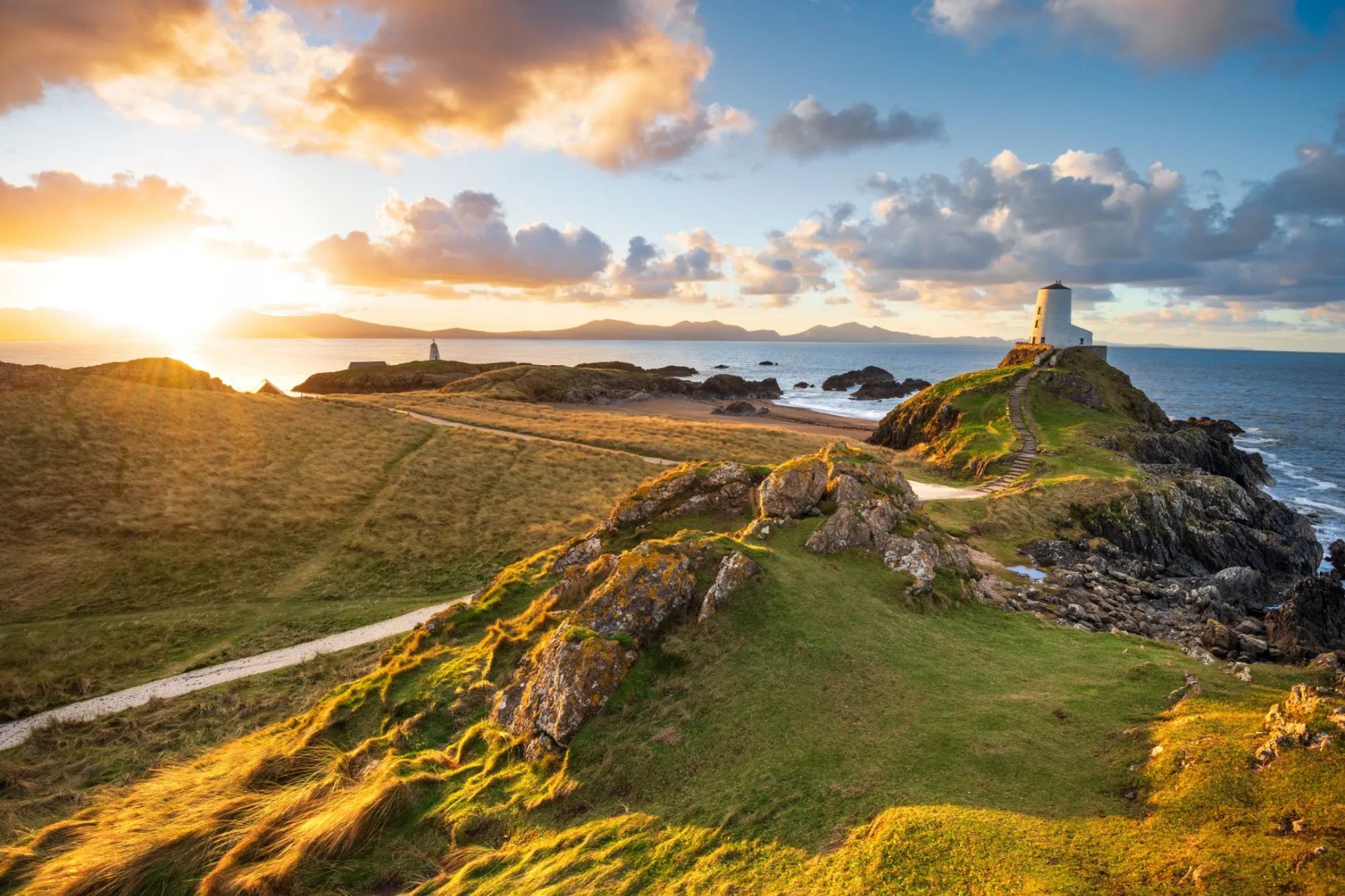
Head for a breezy beach walk in beautiful Anglesey, WalesCredit: Daniel_Kay getty hub
For crowd-free breaks filled with nature-watching and windy beach walks, I don’t think you can do better than Wales.
This year Anglesey has been named ‘unfashionable’ but ‘lovely’ by The Telegraph for the summer holidays, however I happen to think it’s pretty perfect for autumn.
My favourite beach on Anglesey is Traeth Lligwy which I discovered on a hike around the coast which is glorious in the summertime.
If you visit on the weekend, pop into the Lligwy Beach Cafe to pick up a hot chocolate to keep warm on the beach stroll and tuck into a pasty.
If you fancy a quaint village-stay, I’d suggest staying in Moelfre which is a short 20-minute drive to Beaumaris.
Don’t expect lots of entertainment or activities, but there’s a pub to to hunker down in called the Kinmel Arms, and my favourite spot is the cute little coffee shop called Ann’s Pantry.
I loved the cottage we stayed in called Bryn Awel and it sleeps up to six people.
With seven nights costing £567 (or £13.50ppn each), it’s snug with a cosy woodburner to fire up during the chillier months and views across the beach.
Being in Wales, take a rain mac and an umbrella to have on standby, because you never know when the weather will turn.
London city break
Deputy Travel Editor, Kara Godfrey
Visit London in the autumn for a budget-friendly city break with some stunning viewsCredit: Getty
I love a trip to London in autumn, as the summer crowds have gone, but it is still warm enough that you don’t need a huge coat when walking around, that becomes a pain to carry each time you step inside.
And there are so many ways to do it on a budget.
After all, it is one of the world’s best museum capitals when it comes to them being free, meaning you could visit the British Museum, the V&A and the Natural History Museum without paying a penny.
And while there are loads of good restaurant deals, my hack to trying all those viral bakeries is getting a Too Good To Go bag which, if you’re quick, means you can try some of the capital’s top snacks while spending a fraction of the price.
When it comes to how to stay cheaply, I have stayed in my fair share of absolute bargain hotels.
The ultimate budget stay is Zedwell Tottenham Court Road, where the underground rooms start from £71 (so around £35 each). But if you fancy a window, you can’t go wrong with a stay at The Drey, which has rooms under £100.
National treasure David Attenborough recently said that Richmond Park is “both a refuge and a source of inspiration” and that he wouldn’t want to live anywhere else despite having travelled the globe.
And with all there is to do in Richmond Park, it isn’t surprising.
Visitors can see ancient oaks and herds of deer as well as head off on autumnal walks.
For a change of scene, from the park you can head into the town too and explore independent shops or walk along the river spotting the swans and ducks.
The Wye Valley & Forest of Dean
Sitting across the English and Welsh border, the Wye Valley and Forest of Dean is known as one of the UK’s most enchanting regions.
The site is actually an ancient hunting ground with over 20 million trees.
For visitors there are woodland walks, historical ruins and river adventures.
If you want a challenging walk, head up to Symonds Yat Rock or the Devil’s Pulpit.
Mam Tor in the Peak District has panoramic views of Hope ValleyCredit: Getty
Mam Tor, The Peak District
Mam Tor in the Peak District boasts panoramic views of the Hope Valley, and in the autumn it is even more special to visit with the leaves turning brown and yellow.
For a calm walk, there is a three-mile circular route that takes around two hours to complete and includes heading to the summit as well as the Great Ridge and Windy Knoll.
The Scottish Borders
Up in the north, the Scottish Borders has numerous free walking trails to head off on with historic woodlands and ruined abbeys.
There are plenty of free places to explore across the Scottish Borders area, including St Abbs Head National Nature Reserve where there are numerous walking trails.
Or head to Kelso Town Centre with a historic cobblestone market square and loads of independent shops.
Moors Valley Country Park & Forest is home to a play trail with famous charactersCredit: TripAdvisorYou can also do craft workshops at the parkCredit: TripAdvisor
Moors Valley Country Park & Forest
Located in Dorset, Moors Valley Country Park & Forest has an interactive play trail with famous characters including the Gruffalo and Zog.
There are a number of different play areas too, including the Snake Pit with giant wooden snakes that kids can scramble through.
The park is home to a lot of paid-for activities too, including Go Ape.
Heartwood Forest is a Woodland Trust site that is free to visit and also has free parking.
Wander through the ancient bluebell woods and see newly planted trees.
On October 10, there’s even a short guided walk at Heartwood Arboretum.
You’d see 60 species of trees on the free walk, but you will need to book in advance.
Dalby Forest, North York Moors
Dalby Forest is spread over 8,000 acres, so there is plenty to explore with several miles of easy walking trails.
Make sure to look out for the free Gruffalo orienteering markers hidden among the trees.
There’s currently a sculpture trail at the forest too, along the Adderstone Rigg Trail.
Or head to Dartmoor National Park in Devon whee you can see free-roaming poniesCredit: AlamyAnd there are massive stone piles that look more like beastsCredit: Getty
Dartmoor National Park, Devon
Want to feel as if you have stepped into the likes of Wuthering Heights or Sense and Sensibility? Then head to Dartmoor.
This sprawling 368-square-mile national park in Devon is home to the most beautiful walks in the county, in my opinion.
From rock formations that look more like mythical beasts to river spots with giant stepping stones, the park boasts tons of possible days out.
And if you are lucky, you’ll be able to spot some Dartmoor ponies.
Alice Holt Forest
Alice Holt Forest near Farnham is thought to be one of the best family woodlands to visit in the south, with trails ideal for buggies and little ones.
The park also has a small café ideal for grabbing a cuppa if there is a chill in the air.
Charleton Fruit Farm
In Angus, Scotland, Charleton Fruit Farm is home to a huge pumpkin patch from October 9 that is completely free to visit.
There’s lots of other stuff to do at the farm as well for free, including the play park with go- karts, trampolinesand sandpitt.
You can also pick seasonal fruit at the farm, but this isn’t free – you’ll be charged according to the weight of what you pick.
Or head to Charleton Farm for a free pumpkin patchCredit: Charleton FarmDoddington Hall also has a pumpkin patch you can visit for freeCredit: Doddington Farms
Doddington Hall and Gardens
Doddington Hall and Gardens is another spot with a free pumpkin patch, where there are more than 30 types of pumpkins, squashes and gourds to choose from.
If you do want to buy one though, you of course will need to pay for this, with prices usually starting from £4.
Throughout the patch though, there will be some pumpkins with golden bottoms – if you find one, it means you’ll win the pumpkin, as well asa family ticket to Christmas in the Hall as well as a homegrown Christmas tree.
Wings, Wonders & Wildlife Trail at Sandilands
At National Trust‘s Sandilands in Mablethorpe, Lincolnshire, you can head off on a free trail where families learn about six winter visitors.
Along the trail, visitors will test their knowledge with interactive challenges.
The trail is great for all ages and is self-led through the nature reserve.
The Grown-Up Getaways offer the chance to try jewellery making, pottery or painting, as well as explore some of the UK’s most beautiful beaches and countryside
This article contains affiliate links, we will receive a commission on any sales we generate from it. Learn more
There are more than 40 Parkdean Resorts sites to choose from across the UK(Image: Parkdean Resorts)
There’s no time like the changing colours of autumn to explore what the rest of the UK has to offer before the biting winter weather sets in. And for those seeking a fuss-free getaway, one holiday park group is offering breaks from £99 for four nights with more than 40 picturesque locations to choose from.
Parkdean Resorts operates sites across Britain’s coast and countryside, from the beaches of Devon and Cornwall to quiet escapes in Northumberland and Scotland via the likes of the ever-popular Lake District and the Welsh seaside. While many may think of a holiday park break as being one for families with little ones in tow, Parkdean Resorts also offers Grown-Up Getaways – designed specifically for adults looking to enjoy a holiday at their own pace.
These breaks tailored to grown-ups offer a packed programme of activities outside of school holidays, so holidaymakers can start their day with yoga or swimming, while away the afternoon with board games, pool, darts or archery, and spend evenings enjoying a whodunnit murder mystery, karaoke, poker, bingo or a quiz. Other new activities at these Grown-Up Getaways include creative pursuits such as jewellery making, pottery, painting and mosaic art, while entertainment ranges from country nights to rock ‘n’ roll shows and performances full of hits from iconic musicals.
READ MORE:
There are various accommodation options to choose from too, from lodges and caravans to glamping pods, safari tents and cottages with hot tubs, while restaurants, bars, takeaway options and on-site supermarkets at each park provide plenty of places to eat and drink. Holidaymakers seeking a stress-free break can book all-inclusive packages at the majority of Parkdean Resorts sites across the UK too.
All-inclusive holidays are available on selected four-night Monday arrival stays at 45 parks, as well as on selected three-night weekend breaks at 14 parks across the UK, with packages starting from £100 per adult and £40 per child. These breaks include three restaurant meals a day, unlimited soft drinks and Costa Coffee, plus plenty of choice on dedicated kids’ menus.
Grown-Up Getaways offer activities for adults outside of school holidays, while all-inclusive packages are also available.
Another choice for UK holiday parks is Haven, which is inviting visitors to its Haunted Haven season this Halloween when its holiday parks will be offering activities and entertainment with a spooky twist. With more than 30 locations to choose from, prices for a Halloween-themed break start from £65 for four nights.
A different option is Forest Holidays, which can be found in 13 UK forests stretching from Deerpark in Cornwall right up to Strathyre in Stirling. Each lodge at these sites comes with a hot tub, with one to five-bedroom options available for couples’ retreats or family holidays.
Back at Parkdean Resorts, for holidaymakers seeking inspiration on where to go this autumn, the top-rated choice of the group’s destinations on TripAdvisor based on nearly 2,000 reviews is Falbarrow Holiday Park in the Lake District. Situated on Lake Windermere with direct access to the water’s edge, this site offers ample opportunity for water sports such as sailing, kayaking, and paddleboarding on England’s largest lake, although it is also not one of the sites where the all-inclusive offer is available.
Meanwhile, one Parkdean Resorts regular wrote in a five-star review on Trustpilot: “Great holiday park, friendly staff especially in the bar and restaurant. Being pet-friendly made it for us.”
Another customer said: “This place was superb, caravan was lovely and the lakes are great. I have already booked for next year. Been coming to Cornwall now for the last 10 years and been all over in caravan parks for holidays, but this place was best by far.”
And a third praised: “Lovely site. Swimming pool absolutely brilliant as were the child aqua jets and water skis. Very good value for money and the site is very nicely maintained. We got a late deal and it was an absolute bargain!”
One holidaymaker thought their accommodation could have been improved, feeding back: “I booked a three-bedroom lodge but was up graded to a four-bedroom. I feel I should have been given the choice of upgrade because I found it very big for two of us.”
A different reviewer commented: “Parkdean is a great option holiday for relaxing and doing your own thing. Has all the facilities you require to make it a great holiday.”
It will be the last time to see The Masked Singer Live, which ends later this year.
And they will also include firework displays as well.
October half term breaks start from £49 based on four people, or from £13pp.
Breaks start from £10 eachCredit: ButlinsThere will even be fireworks shows as wellCredit: Butlins
Mike Godolphin, Entertainment Director at Butlin’s said: “With autumn well and truly upon us, our teams are busy transforming all three resorts for Spooktober.
“As the Home of Entertainment, next month is one of our favourite moments in the Butlin’s calendar, and we want families to feel the Halloween atmosphere from the moment they arrive on their holiday.
“There’s a brilliant energy across the resorts during this time of the year and we can’t wait to welcome the tens of thousands of guests visiting us this October.”
Autumn can be a great time to escape to the coast, after the crowds and heat of summer have disappeared. We’d love to hear about your favourite seaside resorts in the UK and Europe for an off-season break – places that don’t shut up shop at the end of September, where’s there’s still lots to enjoy year-round and where you may get some late sunshine.
The best tip of the week, chosen by Tom Hall of Lonely Planetwins a £200 voucher to stay at a Coolstays property – the company has more than 3,000 worldwide. The best tips will appear in the Guardian Travel section and website.
Keep your tip to about 100 words
If you have a relevant photo, do send it in – but it’s your words we will be judgingfor the competition.
We’re sorry, but for legal reasons you must be a UK resident to enter this competition.
The competition closes on Monday 5 October at 10am BST
Your responses, which can be anonymous, are secure as the form is encrypted and only the Guardian has access to your contributions. We will only use the data you provide us for the purpose of the feature and we will delete any personal data when we no longer require it for this purpose. For alternative ways to get in touch securely please see our tips guide.
If you’re having trouble using the form click here. Read terms of service here and privacy policy here.
OUR Spotlight On column gives you the lowdown on what to see and do in your favourite holiday hotspots – as well as lesser known gems.
This week we shine a light on a Florida favourite perfect for an autumn or winter break – Boca Raton.
Most Brits won’t have heard of Boca RatonCredit: SuppliedBut the beautifully laid-back beaches make it a secret paradiseCredit: Alamy
Close to the bright lights of Miami, it offers a more relaxed experience in a stunning coastal setting.
As the Head of Travel at the Sun, I recently visited Florida’s secret paradise, with with pristine beaches, surprisingly lush parks and Japanese gardens and a laid back vibe.
Sign up for the Travel newsletter
Thank you!
But with the new Brightline that speeds holidaymakers from Orlando to Miami on Eurostar-style trains stopping off in Boca, it’s easier than ever for us Brits to discover the delights of this upscale city that offers all the best of Miami without the crowds and frenetic city pace.
With jetlag waking me early, I took a stroll on the beachfront near Spanish River Park where the sun breaks over the water painting the sky in vibrant amber and violet tones.
Settling onto the sands, I had the beach almost to myself as pelicans flew low over the gentle surf and watched as the sun rose high.
So here are some of my other tips on exploring the lesser known US city.
MUST SEE / DO
A beloved local institution, Gumbo Limbo Nature Center invites visitors to explore Boca Raton’s coastal ecosystem through nature trails, butterfly gardens and marine conservation exhibits.
It is famous for its sea turtle rehabilitation facility, where visitors can see rescued loggerhead and green sea turtles getting nursed back to health.
Visit during turtle nesting season from March through October, when the centre hosts guided night-time turtle walks and seasonal hatchling releases.
HIDDEN GEM
The Morikami Museum and Japanese Gardens offer a serene escape that feels worlds away from the buzz of the coastline.
It is easy to get to thanks to a new Eurostar-like fast trainCredit: AlamyIf you want a quieter place to explore in Florida, this is the placeCredit: Alamy
Spanning 16 acres, the gardens celebrate centuries of Japanese design through tranquil ponds, bonsai collections and carefully curated pathways.
BEST VIEW
Set between the Atlantic Ocean and the Intracoastal Waterway, the Blue Flag designated Spanish River Park offers spectacular sunrise views over the beach and equally beautiful sunset scenes along its shaded walking trails and waterfront areas.
RATED RESTAURANT
Mizner Park, an open-air shopping and dining complex, is all pink-stucco Mediterranean Revival architecture and towering palm trees.
Here, Tryst blends classic French bistro charm with an inventive American menu under Chef Daniel Dore, featuring dishes from steak frites to a vegan mushroom lasagna topped with oat milk béchamel.
For more relaxed, value dining, Tomasso’s Pizza and Subs is a neighbourhood institution, serving up New York-style slices and massive sandwiches for decades.
A couple of slices or hot sub is from £7.33.
BEST BAR
American Social in Mizner Park is a fun sports bar bringing Modern American cuisine with a twist.
It is the perfect place not only if you want to catch a game, but also for an intimate dinner or a night with friends.
Beer lovers should head to Biergarten Boca Raton.
Tucked into Royal Palm Place, this indoor/outdoor spot stocks more than 24 beers on taps and has dozens of craft bottles as well.
With live music and generous happy hour deals, it’s a relaxed place to kick back.
HOTEL PICK
Fresh from a £5.4million renovation, the Boca Raton Marriott at Boca Center is close to Mizner Park in the city centre and an ideal base for discovering the area.
There’s a gorgeous outdoor pool with plenty of shade from towering palms and you can pick up a cocktail or two at the outdoor Drift bar.
End the day at Sonrisa, with its bold Caribbean-American flavours.
Rooms feature floor-to-ceiling windows to make the most of the views and a calm, neutral palette with splashes of marine blue.
As close to the sea as you can get without setting sail, this newly renovated cottage is moored up between a little shingle beach and the village of Moelfre, with its lifeboat station, pub, fish and chip shop, cafe and parlour serving locally made ice-cream. A former fisher’s cottage, it’s decorated in nautical blues and whites, their cool tones warmed by antique chests and an inglenook fireplace once used for smoking herring. An unusual circular garden spins out towards the sea; hop over its low stone wall and you’re right on the Anglesey Coastal Path, soaking up cinematic views of Puffin Island, and Eryri beyond. Sleeps eight, two nights from £746, boltholesandhideaways.co.uk
Heronden Lodge
Eastry, Kent
Photograph: Nathan Shepherd
This doll’s house-like, red-brick cottage sits sheltered by trees in a quiet corner of the Kent countryside, 10 minutes’ drive from Sandwich and 20 from Deal. Newly spruced up, it’s restfully low-key, with buttermilk walls and wooden floors. Upstairs are two bedrooms (one a king, the other a twin) and a bathroom with a tub: perfect for dunking mud-splattered children after days at the beach or trailing along footpaths. Downstairs, there’s a simple country kitchen, a double-windowed dining room and a sitting room with an open fireplace. Walks lead straight into the surrounding farmland and to the village pub, 20 minutes’ away. There are also two farm shops within 10 minutes’ drive. Sleeps four, two nights from £472, keeperscottages.co.uk
Ty Bach
Beulah, Powys
Photograph: Kayleigh Doyle
Mid Wales is at its moody best in the autumn, the hillsides glowing auburn beneath squally skies. If your walking boots are calling, this recently launched holiday cottage just north of Llanwrtyd Wells is a good base for exploring the trails of the Cambrian Mountains or the Bannau Brycheiniog (Brecon Beacons). The smaller of two cottages on a site that was once a busy village school, it had been empty for more than three decades when the current owners took it on. It took them eight years to restore it, and now it’s a vision of flagstone-floored, putty-walled, slate-roofed comfort, cosied up with a plush raspberry sofa and copper kitchen appliances. This is a place for being rather than doing. Add-ons range from gourmet grazing boards to massage treatments. Sleeps four, two nights from £260, tosholidayhomes.co.uk
Basecamp North Lakes
Troutbeck, Lake District
Photograph: Ruth Burgess
A few miles west of Penrith, this farm shop, cafe, community garden and wetland restoration site juggles more plates than a Barcelona tapas bar on a Saturday night. It’s also home to a charitable enterprise, Alpacaly Ever After, which rescues llamas and alpacas and offers meets, walks and even camping experiences with them, accessible to all. This summer it added one more item to the menu, launching seven smart new cabins beside the site’s lake. Kitted out with glossy green-tiled shower rooms, galley kitchens, wood-burning stoves and private outdoor baths, they each have one bedroom but can sleep two more on a sofa bed in the lounge. Sleeps four, two nights from £300, basecampnorthlakes.co.uk
Peatlands Retreat
Ballybogey, County Antrim
Photograph: Gareth Andrews
Sitting in the countryside between Ballymoney and Portrush, the two restful shepherds’ huts here come with en suite shower rooms and king-size beds. You’re within easy reach of Old Bushmills Distillery, the Giant’s Causeway, Dunluce Castle and a string of some of the most stunning sandy beaches in the UK, but many guests don’t venture beyond the site’s gardens, meadow and woodland, staying to spot resident hares and light wood-burning stoves. The owners also run an artisan micro-bakery on site; Saturday sourdough workshops can be booked (£90pp), bakery breakfasts can be delivered to your door (£16pp) and twice a week there’s a hyper-local pizza-to-hut delivery service (£15 each). Sleeps two, two nights from £320 (discounts for solo stays), peatlandscausewaycoast.com
Pippin Cottage
Bude, Cornwall
Run by a former Vogue producer, her chef partner and their farming family, Pippin is one of three cottages set on a working orchard outside Bude. Mixing heirloom pieces with Studio Ore taps and Hay lighting, it’s a lesson in understated, soulful style. Works by local artists cheer the walls (many are for sale) and in the kitchen you’ll find apple juice pressed straight from the orchard’s trees. This autumn, the site has opened a new custom-built sauna and cold plunge, and guests can book add-on wellness experiences such as yoga and sauna sessions that end with hot cocoa around a fire pit. Sleeps four, two nights from £256, cannorchard.com
Montagu Cottage
Drumlanrig, Dumfries and Galloway
Photograph: Alix McIntosh Photography
Built in the 19th-century as the laundry for the Queensberry estate, Montagu Cottage has been scrubbed up for modern-day guests. A peppermint cream colour scheme cosies up its lofty living area and three bedrooms, there’s a clawfoot bath for post-hike soaks and a double-aspect wood burner blazes in the cottage’s heart. Drumlanrig Castle is easily reached on foot (guests get free access to the gardens and adventure playground until the end of October); spectacular woodland and valley walks lead out from the door; and you’re close to the village of Thornhill for pubs, bakeries, shops, cafes and, if you time it right, a live gig or film screening at the Old School. Sleeps six, three nights from £750, drumlanrigcastle.co.uk
Molly’s Cabin
Sutton Bonington, Nottinghamshire
Tucked into the field-woven gap between Nottingham and Leicester, beneath the approach to East Midlands airport, Bonington Farm’s four distinctive holiday cottages include a blackened timber cabin with sociable, dorm-style bedrooms, a circular grain store, a pretty brick farmhouse and a corrugated former hay barn. The latter, Molly’s Cabin, is a gallery-walled, salvage-speckled hideaway that’s about to undergo a gentle refurb. Single-night Sunday stays include a private movie night in the farm’s cute grain silo cinema. Or, stay for the whole weekend and go leaf-crunching along the trails of The Outwoods, a 110-acre woodland around 20 minutes’ drive away. Sleeps two, one nightfrom £200, boningtonfarm.com
Fjord
Ullapool, the Highlands
Photograph: Lukas Rambousek
A minimalist counterpoint to the rugged maximalist scenery beyond, Fjord is one half of Corylus Retreats, the twin self-catering apartments opened just outside Ullapool in May. Conceived and run by the team behind nearby Ecotone Cabins, it was designed sustainably with stripped-back timber walls, and floor-to-ceiling windows maximise natural light and have views of neighbouring Loch Broom. On clement days, the pretty harbour and restaurants of Ullapool are easily reached, and there are craggy hikes around Assynt, Coigach and the Summer Isles. If it rains, hunker down inside, enjoying the luxury of underfloor heating or curling up on the covered deck to watch scudding clouds. Sleeps four, three nights from £661, premiercottages.co.uk
Hafod Gwyllt
Cwmystwyth, Ceredigion
Photograph: Lou Archell
Its name translates as “wild summer dwelling” but this renovated cottage deep in the Cambrian mountains is equally good for an autumn escape. On the Hafod Estate, deep in the Ystwyth valley, it has no neighbours besides ponies, and has easy access to hiking and wild swimming. Newly available as a holiday rental, it’s stylishly understated inside, with whitewashed walls, slate and wood floors and a collection of ruffled lampshades, tapestry blankets and old pine dressers in soothingly subdued shades. Outside, there’s a wood-fired hot tub with rugged mountain views and the owners can arrange dark skies photography sessions or visits to local potters. Sleeps four, three nights from £690, sandandstoneescapes.com
Cae’n y Bwlch
Talsarnau, Eryri (Snowdonia)
Photograph: Polly Lovegrove
Getting away from it all is a given at this newly launched cottage in a secluded mountain setting north-east of Harlech. Owned by a ceramicist and an artist, its slate floors and limewashed walls are warmed by glowing fires and a colourful collection of antique dressers, jaunty art, textiles and carved wooden love spoons. While you could drive down the hillside for a windswept walk along the beach at Black Rock Sands, or to explore the legacy of Clough Williams-Ellis at Portmeirion and Plas Brondanw, it would also be tempting to arrive fully supplied and squirrel yourselves away, soaking up the views or hiking straight out into the rugged wilds of Eryri national park. Sleeps six, three nights from £509, underthethatch.co.uk
Riders Lodge
Ballycastle, County Antrim
Stay Lagom is a small estate set around a Georgian rectory on the fringes of Ballycastle. With bike hire on site and a new programme of add-on wellness experiences (think yoga and seaside saunas), it’s popular with visitors coming to hike, surf or cycle the Causeway Coast. Hotel-style bedrooms and boutique dorms can be booked and there are two self-catering cottages, including Riders Lodge, where a sofa-bed stretches capacity to six. Popular with families and small groups of friends, it’s a sociable space with surfboards and bikes suspended on the walls, its own courtyard hot tub and a stash of board games for evenings around the wood burner. Sleeps six, two nights from £524, staylagom.com
Hoolet Bothy
Beauly, the Highlands
If Mrs Tiggy-Winkle retrained as an architect, she might come up with something like Hoolet Bothy. A remote, off-grid farm cottage in the hills above Beauly, 12 miles west of Inverness, it’s the epitome of cosy, with timber-panelled walls, a log-burning stove, a double bed tucked into the eaves and a wood-fired Rayburn for cooking and supplying hot water to a small cast iron bath. Guests have access to a fridge and a charging point down at the farm, three minutes’ walk away, and a cool box is supplied for essentials, but there’s no electricity on site so hunker down for days of walking among deer-speckled hills and red kite-dotted skies, and evenings spent storytelling by candlelight. Sleeps two, three nights from £477, airbnb.co.uk
Labour in Vain Cottage
West Bexington, Dorset
Photograph: National Trust
Set back from the 18-mile swoosh of shingle along Chesil Beach, this semi-detached rental (there’s another next door for holidaying apart together) has been newly renovated by the National Trust. Its name, like the lane beside it, is thought to refer to a year of crop failures in the middle ages – but there won’t be much labouring, in vain or otherwise, while staying here. Hike a stretch of the South West Coast Path, go swimming or fossil-hunting, watch the skies for migratory brent geese and head into nearby Bridport for shops, cafes and pubs. As well as a snug ground-floor lounge, the attic has been converted into a games room with a TV, telescope and space to spread out jigsaws or toys. Sleeps four, two nights from £561, nationaltrust.org.uk
Thornfalcon Winery
Taunton, Somerset
Photograph: Felicity Millward
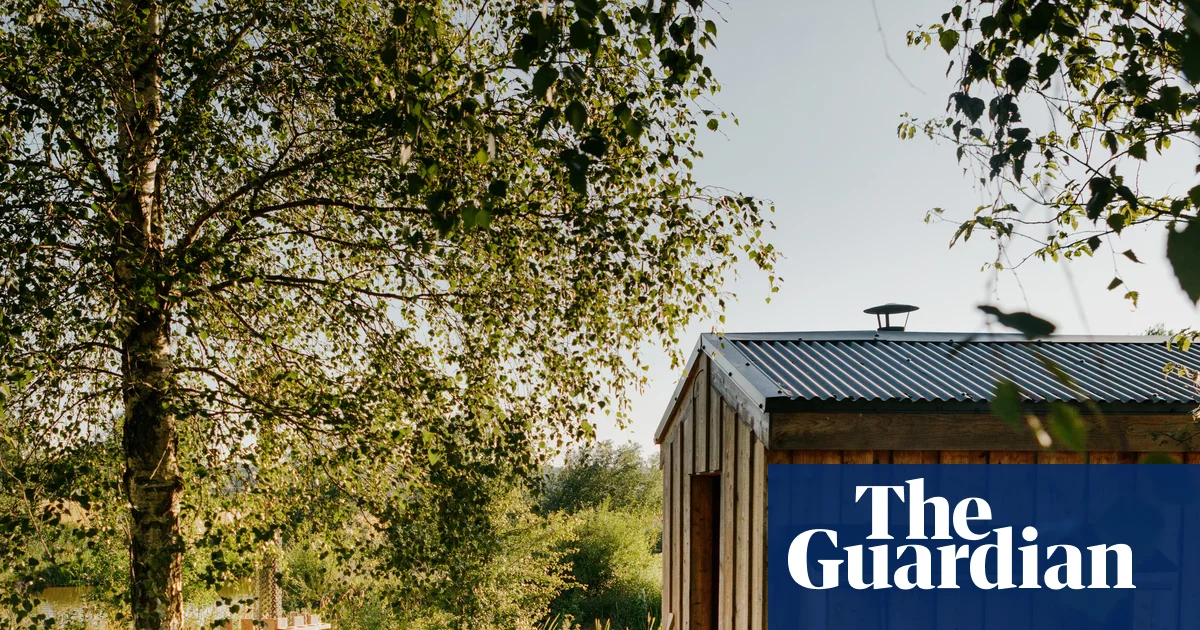
One of two wooden cabins on a working vineyard (there’s also a more spacious barn conversion suitable for families), the Vine Hut blends rustic timber walls with apple green paintwork and a red gingham sofa to give a cheery, gingerbread cottage feel. It comes with its own outdoor copper bathtub and firepit, plus access to the neighbouring swimming lake and Finnish sauna (pictured). Earlier this year the owners of Thornfalcon renovated a barn on site and have launched a wine school there, plus a series of monthly supper clubs, pairing the vineyard’s wines and juices with seasonal menus; October’s is a culinary caper through the hedgerows, fields and waves via pheasant, hake, mussels, squash, radicchio, puntarelle and quince (from £65pp). Sleeps two, two nights from £340, thornfalcon.com
Prices are for October-November and were correct at time of publication
From the chequerboard restaurant chairs to the disco ball-glittered bar and leopard print-cushioned bedrooms, this 41-bedroom hotel has more than a hint of Alice’s Adventures in Wonderland about it. The 2026 winner of Visit England’s gold award for best small hotel, the Tempus recently opened eight wooden cabins overlooking the estate’s lake, and runs stargazing breaks in partnership with nearby Kielder Observatory. This month sees the launch of wellness experiences, combining gentle yoga and sound baths, while foraging workshops celebrate the estate’s wild bounty. Alnwick, Bamburgh and kipper-smoking Craster are close by. Doubles from £121 B&B, thetempus.co.uk
The Old Bridge Inn
Aviemore, the Cairngorms
Photograph: Rupert Shanks
You can walk, cycle, swim or kayak straight from the door of this pub and bunkhouse on the banks of the River Spey in outdoorsy Aviemore. This mellow gastropub serves smoked haddock chowder and Caribbean lamb curry pies along with Cairngorm Brewery’s ales – and you’re likely to catch some live folk music too. Fresh from a recent revamp, its seven vintage-inspired bedrooms are decorated in autumnal shades of gold, green, rust and teal. Ranging from simple dorms to en suite doubles and family rooms, they come with access to a shared kitchen and dining room for DIY dinners and breakfasts. Family rooms for up to fivefrom £80 room-only, oldbridgeinn.co.uk
The Black Horse
Amberley, Sussex
Photograph: Dave Watts
Food is the big draw at this new pub with rooms in the South Downs. Run by farm-to-fork restaurateurs the Gladwin brothers, the 12-bedroom inn is their first venture outside London, and their first with accommodation. One thing they are deeply familiar with is local producers – not least their own family. Beef comes from their farm, wines from their vineyard, Nutbourne, and some of the pub’s artwork has been painted by family matriarch Bridget. Stay over and you can wake to breakfasts of homemade brioche with just-laid eggs, farmhouse sausages or trout gravadlax. Stroll around the village, with its castle hotel and pottery, or hike over to Arundel then catch a train back to Amberley. Doubles from £125 B&B, blackhorse-pub.com
The Abergwaun
Fishguard, Pembrokeshire
Pembrokeshire is home to spectacular beaches, but if an autumn storm blows in, it’s great to have galleries, cafes, pubs and cinemas where you can take cover. That’s where Fishguard comes in. This small harbour town has quietly blossomed over the last couple of years. The latest opening is the Abergwaun, a bistro with rooms launched in July by the folk behind the nearby Red Onion cafe. Feast on locally line-caught seabass with kelp beurre blanc, then drift off to sleep in one of five smart, latte-coloured bedrooms. The next day, take in a pottery workshop at Tŷ Clai, hike along the Pembrokeshire coast path for a Sunday roast at the Sailor’s Safety, or catch a gig at Ffwrn. Doubles from £140 B&B, theabergwaun.co.uk
The Lister Arms
Malham, Yorkshire Dales
Photograph: Jo Ritchie/The Guardian
Malham is one of the Yorkshire Dales’ great hiking hubs, with Malham Tarn, the amphitheatrical cliffs of Malham Cove, and Janet’s Foss and Gordale Scar waterfalls within easy reach – and staying in the village became a little easier this summer with the opening of Lister Farmhouse. Its 13 bedrooms pair smart taupe, olive and blueberry fabrics with warm wood and leather. Part of the expanded Lister Arms, which includes rooms at the inn itself and at a nearby barn conversion, the new farmhouse bedrooms are two minutes’ walk away, beside sister pub the Buck Inn. For breakfast, stroll across a packhorse bridge to the pub. Doubles from £135 B&B, listerarms.co.uk
The Great Decoy
Hurstbourne Tarrant, Hampshire
Photograph: Dave Watts
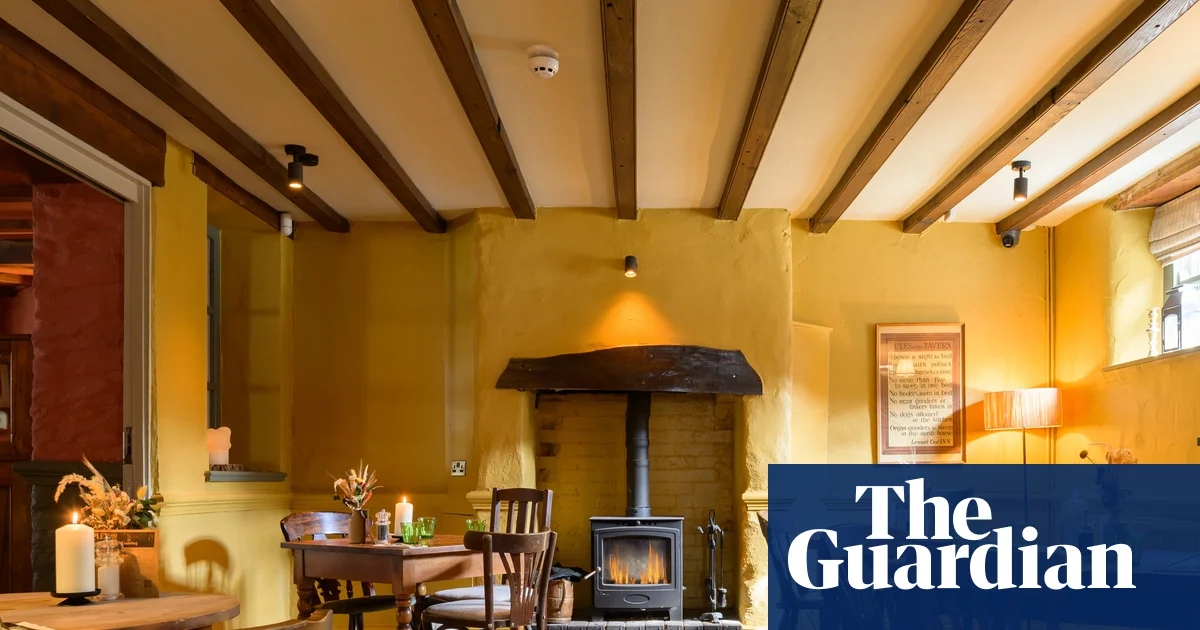
Formerly the George & Dragon, when this Test valley pub with rooms opened in June, its name was changed to the Great Decoy in a nod to the area’s second world war history, when the surrounding countryside was used as part of a network of decoy sites to draw enemy bombers away from strategic targets. These days, a tempting mix of pub bangers (venison steak frites, wood-fired pizzas), plump-pillowed bedrooms and affordable rates is luring a more peaceful crowd. The pub is a low-beamed, candlelit haven and its eight bedrooms mix antiques with bright modern art and jauntily striped, scalloped headboards. Doubles from £90 B&B, thegreatdecoy.co.uk
The Riverside Inn
Ross-on-Wye, Herefordshire
It was in Ross-on-Wye in the late 18th century that the artist and writer Rev William Gilpin set the blueprint for British tourism. Popularising the picturesque, he encouraged travellers to explore the local landscape for pleasure, helping to establish the idea of the British scenic escape (albeit infamously suggesting that “a mallet judiciously used” might improve the ruined charm of Tintern Abbey). More than two centuries later, five elegant new bedrooms have just opened at the Riverside Inn, giving modern-day visitors a suitably comfortable base from which to explore the area’s antiques and salvage shops, and stroll the leafy riverside pathways around Symonds Yat. Named after Charlie Mackesy characters, the rooms are decorated with finds from Baileys Home Store and other local businesses. Doubles from £180 B&B, riversideinn-wyestreet.com
The William Cecil
Stamford, Lincolnshire
On the edge of the Burghley estate, along one of Stamford’s cute-as-a-bonnet Georgian streets, this treasured hotel underwent a major renovation two years ago. Named after Lord William Cecil, chief advisor to Elizabeth I, the 18th-century building is home to 26 bedrooms decorated in Bridgerton-meets-Babington chic, all chalky pink and sage green stripes, ginghams, velvets and chintz. The latest addition is Wild Floral, a botanical-inspired room launched this summer in collaboration with Lincolnshire designer Sophie Allport. Head out to explore the copper-flecked parkland of Burghley House, then return for pheasant kiev and blackberry tart at Milly’s, the in-house bistro. Doubles from £155 B&B, thewilliamcecil.co.uk
Corsham House
Corsham, Wiltshire
Photograph: Dave Watts
It was no surprise that Corsham was chosen as a backdrop for the recent TV dramatisation of Jilly Cooper’s Rivals – the market town is a primetime destination. Wild peacocks roam its Georgian streets, a “secret” garden unwinds behind stately Corsham Court – home to one of Wiltshire’s finest private art collections – and independent shops and cafes rule. In the centre of it all is Corsham House, a new brasserie and bottle shop with rooms that opened in July. Once a bank, it’s now profiting from the town’s “Bath in miniature” credentials, serving its signature Corsham chips with chicken salt alongside fat rump cap steaks, and putting guests up in 11 small but daintily designed bedrooms painted in shades of rose, damson and beech. Doubles from £111 room-only, corshamhouse.com
The Copley Arms
Hessenford, Cornwall
Just off the A387, between Plymouth and Looe, this riverside pub with rooms is worth detouring off the beaten Cornish track for. Recently taken over by the couple behind Lydford’s award-winning Castle Inn, its 17th-century core has been elegantly refurbished. Fill up on fish tacos or the catch of the day, then head upstairs, or into the cottage just behind the inn, to slumber in one of eight earthily coloured, softly lit bedrooms (the cottage rooms are the quietest). The following morning, wake to a full Cornish before hiking a loop through the woods of the Seaton Valley or strolling a section of the South West coast path over to Looe. Doubles from £100 B&B (two nights for £160 from Sept-April), copleyarms.co.uk
The Swallow Falls Inn
Betws-y-Coed, Eryri (Snowdonia)
Photograph: Tinman Photography
Just across the road from its namesake waterfall, this former coaching inn reopened last year after a major overhaul, offering visitors a comfortable and affordable base for exploring Eryri national park. Its 38 bedrooms are painted in warm, muted shades and bookended by floral wallpapers, tongue-and-groove panelling and bright, metro-tiled bathrooms. Family rooms come with sturdy wooden bunk beds and, downstairs, you can order lasagne or sausage and mash in a space framed by fringed lampshades, floral curtains and mossy green paintwork. From the inn, you can follow a riverside trail into the village of Betws-y-Coed or soak up the autumn colours on one of the waymarked paths in the nearby Gwydir forest park. Doubles from £76 B&B, inncollectiongroup.com
The Crown
Bildeston, Suffolk
Photograph: Lucy Toms
Estate-to-plate dining is the cornerstone of this sunshine-hued Tudor inn between Bury St Edmunds and Ipswich. One of several Suffolk pubs and hotels owned by the Nedging Hall estate, who completed a sympathetic makeover this spring, it has 13 smartly understated new bedrooms. It’s fully plugged into the estate’s homegrown supply chain; the owners also operate a butchery, kitchen garden and East Anglia’s oldest brewery, Mauldons (for which they grow malt barley). Head out on a gentle three-mile loop walk to neighbouring Chelsworth, then take a seat by the dining room’s open fire to feast on treacle-cured pork ribeye with garlic croquettes, and deliciously wibbly Basque cheesecake. Doubles from £195 B&B, thebildestoncrown.com
The Customs House
Bowling, West Dunbartonshire
Photograph: Iain Masterton/Alamy
A hop, skip and jump (or 30-minute train ride) north-west of Glasgow, this stylish new hotel sits at the western end of the Forth and Clyde canal. Well-placed for towpath walks and cycles, it’s a grand reimagining of what was built in 1790 as the customs house for Bowling harbour. There are seven tweed-hued bedrooms in the main building, each with a view of the water and each named after a different cargo, and a floating lodge suite was added this summer, along with a sauna and cold plunge. When the restaurant opens in a neighbouring building next year, it will operate as a full-service hotel but, for now, staff are only on site during the day; evening arrivals are self check-in and continental breakfasts self-serve. Doubles from £120 B&B, thecustomshousebowling.co.uk
Le Strange Arms
Old Hunstanton, Norfolk
Photograph: Matt Keal Photography
Close to the RSPB reserve at Snettisham and the nature reserve at Holme Dunes, this stretch of north Norfolk coastline is a prime destination for spotting waders and waterfowl as they stop to rest on their way south, and is similarly restorative for humans. Follow a day of beach walks and sky-gazing with dinner at newly renovated gastropub the Ancient Mariner – menu highlights include Barsham’s beer-battered fish and chips, and cheeseboards ripe with local favourites Norfolk Dapple and Binham Blue – before walking across to sister hotel Le Strange Arms to sleep. Its more affordable standard rooms have yet to be updated, but recently renovated self-catering lodges and apartments put a modish mustard and navy spin on seaside chic. Doubles from £91 room-only, lestrangearms.co.uk
Wild Duck
Ewen, the Cotswolds
Photograph: Chris Terry
Open fires? A scene-stealing, carved wood bar? Plates of buttery chicken and chips? Double Diamond ale on tap? If you were Pinterest-boarding the fantasy Cotswolds pub after a yomp through the fields (or along the river – the Thames Path starts 10 minutes’ drive away), it would be something like the Wild Duck. Just south of Cirencester, this 16th-century gardeners’ cottage turned coaching inn has been stylishly overhauled by local hospitality luminaries Sam and Georgie Pearman. Reopened in March, it now has five bedrooms above the pub and 14 others in a new wing, each decorated with heritage wallpapers, Edward Bulmer paints, antique finds and custom-designed rugs. Doubles from £150 B&B, countrycreatures.com
Prices are for October-November and were correct at time of publication
JANE Austen knew what she was doing when she wrote her books in atmospheric locations.
And with a new movie based on her novel Sense & Sensibility coming out this weekend, the locations in the film are the perfect destination for a staycation.
The new Sense & Sensibility film used Dartmoor for several scenes – and having been hundreds of times I know the National Park very wellCredit: Cyann FieldingThe new film featuring Daisy Edgar-Jones is believed to have filmed in Princetown and TavistockCredit: YouTubeThey even shot a scene at Ditsworthy Warren House – which was also used in War HorseCredit: YouTubeThe National Park is around nine times the size of the City of ParisCredit: YouTube
I have visited Dartmoor National Park more times than I can count, including the spots used in the film – and I stand by that it is the best staycation spot in England.
The National Park spans 368 square miles and to put that into perspective, its around nine times the size of the City of Paris.
Sign up for the Travel newsletter
Thank you!
In fact, Dartmoor is so huge you could spend a whole week exploring it and you could still come back again and see new things.
But you won’t see skyscrapers and massive roads here – instead, rolling hills meet meandering rivers with winding country roads running alongside them.
The new Sense & Sensibility film starring Daisy Edgar-Jones as Elinor Dashwood and Esmé Creed-Miles as Marianne Dashwood, used the rugged and windswept landscapes of Dartmoor extensively to film scenes of the movie.
One location used was Gutter Tor – a large granite rock pile that makes for the ideal walk.
There is a small car park not too far away and after exploring the tor, head to Ditsworthy Warren House, just south of the tor, which was also used in film and it already featured in Steven Spielberg‘s film War Horse.
As a child and still now as an adult, I love searching for letterboxes on Dartmoor – a traditional hobby box with a rubber stamp inside and a visitor book.
Across the moors there are loads of places to explore, including Dartmeet where you can waddle through the riverCredit: Alamy
Obviously some are harder to find than others and while I haven’t found one at Gutter Tor, there are three officials ones in the area.
It is a great activity for kids, like the ultimate hide and seek.
You will usually find them in the crevices of the granite rocks, or even under some that are light enough to move.
Another spot the new blockbuster used as a filming spot was Princetown, which is one of the National Park’s villages.
The small village is home to the famous Dartmoor Prison, made entirely out of granite.
Many myths and folklore about Dartmoor originate at this prison and are usually about escaped prisoners.
I’d really recommend heading to the Dartmoor Prison Museum to learn more about the 200-year-old building.
And if you want to hear more about the folklore, book onto a Heart of Dartmoor Guided Walk, based in Princetown.
Gutter Tor is another spot used for filming – if heading on a walk to the Tor, make sure to look out for a letterboxCredit: AlamyThey aren’t regular letterboxes, but instead ones with a stamp in to say you were herein the guestbook.Credit: Alamy
For half a day (£40pp) or a full-day (£70pp) visitors head off on walks across open moorland and tracks with a guide who will share local folklore, history and hidden features.
Pop into Dartmoor Brewery’s shop as well and pick up some of their famous Jail Ales which have won numerous awards over the past few years.
The ales all come from the brewerynext door, which is England‘s highest brewery at 446.5 metres above sea level.
If you want to sit and enjoy a pint in a pub, then pop into the Plume of Feathers or the Prince of Wales.
The final Dartmoor filming spot was Tavistock – a historic market town on the edge of the National Park.
Known as the original home of the cream tea, it is well worth spending a day exploring.
The World Heritage status town is home to loads of independent shops, a famous pannier market and an award-winning farmers market.
The town has a heap of restaurants, pubs and cafes as well and if you want to extend your stay then book into the Cornish Arms for a night, costing from £124 per night.
Across the moors there are loads of award-winning pubs tooCredit: AlamyAnd you might see the famous Dartmoor poniesCredit: Alamy
Dartmoor has more to explore than just these filming spots though…
One of the most popular spots to visit – with good reason – is Haytor.
The towering tor at the edge of the moors provides the ideal walk for those who enjoy being outside but don’t want anything too rigorous.
By Haytor is also The Moorland Hotel, with stunning gardens and a large restaurant serving delicious comfort food.
Staying here is the perfect base to explore the National Park and what makes it even better is that it costs from just £80 per night – so £40 per person per night, with breakfast included.
And across the moors you will find more than 70 pubs in total, many of which have won awards for either their drinks or food.
For example, head to The Chagford Inn, which is recognised as a leading West Country gastropub and focuses on farm-to-table menus.
Tavistock was also used for filmingCredit: AlamyThe bustling town has lots of coffee shops as well as top restaurantsCredit: Alamy
Also in Chagford, drop into the Three Crowns which is the Gold Winner for Pub of the Year at the Visit Devon Tourism Awards and a Devon Life Food and Drink Awards finalist.
Another fun family spot – that is free to visit – is Dartmeet.
Here you can go for a dip in the river, head over a traditional clapper bridge and venture across giant stepping stones that span the river.
If all of this wasn’t enough, Dartmoor is actually the only place in England you can wild camp for free.
So, get your tent out and you’ll have free accommodation too.
I love Loch Lomond in autumn. I’d start with a walk around Balmaha village and a stretch of the West Highland Way, pretending I’m there for the scenery rather than earning the right to eat something massive afterwards. Autumn is when it looks best: orange hills, cold air, dramatic clouds and the constant Scottish gamble of whether you’ll get sunshine, sideways rain, or both within 10 minutes. I finish, if I’m not driving, with a wee dram to properly round things off. Pete
Cornwall’s wild autumn seas
The coastal path from Godrevy. Photograph: Peter Lane/Alamy
The rough beauty of Cornwall’s sea views appeals to me. A great autumn day involves walking along the staggered cliff edges between Godrevy and Portreath. The isolated nature of the coastal paths makes me feel as if the sea is singing just for me, while below the waves go wild, waiting to be admired. On this walk, you will be rewarded with the most breathtaking views, lone benches and burnt orange sunsets. Oliwia
A hydro-powered house in Northumberland
Cragside was a technological marvel of the 19th century, with hydroelectric power and hydraulic gadgets. Photograph: Jonathan Ayres/Alamy
When I first visited the National Trust’s Cragside in Northumberland, a staff member at the entrance made the bold claim that it was “the best place in England”. In autumn you can really see their point. The estate’s 1,000 acres are covered with a huge variety of trees that transform the landscape into a mixture of reds, oranges and deep greens, contrasting perfectly with the often misty Northumberland weather. It’s a perfect autumn day trip for woodland walks, possibly stopping for a picnic at one of the many lakes or gardens, and visiting the extraordinary hydro-powered Victorian house with its pioneering gadgets. Everly
Profile
Readers’ tips: send a tip for a chance to win a £200 voucher for a Coolstays break
Show
Guardian Travel readers’ tips
Every week we ask our readers for recommendations from their travels. A selection of tips will be featured online and may appear in print. To enter the latest competition visit the readers’ tips homepage
–
– back sections make it manageable without losing the drama. Bonita Philp
Deep in the forest in the Scottish Borders
Lichen on fir trees in the Glentress Forest. Photograph: Tom Richardson Scotland/Alamy
Glentress Forest in the Scottish Borders is hard to beat on a crisp autumn day. Start with a walk or mountain-bike ride through the forest, when the trails are surrounded by copper, red and gold, and climb high enough for brilliant views across the Tweed valley. Afterwards, warm up with coffee and something sweet at the cafe before heading into nearby Peebles for a wander along the river and around its independent shops. It feels properly remote despite being less than an hour from Edinburgh. And, whether you’re cycling or walking, autumn is when the forest is at its most spectacular. Remi Lapeyre
Birmingham’s secret oasis
Winterbourne Gardens. Photograph: Michael Kemp/Alamy
Winterbourne House and Garden at Birmingham University is a wonderful little oasis in Edgbaston, just outside the city centre. A beautiful Arts and Crafts style house, set in stunning gardens, it is a lovely place for a wander and is especially beautiful on a sunny day in early autumn when everything is golden. See herons at the reservoir, talk to friendly robins by the walled garden and browse the bookshop. Have coffee there and then head into nearby Harborne for lunch or dinner. Rachel
Rivers and ruins in a Lancashire valley
The River Roddlesworth near Darwen. Photograph: Walker/Alamy
Rocky Brook is the name given by locals to the River Roddlesworth, which flows through a wonderful wooded valley at the edge of the West Pennine Moors. The woodland, planted by Liverpool Corporation Waterworks, provides plenty of autumn colour. A network of paths allows exploration of the woods and the ruins of Hollinshead Hall and well house. There’s a public car park, cafe and pub (the Royal Arms) at Ryal Fold, and for those who walk north-west through the woods there’s also the Hare & Hounds at Abbey Village. Four buses a day run from Blackburn to the Royal. Graham Dean
Sessile oaks in Padley Gorge. Photograph: Septemberlegs/Getty Images
The Longshaw estate in the Peak District is perfect for an autumn stroll. Both Oaks Wood and Bolehill Quarry have a huge variety of fungi in their hidden depths. The twisted oak trees in Padley Gorge look at their most spectacular on early autumn misty mornings. It’s easy to explore pathways on the estate with the friendly free social walk every Wednesday. Finish a wonderful day with a treat in the cafe. Katharine
A lime tree avenue in Nottinghamshire
Clumber Park’s avenue of trees is one of the longest in Europe. Photograph: Eye35 Pix/Alamy
Clumber Park is a must-visit at this time of year. The National Trust property features peaceful woodlands with golden leaf carpets, crisp lakeside views and an ornamental bridge. You’ll want to keep your camera handy as you enter a double tree avenue of 1,296 limes stretching three miles (one of the longest in Europe), which provides a gorgeous golden canopy. The walled kitchen garden is a favourite with its massive apple collection and seasonal displays. The apple juice I’ve tried here is some of the best I’ve tasted. Asma
A Roman autumn at Hadrian’s Wall
Late autumn at Steel Rigg. Photograph: Donaleen Shiell/Alamy
My perfect autumn day is walking Hadrian’s Wall from Steel Rigg, when the moorland turns copper and gold and every climb rewards you with another enormous Northumberland view. Pack a flask, sturdy boots and something waterproof – the weather changes its mind even faster than I do. You only pay for parking, and shorter out- and
Winning tip: Steaming through north Wales
The Llangollen Railway. Photograph: Paul Weston/Alamy
My perfect autumn day out is a trip on the Llangollen Railway in north Wales. There’s something magical about travelling through the Dee valley on a steam train when the leaves have turned orange and gold. We start in Llangollen, grab something warm to drink, then climb aboard for the journey alongside the River Dee, watching the autumn scenery through the window. Afterwards, we wander around Llangollen, exploring the little shops. It’s simple, nostalgic and feels like autumn properly arriving – especially when you hear the steam train whistle through the valley. Chelsea
THE weather might be about to turn in the UK but in Europe there’s still time to enjoy the sunshine.
So for affordable yet full-of-activity stays, we’ve rounded up 10 best Eurocamp resorts from Croatia to Italy where temperatures are still about 20C in autumn – and stays can be as cheap as £6 per night.
There are plenty of Eurpcamps where temperatures will still be over 20C in autumnCredit: Jaume DevesaEurocamp in Tuscany has six swimming pools and waterslidesCredit: Paul-N. Dubuisson
hu Park Albatros Village, Tuscany, Italy
Tuscany still has temperatures of up to 22C during the autumn, so families can make great use of its six swimming pools, waterslides.
Make sure to try out its treetop adventure course and mini golf too.
Sign up for the Travel newsletter
Thank you!
The new entertainment complex overlooks the beach – it also has a restaurant, pizzeria, ice cream kiosk and there’s a free kids’ club for ages 4-17.
Seven nights from September 28 staying in a Comfort three bedroom holiday home that sleeps up to six guests starts from £236.20 per party – or £35.62pppn.
Holacamp Albufeira has a stretching sandy beach five minutes awayCredit: Unknown
Holacamp Albufeira is perfect for those wanting to blend beach and camping.
As the stretching sandy beach is five-minute drive away and with highs of 22C you can enjoy it well into autumn.
On-site are three swimming pools to splash about in, along with space to sunbathe and don’t forget to try out some watersports or a friendly game of padel.
Alannia Costa Blanca has a beautiful palm-tree lined swimming poolCredit: Jaume Devesa
Just a few hours away in on the Costa Blanca, this Eurocamp has enormous palm-tree lined swimming pools.
There’s also a splash zone for little kids and a spa with sauna and steam room.
When it comes to activities try out tennis, archery, padel tennis, mini golf and there’s a soft play area for the little ones too.
Seven nights from September 28 staying in a Premium two bedroom holiday home that sleeps up to five guests starts from £642.17 per party – or £18.34pppn.
Camping Fabulous Village, Rome, Italy
This Eurocamp is a 30-minute drive outside of central RomeCredit: Paul-N. Dubuisson
When in Rome, head to Camping Fabulous Village – kids will love the swimming pools.
Make sure to head to the on-site restaurant for classic Italian dishes.
The park is a 30-minute drive from Rome too so it’s easy to go sightseeing and book excursions to Ostia Antica, Tivoli, Pompeii and Naples through the parc.
Seven nights from September 28 staying in a Classic two bedroom holiday home that sleeps up to six guests starts from £200.85 per party – or £6.78pppn.
Saint-Aygulf Plage, Riviera, France
For a huge waterplay tower and lots of sports, head to Saint-Aygulf PlageCredit: Eurocamp
Along the French Riviera is this impressive Eurocamp with views across the water. It also has a lagoon-style pool.
The towering waterplay area with tipping buckets and slides actually looks over the Mediterranean Sea.
There are plenty of sporting activities to try out like basketball, volleyball, archery and football – not to mention there’s direct access to the beach where guests can try kayaking and high-octane jet skiing.
Seven nights from September 28 staying in a Comfort two bedroom holiday home that sleeps up to four guests starts from £274.10 per party – or £9.78pppn.
Camping Village Simuni, Dalmatia, Croatia
On the Dalmatian Coast this Eurocamp is by six beaches – one has a huge inflatableCredit: Paul-N. Dubuisson
The Dalmatian Coast can bask in temperatures between 22C and 25C between September and October.
So it’s easy to take advantage of the fact that Camping Village Simuni has access to six beaches – one even has an inflatable obstacle course.
It has four restaurants including Pescaria which serves fresh seafood and Mali Raj where traditional Croatian dishes are cooked right in front of you.
Seven nights from September 28 staying in a Classic three bedroom holiday home that sleeps up to six guests starts from £350 per party – or £8.33pppn.
La Masseria, Puglia, Italy
On the Puglia coastline, La Masseria has an outdoor pool, paddling pool and two JacuzzisCredit: Eurocamp
This Eurocamp is on the Puglia coast – it has a huge swimming complex with an impressive an outdoor pool, paddling pool.
There are also two Jacuzzis, diving boards and the private beach is minutes away on foot.
There are three restaurants on-site and adults can try out wine tours and tastings at the on-parc vineyard.
Seven nights from September 28 staying in a Comfort three bedroom holiday home that sleeps up to six guests starts from £229.30 per party – or £5.45pppn.
El Garrofer, Costa Dorada, Spain
The centre of Barcelona is only a 40-minute drive away from El GarroferCredit: Paul-N. Dubuisson
Described as having an “air of quiet” this resort is much quieter than other Eurocamp sitse.
But it still has swimming pools, waterslides, kids’ clubs and plenty of sport activities to try out.
If you want to see the sights of Barcelona, the city is only a 40-minute drive away so it’s perfect distance for a daytrip.
Seven nights from September 28 staying in a Comfort three bedroom holiday home that sleeps up to five guests starts from £449.95 per party – or £12.85pppn.
Les Dunes, Roussillon, France
Les Dunes has plenty of waterslides and activities throughout autumn for kidsCredit: Paul-N. Dubuisson
This Eurocamp has all you need from a holiday – swimming pools, watersides, restaurants, snack bars all just metres from the beach.
If you visit during September, the parc will be hosting new activities for babies and toddlers.
During October, there will be ‘Day of the Dead’ themed activities like mask-making, games and mini-discos.
Seven nights from September 28 staying in a Classic two bedroom holiday home that sleeps up to four guests starts from £223.23 per party – or £7.97pppn.
Bella Italia, Lake Garda, Italy
If you fancy a visit to Lake Garda had to Eurocamp Bella ItaliaCredit: Paul-N. Dubuisson
On the very tip of Lake Garda is the Bella Italia Eurocamp which has access to the lakeside beach where guests can try out parasailing, para-flying and banana-boat riding.
The resort has four swimming pools with features like waterslides and mushroom fountains.
Not to mention it’s a 10-minute drive away from family-friendly theme park, Gardaland.
Seven nights from September 28, staying in a Classic two bedroom holiday home that sleeps up to six guests starts from £318.07 per party – or £7.57pppn.
WHEN there’s a chill in the air but you still fancy a trip to the seaside, you have to visit this one destination – it’s the warmest in the UK and HAS the least rain.
Not to mention it has some incredible beaches and the world’s biggest Wetherspoons – so it’s the perfect place for a break on the coast this September.
Kent is the warmest spot along the UK coastline in autumn – you can head to BroadstairsCredit: AlamyOr visit Margate which is also home to the world’s largest WetherspoonsCredit: Alamy
Away Resorts has found the best UK seaside spots by analysing average daytime temperature, sea water temperature, rainfall and in top spot, is Kent.
Kate Watts from Away Resorts said: “September can be a brilliant time to enjoy everything the UK has to offer.”
Sign up for the Travel newsletter
Thank you!
She continued: “Our research highlights that you don’t need to go abroad to catch the last of the sun.
“From the Kent Coast to the Isle of Wight, Pembrokeshire to Cornwall, there are plenty of destinations around the UK where Brits can make the most of the coast before autumn arrives.”
Thanks to it being the warmest destination with temperatures of 19C and only 11 days of rain – Kent is the best place to visit in autumn.
And luckily, there are plenty of coastal spots within the county to choose from.
If you’re after a traditional seaside experience, head to Broadstairs.
It has seven sandy beaches and bays including Viking Bay – lots have traditional beach huts and stripy deck chairs.
One must-do is to pop into Morelli’s Gelato, a retro ice cream parlour, for some mega sweet treats – it first opened in 1932.
As for what else you can do there, Deputy Travel Editor Kara Godfrey who hails from Kent tells us her favourite spots in Broadstairs.
Away Resorts has found the warmest spots along the UK coastlineCredit: Away Resorts
She said: “Bar Ingo is my favourite restaurant in Kent, offering Basque small plates with some of the friendliest staff (and in this year’s OpenTable Top 100), and I can never leave Arrowsmiths without picking up a few gifts for myself.
“You can also explore its history via Charles Dickens, exploring his home and namesake pub after he spent some time there.
“But come for Viking Bay, a rare sandy beach in Kent, with some fish and chips from The Mermaid or even a surf lesson or two and embrace the seaside town life.
“Make sure to stay at Smith’s Townhouse – having only opened last year, its one of the coolest in town without the price tag (with some of the best coffee in town too).”
Ramsgate is where you’ll find a soft sandy beach backed by the world’s biggest Wetherspoons.
Called the Victoria Pavilion, arguably the best views are up the top on the enormous rooftop terrace which looks over the coast.
The Old Neptune is right on the beach front in WhitstableCredit: AlamyDon’t miss the Folkestone Mermaid by the beach frontCredit: Alamy
Whitstable is another popular seaside town where you’ll find oyster shops, posh charity shops and art galleries.
One of the most beautiful beach pubs is there, called The Old Neptune; punters love it as they can enjoy a pint right on the sand.
Margate has been nicknamed Shoreditch on Sea thanks to its fancy wine bars, cafes and fine dining restaurants.
Or if you want a bit of nostalgia, head into the Dreamland theme park that visitors say is like ‘stepping back in time’ thanks to its vintage fairground rides.
Don’t miss Folkestone either which was voted Time Out’s best UK place to visit last year.
It has trendy shops and coffee spots on its brightly coloured high street and heading down to the beach don’t miss the Folkestone Mermaid – like they have in Copenhagen.
AS the days get shorter and the temperature drops, there’s nothing like a relaxing autumn staycation to break up the long wait until Christmas.
But finding a weekend away that doesn’t cost a fortune can be a challenge – especially with the summer holidays having already taken a chunk out of our bank accounts.
From murder mystery weekends to rural spa retreats, these are our favourite Wowcher autumn breaksCredit: Wowcher
Wowcher has just slashed the prices on a huge range of autumn mini breaks, with UK holiday deals starting from £34.50 per person.
From Peak District spa breaks, to 18th-century manor houses, to staying inside a full-on castle, here’s our top pick of affordable Wowcher staycations this autumn.
Sign up for the Travel newsletter
Thank you!
Halloween murder mystery break for 2 – £78pp
Pick from a range of hotels across the UK for the murder mystery break dealCredit: Wowcher
Is there anything more perfect for spooky season than a Halloween-themed murder mystery break?
This offer includes an overnight hotel stay with breakfast, a three-course dinner, and of course, a fully immersive story where you’re part of the action.
The murder mystery breaks take place all over the UK, and you can pick from hotels in London, Norfolk, the Midlands, Scotland, Yorkshire and more.
The Halloween Murder Mystery break deal is on sale for £78pp, saving 29% off full-price.
Book a Halloween murder mystery break for 2 for £78pp
4* Peak District Countryside Spa Stay for 2 – £89
The cosy Three Horseshoes Inn has stylish rooms inside and a glam spa attachedCredit: Wowcher
An overnight escape with breakfast, spa access, and the stunning Peaks on your doorstep. What’s not to love?
Stay overnight at the Three Horseshoes Country Inn & Spa, a cosy, traditional red-brick hotel which hides modern and stylish rooms inside.
The on-site Mill Wheel Spa has a unique stone bath for a healing soak, plus mud chambers, a sauna and treatments such as bespoke facials catered to your skin type.
A stay here with Wowcher costs £89 for two people, working out to £44.50 each.
Book a 4* Peak District Countryside Spa Stay for 2 for £89
Castle stay with breakfast and dining experience – £129
Save up to 51% on this medieval-style castle break in CheshireCredit: Wowcher
Bag a fairytale-like autumn break with this stay in a medieval-style castle surrounded by misty woodlands.
Peckforton Castle in Cheshire is a Grade I-listed Victorian country house designed to look exactly like a castle, containing 48 unique bedrooms and two restaurants.
Peckforton has plenty of history hidden within its walls for you to explore. It was built in the mid 19th century for a wealthy family, and has its own dry moat, towers, gatehouse and a porthcullis.
This stay costs £129 for two and includes dinner, bed and breakfast, and saves you up to 51% when compared to booking direct.
Book a castle stay with breakfast plus a dining experience for £129
Gulliver’s Resort stay and play package – £169 (£42.25pp)
Gulliver’s Resorts are putting on children’s events for Halloween including a Spooky Dance PartyCredit: Alamy
Join in the fun of the ‘Fright Fiesta’ at Gulliver’s this October with a short break at Gulliver’s Warrington.
The festival-style event sees a street parade take to the theme park, as well as costume character meet and greets and a ‘Spooky Dance Party’.
Families can also hop aboard the Trick or Treat train that chugs around the park, or enter a spooky Ghost House full of live action scares.
The deal includes an overnight stay at the park for up to four people, plus park entry on your arrival day for £169 (£42.25pp).
Book a Gulliver’s Resort stay and play package for £169 (£42.25pp)
North Wales retreat for two with Prosecco – £69
This stay at The Hanmer Arms in North Wales only costs £34.50ppCredit: Not known, clear with picture desk
This mini break at Welsh countryside inn The Hanmer Arms comes with breakfast and Prosecco, making for a cosy overnight retreat.
This hotel is in Hanmer, North Wales, a quiet and pretty village with a medieval church and a vast glacial lake nearby.
The hotel itself is a 19th century Georgian inn and pub, serving local ales and generous portions at the Sunday carvery.
The offer costs £69 for two, working out at £34.50pp and saving you 45% off booking direct.
Book an overnight stay for two with Prosecco at The Hanmer Arms for £69
Shropshire manor house spa break for two – £99
This package includes an overnight stay, dinner, breakfast and use of the spa for under £50ppCredit: Wowcher
This Shropshire spa break deal is on sale for £99, which is the lowest rate this break has ever reached on Wowcher.
With this deal, you and a loved one can sit down to a fancy dinner, make use of the hotel spa facilities, retire up to a cosy room and come back downstairs for a Full English breakfast in the morning.
The 4* Albrighton Hall Hotel & Spa is an 18th-century manor with 15 acres of gardens, so you’ll have plenty of landscaped grounds to roam during your stay.
This overnight spa hotel break costs £99 for two people, working out to £49.50pp.
Book a Shropshire manor house spa break for two for £99
Autumn is the perfect time to explore what’s going on across the UK
This gorgeous place is a must-see in autumn(Image: Western Daily Press)
Autumn is here, and this season is when the UK truly shines. On a crisp bright day there is nothing more beautiful than a country walk, soaking in the technicolour trees as their leaves change from green to all the red and orange shades of autumn.
The only thing that is better is the promise of a cosy pub at the end with a roaring fire, tucked away on a high street that’s teeming with independent shops. This situation might sound like a utopian dream – but there is one place in the UK where you can enjoy all of this.
If it’s the autumn colour you want, you need to start your day at Stourhead in Wiltshire.
This National Trust home and garden was one of the first grand Palladian style homes built in England, and has been kept beautifully preserved.
The home is set within 2,650 acres of lush English countryside with walking paths criss crossing the land.
There’s a vast lake on the ground and at its shores is a hidden grotto where you can look out over the water and see the bright fiery trees reflecting in the still water.
The gardens are also home to several Roman inspired temples, including temples of Apollo and Flora. Once you have enjoyed the house and the garden and maybe even stopped for a cup of tea in the cafe, you can head to the charming town of Mere.
The town is just a 15 minute drive from the property, and is a quiet haven away from the hustle and bustle of city life.
Mere is an historic town nestled beneath the South West Wiltshire Downs and close to the borders of Somerset and Dorset.
The charming high street has florists, antique stores and tea rooms, perfect for a weekend wander. There’s also a selection of pubs to choose from – and the oldest is one of the best.
The George Inn, located at the Square in Mere is the town’s oldest pub and dates back to the 16th century.
The main bar has a large, roaring log fire with cosy seating and the menu serves up classic pub food, perfect for warming up after a chilly autumn walk.
COBBLED streets, vintage shops, pubs with roaring fires all surrounded by rolling countryside hills – you’ll find it all in this Yorkshire village.
There’s no better time to visit than autumn, as the whole village gets a seasonal overhaul with huge shop displays and twinkling lights for the dark evenings.
Haworth in Yorkshire is a beautiful spot to visit in autumnCredit: AlamyThe Main Street even undergoes an autumnal makeover for spooky seasonCredit: Alamy
The West Yorkshire village called Haworth has absolutely everything associated with autumn from cobbled streets to charming cottages and cosy cafes.
Main Street is full of independent shops – and was previously named as one of the most beautiful streets in the UK.
Sign up for the Travel newsletter
Thank you!
It gets a makeover for autumn with plenty of pumpkins, orange lights and leafy displays around shop entrances.
Popular stores include Mrs Beighton’s Sweet Shop which has over 500 varieties of sweets, Haworth Wholefoods for local artisan bread, and The Cabinet of Curiosities that’s filled with candles, oils and bubbling cauldron bath bombs.
Other shops include Oh La La Vintage for items from the 1920s onwards, and Chocolate for sweet treats, along with galleries and bookshops.
For pubs, there’s the Fleece Inn which serves up homemade pies and Whitby scampi sold alongside its range of ales.
Rooms are available to book too with the double room with a walk-in shower available from £145 (£72.50pp) – a single room can be booked from £60.
If it’s a hot drink in a cafe that you’re after, then head to the Old Post Office for a slice of cake, or a warm Belgian waffle.
The village has caught lots of attention on social media thanks to its autumn feel with some comparing it to Starry Hollow from Gilmore Girls.
The beautiful village attracts visitors from all over the worldCredit: Alamy
One woman who filmed her visit to Haworth on Instagram described it as a “village that feels like it’s been lifted straight out of a storybook”.
Comments on the post read:” Looks magical!” another added “this is so cute! Like you are in a fairytale”.
The town has literature connections too as it was home of the Brontë sisters, who between them wrote books like Wuthering Heights and Jane Eyre.
Yorkshire.comexplained: “Home of the famous Brontë sisters, Haworth is an undisputed literary mecca, attracting visitors from all around the world.“
You can book a room at the local pub from £60ppCredit: AlamyIf visiting over spooky season, book a ride on the steam railwayCredit: PA:Press Association
“With its historic cobbled Main Street, iconic parsonage and rolling moors, the picturesque proportions of this Airedale village exude a vintage charm that makes you feel you’ve stepped into another era.”
If you want to arrive at the village in a truly Old England way, then there’s a steam train that links the town along the Keighley & Worth Valley Railway.
The train regularly features in films, such as the Railway Children, which was filmed in Haworth.
It has a regular timetable, while special weekend events like like vintage experiences and for autumn, one called The Spooky Express.
The village has been crowned the finest seaside destination by Which? and is a must-visit for anyone seeking a peaceful autumn break in the UK
15:31, 16 Sep 2026Updated 15:33, 16 Sep 2026
One spot is perfect for getting away during the cooler autumn months(Image: Getty Images)
As the summer crowds begin to thin out, late September offers the perfect chance to explore the UK’s stunning coastline, with quieter beaches, milder temperatures and spectacular coastal paths just waiting to be discovered. Tucked away on the north Devon coast, one spot is a picture-postcard seaside village where the East and West Lyn rivers meet the Bristol Channel.
A charming seaside village tucked between dramatic hillsides and the Bristol Channel has been named Devon’s best seaside destination by Which?, cementing its status as an essential stop for a quintessential West Country getaway. Lynmouth sits beneath its hilltop neighbour, Lynton, with both forming part of the spectacular Exmoor National Park.
Sitting on the edge of Exmoor National Park, it is surrounded by stunning landscapes and is frequently likened to “Little Switzerland”.
At the heart of the village is its harbour, a reminder of Lynmouth’s roots as a small fishing settlement. Its history stretches back centuries, with records dating to at least the 13th century.
One of the area’s most famous attractions is the Lynton & Lynmouth Cliff Railway, which connects the seaside village with Lynton high above. The historic railway is powered by water and offers visitors a memorable way to travel between the two communities while taking in the surrounding scenery, reports the Express.
Today, Lynmouth offers a winning combination of harbour views, rushing rivers, wooded valleys and dramatic coastline. With Exmoor’s walking trails right on its doorstep, it is an appealing destination for anyone looking to escape the crowds and enjoy a peaceful slice of the Devon coast.
Visitors can follow the River Lyn upstream towards Watersmeet, a magnificent tree-lined gorge managed by the National Trust, complete with riverside walkways and a charming tea garden.
For those looking for a spectacular group getaway, the area is also home to Lynhurst, an impressive and distinguished property just a short walk from the historic village of Lynton.
Tucked within stunning gardens and natural woodland, it features a games room with a slate pool table and dartboard, as well as an outdoor table tennis table to keep guests thoroughly entertained.
For couples in search of a romantic getaway, River View is a second-floor apartment set right on the riverbank in Lynmouth. The property features a furnished balcony overlooking the bay, and on a clear day, guests may even spot the Welsh coastline in the distance.
Inside the apartment, visitors will find a cosy open-plan living and kitchen area, fully kitted out for a hassle-free self-catering break. A king-size master bedroom with an en-suite shower room offers a peaceful retreat in which to unwind after a day exploring the local coastline.
The balcony is a particularly lovely spot to savour a morning coffee or an evening drink, with sweeping views across the river and the picturesque village below. With plenty of cafés and restaurants nearby serving breakfast, lunch and dinner, there’s absolutely no pressure to cook every meal either.
For a change of scenery, Ilfracombe lies fewer than 20 miles away, well known for its diverse dining scene and historic harbour. Visitors can also take in Damien Hirst’s iconic ‘Verity’ statue at the harbour entrance before heading back to the tranquil surroundings of Lynmouth.
Previous guests at River View have been fulsome in their praise online. One visitor wrote: “Lovely apartment. Perfectly situated with everything we needed. A real ‘home from home’. We love Lynmouth and will be back.”
Another noted: “A wonderful location for walkers as several spectacular river and coastal walks from the door. Great for visitors with dogs, close to the promenade for walks and meeting lots of other dogs.”
One particularly detailed review read: “A small but well-equipped and comfortable flat with beautiful views over the river to the sea. Good location to explore the area. Luckily found a temporary parking spot initially on Riverside Road in order to unpack, as the flat entrance is on a pedestrianised street.
“Parking permit was £25 for the week at the nearby Upper Lyndale car park. Tesco delivered groceries without difficulty. Walks locally and some National Trust properties made it a very enjoyable week in a lovely location.”
One guest noted that “the two flights of steep stairs would need to be taken into consideration by anybody perhaps not a 100% fit”, while another savoured the surroundings, remarking: “We had the door open all the time and could listen to the water and the wildlife, which we really enjoyed.”
River View can be booked through Holiday Cottages, with a four-night stay in September starting from £449.
WITH autumn here and the 2026 never-ending heatwave in the rearview mirror, it’s time to brush up on our knowledge of rainproof attractions.
So, there’s no better time to discover some fun indoor attractions to keep the family occupied as the weather turns – and we have quite a few to share.
There are a number of great indoor attractions across the UKCredit: Flip Out
Whether you prefer adrenaline-filled rides or obstacle filled challenges – there are loads of great indoor attractions across the UK.
From older kid favourites to the ideal toddler spots, here are the top indoor UK theme parks and attractions:
Sign up for the Travel newsletter
Thank you!
Win one of five incredible holidays to Turkey, the Norwegian fjords and Spain by voting in The Sun’s Travel Awards – enter here to win.
Babylon Park, London
Babylon Amusement Park, London, is one of the only fully indoor theme parks in the countryCredit: Supplied
Found in Camden, London, Babylon Park is one of the only fully indoor theme parks in the UK.
The entire attraction is outer space-themed and boasts different rides and attractions such as a rollercoaster, a drop tower, bumper cars and an arcade.
The park is free to visit but to go on the different rides and attractions you’ll need to buy Game Coins, Bonus Coins and Ride Coins.
Packages for these cost between £14 to £100.
The Playhive, North Yorkshire
The Playhive, North Yorkshire, has four themed areas for kids to exploreCredit: The Playhive
Stockeld Park in North Yorkshire is home to The Playhive, which calls itself one of Europe‘s largest indoor playgrounds.
Inside, there are four themed worlds including space, air, jungle and sea.
The different areas feature giant slides, games, tunnels and climbing trails.
Tickets cost from £11 per person, which includes entry to the entire Stockeld Park attraction as well as The Playhive.
Woodlands, Devon
Woodlands in Devon claims to be home to the biggest indoor soft play in the countryCredit: Alamy
In Devon, Woodlands family theme park has loads of outdoor attractions to explore, but when the weather gets ba, d head inside and you will find what the park claims to be the biggest indoor soft play in the country.
There are multiple different areas for kids to explore across five floors, with net towers, drop slides and ball pits.
There are even specific areas for little ones too.
Big kids – or daredevils – have more thrilling attractions such as a 15.2-metre drop ride too.
And parents can feel at ease by keeping an eye on the kids from one of the many tables around the play area.
Tickets cost £16.50 for adults and kids over 92 cm, which includes access to the theme park and indoor adventure park.
Older kids will love Gravity Max which has two venues – one in Wandsworth and the other in Westfield Stratford.
The attractions feature a huge e-karting track that looks like a real-life Mario Kart game.
There’s also immersive bowling, AR darts, and VR arenas.
Individual activities cost from £16 per person.
Ninja Warrior UK Adventure Parks, multiple locations
You can even try out your Ninja Warrior skills in several UK destinationsCredit: Ninja Warrior UK
Who hasn’t wanted to try out the Ninja Warrior course? Well, you can in a number of places across the country.
With 15 venues across the UK including in Sheffield, Milton Keynes, Cardiff, Bristol and Leicester, the indoor Ninja Warrior UK Adventure Park obstacle courses are the perfect way to have fun indoors.
The obstacle courses have balance beams, monkey bars and the famous TV show obstacle, The Warped Wall.
Tickets cost from £9.50 per person.
Zip World, Llechwedd
There’s an underground cave attraction in WalesCredit: Not known, clear with picture desk
Head underground at Zip World Llechwedd in Wales, where there are caves and huge trampolines in a disused slate mine.
There are a number of different activities to choose from including Underground Golf with neon lights from £29 per person.
Or for the same price, there’s a cave tour.
For kids needing to let off steam, there are Bounce Below with a number of giant trampolines across six chambers.
Bounce Below sessions cost from £29 per person.
For the ultimate adventure, head to Caverns at the attraction, where you can zip line through the caves for £79 per person.
Play Factore, Manchester
Play Factore in Manchester has a giant play frame with spider netsCredit: Play Factore
Play Factore in Manchester claims to be the biggest indoor entertainment attraction in the UK.
Inside, there’s a giant play frame with spider nets, rollers and even the UK’s tallest indoor standing slide.
For younger guests, it has the biggest toddler area in the country too.
Tickets cost from £2.95 to £12.95 depending on the kids’ age, while adults pay £4.75.
Adventure Inside, Essex
Adventure Island in Essex has a six-storey soft play areaCredit: Adventure Island
Over in Essex, Adventure Inside has a six-storey soft play area with monkey bars and ball pits, ideal for young children.
There’s also a carousel, drop tower ride,swinging pirate ship and a racing spin ride.
An Adventure Island Day Band costs from £30 per person.
And currently, when you buy one you’ll get an annual pass as well for free.
Riverside Hub, Northampton
Riverside Hub in Northampton has imaginary worlds for kids to play inCredit: facbook
In Northampton, Riverside Hub is home to several different zones which include Role Play Villages where kids can explore an imaginary world with its own cafe, shop, witch’s house and tooth fairy dentist.
Older kids aren’t left out though as they can try out different climbing activities, including a 10-metre beanstalk.
There’s a giant play frame with slides, games and even a football pitch too.
Travel writer Catherine Lofthouse said: “There’s so much to do here that it’s a struggle to fit it into the two and a half hours that each session is allocated.
“We could have happily spent the whole day and still have gone back for more.
“With three boys aged between five and 12, it can sometimes be difficult to find somewhere that has enough to keep all ages happy as the older two are getting a bit big for soft play, but that certainly wasn’t a problem here.”
Tickets cost £8.50 per adult, £14.50 per child aged one to three-ears-od and £17.50 for kids between four and 17-yers-old.
Flip Out, various locations
Flip Out has venues across the UK with inflatable obstacle coursesCredit: Flip Out
Another great indoor attraction with venues across the UK including Bradford, Doncaster, Chichester and Coventry, is Flip Out.
Inside each venue there is a trampoline park with foam pits and stunt walls.
Some venues have additional attractions such as Flip Out Canary Wharf, where there is also laser quest and bumper cars.
Prices vary depending on destination and session length.
DARKER nights and chilly days are on the way, but that doesn’t mean it’s time to hibernate – there’s still plenty to do.
From Halloween events with family-friendly discos to terrifying scare mazes and tropical indoor waterparks – we’ve found some of the best days out this autumn that will entertain the whole family.
Embrace the spooky season with autumnal Halloween takeovers at UK theme parksCredit: paultonspark.co.uk Or head to tropical waterparks around the UK – like Coral Reef WaterworldCredit: everyoneactive
Alton Towers
Along with its high thrills rides, Alton Towers is getting a spooky makeover this autumn.
During the day, the park is still family-friendly just with a little spookiness thrown in during the lead-up to Halloween.
Trick O’Treat Town is open for business and at the CBeebies Land Monster Ball, kids can dance their socks off.
During Dia de los Muertos, the interactive day of the dead celebrations, kids can stroll through the colourful festival and meet some mysterious characters along the way.
For teens and adults looking for adrenaline-pumping thrills, then book Scarefest when the theme park will be open when the sun goes down.
Take on signature rides like The Smiler, Nemesis Reborn and Wicker Man under the cloak of darkness.
Visitors can also put their bravery to the test in the Edge of the Forest, a live action scare maze – then see if they can find a way out of Compound – a terrifying escape room.
Day tickets start from £37pp and Scarefest Halloween Breaks start from £100pp.
Chessington World of Adventures Resort
Chessington World of Adventures Resort has over 40 attractions to exploreCredit: chessington.com
With over 40 rides and attractions, a zoo and aquarium, Chessington World of Adventures Resort is a great choice for a family day out – and from October 3, it will have a Halloween twist too.
Returning for 2026 is the Stone Watchers: Vampire’s Lair – try to sneak through the maze without disturbing the terrifying gargoyles.
At the Enchanted Hollow: Trick or Treat, there will be underground burrows full of whimsical characters, with treasures and sweet treat surprises.
Other activities include dancing your heart out at Dr Frankenfun’s Haunted House Party and Barnyard Boogie.
The theme park stays open a little later on selected dates, so you can hop on its rides at dusk too for more thrills than usual.
Howl’o’ween Day Tickets start from £34 and short breaks from £74pp.
Thorpe Park
Thorpe Park is celebrating 25 years of its terrifying Fright NightsCredit: thorpepark.com
Thorpe Park are bringing back Fright Nights – or as they’ve named it for 2026, ’25 Years of Fear’.
For those who REALLY want to have their hearts racing, head to the all new Tenement – a fully immersive, pitch-black scare maze.
Set in an abandoned building where the power has failed and the tenants have vanished – anyone who enters will have to find their way out in the dark.
The other four existing scare mazes are all returning too; DeadBeat, Stitches, Survival Games and Trailers.
Other activities for 2026 include Creature Campus: Reunion Reckoning, a terrifying live scare show, and The Conjuring 4D Experience which brings the story to life at the Sunset Cinema.
Purgatory Town will be back with new characters and Rebel Ball has music, dance and fire performances.
Make sure to take on the rollercoasters in the dark, including Hyperia, which is the fastest rollercoaster in the UK, and SAW – The Ride that’s the world’s first horror movie–themed rollercoaster.
Drayton Manor is finishing spooky season with epic lake shows and firework nightsCredit: Drayton Manor
Drayton Manor isn’t missing out when it comes to Halloween – on selected dates from October 10 to November 11 it is holding frightfully fun family events.
This year, the theme park is introducing its Blazing Halloween which include an all-new Trick or Treat Trail where little monsters can collect sweet treats and take selfies with mischievous Halloween characters along the way.
Hop onboard the Revenge of the Haunted Express on a ghostly journey through the darkest corners of the theme park (this experience costs an extra £5pp).
Make sure to stay until the evening for the End of the Day Lake Show with waterjets, bursts of fire and flashing lights.
It will all come to an end with two spectacular fireworks nights held on October 31 and November 1.
Day tickets start from £24.90pp (when booked in advanced), overnight stays vary in price depending on the time and day of booking.
Paultons Park
Paultons Park Halloween Spooktacular will start on October 9Credit: paultonspark.co.uk
Families will have a great time at Paultons Park, which was crowned UK’s best theme park at last year’s UK Theme Park Awards, this spooky season.
Its Halloween Spooktacular will begin on October 9 and continue up until November 2.
Families can check out Ghostly Manor which is an interactive dark ride open throughout the event, and The Little Monsters Ball dance-party held on the main show stage.
Speaking of shows, there will be two this year; The Great Halloween Mystery and the Spirit Squad Ghoul School.
Even Peppa Pig World will be decorated for Halloween – make sure to meet Peppa and George in their pumpkin and witch costumes.
But if you want to forget the Halloween scaries, head to The Fairy Garden – the majestic secret garden will be decorated with webs and pumpkins.
On selected dates there will be late-night openings until 7.30pm.
Legoland rides are open as usual but some will have a spooky autumn twistCredit: LEGOLAND.co.uk
Legoland is starting its seasonal event, Brick or Treat, on October 10 – and they’ve teased that it will be the biggest party yet.
There are TWO house parties this year, first up, the Haunted House Monster Party, and the Lord Vampyre’s House Party will also return.
There’s also a Monster Jam show, character meet and greets and dressing up is also highly encouraged.
The dragon rollercoaster will get a disco makeover with sparkly lights.
Don’t miss all the other rides that remain open as usual, like Flight of the Sky Lion, LEGO City Deep Sea Adventure and Driving School.
Day tickets start from £37pp with short breaks including an overnight hotel stay and breakfast starting from £123.
Coral Reef Waterworld, Bracknell
The Carolina pirate ship is at the centre of Coral Reef WaterworldCredit: everyoneactive
When the weather turns and outdoor pools just aren’t a possibility anymore, it’s time to hit the indoor waterparks.
If you want to go big then head to Coral Reef Waterworld in Bracknell which is one biggest in England – lots of it is interactive too with flashing lights and sounds.
It’s tropical with temperatures of 30C and has an erupting water volcano, rapid river, bubble pool and children’s splash zone
The pirate-themed splash area is centered around a ship called The Coralina which comes with water cannons and interactive water features.
The biggest waterslide is The Cannon, which launches riders down a 67 metre-long chute like a cannonball.
Poseidon’s Peril is another popular ride – it’s for two people who are attached to an inflatable raft as it rotates and swirls through a tunnel with colour-changing lights.
If you’re after relaxation, then head to the Coral Spa which has heated loungers, three saunas, a cool pool and a Japanese steam room.
Adult tickets cost £20.55, children 5-16 cost £14.55 those aged children between 0-4 cost £1.95.
The Wave, Coventry
The Wave has a huge wave machine and six waterslidesCredit: TripAdvisor
The Wave in Coventry is a not only an enormous indoor waterpark, but it has the largest wave pool in England too which churns out more than 20 million litres of water per day.
There are six waterslides including The Riptide which is a half-pipe slide that blasts riders in a rubber ring down a near-90-degree drop.
The Cyclone spins swimmers around a giant open bowl, and The Rapids, which is a ‘water-coaster’, hurl riders uphill before dropping them down through tight corners and tunnels.
The Reef is its splash pad which is suited for younger children with miniature slides, tipping buckets, jets and water fountains.
When you want to relax, bob along the lazy river then pop into the Mana Spa which has a spa pool, aromatherapy room, sauna and steam room.
Tickets cost £15 per adult, £13 for children 11 and under and under ones go free.
Waterworld, Stoke-on-Trent
Waterworld in Stoke-on-Trent has waterslides which have riders travelling at 25mphCredit: Waterworld
Waterworld has over 30 rides and attractions with wave pools and rapids.
It has the Thunderbolt ride, which is the UK’s first trap door drop waterslide and riders travel at 25mph.
Another speedy ride is Hurricane which descends at 17mph and has lightning effects inside the tunnels.
There are also dedicated water attractions for younger children like the interactive Jungle House and Toddler Boat slide.
Waterworld also has a mini adventure golf course as well as a restaurant and cafe serving up pizza, burgers, salads, drink and there’s a new dessert bar with 22 different flavours of ice cream.
Tickets for adults and children start from £17.70, children under three-years-old start from £6.10.
Blenheim Place, Oxfordshire
Blenheim Palace is hosting a special Halloween event this year – and Haunted Half-TermCredit: Unknown
Of course, you can visit Blenheim Palace year-round but there are lots of events coming to it this autumn.
Halloween at Blenheim Palace runs from October 22 to November 1.
Kids will love its after-dark trail, light displays, immersive entertainment and spooky surprises – you might stumble upon the Spider’s lair or the Pirate’s Wreck.
Haunted half-term will return between October 24 and Sunday 1 to the Walled Garden – here there will be a circus workshop, witchy storytelling sessions and are even giant wizards will wander about.
There will be a chance to get up close and personal with animals like snakes, tarantulas, giant snails and frogs with ZooLab.
As for its other exhibitions, Dinosaurs Are Forever runs until November 1 – and it has five full-scale Megalosaurus sculptures.
Tickets for Halloween at Blenheim palace start from £23 for adults and £32 for children (between 3-16).
Tickets for Haunted Half-Term are included in general day tickets starting from £31 for adults and £15 for children.
Cumbria Dark Skies Festival
You can observe the dark skies from a canoe with the Cumbria Dark Skies FestivalCredit: Unknown
While most Brits won’t be looking forward to the darker evenings, but for stargazing, they’re perfect – where better to see them than at a dark sky festival?
From October 23 to November 20 the Cumbria Dark Skies Festival will be taking place across the county.
You can try out dark sky canoeing on Coniston Water or even try out a stargazing swim in Ullswater if you’re feeling brave enough.
There are also guided walks, and lantern-making at Nenthead Mines.
If you want to see more of the night skies, head to the new Grizedale Observatory and Planetarium which holds daily shows and stargazing events.
Make sure to check out the camping and glamping opportunities where you can see the night sky right from your bed – check out all the events and stays during the festival, here.
Tulleys Farm, West Sussex
Tulleys Farm has Europe’s largest pumpkin patch – with over 1.5millionCredit: Tulleys Farm
Whether you’re after an autumnal day out pumpkin picking with the kids or want to be scared witless in a scare maze – Tulleys Farm has it all.
This year, the family-friendly Pumpkin Festival returns with Europe’s largest pumpkin patch (with 1.5million pumpkins), an observation wheel, live music, carousel, street food and marshmallow roasting.
A new land within it is The Pumpkin Valley which, as the name suggests, is filled with pumpkins scattered across winging paths and ponds.
If being scared is on your list then head to Shocktober Fest – Europe’s largest scream park.
It has scare mazes, escape rooms, even immersive zombie experiences as well as live music across three stages and rides too.
New for this year is an escape room called Relic which has a scare rating of eight out of 10.
Teams must enter to explore forgotten chambers, find clues and solve puzzles to escape the temple before the doors seal forever.
Tickets for the Pumpkin Festival start from £8.95pp, tickets to Shocktober Fest with an XScream pass start from £42.95.
The Enchanted Forest, Pitlochry
The Enchanted Forest has a light and sound show to see in autumnCredit: Lesley Martin
On the outskirts of the Scottish Highlands in Faskally Wood is The Enchanted Forest – a light and sound show – perfect for an autumnal evening.
This year, it celebrates its 25th anniversary with a new show called ‘Stop The Clock: The 25th Hour. ‘
When the sun goes down, The Enchanted Forest transforms the natural woodland into a glowing wonderland with synchronized laser lights, projections to the backdrop of music.
The event will run from October 8 to November 8.
It’s worth noting that all visitors are transported to Faskally Wood by bus and there are accessible sessions too.
Adult tickets start from £28.50, child tickets start from £15.50 – and family tickets start from £78.50.
Autumn Fest, Morden Park
Morden Park will have one week of spooky events and performancesCredit: Autumn Fest
If you love everything autumn has from the cosy pumpkin picking with a hot chocolate in hand to spooky experiences – consider Autumn Fest in Morden Park.
It has an Enchanted Light Trail, a carnival, roaming entertainers, flash mob performances and plenty of places for seasonal photos.
The park will have a spooky makeover too with spiders suspended from the trees and haunted lake instillations.
With add-on tickets, you can see inside The Freak Show where there will be entertainment from sword swallowers, fire breathers, aerial performers and theatre.
Friday Fright Night is the outdoor Halloween cinema experience with themed movie screenings – with family and adult screenings throughout the day and night.
Autumn Fest runs between October 22 – October 31.
Tickets to the Light Trail start from £18 for adults, £12.50 for children.
Additional ticketed experiences, workshops and performances vary in price and must be purchased as an add-on.
Heritage Open Days, UK
Heritage Open Days Festival will run across 10 days later this monthCredit: Arnhel de Serra Powderham Castle
Across 10 days Brits can enjoy thousands of free events thanks to Heritage Opens Days.
From the races at Silverstone to codebreaking trails at Bletchley Park, there’s something for everyone.
If strolling about a country home filled with autumn trees tickles your fancy, head to the likes of Lyme Park in Cheshire, Wightwick Manor and Lyveden.
For any transport enthusiasts then you can check out vintage vehicles from trams to trains at the likes of Aldridge Transport Museum, Dover Transport Museum, East Anglia Transport Museum and the Museum of Transport in Manchester.
To get into the Halloween spirit, check out the ghost walks – some of which will be held at Ripon Market Place inNorth Yorkshire, Knutsford, and Chester.
The event runs from 11-20 September – for a full list of the events check out the website (for some you may need to pre-book a slot online).
The Eden Project, Cornwall
The Eden Project is cosy and warm when the chilly nights draw inCredit: Alamy
Thanks to its two heated biomes – The Eden Project is a great place to visit throughout the year, and it’s a great place to warm up in the colder months.
Make sure to wear layers so you can be comfortable in the world’s largest indoor rainforest which can be as hot as 35C.
Inside are beautiful waterfalls, a canopy walkway, wobbly bridges, free-roaming partridges and over 1,000 varieties of plants.
The Mediterranean Biome is slightly cooler but can still get up to 25C with pretty flowers and plants from the Mediterranean, California and even Western Australia.
There is an upcoming Celebration of Stories Weekend coming up where children’s authors will read stories – there will also be workshops and family activities.
General admission tickets for adults start from £35.50 and children (between 5-15) start from £12.50.
BOOKING a weatherproof autumn break with luxurious lodges, woodland spas and tropical indoor waterparks doesn’t have to be expensive.
We’ve tracked down the UK’s ultimate budget-friendly staycations this autumn to save your rainy weekends – from less than £3pp per night.
You won’t be stuck for things to do on rainy days with these weatherproof UK holidaysCredit: GettyFinlake Resort & Spa offers unique lodge stays and activities that feel like a dupe for Center Parcs
From clever Center Parcs dupes in stunning forests, to mega family holiday parks with tropical pool complexes, these sites guarantee a great time even when the British weather turns grim.
Whether you want to float along a lazy river while rain taps against the window, or enjoy a drink in a private hot tub under the pine trees, we’ve found some unbeatable breaks for the cheapest rates this autumn.
Finlake Resort & Spa
Finlake Resort and Spa offers luxury wooden lodge stays in the forestCredit: Supplied
Set across 130 acres of Devonshire woodland, Finlake gives you the premium forest village feel of Center Parcs – but for far less money.
Fill your days with an action-packed itinerary of axe-throwing, Segways, laser tag, den building, horse riding and more. Activities start from £7, and there are plenty of free options, too.
When rainy days hit, Finlake Falls is your best friend. This indoor waterpark boasts a spacious indoor pool heated to 30C with a ‘beach style’ entrance for little ones, where they can gently wade into shallow waters.
For older kids and young-at-heart adults, there’s high-speed waterslides and flumes – plus activities like Seascooters, where you can twist and glide through the water holding onto a propeller.
Similar to Center Parcs, there’s also a woodland spa here, the Sirona Spa, where you can enjoy a soothing massage or Elemis skincare treatments.
The holiday resort is only two miles from Dartmoor National Park, where you can spot wild ponies, and three miles from Canonteign Falls – a breathtaking waterfall with a friendly gift shop and cafe nearby.
Four people can spend a week in Scandinavian-style woodland cabin with a log burner from £265 this autumn, working out at £9.46pp per night. A luxury woodland lodge won’t cost you much more, with a week from £305.
In contrast, we found a seven-night October break at Center Parcs Longleat Forest in their cheapest accommodation for £1,458. That’s a saving of £1,193.
Bluestone National Park Resort, Wales
Bluestone National Park Resort in Wales is a fantastic rural retreat
If you’re wanting a luxury woodland break this autumn that won’t break the bank, book in at Bluestone National Park Resort in Pembrokeshire.
The crown jewel of Bluestone is the Blue Lagoon Water Park, a massive, heated, subtropical indoor pool complex that is completely free for guests.
The subtropical waterpark has a huge wave machine, four twisting, high-speed flumes, a lazy river and even warm, bubbling spa pools to retreat to.
Little ones can make a splash in Nippers Cove, a shallow pool with its own mini waterslide, water cannons and indoor rockpools.
You might even find mermaids and pirates at the waterpark during themed events.
Outside of the pool, you can try an indoor zipline, take an electric bike tour through the woods, tackle a climbing wall or even have a go at bushcraft skills including fire lighting and outdoor cooking.
As for accommodation, you can stay in everything from a stylish apartment, to a cosy pastel-coloured cottage, to a mega six-bedroom wooden lodge.
We found a three-night break in a silver lodge sleeping four for £420, working out at £35pp per night.
Highfield Grange, Essex
Parkdean Resorts Highfield Grange recently received a £5million upgrade
This newly-upgraded Essex holiday park reopened in spring of this year, packed with £5million worth of shiny new activities.
Parkdean has pumped serious money into weather-proofing this park, with new Bear Grylls escape rooms, an expanded soft play area, and even an indoor Chocolate Factory where families can create their own concoctions.
Another new addition is the Hat Tricks Sports Bar, where you can spend rainy afternoons indoors playing shuffleboard, darts, pool and mini golf.
To cut costs, there’s also an all-inclusive food and drinks package, starting from £25 per day for adults and £10 per day for kids.
This includes three meals a day plus unlimited soft drinks and Costa Coffee, so you and the kids can cosy up with a hot chocolate whenever you please.
This park is only 10 minutes’ drive from Clacton-on-Sea, where you can stroll quiet beaches on dog walks or take a trip to the amusements without the frantic summer crowds.
We found a deal for a two-night break in a Bronze Caravan sleeping up to six for £99. That works out at £8.25pp per night.
Haven Hafan y Mor
Hafan y Mor is home to a huge indoor water complex, perfect for rainy days
Hafan y Mor is one of Haven’s biggest holiday parks, and is one of the top-rated, too, as a three-time winner of the AA 5-Platinum Star award.
On dry days, head to the Dragon Lakes Adventure Village for mini 4×4 off-roading, high ropes courses, and to battle it out at a NERF training camp.
Inside, Splashaway Bay is one of the biggest and best holiday park pool complexes in the UK, with a lazy river, giant tipping buckets and a four-lane waterslide.
For food and drink you can grab a bite from Chopstix, Slim Chickens, and family restaurant The Coast House Bar and Grill.
As for getting out and about, you can take a breezy beach walk just steps from the park or take a 10-minute drive to the pretty seaside town of Criccieth, where you can explore a historic 13th-centurycastle.
We found a deal for a four night stay in October for six people in a Bronze Caravan for £69 total, which works out at a tiny £2.88pp per night.
Vauxhall, Great Yarmouth
Vauxhall Holiday Park in Great Yarmouth has plenty of indoor attractions and activitiesCredit: Parkdean Resorts
Vauxhall Holiday Park is another that has recently undergone a £5million mega-revamp, and it may just be one of the best UK parks when it comes to rainy day activities.
Kids can spend hours in the massive Tropical Waterworld, complete with slides and a splash zone, or burn off energy tackling the indoorsoft play.
If you visit in October you’ll see the park go all-out for Halloween with spooky ghost walks, costume contests and creative craft workshops – plus the Parkdean chain-wide Monster Ball party.
The fairground indoor golf is a real highlight here, with a sparkly-new course decorated with swirls and pinstripes just as colourful as the sticks of rock and sweets sold on Great Yarmouth‘s Pier.
Twinning with Highfield Grange, this site also has a new Hat Tricks Sports Bar – but you can also hang out in the site’s other two entertainment venues, and take part in quizzes, bingo or rock and roll nights.
You can book a three night stay for four people in a Bronze Caravan this October for £135, which works out at £11.25pp per night.
Parkdean Resorts Warmwell
Parkdean Resorts Warmwell is a peaceful park, with wooden lodge accommodation and a large lakeCredit: Refer to Source
Parkdean’s Warmwell Resort in Dorset is a lodge-only park, meaning that you won’t find static caravans here – just cosy wooden lodges that are perfect for autumn.
Tucked away among the trees, these cabins offer instant access to the lake for swimming and fishing. And if you want to dial up the luxury, you can book a stay with a private hot tub.
You can even practice your skiing at this Dorset holiday park, with a 110-metre dry ski slope which you can tackle via skis, snowboard or sledge.
If the weather plays up, you can whizz around in the massive indoor roller rink, spend spare change in the amusements or warm up in the heated indoor pool – and yes it has a waterslide.
Autumn stays here are all about throwing on a coat, tearing through the woodland trails on biks, and returning to a cosy, heated lodge afterwards.
You can book a three-night stay in a superior lodge sleeping eight for £266 this October, working out at £11.08pp per night.
I did my first solo hike during a sunny September, seven years ago. After a summer of feeding and ferrying four noisy teenagers (and their friends) around, I was exhausted. But despite being bone tired, I had barely moved. I yearned, above all, for time on my own, for the chance to walk without interruption (and at the pace I chose), and for the silence of some empty wilderness.
But I was nervous. Not of being on my own, but of what might happen to me with no one around to help (breaking a bone, encountering a psychopath, being chased by a bull, getting fatally lost). I could have found a companion or joined a group, but my need for silence and solitude outweighed my fears.
It seems that many women feel the same: in the UK, the proportion of women solo hiking surged by 27% between 2020 and 2022. In America, 41 % of female hikers report regularly walking alone. And yet many women, although keen to do something similar, feel intimidated. According to researchers at the Munich University of Applied Sciences who are studying solo female walkers, 30% of women interviewed said they would like to hike solo but are hesitant.
In truth, women have long enjoyed a tradition of solo walking. From religious pilgrims to goat herders to 19th-century adventurers, there have always been women wandering, radically alone, through wild landscapes. But for those new to it, I’d say the best way to overcome your fear is to do it – and I’ve learned some simple ways to make the experience fun, not daunting.
That first solo hike followed a French canal. It was beautiful but sometimes felt a little too abandoned. It was also bereft of facilities, and frequently involved a long, complicated walk to my accommodation. So here are some of the things I now look for in a route: no discomfort-inducing stretches of urban wasteland; wide open landscapes (ridgeways, cliffs and hilltops are favourites); excellently waymarked, well-maintained paths (like national trails); navigation-lite routes that follow rivers, (lively) canals or coastlines; and countries/regions with a tradition of hiking.
I do my research with care, and I’ve always returned home exhilarated, revitalised and high on my own bravado. I’ve learned to avoid the trails where I might feel uncomfortable. I know now which landscapes calm me, and which trails are (almost) impossible to lose my way on.
For the last seven years, I’ve walked solo every autumn. Indeed, autumn is the perfect time for a liberating, empowering and restorative (solo) hike. Falling leaves improve visibility, temperatures are pleasant, and the days are still long enough to ensure I can reach my destination before dark. Importantly, there are lots of other walkers around – but without summer’s hordes – and the landscape is autumnally crisp and colourful.
If you’re new to solo walking, start with a single day. If you want to try walking for multiple days, consider paying for your luggage to be transported (or use a specialist tour operator who will plot your route, arrange accommodation and move bags). Otherwise pack as lightly as possible. Take a non-digital map and a stick/walking poles, and let someone know your arrival time. Study every aspect of your route – including transport options and the weather – before you set off.
FOUR GREAT ROUTES FOR SOLO HIKERS
The Bernese Oberland, Switzerland
Grindelwald, Berne Canton, Swiss Alps. Photograph: Ascent X Media/Getty Images
The Swiss Alps are one of my favourite places to walk alone. Swiss women are keen solo hikers (so no one bats an eyelid at yet another single woman), the waymarking is superb and the scenery is jaw-dropping. Because this is a nation of farmers and hikers, there are always people (and a phone signal) around. And yet – because of the mountainous terrain – there’s often a genuine sense of wilderness and solitude. The Bernese Oberland is overrun with tourists in summer, but come to this Unesco world heritage site in autumn and you’ll be walking, calmly, in the footsteps of dozens of 19th-century women who once came here specifically to hike alone. Base yourself in the car-free villages of Wengen or Mürren, and expect to find farm-cafes with homemade cakes and honesty boxes in the remotest of spots.
The South Downs Way
Chanctonbury Ring on the South Downs in West Sussex. Photograph: Cold Snowstorm/Getty Images
From Eastbourne To Kingston, near Lewes Time 2 days Distance 19 miles
The UK has plenty of well-kept trails, but top of my list is the (expansive, clearly signposted) South Downs Way. In summer the Eastbourne to Alfriston clifftop stretch heaves with tourists, but in autumn you’ll share the panoramic views – dazzling sea, dramatic chalk cliffs – with a handful of dogwalkers. Just a few steps off the trail are cultural hotspots like the pretty village of Alfriston, Charleston Farmhouse (museum home of the Bloomsbury set), and Rodmell, where you can visit Virginia Woolf’s house. So you’ll never feel completely disconnected.
Spectacular scenery near Staithes, on the Cleveland Way coastal section. Photograph: Madeleine Deaton/Getty Images
From Saltburn To Filey Time 4 days Distance 52 miles
The Cleveland Way was the UK’s second official national trail, meaning the route is well maintained, the signage is excellent and the scenery is glorious, covering coastline and windblown moors. The moors can feel bleakly exposed in the wrong weather, so opt for the four-day coastal section, Saltburn to Filey, with its quirky towns and villages. This is Yorkshire so expect plenty of conversation with passing walkers and the chance to feel romantically windswept – an intoxicating blend for the solo hiker who wants to feel alone in nature, but not too alone.
The Fishermen’s Trail, southern Portugal
A sandy cove and warm sea on the Fisherman’s Trail. Photograph: Calix/Alamy
From Praia da Luz To Sagres Time 3 days Distance 27 miles
The Fishermen’s Trail is far too hot in summer, but when I went (November) the temperature was just right, the sea was warm enough to swim in, and there were enough solo female hikers to feel pleasantly companioned. With some rocky scrambling to make one feel suitably youthful, and sufficient sandy coves to squeeze in a siesta, this route (a chain of old fishing villages) also has abundant, inexpensive accommodation and fresh seafood galore. Like other sea-hugging routes it’s (mostly) impossible to get lost – just follow the coastline.
I’ll leave the last word to writer Mathilde Blind, who (aged 19) walked alone through the Bernese Oberland in 1860 (no phone, no GPS, no bra, no waterproof trousers): “For once I felt truly free.”
Annabel Abbs is the author of The Walking Cure and Windswept: Why Women Walk. She was a guest of InnTravel on its Coastal Algarve and Fishermen’s Trail route, and of MACS Adventures on its Highlights of the Bernese Oberland route.
Another meteor shower arrives later in November, with the Leonids expected to peak around 17 November.
The Leonids can travel at about 70km per second as they enter the Earth’s atmosphere, making them some of the fastest meteors visible from Earth.
Under ideal, dark sky conditions, around 10 to 15 Leonids an hour can be visible at the shower’s peak, although the actual number seen will depend on weather, light pollution and the brightness of the Moon.
They get their name from the constellation Leo, from which the meteors appear to radiate.
The best time to look is generally after midnight and before dawn, when Leo is higher in the sky.