

When daylight broke on Saturday, January 3, the damage left by the United States’ military attack on Venezuelan territory began to come into view. In the days that followed, press reports as well as statements by authorities and official propaganda showed the condition of the sites struck by US weapons, often with fragments of the munitions left behind on the ground.
An assessment of photographs, videos, maps, and satellite imagery makes it possible to identify which targets were placed in the crosshairs—and why—while also incorporating audiovisual evidence recorded during the early hours of that same morning by residents of different neighborhoods. In some cases, this material matches footage of defensive weapons systems that Nicolás Maduro’s own administration publicly displayed during 2025.
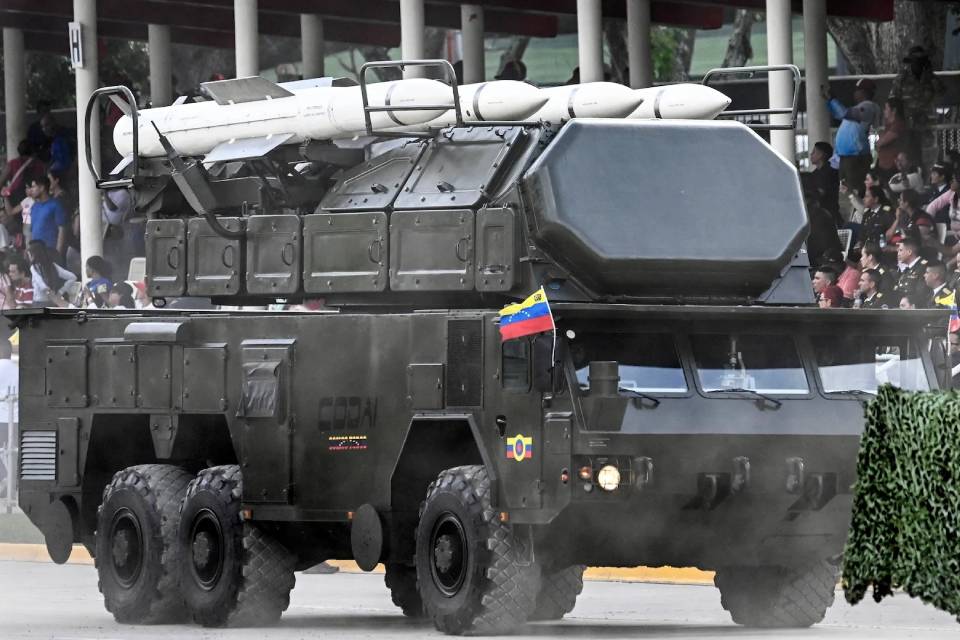
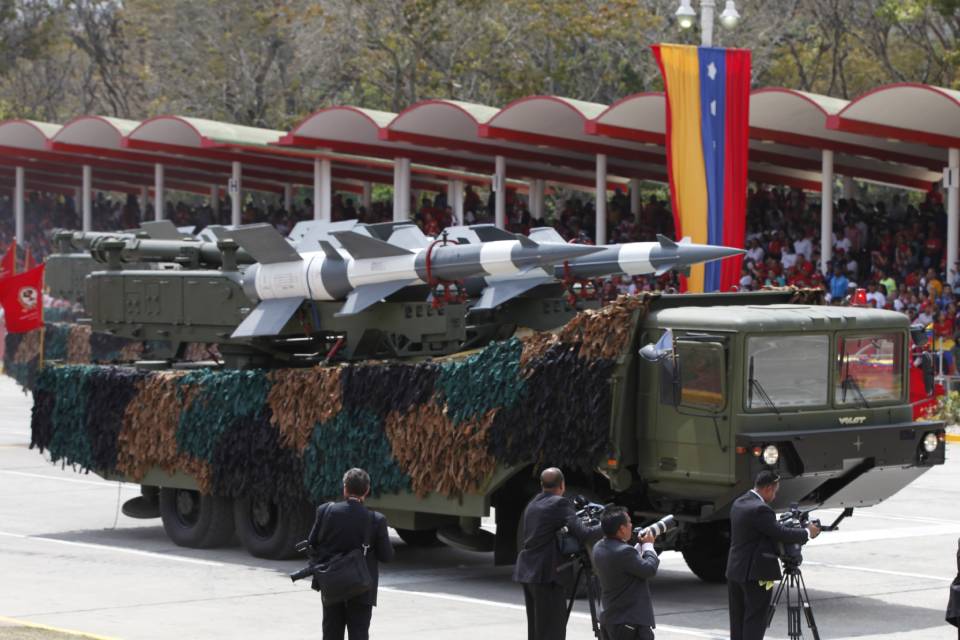
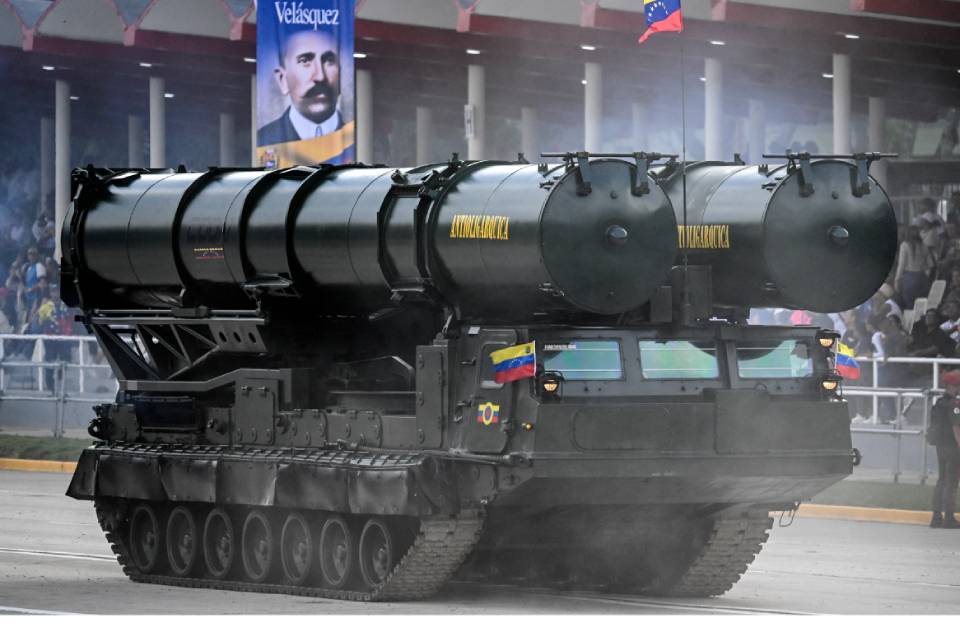
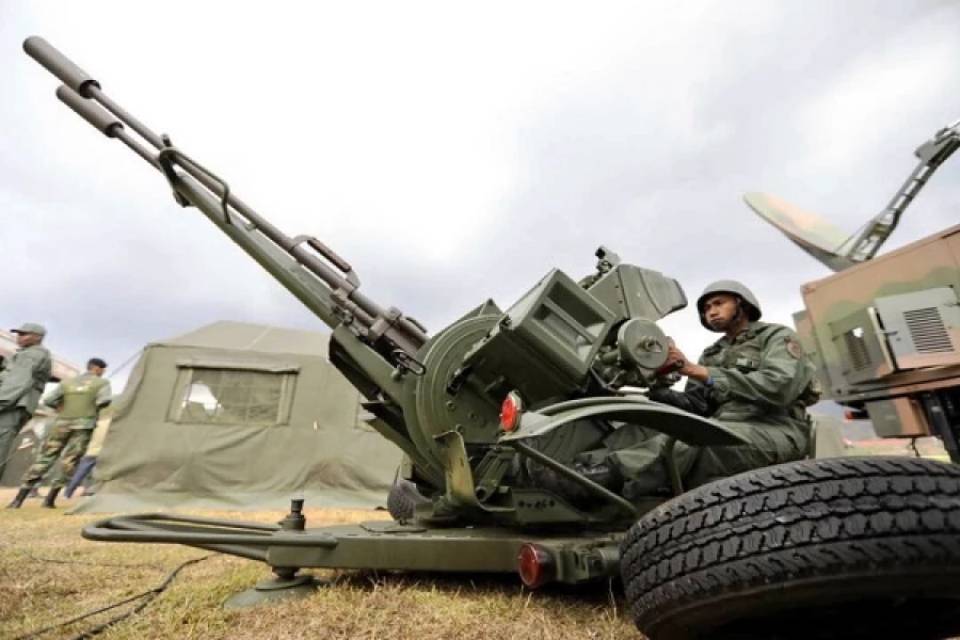
FANB operates several air defense systems, the most prominent of which include BUK-M2E missile launchers, S-125 Pechora, S-300 systems, and ZU-23 anti-aircraft cannons, in addition to portable Igla-S systems.
The Wall Street Journal, citing US government sources, reported that the operation in Caracas was carried out by the Army’s elite Delta Force unit—the troops who captured Nicolás Maduro—and the 160th Special Operations Aviation Regiment (SOAR), known as the “Night Stalkers.” Helicopters were used both to strike targets in the capital and to transport troops executing the mission.
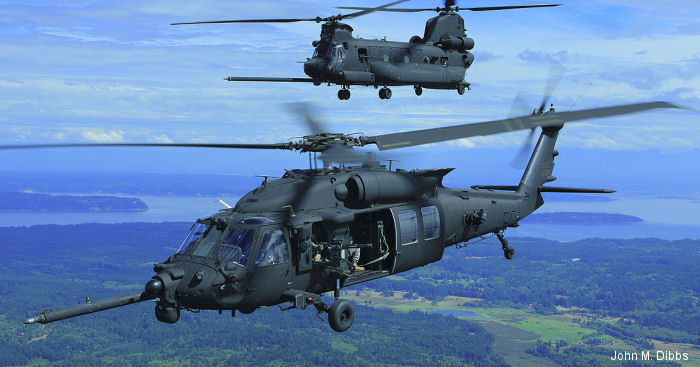
The 160th SOAR operates Chinook (MH-47G) and Black Hawk helicopters (MH-60M for transport and the heavily armed MH-60M DAP). These aircraft were captured on video by Caracas residents during the early hours of January 3, as shown in this compilation:


Since October 2025, the presence of the 160th SOAR in the Caribbean had been reported, specifically in Trinidad and Tobago, where helicopters were observed flying. There has been no official admission that Operation “Absolute Resolve” included takeoffs from that country (Venezuela’s eastern neighbor) while Trinidadian authorities denied any involvement.
All the locations attacked during the early hours of January 3 were of military interest. In every case, US fire targeted air defense equipment such as BUK or ZU-23 systems, as well as radar installations.
Communications systems were also struck, including those used by the Venezuelan Armed Forces through the Tetra border security system (Terrestrial Trunked Radio), a closed and encrypted military command network referenced during military exercises. This system relies on microwave antennas located in elevated areas.
Port of La Guaira
As early as the dawn of Saturday, January 3, videos circulated showing damage at the Port of La Guaira, both from a distance—revealing evidence of bombardment—and up close at street level with the first visible destruction. Witnesses reported that the attack occurred at 1:56 am. This compilation of videos shows the impacts:

The strikes hit the commercial pier at La Guaira, where warehouses and shipping containers are stored. At least one BUK-M2E anti-aircraft missile platform was stationed there, according to port workers who confirmed this to journalists.
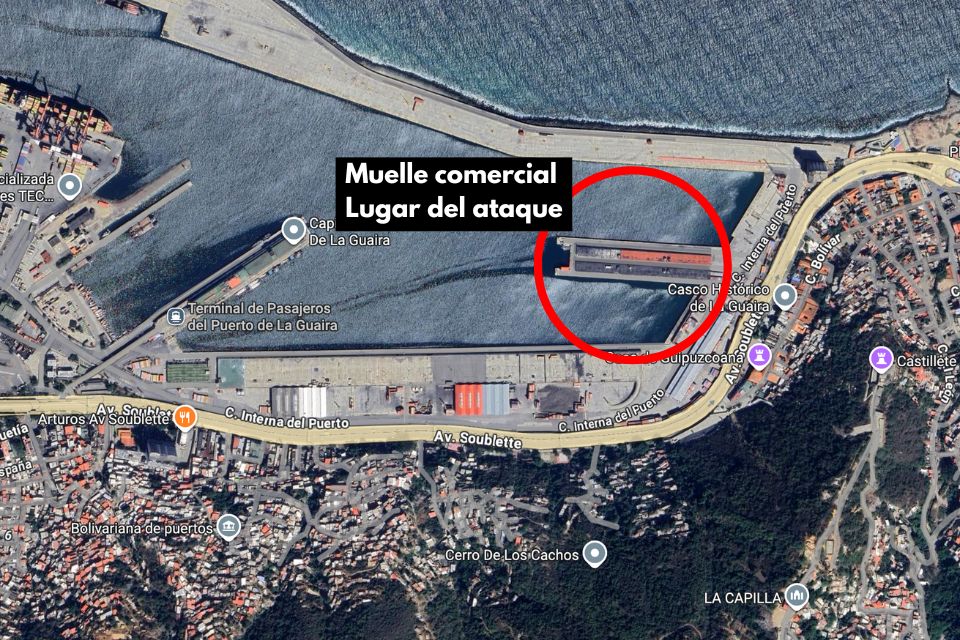
The equipment had been deployed during the “defense against the empire” exercises held in the last quarter of 2025. Official government narratives claim that the US attack targeted dialysis and chemotherapy supplies stored at the site. However, even in the video released by Governor Alejandro Terán making that allegation, destroyed military equipment is clearly visible—including fragments of an unused defensive missile:

Additionally, Bolipuertos workers told journalists that the medical supplies were stored in areas without signage or identification indicating sanitary materials.
La Carlota
The Generalísimo Francisco de Miranda air base also housed air defense systems. On November 26, images surfaced showing Russian-made BUK-M2E systems at the facilities located east of Caracas, next to the Francisco Fajardo highway. Deployment of these systems had begun a month earlier, coinciding with reports of US military aircraft flying near Venezuela’s coastline.
ZU-23 anti-aircraft artillery systems were also stationed at the base, as seen in a video shared by the FANB in October 2025.
When daylight broke on January 3, the remains of one BUK-M2E system were visible in the same location where it had been months earlier. There is no confirmation that it was activated or operated during the early hours of January 3. According to technical specifications, these systems have their own radar and can simultaneously engage up to 24 aerial targets at distances of up to 20 kilometers.
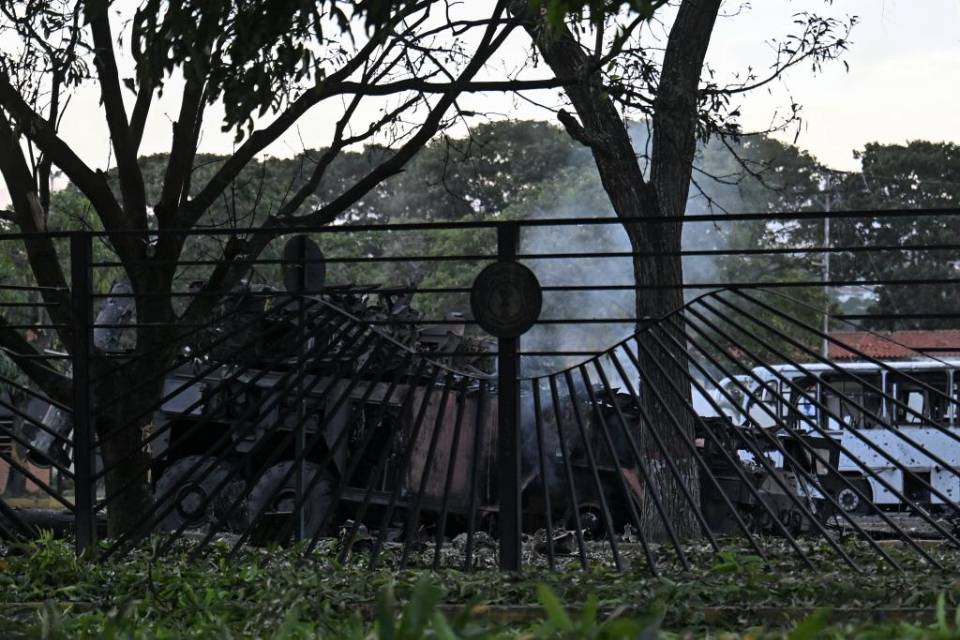
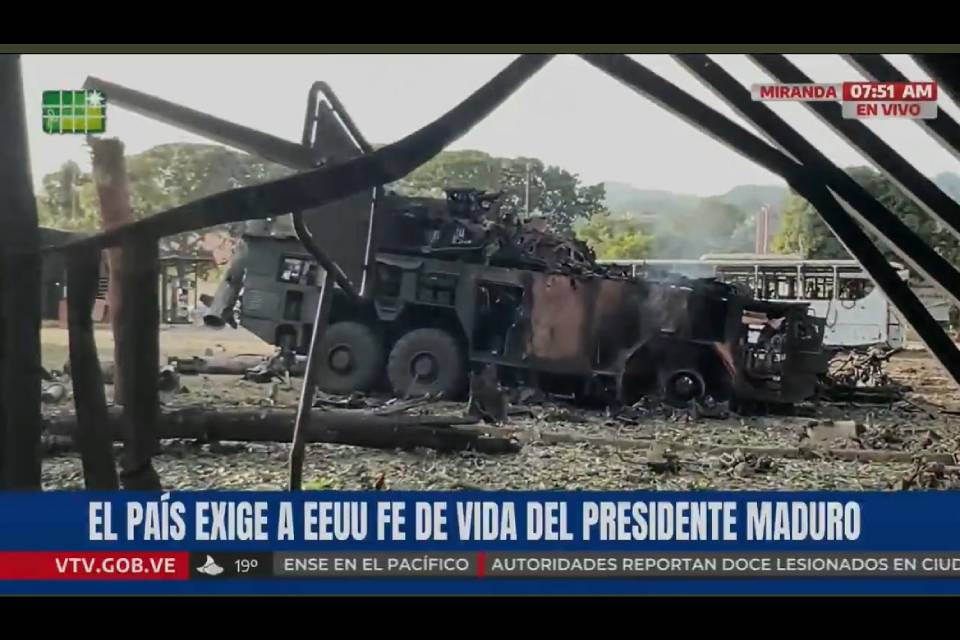
The runway and other military facilities, such as Army hangars, were not affected. Post-attack images confirm that a small aircraft and a truck were left blocking the runway, and burn marks were visible in grassy areas.
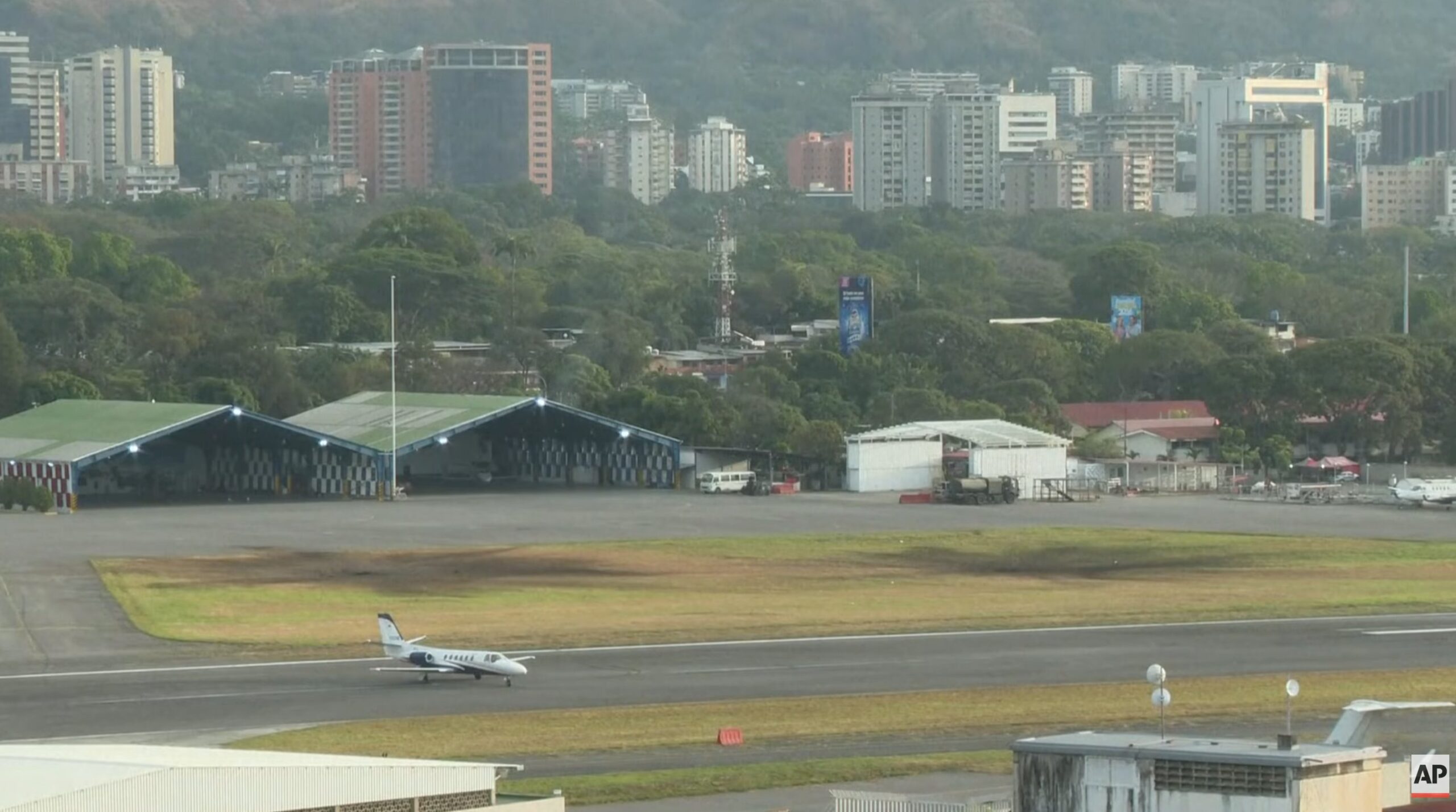
The positioning of the aircraft and truck is consistent with training exercises publicized by the Venezuelan government in October 2025. In those drills, officials showed that during an evacuation of La Carlota, equipment would be placed across the runway to disable it (for example, to prevent the landing of foreign troops) while BUK and ZU-23 batteries would be relocated. On January 3, there is evidence only of the former.
At least one Lucas drone, a guided explosive device known for its distinctive buzzing sound, was used in the attack on La Carlota. This is confirmed by a video recorded by a Caracas resident showing the impact on the base, located thanks to its proximity to the visible Torre Británica and the Caracas Palace Hotel in Altamira in the background:

Higuerote Airport
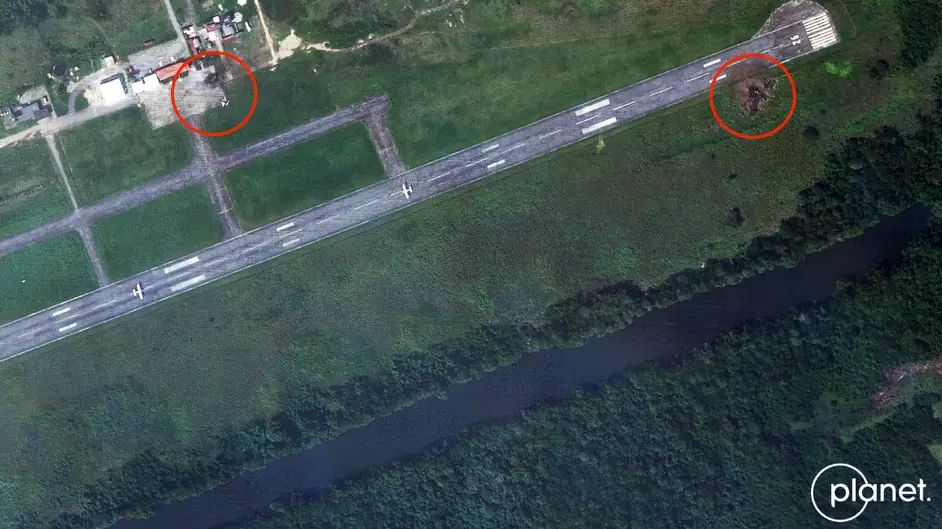
Before 1:50 am, the first impacts were recorded at Higuerote Airport, making it the first site attacked by the US. Individuals familiar with the location told TalCual that at least BUK-M2E systems were destroyed there, as shown in these videos recorded later that morning after the fires had been extinguished:

Sources added that a third BUK-M2E was also rendered inoperable at the airfield, along with three anti-aircraft artillery systems. An abandoned civilian aircraft was destroyed as a result of the defensive system’s explosion, as also visible in the footage.
Another video recorded during the night shows fireballs forming arcs in the sky above Higuerote Airport—believed to be anti-aircraft munitions stored at the site exploding and burning after the US strike.

Two rounds of attacks were carried out at Higuerote Airport, as military vehicles were positioned at two different points on the airfield. This was confirmed to TalCual by a source familiar with the site, who also stated that no military personnel were present there that morning, as well as by testimony from a local resident recorded by CNN en Español.
Cerro El Volcán
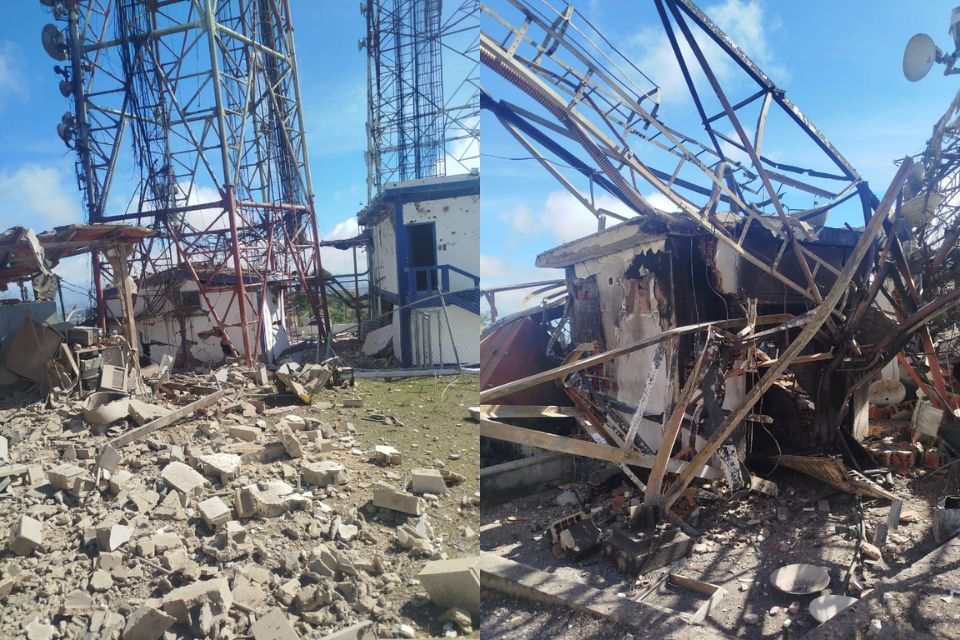
Another site hit was Cerro El Volcán, in southeastern Caracas. The hill is known for its concentration of transmission antennas that take advantage of the elevation to maximize coverage. Television repeaters operate from the site, and it is presumed that military-use antennas were also present, including those required for the Tetra system used in strategic defense communications.
Not all infrastructure at the site was destroyed. Post-attack images show that several civilian-use antennas remained standing.
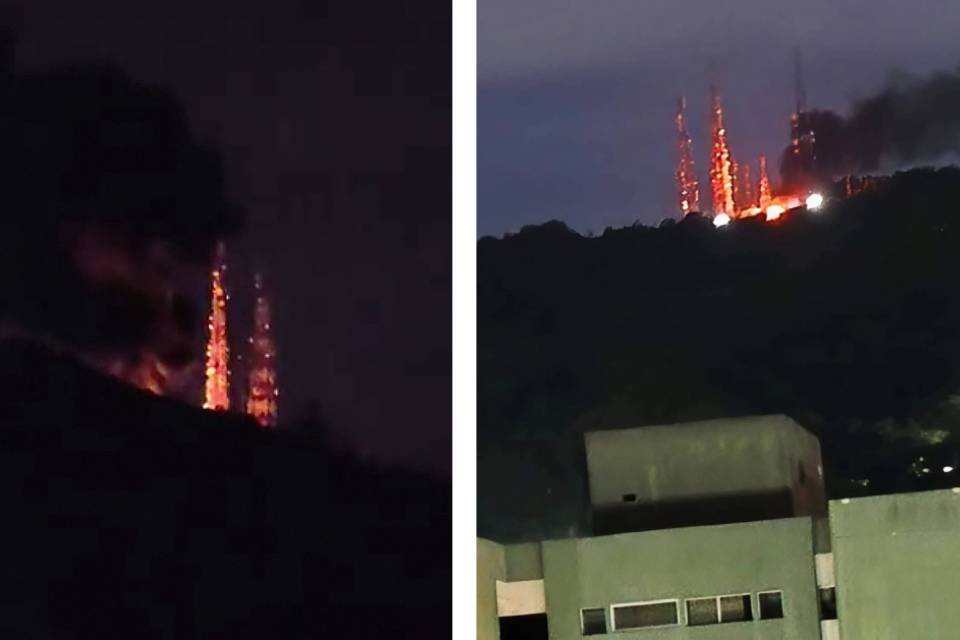
Arturo Berti told La Hora de Venezuela how he and his family witnessed a missile fall into the garden of their three-story home on Calle 4 in La Boyera. It was the first of three impacts he counted. “After that, there was a second explosion and then a third. I think the second was El Volcán, where the telecommunications and TV antennas are. I heard a third explosion that I also assume was there. It was horrifying,” he recounted.
The impact damaged several homes, as shown in a video published by Amanda Lucci on YouTube.
The attack on El Volcán left one civilian dead: Yohanna Rodríguez Sierra, 45 years old.
Carmen de Uria
Carmen de Uria, in La Guaira state, was also attacked. There, at a training camp, the Venezuelan Army had positioned BUK air defense vehicles as well as artillery to repel aerial attacks.
In January 2025, the Lieutenant Colonel Eliécer Otaiza Special Forces Training Complex was inaugurated in Carmen de Uria. The facility was designed to train special tactical command units of the Bolivarian National Police (PNB) and the Armed Forces. It was also intended to strengthen defense and security capabilities under a “civilian–military–police” approach, which involves security forces acting in conjunction with government supporters. Two anti-aircraft batteries were deployed at the site.
Videos released on official platforms showed these systems aimed toward the sea, particularly ZU-23 artillery training exercises conducted in late October 2025. In another video showing two missile launchers, a military officer even pointed out to Telesur where camouflaged military equipment was located.

After January 3 and the US operation, photographs taken during the week—in broad daylight—show the remains of military equipment at the site, where Interior Minister Diosdado Cabello had previously appeared activating a militia training field.
A CICPC officer who visited the area on the morning of Saturday, January 4, told TalCual that “they didn’t hit the base itself” and that the attack was precise, targeting air defense equipment. Those weapons were positioned beside the “Cristo del Brazo Caído” church, a site frequented by civilians for prayer.
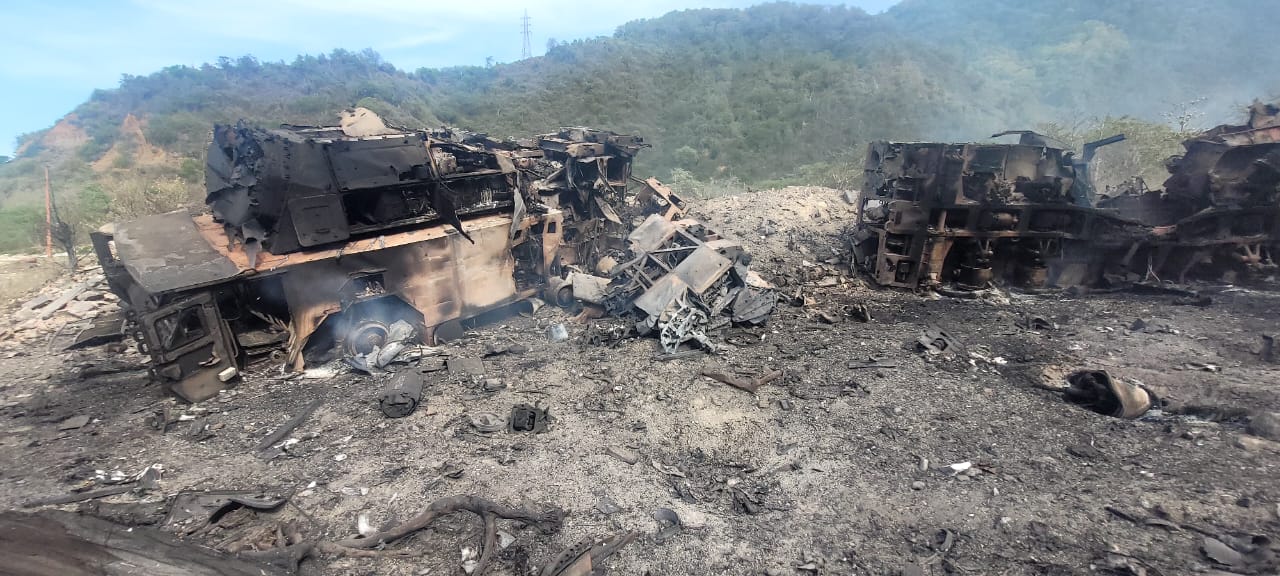
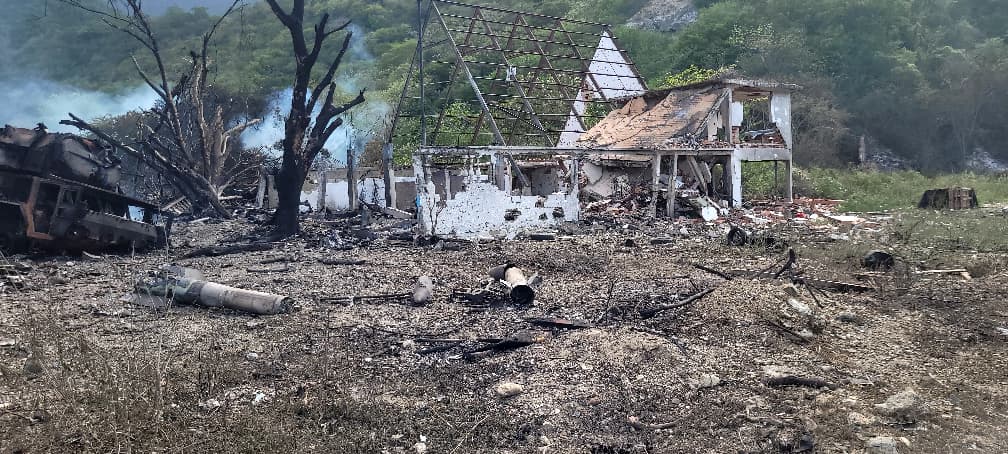
Marine Infantry at the Mamo Plateau, La Guaira
One of the locations where the US attack left the clearest evidence was the Mamo Plateau in La Guaira state. A naval base housing the Marine Infantry Command and the Bolivarian Navy Academy is located there.
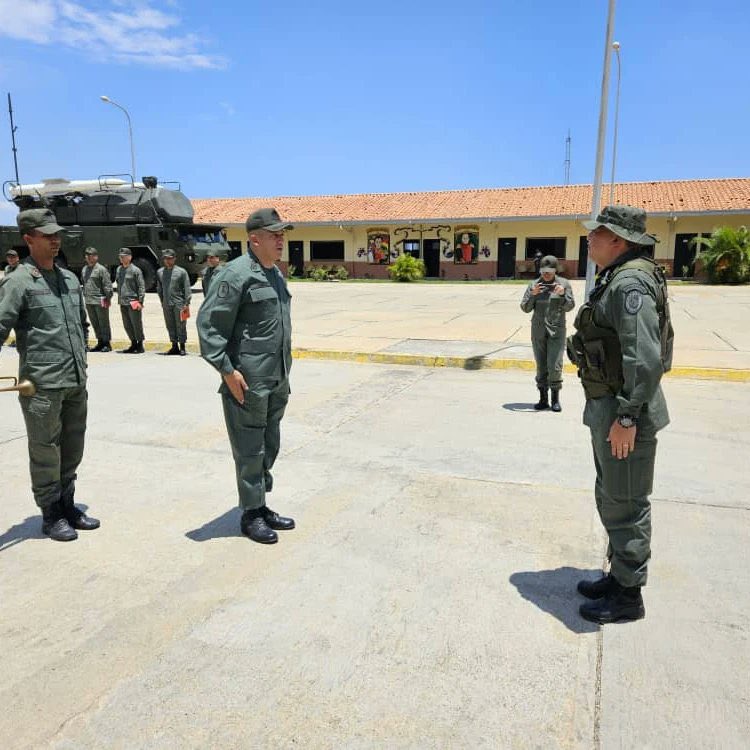
In 2023, photos released by FANB documented a visit by the ZODI La Guaira commander to the base, showing the presence of a BUK-M2E system.
During the early hours of January 3, this site was one of the most heavily targeted. Civilian recordings from nearby areas show multiple detonations, as well as the launch of an anti-aircraft projectile, presumably a BUK missile.
Here is a compilation of those videos:

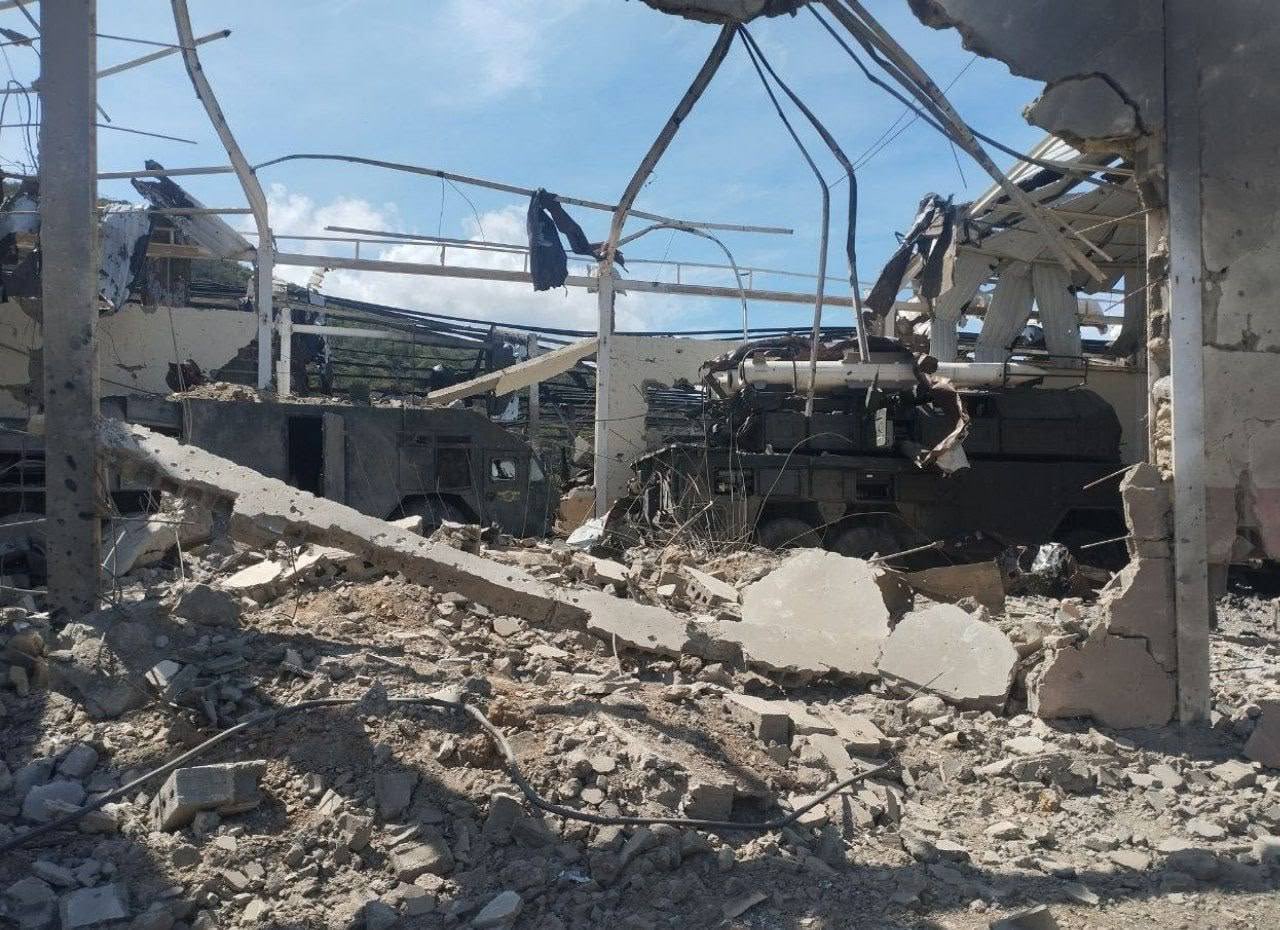
Social media videos show at least four damaged air defense systems stored under a shelter. Some of the equipment, however, remained potentially repairable.
Photographs also document the extent of the damage while indicating that several air defense units were not operational or were never activated that day.
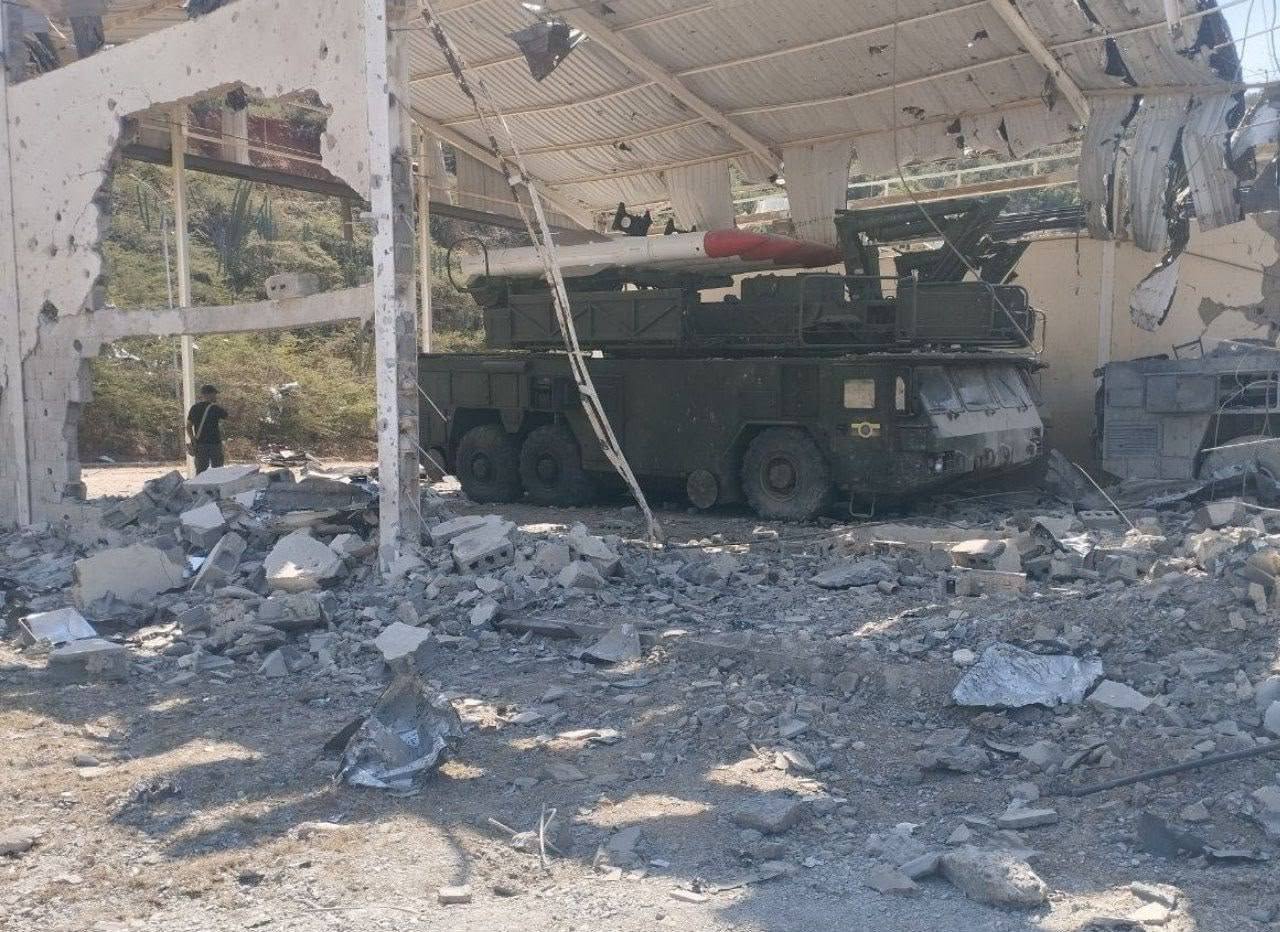
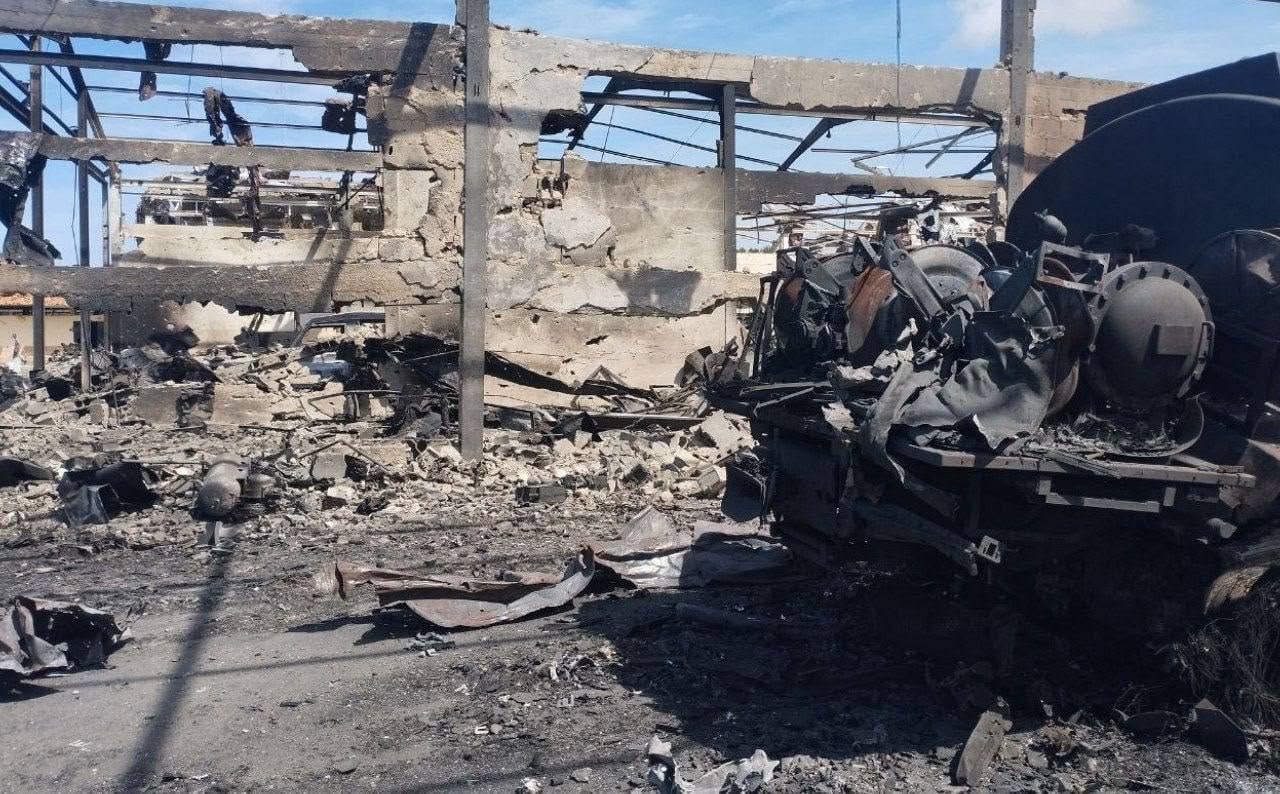
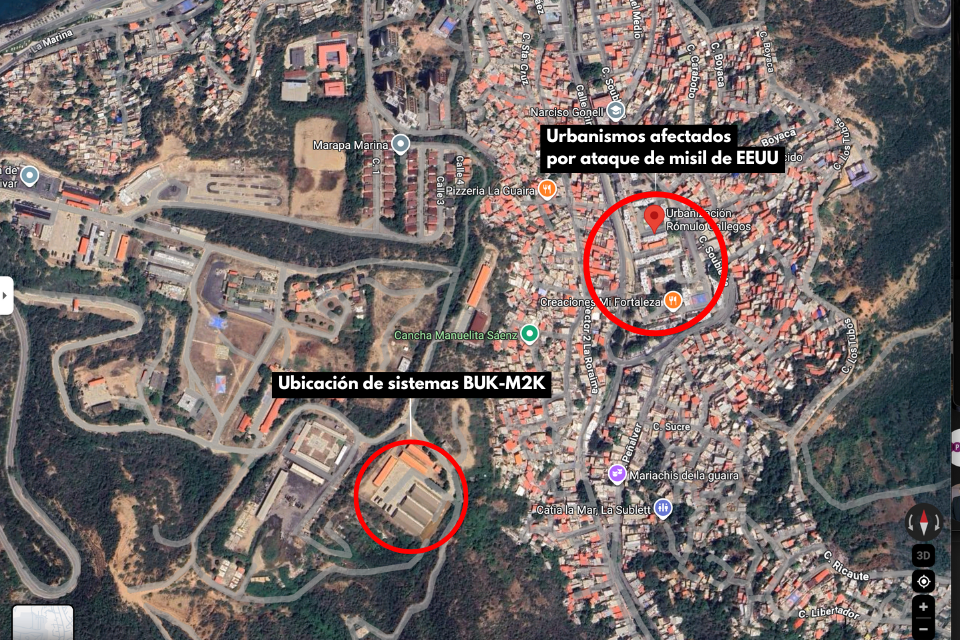
Near the Mamo naval base lies the Rómulo Gallegos housing development in Catia La Mar, where eight homes were destroyed during the US attack after one of the missiles launched in the area fell directly into this civilian zone. The affected building is located about 500 meters from the military installation. One civilian, 70-year-old Rosa González, was killed.
Fuerte Guaicaipuro
US airstrikes also reached the Valles del Tuy region. During the early hours of January 3, social media users initially claimed the metropolitan airport had been bombed. Subsequent evidence showed that the target was instead Fuerte Guaicaipuro, a military installation.
At least two BUK-M2E missile launchers and a radar system—used to identify targets—were stationed there, as shown on television during an official broadcast in October 2025.

The site also housed a BUK-M26 missile launcher and other defense systems. It is the second-largest military base around the Caracas metropolitan area and is home to the 392nd Air Defense Missile Group “Captain Manuel Gual.” A Tetra network antenna was also located there.
A video recorded by a nearby resident shows at least two strikes. The second displays the same ground-level cluster explosion seen in Higuerote, possibly indicating that Venezuelan weaponry detonated when struck by US munitions.
Altos de Irapa, El Junquito
The US attacks also hit a radar base in El Junquito, though no major structural damage was reported. At least three homes suffered shattered windows, and two strong impacts were felt in the area.
An official confirmed to TalCual that a captain stationed at the radar base—located at the highest point of the Altos de Irapa neighborhood, with broad views of the Caribbean Sea—was killed in the offensive. The location was also ideal for installing a Tetra communications antenna, in addition to a military radar seen in a video shared on X on October 10, 2025.
The first strike on the El Junquito radar base occurred at exactly 1:57:13 am, and the second at 1:57:39 am. As explosions echoed across Caracas, a neighbor was heard shouting, “The war has started,” in a video recording.
Venezuelan Institute for Scientific Research (IVIC)
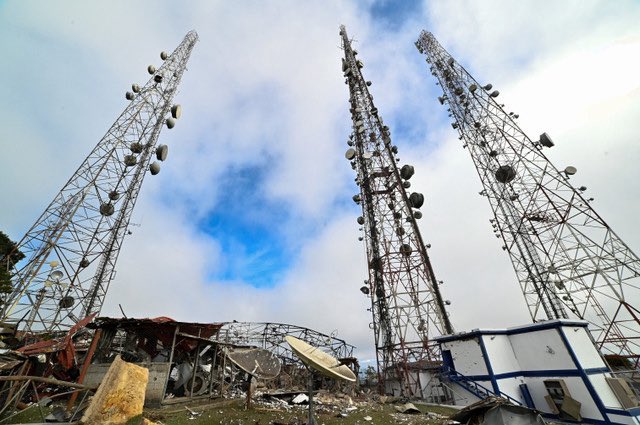
Communications antennas at the Venezuelan Institute for Scientific Research (IVIC), located at kilometer 11 of the Pan-American Highway in Miranda state, were reduced to rubble after being struck during the US military operation to capture Nicolás Maduro.
The explosions abruptly awakened residents of San Antonio de los Altos and surrounding areas. “The blast was extremely loud. We jumped out of bed running, not understanding what was happening,” a resident of the Los Salias neighborhood, just meters from the scientific complex, told local outlet El Tequeño.
By morning, twisted metal antennas, charred equipment, and craters were visible. The site was allegedly used to host military antennas for the Tetra system due to its strategic location and elevation.
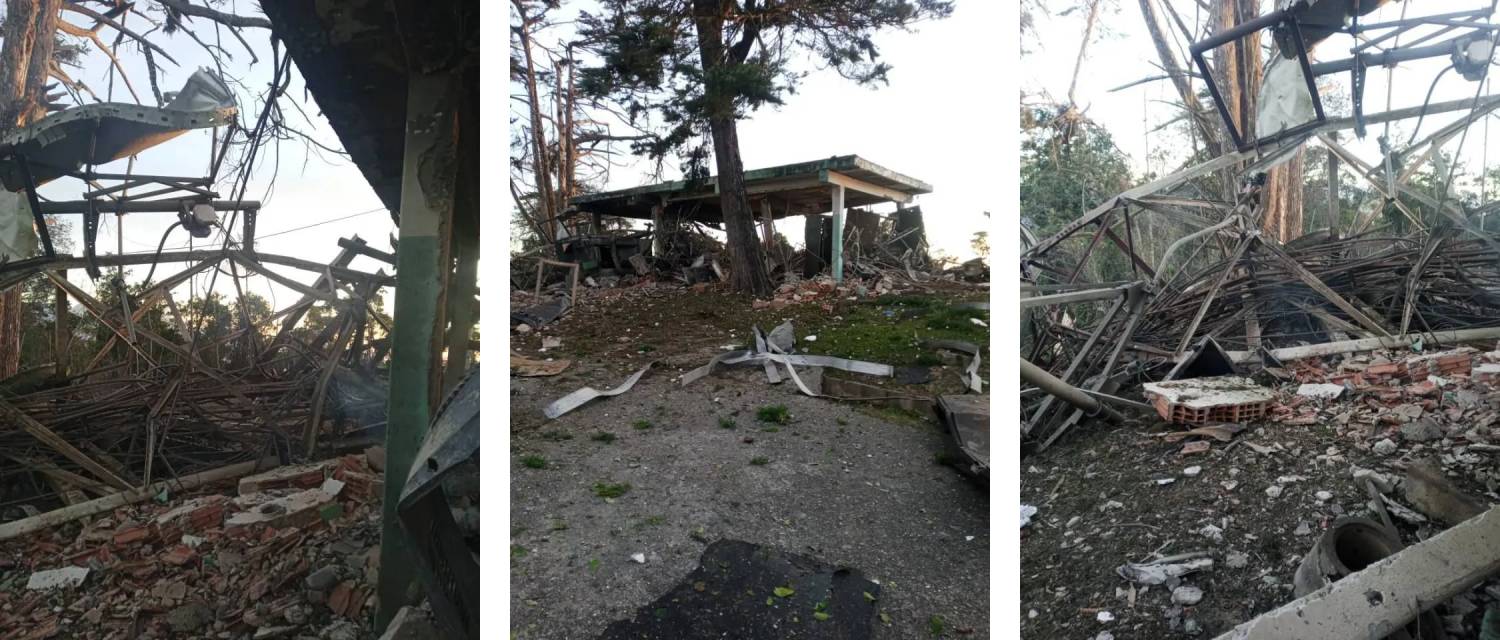
The Ministry of Science and Technology reported that four scientific research centers located in adjacent buildings were affected by the attack on IVIC facilities.
Cajigal Observatory – Militia Command
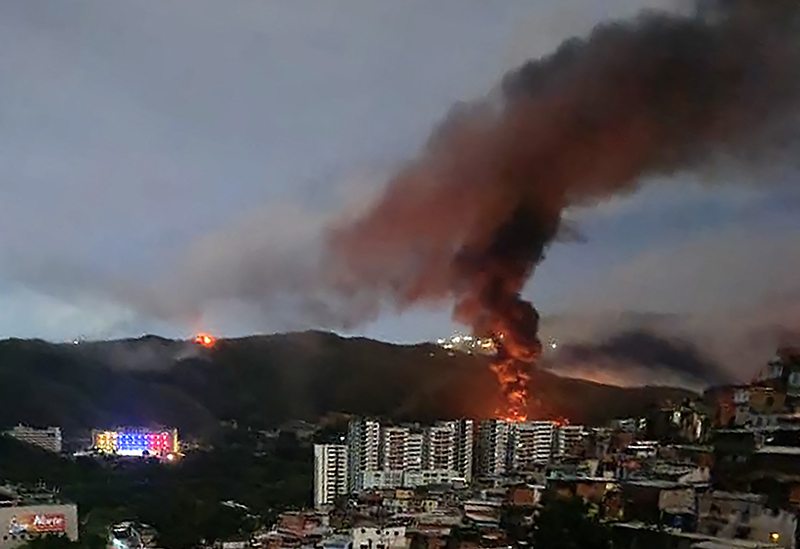
As explosives continued to fall during the early hours of January 3, accompanied by the sound of helicopters and advanced drones used by the US in its attack on Venezuela, social media speculation spread about the supposed destruction of the Cuartel de la Montaña, the former Military History Museum turned Hugo Chávez mausoleum.
As hours passed and daylight arrived, it became clear that the infrastructure struck was not the mausoleum itself but another site roughly 500 meters away. The confusion stemmed from the angle at which the fire was seen during the night. The Cajigal Observatory burned that night.
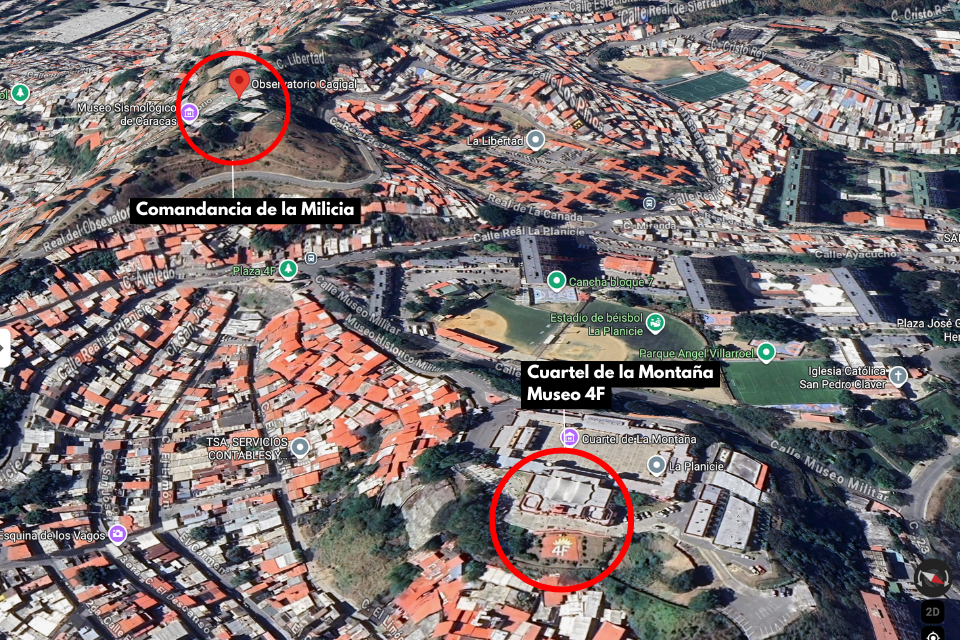
The site occupies a strategic, elevated location and houses the Bolivarian Militia Command, as well as a communications facility used by the military Tetra system. It is also believed that ZU-23 anti-aircraft artillery was installed there.
Fuerte Tiuna
The central focus of the US attack in Caracas was Fuerte Tiuna, home to multiple military battalions and the location where Maduro was staying overnight. The site has been described as a safe house or “bunker,” equipped with its own power plant, reinforced entrances, and other protective features.
The strike also hit the Ribas Group 397 at Cuartel Ribas, which was equipped with Igla-S (MANPADS) air defense systems. Fuerte Tiuna is perhaps the location where the clearest evidence of Venezuelan forces’ response remains. Social media users showed that some air defenses were activated, and a sergeant testified that the Ayala and Bolívar battalions were hit.
Here is a compilation of those videos:

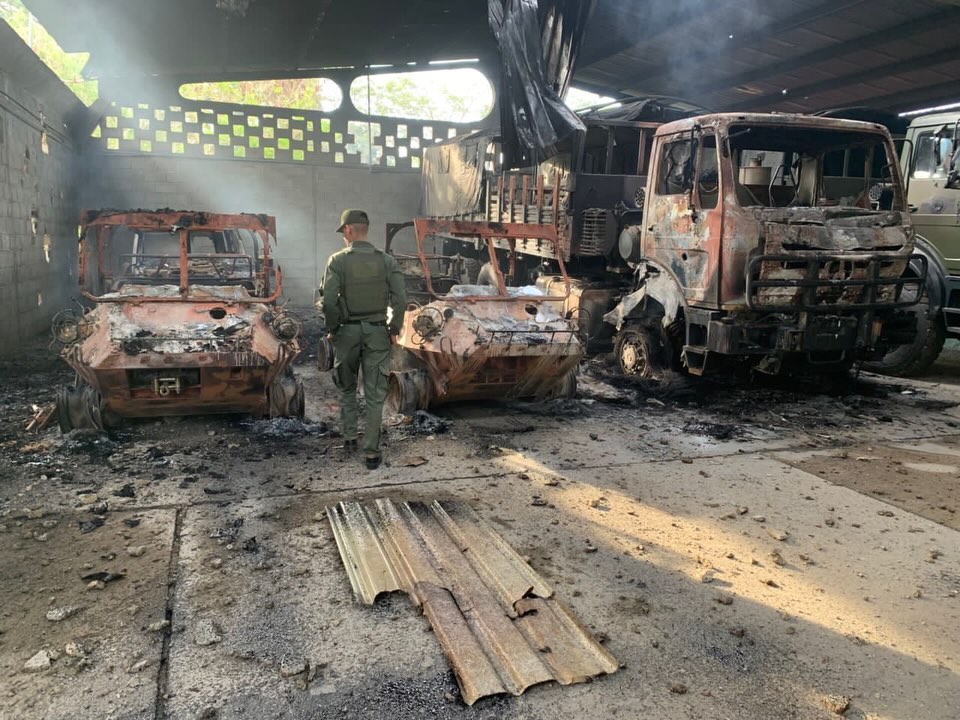
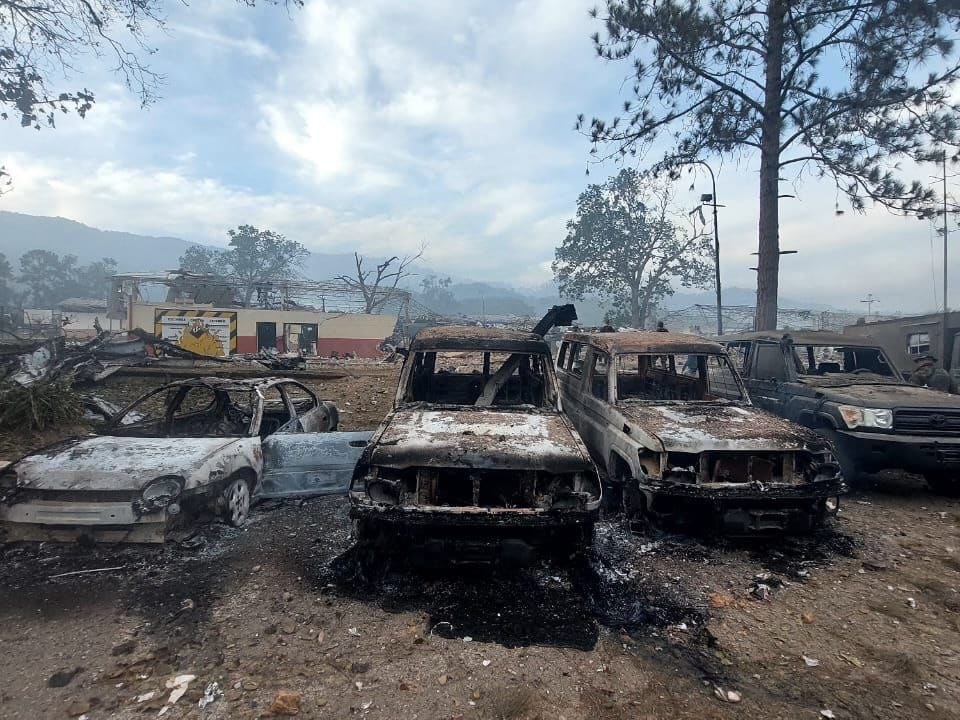
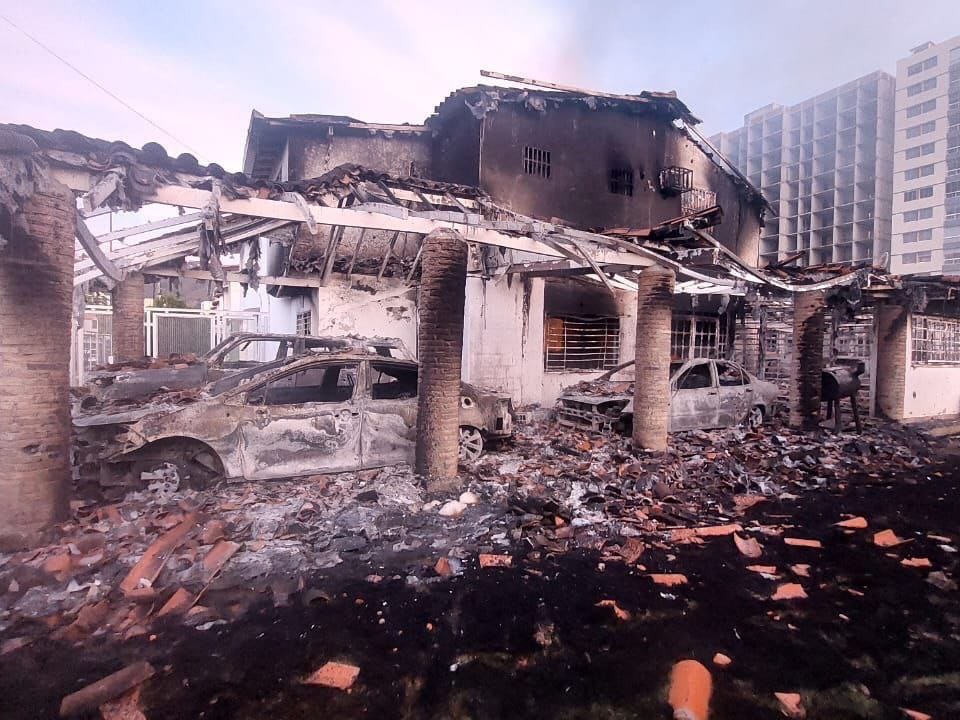
Other targets were struck with precision, including a small electrical substation supplying part of the complex.

Satellite imagery compilations show buildings destroyed during the US attack on Fuerte Tiuna.
Corpoelec substations
The US attack also affected at least two electrical substations in Caracas as part of efforts to plunge Fuerte Tiuna into darkness—a measure consistent with infiltration and extraction operations.
The Ministry of Electric Energy reported on the morning of Saturday, January 3, that the Panamericana and Escuela Militar substations, which supply electricity to Fuerte Tiuna and surrounding areas, were hit. Minister Jorge Márquez stated that the damage was irreparable.
The US military attack in Venezuela ended with the capture of Nicolás Maduro and left “more than one hundred” people dead. The Army and Militia reported 24 uniformed personnel killed, publishing obituaries in Instagram stories on their respective accounts. Monitor de Víctimas and La Hora de Venezuela have identified 78 fatalities, including 42 Venezuelan military personnel, 32 Cubans, and four civilians.
Journalism in Venezuela is practiced in a hostile environment for the press, with dozens of legal instruments designed to punish speech—particularly the “anti-hate,” “anti-fascism,” and “anti-blockade” laws. This content was written considering the threats and limitations imposed on the dissemination of information from within the country.